
Type 304 Austenitic Stainless Steel (18/8)
Resistance
Weldability
Quality
Understanding Type 304 Austenitic Stainless Steel (18/8): The Basics
304 stainless steel belongs to the austenitic stainless steel family and is one of the most widely used stainless steel grades in the world. It accounts for more than half of global stainless steel consumption. It is also commonly referred to as 18/8 stainless steel, a name that comes from its typical composition of around 18% chromium and 8% nickel.
304 is often described as a general-purpose stainless steel or an all-around stainless steel. That reputation does not come from being the absolute best in one single property, but from its well-balanced performance across several key areas, including corrosion resistance, formability, and weldability.
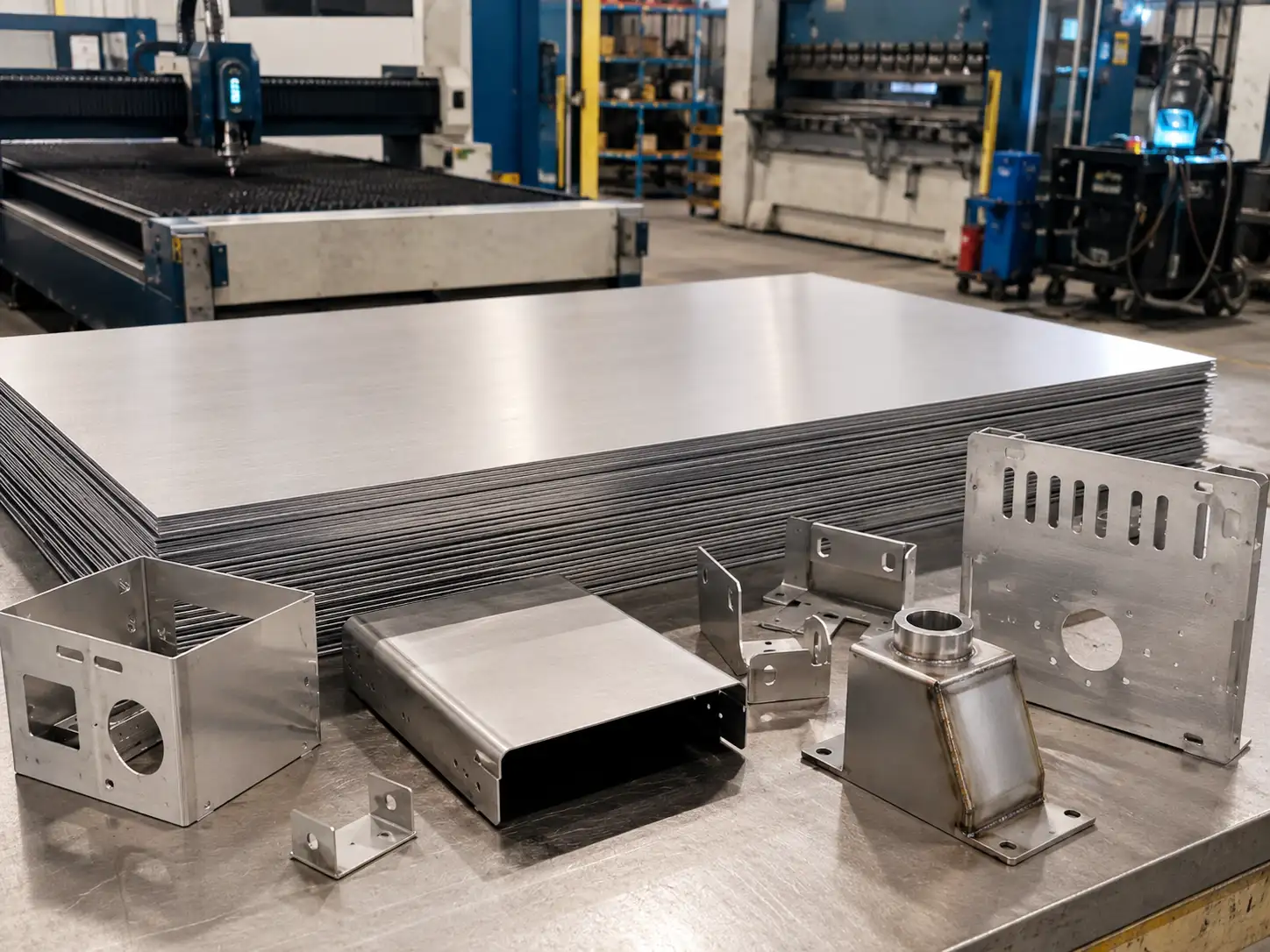
Main Performance Characteristics of 304 Stainless Steel
Common Standards and Grade Systems for 304 Stainless Steel
Different countries and regions use different naming systems for 304 stainless steel, which can often cause confusion in trade and technical communication. That is why it is important to understand the main equivalents.
It is also worth noting that although the names may differ across standards, the underlying material system is broadly the same. Even so, these designations should still be checked carefully during procurement, because materials with similar or equivalent grade names may still differ slightly in chemical composition and mechanical property requirements depending on the standard.
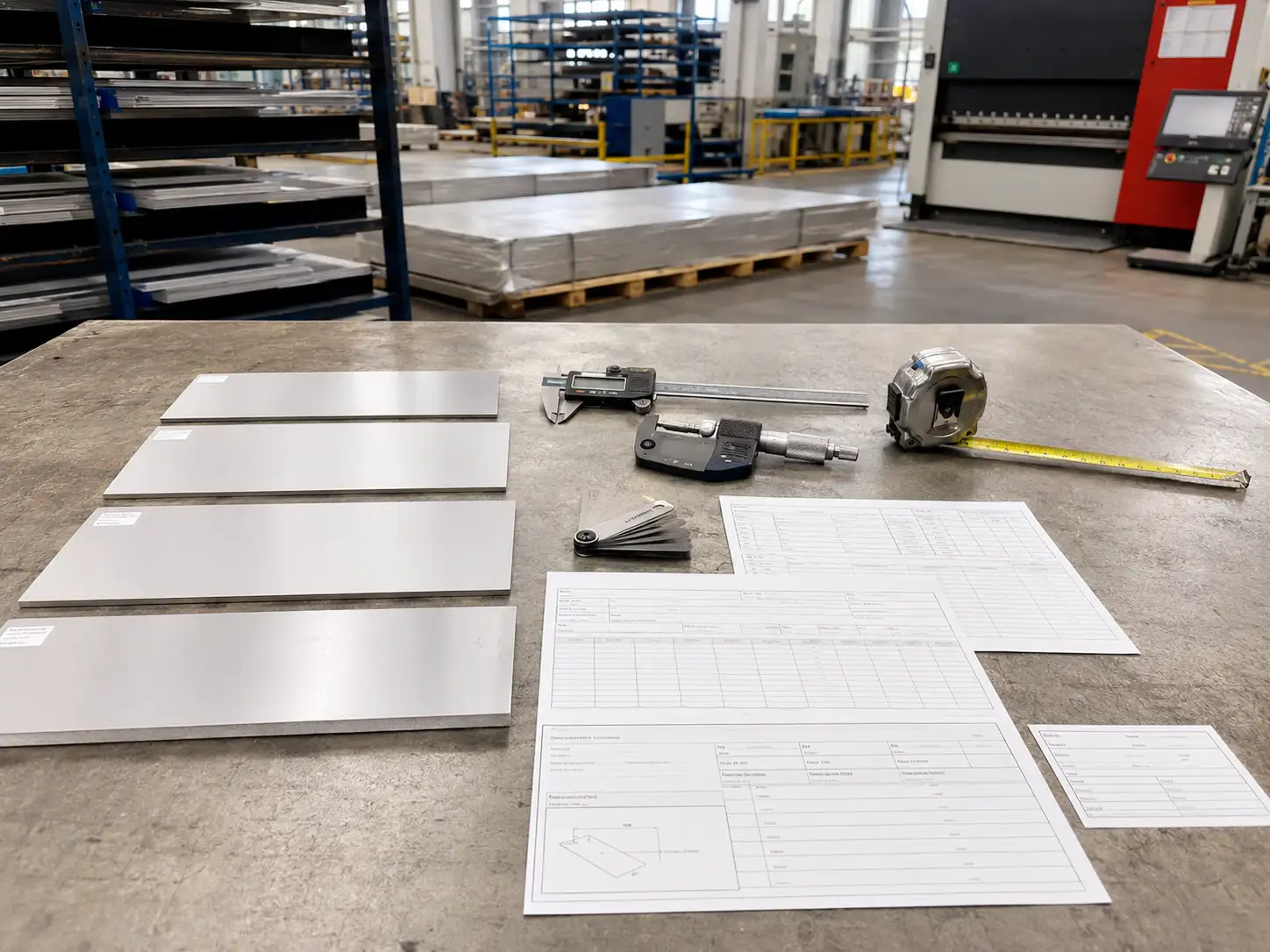
International Standards and Common Grade Equivalents for 304 Stainless Steel
| Standard System | Common Grade | Equivalent Designation | Notes |
|---|---|---|---|
| ASTM / AISI | 304 | Type 304 | The most common English designation |
| UNS | S30400 | Unified Numbering System | Often used together with ASTM 304 |
| EN | 1.4301 | X5CrNi18-10 | Common European designation |
| JIS | SUS304 | — | Common Japanese designation |
| GB (common marking) | 06Cr19Ni10 / S30408 | — | Commonly seen in Chinese product labels and technical documents |
Chemical Composition and Microstructural Characteristics of 304 Stainless Steel
The key alloying elements in 304 stainless steel are chromium and nickel. Chromium forms a dense passive film on the surface of the material. This chromium oxide layer is what gives 304 its strong corrosion resistance. Nickel helps stabilize the austenitic structure, improving toughness, formability, and overall processing performance.
The austenitic structure gives 304 stainless steel the following characteristics:
- Good ductility and formability: highly suitable for deep drawing, bending, and other cold-forming processes
- Good low-temperature toughness: suitable for use in low-temperature environments
- Usually non-magnetic: however, during cold working, part of the austenite may transform into martensite, which can cause the material to become slightly magnetic. This is an important characteristic and is sometimes misunderstood as a sign of poor material quality, when in fact it is a normal result of processing.
| Element | Common Content Range | Main Function | Effect on Performance |
|---|---|---|---|
| C | 304: ≤0.07; 304L: ≤0.03 | Controls susceptibility to intergranular corrosion | 304L is better suited to projects involving more welding or greater sensitivity to post-weld corrosion resistance |
| Cr | Approx. 17.5–19.0% | Forms the passive film | The foundation of corrosion resistance |
| Ni | Approx. 8.0–10.0% | Stabilizes the austenitic structure | Improves ductility, toughness, and formability |
| Mn / Si, etc. | Auxiliary alloying elements | Adjust metallurgical and processing characteristics | Provide supporting effects on strength, deoxidation, and formability |
Common Product Forms, Surface Finishes, and Supply Conditions of 304 Stainless Steel
304 stainless steel is available in a wide range of product forms, making it suitable for many different types of projects. Common supply forms include coil, sheet, cut-to-size plate, strip, tube, and bar. Each form is better suited to certain manufacturing methods. For example, coil is ideal for high-volume production and continuous processing; sheet and cut plate are better for cut-to-size fabrication and single-part production; strip is commonly used for stamping and deep drawing; while tube and bar are typically used for fluid handling and structural components.
Surface finish is also an important consideration when selecting 304 stainless steel. The most common finishes and their typical applications are shown below:
| Surface Finish | Appearance | Typical Applications | Processing Considerations |
|---|---|---|---|
| 2B | Smooth and bright, standard industrial finish | Industrial parts, general enclosures, containers | Avoid indentation during bending and excessive polishing |
| BA | Brighter surface with higher reflectivity | Parts requiring a brighter finish, precision instruments | More sensitive to scratching, so extra protection is needed |
| No.4 / HL | Uniform brushed or satin texture, matte finish | Decorative surfaces, appliance panels, visible parts | Keep the brushing direction consistent and protect the grain pattern |
| Mirror finish | Highly reflective, nearly flawless surface | Premium decorative applications, specialty uses | Higher cost and stricter maintenance requirements |
| No.1 | Hot-rolled, annealed, and pickled with a rougher surface | Structural parts, heavy plate, non-appearance components | Good for welding and cutting, but not suitable for visible surfaces |
304 stainless steel performs exceptionally well in the sheet metal fabrication industry, which is why it has become one of the most commonly used materials in many factories. That said, in actual production, some process-specific adjustments are still needed to achieve stable results.
Common Fabrication Processes for 304 Stainless Steel and Key Considerations
| Process | Processing Performance | Common Issues | Key Control Points |
|---|---|---|---|
| Laser cutting | Stable cut quality | Heat-affected zone, dross buildup | Optimize gas selection and cutting parameters |
| Bending | Noticeable springback | Dimensional deviation, cracking | Apply die compensation and control the bend radius |
| Stamping | Good ductility | Work hardening, wrinkling | Control lubrication conditions; intermediate annealing may be needed in some cases |
| Welding | Compatible with a wide range of processes | Post-weld discoloration, heat-affected zone issues | Control heat input and use appropriate post-weld treatment |
| Grinding and polishing | Well suited to appearance parts | Uneven surface finish, inconsistent grain pattern | Control surface quality in earlier processing steps |
| Surface protection | Can support a wide range of finishes | Scratches, contamination | Use protective film and standardized handling procedures |
How to Choose Between 304, 304L, 201, and 316 Stainless Steel
When selecting a stainless steel grade, it is often necessary to compare 304 with other similar options. Understanding the differences between these materials can help you choose the grade that best fits your application.
| Material | Corrosion Resistance | Formability | Weldability | Cost Level | Typical Applications |
|---|---|---|---|---|---|
| 304 | Good in oxidizing environments | Excellent | Excellent | Medium | Food equipment, architectural decoration, general industrial use |
| 304L | Good, with better post-weld corrosion resistance | Excellent | Excellent | Slightly higher | Welded structures, especially in corrosive environments |
| 201 | Lower corrosion resistance, more prone to rusting | Moderate | Moderate | Lower | Low-cost decorative parts, short-life products |
| 316 / 316L | Excellent, especially in chloride-containing environments | Excellent | Excellent | Higher | Marine environments, chemical equipment, medical devices |
Typical Applications for 304 Stainless Steel
304 stainless steel is used in a very wide range of applications. At one end of the spectrum, it can be found in aerospace-related equipment; at the other, it is widely used in furniture and appliance housings. In addition to its good corrosion resistance, it is also easy to clean. In most cases, dirt can be removed with a simple wipe, although stubborn stains may need to be softened first. For this reason, 304 stainless steel is widely used across many industries.
Common Applications and Material Selection Guidance for 304 Stainless Steel
| Application | Is 304 Commonly Used? | Main Reason | Key Considerations |
|---|---|---|---|
| Appliance housings and internal parts | Yes | Corrosion resistance, easy cleaning, attractive appearance | Pay attention to surface scratch protection |
| Food processing equipment | Yes | Food-safe, hygienic, easy to clean | Confirm compliance with GB 4806.9 or the applicable food-contact standard |
| Medical devices (non-implant) | Yes | Sterilization resistance, non-magnetic behavior, easy cleaning | 316L should be used for implant applications |
| Architectural decoration | Yes | Weather resistance, appearance, easy maintenance | In coastal environments, chloride exposure should be evaluated carefully |
| Industrial enclosures and support frames | Yes | Well-balanced properties and stable supply | If higher strength is required, cold working may be considered |
| Water treatment equipment | Yes | Resistant to neutral media and water vapor | In high-chloride environments, a higher-grade material may be needed |
Common Misconceptions About 304 Stainless Steel
In real-world applications, there are several common misunderstandings about 304 stainless steel. Clarifying these points can help ensure the material is used more accurately and effectively.
