
We manufacture your parts and assemblies to exact specifications with consistent quality and on-time delivery.
Get OEM Quote →to Production
We engineer and build the right solution for your application—from concept through full-scale production.
Discuss ODM Project →OEM vs ODM — What's the Difference?
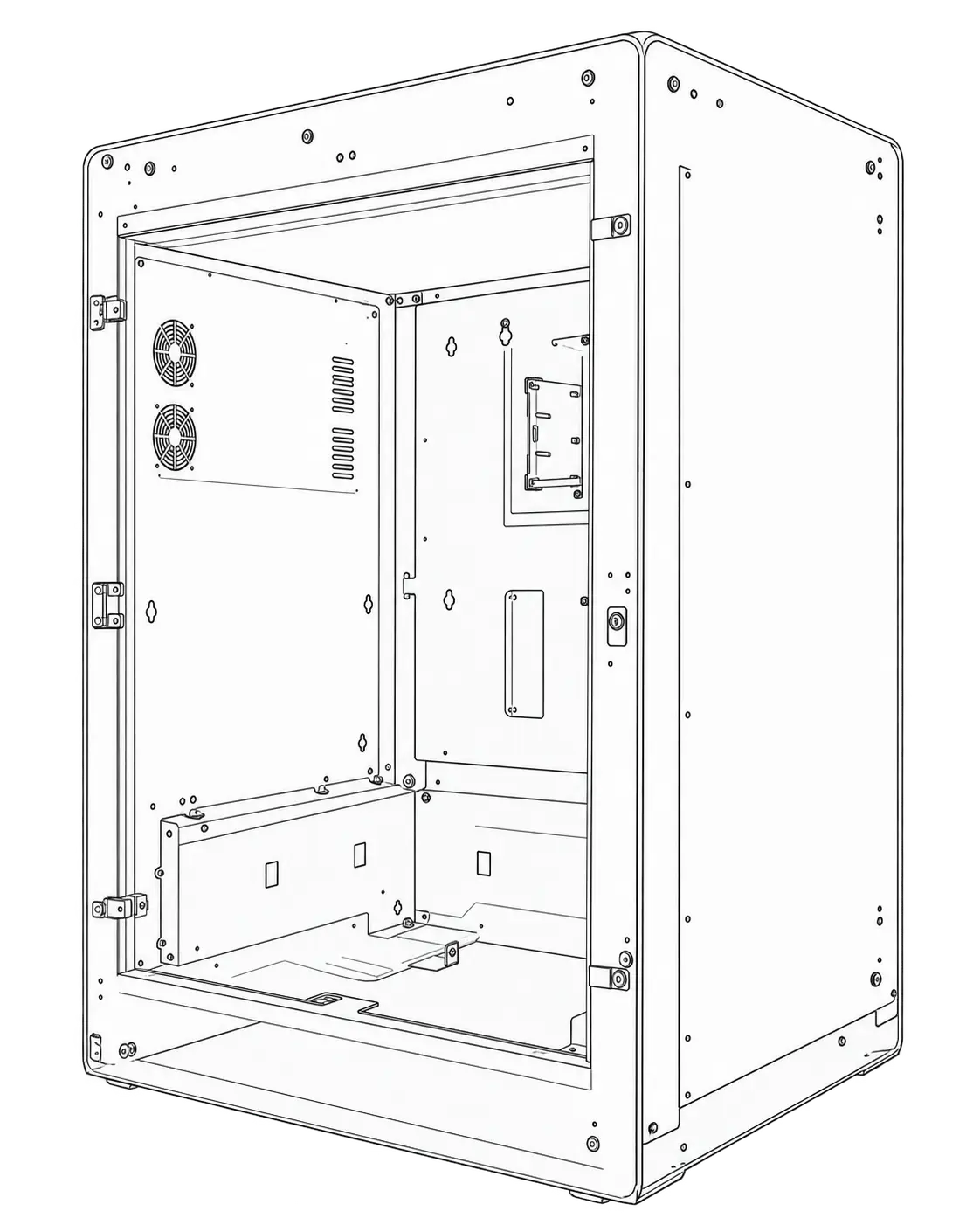
OEM (Original Equipment Manufacturing)
You Design. We Manufacture.
- You provide drawings, BOM & specifications
- We build to your exact requirements
- Ideal for replacement parts, standard products, and existing designs
- Full confidentiality & IP protection
- Scalable from prototypes to high volume
ODM (Original Design Manufacturing)
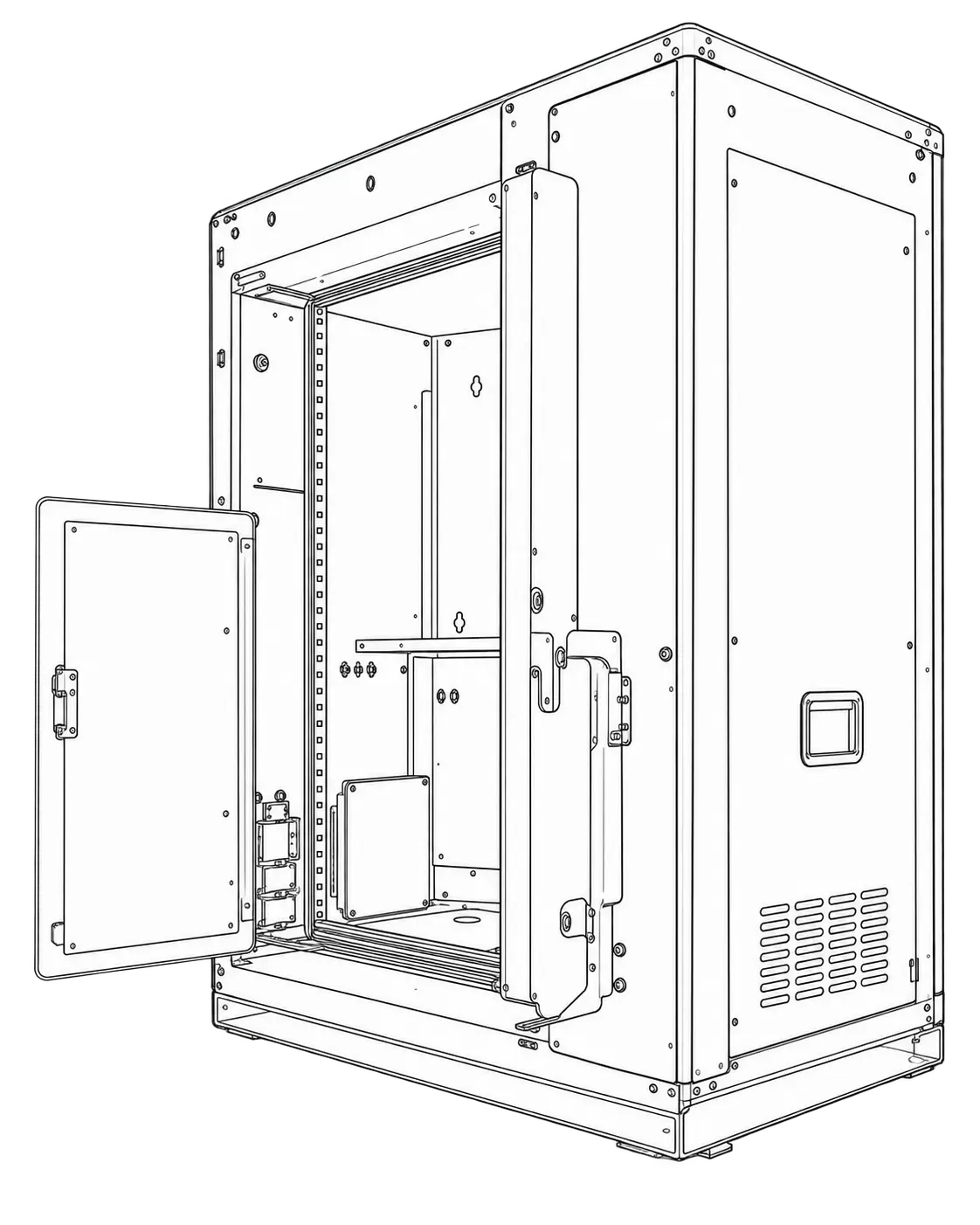
We Design. You Own.
- We help you design, engineer & optimize
- From concept and DFM to production
- Ideal for new product development and custom solutions
- Design ownership transferred to you
- End-to-end project management
Which Model Fits Your Project?
| Consideration | OEM (Build to Print) | ODM (Design to Deliver) |
|---|---|---|
| You have detailed drawings | ✓ Yes | — |
| Need engineering / DFM support | Optional | ✓ Yes |
| New product development | — | ✓ Yes |
| You want us to improve the design | Limited | ✓ Yes |
| Design ownership | You own | You own |
| Typical lead time | Shorter | Longer (includes engineering) |
| Best for | Defined, repeatable products | Innovative, custom solutions |
Engineering & DFM Support
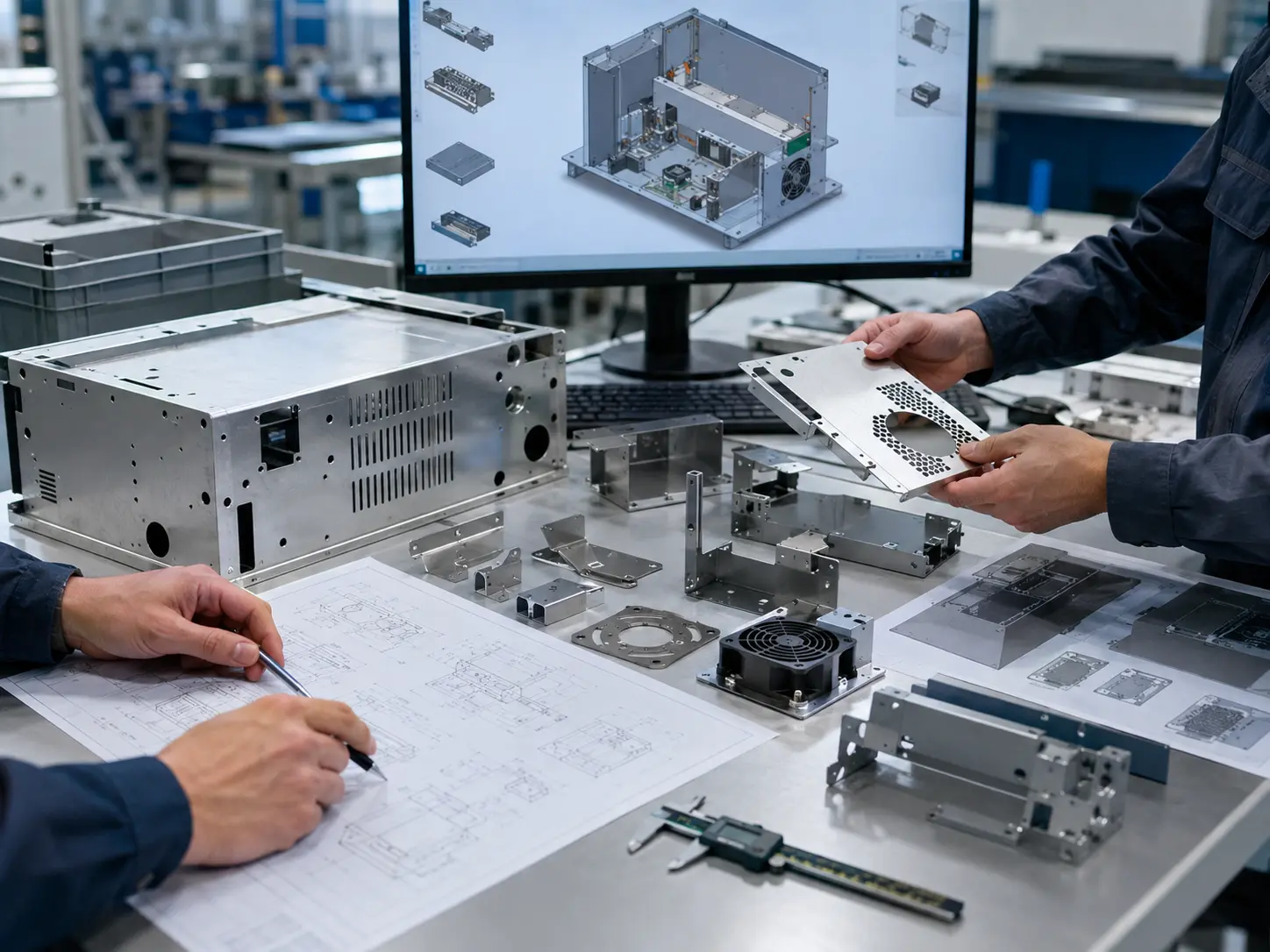
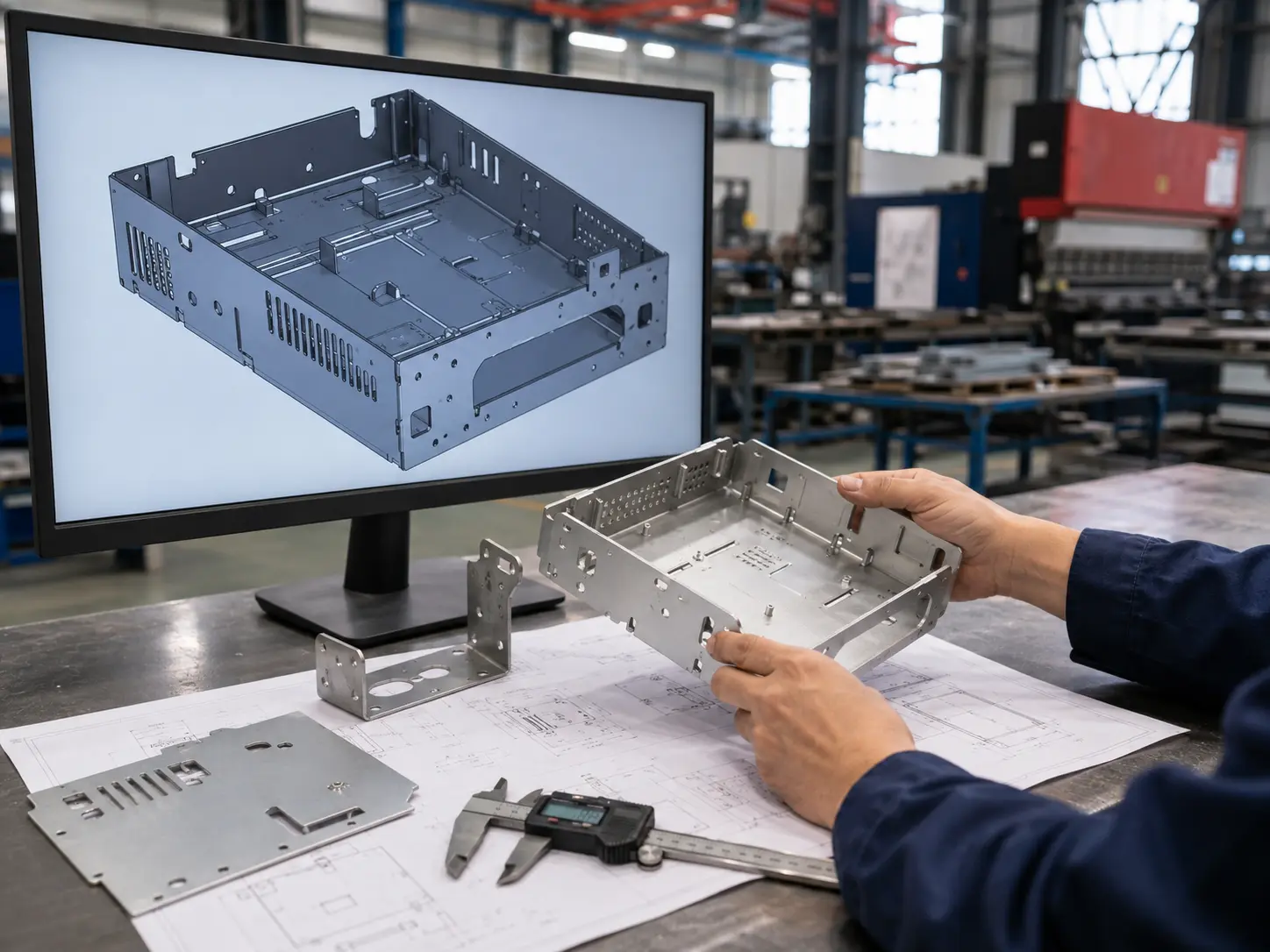
We engineer smarter solutions that are reliable, cost-effective, and built for manufacturability.
Design Review
Early feedback to improve performance and reduce manufacturing risk.
DFM Optimization
Material, process and cost optimization from the start.
Prototyping
Functional prototypes to validate form, fit and function.
Design Ownership
Full IP protection with design ownership transferred to you.
End-to-End Manufacturing Process
Understand your
requirements
Engineering &
design validation
Sourcing quality
material
Cutting, forming,
machining
Skilled welding &
mechanical assembly
Surface treatment
& coating
In-process & final
inspection
Secure packaging &
on-time delivery
Sheet Metal Materials & Thickness Capabilities
SR MFG supports the most common sheet metal materials for OEM & ODM projects. During engineering review,
we confirm material grade, surface condition, and processable thickness to ensure performance and manufacturability.
Material Overview & Processable Thickness Range
| Material Category | Common Grades | Thickness (mm) | Typical Parts / Applications |
|---|---|---|---|
| Cold-rolled steel | SPCC / DC01 / ST12 | 0.4–3.2 | Internal structural parts, frames, panel substrates |
| Galvanized steel | SGCC / SECC | 0.5–3.0 | Cabinets, enclosures, ventilation / duct parts |
| High-strength steel | DP / TRIP | 0.8–2.0 | Lightweight structures, reinforcement parts |
| Stainless steel | SUS304 / SUS316L / SUS430 | 0.5–3.0 | Food / medical housings, corrosion-resistant panels |
| Aluminum alloys | 1060 / 5052 / 6061 / 6063 | 0.3–6.0 | Lightweight enclosures, frames, decorative panels |
| Copper / brass | C1100 / H62 / H68 | 0.3–2.0 | Conductive parts, busbars, decorative fittings |
Material Library Quick Links
Final material selection depends on part geometry, forming method, surface finish, tolerance, and order quantity.
Is ODM cheaper than OEM?
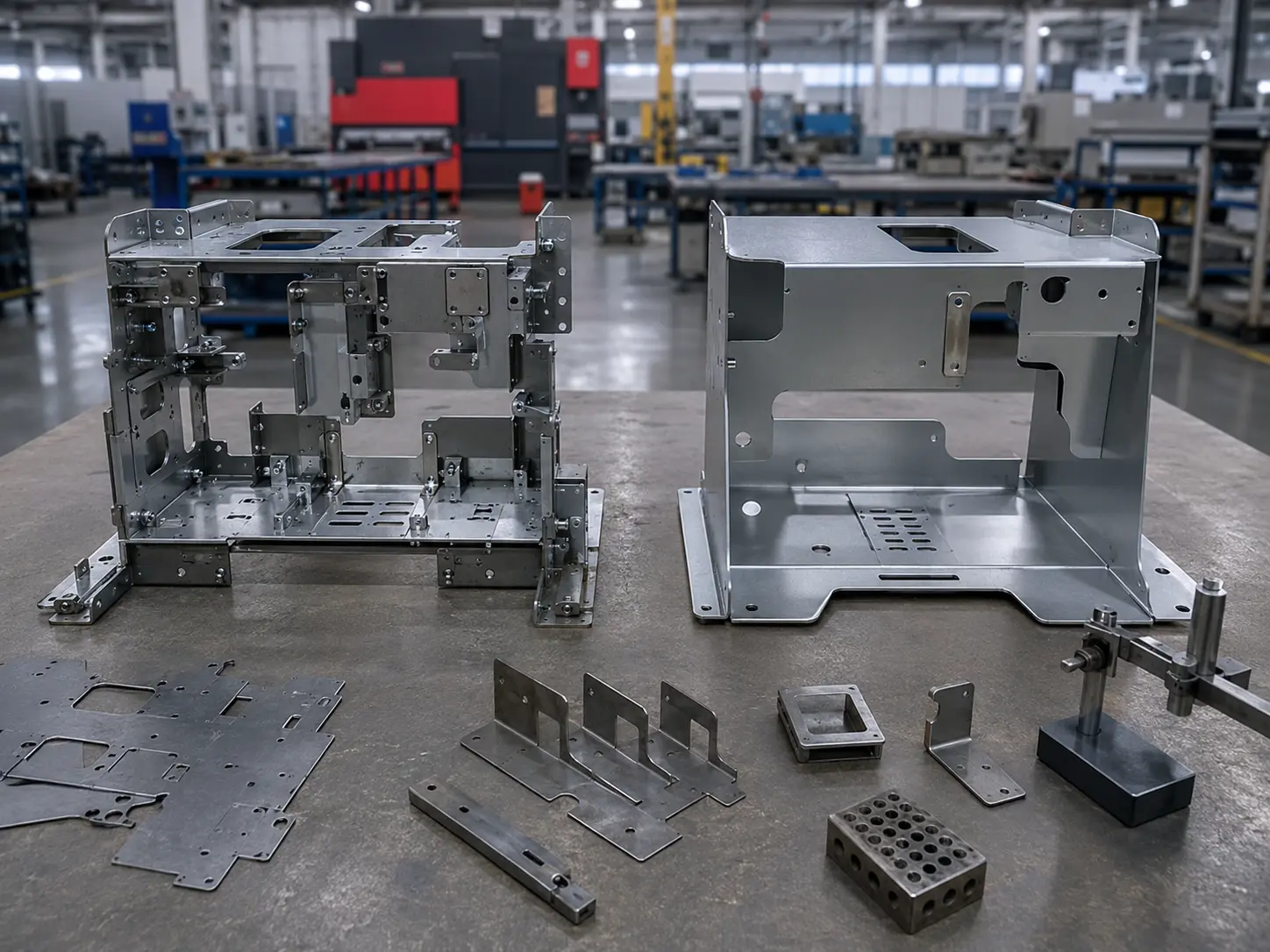
Not necessarily—and assuming “ODM is cheaper” is a common misconception. You can’t compare cost in a vacuum; what matters is total cost of ownership (TCO).
Upfront cost: ODM typically includes engineering/design fees, so the initial investment can be higher than pure OEM (in an OEM model, the customer is effectively carrying the design cost on their side).
Long-term cost: The upside of ODM is that design optimization can reduce overall cost by delivering:
- Better manufacturability (DFM): less waste and fewer rework loops
- Shorter lead times: tighter design–process alignment improves throughput
- Lower material cost: smarter material choices and more efficient structures
- Fewer late-stage changes: getting it right early helps avoid costly redesigns—or even post-launch corrective actions
These benefits are widely recognized outcomes of applying DFM early in the design phase.
So ODM isn’t automatically more expensive—in many cases, it can lower the total cost and improve execution. At SR MFG, our engineers run cost and manufacturability checks during the design phase to keep the solution commercially sound—then you simply review and sign off.
