
Abrasive Blasting Surface Finishing for Metal Parts
SR MFG provides controlled abrasive blasting for sheet metal and machined metal parts that require reliable surface preparation before painting, powder coating, e-coating, plating, or other finishing processes.
We help define the right blasting method, media, cleanliness level, and surface profile based on coating adhesion, corrosion protection, appearance requirements, and customer specifications.
Get a Custom Quote in 24 Hours
Upload your drawings for engineering review.
What Is Metal Sandblasting?
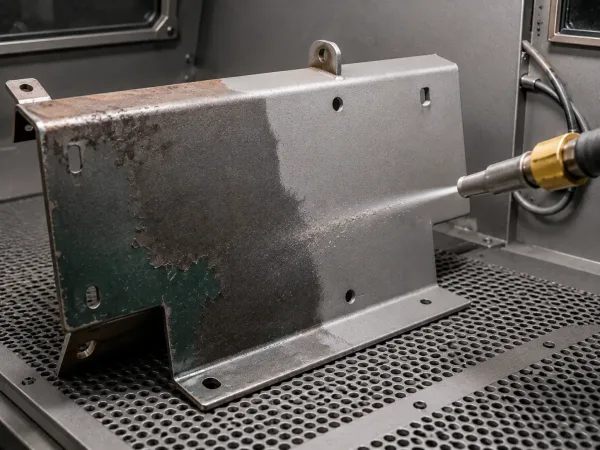
Abrasive blasting is a surface preparation process that propels abrasive media at high velocity onto metal parts to remove rust, mill scale, old coatings, and other contaminants. It creates a controlled surface roughness (anchor profile) that enhances coating adhesion and delivers consistent, uniform cosmetic results.
The final result depends on the right combination of abrasive media selection, equipment, and process control, ensuring the proper balance of cleanliness, profile depth, and surface integrity for each application.
Pros and Cons of Abrasive Blasting
Advantages
- Quickly removes rust, scale, and old coatings.
- Improves coating adhesion with a controlled anchor profile.
- Supports matte or textured cosmetic finishes.
- Process settings can be tuned for different part requirements.
Limitation / Risks
- 1 Over-blasting can damage delicate edges or thin parts.
- 2 Residual dust or media must be cleaned before coating.
- 3 Consistency depends on surface-profile and cleanliness control.
- 4 Dust control and operator safety measures are required.
Applications of Metal Sandblasting (Abrasive Blasting)
Typical blasting applications depend on substrate material, cleanliness target, surface profile, and downstream coating or assembly requirements.
Medical & Laboratory Equipment
Used for housings, instrument panels, sterilizer covers, and metal parts that need a clean, uniform surface before coating or finishing.
New Energy & Battery Equipment
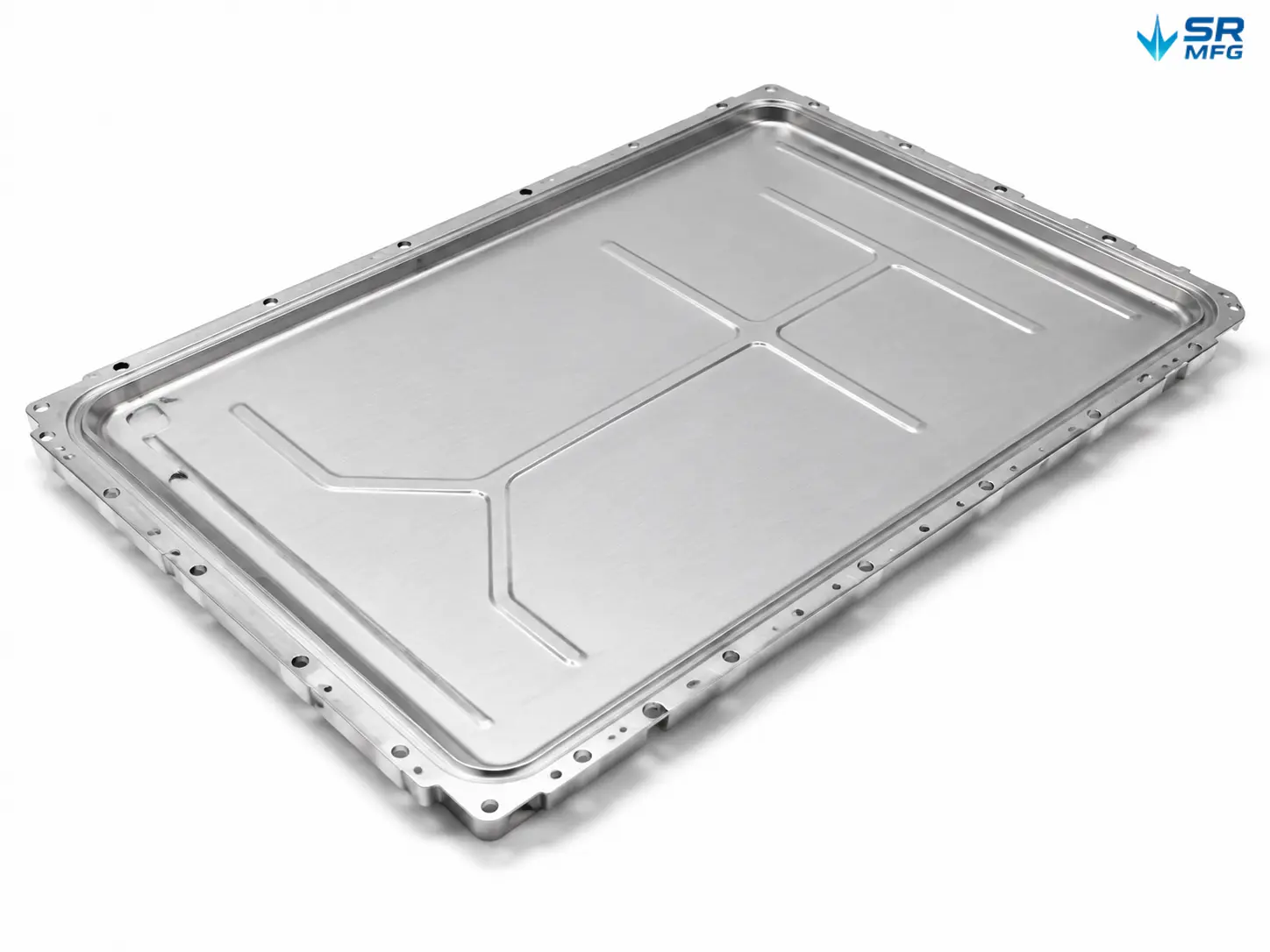
Applied to battery enclosures, PV mounting parts, EV components, and cabinet structures to improve coating adhesion and surface consistency.
Automotive & Machinery Parts
Suitable for chassis parts, wheels, brackets, castings, and structural components requiring rust removal, prep, or textured finishes.
Electronics & Precision Enclosures
Common for metal housings, panels, and precision parts that need controlled surface roughness and cosmetic uniformity.
Industrial Equipment & Frames
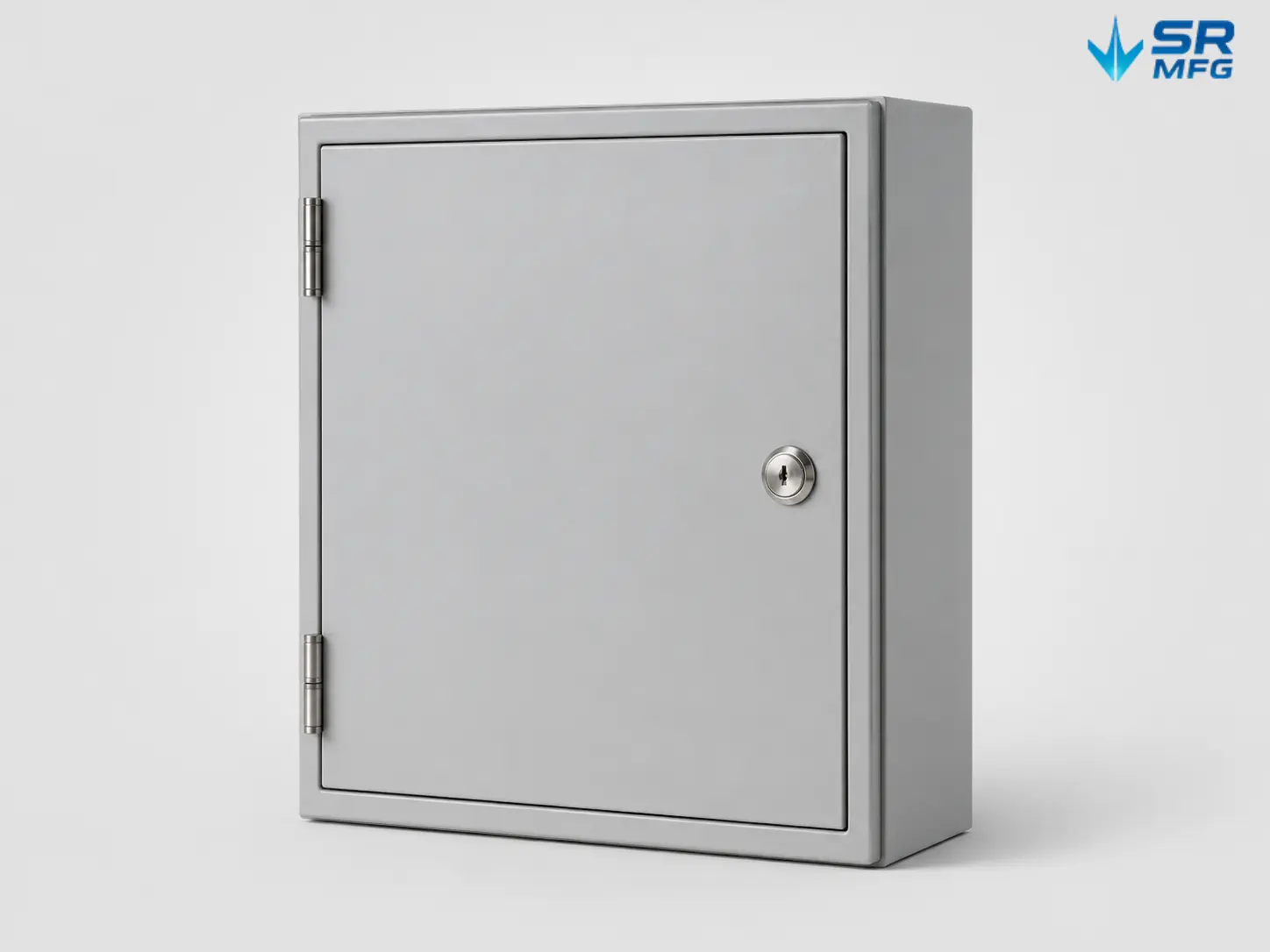
Used on equipment frames, welded assemblies, cabinets, and fabricated parts before powder coating, painting, or protective finishing.
Coating Pretreatment
An effective pretreatment step for removing rust, old coatings, scale, and contaminants while creating an anchor profile for better adhesion.
Engineering Note: Final blasting requirements should be matched to material type, cleanliness grade, surface profile target, cosmetic expectation, and downstream coating system.
What Problems Does Metal Sandblasting Solve?
Abrasive blasting helps solve common surface-preparation, adhesion, and consistency issues before coating or finishing
Rust, Scale & Old Coatings
Surface contamination can reduce adhesion and final appearance.
Removes rust, mill scale, weld spatter, and old coatings to create a clean substrate.
Cleanliness can be checked against ISO 8501-1 when required.
Poor Coating Adhesion
Smooth or contaminated surfaces can lead to peeling, blistering, or weak coating performance.
Creates a controlled anchor profile for painting, powder coating, and protective finishes.
Surface profile can be checked using ISO 8503 or ASTM D4417 methods.
Minor Burrs & Weld Residue
Light burrs, weld residue, and sharp edge feel can affect assembly and cosmetic quality.
Selected media and tuned parameters improve edge feel and surface consistency.
Visual inspection and approved samples define the acceptable finish.
Batch-to-Batch Variation
Manual prep and uncontrolled blasting can create inconsistent production results.
Controlled parameters help standardize surface preparation for repeatable output.
Process records, sample approval, and inspection criteria help maintain consistency.
Engineering note: Verification can include cleanliness review, surface profile checks, and optional adhesion or salt spray validation when specified.
How We Select the Right BlastingMethod
Dry Abrasive Blasting
Best for: Rust, scale, old coating removal, and high-throughput surface preparation.
Note: Requires dust collection and post-blast cleaning.
Wet Abrasive Blasting
Best for: Lower dust, cosmetic surfaces, and controlled matte finishes.
Note: Drying and flash-rust prevention must be managed.
Vacuum Blasting
Best for: Localized repair, sensitive areas, and controlled containment.
Note: Lower productivity than open blasting.
High-Pressure Water Jetting
Best for: Removing loose rust, old coatings, and contaminants with less dust.
Note: Usually does not create the same anchor profile as abrasive blasting.
Final method selection depends on substrate material, required cleanliness grade, surface profile target, coating system, part geometry, and inspection requirements.
Metal Compatibility for Abrasive Blasting
Different metals respond differently to blasting media, pressure, and surface-profile targets. Select the method based on substrate sensitivity and downstream finishing needs.
Common Steel Substrates
Best Fit- Ideal for rust, scale, and old coating removal
- Common for structural steel and general fabricated parts
- Supports coating prep and anchor profile creation
Stainless Steel
Suitable- Use clean or non-ferrous media to reduce contamination risk
- Good for oxide removal and uniform matte appearance
- Often used for medical, food, and decorative parts
Aluminum & Magnesium Alloys
Gentle Media Needed- Lower pressure and low-impact media are preferred
- Suitable for cosmetic prep and light surface activation
- Sample validation is recommended for appearance-critical parts
Copper & Brass
Cosmetic Review- Best for light cleaning and decorative texture control
- Surface color and texture may change visibly
- Evaluate media choice carefully before production
Titanium & High-Temp Alloys
Project-Specific- Media and roughness target must be confirmed case by case
- Used for high-spec, aerospace, and corrosion-resistant parts
- Engineering review is recommended before production
Cast Iron
Suitable for Cleaning- Effective for removing rust, sand, and scale
- Common for housings, machinery parts, and cast components
- Good for cleaning before coating or repainting
Engineering Note: Final media selection should be based on substrate material, part thickness, cleanliness grade, target roughness, coating system, and approved sample requirements.
Metal Sandblasting Process Flow
Metal Abrasive Blasting Process (Video Walkthrough)
Incoming Review
Confirm material, coating target, masking areas, surface condition, and inspection requirements.
Cleaning & Masking
Remove oil or loose contamination and protect threads, sealing faces, and other critical areas when required.
Drying / Preheating
Prepare the surface for stable blasting and reduce moisture-related quality risks.
Abrasive Blasting
Blast with selected media and controlled parameters to achieve the required cleanliness and surface profile.
Dust Removal &
Inspection
Remove residual media and dust, then verify appearance, cleanliness, and profile when specified.
Rust Prevention /
Packing
Apply primer or temporary rust prevention if needed, then pack parts to protect the finished surface.
Engineering note: Actual process route depends on substrate material, cleanliness grade, surface profile target, masking requirements, downstream coating system, and customer specification.
Ready to Review Your Sandblasting Requirements?
Not sure which blasting media or surface profile is suitable for your parts? Send us your drawings, base material, current surface condition, cleanliness target, required surface profile, downstream coating process, and inspection requirements. Our engineering team will review the application and recommend a suitable blasting approach.
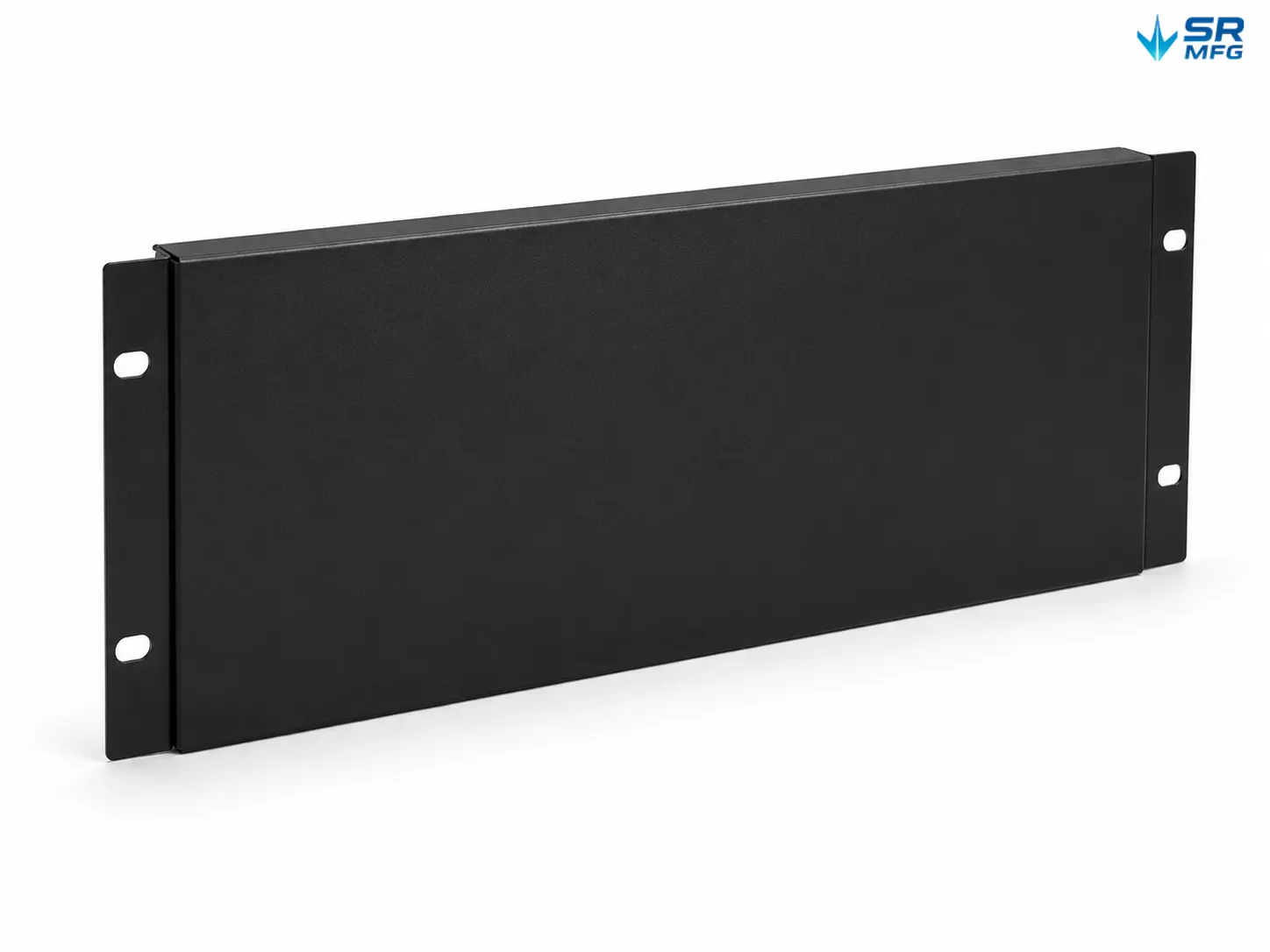
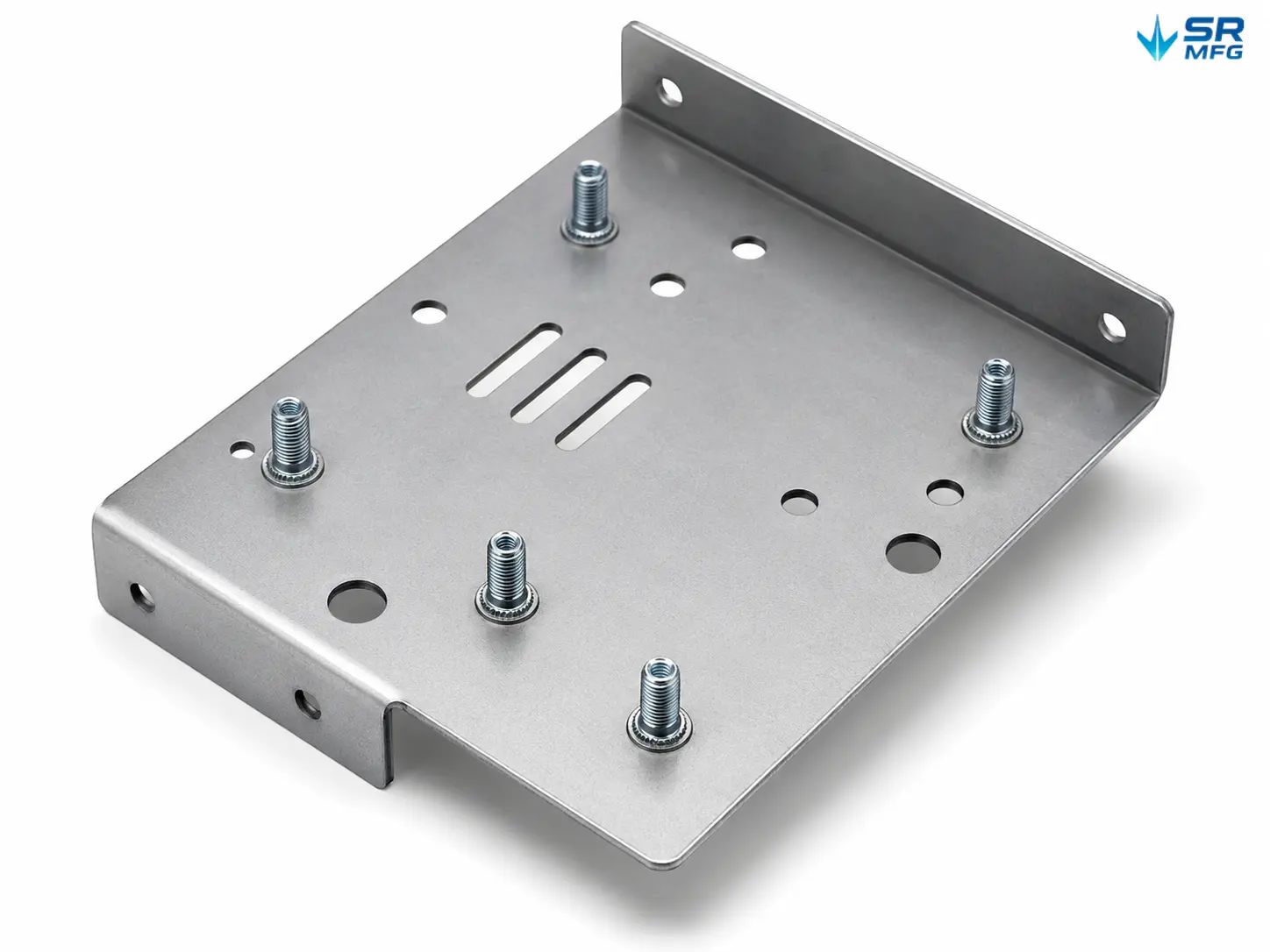
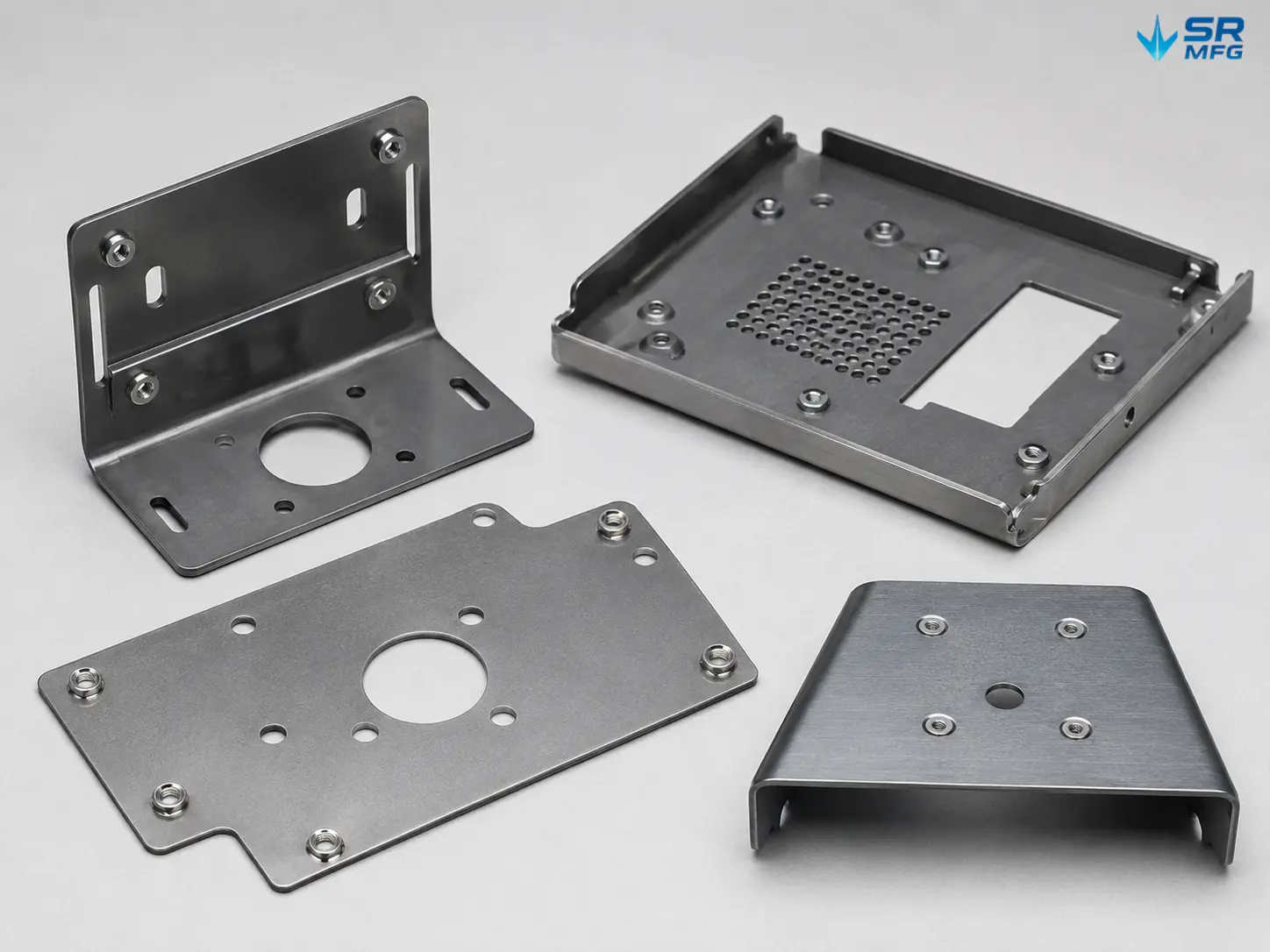
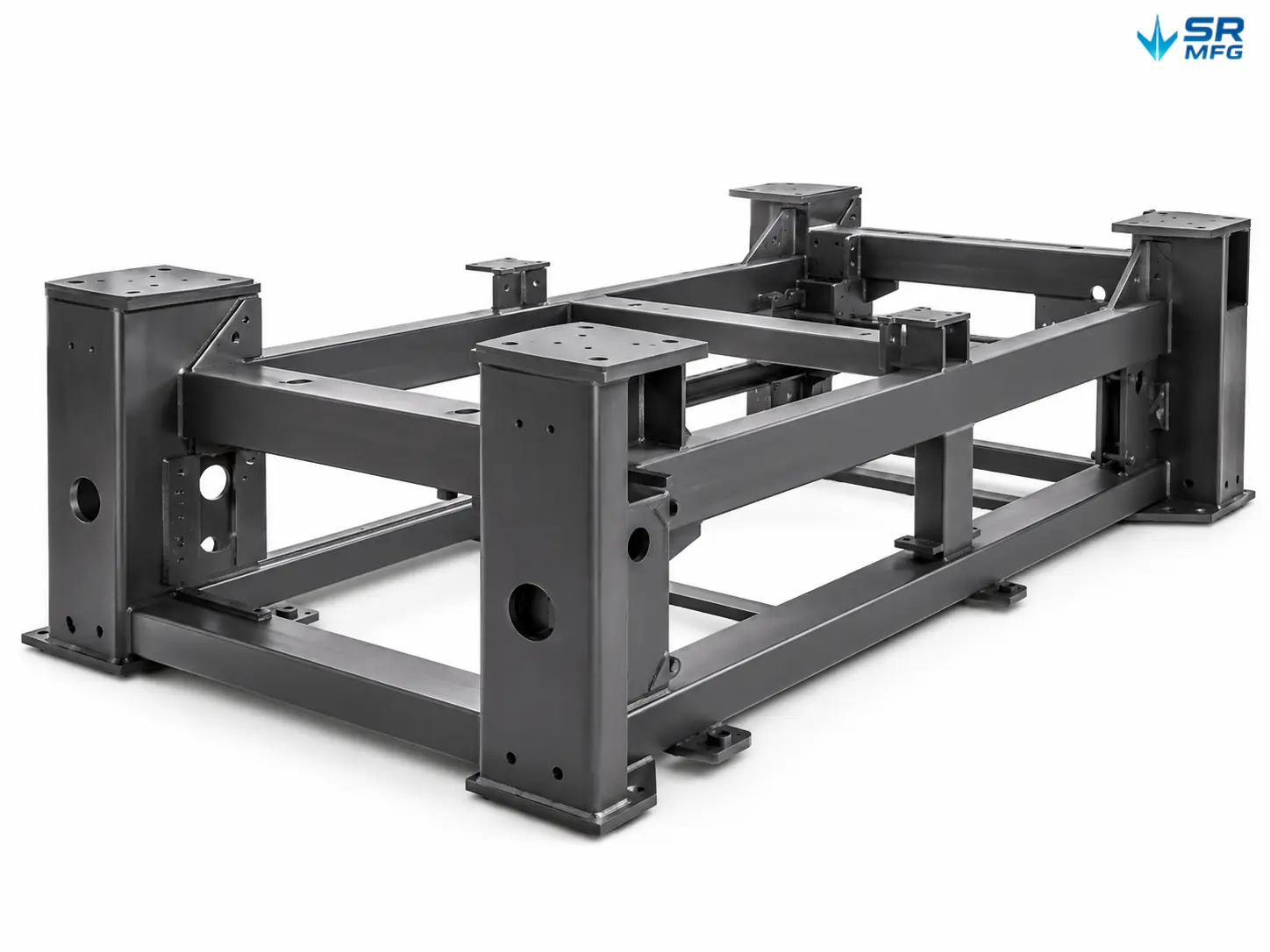
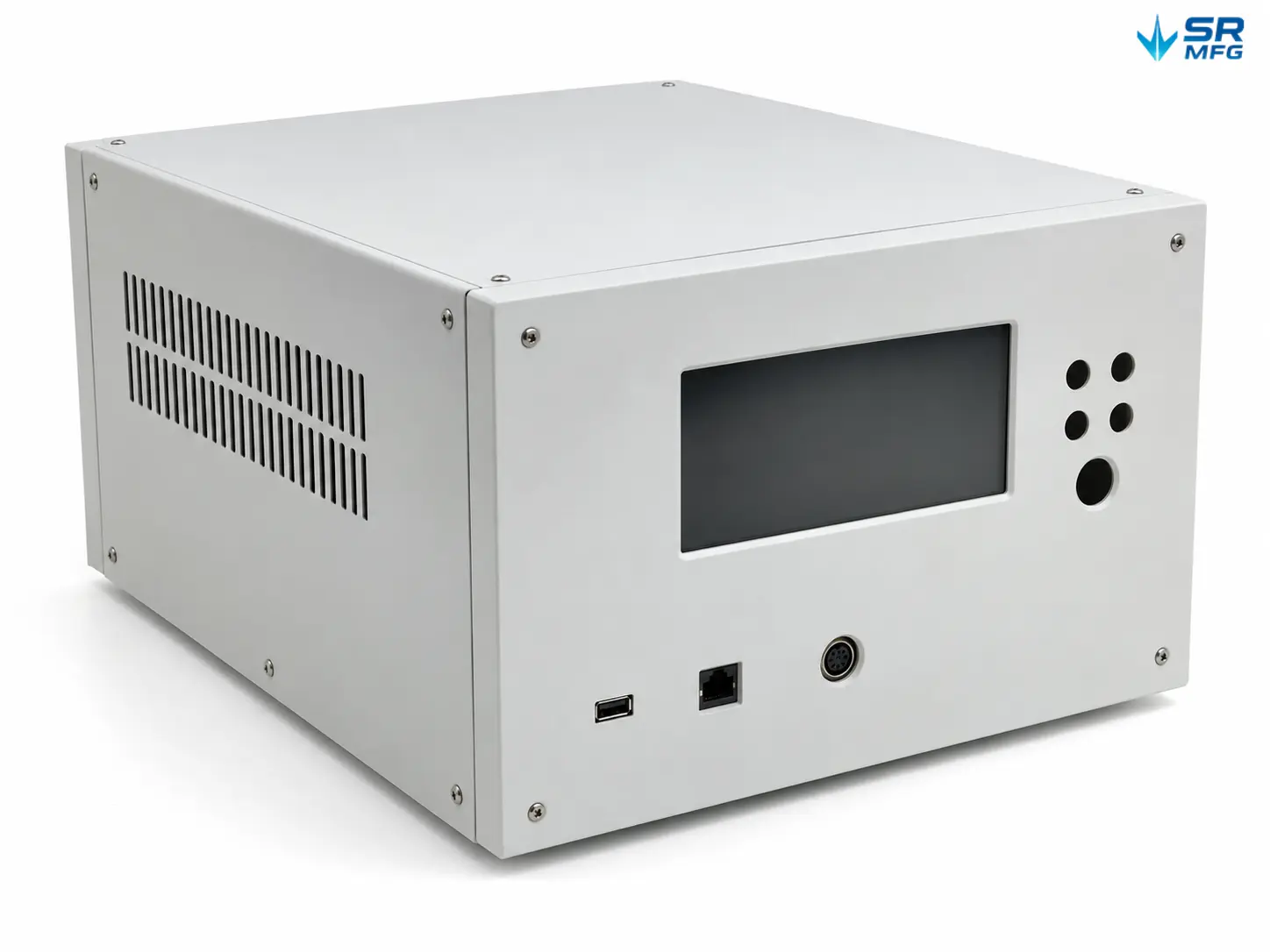
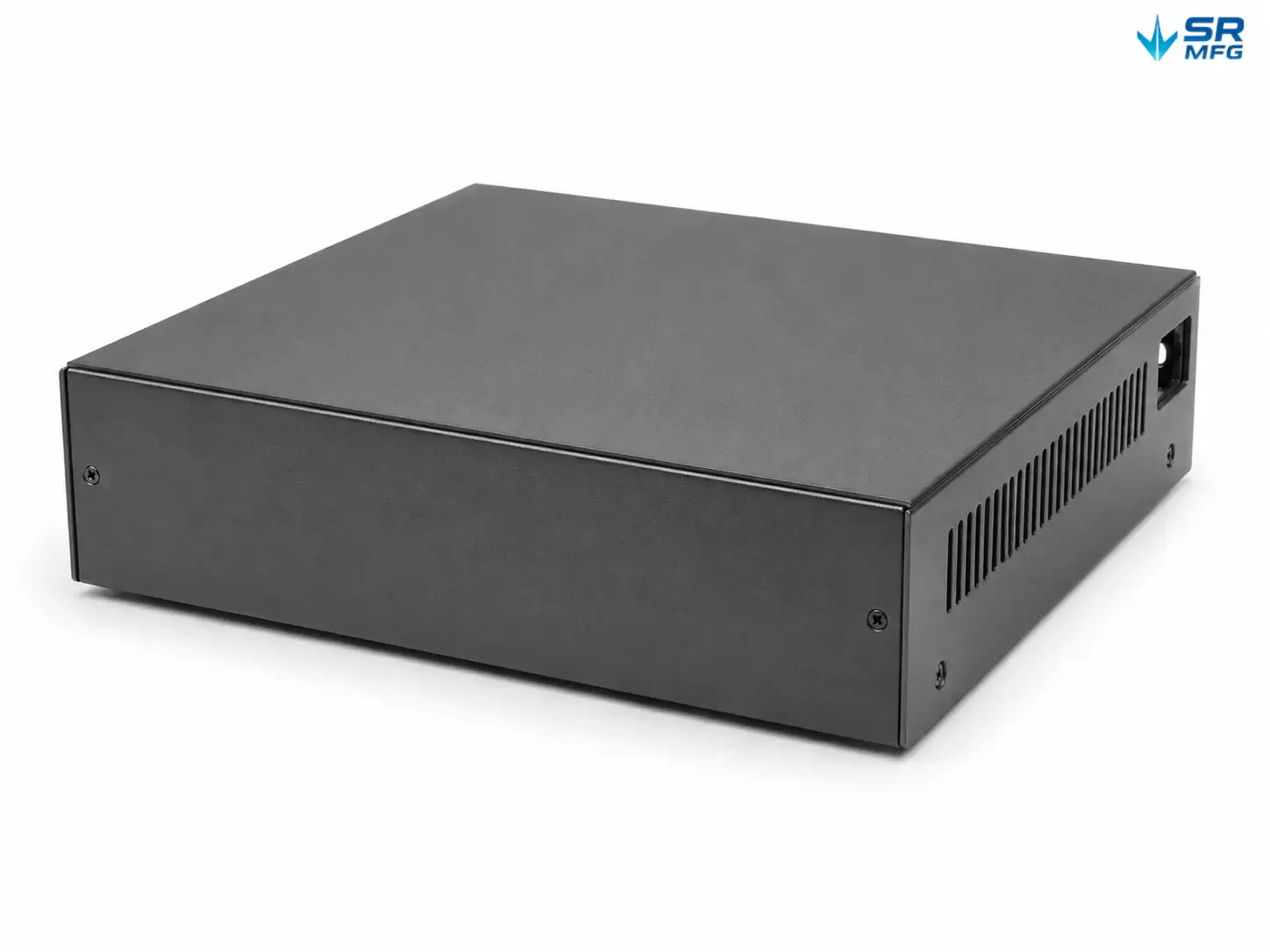
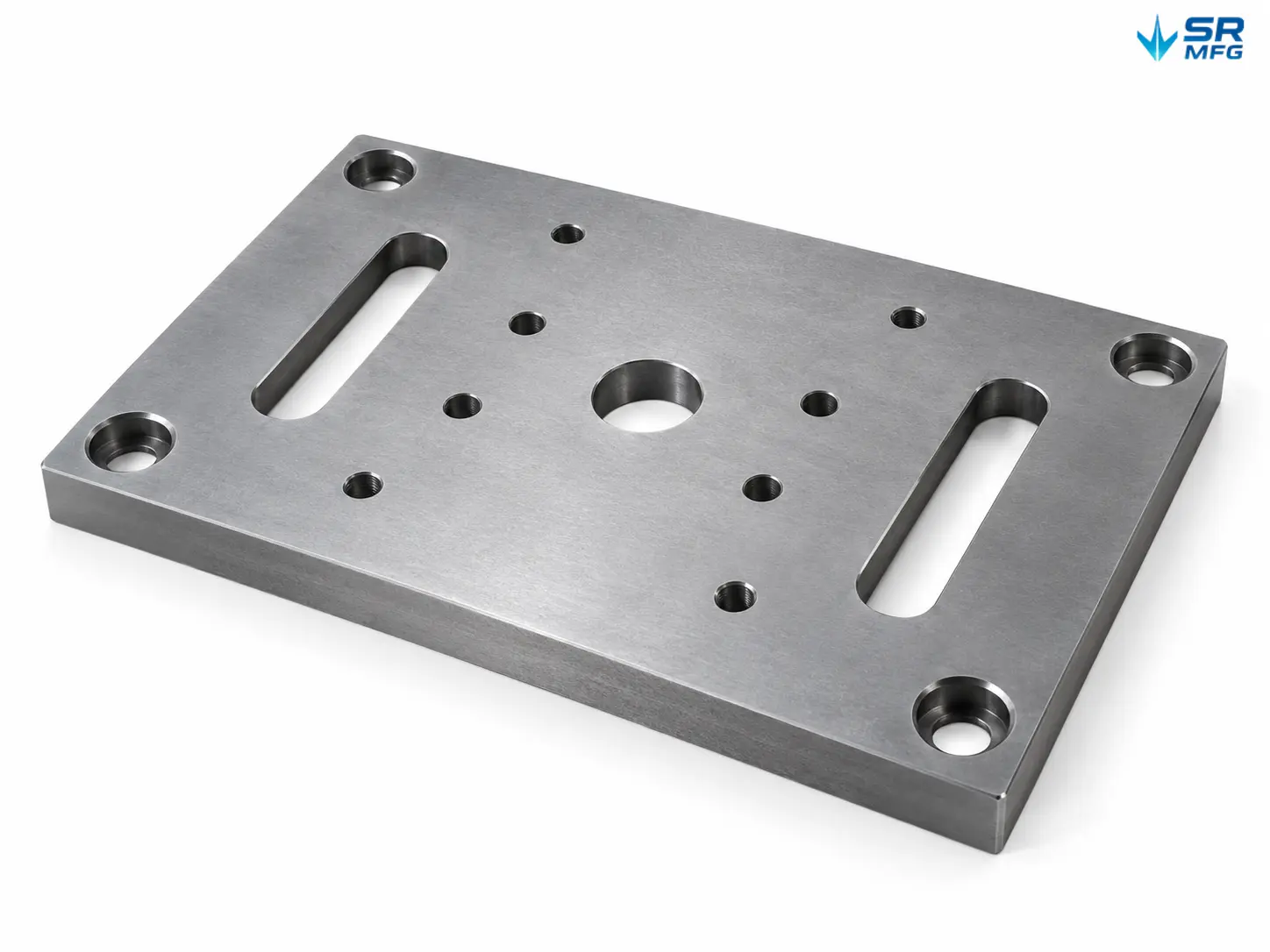
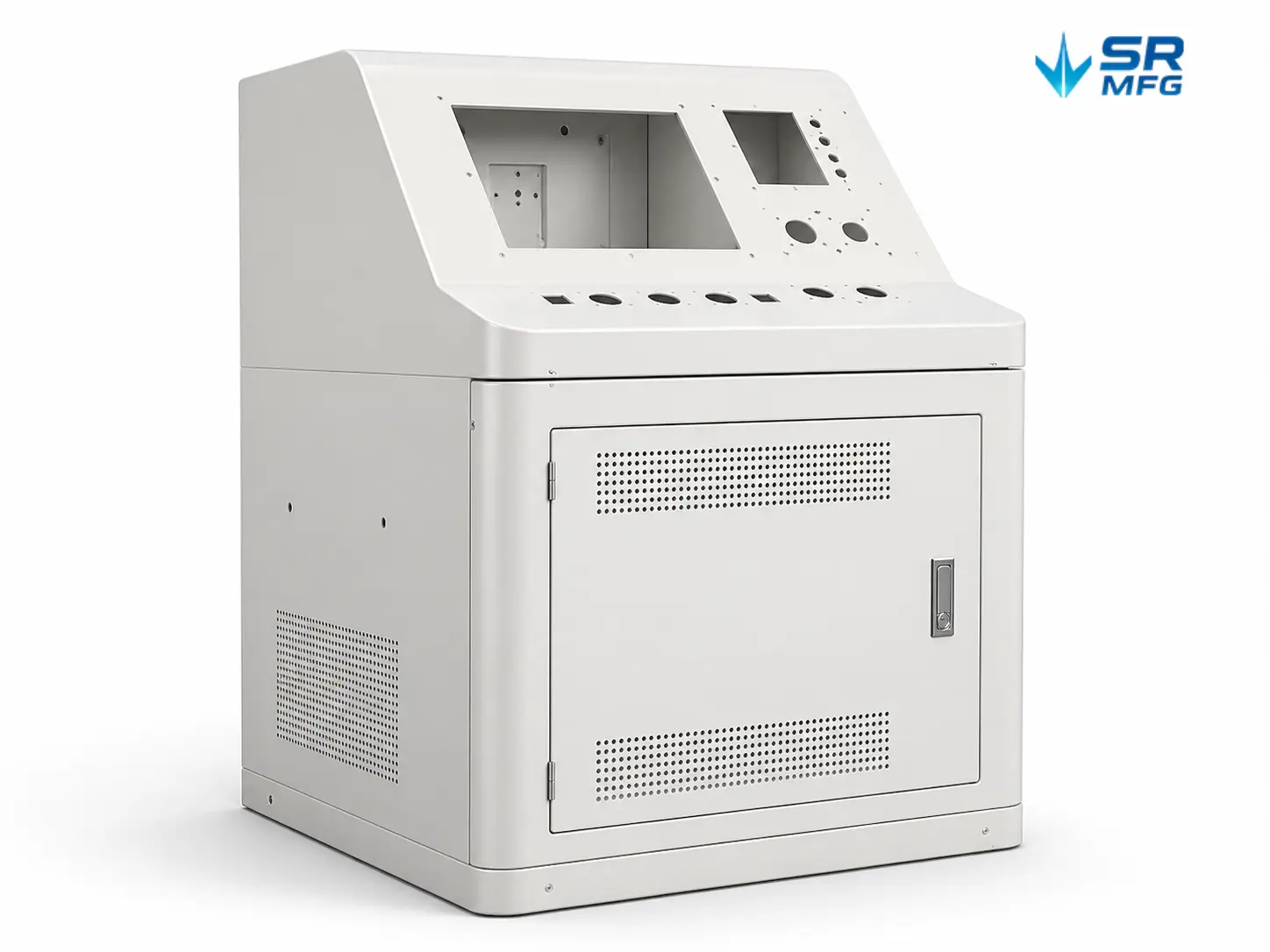
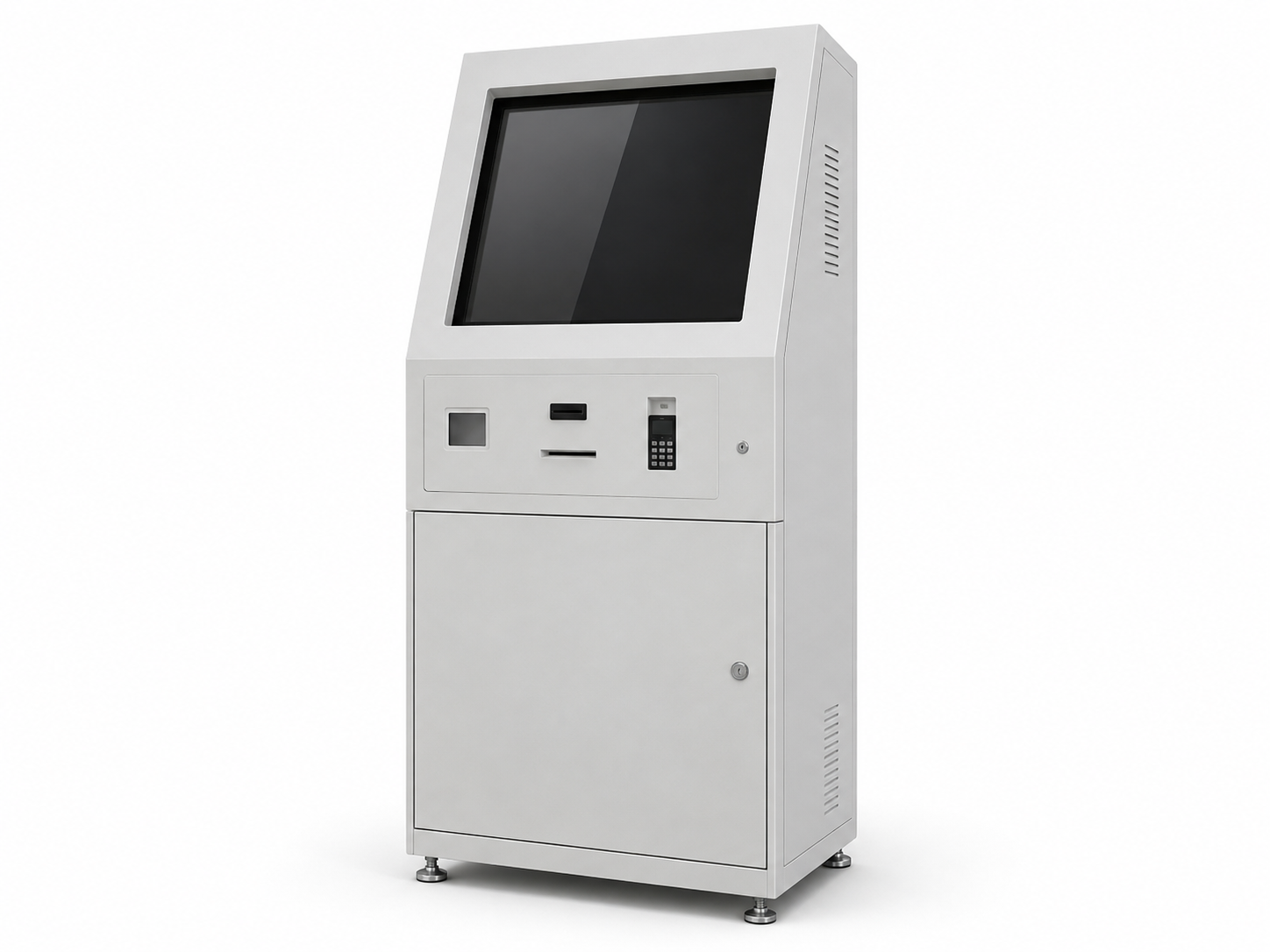
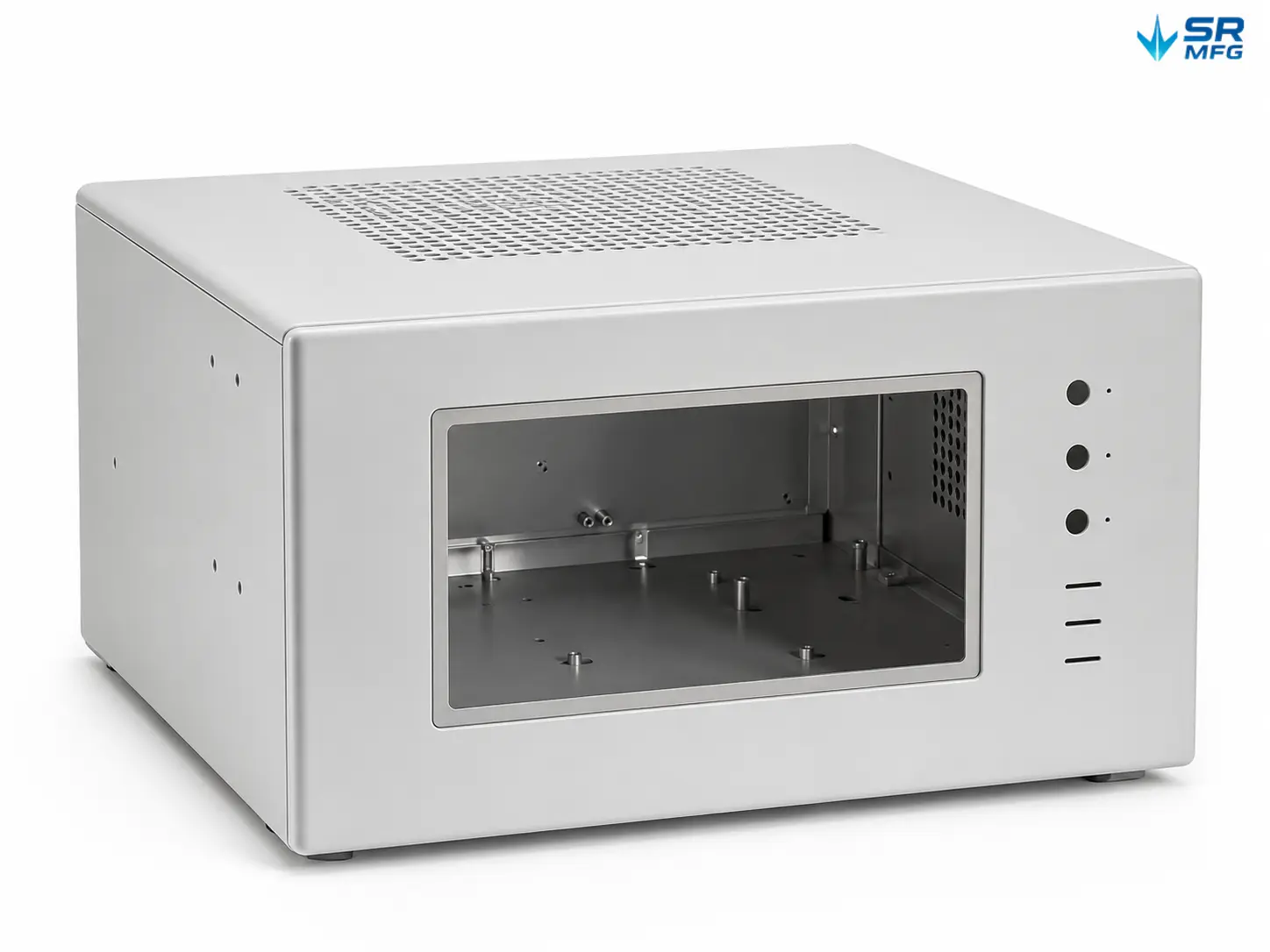
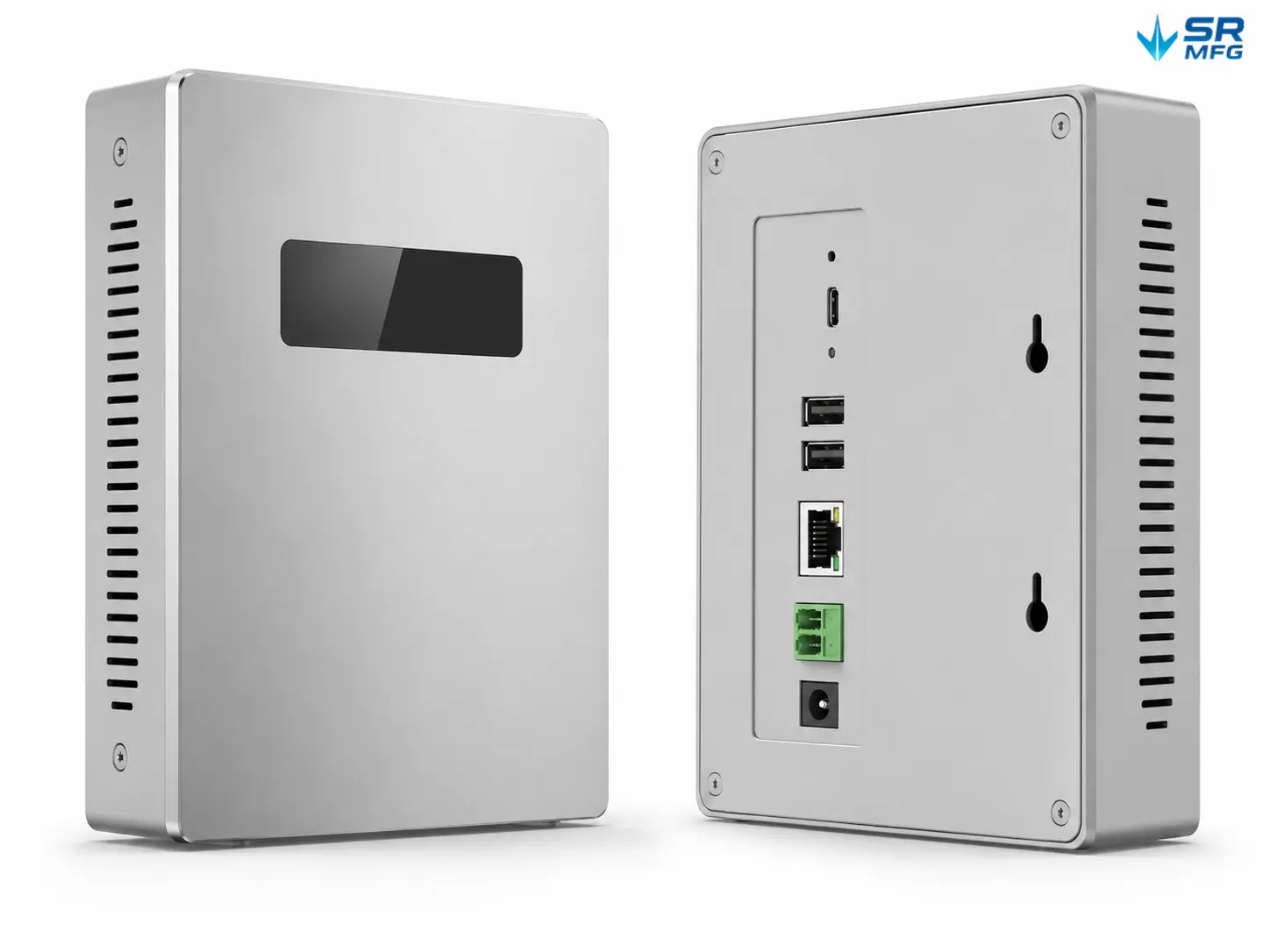
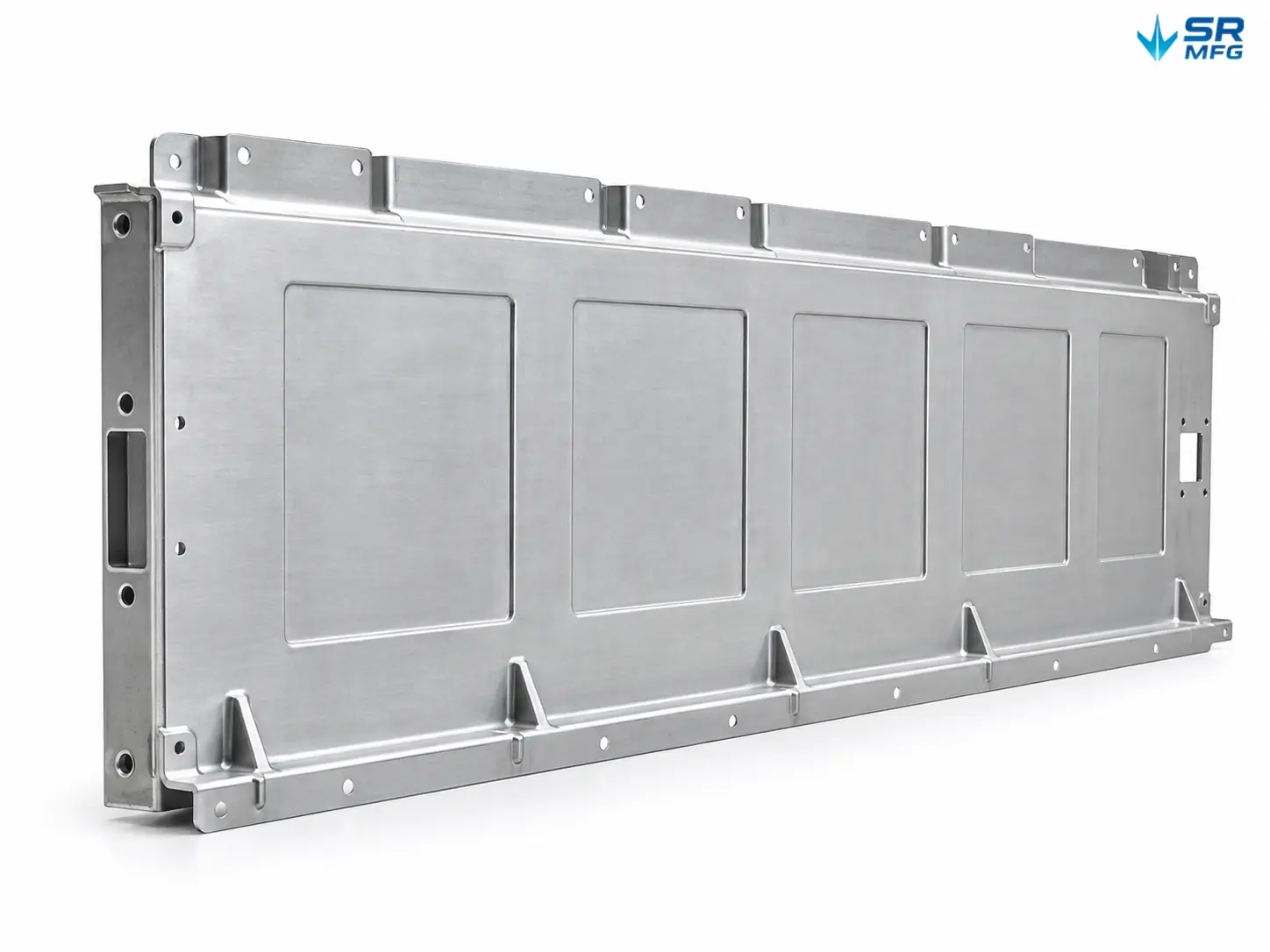
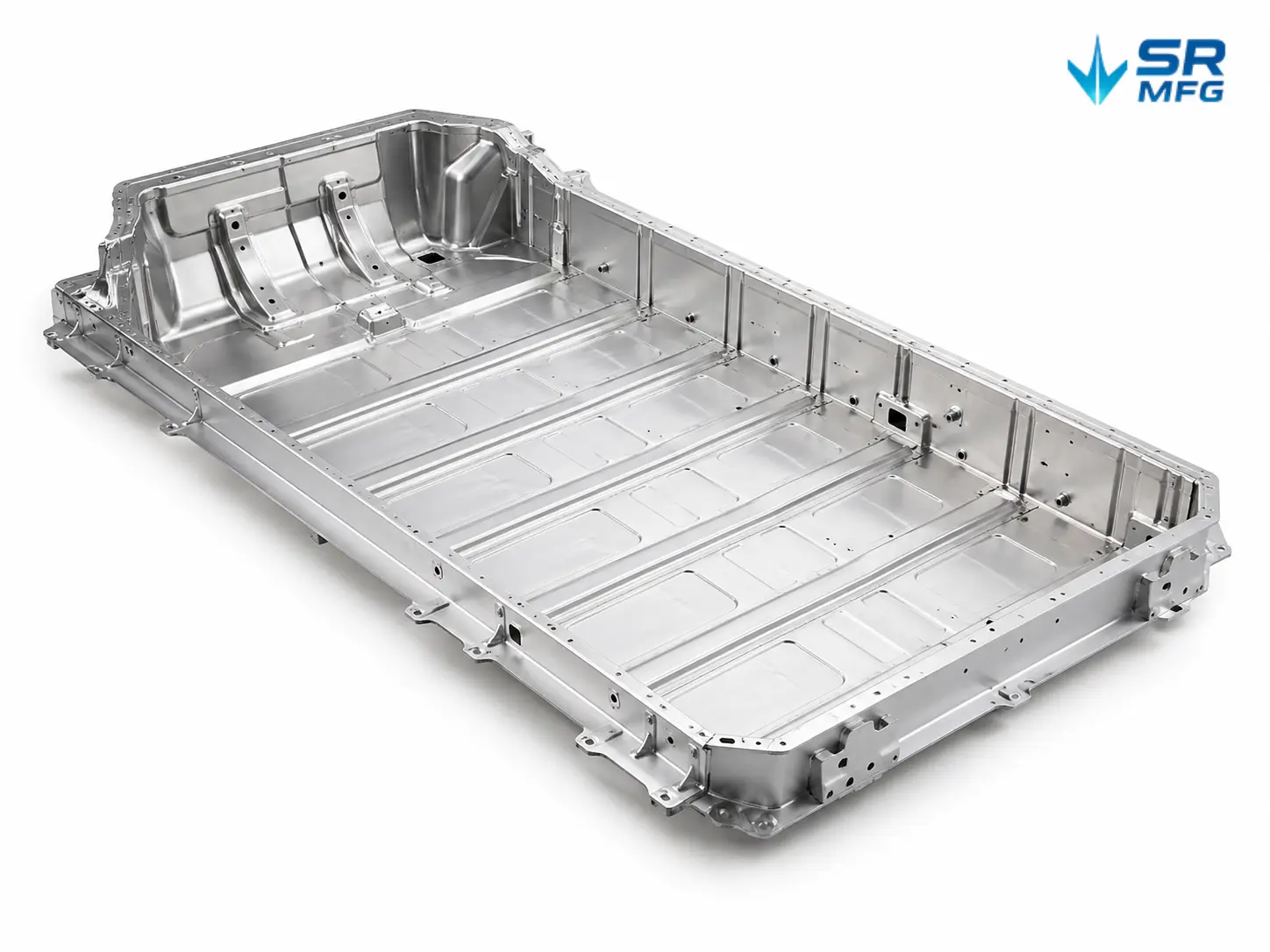
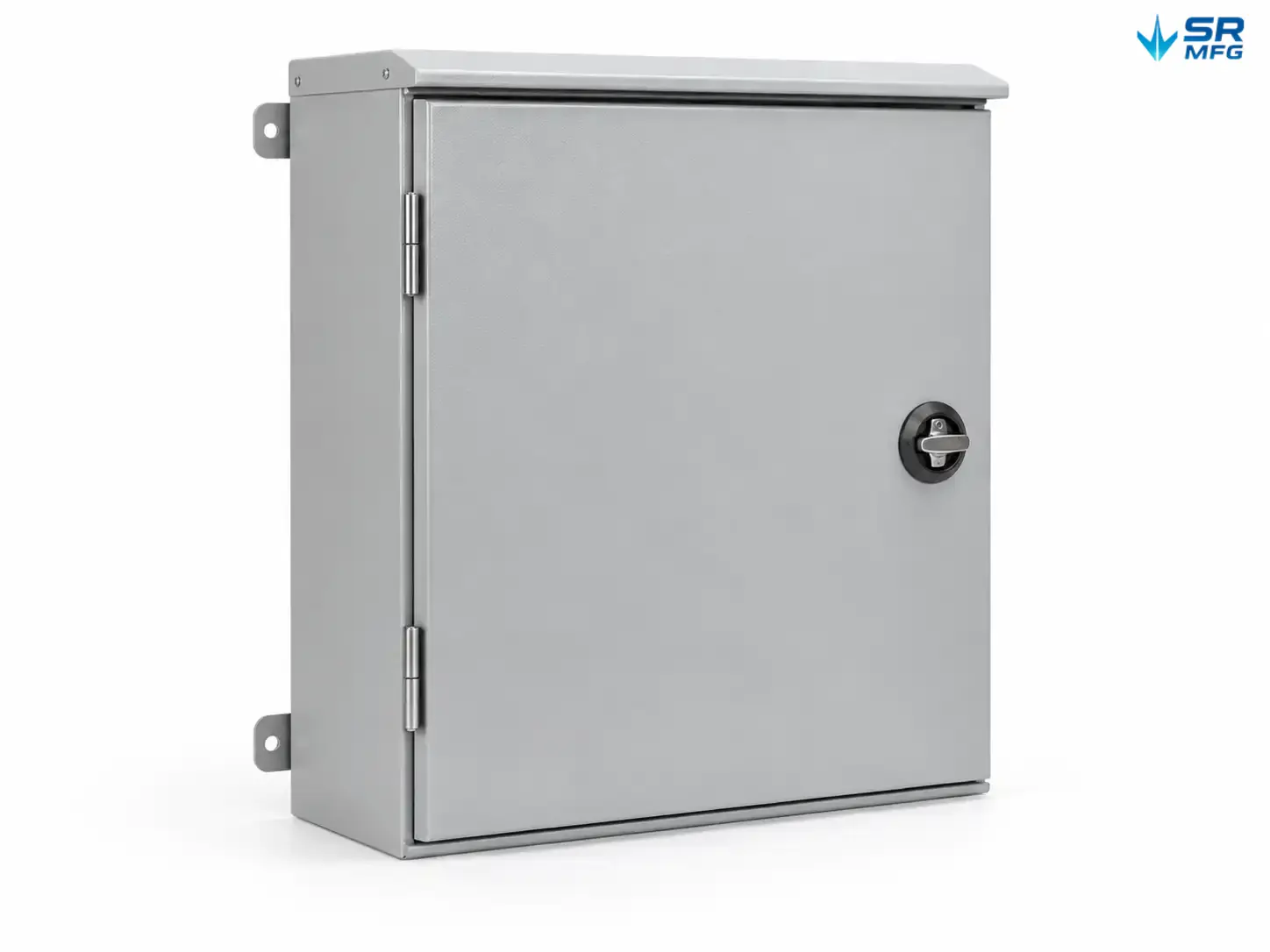
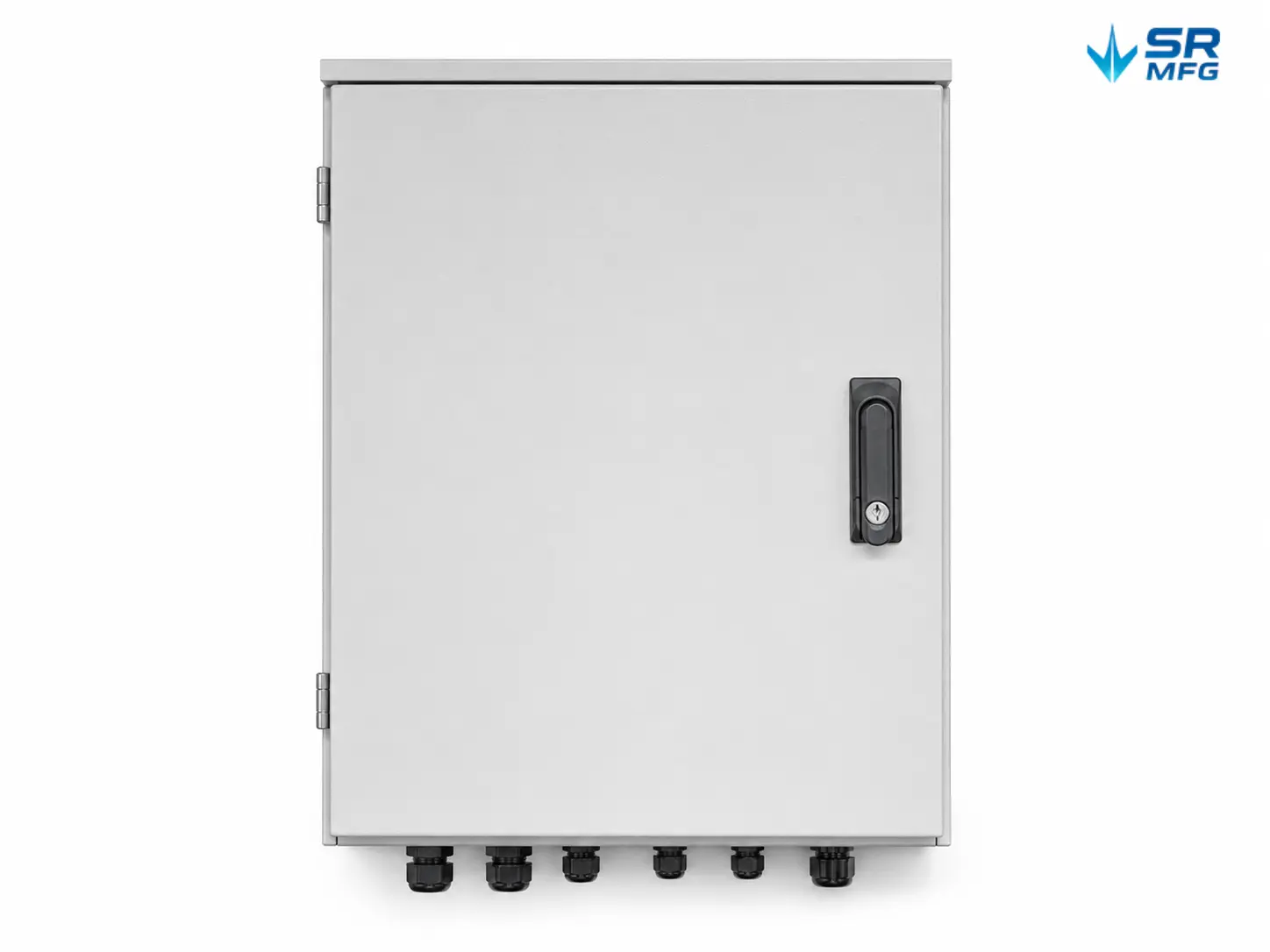
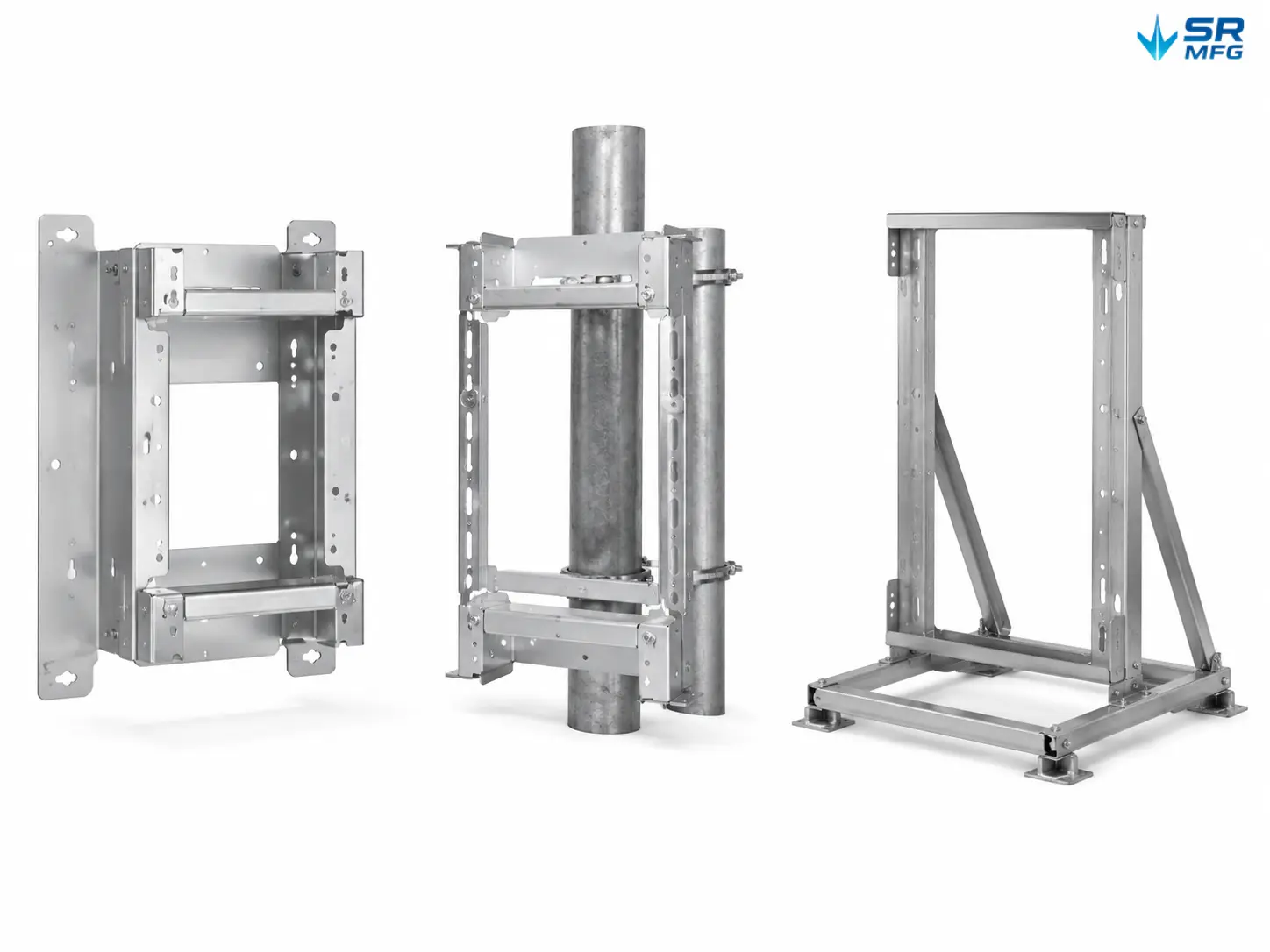
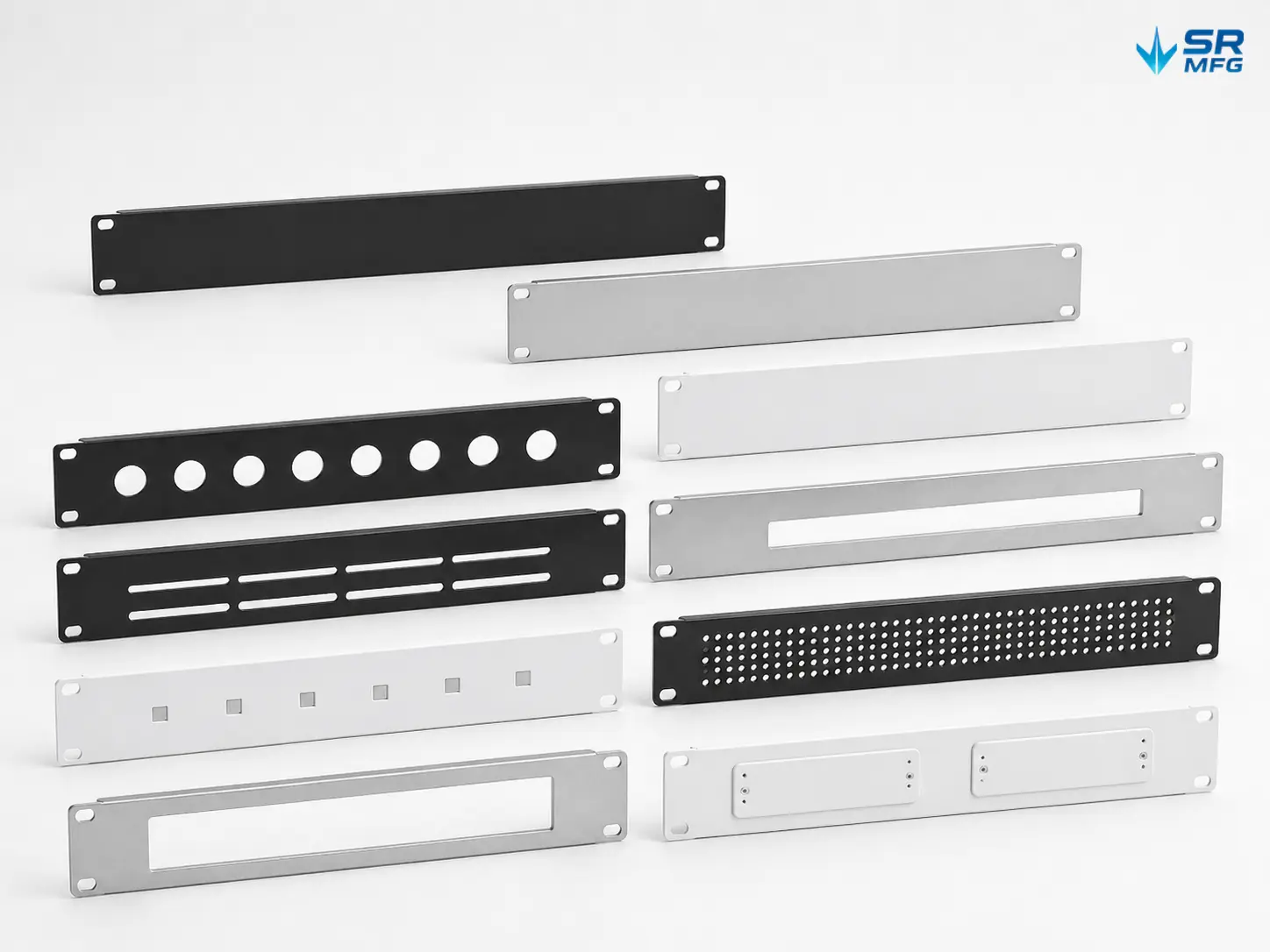
Related Sheet Metal Parts & Applications

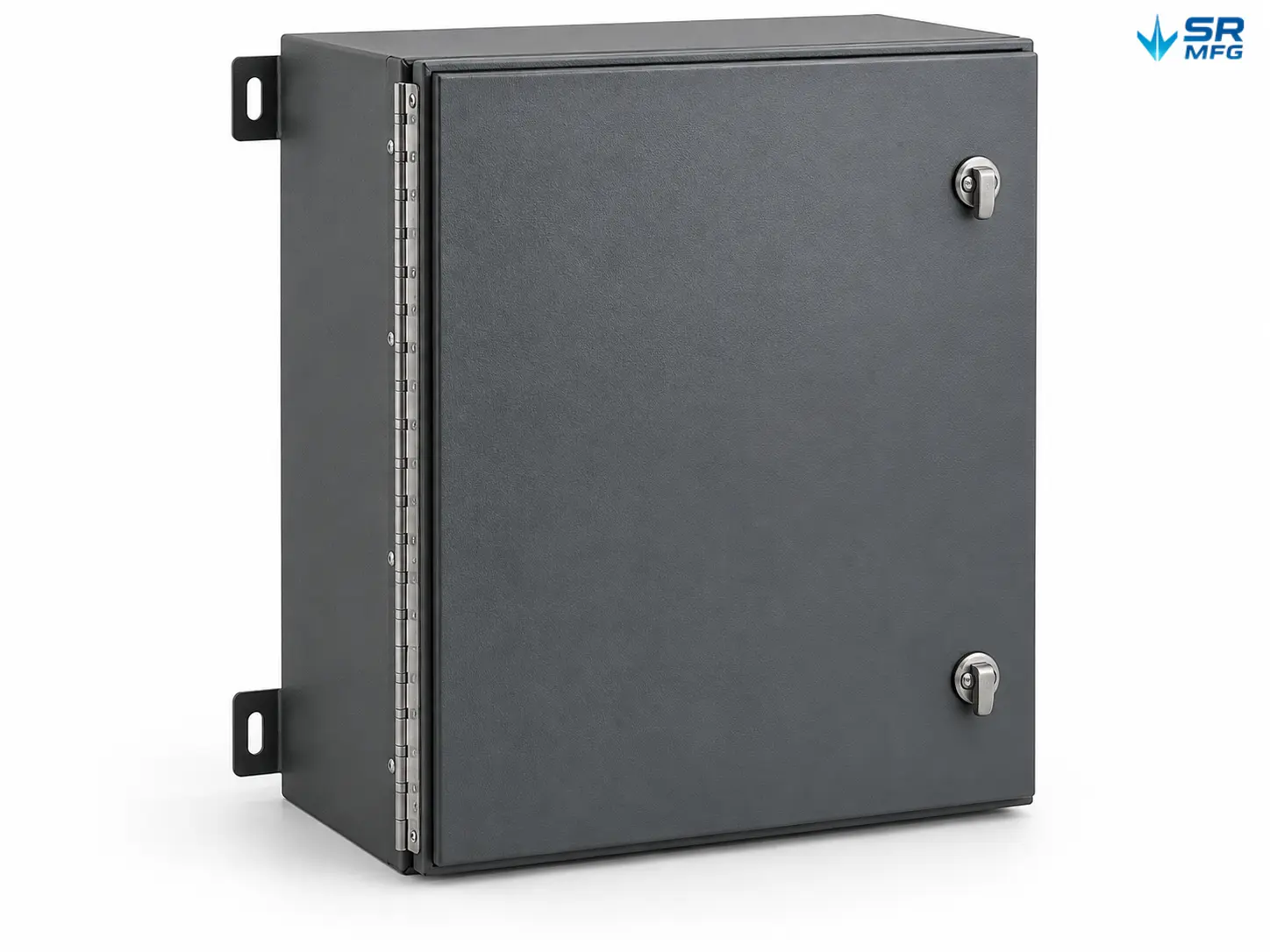
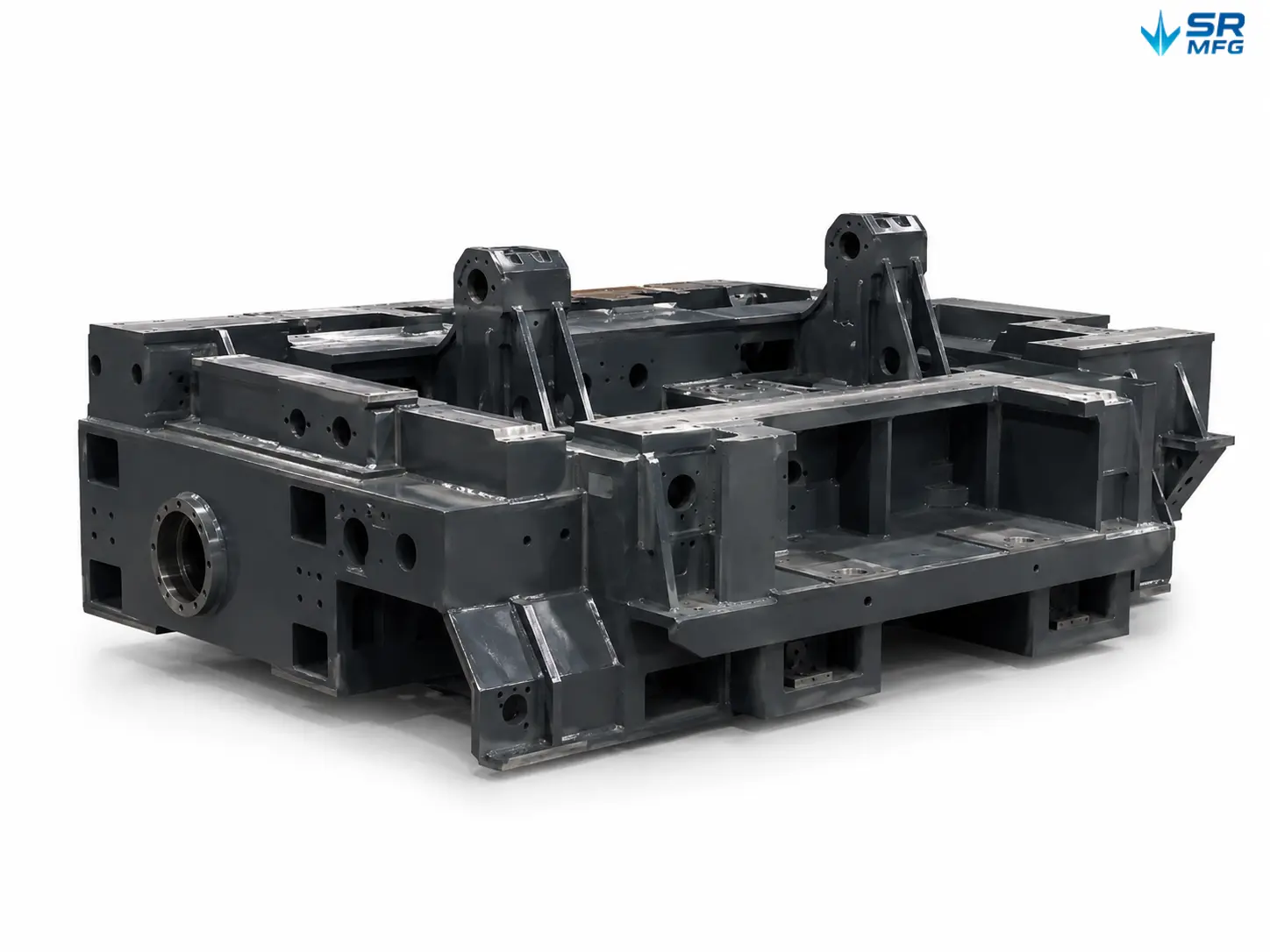
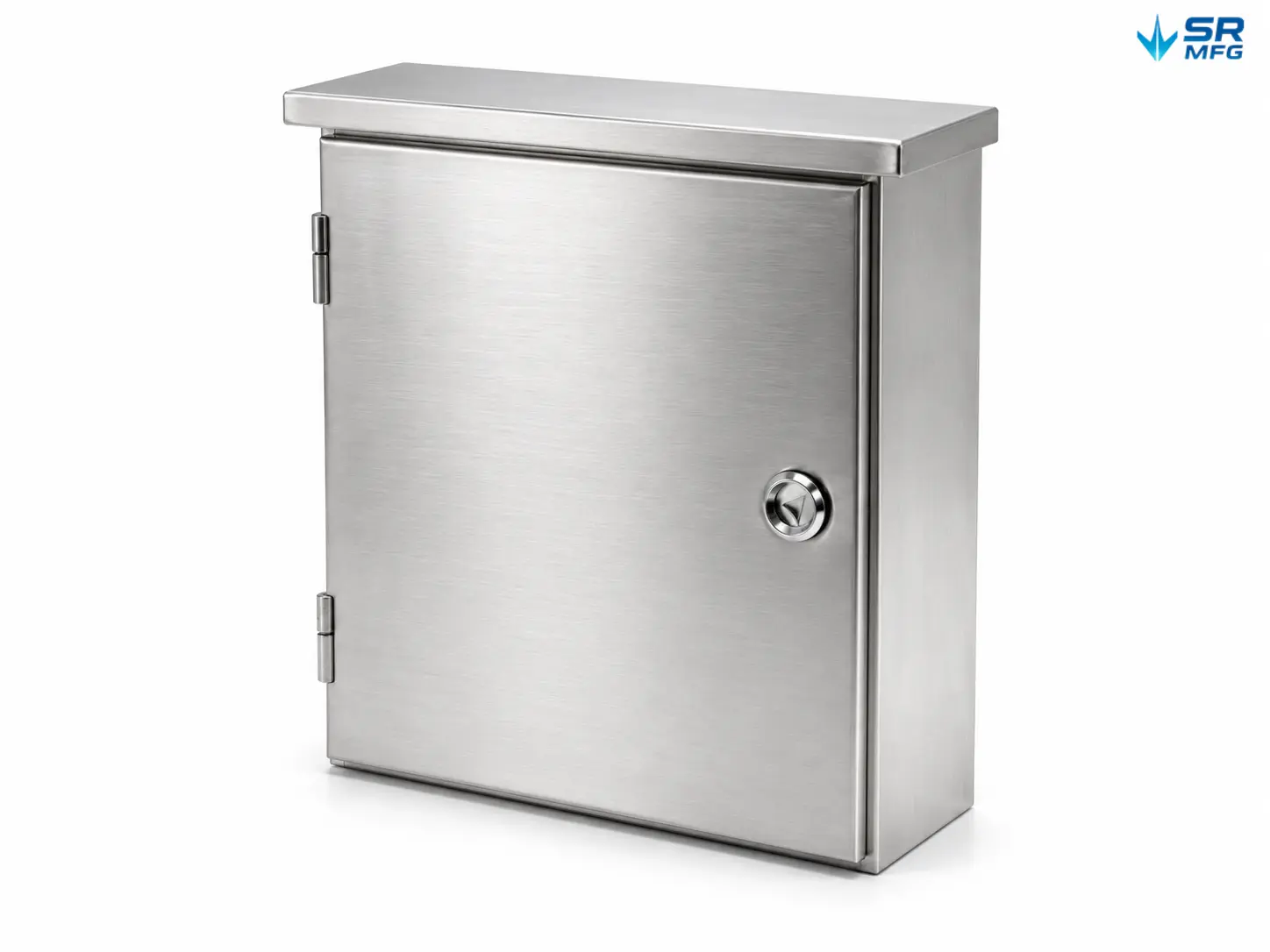
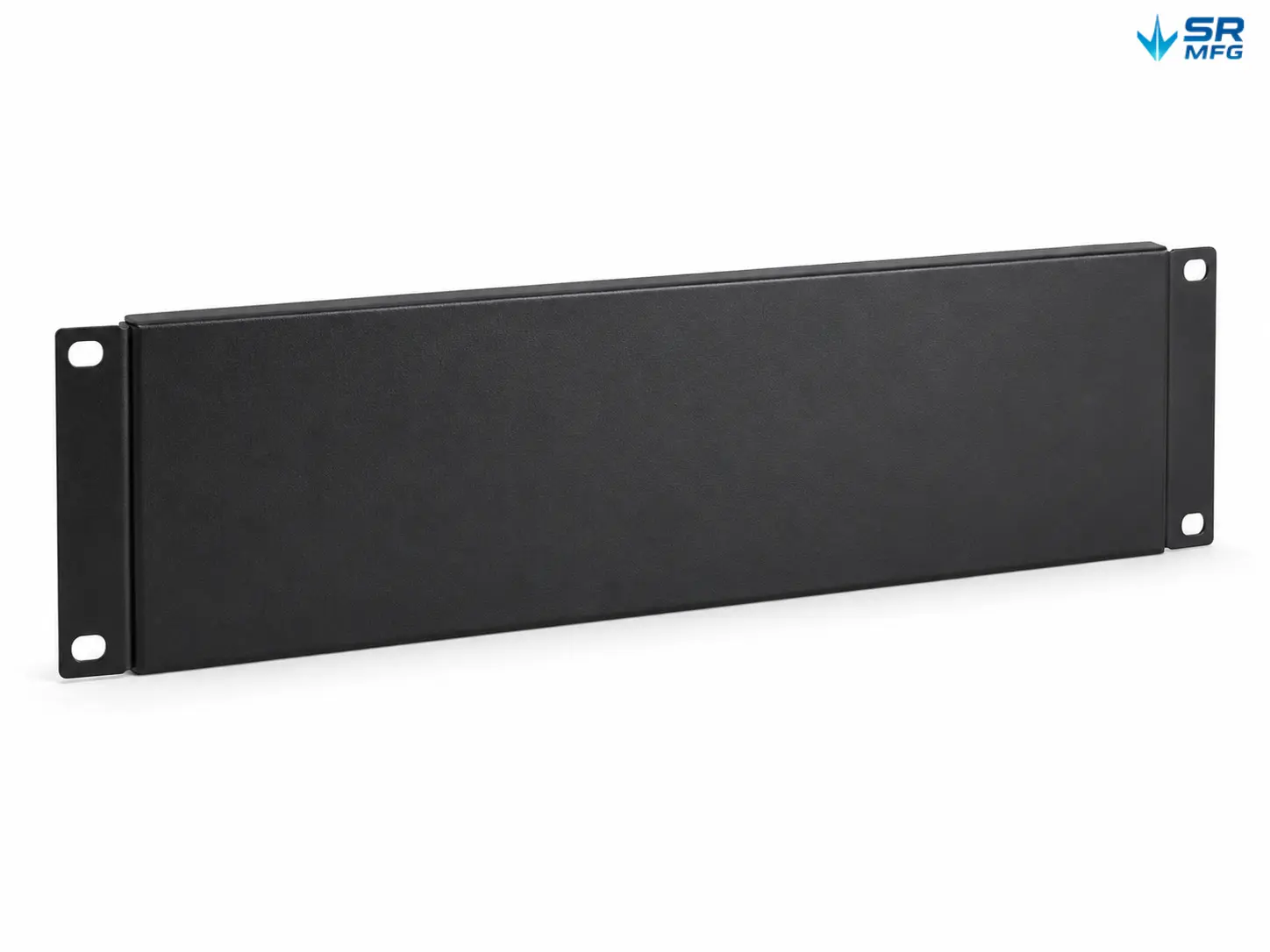
Metal Abrasive Blasting FAQs
We select the process route based on the part’s function and required finish, including dry abrasive blasting, glass bead blasting (typically for a more satin appearance), and shot blasting. In industry, the more precise umbrella terms are often abrasive blasting or media blasting (the media isn’t necessarily “sand”).
If you’re using the ISO 8501-1 system, a common callout is Sa 2½ (Very thorough blast-cleaning): the surface should be free of visible oil, grease, dirt, mill scale, rust, and coatings; any permitted residue appears only as slight spot or streak staining.
If you’re using AMPP/SSPC-SP 10 / NACE No.2 (Near-White), the common acceptance criterion is that staining does not exceed 5% of each unit area.
During onboarding, we clearly define the A-surface, viewing area, and (when relevant) texture direction. We then control media size and a fixed parameter window, and use approved samples as the production reference. When required, we also use profile comparators and/or measurement records to manage lot-to-lot consistency.
It can—especially on thin sheet, long slender parts, sharp edges, and structures sensitive to localized loading. We mitigate risk by controlling blast pressure, stand-off distance, angle, and dwell time, and by masking/protecting critical mating features. For tight-tolerance parts, we recommend validating on prototypes first.
We build a functional masking map. For example: plugging/protecting threaded holes, limiting or eliminating blasting on sealing and mating surfaces, and preserving defined electrical contact areas (or treating them per downstream process requirements) to avoid assembly interference and functional failures.
Freshly blasted steel can re-oxidize quickly. When conditions allow, we recommend moving into primer/powder coating as soon as possible (ideally the same day) or applying temporary protection. The allowable window depends on humidity, handling/exposure conditions, and the customer’s specification.
Technical Resources
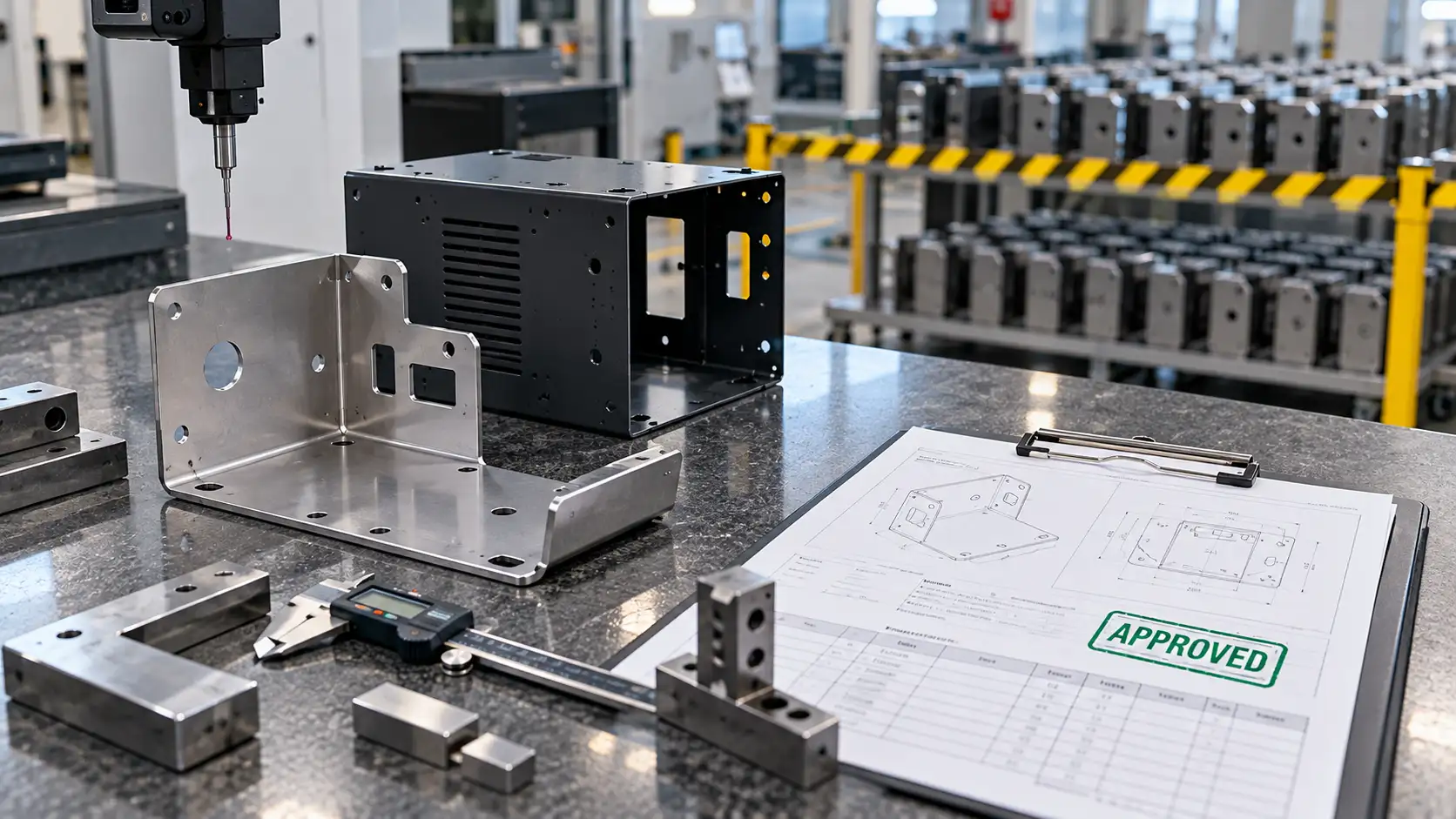
First Article Approval
ShuangRui2026-10-12T08:38:00+00:00October 15, 2026|
The first parts are off the machine. Dimensions look good on the shop floor, and the production team [...]
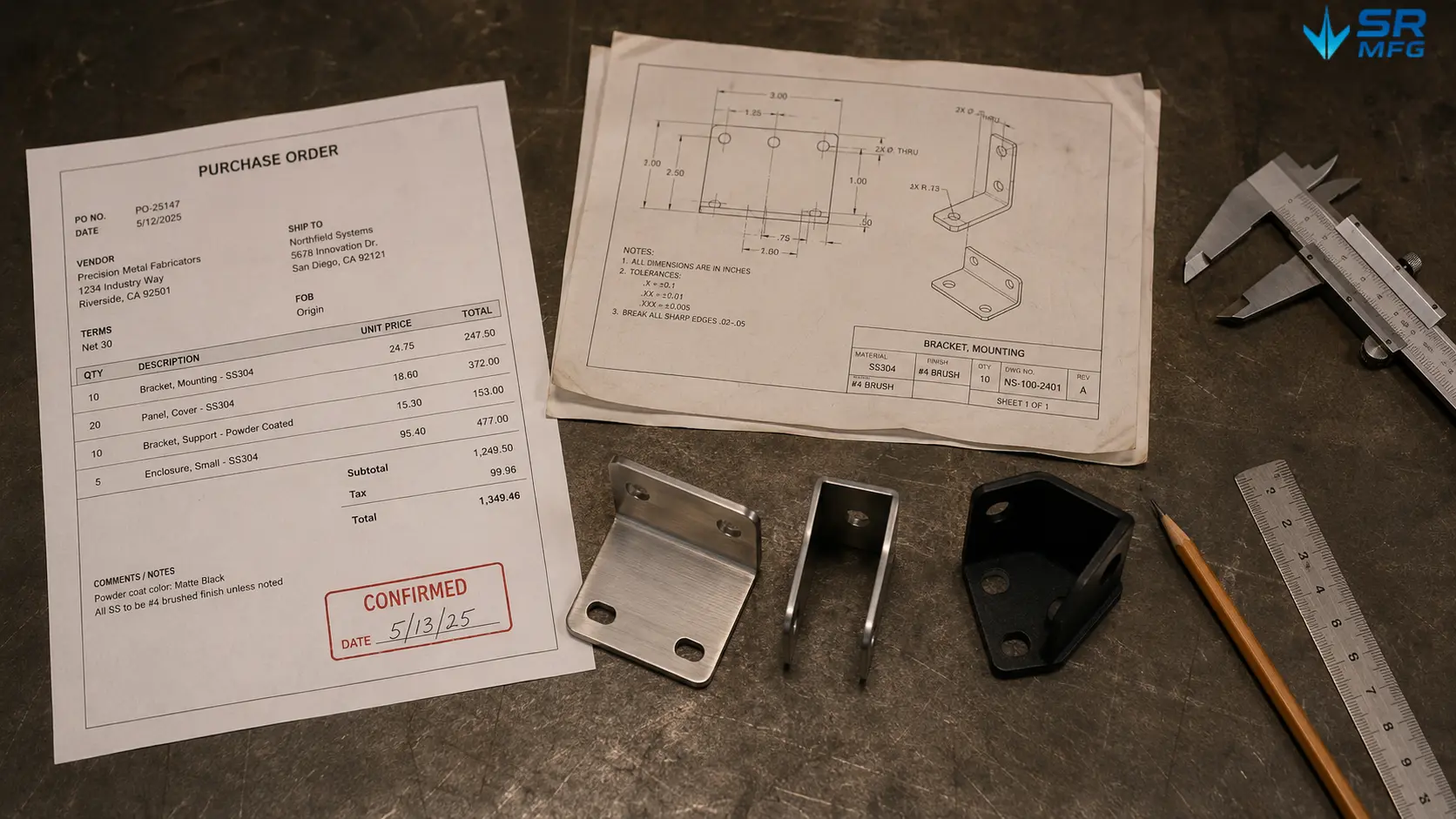
Order Confirmation Date
ShuangRui2026-07-04T05:57:52+00:00May 26, 2026|
What Is an Order Confirmation Date? Definition in Procurement and ERP Systems In most procurement systems, the order [...]
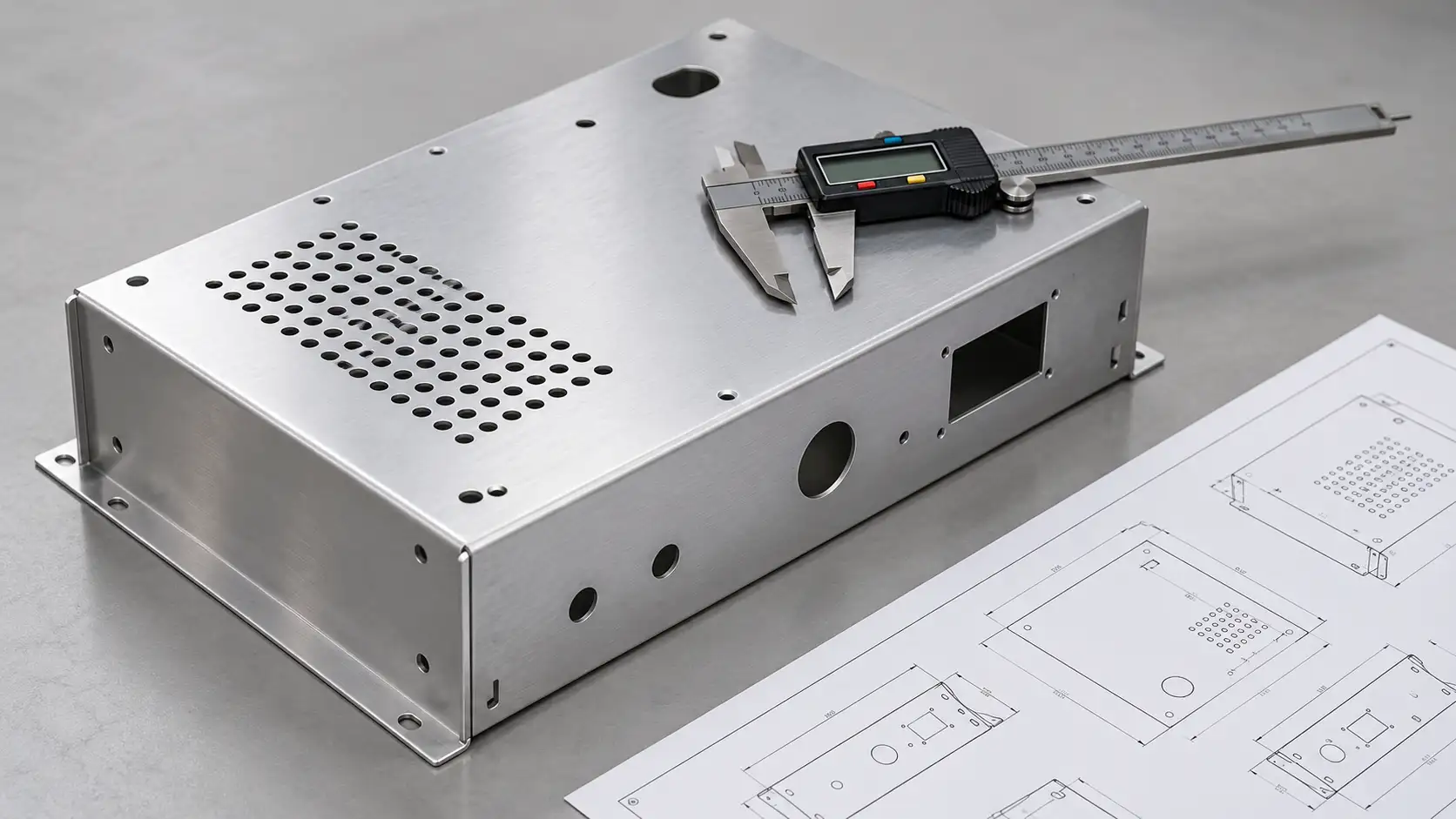
Sample Approval Time
ShuangRui2026-09-28T07:21:08+00:00October 6, 2026|
The sample passed its dimension check and left the shop on Tuesday. Three weeks later it is still [...]
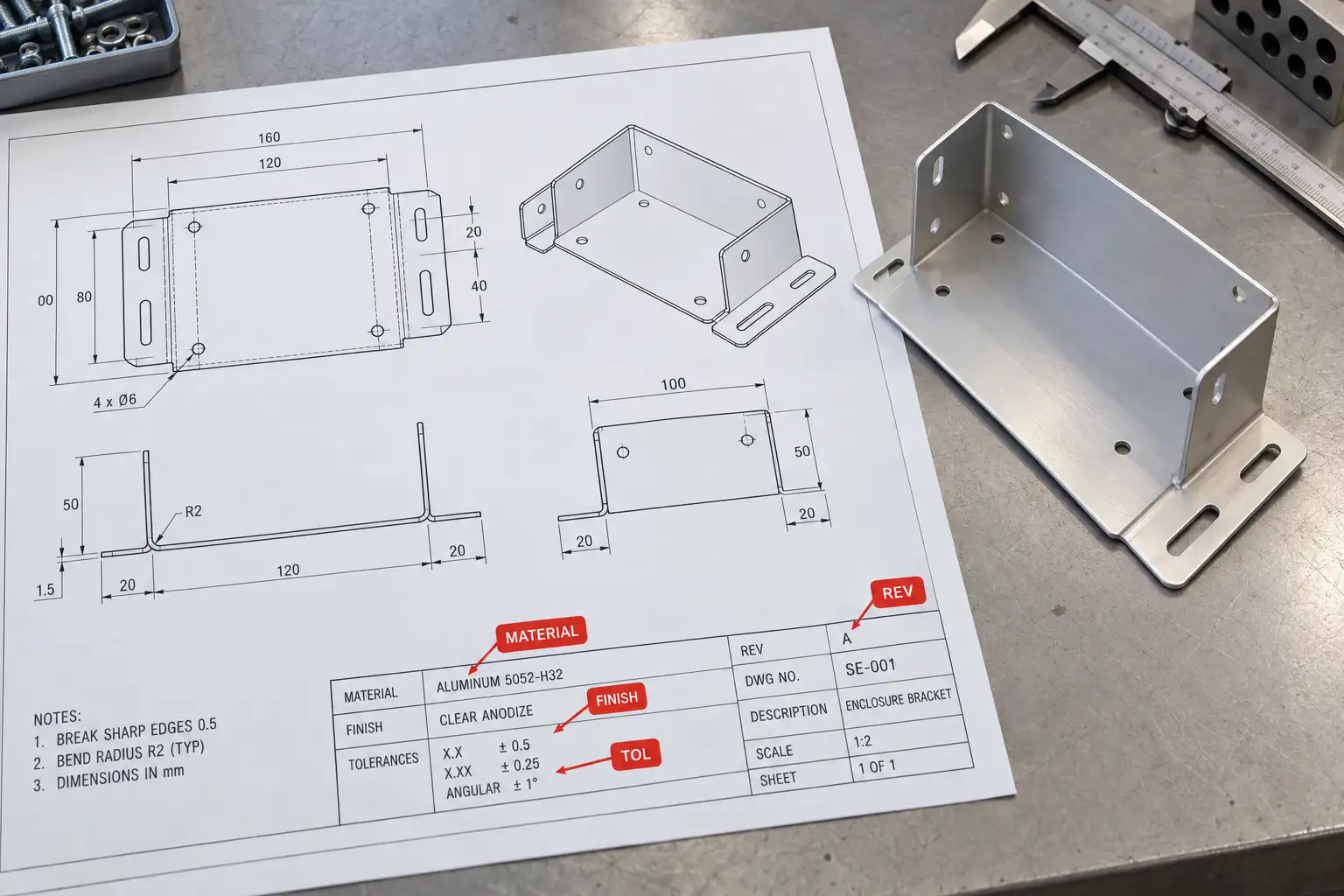
2D Drawing Review Requirements for Accurate Sheet Metal Quotes
ShuangRui2026-10-12T03:43:08+00:00October 13, 2026|
A 2D drawing that looks complete is not the same as a drawing that is ready to quote. [...]
