
Metal Phosphating Services for Coating Pretreatment
SR MFG provides controlled phosphating pretreatment for metal parts that require improved coating adhesion, corrosion resistance, and stable surface preparation before powder coating, painting, or e-coating.
We help select the right phosphate process based on substrate material, coating system, corrosion target, appearance requirements, and project specifications.
Get a Custom Quote in 24 Hours
Upload your drawings for engineering review.
What Is Phosphating Pretreatment?
Phosphating is a chemical conversion pretreatment that forms a thin, crystalline phosphate layer on the metal surface. It is widely used before powder coating, liquid painting, or e-coating to improve coating adhesion, uniform coverage, and corrosion resistance as part of the overall coating system.
The final performance depends on substrate material, phosphate chemistry, surface preparation, film weight, sealing method, and the downstream coating system. When properly controlled, phosphating also provides short-term in-process protection between steps.
Coating
Adhesion
Corrosion
Resistance
Powder Coating
Pretreatment
Process
Documentation
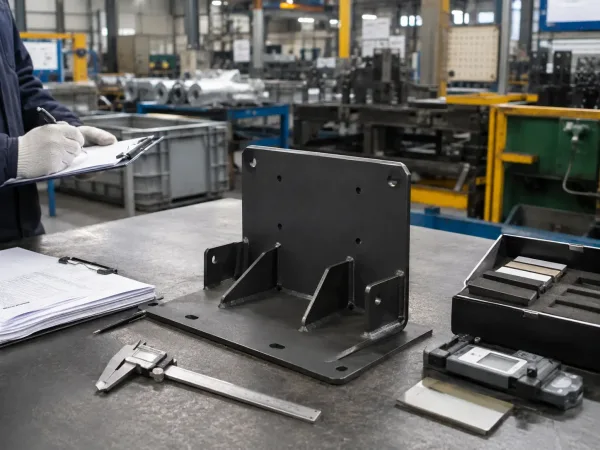
Advantages
- Improves coating adhesion and reduces coating failure risk
- Enhances corrosion resistance as part of the full coating system
- Provides a uniform, microcrystalline surface for better coating coverage
- Can offer short-term in-process protection between production steps
- Widely compatible with steel, zinc, and many non-ferrous substrates
- Helps improve paint appearance and long-term durability
Limitations
- Not a final anti-corrosion coating by itself
- Requires proper cleaning, rinsing, and sealing or coating to perform
- Chemical selection must match material, coating system, and service environment
- Poor process control can cause sludge, staining, or inconsistent appearance
- Adds process steps, requiring wastewater treatment and process management
- Film weight and crystal size outside the target range may affect performance
Engineering Note: Phosphating performance is maximized when integrated with proper cleaning, sealing or coating, and controlled process parameters. Consult our team for the best solution for your parts and application.
Common Phosphating Systems & How to Choose
The most common systems are iron phosphate, zinc phosphate, and manganese phosphate.
The right choice depends on the required coating performance and the intended application.
Iron Phosphate
General PretreatmentCommon for powder coating pretreatment and general painted parts.
- Best for: economical coating pretreatment
- Key value: good paint adhesion and efficient processing
- Typical uses: indoor equipment, appliances, general fabricated parts
Zinc Phosphate
Higher Corrosion ResistancePreferred when stronger corrosion performance is required in the downstream coating system.
- Best for: more demanding corrosion protection
- Key value: stronger conversion layer and better coating support
- Typical uses: automotive parts, outdoor equipment, higher-spec painted components
Manganese Phosphate
Functional / Wear ApplicationsUsed for functional needs such as wear resistance, oil retention, and friction control.
- Best for: moving or load-bearing components
- Key value: supports wear performance and lubricant retention
- Typical uses: gears, fasteners, mechanical components
Temperature Window
Process temperature depends on chemistry and line setup.
Application Method
Common methods include spray, immersion, or spray-immersion.
Coating Weight
Final target should follow drawing, specification, or project requirement.
Final phosphate selection should be based on substrate material, downstream coating system, corrosion target, required coating weight, application method, and validation requirements.
What Materials Can Be Phosphated?
Ferrous substrates are the most common choice. Non-ferrous metals and plated surfaces may require specialized chemistry and project-specific validation.
Steel & Ferrous Alloys
Best Fit- Most common phosphating substrates
- Strong base for paint adhesion and corrosion prep
- Used for fabricated parts, appliance housings, and general steel components
Zinc & Galvanized Surfaces
Suitable- Good base for painting or coating
- Process control helps avoid over-etching
- Common for hardware, enclosures, and galvanized sheet
Aluminum Alloys
Special Chemistry Needed- Oxide removal and dedicated chemistry are required
- Sample validation is recommended before production
- Used where coating adhesion on aluminum is needed
Copper & Copper Alloys
Selective Use- Process must be adjusted for brass and copper alloys
- Often reviewed for appearance and surface activity
- Sample review is recommended
Magnesium Alloys
Project-Specific- Highly reactive and requires specialized formulation
- Often used in lightweight engineered components
- Engineering validation is recommended
Plated or Mixed-Metal Parts
Engineering Review- Includes plated surfaces and mixed-metal assemblies
- Compatibility depends on the base layer and finish
- Drawings and samples should be reviewed before launch
Final material compatibility should be confirmed based on substrate material, downstream coating system, corrosion target, coating weight, and validation requirements.
Explore the material library of SR MFGWhat Parts Are Good Candidates for Phosphating?
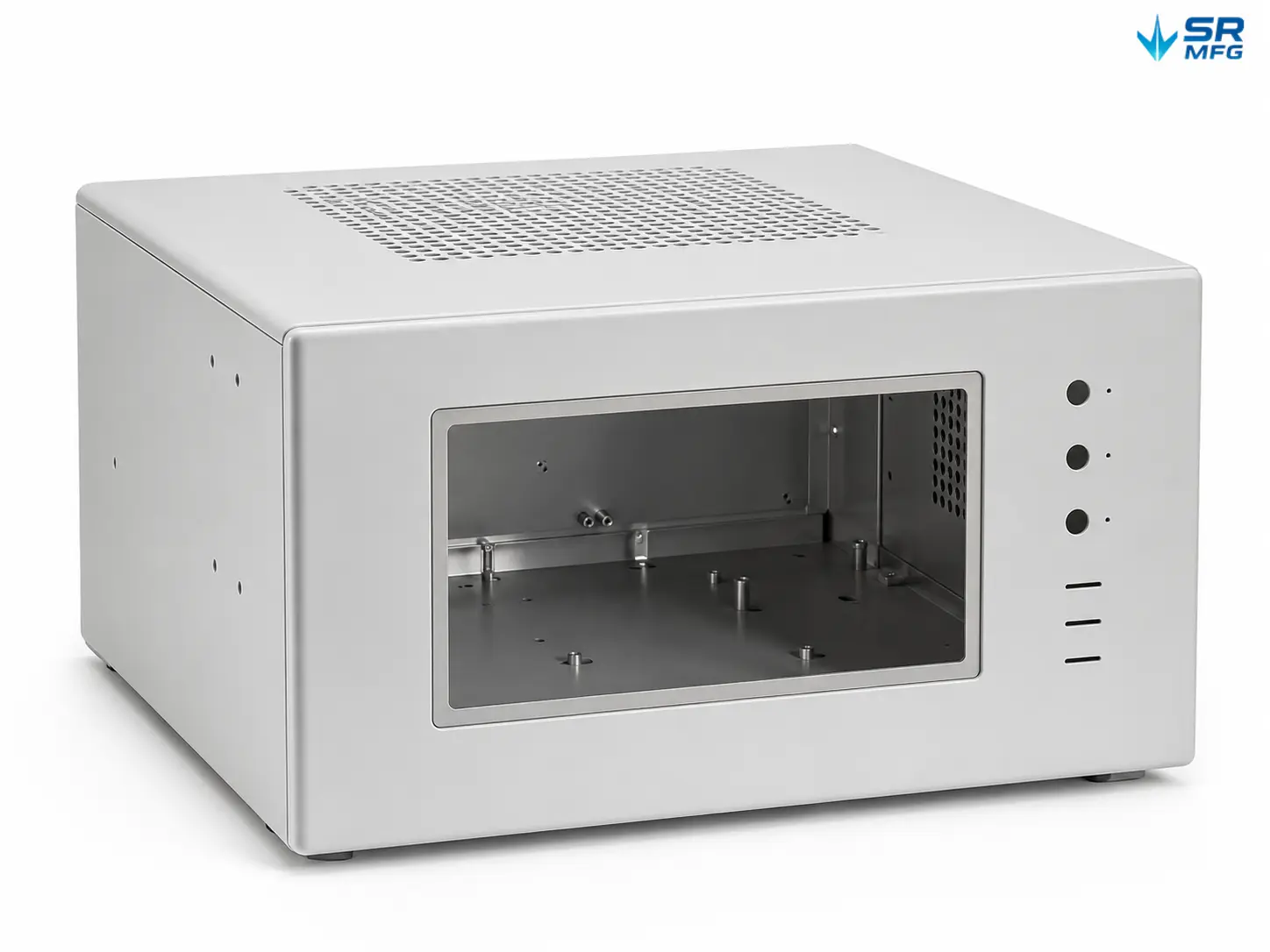
Housings & Enclosures
Best Fit- Good for cabinets, covers, boxes, and control enclosures
- Common before powder coating, wet paint, or e-coat
- Helps improve coating adhesion and surface consistency
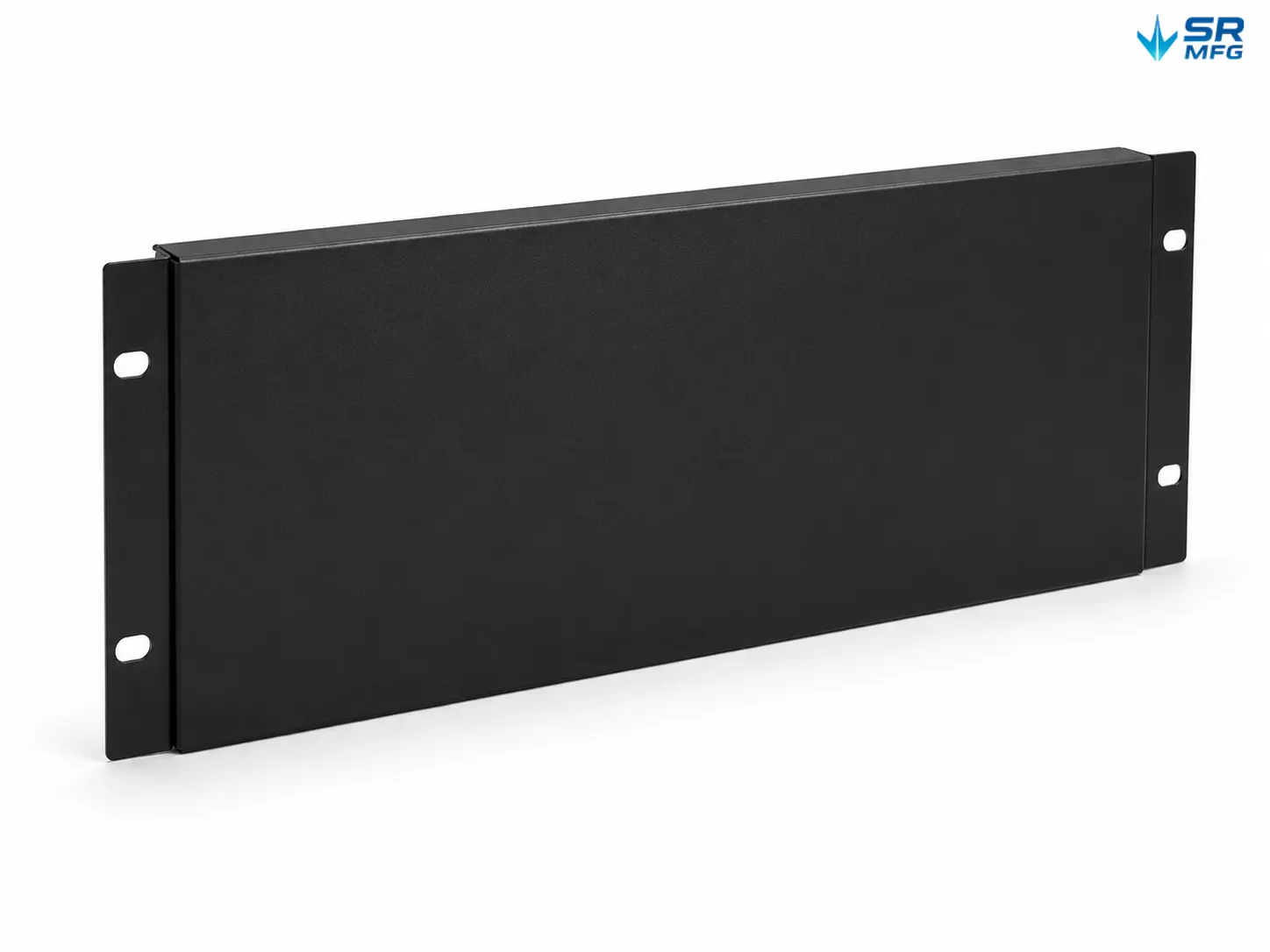
Panels, Brackets &
Chassis Parts
Common Use
- Suited to flat or formed sheet metal parts
- Works well for brackets, panels, base plates, and frames
- Often selected after fabrication is complete
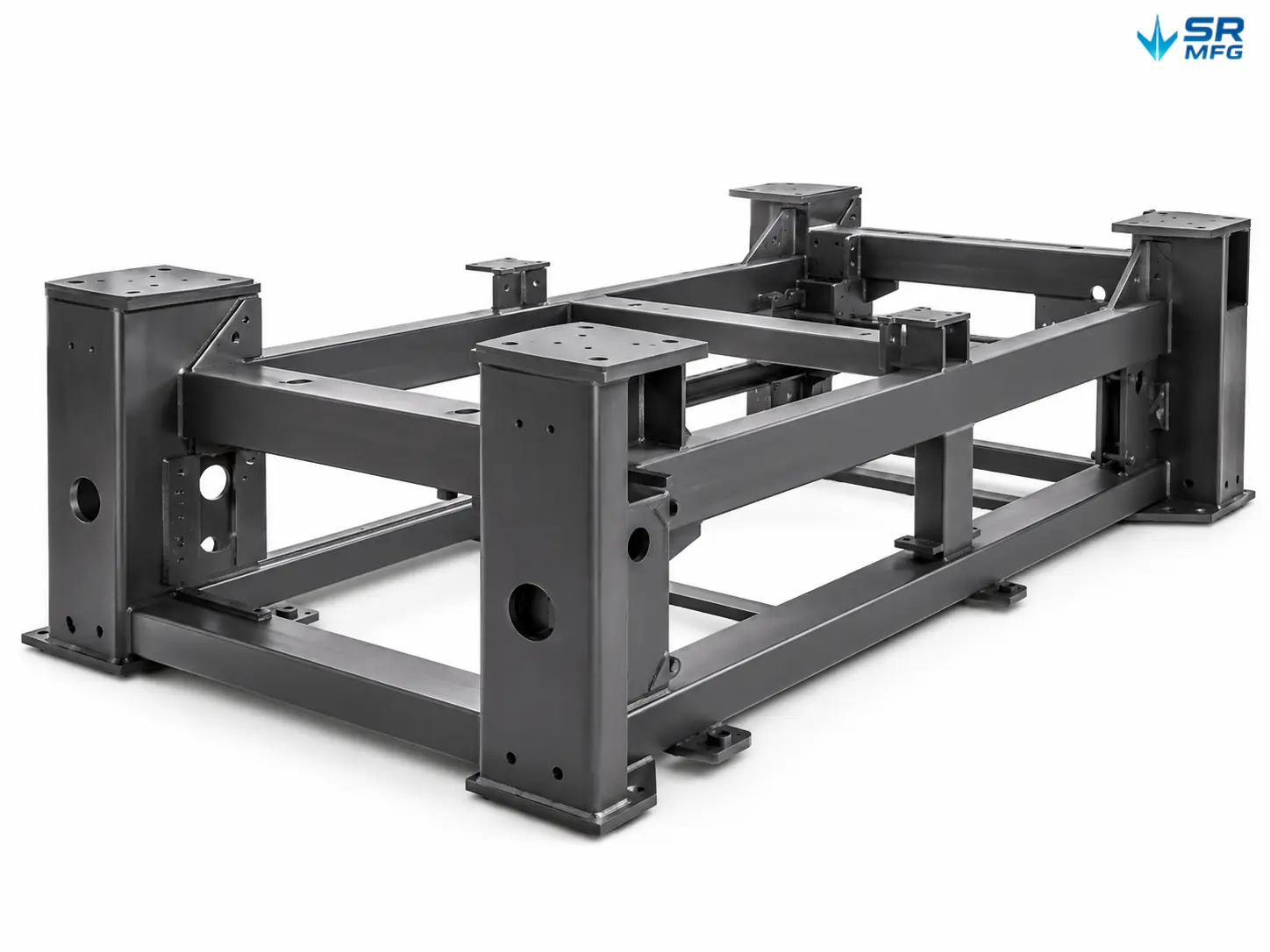
Weldments &
Fabricated Assemblies
Suitable
- Applied after machining, forming, and welding are finished
- Helps prepare the surface for downstream coating
- Sample review is recommended for mixed-geometry assemblies
Fasteners &
Small Hardware
High-Volume Option
- Common for screws, clips, threaded parts, and small hardware
- Barrel or basket processing is often efficient
- Good for batch consistency and production volume
Gears, Shafts &
Wear Parts
Functional Use
- Often paired with manganese phosphate for wear-related parts
- Supports oil retention and run-in performance
- Used for gears, driveline parts, and selected bearing-related components
Preforms for Drawing &
Cold Forming
Process-Specific
- Used before deep drawing, wire drawing, or tube drawing
- Can carry forming lubricants and help reduce galling
- Engineering validation is recommended before production
Final part suitability depends on substrate material, downstream coating system, part geometry, cosmetic expectations, processing route, and validation requirements.
Engineering review recommendedControlled Phosphating Process Flow
A structured phosphating route helps control surface cleanliness, conversion coating quality, downstream coating adhesion, and batch-to-batch consistency.
Incoming Review & Masking
Confirm the project requirements before chemical processing starts.
- Review material, drawings, and coating requirements
- Identify critical surfaces and masking areas
- Define inspection and documentation needs
Degreasing & Cleaning
Remove contamination so the phosphate reaction can form consistently.
- Remove oil, fingerprints, and shop contamination
- Prepare the surface for chemical treatment
- Control bath condition and cleaning effectiveness
Rinse / Rust or Oxide Removal
Remove residues, rust, or oxide films when required by the substrate.
- Rinse away residual cleaner
- Apply derusting, pickling, or oxide removal if needed
- Prepare the surface for activation
Surface Conditioning & Phosphating
Activate the surface and form the required phosphate conversion coating.
- Promote a more uniform phosphate layer
- Control coating weight and surface condition
- Monitor temperature, concentration, and time
Final Rinse / Sealing / Drying
Stabilize the surface before downstream coating or temporary protection.
- Use multi-stage rinsing for cleanliness
- Apply sealing or passivation when specified
- Dry parts before the next process step
Coating Transfer or Packing
Move parts into coating, temporary protection, or controlled packing.
- Proceed to powder coating, wet painting, or e-coat
- Apply temporary rust protection when needed
- Maintain traceability and process records
Engineering Note: Actual process route depends on substrate material, phosphate chemistry, surface condition, coating system, masking requirements, and project acceptance criteria.
Metal Phosphating Process (Video Walkthrough)
Ready to Review Your Phosphating Requirements?
Not sure which phosphating system is suitable for your parts? Send us your drawings, substrate material, downstream coating process, corrosion requirements, coating weight target, masking areas, and inspection standards. Our engineering team will review the application and recommend a suitable phosphating pretreatment route.
Industries & Phosphating Applications
SR MFG provides phosphating services for OEM steel and iron components used in industrial equipment, automotive, fasteners, hardware, and structural assemblies. Phosphating forms a crystalline phosphate conversion layer on metal surfaces to improve paint adhesion, support corrosion resistance as part of the downstream coating system, and provide functional surface properties for selected forming and wear applications. We support both prototype and production requirements across multiple application sectors.
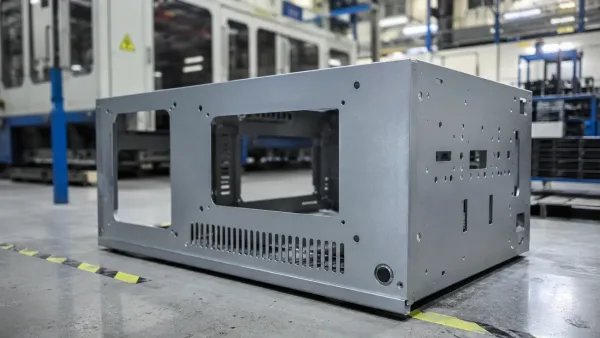
Data Centers & IT Equipment
Phosphating for data center components, network infrastructure, and IT hardware steel parts, creating a uniform phosphate layer that enhances paint adhesion and provides reliable base-level corrosion protection for indoor operating environments.
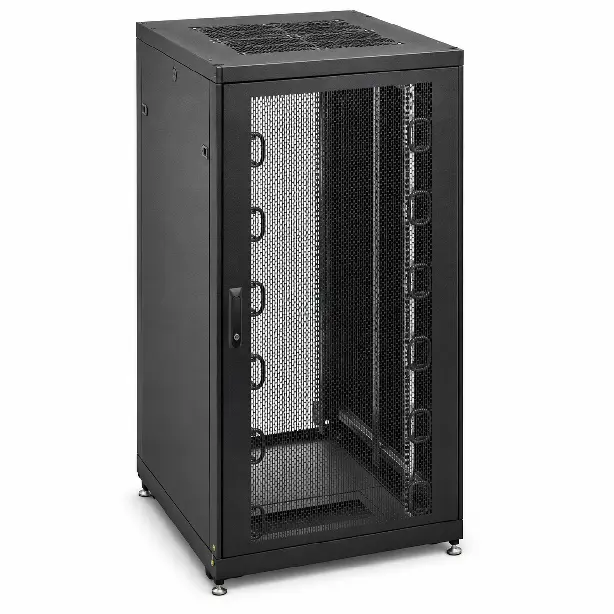
- Server rack frames & rails
- Cable management trays
- Cabinet panels & doors
- Mounting brackets & plates
Consumer Electronics
Phosphating for consumer electronics metal housings, internal brackets, display structures, and steel assemblies, providing an excellent paint bonding base that ensures long-lasting coating adhesion and a consistent finished appearance.

- Device housings & covers
- Internal support brackets
- Display mounting structures
- Speaker & audio metal parts
- Small precision formed parts
Electrical Equipment
Phosphating for electrical enclosures, control cabinets, power distribution units, and industrial electrical components, offering strong corrosion resistance and an ideal primer base for subsequent painting or powder coating processes.
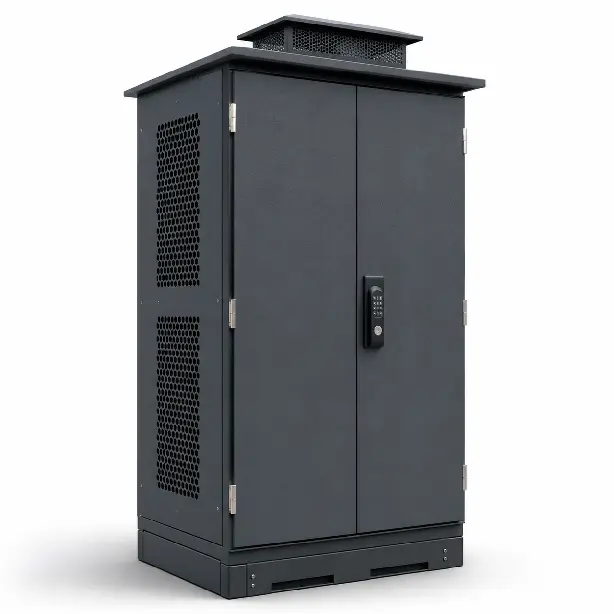
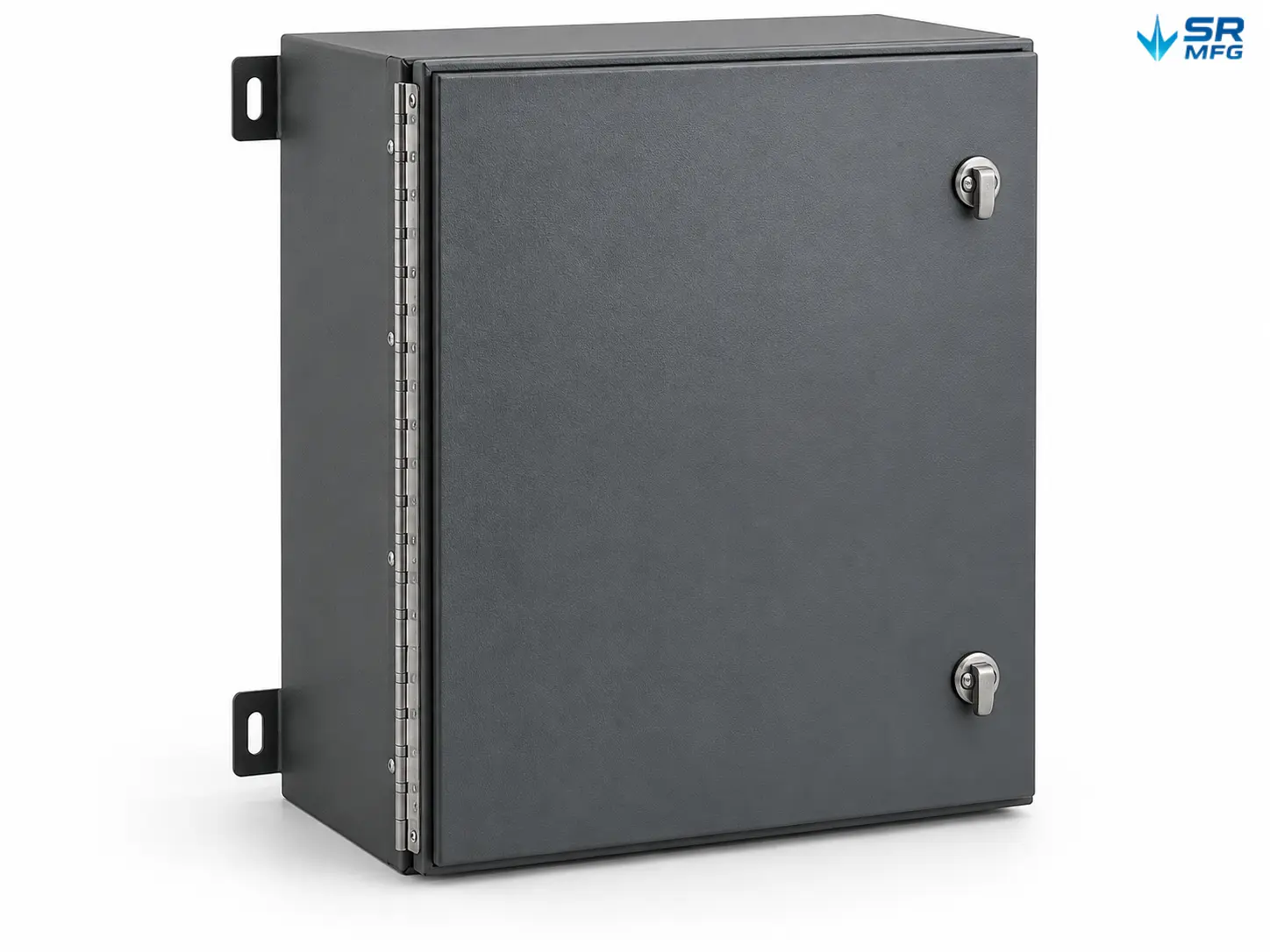
- Electrical cabinet enclosures
- Control box panels
- Terminal mounting plates
- DIN rail brackets
- Ventilation and access panels
Industrial Equipment
Phosphating for machinery, automation systems, production equipment, and structural steel assemblies, providing a consistent pretreatment layer that improves coating adhesion and supports corrosion resistance under demanding shop-floor conditions.
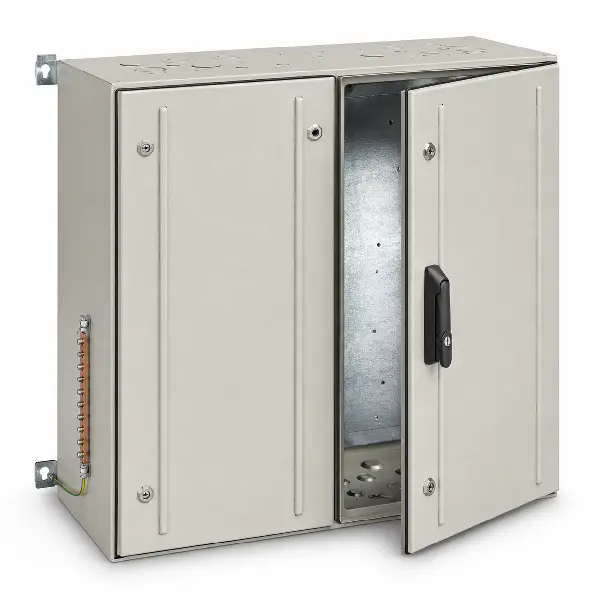
- Machine covers & guards
- Equipment frames
- Conveyor brackets
- Sensor mounting plates
- Protective panels & shields
New Energy Systems
Phosphating solutions for EV charging equipment, battery systems, energy storage cabinets, and power conversion units, providing a reliable corrosion-protective base layer that enhances paint system performance in both indoor and outdoor environments.
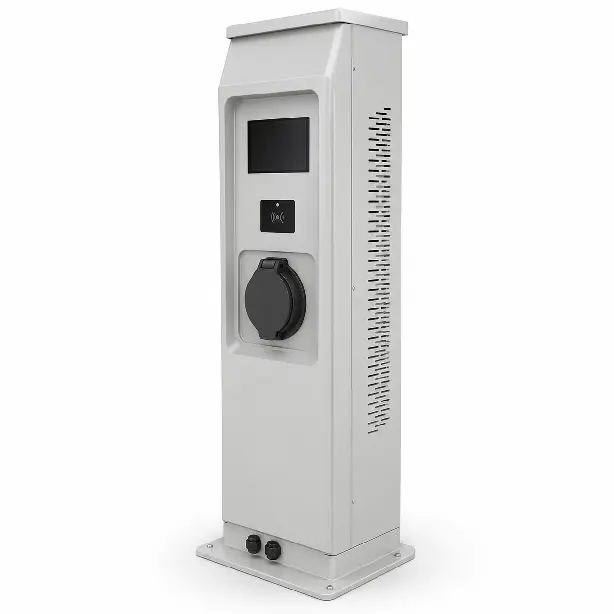
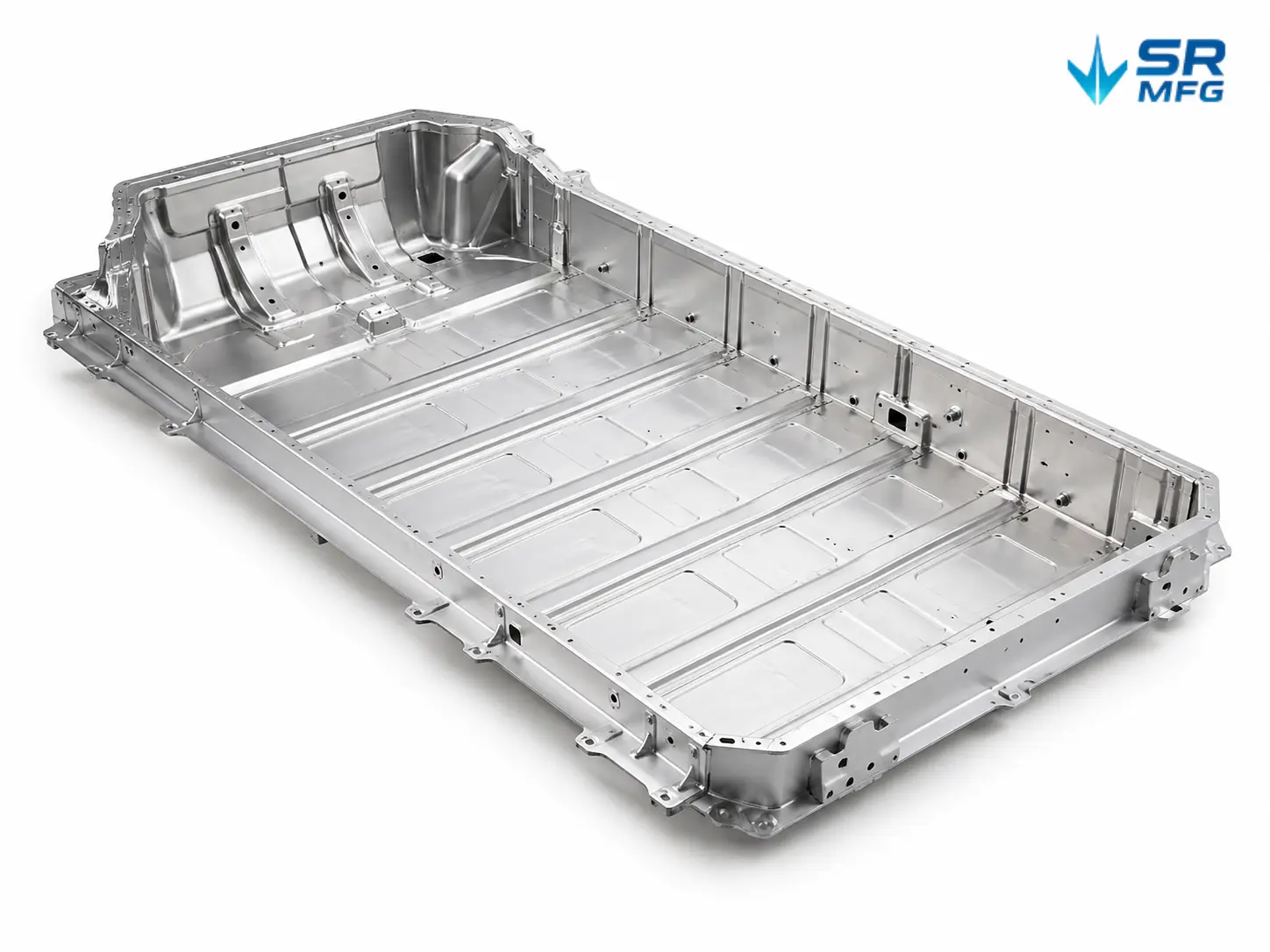
- Battery enclosure parts
- Charging station cabinets
- Energy storage cabinet panels
- Busbar support brackets
- Power module housings
Outdoor Equipment
Phosphating pretreatment for outdoor enclosures, equipment covers, hardware, lighting systems, and structural fixtures, providing a consistent conversion layer that improves coating adhesion and supports corrosion resistance when combined with suitable powder coating, paint, or sealing systems.
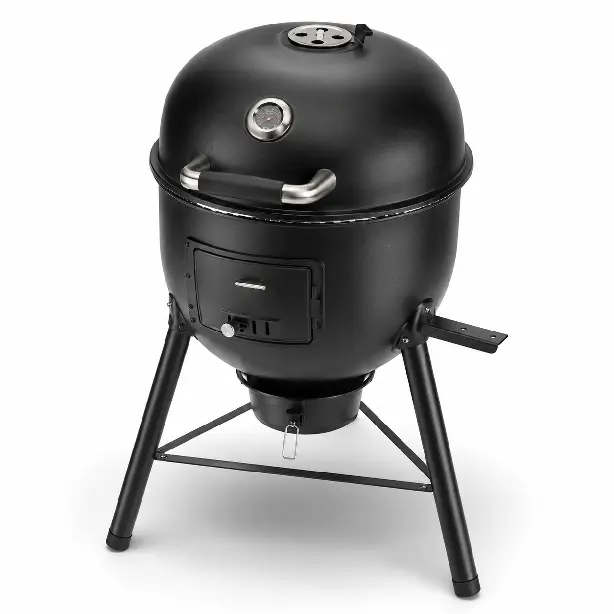
- Outdoor equipment housings
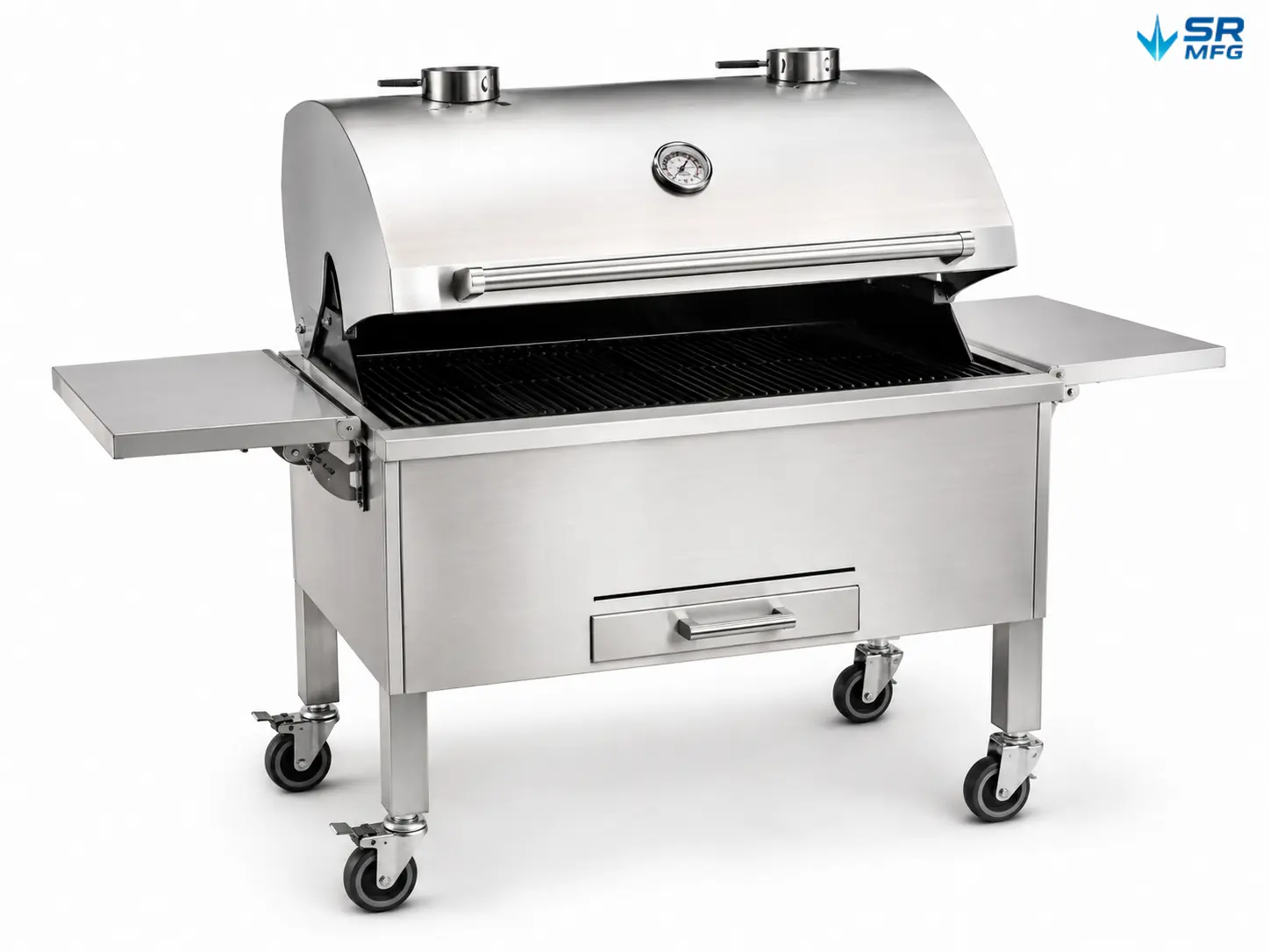
- BBQ grill sheet metal bodies
- Protective covers & panels
- Mounting brackets
- Weather-resistant structural parts
Built for Your Application
Whether you need a single sample or full production volumes, SR MFG ensures consistent phosphate coating weight, uniform crystal structure, and reliable delivery for every phosphating project. We offer zinc phosphating, iron phosphating, and manganese phosphating processes to meet your corrosion protection, paint adhesion, and anti-friction requirements.
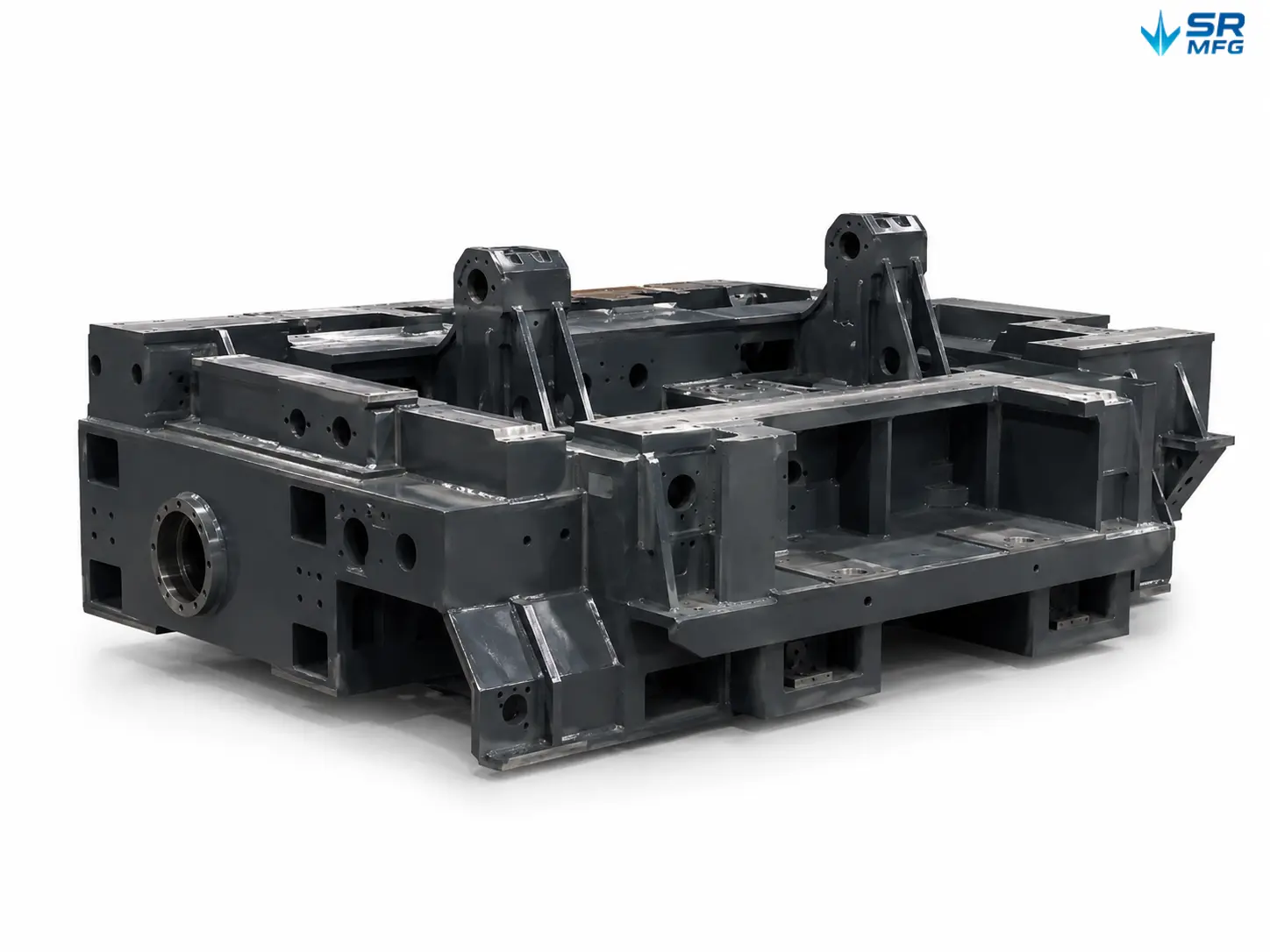
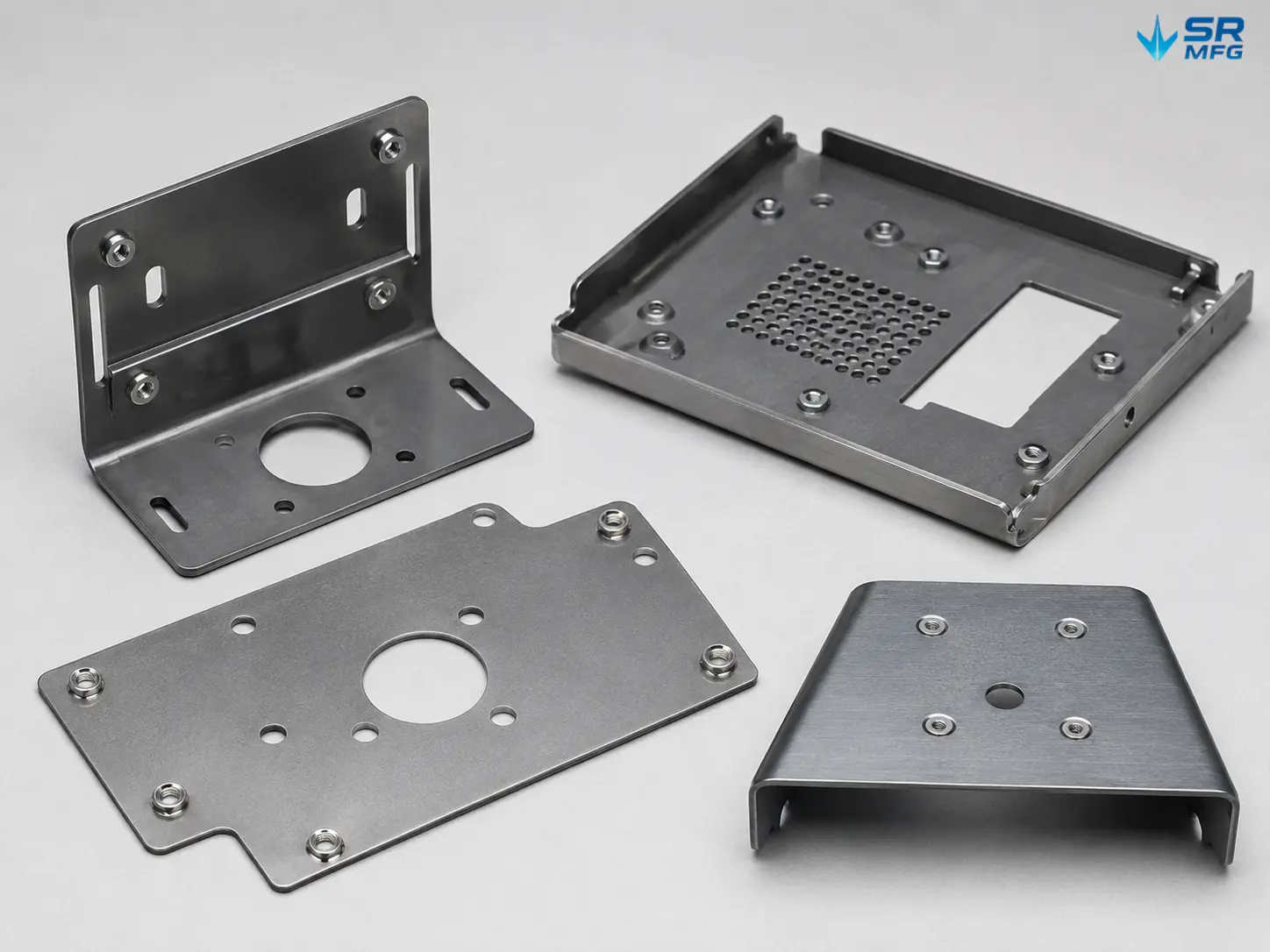
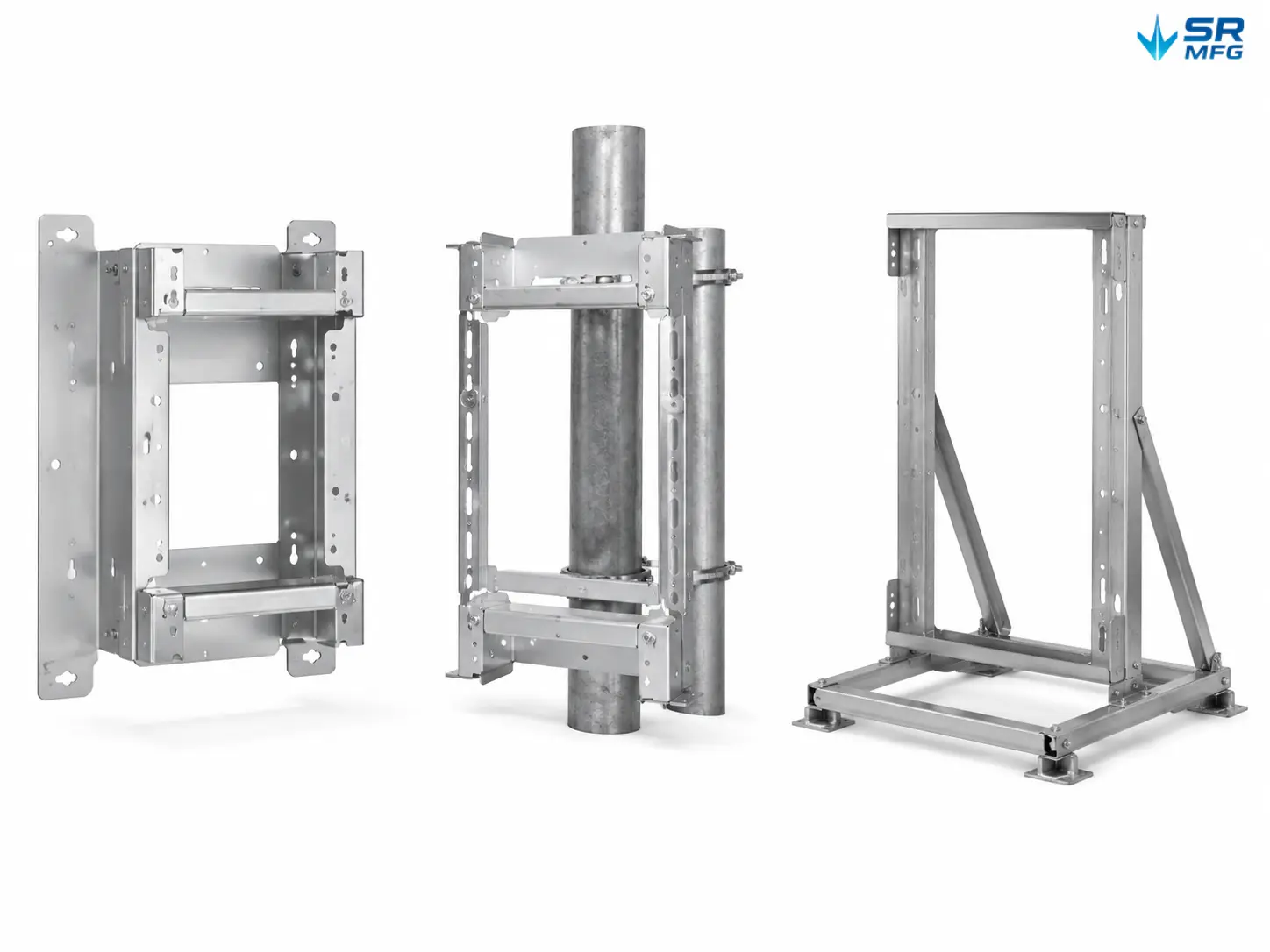
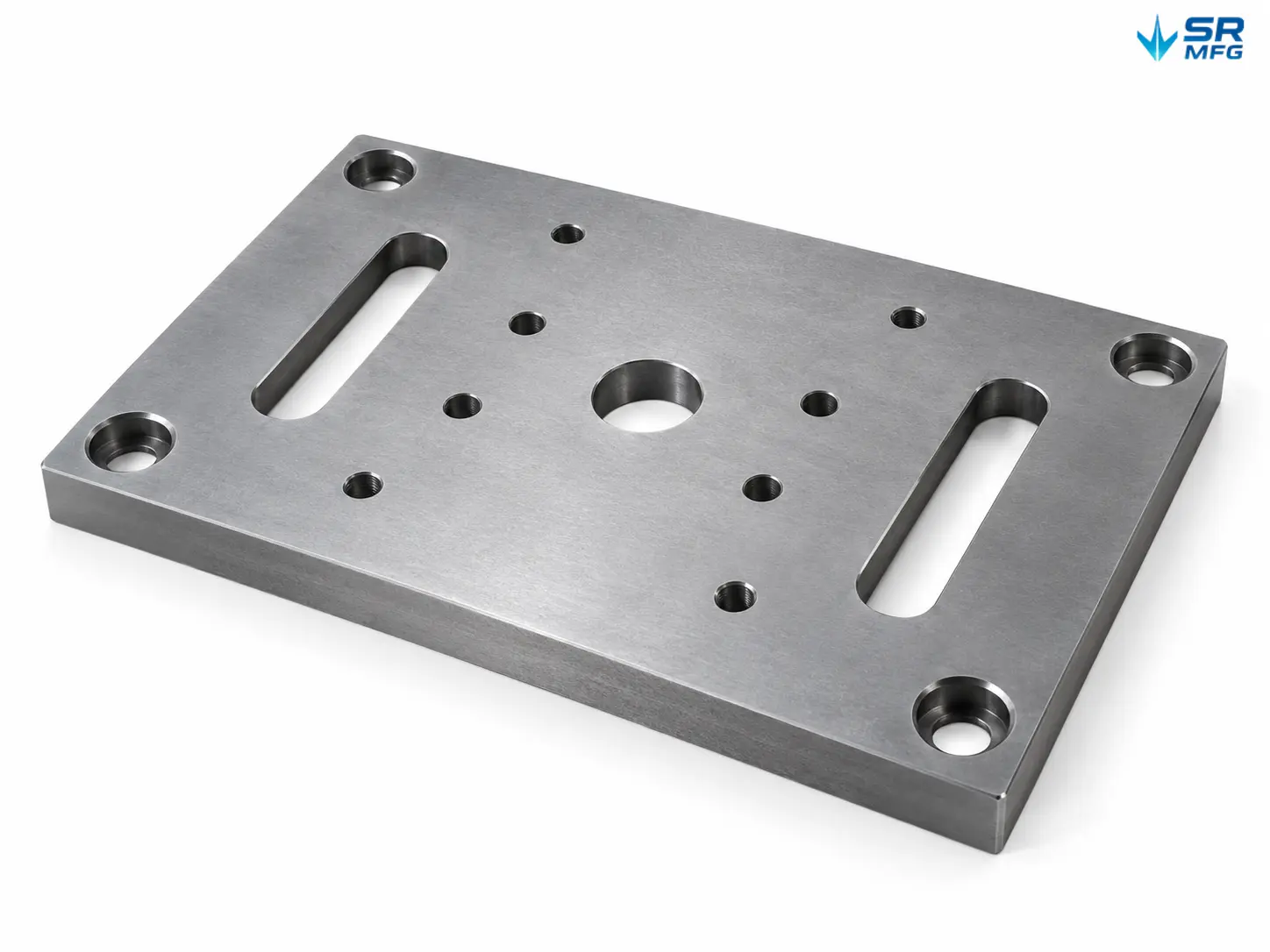
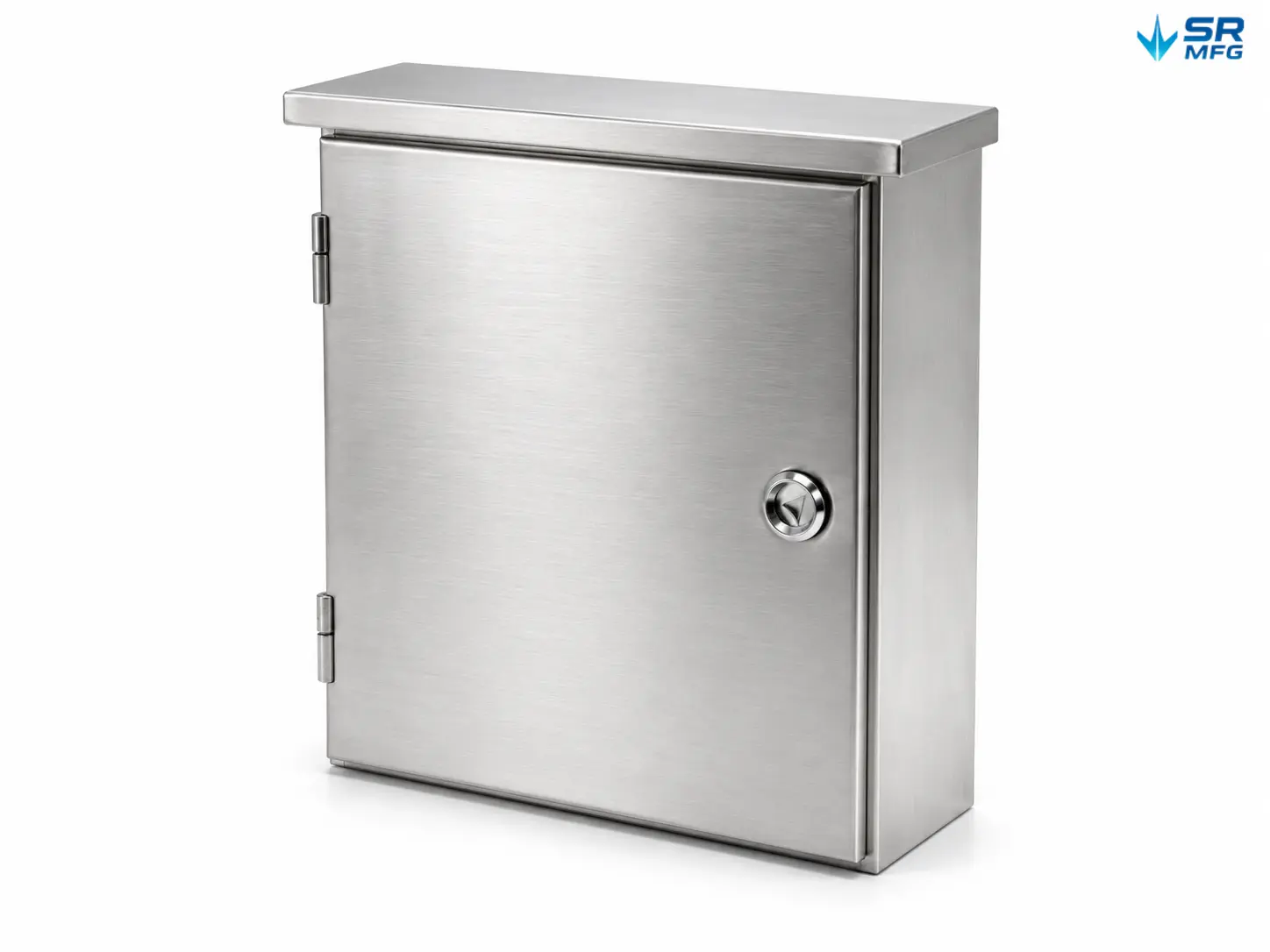
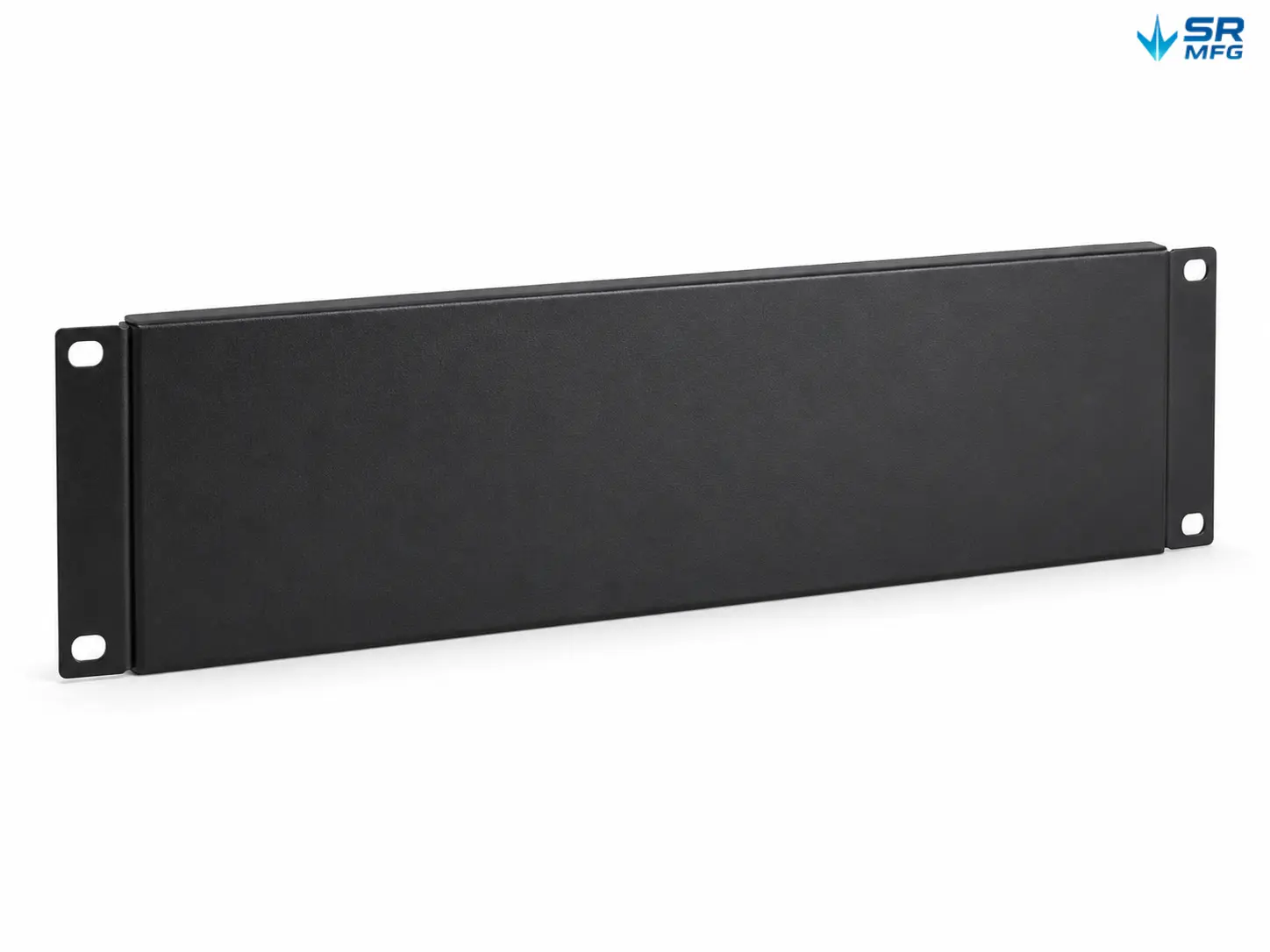
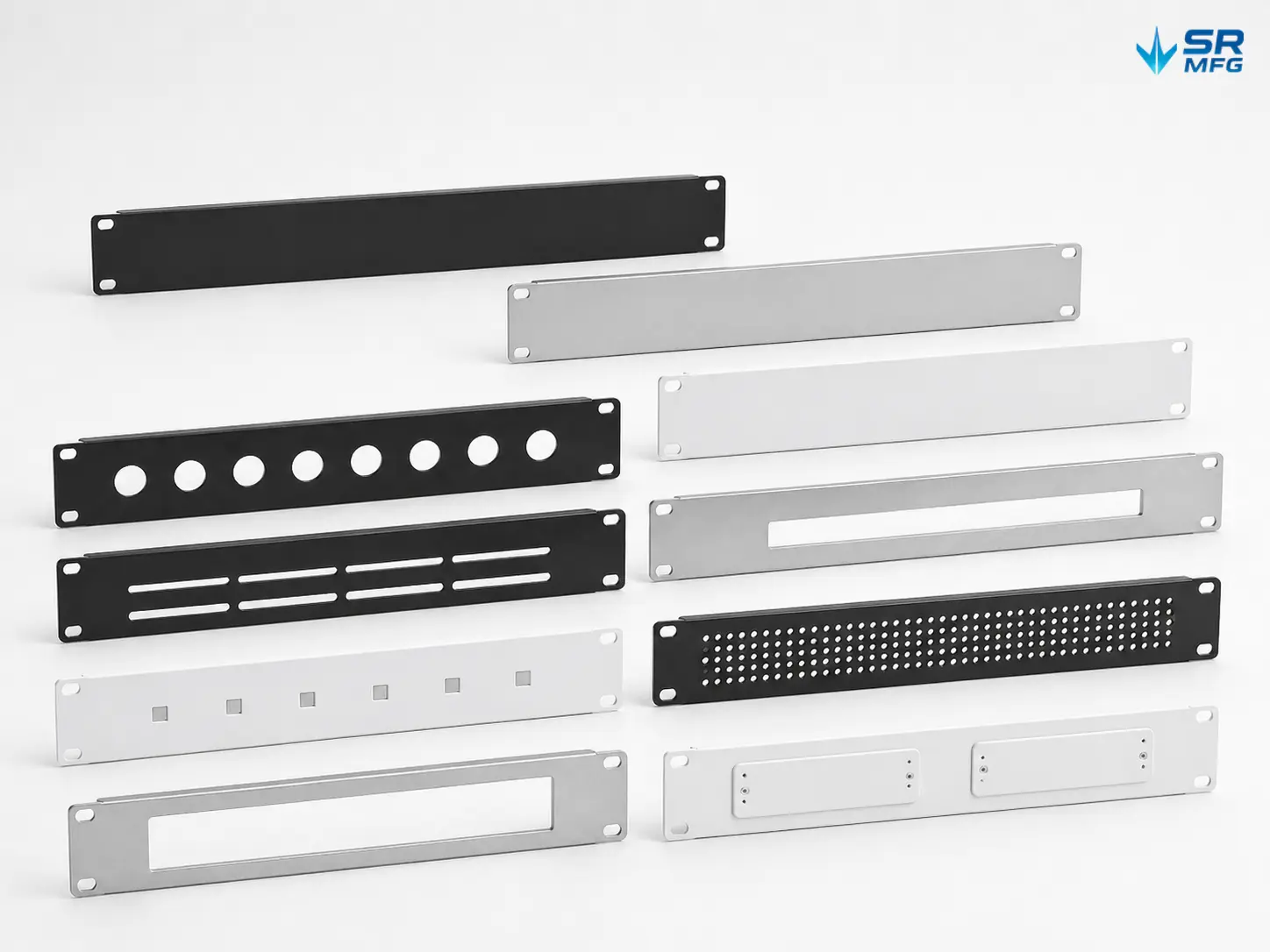
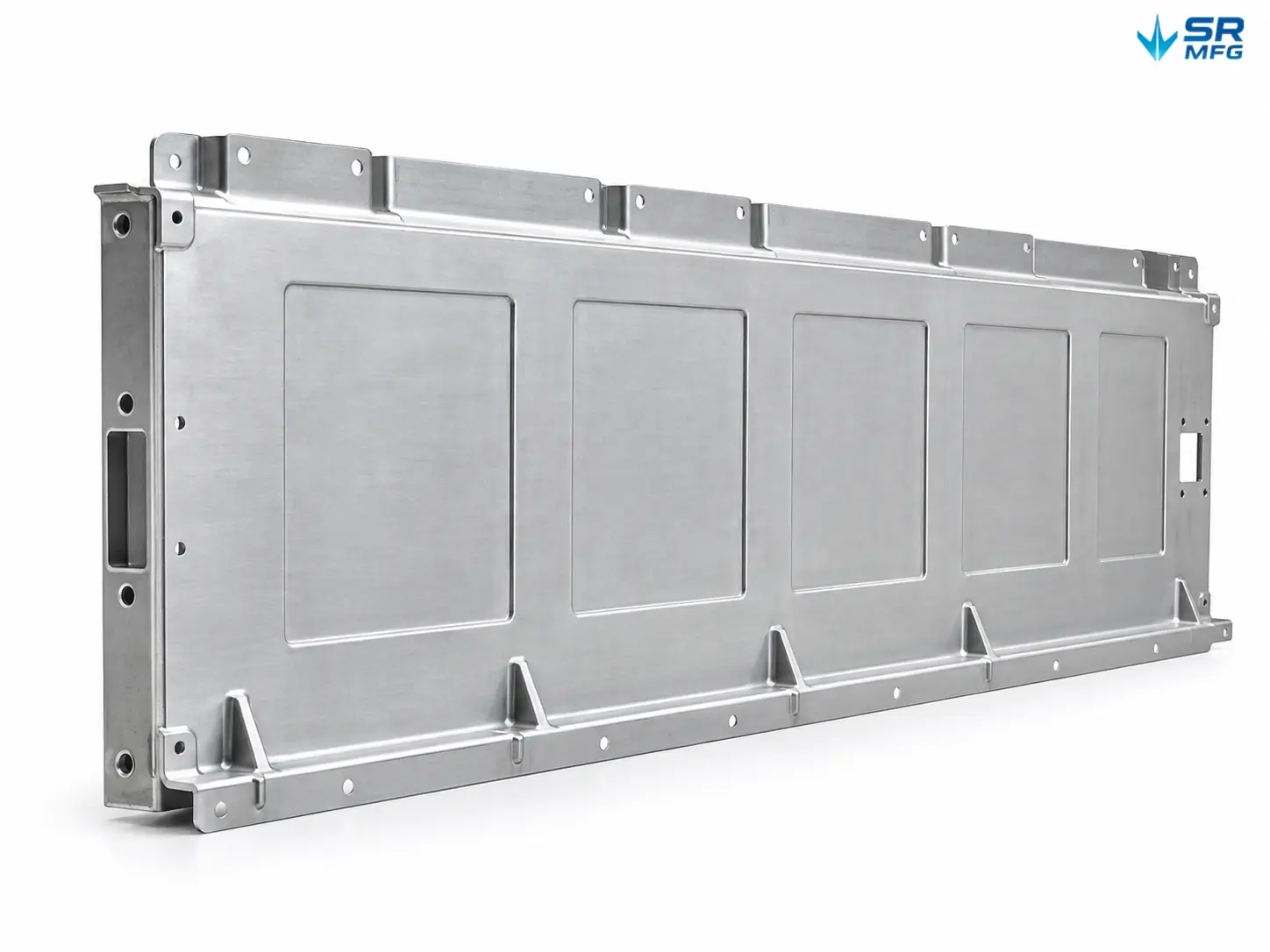
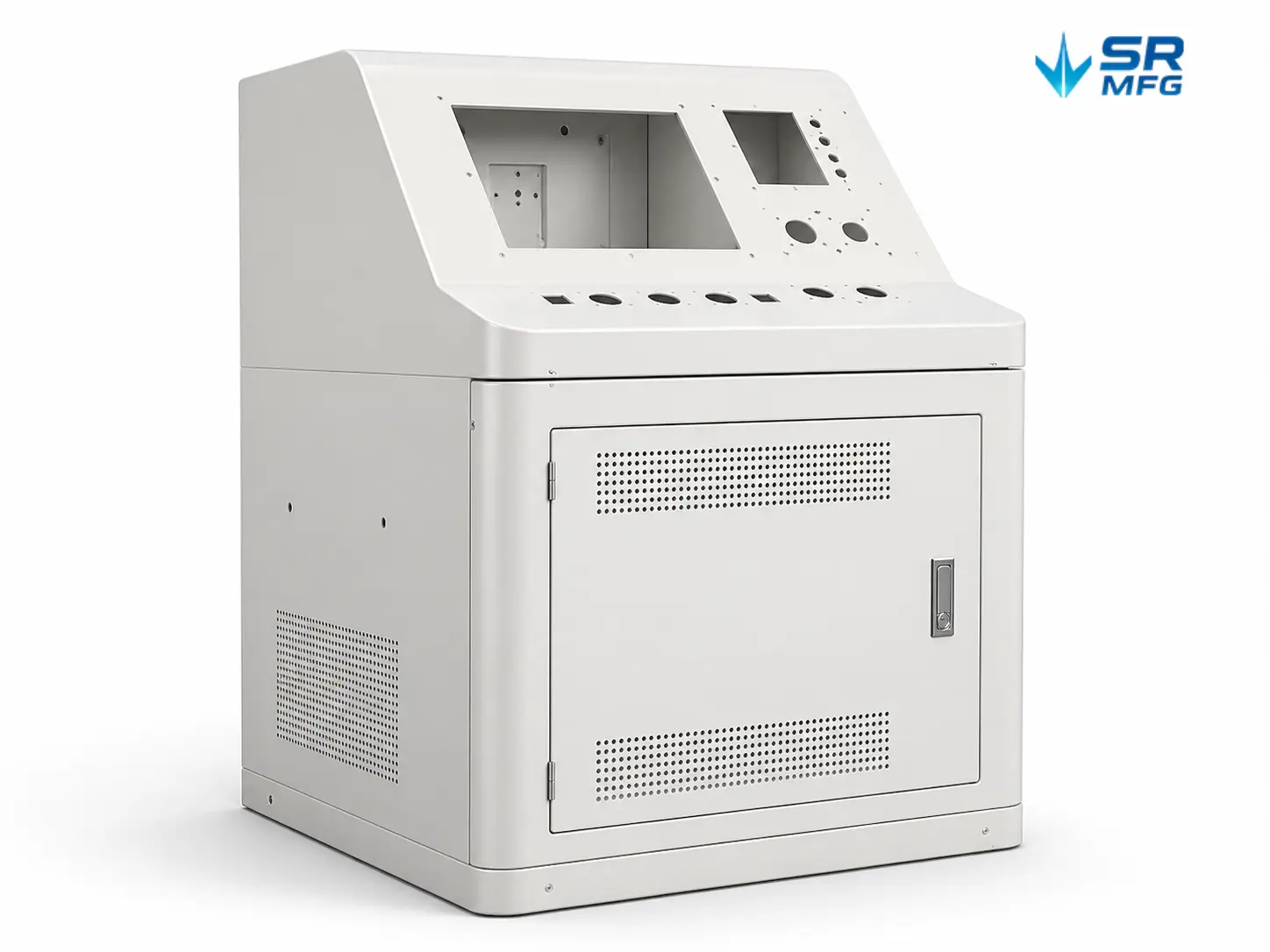
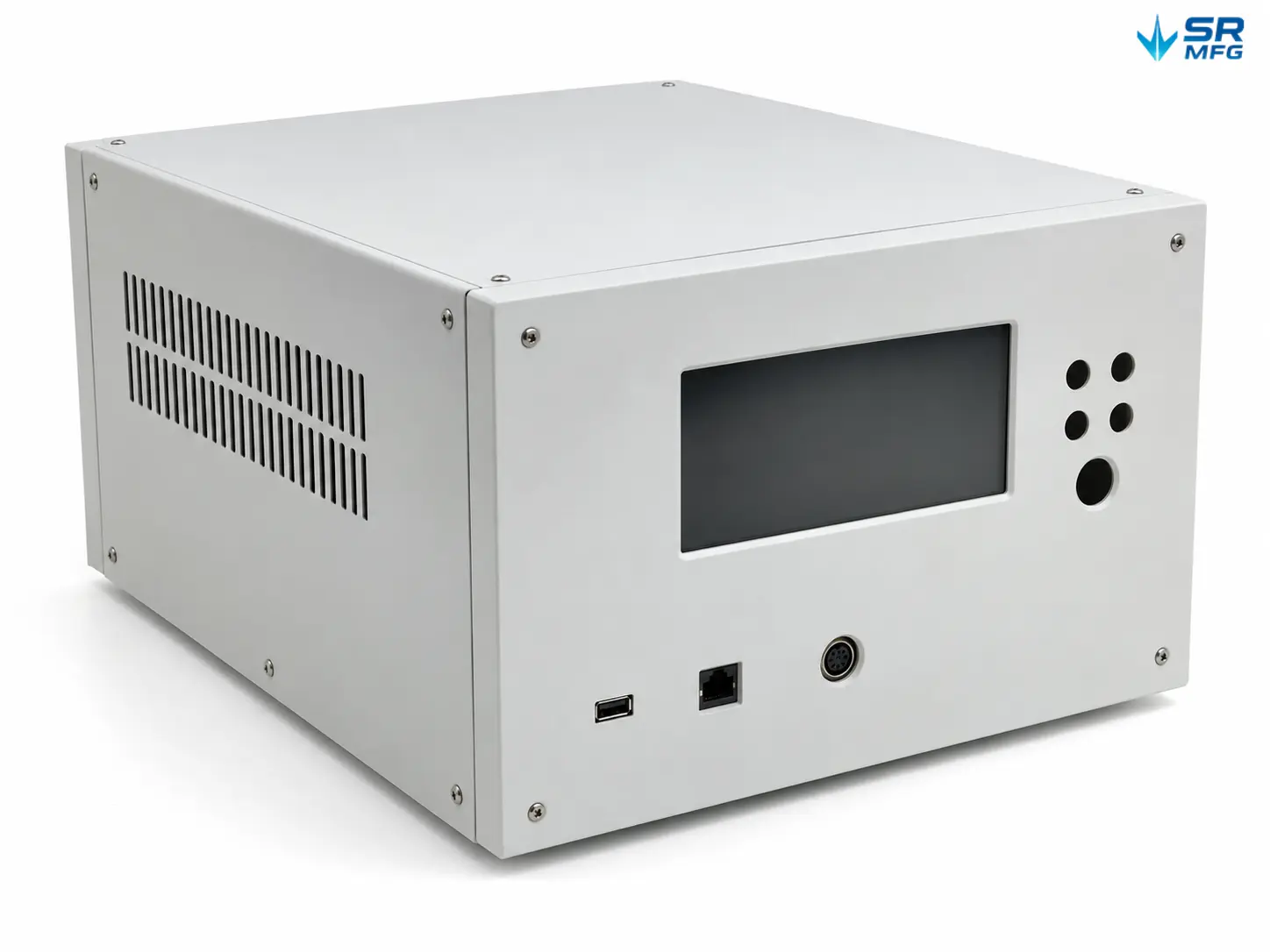
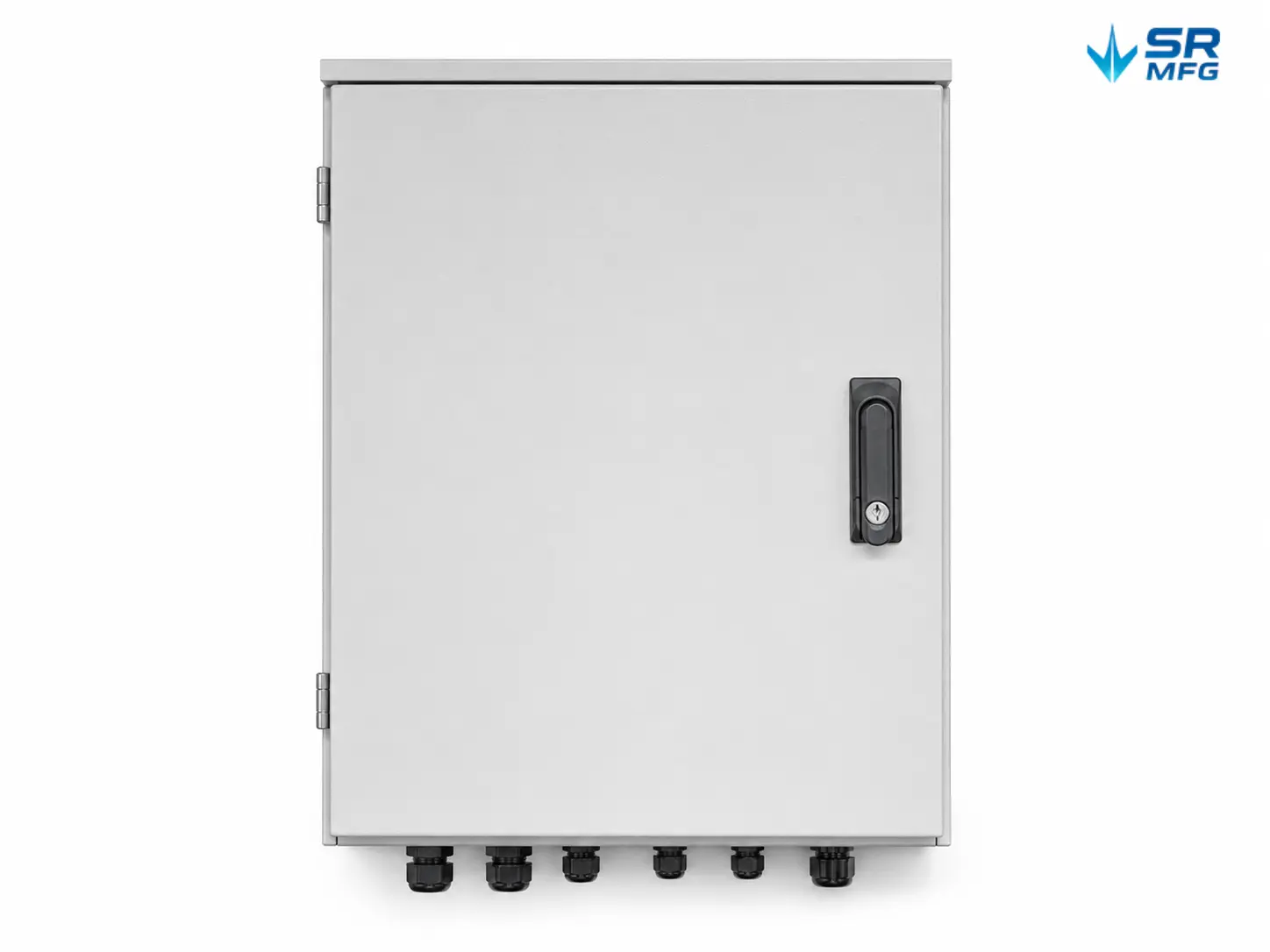
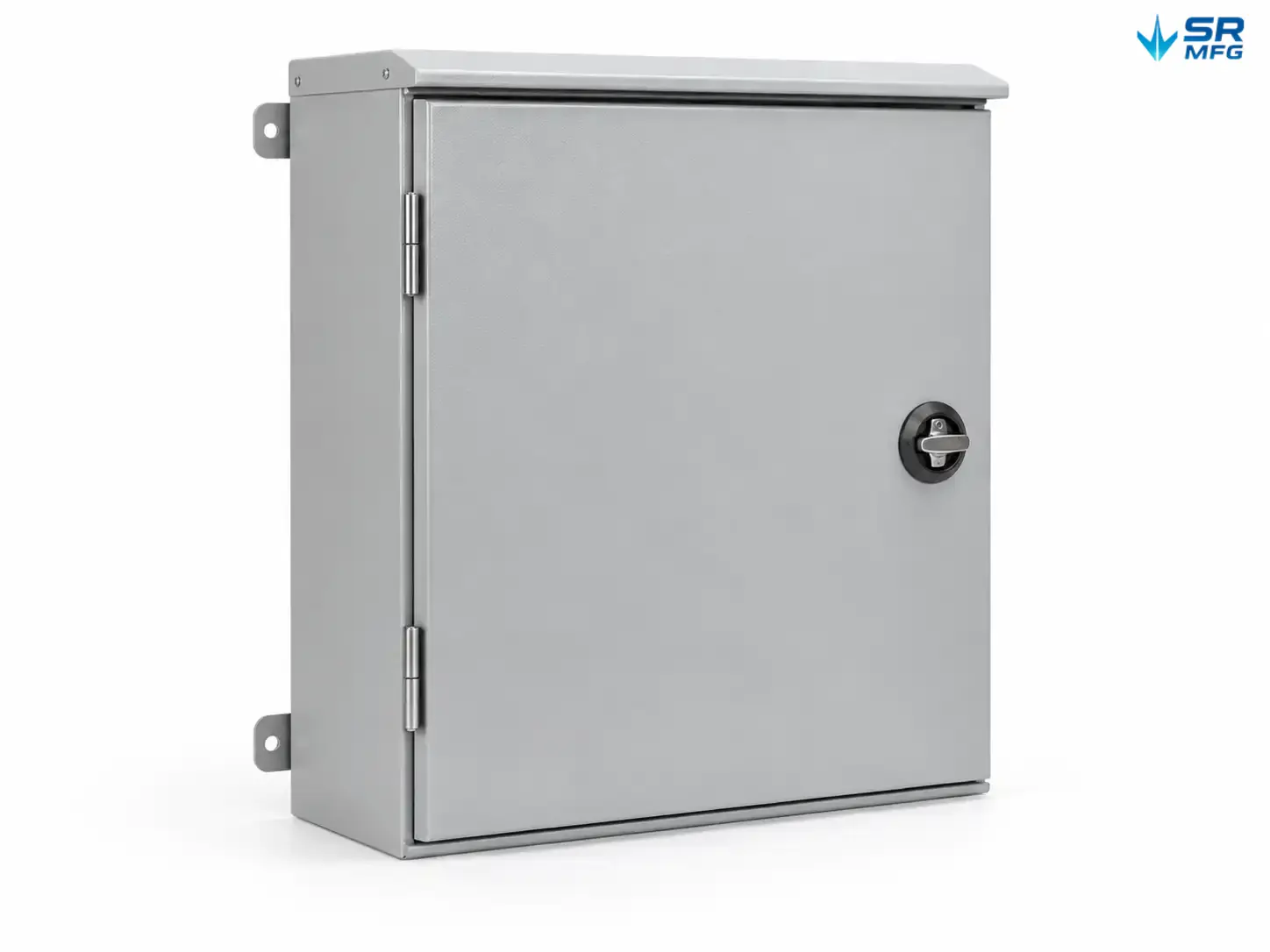
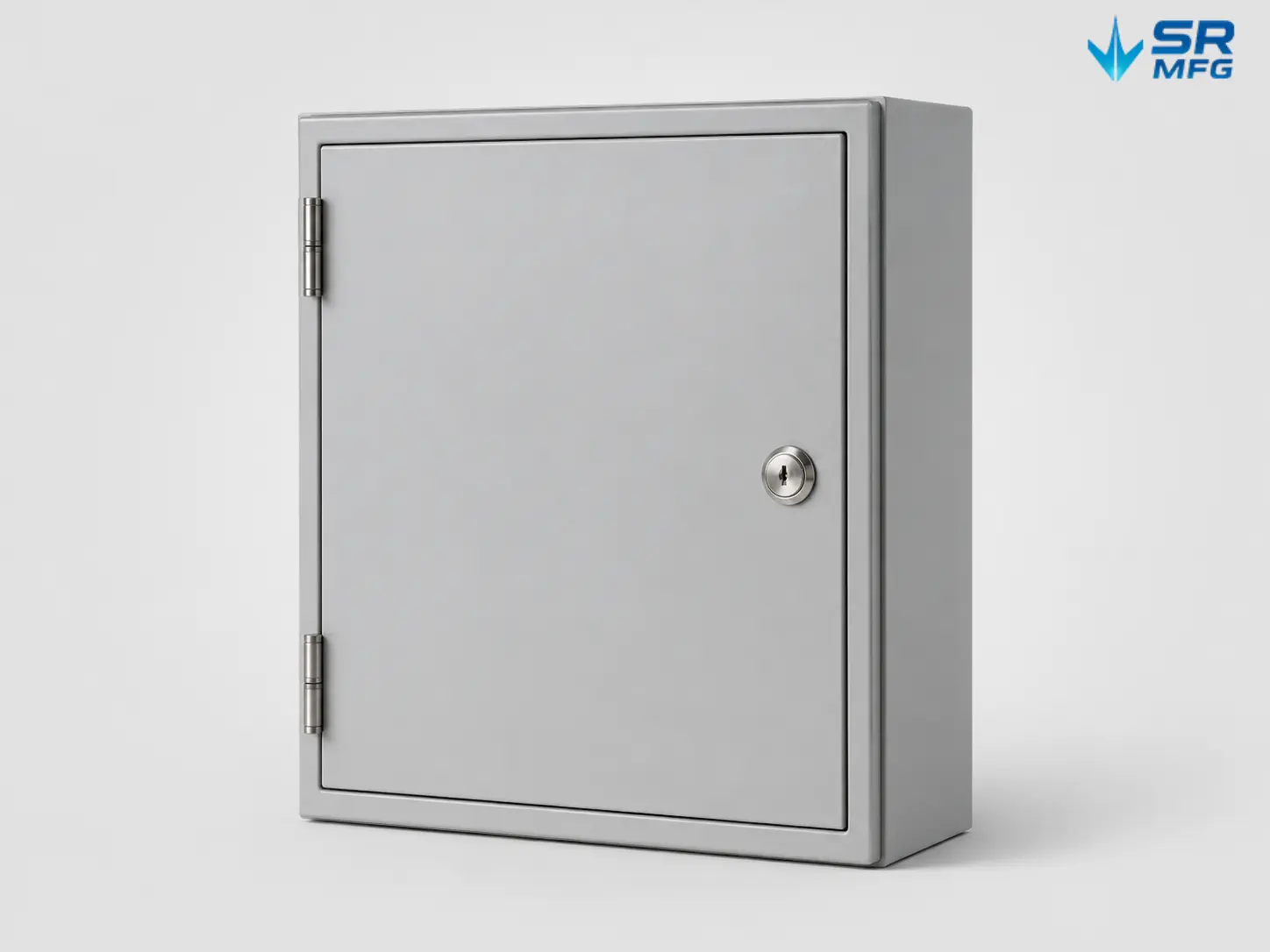
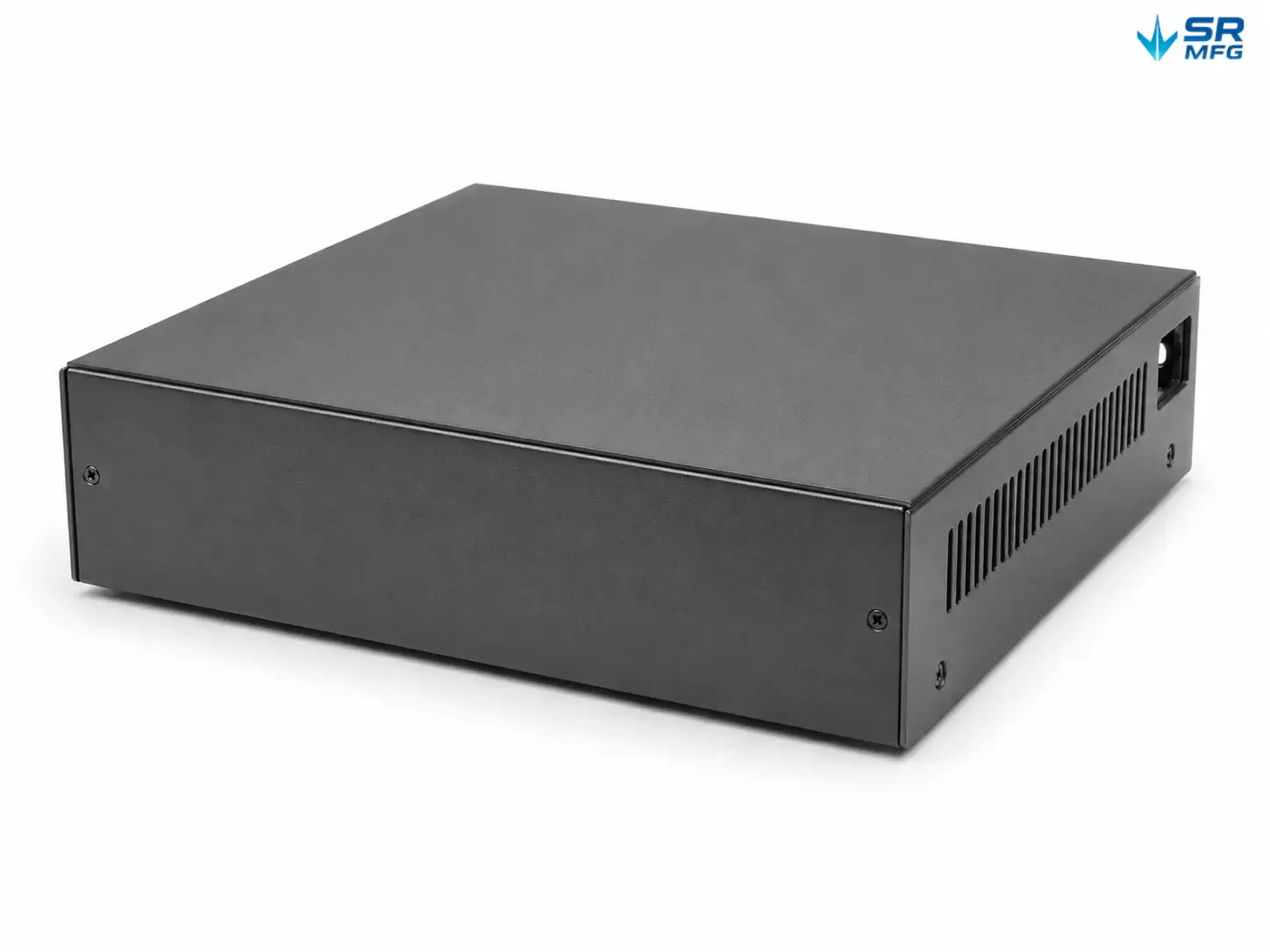
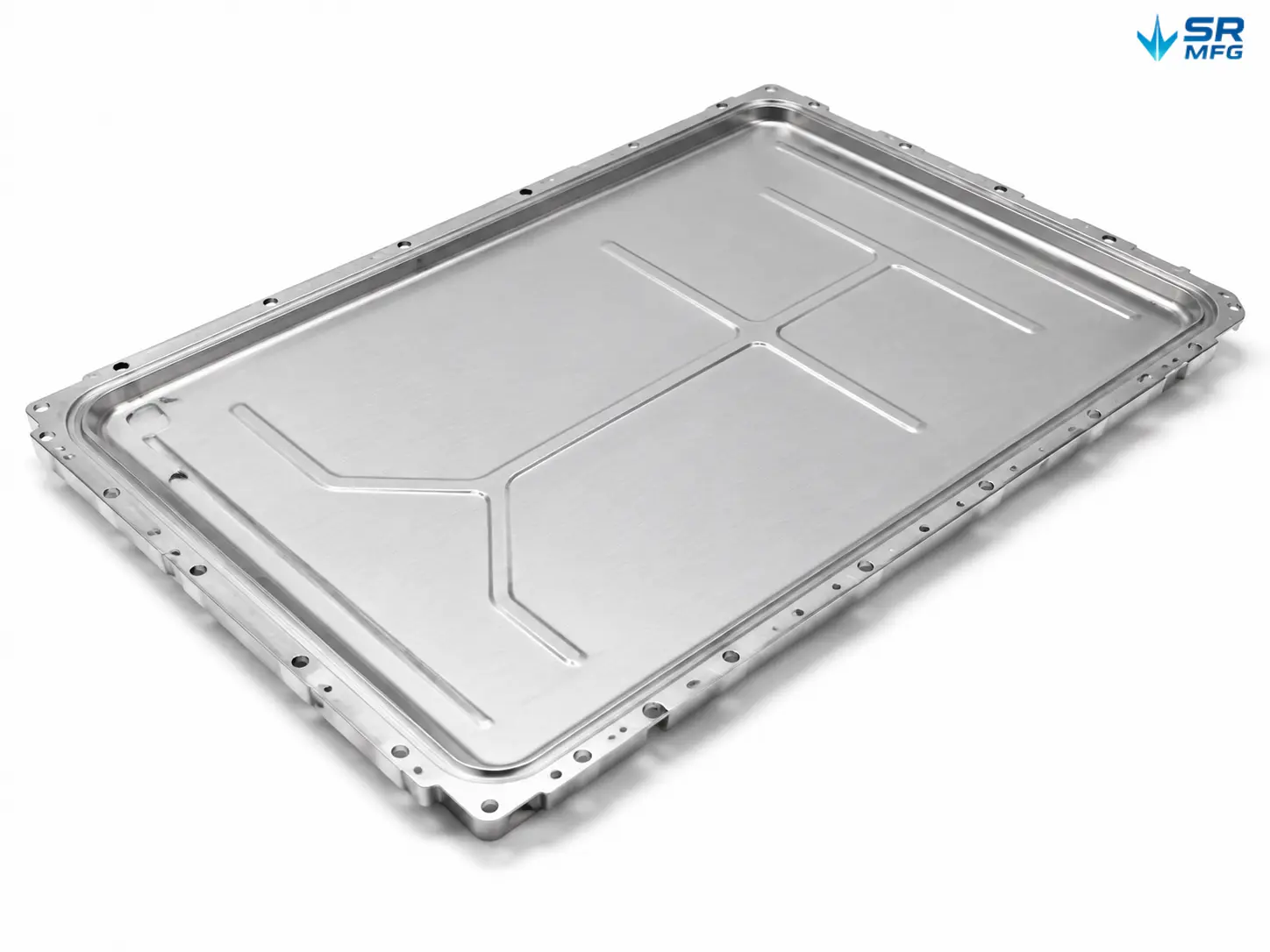
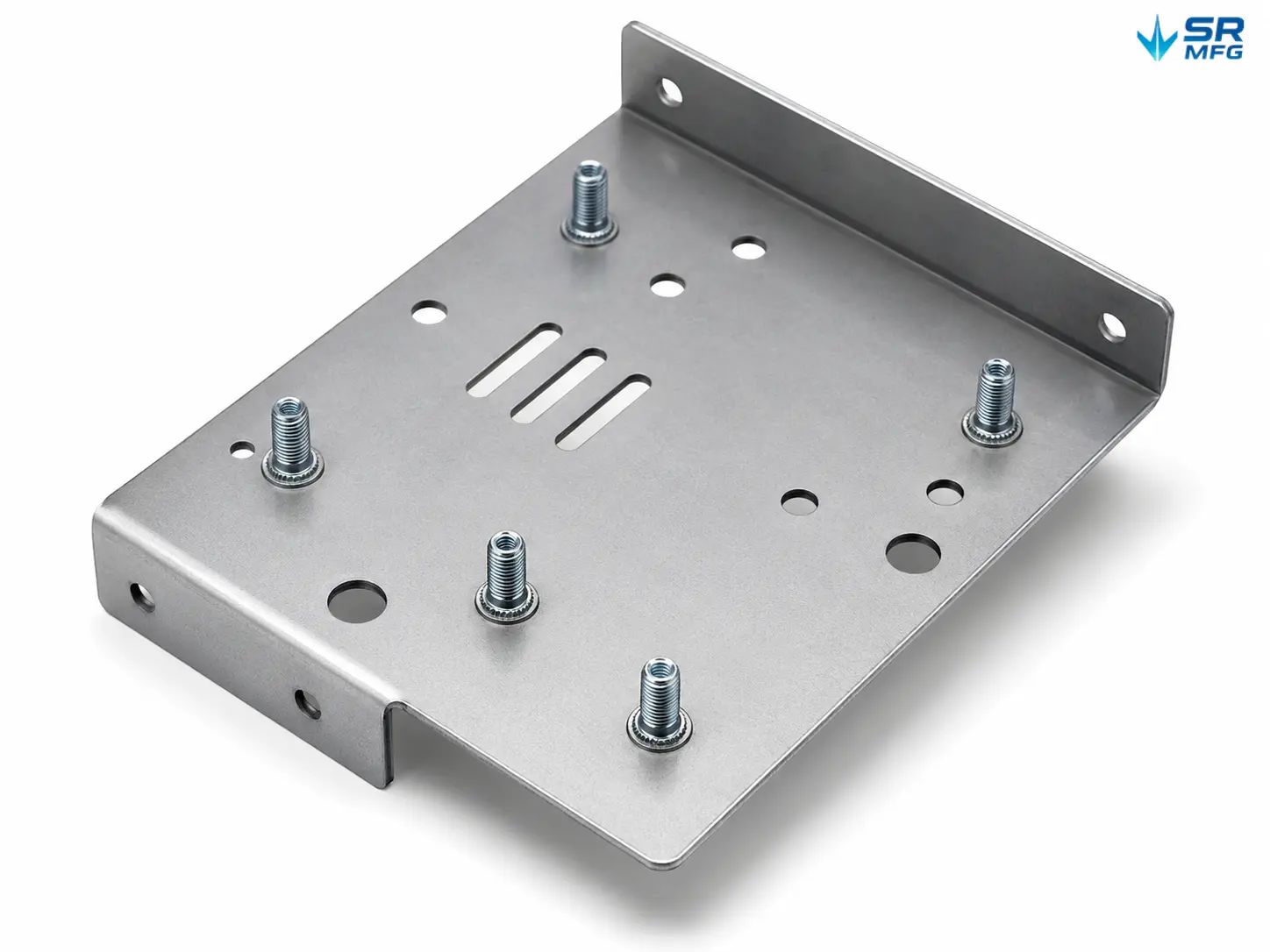
Sheet Metal Parts for Phosphating & Coating Applications



Metal Phosphating FAQs
The rule of thumb is simple: choose based on your corrosion target, service environment, downstream coating system, and whether you prioritize lower cost/easier maintenance or maximum performance.
Iron phosphate (Fe phosphate) produces a relatively “light” conversion coating and is primarily used to improve coating adhesion. It’s a good fit for indoor parts or mild environments, especially when you want a shorter process and lower maintenance cost. Iron phosphate is often paired with a sealing step and/or a final rinse to improve overall performance.
Zinc phosphate (Zn phosphate) is typically used as a higher-performance base for durable, corrosion-resistant coating systems. The process is more complex (often including conditioning/activation steps) and is more sensitive to bath control and sludge management, but it’s commonly selected for outdoor exposure or harsher corrosive environments.
Manganese phosphate (Mn phosphate) is more often chosen for functional components—wear resistance, friction reduction, oil retention, anti-galling, and run-in performance—rather than purely as a paint base. Typical parts include gears, fasteners, and other sliding/contact interfaces.
The key isn’t a fixed number of hours—it’s getting the part coated before re-oxidation or contamination occurs.
In practice, many shops aim to complete phosphating → drying → powder/e-coat/paint within the same shift or the same day. In mild environments, “within 24 hours” is sometimes used as a practical guideline, but if visible flash rust appears, the part must be reworked and re-cleaned—passing is based on surface condition, not the clock.
To reduce flash rust risk: keep a proper dew point margin (a common guideline is keeping the part surface temperature at least ~3°C above the dew point), minimize waiting time by making rinse → dry → coat a continuous flow, and when overnight storage or shipping is unavoidable, use temporary corrosion protection + moisture-resistant packaging/desiccant + lot traceability, then confirm surface condition and cleanliness before coating.
Yes—galvanized and zinc-alloy-coated steels are commonly phosphated (often using zinc phosphate) as pretreatment for painting or powder coating.
Key controls that often determine whether you later see peeling or blistering include: removing organic contamination thoroughly (phosphating baths have limited cleaning ability, so degreasing is critical), avoiding overly aggressive alkaline cleaning that can attack or destabilize the zinc surface, controlling coating weight (too heavy can increase adhesion risk; excessive dwell time in production can push coating weight too high), and choosing the right surface activation path for powder coating on hot-dip galvanized parts—industry approaches may include light sweep blasting (without damaging the zinc layer), zinc phosphating, and/or controlled abrasion to build a reliable adhesion base.
Coating weight (mass per unit area) is commonly measured by weighing the part, stripping the phosphate film, then weighing again, and converting the mass loss by the treated area (often reported as mg/ft² or g/m²). Some standards also describe converting coating weight to an equivalent thickness using density assumptions.
Typical reference ranges (often used as practical baselines for paint adhesion) include: iron phosphate ~25–90 mg/ft² and zinc phosphate ~100–300 mg/ft².
On request, SR MFG can provide documentation such as phosphating lot records (bath temperature, time, key parameter checks, and corrective actions), coating weight test records, downstream performance results such as crosshatch adhesion (e.g., ASTM D3359), pull-off adhesion (e.g., ASTM D4541), and corrosion validation such as salt spray (e.g., ISO 9227). We also support traceability files linking incoming lots, in-process lots, inspection results, and shipped lots.
Yes. A post-phosphate sealer/final rinse is a common configuration. While chromate sealers were widely used historically, many industries have moved toward chrome-free alternatives due to tighter restrictions on hexavalent chromium.
From a compliance perspective, the approach is to prioritize chrome-free sealing/final rinse (or customer-approved equivalents) and tie chemical selection to your regulatory requirements (e.g., RoHS, REACH, ELV). For overseas programs, it’s also common to note that EU RoHS restricts certain substances including hexavalent chromium, and chrome-free options help simplify compliance and documentation.
Deliverables can include the chemical supplier’s SDS and compliance declarations, plus process records, and third-party testing when required by your specification.
Technical Resources

Material Storage Humidity Control for Sheet Metal Stock: Dew Point, Packaging, and Shop-Floor Rules
ShuangRui2026-10-22T01:07:59+00:00October 21, 2026|
A warehouse can meet a written relative humidity target and still send flash-rusted sheet to the laser. The [...]
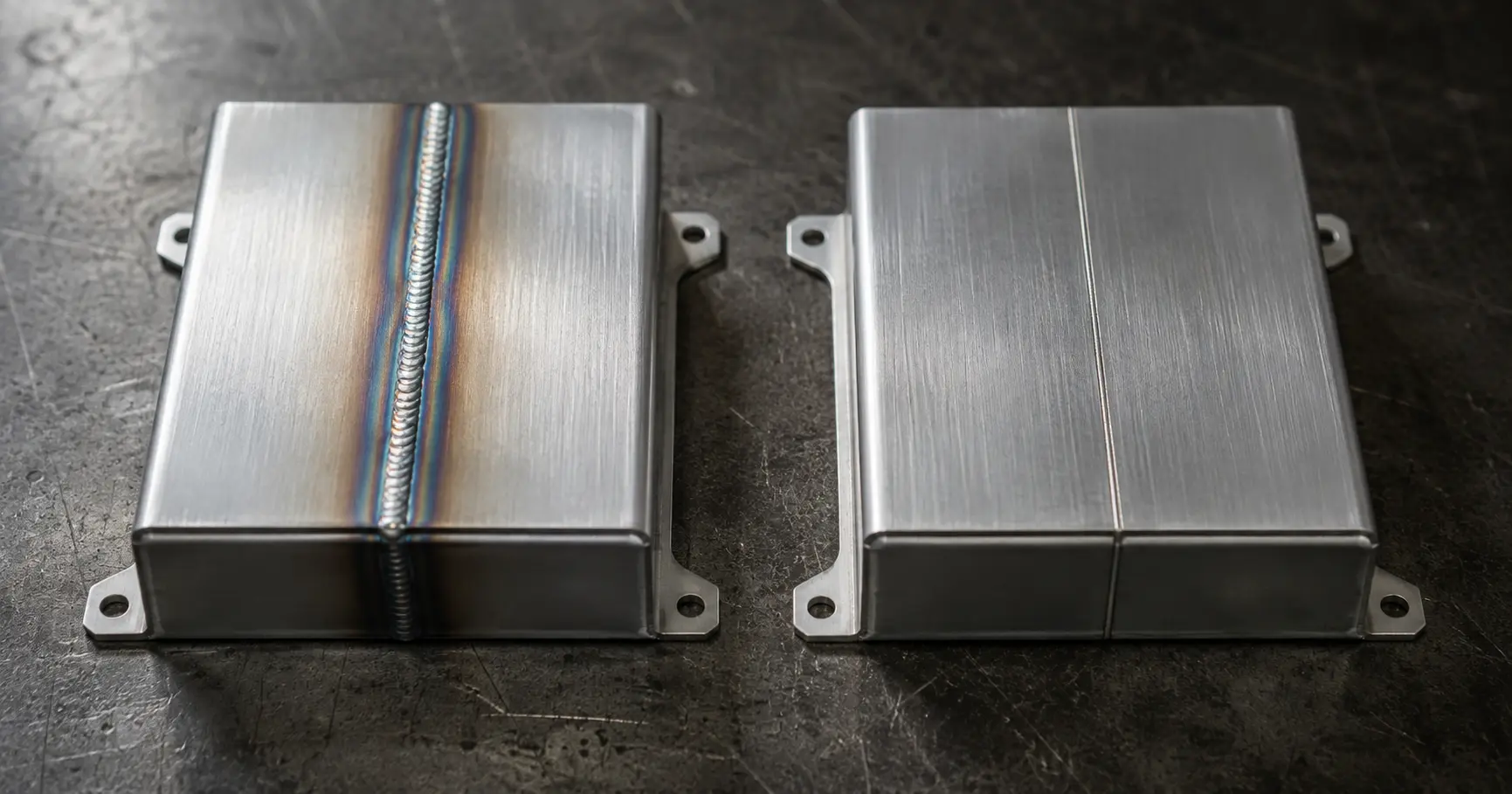
TIG vs. Laser Welding for Aluminum Enclosures: Which Process Fits Your Part?
ShuangRui2026-08-15T08:58:53+00:00August 10, 2026|
You have a aluminum enclosure design on your desk — maybe it’s a control box, a sensor housing, [...]
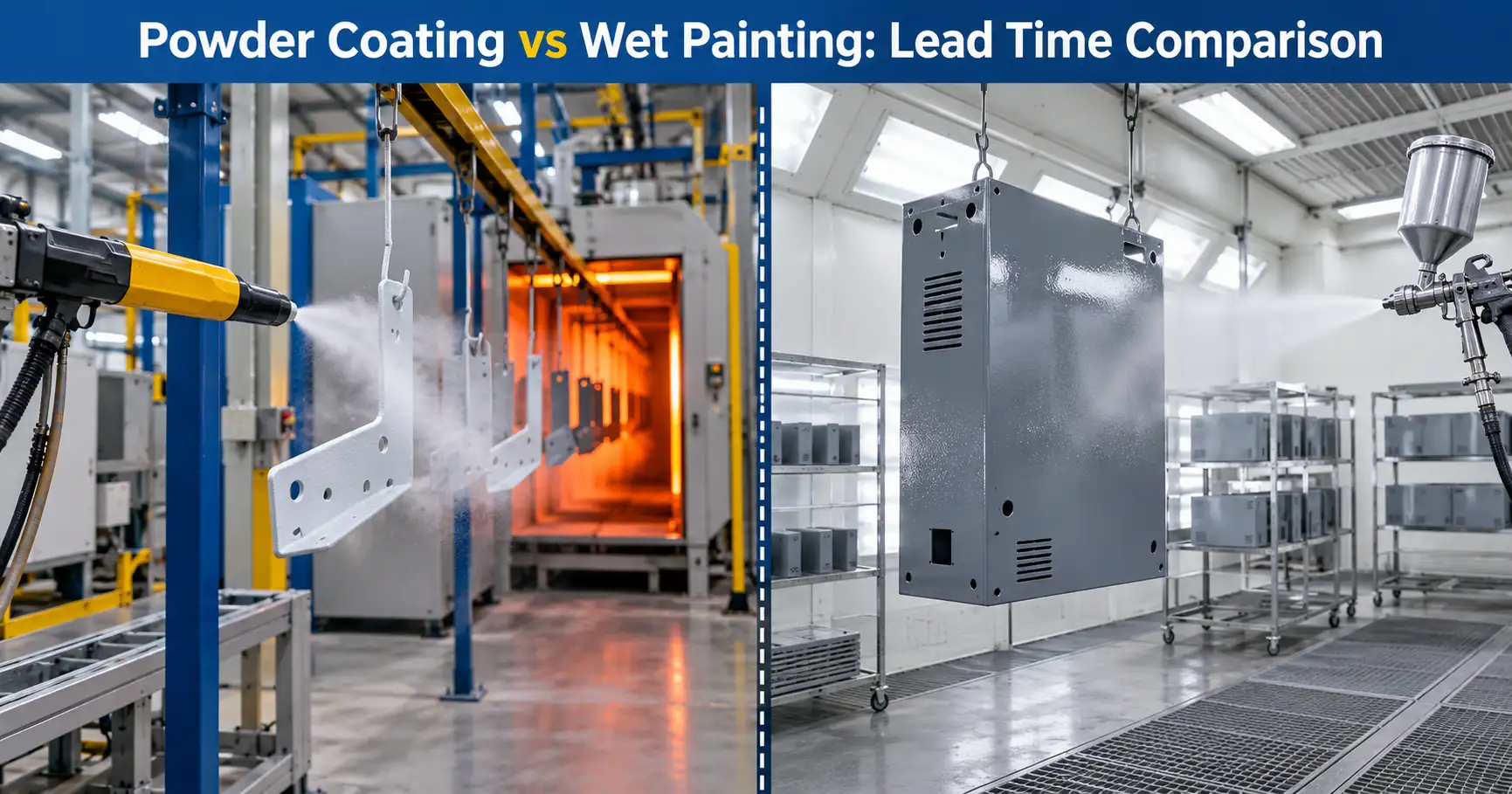
Powder Coating vs Wet Painting Lead Time: Which Is Faster for Your Project?
ShuangRui2026-09-27T02:37:21+00:00September 28, 2026|
When engineers and procurement teams ask which coating process has the shorter lead time, they often expect a [...]
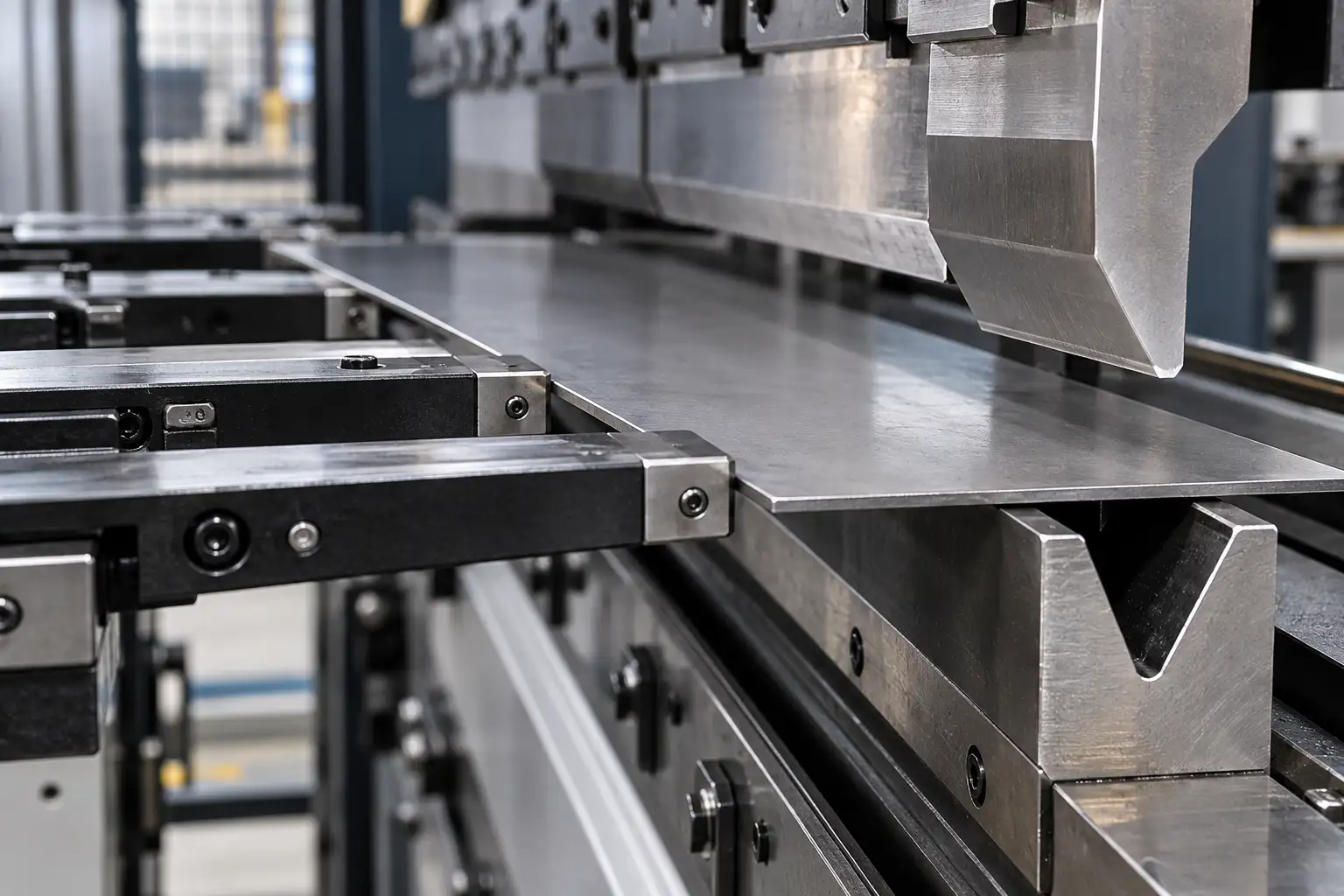
Press Brake Backgauge Setup for Repeatable Bends: What Actually Keeps Parts Consistent
ShuangRui2026-10-19T03:07:33+00:00October 19, 2026|
When the first bent part measures clean and the twentieth does not, the problem is rarely “the backgauge [...]
