Partner with Shuangrui to reduce manufacturing costs by 30% and boost efficiency.

Sheet Metal Welding Services2026-06-05T06:29:16+00:00

Sheet Metal Welding Services for OEM Programs

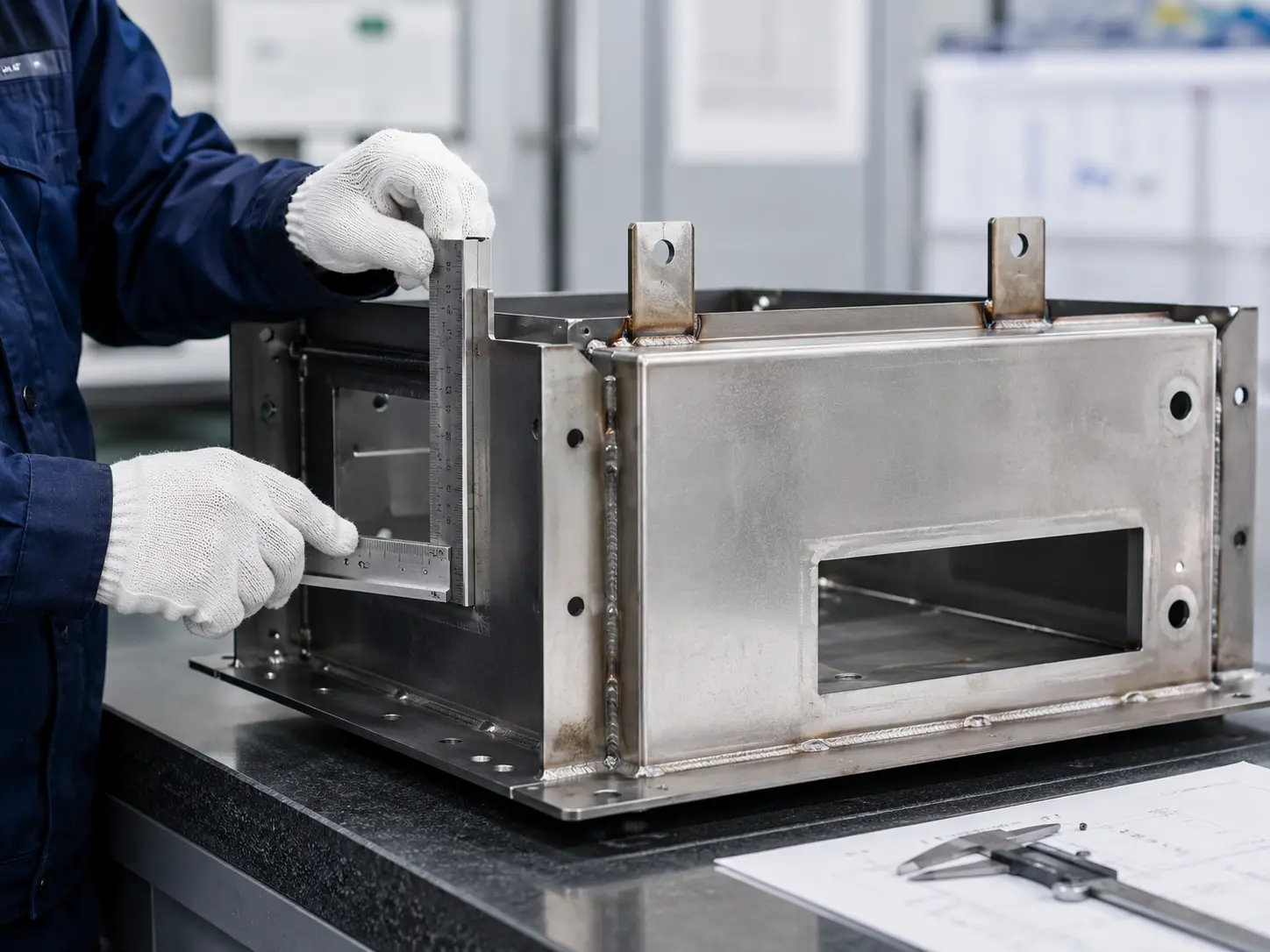
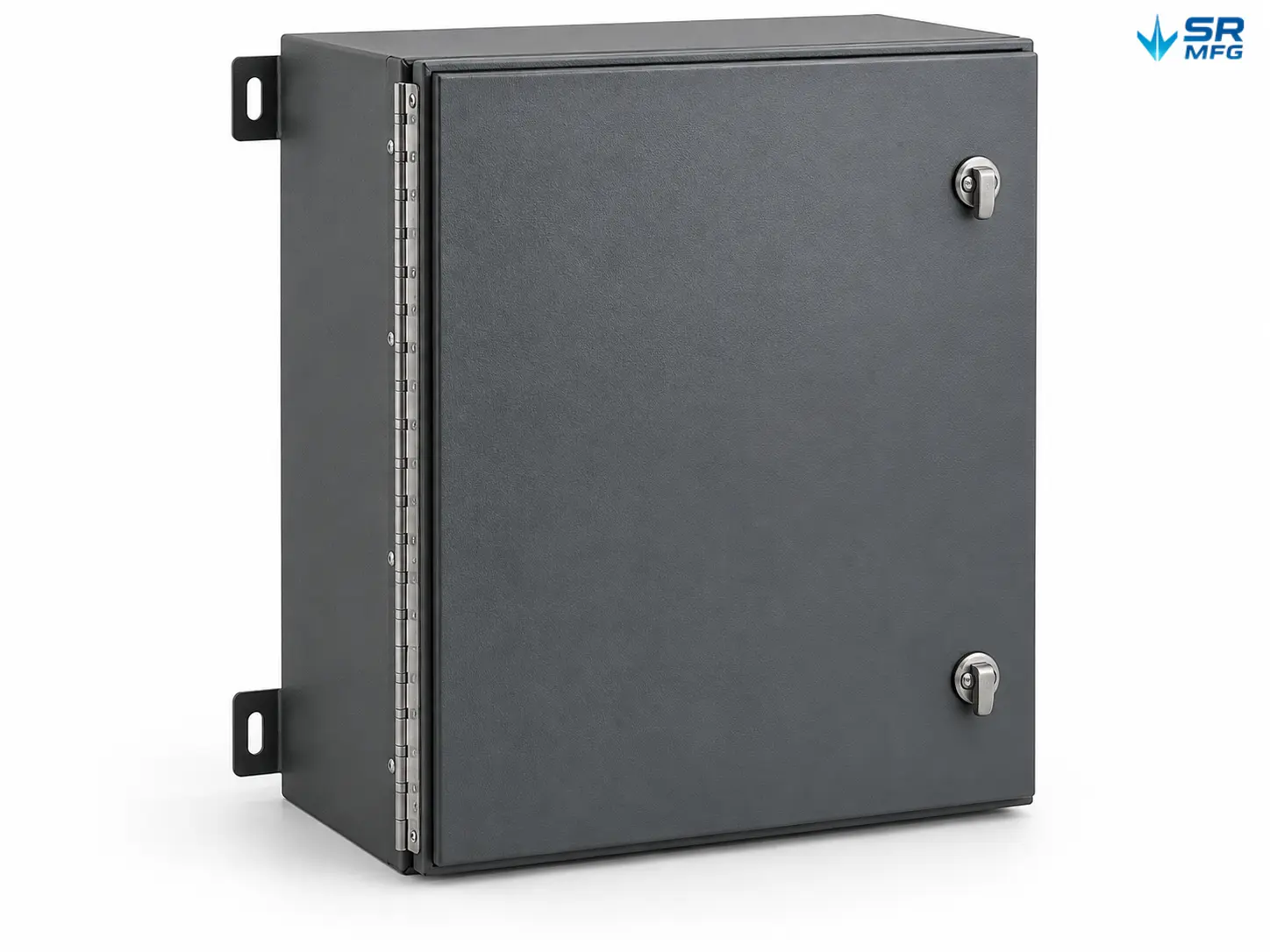
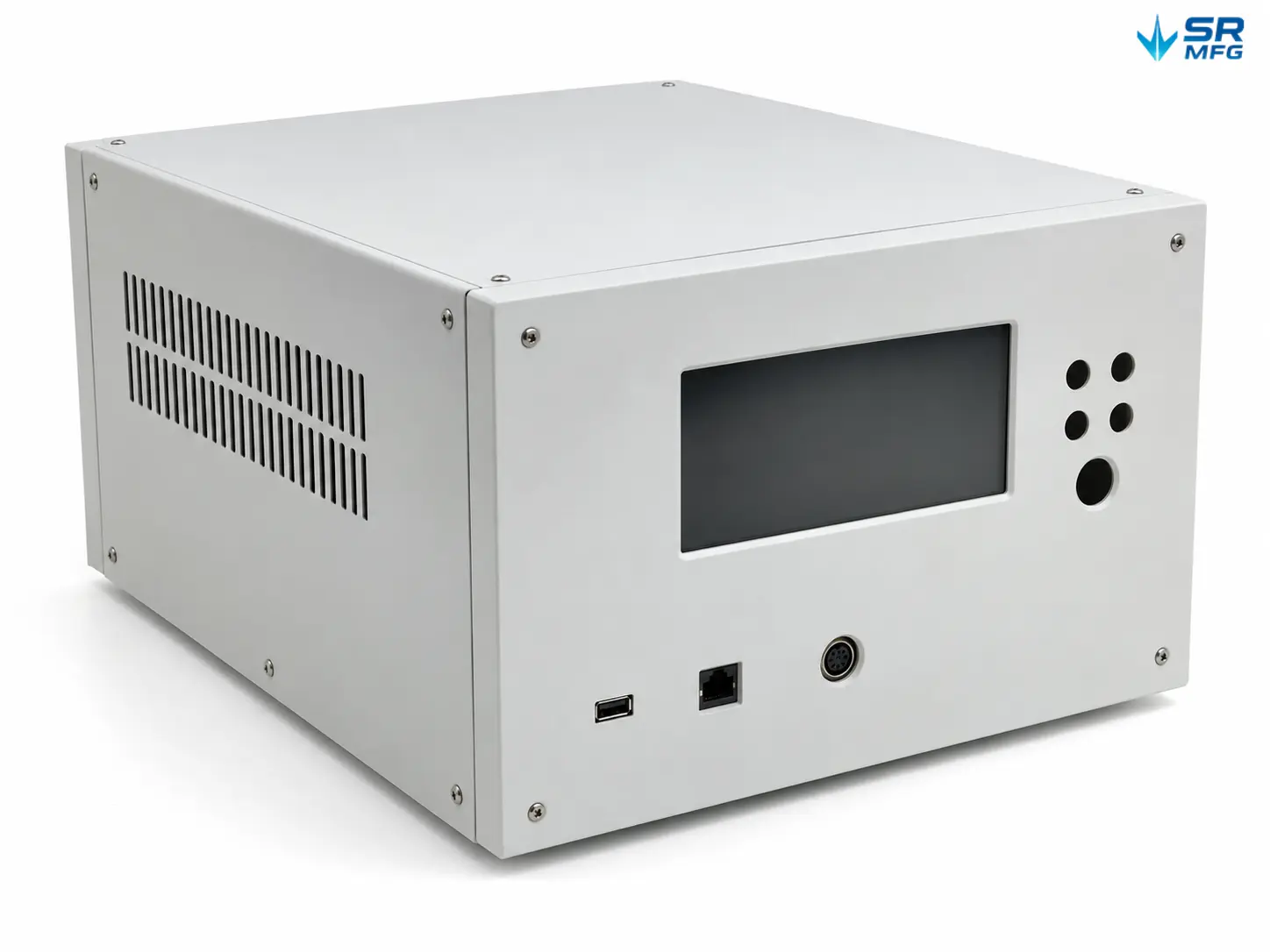
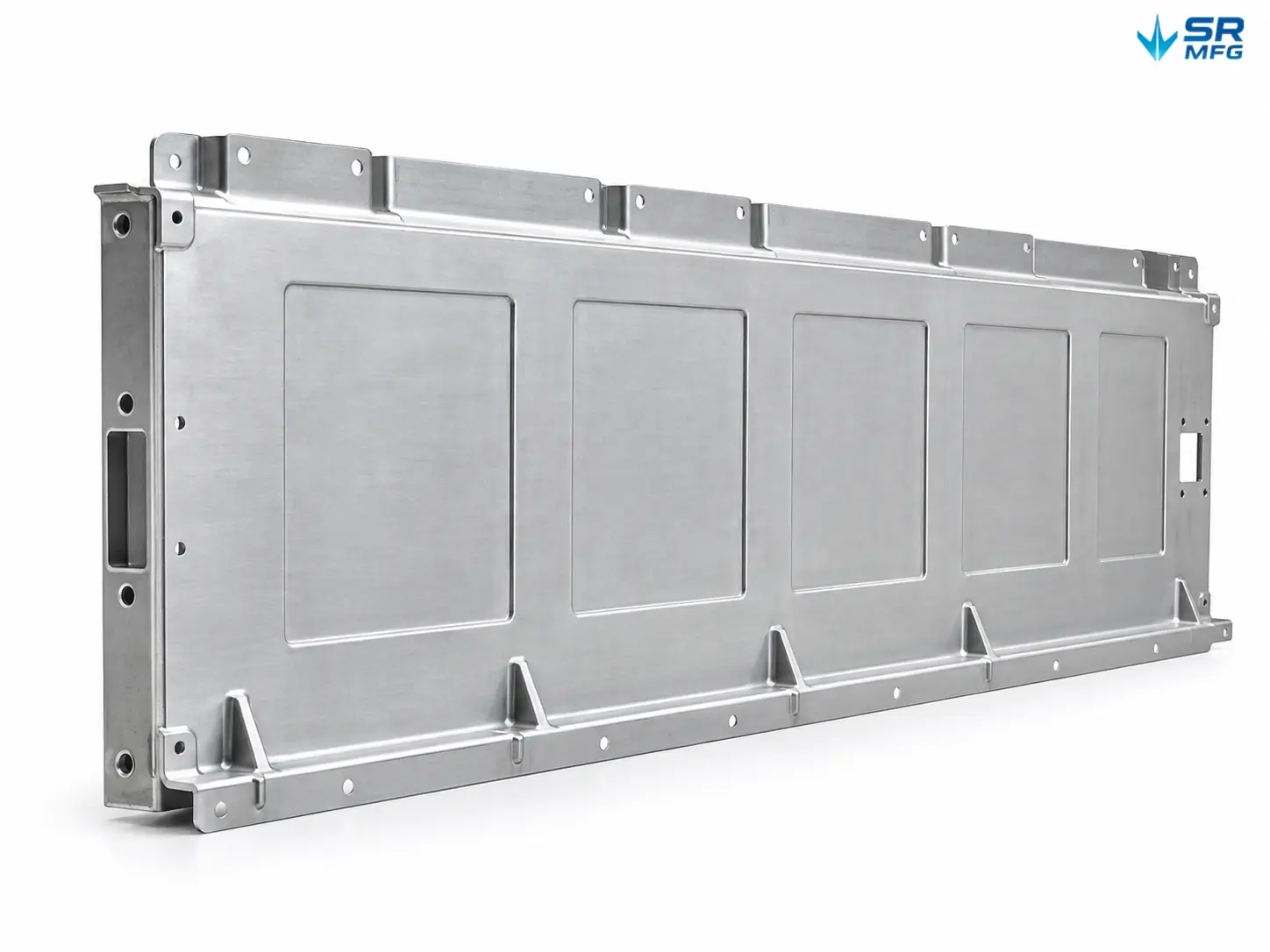
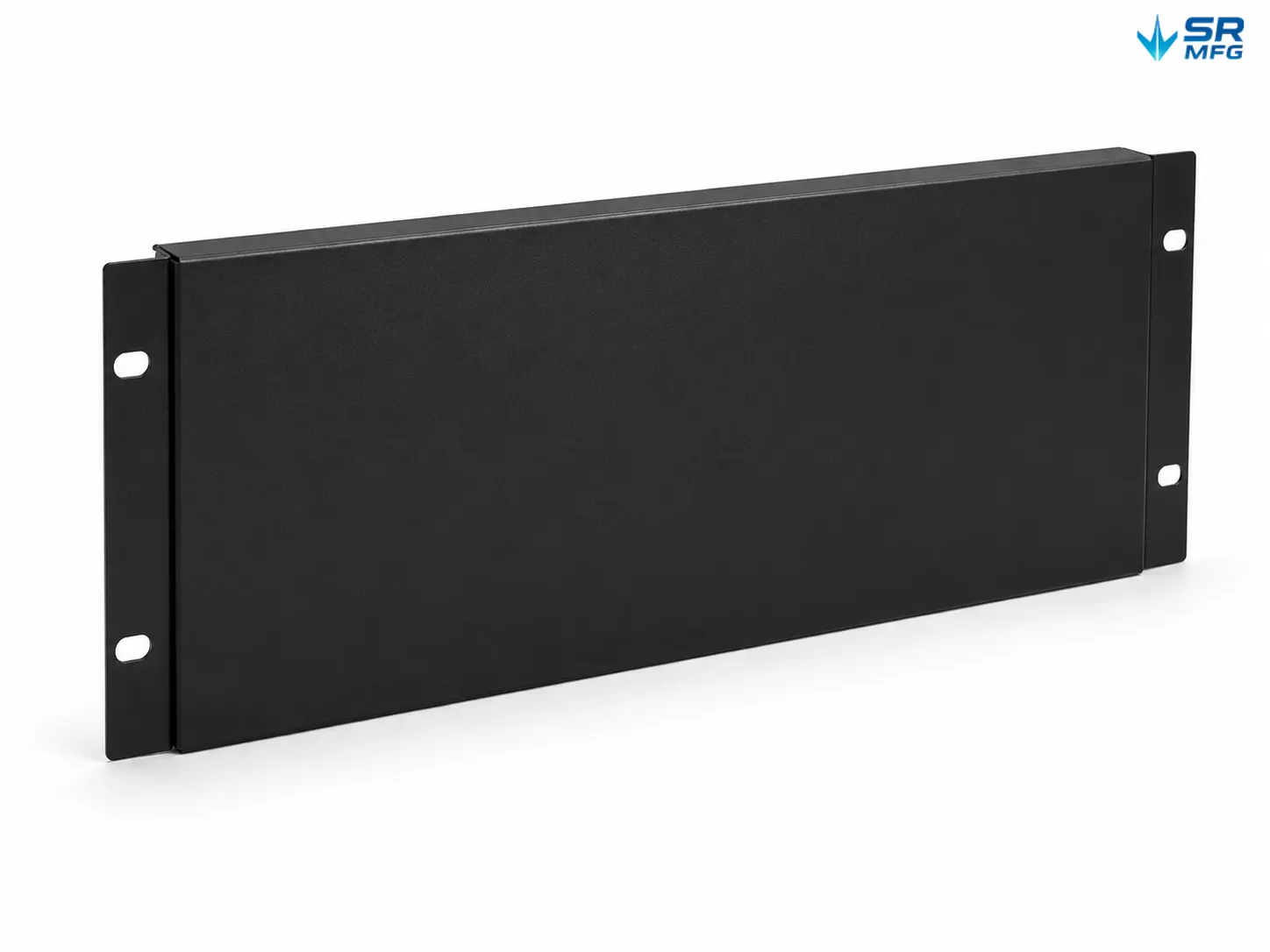
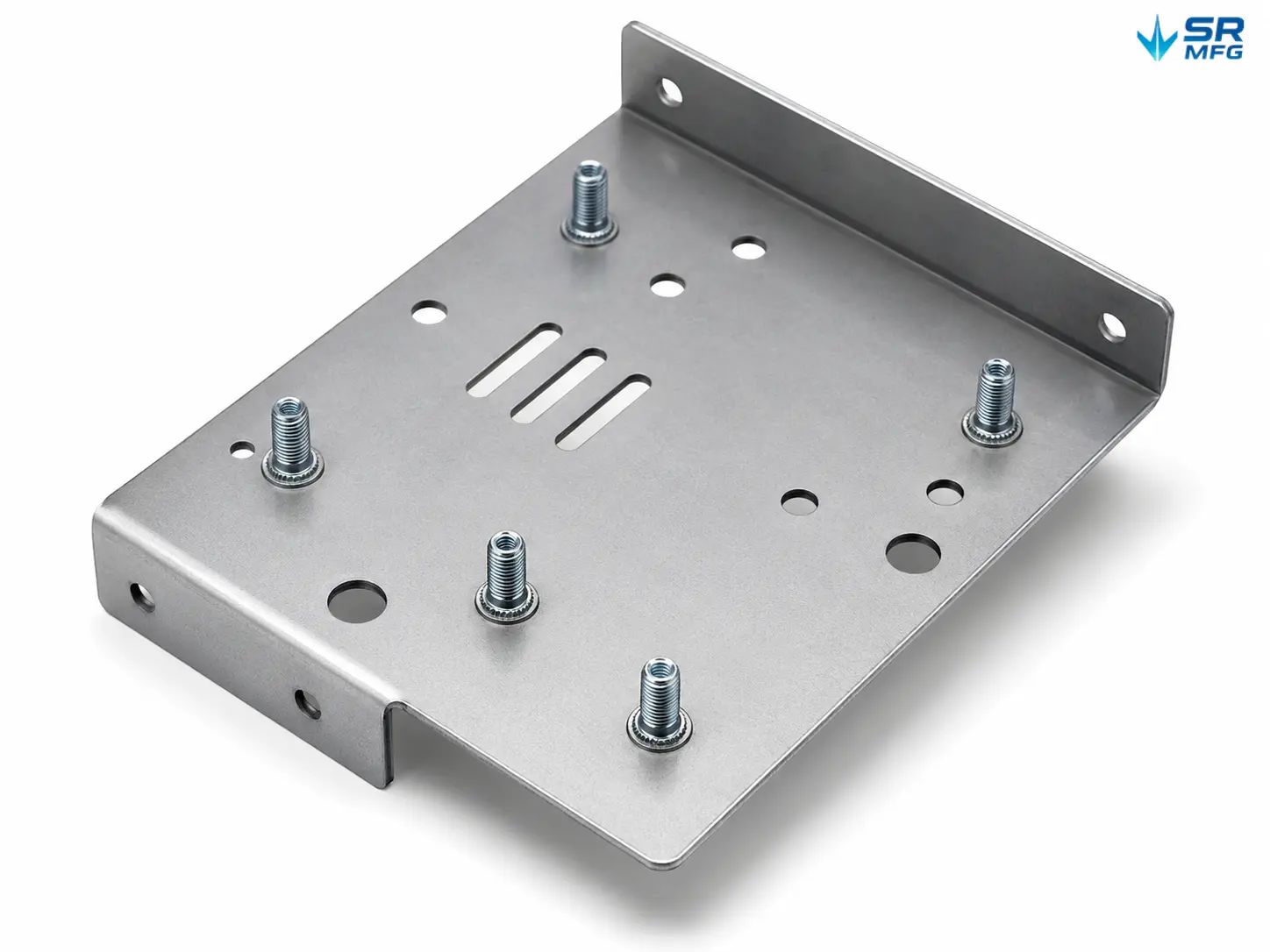
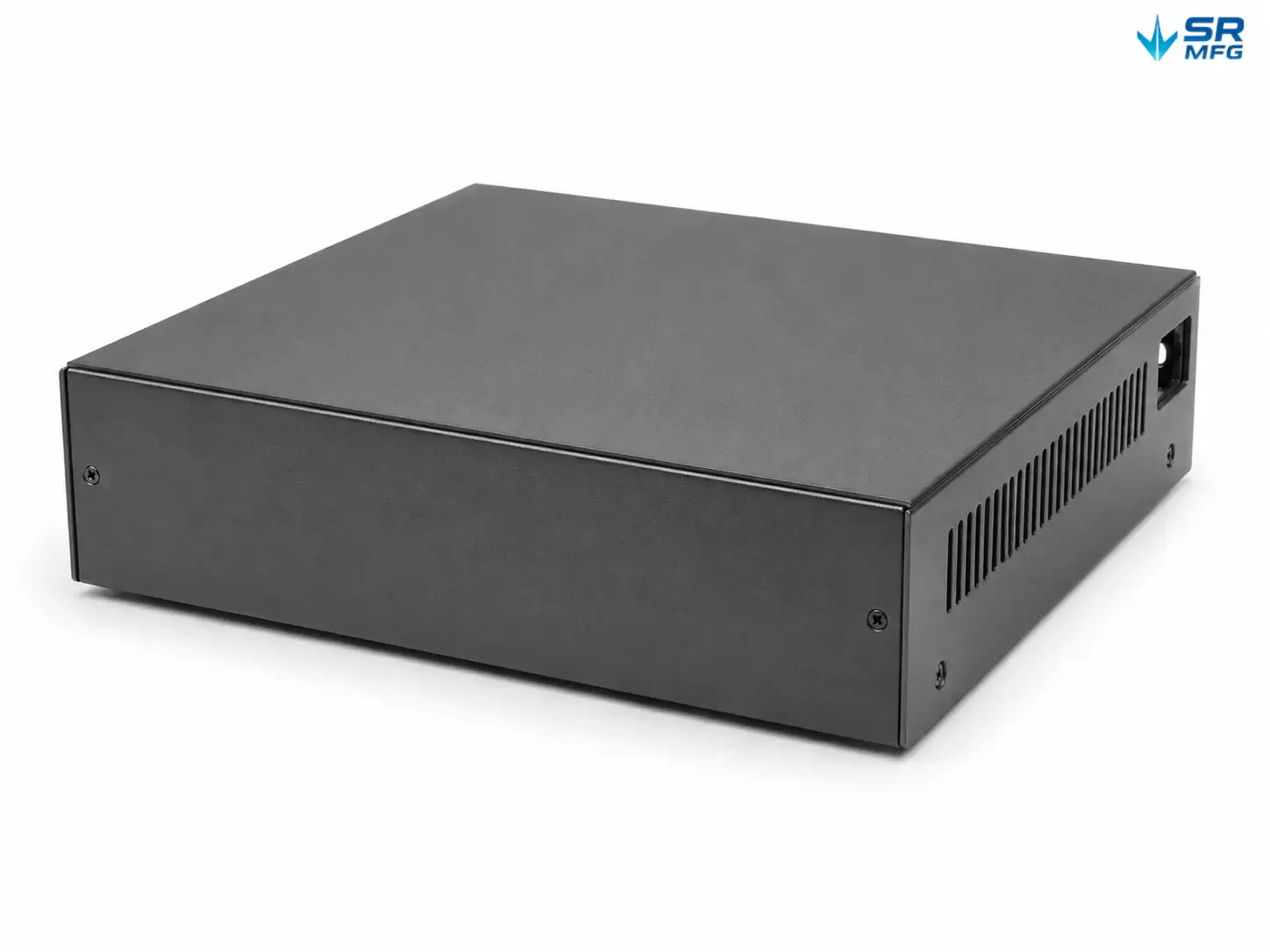
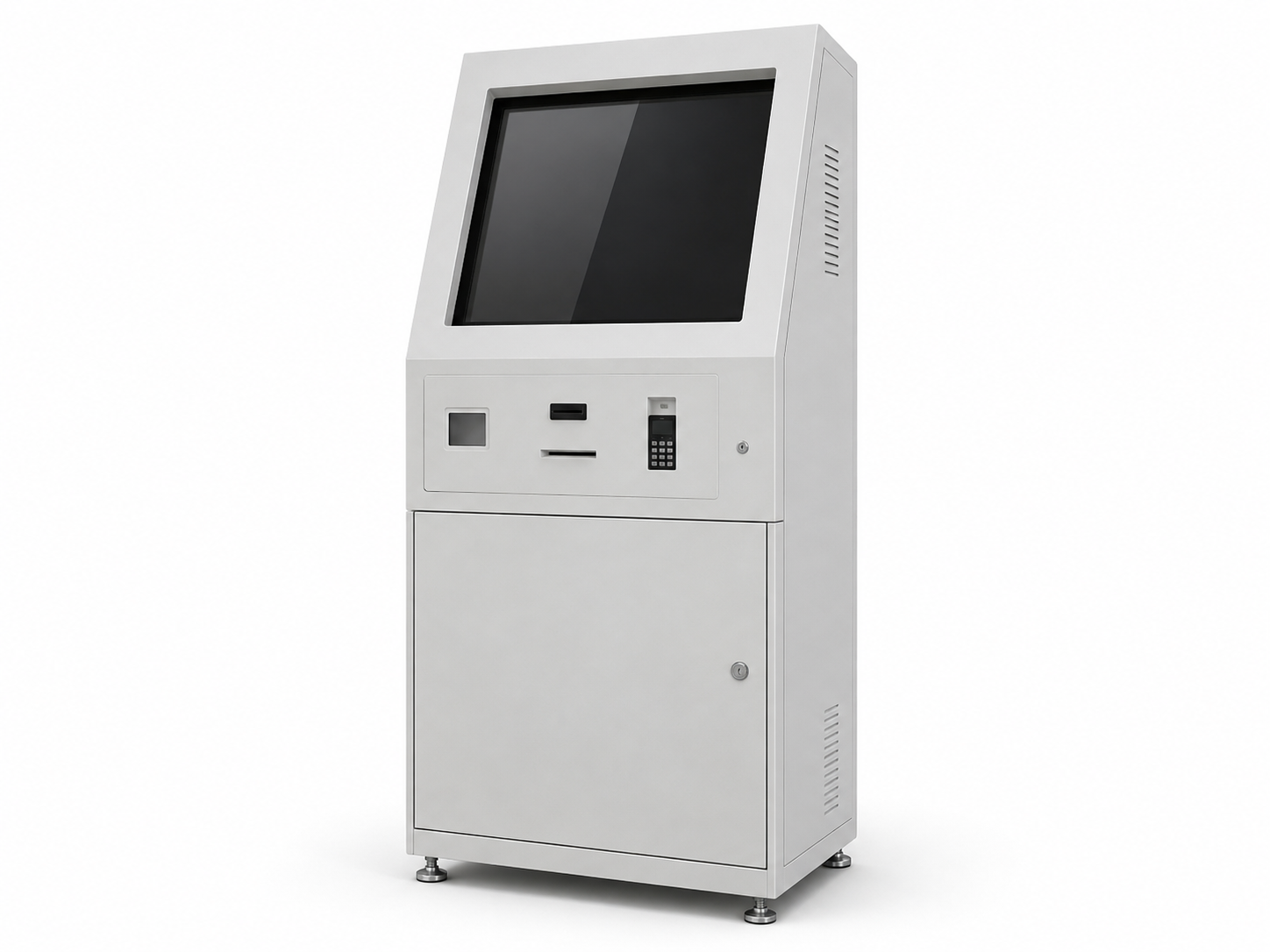
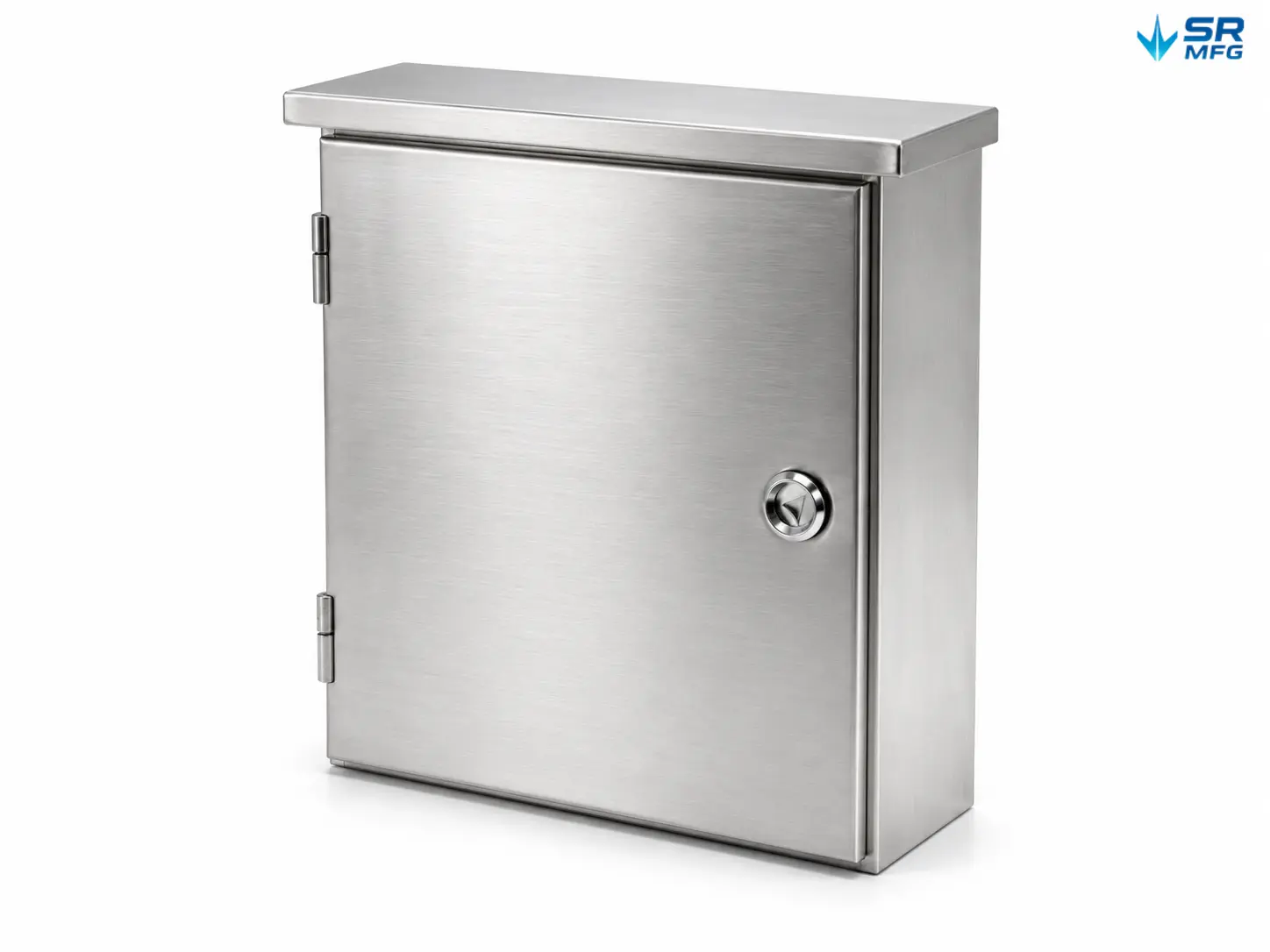
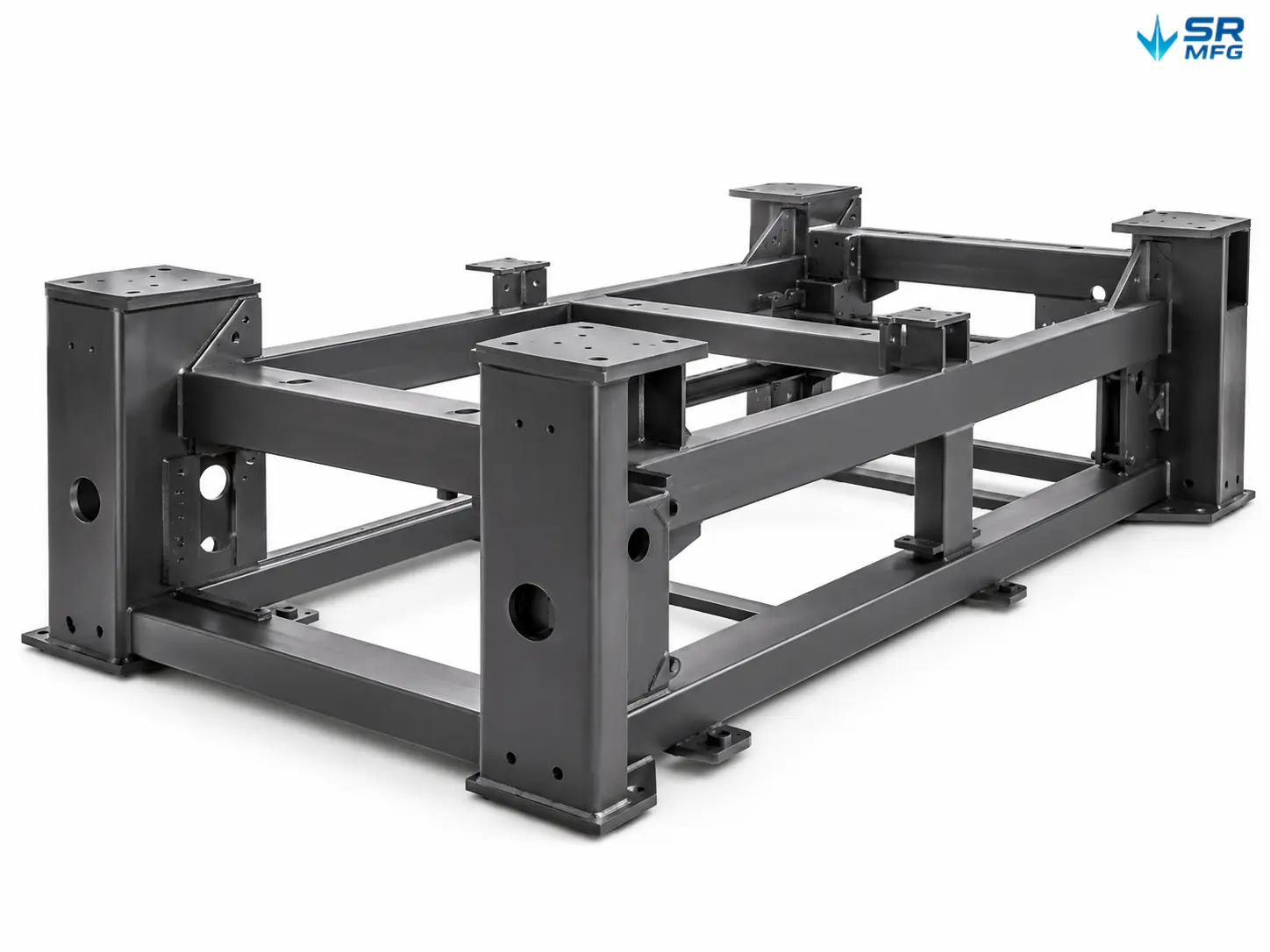
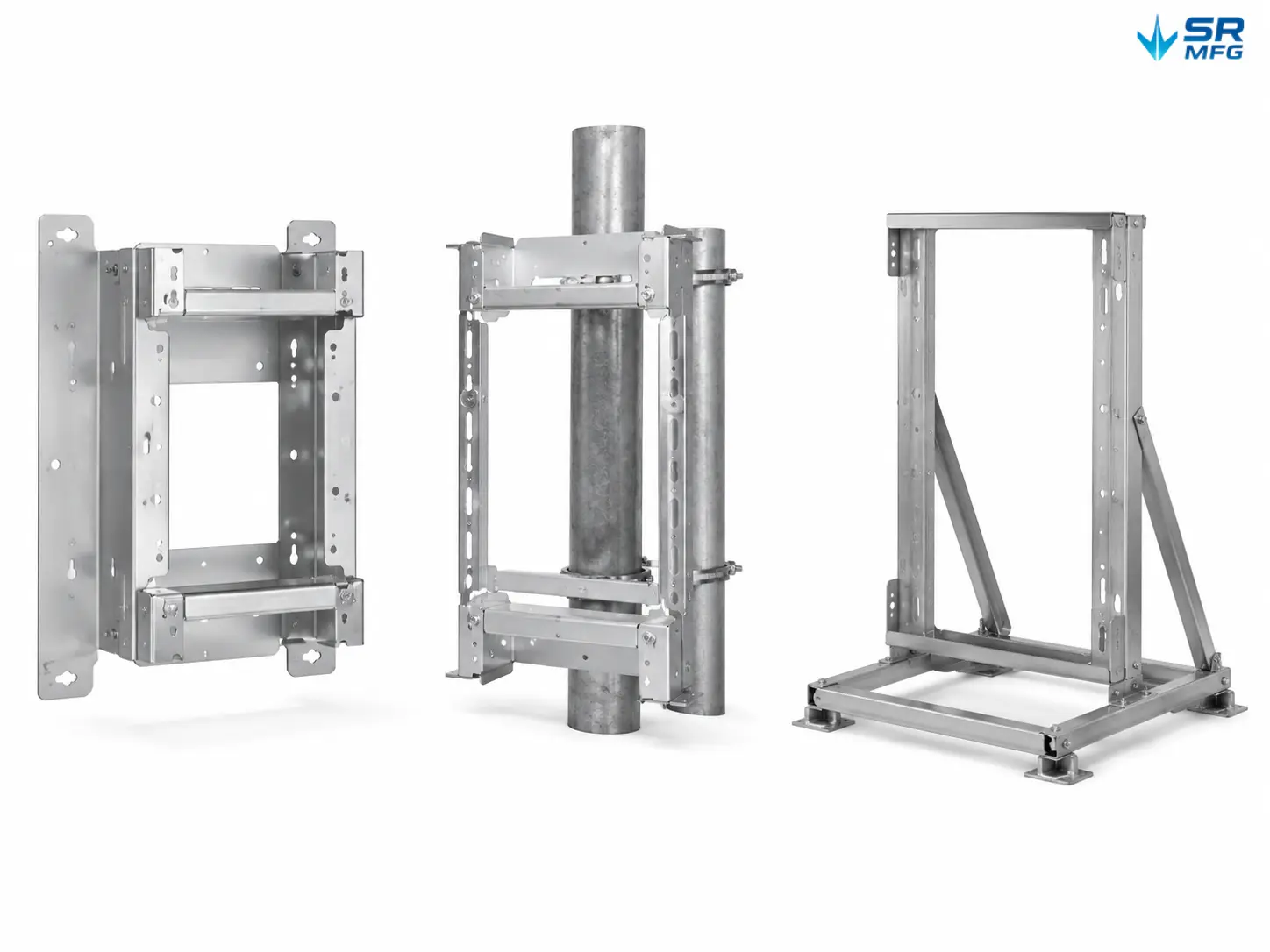
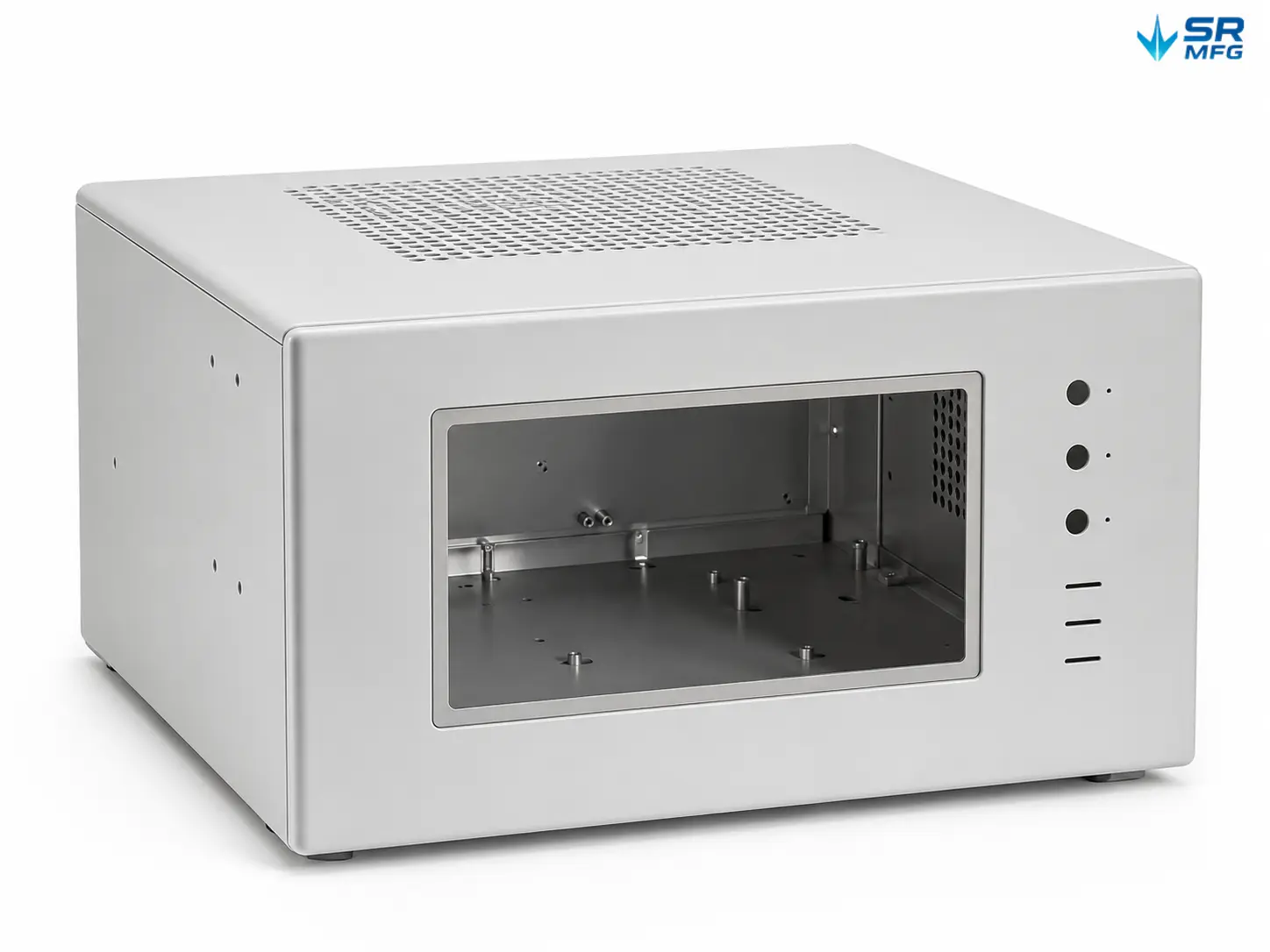
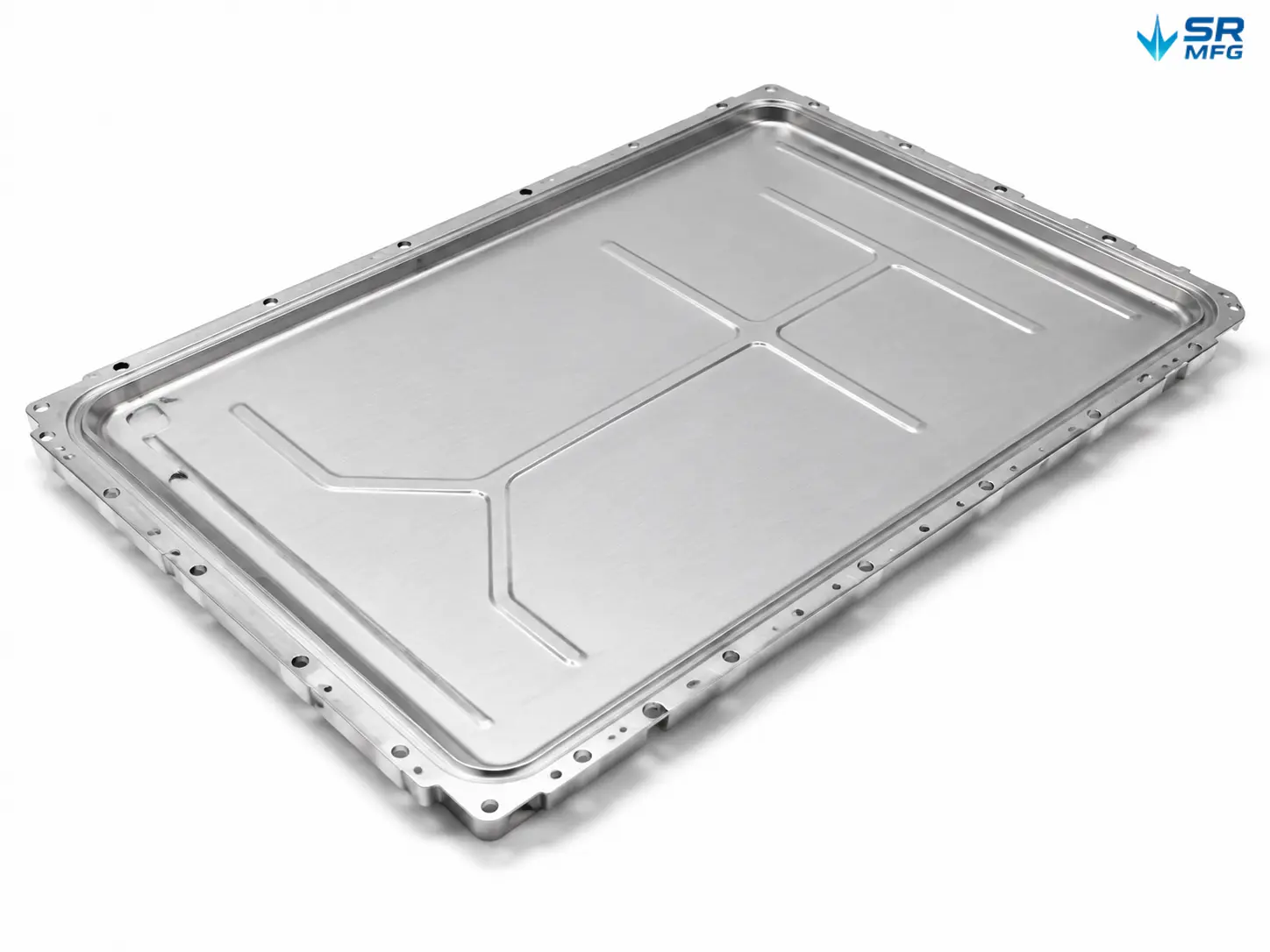
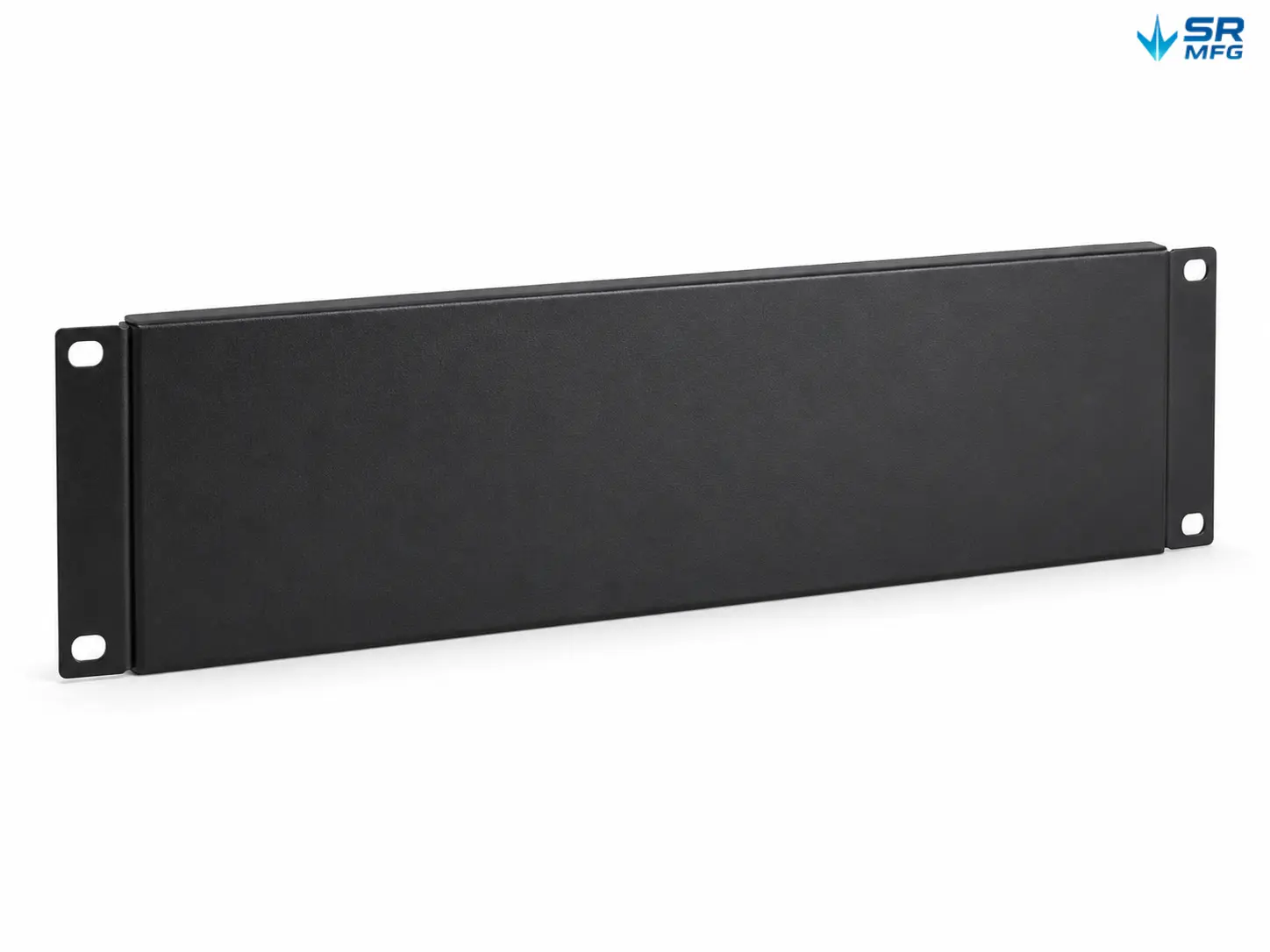
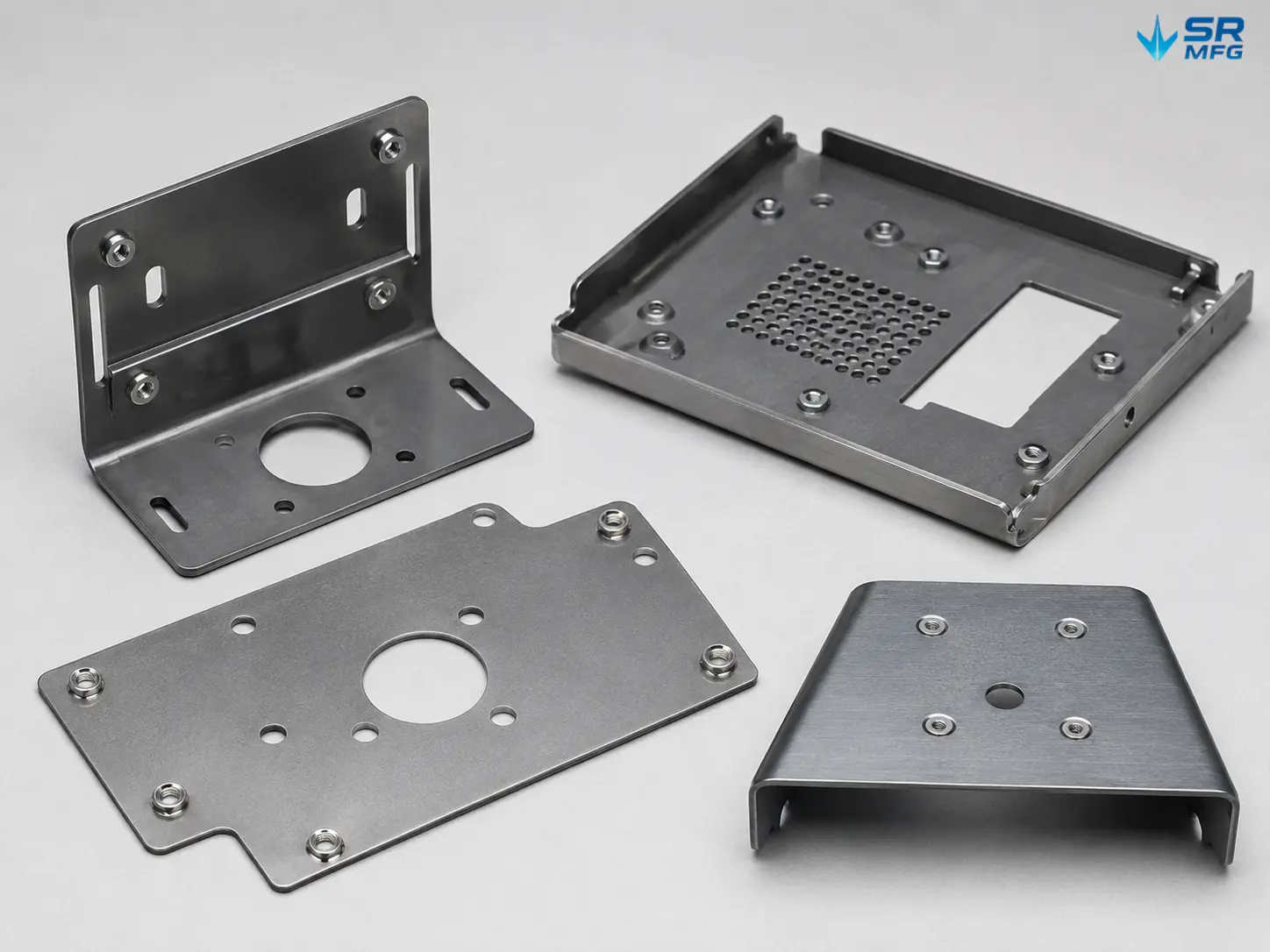
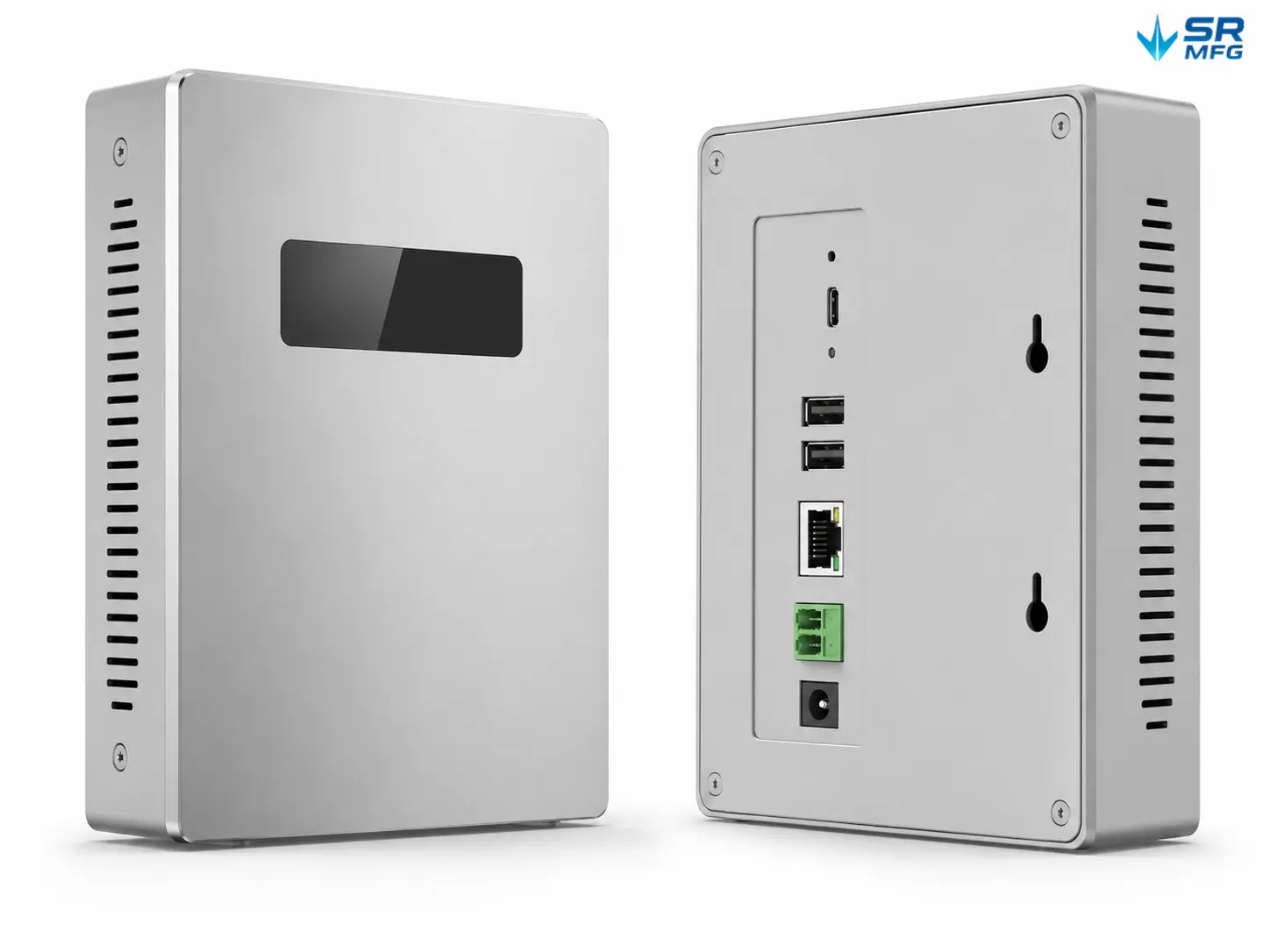
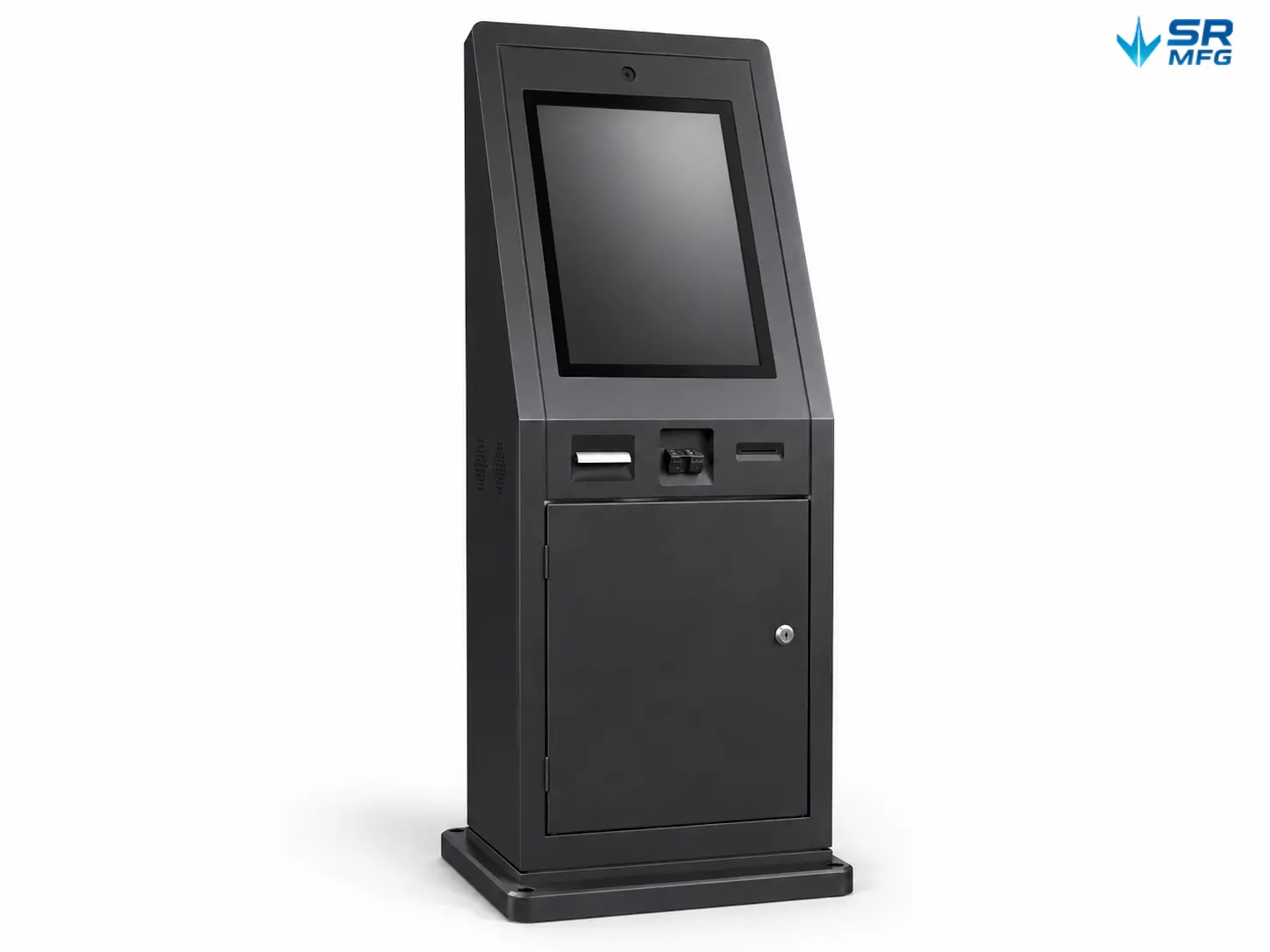
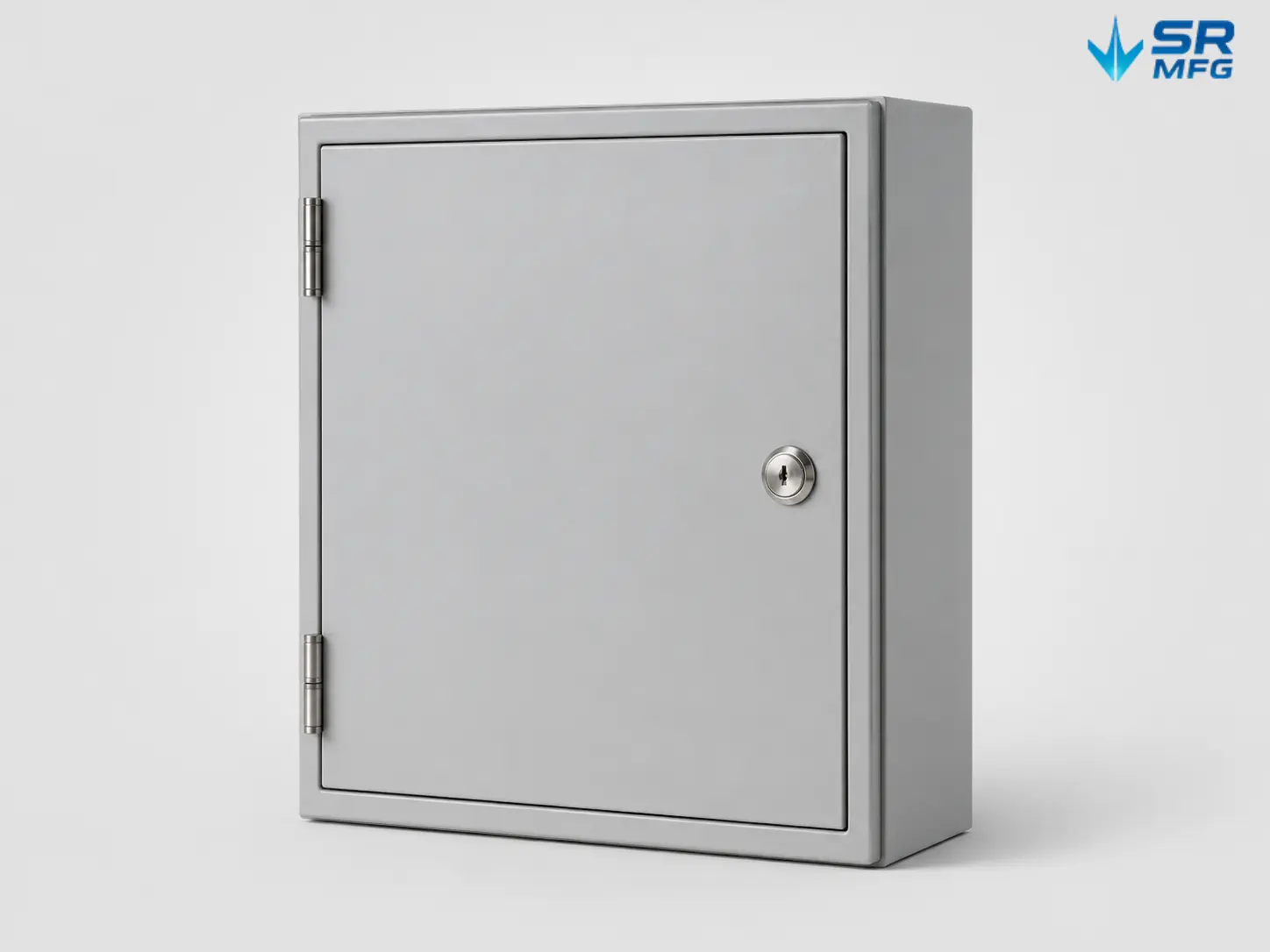
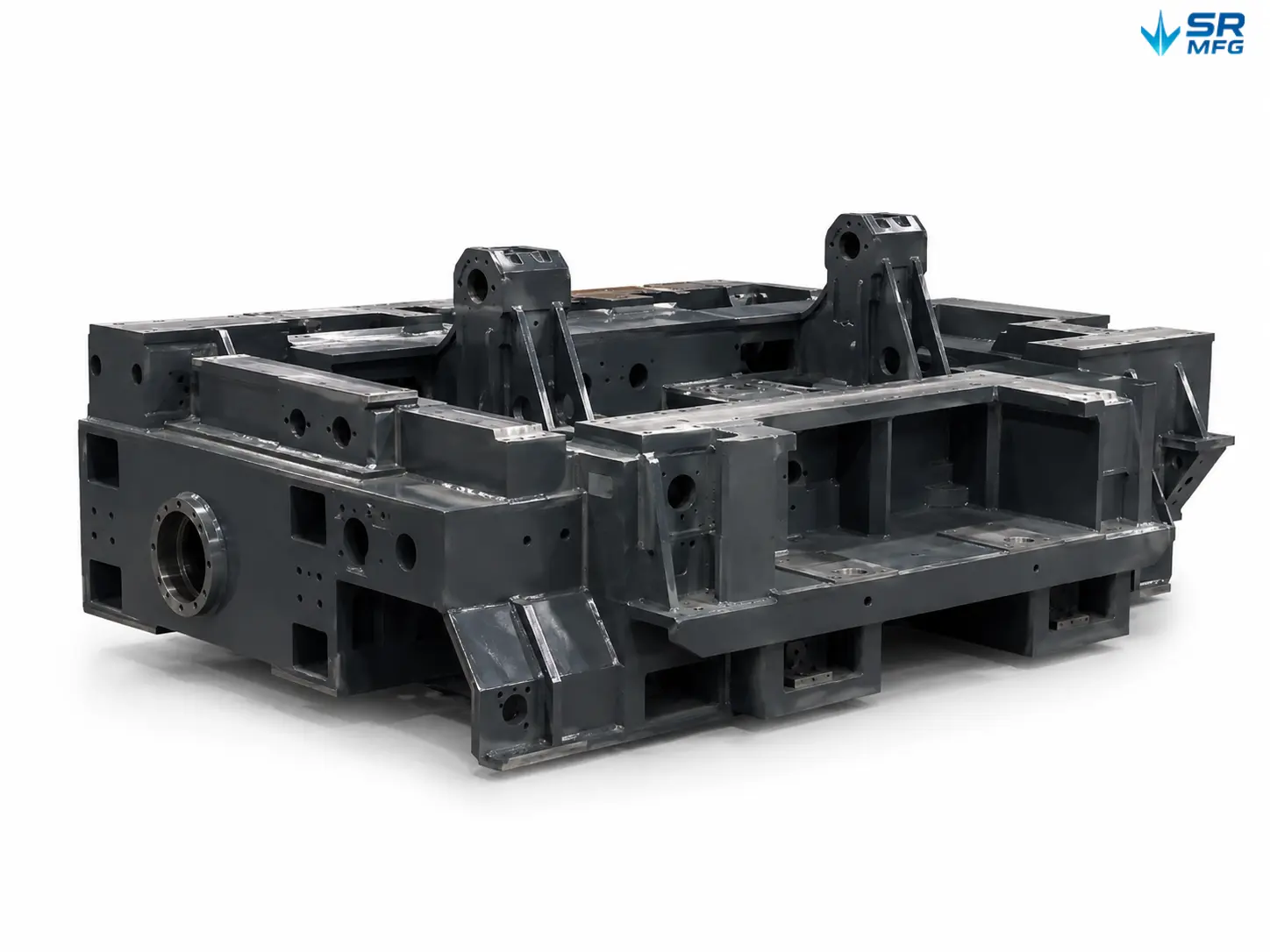
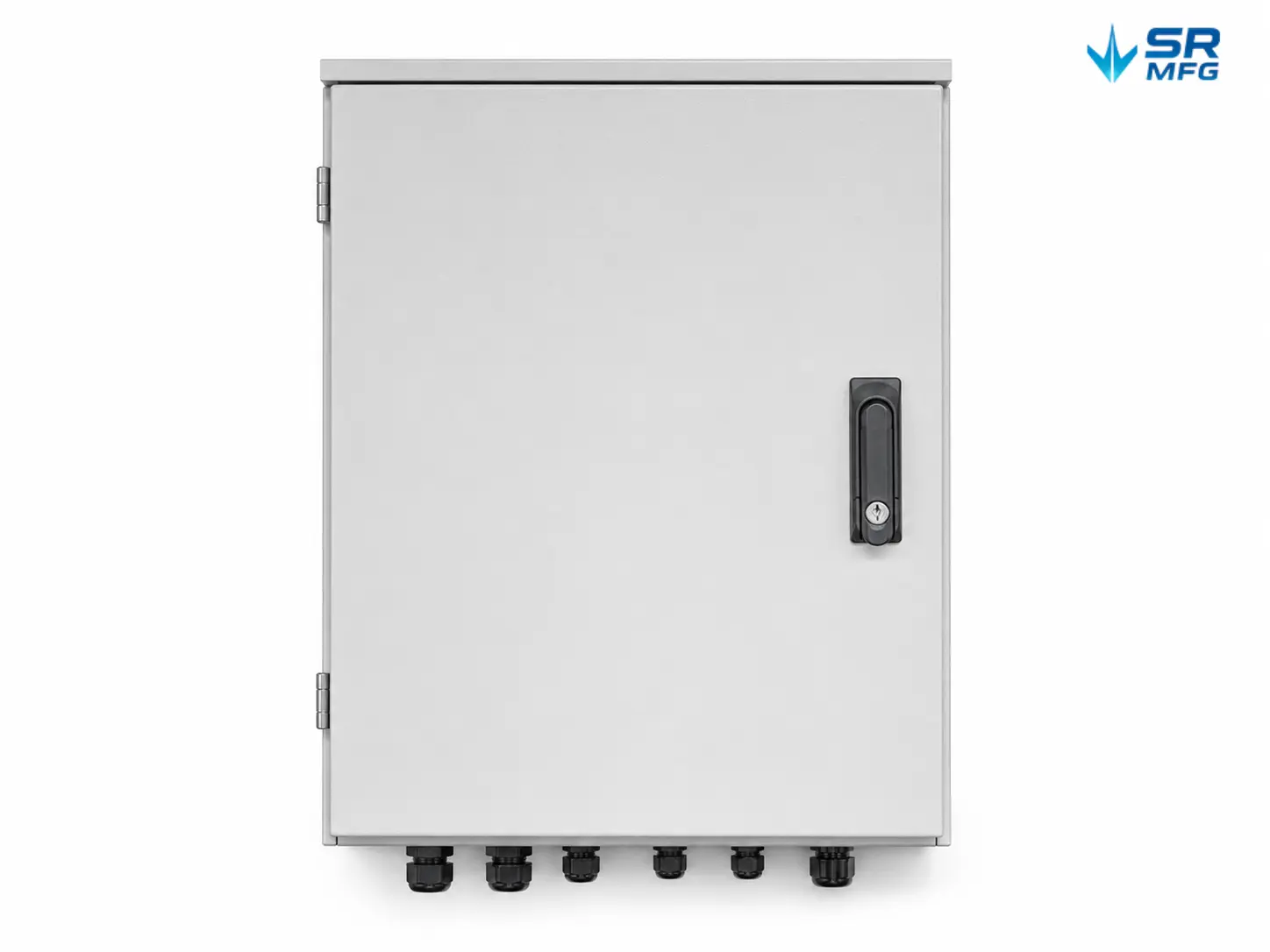
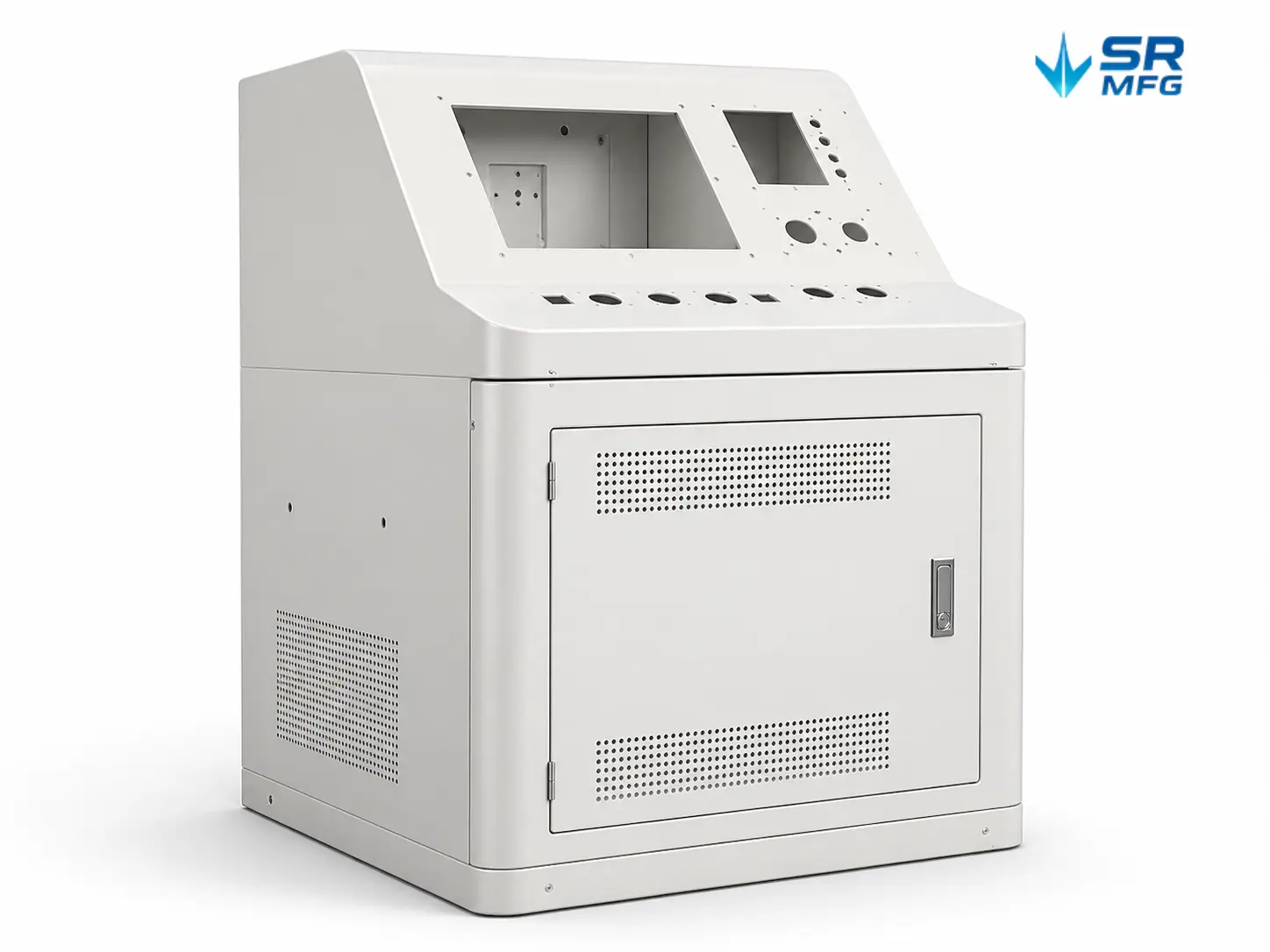
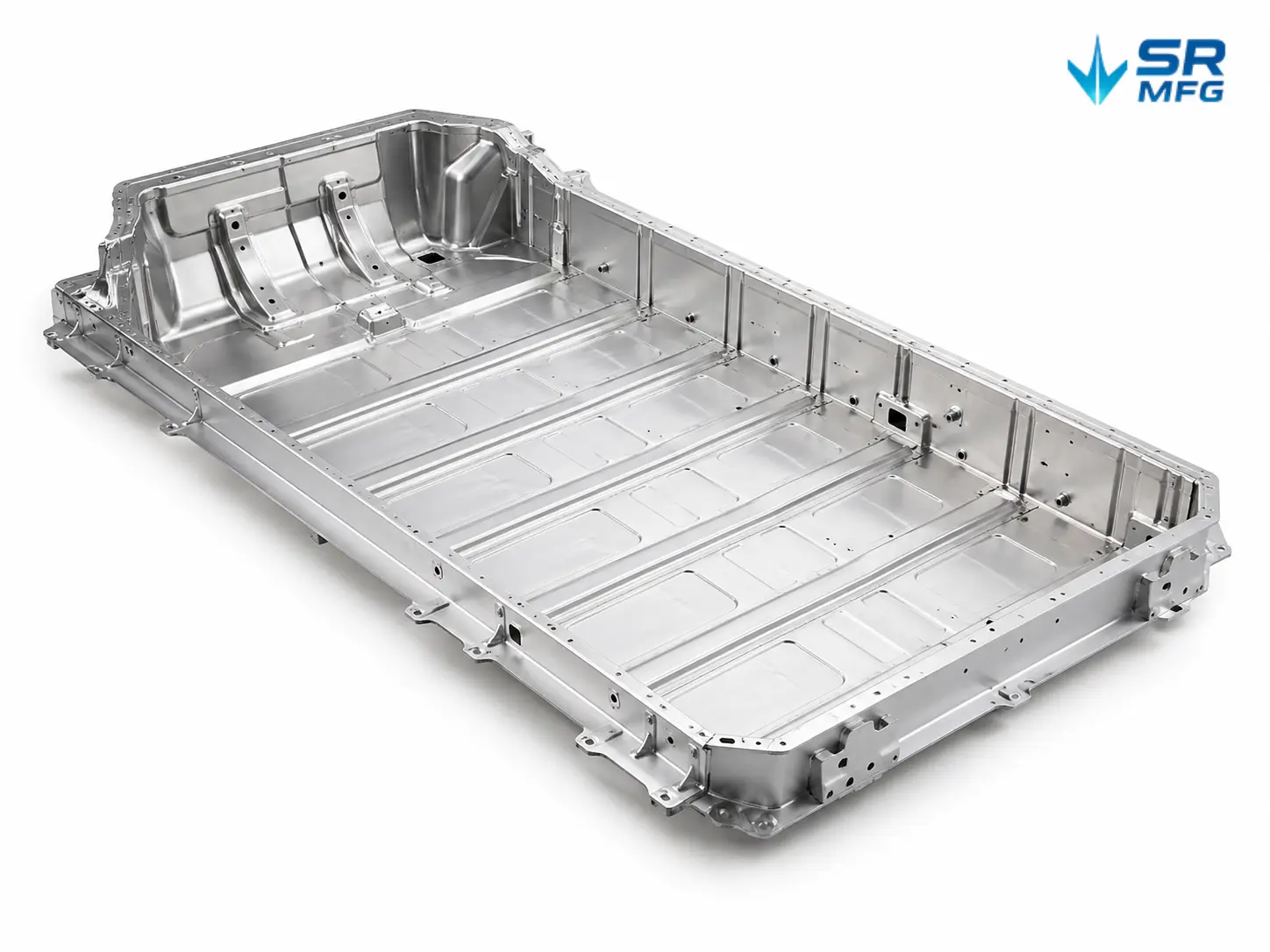
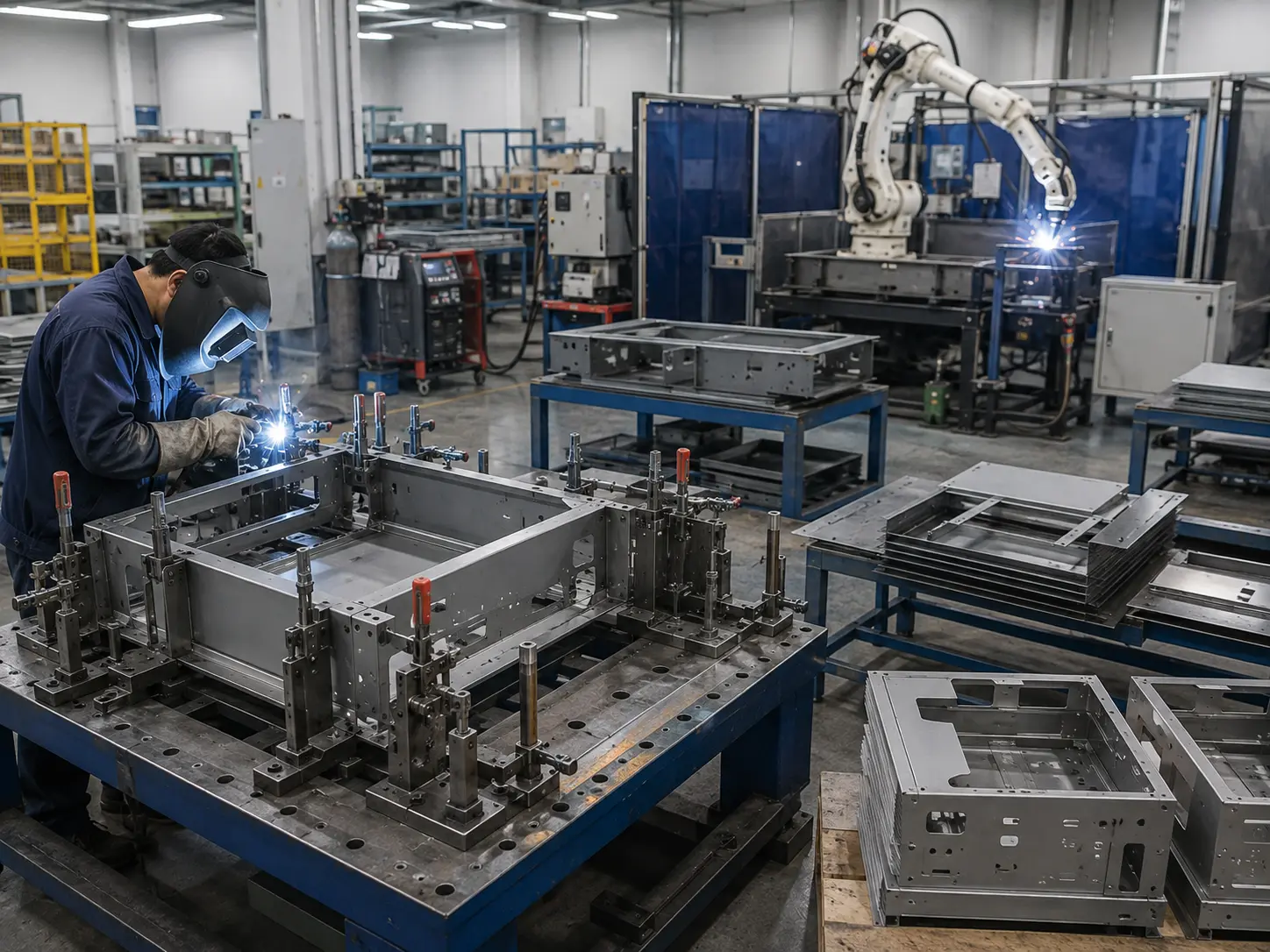
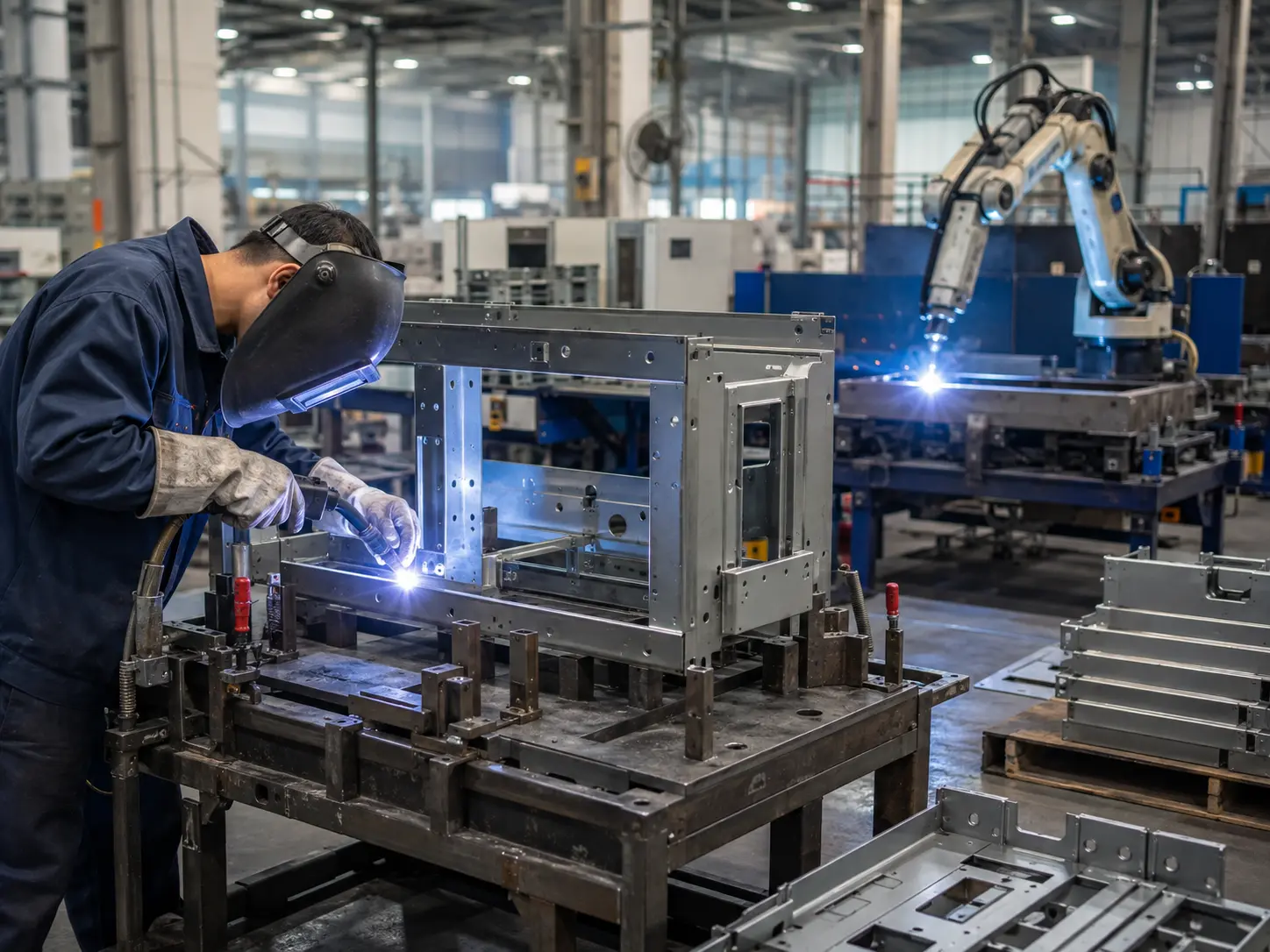
SR MFG provides sheet metal welding services for OEM programs, combining robotic welding, manual welding, fixture control, and in-process inspection to keep weld strength, appearance, and dimensions stable.

Our welding operations are integrated with laser cutting, bending, surface finishing, and final assembly, helping customers reduce rework, simplify supplier coordination, and support stable production from prototype to batch manufacturing.
Robotic & Manual Welding
Fixture-Controlled Accuracy
OEM Batch Production

Get a Custom Quote in 12 Hours

Upload your drawings for engineering review.

Blank Form (#4)

Why Choose SR MFG for Sheet Metal Welding

We control welding quality from fixture planning to final assembly,helping OEM projects reduce distortion, rework, and batch-to-batch variation.

Sheet Metal Welding Services

Distortion Control

Weld sequence, fixtures, and heat input are planned before production to minimize distortion and rework.

Robotic + Manual Welding

Robotic welding ensures consistency for repeatable parts, while manual welding handles complex assemblies and tight spaces.

Prototype-to-Production Consistency

Approved welding parameters and process standards maintain stable quality from prototypes to mass production.

Integrated Sheet Metal Flow

Welding is integrated with cutting, bending, surface finishing, and assembly to reduce handling errors and lead time.

Your Concern (Welding) Typical Welding Supplier SR MFG Welding Approach
Weld distortion &
assembly fit
Welding depends heavily on operator experience. Distortion is often corrected later by hammering, straightening, or adding shims. Weld sequence, fixtures, and balanced heat input are planned in advance to minimize distortion and ensure precise fit before assembly.
Prototype vs
mass production
consistency
Prototypes are welded by the most skilled welder, but mass production varies by operator or station, causing differences in appearance and size. Robotic welding, parameter libraries, and first-article approval keep the same process and inspection standard from pilot runs to long-term production.
Integration with
sheet metal
process
Welding is treated as a separate step, ignoring downstream bending corrections, coating, or final assembly requirements. Welding is integrated with laser cutting, bending, finishing, and assembly using common datums and locators to reduce rework and speed up delivery.

Ready to Get Your Welding Quote?

Upload your drawings and tell us your requirements. Our engineering team will review your project and reply within 24 hours.

Request a Welding Quote →
Fiber Laser Cutting Machines
Capabilities

SR MFG’s Precision Laser Cutting Capabilities

SR MFG provides professional welding services for sheet metal structures andenclosures. We use MIG, TIG, resistance, spot, and stud welding processes todeliver strong, clean, and consistent welds. Our engineering team selects themost suitable method based on part design and assembly requirements toimprove structural strength and reduce total cost.

Multiple Welding Processes

MIG, TIG, resistance, spot, and stud welding to meet different application needs.

Robotic & Manual Welding

Robotic welding supports repeatable parts, while manual welding handles complex structures and tight areas.

Weld Quality Assurance

Work instructions, parameter control, and inspection help maintain stable welding quality in production.

Integrated Assembly Support

Welding works with bending, finishing, and assembly to reduce rework and shorten lead time.

Welding Equipment & Production Capacity

Core welding assets and capacity baseline for OEM sheet metal projects.

Core Welding Machines

Fenghuo CO₂ Welding Machine

  • Current adjustment accuracy: ±5 A
  • Weld reinforcement: ≤ 1.5 mm
  • Duty cycle: 60%; Deposition rate: 8 kg/h
  • Materials: carbon steel / low-alloy steel, 2–30 mm

Hanwang CO₂ Welding Machine

  • Current stability: ±3%
  • Weld straightness error: ≤ 0.5 mm/m
  • Max output current: 500 A; Duty cycle: 60%
  • Medium-thick plate; 1.2–1.6 mm solid wire

Fenghuo Argon Arc Welding Machine (TIG)

  • Arc-start success rate: > 99%
  • Welding distortion: < 0.5 mm/m
  • HF arc start: < 0.1 s; 8 h continuous operation
  • Materials: stainless steel / copper / titanium, 1–8 mm

Jasicfeng Argon Arc Welding Machine (TIG)

  • Verticality error: ≤ 0.3 mm
  • Weld spot deviation: ±0.2 mm
  • Self-shield welding speed: 30–50 cm/min
  • Materials: low-carbon steel / stainless steel, 0.5–10 mm

Welding Robots

CO₂ Welding FANUC 6-Axis Robot

  • Repeatability: ±0.05 mm
  • Max reach: 3103 mm
  • Cycle time: < 45 s/part
  • Porosity detection rate: > 99%

Laser Welding FANUC 6-Axis Robot

  • Path accuracy: ±0.15 mm
  • Welding speed: 5–15 m/min
  • HAZ: < 0.3 mm
  • Laser power range: 100–3000 W

TIG Welding FANUC 6-Axis Robot

  • Path repeatability: ±0.03 mm
  • Hollow wrist: 57 mm bore
  • Supports TIG pulsed welding
  • Undercut recognition rate: > 95%
Sheet Metal Welding Capacity Baseline
300 × 300 mm Reference part size
3 × 100 mm Reference weld seams
60% Equipment utilization
(single shift)
60,000+ Standard parts / month
0.5–0.8 Conversion factor for
complex parts
i Capacity is assessed by part size, weld length, material thickness, fixture complexity, and order quantity.

Welding Types

Sheet Metal Welding ProcessOptions

SR MFG supports TIG, MIG / CO2, laser welding, and spot welding for different materials,
part structures, appearance requirements, and production volumes.
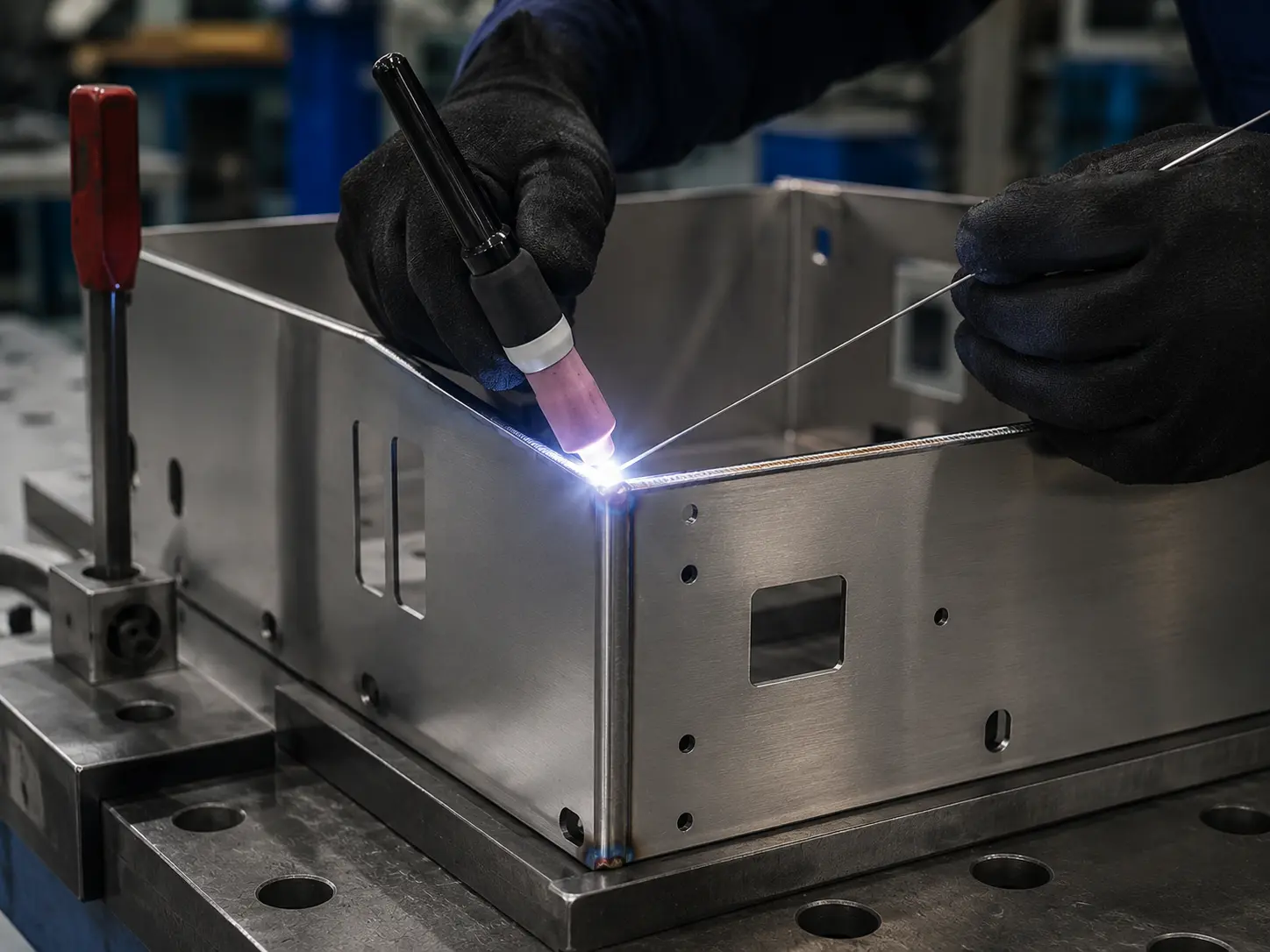
TIG Welding

TIG Welding

Clean and precise welding for stainless steel, aluminum, and thin sheet metal. Ideal for appearance-critical components.
Thin Sheet Clean Welds Stainless Steel
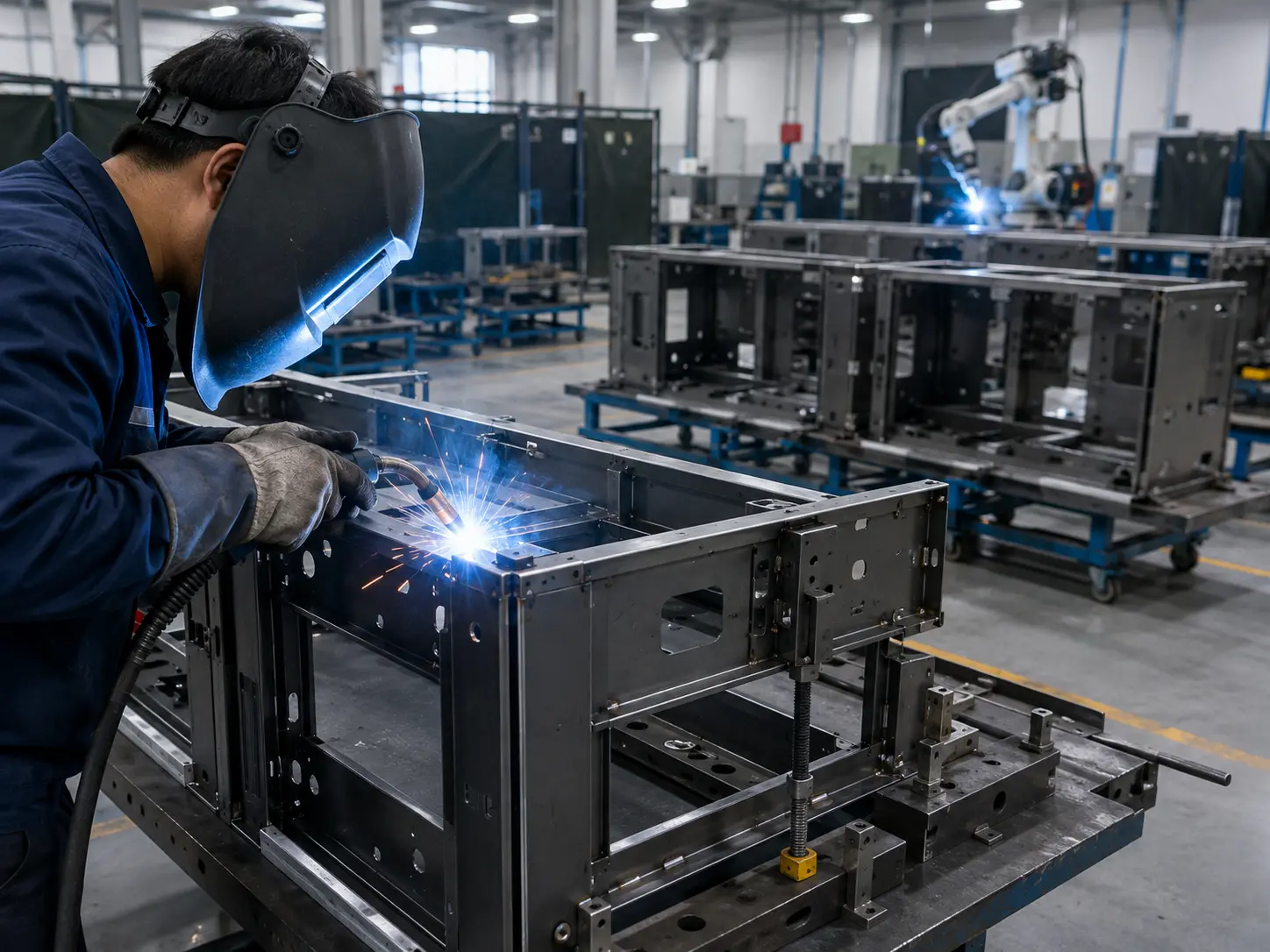
MIG CO2 Welding

MIG / CO2 Welding

Efficient welding for carbon steel frames, cabinets, brackets, and structural assemblies. Suitable for batch production.
Carbon Steel Frames Batch Production
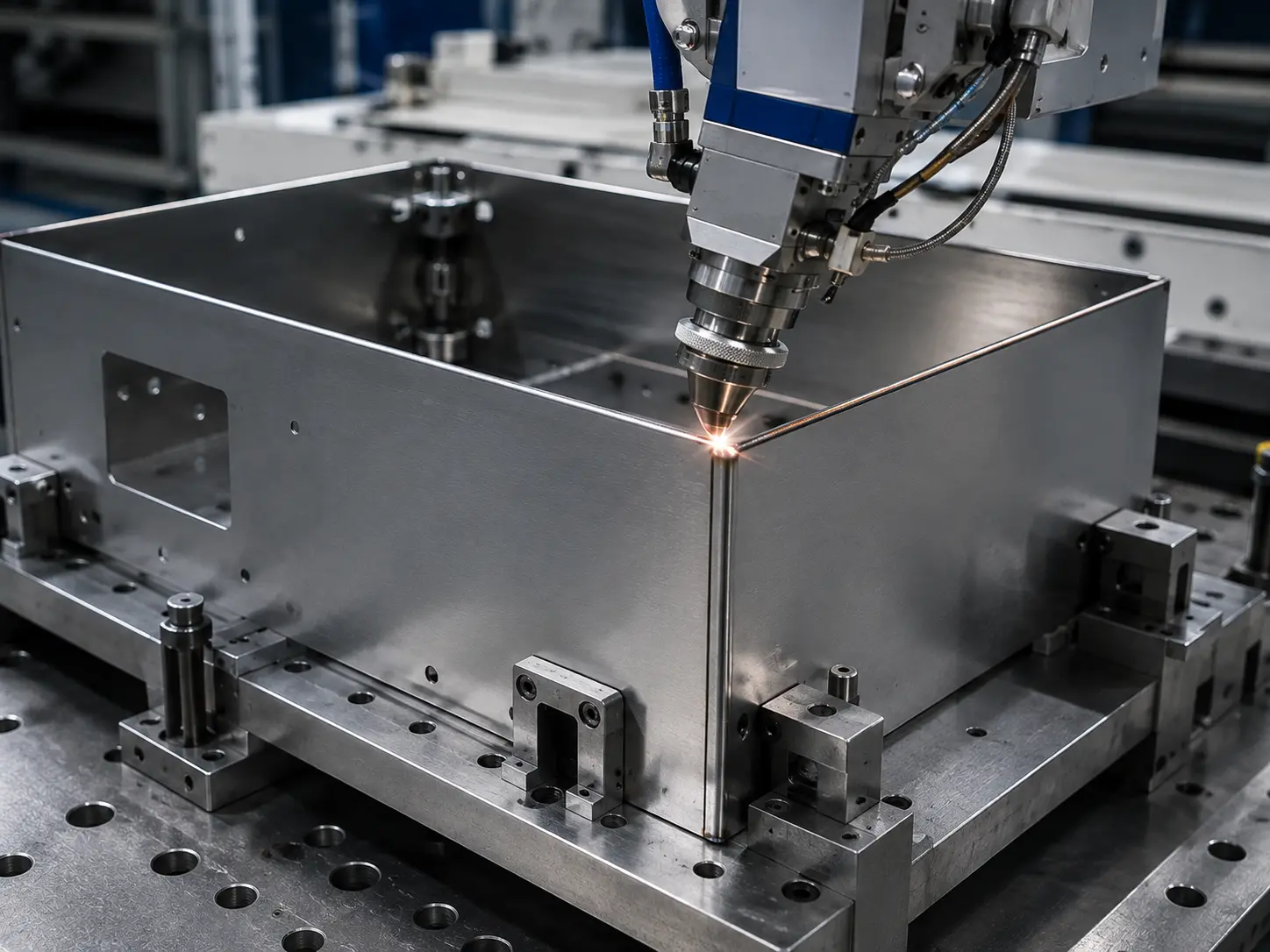
Laser Welding

Laser Welding

Low-distortion welding for precision housings, battery boxes, and thin sheet assemblies with narrow weld seams.
Low Distortion Precision Parts Narrow Welds
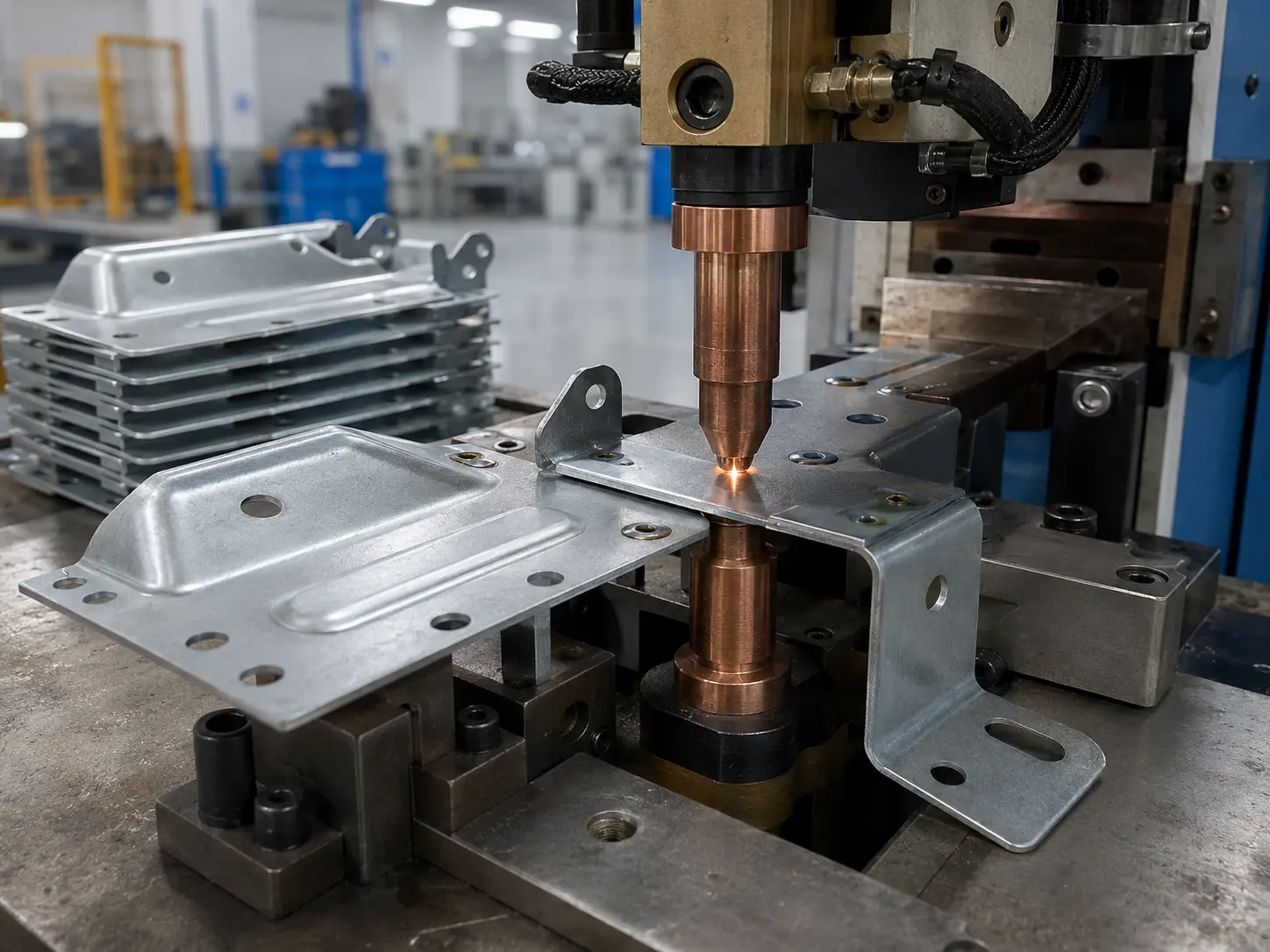
Spot Projection Welding

Spot / Projection Welding

Fast joining for overlapping sheet metal parts, stiffeners, tabs, and brackets in high-efficiency production.

Lap Joints Stamped Parts High Efficiency

Not sure which welding process fits your part? Send your drawings and our engineers will recommend the right method.

Send Drawings for Welding Review →
TOLERANCES & STANDARDS

Sheet Metal Welding
Tolerances & Inspection Standards

SR MFG references ISO 13920:2023 and applies internal inspection controls for welded sheet metal parts. Tolerances are evaluated based on part size, welding method, fixture design, material thickness, and final assembly requirements.

Reference Standard ISO 13920:2023

+ SR MFG Internal Process Control

Sheet metal welding tolerance inspection
±0.8 mm Automated welding
linear tolerance ≤ 1 m
±1.5 mm Manual welding tolerance
for parts ≤ 1 m
≤ 1 mm/m Flatness / perpendicularity
control target
0–1.5 mm Typical weld reinforcement
control range
Tolerance Category Parameter Automated Welding Manual Welding Inspection Tools Applicable Process / Equipment
Linear
Dimensions
Length/Width (≤ 1 m) ±0.8 mm ±1.5 mm Laser length measuring device / vernier caliper Robotic welding / CO₂ welding
(FANUC robot / Fenghuo welder)
Length/Width (1–3 m) ±1.2 mm ±2.5 mm Steel tape measure + feeler gauges Laser welding platform / Hanwang welder
Angular
Tolerance
Short side ≤ 500 mm ±15′ (0.25°) ±30′ (0.5°) Universal bevel protractor Automated fixturing system / general-purpose welding machine
Short side 500–1000 mm ±20′ (0.33°) ±45′ (0.75°) Angle gauge Positioner / Jasicfeng welder
Form
Tolerance
Flatness (per meter) ≤ 1 mm ≤ 2 mm Optical level Robotic welding workstation
Straightness (per meter) ≤ 0.8 mm ≤ 1.5 mm Tensioned wire + dial indicator Manual welding platform
Positional
Tolerance
Parallelism ≤ 1 mm/m ≤ 2 mm/m Granite surface plate + dial test indicator Laser tracking system
Perpendicularity ≤ 1 mm/m ≤ 2 mm/m Try square + feeler gauges Welding fixtures and tooling
Weld
Quality
Reinforcement (butt joint) 0–1.2 mm 0–1.5 mm Weld gauge All welding equipment
Reinforcement (fillet joint) 0–1.5 mm 0–2.0 mm Weld gauge All welding equipment
Undercut depth ≤ 0.2 mm ≤ 0.5 mm Depth caliper All welding equipment
Porosity allowance None (critical welds) ≤ 1 pore per 100 mm
(Ø ≤ 0.5 mm)
X-ray radiographic testing / dye penetrant inspection All welding equipment
i Final tolerances depend on drawing requirements, material thickness, weld length, fixture design, part structure, and inspection method.

WELDING MATERIALS

Metal Welding Materials

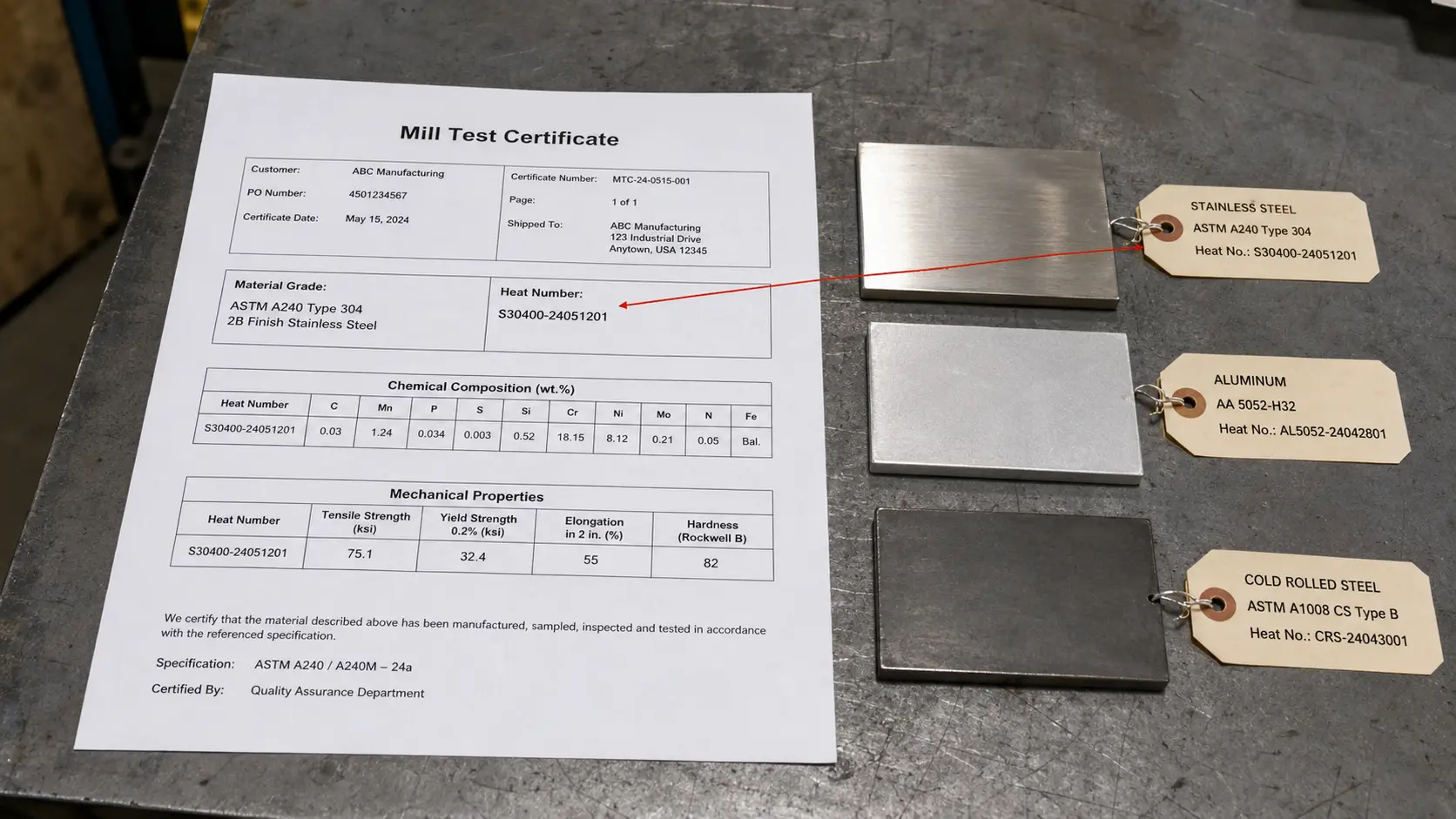
SR MFG supports welding for carbon steel, stainless steel, galvanized steel,aluminum, copper, titanium, magnesium, and high-strength steels. Our engineersmatch the right welding processes and quality controls to each material’scharacteristics-delivering strong, consistent results you can trust.

A. Carbon Steel / Low-Alloy Steel

Common grades:

Q235, SS400, A36

Weldability:

★★★★★

Recommended processes:

MIG/MAG, CO₂ welding, SMAW

Key considerations:

Excellent weldability; remove rust and oil before welding; control distortion in large frames.

Typical applications:

Frames, brackets, cabinets, structural parts

B. Stainless Steel (Austenitic)

Common grades:

304, 316, 301, 201, 430

Weldability:

★★★★

Recommended processes:

TIG welding, laser welding, MIG welding

Key considerations:

Control heat input and maintain clean shielding to protect appearance and corrosion resistance.

Typical applications:

Enclosures, food equipment, appearance parts

C. Galvanized Steel Sheet

Common grades:

SGCC, DX51D+Z

Weldability:

★★★☆☆

Recommended processes:

MIG welding, spot welding

Key considerations:

Zinc coating can generate fumes and porosity; local zinc removal or ventilation is recommended.

Typical applications:

Outdoor cabinets, chassis components, sheet metal panels

D. Aluminum and Aluminum Alloys

Common grades:

1060, 1100, 3003, 5052, 6061, 7075

Weldability:

★★★☆☆

Recommended processes:

TIG welding, aluminum MIG welding

Key considerations:

High thermal conductivity and distortion tendency; requires dedicated filler wire, argon shielding, and precise heat control.

Typical applications:

Lightweight enclosures, aerospace parts, aluminum housings

Special Materials

Mg
Magnesium Alloys

Process review recommended

+

Highly reactive material. Welding process, shielding, and safety controls should be reviewed case by case.

Ti
Titanium and Titanium Alloys

Process review recommended

+
Cu
Copper and Copper Alloys

Process review recommended

+
HS
High-Strength Steels

Process review recommended

+

Preheating, low-hydrogen consumables, and post-weld heat treatment may be required depending on strength grade and thickness.

Need more material selection details?

Explore SR MFG’s material library for sheet metal grades, properties, processing notes, and application guidance.

Explore the material library of SR MFG →

Are you ready to get started on your metal fabrication project?

Not sure which material is ideal for your project? Feel free to contact us.Our engineering team will recommend suitable material grades and sheet thicknesses based on strength, weight, corrosion resistance and overall cost.

Industries & Metal Welding Applications

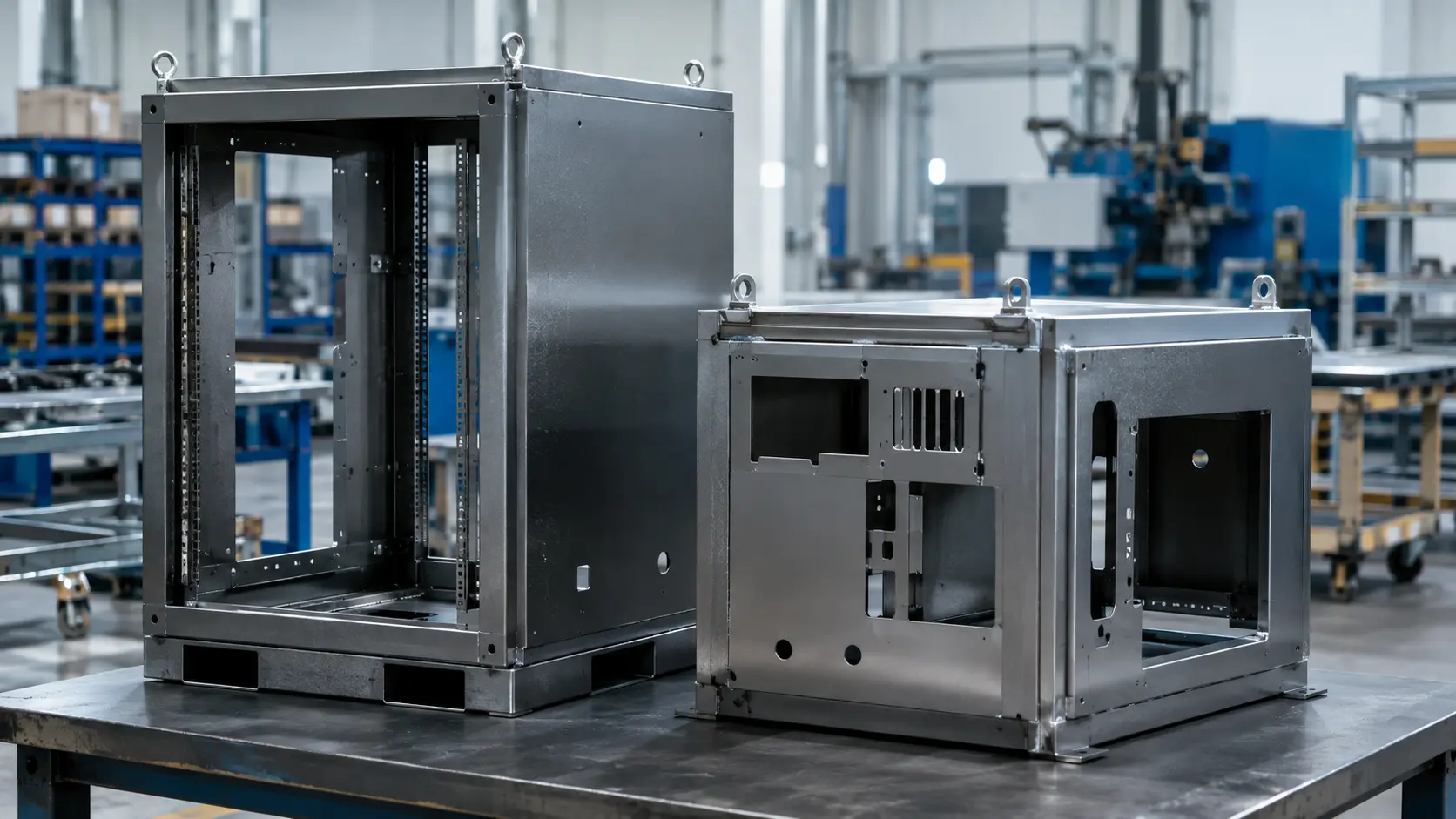
SR MFG provides metal welding services for sheet metal parts and fabricated assemblies used in data center equipment, consumer electronics, electrical systems, industrial equipment, new energy systems, and outdoor products. Metal welding helps join cut, bent, formed, or machined metal parts into stronger structures, enclosures, frames, brackets, and functional assemblies.

We support both prototype validation and stable batch production for welded metal parts that require structural strength, accurate alignment, clean weld appearance, controlled distortion, and reliable assembly performance.
Industrial Equipment

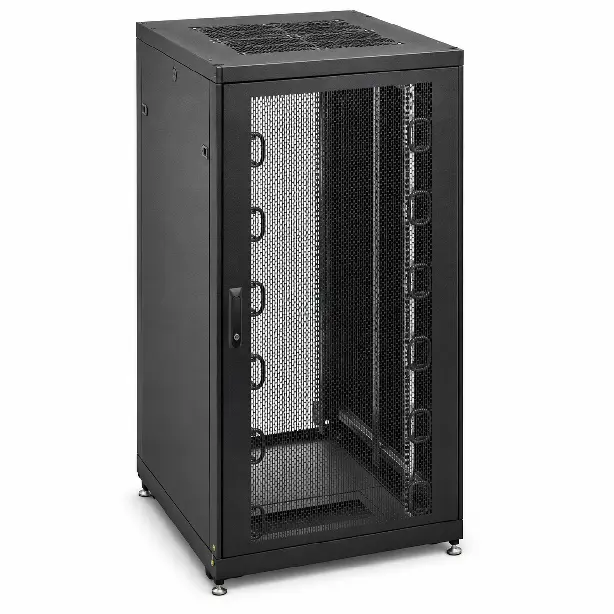
Data Centers & IT Equipment

Metal welding for data center, network infrastructure, and IT hardware parts where stable frames, strong joints, and accurate installation features are required.

  • Server rack frames & rails
  • Cable management trays
  • Cabinet panels & doors
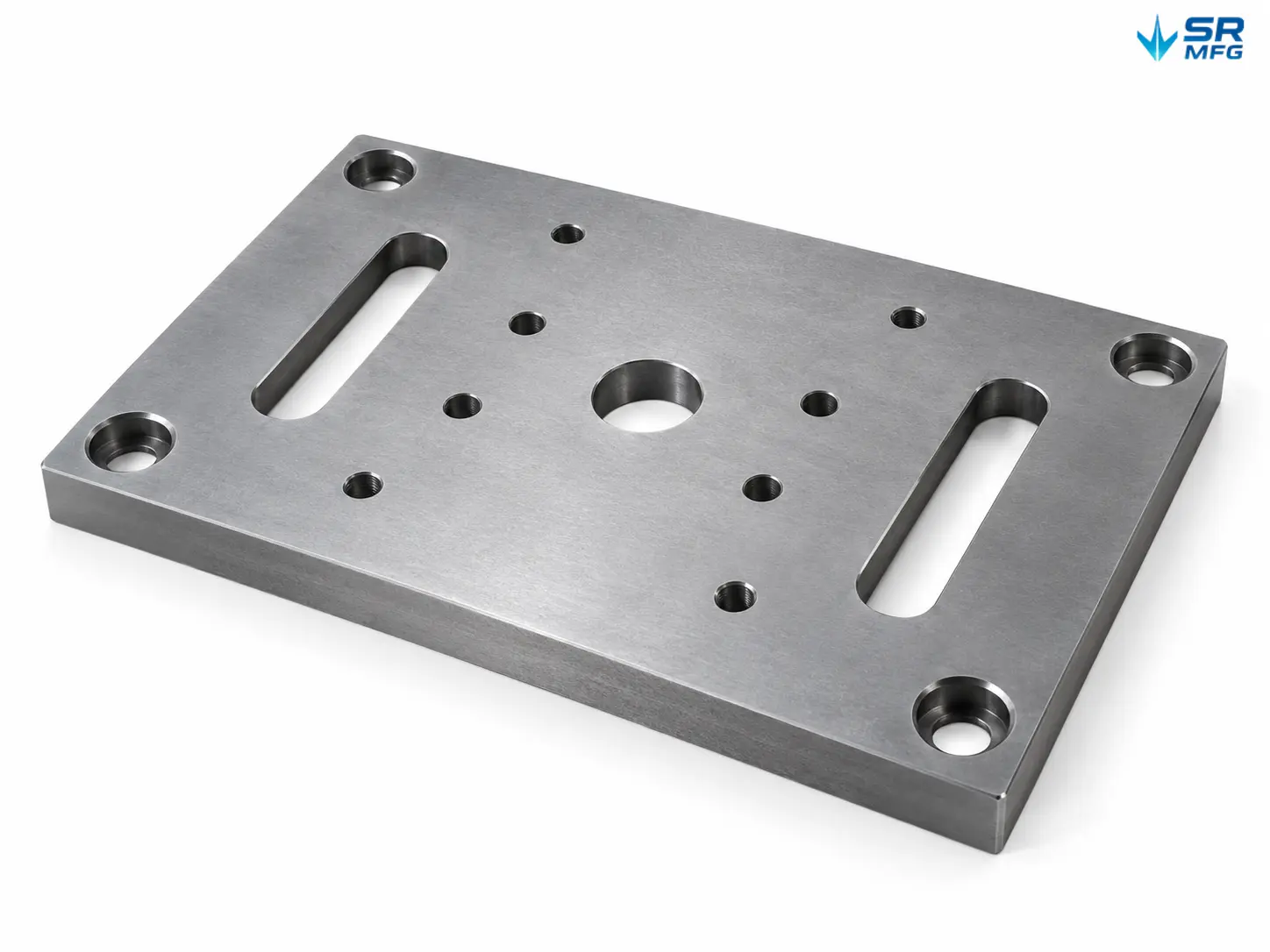
  • Mounting brackets & plates

Consumer Electronics

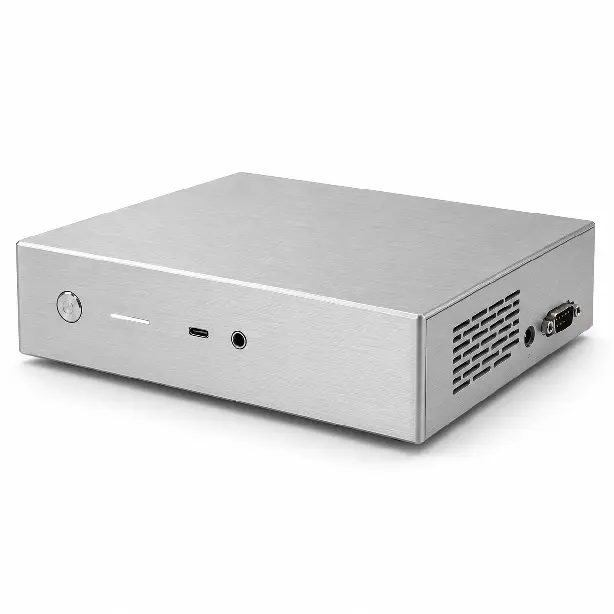
Welding solutions for consumer electronics housings, internal brackets, display structures, and precision sheet metal assemblies that require clean joints and controlled appearance.
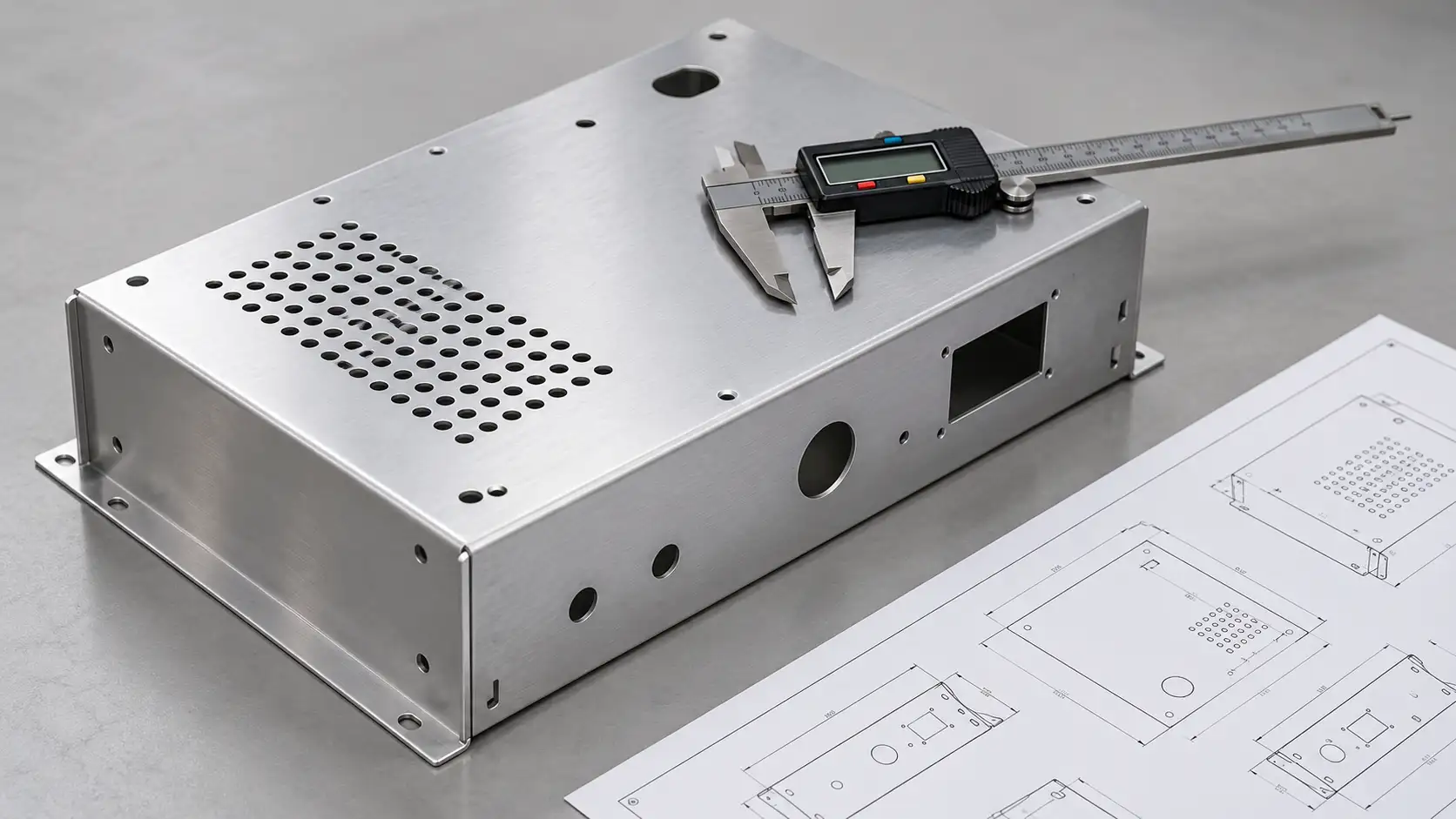
  • Device housings & covers
  • Internal support brackets
  • Display mounting structures
  • Speaker & audio metal parts
  • Small precision formed parts

Electrical Equipment

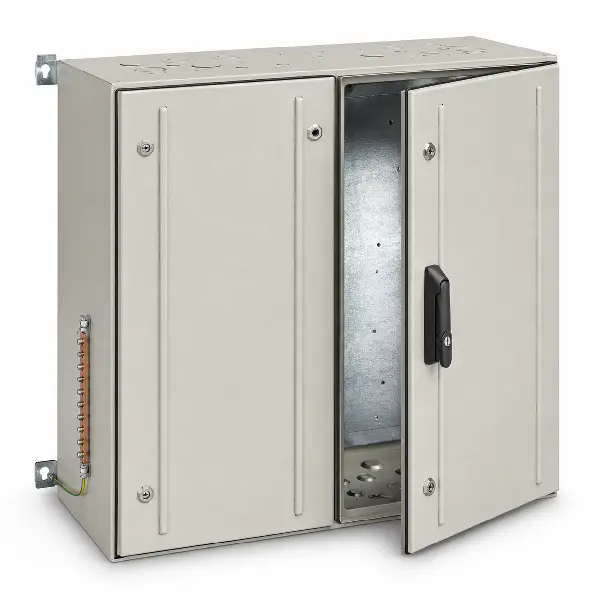
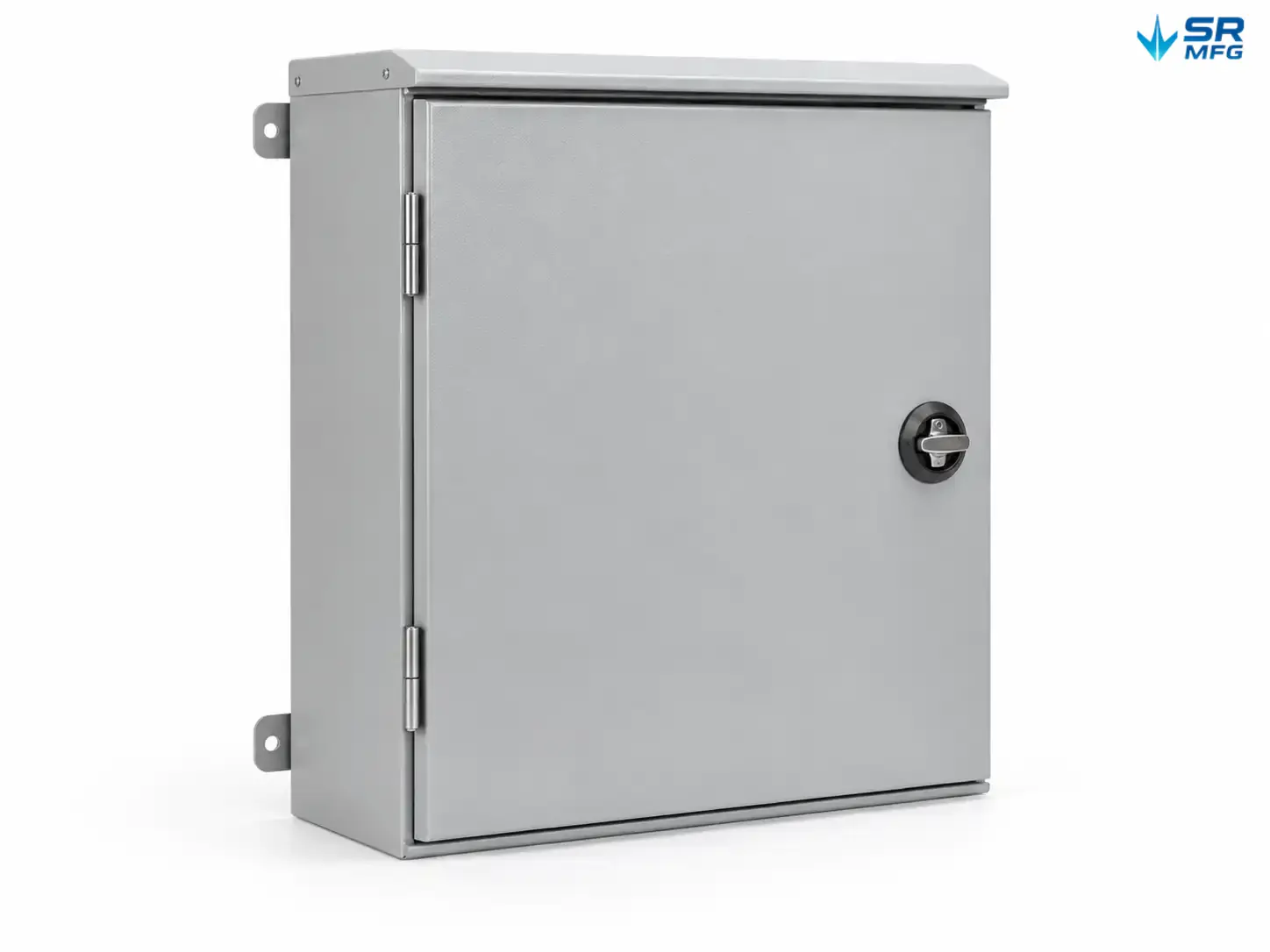
Metal welding for electrical enclosures, control cabinets, power distribution units, and industrial electrical systems where structural stability, panel alignment, and durable joints are important.

  • Electrical cabinet enclosures
  • Control box panels
  • Terminal mounting plates
  • DIN rail brackets
  • Ventilation and access panels

Industrial Equipment

Welding services for machinery, automation systems, production equipment, and structural machine assemblies that require strong connections and long-term durability.

  • Machine covers & guards
  • Equipment frames
  • Conveyor brackets
  • Sensor mounting plates
  • Protective panels & shields

New Energy Systems

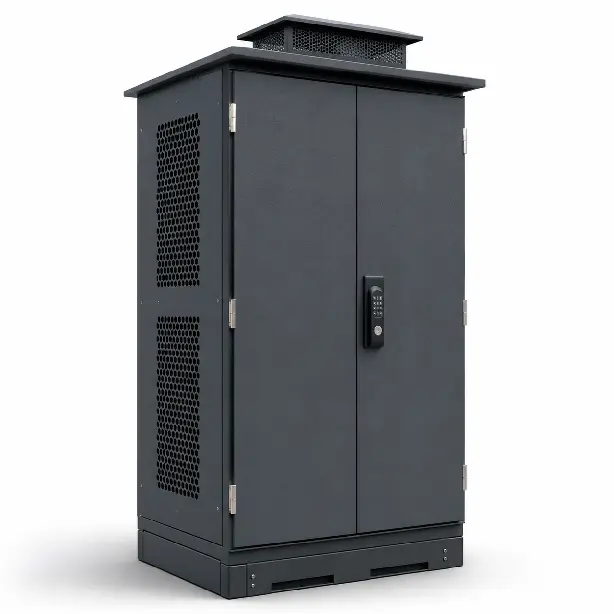
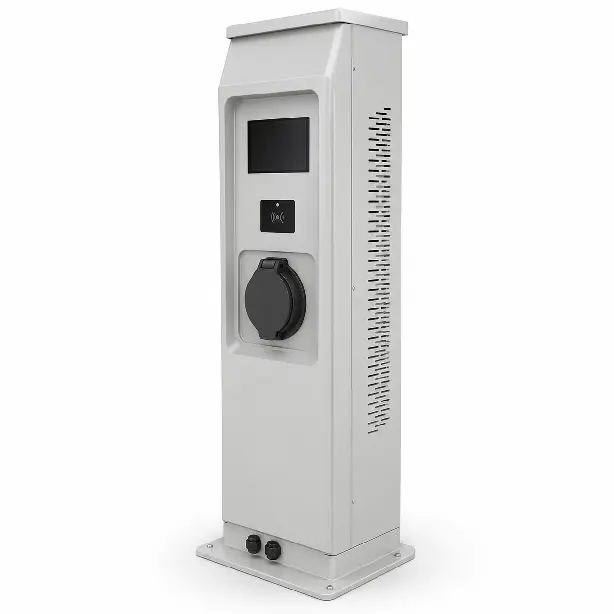
Metal welding for EV charging equipment, battery systems, energy storage cabinets, and power conversion units where enclosure strength, mounting stability, and assembly reliability are required.

  • Battery enclosure parts
  • Charging station cabinets
  • Energy storage cabinet panels
  • Busbar support brackets
  • Power module housings

Outdoor Equipment

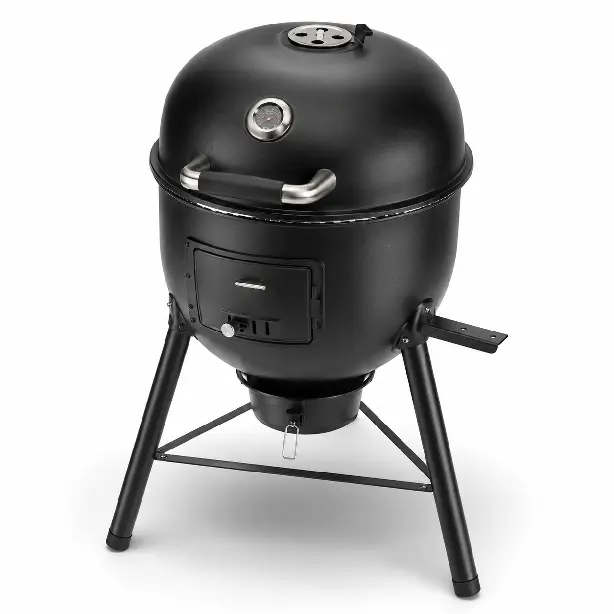
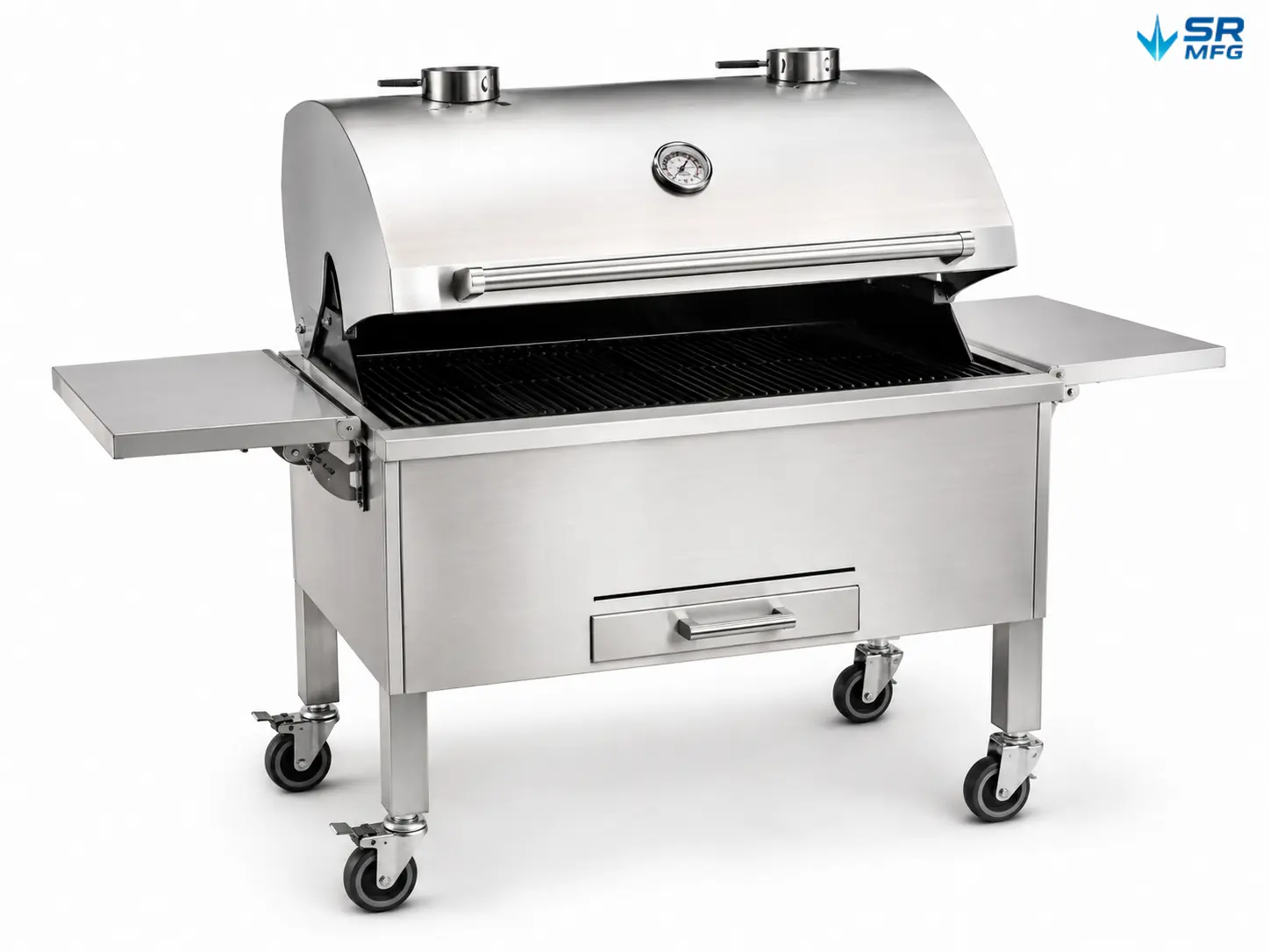
Welded metal parts for outdoor enclosures, equipment covers, BBQ grills, lighting systems, and structural fixtures exposed to real-use environments.

  • Outdoor equipment housings
  • BBQ grill sheet metal bodies
  • Protective covers & panels
  • Mounting brackets
  • Weather-resistant structural parts

Built for Your Application

Whether you need a single prototype or stable batch production, SR MFG provides reliable metal welding services to improve structural strength, assembly stability, joint quality, and final product durability.

FAQs​ About Sheet Metal Welding

Welding distortion mainly results from uneven heat input and insufficient structural restraint. During continuous welding of thin sheet metal, localized temperature rise causes plastic deformation that cannot be fully recovered after cooling. In real production, distortion is rarely caused by a single factor; it is usually the combined effect of welding sequence, fixture positioning, and weld distribution. For this reason, distortion must be controlled during the process-planning stage rather than corrected afterward.

Inconsistent weld appearance is usually related to the welding parameter window, operational stability, and material surface condition. For example, insufficient surface cleanliness on stainless steel directly affects weld pool behavior. When parameters are not fully standardized, differences between operators or shifts can further amplify variation. As a result, appearance consistency depends more on parameter standardization and process control than on one-time manual adjustments.

Stable welding tolerances depend on whether post-weld dimensions are predictable. In batch production, this is typically achieved by locking in the welding sequence and fixture datums during first-article approval, then monitoring dimensional trends through in-process sampling. Compared with single-part inspection, this approach focuses more on overall drift ranges. At present, there is no widely recognized authoritative statistical data that quantitatively defines tolerance performance across different welded structures.

Yes, the differences are significant. Carbon steel is relatively tolerant of heat input and offers a wide welding window. Stainless steel has lower thermal conductivity, making it more prone to heat concentration and discoloration. Aluminum alloys, affected by oxide layers and high thermal conductivity, place higher demands on process stability. In sheet metal welding services, material differences directly determine the welding method, parameter range, and fixture design strategy.

During the prototype stage, production pace is slower and allows greater manual intervention, whereas batch production emphasizes efficiency and continuity. If welding sequences, fixture repeatability, or parameter documentation are not fully standardized, variations can quickly be amplified. Therefore, batch stability is not a natural extension of prototype capability; it must be deliberately established through process solidification and systematic production control.

Sheet Metal Welding Technical Resources

Go to Top