Partner with Shuangrui to reduce manufacturing costs by 30% and boost efficiency.

Metal E-Coating Services2026-06-01T06:38:07+00:00

E-Coating Services for Metal Parts

E-Coat / ED Coating for Uniform Corrosion Protection

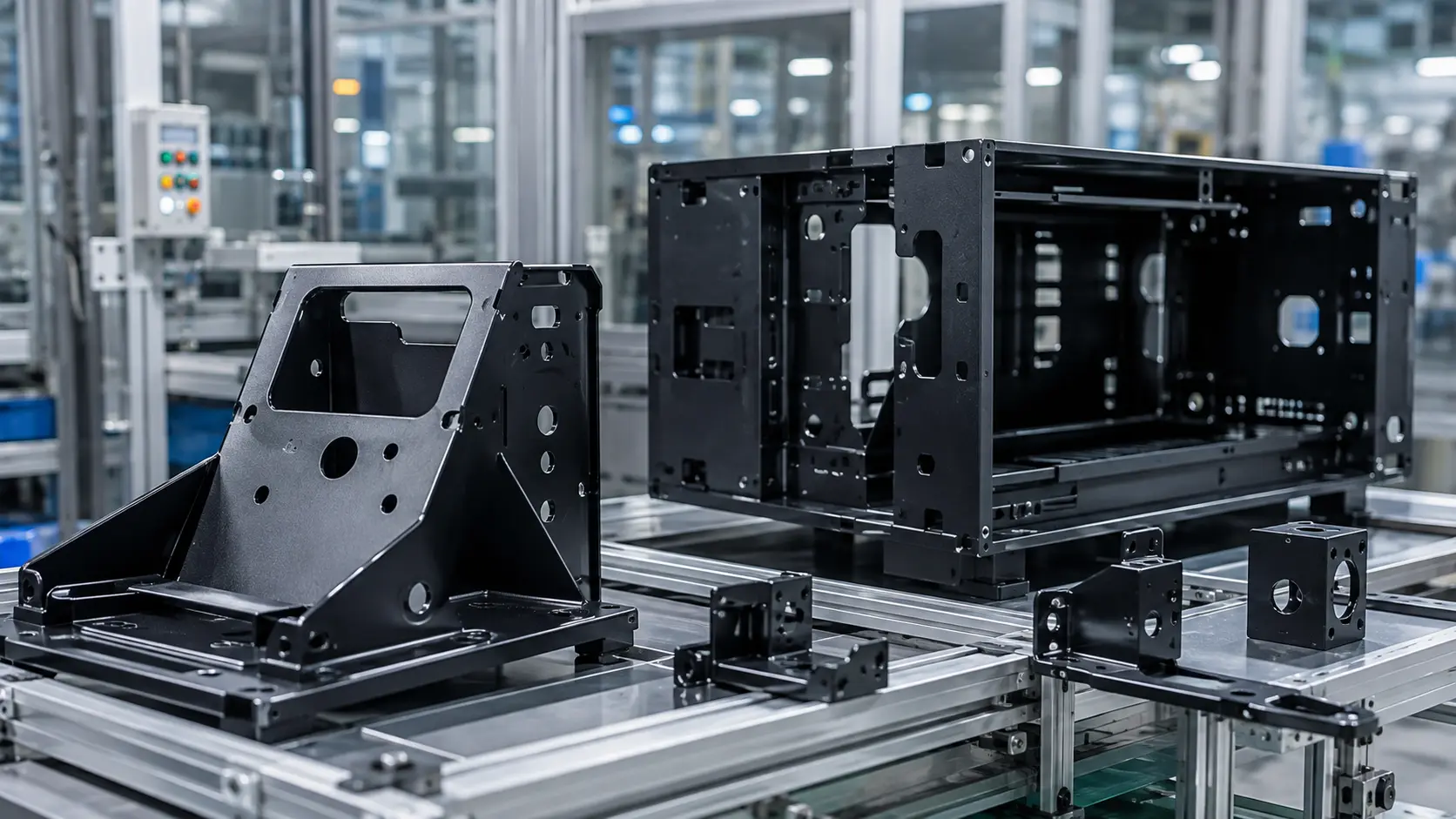
SR MFG provides managed e-coating / ED coating support for custom metal parts and fabricated assemblies. E-coat is ideal for parts that require uniform film coverage, corrosion protection, and coating access into cavities, seams, and internal corners.

We support coating thickness, adhesion, salt spray verification, and inspection documentation based on project requirements. Typical e-coat film thickness is about 12.5–30 μm, with project-specific targets available.

Uniform Film Coverage

Covers cavities, seams, and internal corners more evenly than many spray-only processes.

Corrosion Protection

Supports salt spray, adhesion, and film thickness verification when required.

Managed Quality Documentation

Inspection records and test reports can be arranged based on project requirements.
Get a Custom Quote in 12 Hours

Upload your drawings for engineering review.

Blank Form (#4)

What Is E-Coating?

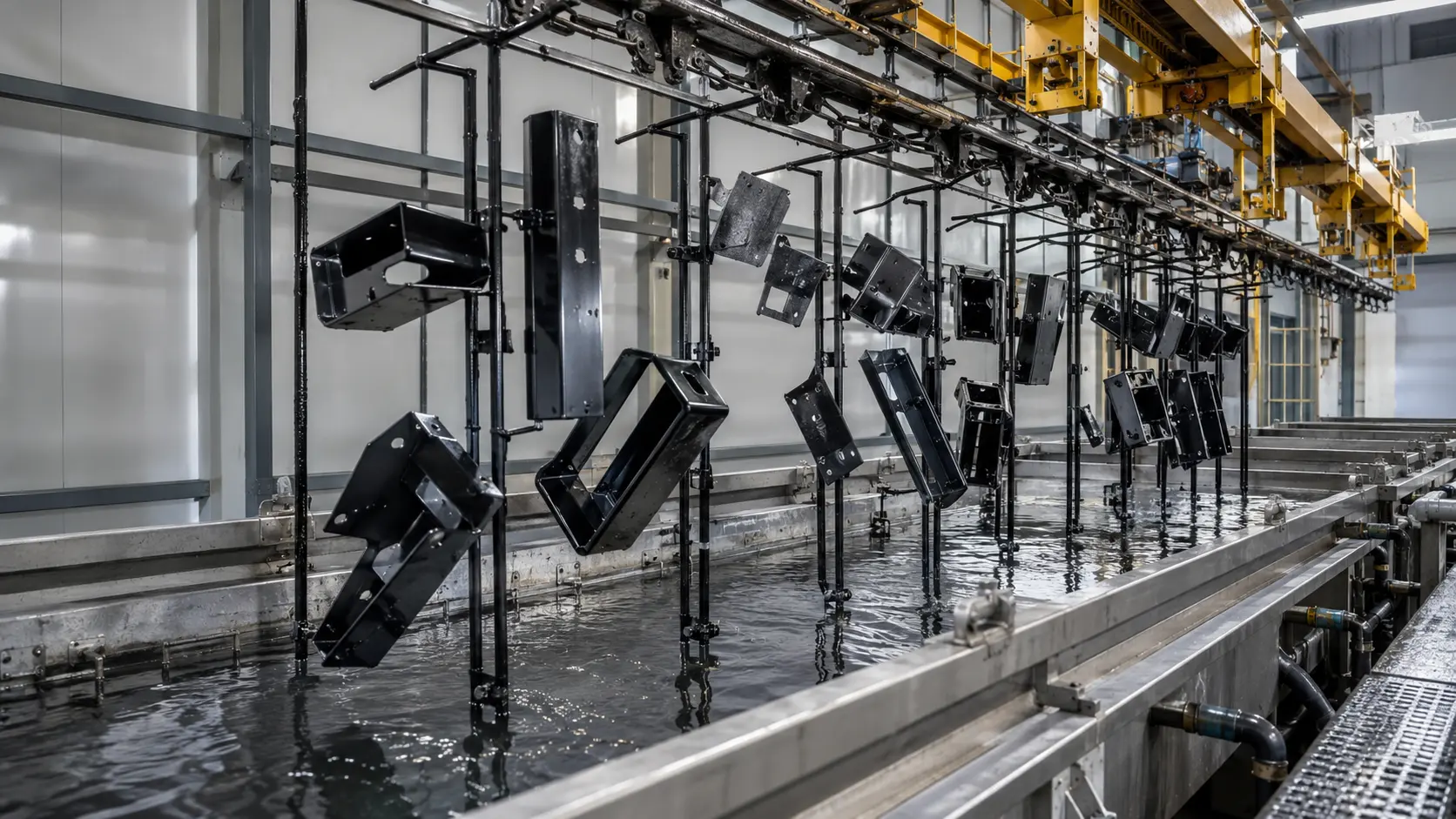
E-coating, also called electrophoretic coating or ED coating, is a water-based electrodeposition process. A conductive metal part is immersed in an e-coat bath, and under a DC electric field, charged resin and pigment particles migrate to the metal surface and form a uniform coating film.

Because the coating is deposited electrically, e-coat can reach cavities, seams, recessed areas, inside corners, and channels more effectively than many spray-only processes. After rinsing, the coated part is oven-cured to create a dense, consistent film with strong corrosion protection.

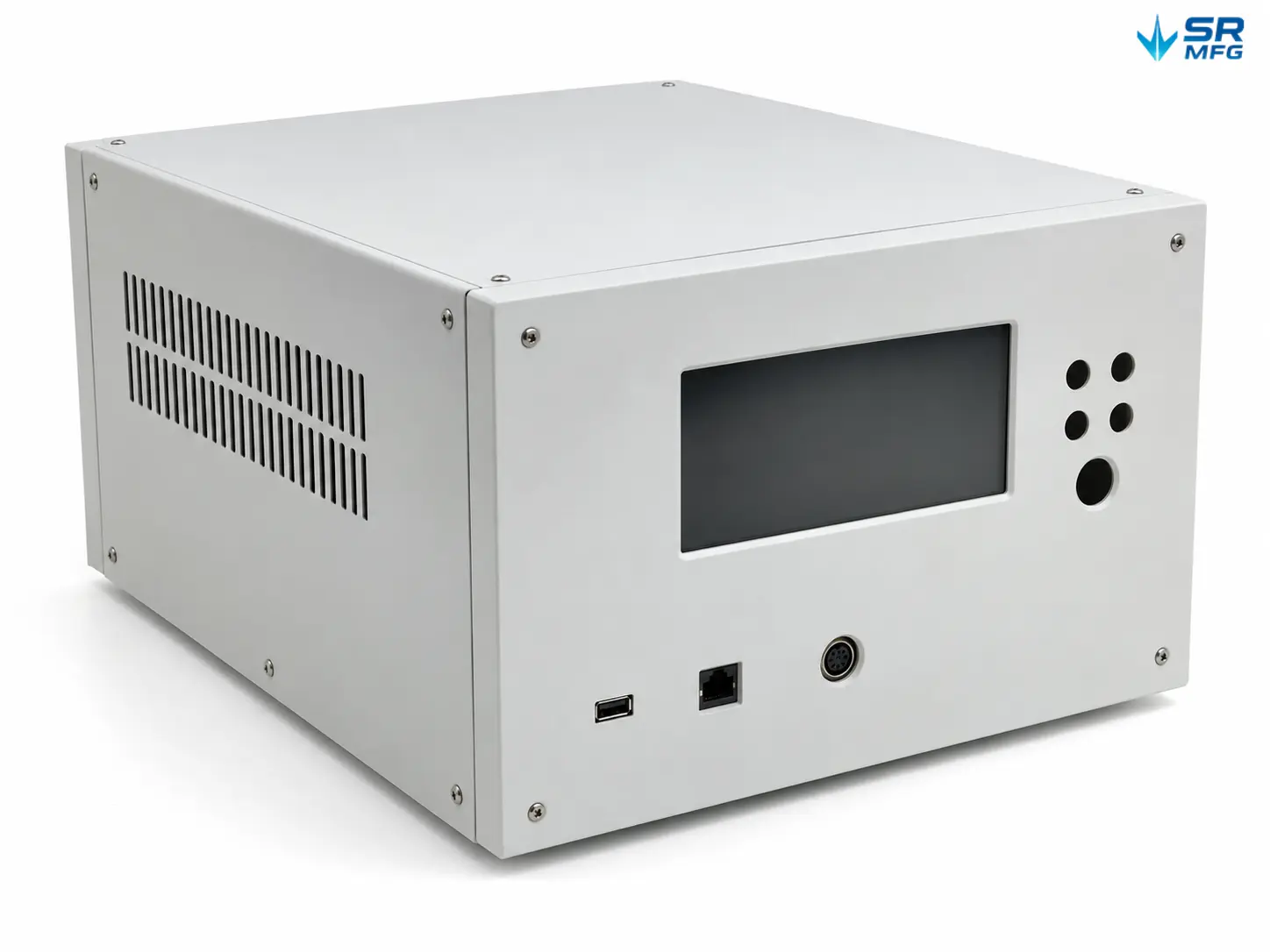
E-coating is widely used as a corrosion-protection primer or functional coating for automotive parts, enclosures, brackets, frames, and complex fabricated metal components.

Eight 1.5mm anodized aluminum sheet panels displaying a range of dye colors from natural silver through gold, bronze, black, blue, red, and green

Key Process Principle

E-coating combines three key elements:

Water-based
coating bath
DC electric
field
Oven curing
after deposition

This allows the coating film to build evenly on conductive metal surfaces, including areas that are difficult to reach with conventional spray coating.

Why It Works Well for Complex Parts

E-coat has strong throwing power, meaning it can coat recessed and internal areas more consistently. This makes it suitable for parts with:

Internal corners
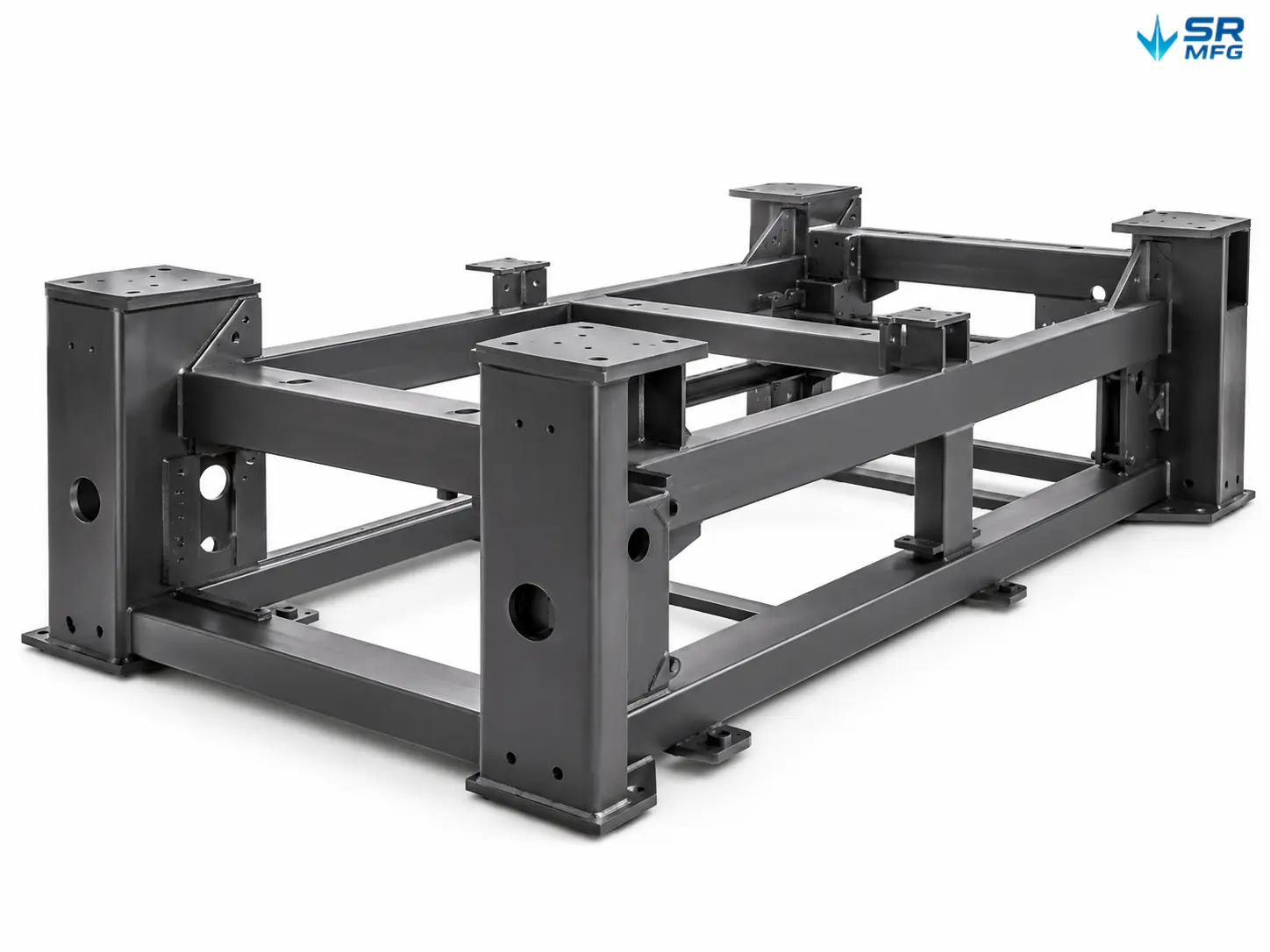
Brackets and frames
Seams and overlaps
Complex fabricated assemblies
Tubular or boxed structures
Areas where spray access is limited
i
Note: E-coating is mainly suitable for conductive substrates. Non-metal materials usually require conductive pretreatment and project-based validation before e-coating can be considered.

E-Coating vs. Powder Coating vs. Wet Painting: How to Choose

Different finishing processes solve different problems. E-coating is best for uniform corrosion protection and internal coverage, powder coating is strong for durable decorative finishes, and wet painting is more flexible for custom colors, low-volume projects, touch-up work, and special appearance requirements.

E-Coating

Best for:

Uniform corrosion protection, cavities, seams, internal corners, and complex metal geometries.

Typical film thickness:

12.5–30 μm

Main advantages:

  • Highly uniform film build
  • Strong cavity and edge coverage
  • Good corrosion-protection foundation
  • Suitable for repeatable production

Main limitations:

  • Color options are usually limited
  • Substrate must be electrically conductive
  • Higher setup and process-control requirements
Explore E-Coating Services

Powder Coating

Best for:

Durable decorative finishes, outdoor equipment, enclosures, brackets, covers, and structural components.

Typical film thickness:

50–125 μm

Main advantages:

  • Durable and wear-resistant finish
  • Wide range of colors and textures
  • Low VOC process
  • Good appearance and corrosion balance

Main limitations:

  • Frequent color changes require more cleaning
  • Film control must be evaluated for precision assemblies
  • Cure temperature and heat tolerance must be checked
Explore Powder Coating Services

Wet Painting

Best for:

Custom colors, prototypes, small batches, low-volume production, oversized parts, and special appearance requirements.

Typical film thickness:

Project-specific

Main advantages:

  • Flexible color matching
  • Suitable for low-volume and high-mix projects
  • Compatible with a wider range of substrates
  • Easier for localized touch-up and repair

Main limitations:

  • More process control is needed to avoid runs or orange peel
  • Transfer efficiency is often lower than powder coating
  • Drying, curing, and environmental control affect finish quality
Explore Metal Spray Painting Services
Quick Selection Guide
Requirement Recommended Process Requirement Recommended Process
Strong internal cavity coverage E-Coating Low-volume / prototype projects Wet Painting
High corrosion-protection foundation E-Coating or Powder Coating Standardized high-volume production E-Coating or Powder Coating
Durable decorative finish Powder Coating Complex fabricated structures E-Coating + Topcoat System
Wide color and texture options Powder Coating or Wet Painting Tight appearance requirements Powder Coating or Wet Painting
Custom color matching Wet Painting Functional primer before topcoat E-Coating
Practical
Guidance
  • For high corrosion resistance, complex metal structures, standardized high-volume production, and strict environmental requirements, e-coating or powder coating is usually preferred.
  • For low-volume, high-mix programs, simple geometries, frequent color changes, or special appearance requirements, wet painting is often the most flexible option.
  • Many demanding programs use a hybrid system: E-coat primer + powder topcoat.
  • E-coat primer: strong edge, seam, and cavity coverage.
  • Powder topcoat: adds color, durability, and weathering performance.
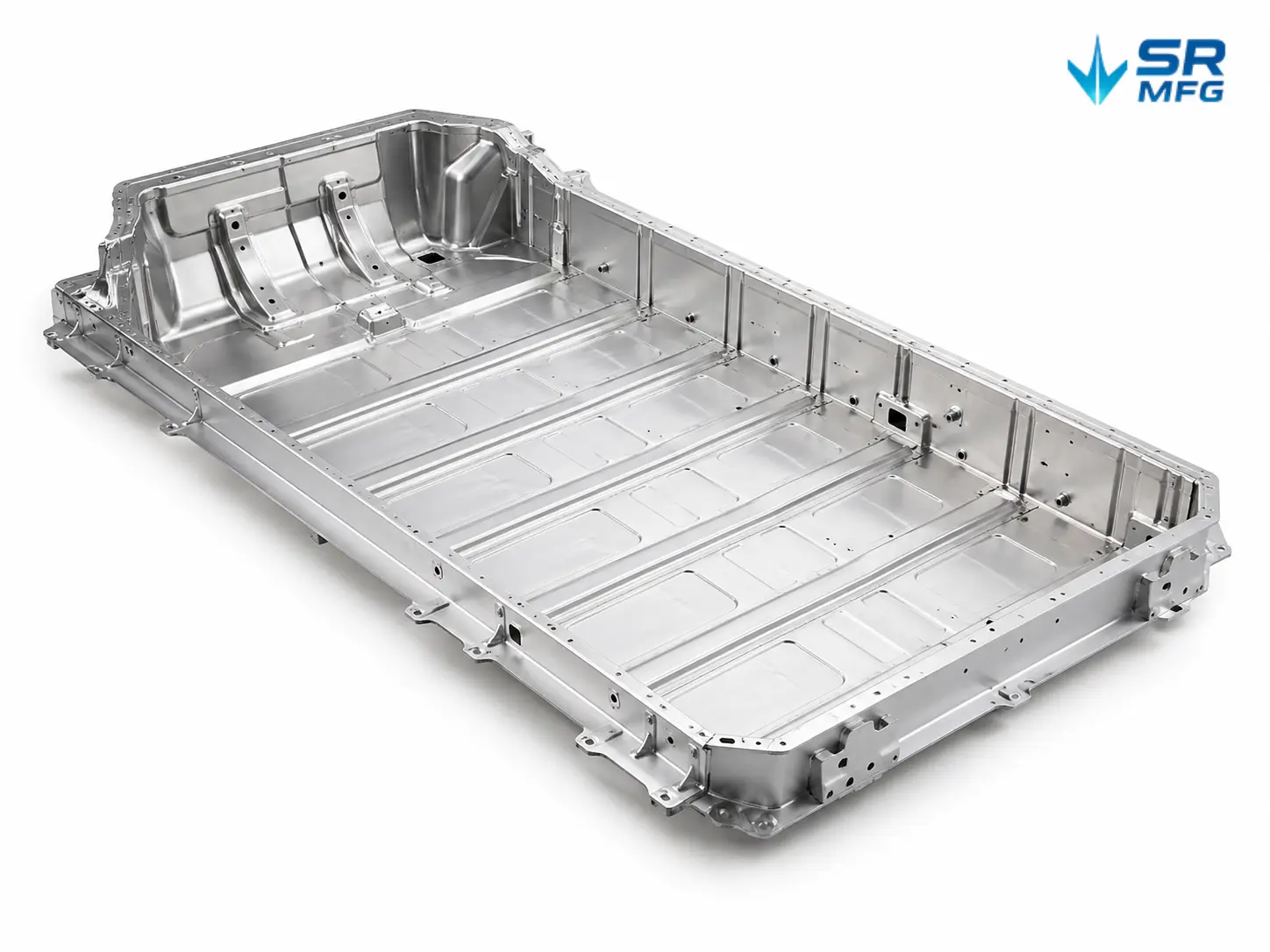
  • Combined benefit: suitable for EV battery enclosures, premium appliance housings, outdoor equipment, and high-value fabricated assemblies.
The best finishing process depends on material, geometry, thickness target, color requirement, service environment, cosmetic grade, masking areas, inspection standards, and production volume.
Discuss Your Finishing Requirements →

How Does SR MFG Provide “Outsourced E-Coating” Services?

SR MFG helps customers manage e-coating prcjects that need uniform corosion protection, cavity coverage, and controlled deliveryThe actual e-coating is performed by qualified partner facilities.

SR MFG remains your single point of contact for engineering review, masking and racking requirements, quality inspection,documentation, schedule coordination, and final delivery.

Why Work with SR MFG for Outsourced E-Coating?

Single Point of Contact

One supplier manages fabrication, coating communication, inspection, documentation, and delivery.

Engineering Review Before Coating

Masking areas, racking points, threads, mating surfaces, and visible areas are reviewed up front.

Controlled Quality Documentation

Film thickness records, lot traceability, inspection results, and test reports can be arranged as required.

Topcoat Integration

Powder coating or wet painting can be added on top of e-coat when appearance or weathering performance is required.

Standard Managed E-Coating Workflow
1

Drawing & Requirement Review

We review drawings, specs, and coating requirements.

2

Fabrication & Pre-Coating Preparation

Parts are fabricated and prepared for coating.

3

E-Coating Feasibility & Partner Coordination

Feasibility is confirmed and the best partner is selected.

4

Sampling & Validation

Samples are coated and validated to meet requirements.

5

Batch Production & Process Tracking

Production proceeds with process tracking and monitoring.

6

Final Inspection & Documentation

Parts are inspected and documentation is completed.

7

Packing & Delivery

Parts are packed properly and delivered on time.

Who Does What?
SR MFG — Your Single Point of Contact
  • Reviews drawings, masking areas, and functional surfaces
  • Coordinates fabrication, partner communication, schedule, and logistics
  • Defines inspection points and documentation needs
  • Arranges topcoat integration when needed
E-Coating Partner Facility
  • Performs pretreatment, electrodeposition, rinsing, and curing
  • Executes coating per agreed process requirements
  • Provides process records or test data when required

Best fit for corrosion-resistant primer coating, welded frames, brackets, enclosures, fabricated structures, and projects that need one supplier to manage fabrication, coating, inspection, and delivery.

E-Coatable Parts & Materials We Can Review

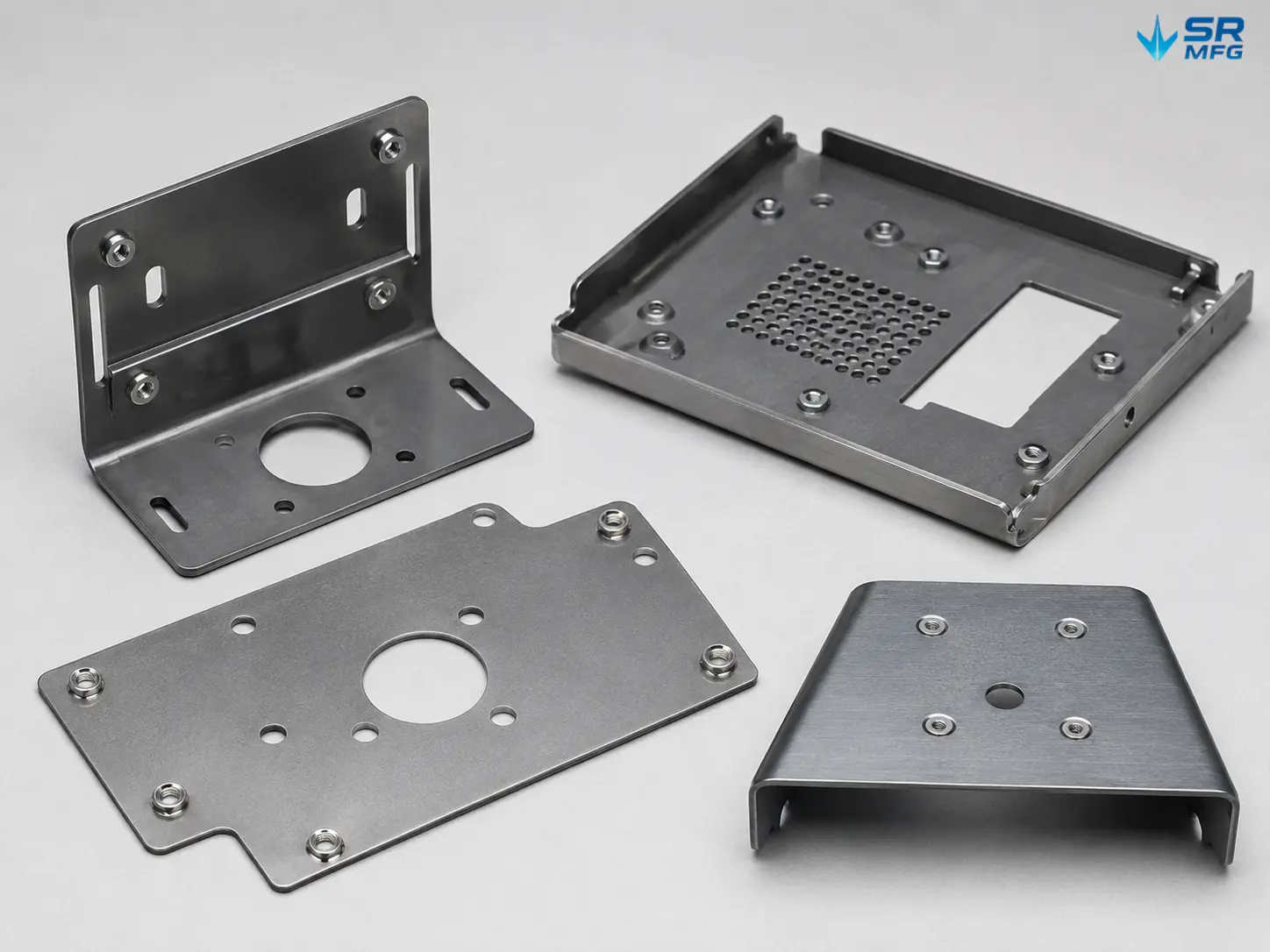
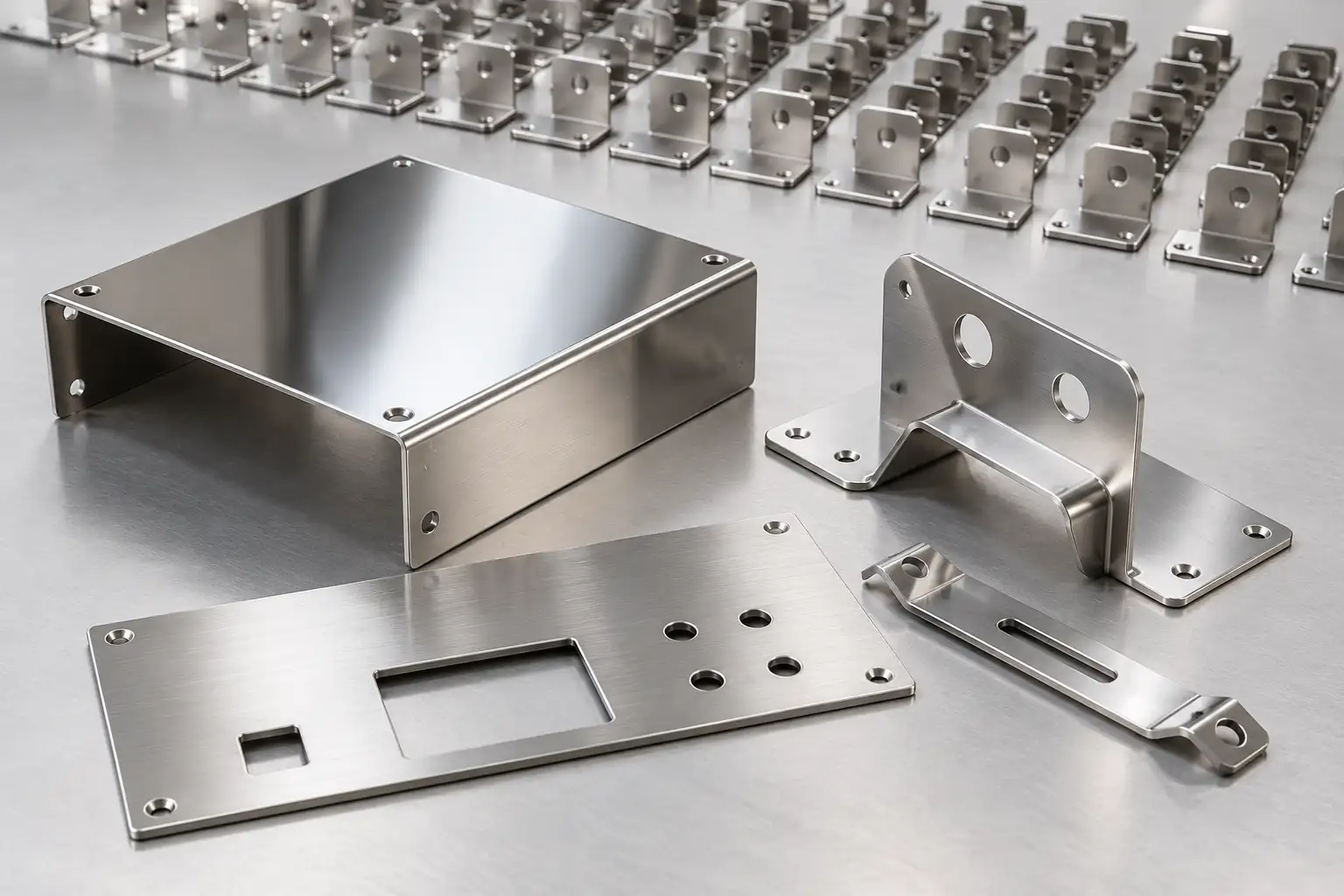
SR MFG supports e-coating review for sheet metal parts, stamped components, welded assemblies, and otherconductive metal parts that require corrosion-resistant primer coating, internal coverage, or controlled surface finishing.Final feasibility depends on material conductivity. part geometry. pretreatment compatibility. masking areas, rackingmethod, coating window, and validation requirements.

Fabricated Sheet
Metal Parts

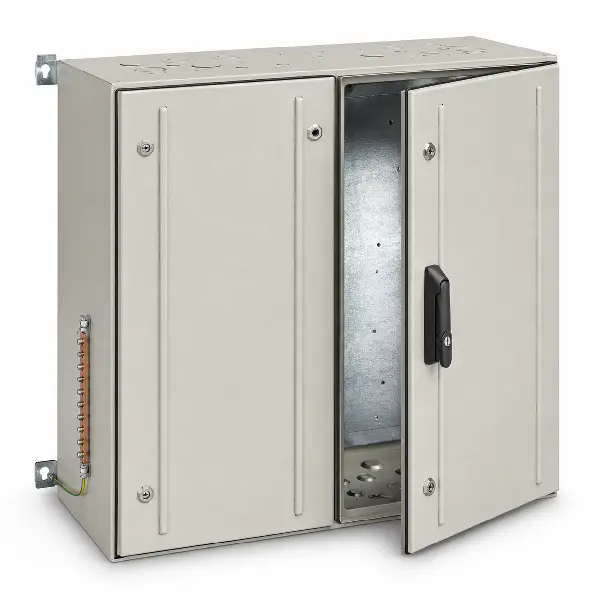
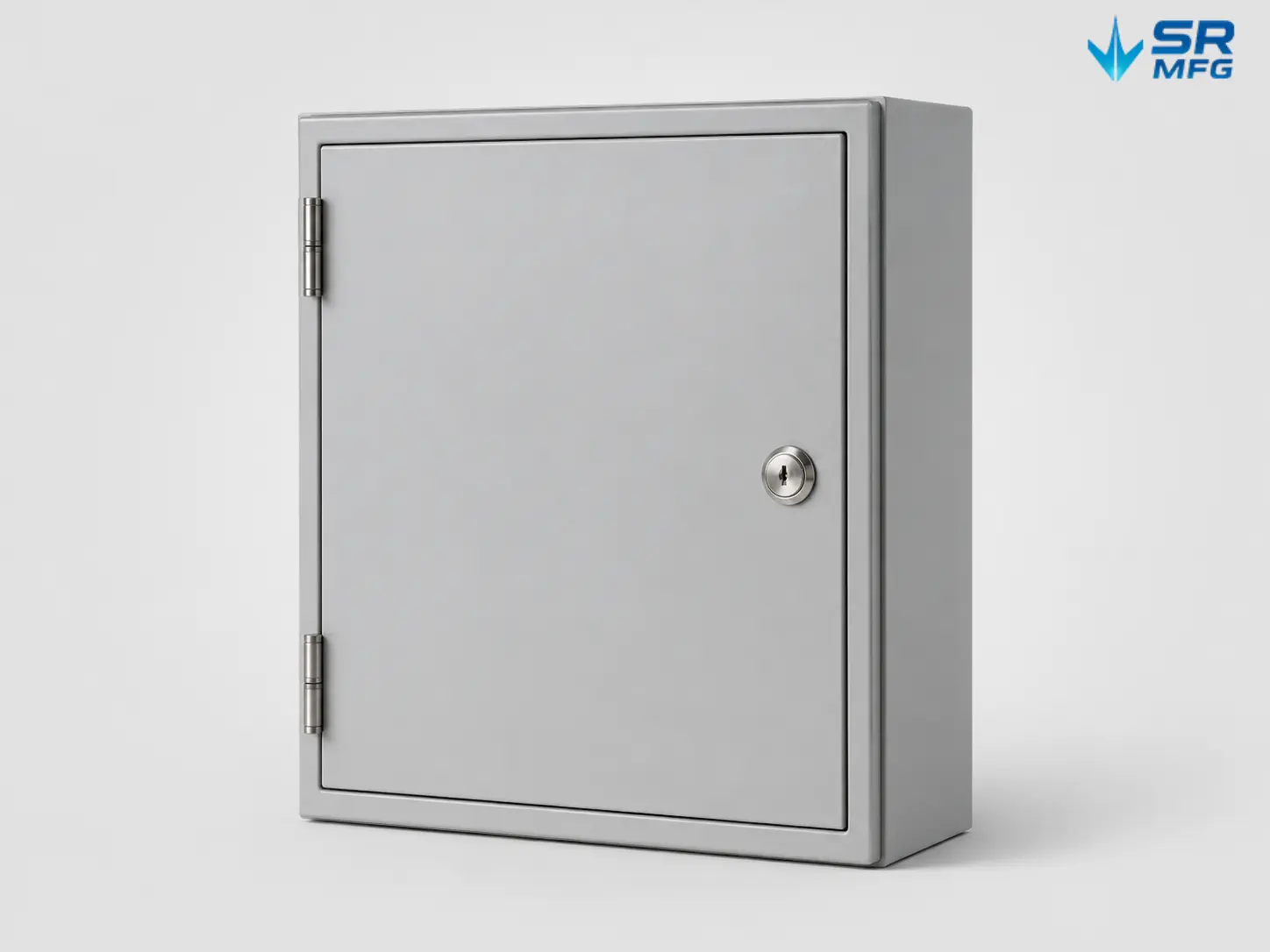
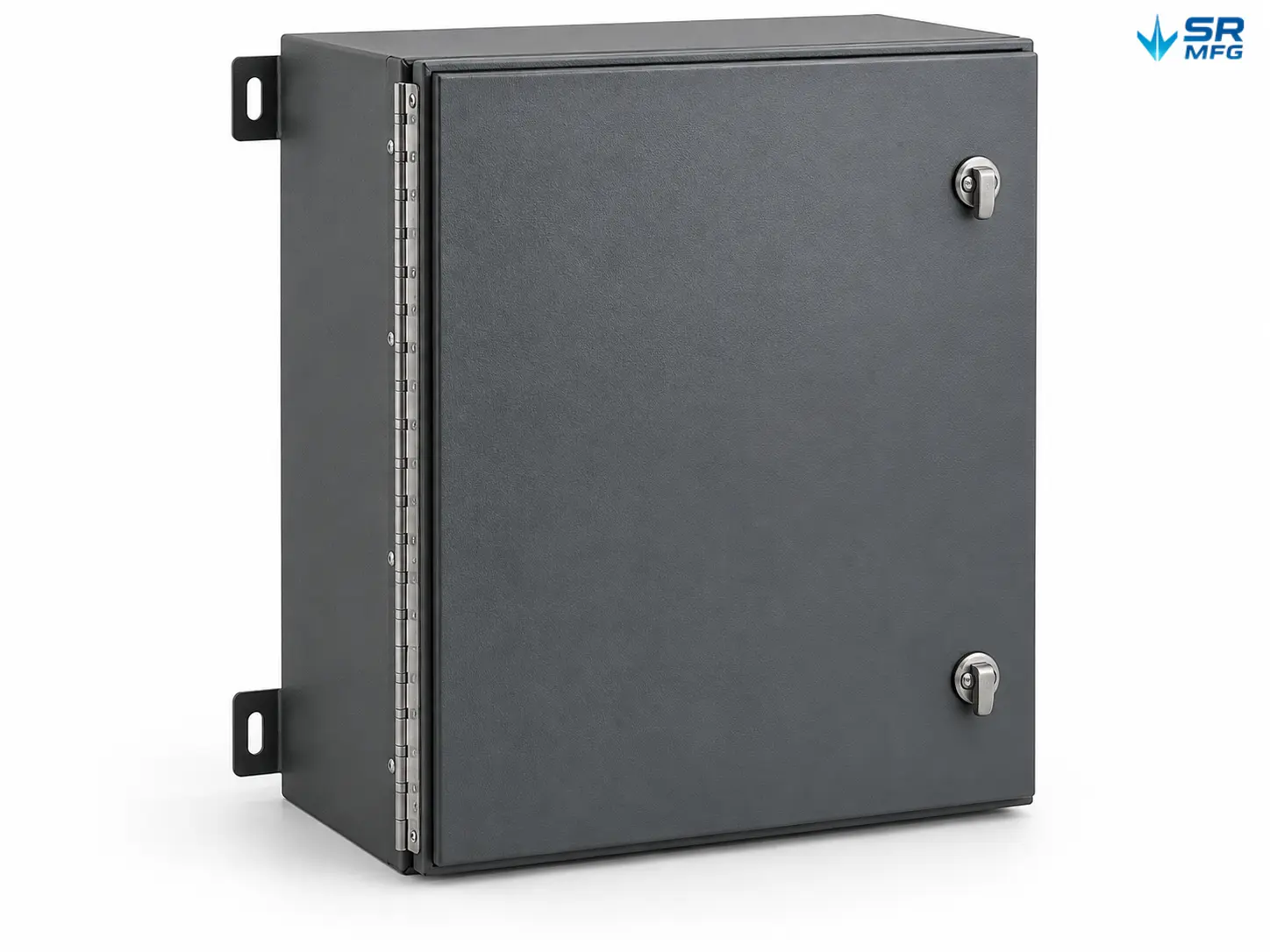
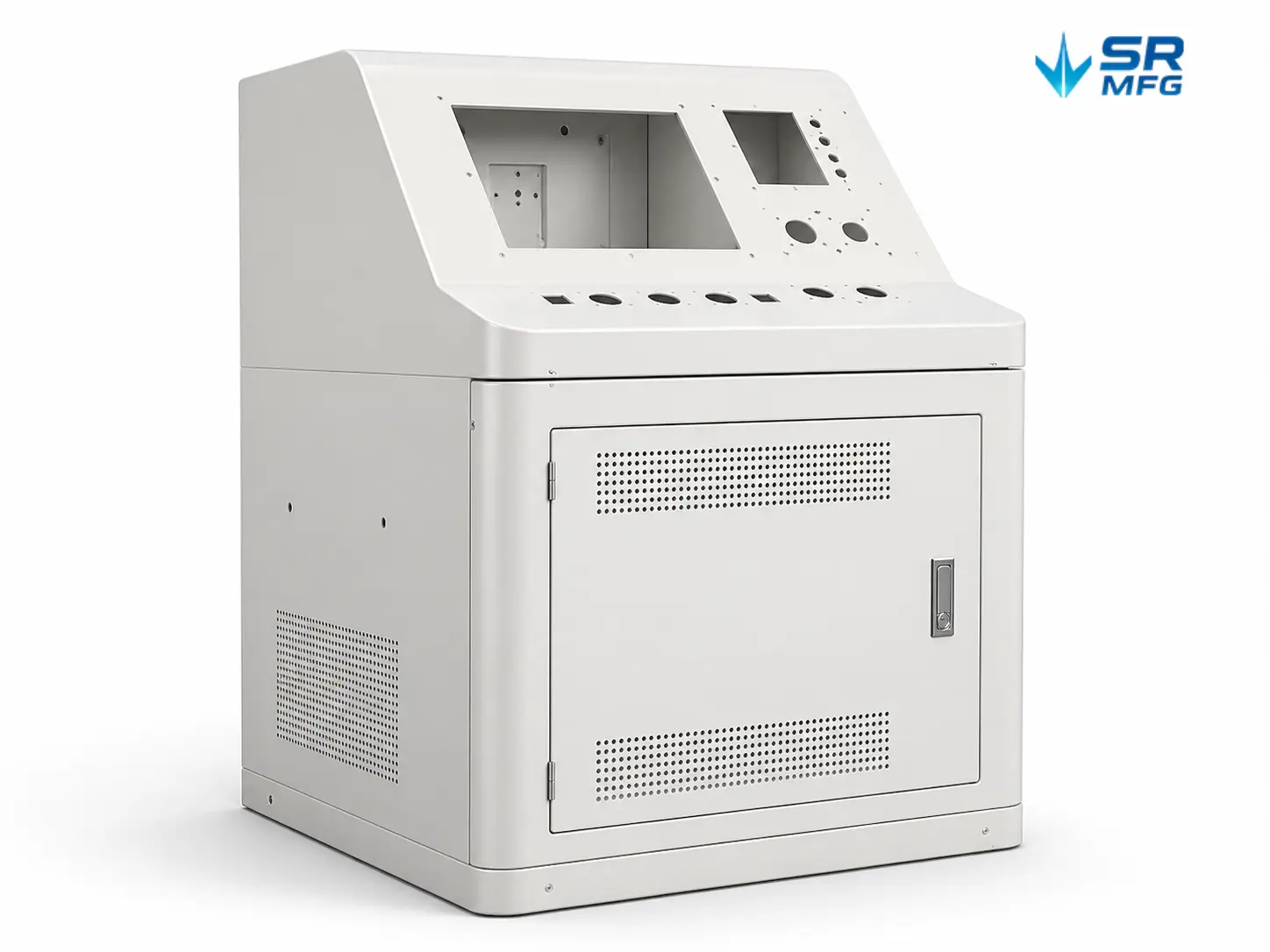
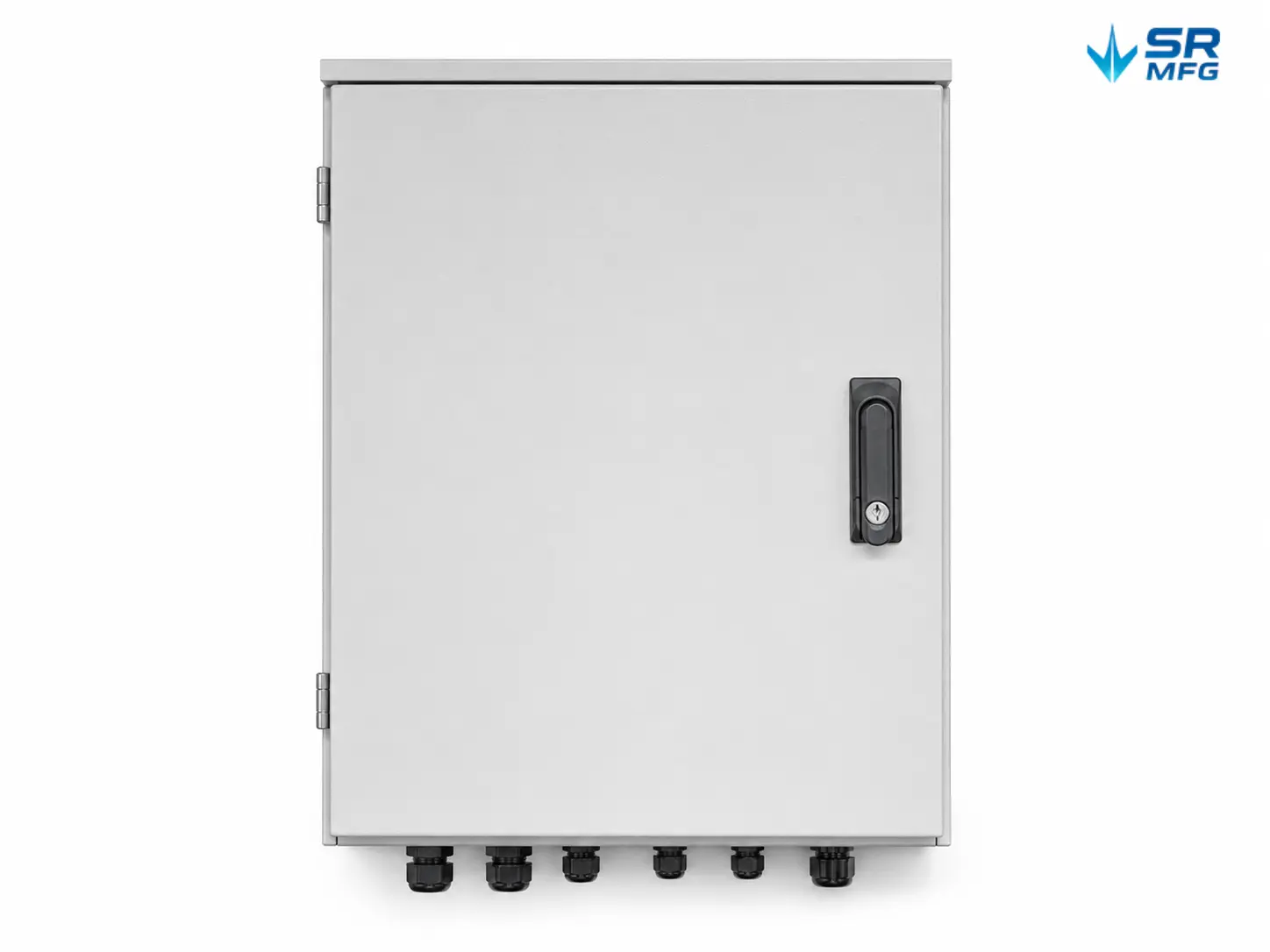
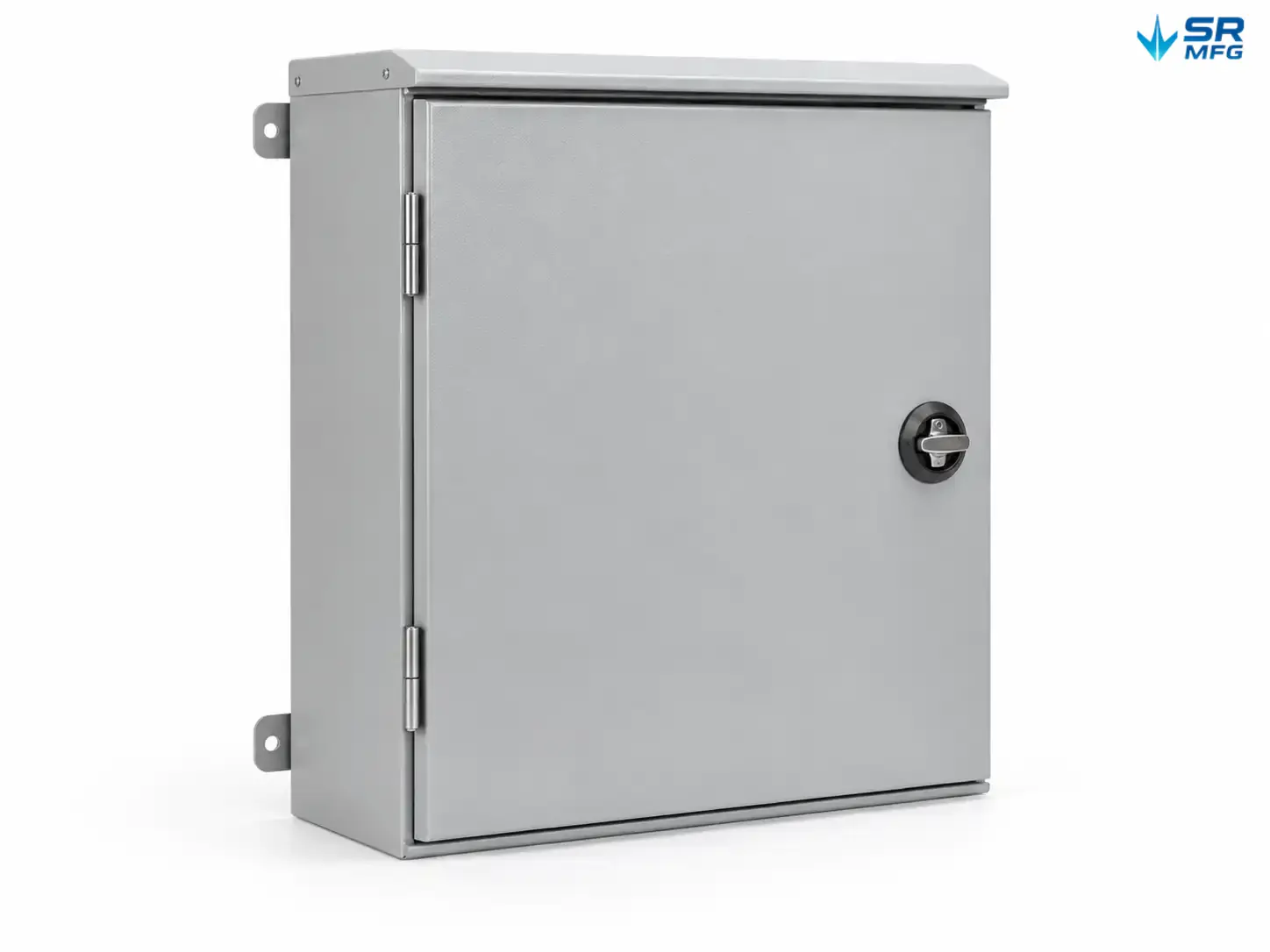
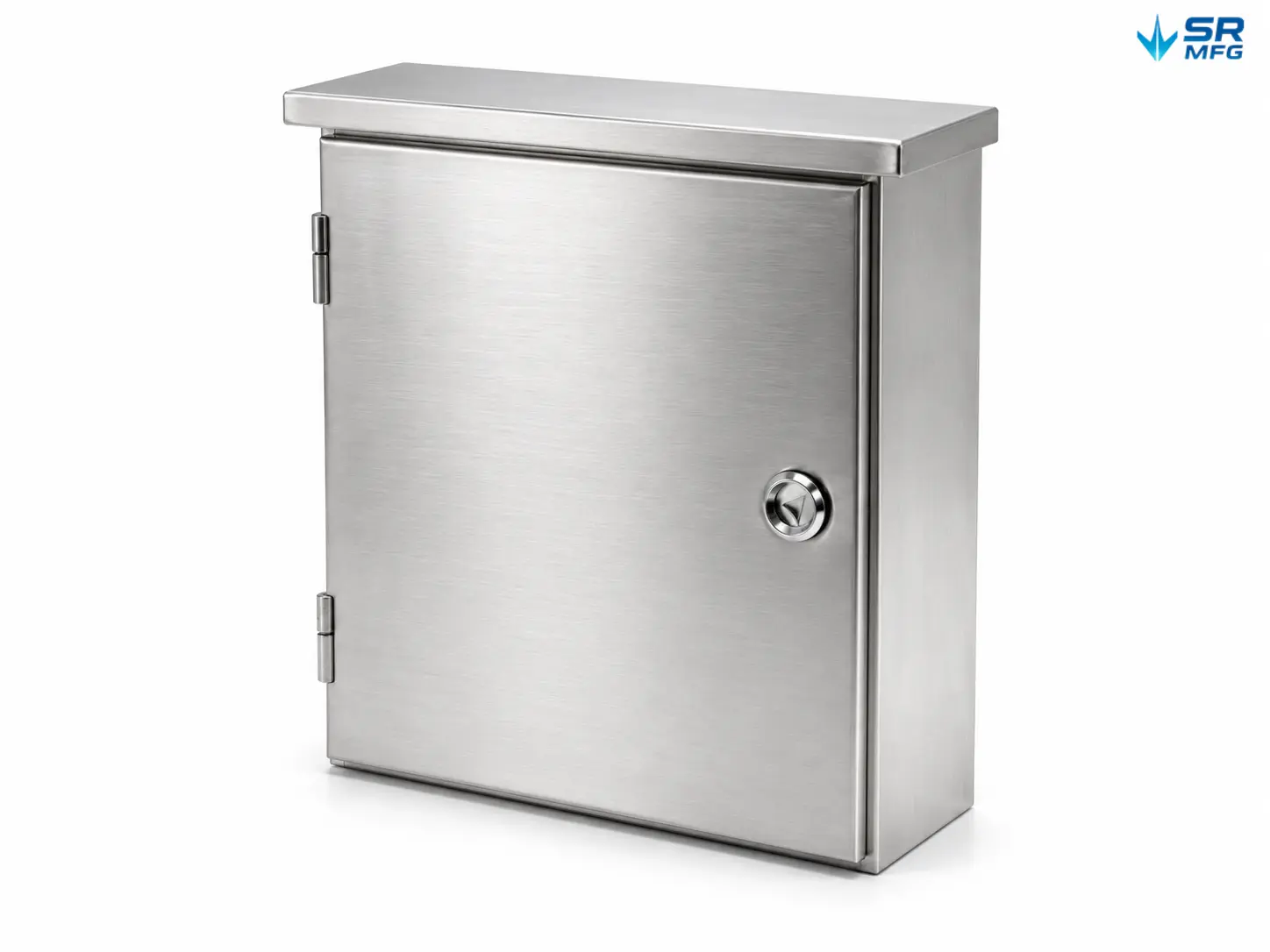
  • Enclosures and cabinets
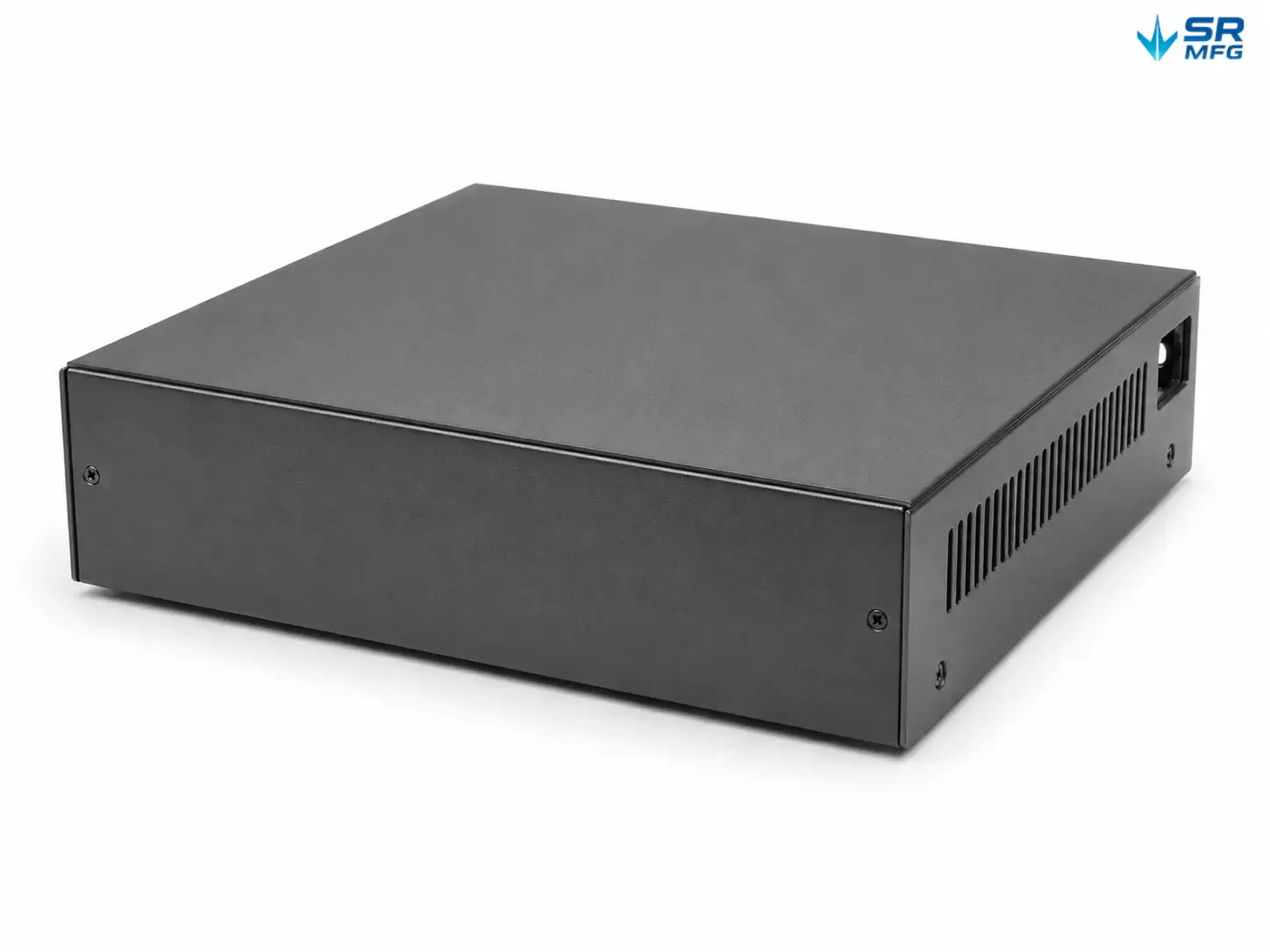
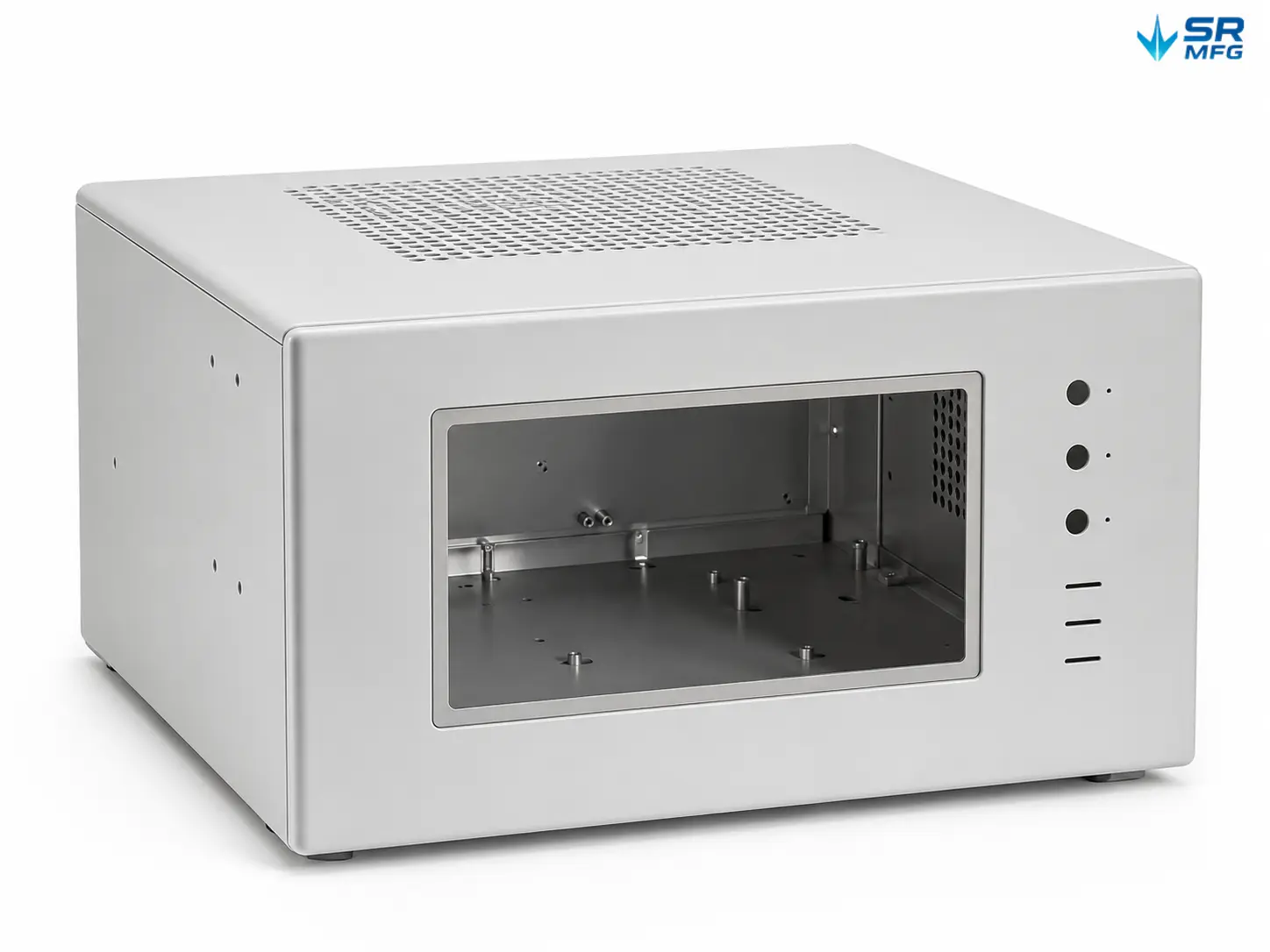
  • Equipment housings
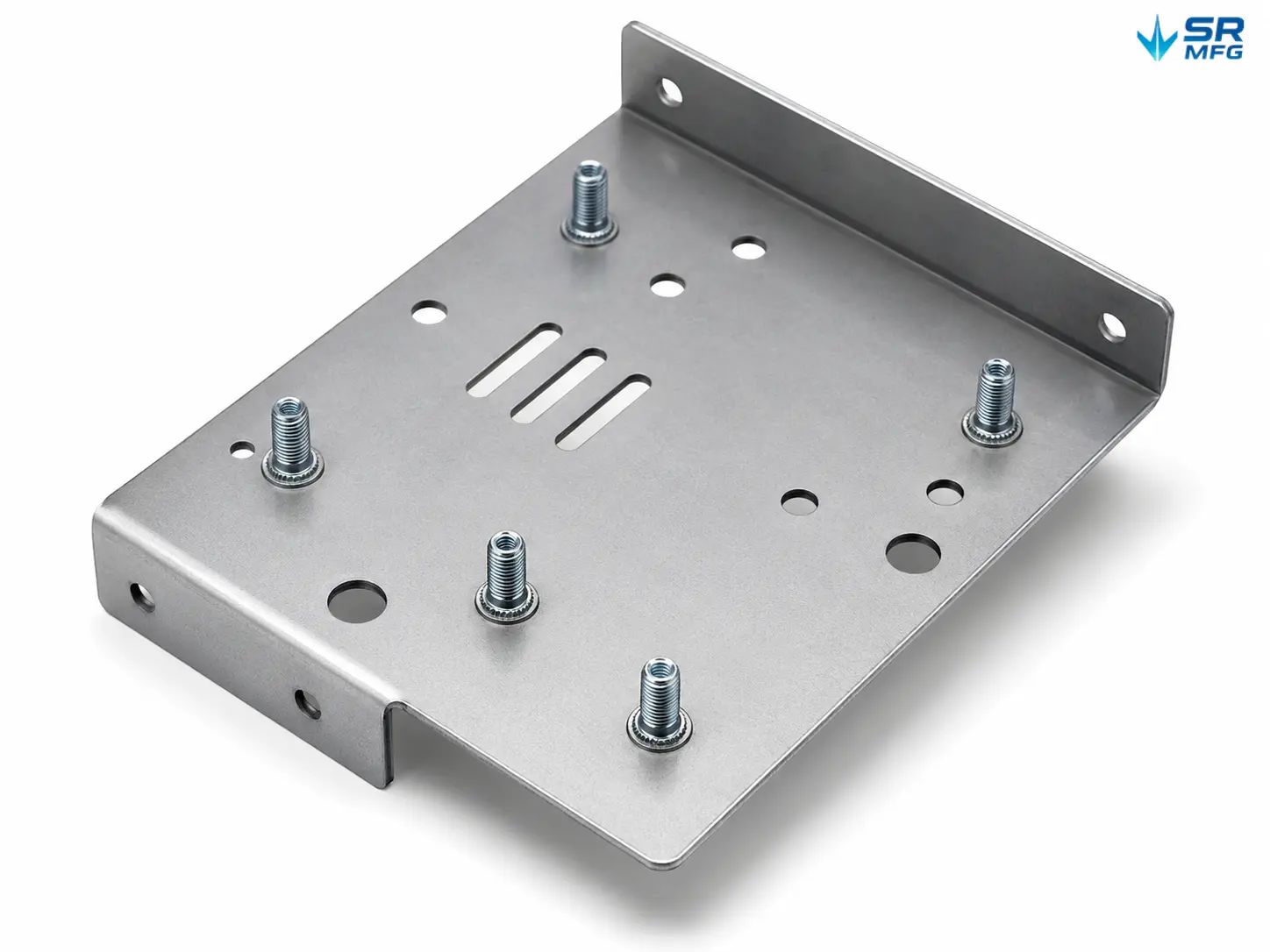
  • Brackets and mounting plates
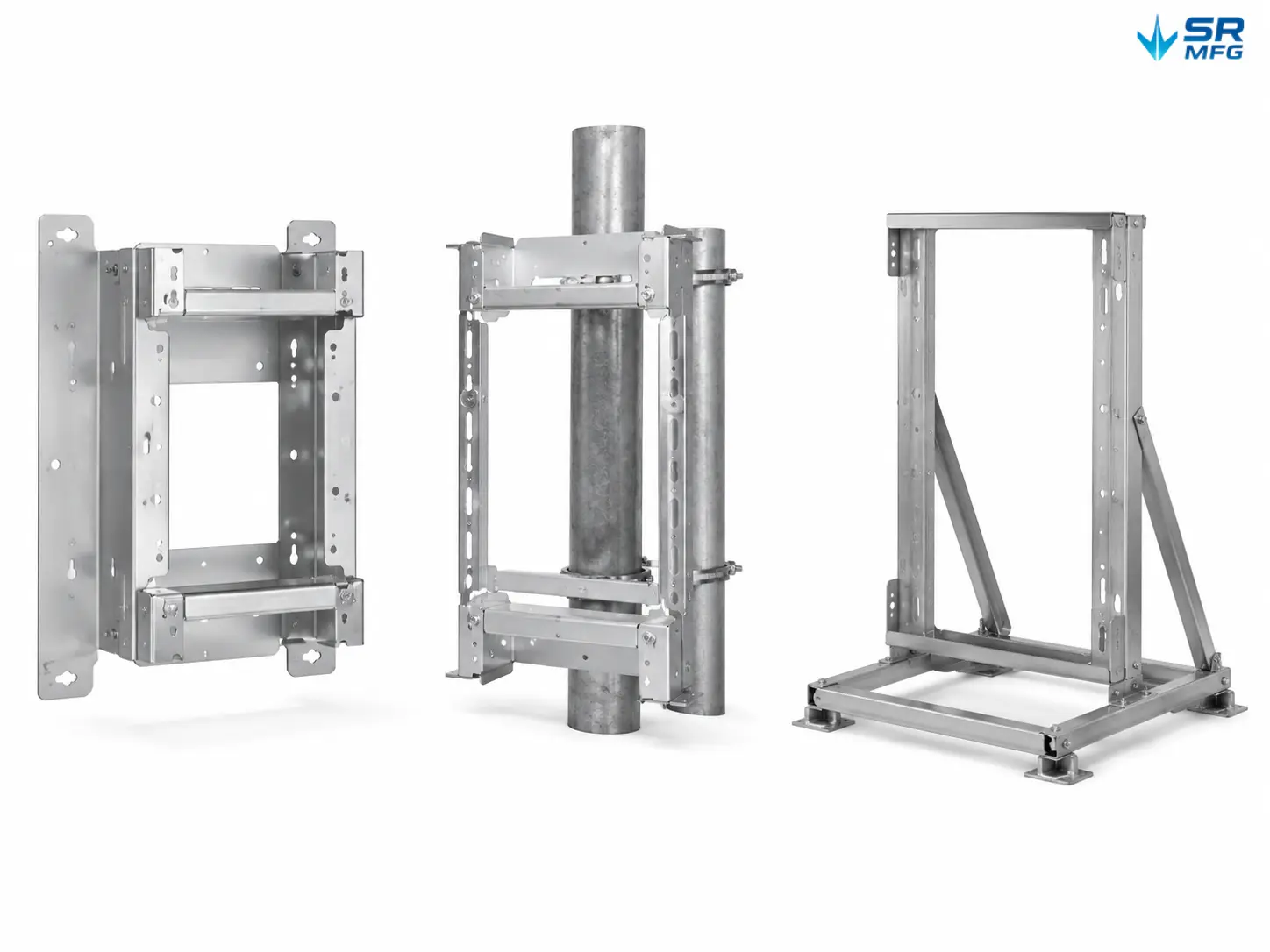
  • Guards, covers, bases, and frames
  • Welded assemblies and stiffeners

Stamped &
Formed Parts

  • Pierced parts
  • Blanked parts
  • Deep-drawn parts
  • Reinforcement parts
  • Clip / snap and guide features

Typical Conductive
Materials

  • Carbon steel and alloy steel
  • Hot-dip galvanized steel
  • Electro-galvanized steel
  • Aluminum-zinc coated steel
  • Stainless steel and aluminum
Special substrates can be reviewed case by case.

Best-Fit
Use Cases

  • Corrosion-resistant primer coating
  • Complex geometry with internal coverage
  • Coverage in seams, cavities, and recessed areas
  • Base coat before powder coating or wet painting
  • Controlled inspection and documentation
i

E-coating success depends on surface condition, pretreatment quality, drain / vent design, masking strategy, racking position, film thickness target, and post-coating inspection requirements.

Material & Pretreatment Considerations for E-Coating

E-coating performance depends on substrate condition, pretreatment compatiblity. film thickness target, and validation requirements.
SR MFG works with qualifed partners and applies proven strategies to help ensure adhesion, corrosion resistance consistency. and production stablity.

01

Carbon Steel &
Alloy Steel

Common Substrates

Most widely used materials for e-coat. Cleaning + phosphate pretreatment are typically used to support adhesion and corrosion resistance.

Key Focus

  • Oil, rust preventive, welding fumes, and mill scale removal
  • Stable phosphate coating weight control
  • Blasting / shot blasting for cast iron or porous castings when required
02

Galvanized / Zinc-
Coated Steel

Project-Dependent

Feasible and widely used, but surface condition is critical for consistent adhesion.

Key Focus

  • Passivation, white rust, oils, and residues control
  • Matched conversion / pretreatment system for zinc surfaces
  • Clean / activate when needed for passivation film or white rust
03

Aluminum &
Mixed-Metal Parts

Requires Validation

More sensitive to oxide and conversion coating stability. Pretreatment line compatibility is especially important.

Key Focus

  • Use aluminum-focused conversion systems when required
  • Confirm multi-metal compatibility for mixed assemblies
  • Define key control points and inspection method
04

Film Thickness &
Tolerance Control

Project-Specific

Film thickness target and dimensional control should be defined by project requirements and validated.

Key Focus

  • Typical thickness: 12.5–30 μm project-dependent
  • Control single-point variation, overall uniformity, and batch consistency
  • Pay attention to edge effect and measurement reliability

Key Factors That Influence E-Coat Performance

Surface
Condition
Pretreatment
Quality
Racking & Drain /
Vent Design
Film Thickness
Target
Inspection Method
& Validation
Service Environment
& Requirements
!

Important Note

Final pretreatment route, e-coat system, thickness target, and control limits should be confirmed based on material, geometry, coating system, inspection method, service environment, and customer acceptance criteria.

ADVANCED TECHNICAL NOTE

Film Thickness & Dimensional Tolerance Control

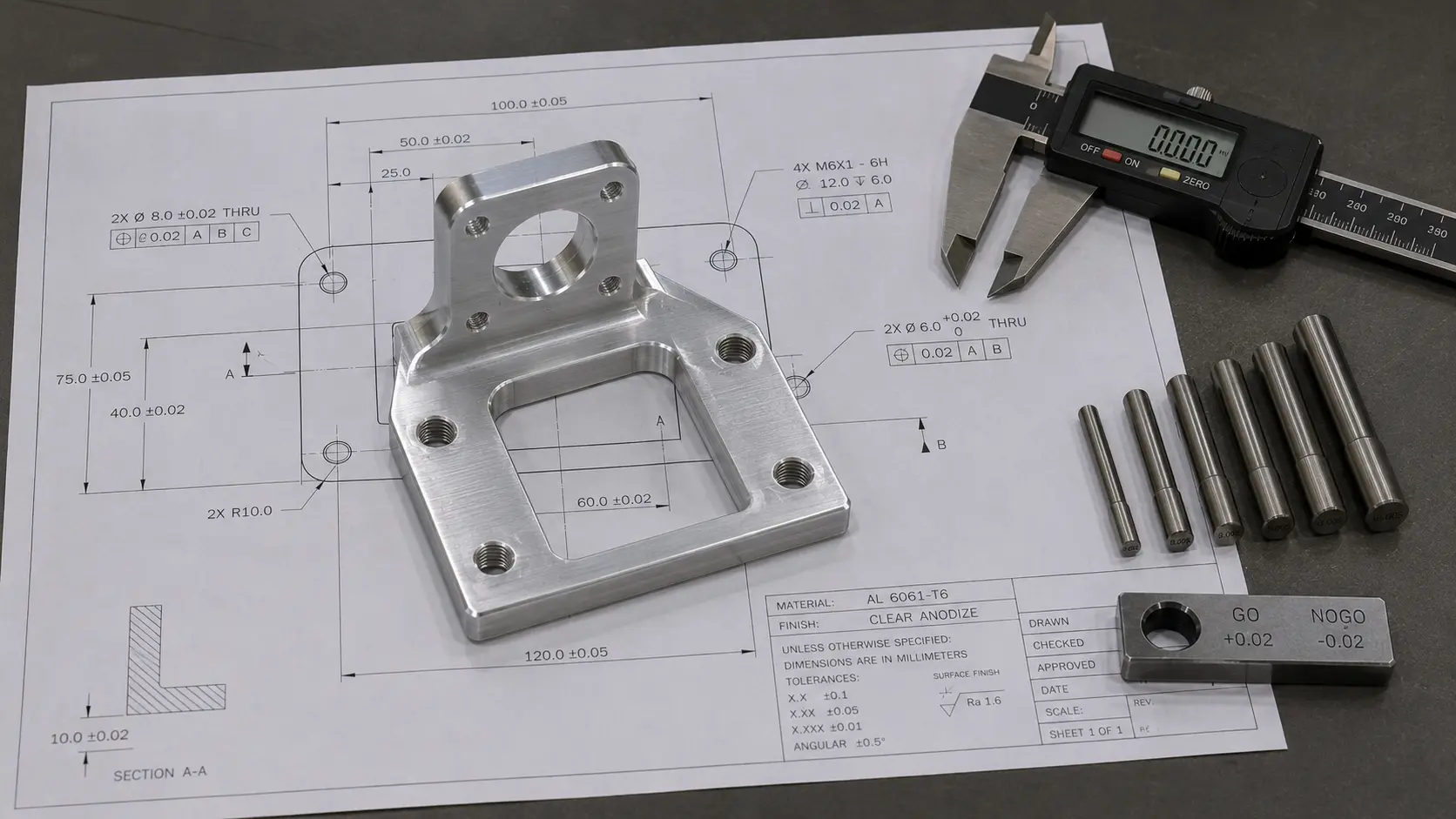
Use this section for tolerance-sensitive or engineering-critical projects where coating build must be defined and controled.

Typical DFT Range

  • Cathodic e-coat: commonly 18–25 μm
  • Project-defined window may vary within ~12.5–30 μm
  • Final target should follow coating system, geometry, and specification

Tolerance-Sensitive Areas

  • Threads and mating surfaces
  • Grounding / contact areas
  • Holes, edges, and assembly interfaces
  • Masking or thickness limits may be required

Uniformity & Batch Control

  • Define single-point tolerance where needed
  • Control within-part film uniformity
  • Review edge build-up and batch consistency
  • Prioritize CTQ / critical features

Measurement & Records

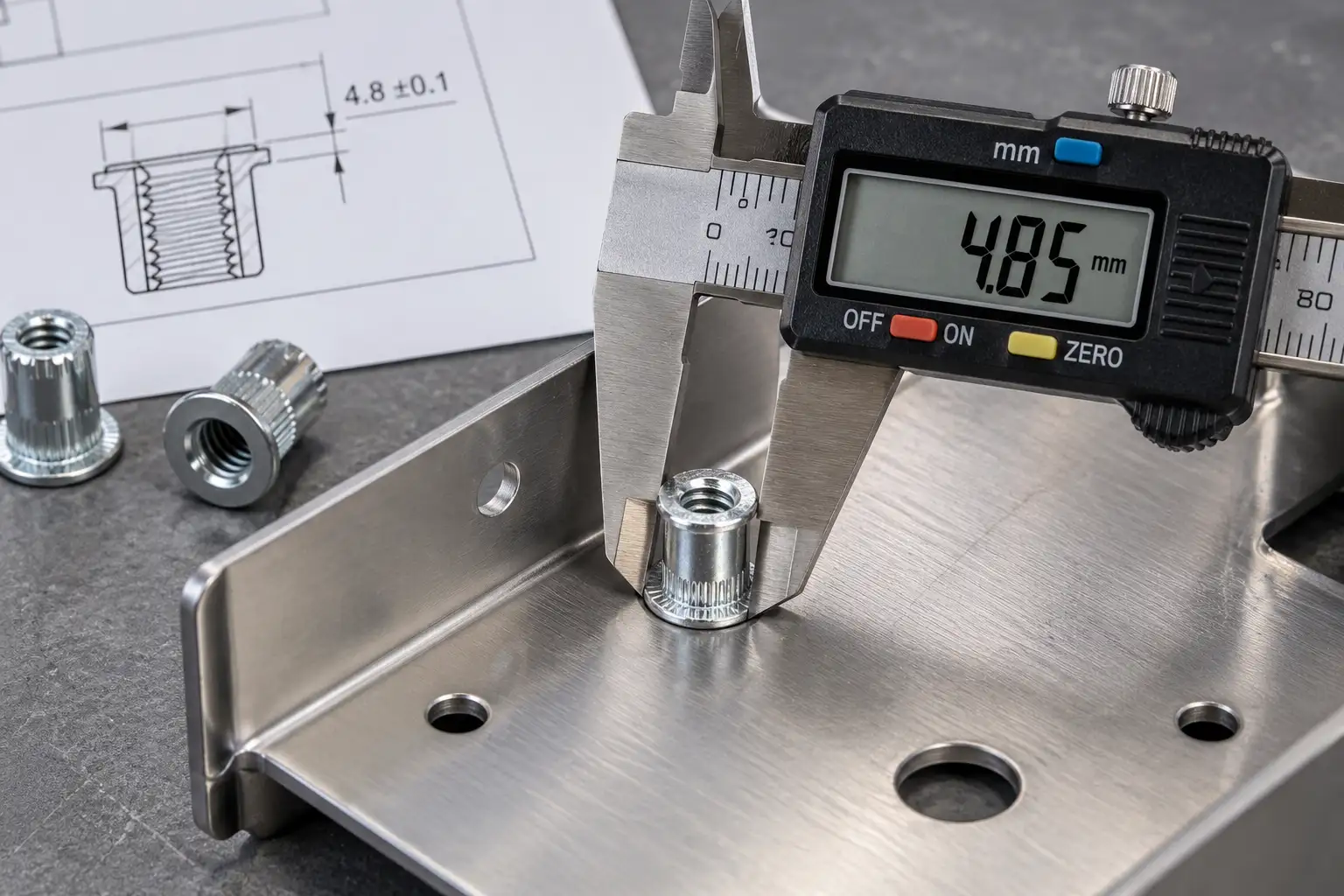
  • Use calibrated DFT measurement equipment
  • Define inspection points in advance
  • Keep traceable records and reports when required
  • Support customer validation requirements
!

Excessive film variation may affect appearance, corrosion resistance, grounding, assembly fit, or dimensional tolerance. Critical surfaces should be defined before production.

Are you ready to get started on your metal fabrication project?

Not sure which material is ideal for your project? Feel free to contact us.Our engineering team will recommend suitable material grades and sheet thicknesses based on strength, weight, corrosion resistance and overall cost.

Industries & Electrophoretic Coating Applications

SR MFG provides professional electrophoretic coating (e-coating) services for OEM metal components used in industrial equipment, cabinets, brackets, frames, enclosures, and structural assemblies. E-coating delivers uniform, edge-to-edge coverage even on complex geometries and recessed surfaces, making it ideal for parts that demand consistent corrosion protection. We support both prototype finishing and high-volume production across multiple application sectors.

Industrial Equipment

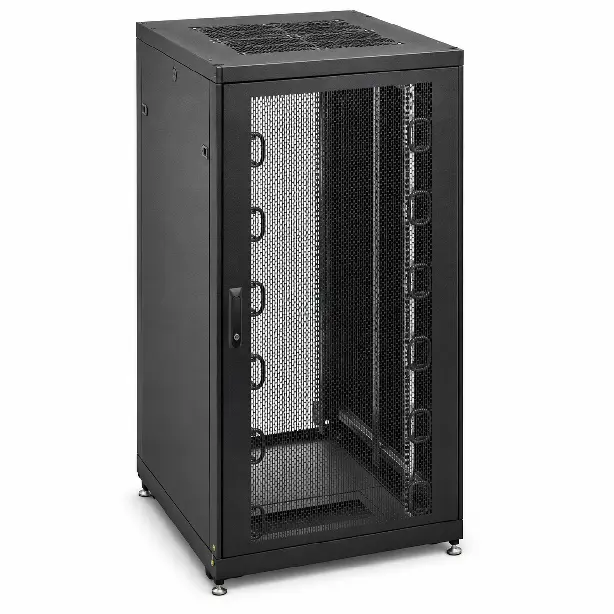
Data Centers & IT Equipment

E-coating for data center components, network infrastructure, and IT hardware, providing uniform, thin-film corrosion protection that reaches every surface, seam, and recess.

  • Server rack frames & rails
  • Cable management trays
  • Cabinet panels & doors
  • Mounting brackets & plates

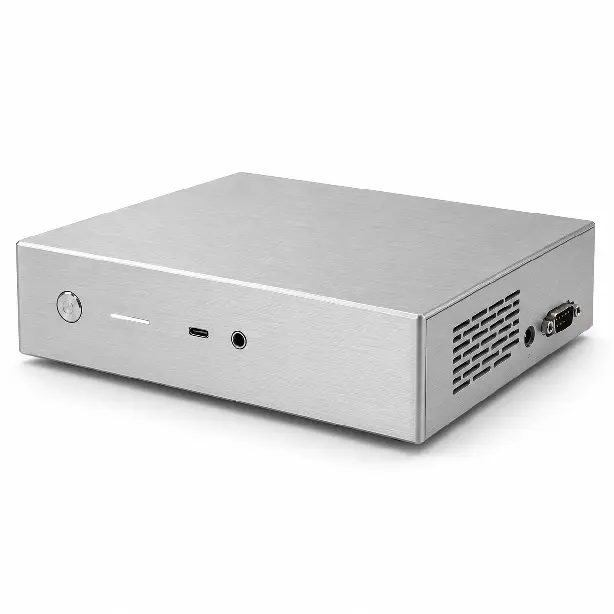
Consumer Electronics

Electrophoretic coating for consumer electronics housings, internal brackets, display structures, and precision metal assemblies, delivering consistent film thickness with excellent adhesion and a clean, refined surface finish.

  • Device housings & covers
  • Internal support brackets
  • Display mounting structures
  • Speaker & audio metal parts
  • Small precision formed parts

Electrical Equipment

E-coating for electrical enclosures, control cabinets, power distribution units, and industrial electrical components, offering superior corrosion resistance and full coverage on intricate internal surfaces where traditional methods may fall short.

  • Electrical cabinet enclosures
  • Control box panels
  • Terminal mounting plates
  • DIN rail brackets
  • Ventilation and access panels

Industrial Equipment

Durable electrophoretic coatings for machinery, automation systems, production equipment, and structural machine assemblies, engineered to deliver long-lasting protection against rust, chemicals, and environmental exposure.

  • Machine covers & guards
  • Equipment frames
  • Conveyor brackets
  • Sensor mounting plates
  • Protective panels & shields

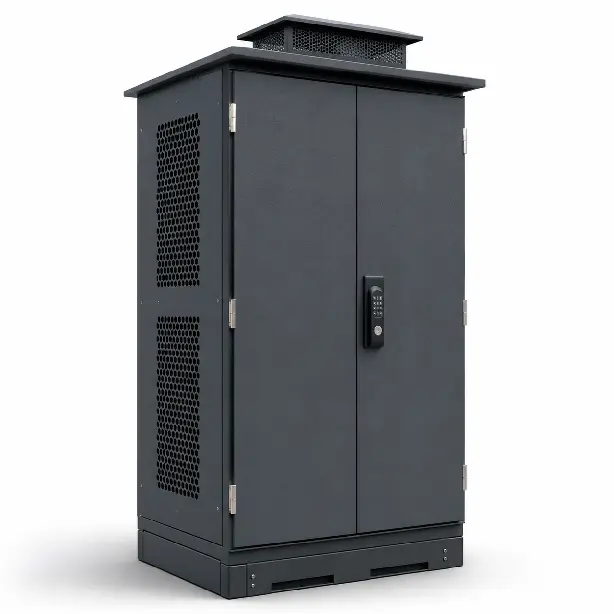
New Energy Systems

E-coating solutions for EV charging equipment, battery systems, energy storage cabinets, and power conversion units, providing reliable, uniform corrosion protection rated for demanding indoor and outdoor operating environments.

  • Battery enclosure parts
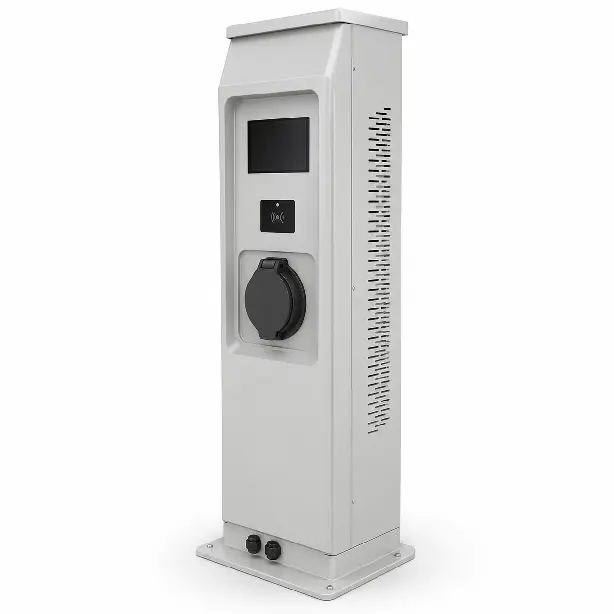
  • Charging station cabinets
  • Energy storage cabinet panels
  • Busbar support brackets
  • Power module housings

Outdoor Equipment

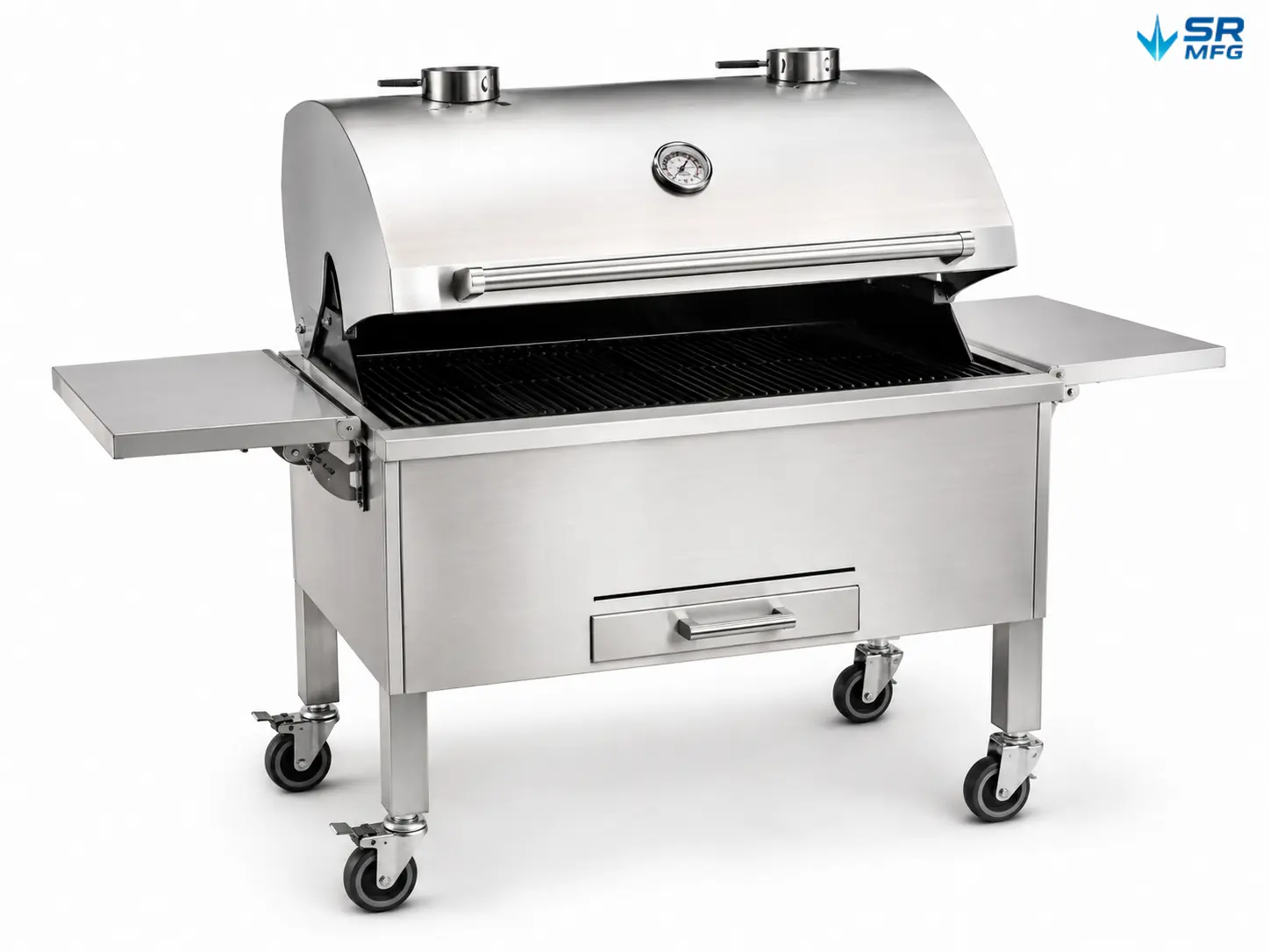
Weather-resistant electrophoretic finishes for outdoor enclosures, equipment covers, BBQ grills, lighting systems, and structural fixtures, engineered for UV stability, moisture protection, and long-term corrosion resistance in harsh outdoor conditions.

  • Outdoor equipment housings
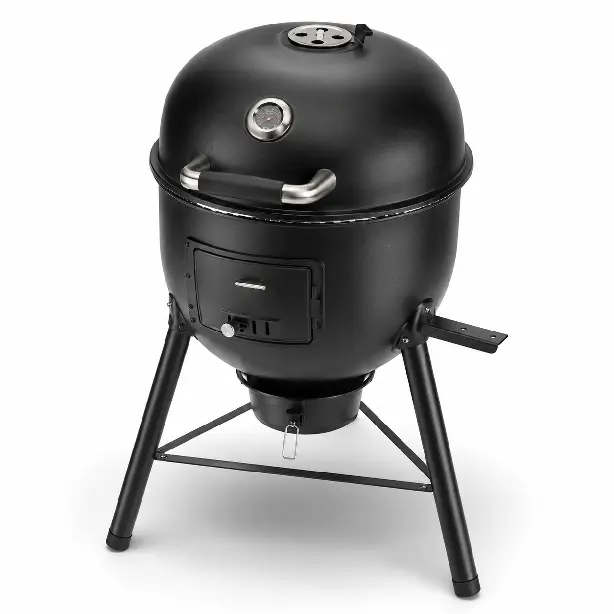
  • BBQ grill sheet metal bodies
  • Protective covers & panels
  • Mounting brackets
  • Weather-resistant structural parts

Built for Your Application

Whether you need a single sample or full production volumes, SR MFG ensures consistent coating thickness, complete surface coverage, and reliable delivery for every e-coating project. We offer both cathodic and anodic electrophoretic processes in a range of colors to meet your technical and aesthetic requirements.

Sheet Metal E-Coating FAQs​​​​

E-coat is available in multiple colors, but black and gray are the dominant choices, accounting for the vast majority of applications (often cited as 90%+ in many industries).

  • Black: The most common e-coat color, valued for strong corrosion protection and high tolerance to cosmetic variation. Widely used for automotive chassis parts, construction equipment, and consumer electronics components. Available in gloss, semi-gloss, and matte options depending on the system.

  • Gray: A neutral tone commonly used for industrial components and architectural parts, balancing function and visual compatibility.

  • Colored e-coat: Custom colors such as white, red, blue, or gold can be developed for differentiated appearance needs (e.g., premium consumer electronics or decorative hardware). These typically require a dedicated colored e-coat system and process tuning.

For surfaces that require strict thickness control—or must remain uncoated—we typically use a combination of the following approaches:

  • Physical masking: High-temperature silicone plugs, ceramic fixtures, or high-temp tape (≥180°C) to mask threaded holes, dowel holes, and precision mating surfaces. For complex contoured surfaces, dedicated masking tooling can be developed to ensure full coverage and prevent lift-off during curing.

  • Process-based thickness control: Techniques such as staged voltage control (reducing the electric field intensity around critical areas), adjusting rack angles to reduce field exposure, and optimizing deposition time can help keep coating on mating surfaces very low (often targeted around 0–5 μm, when required for fit).

  • Local insulating pre-treatment: Applying a dedicated insulating primer to critical areas to reduce deposition at the source—useful for standardized parts in long-term production.

Yes. Reporting is typically available in two categories:

  • In-house inspection reports: Film thickness mapping using magnetic induction/eddy-current gauges (typical accuracy around ±1 μm), adhesion tested per cross-hatch (e.g., ISO 2409), and corrosion validation via neutral salt spray (e.g., ASTM B117). Sampling reports can be provided by batch.

  • Third-party certified reports: Accredited third-party reports (e.g., CNAS/CMA-qualified labs) can be arranged for key metrics such as thickness uniformity (e.g., CV ≤ 10%), adhesion (commonly 0–1 grade targets where specified), and salt spray performance (e.g., 240–1000 hours, as required). Formal reports can be provided after first-article production for project acceptance.

For galvanized parts (pinholes):

  • Use mildly acidic degreasing (pH 5–6) to avoid aggressively attacking the zinc layer and exposing porosity.

  • Add zirconium conversion after degreasing to seal micro-pores and build a dense conversion layer.

  • Use pulse-voltage strategies (e.g., a short low-voltage “soft start”) to help release trapped gases at the surface before full deposition.

For castings (blistering):

  • Shot blast to remove embedded residues, followed by high-pressure washing to remove oils inside pores.

  • Use phosphate-free ceramic conversion in some cases to reduce bubble risk associated with crystalline porosity.

  • Add vacuum degassing before e-coat for high-risk castings to pull out trapped gas and reduce expansion-related blistering during bake.

A pre-bake is mainly recommended in three scenarios:

  • Solvent-containing e-coat systems: A low-temperature pre-bake (e.g., 80–100°C for 10–15 minutes) can gently drive off solvents before full cure, reducing bubble/crater risk from rapid evaporation at high temperature.

  • High-humidity production conditions: In rainy seasons or coastal/high-humidity environments, pre-bake helps remove residual moisture that can interfere with deposition uniformity.

  • Large, complex structures: For parts over ~2 meters or large castings/sheet metal structures, pre-bake can reduce drag-out (bath carryover), minimize bath loss, and reduce the risk of thickness variation caused by heavy carryover evaporating during cure.

Yes—e-coat can serve as a primer for topcoats, but compatibility must be managed.

  • Powder coating over e-coat: Improve adhesion with plasma activation or light scuff sanding (e.g., ~200 grit). Keep powder cure temperature compatible with the e-coat substrate (typical reference: 160–180°C for 20–30 minutes, depending on system/PMT). Control total build to avoid fit/tolerance issues (some programs target ≤60 μm total, depending on the part and tolerance stack).

  • Wet paint over e-coat: Confirm the e-coat is fully cured (e.g., hardness ≥2H, if specified). Use a topcoat compatible with the e-coat chemistry, and remove static dust before spraying to avoid defects such as lifting or fisheyes.

Responsibility is typically defined through a technical agreement that sets clear boundaries:

  • Incoming part condition: The customer supplies parts that meet agreed cleanliness requirements (e.g., low residual oil, no rust, no deformation). If coating failure is caused by incoming defects, responsibility remains with the customer.

  • Process execution: The coating partner must follow the confirmed process window. If deviations in voltage, temperature, deposition time, etc. cause out-of-spec thickness, poor adhesion, or failed salt spray results, responsibility rests with the coating partner.

  • Acceptance criteria: The agreement should define film thickness tolerance, adhesion grade, salt spray duration, and acceptance thresholds. First-article samples serve as the baseline, and third-party reports can be used as the final arbitration method when required.

E-Coating Technical Resources

Go to Top