
Aluminum Anodizing Services for Metal Parts
SR MFG provides managed anodizing support for aluminum sheet metal parts and machined components, including Type II and Type III anodizing, color requirements, masking planning, sealing method confirmation, inspection records, and documentation support.
We help define anodize type, thickness class, color, sealing method, and critical surface requirements according to project needs. Standards such as ISO 7599 and MIL-PRF-8625 can be referenced when required.
Type II / Type III Options
Decorative, protective, and hard anodizing options can be reviewed based on application requirements.
Color & Sealing Control
Clear, black, and selected color anodizing can be confirmed by sample, specification, and sealing method.
Masking & Inspection Support
Threads, contact areas, mating surfaces, and cosmetic surfaces can be reviewed before production.
Get a Custom Quote in 24 Hours
Upload your drawings for engineering review.
What Is Anodizing?
Anodizing is an electrochemical surface treatment mainly used for aluminum and aluminum alloys. It converts the metal surface into a dense oxide layer that improves corrosion resistance, wear resistance, appearance, and surface durability.
Before sealing, the anodic oxide layer is naturally porous, which allows color to be added and locked in. This makes anodizing suitable for both protective and decorative aluminum parts.
- Dyeing: Color penetrates the pores and is sealed in for decorative finishes.
- Electrolytic coloring: Metallic salts create tones such as bronze, gray, and black.
Final appearance should always be confirmed by approved samples.
Advantages and Limitations of Anodizing
Advantages
- Excellent corrosion and wear resistance
- Premium-looking finish with multiple color options
- Strong electrical insulation
- Good base for secondary coating when needed
Limitations
- Mainly suitable for aluminum and selected light metals
- Hard but less ductile after anodizing
- Conductive areas may require selective masking
- Color consistency can vary by alloy, surface condition, and batch control
Common Anodizing Options We Help Specify
Different anodizing types provide different film thickness, appearance, and performance. We help you select the right
anodizing type based on alloy, function, appearance, and service environment.
Type II Sulfuric Anodizing
Best for decorative and protective aluminum parts.
- Clear, black, or selected colors
- Good corrosion resistance
- Decorative finish
- Typical thickness: ~2–25 μm
Type III Hard Anodizing
Best for higher wear resistance and functional parts.
- Thick oxide layer
- Higher hardness
- Improved surface durability
- Typical thickness: ~25–150+ μm
Black / Color Anodizing
Best for cosmetic parts and visible surfaces.
- Clear, black, and custom colors
- Uniform appearance
- Sealing improves durability
- Color by approved samples
Special Anodizing Processes
Reviewed case by case for specialized requirements.
- Chromic / phosphoric
- Sulfuric–tartaric / mixed-acid
- MAO / plasma electrolytic oxidation
- Bright anodizing and others
Anodizing Color & Sample Confirmation
SR MFG offers a wide range of anodizing colors. Final color may vary based on alloy, surface finish,film thickness, dyeing method, sealing process, and batch conditions.
Clear / Natural
Transparent finish that preserves the natural appearance of aluminum.
Black
Classic black finish with strong corrosion resistance and a consistent look.
Grey / Silver
Neutral grey to silver tones for a clean, professional appearance.
Champagne / Gold
Warm gold tones for premium decorative applications and luxury products.
Blue
Rich blue shades with excellent color fastness and durability.
Red
Vibrant red tones to enhance product identity and visual impact.
Custom Color
Match your approved sample or Pantone reference for unique brand needs.
Film Thickness Capability & Dimensional Tolerance Control
Anodizing film thickness directly influences corrosion resistance, wear performance, appearance, and dimensional change.
Define critical mating features, masking scope, and inspection methods early to ensure consistent fit and function.
Typical Thickness Ranges
- Decorative anodizing: typically 5–15 μm
- General-purpose anodizing: typically 15–25 μm
- Engineering anodizing: typically 25–50 μm
- Hard anodize: typically 50–70 μm
Dimensional Change
- Oxide growth can affect holes, threads, and mating surfaces
- Dimensional impact depends on alloy, process type, and target thickness
- Tolerance-sensitive parts should be reviewed before production
Control Targets
- Define film thickness class by function and service environment
- Confirm masking areas and critical features in advance
- Use first-article validation for critical fits
- Inspection points and acceptance criteria should be aligned before batch production
Engineering Notes
- Hard anodize is commonly used for wear-critical functional parts
- Decorative anodizing focuses more on appearance and basic protection
- Final requirements should follow drawing, specification, and project validation
Final dimensional change depends on alloy, anodizing type, film thickness, masking design, and drawing requirements. Critical fits should be confirmed during engineering review and first-article validation.
Material Suitability for Anodizing
Anodizing performance depends on the base material. Below is a general guide to help you choose the right material
and understand key considerations.
Aluminum &
Aluminum Alloys
The most widely used material for anodizing. Suitable for Type II, Type III, clear, black, and selected color anodizing.
Excellent corrosion resistance, wear performance, and aesthetic versatility.
Titanium Alloys
Can be anodized for functional or decorative applications, but color and process requirements should be confirmed case by case.
Good corrosion resistance and biocompatibility; color options are more limited.
Magnesium Alloys
May require special surface treatments such as micro-arc oxidation. Feasibility depends on alloy, geometry, and service environment.
Lower corrosion resistance than aluminum; not all alloys are suitable.
Steel & Stainless Steel
Anodizing is not applicable. Alternative finishes such as passivation, plating, painting, powder coating, or e-coating are recommended.
Different surface treatment methods are more suitable for these materials.
Anodizing Process Overview
A controlled multi-step process ensures consistent film quality, color stability, and long-term performance.
Anodizing Process Overview (Video Walkthrough)
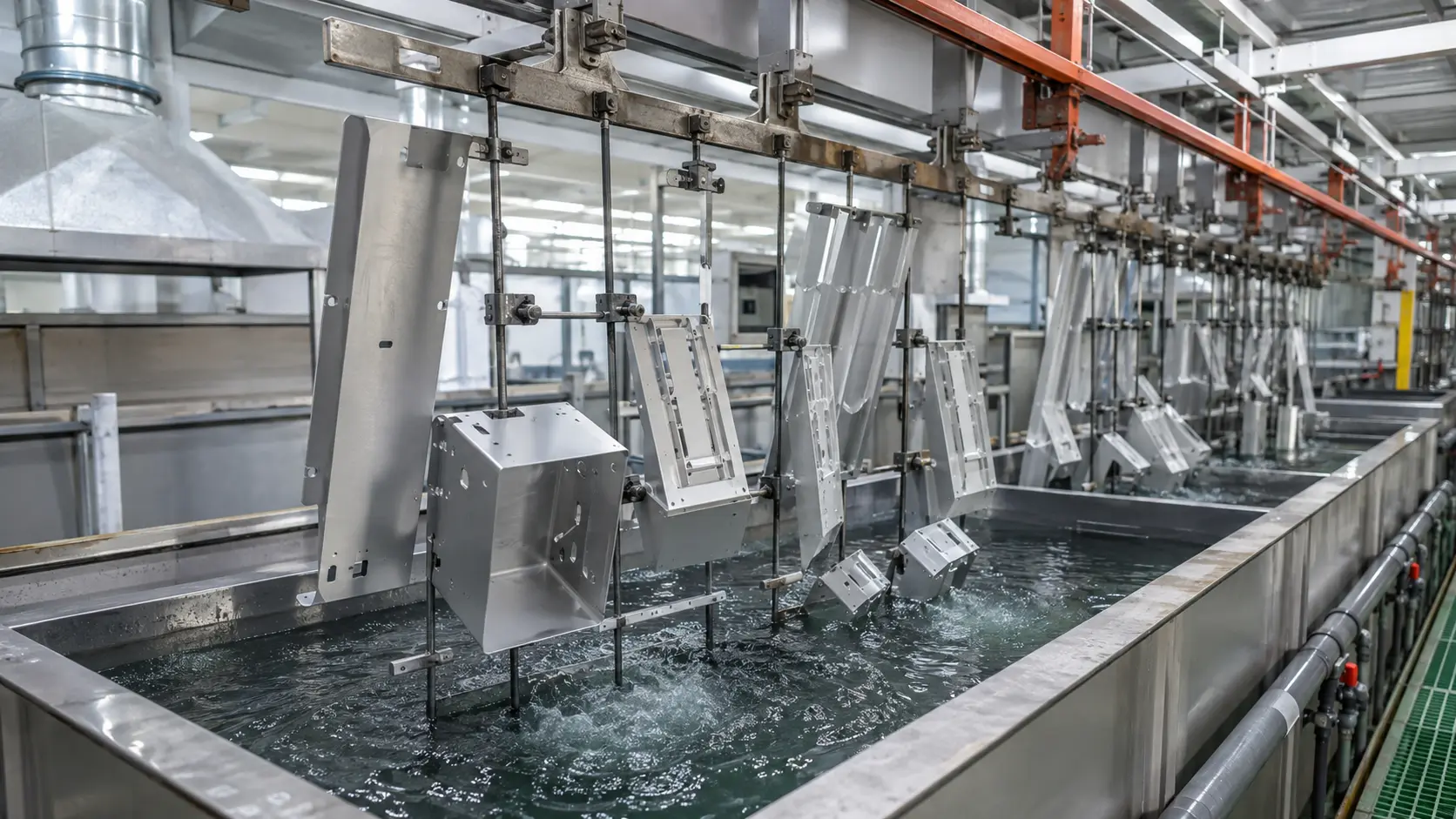
Requirement Review
& Racking
Confirm alloy, surface finish, masking areas, color, thickness, and inspection requirements.
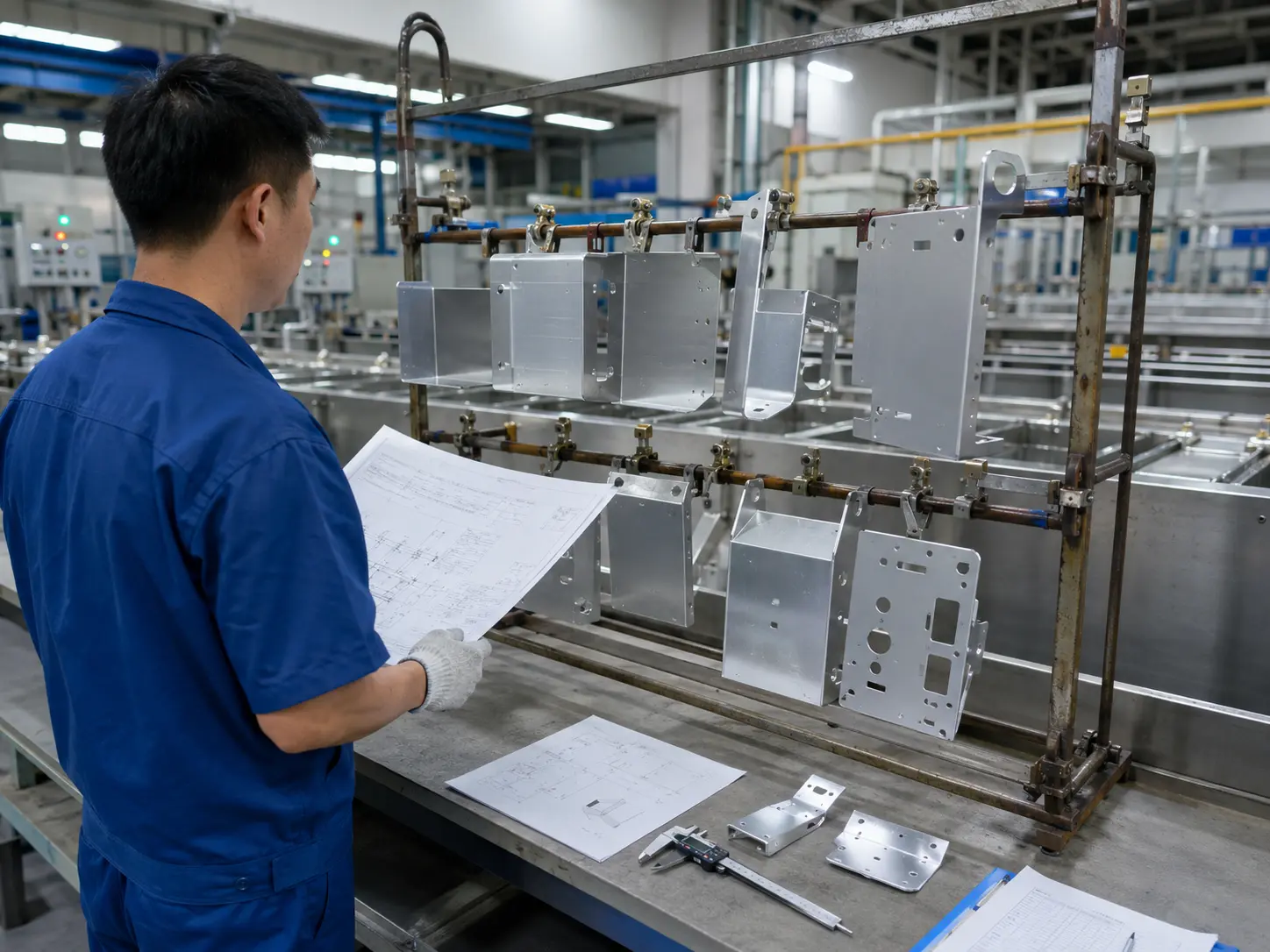
Cleaning &
Pretreatment
Remove oil, residue, oxide, and surface contamination before anodizing.
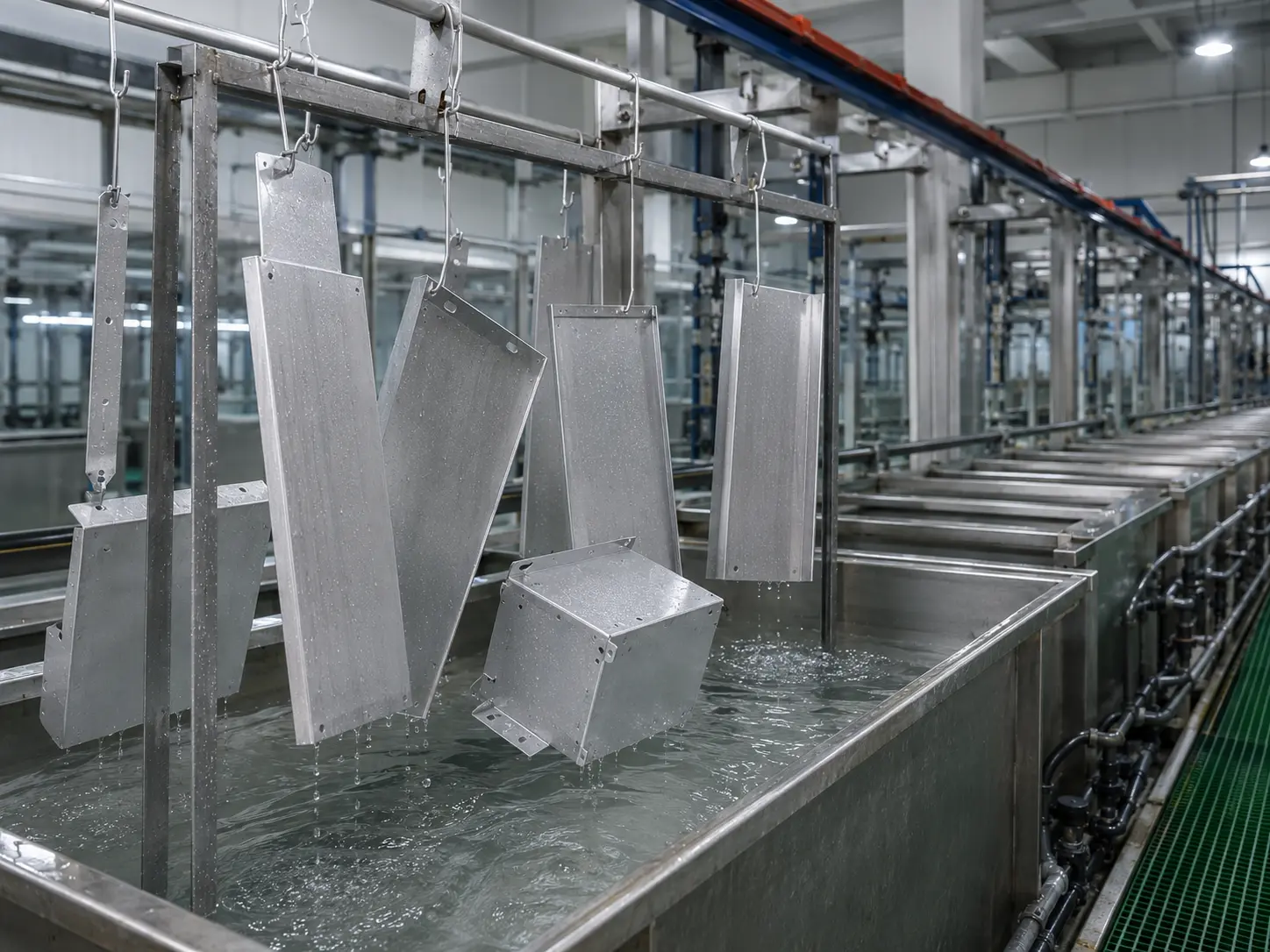
Anodizing Bath
Create the oxide layer under controlled conditions based on thickness and appearance targets.
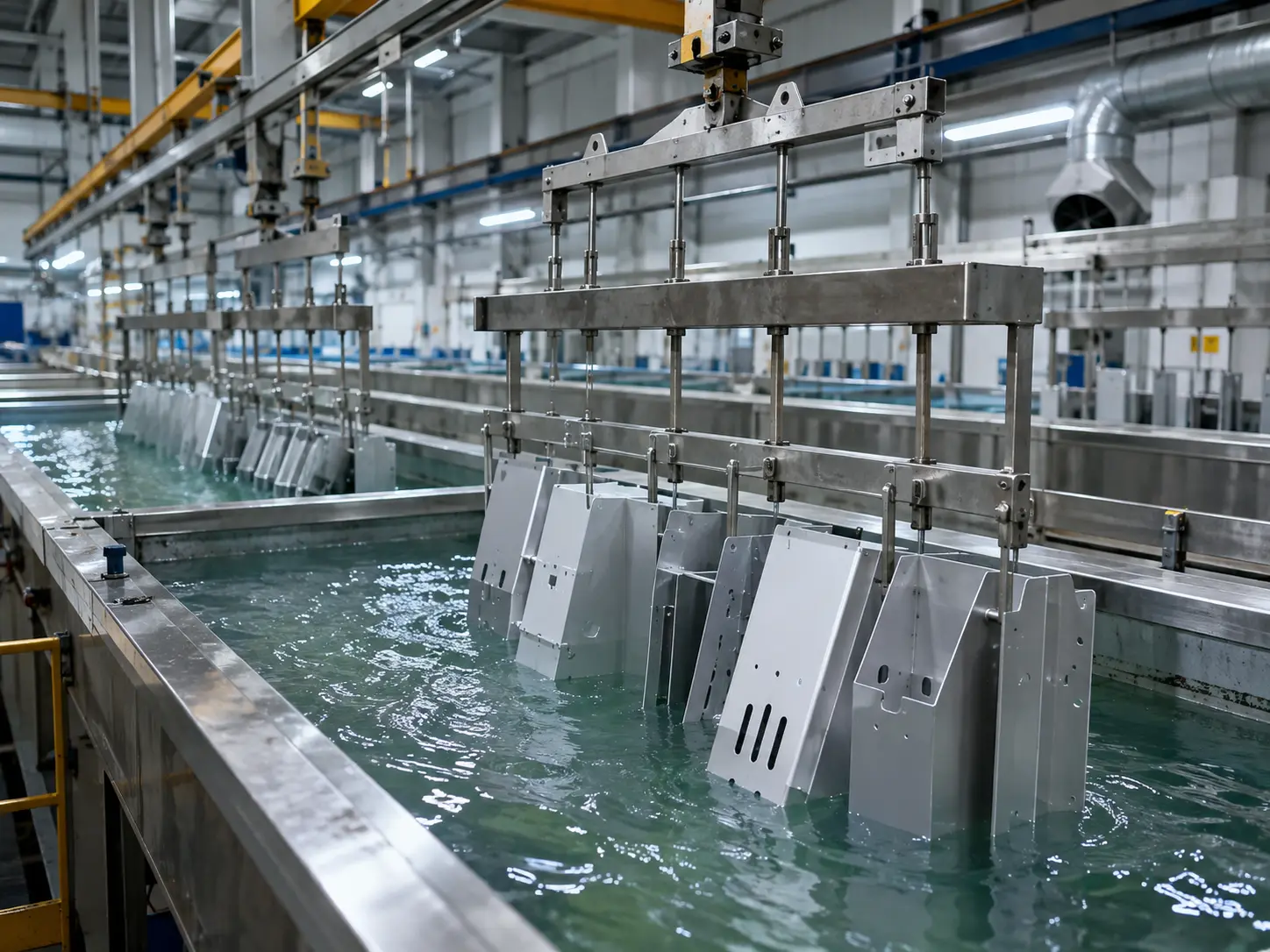
Optional Coloring
Clear, black, or selected colors can be processed according to approved samples.
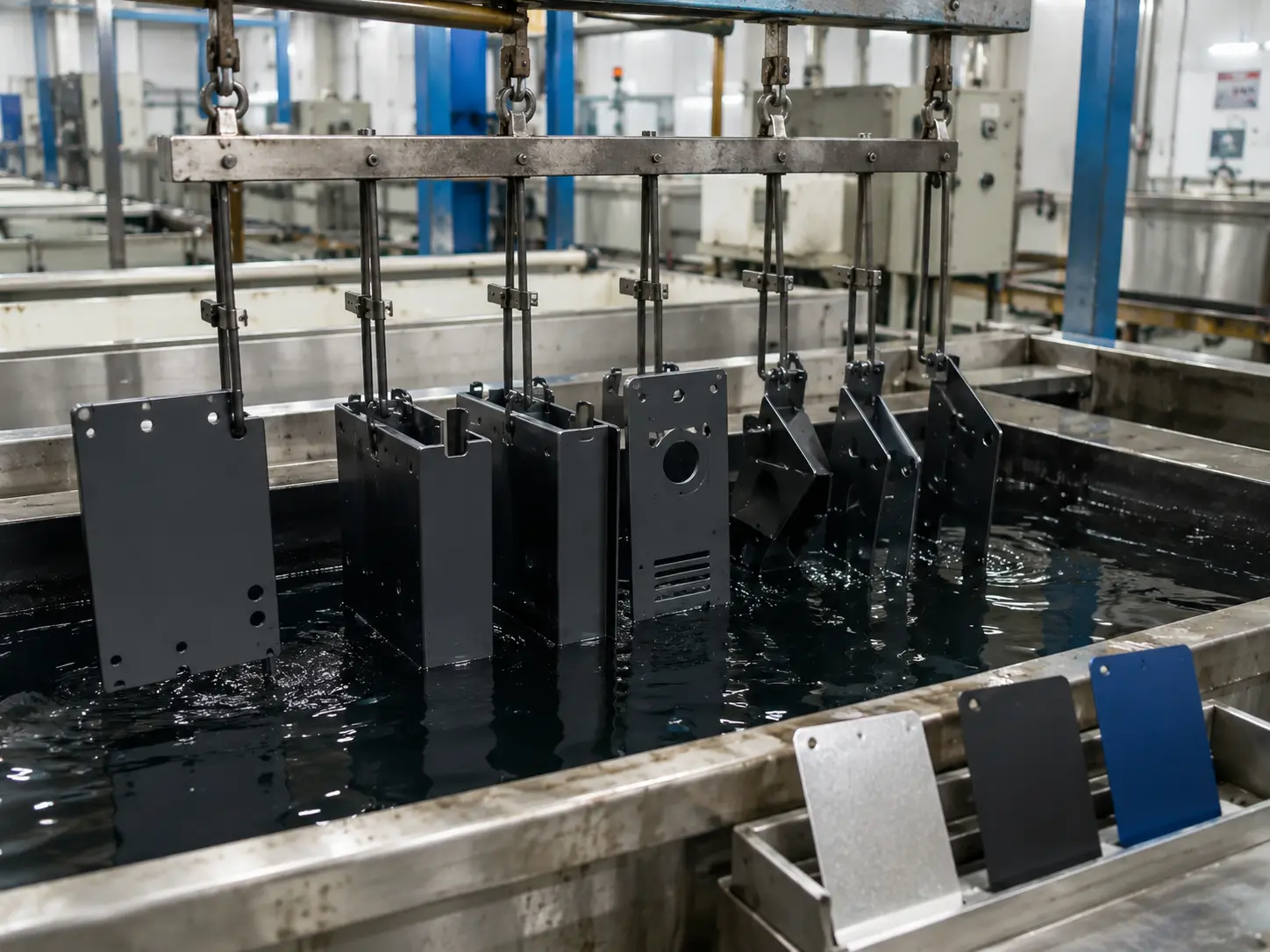
Sealing &
Final Rinse
Seal the porous oxide layer to improve durability, color stability, and corrosion resistance.
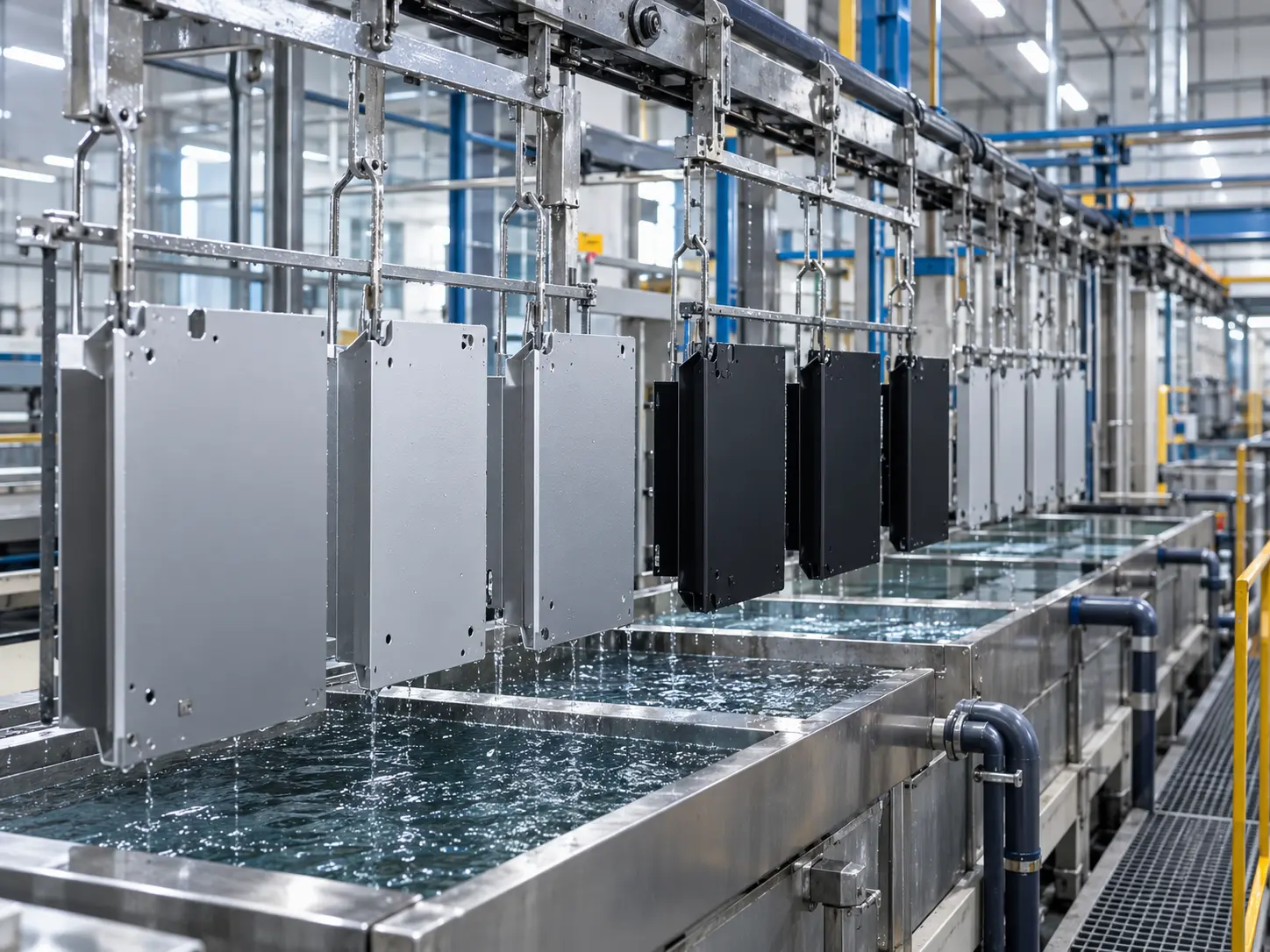
Drying, Inspection
& Packing
Check appearance, color, thickness, masking quality, and packing condition before delivery.
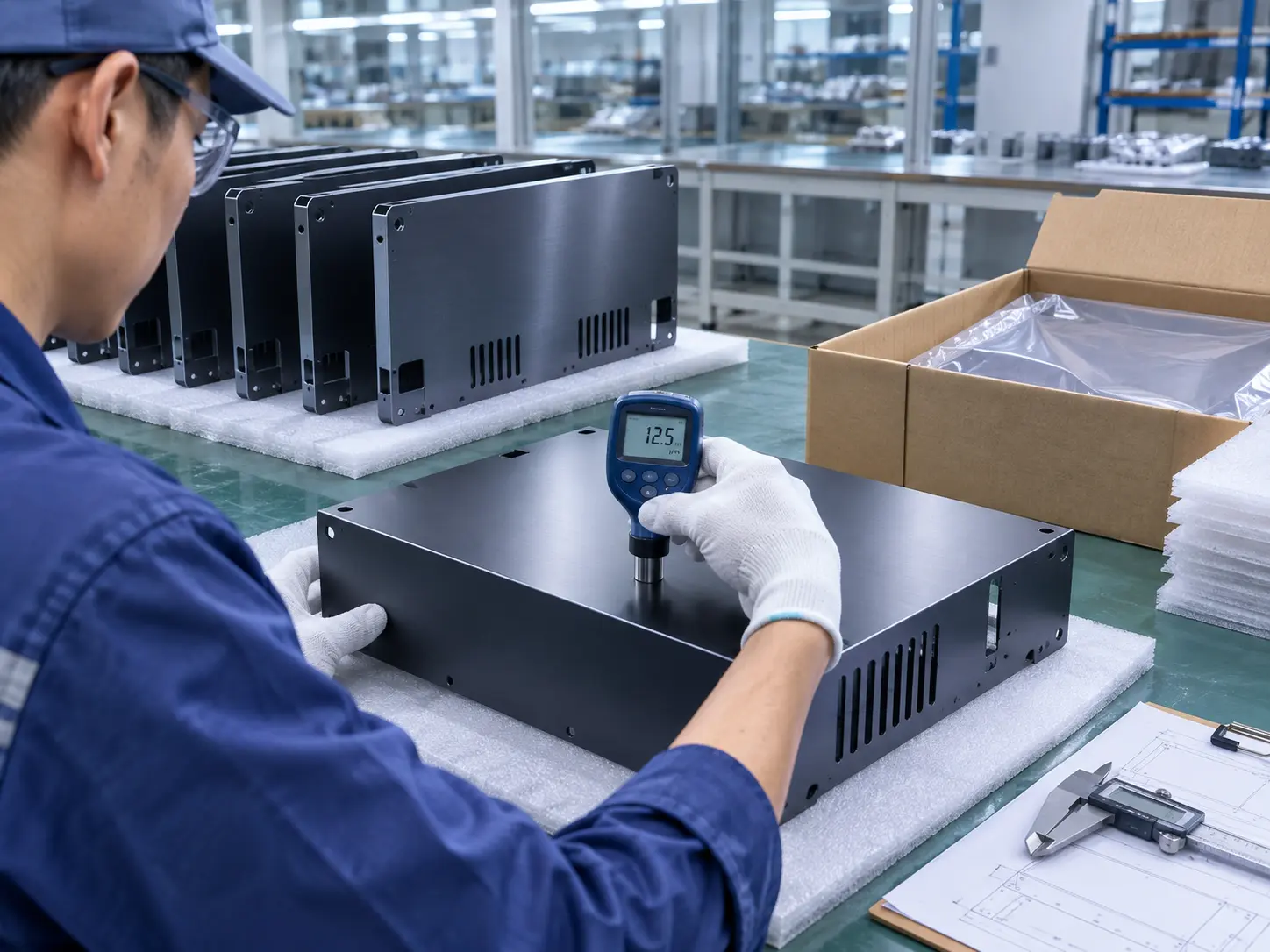
Every Step
Quality Validation & Deliverables
For anodizing projects, quality is more than “getting the color right.” We verify film thickness, sealing quality, and critical dimensions to meet your requirements. Our inspection criteria are aligned with project-specific requirements and relevant specifications such as ISO 7599 and MIL-PRF-8625, helping ensure consistent, repeatable results from sampling through final shipment.
1. Appearance & Color Review
- Evaluated against approved samples and color chips
- Cosmetic grade and finish per project requirements
- Viewed under specified lighting and angles
- Color confirmation and visual consistency checks
2. Film Thickness Records
- DFT readings taken per defined sampling plan
- Measurement locations based on critical surfaces
- Non-destructive testing with calibrated gauges
- Results recorded and verified against tolerances
3. Sealing & Corrosion Validation
- Sealing performance verified per project requirements
- Stain resistance and dye absorption checks
- Sealing quality report with test results
- Optional salt spray testing per ASTM B117 / ISO 9227
4. Documentation Package
- CoC / Certificate of Conformance with shipment
- Inspection records including DFT, appearance, sealing, etc.
- Masking notes and critical surface requirements
- Lot traceability, photos, and project files
One-Stop Anodizing Project Management
SR MFG acts as your single point of contact for sheet metal fabrication plus anodizing. We take ownership of engineering review, supplier coordination, inspection, and documentation, turning multi-party coordination into a controlled and reliable delivery process.
Single Point of Contact
You work with SR MFG only. We manage engineering review, supplier coordination, inspection, documentation, and delivery follow-up.
Engineering Review
Before Production
We review drawings, thickness class, masking/racking, color requirements, and critical surfaces to ensure smooth production.
Supplier & Schedule
Coordination
We select qualified anodizing partners, align process and capacity, and monitor schedule, quality, and delivery consistency.
Inspection & Documentation
Control
We control incoming/outgoing inspection, manage records and test reports, and ensure complete documentation with every shipment.
Managed Delivery Workflow
Requirement Review
(RFQ Stage)
Confirm alloy, finish, color, thickness, masking areas, tests, and documents.
Engineering Package
& Planning
Create execution-ready package including masking map, rack spec, inspection plan, and process requirements.
Sampling & Golden
Sample Approval
Produce samples, confirm color and appearance, validate thickness and sealing if required.
Production Follow-up
& Inspection
Monitor production, in-process sampling, and perform inspections per agreed plan.
Final Delivery &
Documentation
Ship with complete documents: CoC, inspection records, test reports, and lot traceability.
Responsibility Boundaries
SR MFG Responsibilities (Managed by Us)
Engineering review, supplier selection and coordination, process control, inspection and testing, documentation management, and delivery follow-up.
Customer Responsibilities (Provided by You)
Provide drawings and specifications, finish and color requirements, acceptance criteria, approved samples, and any project-specific inputs.
Our goal is simple: reduce your workload, eliminate communication gaps, and deliver consistent quality—project after project.
Ready to Review Your Anodizing Requirements?
Not sure which anodizing type is suitable for your project? Send us your drawings, aluminum alloy, color, film thickness, masking areas, sealing requirements, and inspection standards. Our engineering team will review your specifications and coordinate a suitable anodizing solution.
Industries & Anodizing Applications
SR MFG provides professional anodizing services for OEM aluminum and light alloy components used in industrial equipment, electronics, enclosures, structural assemblies, and consumer products. Anodizing creates a hard, integrated oxide layer that enhances corrosion resistance, wear resistance, and surface appearance. For tolerance-sensitive parts, coating thickness and dimensional change should be considered for critical holes, threads, and mating surfaces. We support both prototype finishing and high-volume production across multiple application sectors.
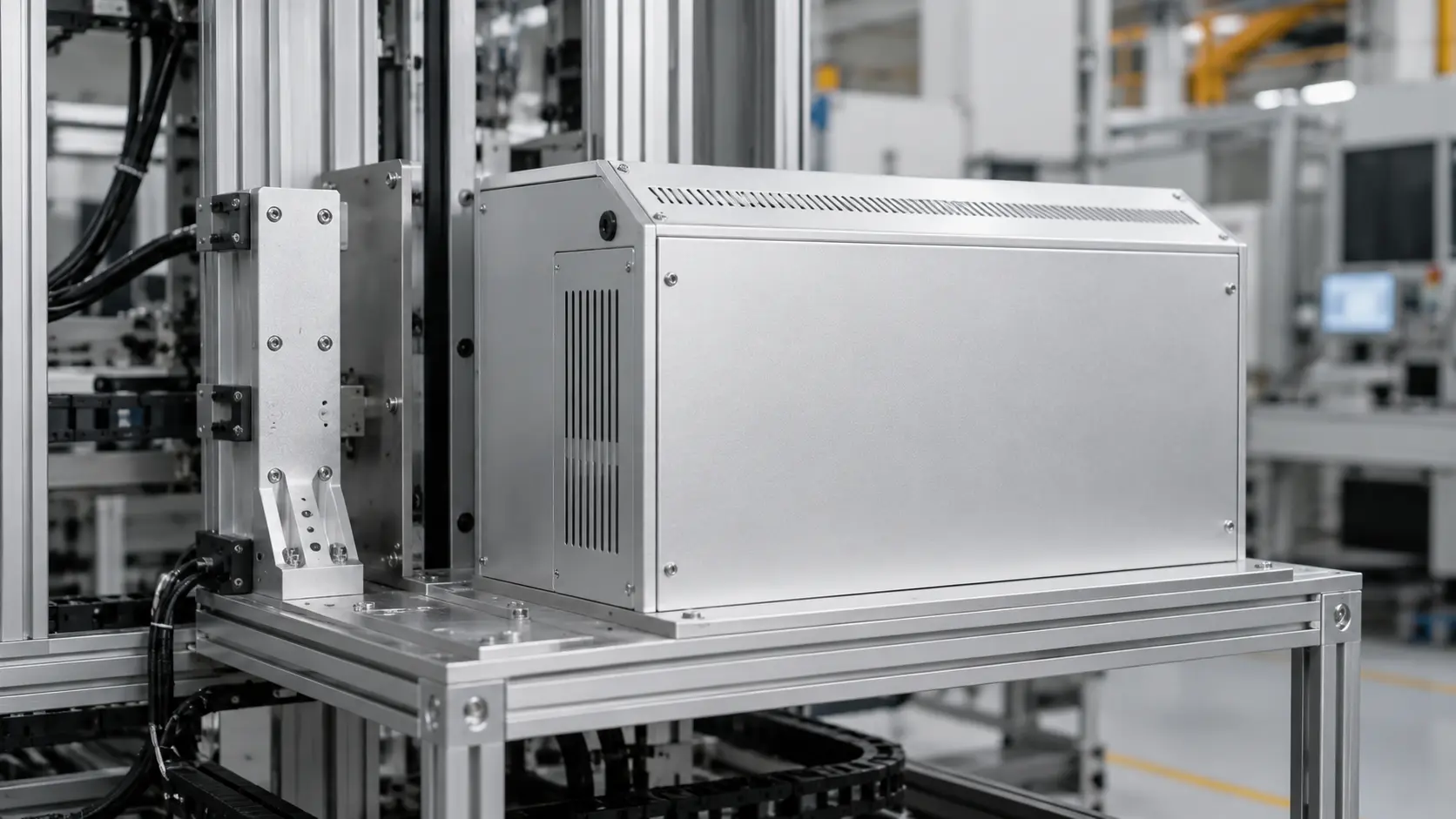
Data Centers & IT Equipment
Anodized aluminum components for data centers, network infrastructure, and IT hardware, delivering a hard, durable surface finish with excellent heat dissipation and a refined metallic appearance.
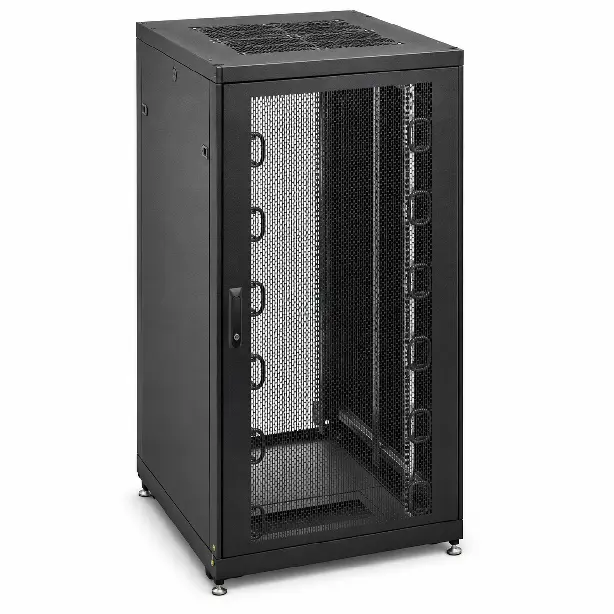
- Server rack frames & rails
- Cable management trays
- Cabinet panels & doors
- Mounting brackets & plates
Consumer Electronics
Anodizing for consumer electronics housings, internal brackets, display structures, and precision aluminum assemblies, providing a premium metallic finish with outstanding scratch resistance and a wide range of color options through dyeing.
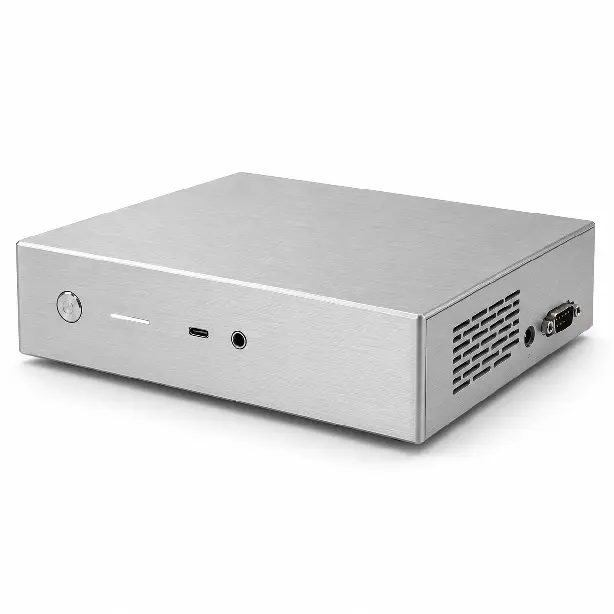
- Device housings & covers
- Internal support brackets
- Display mounting structures
- Speaker & audio metal parts
- Small precision formed parts
Electrical Equipment
Anodized aluminum components for electrical enclosures, control cabinets, power distribution units, and industrial electrical systems, offering natural electrical insulation and strong corrosion resistance without adding measurable thickness.
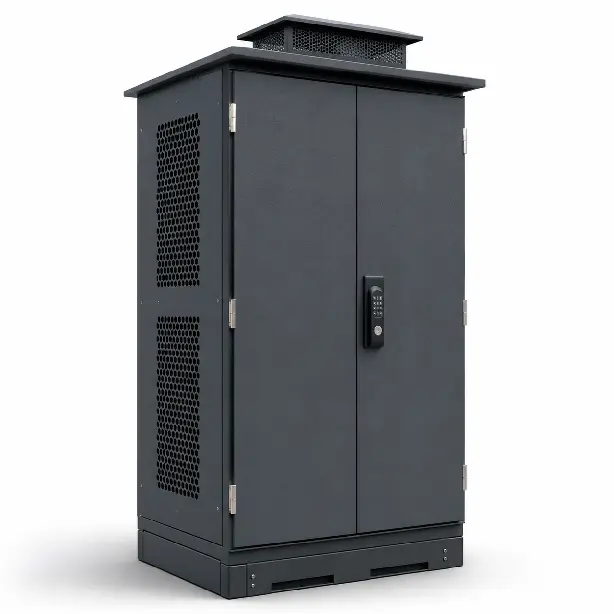
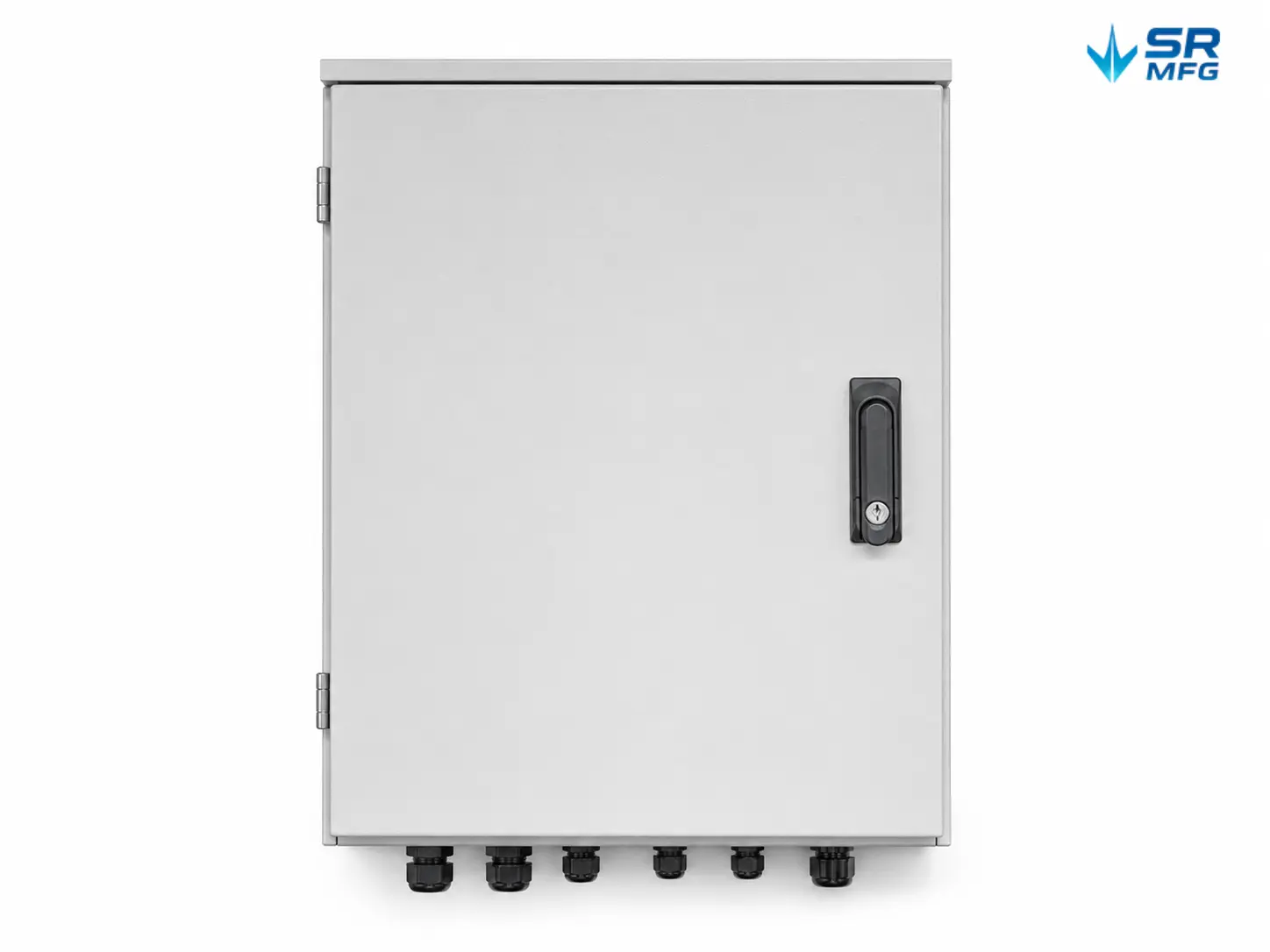
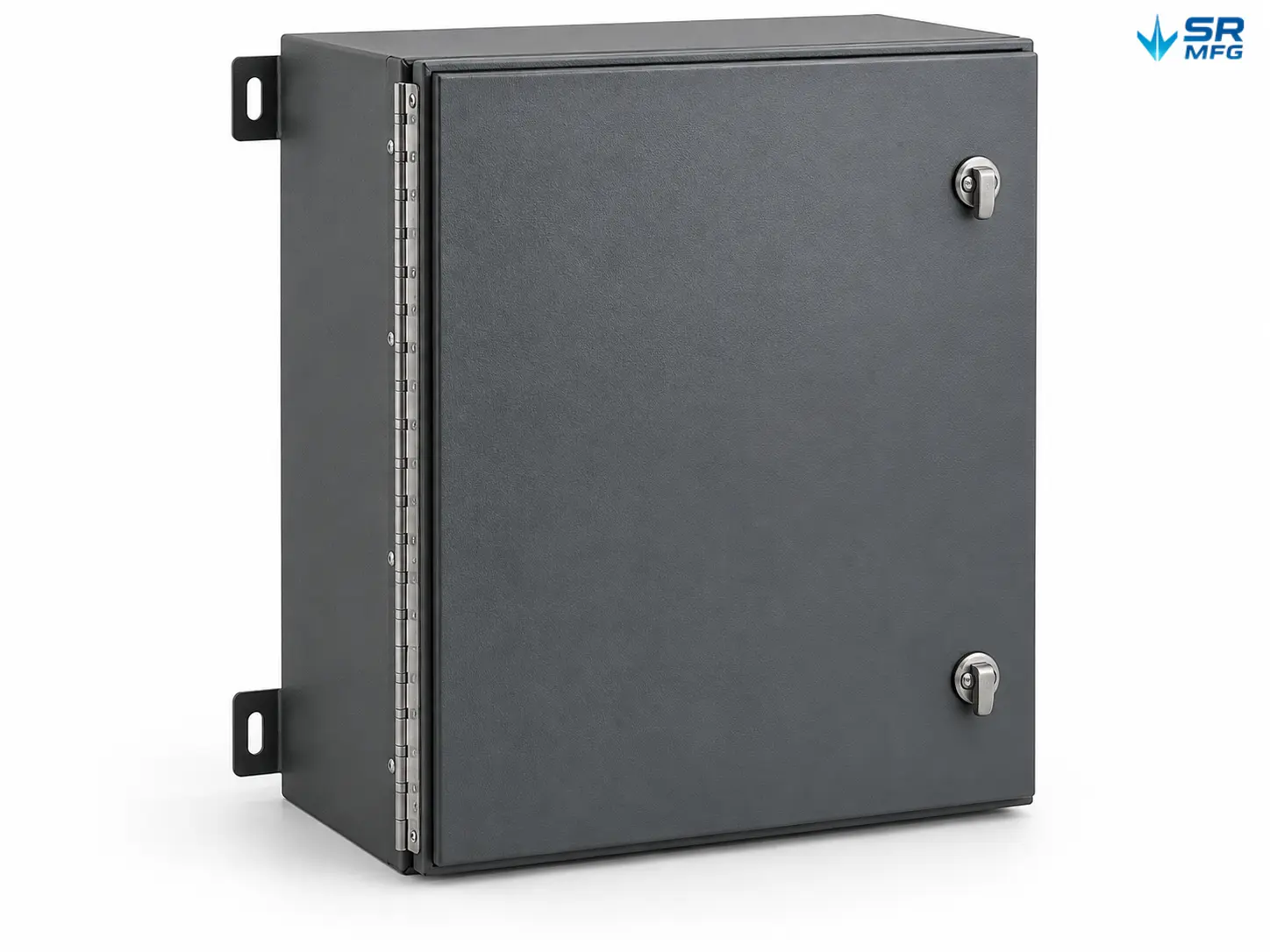
- Electrical cabinet enclosures
- Control box panels
- Terminal mounting plates
- DIN rail brackets
- Ventilation and access panels
Industrial Equipment
Hard anodized finishes for machinery, automation systems, production equipment, and structural aluminum assemblies, engineered for superior wear resistance and long-term protection in demanding operating environments.
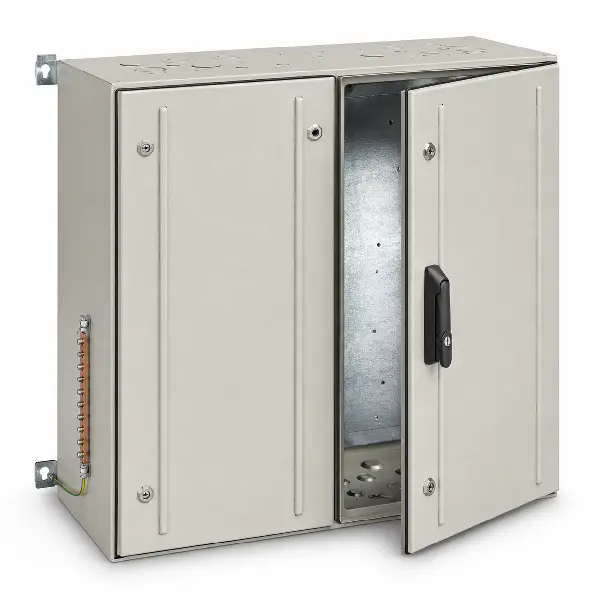
- Machine covers & guards
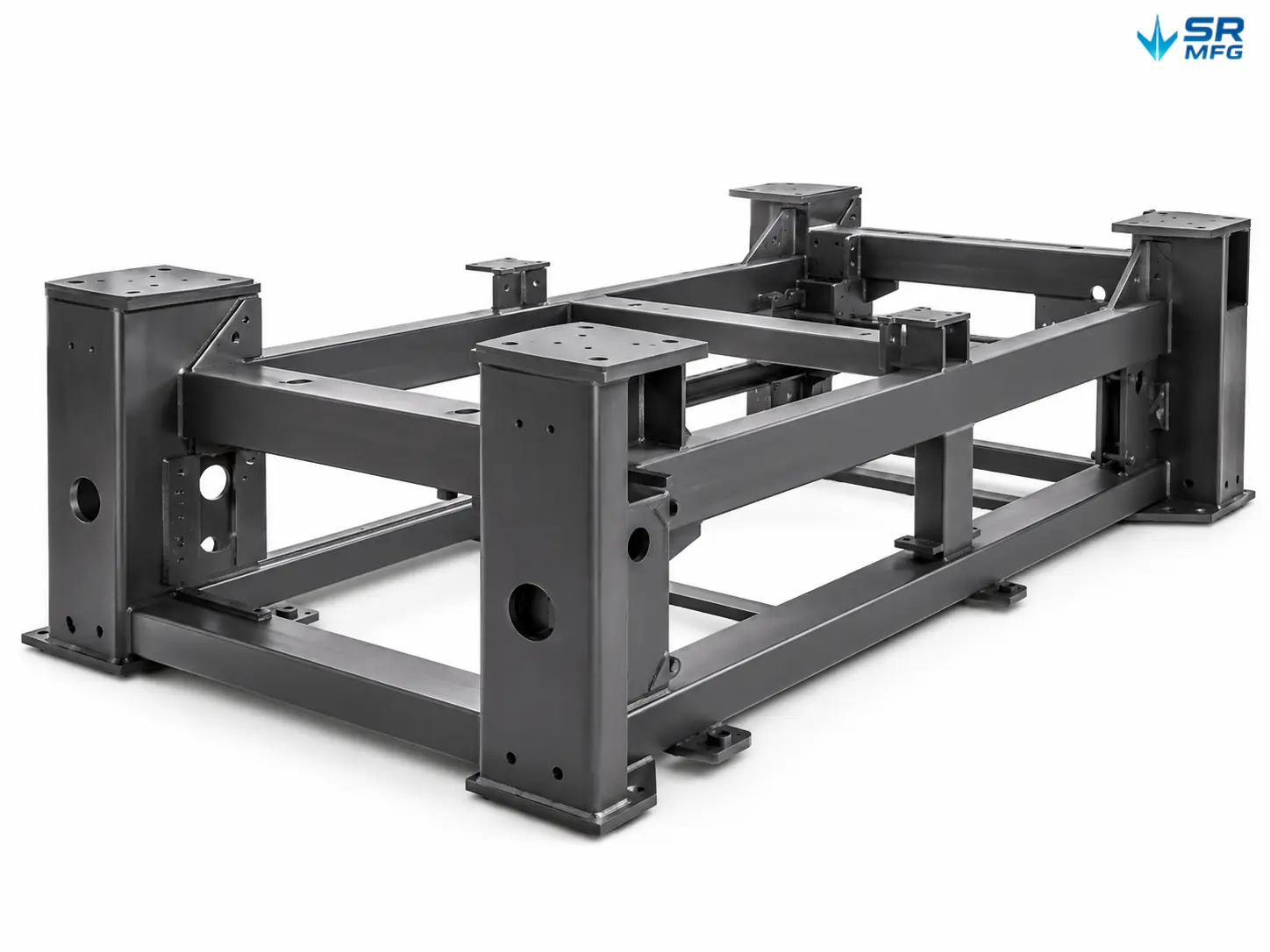
- Equipment frames
- Conveyor brackets
- Sensor mounting plates
- Protective panels & shields
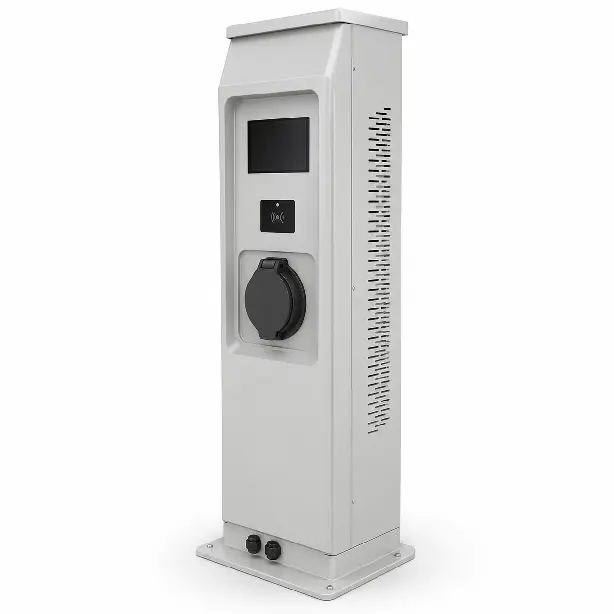
New Energy Systems
Anodizing solutions for EV charging equipment, battery systems, energy storage cabinets, and power conversion units, delivering a durable, UV-stable surface finish with excellent thermal conductivity and corrosion protection.
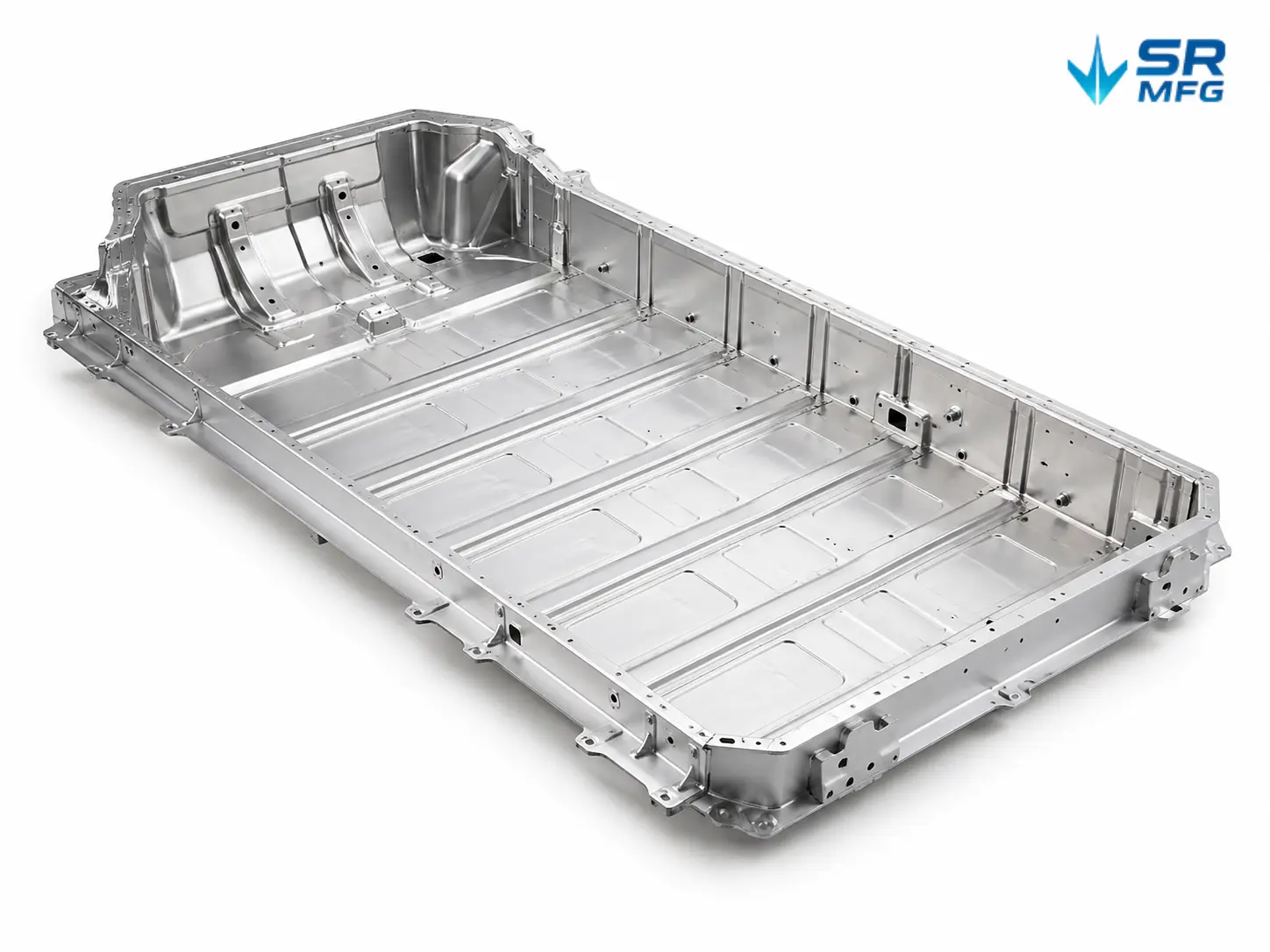
- Battery enclosure parts
- Charging station cabinets
- Energy storage cabinet panels
- Busbar support brackets
- Power module housings
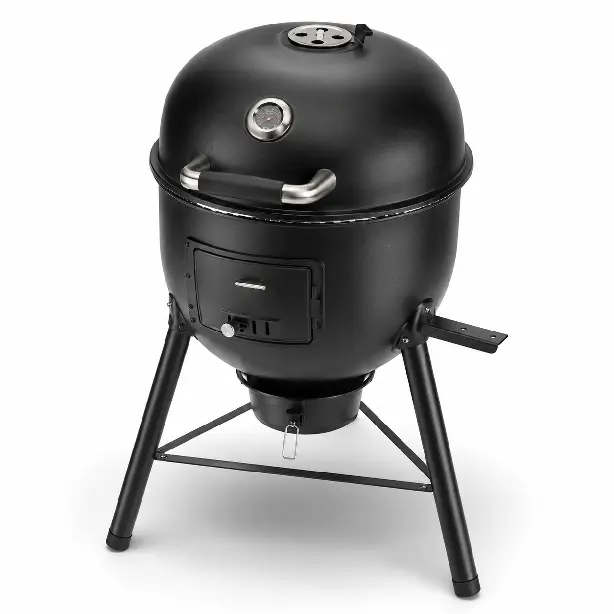
Outdoor Equipment
Weather-resistant anodized finishes for outdoor enclosures, equipment covers, lighting systems, and architectural fixtures, engineered for UV stability, moisture protection, and years of fade-resistant color retention without peeling or chipping.
- Outdoor equipment housings
- BBQ grill sheet metal bodies
- Protective covers & panels
- Mounting brackets
- Weather-resistant structural parts
Built for Your Application
Whether you need a single sample or full production volumes, SR MFG ensures consistent oxide layer thickness, uniform color matching, and reliable delivery for every anodizing project. We offer sulfuric acid anodizing, hard anodizing, and color anodizing in a broad selection of finishes to meet your technical and aesthetic specifications.
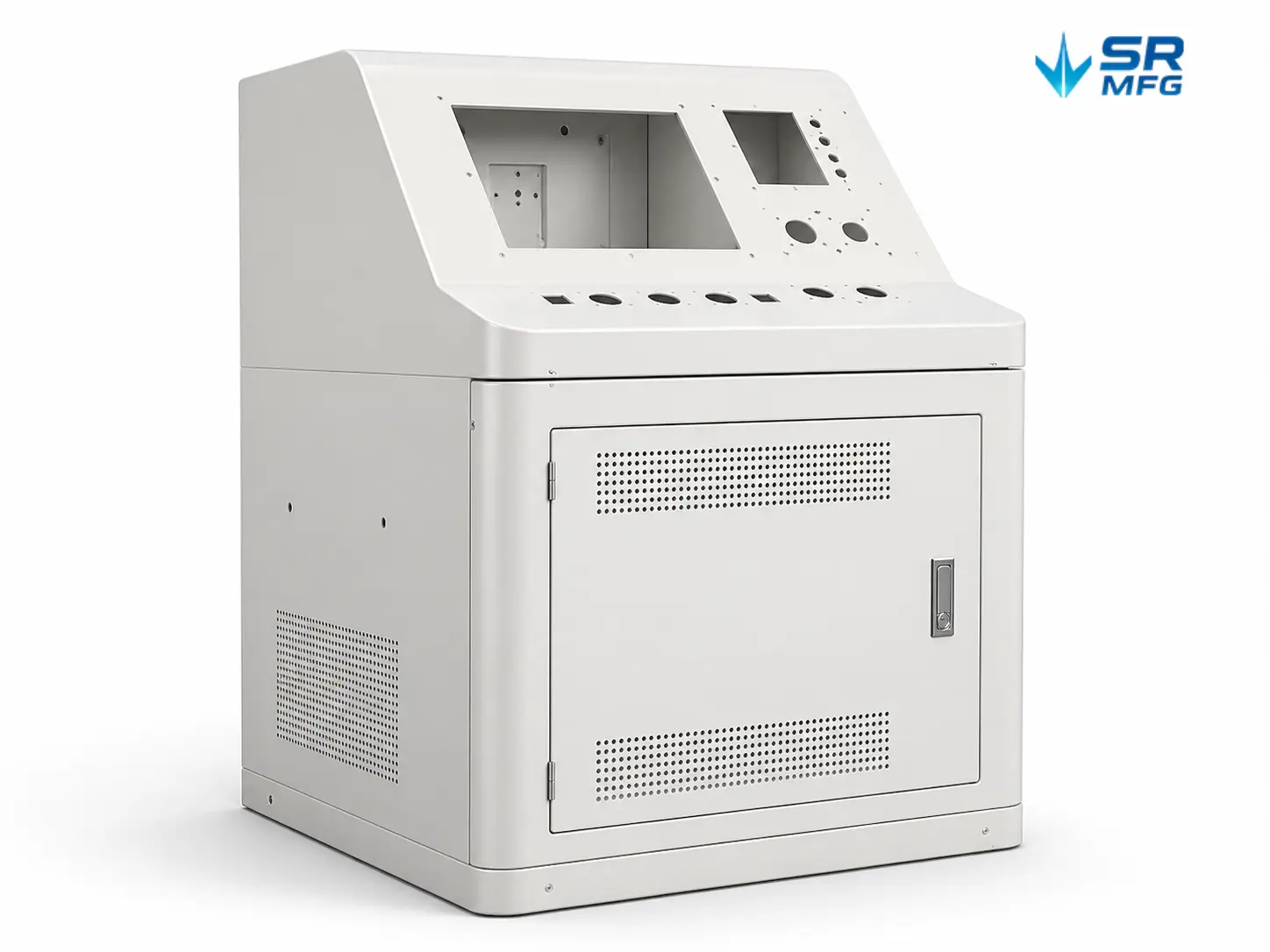
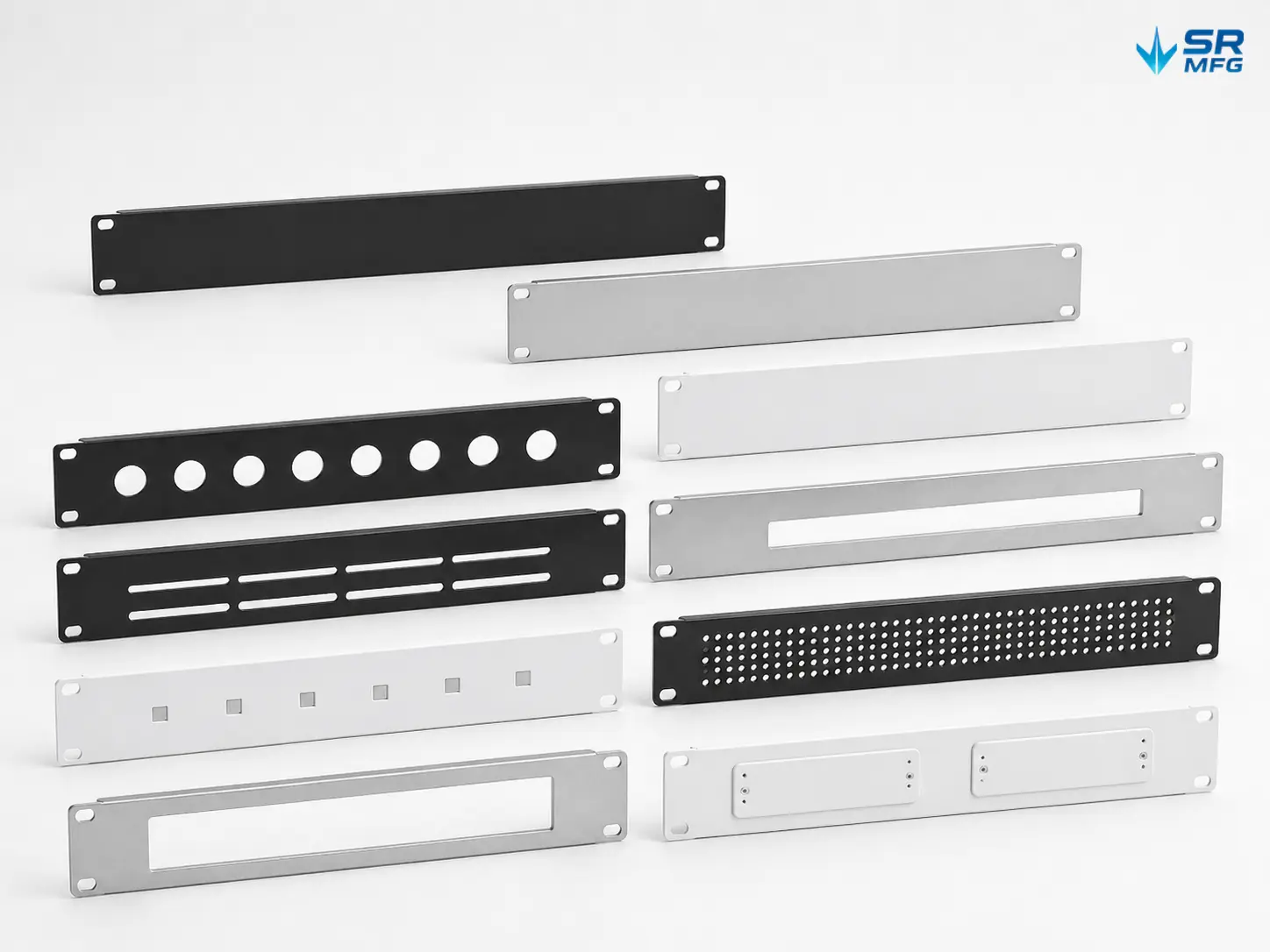
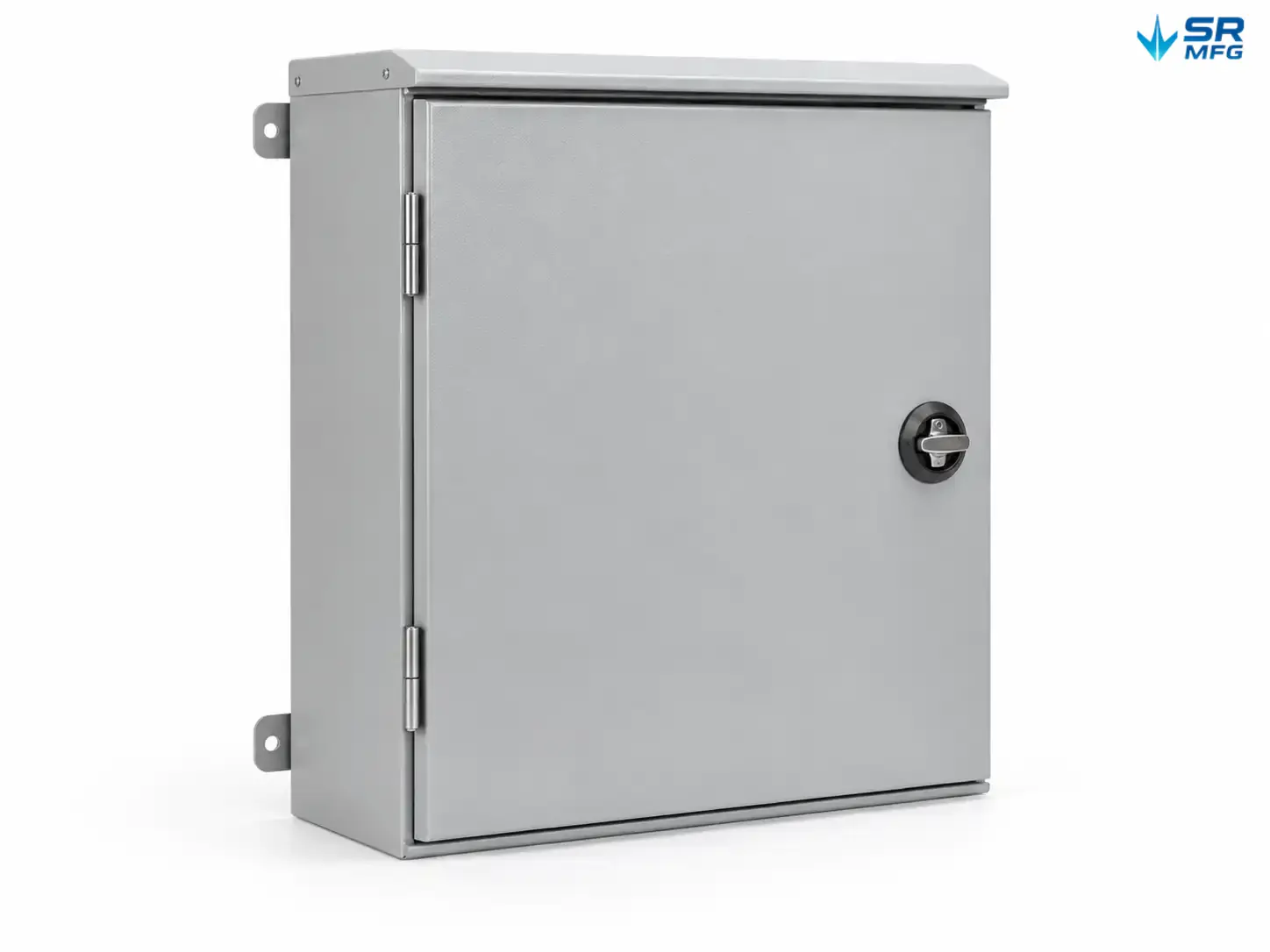
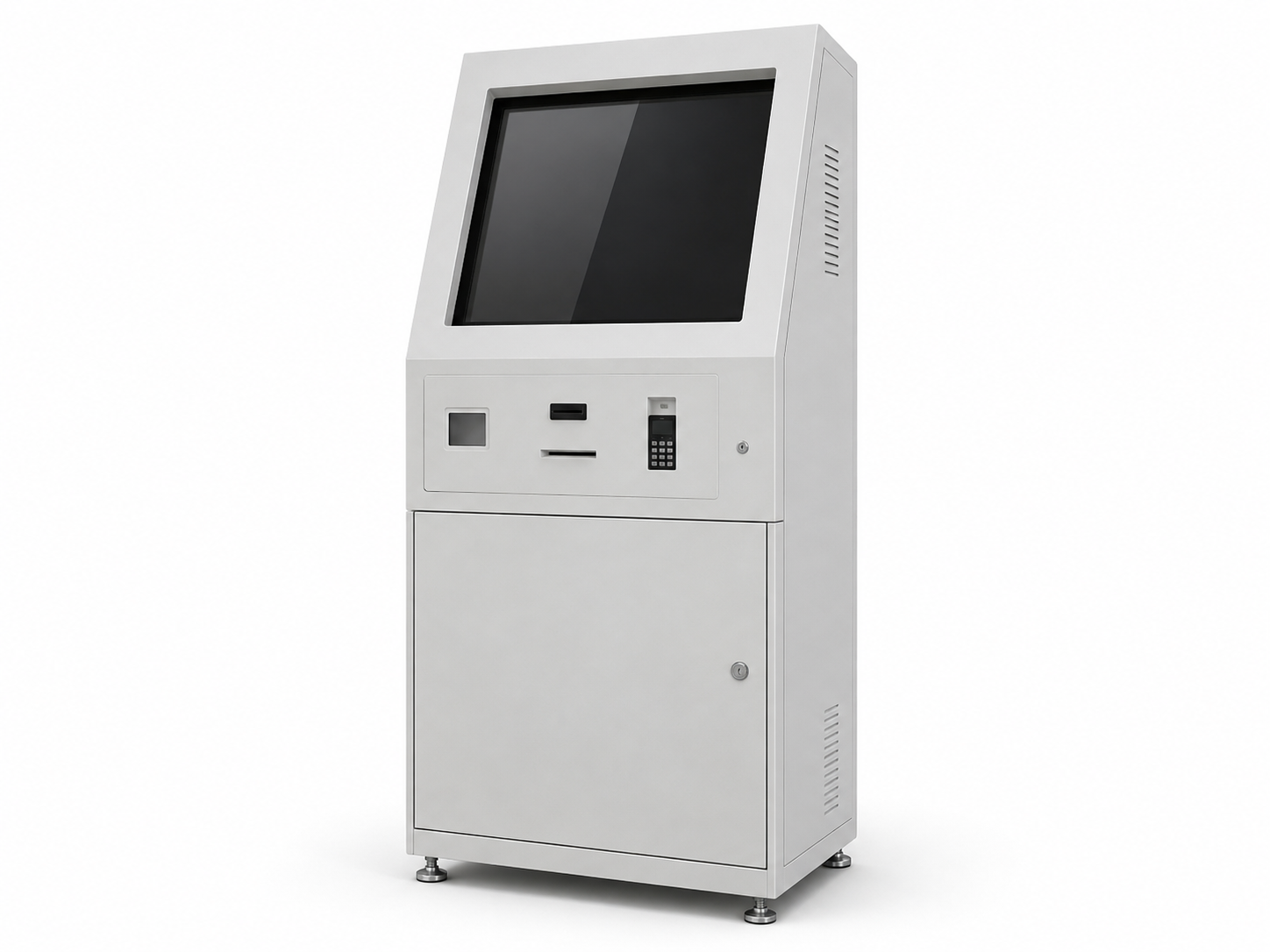
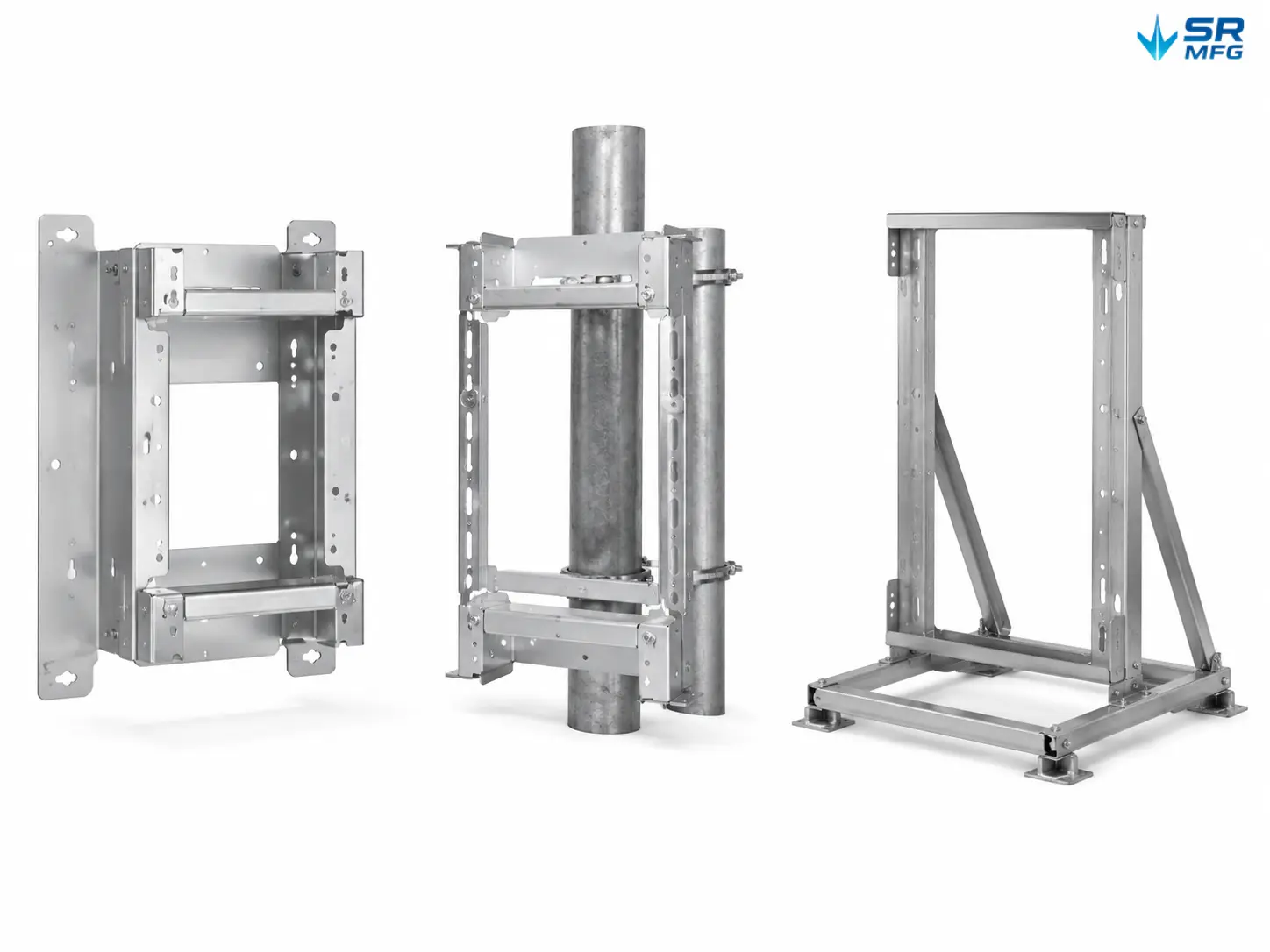
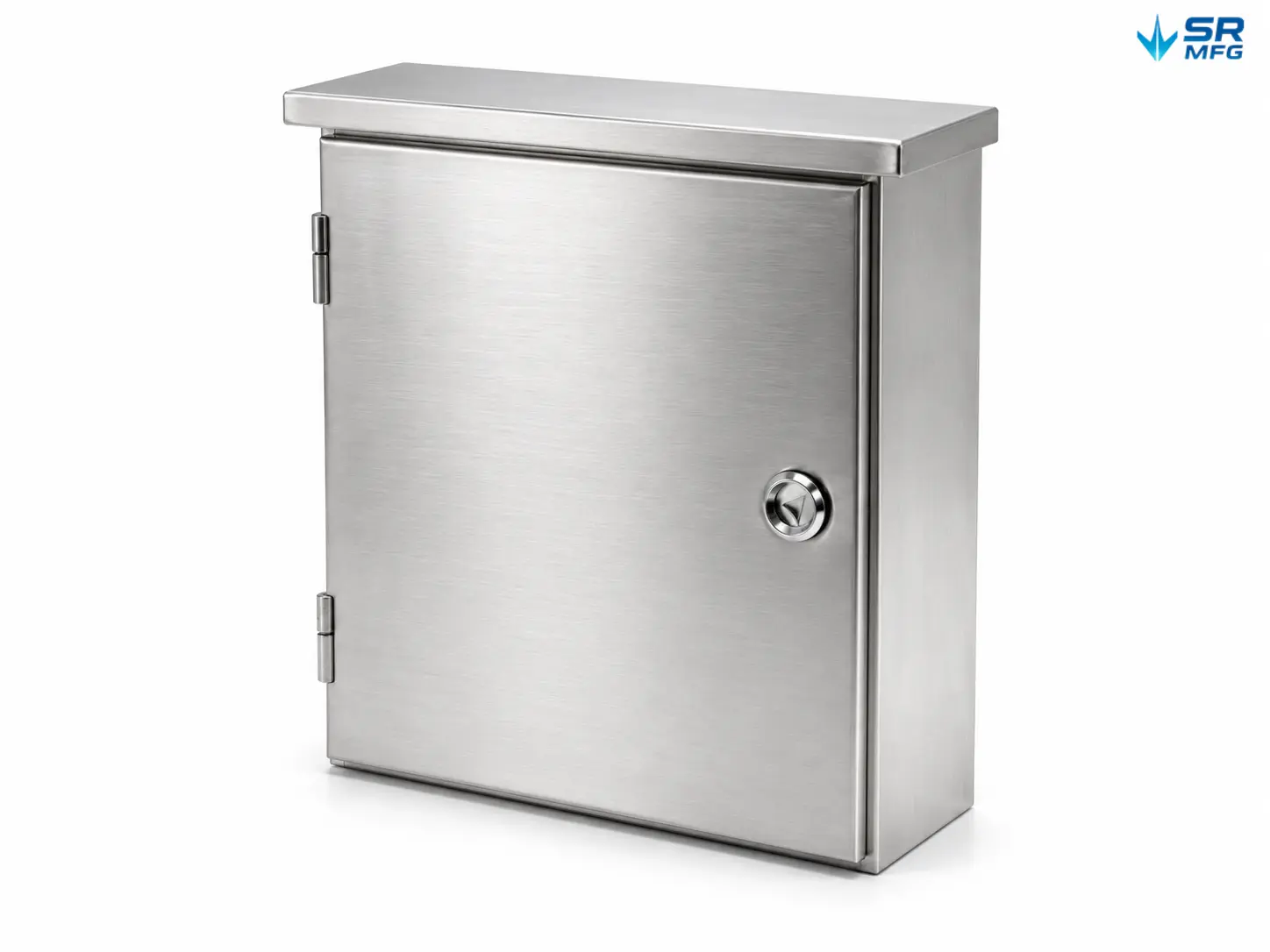
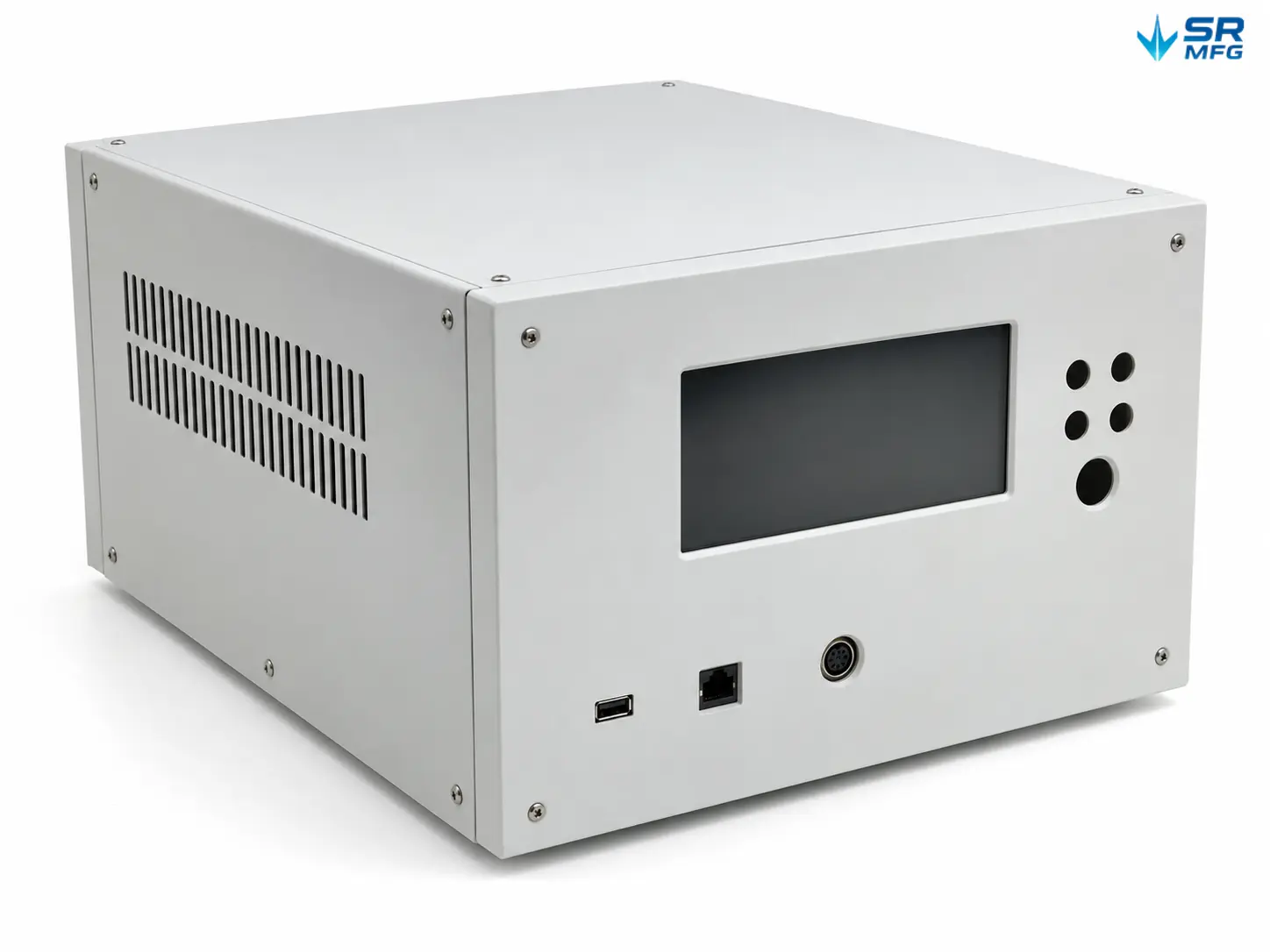
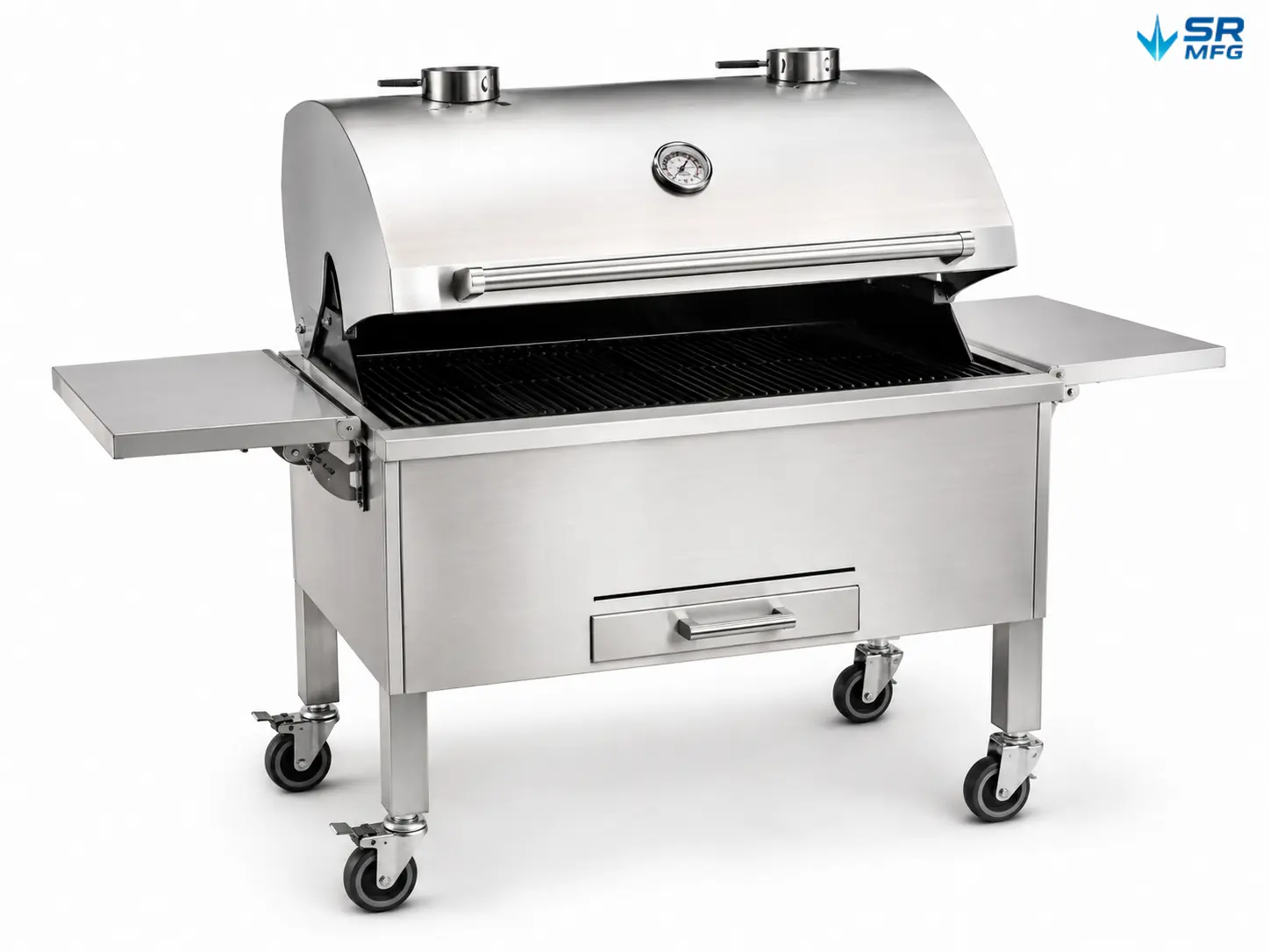
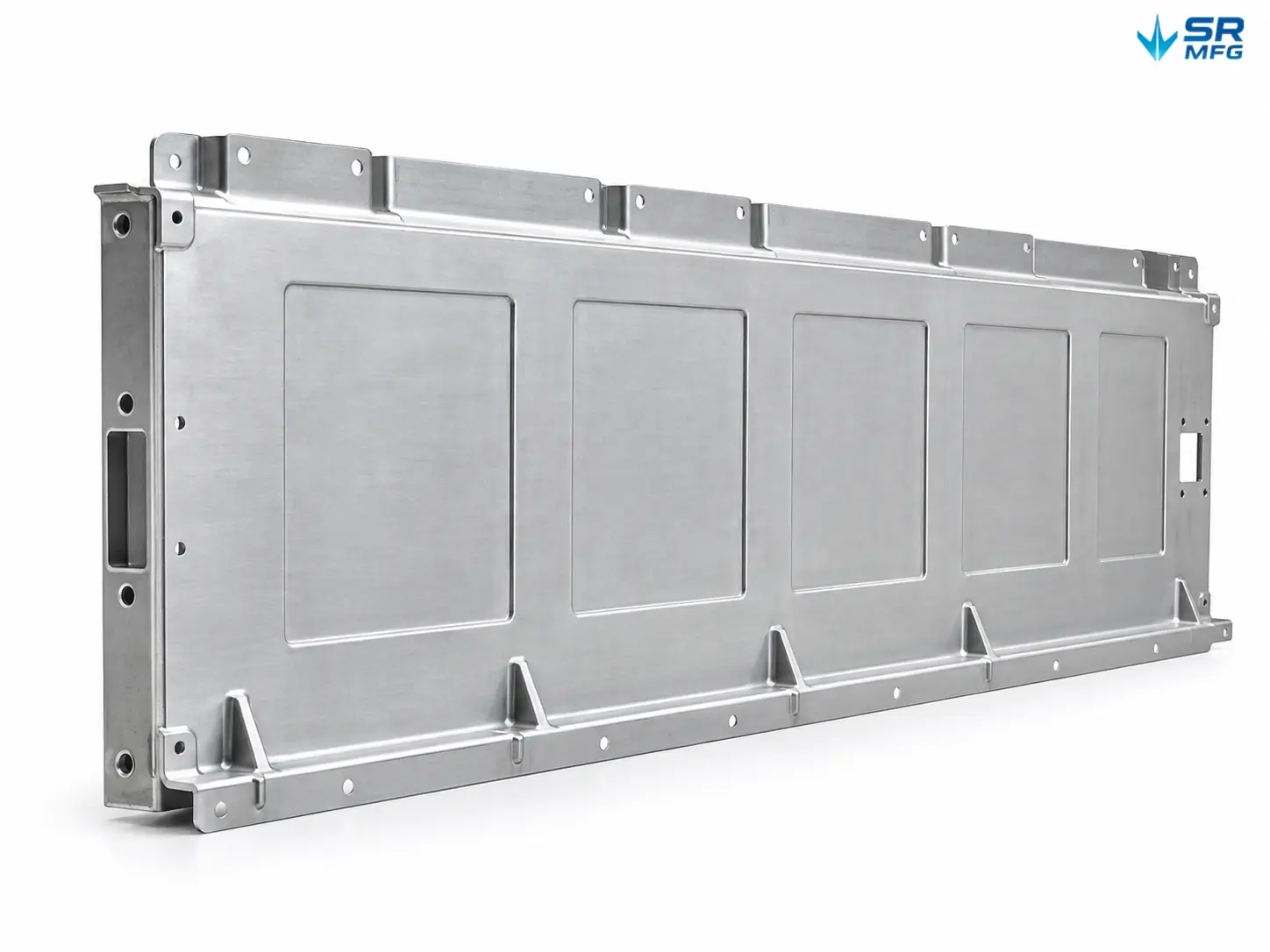
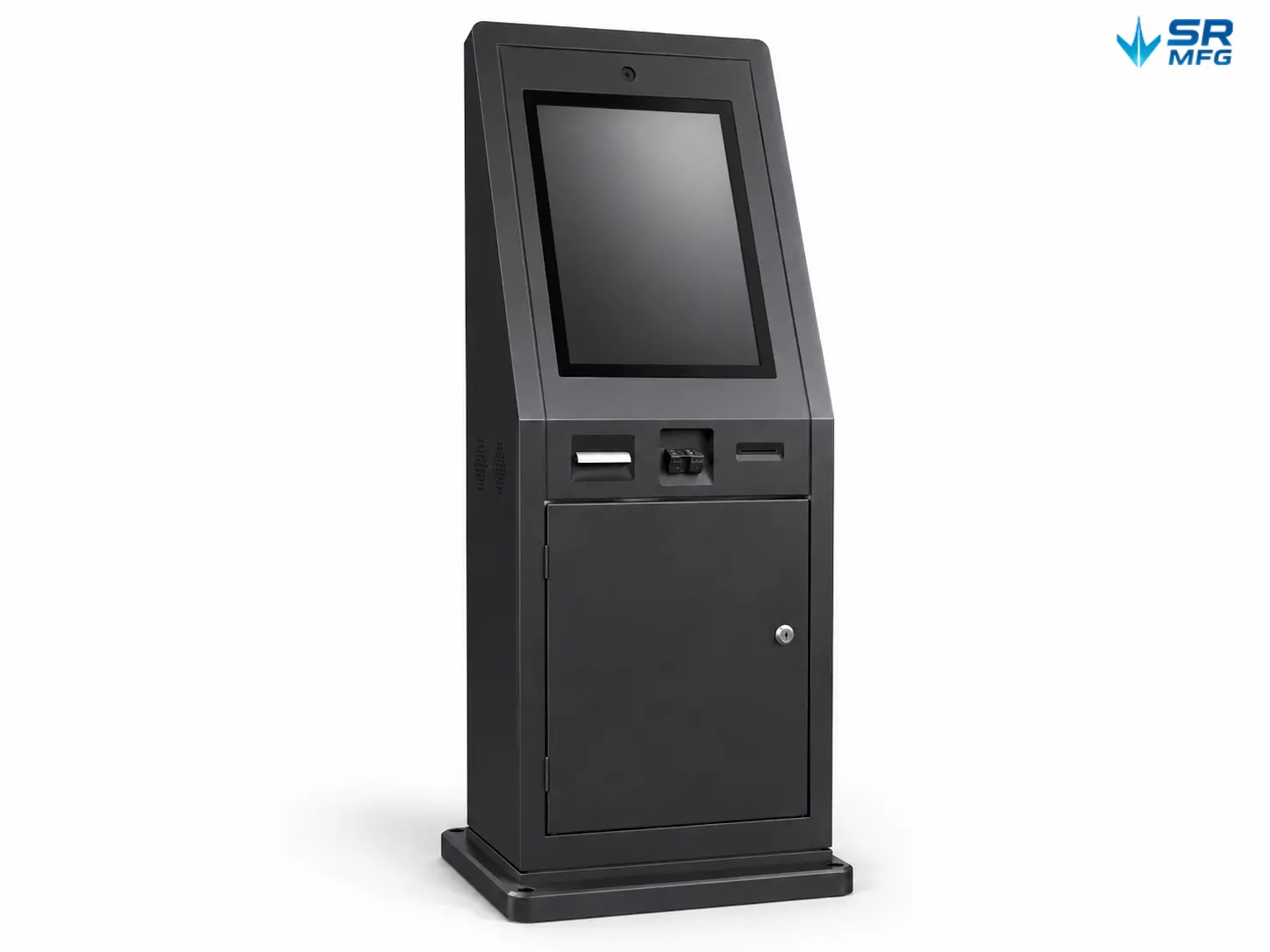
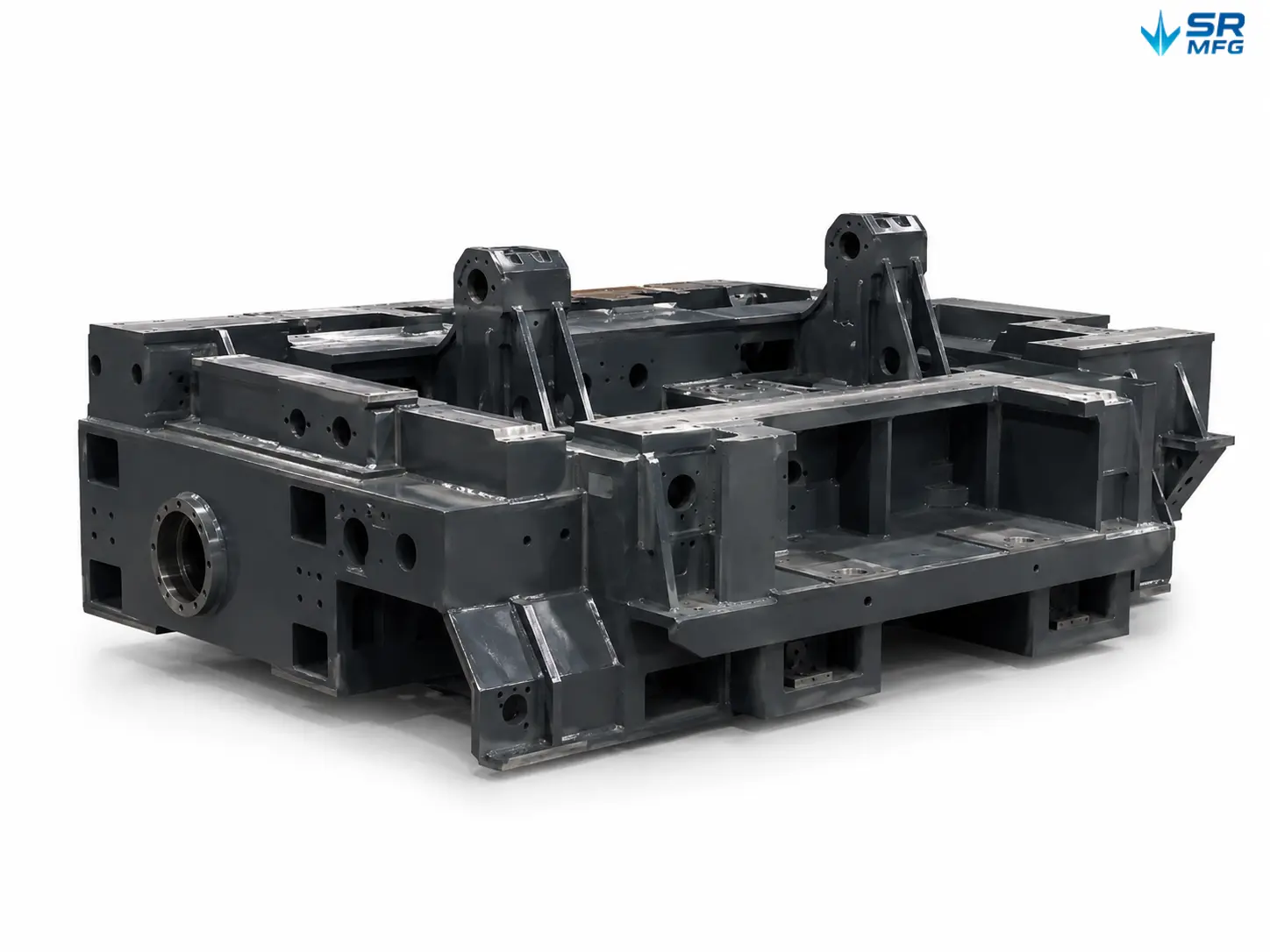
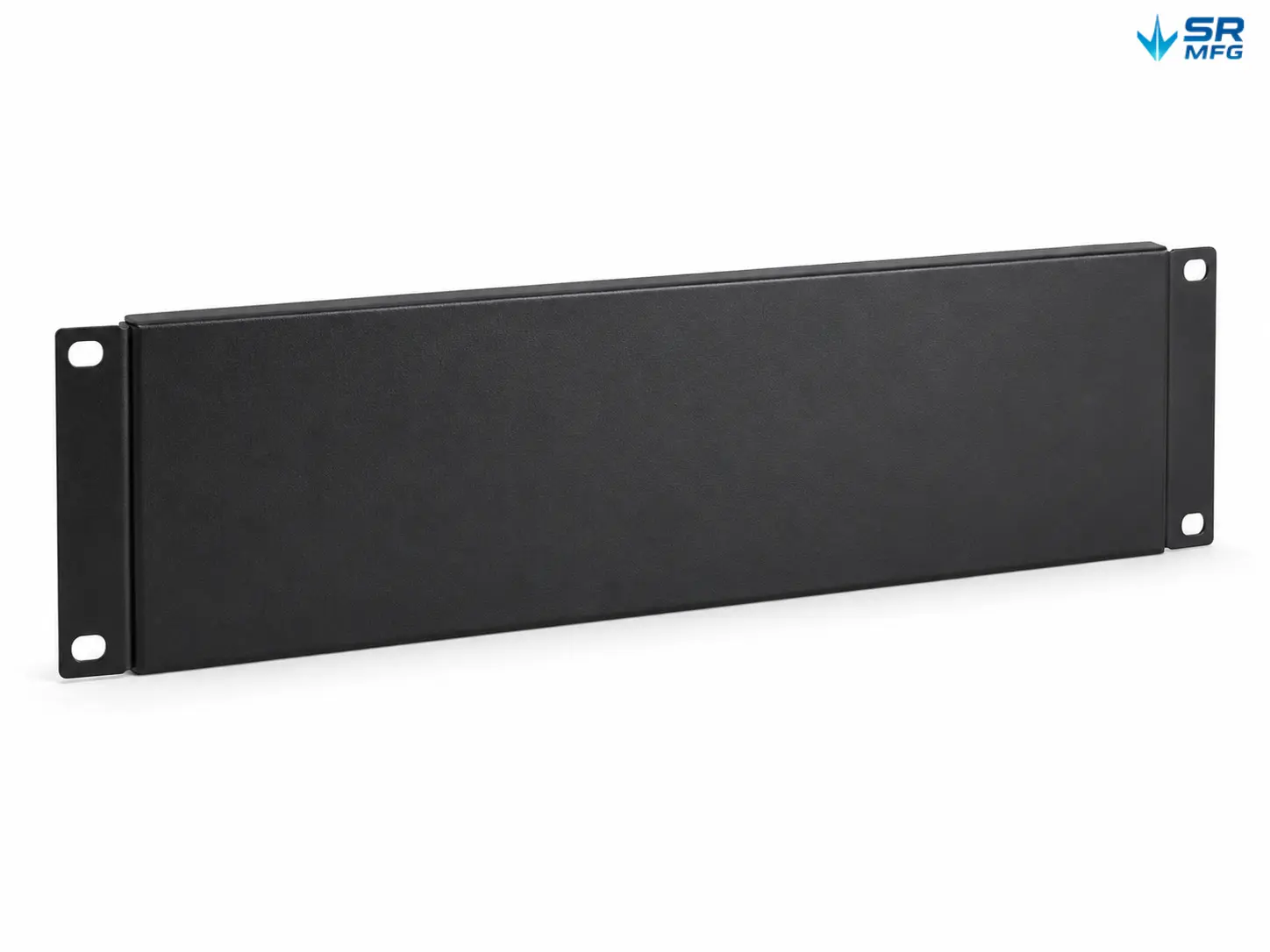
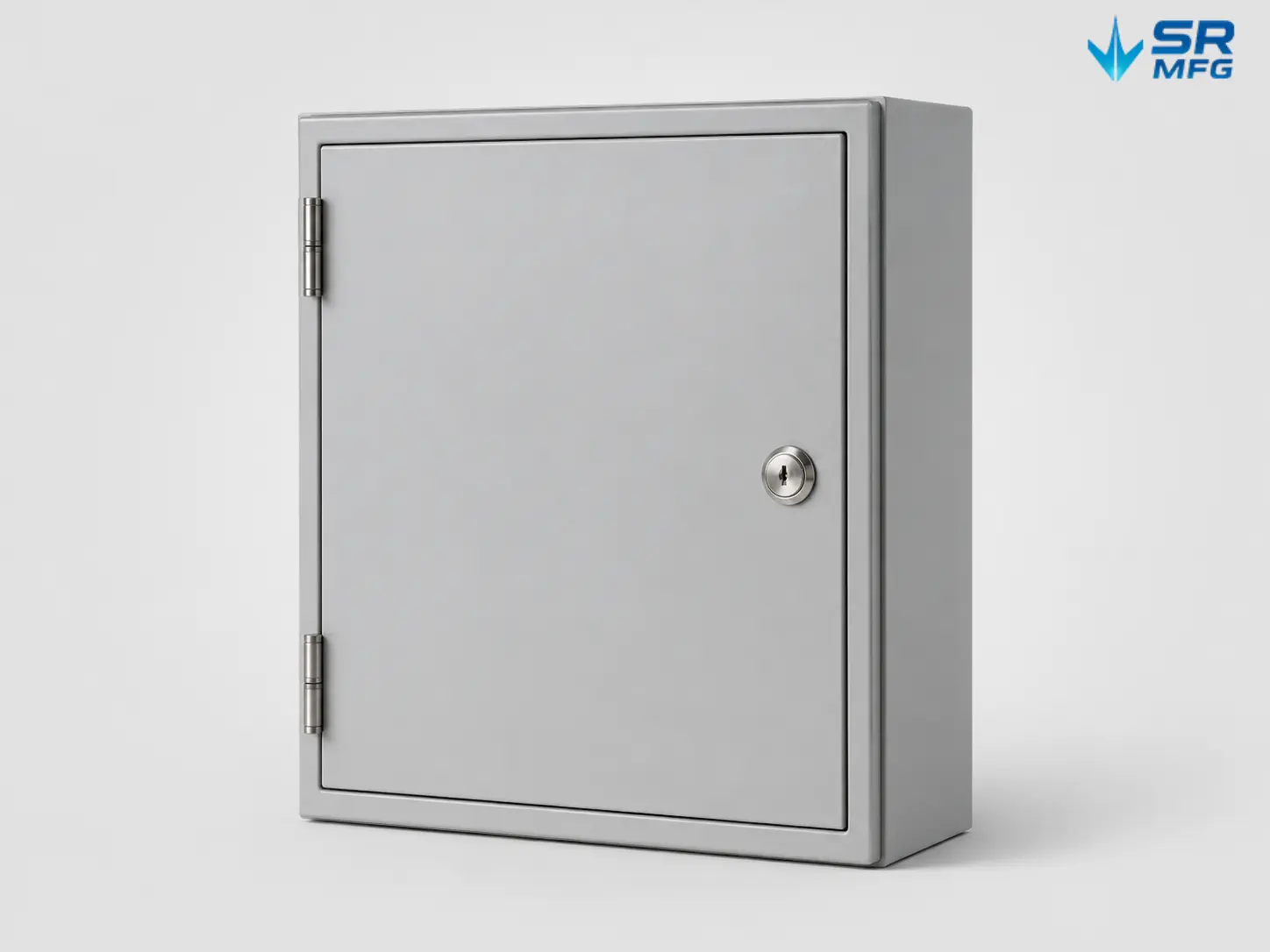
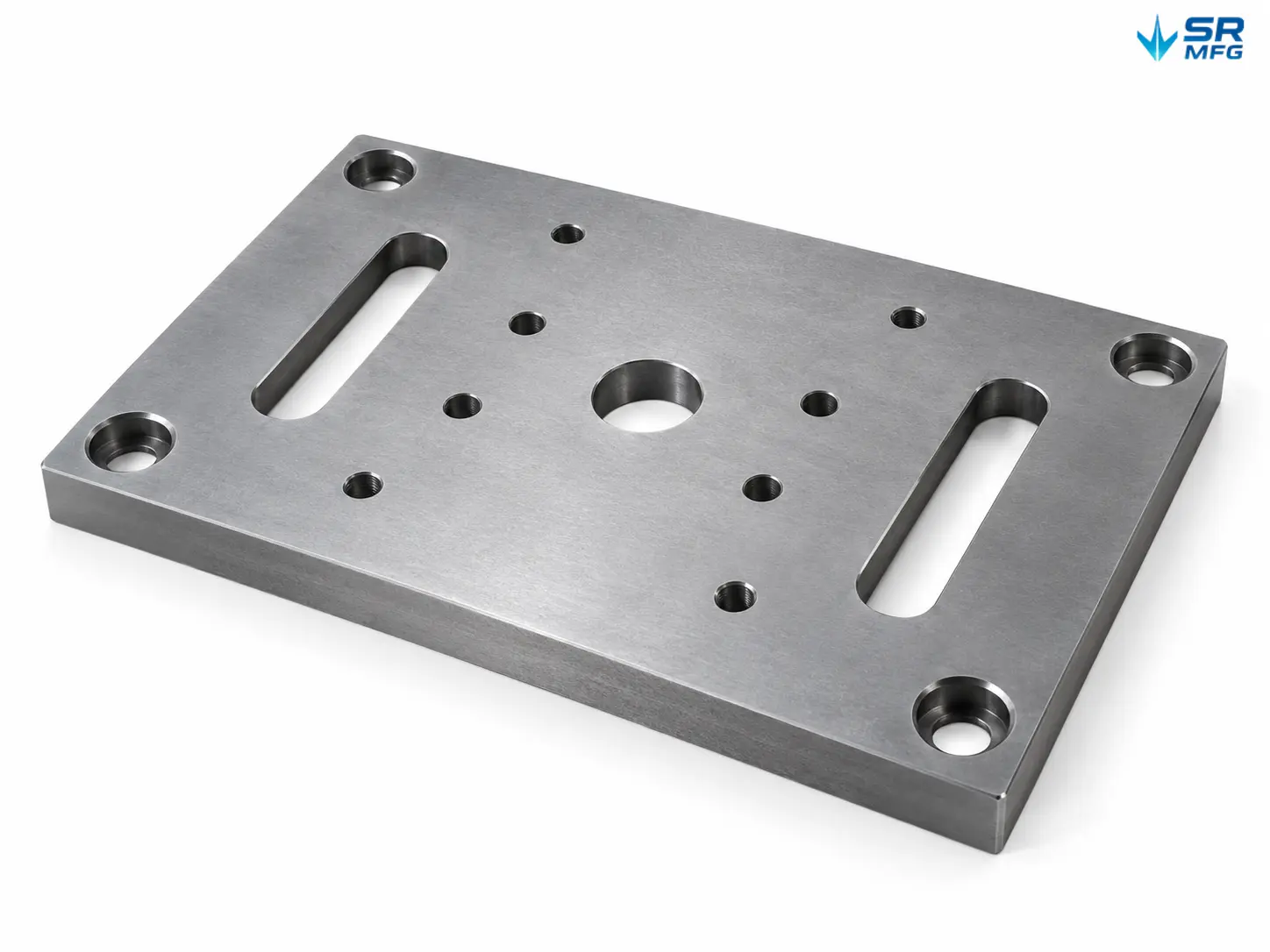
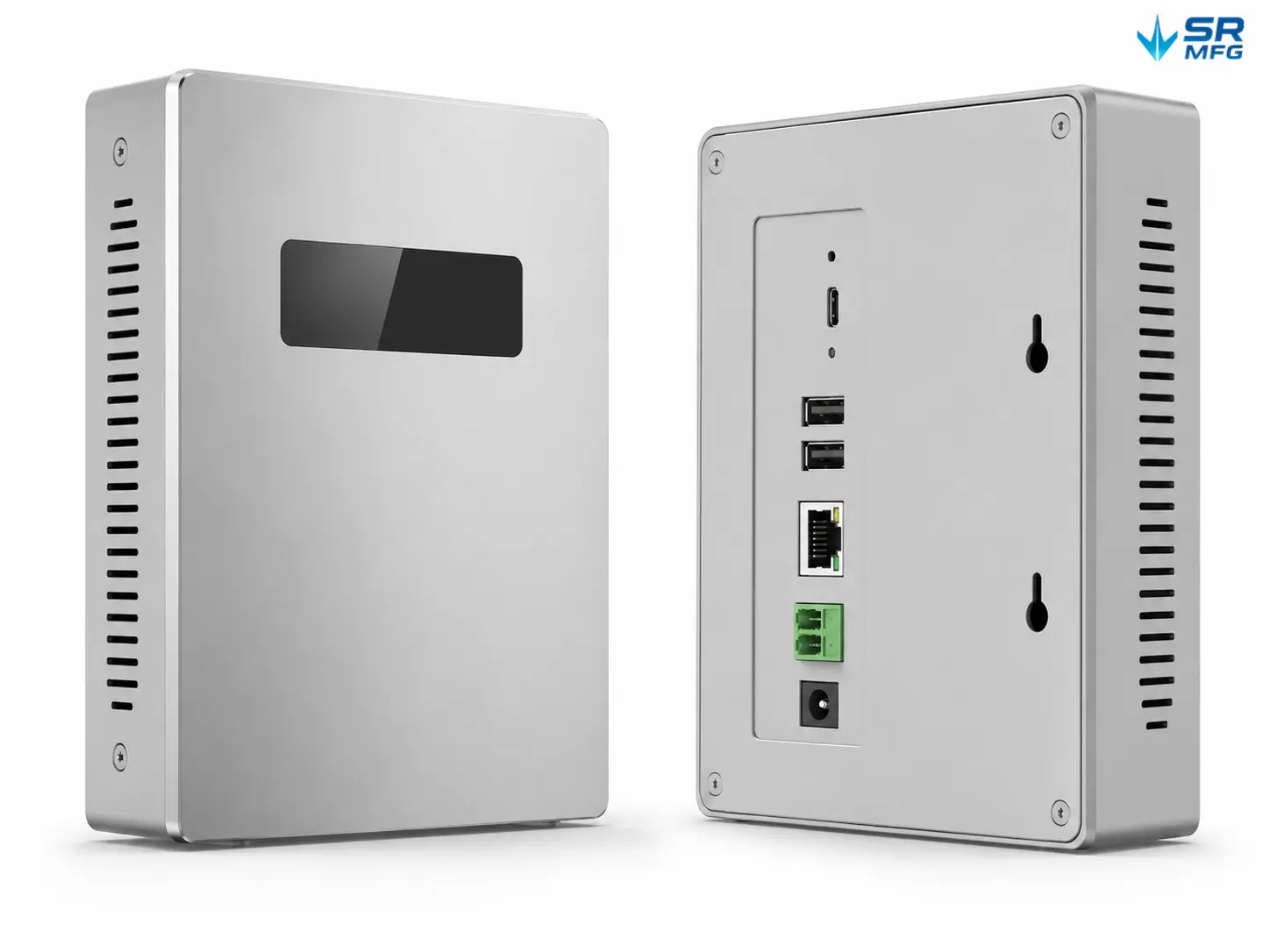
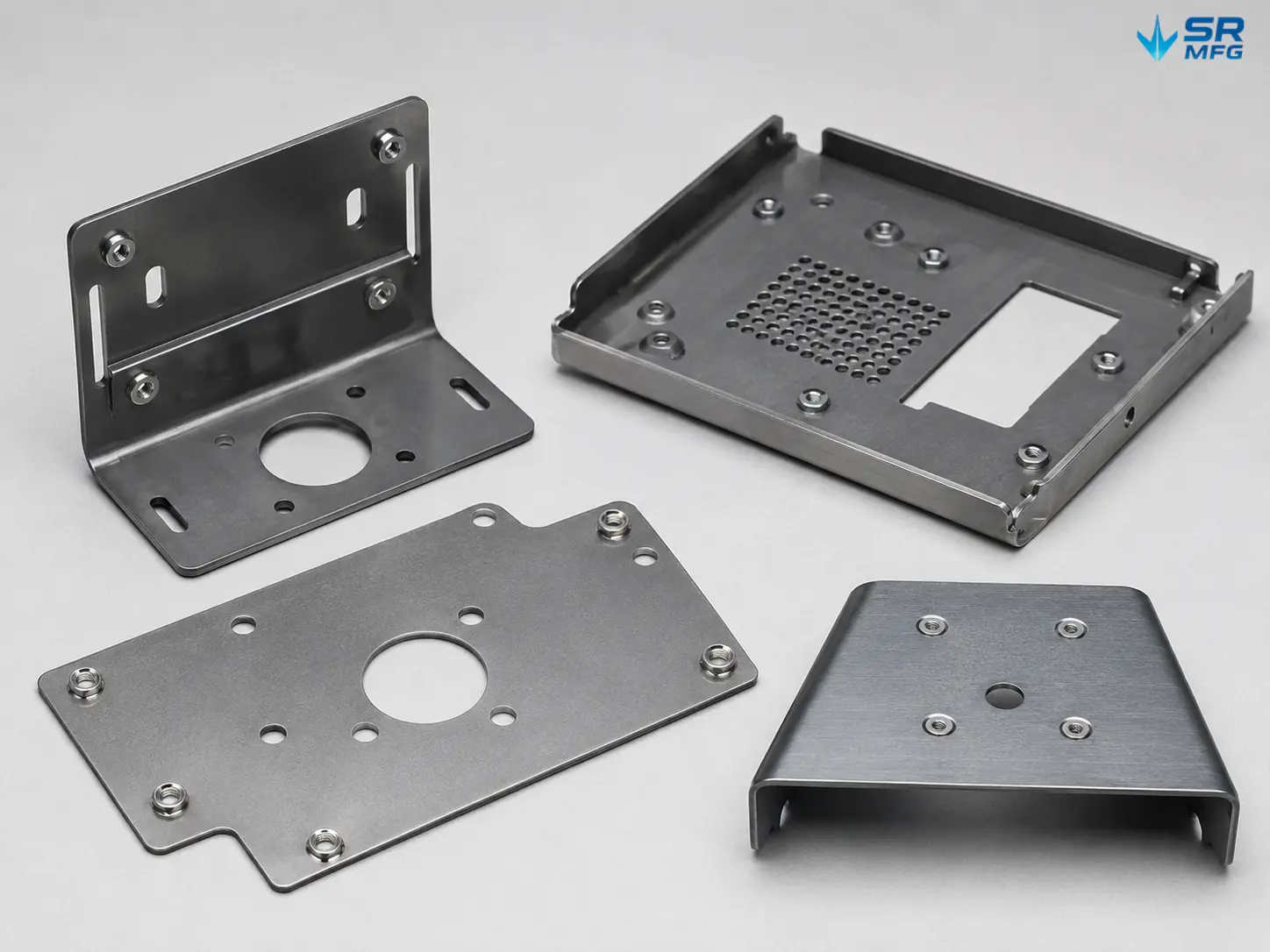
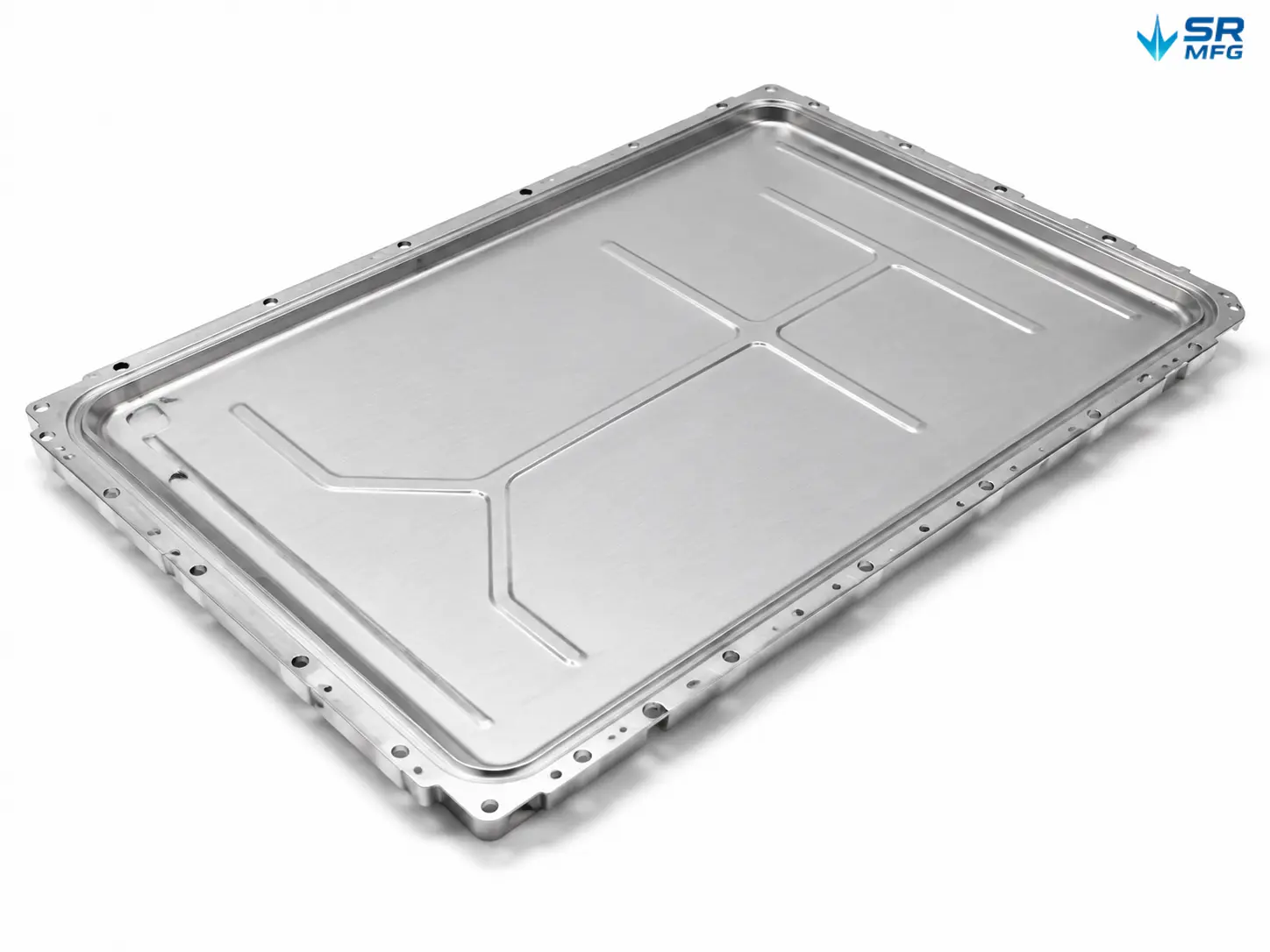
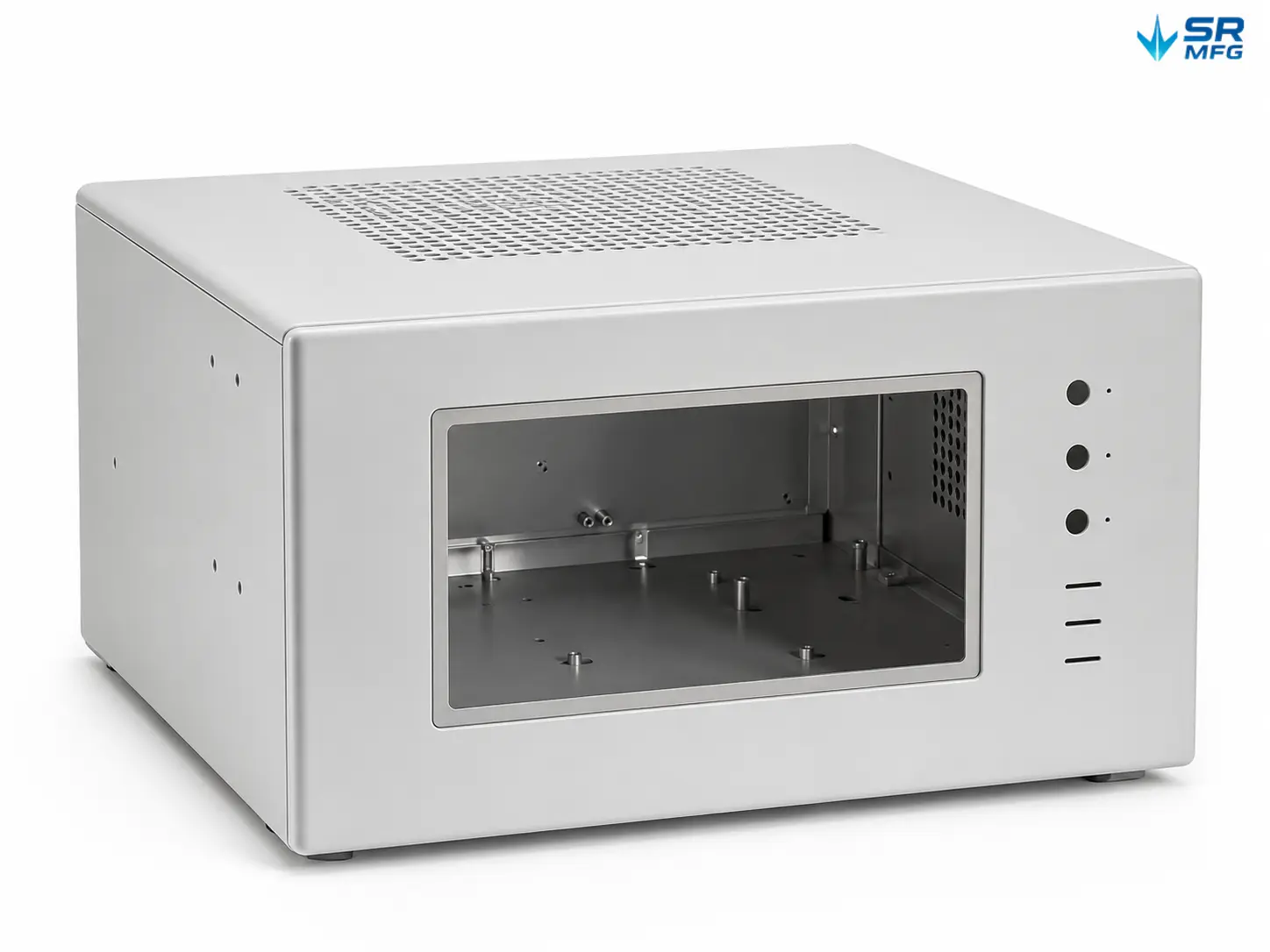
SR MFG Anodizing Product Showcase
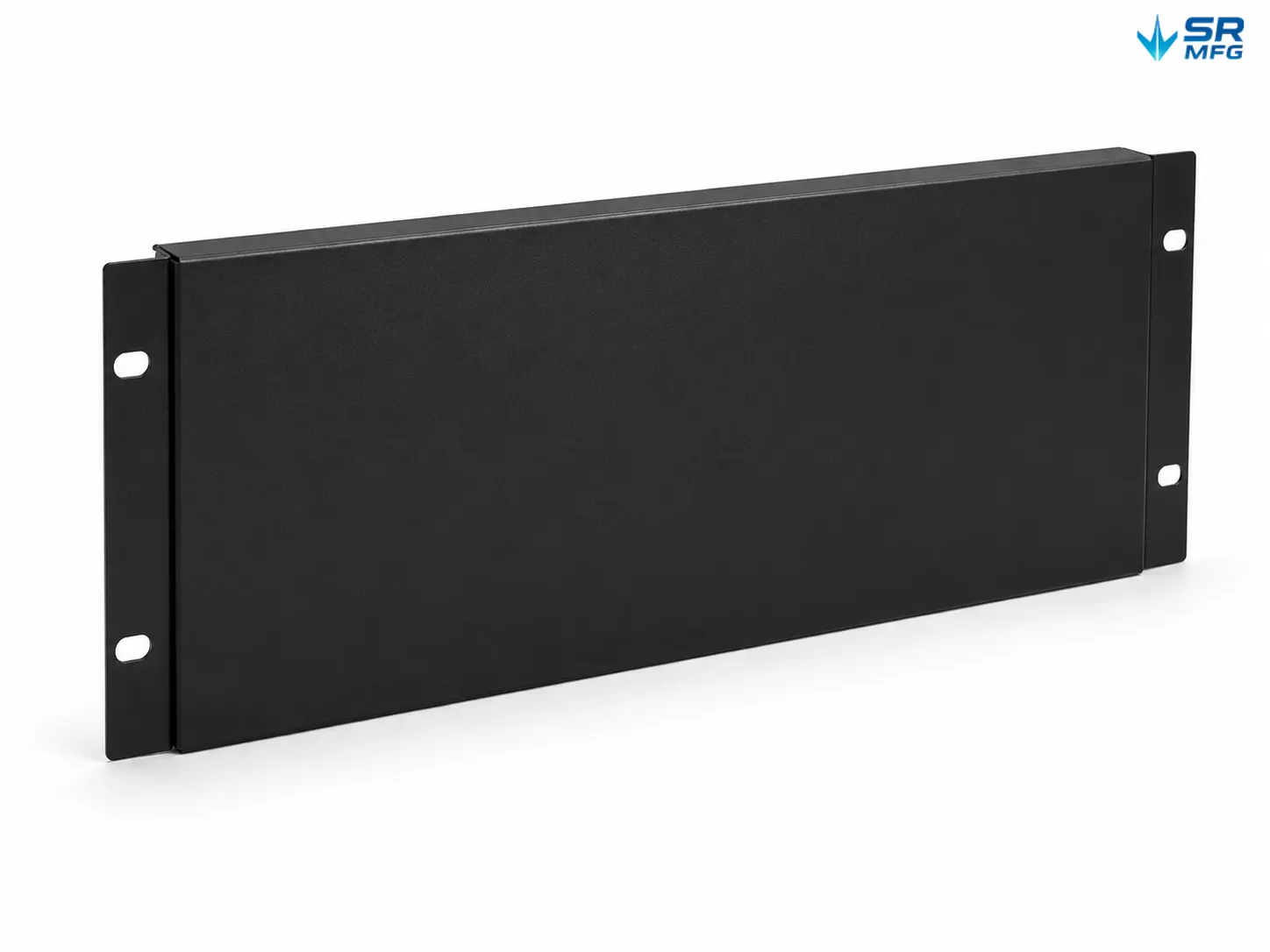
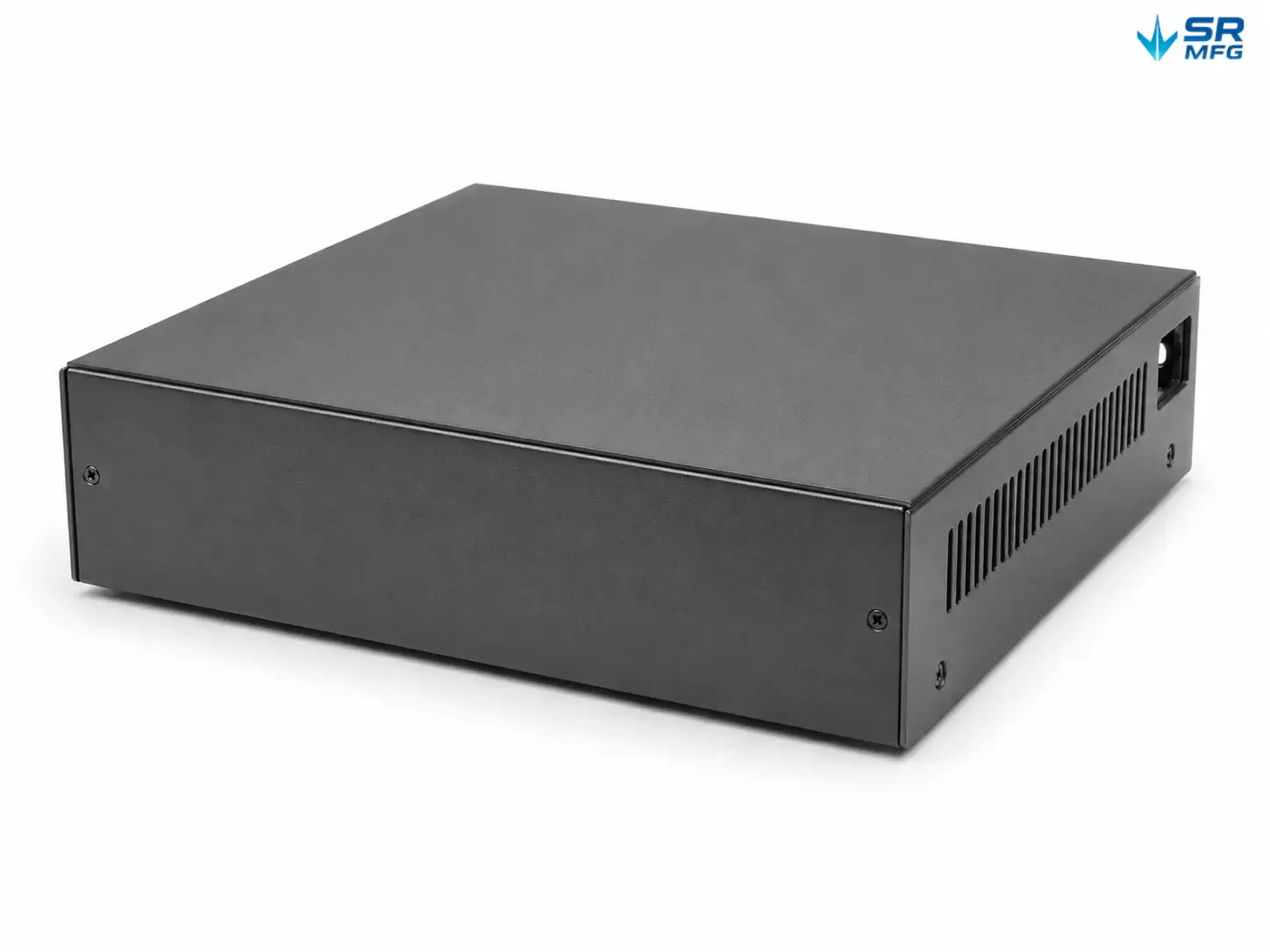
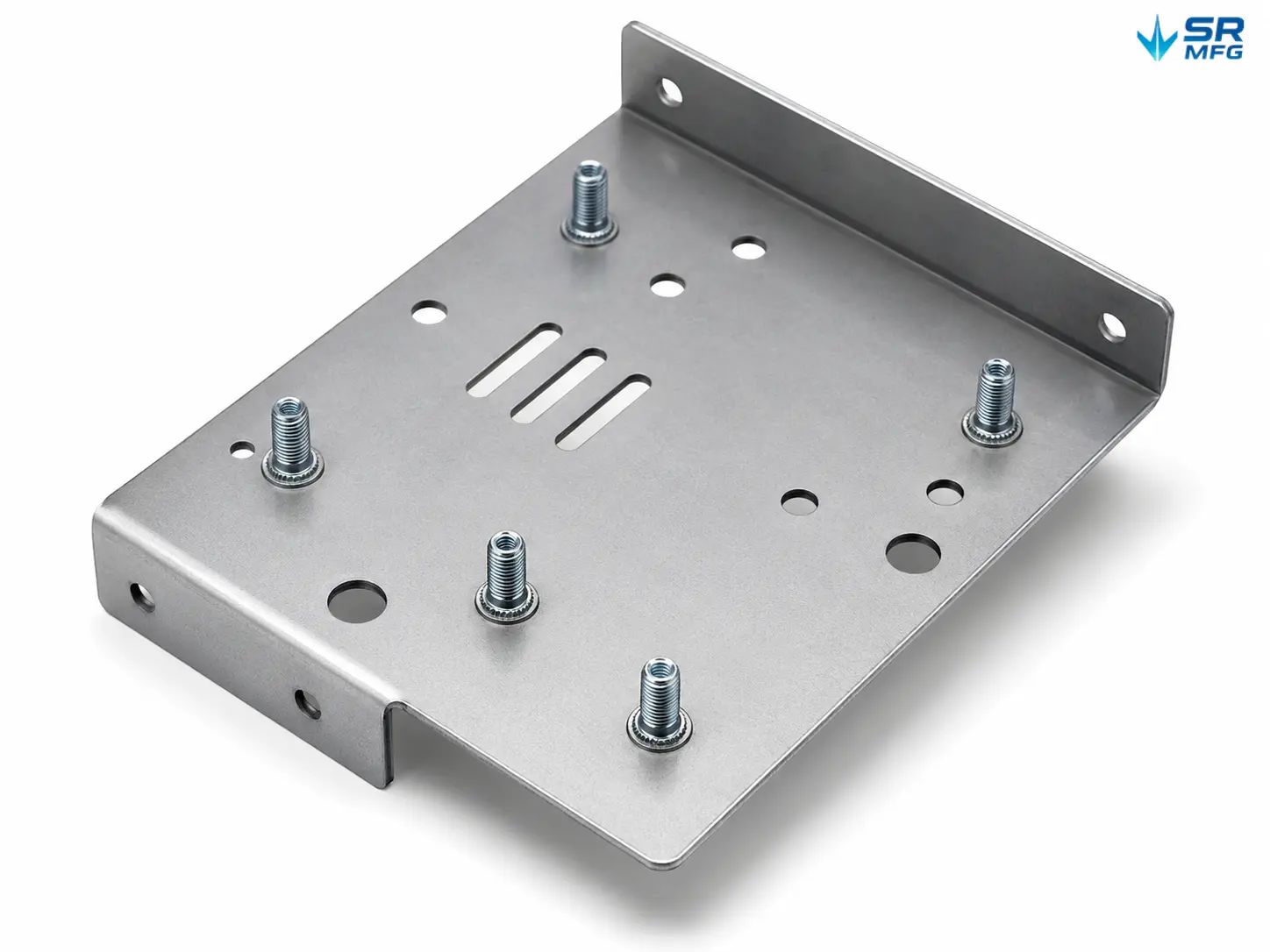
Metal Anodizing FAQs
We mainly provide anodizing for aluminum and aluminum alloys.
When placing an order, we recommend specifying at least the following information: application environment, aluminum alloy grade, significant surfaces, anodic coating thickness class, color requirements, and whether sealing is required.
These are also key items recommended by ISO 7599 for customers to provide when defining anodizing requirements.
Yes. We recommend specifying the AA coating thickness class according to ISO 7599, which makes inspection, acceptance, and repeat verification much clearer.
Common AA classes include AA5, AA10, AA15, AA20, and AA25. Each class defines both the minimum average coating thickness and the minimum local coating thickness.
It is also worth noting that ISO 7599 indicates that some dye systems may require AA20 or higher in order to achieve sufficient dye absorption and lightfastness.
For projects following MIL-A-8625F, a common specification is:
Type III hard anodizing, nominal coating thickness 0.002″(2 mil).
Thickness variation can also be controlled according to the standard. In general, for coatings ≤ 2 mil, the typical tolerance is ±20%; for coatings > 2 mil, the typical tolerance is ±0.0004″(0.4 mil).
The final tolerance requirements should always follow the engineering drawing, customer specification, or purchase contract.
Yes. Anodizing affects part dimensions, especially for hard anodized aluminum parts.
A common engineering rule for hard anodizing is that approximately half of the coating penetrates into the aluminum substrate, while the other half builds up outward.
For example, a total coating thickness of 0.002″ usually results in approximately 0.001″ dimensional growth per side. This is an engineering reference value, and final dimensions should still be confirmed by actual measurement and project specifications.
For CTQ features such as threaded holes, sealing surfaces, locating surfaces, and electrical contact areas, we typically use one or a combination of the following methods:
Masking / machining allowance compensation / post-anodizing machining
The final approach is determined based on the part design, tolerance requirements, and functional surfaces.
We commonly use eddy current non-destructive coating thickness measurement.
ASTM B244 clearly states that this method is applicable for measuring anodic coating thickness on aluminum materials.
The standard also emphasizes that the reference standards used for calibration should have the same substrate conductivity as the workpiece being measured. Otherwise, measurement readings may be affected.
This is why proper calibration and matching reference standards are important for reliable coating thickness inspection.
Salt spray testing can be performed according to ASTM B117 or ISO 9227.
ISO 9227 includes three common salt spray test methods: NSS, AASS, and CASS.
It should be noted that ASTM B117 mainly defines the test environment and test method. It does not directly define how many hours are required to pass. The test duration and failure criteria are usually specified by the customer specification, engineering drawing, or project requirement.
Sealing quality can be controlled or verified under the ISO system, such as:
ISO 2143 — dye spot test / dye adsorption method
ISO 2931 — admittance method
Inspection reports can be provided based on the agreed standard, test method, coating thickness requirement, sealing requirement, and customer acceptance criteria.
Responsibility is defined through the confirmed drawing, anodizing specification, approved samples, and inspection requirements. SR MFG manages engineering review, supplier coordination, inspection, documentation, and delivery. The anodizing partner is responsible for maintaining the confirmed process parameters and meeting the agreed requirements for film thickness, color, sealing quality, masking, and surface appearance. For customer-supplied parts, incoming surface defects or contamination are reviewed before anodizing.
Anodizing Technical Resources
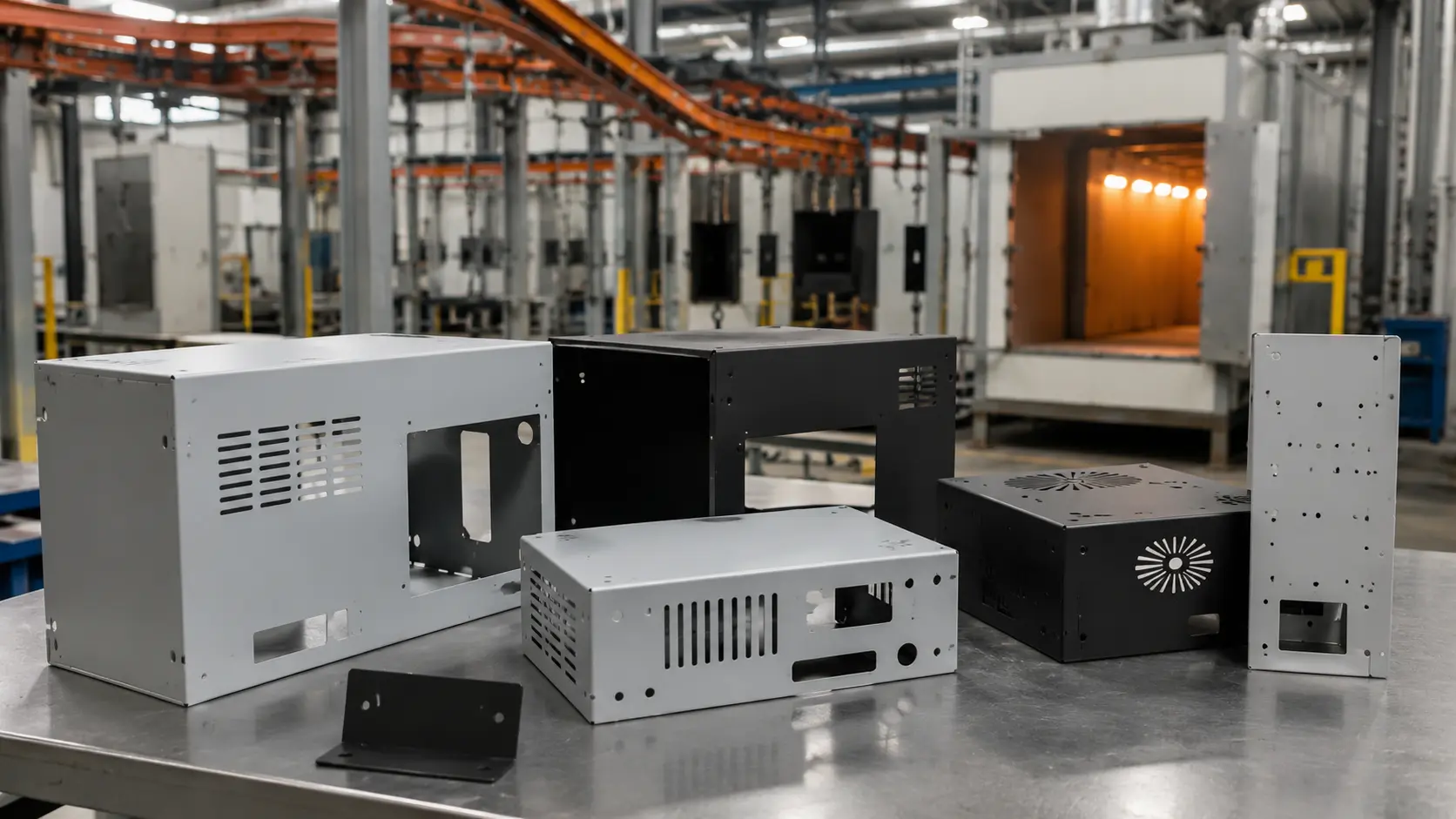
Powder Coating for Sheet Metal Enclosures: Process Flow, Design Guidelines, and Quality Standards
ShuangRui2026-07-10T02:21:46+00:00July 10, 2026|
Whether a sheet metal enclosure is used to house electrical components or communication equipment, it needs a surface [...]
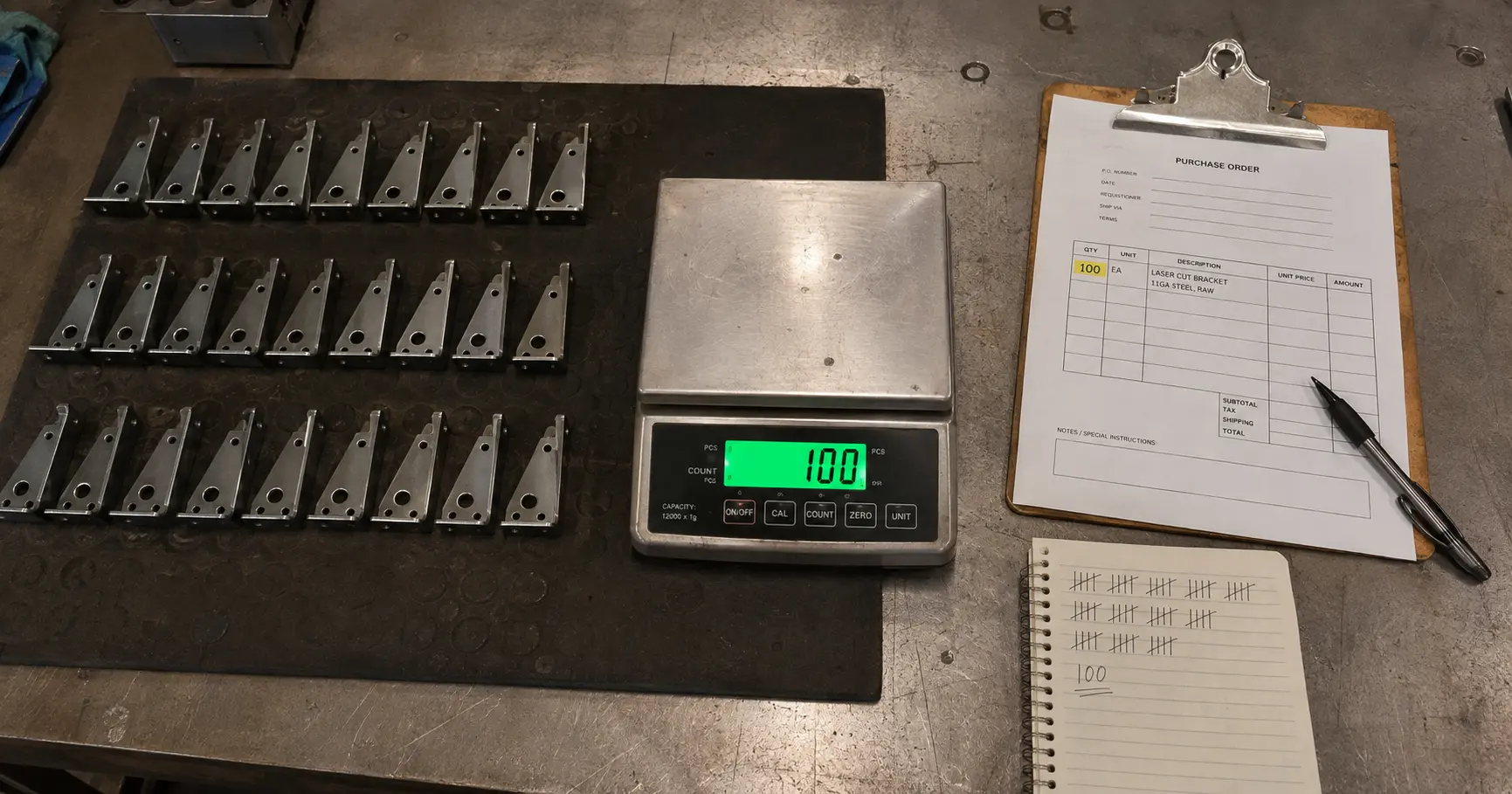
Sheet Metal Part Count Verification: How to Prevent Shortages and Shipping Disputes
ShuangRui2026-08-15T09:27:45+00:00August 13, 2026|
When a shipment of sheet metal parts arrives at your facility, how confident are you that the count [...]
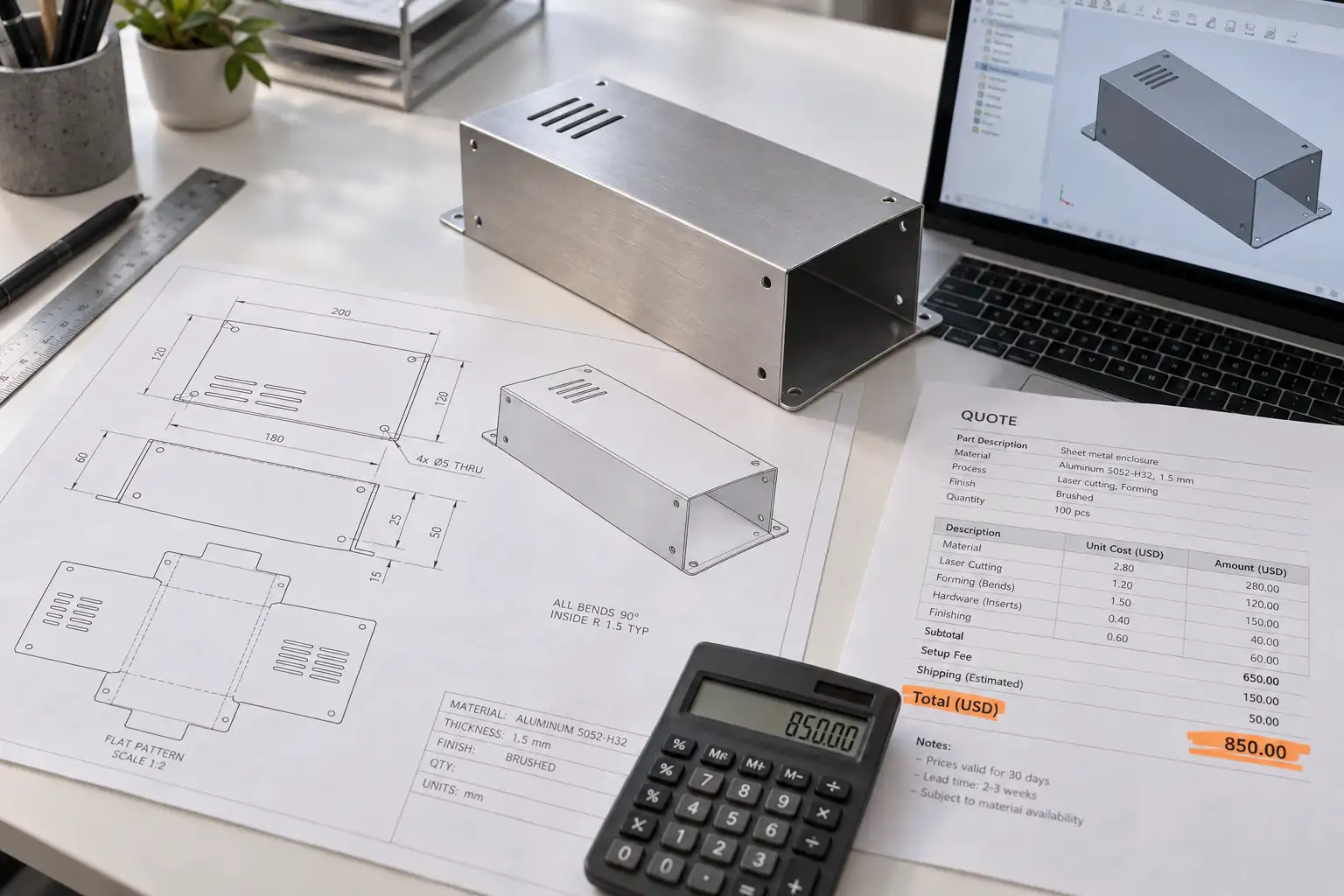
Cost Reduction Design Support Before Sheet Metal Quotation: How to Lower Cost Before You Send the RFQ
ShuangRui2026-10-12T02:56:31+00:00October 12, 2026|
You lock the enclosure model, mark the critical dimensions, and send the package out for quotes. The prices [...]
Order Quantity
ShuangRui2026-09-28T06:12:37+00:00October 5, 2026|
Search "order quantity" and the first page of results will teach you how to calculate an economic order [...]
