Metal Passivation Services
SR MFG provides controlled passivation for stainless steel and precision stainless steel parts to remove free iron, machining residues, and surface contaminants. The process helps restore a stable passive layer, improving corrosion resistance and reducing the risk of rust staining, pitting, or surface discoloration.
For projects requiring ASTM A967 or AMS 2700, we can align the passivation route, inspection records, and verification testing with your drawing, material grade, surface condition, and corrosion-resistance target.
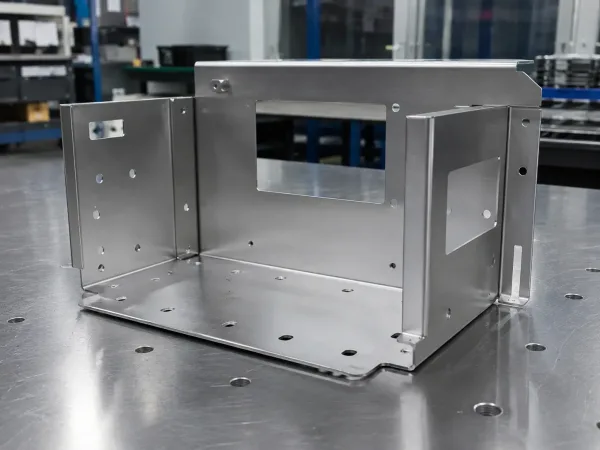
How We Select the Right Passivation Route
Different surface conditions require different process routes. The right option depends on alloy grade, oxide level, cleanliness target, and verification requirements.
Chemical Passivation
Minimal Surface Change- Best for clean stainless steel parts after machining, forming, or light fabrication
- Removes free iron and surface contamination
- Helps restore a stable passive surface with minimal appearance change
Typical use: General corrosion-resistance improvement
Pickling / Descaling + Passivation
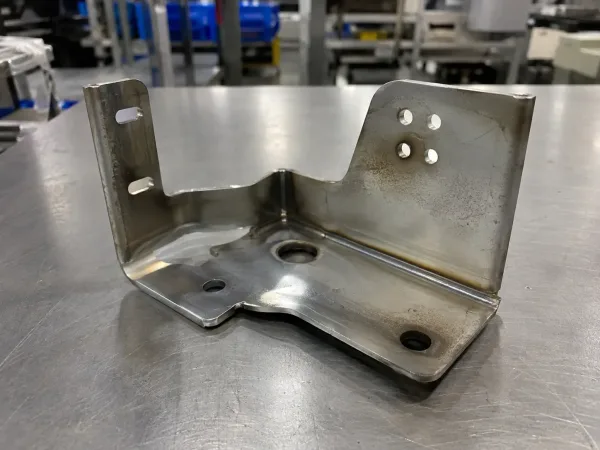
For Welded / Oxidized Parts- Best for parts with weld heat tint, oxide scale, or visible discoloration
- Pickling removes the affected surface layer before passivation
- Used when stronger oxide removal is needed before corrosion restoration
Typical use: Welded stainless steel parts
Electropolishing + Passivation
Higher Cleanliness Requirement- Best for demanding cleanliness, smoothness, or cosmetic consistency
- Refines the micro-surface before optional passivation
- Suitable for high-spec medical, food-contact, or appearance-critical parts
Typical use: Cleanability and cosmetic upgrade
Final route selection depends on alloy grade, surface condition, weld heat tint, oxide level, cleanliness target, appearance target, and applicable verification requirements.
Engineering review recommendedReady to Review Your Passivation Requirements?
Not sure which passivation route is suitable for your parts? Send us your drawings, alloy grade, surface condition, weld heat tint or oxide condition, applicable standard, cleanliness requirements, and validation criteria. Our engineering team will review the application and recommend a suitable passivation process.
Industries & Passivation Applications
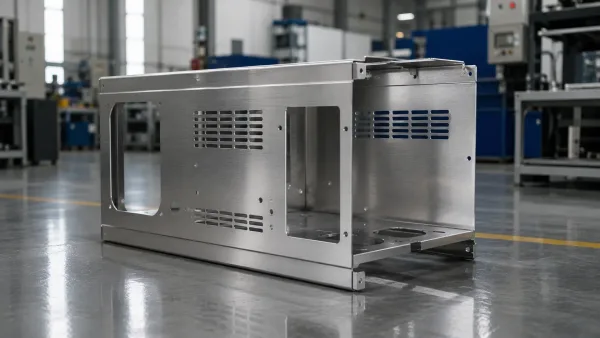
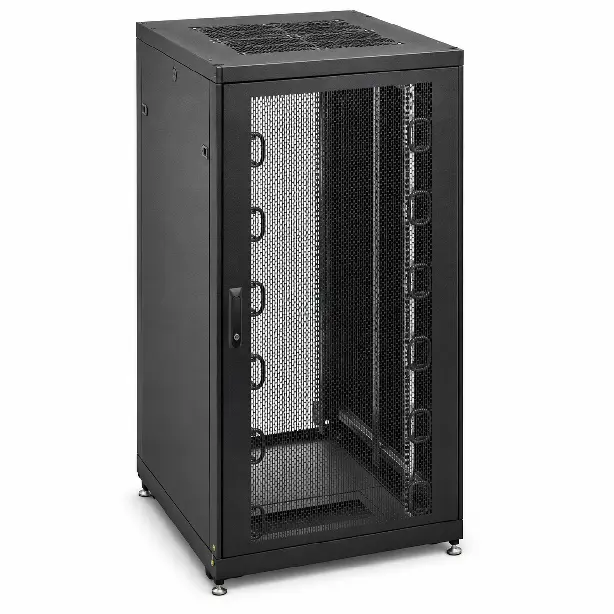
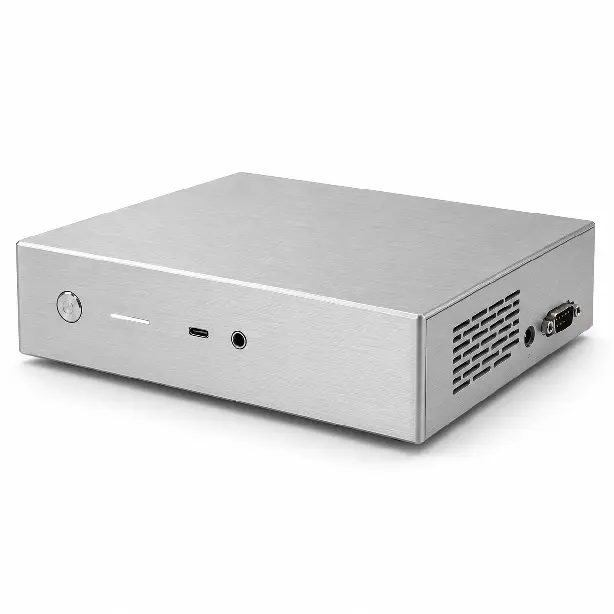
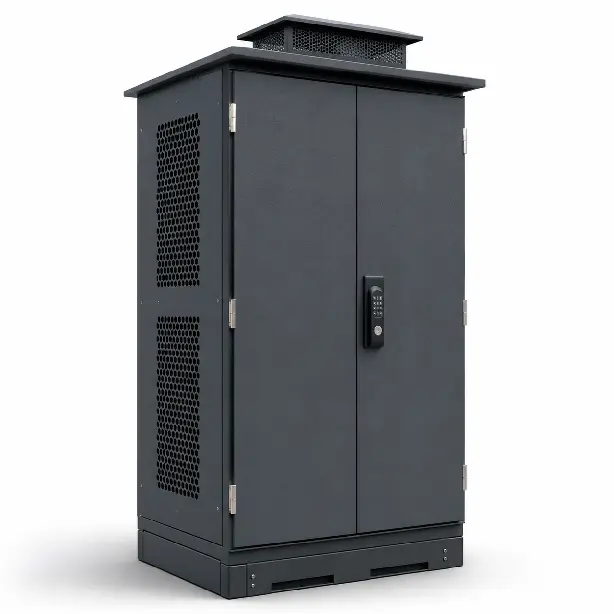
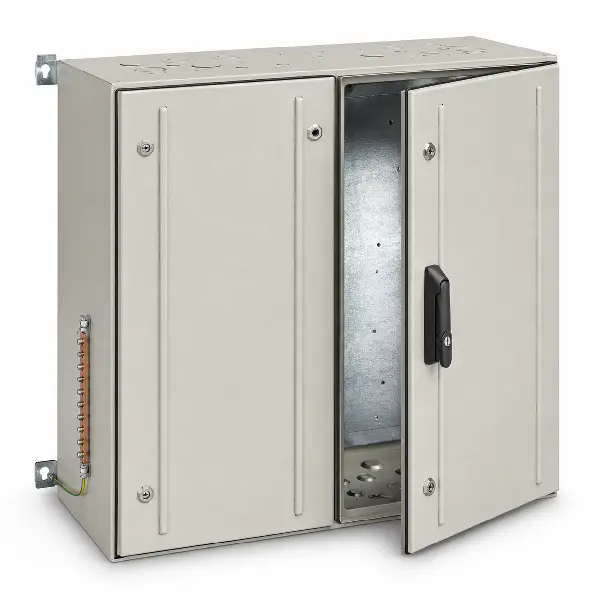
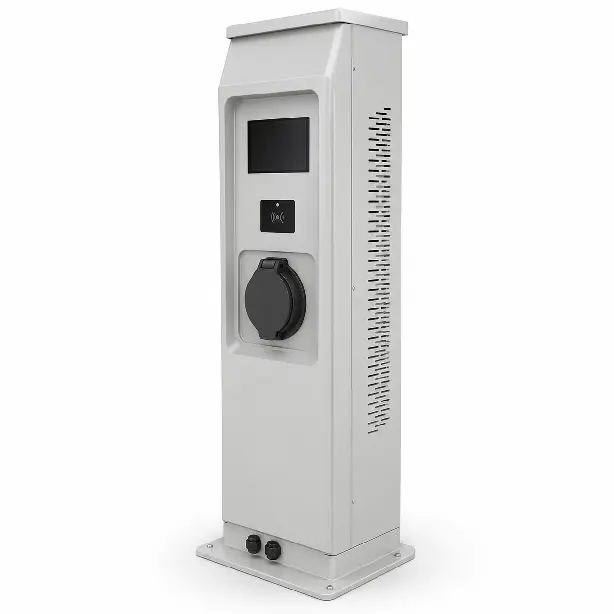
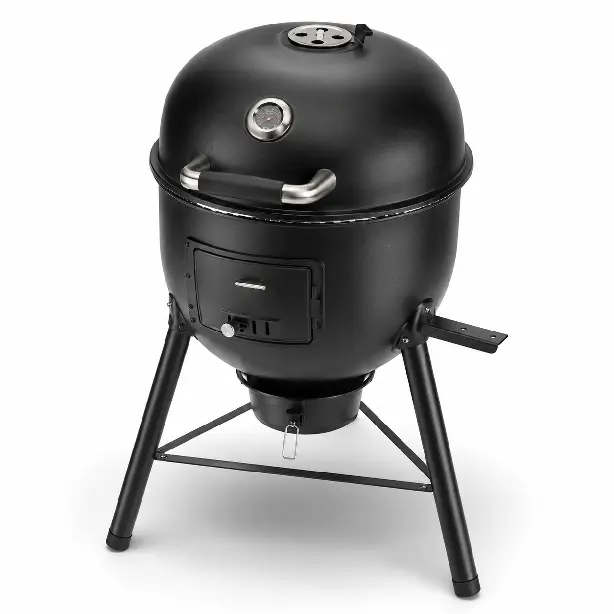
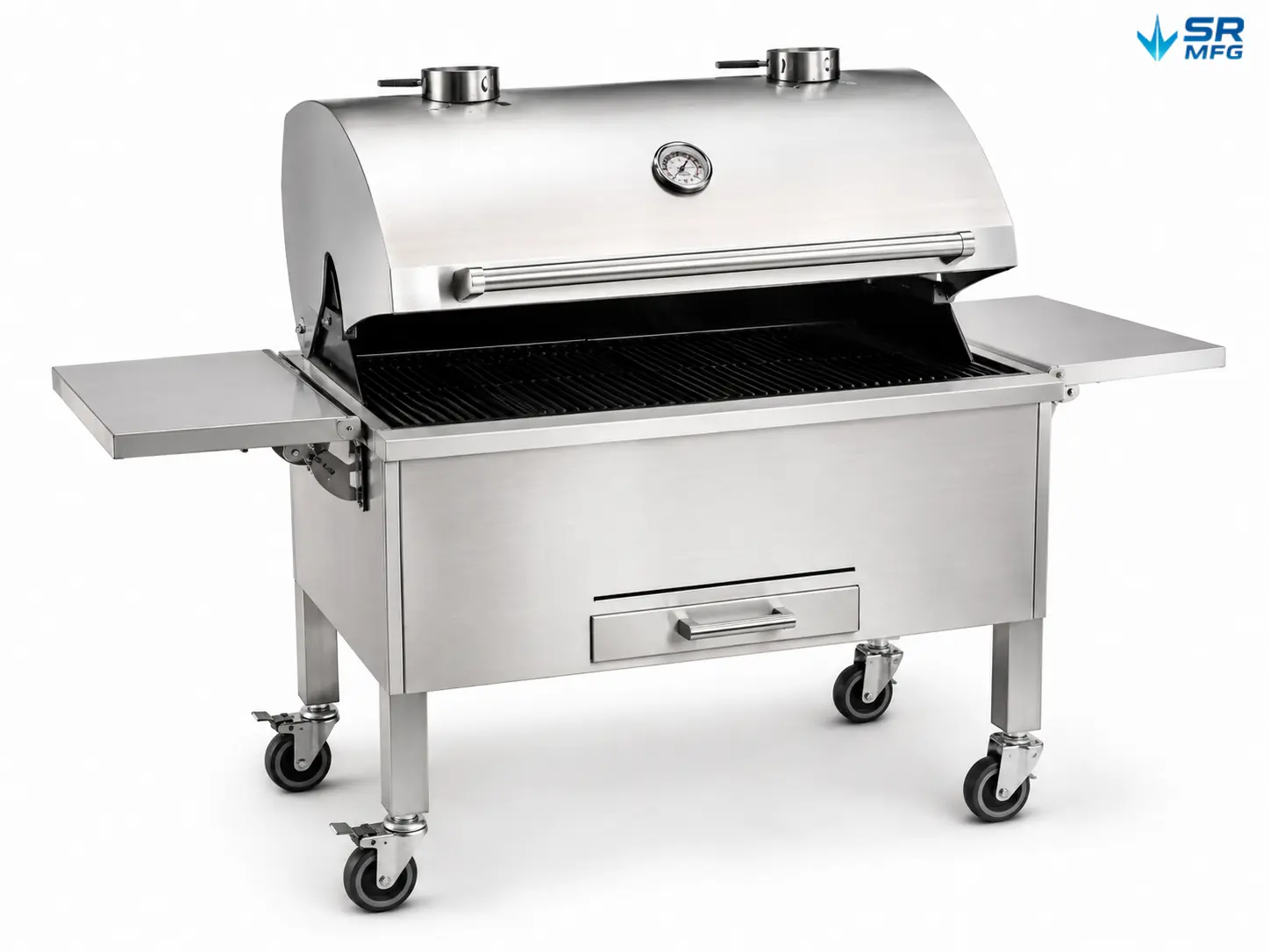
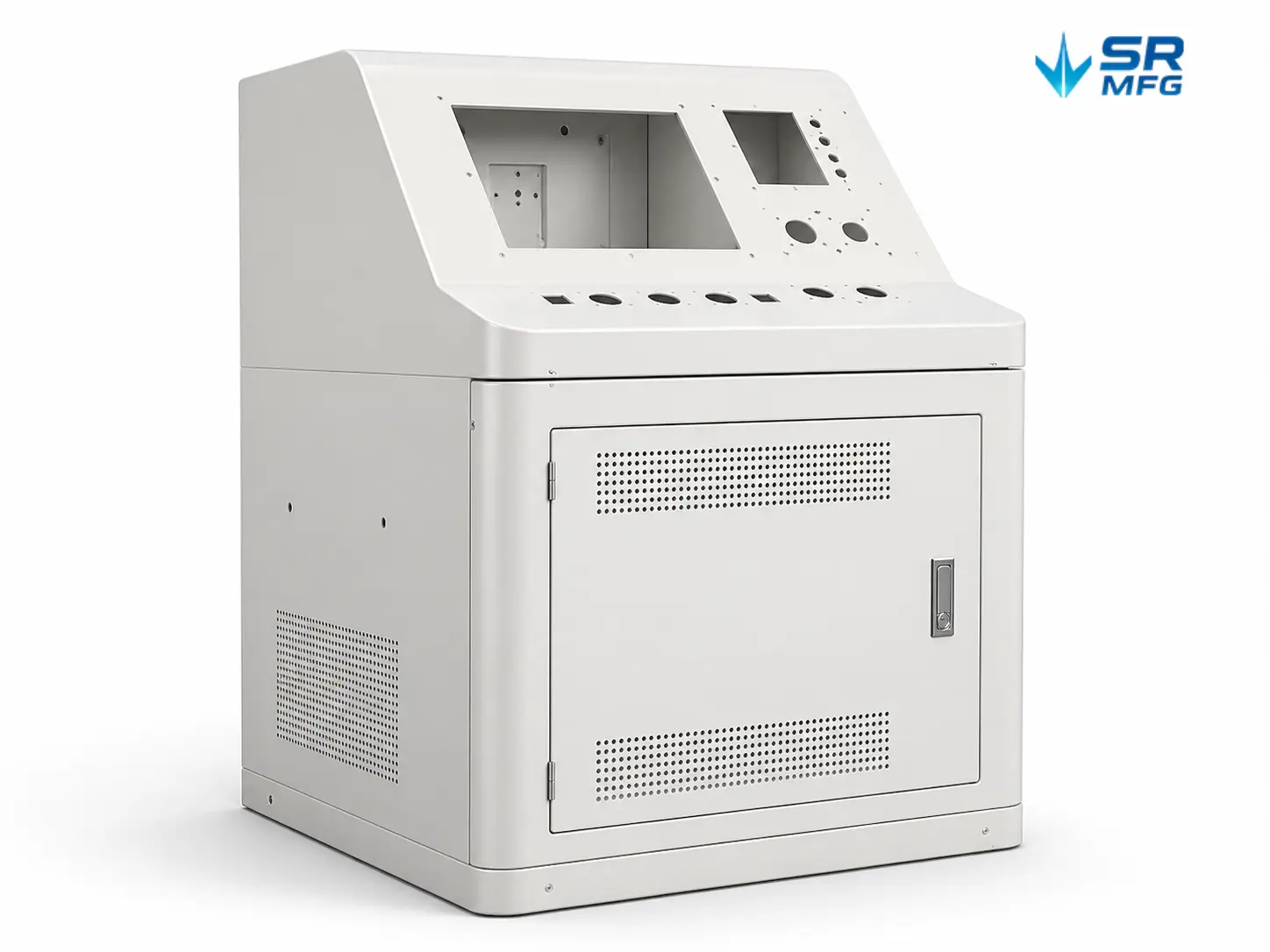
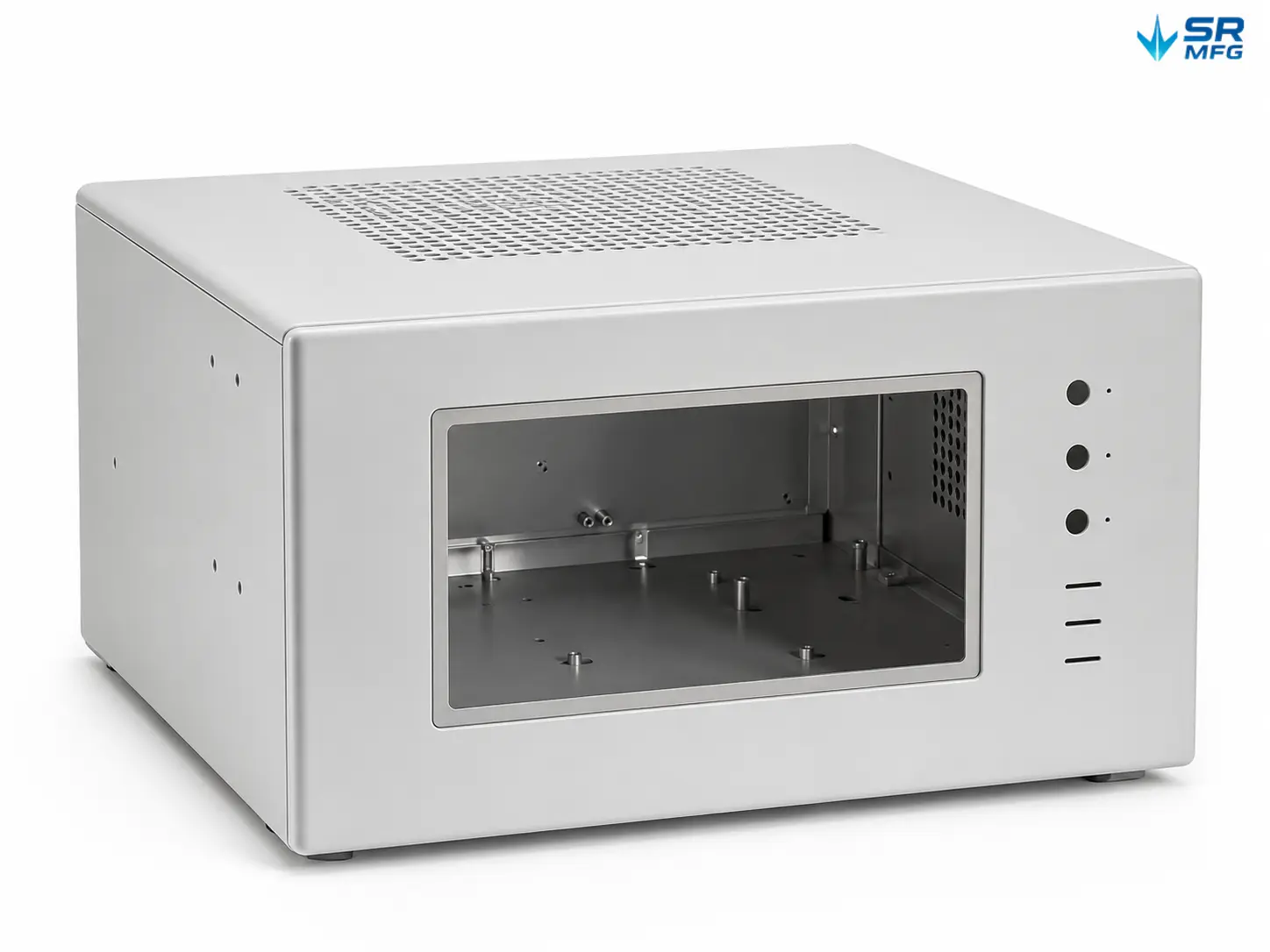
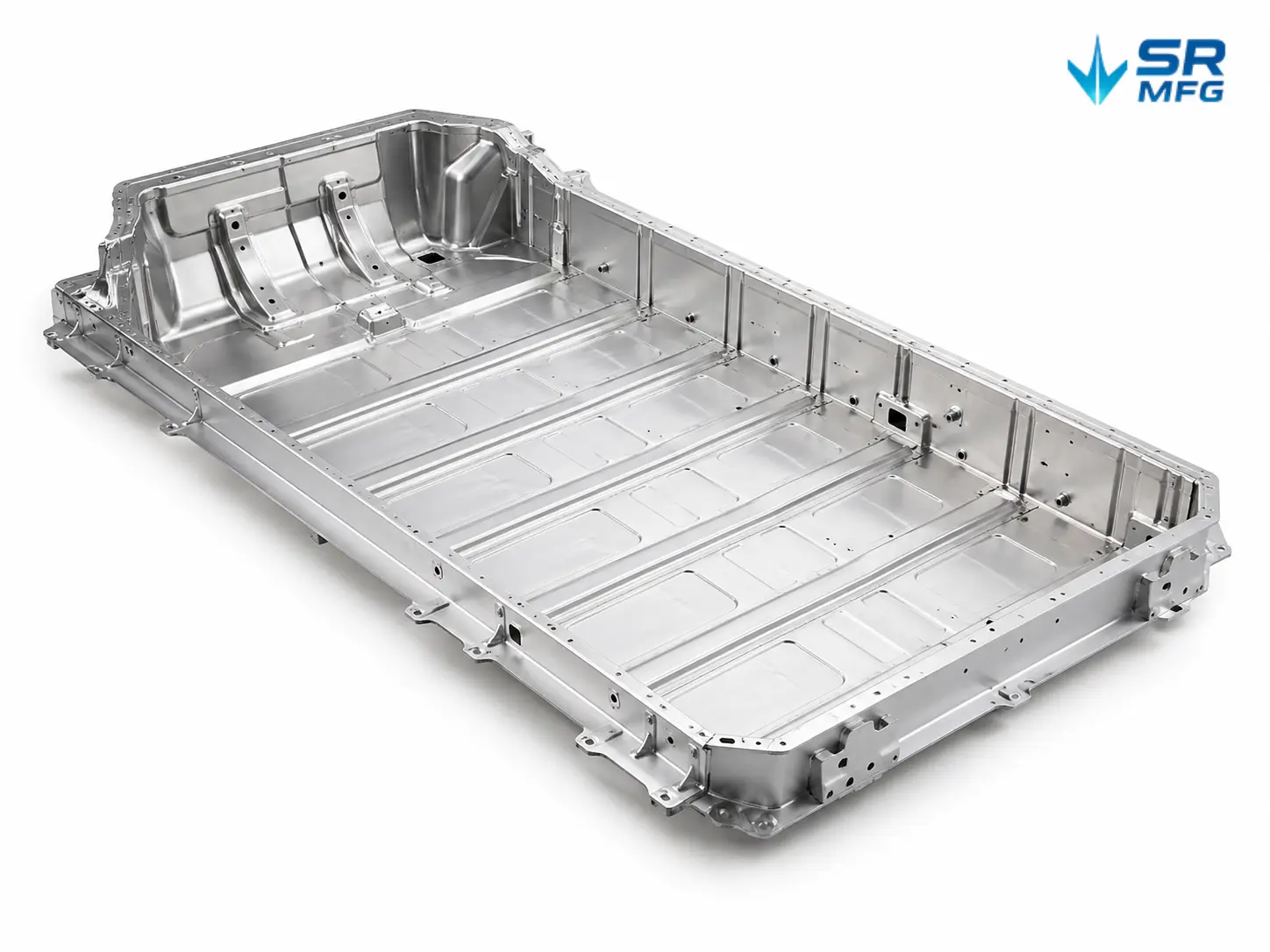
SR MFG provides passivation services for stainless steel sheet metal parts used in industrial equipment, electrical systems, outdoor products, medical equipment, food-related components, and precision assemblies. Passivation helps remove surface contaminants such as free iron and improves the corrosion resistance of stainless steel parts without significantly changing part dimensions.
We support both prototype validation and stable batch production for passivated metal components across multiple application sectors.