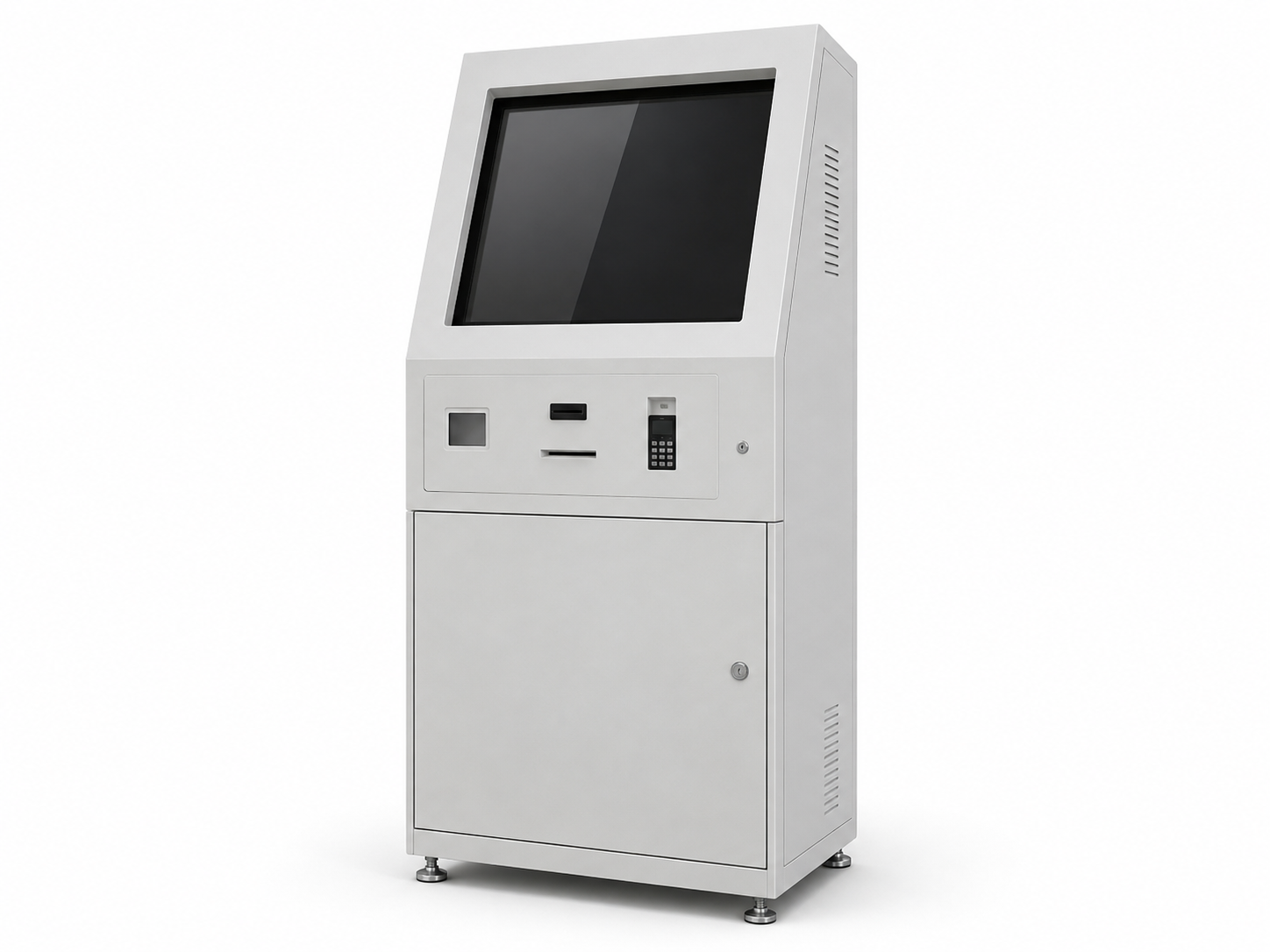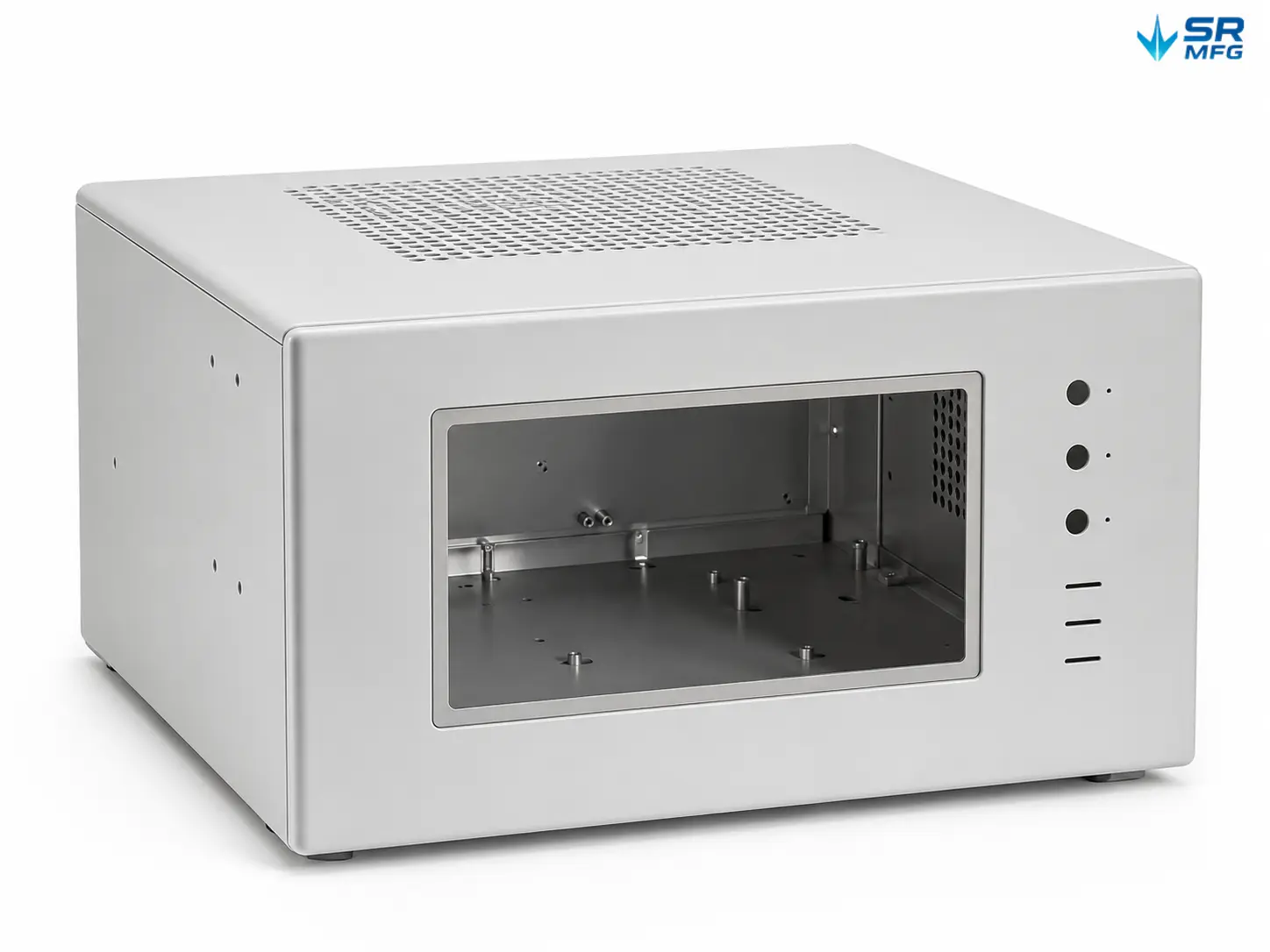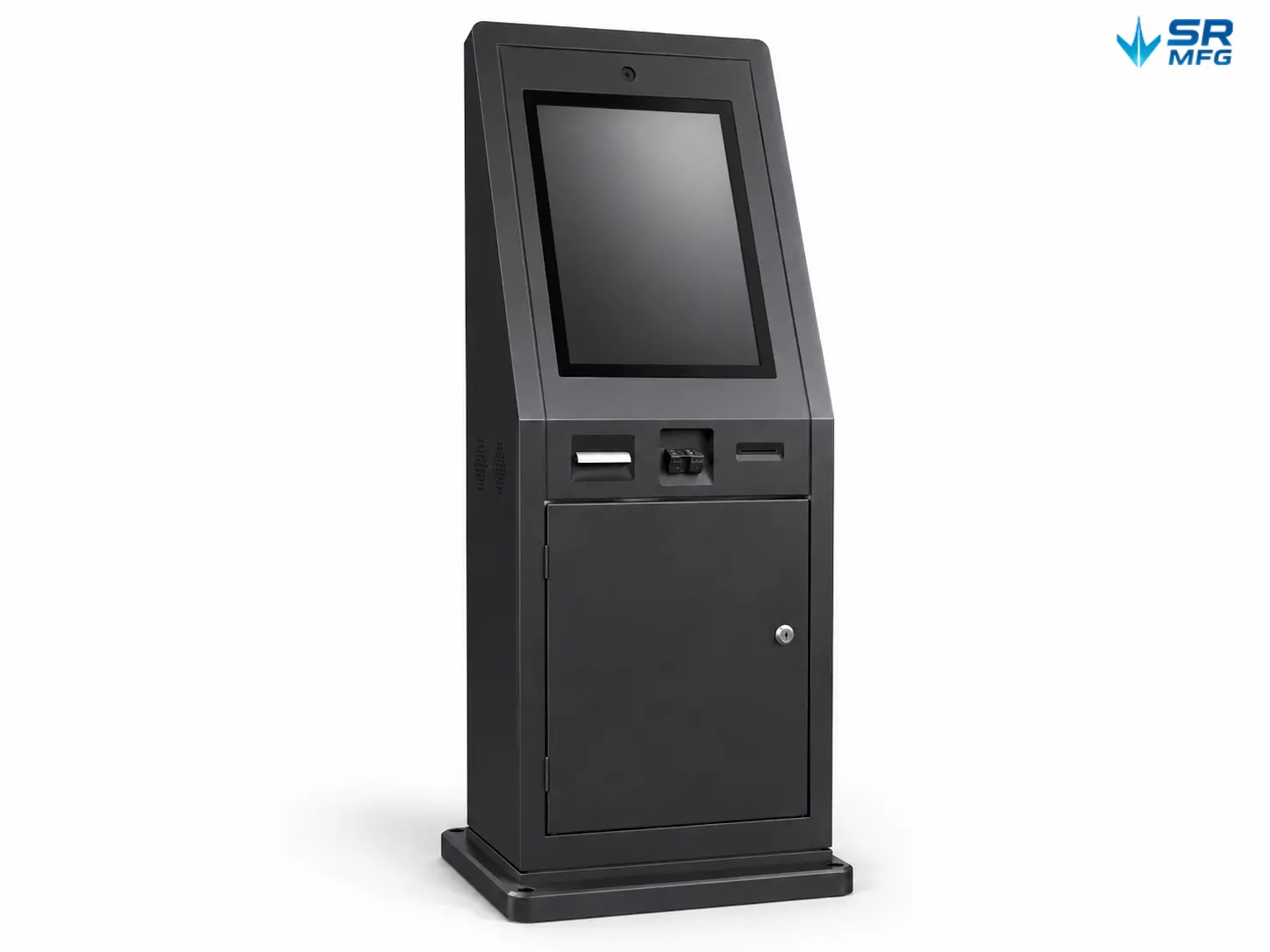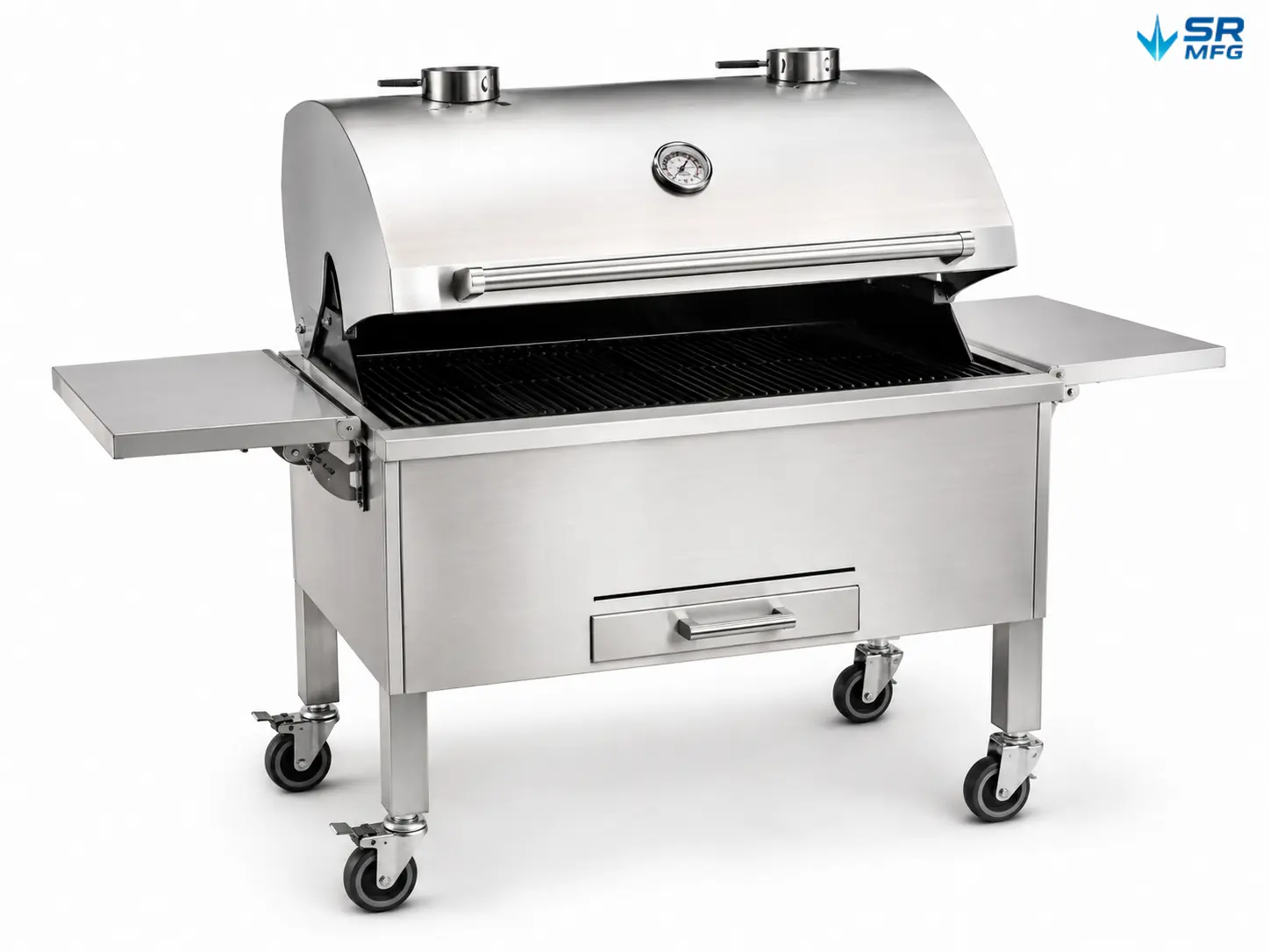
Partner with Shuangrui to reduce manufacturing costs by 30% and boost efficiency.

Sheet Metal Finishing Services2026-05-29T02:33:38+00:00

Surface Finishing Services for Sheet Metal Parts

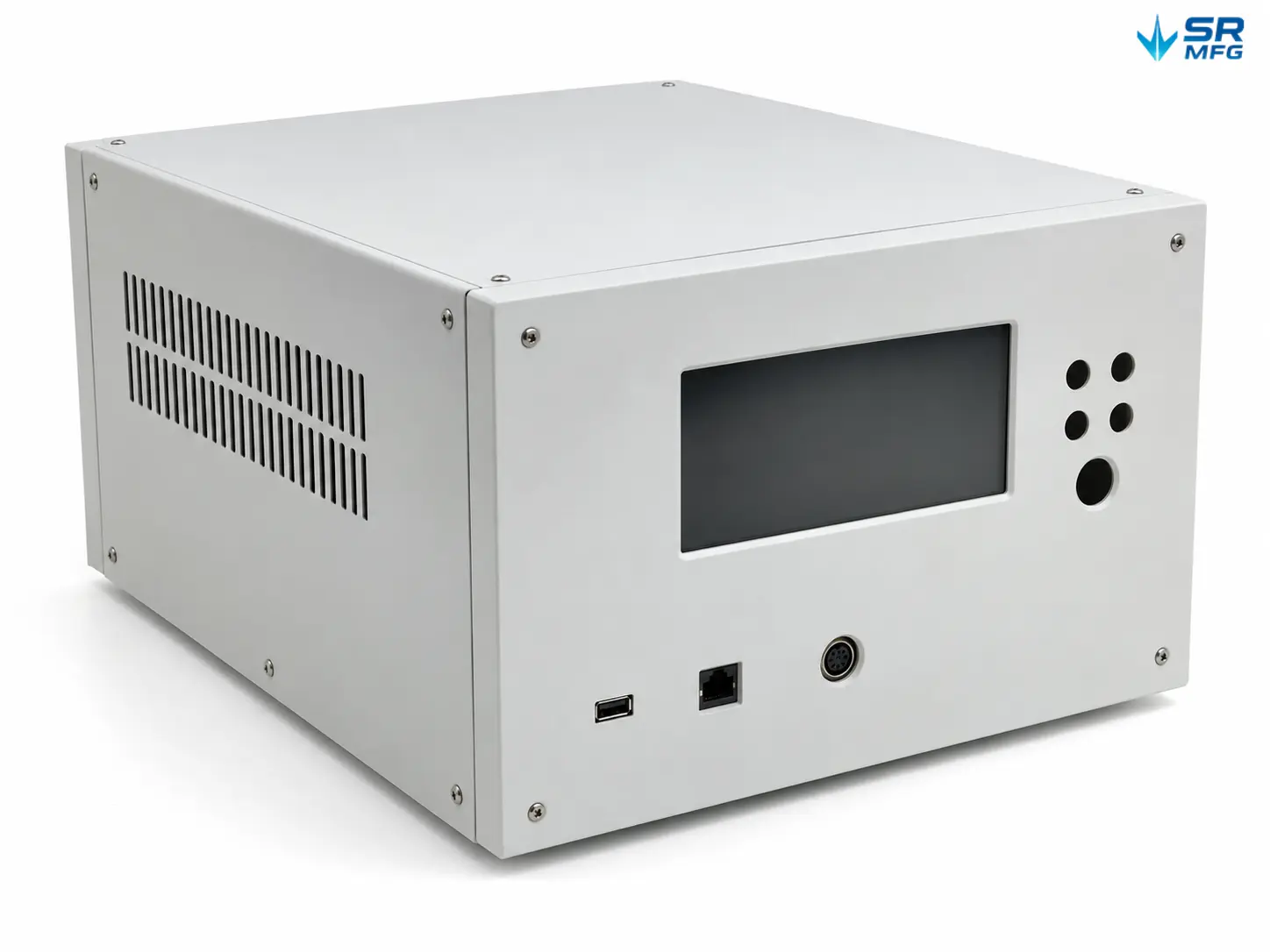
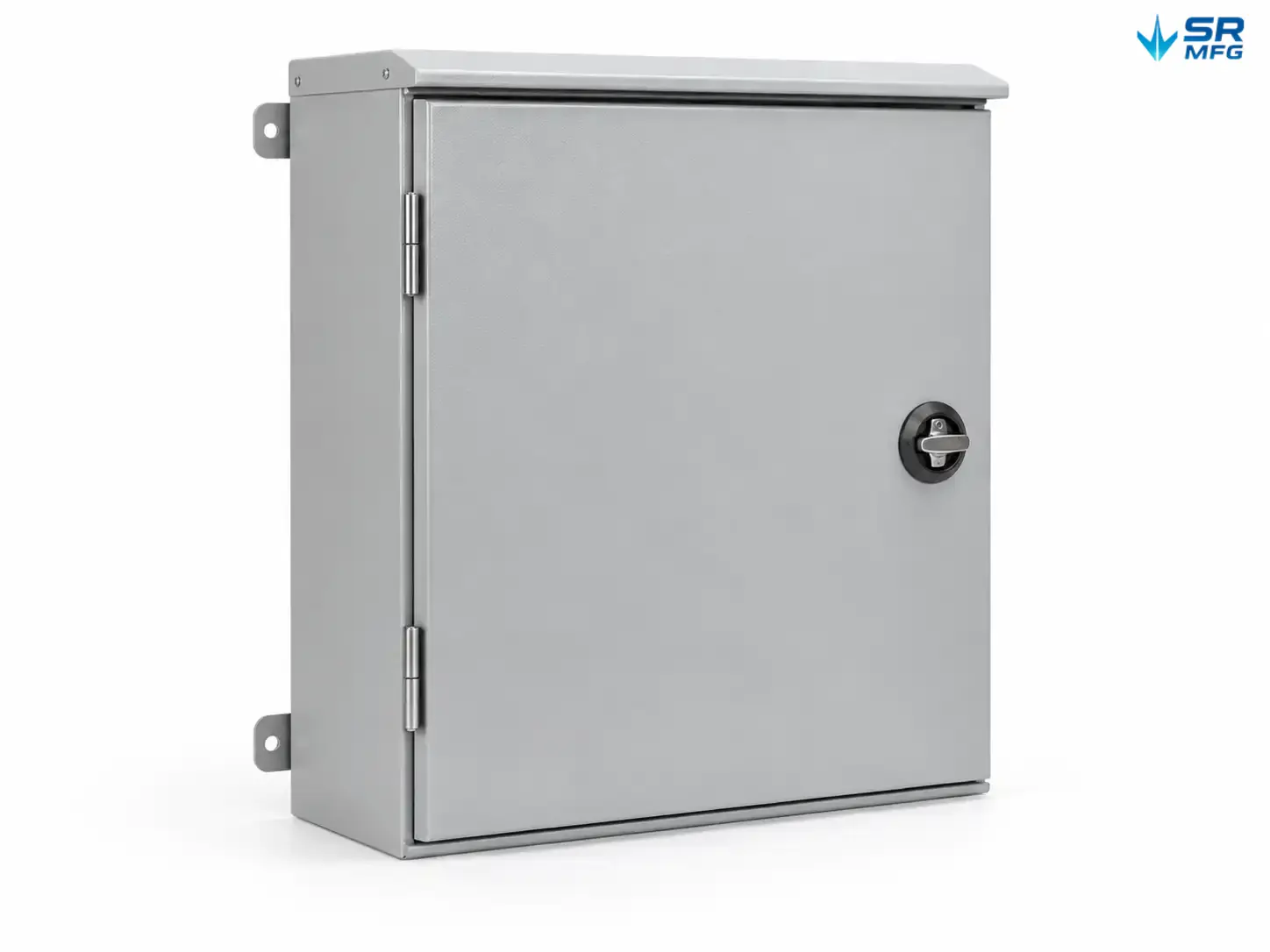
SR MFG provides integrated sheet metal surface finishing services, including powder coating, e-coating, anodizing, plating, painting, and pre-treatment. We help OEM customers achieve stable appearance, corrosion resistance, assembly compatibility, and traceable finishing quality for overseas projects.
From material selection and surface preparation to coating thickness control, masking, inspection, and documentation, our finishing process is coordinated with cutting, bending, welding, and final assembly to reduce fit-up issues and delivery risk.

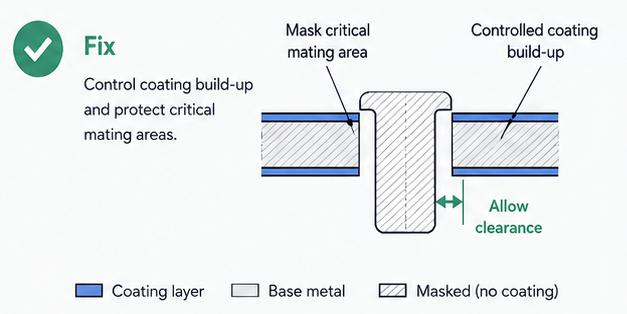
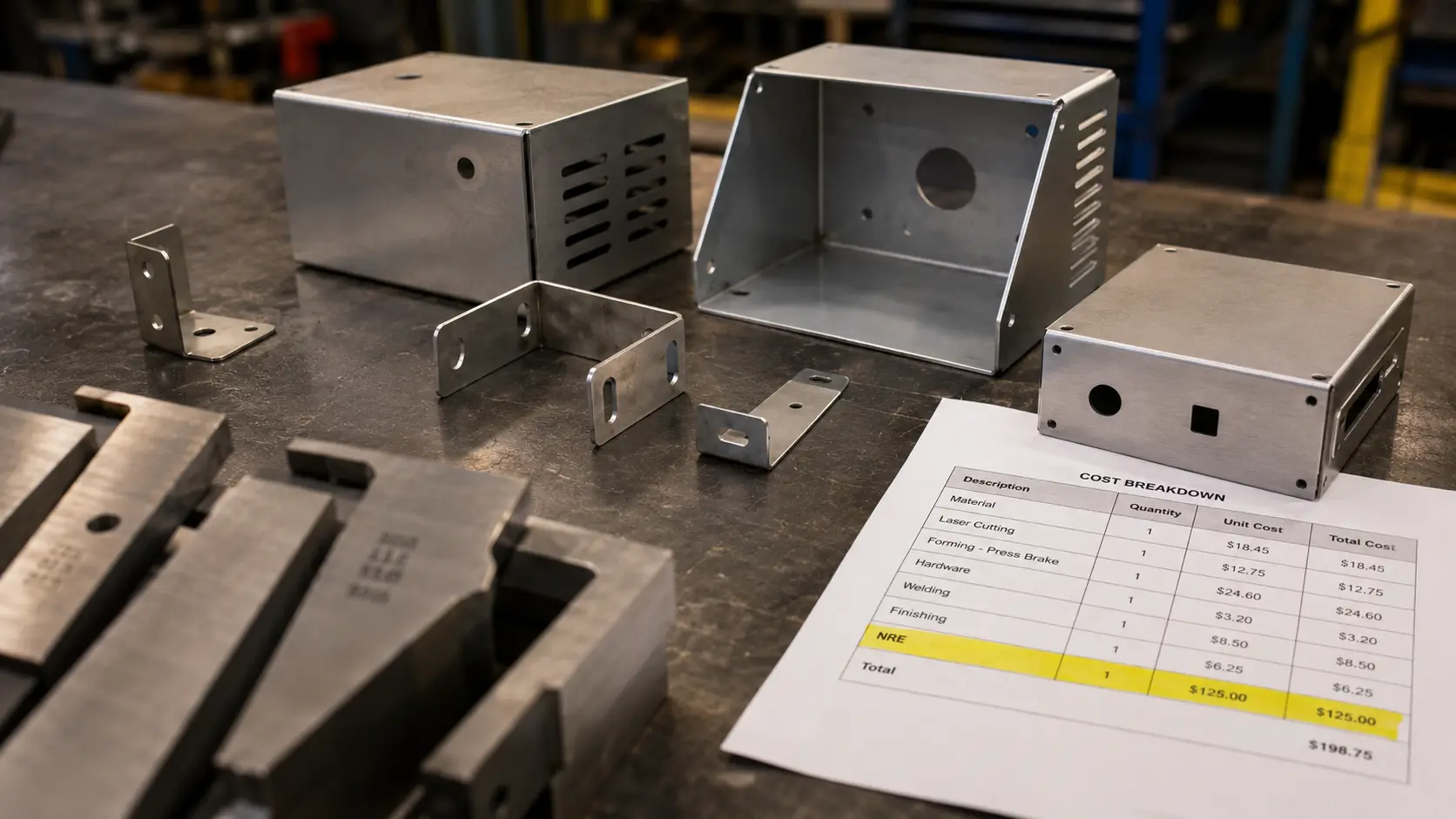
Controlled Coating Thickness

Coating build and masking are planned around assembly surfaces.

Corrosion Testing Support

Salt spray testing can be arranged when required.

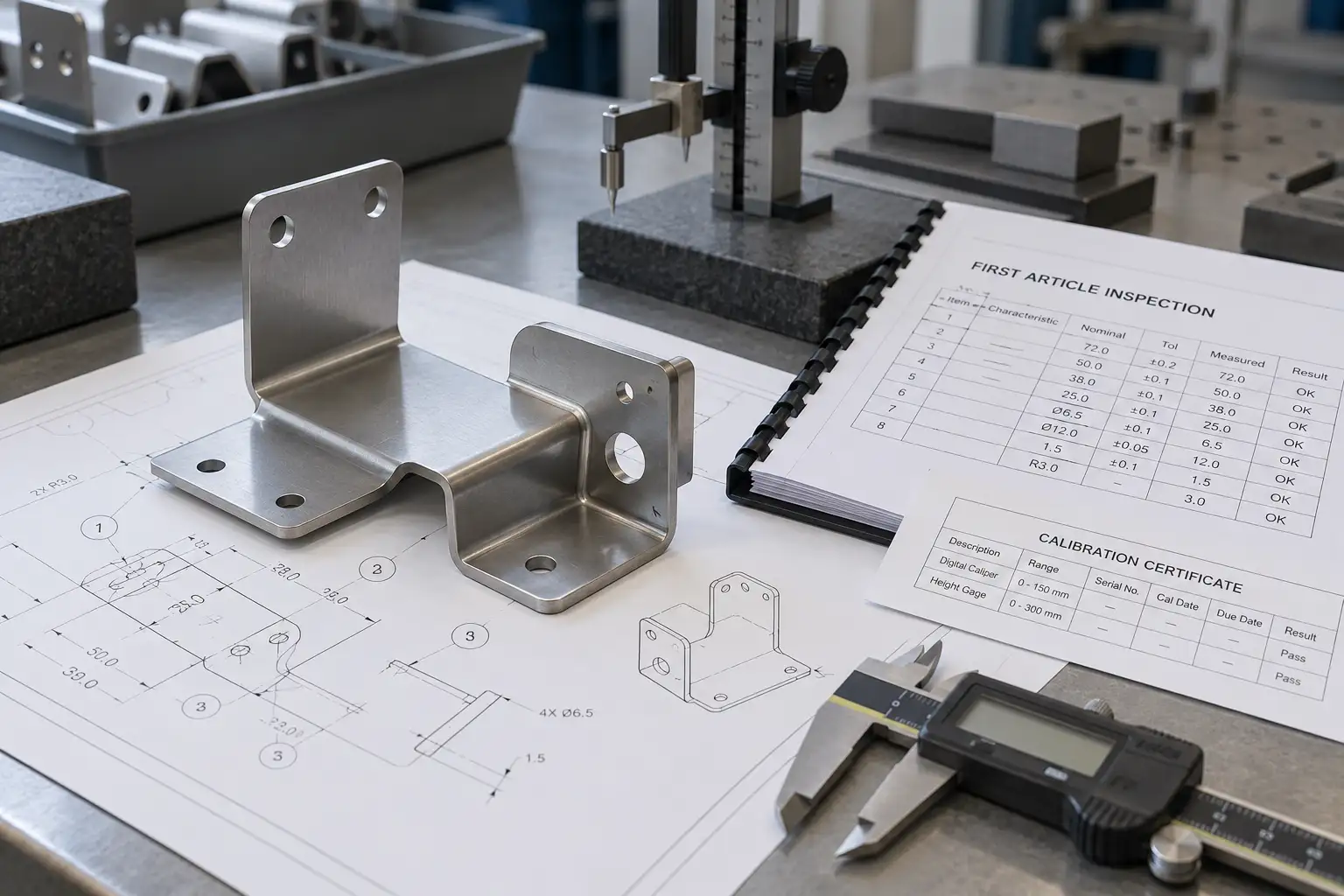
Inspection Records

Finishing inspection and reports support traceability.

Get a Custom Quote in 12 Hours

Upload your drawings for engineering review.

Blank Form (#4)

Why Choose SR MFG for Sheet Metal Finishing?

High-Quality, Reliable Delivery

FAI + IPQC + OQC inspection flow ensures consistent coating quality. Reports and testing available on request.

RAL / Pantone Color Matching

Physical samples for approval with standardized lighting and measurement procedures. Target ΔE tolerance defined per project.

One-on-One Engineering Support

Engineers recommend the right coating system and pretreatment based on your environment, goals, and cost targets.

One-Stop Finishing Options

Powder coating, wet painting, anodizing, e-coat, brushing, passivation, and more. One partner to manage quality and delivery.
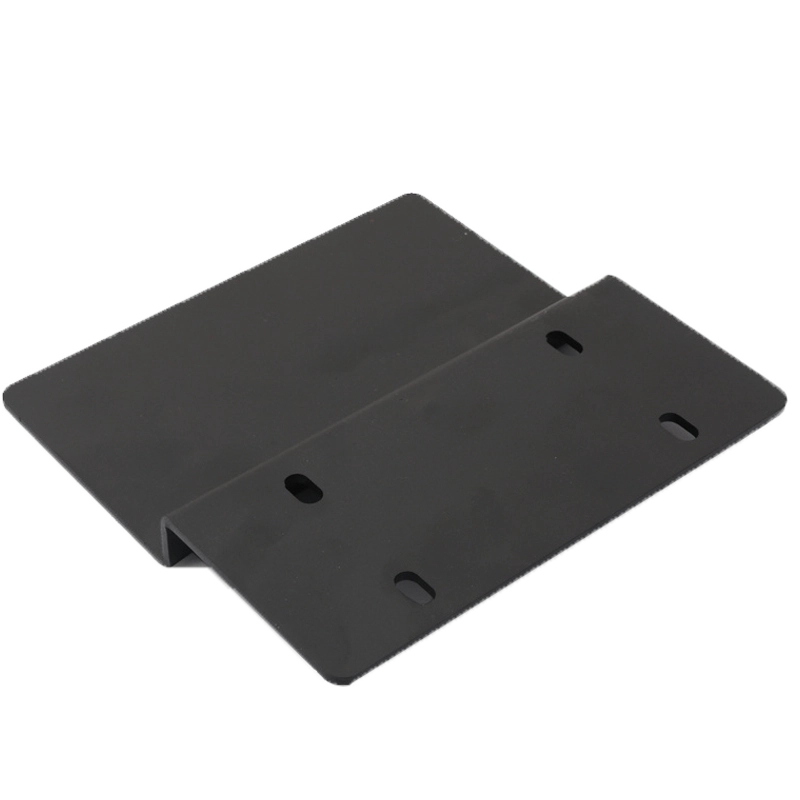
Metal stamped parts
Sheet Metal Finishing Supplier Comparison +

This comparison shows how SR MFG supports sheet metal finishing projects compared with traditional small shops and large contract manufacturers. The focus is on quality control, color consistency, process coverage, documentation, delivery reliability, and project fit.

Comparison Area SR MFG Traditional Small Shop Large Contract Manufacturer
Quality Control FAI + IPQC + OQC inspection flow
Inspection records and reports can be provided per project.
Processes and records may vary by supplier
More reliance on operator experience.
Strong quality systems
Workflows may be longer for smaller projects.
Color Matching Supports RAL / Pantone matching
Physical color sample approval and project-defined ΔE targets.
Color consistency often depends on technician experience
Batch-to-batch consistency may be unstable.
Strong color control capability
Sample approval often takes longer.
Process Coverage Powder coating as core
Wet painting, anodizing, plating, e-coat, brushing, and passivation can be coordinated through audited partners.
× Usually limited to 1–2 basic finishing processes. Broad process coverage
Often with MOQ or product category limitations.
Compliance & Documentation RoHS / REACH / Prop 65 statements and CoC as required
Third-party testing support and lot traceability available.
Limited ability to provide complete certifications or reports. Documentation is usually complete
External release workflows may be slower.
Lead-Time Reliability ERP management and lot traceability
Stable delivery from prototypes and small batches to mass production.
Lead times can fluctuate depending on staffing and workload. Generally stable lead times
Small orders may be scheduled behind large-volume programs.
Best Fit Mid-to-high-end products, export orders, high-mix production, cosmetic consistency, and compliance-driven projects. Low-end projects or simple finishing jobs with low documentation requirements. Mature high-volume programs with higher MOQ and strict process compliance requirements.
Reference only. The right finishing supplier depends on material, surface finish, color requirement, corrosion target, documentation needs, order volume, and delivery schedule.

Our Surface Finishing Capabilities

SR MFG operates an automated powder coating line with a multi-gun setup(Gema spray guns) and a refrigerated + desiccant air-drying system toensure stable, compressed-air quality and consistent results. We closelymonitor and control key parameters-temperature, humidity, airflow,and curing settings-to deliver excellent coating consistency andbatch-to-batch stability.
We verify quality with coating thickness and adhesion checks to yourrequirements and support salt spray testing when needed. For complianceand full traceability, we can provide material declarations (RoHS/REACH)and coordinate third-party testing (e.g., SGS) to help reduce yourexport compliance risk.

What This Means for Your Project

Stable Batch Appearance

Controlled air supply, curing settings, and coating process help keep color, gloss, and texture consistent across batches.

Assembly-Safe Coating Control

Masking and coating thickness control help reduce fit-up issues on threads, mating surfaces, holes, and contact areas.

Corrosion Risk Reduction

Pretreatment, coating selection, and optional salt spray validation help match the finish to indoor, outdoor, or humid use.

Export-Ready Documentation

Inspection records, material declarations, CoC, and third-party test support help simplify overseas receiving and compliance review.
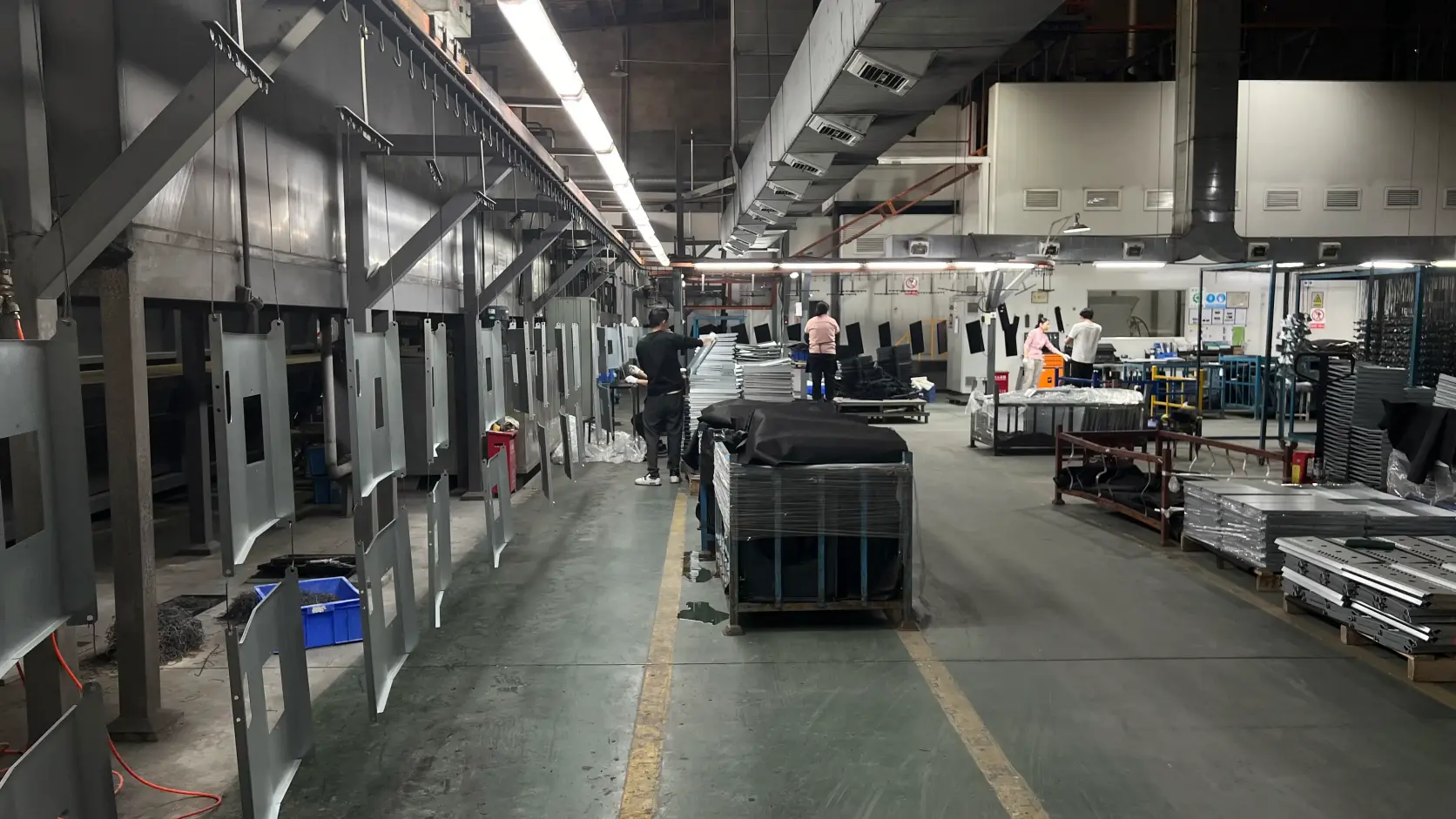
Automatic stamping production line
Core Capacity Estimates Based on 26 working days/month and 8 hours/day
+
Processing Scenario Line Speed
(m/min)
Part Density Effective Run Time
(hrs/day)
Yield Daily Output
(pcs)
Monthly Output
(pcs)
Typical Applications
Standard Metal Parts 2.0 2 pcs/m 7.2 96% 1,658 42,547 Small-to-medium metal parts with L/W ≤ 600 mm
Large Structural Metal Parts 1.0 1 pc per 2 m 7.2 95% 207 5,386 Large structural metal parts with L/W > 1200 mm
Complex-Process Metal Parts 0.8 1 pc/m 7.2 94% 325 8,441 High-end metal parts with curved surfaces and/or multi-layer coating systems
i
Capacity estimates are for reference only. Actual output depends on part size, coating system, color change frequency, masking requirements, curing time, inspection standards, and packaging requirements.

SURFACE FINISHING OPTIONS

Surface Finishing ProcessesWe Support

Different finishes require different materials, pretreatment, color standards, coating thickness, corrosion targets,and inspection requirements. SR MFG helps review your drawings and finish specs to recommend the right process.

Surface Finish Tolerances (Coating Build-Up Guide)

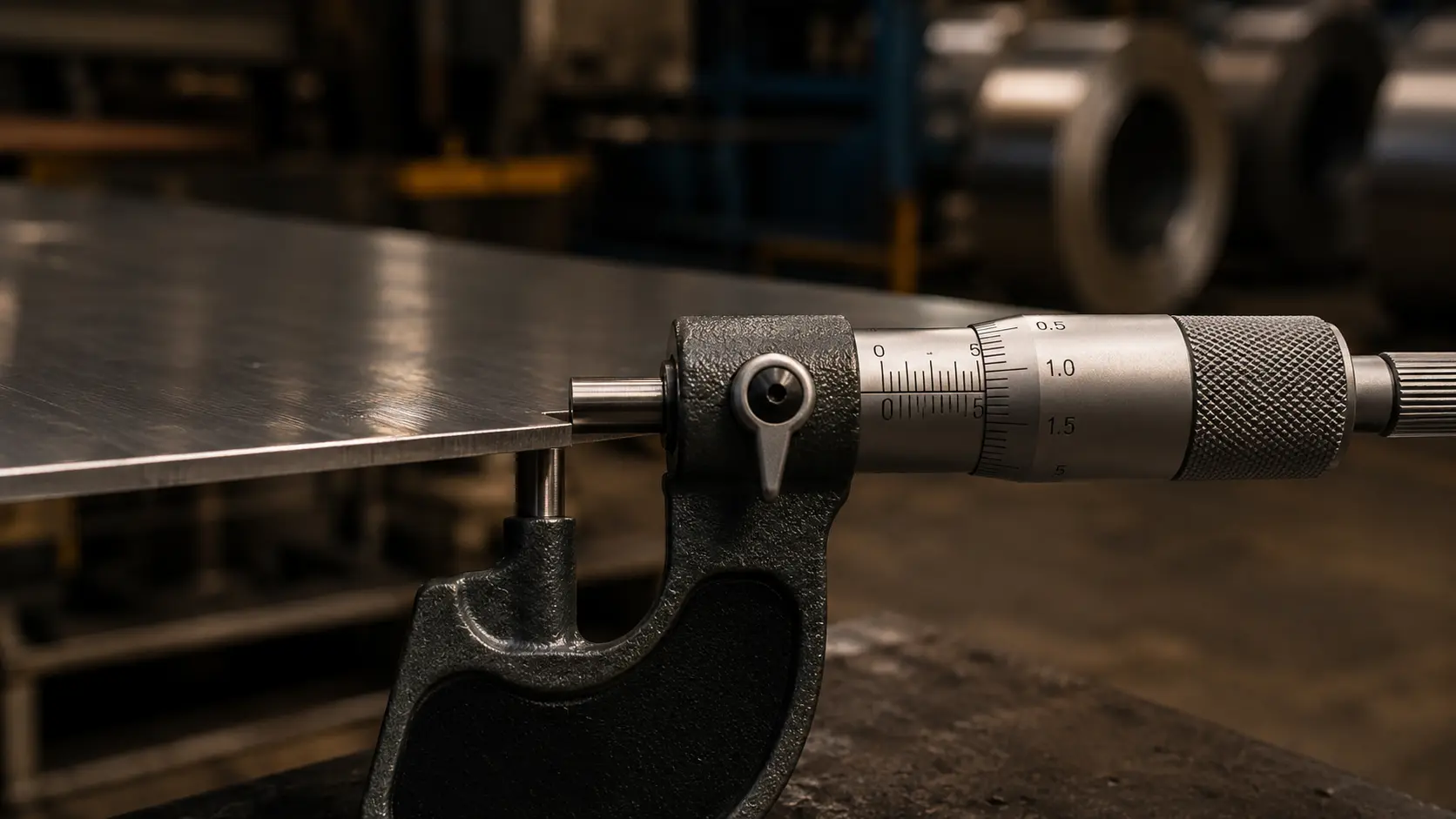
We typically control powder coating thickness at 60-100 um (typical 60±10 um).To balance assembly fit, corrosion protection, and cosmetic consistency,we recommend setting the target thickness by application:

Precision assemblies |Target: 40-60μm
Depending on edge coverage, geometry, and powder system,critical mating surfaces / grounding points can be masked.

Outdoor / heavy corrosion environments | Target: 80-120 μm
(Project-defined). Adhesion testing per GB/T 9286 / ISO 2409 /ASTM D3359 (target rating per spec).

Cosmetic parts
Color and gloss are controlled to the approved sample;△E and gloss tolerance are defined per project.
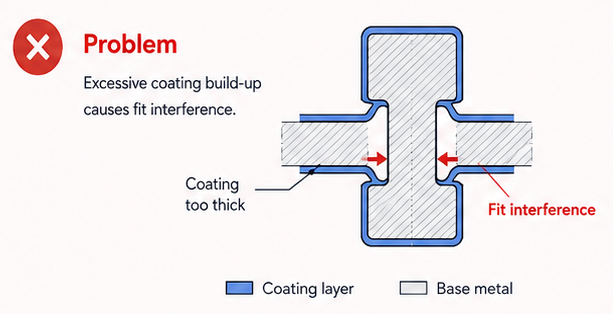
To ensure first-pass assembly success,please include in your RFQ:

  • 1

    Are drawing dimensions base metal or finished(after coating) dimensions?

  • 2

    CTQ features and mating / grounding areas(masking required or controlled build-up).

  • 3

    Use environment and target validation standard(indoor /outdoor / coastal/chemical exposure;salt spray requirement if applicable).

Project Delivery, Documentation & Packaging

SR MFG supports sheet metal finishing projects from sample approval to batch production, with delivery planning based on finish type, color approval, masking requirements, fixtures, inspection needs, and packaging standards. For export projects, we can also provide finishing-related records and documentation upon request to support receiving inspection, traceability, and compliance review.

Lead Time & MOQ

Scheduling depends on finish type, color approval, masking complexity, fixtures, and testing needs.

Documents Available
on Request

FAI reports, coating thickness records, inspection reports, declarations, CoC, traceability, and test reports.

Packaging & Shipping

PE bags, bubble wrap, cartons, edge protection, partitions, palletizing, barcode labels, and export markings.

Lead Time Reference +
Order Type Typical Volume Standard Lead Time* Expedited*
Sample / Prototype 1–3 pcs 24–48 hours Evaluated case-by-case
Small Batch ≤500 pcs 3–5 days Evaluated case-by-case
Production >500 pcs 5–7 days By agreement
Special Finish / Special Validation +2–3 days Not always available
i
Lead time depends on sample approval, masking complexity, fixtures, coating system, color change, inspection requirements, and testing requirements.

Materials for Sheet Metal Finishing

Below are the common sheet/plate materials SR MFG supports for fabrication and finishing. If your grade is not listed, send the spec—we can evaluate and recommend a suitable finishing route.

Materials We Commonly Finish

Common materials for surface finishing include carbon steel, galvanized steel, aluminum alloys, and stainless steels. For best results, material type, surface condition, coating requirements, and application environment should be reviewed together before production.

  • Carbon Steel

  • Galvanized Steel

  • Aluminum Alloys

  • Stainless Steels

  • Specialty Coated Steels

Carbon Steel

Common Grades: SPCC / DC01 / ASTM A1008
Thickness (mm): 0.25–3.2 mm
Typical thickness: 0.8 / 1.0 / 1.2 / 1.5 / 2.0 / 3.0 mm
Recommended Finishes: Powder coating, baking paint, electrophoresis, electroless nickel, trivalent zinc plating, black oxide
Notes (Key Considerations): Bare cold rolled steel has poor corrosion resistance and usually requires surface protection; cleaning, degreasing, and rust prevention should be controlled before finishing.

View material details →

Common Grades: Q235B / SS400 / ASTM A36 / S235JR
Thickness (mm): 1.5–10.0 mm
Typical thickness: 2.0 / 3.0 / 4.0 / 5.0 / 6.0 / 8.0 / 10.0 mm
Recommended Finishes: Powder coating, painting, zinc-rich primer, hot-dip galvanizing, black oxide
Notes (Key Considerations): Hot rolled steel may have mill scale and rougher surface texture; pickling, blasting, or surface grinding may be required before painting or coating.

Common Grades: SPHC-P / DD11 / ASTM A1011 P&O
Thickness (mm): 1.0–6.0 mm
Typical thickness: 1.5 / 2.0 / 2.5 / 3.0 / 4.0 / 5.0 / 6.0 mm
Recommended Finishes: Powder coating, painting, electrophoresis, zinc plating, black oxide
Notes (Key Considerations): Better surface condition than ordinary hot rolled steel; oil film must be removed before coating, plating, or welding-related surface finishing.

Common Grades: Q355 / S355 / ASTM A572
Thickness (mm): 2.0–12.0 mm
Typical thickness: 3.0 / 4.0 / 5.0 / 6.0 / 8.0 / 10.0 / 12.0 mm
Recommended Finishes: Powder coating, painting, zinc-rich primer, hot-dip galvanizing
Notes (Key Considerations): Surface treatment is usually required for corrosion protection; for structural parts, coating thickness, edge coverage, and weld area protection should be reviewed carefully.

Galvanized Materials

Common Grades: SGCC / DX51D+Z / ASTM A653
Thickness (mm): 0.4–3.2 mm
Typical thickness: 0.8 / 1.0 / 1.2 / 1.5 / 2.0 / 2.5 / 3.0 mm
Recommended Finishes: Passivation, powder coating, painting, protective coating repair
Notes (Key Considerations): Zinc coating already provides corrosion protection; if additional painting or powder coating is required, surface pretreatment and adhesion must be controlled.

 View material details →

Common Grades: SECC / DX51D+ZE
Thickness (mm): 0.4–3.0 mm
Typical thickness: 0.8 / 1.0 / 1.2 / 1.5 / 2.0 / 2.5 / 3.0 mm
Recommended Finishes: Powder coating, baking paint, electrophoresis, passivation
Notes (Key Considerations): Uniform zinc coating provides good appearance and paintability; commonly used for cabinets, enclosures, and indoor sheet metal parts.

View material details →

Common Grades: DX51D+ZF / ASTM A653 A40 / A60
Thickness (mm): 0.6–3.0 mm
Typical thickness: 0.8 / 1.0 / 1.2 / 1.5 / 2.0 / 2.5 / 3.0 mm
Recommended Finishes: Powder coating, painting, electrophoresis
Notes (Key Considerations): Good paint adhesion and weldability; suitable for parts that require both forming/welding and stable downstream coating performance.

Common Grades: DX51D+AZ / ASTM A792
Thickness (mm): 0.5–3.0 mm
Typical thickness: 0.8 / 1.0 / 1.2 / 1.5 / 2.0 / 2.5 / 3.0 mm
Recommended Finishes: Passivation, painting, powder coating, protective coating repair
Notes (Key Considerations): Aluminum-zinc coating provides good atmospheric corrosion resistance; cut edges, punched holes, and welded areas may require additional protection.

Aluminum Alloys

Common Grades: 5052-H32 / 5052-H34
Thickness (mm): 0.5–6.0 mm
Typical thickness: 1.0 / 1.2 / 1.5 / 2.0 / 2.5 / 3.0 / 4.0 / 5.0 / 6.0 mm
Recommended Finishes: Anodizing, powder coating, brushing, polishing, sandblasting, chemical conversion coating
Notes (Key Considerations): Good corrosion resistance and good surface finishing compatibility; suitable for enclosures, panels, marine-related parts, and outdoor aluminum components.

 View material details →

Common Grades: 6061-T6 / 6061-T651
Thickness (mm): 1.0–10.0 mm
Typical thickness: 2.0 / 3.0 / 4.0 / 5.0 / 6.0 / 8.0 / 10.0 mm
Recommended Finishes: Anodizing, hard anodizing, powder coating, sandblasting, brushing, polishing, chemical conversion coating
Notes (Key Considerations): Good for structural aluminum parts and machined sheet metal components; anodized color may vary between batches and between sheet and machined surfaces.

 View material details →

Common Grades: 3003-H14 / 3003-H24
Thickness (mm): 0.5–4.0 mm
Typical thickness: 0.8 / 1.0 / 1.2 / 1.5 / 2.0 / 2.5 / 3.0 / 4.0 mm
Recommended Finishes: Anodizing, powder coating, painting, brushing, polishing
Notes (Key Considerations): Easy to form and suitable for light-duty aluminum sheet metal parts; surface scratches and handling marks should be controlled before decorative finishing.

View material details →

Common Grades: 5754-H22 / 5754-H111
Thickness (mm): 0.8–6.0 mm
Typical thickness: 1.0 / 1.2 / 1.5 / 2.0 / 2.5 / 3.0 / 4.0 / 5.0 / 6.0 mm
Recommended Finishes: Anodizing, powder coating, painting, brushing, sandblasting
Notes (Key Considerations): Good corrosion resistance and forming performance; suitable for transportation, outdoor covers, panels, and marine-related components.

Common Grades: 1060-H24 / 1100-H14
Thickness (mm): 0.3–3.0 mm
Typical thickness: 0.5 / 0.8 / 1.0 / 1.2 / 1.5 / 2.0 / 2.5 / 3.0 mm
Recommended Finishes: Anodizing, polishing, brushing, powder coating, chemical conversion coating
Notes (Key Considerations): Excellent formability and good surface treatment compatibility, but relatively low strength; suitable for decorative, electrical, and non-structural parts.

View material details →

Stainless Steels

Common Grades: 304 / 304L
Thickness (mm): 0.4–6.0 mm
Typical thickness: 0.8 / 1.0 / 1.2 / 1.5 / 2.0 / 2.5 / 3.0 / 4.0 / 5.0 / 6.0 mm
Recommended Finishes: Brushing, polishing, mirror polishing, passivation, bead blasting, electropolishing
Notes (Key Considerations): Good corrosion resistance and excellent decorative finishing compatibility; surface scratches, welding discoloration, and fingerprint marks should be controlled.

View material details →

Common Grades: 316 / 316L
Thickness (mm): 0.4–6.0 mm
Typical thickness: 0.8 / 1.0 / 1.2 / 1.5 / 2.0 / 2.5 / 3.0 / 4.0 / 5.0 / 6.0 mm
Recommended Finishes: Brushing, polishing, passivation, bead blasting, electropolishing
Notes (Key Considerations): Better corrosion resistance than 304, especially in chloride or outdoor environments; suitable for marine, chemical, medical, and high-corrosion applications.

View material details →

Common Grades: 201 / 201J1 / 201J2
Thickness (mm): 0.4–5.0 mm
Typical thickness: 0.8 / 1.0 / 1.2 / 1.5 / 2.0 / 2.5 / 3.0 / 4.0 / 5.0 mm
Recommended Finishes: Brushing, polishing, mirror polishing, bead blasting, passivation
Notes (Key Considerations): Lower-cost stainless option for decorative or indoor applications; corrosion resistance is lower than 304 and should not be used for harsh environments.

View material details →

Common Grades: 430 / 430BA
Thickness (mm): 0.4–3.0 mm
Typical thickness: 0.6 / 0.8 / 1.0 / 1.2 / 1.5 / 2.0 / 2.5 / 3.0 mm
Recommended Finishes: Brushing, polishing, mirror polishing, bead blasting
Notes (Key Considerations): Suitable for decorative panels, appliance parts, and indoor covers; lower corrosion resistance and formability than 304.

 View material details →

Common Grades: 321 / 321H
Thickness (mm): 0.8–6.0 mm
Typical thickness: 1.0 / 1.2 / 1.5 / 2.0 / 2.5 / 3.0 / 4.0 / 5.0 / 6.0 mm
Recommended Finishes: Brushing, polishing, passivation, bead blasting
Notes (Key Considerations): Suitable for high-temperature or welded stainless parts; finishing requirements should consider heat tint removal, passivation, and weld area cleaning.

Common Grades: 2205 / UNS S32205 / UNS S31803
Thickness (mm): 1.0–8.0 mm
Typical thickness: 1.5 / 2.0 / 3.0 / 4.0 / 5.0 / 6.0 / 8.0 mm
Recommended Finishes: Passivation, bead blasting, polishing, pickling
Notes (Key Considerations): Excellent corrosion resistance for marine and chemical environments; surface treatment should focus on weld cleaning, passivation, and maintaining corrosion performance.

Note: Recommended surface finishing methods and coating specifications depend on material type, surface condition, part geometry, application environment, and end-use requirements. Please share drawings and technical specifications for engineering review before production.

Are you ready to get started on your metal fabrication project?

Not sure which material is ideal for your project? Feel free to contact us.Our engineering team will recommend suitable material grades and sheet thicknesses based on strength, weight, corrosion resistance and overall cost.

Industries & Surface Finishing Applications

SR MFG provides surface finishing services for OEM metal parts used in industrial equipment, cabinets, brackets, frames, enclosures, and structural assemblies. We support both prototype finishing and high-volume production across multiple application sectors.
Industrial Equipment

Data Centers & IT Equipment

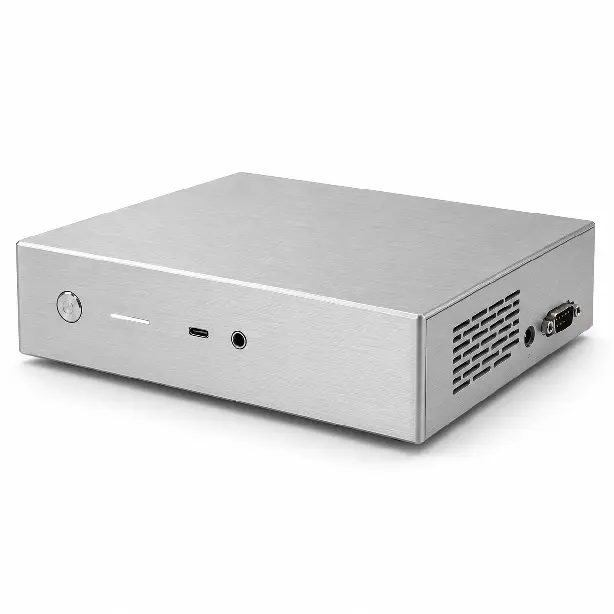
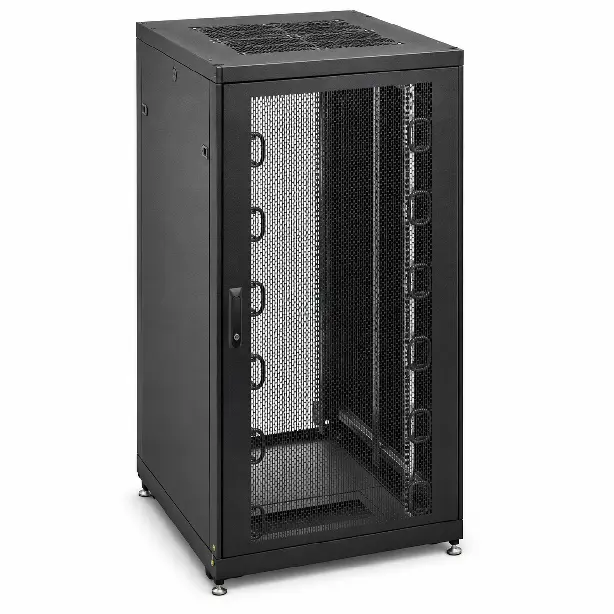
Surface finishing for data center components, network infrastructure, and IT hardware parts.

  • Server rack frames & rails
  • Cable management trays
  • Cabinet panels & doors
  • Mounting brackets & plates

Consumer Electronics

Surface finishing for consumer electronics housings, internal brackets, display structures, and precision metal assemblies.

  • Device housings & covers
  • Internal support brackets
  • Display mounting structures
  • Speaker & audio metal parts
  • Small precision finished parts

Electrical Equipment

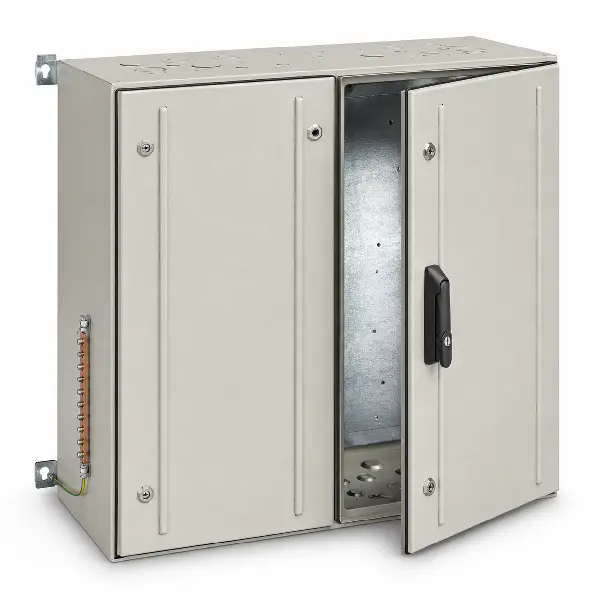
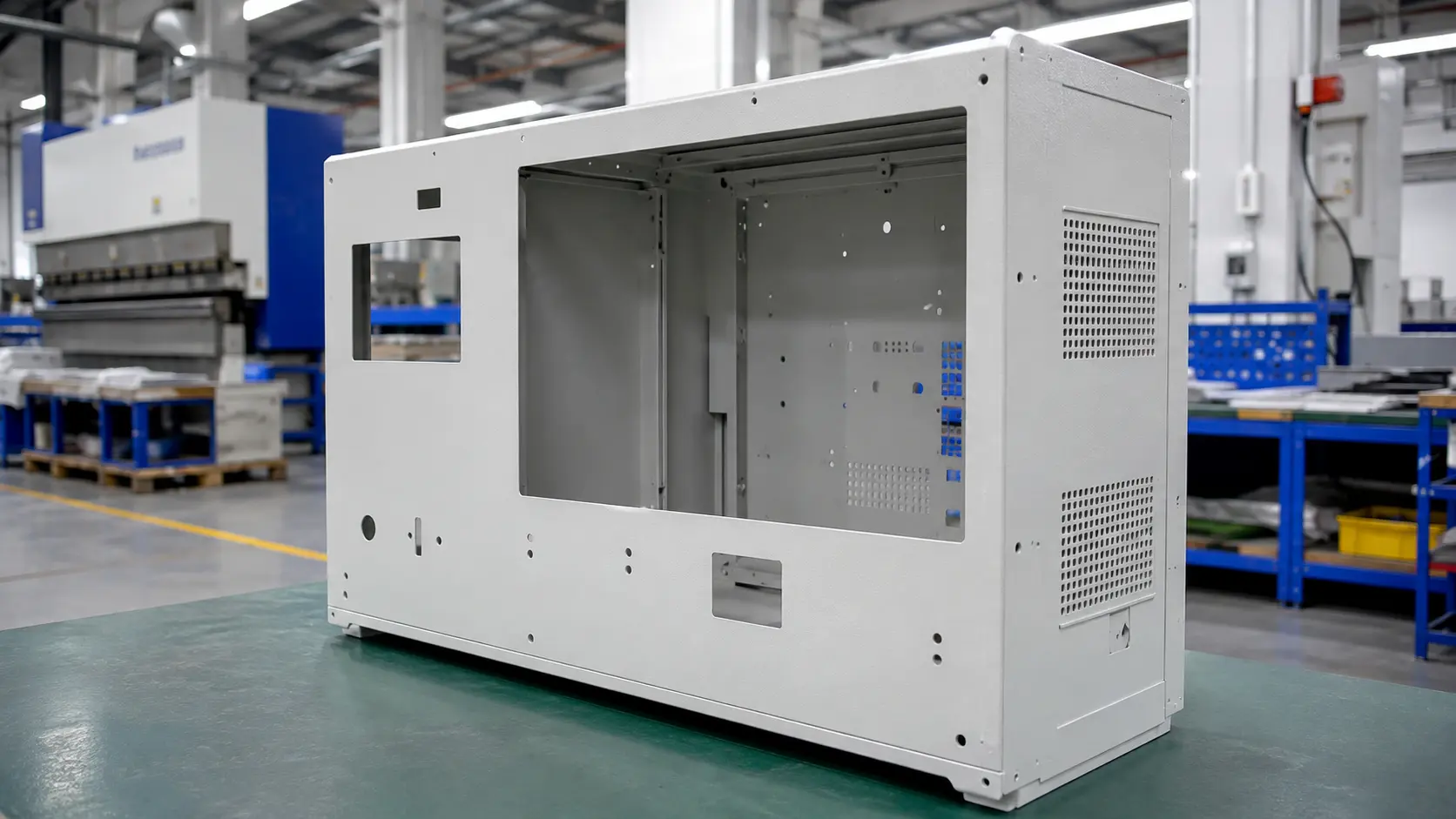
Surface finishing for electrical enclosures, control cabinets, power distribution units, and industrial electrical components.

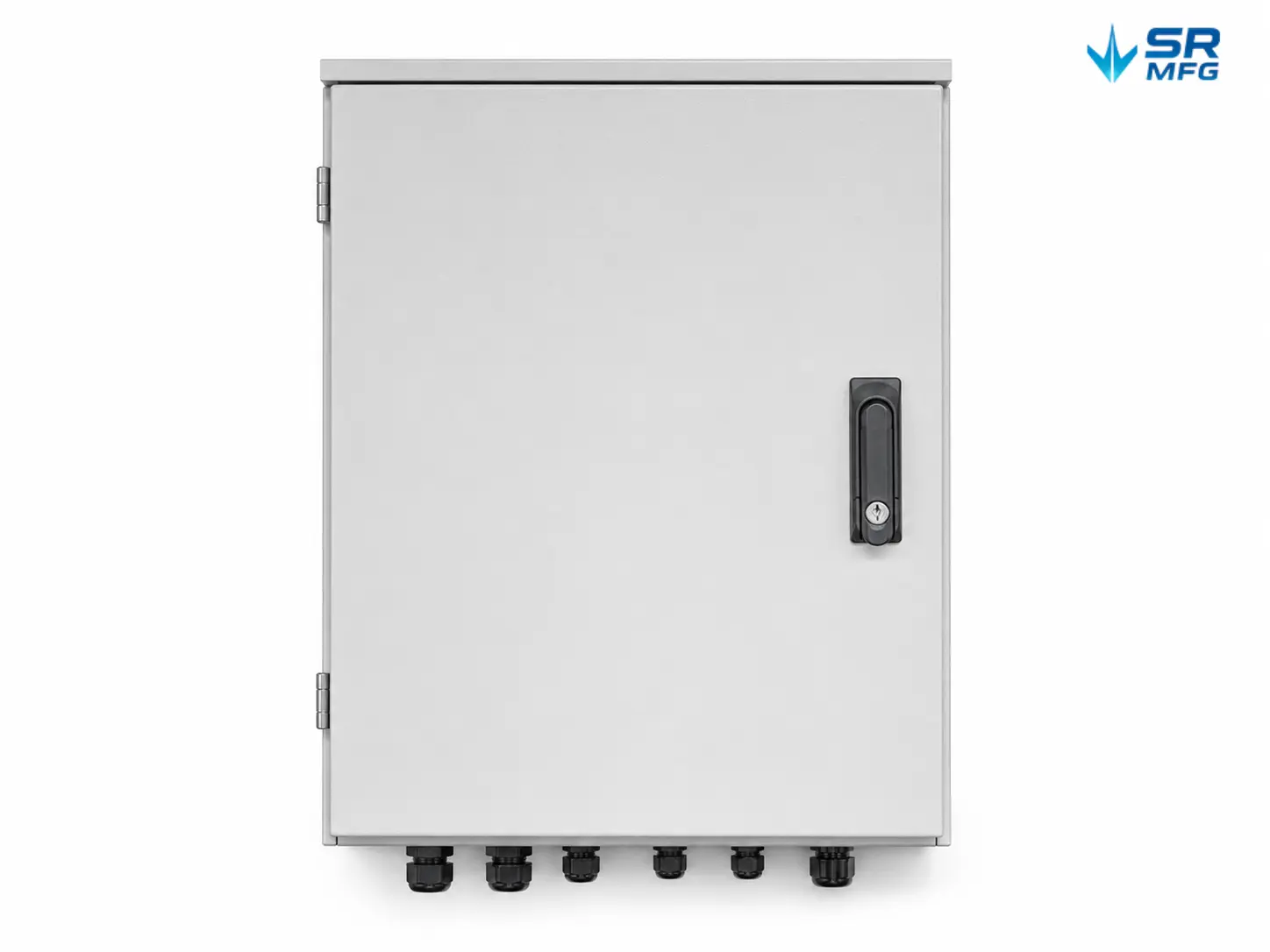
  • Electrical cabinet enclosures
  • Control box panels
  • Terminal mounting plates
  • DIN rail brackets
  • Ventilation and access panels

Industrial Equipment

Surface finishing for machinery components, automation systems, production equipment, and structural machine assemblies.

  • Machine covers & guards
  • Equipment frames
  • Conveyor brackets
  • Sensor mounting plates
  • Protective panels & shields

New Energy Systems

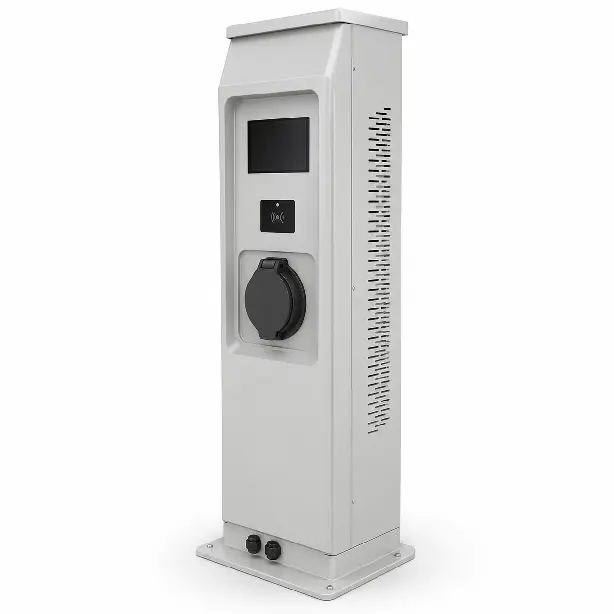
Surface finishing solutions for EV charging equipment, battery systems, energy storage cabinets, and power conversion units.

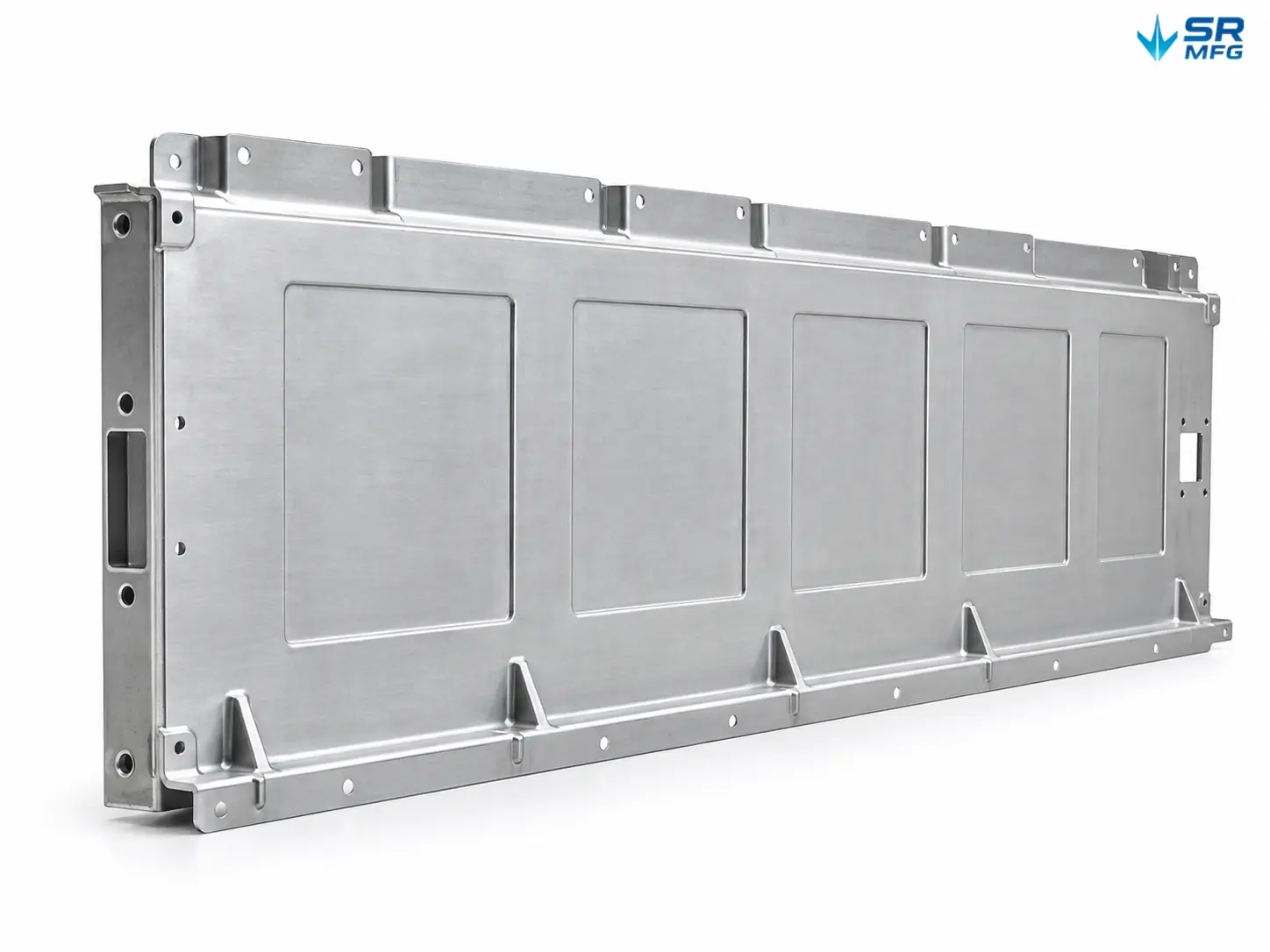
  • Battery enclosure parts
  • Charging station cabinets
  • Energy storage cabinet panels
  • Busbar support brackets
  • Power module housings

Outdoor Equipment

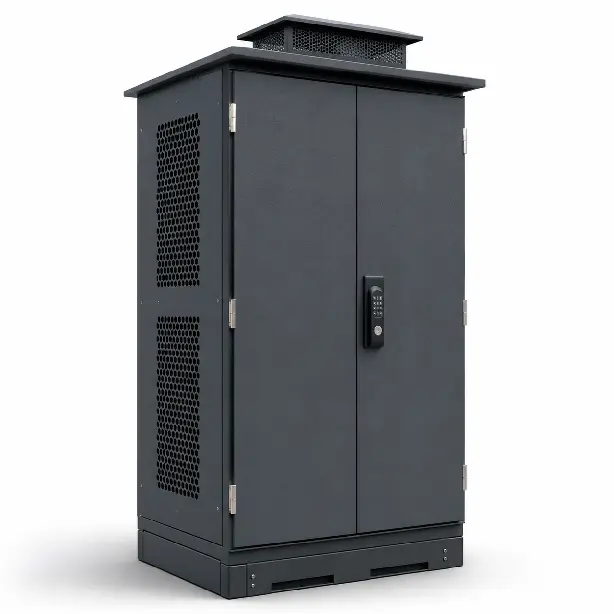
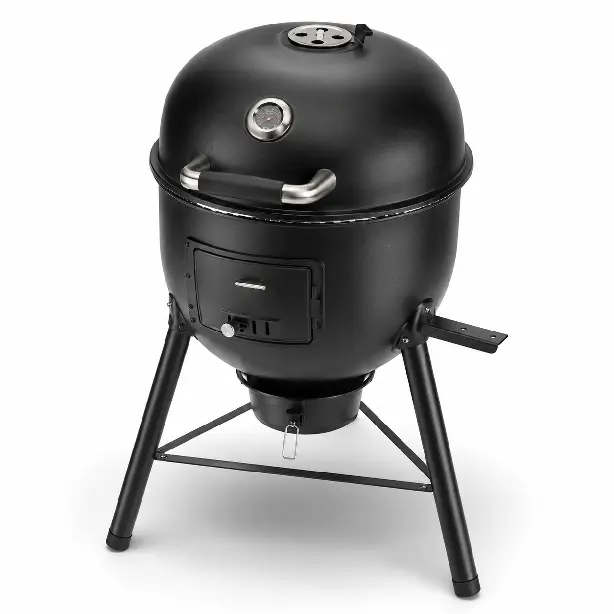
Weather-resistant surface finishing for outdoor enclosures, equipment covers, BBQ grills, lighting systems, and structural fixtures.

  • Outdoor equipment housings
  • BBQ grill sheet metal bodies
  • Protective covers & panels
  • Mounting brackets
  • Weather-resistant structural parts

Built for Your Application

Whether you need a single prototype or high-volume production, SR MFG ensures consistent coating quality, uniform finish appearance, tight tolerances, and reliable delivery for your surface finishing projects.

Sheet Metal Finishing FAQs​​​

Coating adds build-up to the base metal, which can affect fit and assembly. Please specify whether dimensions are base metal or finished after coating, especially on holes, slots, and mating interfaces. If not specified, we will confirm CTQ features during review and propose a controlled thickness/masking plan.

Yes. We can mask mating surfaces, threads, and grounding points to control coating build-up and maintain electrical contact where required. For best results, please highlight the masking areas on the drawing or provide a marked-up PDF/3D file, and we’ll recommend the most suitable masking approach.

We support RAL/Pantone matching and lock the final appearance through physical sample approval. Production is then matched to the approved sample to maintain batch-to-batch consistency. If your project has specific measurement requirements (ΔE, gloss, lighting condition), we can align the verification method to your spec.

We can follow common standards such as ISO 2409 / GB/T 9286 or ASTM D3359 for adhesion. For corrosion validation, we support ASTM B117 or ISO 9227 salt spray requirements based on your specification. Third-party test reports can be arranged upon request when formal validation is required.

Pretreatment is selected based on material, surface condition, and corrosion requirement. For steel, we typically use cleaning and conversion pretreatment before coating; aluminum may require suitable conversion options or anodizing systems per spec; stainless often needs proper cleaning/activation to ensure adhesion. If you have an OEM or internal standard, we will follow it.

Lead time mainly depends on sample/color approval, masking complexity, fixture/racking requirements, and any special testing (e.g., salt spray). For export shipments, we offer protective packaging such as individual bags/bubble wrap, cartons with edge protection, and optional partitions, palletizing, barcode labels, and export markings based

Surface Finishing Technical Resources

Go to Top