Metal Assembly Services
SR MFG provides end-to-end metal assembly services, including sourced components, material handling, fastening, welding, riveting, inspection, testing, final packaging, and shipment.
From single-unit builds to batch assemblies, we help customers reduce supplier coordination, improve assembly consistency, and deliver ready-to-use metal products with controlled quality.
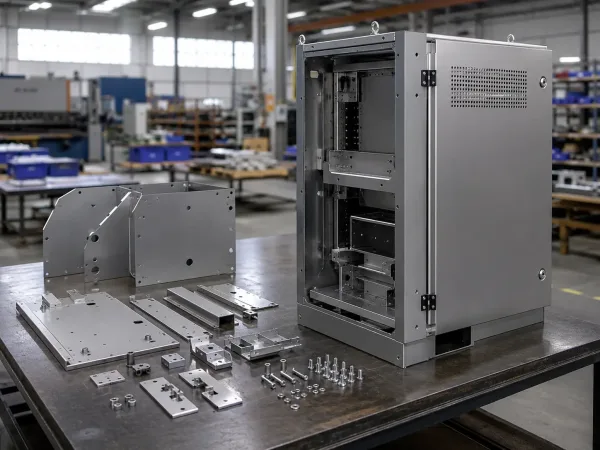
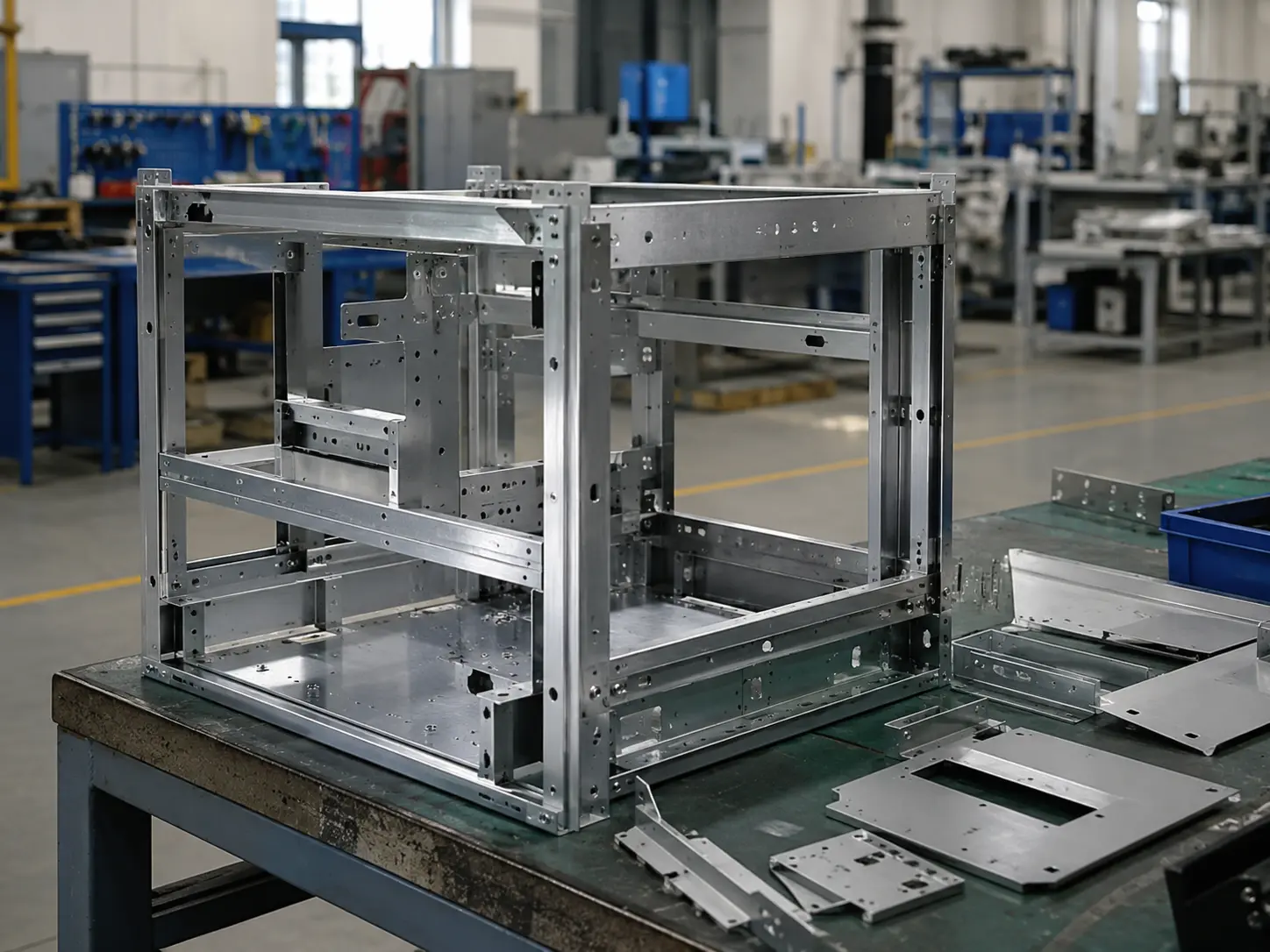
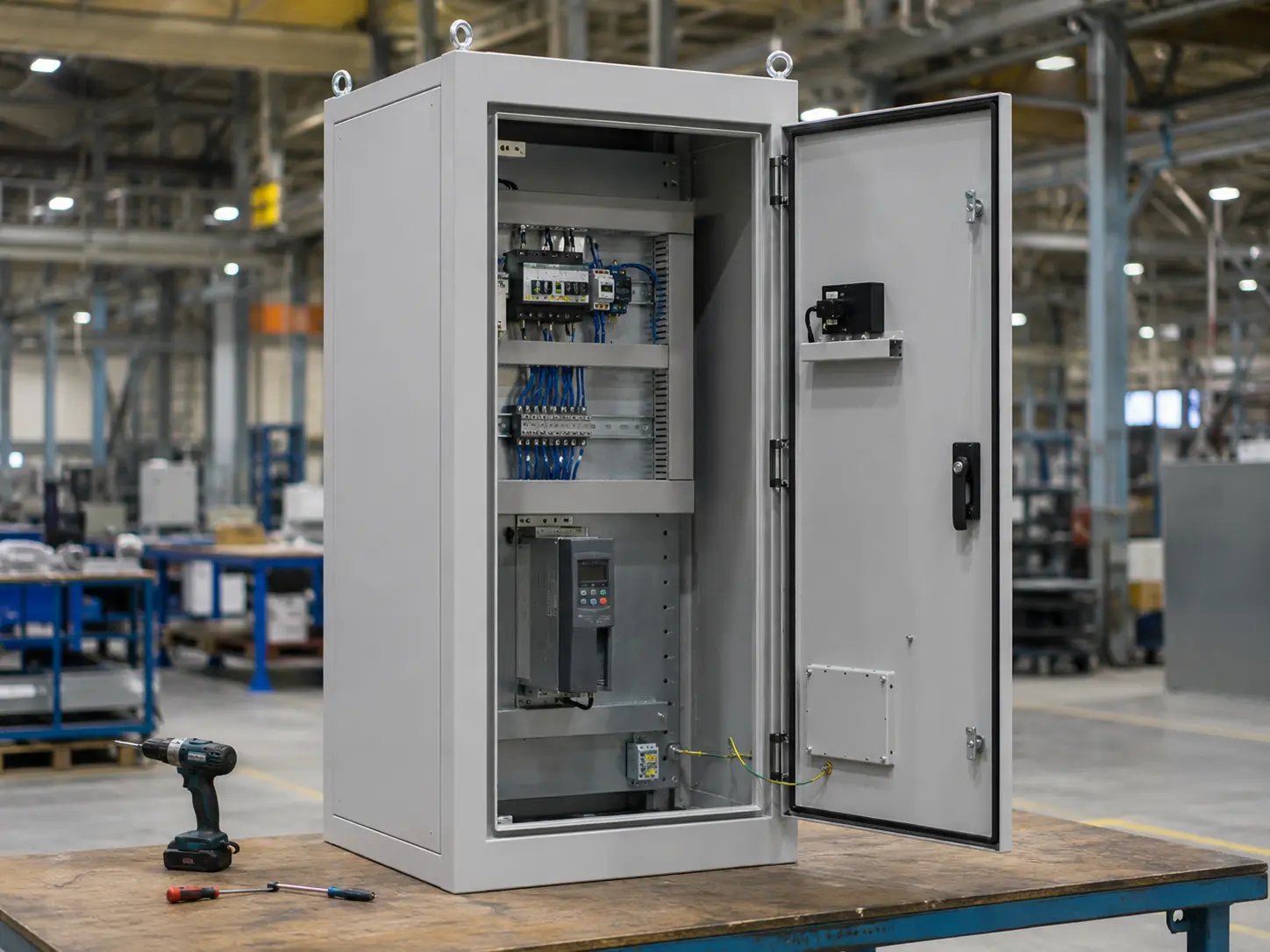
ASSEMBLY DELIVERY DEPTH
How Far Can SR MFG Take Your Assembly?
From simple part preparation to full turnkey delivery, we scale to your needs and help you reduce supplier handoffs and project risk.
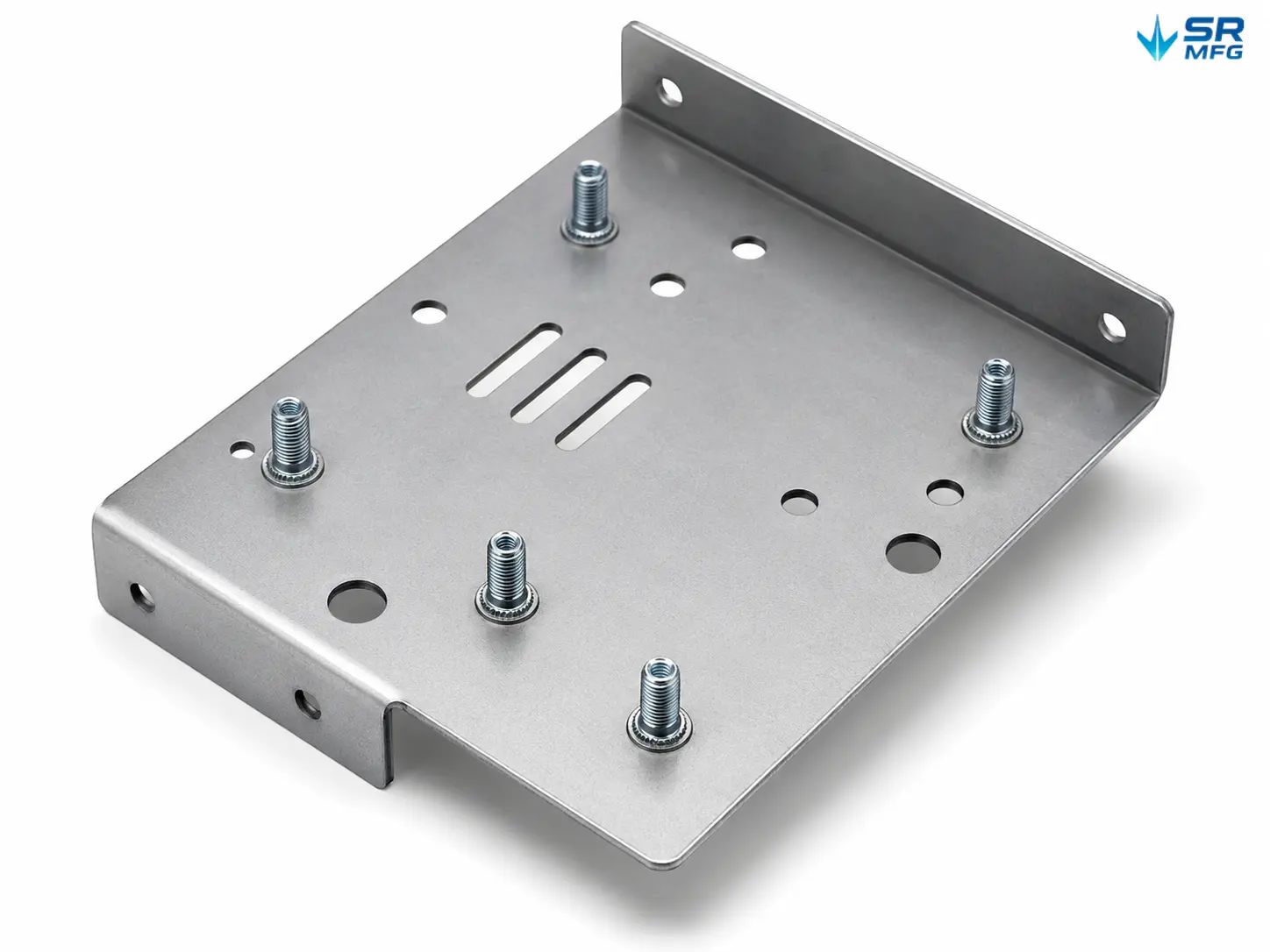
Level 1 — Parts + Basic Assembly
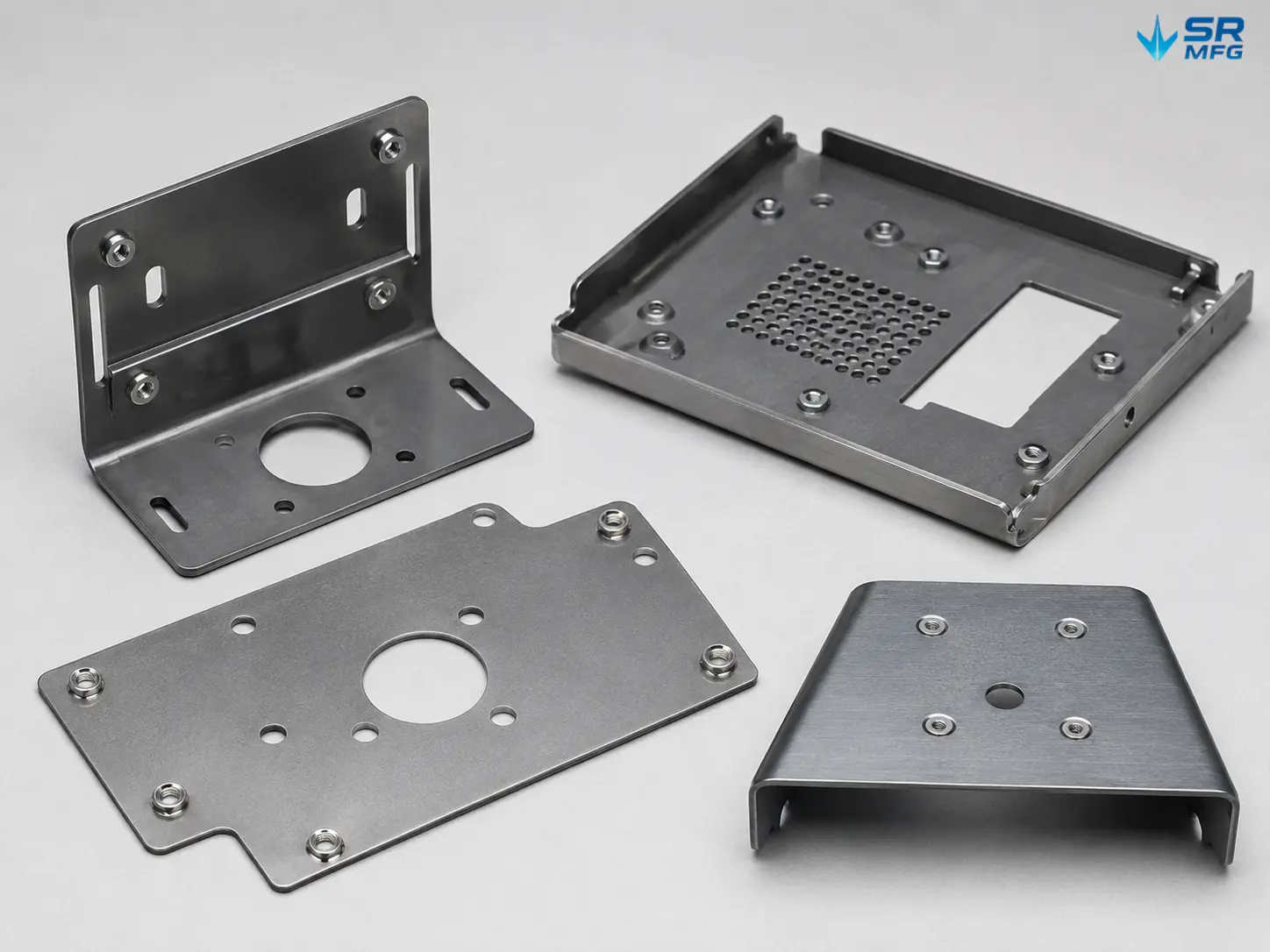
You receive: Individual parts with basic assembly completed, including fastening, press-fitting, riveting, and hardware installation.
Best for: When you need a fully prepared “single part” that is ready for your own final build.
Level 2 — Sub-Assembly
You receive: Sub-assembly made from multiple sheet-metal and machined parts, ready for the next assembly step.
Best for: Reducing stations on your line and shifting assembly risk upstream.
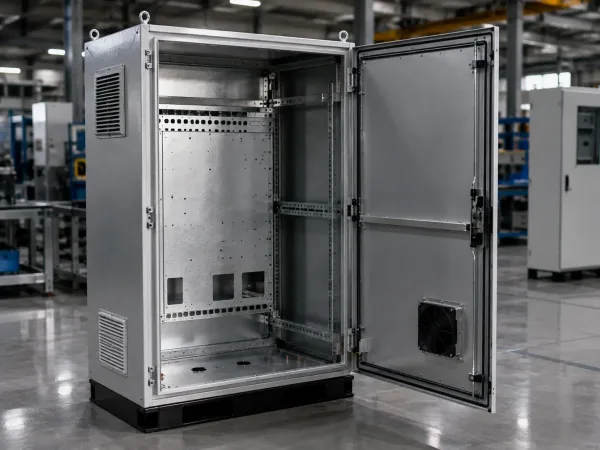
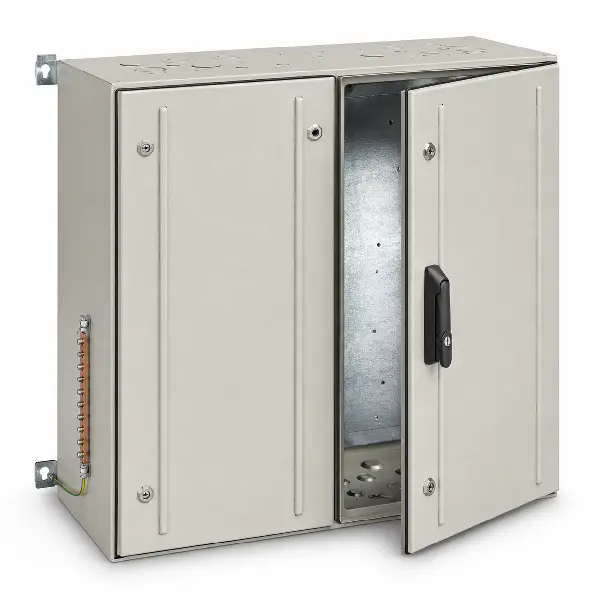
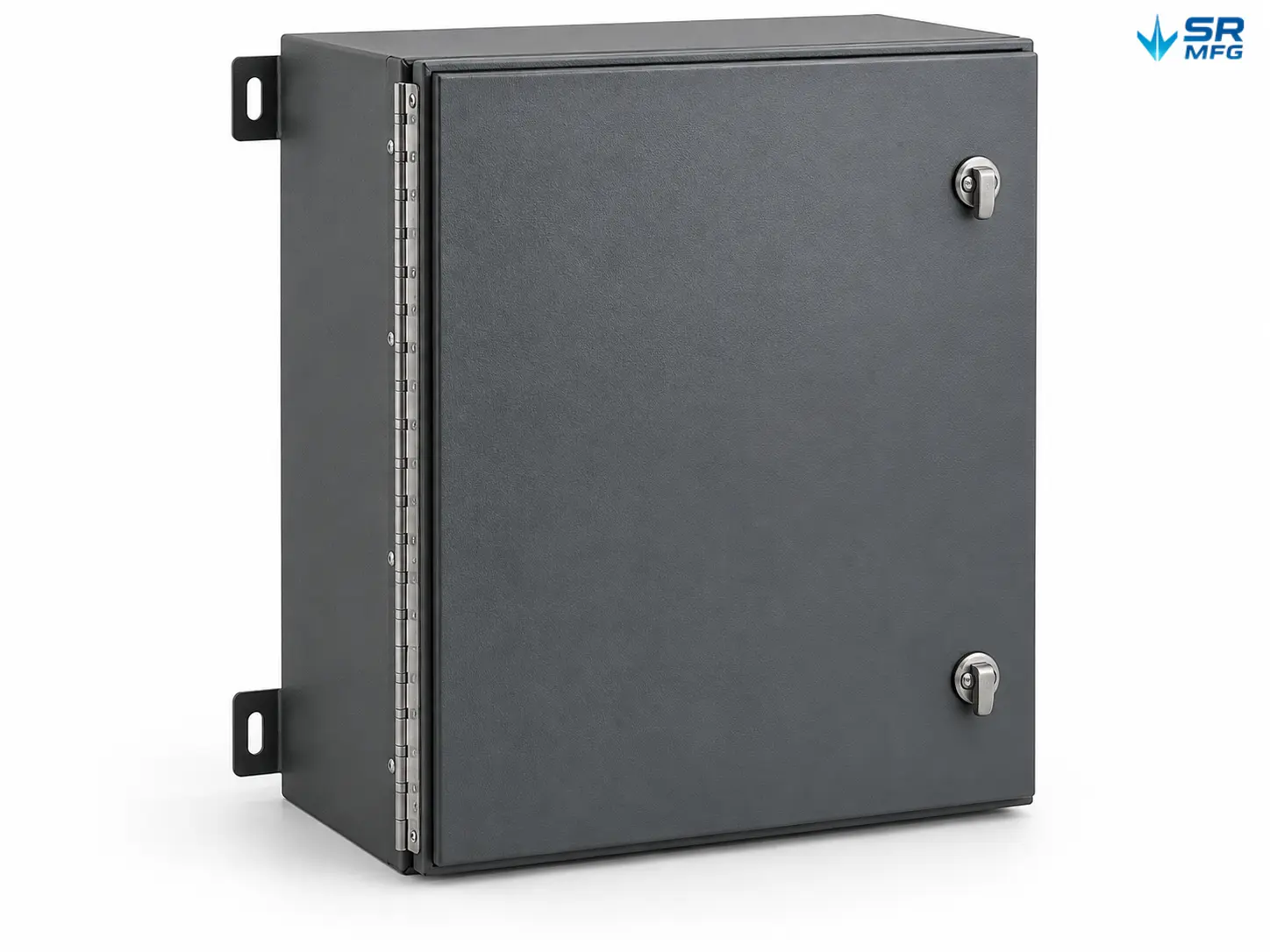
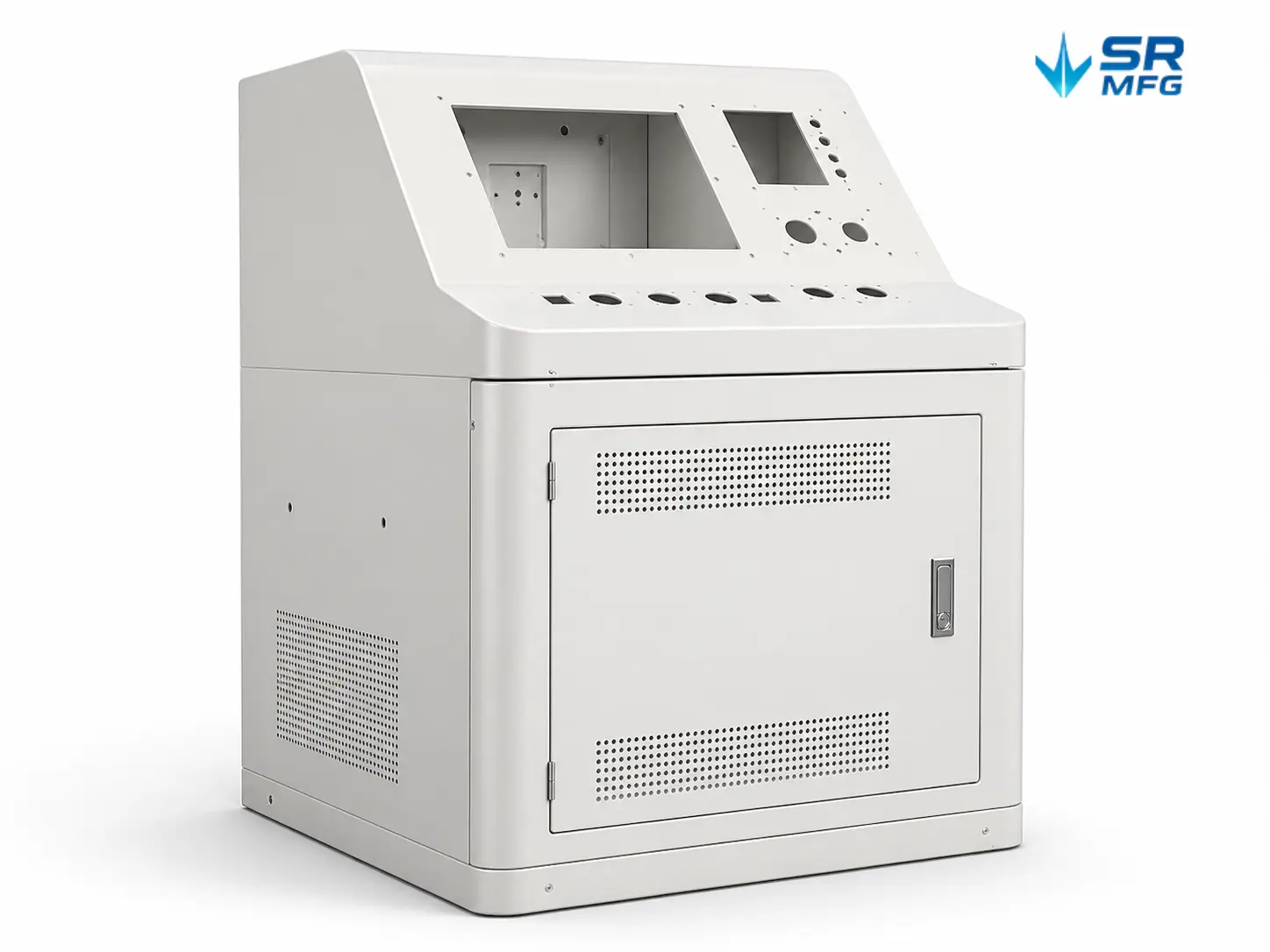
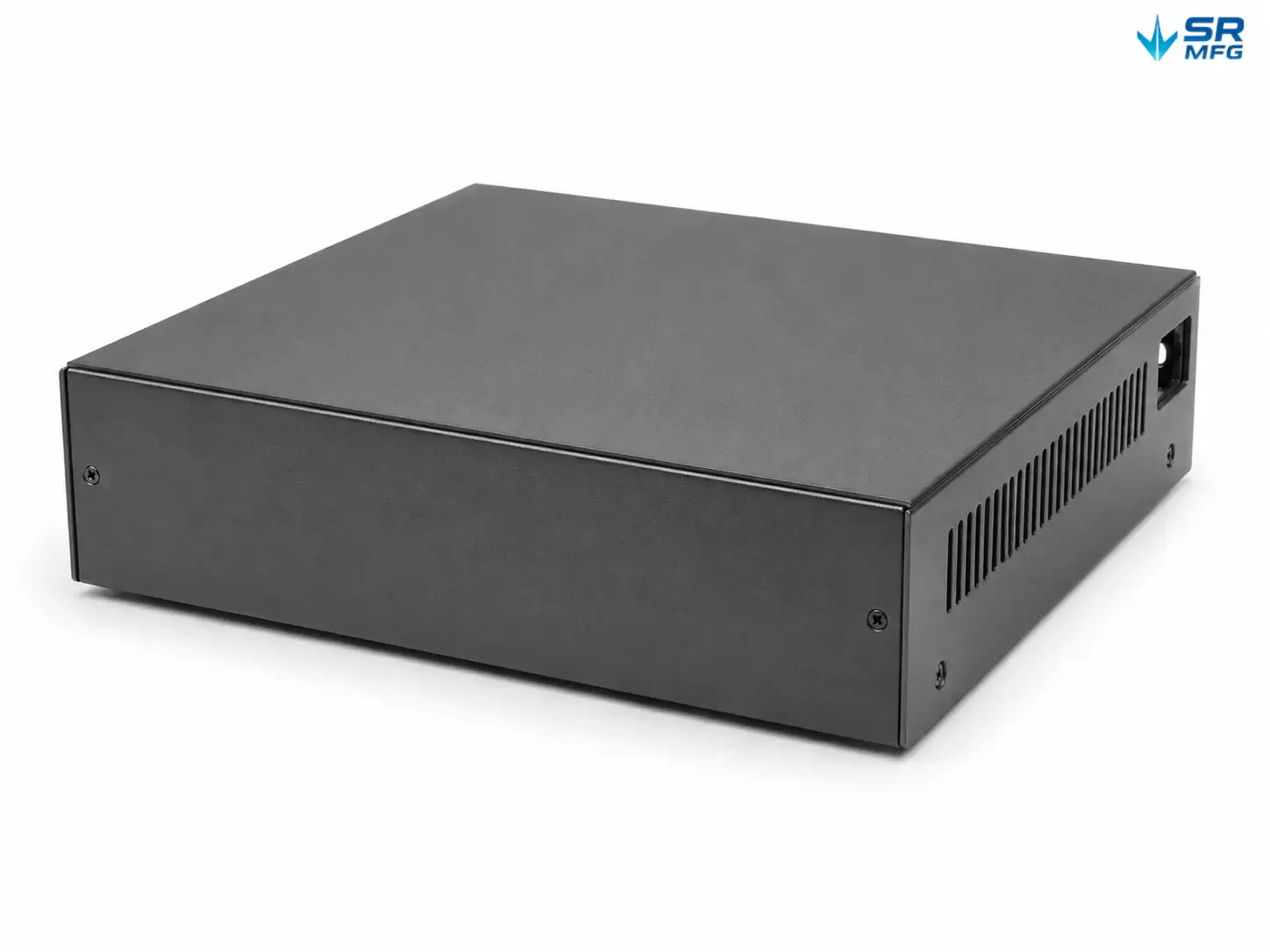
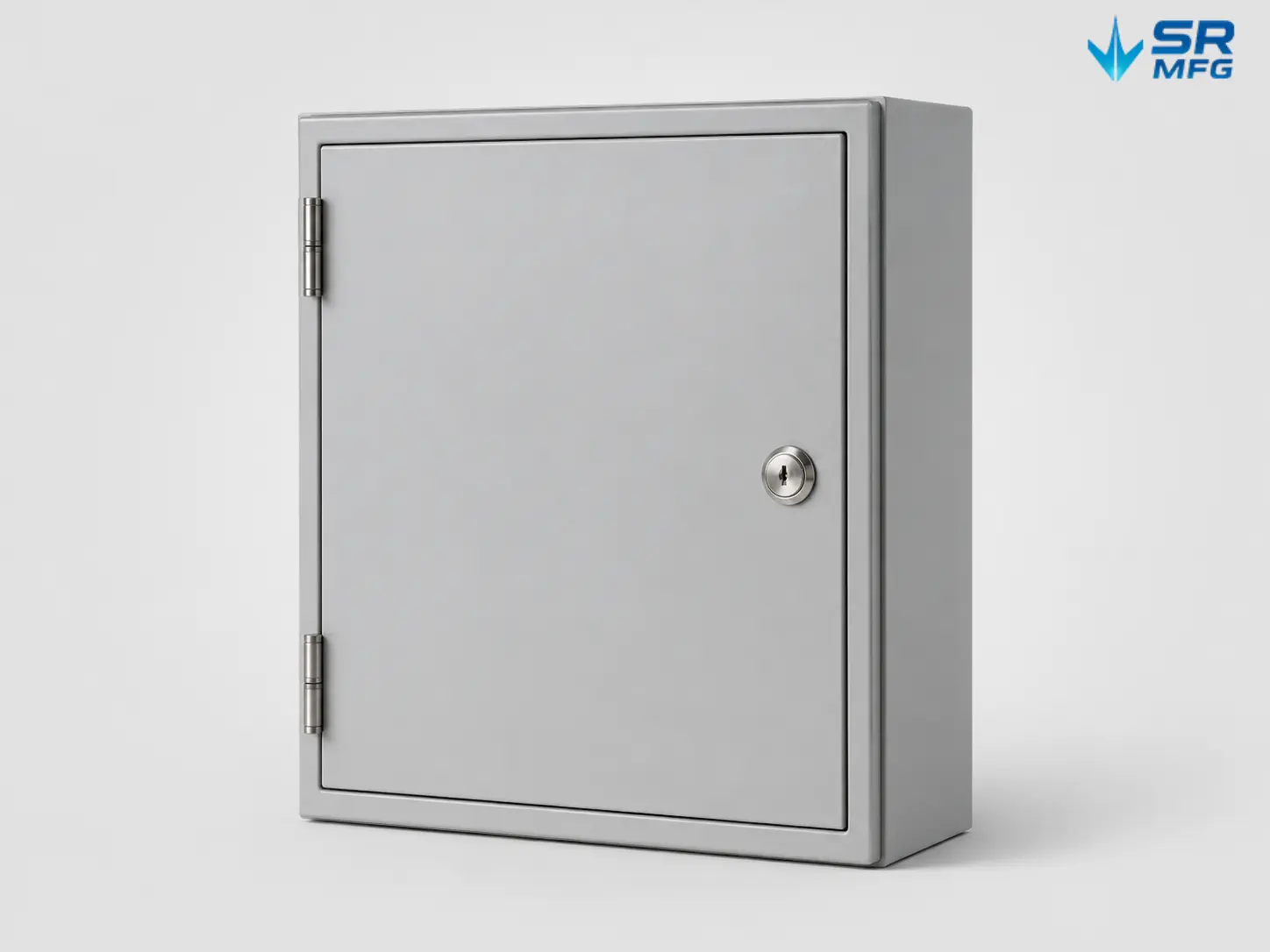
Level 3 — Enclosure / Cabinet / Frame Assembly
You receive: Sub-assemblies and standard hardware integrated into enclosures, cabinets, or frames, delivered as installation-ready assemblies.
Best for: When you want install-ready assemblies instead of loose parts and kits.
Level 4 — Full Turnkey Assembly Delivery
You receive: A fully integrated delivery covering sourcing, fabrication, assembly, testing, packaging, and shipment.
Best for: When you want one supplier to manage drawings, BOMs, key requirements, and delivery coordination.
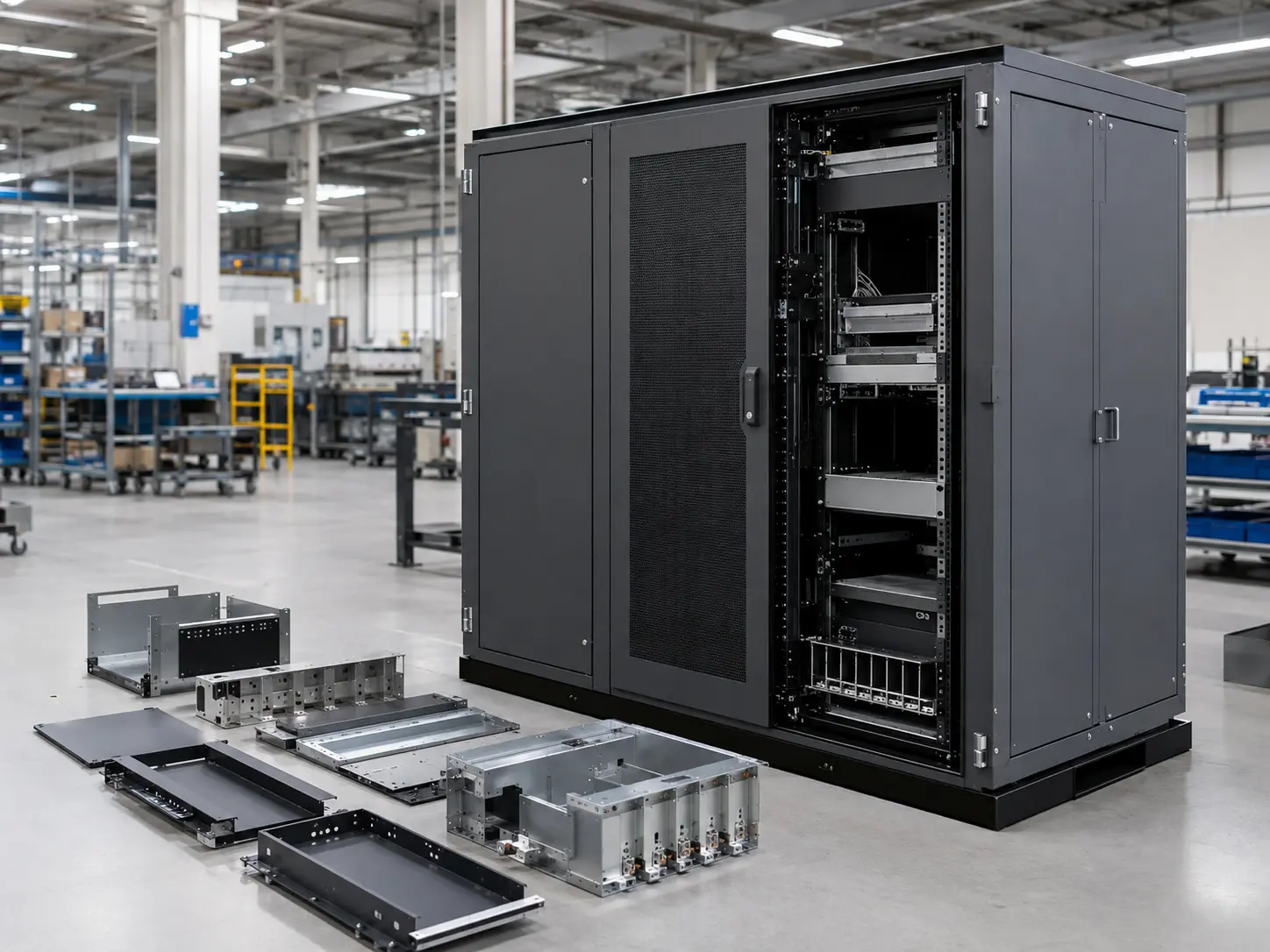
Supplier Handoffs
Risk
Time
& Traceability
Whether you need a single assembled part or a complete, tested product ready to ship, SR MFG delivers flexible assembly solutions at every level.
We tailor the scope based on your BOM, quality requirements, testing needs, packaging standards, and delivery terms.
Sheet Metal Assembly Methods & Selection Guide
The right joining method impacts strength, appearance, lead time, and cost. SR MFG offers a wide range of sheet-metal assembly
technologies to match your design and performance requirements.
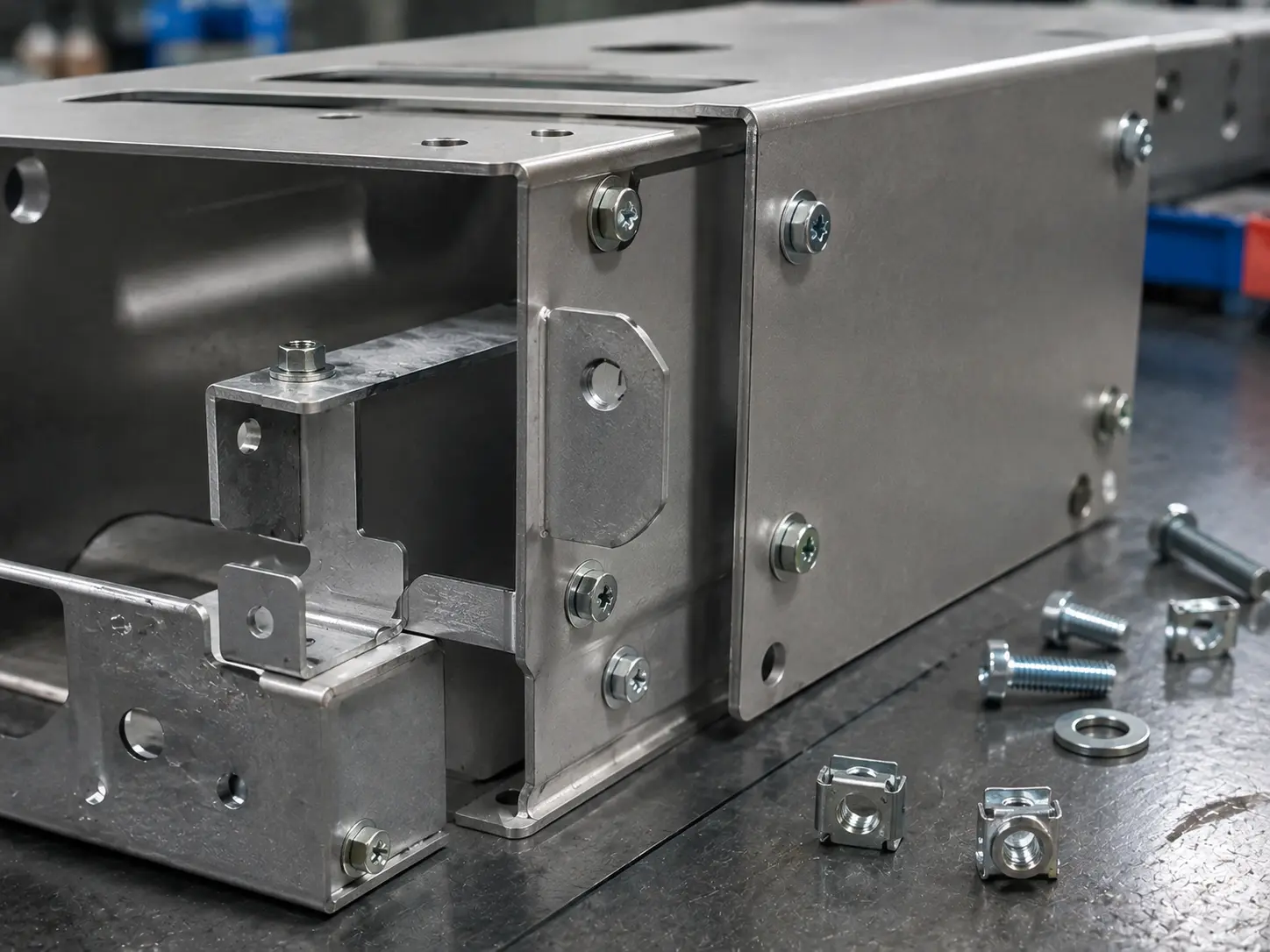
Mechanical
Fastening
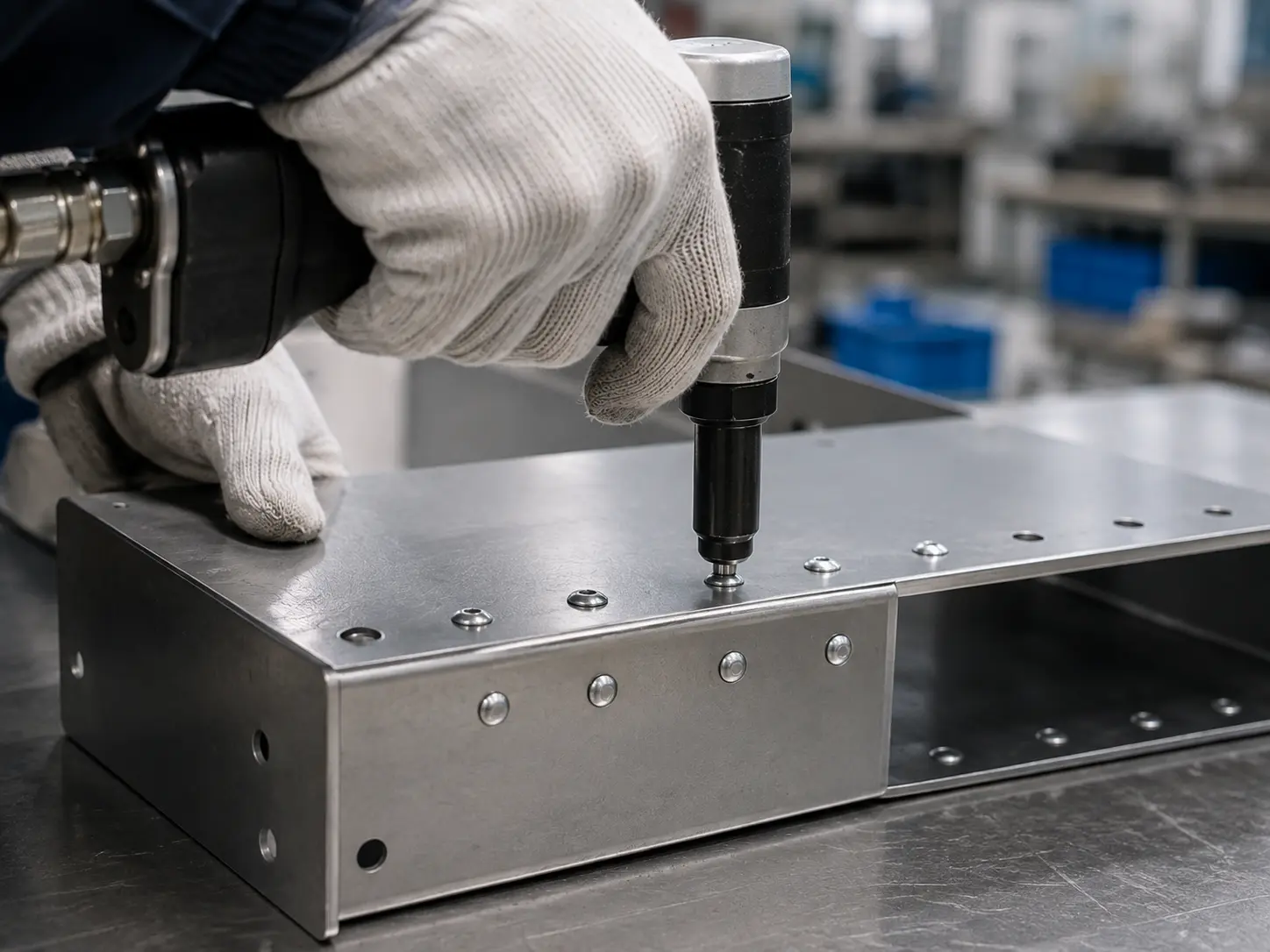
Riveting
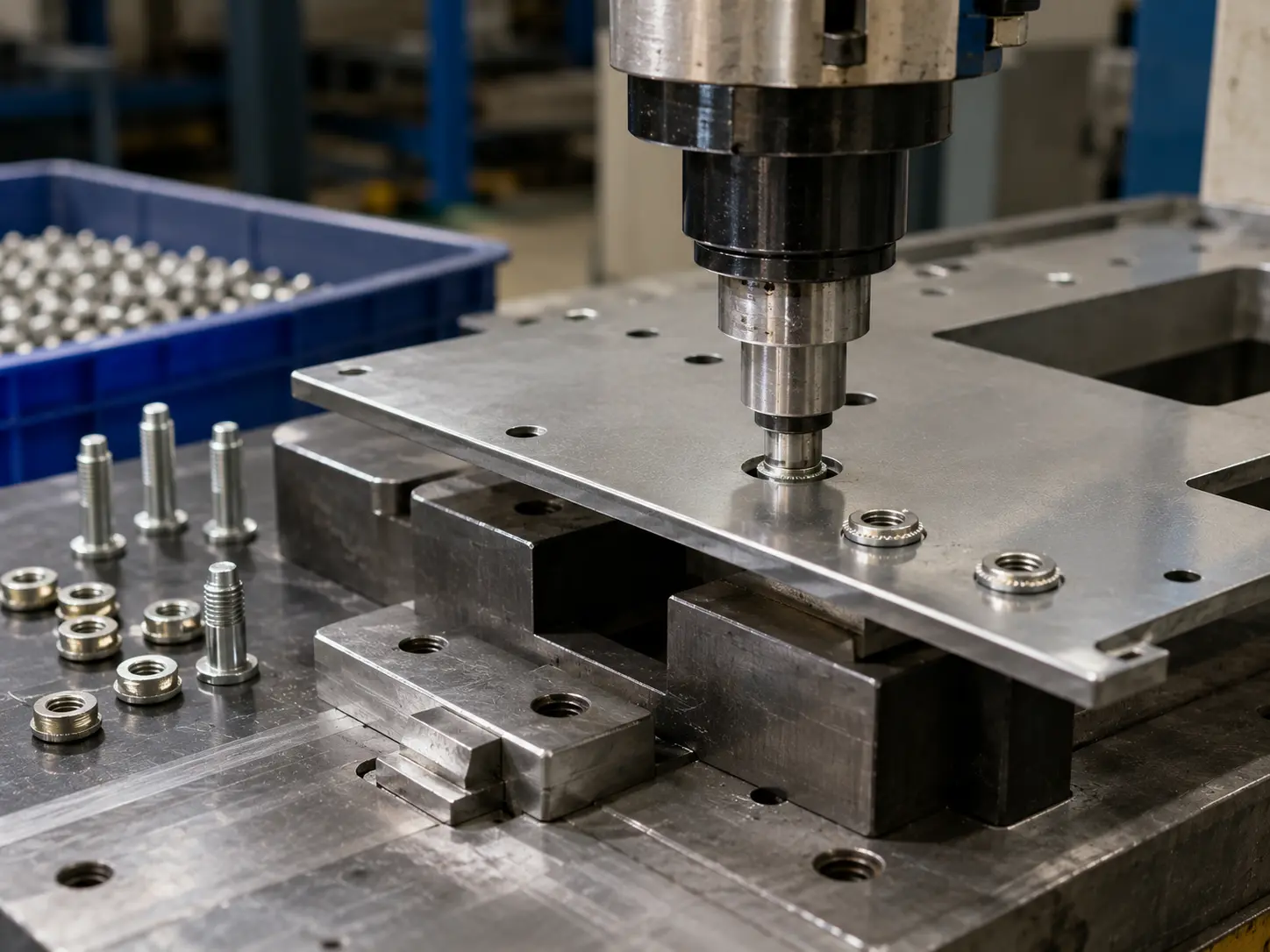
Self-Clinching /
PEM Fasteners
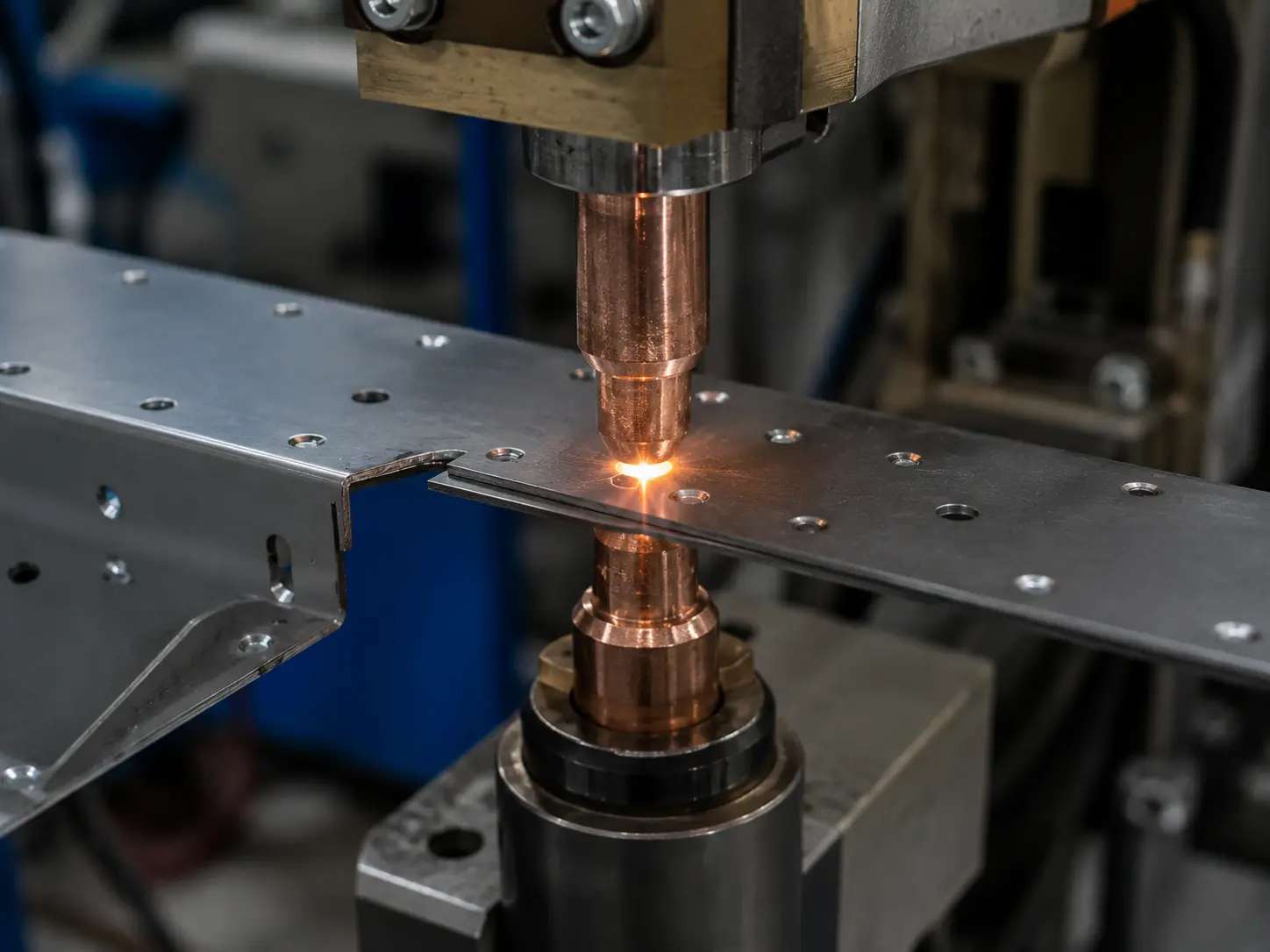
Resistance
Spot Welding
TIG / MIG
Welding
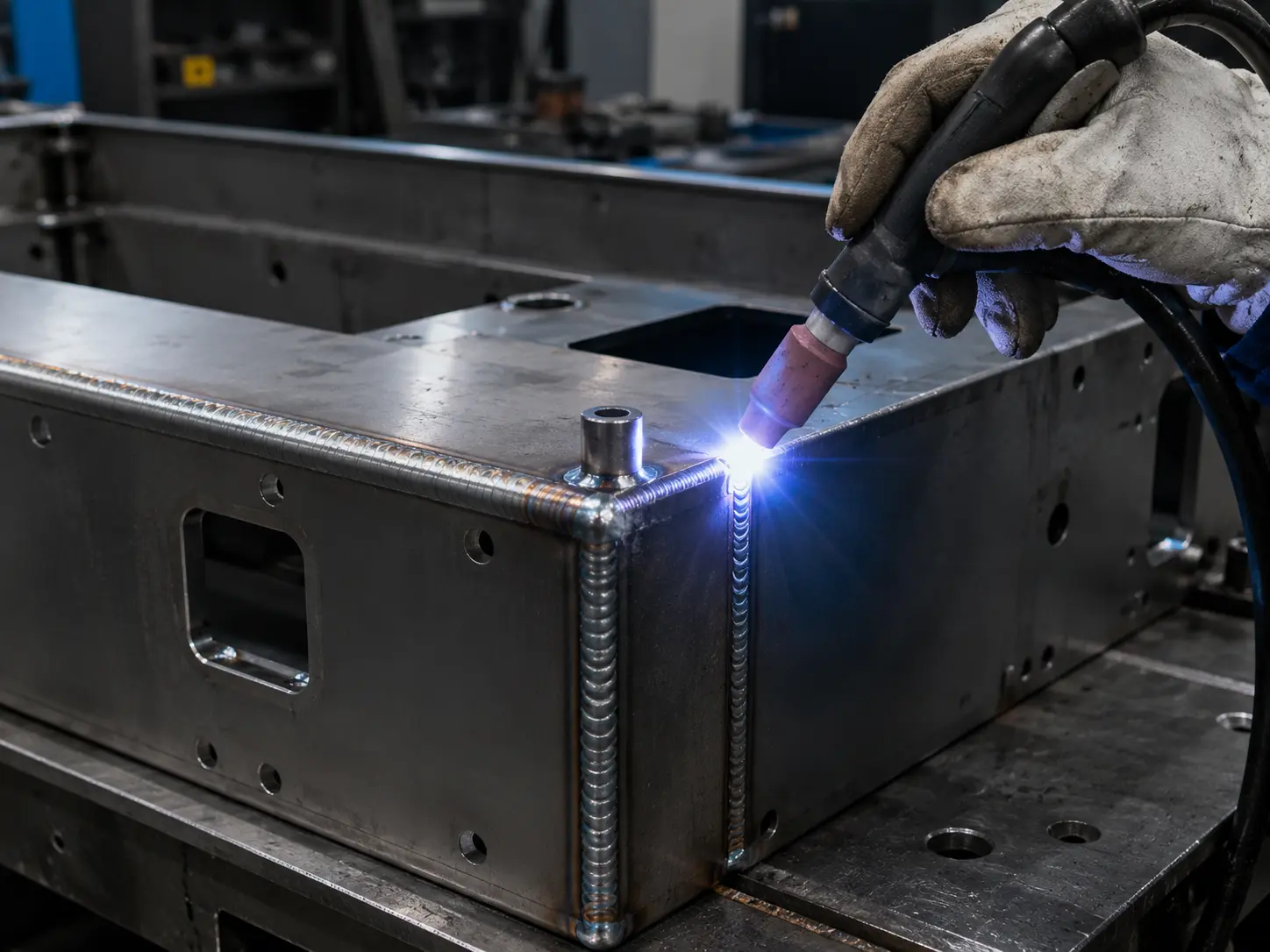
Adhesive
Bonding
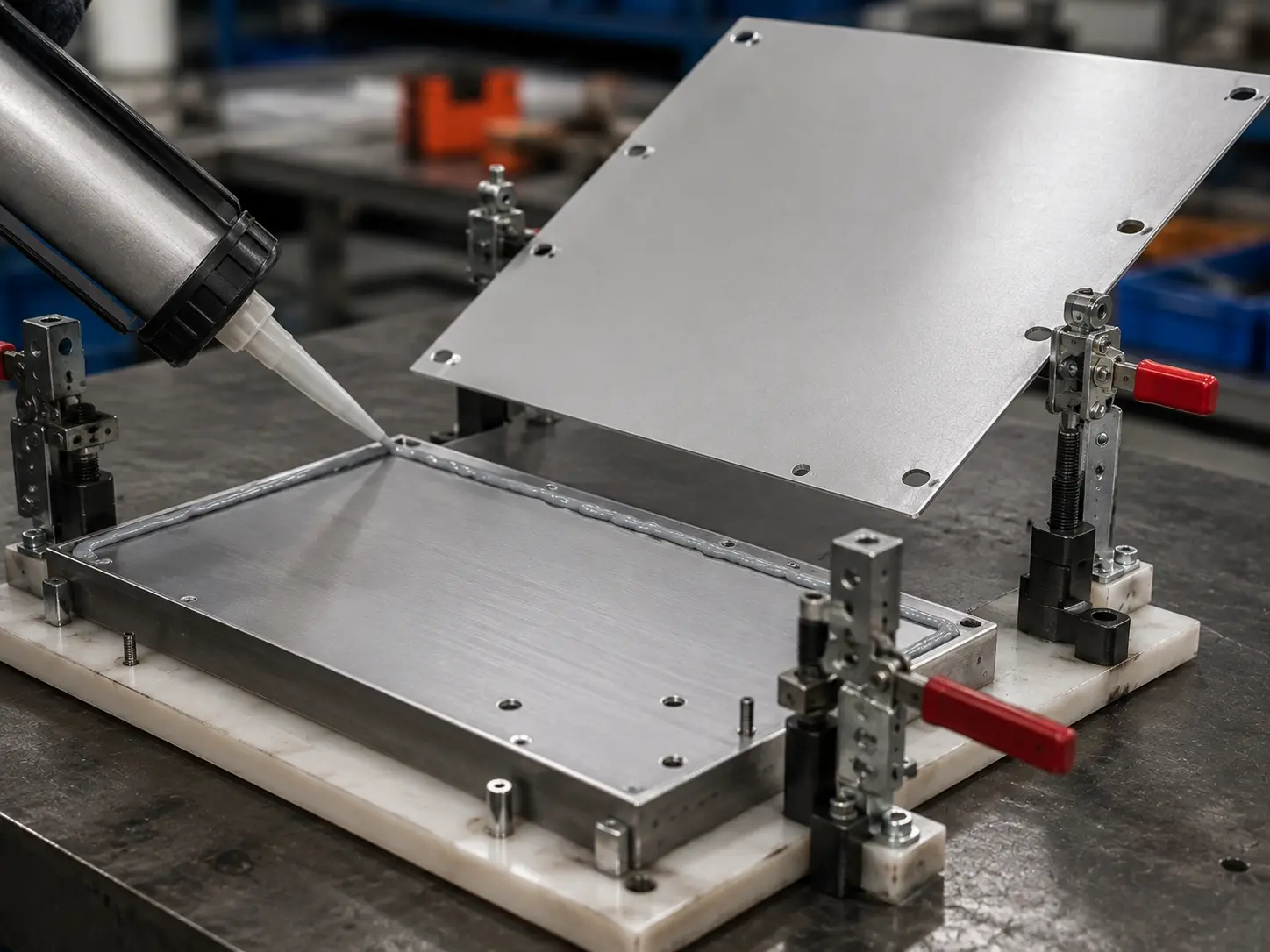
How to Choose the Right Joining Method
| Evaluation Focus | Recommended Method(s) | Why It Fits |
|---|---|---|
|
High Strength / Load-Bearing
|
Spot welding, structural blind rivets, hemming/flanged seams | Provides strong joints that can handle higher loads. |
|
Protecting Finishes (Paint / Coating)
|
Clinching (TOX®), adhesive bonding | Low or no heat input, keeps coatings and finishes intact. |
|
One-Side Access Only
|
Blind rivets (pop rivets), rivet nuts / blind threaded inserts | Allows fastening when access to the backside of the assembly is limited or unavailable. |
|
Needs to Be Removable
|
Screw fastening, snap-fits / clips | Easy to disassemble for service, replacement, or upgrades. |
|
Tight Space / Low Profile
|
Hemming, clinching, SPR self-piercing riveting | Minimizes protrusion and avoids bulky fasteners. |
|
Thin Sheet (< 1 mm) with Threads
|
Self-clinching nuts/studs, adhesive bonding | Creates reliable threads without excessive material thickness. |
|
High-Volume Efficiency
|
Spot welding, clinching, snap-fits / clips | Fast cycle times and highly automatable processes. |
|
Mixed Materials / Dissimilar Metals
|
Adhesive bonding, blind rivets or screws with isolation washers | Improves compatibility and manages corrosion effectively. |
Not sure which method is right for your project?
Our engineering team can help you choose the optimal solution.
How SR MFG Controls Sheet-Metal Assembly Quality
Quality is built into the process, not added only at final inspection. SR MFG controls sheet-metal assembly quality through drawing review, in-process control, precise inspection, and functional verification, helping ensure every build meets your requirements for accuracy, strength, appearance, and reliability.
Process First
Control issues in the process, not at final inspection.
Full Verification
Dimensional, surface, welding, function and strength checks.
Documented & Traceable
Records, reports and traceability for every build.
Standards Aligned
Inspect per ISO / ASTM / GB or customer requirements.
Dimensional
Inspection
Ensure parts and assemblies meet drawing and tolerance requirements.
- Length, width, height
- Hole location & pitch
- Bend angle
- Flatness
- Parallelism / perpendicularity
Surface & Appearance
Quality
Maintain clean appearance and protective finish for customer products.
- Burr height control
- Scratch & dent inspection
- Surface roughness
- Weld appearance
- Coating adhesion & thickness
Welding & Joining
Defect Control
Prevent defects and ensure strong, stable, and reliable joints.
- Porosity prevention
- Cracking control
- Lack of fusion prevention
- Undercut control
- Distortion control
Functional & Structural
Verification
Verify assembly function, strength and sealing to ensure reliable performance.
- Assembly accuracy & fit
- Fastener torque control
- Load & strength testing
- Operational function checks
- IP / leak testing
| Inspection Item | Typical Tolerance Requirement | Measurement Tools |
|---|---|---|
| Linear dimensions (L/W/H) | ±0.1 to ±0.3 mm (laser-cut blanks) | ±0.2 to ±0.5 mm (after bending) | Calipers, micrometers, CMM |
| Hole location accuracy (pitch, edge distance) | High precision: ±0.05 to ±0.1 mm | Standard: ±0.1 to ±0.2 mm | Calipers, CMM |
| Bend angle | ±0.5° to ±1.5° (CNC press brakes can typically hold within ±1°) | Angle gauges, bend-angle tools |
| Flatness | ≤0.1 mm (general requirement) | ≤0.3 mm/m (enclosures & housings) | Surface plate, dial indicator, CMM |
| Parallelism / perpendicularity | ≤0.2 mm/m (U-shaped parts formed by multiple bends) | Squares, dial indicator |
| Defect | Common Causes | Preventive Actions |
|---|---|---|
| Porosity | Impure shielding gas, oil/rust/moisture; travel speed too fast | High-purity gas, pre-cleaning, and controlled gas flow |
| Cracking | Excess hydrogen, high restraint stress, excessive heat input | Low-hydrogen consumables, preheat, and post-heat when required |
| Lack of fusion / penetration | Current too low or speed too high; groove angle too small | Adjust current, travel speed, groove angle, and welding parameters |
| Undercut | Current too high, speed too fast, arc voltage too high | Reduce travel speed and control arc voltage |
| Distortion | Uneven heat input; long continuous welds | Use stitch welding, rigid fixturing, and stress relief if needed |
| Category | Standard | Typical Application |
|---|---|---|
| General dimensional tolerances | ISO 2768, GB/T 1804 | Unspecified tolerances |
| Tensile testing | ASTM E8, GB/T 228.1 | Mechanical properties |
| Hardness testing | GB/T 230.1, ISO 6507 | Rockwell / Vickers hardness |
| Salt spray testing | GB/T 10125, ASTM B117 | Corrosion resistance |
| Coating adhesion | ASTM D3359, GB/T 9286 | Adhesion testing |
| Welding quality | ISO 5817 quality levels for imperfections in fusion-welded joints | Weld inspection and acceptance criteria |
From material to final assembly, SR MFG applies rigorous quality controls and traceable inspections to deliver consistent, reliable results—every time.
Explore the quality management of SR MFG →Standard Metal Assembly Workflow
SR MFG follows a proven end-to-end assembly process that ensures every project is built to specification,
delivered on time, and backed by consistent quality.
Metal Assembly Process (Video Walkthrough)
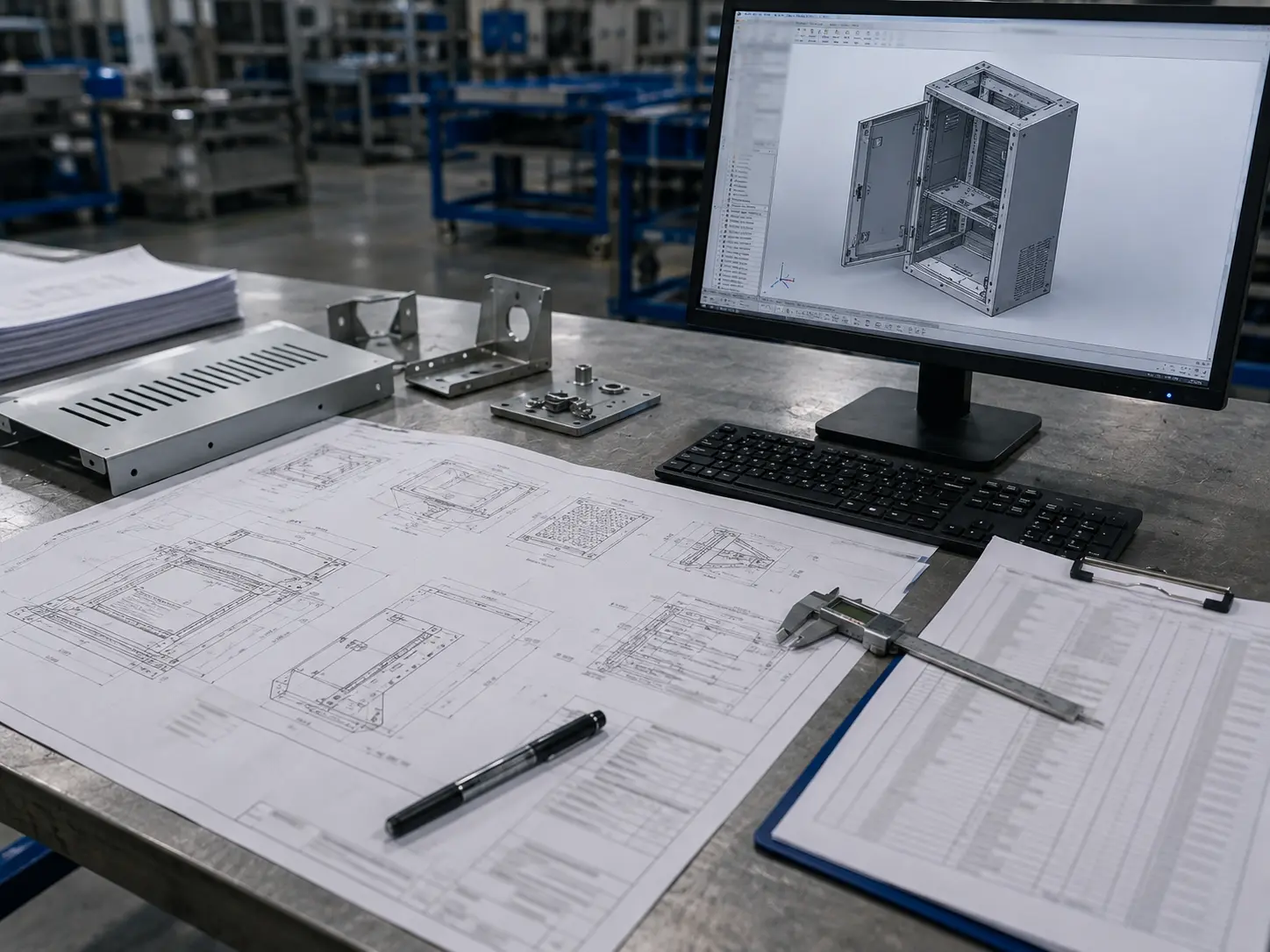
Drawing &
BOM Review
- Review drawings, BOM and technical requirements
- DFM check and risk assessment
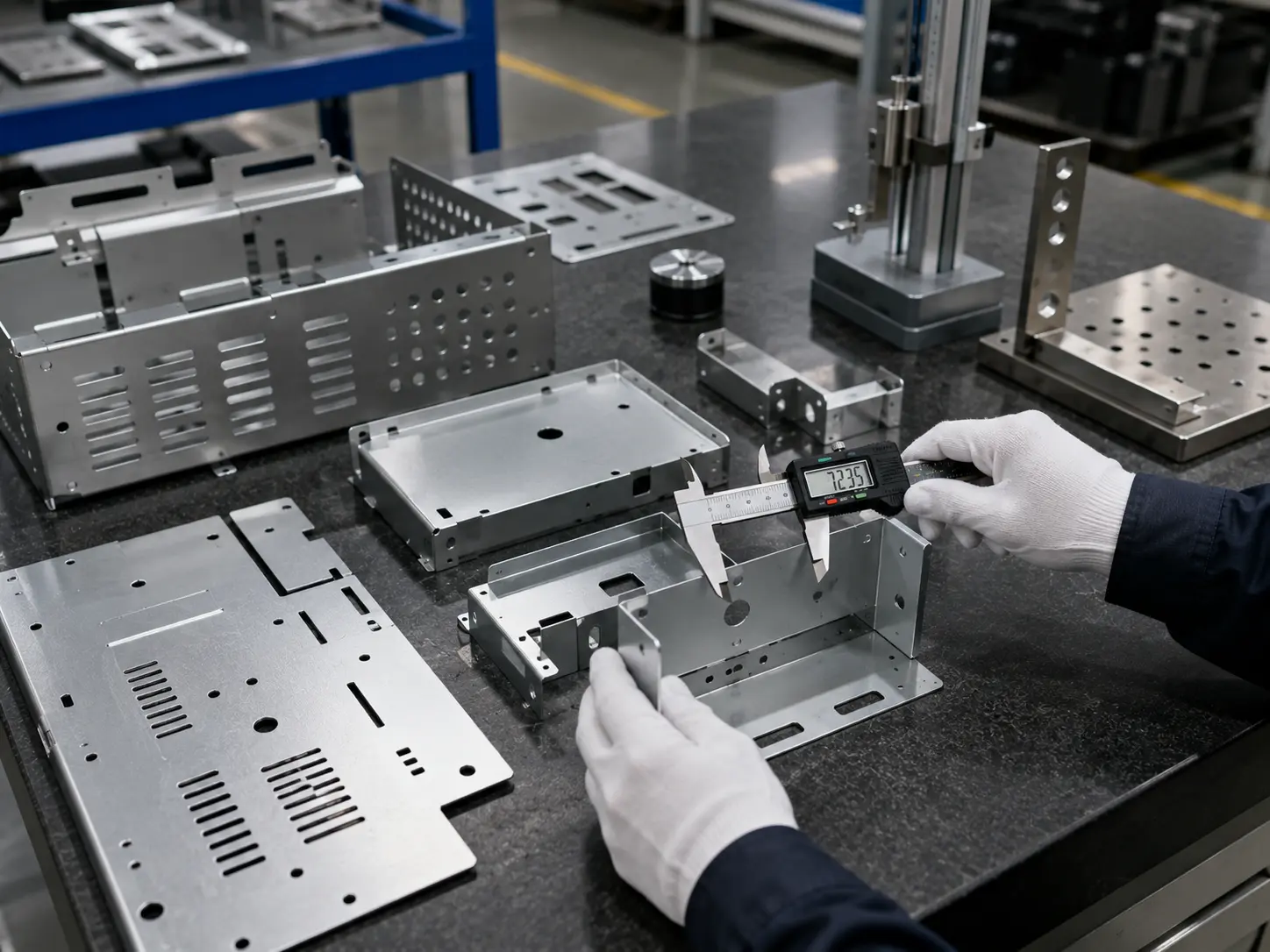
Incoming Parts
Inspection
- Verify dimensions, materials and surface condition
- Ensure parts meet quality standards
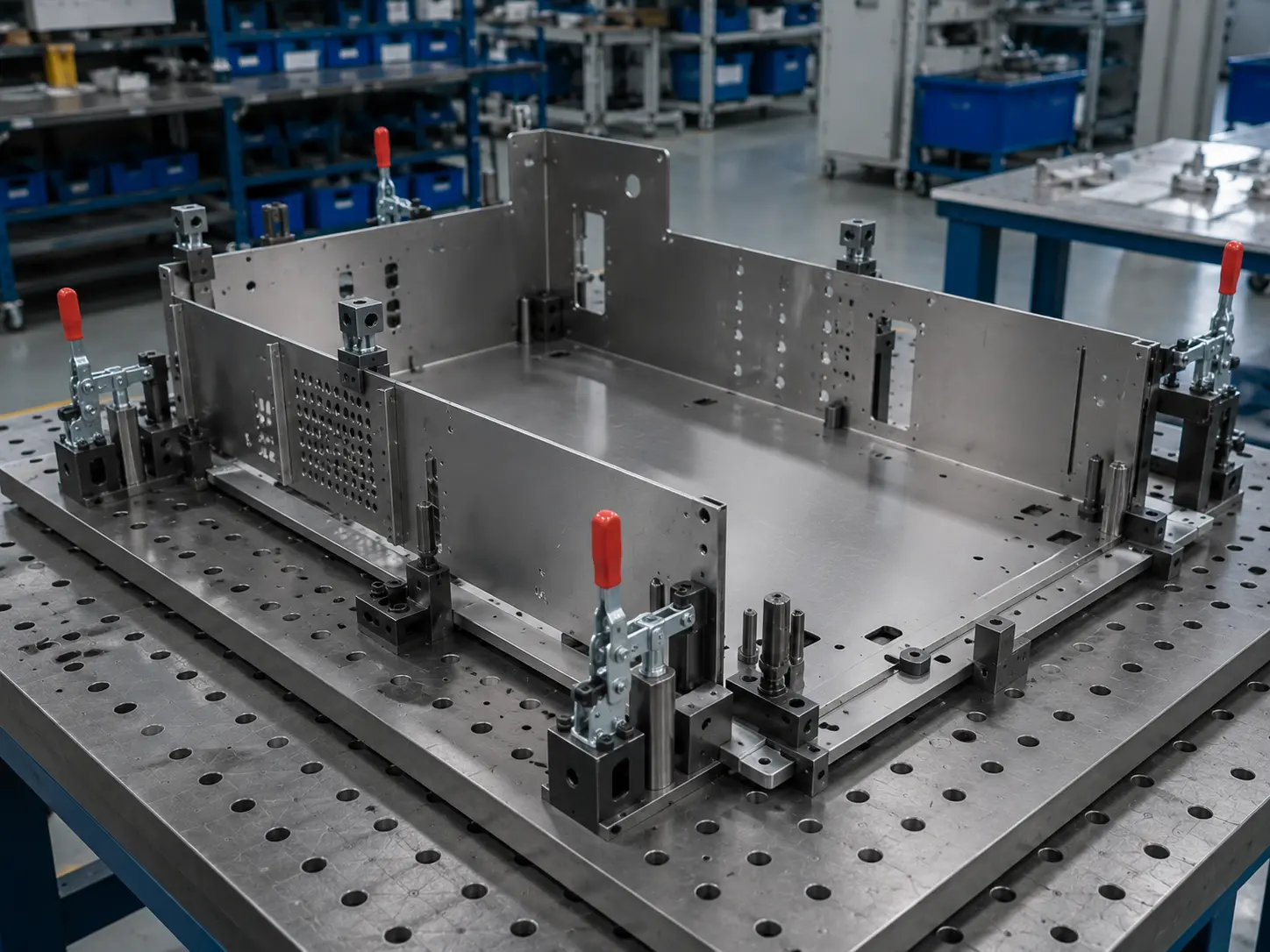
Fixture &
Assembly Setup
- Prepare fixtures and tools
- Confirm assembly sequence and fit-up accuracy
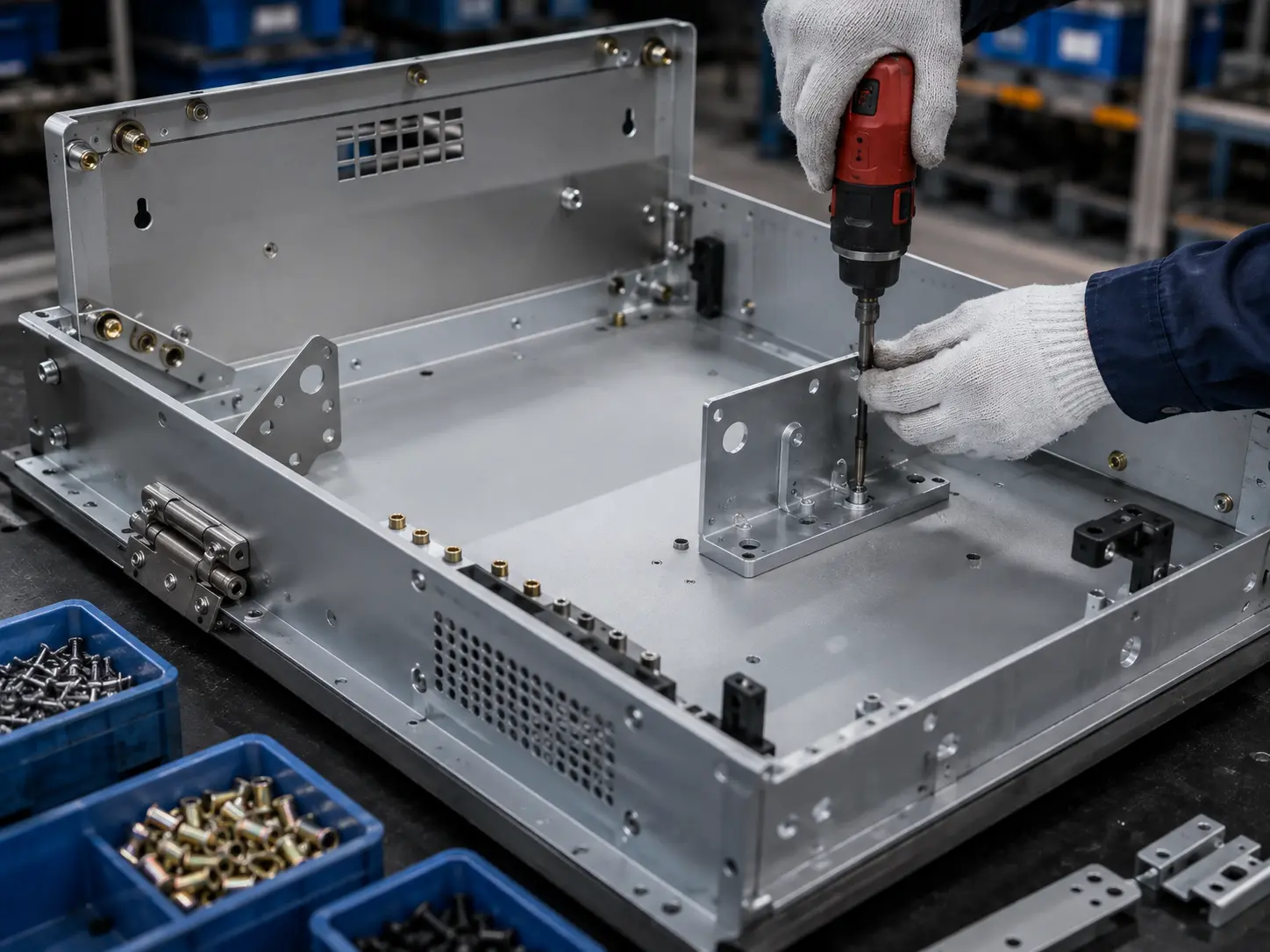
Joining &
Component Installation
- Fastening, clinching, riveting, welding or adhesive bonding
- Install accessories and sub-assemblies
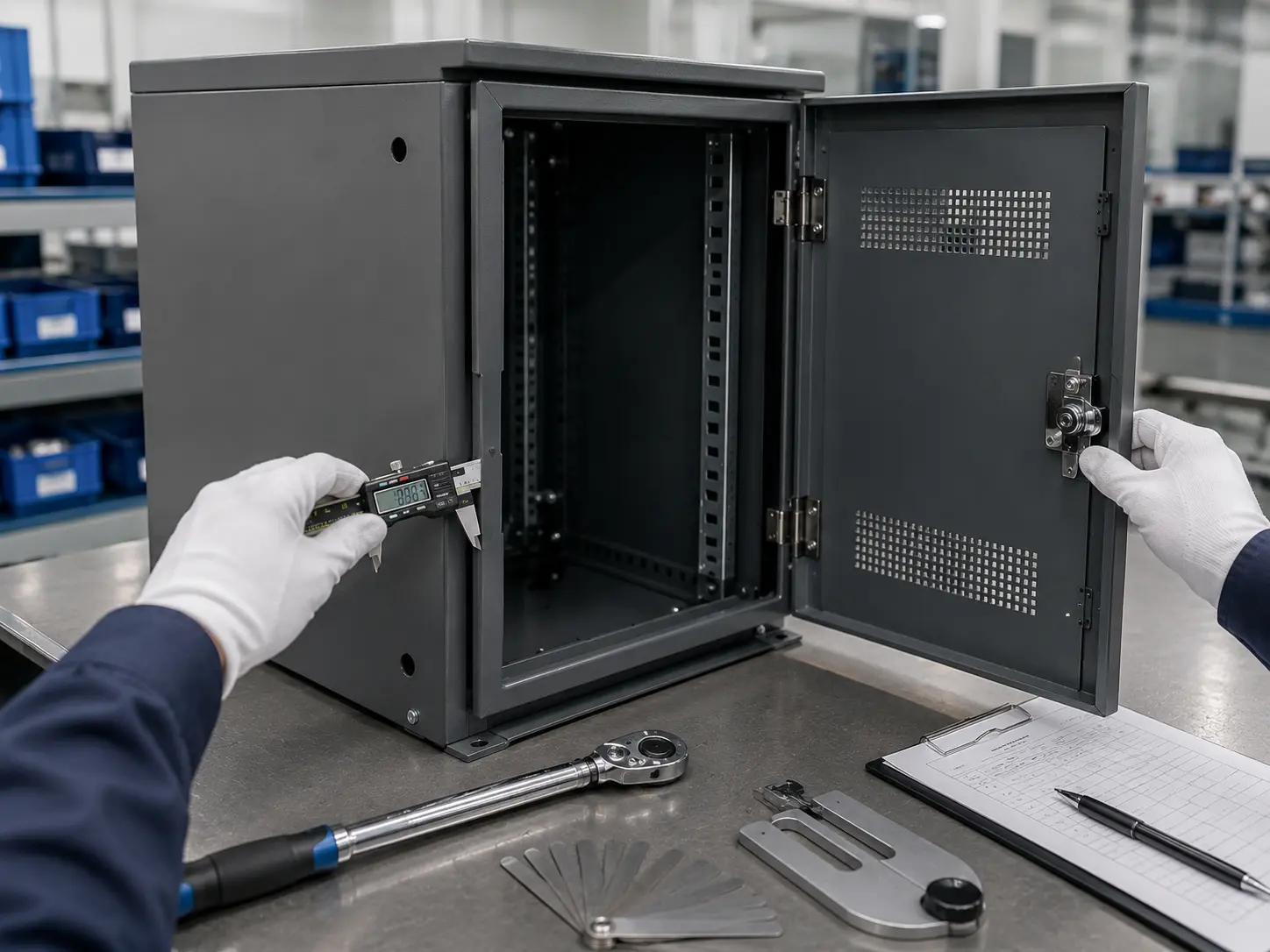
In-Process &
Functional Checks
- Dimensional and appearance inspection
- Functional and performance testing
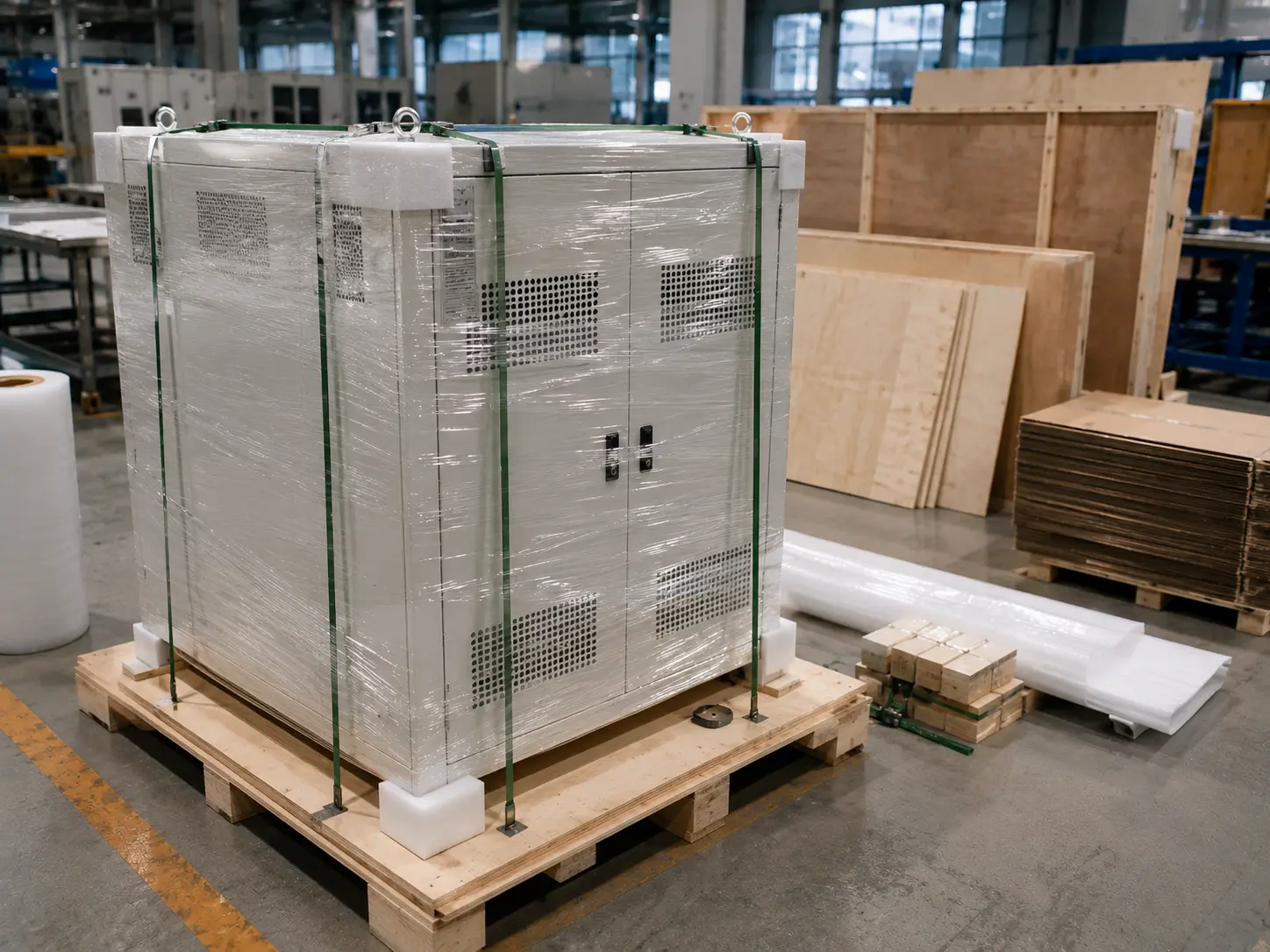
Final Packing
& Shipment
- Final inspection before packing
- Protective packaging, labeling and shipping documentation
Quality Built In
Quality checks at every key stage, not just at the end.
On-Time Delivery
Standardized workflow helps ensure schedule reliability.
Consistent Results
Proven process delivers stable quality across every build.
Clear Communication
Transparent updates and full traceability throughout.
Standards & References
We follow international standards and customer requirements, including ISO 2768, ISO 5817, ASTM, and other applicable specifications.
Note: The process may vary based on project type, materials, and customer requirements.
Ready to Review Your Metal Assembly Requirements?
Send us your drawings, BOM, assembly sequence, joining methods, purchased components, testing requirements, packaging specifications, and acceptance criteria. Our engineering team will review the assembly scope and recommend a suitable production and inspection plan.
Industries & Metal Assembly Applications
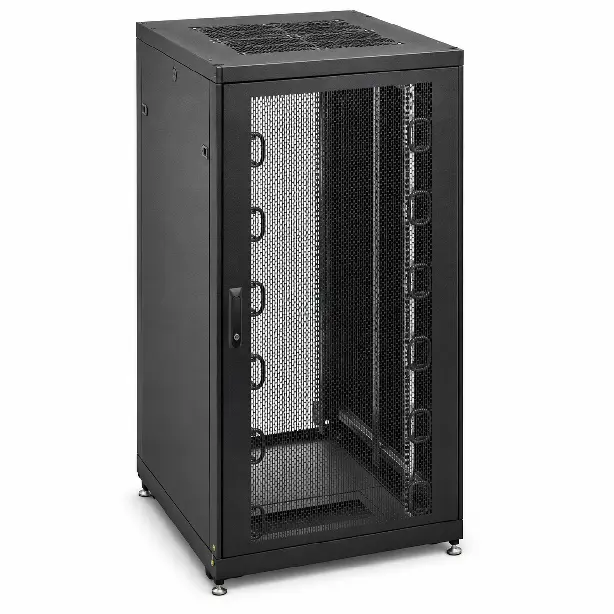
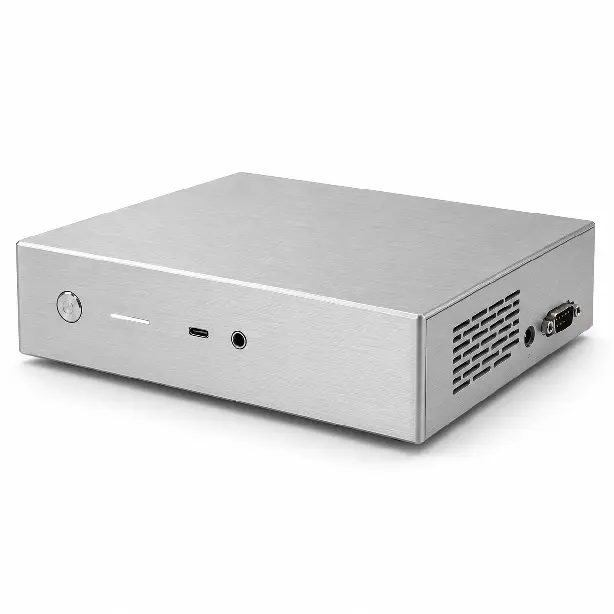
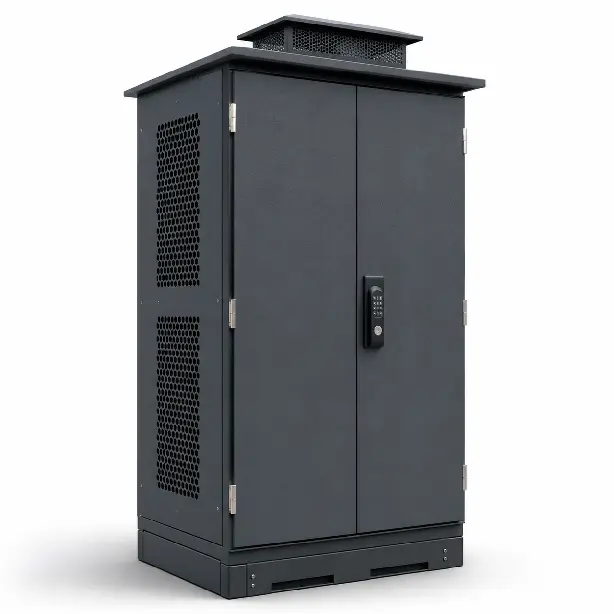
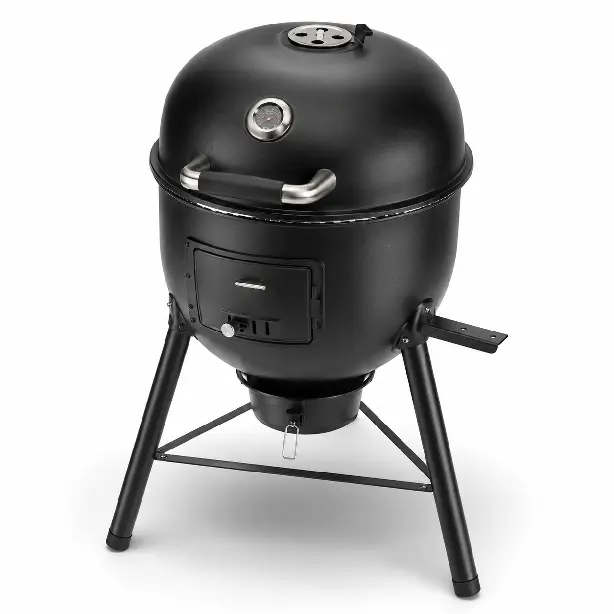
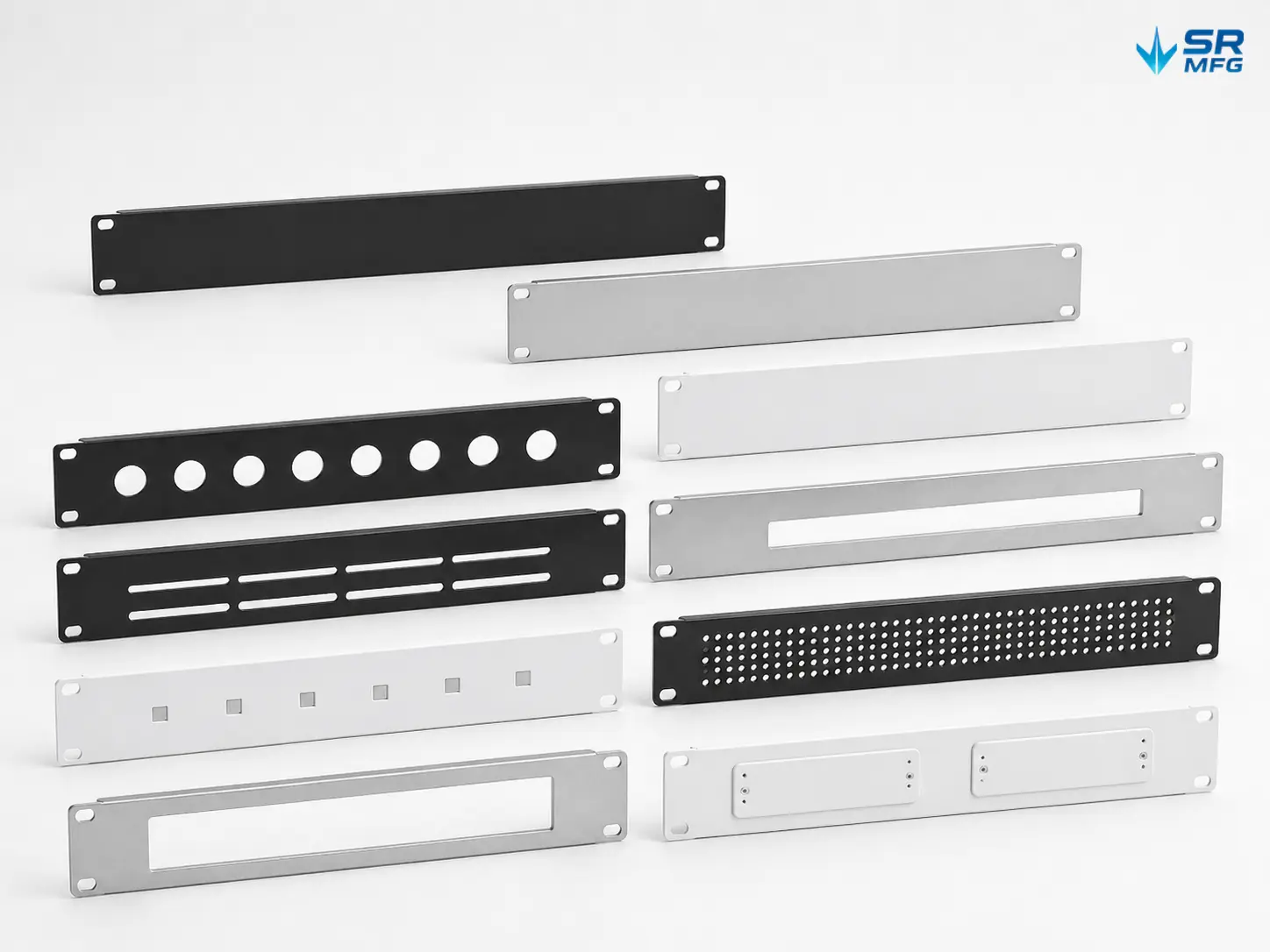
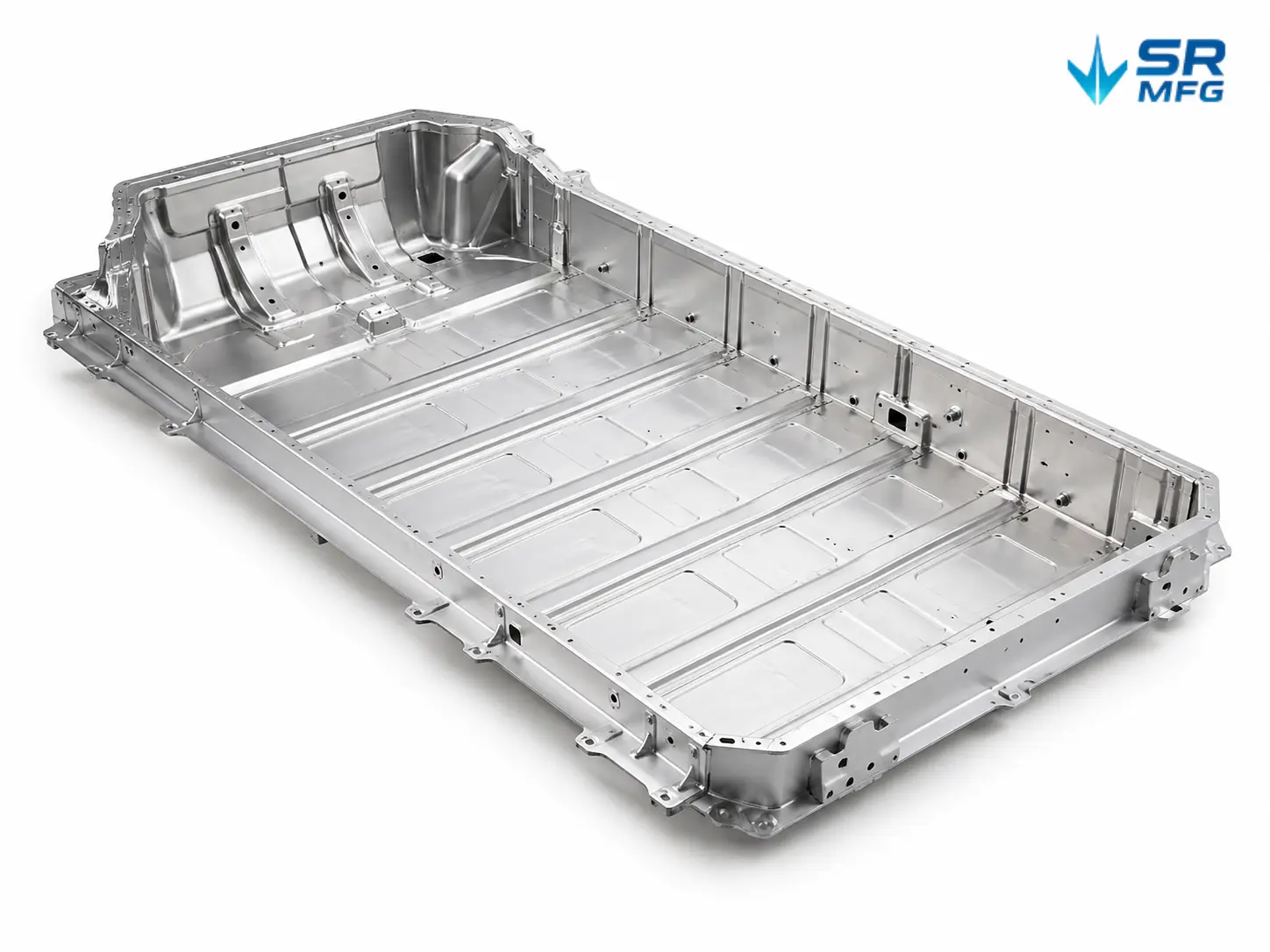
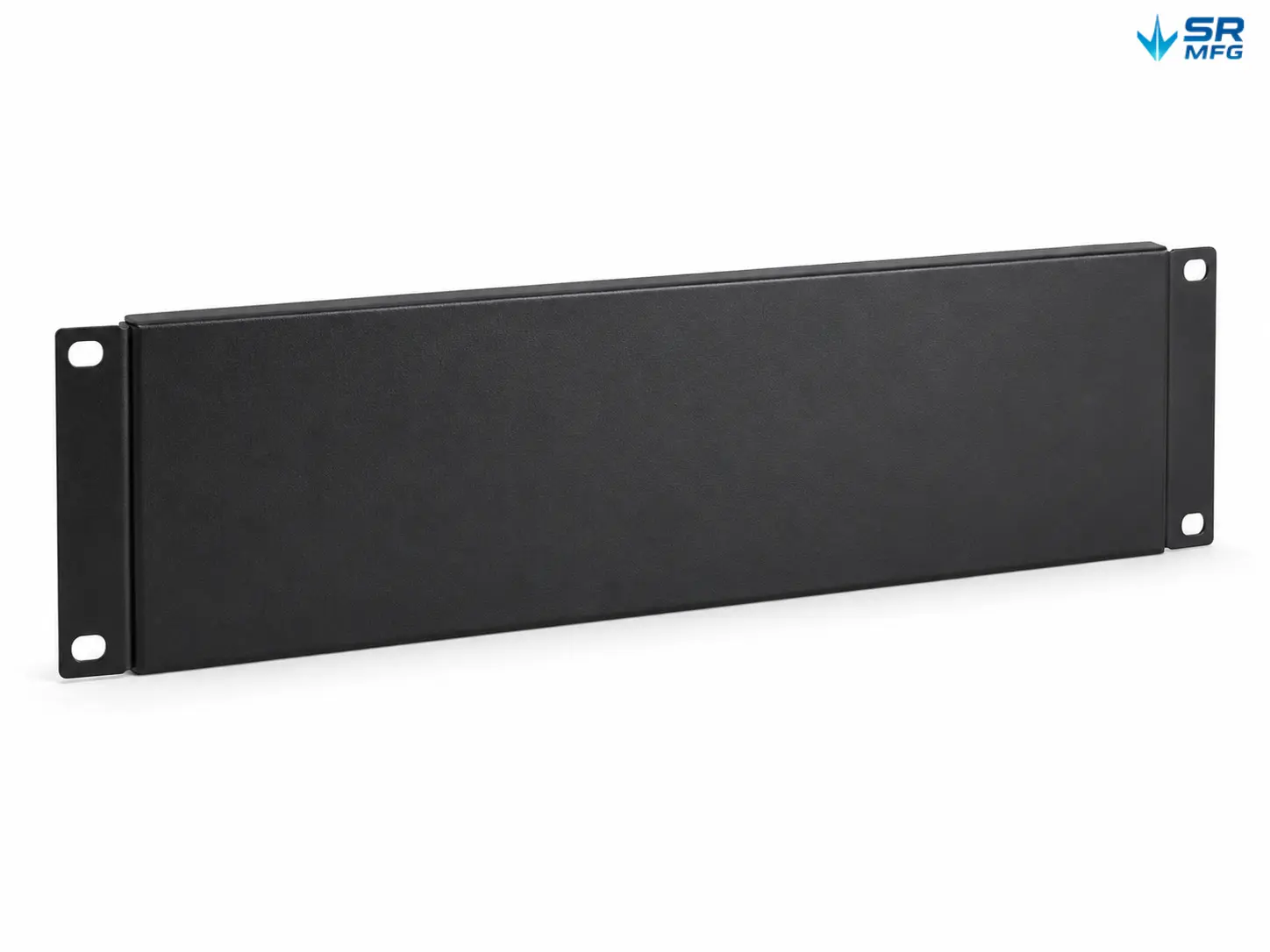
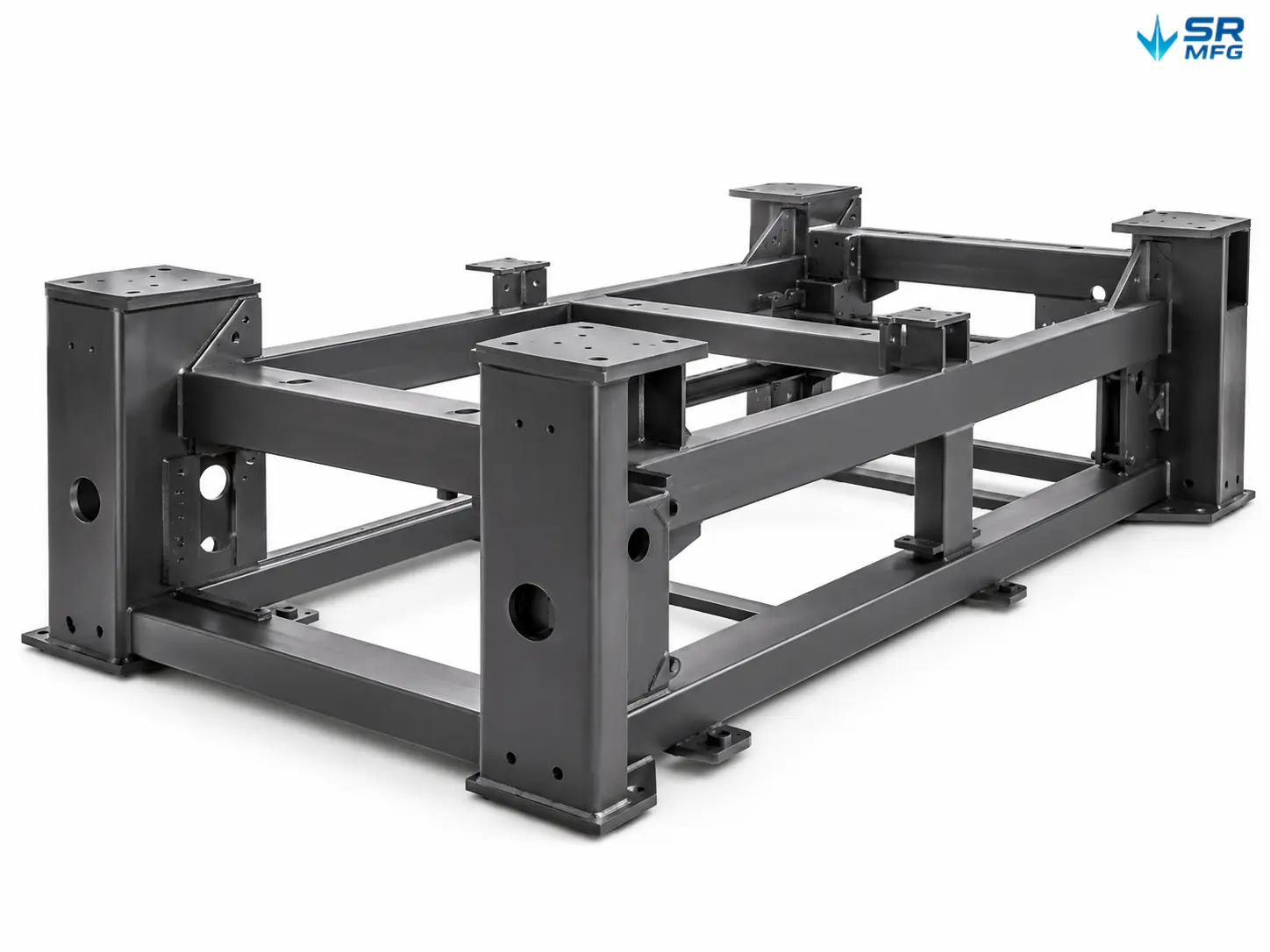
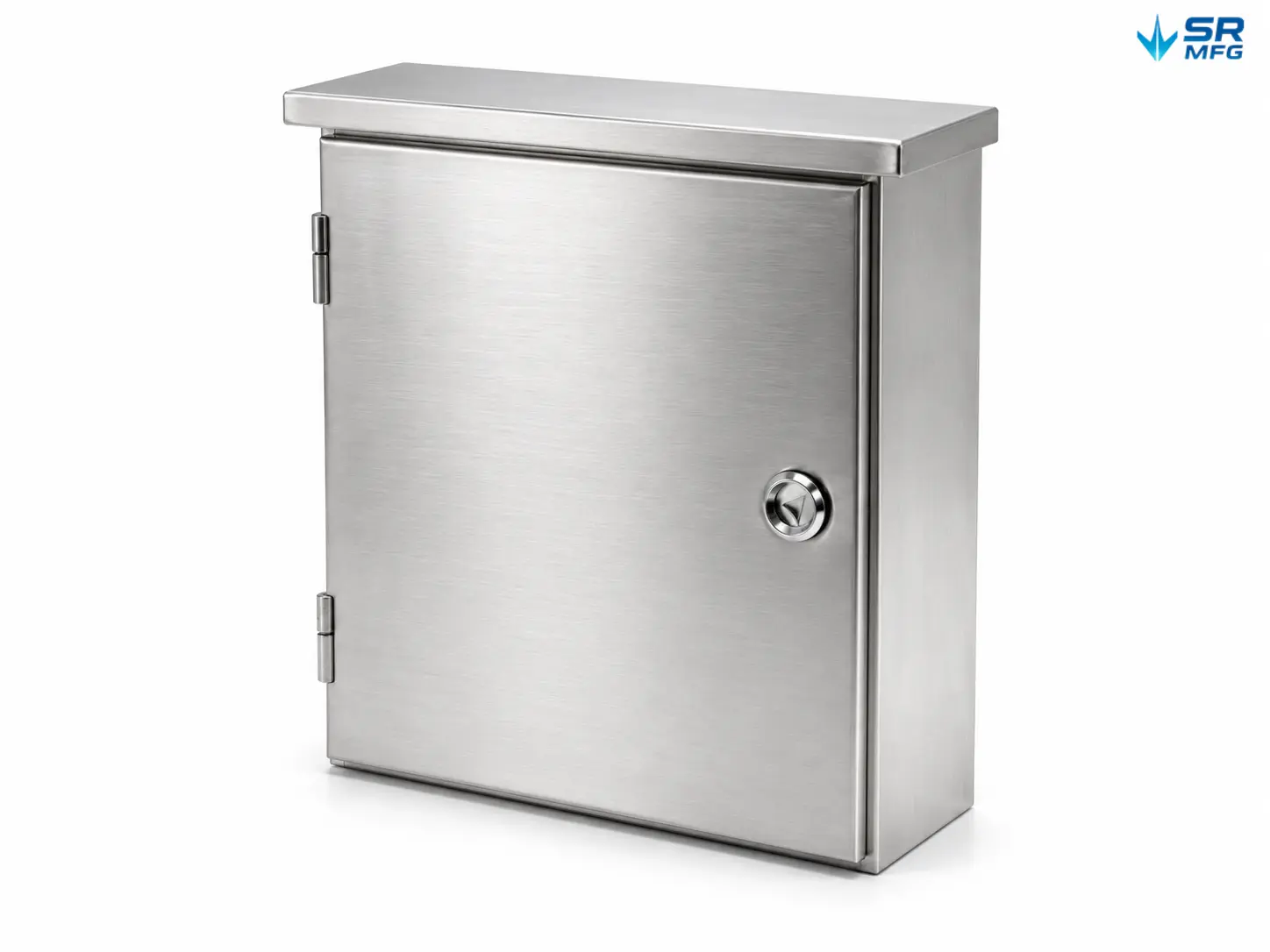
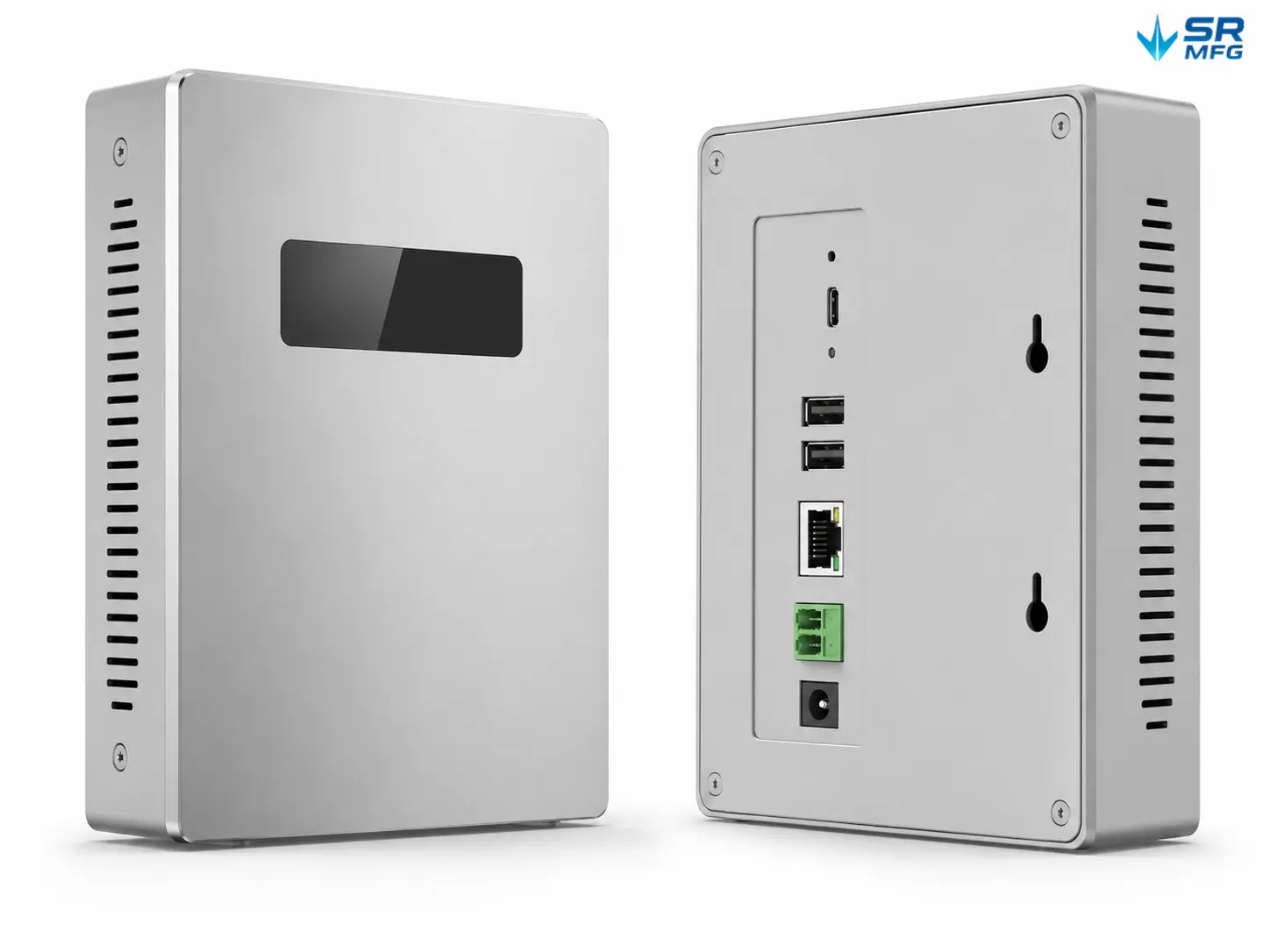
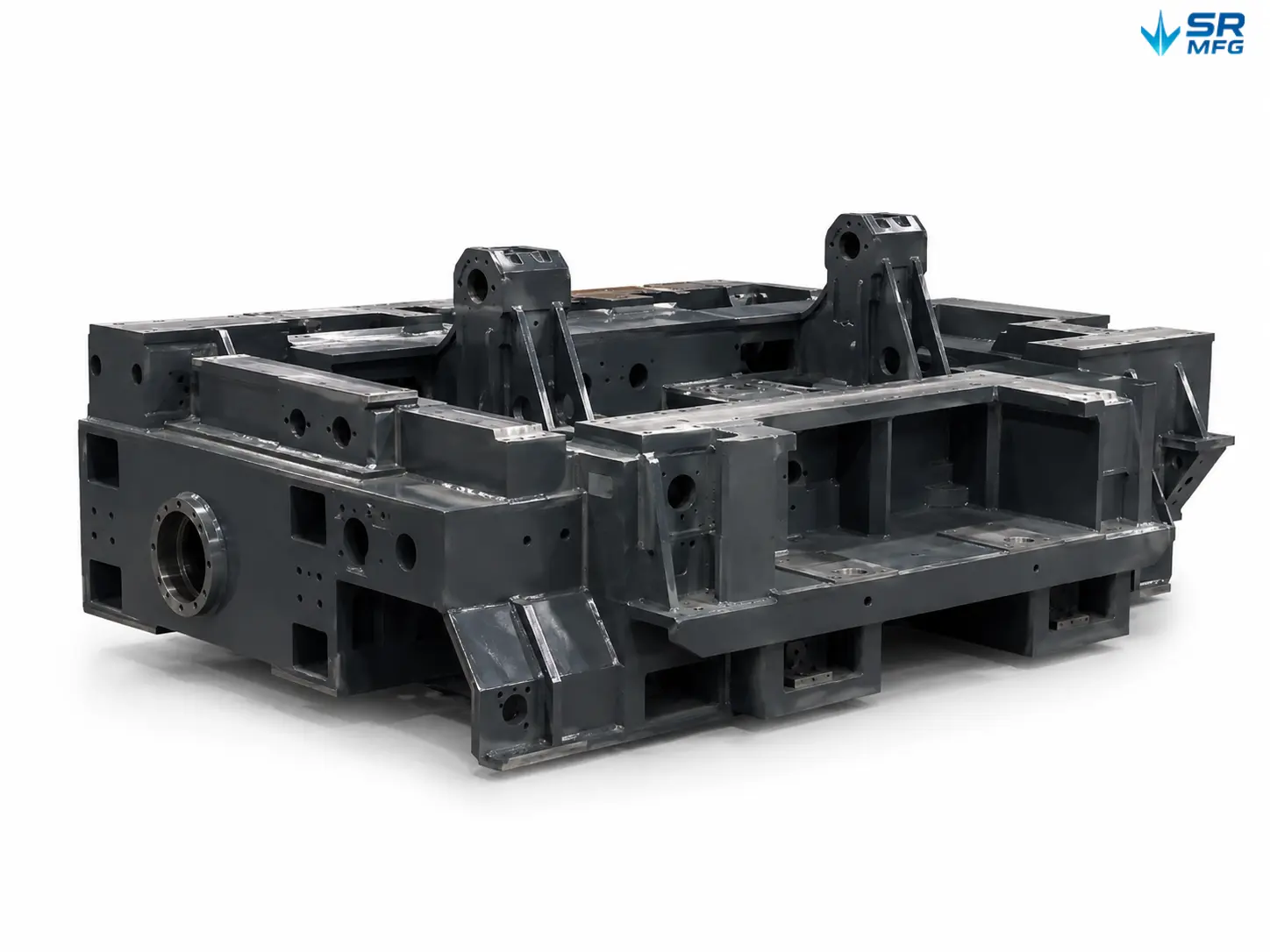
SR MFG provides metal assembly services for sheet metal parts and fabricated components used in data center equipment, consumer electronics, electrical systems, industrial equipment, new energy systems, and outdoor products. Metal assembly helps combine individual cut, bent, welded, machined, or finished parts into complete functional modules or ready-to-install assemblies.
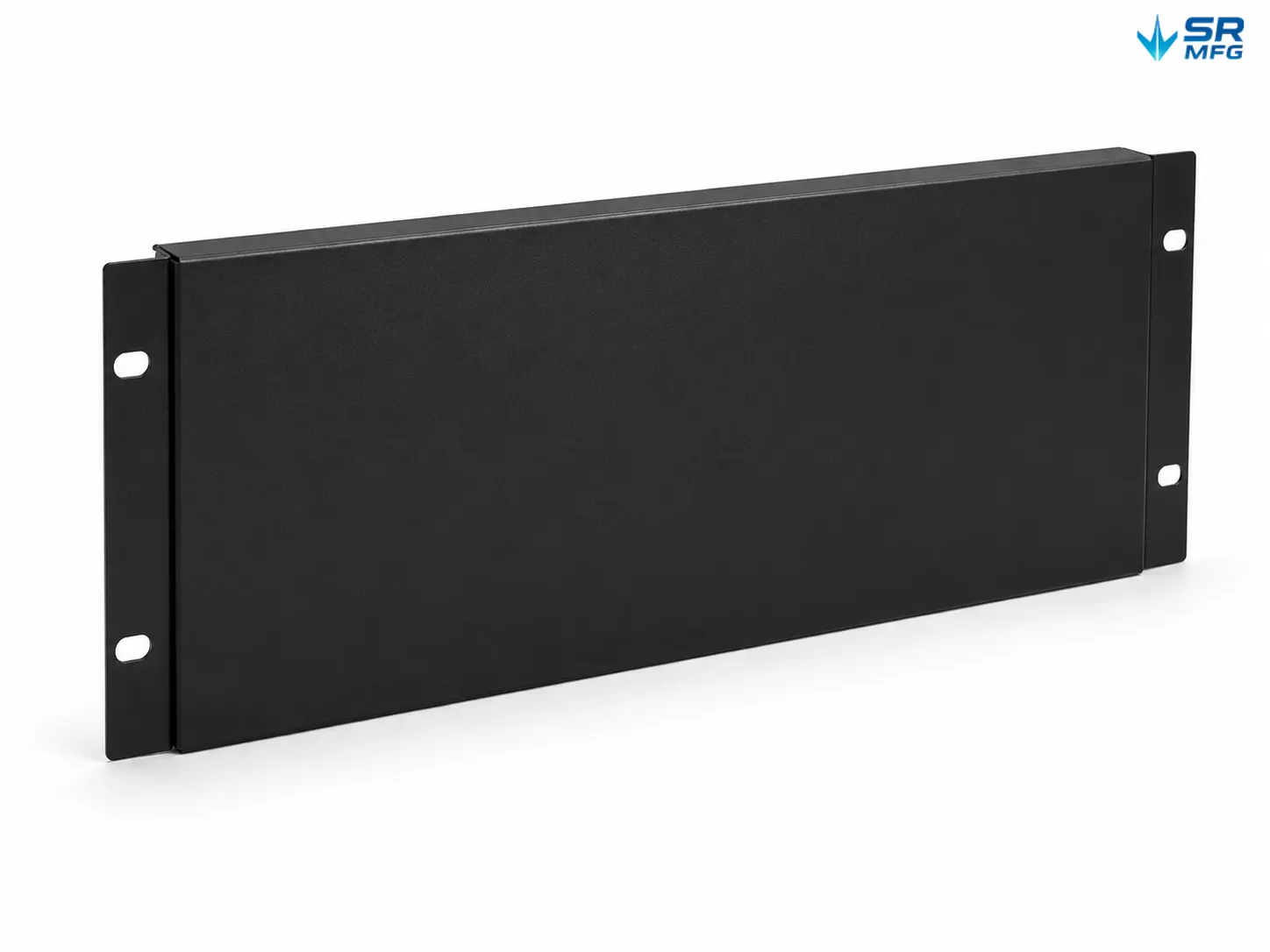
We support both prototype validation and stable batch production for metal assemblies that require fastening, riveting, welding assembly, hardware installation, threaded inserts, hinges, handles, brackets, panels, and enclosure integration.