Sheet Metal FabricationSolutions forAl Data Centers
SR MFG provides end-to-end sheet metal manufacturing for Al data center serverequipment, rack systems, enclosures, cooling-related components, and infrastructureassemblies-from prototype validation to full-scale production.
Delivery Experience
Machines
Systems
I am very glad to have gained their trust.












AI DATA CENTERCHALLENGES
Why AI Data Centers NeedAdvanced Sheet Metal Solutions
Since OpenAI released GPT in 2018 and AI adoption began accelerating rapidly around 2020, global demand for computing power has surged. Power consumption for a single GPU server has already exceeded 1400W. In applications defined by this level of power density and system integration, conventional sheet metal fabrication methods are no longer enough.
Al server infrastructure places higher demands on sheet metal parts, including thermal control,structural strength, EMC performance, serviceability, and production consistency.
Higher Power Density
GPU servers increase heat concentration and structural demands on racks, enclosures, and support parts.
Cooling & Airflow
Panels, ducts, brackets, and airflow paths must support efficient cooling and stable operation.
EMC & Reliability
Controlled fit, grounding, shielding, and assembly consistency are critical for stable system performance.
Prototype to Volume
Projects often move quickly from validation to batch production, requiring repeatable quality and scalable processes.
SR MFG supports AI data center projects with coordinated sheet metal fabrication from prototype validation to stable mass production.
Common Risks We Help Control
AI data center and server equipment place high demands on sheet metal design, materials,precision, and reliability. We focus on the details that prevent problems before they happen.
Thermal Design Risk
- Poor airflow layout and vent alignment cause hot spots.
- Leads to overheating, throttling, and reduced hardware lifespan.
- Our Control: DFM review for airflow paths, vent locations, and heat-source alignment.
EMC & Grounding Risk
- Poor shielding and improper grounding cause signal interference.
- May result in EMC failure and unstable performance.
- Our Control: Controlled shielding joints, grounding design, and conductive contact.
Structural Strength Risk
- High equipment weight and vibration challenge structural integrity.
- May cause deformation, misalignment, or equipment damage.
- Our Control: Structural analysis, reinforced design, and proper material & thickness selection.
Surface Treatment Risk
- Inadequate coating or uneven finish reduces protection.
- May cause corrosion, poor conductivity, or appearance issues.
- Our Control: Proper surface treatment process and salt spray testing.
Tolerance Stack-Up Risk
- Poor tolerance control leads to cumulative assembly errors.
- Results in gaps, misalignment, and higher rework.
- Our Control: Tight process control, inspection, and tolerance management.
Material Selection Risk
- Wrong material or thickness for the environment.
- Leads to premature corrosion, failure, and higher maintenance.
- Our Control: Material matching for environment, strength, and manufacturability.
SR MFG reviews these risks during quotation, DFM review, prototyping, and mass production to ensure reliable, consistent, and high-quality results.
Why Choose SR MFG for Al DataCenter Sheet Metal Projects?
From engineering review to stable production, SR MFG helps Al data center and server equipmentprojects move faster with coordinated manufacturing, practical DFM feedback, and controlled quality management.
Industry-Focused
Engineering Review
Review thermal layout, structure, EMC, material, and finish requirements for server and infrastructure parts.
Integrated Sheet Metal
Manufacturing
Laser cutting, CNC punching, bending, welding, surface finishing, and assembly in one coordinated workflow.
Prototype-to-Production
Support
Support fast validation, fixture planning, pilot runs, and stable batch production for OEM programs.
Quality & Delivery
Control
Tighter process control, inspection checkpoints, and repeatable production to help reduce risk and lead time.
SR MFG helps reduce design and production risk for AI data center sheet metal projects.
Send Your Drawings for Engineering Review →Our Manufacturing Capabilities
SR MFG offers a complete and advanced sheet metal fabrication process chain, with every stage carefully optimized to meet the demanding standards of the AI data center and server industry.
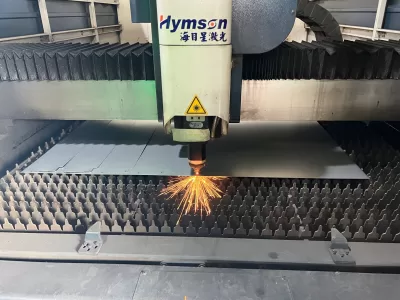
Laser Cutting
Precision processing for AI server cabinet panels, ventilation holes, cooling openings, and mounting holes, with hole tolerances controlled within ±0.05 mm.
View Laser Cutting Service →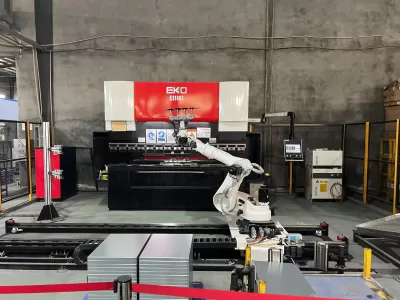
Metal Bending
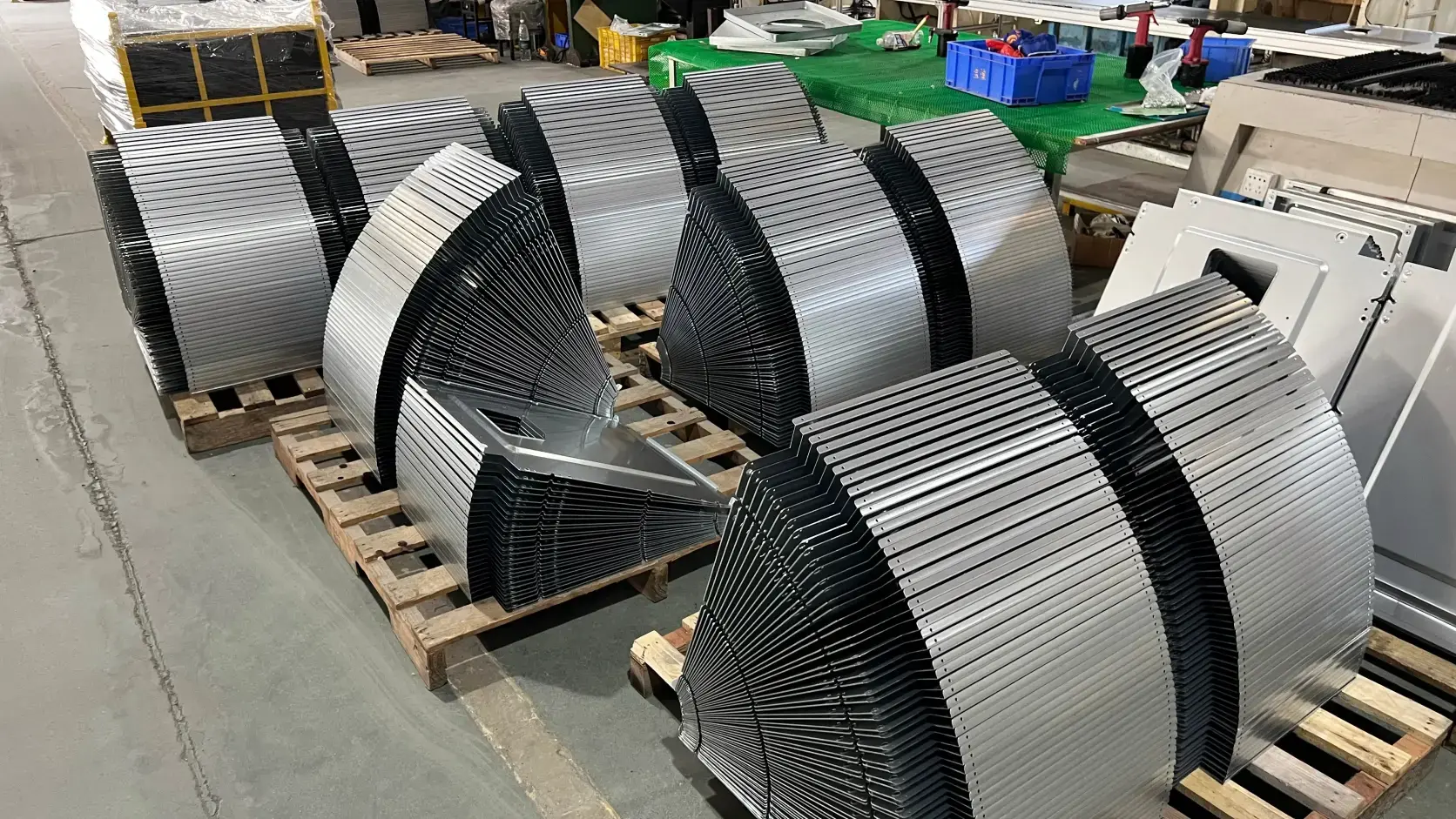
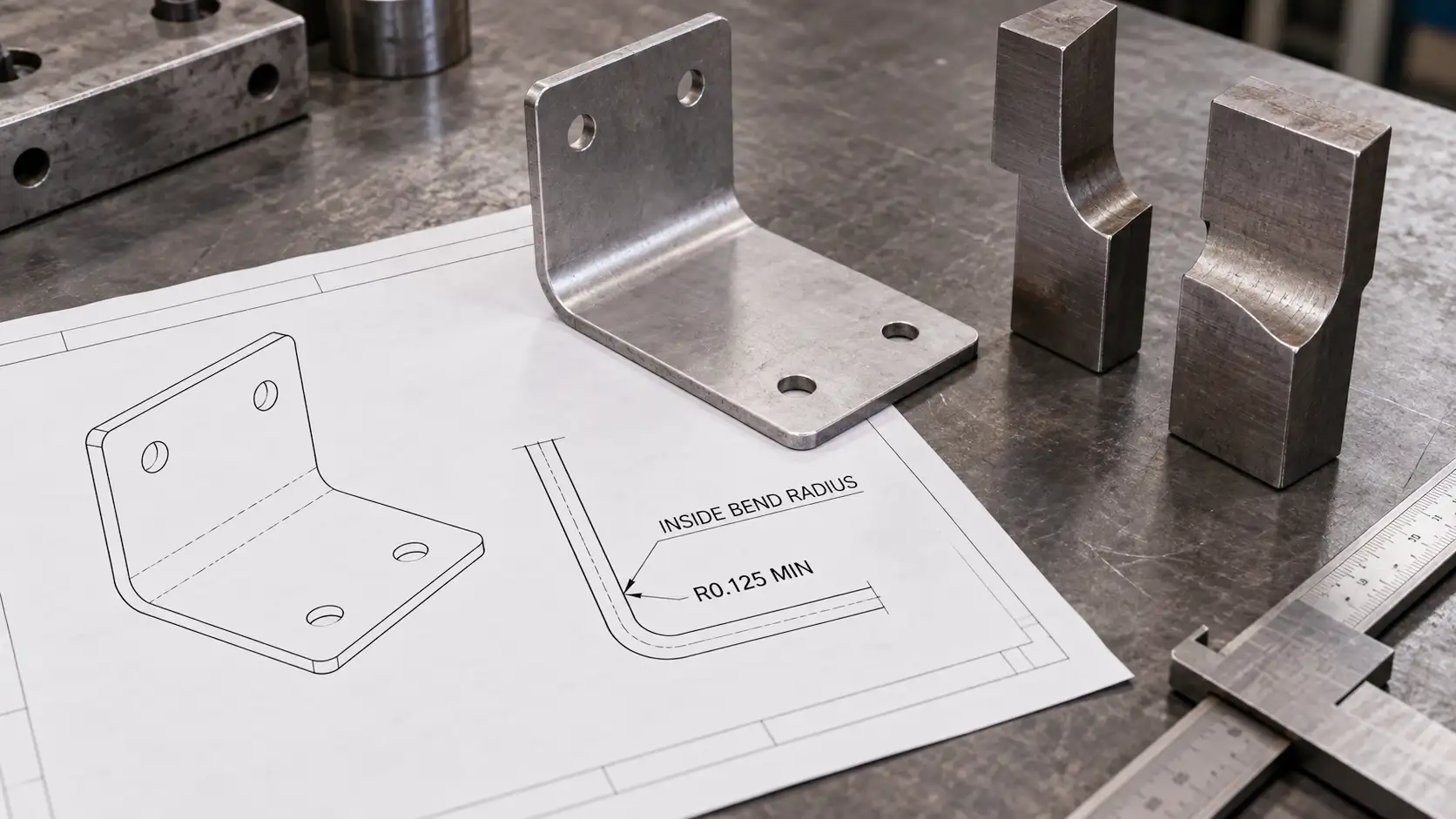
Multi-stage bending for racks and frame structures to control verticality, parallelism, springback, and deformation in high-strength server cabinets.
View Metal Bending Service →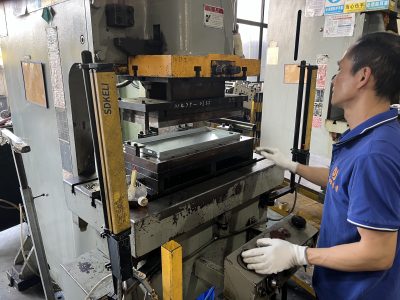
Metal Stamping
Precision stamping for standardized high-volume components, with dedicated tooling designed for repeatability, uniformity, and large-scale deployment.
View Metal Stamping Service →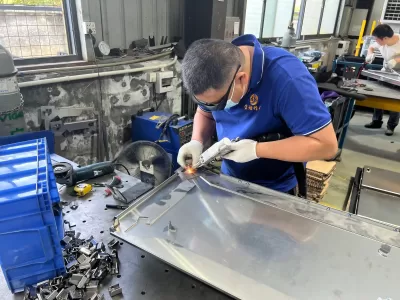
Welding
Robotic welding helps maintain consistent weld quality and structural strength, while laser welding supports clean, low-visibility seams for appearance-critical parts.
View Welding Service →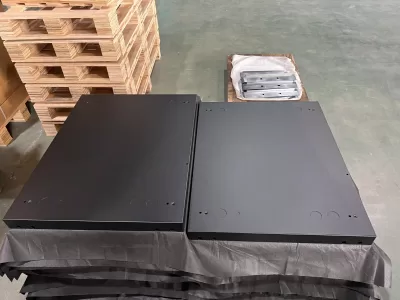
Surface Finishing
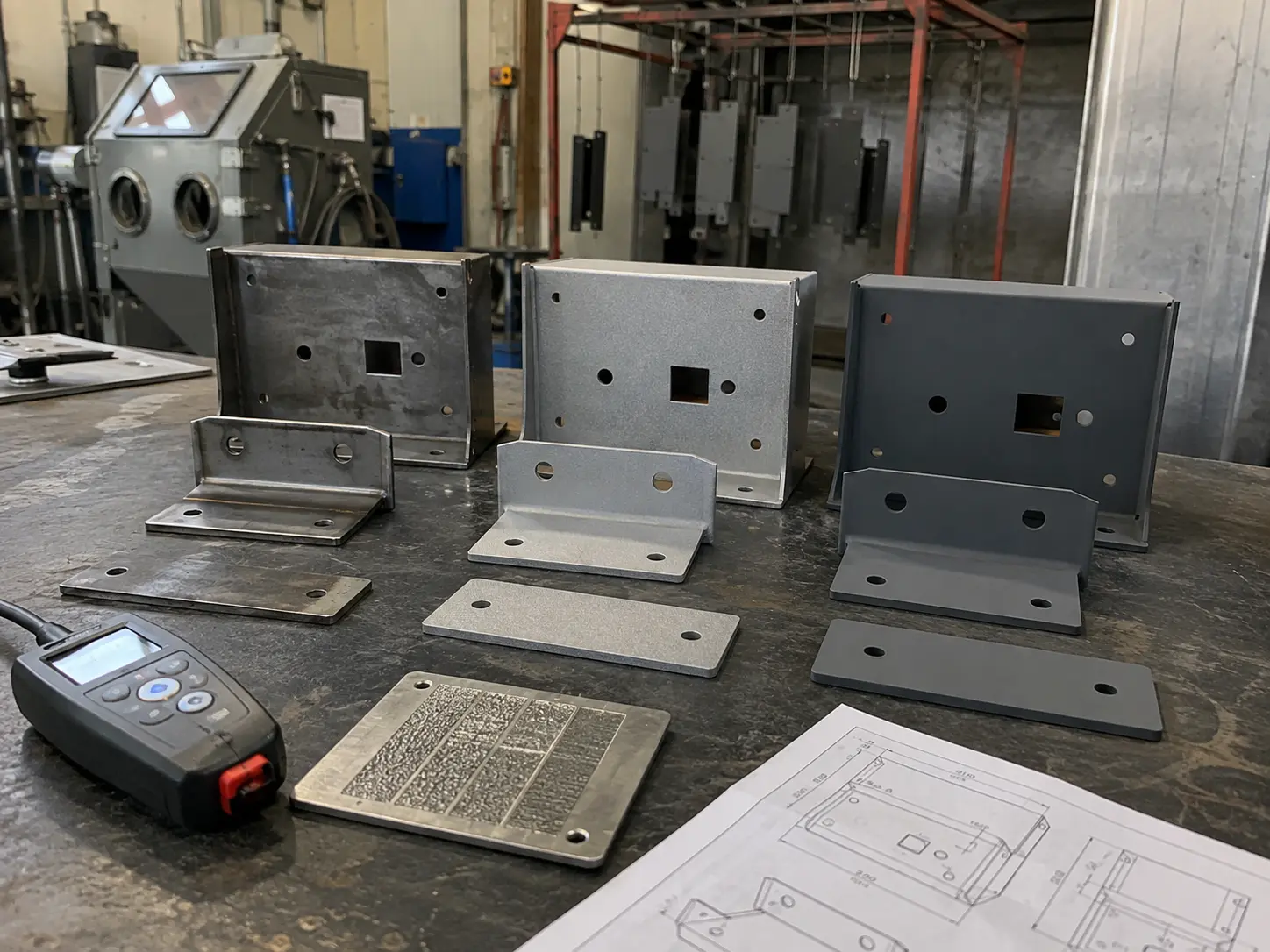
Surface finishing supports corrosion resistance and electromagnetic shielding performance, including anti-corrosion coating systems tested for more than 1,000 hours of salt spray.
View Finishing Services →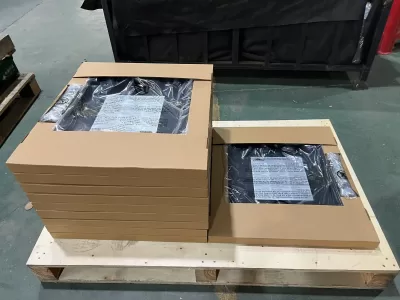
Assembly
Modular assembly and defined inspection standards help ensure each section is assembled correctly before final system integration.
View Assembly Service →From prototype validation to stable batch production, SR MFG supports laser cutting, CNC punching, bending, welding, surface finishing, and assembly in one coordinated manufacturing workflow.
Example Sheet Metal Products for Data Center Projects
Representative sheet metal parts and assemblies for server infrastructure,cooling systems, power distribution, and network equipment.
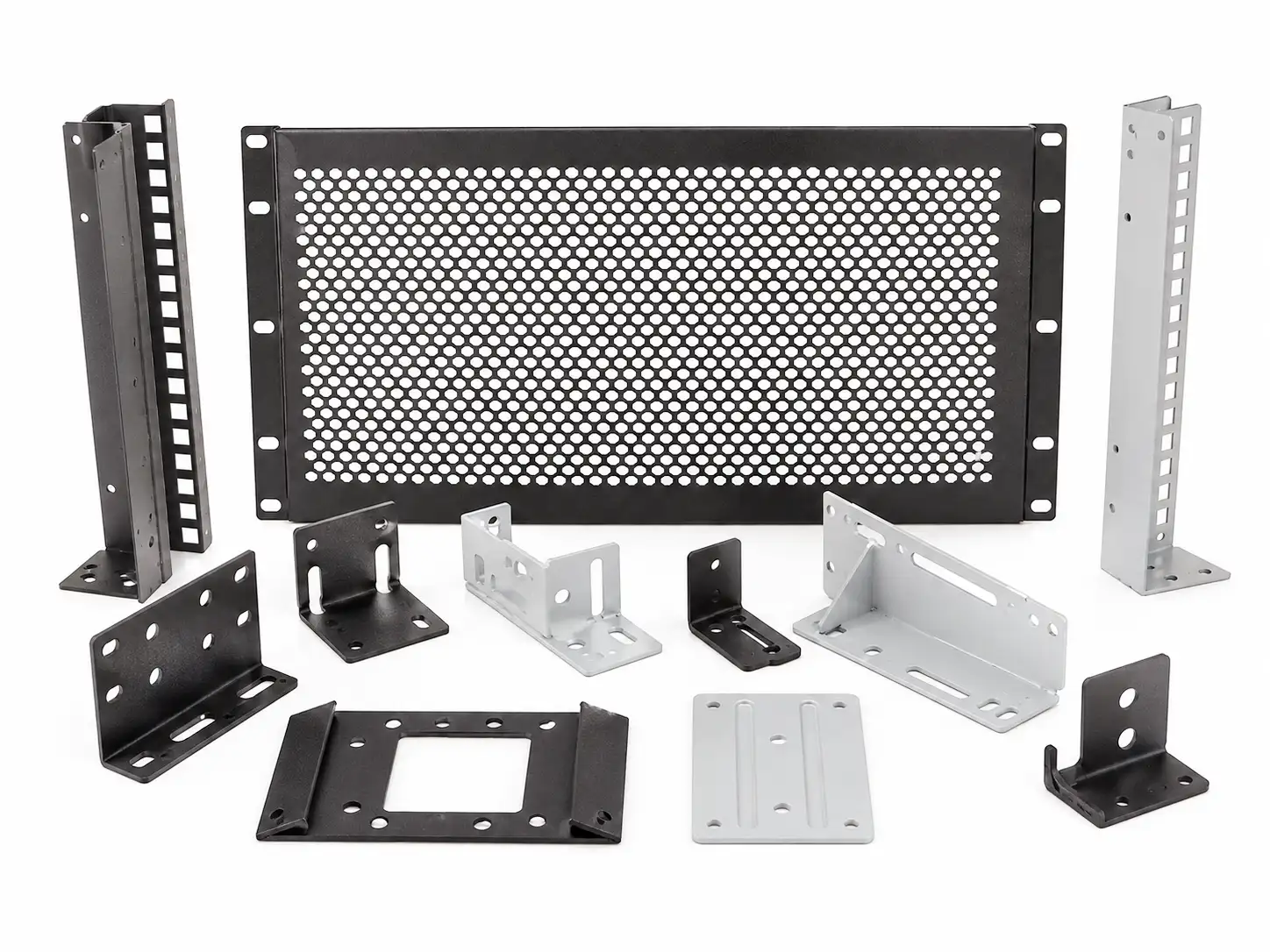
Server Rack Panels & Brackets
Perforated panels, mounting brackets, and structural sheet metal parts for rack systems.
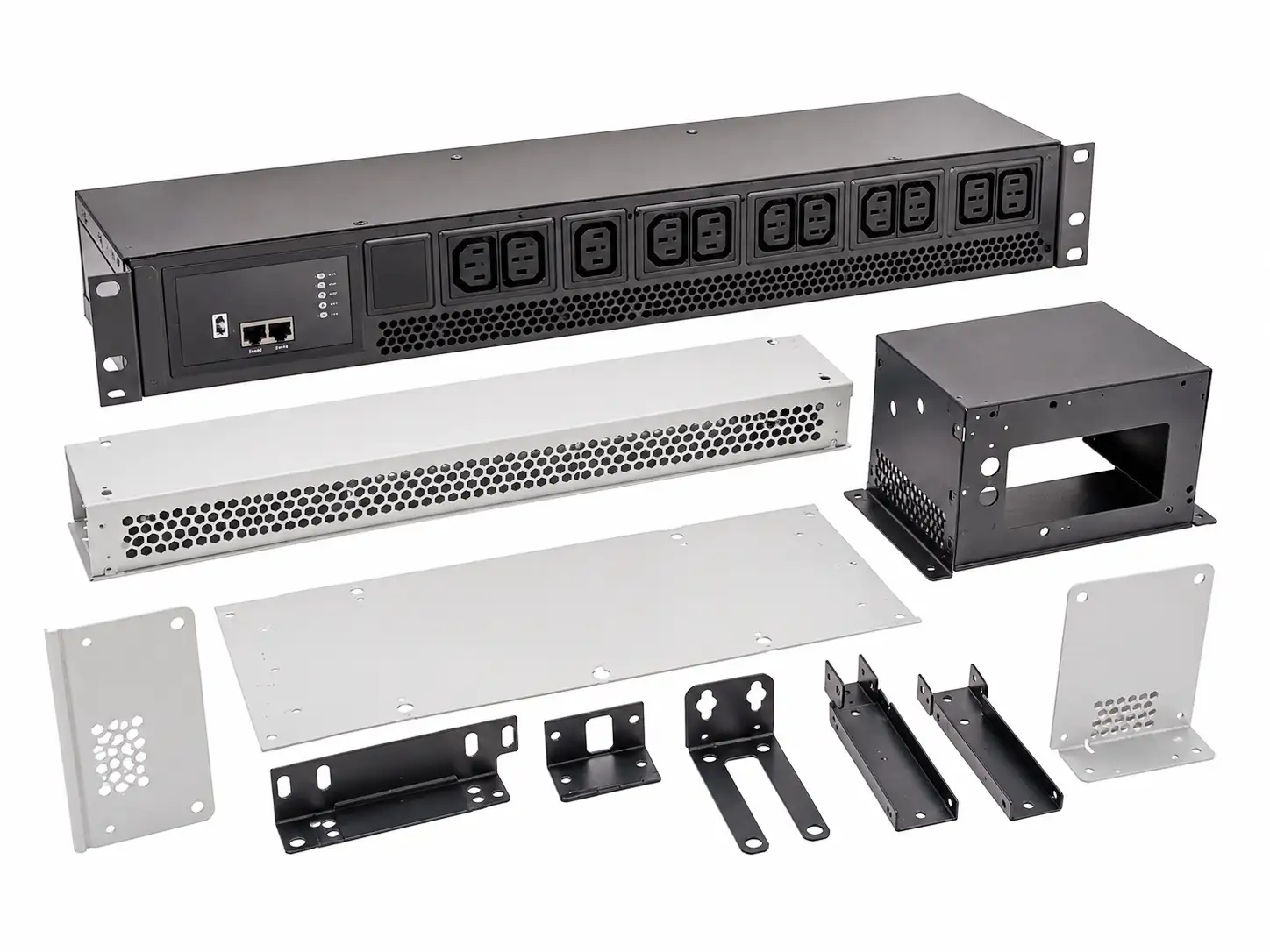
PDU & Power Distribution Enclosures
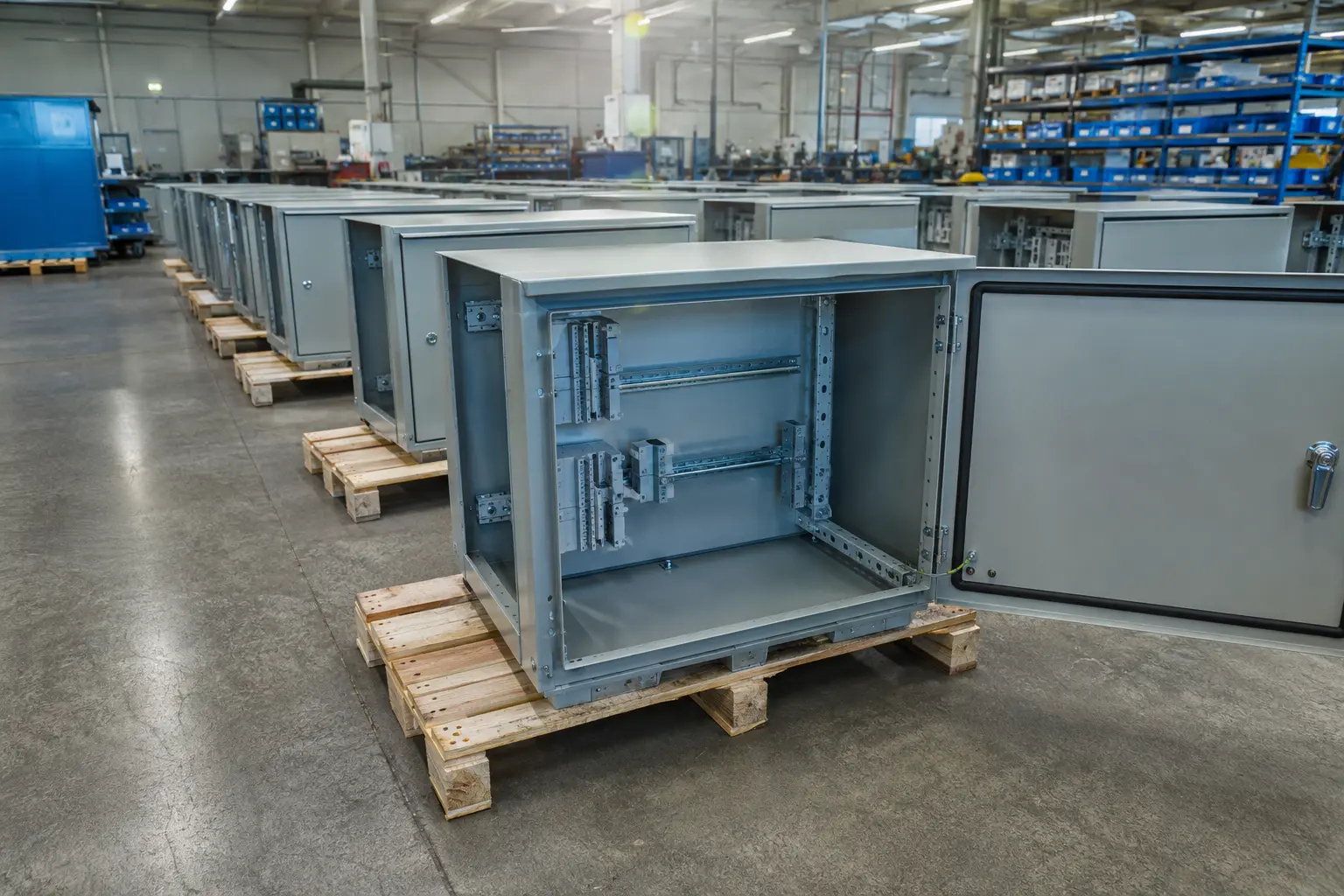
Metal housings and mounting parts for standard and intelligent PDU systems.
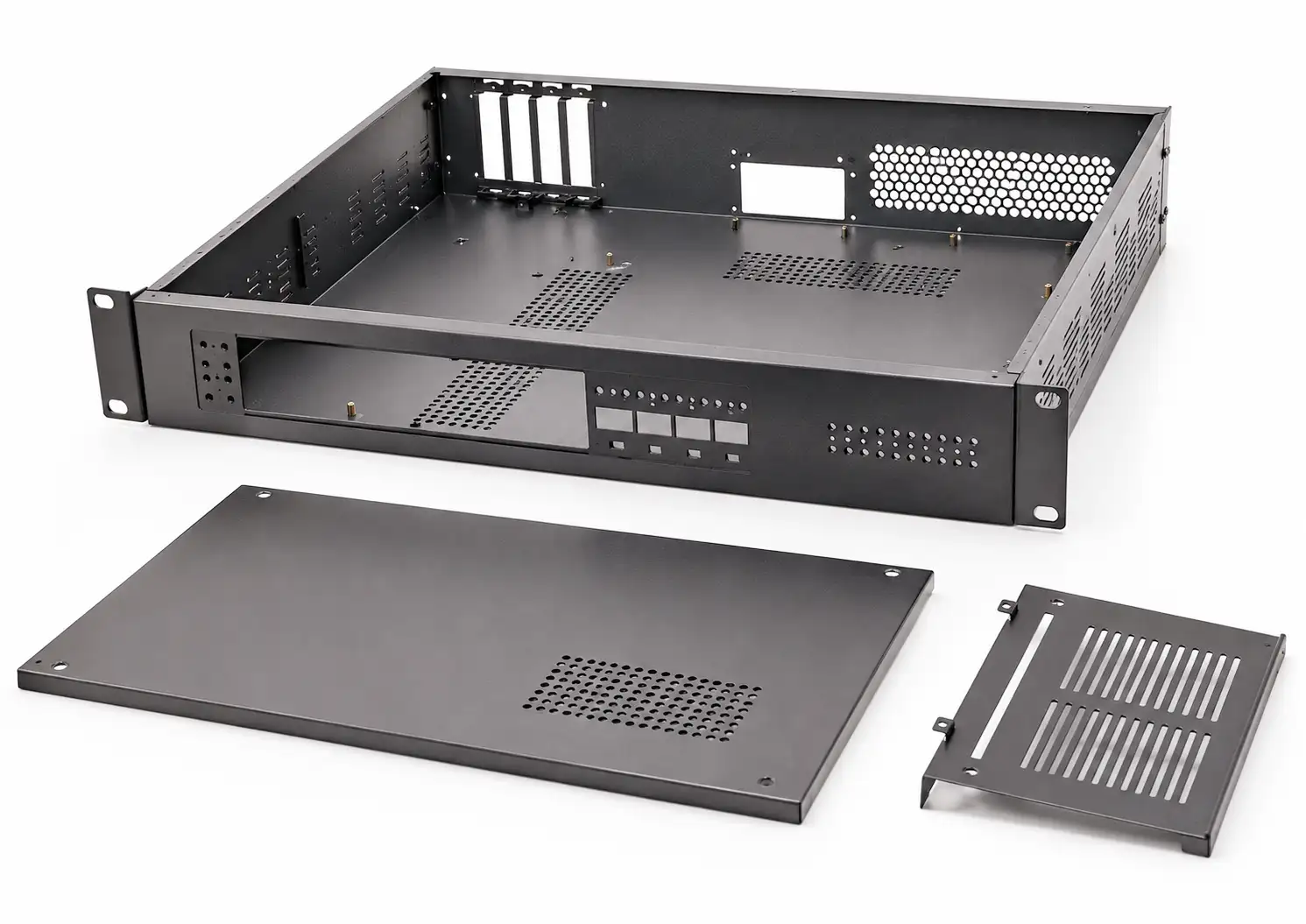
Network Equipment Chassis
Precision sheet metal enclosures for switches, routers, and communication devices.
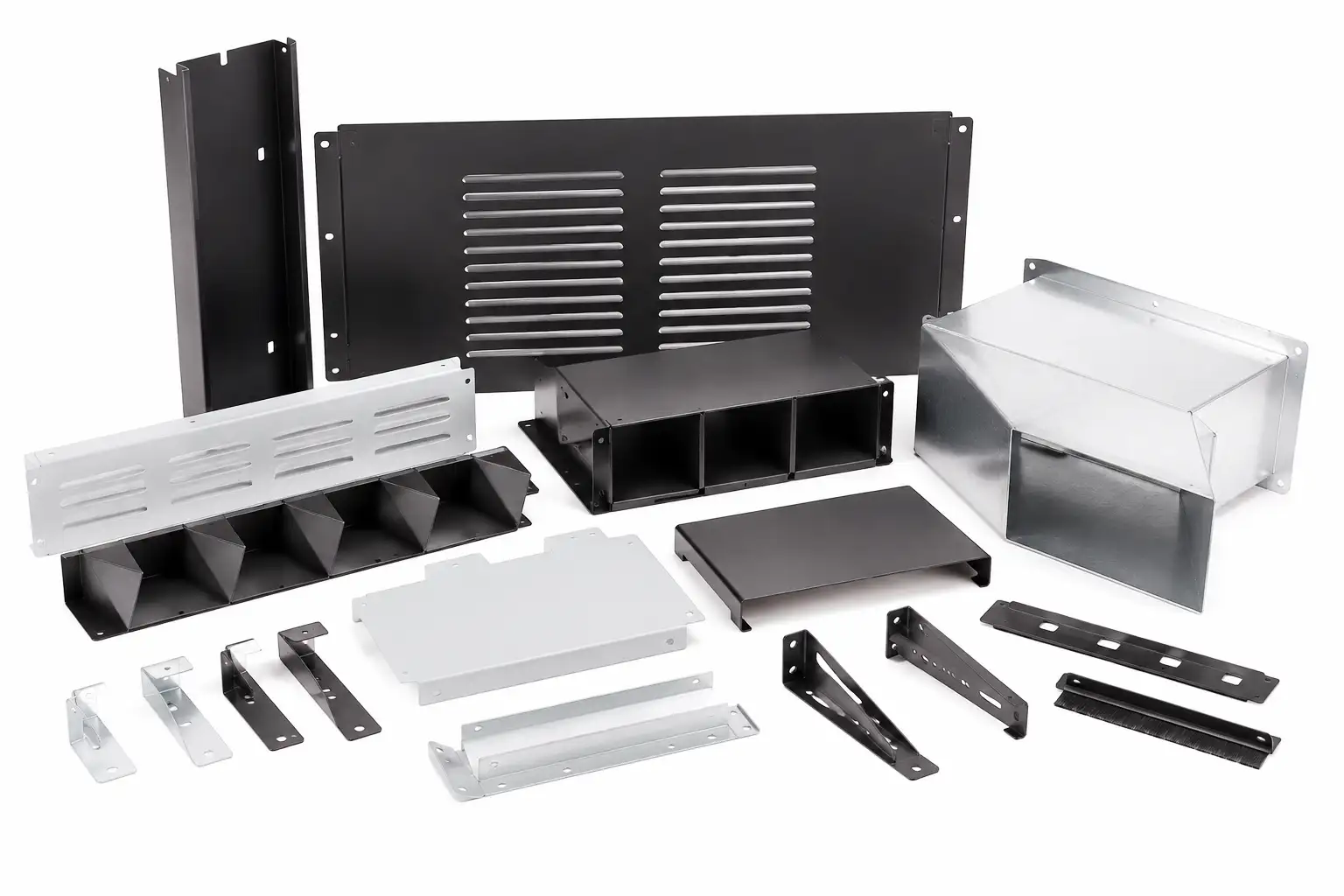
Cooling & Airflow Components
Airflow baffles, vented covers, ducts, and cooling-related support components.
Need custom sheet metal parts for your data center project?
Explore SR MFG Product Center →MATERIALS
Material Selection for Al Data Center Sheet Metal Parts
The right material balances cost, corrosion resistance, weight, manufacturability, and the end-use environment.
Use this guide to choose the best option for your Al data center and server infrastructure applications.
Cold-Rolled Steel (SPCC)
Cost-effective and easy to fabricate for standard server cabinets, internal brackets, and general frame structures. Best when surface finishing will be added.
Galvanized Steel (SGCC / SECC)
A practical choice for PDU enclosures, network equipment chassis, and indoor structural parts where added corrosion resistance is needed.
Stainless Steel 304
Used for high-humidity environments, demanding corrosion resistance, and premium equipment structures that need durability and stability.
Aluminum Alloy 5052 / 6061
Suitable for lightweight housings, thermal management components, and applications where lower weight and better heat performance matter.
(SPCC)
(SGCC / SECC)
5052 / 6061
Need deeper grade-level guidance?
Explore the SR MFG Material Library for detailed material pages.
Quality Control Plan
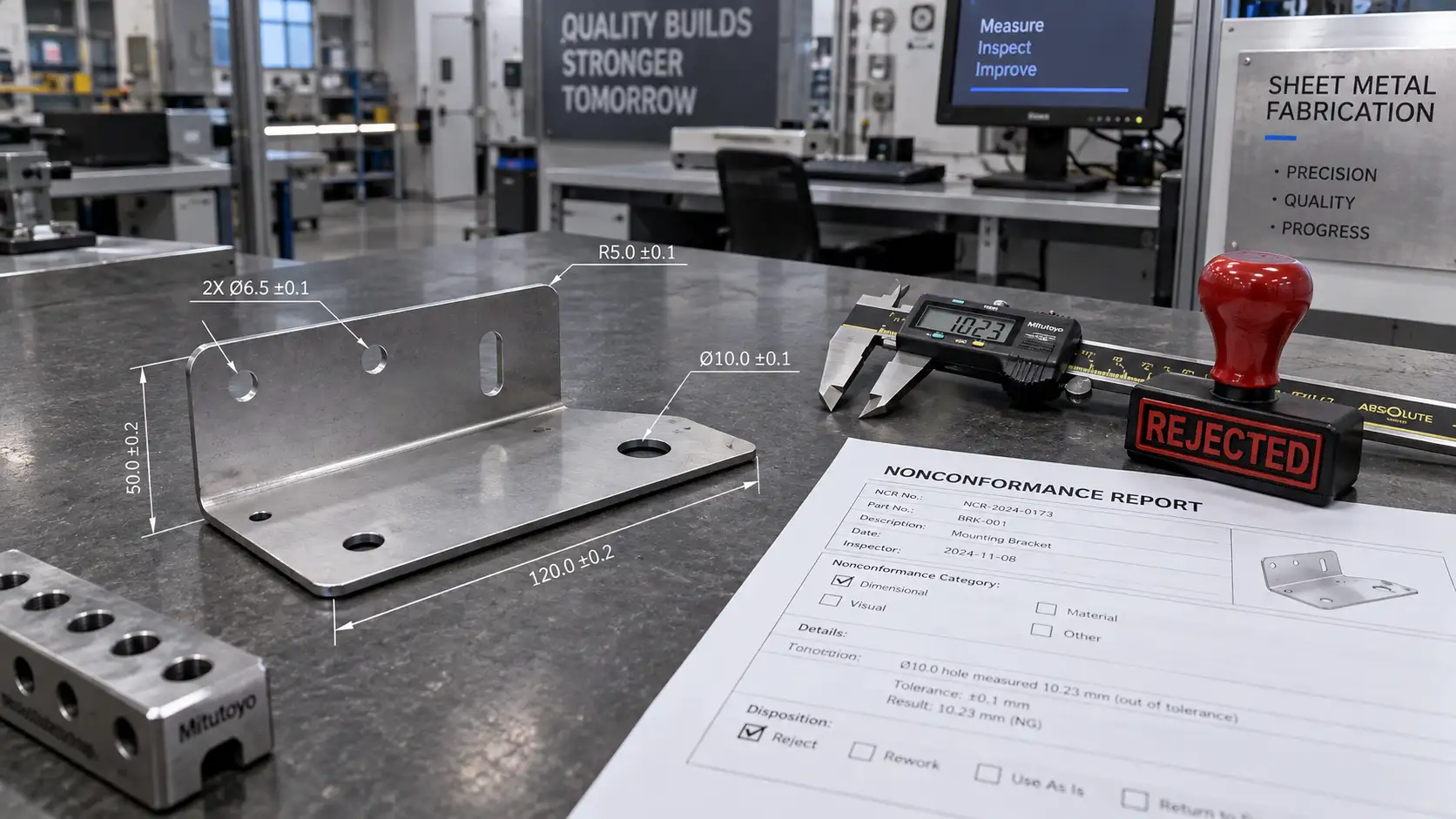
At SR MFG, we define inspection plans based on product requirements and critical dimensions.
This proactive approach helps reduce risk, ensure quality consistency, and support stable, on-time delivery.
Incoming Material Check
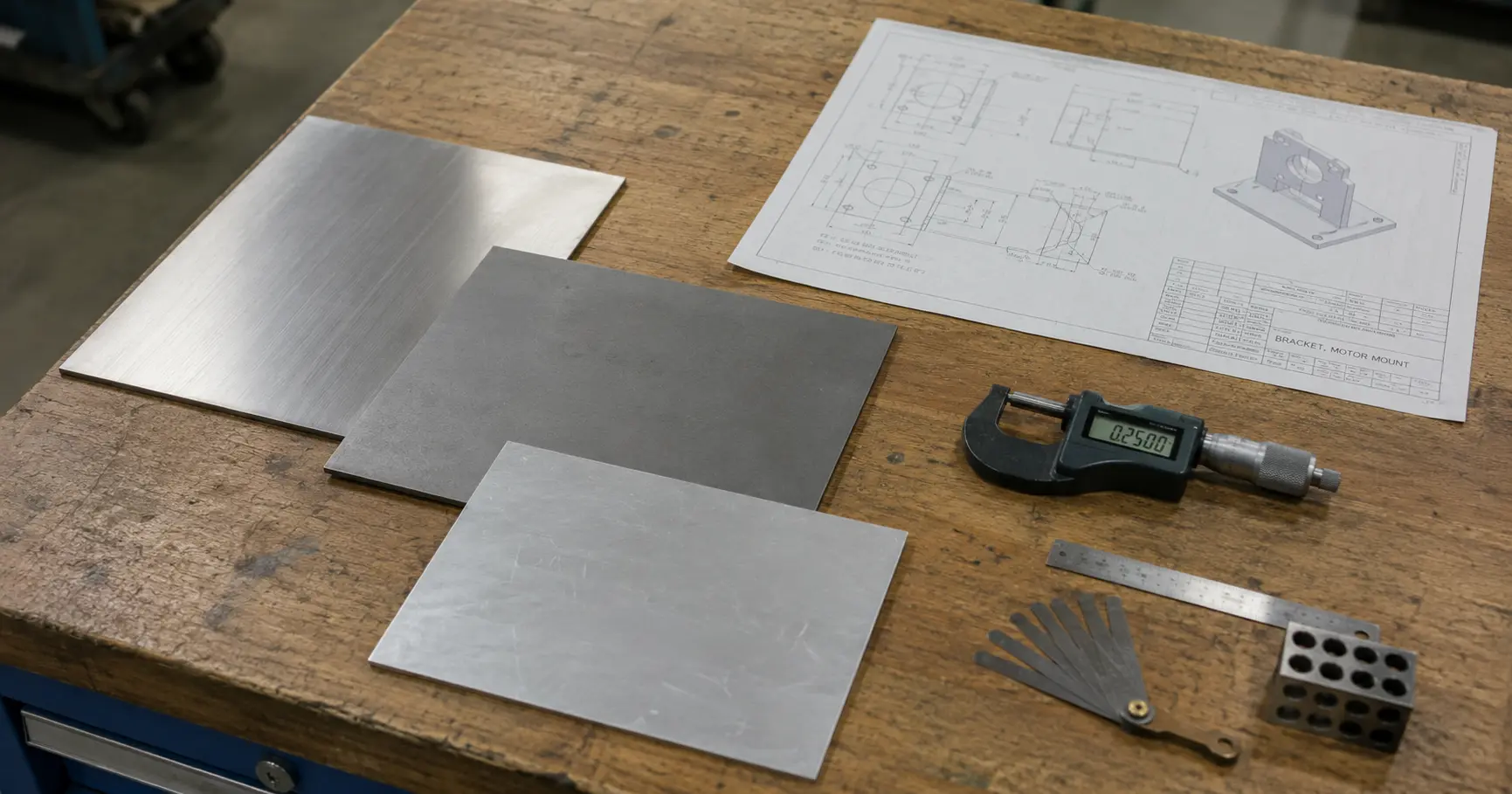
Verify thickness, surface condition, and material specification.
First Article Inspection
Confirm key dimensions and part features before production release.
Critical Dimension Control
Inspect flatness, perpendicularity, and tolerance-sensitive features.
Final Inspection
Review appearance, assembly criteria, and shipment readiness.
Inspection Workflow
Material Check
Verify incoming material meets specification requirements.
FAI
Confirm key dimensions and part features before production release.
In-Process
Inspection
Monitor critical dimensions and process stability during manufacturing.
Final Release
Review appearance, assembly criteria, and confirm shipment readiness.
Quality requirements aligned during prototyping help reduce disputes, improve consistency, and support stable mass production.
Lead Time & Rush Production Options
We plan every order carefully to ensure on-time delivery and cost efficiency.
Below are our typical lead times and expedited manufacturing options.
Standard Lead Times
Calculated from order and drawing confirmation.
Prototype Production
1–10 pieces
Low-Volume Production
10–100 pieces
Mid-Volume Production
100–1,000 pieces
High-Volume Production
1,000+ pieces
Expedited Service
For urgent projects with tighter deadlines.
Expedited Service
Shortens the standard lead time by
30%–50%Additional Charge
Additional charge of
10%–20%of the total order value
Priority Rush Service
Prototype or low-volume orders delivered within
7 daysRush Charge
Additional charge of
20%–30%of the total order value
Note: Lead times are calculated after order and drawing confirmation. Design revisions, customer approval, special materials, or complex structures may extend the schedule.