Medical & HealthcareSheet Metal Solutions
SR MFG provides proven sheet metal solutions for the medical industry. With advanced precision fabrication equipment and an experienced technical team, we deliver manufacturing services that meet the standards and requirements of the medical device sector.
Precision & Consistency
High-precision equipment and strict process control ensure stable quality for every part.
Material Options
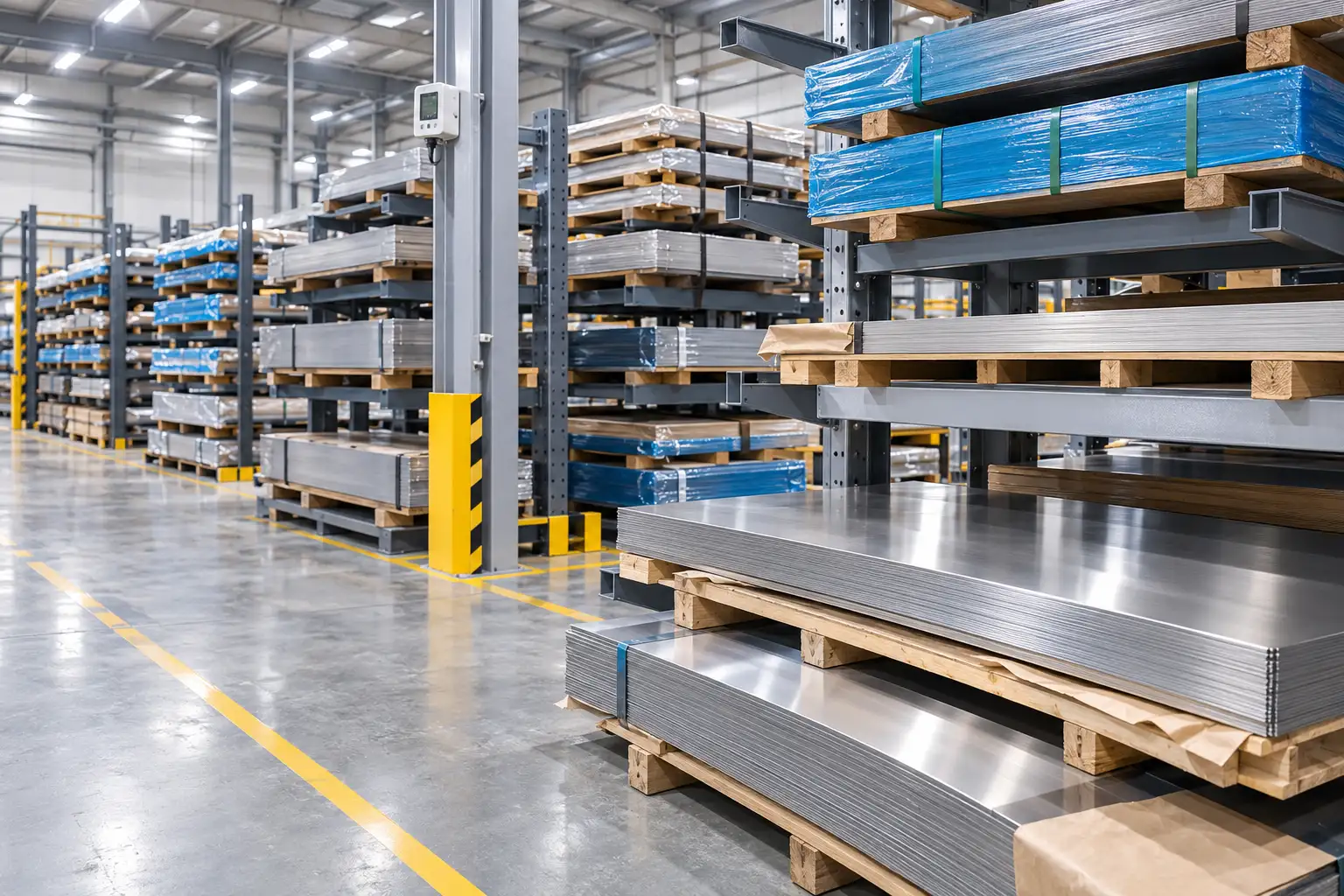
Stainless steel, aluminum, and coated steel to meet diverse medical application needs.
Clean & Reliable Quality
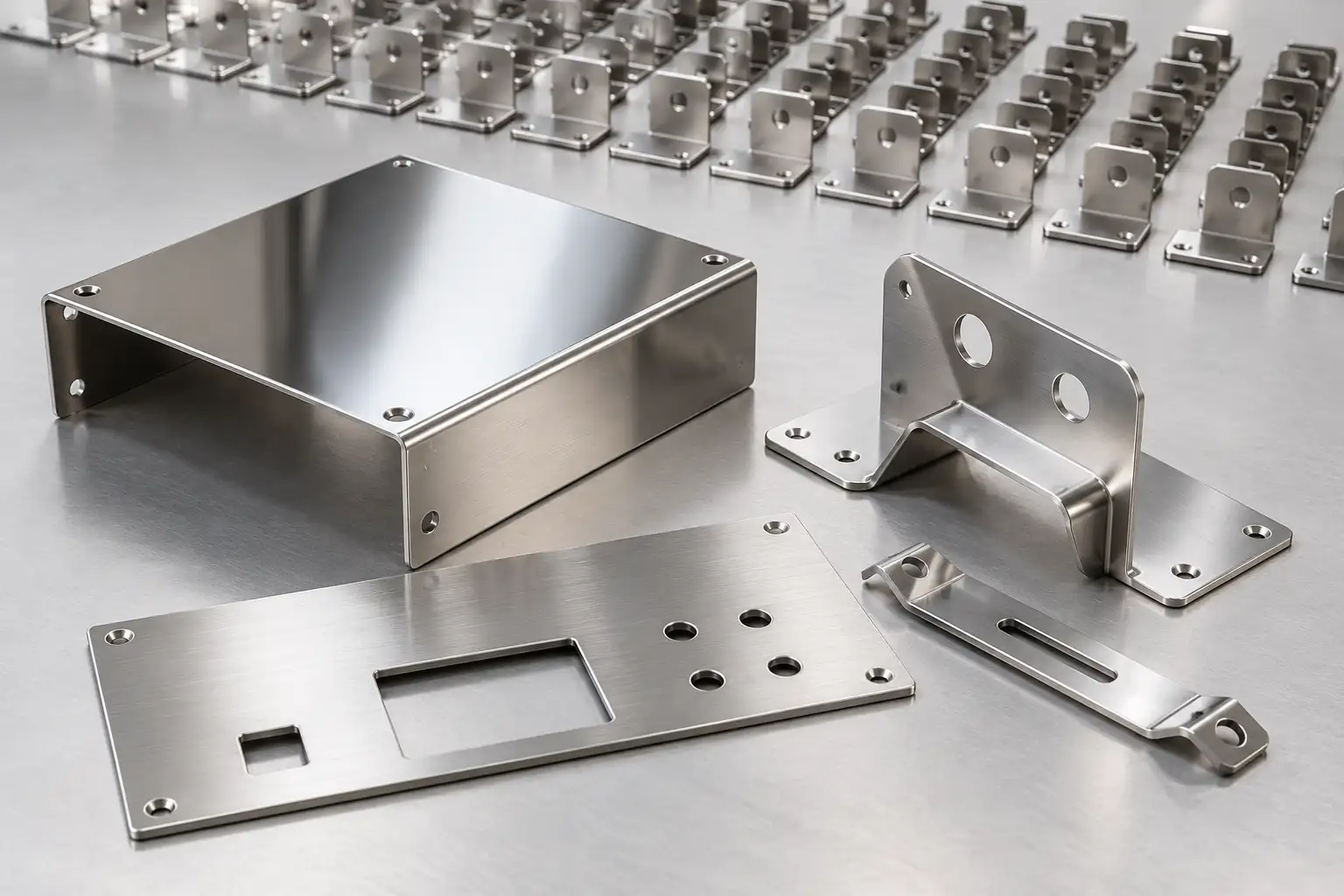
Smooth appearance, precise fit-up, and surface treatments suitable for medical environments.
End-to-End Support
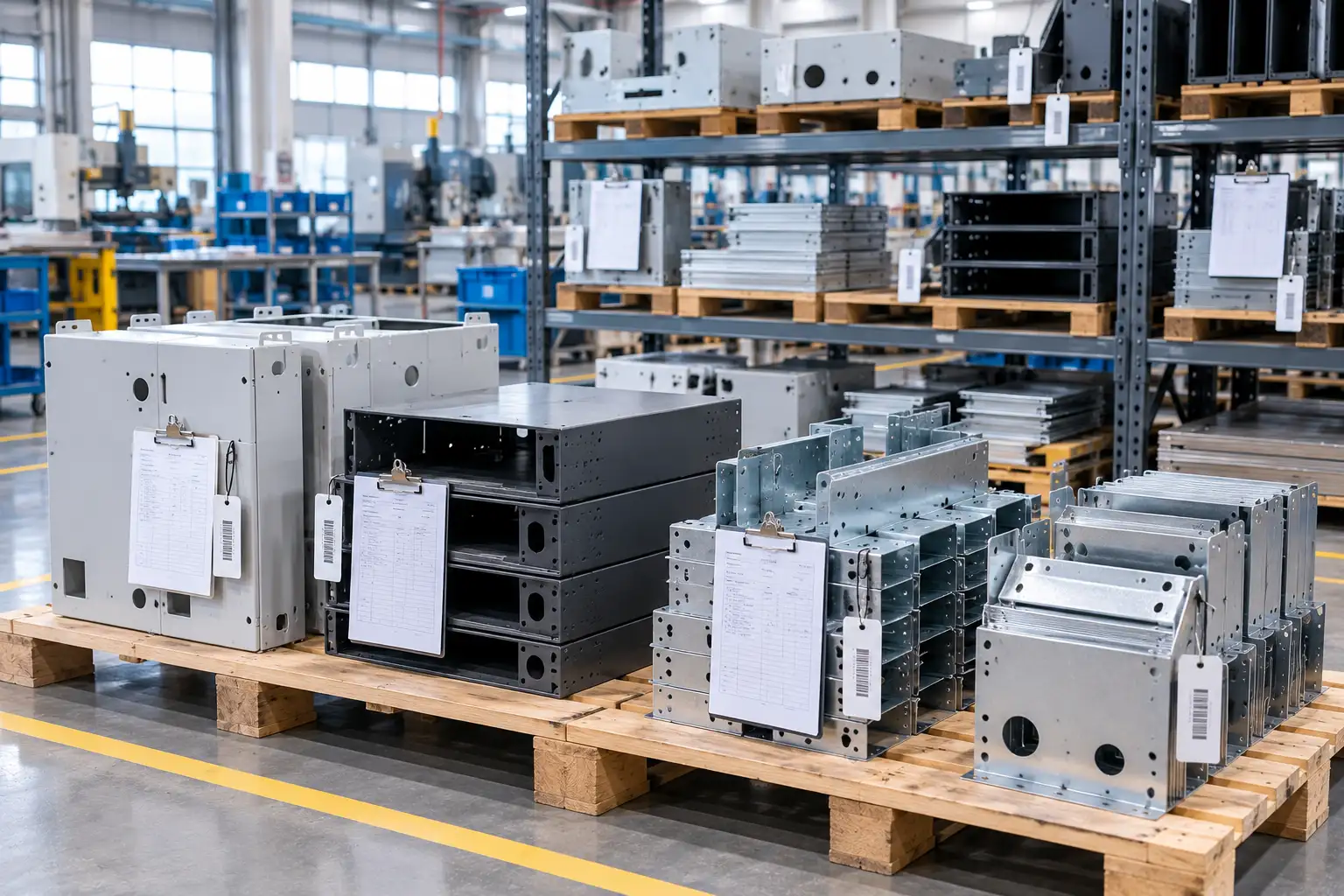
Support from prototyping, tooling, and testing to volume production and on-time delivery.
I am very glad to have gained their trust.
























Why Medical Equipment RequiresPrecision Sheet Metal Manufacturing
In the medical and healthcare sector, metal components are more than just part of the equipment structure. They play a direct role in patient safety and the reliability of the clinical environment.
Medical equipment places strict demands on biocompatibility, ease of cleaning, structural stability, and regulatory compliance. SR MFG’s sheet metal solutions are designed to meet these core requirements while ensuring long-term performance under frequent, intensive use. This helps healthcare providers reduce operational risk and maintain a higher standard of service.
Clean Appearance &
Easy Cleaning
- Smooth surfaces reduce cleaning difficulty
- Controlled finishing improves appearance
- Suitable for frequent cleaning environments
Precision Fit-Up
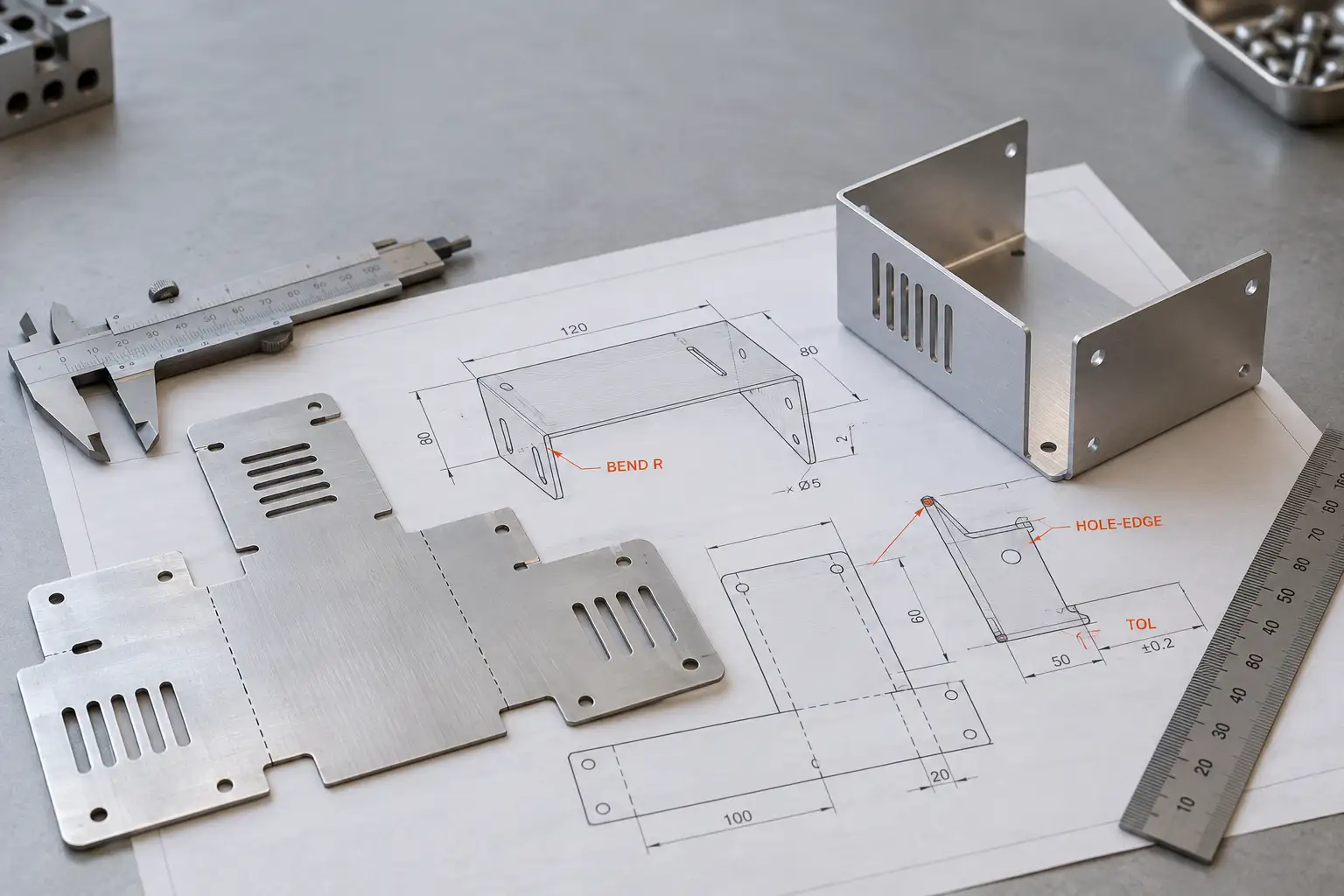
- Accurate holes and bends
- Better enclosure and panel alignment
- Supports stable assembly results
Corrosion Resistance
- Stainless steel and coated options
- Supports humid or cleaning environments
- Helps extend service life
Structural Reliability
- Stable support for housings and carts
- Designed for repeated daily use
- Improves long-term product durability
Surface Quality Control
- Control scratches, burrs, and sharp edges
- Maintain clean visible surfaces
- Reduce downstream rework risk
Stable Batch Production
- Repeatable process control
- Prototype to volume consistency
- Supports reliable delivery
SR MFG helps medical equipment customers reduce manufacturing risk with clean, precise, and repeatable sheet metal production.
Why Choose SR MFG forMedical Sheet Metal Parts?
We understand the critical requirements and demanding standards of medical equipment manufacturing. Our engineering team brings deep experience in supporting the full process from design through production for medical applications. With advanced high-precision fabrication equipment, we ensure that every component meets medical-grade accuracy requirements. At the same time, we provide cost-effective manufacturing solutions that help customers reduce overall production costs without compromising quality.
Engineering Support
Before Production
- DFM review for manufacturability and cost optimization
- Material, finish, tolerance, and assembly risk validation
Precision Fabrication
Capability
- Advanced equipment for high precision cutting, bending, welding, and assembly
- Tight control of dimensions, fit-up, and structural stability
Medical Equipment
Material Expertise
- Stainless steel, aluminum, cold rolled steel, and coated steel
- Proper material selection for different operating environments
Surface Quality and
Fit-Up Control
- Control of burrs, scratches, and sharp edges
- Accurate holes, bends, and assembly gaps for smooth fitting and clean appearance
Prototype to
Batch Production
- Fast prototype for design validation
- Stable process control for consistent quality in volume production
Inspection & Documentation
Support
- In-process and final inspection
- Measurement reports, material certs, and customer-specific documentation
SR MFG is committed to helping medical equipment manufacturers reduce risk, improve reliability, and accelerate time to market.
Discuss Your Medical Project →Our Manufacturing Capabilities
SR MFG provides end-to-end manufacturing solutions for medical equipment components,delivering precision, consistency, and reliability at every stage.
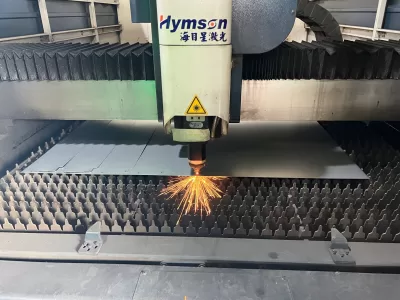
Laser Cutting
High-precision cutting for panels, covers, brackets, and enclosure parts with clean edges and tight tolerances.
View Laser Cutting →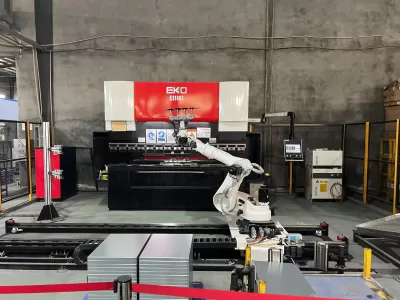
Metal Bending
Accurate bending for housings, trays, carts, covers, and support structures with high angle accuracy.
View Metal Bending →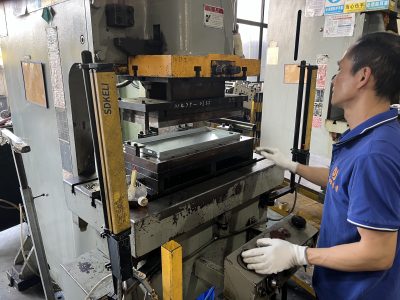
Stamping
Efficient stamping for clips, tabs, brackets, connectors, and small precision parts in high-volume production.
View Stamping →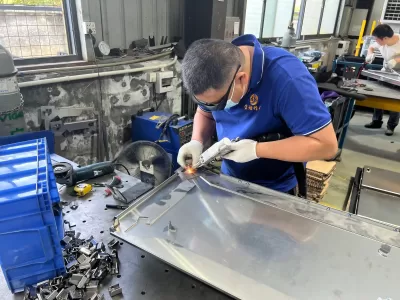
Welding
Reliable welding for frames, cabinets, carts, housings, and structural assemblies with strong and consistent joints.
View Welding →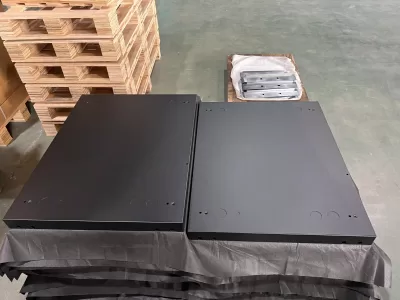
Surface Finishing
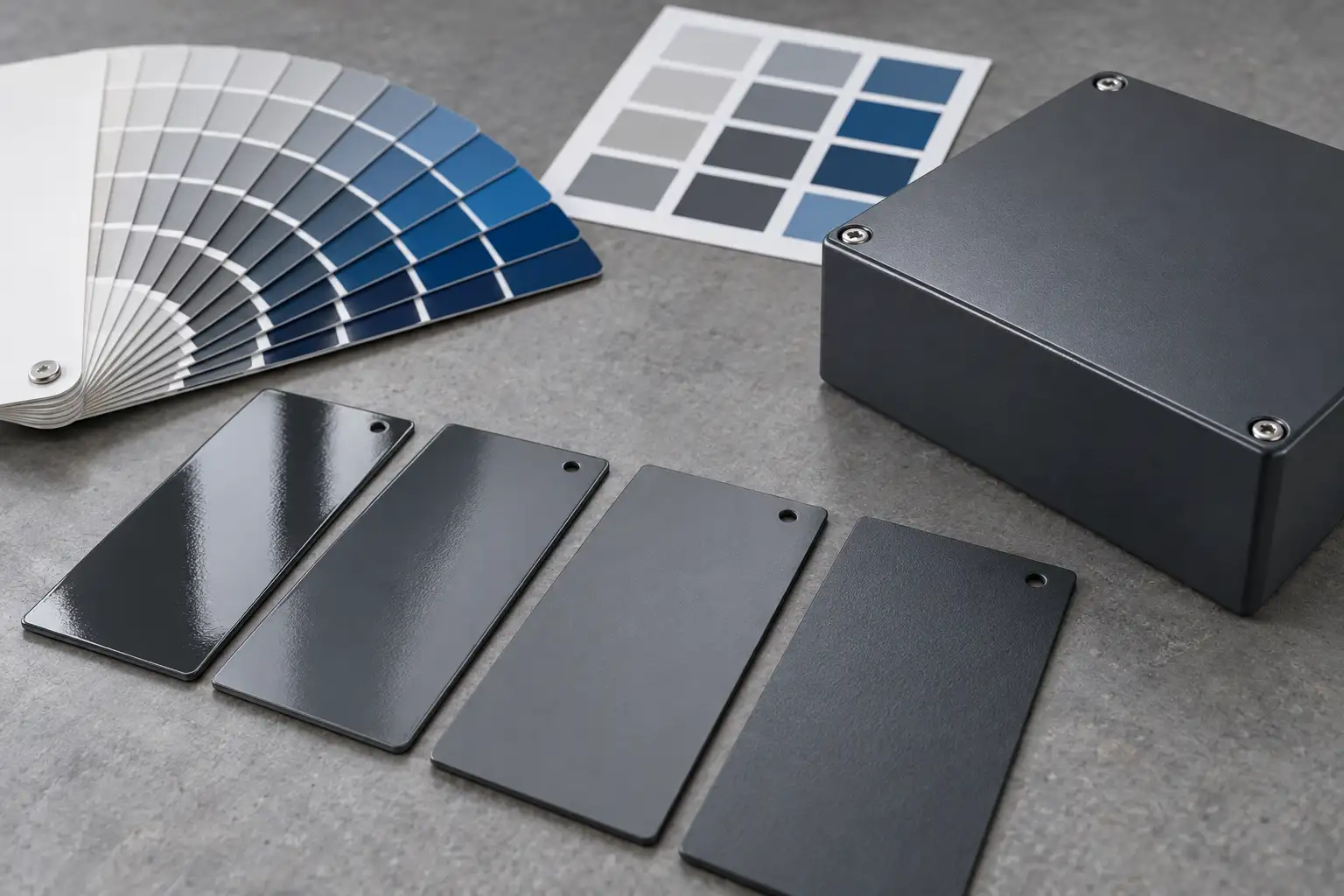
Powder coating, polishing, passivation, plating, and other finish options to meet application and appearance requirements.
View Surface Finishing →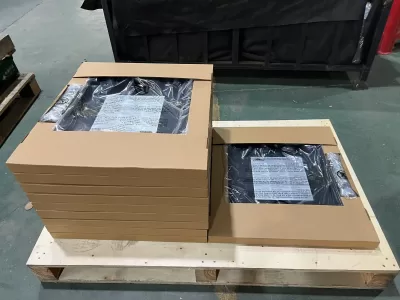
Assembly
Pre-assembly, hardware installation, packaging, and final inspection to ensure ready-to-use medical equipment components.
View Assembly →From prototype to mass production, SR MFG is your trusted partner for high-quality, reliable, and cost-effective medical sheet metal solutions.
Discuss Your Medical Project →What We Manufacture for Medical & Healthcare Equipment
SR MFG supports custom sheet metal parts and assemblies for medical equipment,laboratory devices, patient care systems, carts, cabinets, and precision enclosures.
Diagnostic & Testing
Equipment
- Custom diagnostic system housings
- Imaging system enclosures
- Medical console enclosures
Surgical & Treatment
Equipment
- Operating table frames
- Instrument trays and brackets
- Laser therapy equipment housings
Ward & Patient
Care Equipment
- Bed frames and accessories
- Bedside cabinets and storage units
- Infusion pump and bedside device enclosures
Laboratory
Equipment
- Fume hood frames
- Centrifuge and incubator enclosures
- Clean bench and workstation structures
Medical Carts &
Mobile Structures
- Medical carts and trolleys
- Mobile cabinets
- Support frames for portable equipment
Custom Medical
Sheet Metal Parts
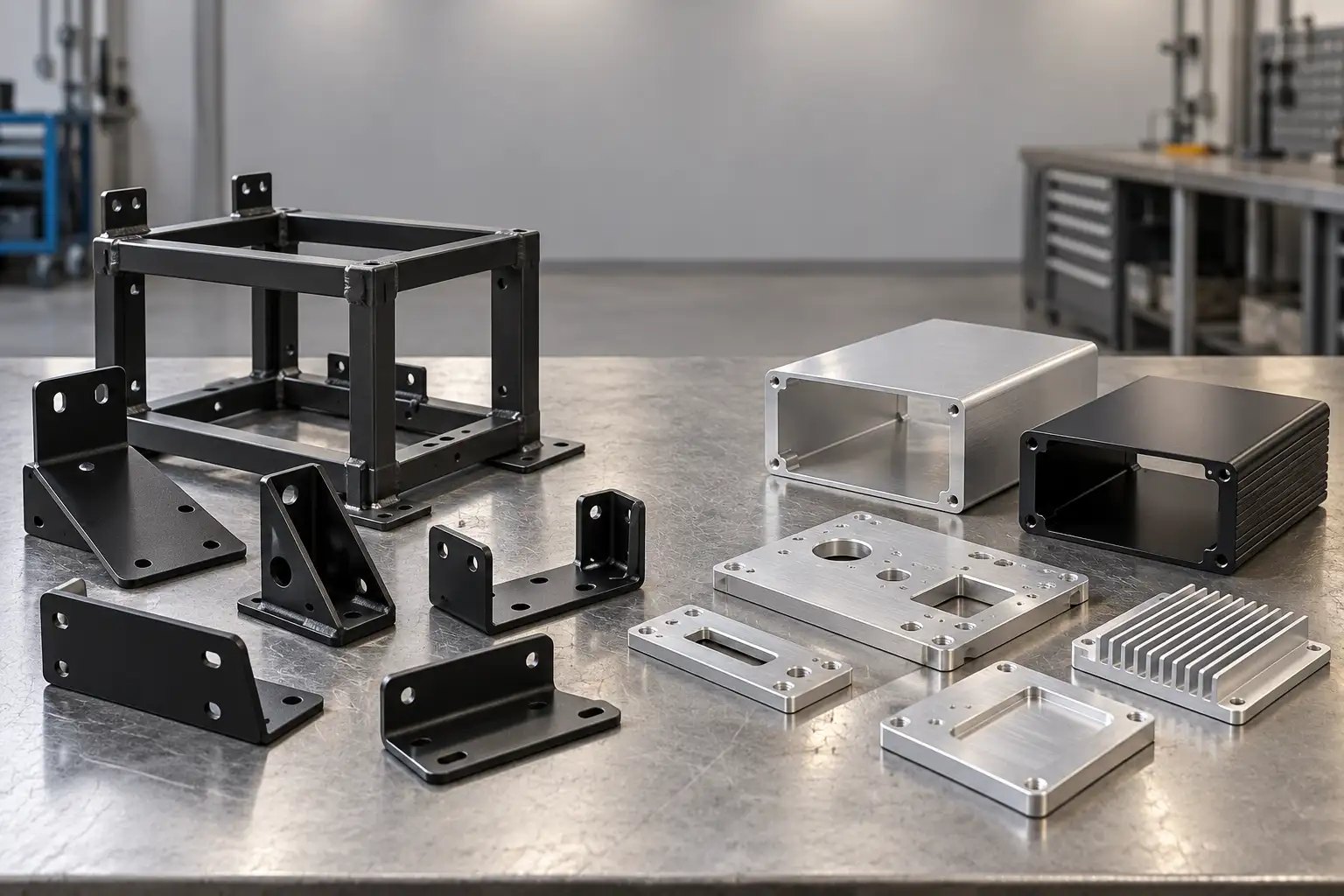
- Brackets and mounting plates
- Covers, panels, and housings
- Hardware-installed assemblies
Explore Sheet Metal Parts for Medical Equipment
Browse custom enclosures, frames, carts, brackets, panels, and other sheet metal parts for diagnostic, surgical, laboratory, and patient care equipment.
Material Selection for Medical Sheet Metal Parts
We offer a wide range of medical-grade sheet metal materials. The right material choice helps ensurecorrosion resistance, cleanability, structural performance, and cost efficiency.
304 Stainless Steel
Good corrosion resistance, clean appearance, and easy maintenance for common medical equipment structures.
316L Stainless Steel
Higher corrosion resistance for humid, cleaning, coastal, or more demanding medical equipment environments.
430 Stainless Steel
Cost-effective stainless option with good formability and decent corrosion resistance for indoor applications.
Aluminum Alloy
Lightweight material option with good formability, surface finish, and heat dissipation performance.
Cold-Rolled Steel + Coating
Good formability and cost control for painted medical equipment housings, cabinets, and indoor structures.
Galvanized / Coated Steel
Cost-effective option with basic corrosion protection for support structures, brackets, and selected housings.
Material Comparison at a Glance
| Comparison Criteria | 304 Stainless Steel | 316L Stainless Steel | 430 Stainless Steel | Aluminum Alloy 5052 / 6061 | Cold-Rolled Steel + Coating | Galvanized / Coated Steel |
|---|---|---|---|---|---|---|
| Corrosion Resistance | ★★★★☆ | ★★★★★ | ★★★☆☆ | ★★★☆☆ | ★★☆☆☆ | ★★★☆☆ |
| Weight Reduction | ★★☆☆☆ | ★★☆☆☆ | ★★☆☆☆ | ★★★★★ | ★★☆☆☆ | ★★☆☆☆ |
| Surface Appearance | ★★★★☆ | ★★★★☆ | ★★★☆☆ | ★★★★☆ | ★★★☆☆ | ★★★☆☆ |
| Cost Control | ★★★☆☆ | ★★☆☆☆ | ★★★★☆ | ★★★☆☆ | ★★★★★ | ★★★★☆ |
| Formability | ★★★★☆ | ★★★☆☆ | ★★★☆☆ | ★★★★☆ | ★★★★★ | ★★★☆☆ |
| Typical Medical Use | Standard medical equipment | Demanding environments | Indoor decorative parts | Portable and lightweight parts | Cabinets and coated parts | Cost-sensitive components |
Our engineering team will help you select the most suitable material based on your product design, application environment, performance requirements, and budget.
Discuss Your Medical Project →Quality Control Program
Incoming Material Check
Verify material grade, thickness, surface condition, and specification compliance.
First Article Inspection
Confirm key dimensions and critical features before production release.
In-Process Inspection
Monitor bend angles, hole positions, fit-up, and process stability during manufacturing.
Final Inspection
Review appearance, assembly criteria, and shipment readiness before delivery.
Inspection Workflow
Material Check
Verify material and specifications.
FAI
Confirm key dimensions and critical features.
In-Process Inspection
Monitor process and maintain consistency.
Final Release
Review and approve for shipment.
Material certificates, dimensional inspection reports, appearance inspection reports, and other related quality documents can be provided when required.
Lead Time and Cost Control
Clear delivery planning, urgent-order support, and practical cost control for medical sheet metal projects.
Lead Time Guidelines
Typical lead time depends on project complexity, quantity, and process requirements.
Prototype Production
Typically around 3–7 working days.
Small-Batch Orders
7–10 working days after drawing approval and material confirmation.
Volume Production
10–15 working days after order confirmation.
Large & Complex Projects
Scheduled in batches to ensure stable delivery.
Final lead time will be confirmed after detailed evaluation of drawings and requirements.
Expedited Service
For urgent projects, we activate a fast-response system to help shorten delivery time.
Fast Drawing Review
Quick feasibility evaluation and feedback within 24 hours.
Priority Material Check
Material availability confirmed and secured as a priority.
Key Process Scheduling
Production resources arranged with priority planning.
Expedited Inspection & Packing
Inspection and packing fast-tracked to meet your timeline.
Rush orders are subject to feasibility evaluation. Contact us for detailed assessment.
Cost Control
We help reduce total cost through optimized design, efficient processes, and stable supply chain.
DFM & Design Optimization
Improve structural design and manufacturability to reduce material and process cost.
Material & Process Efficiency
Maximize material utilization and select the most suitable manufacturing processes.
Standardization & Modular Design
Use standardized parts and modular structures to lower tooling and assembly cost.
Scale & Supplier Advantage
Batch production planning and long-term supplier partnerships help reduce unit cost.
When order volume increases, unit cost typically decreases significantly.
Commitment
Transparent communication
throughout the process
Reliable delivery
you can plan with confidence
Quality and performance
never compromised
Long-term partnership
and continuous improvement