
Wet Painting Services for Metal Parts
SR MFG provides wet spray painting services for custom metal parts, enclosures, panels, brackets, and fabricated assemblies. We support color matching, controlled film build, masking for functional areas, and inspection records to help balance appearance, corrosion protection, and assembly reliability.
Color Matching
Color matching based on RAL, Pantone, or approved physical samples.
Masking for Functional Areas
Masking for threads, mating surfaces, grounding points, and contact areas.
Inspection Support
Inspection support for appearance, film thickness, adhesion, and packing quality.
Get a Custom Quote in 24 Hours
Upload your drawings for engineering review.
What Is Metal Spray Painting?
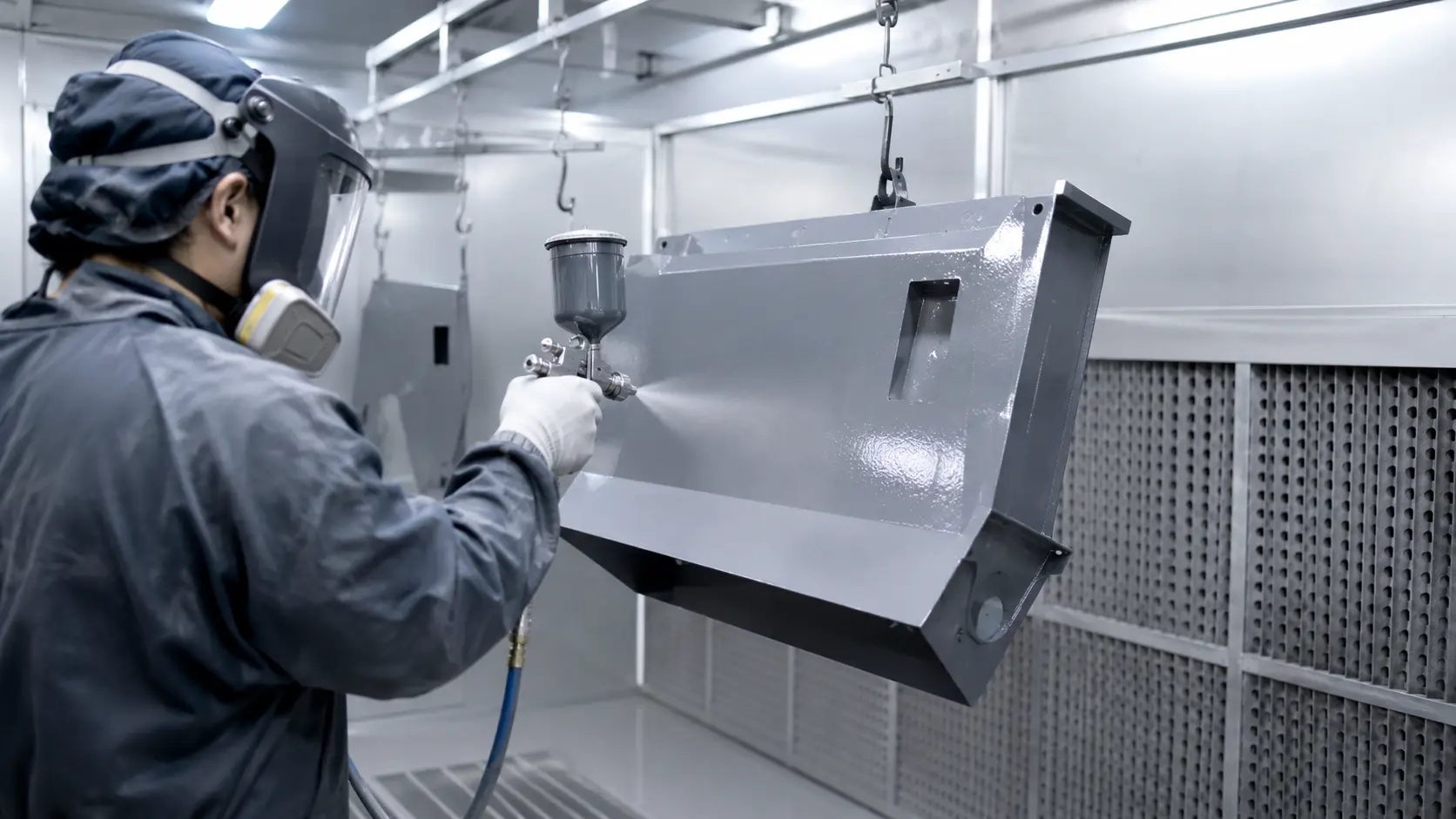
Metal spray painting is a wet coating process that applies liquid paint to metal parts through spray equipment. Compared with powder coating, wet painting offers more flexibility for custom colors, low-volume projects, large parts, touch-up work, and coating systems that require primer, topcoat, or special surface effects.
Why Wet Painting Works
Wet painting supports multi-layer systems such as primer, intermediate coat, and topcoat, providing greater flexibility in finish control and durability.
It is ideal for complex parts, prototypes, small-batch production, oversized components, or assemblies where powder coating may not be the best fit.
Common Applications
Equipment
Enclosures
Machine
Covers
Brackets &
Frames
Custom Painted
Panels
Flexible Color & Finish Options
Wide range of custom colors and gloss levels to match your brand and design.
Primer + Topcoat Systems
Build durable, high-performance finishes with tailored multi-layer coatings.
Good for Complex or Low-Volume Parts
Ideal for parts with intricate shapes, unique materials, or limited production runs.
Metal Parts We Commonly Paint
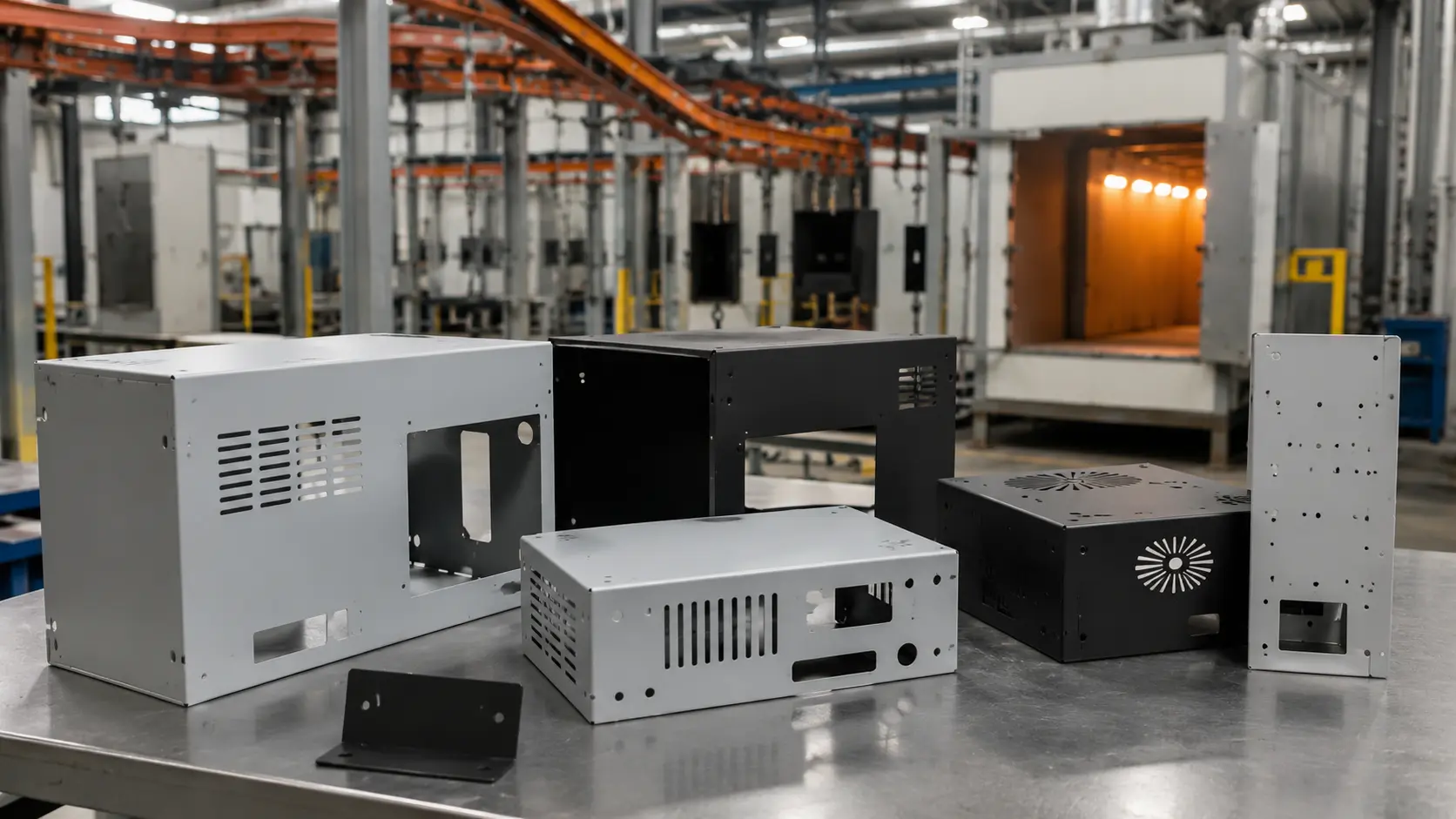
SR MFG provides wet spray painting for a wide range of custom sheet metal parts and fabricated metal assemblies. Each project is reviewed based on material, part geometry, cosmetic grade, masking requirements, coating system, and final inspection criteria.
Enclosures & Housings
Electrical cabinets, control boxes, telecom enclosures, server chassis, and custom housings requiring controlled appearance and corrosion protection.
Structural & Support Components
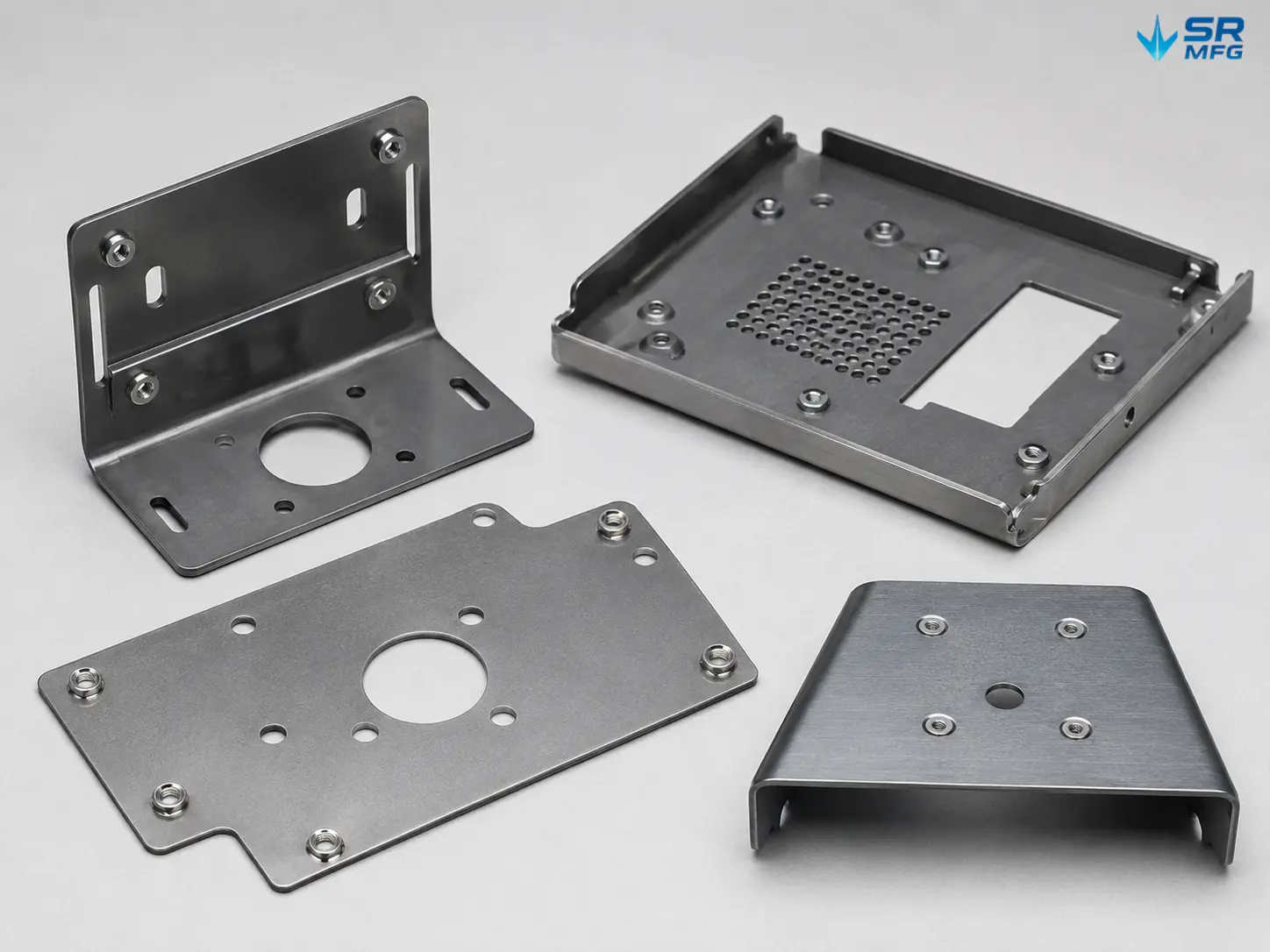
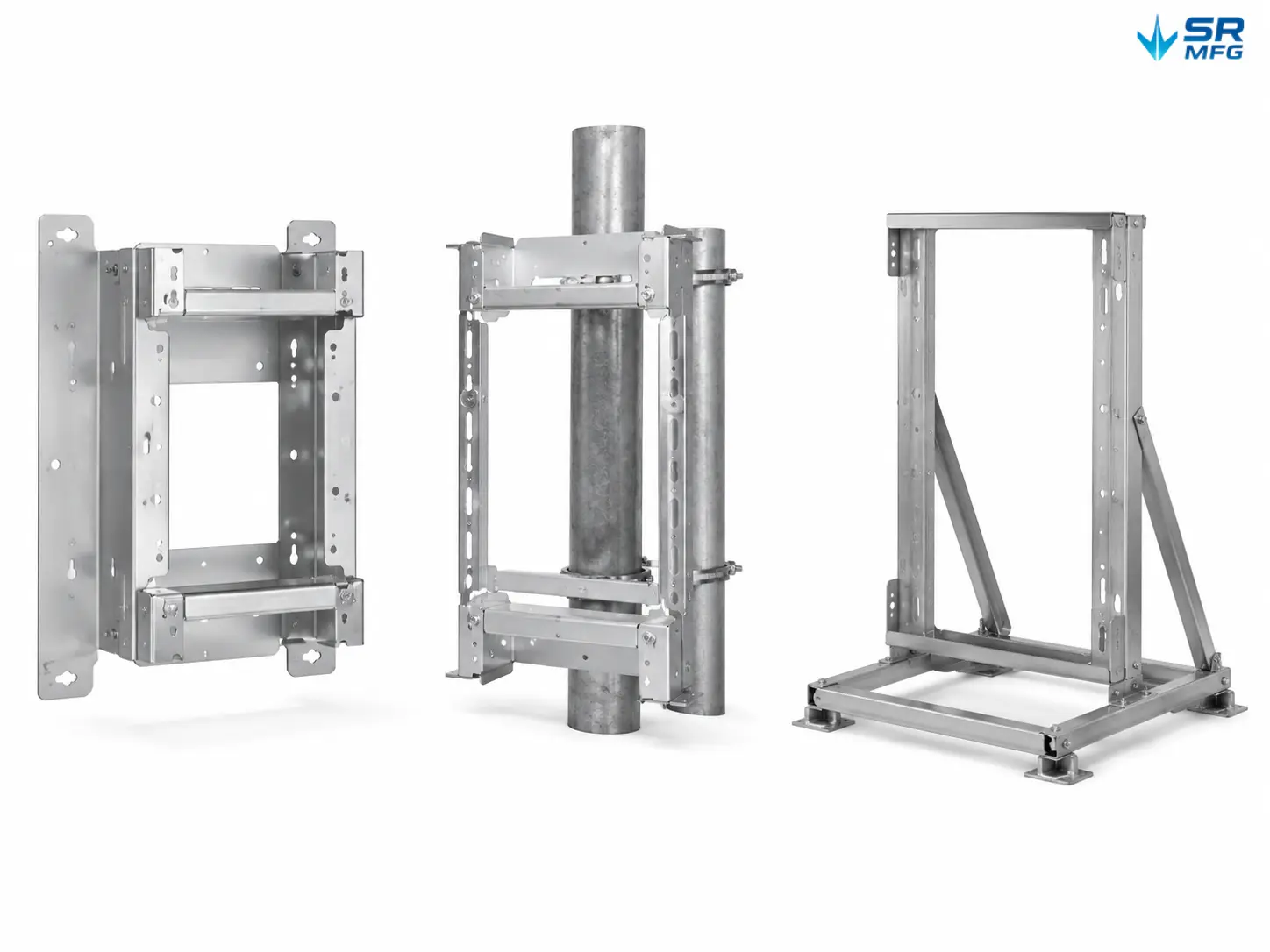
Brackets, mounting plates, carriers, rail parts, stiffeners, frames, and support components where durability and assembly fit matter.
Stamped & Formed Parts
Panels, covers, trays, U-channels, box sections, and formed parts that need stable finish quality after bending and stamping.
Welded Assemblies
Welded frames, welded enclosures, bracket assemblies, and fabricated structures requiring seam cleanup, masking, and even coating coverage.
Cosmetic / Class A Surfaces
Visible panels and decorative metal parts with defined color, gloss, smoothness, and approved sample requirements.
Coatable Materials & Surface Preparation
We commonly spray paint carbon steel/alloy steel/cast iron, aluminum and aluminum alloys, stainless steel, galvanized steel, and—upon request—copper and copper alloys. Because each substrate has its own surface condition and coating risks, the pretreatment approach must be matched accordingly.
Below are SR MFG’s practical, project-based recommendations for painting and surface preparation by material. If you have other materials or special requirements, contact us and we’ll evaluate the best process for your application.
Materials We Commonly Paint
Common materials for metal spray painting include carbon steel, galvanized steel, aluminum alloys, and stainless steels. For best results, surface preparation method, primer selection, paint type, coating thickness, and curing conditions should be reviewed together before production.
Carbon Steel
Galvanized Steel
Aluminum Alloys
Stainless Steels
Specialty Coated Steels
Carbon Steel
Common Grades: SPCC / DC01 / ASTM A1008
Common challenges: Bare cold rolled steel has high corrosion risk. Rust-preventive oil, fingerprints, cutting fluids, and fine surface contamination can reduce paint adhesion and cause fisheyes, cratering, or uneven appearance.
SR MFG pretreatment approach:
Cleaning & degreasing: Removes rolling oil, rust-preventive oil, fingerprints, cutting fluids, and handling contamination before painting.
Rust removal & surface profiling: Light mechanical preparation or fine sanding can be used when oxidation, scratches, or storage marks are present.
Conversion coating and/or primer: Phosphate, silane, or ceramic conversion options can be selected based on corrosion targets; anti-corrosion primer is recommended for outdoor or humid applications.
Key controls: Surface cleanliness, drying quality, coating window time, primer compatibility, and prevention of flash rust before painting.
Common Grades: Q235B / SS400 / ASTM A36 / S235JR
Common challenges: Mill scale, rust, welding spatter, and rough surface texture can reduce coating adhesion and create visible paint defects. Surface preparation is more critical than cold rolled steel.
SR MFG pretreatment approach:
Cleaning & degreasing: Removes cutting oil, machining oil, fingerprints, and fabrication contamination before abrasive or mechanical preparation.
Rust removal & surface profiling: Blasting, grinding, or mechanical descaling is used to remove loose mill scale and rust while creating a suitable surface profile for primer adhesion.
Conversion coating and/or primer: Zinc phosphate, iron phosphate, silane, or ceramic pretreatment can be used depending on coating system; anti-corrosion primer is recommended for structural or outdoor parts.
Key controls: Mill scale removal level, surface profile consistency, weld area cleaning, edge coverage, and coating window time before primer application.
Common Grades: SPHC-P / DD11 / ASTM A1011 P&O
Common challenges: The surface is cleaner than ordinary hot rolled steel, but the oil film must be fully removed before painting. Residual oil can cause adhesion failure, fisheyes, or poor primer wetting.
SR MFG pretreatment approach:
Cleaning & degreasing: Removes pickling oil, rust-preventive oil, cutting fluids, and fingerprints before painting.
Rust removal & surface profiling: Usually lighter than hot rolled steel; sanding or mechanical prep may be used for edges, welds, or stored material with oxidation.
Conversion coating and/or primer: Phosphate, silane, or ceramic conversion coating can improve paint adhesion and corrosion resistance; primer selection depends on indoor or outdoor use.
Key controls: Oil removal, water-break-free surface condition, edge cleanliness, drying quality, and time between pretreatment and painting.
Common Grades: Q355 / S355 / ASTM A572
Common challenges: Similar corrosion risk to carbon steel, but structural parts often have welds, thicker edges, and load-bearing surfaces that need better edge protection and primer coverage.
SR MFG pretreatment approach:
Cleaning & degreasing: Removes machining oil, cutting fluid, welding residue, fingerprints, and general workshop contamination.
Rust removal & surface profiling: Blasting or mechanical preparation is recommended for welded or heavy-duty structures to improve primer adhesion and coating durability.
Conversion coating and/or primer: Phosphate or silane pretreatment can be used with anti-corrosion primer; zinc-rich primer may be selected for higher corrosion resistance.
Key controls: Weld cleaning, edge rounding, surface profile, primer film build, recoat window, and corrosion protection around holes and cut edges.
Galvanized Materials
Common Grades: SGCC / DX51D+Z / ASTM A653
Common challenges: Zinc surface can affect paint adhesion if passivation, white rust, oil, or storage contamination is not removed. Formed or cut edges may need additional protection.
SR MFG pretreatment approach:
Cleaning & degreasing: Removes passivation residue, storage oil, fingerprints, cutting fluids, and surface contamination.
Rust removal & surface profiling: Light abrasion, sweep blasting, or mechanical preparation may be used when white rust, oxidation, or adhesion risk is present.
Conversion coating and/or primer: Zinc-compatible pretreatment such as phosphate, silane, or ceramic conversion coating can be used; galvanized-compatible primer is recommended when corrosion performance is important.
Key controls: Avoid over-aggressive blasting that damages the zinc layer; control adhesion, white rust removal, cut-edge protection, and compatibility between primer and galvanized surface.
Common Grades: SECC / DX51D+ZE
Common challenges: The zinc coating is thinner and more uniform than hot-dip galvanized steel, but oil, fingerprints, and surface passivation can still reduce paint adhesion.
SR MFG pretreatment approach:
Cleaning & degreasing: Removes stamping oil, fingerprints, cutting fluids, and light surface contamination before spray painting.
Rust removal & surface profiling: Usually light mechanical preparation only; excessive abrasion should be avoided to prevent unnecessary zinc coating damage.
Conversion coating and/or primer: Phosphate, silane, or ceramic pretreatment can be selected; primer is recommended for painted enclosures, cabinets, and indoor/outdoor control panels.
Key controls: Coating adhesion, surface cleanliness, zinc layer protection, paint wetting, and stable appearance after drying or baking.
Common Grades: DX51D+ZF / ASTM A653 A40 / A60
Common challenges: The zinc-iron surface generally has good paintability, but powdering, forming residue, and loose surface particles can affect appearance and adhesion.
SR MFG pretreatment approach:
Cleaning & degreasing: Removes forming oil, dust, loose particles, cutting fluids, and fingerprints before painting.
Rust removal & surface profiling: Light brushing, wiping, or mechanical cleaning may be used for formed edges, welds, or contaminated areas.
Conversion coating and/or primer: Phosphate or silane pretreatment can support better adhesion; primer is selected based on corrosion and appearance requirements.
Key controls: Surface powder removal, paint adhesion, formed-edge coverage, weld-area cleaning, and primer compatibility.
Aluminum Alloys
Common Grades: 5052-H32 / 5052-H34
Common challenges: Aluminum forms a natural oxide layer and can show scratches, fingerprints, and handling marks after painting. Poor pretreatment may cause adhesion loss or corrosion under coating.
SR MFG pretreatment approach:
Cleaning & degreasing: Removes machining oil, cutting fluids, fingerprints, polishing residue, and shop contamination.
Rust removal & surface profiling: Light sanding, scuffing, or non-ferrous surface preparation can be used to improve mechanical adhesion without damaging the part surface.
Conversion coating and/or primer: Non-chrome or chrome-free conversion coating, silane, zirconium/ceramic pretreatment, or aluminum-compatible primer can be selected based on corrosion targets.
Key controls: Oxide removal/activation, surface cleanliness, pretreatment chemistry compatibility, primer adhesion, and color consistency after painting.
Common Grades: 6061-T6 / 6061-T651
Common challenges: Machined and formed 6061 surfaces may show tool marks, oxide film, and batch-to-batch surface variation. Paint appearance can be affected by sanding marks and surface texture.
SR MFG pretreatment approach:
Cleaning & degreasing: Removes machining coolant, cutting oil, fingerprints, and abrasive residue before painting.
Rust removal & surface profiling: Light sanding, scuffing, or controlled blasting can be used to create a uniform surface for primer adhesion.
Conversion coating and/or primer: Aluminum conversion coating or chrome-free pretreatment can be paired with epoxy or polyurethane primer for improved adhesion and corrosion resistance.
Key controls: Surface profile uniformity, oxide control, primer compatibility, masking accuracy, and protection of threaded or machined areas.
Common Grades: 3003-H14 / 3003-H24
Common challenges: Soft aluminum is easy to scratch or dent before painting. Surface marks may remain visible through thin paint films if not prepared properly.
SR MFG pretreatment approach:
Cleaning & degreasing: Removes rolling oil, handling marks, fingerprints, and forming lubricants.
Rust removal & surface profiling: Light sanding or scuffing can improve paint adhesion and help reduce visible surface defects.
Conversion coating and/or primer: Aluminum-compatible conversion coating or primer can be used depending on indoor, outdoor, or decorative requirements.
Key controls: Handling protection, scratch prevention, surface uniformity, primer wetting, and clean drying before painting.
Common Grades: 5754-H22 / 5754-H111
Common challenges: Good corrosion resistance, but formed aluminum panels can still have oxide film, forming lubricant, and visible surface marks that affect paint appearance.
SR MFG pretreatment approach:
Cleaning & degreasing: Removes forming oil, fingerprints, cutting fluids, and storage contamination.
Rust removal & surface profiling: Light mechanical preparation or non-ferrous surface conditioning can improve adhesion and appearance.
Conversion coating and/or primer: Chrome-free conversion coating, silane, ceramic pretreatment, or aluminum-compatible primer can be selected for outdoor or transportation applications.
Key controls: Pretreatment uniformity, adhesion after forming, edge coverage, surface appearance, and coating performance in outdoor environments.
Stainless Steels
Common Grades: 304 / 304L
Common challenges: Stainless steel has a passive surface that can make paint adhesion more difficult than carbon steel. Fingerprints, polishing compound, welding discoloration, and oil can compromise coating adhesion.
SR MFG pretreatment approach:
Cleaning & degreasing: Removes fingerprints, polishing paste, cutting fluids, adhesive residue, and welding-related contamination.
Rust removal & surface profiling: Light abrasive preparation, scuffing, or blasting with stainless-compatible media can improve mechanical adhesion.
Conversion coating and/or primer: Stainless-compatible primer is usually more important than traditional steel phosphating; epoxy primer or adhesion-promoting primer may be selected.
Key controls: Surface roughness, clean passive surface, primer adhesion, weld discoloration removal, and avoiding cross-contamination from carbon steel tools.
Common Grades: 316 / 316L
Common challenges: 316 stainless steel is highly corrosion resistant, but this also means paint adhesion can be more demanding. Marine or chemical applications require careful primer selection.
SR MFG pretreatment approach:
Cleaning & degreasing: Removes oil, fingerprints, polishing residue, cutting fluids, and chloride contamination before painting.
Rust removal & surface profiling: Controlled scuffing or blasting can be used to create adhesion profile without damaging the stainless surface.
Conversion coating and/or primer: Adhesion-promoting primer, epoxy primer, or high-performance coating system is recommended for marine, outdoor, or chemical environments.
Key controls: Chloride contamination control, surface profile, primer compatibility, recoat window, and long-term adhesion under corrosive exposure.
Common Grades: 201 / 201J1 / 201J2
Common challenges: Lower corrosion resistance than 304, and surface quality can vary by batch. Painted 201 parts need reliable pretreatment to reduce corrosion risk at edges, scratches, and welds.
SR MFG pretreatment approach:
Cleaning & degreasing: Removes polishing compound, fingerprints, cutting fluids, and fabrication contamination.
Rust removal & surface profiling: Light sanding or scuffing can improve adhesion; weld discoloration and contaminated areas should be cleaned before primer.
Conversion coating and/or primer: Stainless-compatible primer or epoxy primer is recommended when corrosion protection is needed.
Key controls: Edge protection, weld cleaning, surface uniformity, primer adhesion, and avoiding use in harsh outdoor environments unless coating system is specified.
Common Grades: 430 / 430BA
Common challenges: 430 stainless steel is often used for decorative and appliance parts, but its lower corrosion resistance and lower formability compared with 304 require better edge and surface protection when painted.
SR MFG pretreatment approach:
Cleaning & degreasing: Removes fingerprints, polishing residue, protective film adhesive, and forming oil.
Rust removal & surface profiling: Light scuffing or fine abrasive preparation can improve paint adhesion while maintaining decorative surface quality.
Conversion coating and/or primer: Adhesion-promoting primer or stainless-compatible primer can be used for painted decorative panels and appliance parts.
Key controls: Surface appearance, scratch control, primer wetting, edge coverage, and prevention of contamination from carbon steel particles.
Note: Recommended paint system and coating specifications depend on material type, surface condition, part geometry, application environment, and end-use requirements. Surface preparation, primer selection, paint type, and curing process should be evaluated together for optimal adhesion and finish quality. Please share drawings and technical specifications for engineering review before production.
SR MFG Spray Painting Process Flow
SR MFG Metal Part Spray Painting Process Flow
Requirement & Finish Review
Confirm drawings, color, gloss, masking areas, and inspection standards.
Incoming Inspection & Surface Prep
Check part condition; complete sanding, deburring, or repair if needed.
Cleaning & Pretreatment
Remove oil, dust, and contaminants; apply suitable pretreatment.
Masking & Fixturing
Protect threads, mating surfaces, grounding points, and no-paint zones.
Primer / Topcoat Application
Apply primer, intermediate coat, or topcoat based on the coating system.
Drying / Curing & Cooling
Dry or bake parts per paint-system requirements, then cool carefully.
Final Inspection & Packing
Check appearance, color, film build, masking quality, and packing condition.
Common Paint Colors & Finish Options
SR MFG supports spray painting finishes for custom sheet metal parts based on project requirements, including color, gloss level, surface texture, coating system, and approved physical samples. The color samples below are for reference only and should be confirmed by RAL code, Pantone code, customer sample, or signed production sample before mass production.
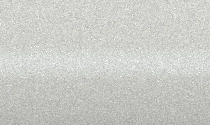
Gloss White
Clean and bright finish for electrical enclosures, control boxes, medical equipment panels, and visible sheet metal housings.
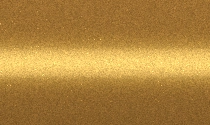
Metallic Gold
Decorative metallic finish for display parts, branded components, covers, and custom appearance projects.
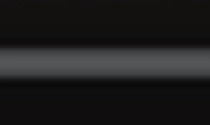
Matte Black
Low-reflection finish for industrial equipment, machine covers, brackets, panels, and functional metal parts.
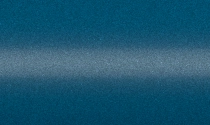
Deep Blue
Brand-color finish commonly used for equipment covers, panels, enclosures, and customer-specific product lines.

Dark Gray
Neutral industrial finish suitable for machinery guards, cabinet shells, structural parts, and general fabricated components.

Silver Gray
Clean technical appearance for control cabinets, instrument housings, panels, and equipment enclosures.
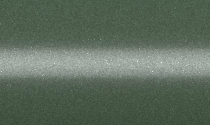
Olive Green
Durable industrial color option for outdoor equipment, utility housings, brackets, and protective covers.
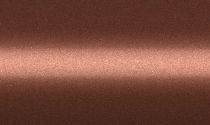
Copper Brown
Warm metallic-style appearance for decorative covers, branded panels, and custom painted metal parts.
Ready to Discuss Your Metal Painting Requirements?
Not sure which paint system is suitable for your project? Contact us with your drawings, material, color, gloss level, service environment, masking requirements, and inspection standards. Our engineering team will review your requirements and recommend a suitable painting solution.
Industries & Metal Spray Painting Applications
SR MFG provides professional metal spray painting services for OEM components used in industrial equipment, cabinets, brackets, frames, enclosures, and structural assemblies. We support both prototype finishing and stable batch production across multiple application sectors.
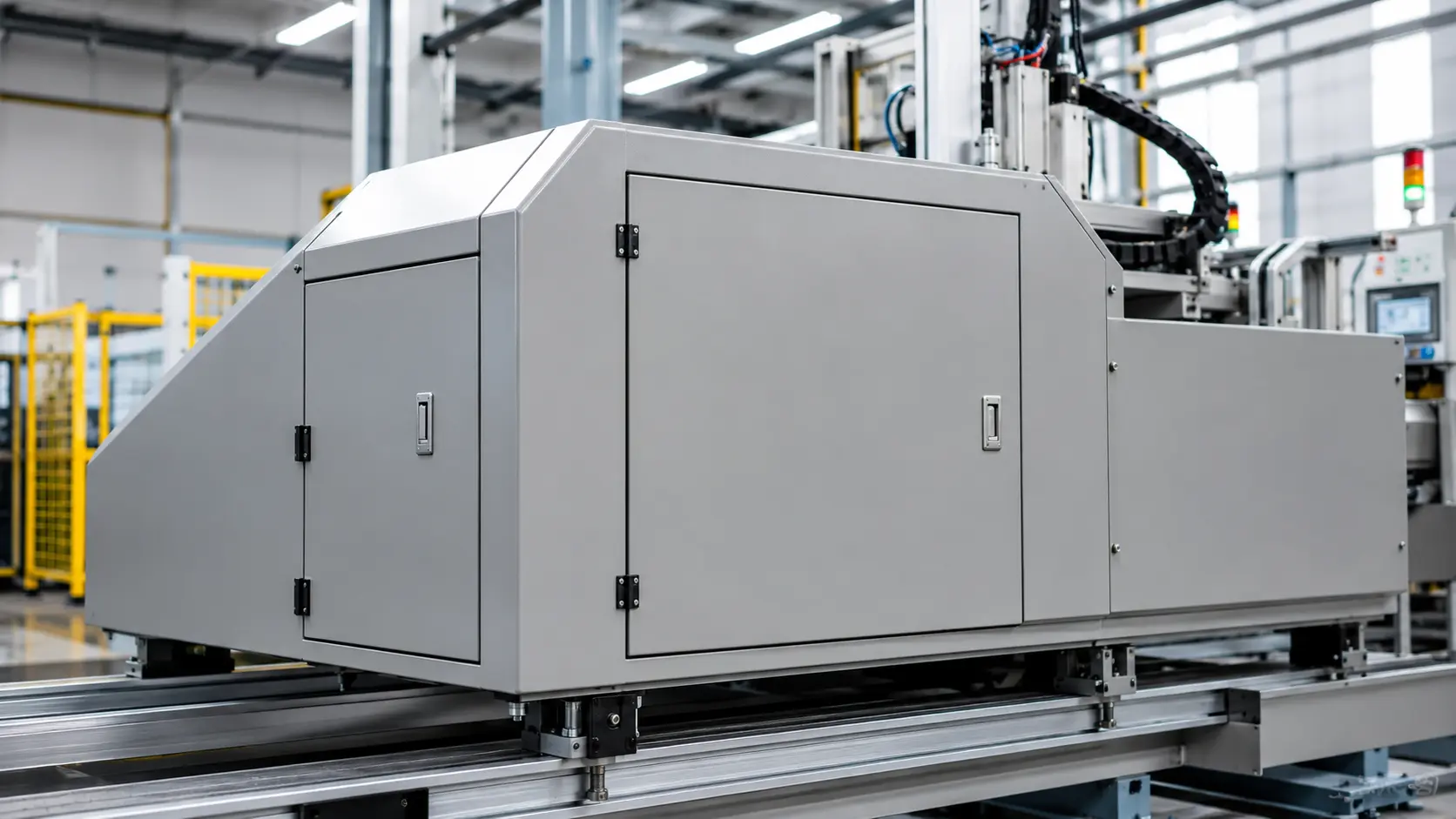
Data Centers & IT Equipment
Metal spray painting for data center components, network infrastructure, and IT hardware, delivering smooth, durable finishes with excellent coverage and color consistency.
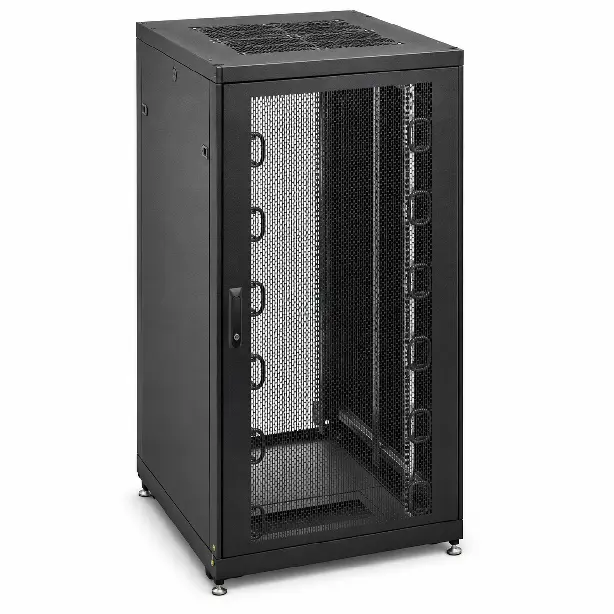
- Server rack frames & rails
- Cable management trays
- Cabinet panels & doors
- Mounting brackets & plates
Consumer Electronics
Custom spray painting for consumer electronics housings, internal brackets, display structures, and precision metal assemblies, providing refined surface appearance with scratch and fingerprint resistance.
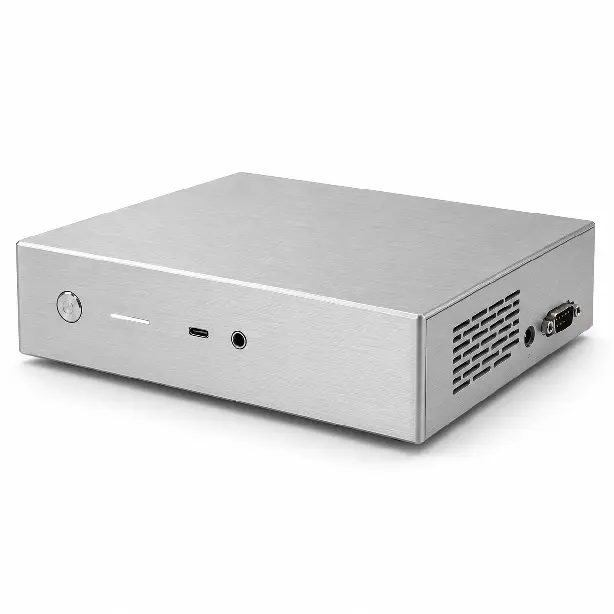
- Device housings & covers
- Internal support brackets
- Display mounting structures
- Speaker & audio metal parts
- Small precision formed parts
Electrical Equipment
Metal spray painting for electrical enclosures, control cabinets, power distribution units, and industrial electrical components, offering strong corrosion resistance and reliable insulation compatibility.
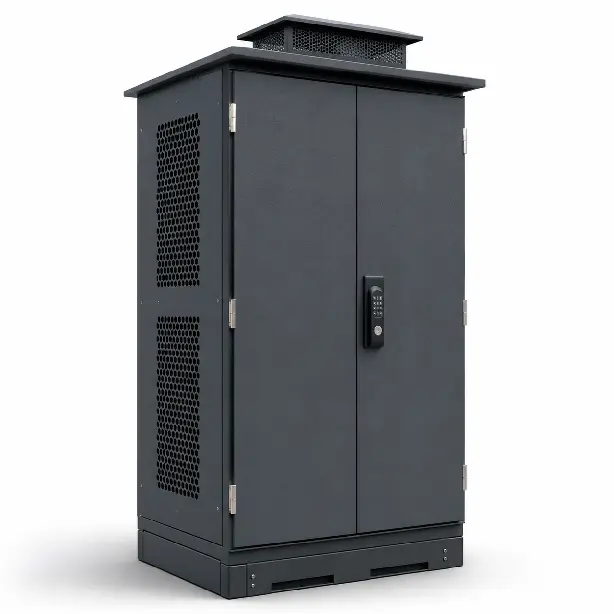
- Electrical cabinet enclosures
- Control box panels
- Terminal mounting plates
- DIN rail brackets
- Ventilation and access panels
Industrial Equipment
Durable spray painted finishes for machinery, automation systems, production equipment, and structural machine assemblies, built to resist chipping, abrasion, and shop-floor wear.
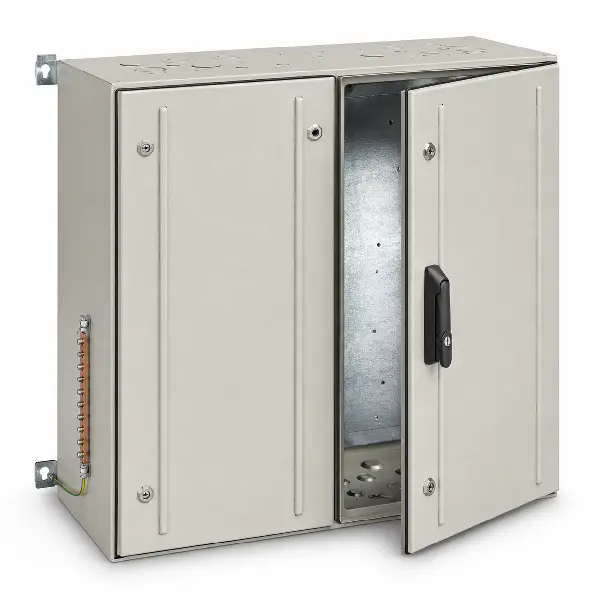
- Machine covers & guards
- Equipment frames
- Conveyor brackets
- Sensor mounting plates
- Protective panels & shields
New Energy Systems
Metal spray painting solutions for EV charging equipment, battery systems, energy storage cabinets, and power conversion units, delivering long-lasting finishes rated for demanding indoor and outdoor environments.
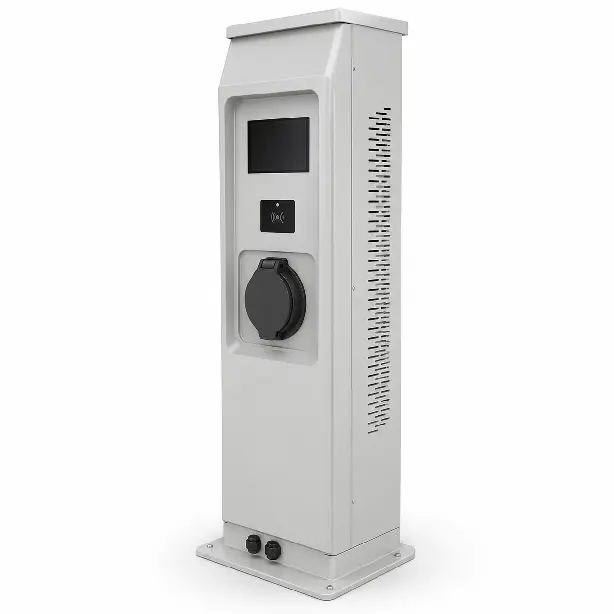
- Battery enclosure parts
- Charging station cabinets
- Energy storage cabinet panels
- Busbar support brackets
- Power module housings
Outdoor Equipment
Weather-resistant spray painted finishes for outdoor enclosures, equipment covers, BBQ grills, lighting systems, and structural fixtures, engineered for UV stability, moisture protection, and years of fade-resistant color retention.
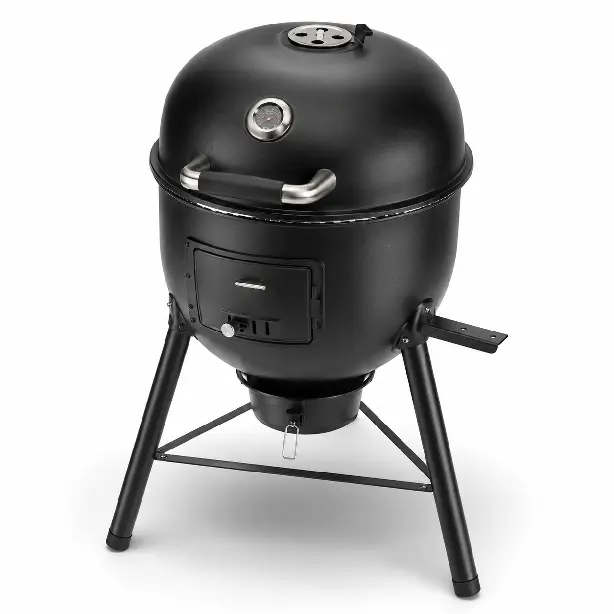
- Outdoor equipment housings
- BBQ grill sheet metal bodies
- Protective covers & panels
- Mounting brackets
- Weather-resistant structural parts
Built for Your Application
Whether you need a single sample or full production volumes, SR MFG ensures consistent coating thickness, uniform color matching, and reliable delivery for every spray painting project. We work with a wide range of paint systems including polyurethane, epoxy, acrylic, and enamel finishes to meet your exact specifications.
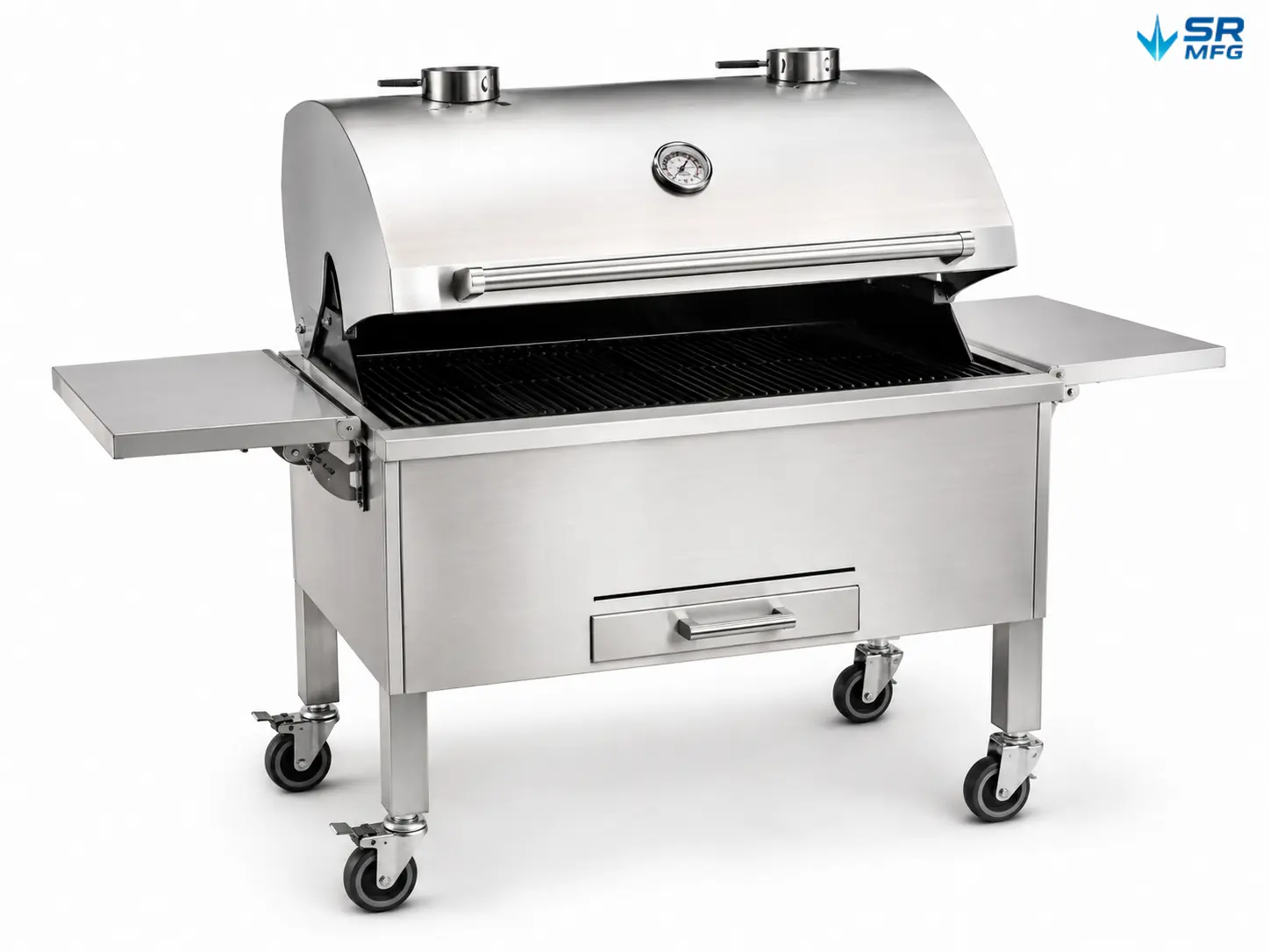
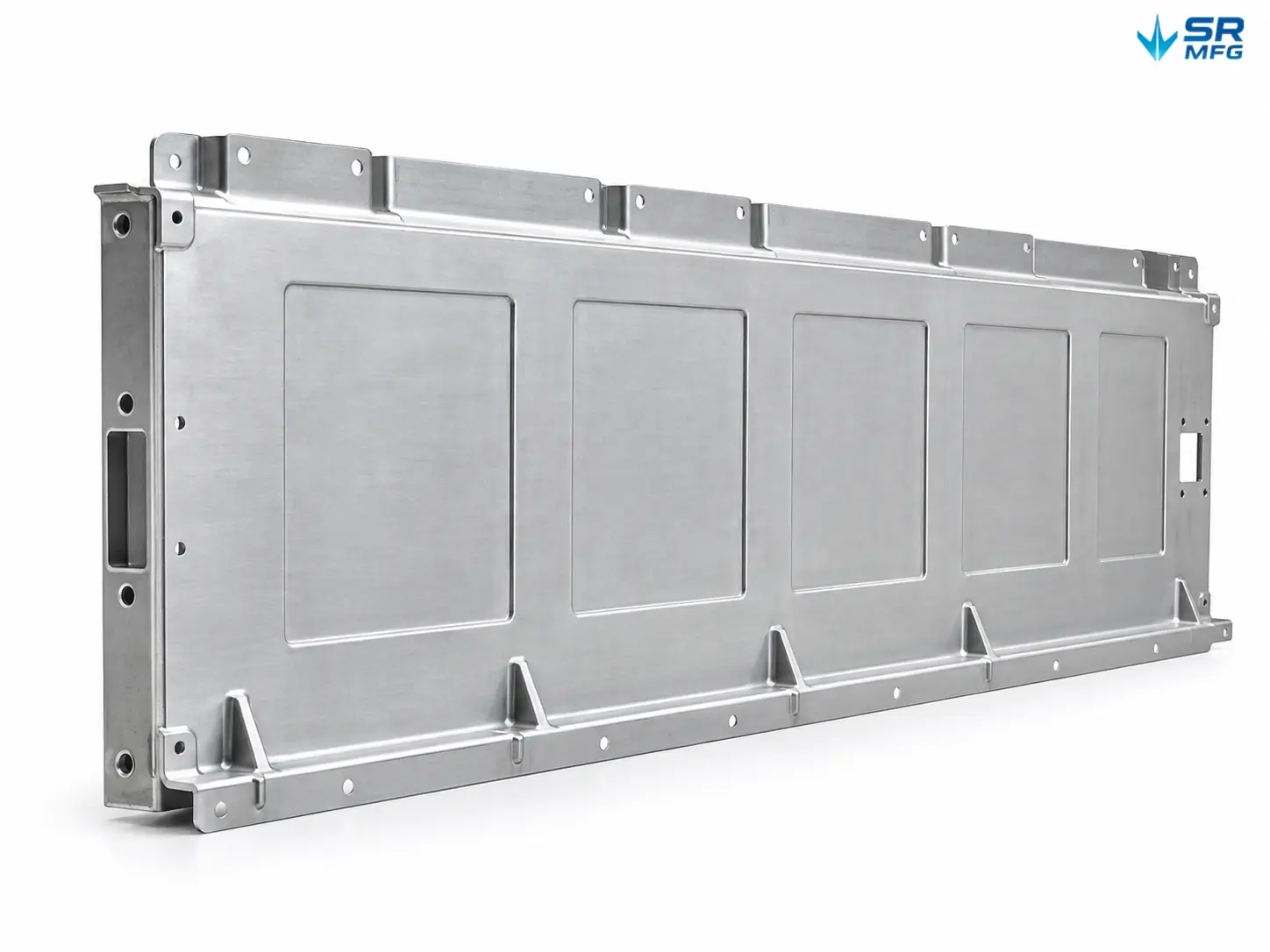
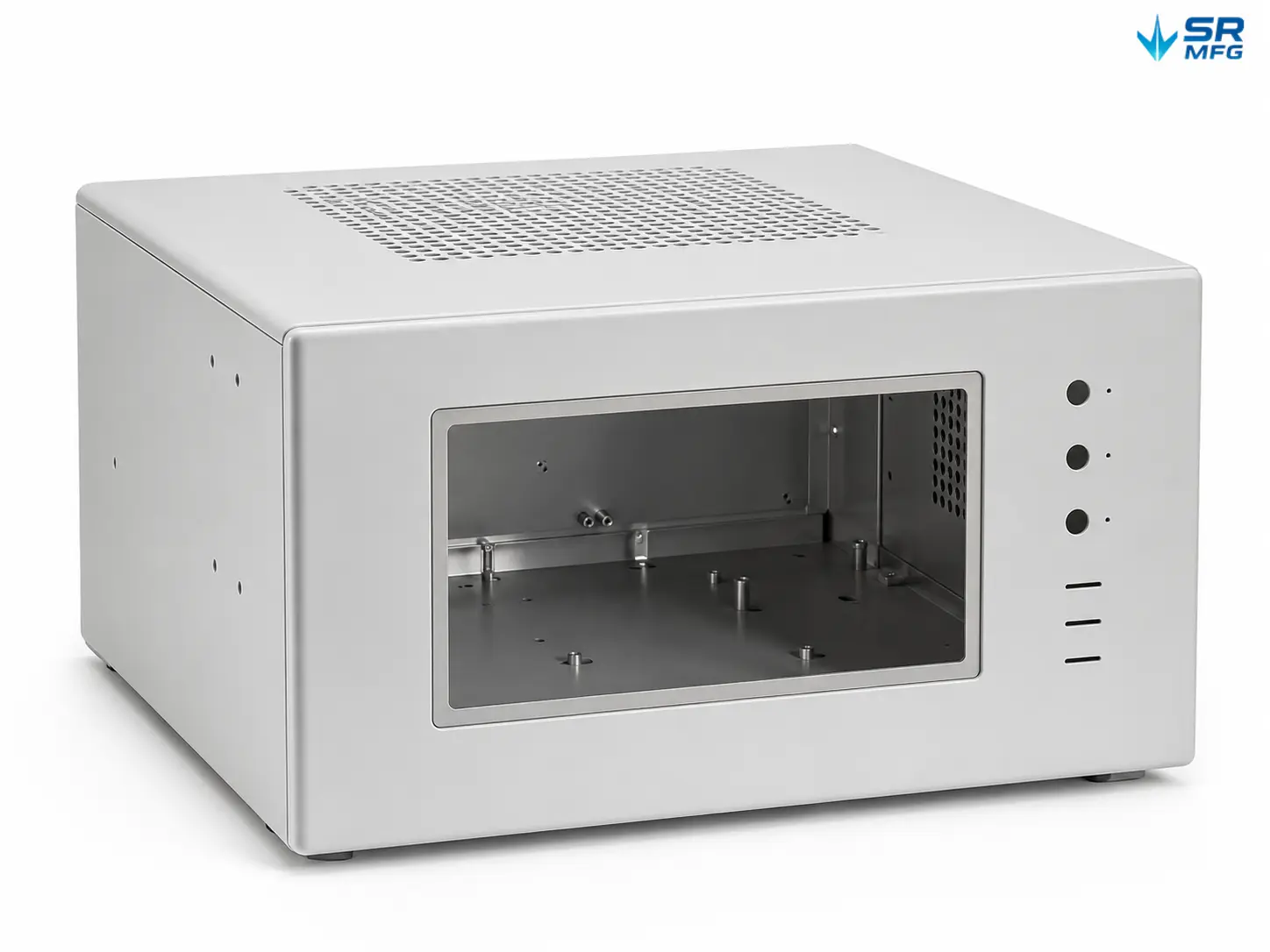
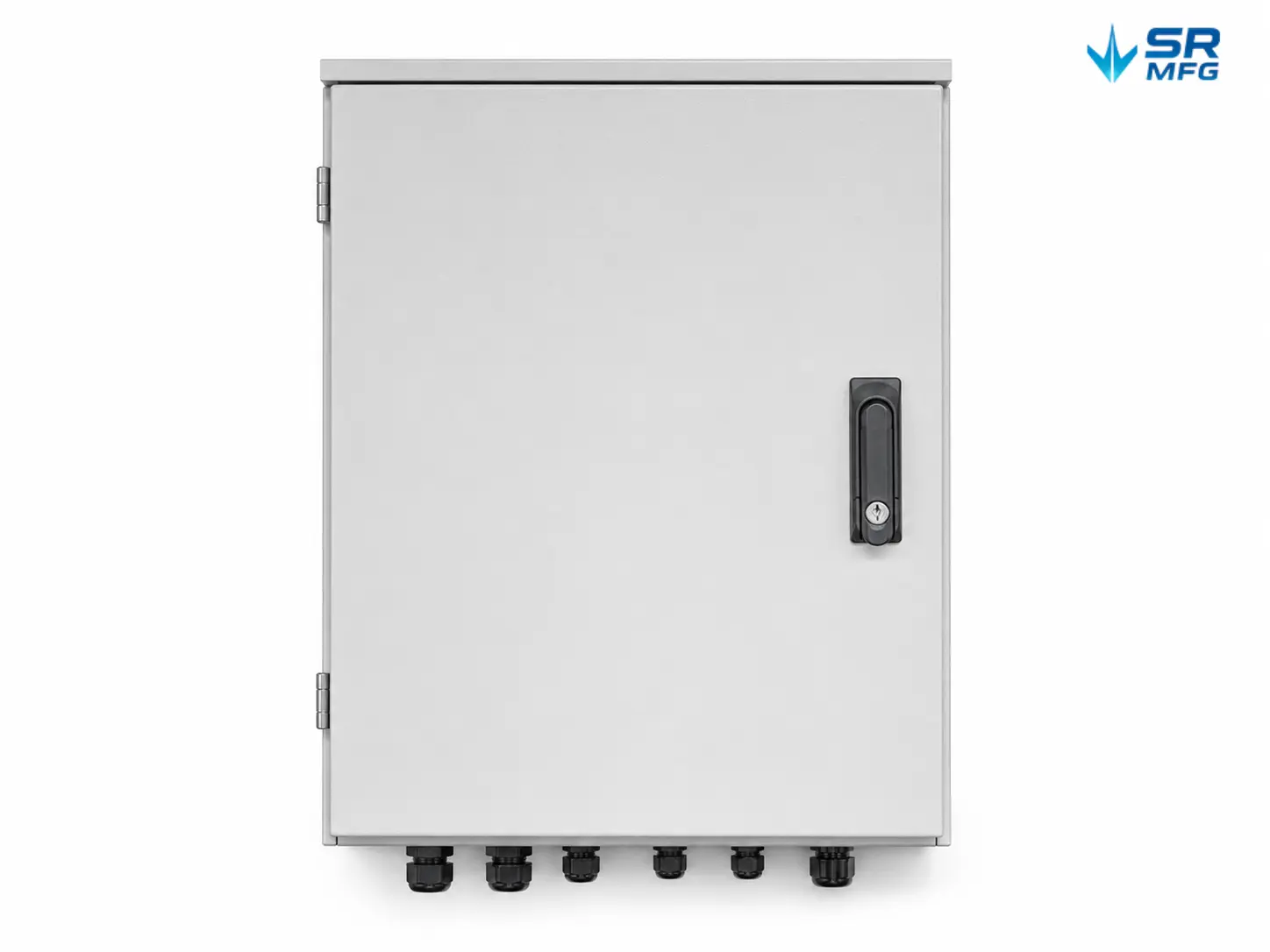
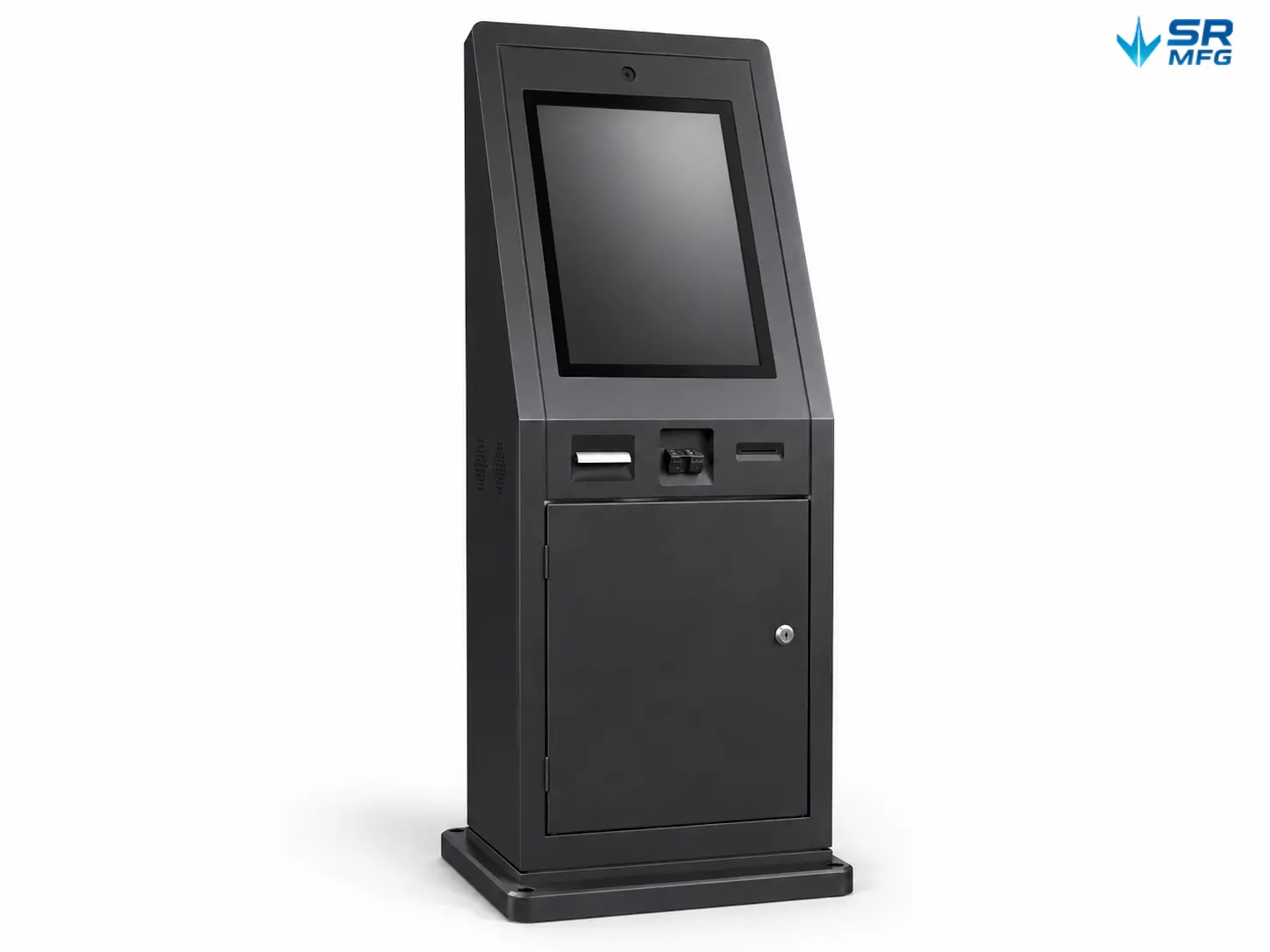
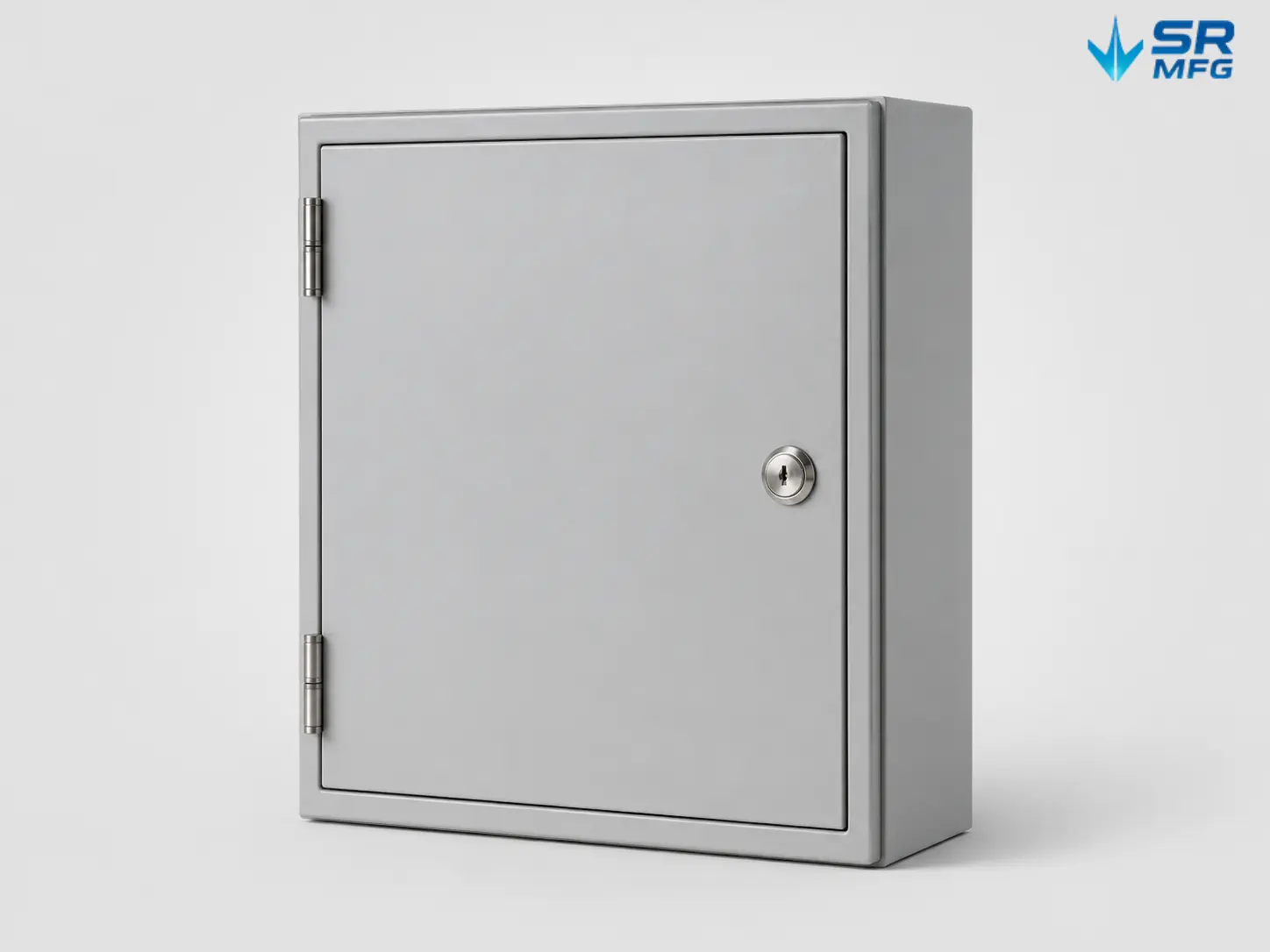
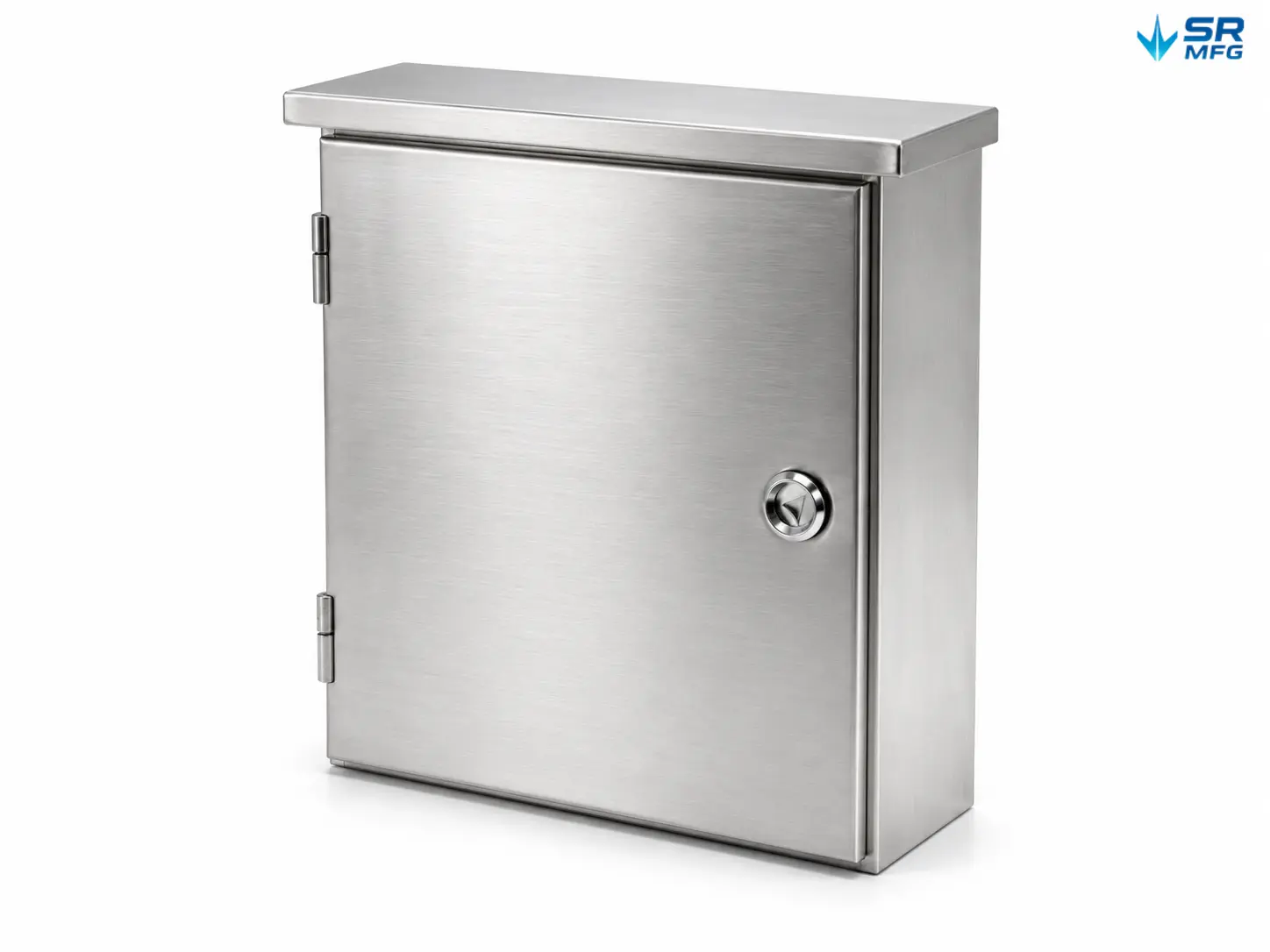
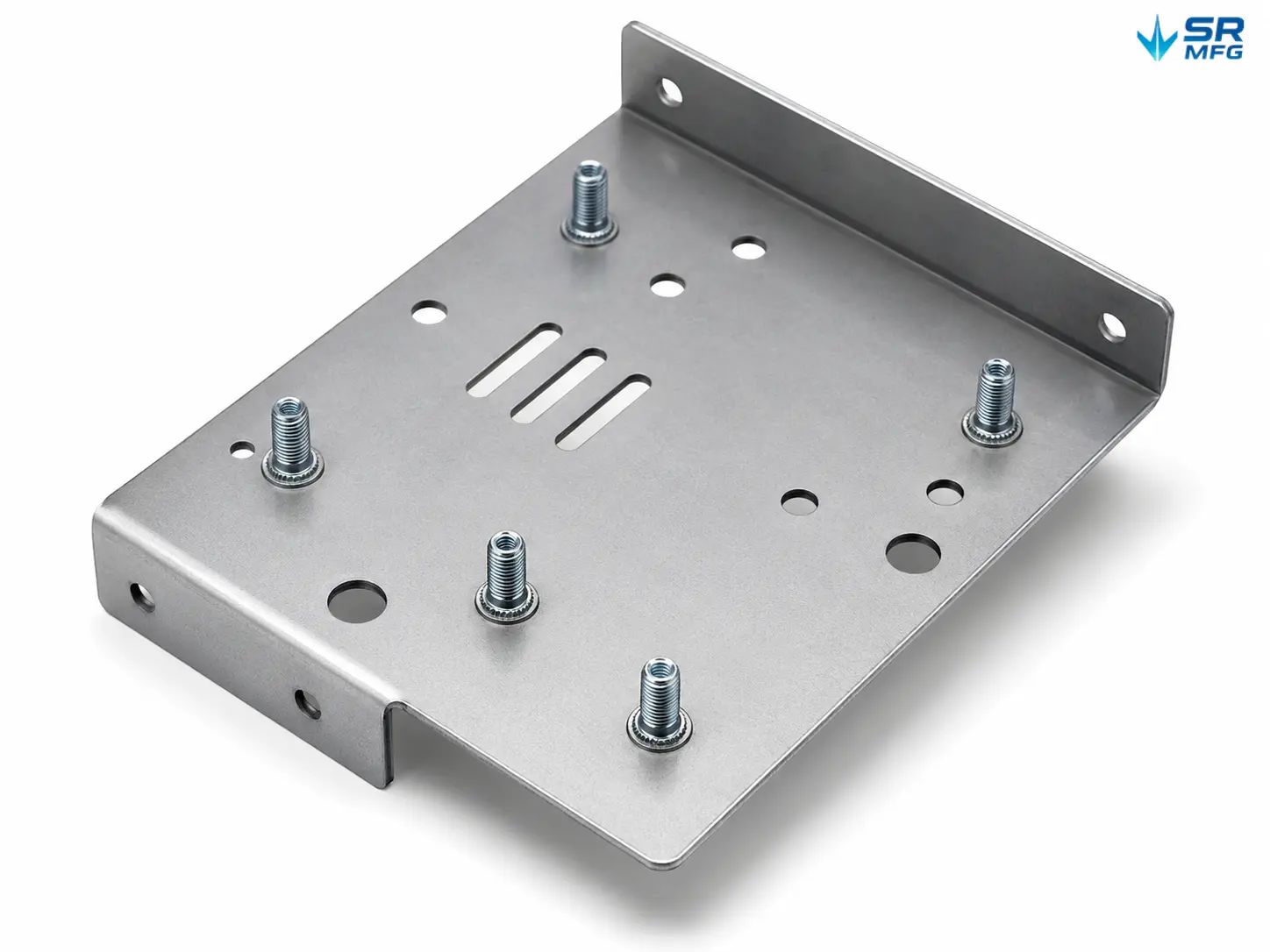
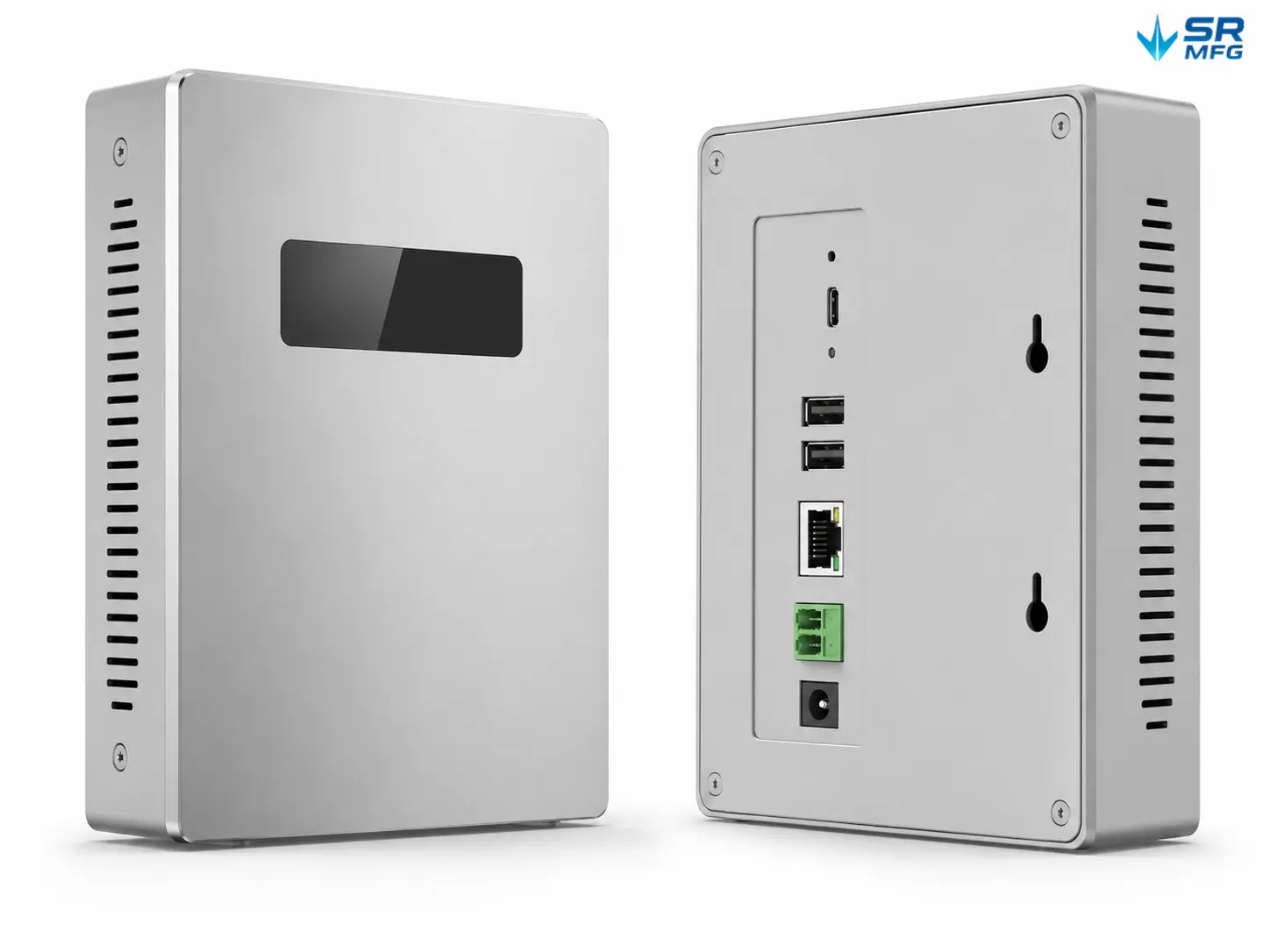
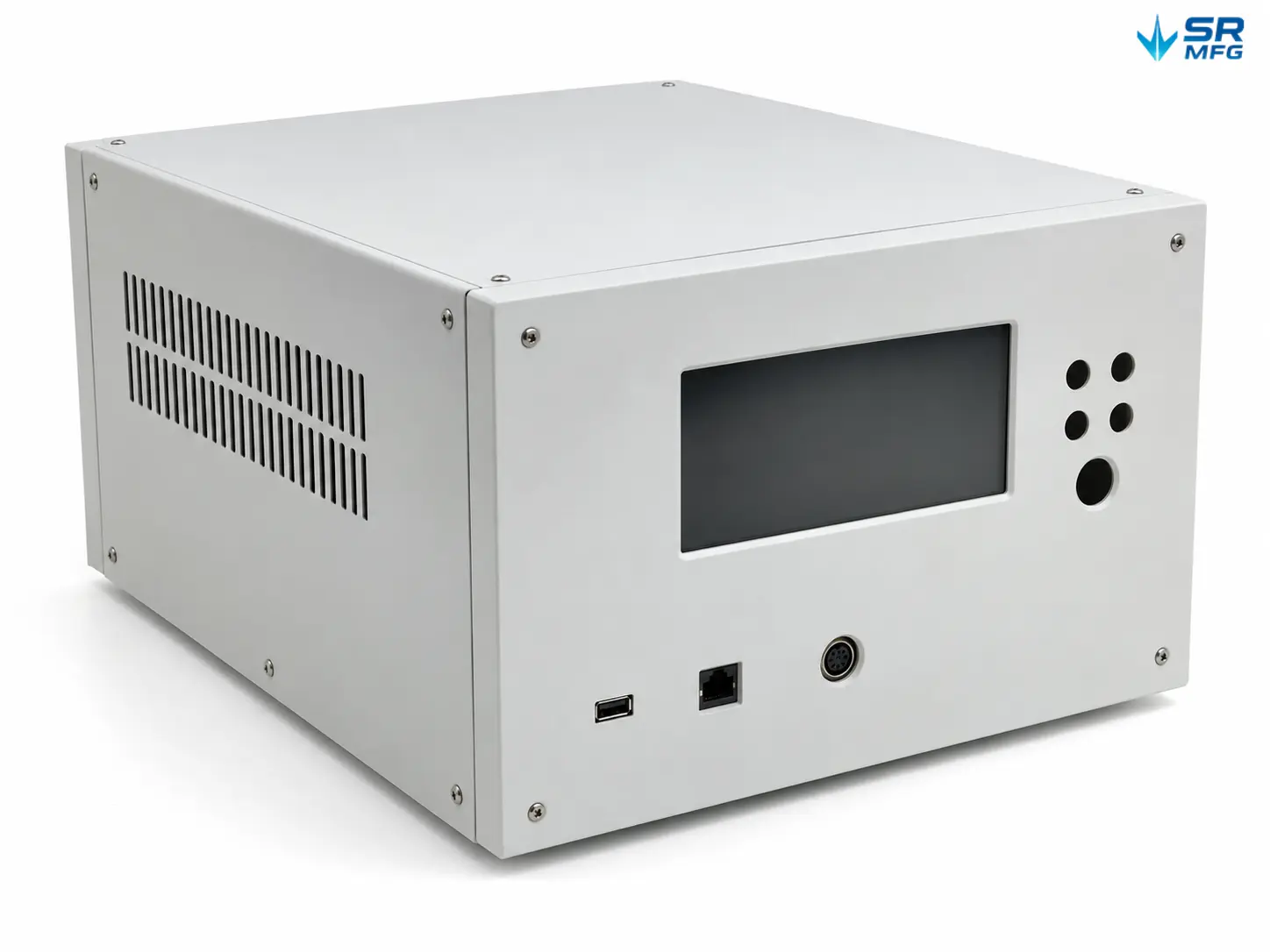
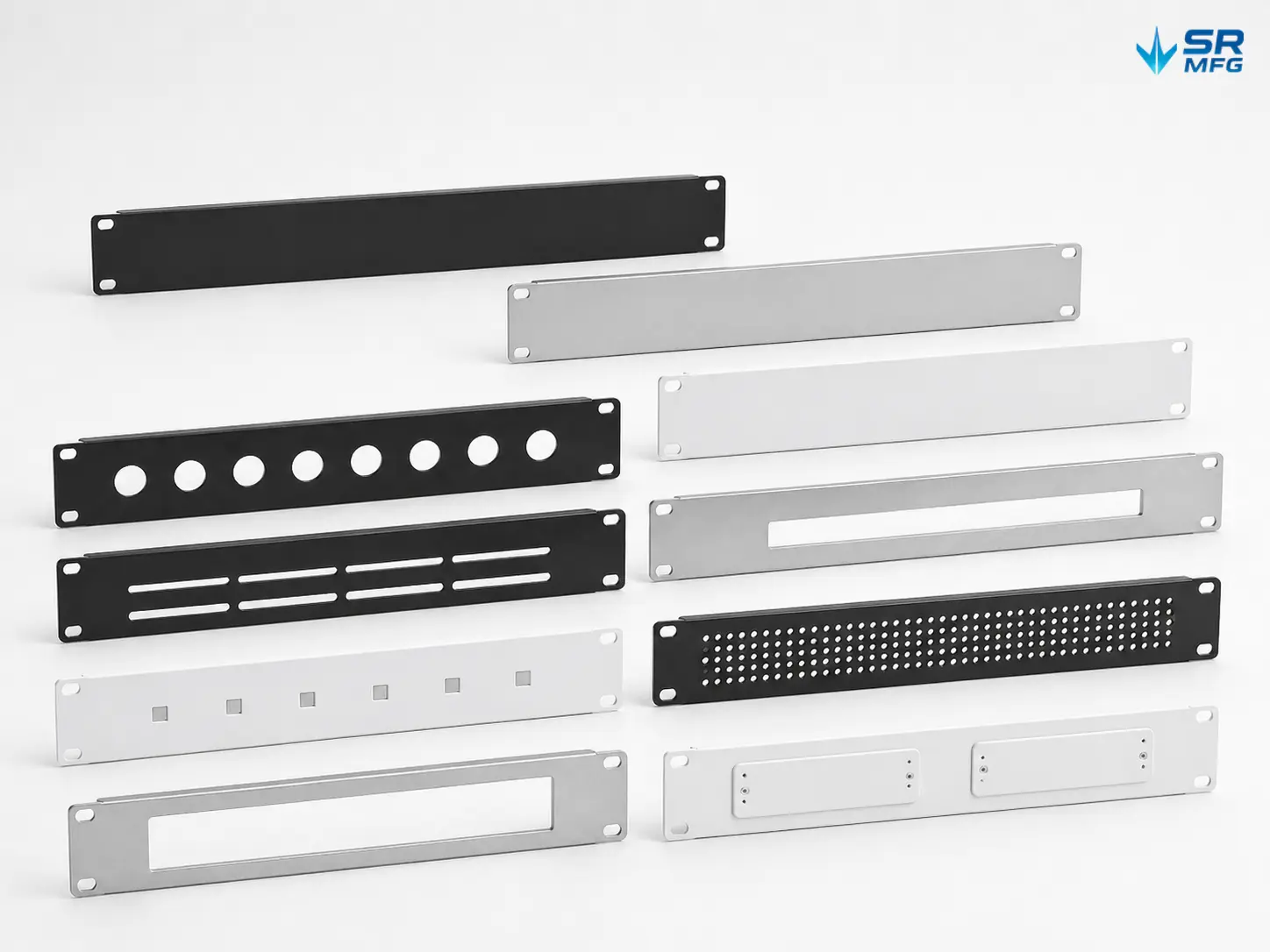
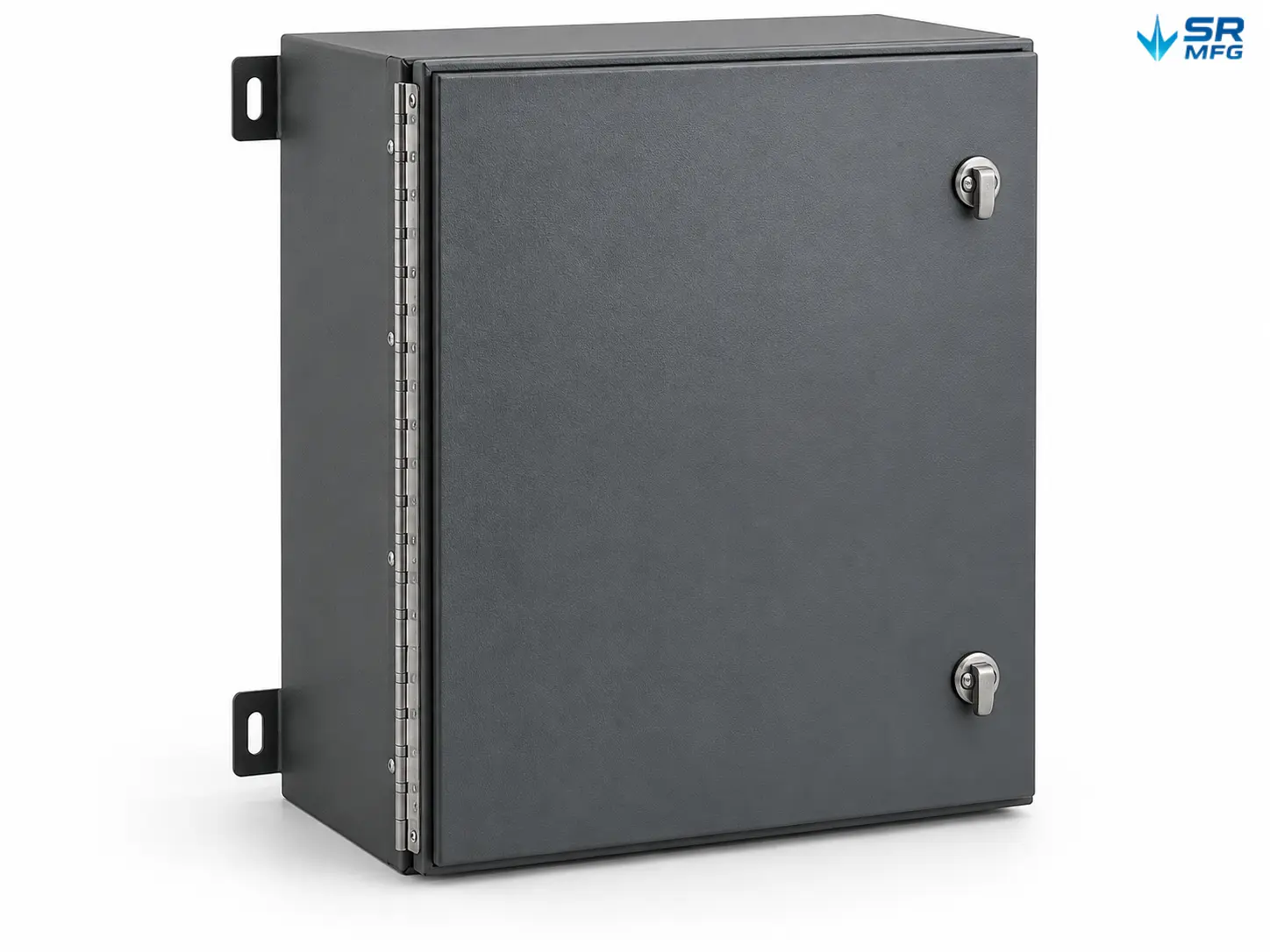
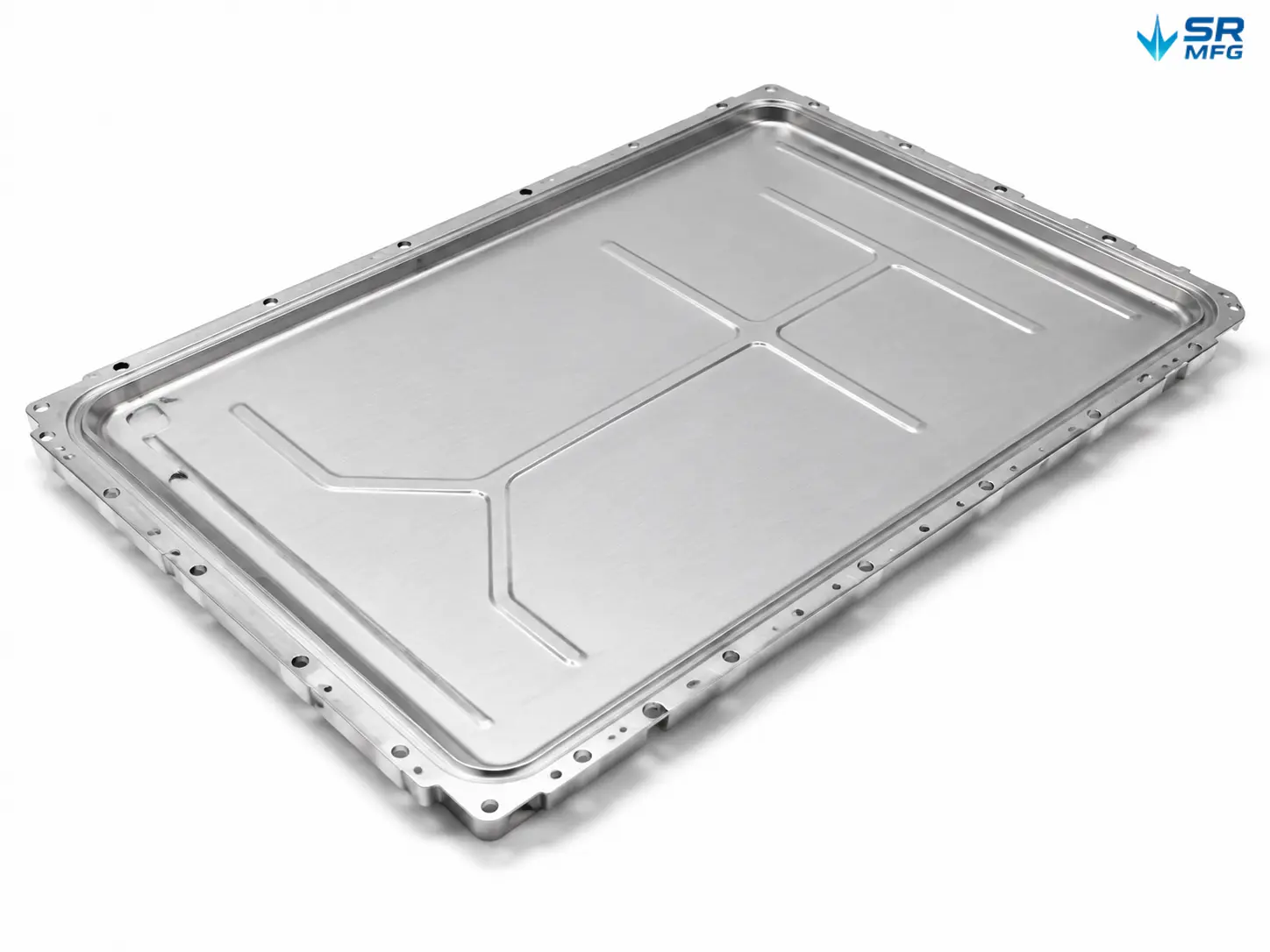
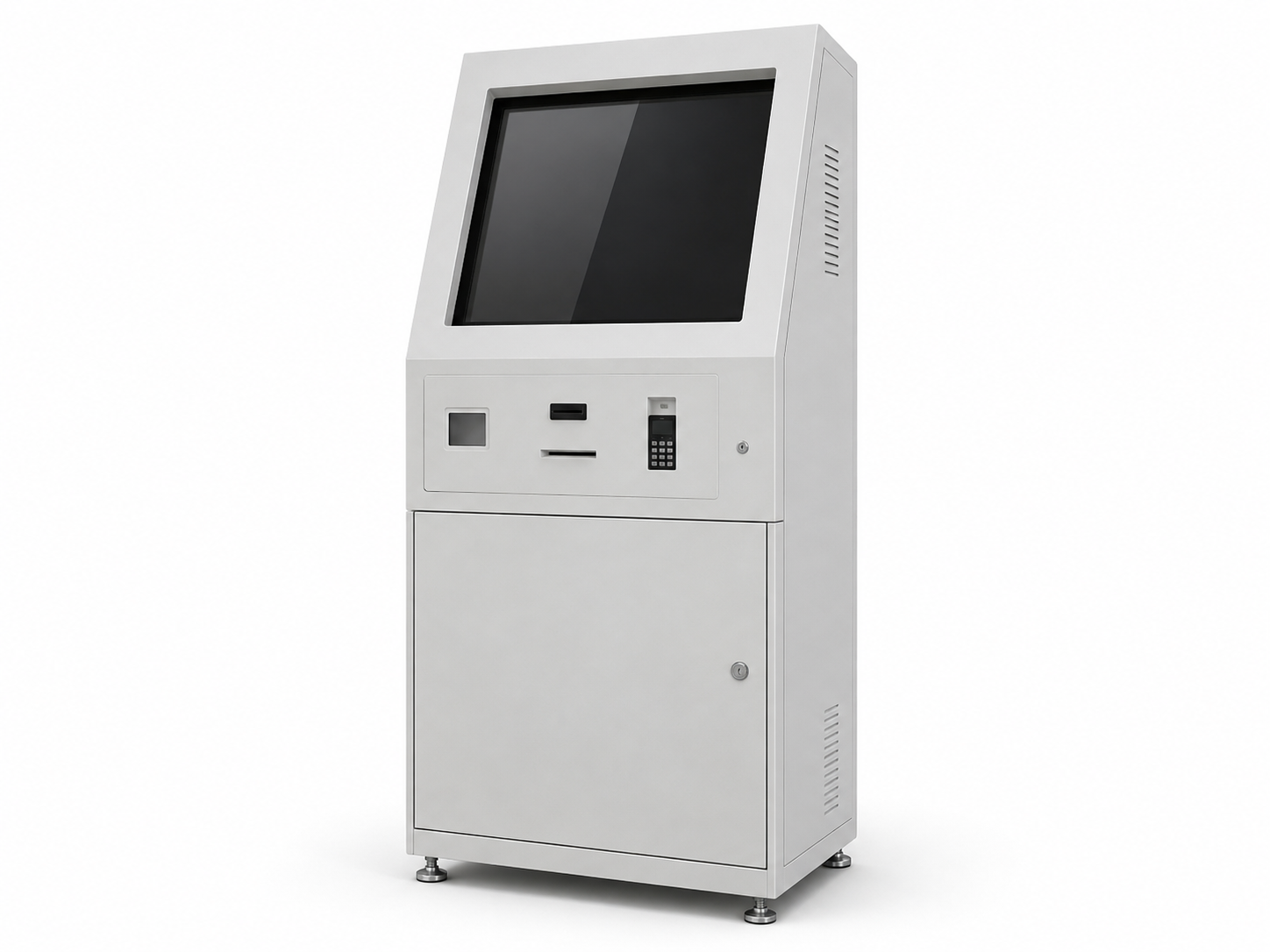
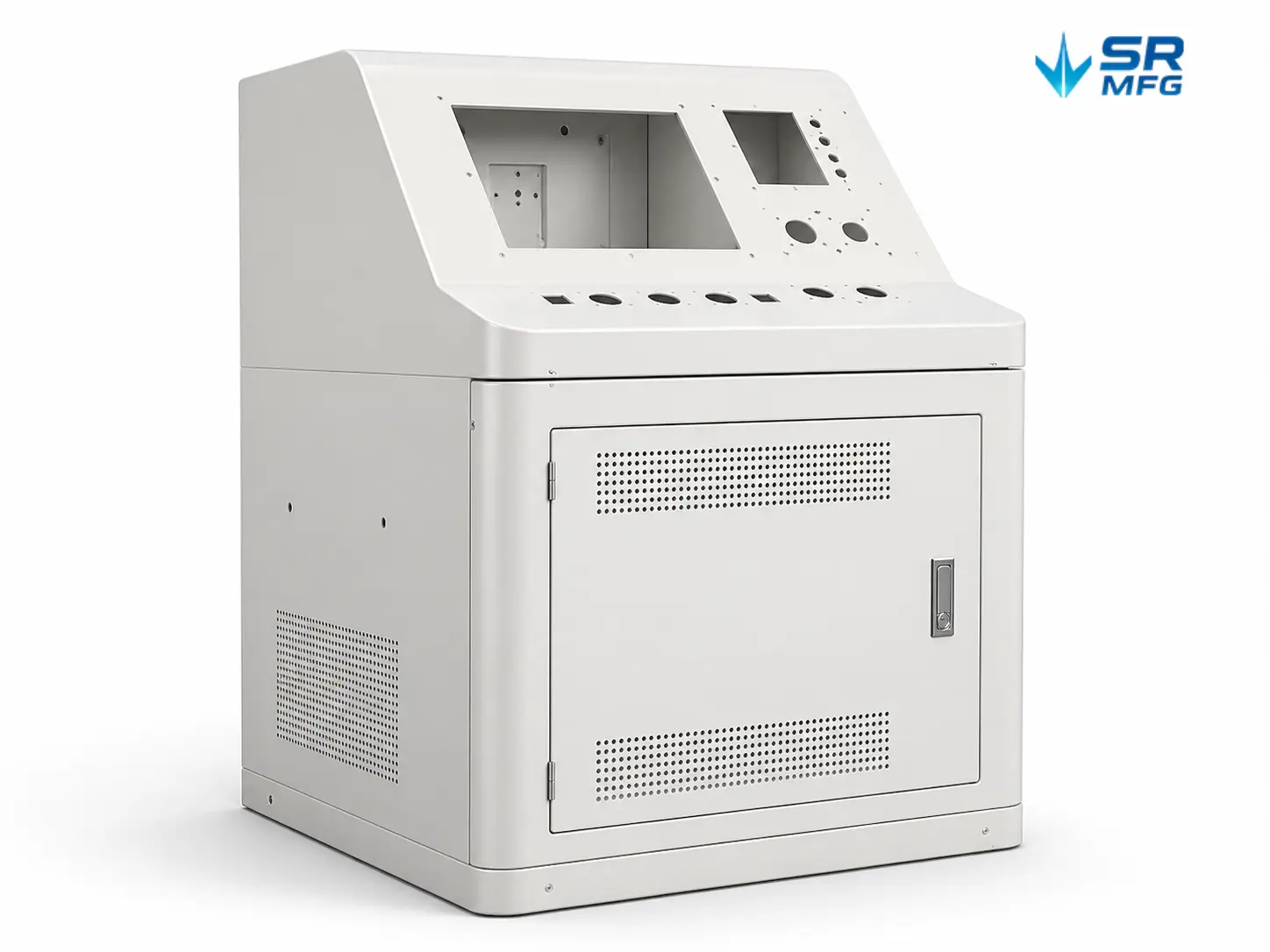
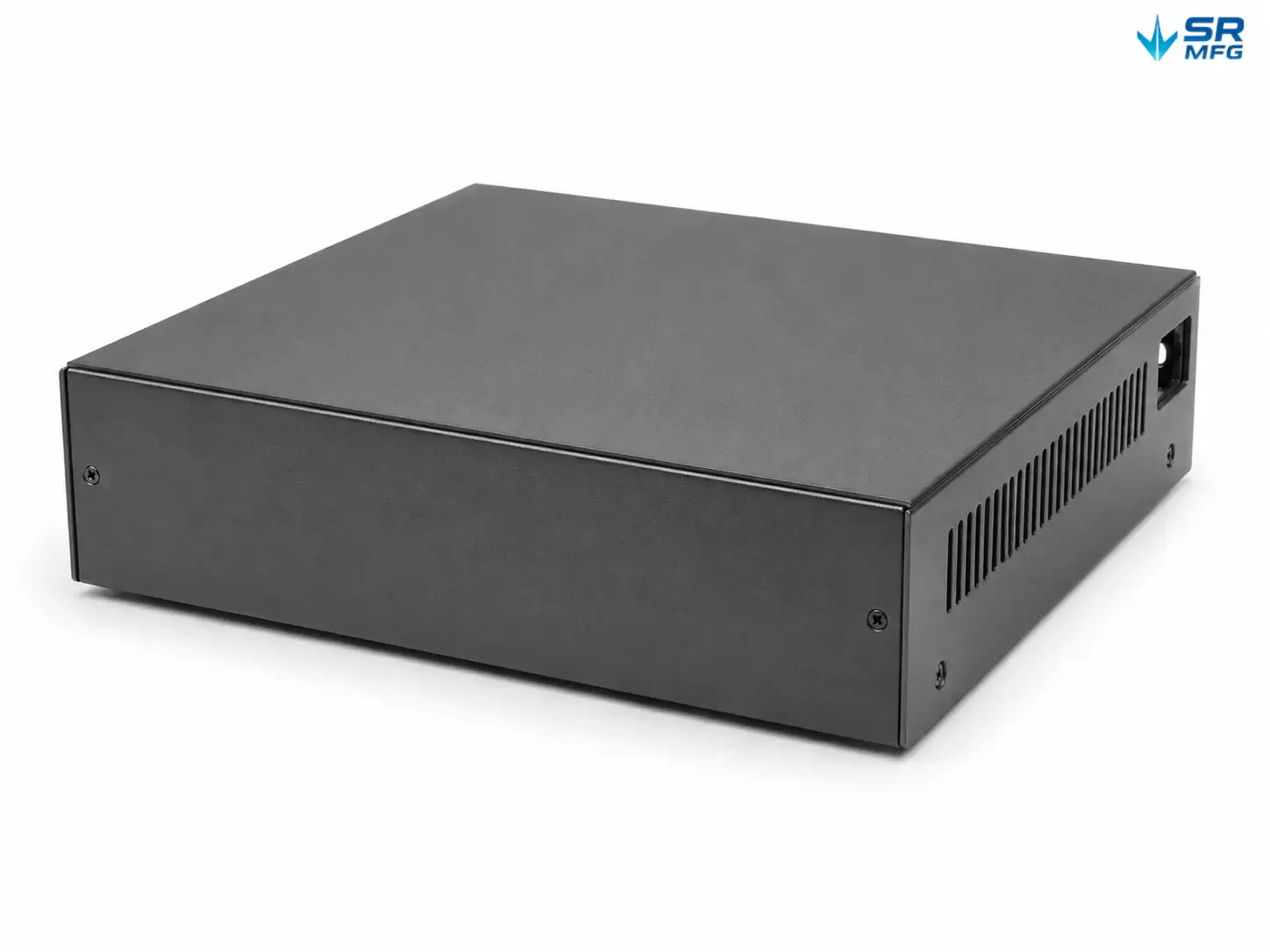
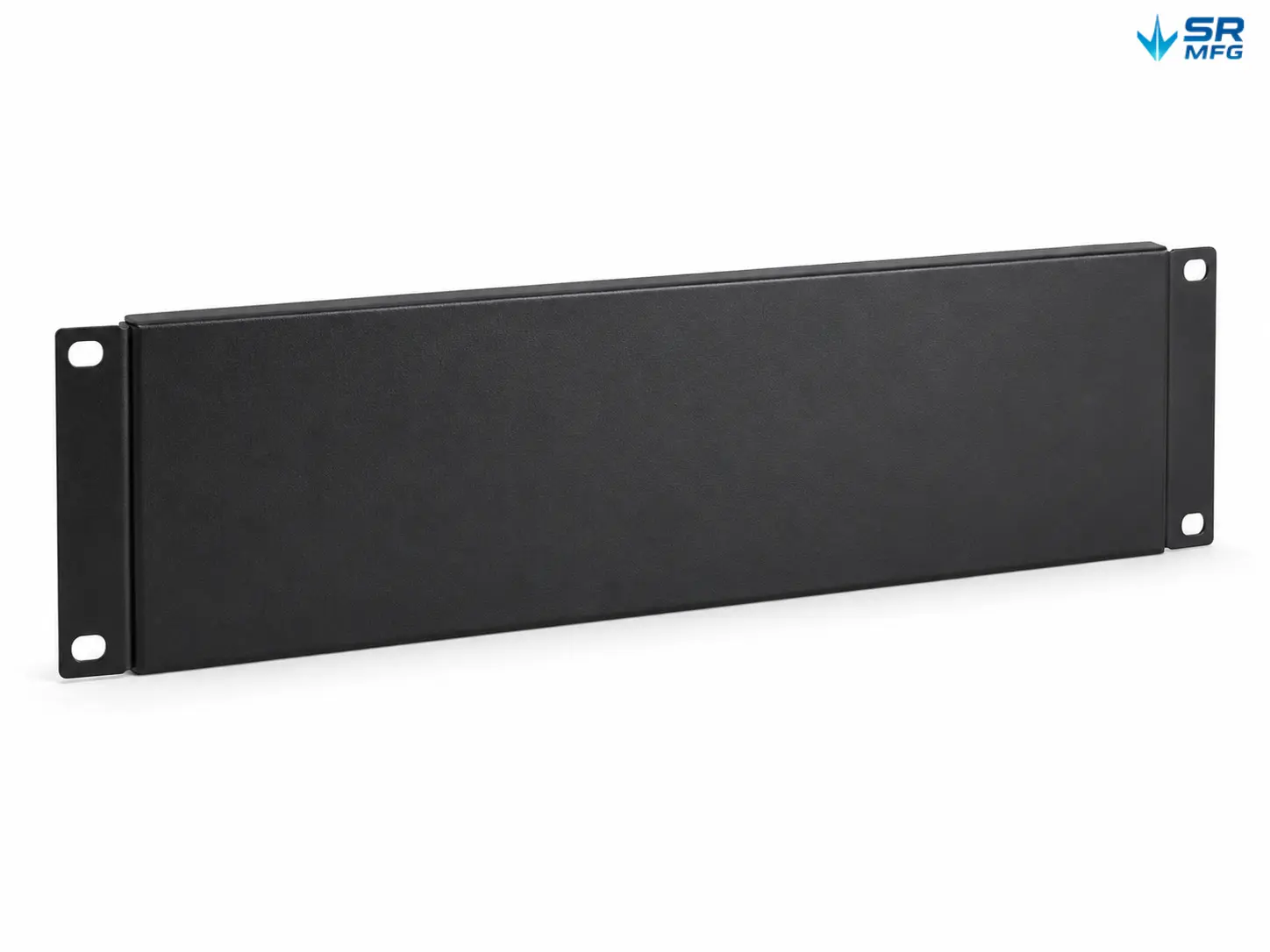
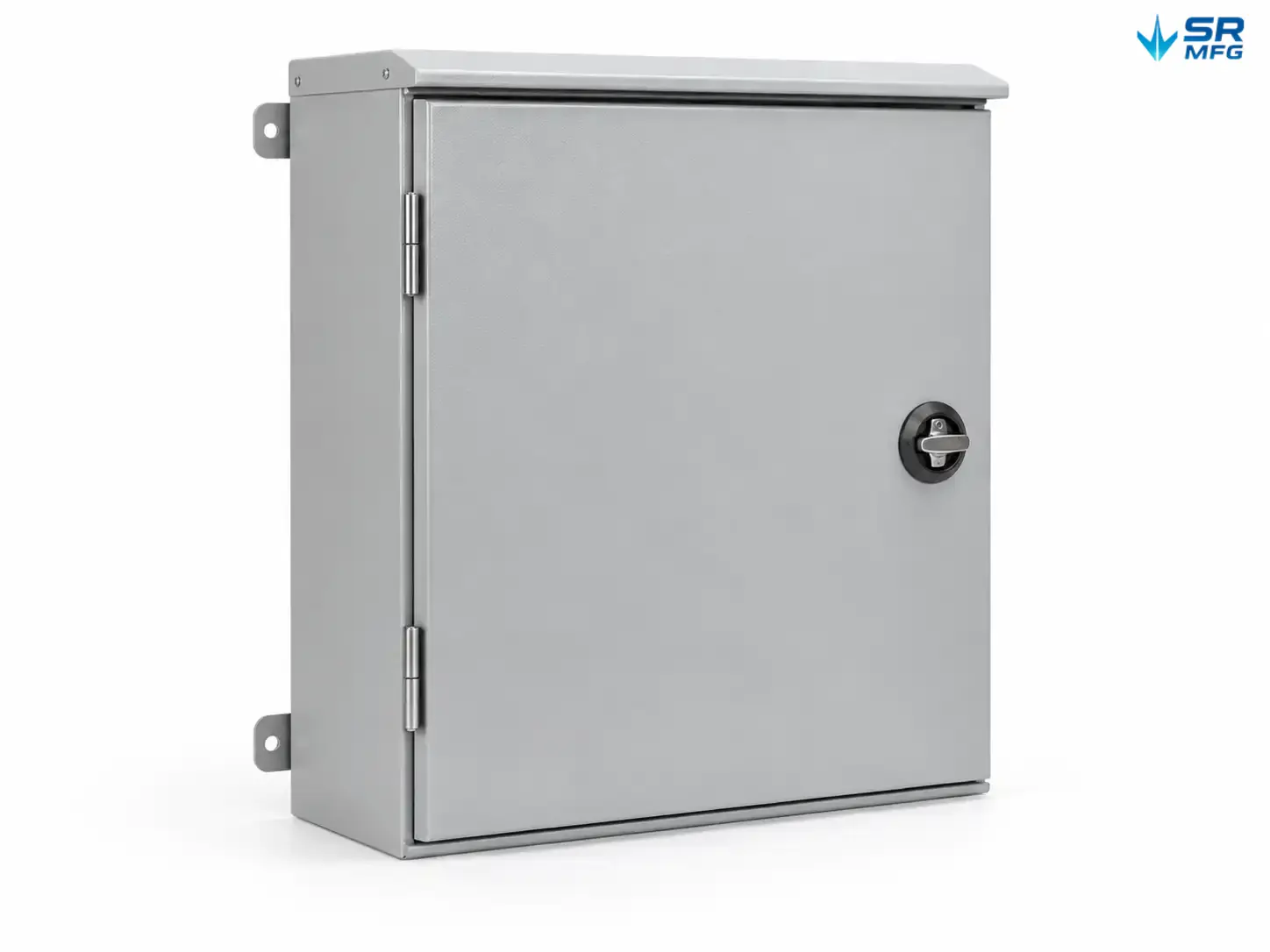
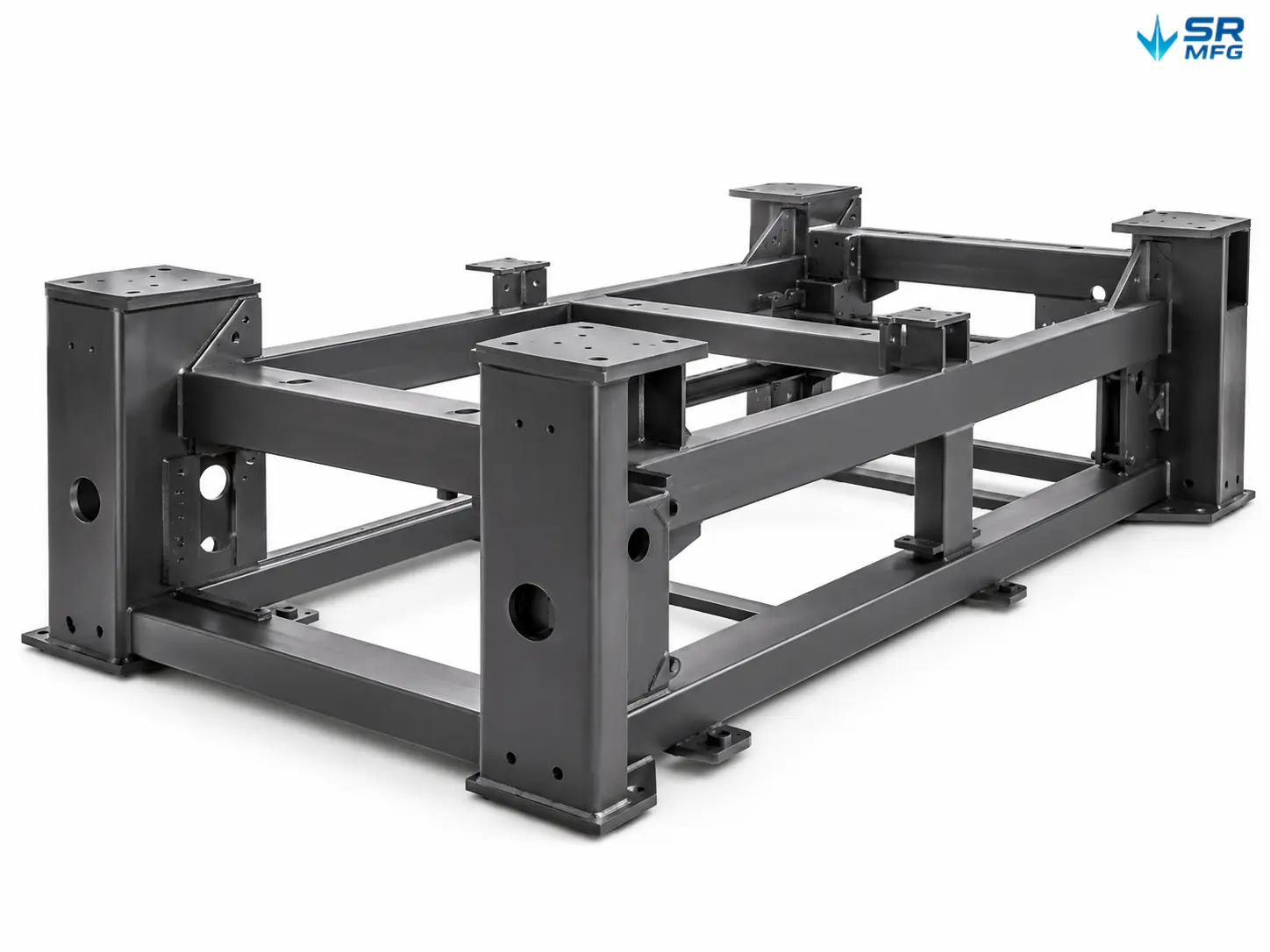
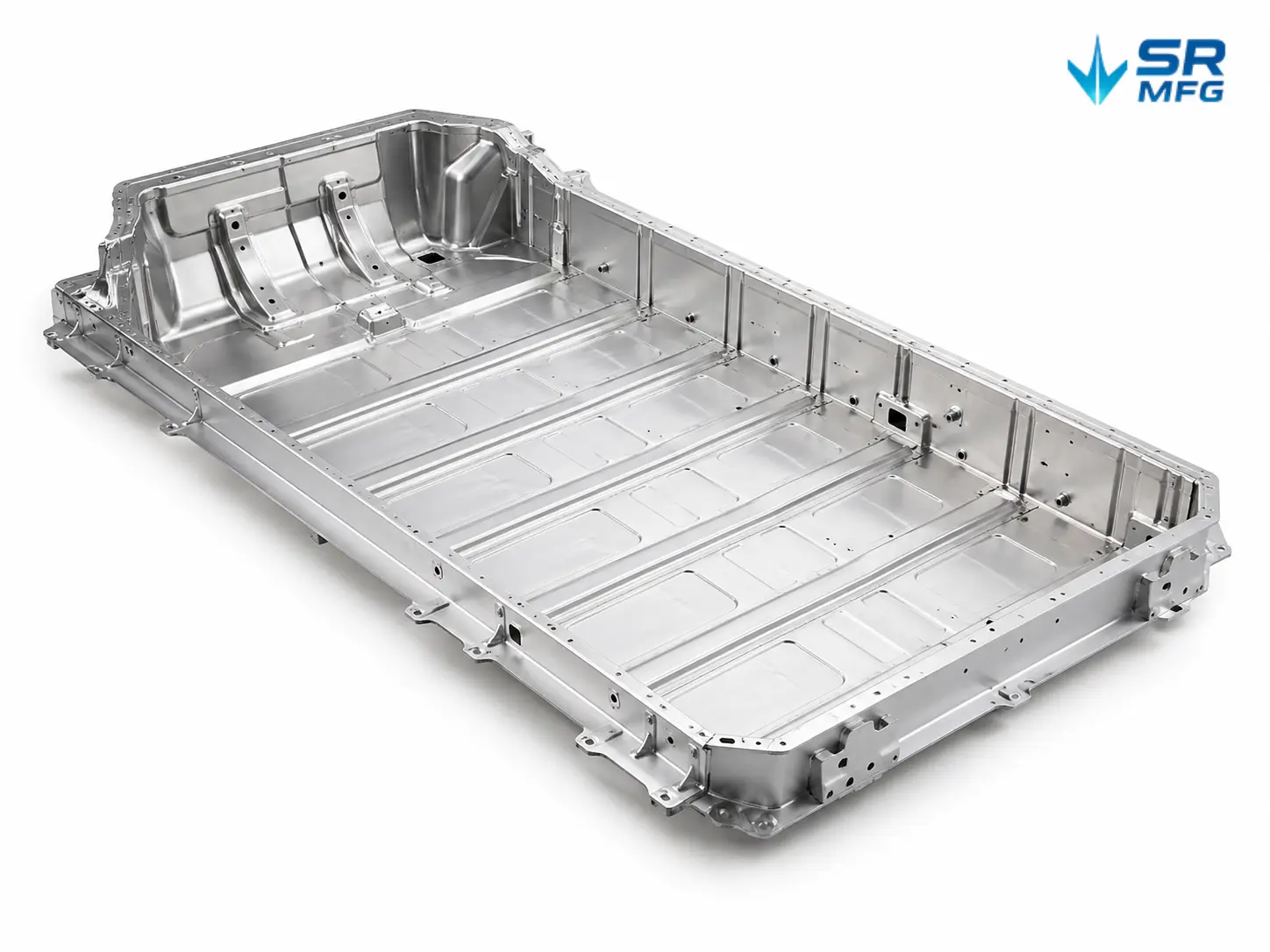
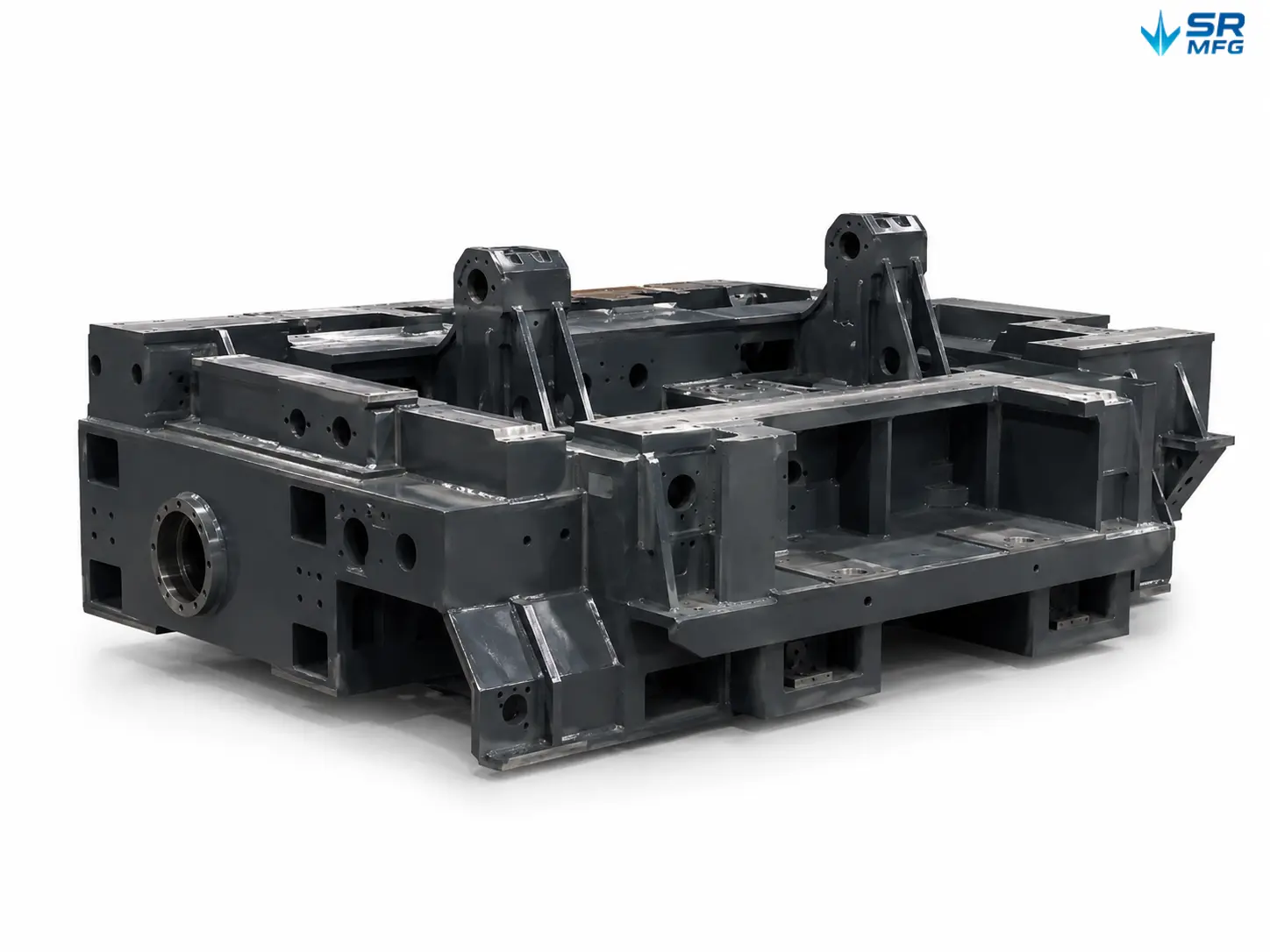
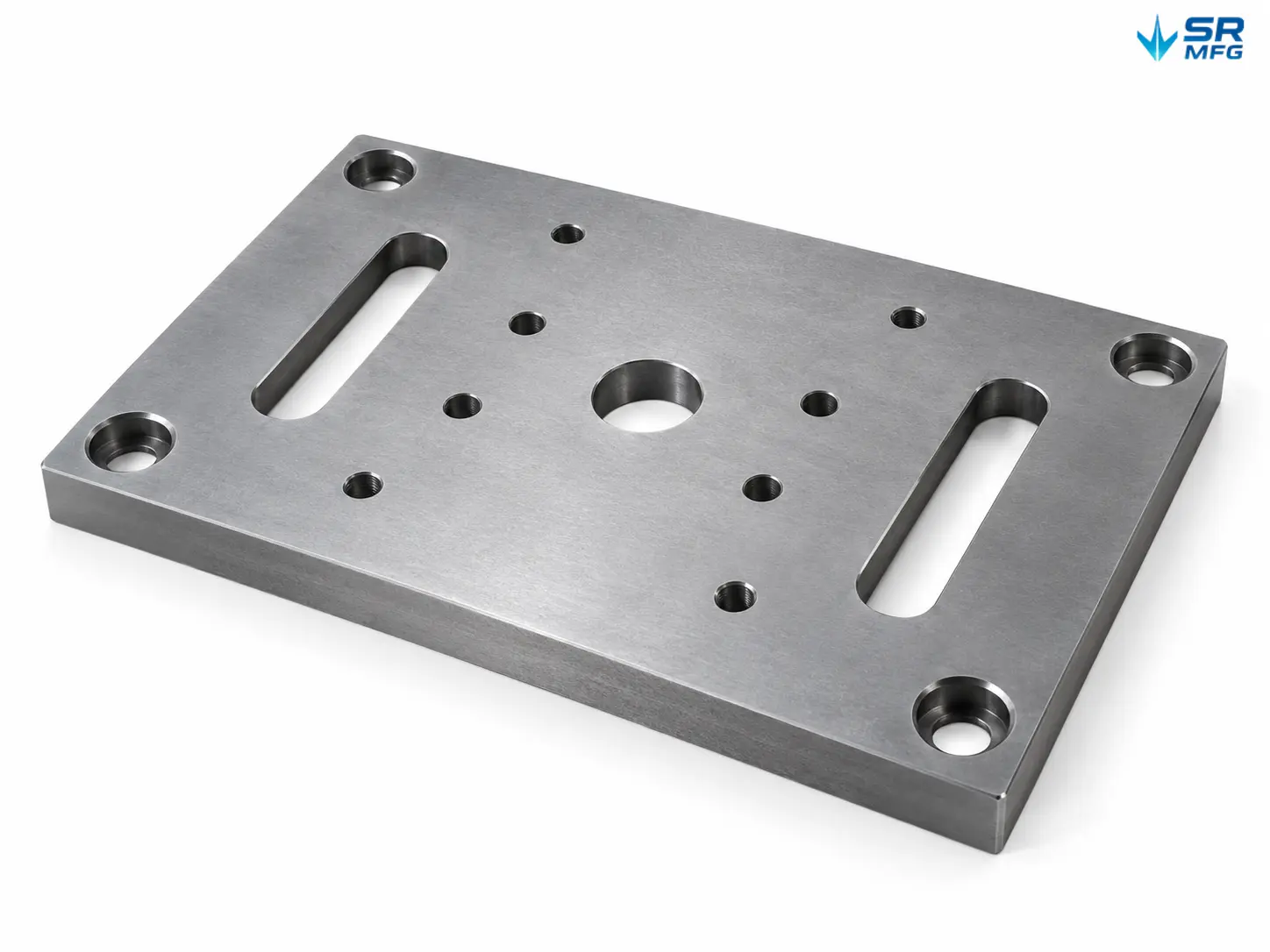
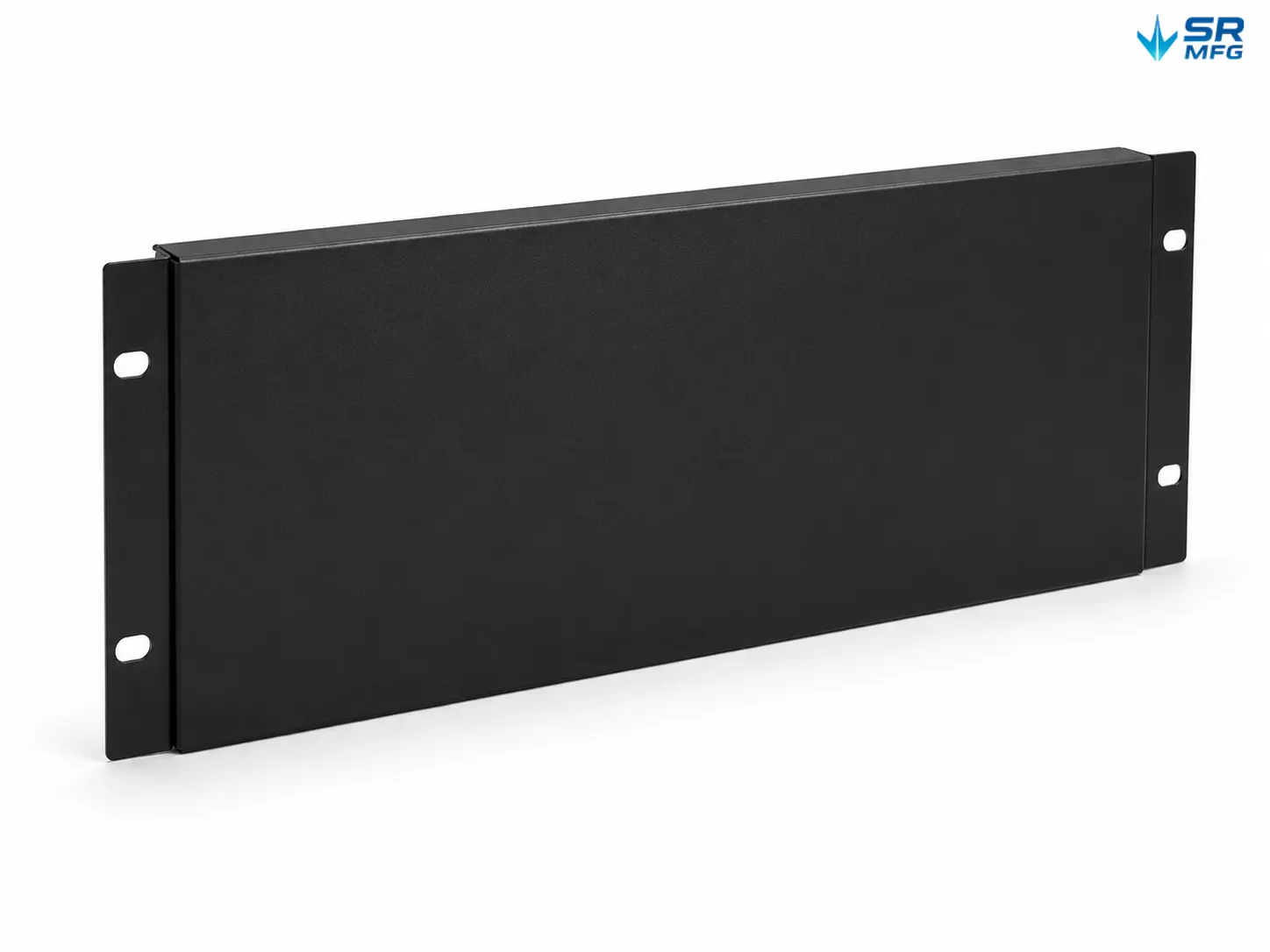
SR MFG Metal Spray Painting Product Showcase
Sheet Metal Spray Painting FAQs
Coating thickness is set based on your desired appearance and corrosion protection requirements. If needed, we can recommend a target thickness range and measurement locations during quoting.
When certain areas require tight thickness control or must remain uncoated, we typically use a combination of:
-
Masking for thickness control: High-temperature tape, masking film, or plugs to protect no-coat zones or limit build on critical areas.
-
DFM design recommendations: Adding small steps/ledges or masking features so masking lines don’t land on visible cosmetic surfaces.
-
Inspection and records: DFT is measured at agreed locations and recorded using ASTM D7091 (or an equivalent standard).
SR MFG matches color to RAL/Pantone standards or your supplied sample. We follow a defined process to ensure consistency: sample approval first, then we lock the standard and maintain color repeatability in production.
In practice:
-
Sample approval first: we confirm color, gloss, texture, and front/back appearance as applicable.
-
Controlled production: we run the same coating material and process to minimize batch-to-batch variation.
-
We support matte, satin, and gloss finishes. For complex geometries, we’ll flag areas where appearance variation is more likely (e.g., deep recesses or shadowed zones).
These functional surfaces must remain assembly-ready and electrically reliable:
-
Threaded holes: High-temperature plugs or thread protectors keep coating out so fasteners install properly.
-
Grounding / conductive contact areas: Either left uncoated through masking or thickness-limited to maintain conductivity.
-
Mating / locating surfaces: Masking is used to control build; we can also provide DFM input to reduce assembly risk.
For best results, please clearly mark on the drawing all areas that are no-coat, must remain conductive, or require thickness limits. We’ll propose the masking approach as part of the quotation.
Yes. If corrosion testing is required, SR MFG can support salt spray validation based on your specified standard, test duration, and acceptance criteria.
A typical report includes:
-
Sample details (material, coating/color, DFT, quantity)
-
Test standard and conditions (method used, duration, pass/fail criteria)
-
Test procedure and results (key photos and conclusions)
-
Lot/order traceability information (when requested)
Pinholes and blistering are often caused by outgassing (gas or volatiles released during curing), insufficient surface cleaning, or an unsuitable primer/system choice.
SR MFG countermeasures include:
-
Galvanized parts: Verify surface condition, ensure proper cleaning/activation, and select a compatible primer system.
-
Castings: Porosity can release gas during cure—when risk is high, we use more robust primers or sealing approaches.
A pre-bake/outgas bake is strongly recommended (and sometimes required) when:
-
The substrate is prone to outgassing (galvanized, cast, welded structures, enclosed cavities).
-
Similar parts have shown pinholes/blistering in past runs—pre-bake helps drive off volatiles and reduce recurrence.
Deep corners, narrow gaps, and hidden recesses are inherently harder to coat evenly. SR MFG typically addresses this by:
-
Optimizing racking and spray path: Adjusting hang orientation, gun angles, and spray sequence for more uniform coverage.
-
DFM recommendations: Suggesting small design changes when features are too deep or narrow to coat consistently.
-
Defining Class A surfaces up front: Aligning on which visible areas require the highest cosmetic control.
Rework is possible, but it follows clear standards. Minor defects may be repaired locally; for larger rework, we evaluate the risk of mismatched color/gloss and may re-confirm the approved sample if needed.
Our goal is that parts arrive ready to use out of the box. Common protections include:
-
Surface isolation: Protective film, individual bagging, or layer separators to prevent rubbing.
-
Shock protection: Corner guards, custom dividers, or locating trays to reduce movement in transit.
-
Packaging matched to cosmetic requirements: Higher cosmetic requirements typically need higher protection (and we’ll confirm the cost impact with you up front).
Pricing and lead time depend on factors such as number of colors, coating system, cosmetic standards, fixture/racking needs, and masking complexity.
In general:
-
MOQ: Depends on color count, fixture cost, and changeover requirements (multi-color programs may run in batches).
-
Color changeover: Depends on changeover frequency, cleaning requirements, and booth scheduling (rules can be defined per project).
-
Lead time: Different for prototyping vs. production; affected by pretreatment/masking complexity and inspection/testing needs (salt spray testing adds time).
For the most accurate quote, please provide drawings, color standard, quantities, and any required test standards—so we can clearly define MOQ, changeover rules, and lead time.
Metal Spray Painting Technical Resources
Powder Coating for Sheet Metal Enclosures: Process Flow, Design Guidelines, and Quality Standards
ShuangRui2026-07-10T02:21:46+00:00July 10, 2026|
Whether a sheet metal enclosure is used to house electrical components or communication equipment, it needs a surface [...]
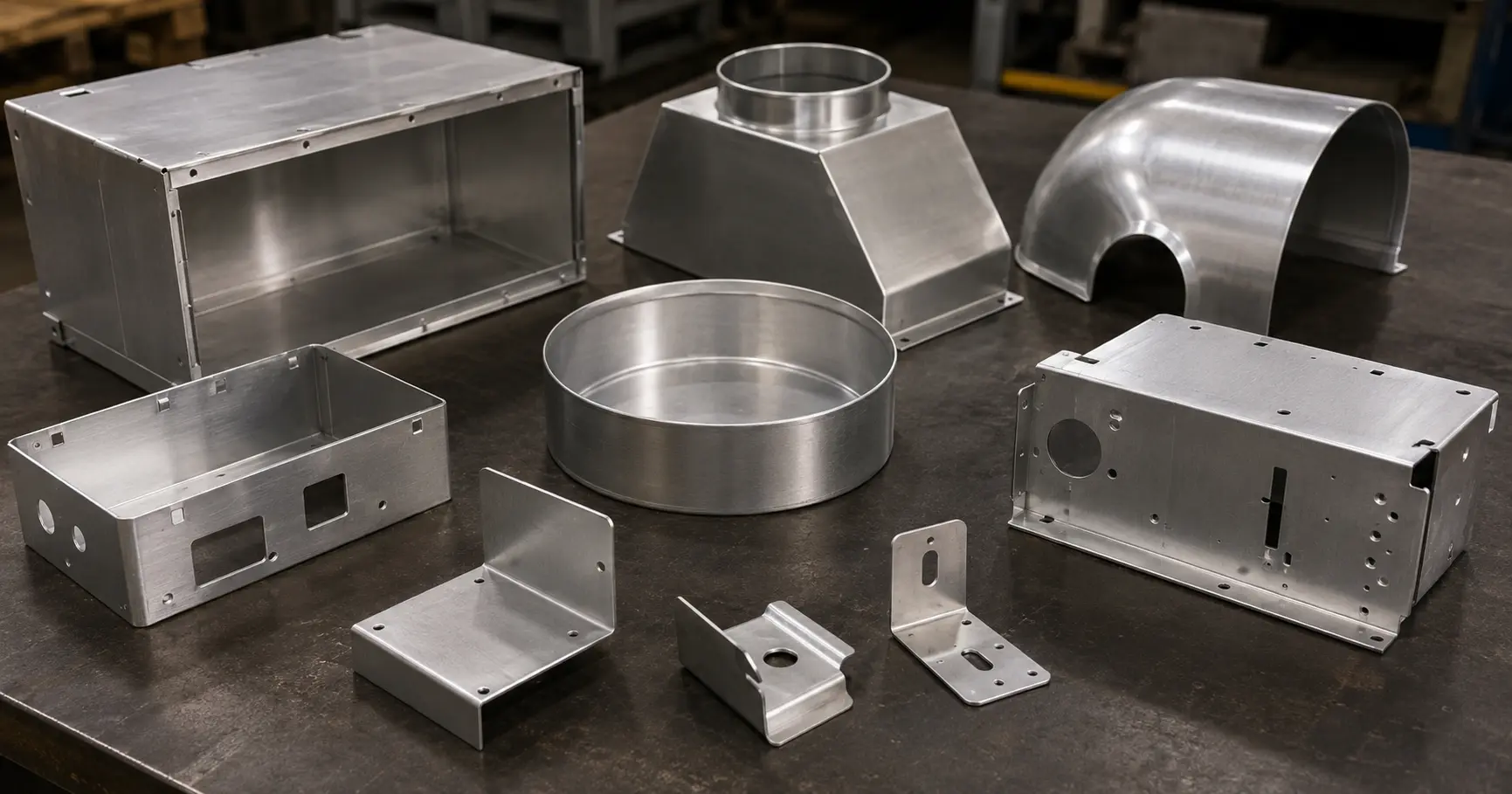
3003 Aluminum for Formed Sheet Metal Parts: Real-World Temper, Bend, and Drawing Limits
ShuangRui2026-08-01T09:03:22+00:00July 29, 2026|
If your part requires bending, drawing, stamping, or roll forming—and does not need to survive a marine environment [...]
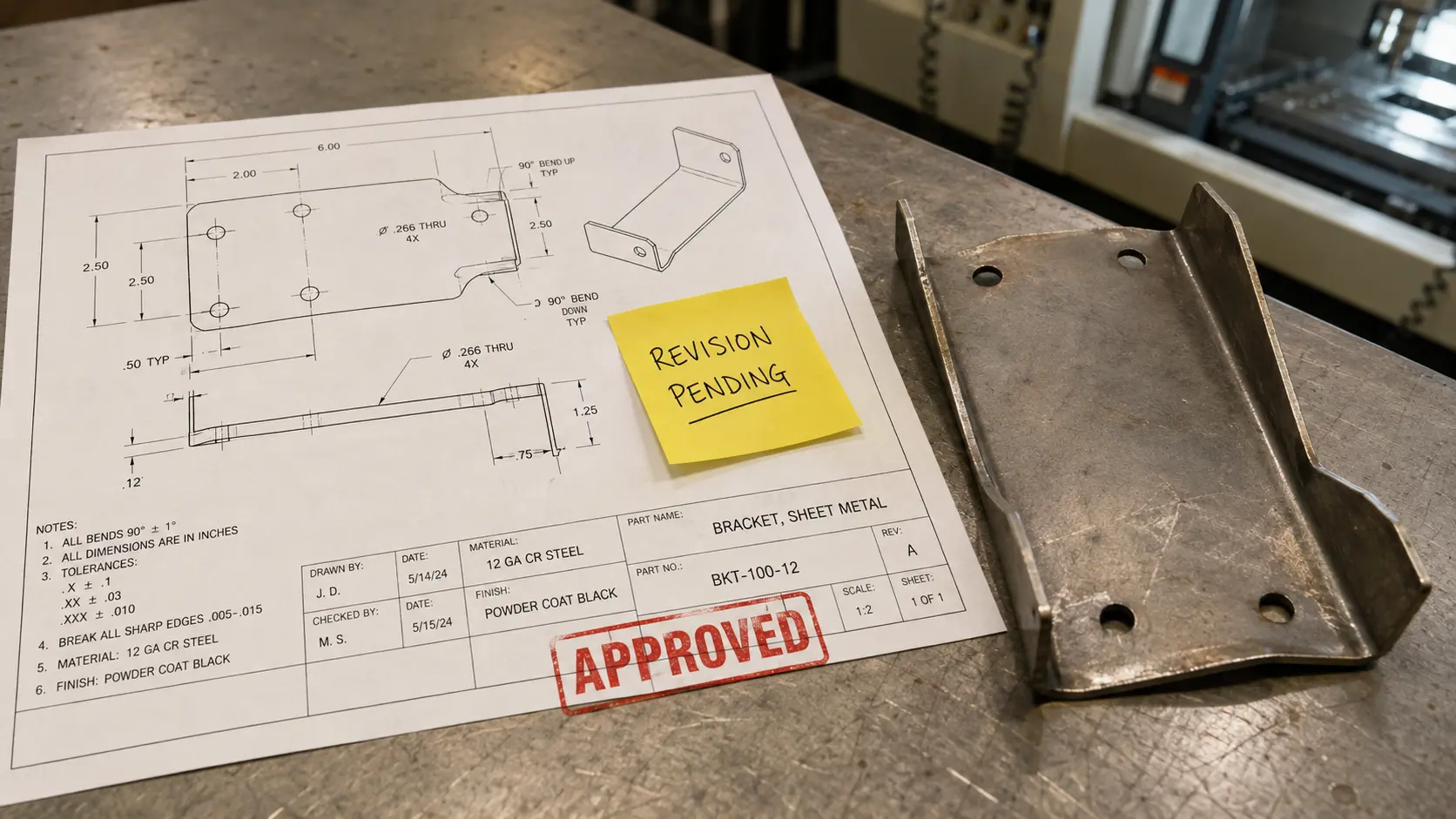
Sheet Metal Drawing Approval: Why “Approved” Is Not Production-Ready
ShuangRui2026-08-15T07:31:17+00:00August 4, 2026|
A drawing can carry an approval stamp and still produce the wrong part. The stamp may be on [...]
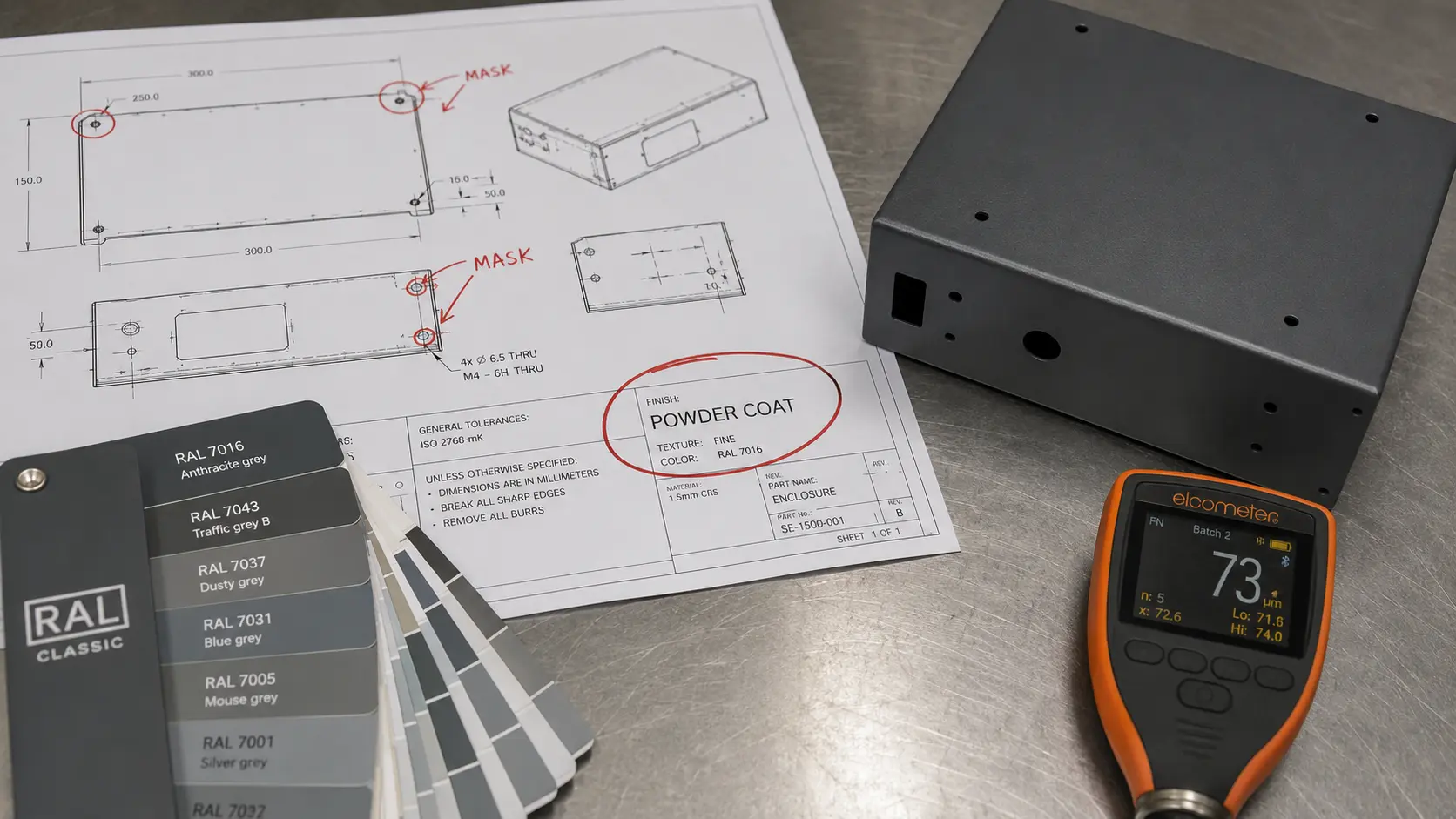
How to Evaluate a Powder Coating Supplier’s Drawing Callout Review Capability
ShuangRui2026-08-03T00:45:23+00:00July 31, 2026|
While most buyers rely on certifications and test reports to evaluate a supplier's powder coating capability, those documents [...]
