
SUS301 (High-Strength Austenitic Stainless Steel) Selection Guide
Strength increases significantly
with cold working.
Ideal for springs, clips, and
elastic components.
Good formability in annealed
and low-hard conditions.
SUS301 (High-Strength Austenitic Stainless Steel): The Basics
SUS301 is a metastable austenitic stainless steel with a typical composition of 16%–18% chromium and 6%–8% nickel, with carbon content below 0.15%.
SUS301 and 304 stainless steel are very close in composition, but the biggest difference between them lies in what they are designed to achieve. 304 is intended to provide a balanced overall performance, while 301 is designed to achieve high strength through cold working. The nickel content of 301 is slightly lower than that of 304, which typically contains around 8%–10.5% nickel. Because of this lower nickel level, 301 is more likely to undergo martensitic transformation during cold working, allowing it to reach significantly higher strength.
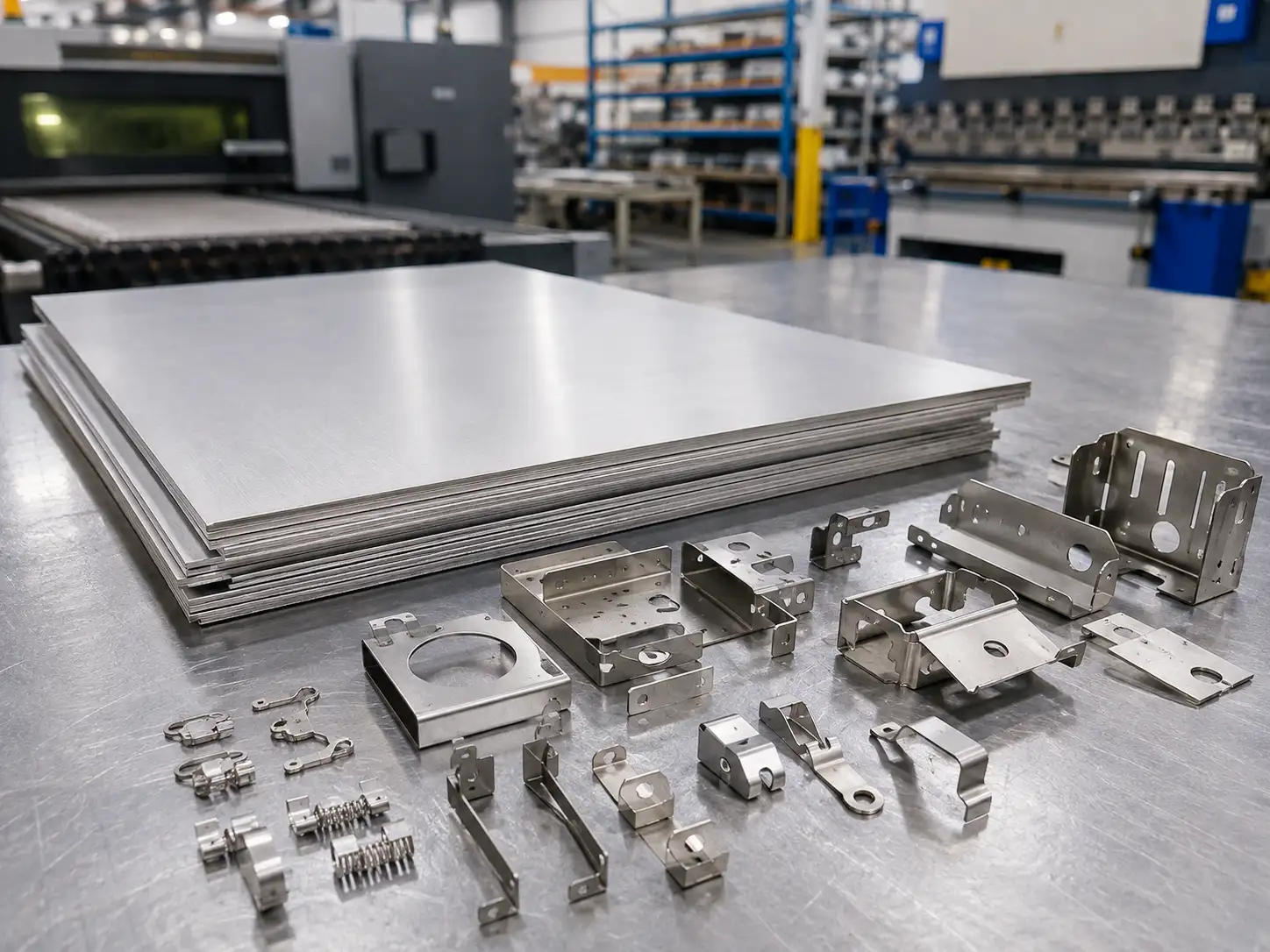
Key Performance Characteristics and Service Limits of SUS301
It is important to understand both the strengths and the limits of SUS301. It is not a universal material, so a clear understanding of its characteristics and restrictions is essential for making the right choice.
SUS301: Advantages and Limitations at a Glance
| Property | Assessment | Notes |
|---|---|---|
| Strength range | Wide (520–1500+ MPa) | Must be selected according to supply condition |
| Work-hardening ability | Very strong | Cracking risk should be evaluated in complex forming |
| Springback tendency | Relatively high | Forming dies may require compensation |
| Magnetism | Non-magnetic when annealed; magnetic after cold working | Should be considered in applications with magnetic requirements |
| Corrosion resistance | Moderate (better than carbon steel, lower than 304/316) | Not suitable for strongly corrosive environments |
| Heat-treatment strengthening | Not possible | Cold working is the only strengthening method |
| Weldability | Fair | Post-weld treatment may be needed to restore performance |
| Machinability | Poorer after cold working | Appropriate tooling is needed in high-strength conditions |
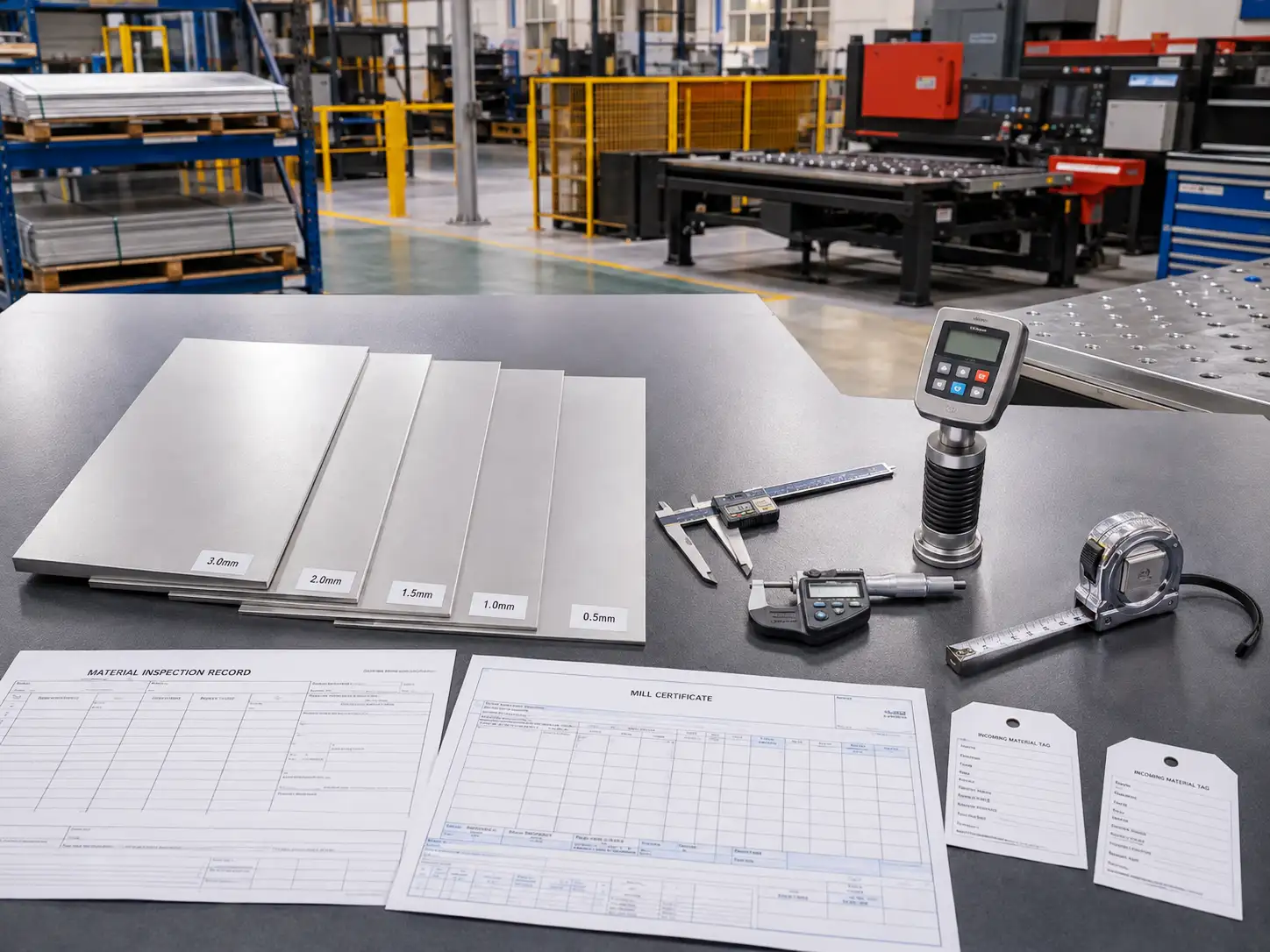
Common Standards and Equivalent Grade Designations
| Standard System | Grade / Designation | Notes |
|---|---|---|
| Japanese standard | JIS SUS301 | The most commonly used Japanese designation |
| Chinese standard | 12Cr17Ni7 (formerly 1Cr17Ni7) | Corresponding grade under GB/T 20878 |
| U.S. standard | ASTM 301 / UNS S30100 | ASTM refers to the standard specification, while UNS is the unified designation |
| European standard | EN 1.4310 / X10CrNi18-8 | EN uses a numerical designation plus a chemical abbreviation |
| German standard | DIN 1.4310 | Consistent with the European designation system |
| ISO standard | X5CrNi17-7 | Corresponding ISO designation |
Typical Chemical Composition Range
| Element | Content Range | Function |
|---|---|---|
| Carbon (C) | ≤0.15% | Lower carbon generally improves weldability, while higher carbon increases hardness |
| Chromium (Cr) | 16.00%–18.00% | The main corrosion-resistant element; forms the passive film |
| Nickel (Ni) | 6.00%–8.00% | Stabilizes the austenitic structure; lower than 304 |
| Manganese (Mn) | ≤2.00% | Helps stabilize austenite |
| Silicon (Si) | ≤1.00% | Acts as a deoxidizing element |
| Phosphorus (P) | ≤0.045% | An impurity element; lower is better |
| Sulfur (S) | ≤0.030% | An impurity element that affects processing performance |
Common Supply Conditions and Mechanical Properties
| Supply Condition | Tensile Strength (≥) | Yield Strength (≥) | Elongation (≥) | Hardness Range |
|---|---|---|---|---|
| Annealed | 520 MPa | 205 MPa | 40% | ≤200 HV |
| 1/4 Hard (1/4H) | 750 MPa | — | — | 250–310 HV |
| Half Hard (1/2H) | 930 MPa | 510 MPa | 18% | 310–360 HV |
| 3/4 Hard (3/4H) | 1130 MPa | 745 MPa | 12% | 370–420 HV |
| Full Hard | 1275 MPa | 930 MPa | 8% | 430–480 HV |
| Extra Hard (EH) | 1420 MPa | 1130 MPa | 5% | 490–540 HV |
| Super Extra Hard (SH / SEH) | 1500 MPa | 1275 MPa | — | — |
Why SUS301 Can Achieve Higher Strength
This is the key to understanding SUS301. The reason SUS301 can reach high strength without heat treatment is that it has one of the strongest cold work-hardening responses among stainless steels.
More specifically, when SUS301 undergoes cold deformation, part of its internal austenitic crystal structure transforms into martensite. This phase transformation is not a defect or a quality issue—it is exactly what gives SUS301 its advantage. As the amount of cold deformation increases, the proportion of martensite rises, and the strength of the material increases significantly as well.
Comparison of Strength Trend and Forming Difficulty by Supply Condition
| Supply Condition | Strength Level | Forming Difficulty | Recommended Applications |
|---|---|---|---|
| Annealed | ★☆☆☆☆ | Very easy | Deep drawing, complex forming, welded parts |
| 1/4H | ★★☆☆☆ | Relatively easy | General stamping, light forming |
| 1/2H | ★★★☆☆ | Moderate | Formed parts requiring a certain level of strength |
| 3/4H | ★★★★☆ | Relatively difficult | High-strength structural parts |
| Full Hard | ★★★★★ | Difficult | Spring clips, reed springs, and other elastic parts |
| EH / SH | ★★★★★ | Very difficult | Ultra-high-strength springs and special-purpose applications |
Key Processing Considerations for SUS301 in Sheet Metal, Stamping, and Spring Components
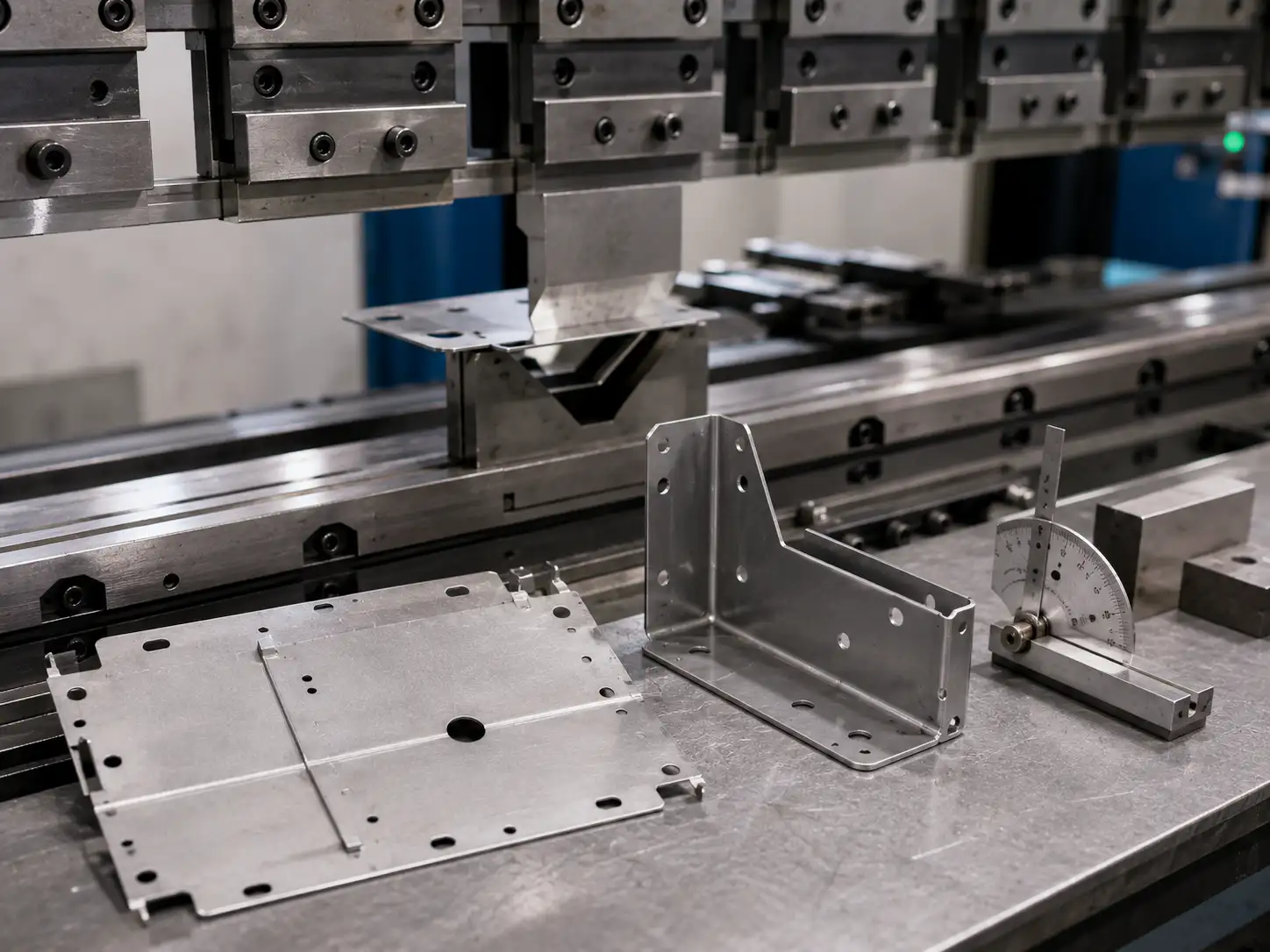
Springback control
Because of its high strength and relatively low yield-to-tensile ratio, SUS301 tends to show noticeable springback after bending and stamping. Tooling design therefore needs to account for springback compensation, which will depend on factors such as material condition, thickness, and bend angle.
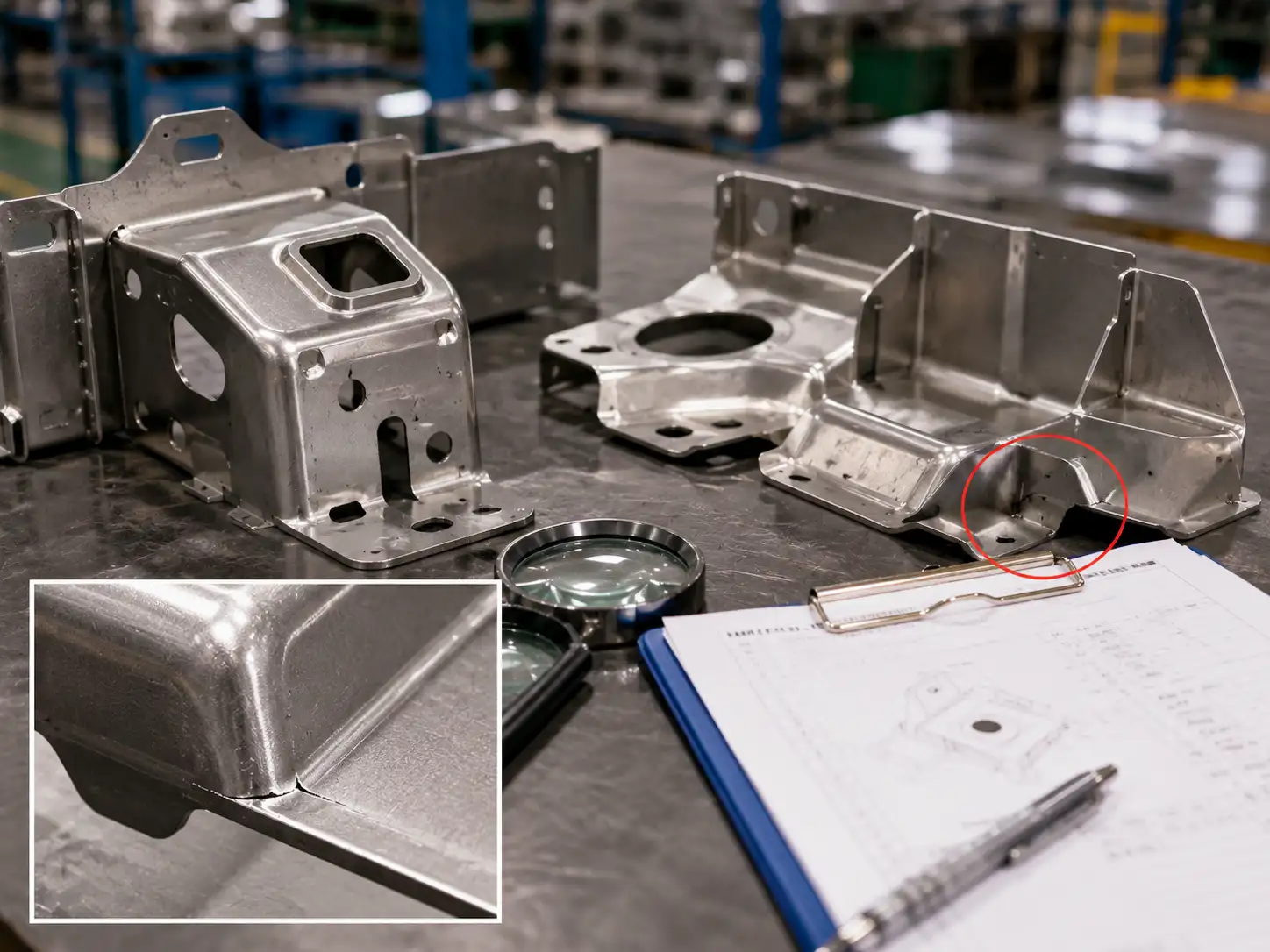
Cracking risk
301 work-hardens very quickly, and its ductility drops rapidly during cold forming. For parts with complex shapes or large amounts of deformation, the risk of cracking should be evaluated carefully.
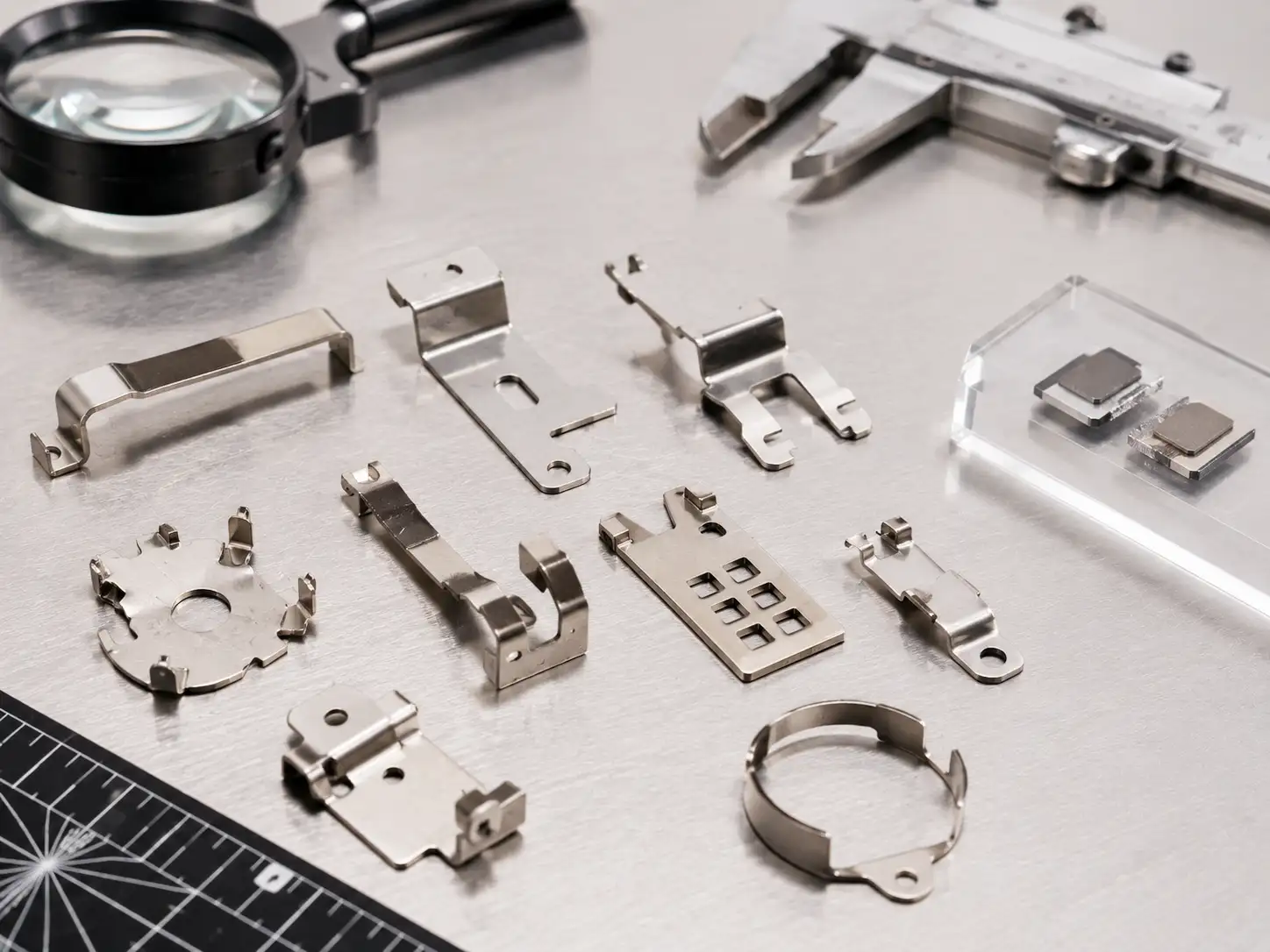
Edge quality
301 is often used for thin-gauge parts such as spring clips, retaining tabs, and contact elements. These parts usually place high demands on edge quality. Burrs, visible cracks, and microcracks can all affect final performance.
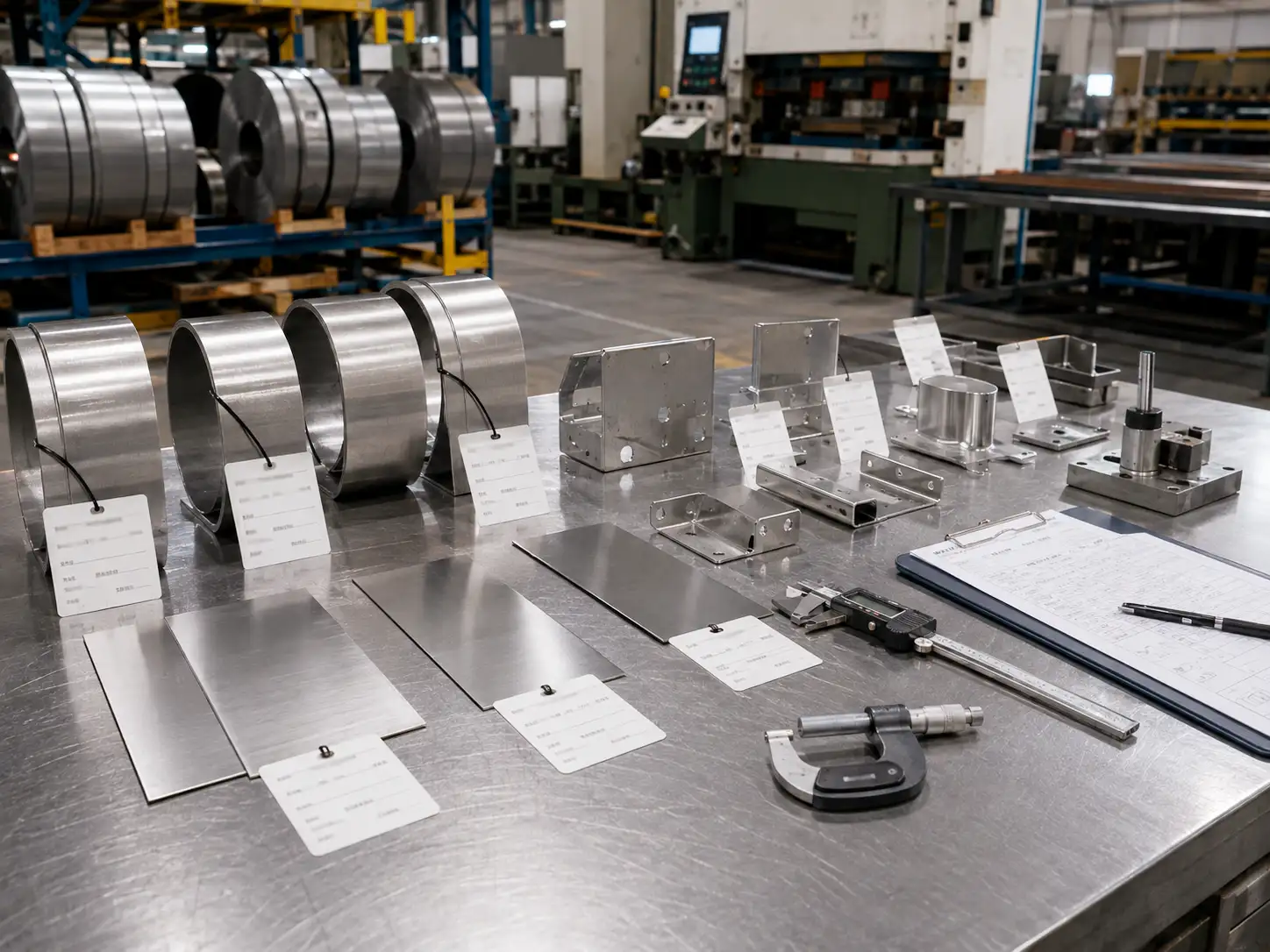
Batch-to-batch consistency
The performance of SUS301 is quite sensitive to the amount of cold work, so consistency from batch to batch is critical. In mass production, it is advisable to establish a first-article inspection process and confirm that incoming material values meet specification before full production begins. Variations between batches can force repeated process adjustments, which in turn affect efficiency and yield.
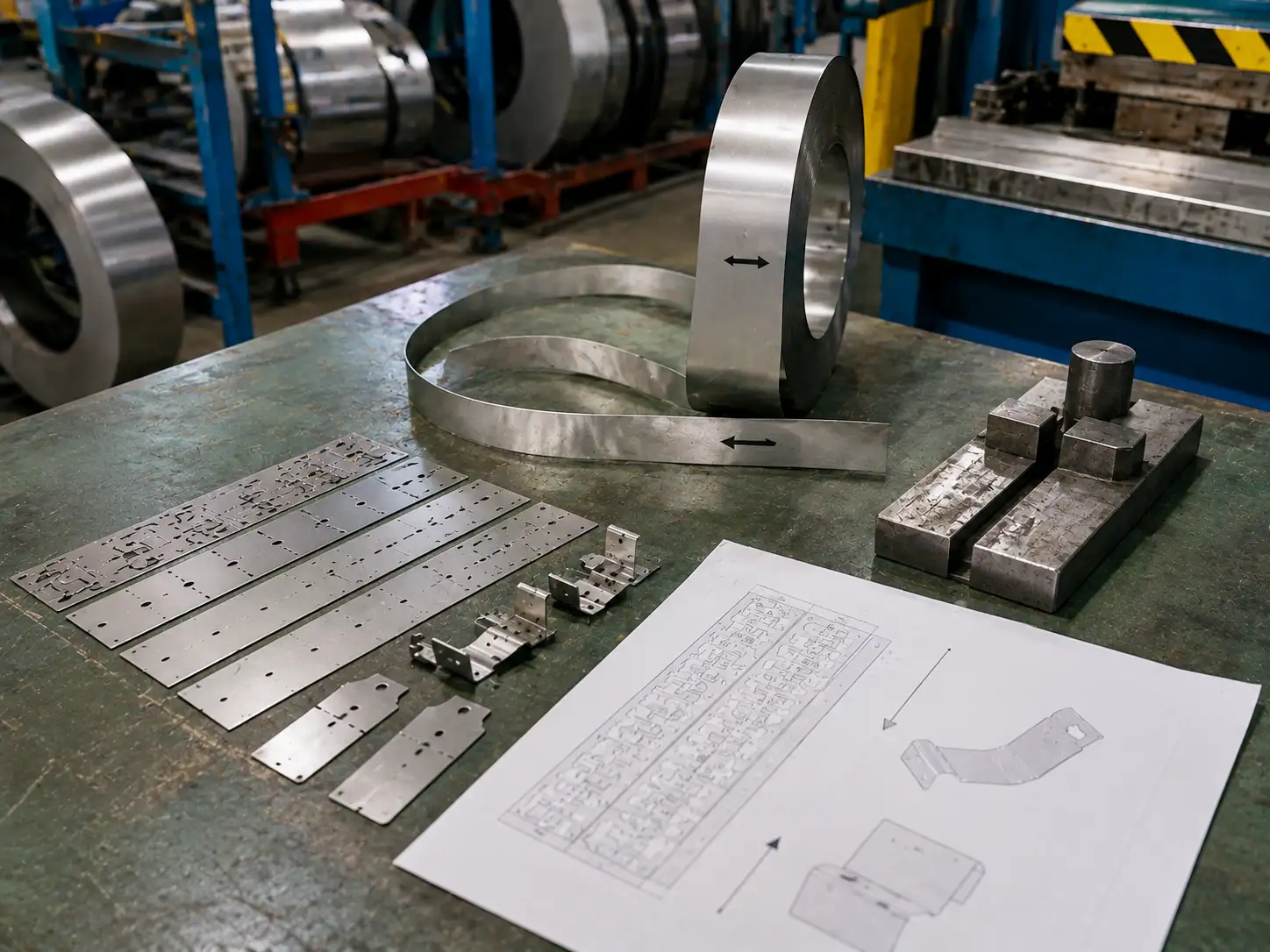
Directional properties
Cold-rolled strip has rolling-direction characteristics, or anisotropy, meaning its mechanical properties differ between the rolling direction and the transverse direction. For parts that are sensitive to load direction, such as springs under one-way stress, material orientation should be considered carefully during blank layout so that the rolling direction aligns with the main service stress whenever possible.
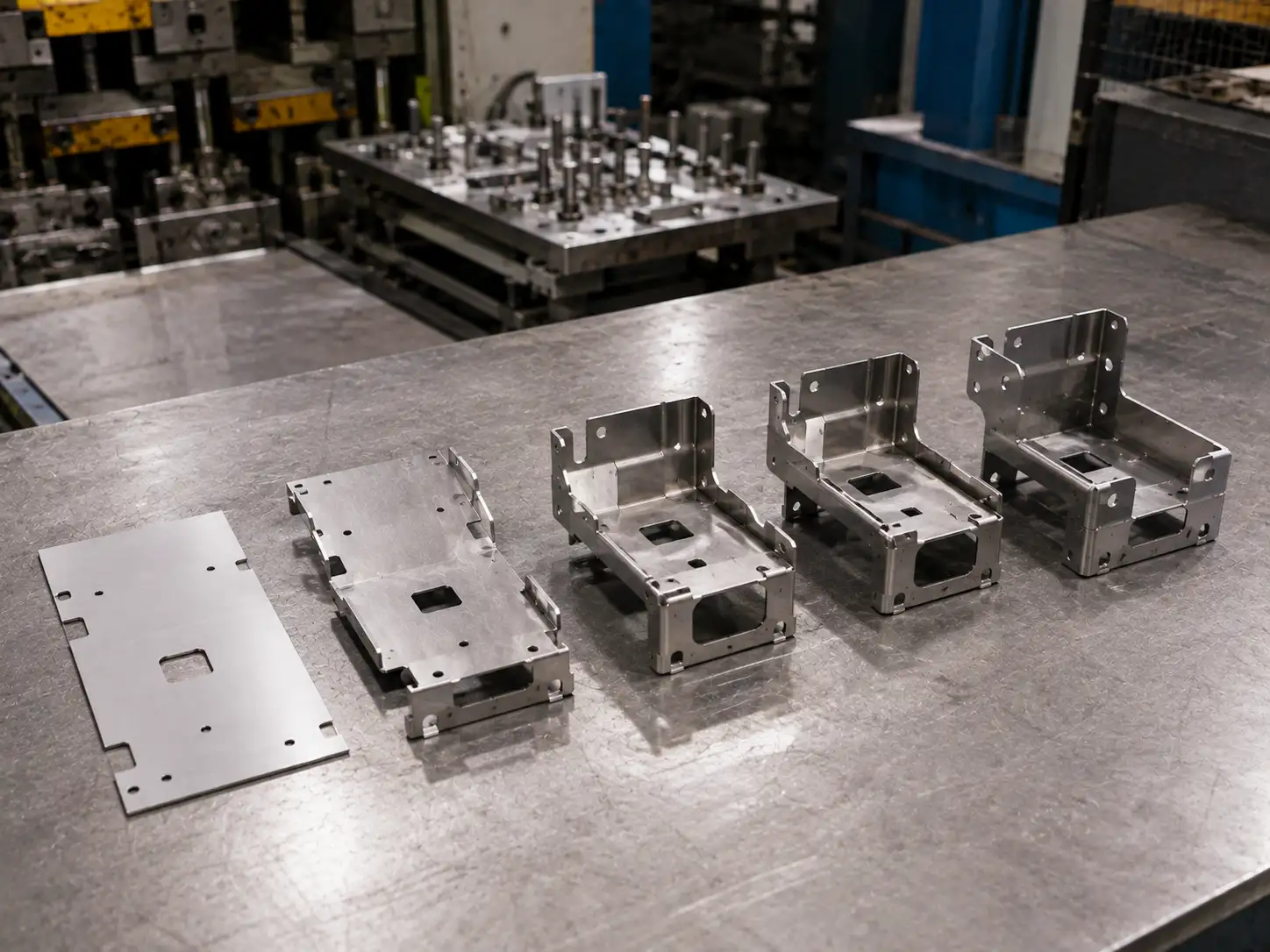
Staged forming
For structurally complex formed parts, a single forming step may exceed the material’s deformation limit if the strain is too high. In such cases, a staged forming process is recommended, with annealing introduced between key steps where needed to restore ductility and reduce the forming difficulty of later operations.
SUS301 vs. SUS304 / SUS304L
| Comparison Factor | SUS301 | SUS304 | SUS304L |
|---|---|---|---|
| Tensile strength range | 520–1500+ MPa | 520–1000+ MPa | 520–900+ MPa |
| Work-hardening ability | Very strong | Moderate | Moderate |
| Corrosion resistance | Moderate | Good | Good (better for welded applications) |
| Weldability | Fair | Good | Excellent |
| Deep drawability | Relatively poor | Excellent | Excellent |
| Forming springback | Relatively high | Lower | Lower |
| Cost | Slightly lower | Baseline | Slightly higher |
| Main positioning | High-strength spring and elastic parts | Balanced overall performance | Welded structural parts |
Note: For high-strength elastic applications, SUS301 is usually the better choice. For balanced overall performance and welding requirements, SUS304 or SUS304L is generally more suitable.
What Types of Products Is SUS301 Best Suited For, and Where Should It Be Used with Caution?
If you need a material that can deliver relatively high strength and elasticity in thin-gauge form, SUS301 is often the preferred option.
| Better Suited to SUS301 | Projects That Require More Careful Evaluation |
|---|---|
| Spring clips, snap features, and retaining parts | Long-term service in aggressive corrosive environments |
| Contact springs and switch spring components | Structural parts that still need high strength after welding |
| High-strength thin-sheet reinforcement parts | Complex deep-drawn formed parts |
| Durable parts requiring recovery force | Appearance parts with higher demands on corrosion margin and surface finish |
What Else Should Be Confirmed When Purchasing SUS301 Besides the Material Grade?
The biggest risk when purchasing SUS301 is not necessarily that there is something wrong with the material itself, but that the purchasing specification is too vague for the supplier to fully understand your requirements. The following are the key details that should be clearly confirmed with the supplier.
Procurement Checklist
| Item to Confirm | Details | Importance |
|---|---|---|
| Standard system | JIS, ASTM, GB, or EN? Different standards allow different composition and property tolerances | ★★★ |
| Material designation | SUS301, 301, 1.4310, S30100, etc. Make sure the equivalent grade is clearly identified | ★★★★ |
| Supply condition | Annealed, 1/4H, 1/2H, 3/4H, Full Hard, EH, or SH? This must be specified clearly | ★★★★★ |
| Thickness specification | Nominal thickness (mm) and allowable tolerance range | ★★★★★ |
| Thickness tolerance | Applicable tolerance standard, such as JIS G 4305 or ISO 9445 | ★★★★ |
| Width specification | Coil width or slitting requirement for strip material | ★★★★ |
| Width tolerance | Whether tight control is required, especially for precision parts | ★★★★ |
| Surface finish | No.1, 2B, BA, No.4, HL, etc., depending on the application | ★★★★ |
| Edge condition | Whether slit edges need deburring and whether microcracks are acceptable | ★★★★ |
| Flatness requirement | For spring parts and precision components, flatness directly affects assembly | ★★★★ |
| Elastic property requirement | If residual stress control is required, this should be stated in advance | ★★★★ |
| Batch-to-batch consistency | For large-volume purchasing, confirm the acceptable range of property variation between batches | ★★★ |
| Material certificate | Mill test certificate (MTC / COA) including chemical composition and mechanical properties | ★★★★★ |
| Environmental compliance | Whether RoHS, REACH, and other requirements are met for the end product | ★★★ |
| Origin / supplier | Confirm supplier qualifications and supply stability | ★★★ |
