
Aluminum-Magnesium-Silicon Alloy AA 6061-T6
Strength
Excellent strength-
to-weight ratio
Machinability
Clean cuts, tight
tolerances
Resistance
Performs in many
environments
Alloy
Strengthened by
T6 temper
AA 6061-T6 (6xxx Series, Aluminum-Magnesium-Silicon Alloy): The Basics
AA 6061-T6 is designated under the Aluminum Association system, with AA representing the internationally recognized naming standard. It belongs to the 6xxx series and contains both magnesium and silicon as its principal alloying elements. When these two elements are added in the right proportion, they form a strengthening phase known as Mg₂Si.
During heat treatment, this strengthening phase dissolves into the aluminum matrix, then re-precipitates during quenching and aging, which significantly increases the strength of the material.
T6 refers to the temper of AA 6061 aluminum-magnesium-silicon alloy. It is one of the most common heat-treated tempers for 6061. In practical terms, it can raise the tensile strength of 6061 from about 125 MPa in the annealed O temper to roughly 310 MPa in T6, which is a very substantial increase.
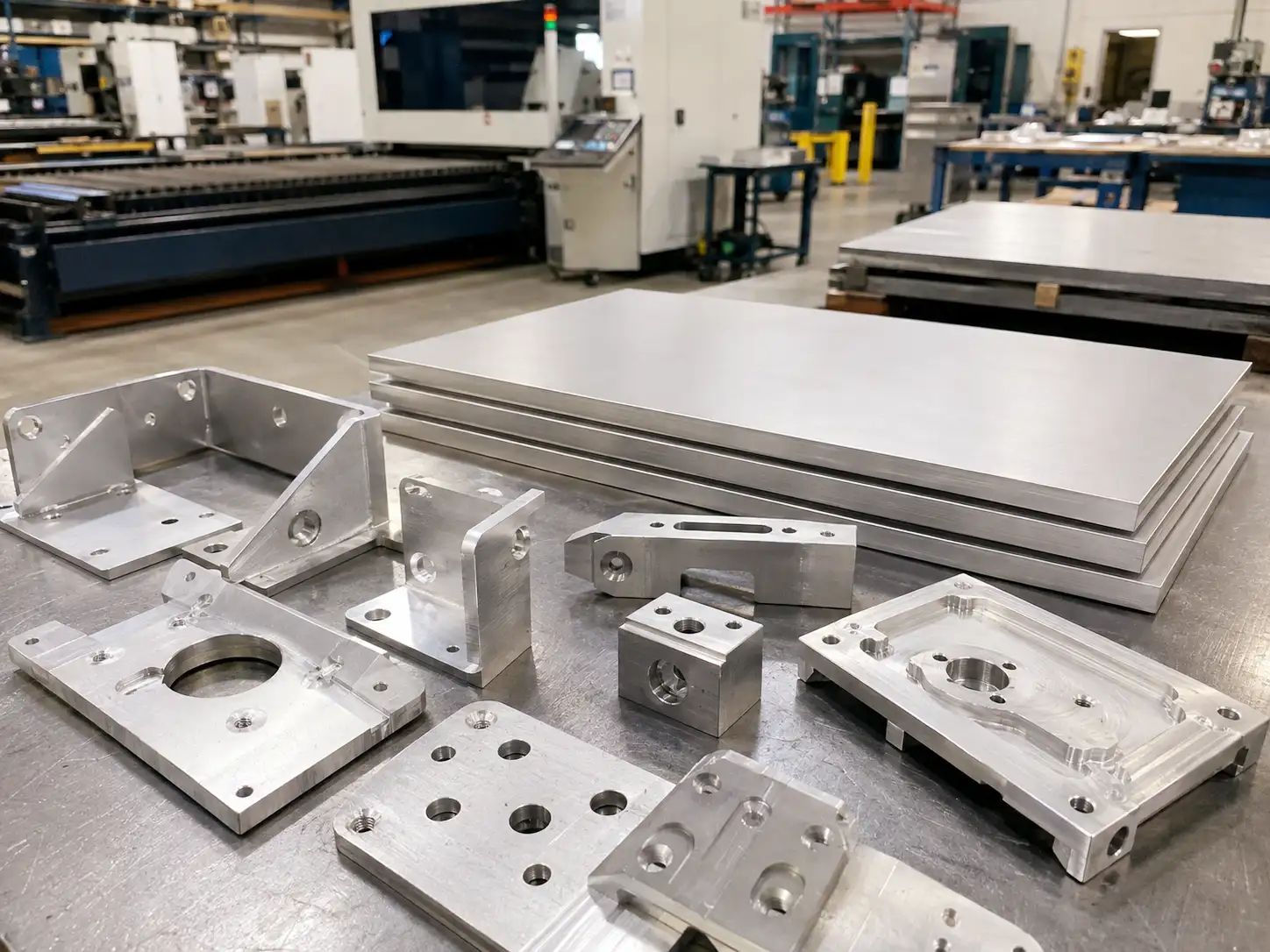
Key Performance Characteristics of AA6061-T6 Aluminum Alloy
| Performance Area | Engineering Assessment | What It Means for Material Selection |
|---|---|---|
| Strength and stiffness | Medium to high | Suitable for general load-bearing structural parts |
| Corrosion resistance | Good | Suitable for outdoor use and general industrial environments |
| Machinability | Good | Well suited to CNC precision machining |
| Weldability | Good | The heat-affected zone should be re-evaluated after welding |
| Anodizing performance | Good engineering appearance | Suitable for hard anodizing and functional surface finishes |
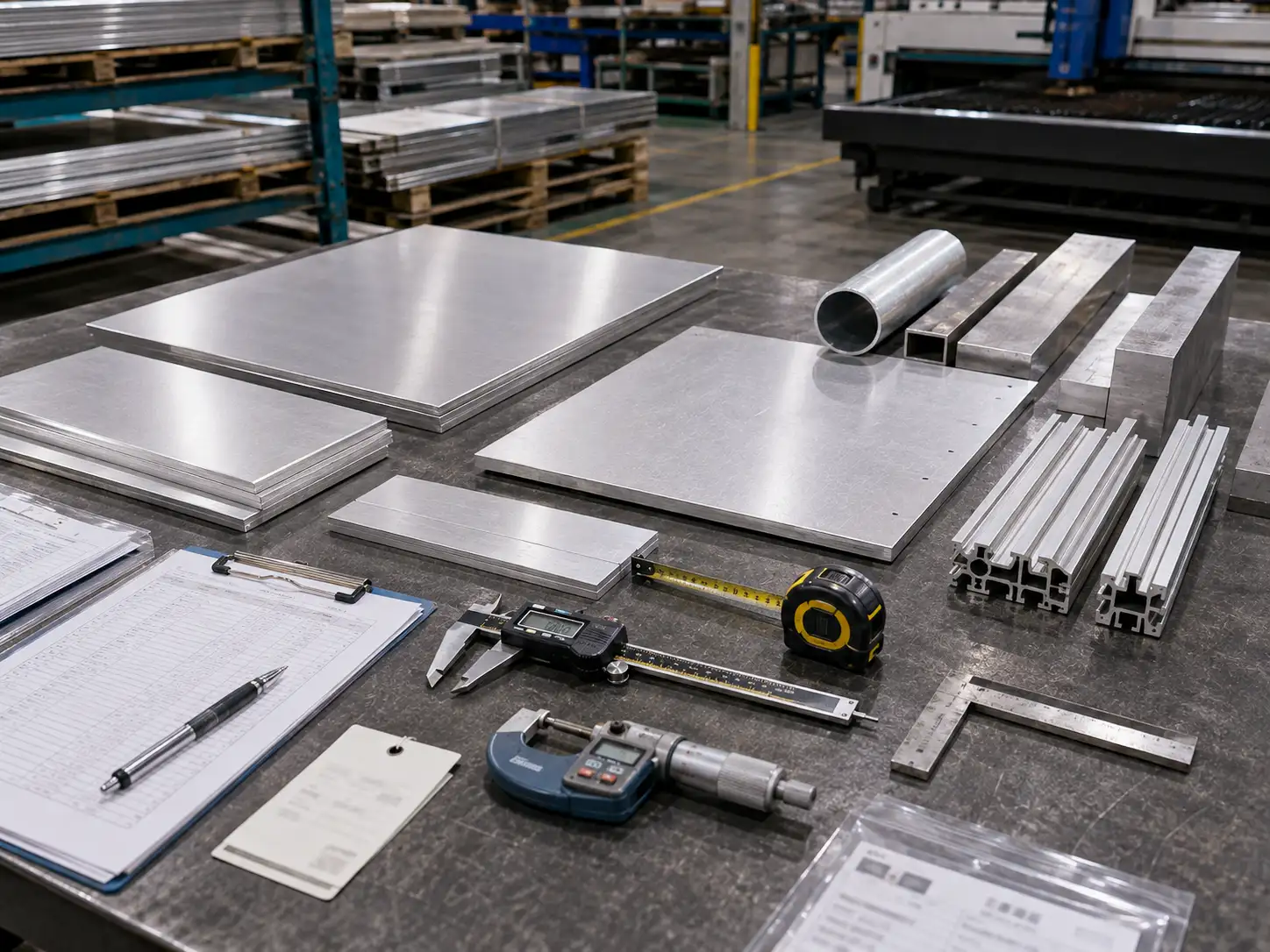
Basic Identification Data for AA 6061-T6
| Item | Common Identification Information for AA 6061-T6 |
|---|---|
| Grade classification | 6061, 6xxx series |
| Alloy system | Aluminum-magnesium-silicon alloy, often with small amounts of copper and chromium |
| Meaning of T6 | Solution heat treated and artificially aged |
| Common supply forms | Plate, bar, tube, profiles |
| Density | Approx. 2.70 g/cm³ |
| Tensile strength | Commonly around 290 to 310 MPa |
| Yield strength | Commonly around 240 to 276 MPa |
| Elastic modulus | Approx. 68.9 to 70 GPa |
| Thermal conductivity | Commonly around 167 to 220 W/m·K |
| Electrical conductivity | Approx. 22 to 30 MS/m, or about 43% IACS |
Processing Performance of AA 6061-T6 and Key Manufacturing Considerations
Common Processing Methods for AA 6061-T6 and What to Watch For
| Common Process | Performance in 6061-T6 | Key Points to Confirm First |
|---|---|---|
| CNC machining | Mature and well-established process route, with reliable precision control | Chip breaking, chip evacuation, fixturing, and residual stress |
| Bending / forming | Stable in light forming operations | Bend radius, degree of deformation, and temper selection |
| Welding | MIG and TIG processes are well established | Heat-affected zone strength and post-weld distortion |
| Anodizing | Well proven for engineering surface finishes | Appearance consistency, pretreatment, and fixture marks |
| Profile fabrication | Common route for structural parts | Cross-section design, assembly method, and tolerance stack-up |
What Types of Applications Is AA 6061-T6 Suitable For?
AA 6061-T6 aluminum-magnesium-silicon alloy is well suited to projects that require both structural performance and efficient manufacturing.
Typical Applications of AA 6061-T6 and Why It Is Chosen
| Typical Application | Why 6061-T6 Is Chosen |
|---|---|
| Equipment frames and brackets | Good balance of strength and stiffness, with stable assembly performance |
| Bases and connectors | Well suited to CNC hole-making, tapping, and localized finish machining |
| Machined parts | Mature supply chain for bar and thick plate, with high manufacturing efficiency |
| Industrial profile components | Clear structural design route and broad application range |
| Transportation components | Balances lightweighting with general load-bearing capability |
| Structural parts for automation equipment | Makes it easier to integrate structure, machining, and assembly into one process route |
The key is to start with the needs of the project. If your main requirements are sheet metal forming, corrosion resistance, and welded fabrication, 5052 is usually the better choice. If the focus is on appearance-grade extrusions and anodizing results, 6063 is often preferred. If the project involves very high structural loads, 7075-T6 is the more appropriate option. 6061 is best suited to projects that need a strong overall balance between manufacturability and general structural performance.
Material Selection Comparison: AA 6061-T6 and Other Common Aluminum Alloys
| Comparison Item | 6061-T6 | 5052-H32 | 6063-T5/T6 | 7075-T6 |
|---|---|---|---|---|
| Tensile strength | 310 MPa | 210 MPa | 160–220 MPa | 530 MPa |
| Strength level | Medium to high | Medium | Medium | Very high |
| Formability | Moderate (in T6 temper) | Excellent | Good | Poor |
| Weldability | Good | Good | Good | Very poor |
| Corrosion resistance | Very good | Excellent, especially in marine environments | Very good | Moderate |
| Anodizing performance | Excellent | Fair | Excellent | Fair |
| Machinability | Excellent | Good | Good | Fair |
| Cost | Moderate | Lower | Lower | Very high |
| Best-suited applications | Structural parts, machined parts, welded assemblies | Sheet metal forming, marine environments | Architectural profiles, decorative parts | Aerospace and high-strength structural applications |
| Selection guidance | Best overall balance | Best when forming is the priority | Best for profiles and decorative use | Best reserved for very high strength demands |
What Project Conditions Should Be Confirmed Before Purchasing or Sampling?
Project Checklist Before Selecting AA 6061-T6
| Item to Confirm | Key Question | Example Answer | Impact on the Decision |
|---|---|---|---|
| Part function | Is the part mainly load-bearing or mainly formed? | Primarily load-bearing | Favors the T6 temper |
| Load type | Static load or cyclic load? | Subject to vibration | Fatigue design needs attention |
| Welding requirement | Will welding be required? | TIG welding required | Post-weld heat treatment may need to be considered |
| Processing route | Is the part mainly CNC-machined or sheet metal fabricated? | CNC machining | Suggests bar stock or plate blank |
| Appearance requirement | Will anodizing be required? | Silver-white anodized finish required | Batch-to-batch consistency becomes important |
| Weight target | Is there a specific weight reduction target? | Need to reduce weight by 30% | Structural optimization may need to be evaluated |
| Starting material form | Plate, bar, or profile? | Square tube profile required | Supplier capability and available sizes need to be confirmed |
| Production volume | Low volume or high volume? | First batch of 50 pieces | Affects process route selection |
| Lead time | What is the project deadline? | Delivery required within 4 weeks | Available stock becomes a priority |
| Cost priority | Is material cost or total cost more important? | Total cost takes priority | Process cost needs to be considered as part of the overall decision |
