
TC4 (Ti-6Al-4V) Titanium Alloy
TC4 (Ti-6Al-4V alpha-beta titanium alloy) is one of the most widely used titanium alloy grades in the world. It is commonly used in aerospace, medical devices, marine engineering, and high-end manufacturing.
This article is intended to give material selection and RFQ teams a complete reference for TC4 titanium alloy, from basic material definition to quotation preparation, so you can judge whether TC4 is the right fit for your project.
to-Weight Ratio
Fatigue Strength
Alpha-Beta Alloy
Resistance
TC4 (Ti-6Al-4V) Titanium Alloy: Basic Overview
TC4 (Ti-6Al-4V alpha-beta titanium alloy) is a medium-strength dual-phase alpha-beta titanium alloy. It is based on titanium and alloyed with 6% aluminum and 4% vanadium. Aluminum acts as an alpha stabilizer, while vanadium acts as a beta stabilizer. Together, these two elements allow TC4 to maintain a strong overall balance of mechanical properties at both room temperature and elevated temperatures.
Within the titanium alloy family, TC4 belongs to the high-strength class. Compared with commercially pure titanium grades such as TA1 and TA2, the tensile strength of TC4 is roughly two to three times higher. At the same time, it offers a very mature balance of strength, ductility, and processability, which is why it remains the most commercially established titanium alloy with the most complete body of technical data.
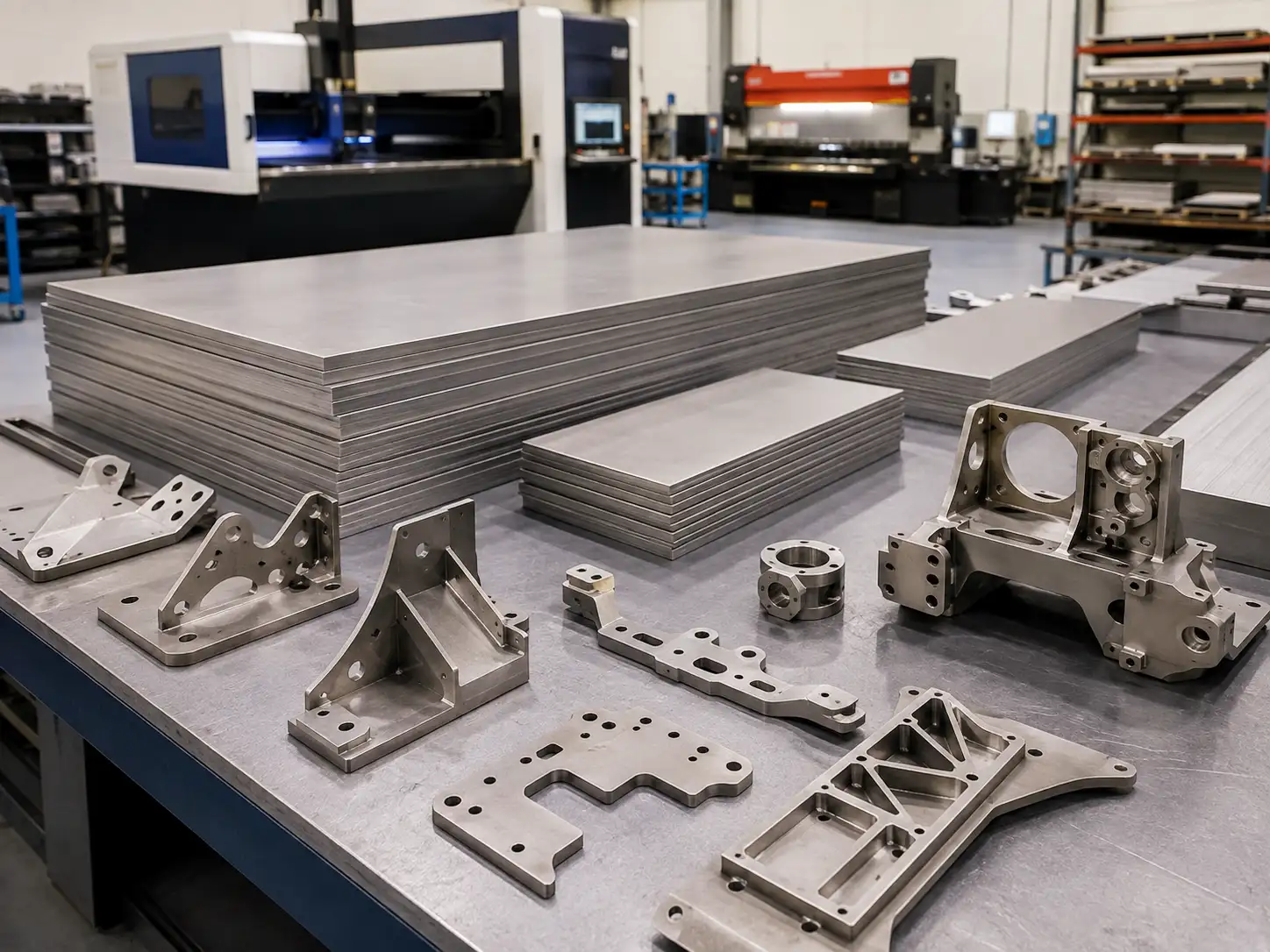
Core Advantages of TC4 (Ti-6Al-4V Alpha-Beta Titanium Alloy)
TC4 Compared with Common Engineering Materials
| Property | TC4 (Ti-6Al-4V) | Grade 2 Commercially Pure Titanium | 304 Stainless Steel | 6061 Aluminum Alloy |
|---|---|---|---|---|
| Density (g/cm³) | 4.43 | 4.51 | 8.0 | 2.7 |
| Tensile strength (MPa) | ≥895 | ≥345 | ≥515 | ≥310 |
| Yield strength (MPa) | ≥828 | ≥275 | ≥205 | ≥276 |
| Elongation (%) | ≥10 | ≥30 | ≥40 | ≥12 |
| Maximum service temperature (°C) | ~400 | ~400 | ~870 | ~200 |
| Corrosion resistance | Excellent | Outstanding | Good | Moderate |
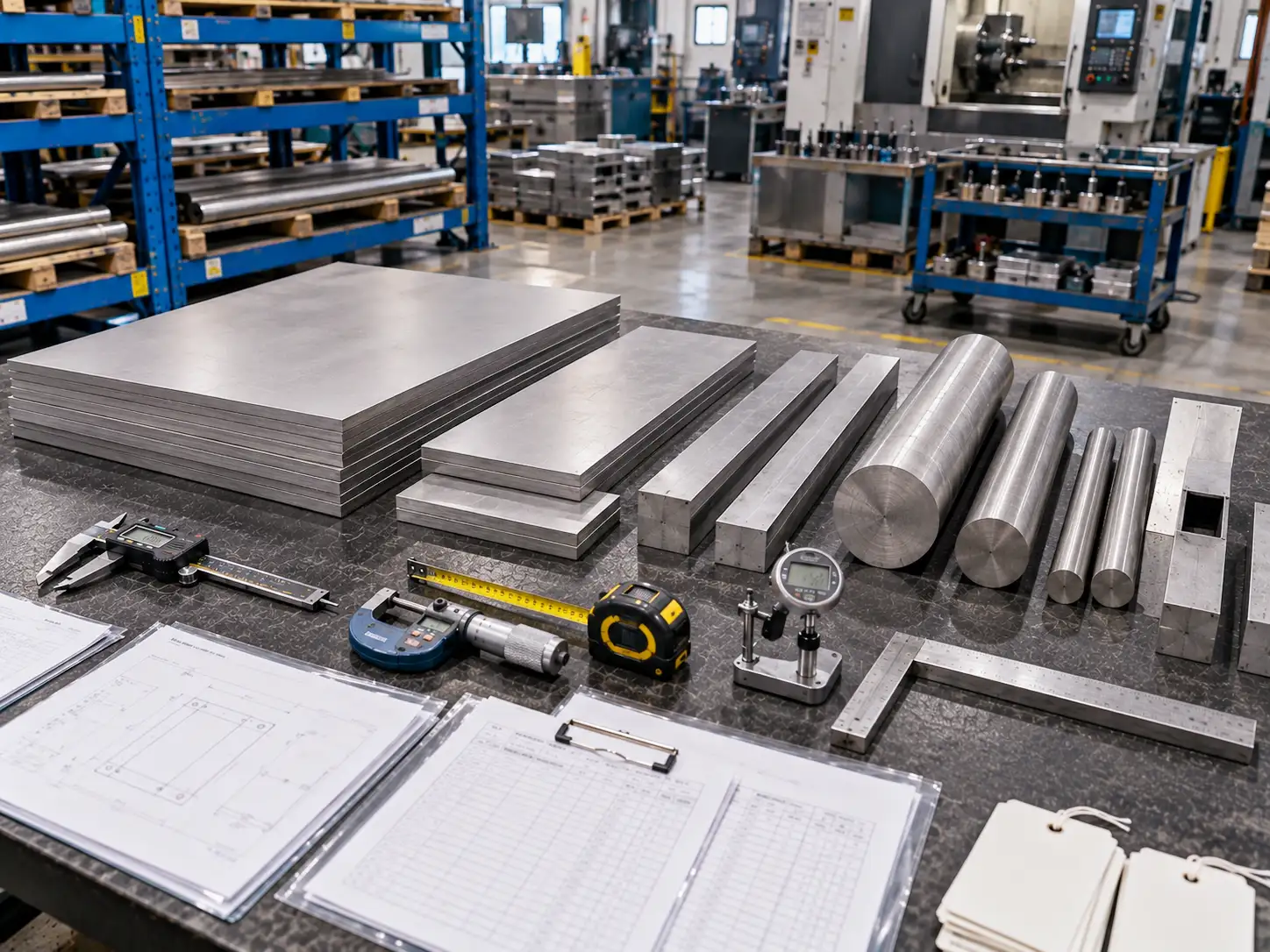
TC4 / Ti-6Al-4V / Grade 5 Cross-Reference
| Standard System | Grade Designation | Common Market / Region |
|---|---|---|
| ASTM / UNS | Grade 5 / R56400 | Americas and international markets |
| ISO | Ti-6Al-4V | International |
| GB (China) | TC4 | Mainland China |
| DIN / EN (Germany / Europe) | 3.7165 / 3.7164 | Europe |
| AMS (Aerospace) | AMS 4928, AMS 4911 | Aerospace |
| JIS (Japan) | TAP6400 | Japan |
Common Supply Conditions of TC4 and Their Characteristics
| Supply Condition | Designation | Typical Tensile Strength | Typical Yield Strength | Elongation | Common Applications |
|---|---|---|---|---|---|
| Annealed | M / A | ≥895 MPa | ≥828 MPa | ≥10% | General fabrication and welding |
| Solution treated | ST | ~900 MPa | ~830 MPa | ≥12% | Initial condition before aging |
| Solution treated and aged | STA | ≥1000 MPa | ≥900 MPa | ≥8% | High-strength applications |
| Stress relieved | SR | Similar to annealed condition | Similar to annealed condition | ≥10% | Welded structural parts |
Note: For sheet metal fabrication, annealed TC4 plate or sheet in M condition is usually sufficient for most applications.
Chemical Composition and Key Parameters of TC4
The chemical composition of TC4 (Ti-6Al-4V alpha-beta titanium alloy) is carefully balanced to achieve the best possible combination of mechanical performance and processing compatibility.
TC4 Chemical Composition by Weight
| Element | Minimum | Maximum | Notes |
|---|---|---|---|
| Aluminum (Al) | 5.50% | 6.75% | Alpha stabilizer that increases strength |
| Vanadium (V) | 3.50% | 4.50% | Beta stabilizer that improves ductility |
| Iron (Fe) | — | 0.40% | Impurity element |
| Oxygen (O) | — | 0.20% | Interstitial element that affects strength |
| Carbon (C) | — | 0.08% | Impurity element |
| Nitrogen (N) | — | 0.05% | Interstitial element |
| Hydrogen (H) | — | ≤0.015% | Must be controlled to ensure weldability |
| Other elements, each | — | 0.10% | Impurity limit per element |
| Other elements, total | — | 0.40% | Total impurity limit |
| Titanium (Ti) | Balance | — | Base element |
Physical Properties of TC4
| Property | Metric Value | Imperial Value | Notes |
|---|---|---|---|
| Density | 4.43 g/cm³ | 0.160 lb/in³ | At room temperature |
| Melting range | 1604-1660°C | 2920-3020°F | Solidus to liquidus range |
| Beta transus temperature | ~995°C | ~1820°F | Alpha-plus-beta to beta transformation temperature |
| Thermal conductivity | 6.6-7.9 W/m·K | 45.8-54.8 BTU·in/hr·ft²·°F | Lower than most metals |
| Coefficient of thermal expansion | 8.6×10⁻⁶ /°C | 5.0×10⁻⁶ /°F | From 0 to 100°C |
| Specific heat capacity | 0.586 J/g·°C | 0.14 BTU/lb·°F | At room temperature |
| Electrical resistivity | 1.68×10⁻⁶ Ω·m | 1.68×10⁻⁶ Ω·m | At room temperature |
| Elastic modulus | 105-114 GPa | 15,200-16,500 ksi | In tension / compression |
| Poisson’s ratio | 0.31 | 0.31 | — |
Mechanical Properties of TC4 Annealed Sheet
| Property | Metric Value | Imperial Value | Notes |
|---|---|---|---|
| Tensile strength, UTS | ≥895 MPa | ≥130 ksi | Minimum requirement |
| Yield strength, 0.2% offset | ≥828 MPa | ≥120 ksi | Minimum requirement |
| Elongation, 50 mm gauge length | ≥10% | ≥10% | Minimum requirement |
| Reduction of area | ≥25% | ≥25% | Typical value |
| Hardness | 280-360 HB | 32-38 HRC | Typical range |
| Fatigue strength | 570-620 MPa | 83-90 ksi | At 10⁷ cycles |
| Shear modulus | 41-45 GPa | 5,950-6,530 ksi | — |
What Sheet Metal Fabrication Processes Is TC4 Suitable For?
TC4 (Ti-6Al-4V alpha-beta titanium alloy) is being used more and more widely in sheet metal fabrication. Compared with standard steels, however, it places more specific demands on processing methods.
TC4 Sheet Metal Process Compatibility
| Process | Suitability | Key Considerations |
|---|---|---|
| Laser cutting | High | Best suited to thicknesses up to 15 mm; heat input must be controlled |
| Waterjet cutting | High | Minimal heat-affected zone; higher processing cost |
| Plasma cutting | Medium | Larger heat-affected zone; more suitable for thicker plate |
| Shearing | High | Well suited to straight-line cutting of thin sheet |
| CNC bending | Medium | Springback is significant; overbending compensation is usually required |
| Stamping and forming | Medium | High forming force required; warm forming is recommended |
| TIG welding | High | Argon shielding is mandatory; backside shielding is essential |
| MIG welding | Medium | Argon-based mixed shielding gas is required |
Key Drawing Review Points for TC4 Sheet Metal Parts
| Review Item | What to Confirm | Risk If Overlooked |
|---|---|---|
| Material specification | Grade, standard, and MTR requirements | Incorrect material supplied |
| Dimensional tolerances | Whether the tolerance is realistic for the process capability | Extra machining or scrap |
| Bend radius | Comparison between required radius and achievable minimum radius | Cracking or excessive springback |
| Wall thickness | Whether the actual thickness matches the design intent | Part failure or unnecessary weight |
| Hole size and spacing | Blanking clearance and edge distance | Distortion or material tearing |
| Surface roughness | Required finish type and Ra value | Additional finishing operations may be needed |
| Welding requirements | Joint type, strength requirements, and inspection criteria | Weak joints or rejection |
| Heat-treatment requirements | Required condition and validation method | Strength may fall outside specification |
What Types of Projects Are Better Suited to TC4?
Recommended Application Areas for TC4 Sheet Metal Parts
| Industry | Typical Application | Why TC4 Is Chosen |
|---|---|---|
| Aerospace | Structural brackets, housings, heat exchangers | Weight reduction and high fatigue strength |
| Medical devices | Surgical instrument housings, implant test pieces | Biocompatibility and corrosion resistance |
| Marine engineering | Seawater system components, offshore equipment | Seawater corrosion resistance |
| Chemical processing | Tanks, vessels, piping manifolds | Resistance to acids and alkalis |
| High-performance automotive | Exhaust components, suspension parts | Lightweight and high-temperature resistance |
| Sporting goods | Bicycle frames, racing components | High specific strength |
| Semiconductor | Process chamber components | Good cleanliness and corrosion resistance |
What Information Should You Provide When Requesting a Quote for TC4?
RFQ Checklist for TC4 Sheet Metal Parts
| Category | Specific Item | Purpose |
|---|---|---|
| Material | Grade such as TC4 / Ti-6Al-4V / Grade 5, applicable standard such as ASTM B265 or AMS 4911, and required thickness | Ensures the correct material is sourced |
| Dimensions | Overall size, including length × width × height, sheet thickness, and quantity | Used to calculate material weight and processing steps |
| Geometry | 2D drawings such as DXF or PDF, or 3D models such as STEP or IGES, along with bending details | Used to evaluate manufacturing feasibility |
| Tolerances | Dimensional tolerances and required surface roughness | Helps determine processing difficulty |
| Manufacturing process | Cutting method, bending steps, welding requirements if welding is needed, and surface treatment | Clarifies the required operations |
| Quality requirements | Whether MTR or EN 10204 3.1 certification is required, inspection requirements, and any special testing | Defines the inspection scope |
| Application information | Final service environment, temperature range, and load conditions | Helps confirm material suitability |
| Logistics information | Delivery location, packaging requirements, and lead time | Supports production planning and shipping arrangements |
