
AA 5052-H32 (5xxx Series Aluminum-Magnesium Alloy)
and Fatigue
Resistance
and Excellent
Weldability
Corrosion
Resistance
AA 5052-H32 (5xxx Series Aluminum-Magnesium Alloy): The Basics
AA 5052 is an aluminum alloy in which magnesium is the primary alloying element, and it is classified by the Aluminum Association as part of the 5xxx series. It is referred to as an aluminum-magnesium alloy because it contains approximately 2.5% magnesium.
In aluminum alloys, magnesium provides solid-solution strengthening, which helps increase strength while maintaining good ductility. 5052 also contains a small amount of chromium, mainly to improve corrosion resistance. This combination makes 5052 a well-balanced, corrosion-resistant aluminum alloy. Even in humid and salt-spray environments, it delivers very strong corrosion performance.
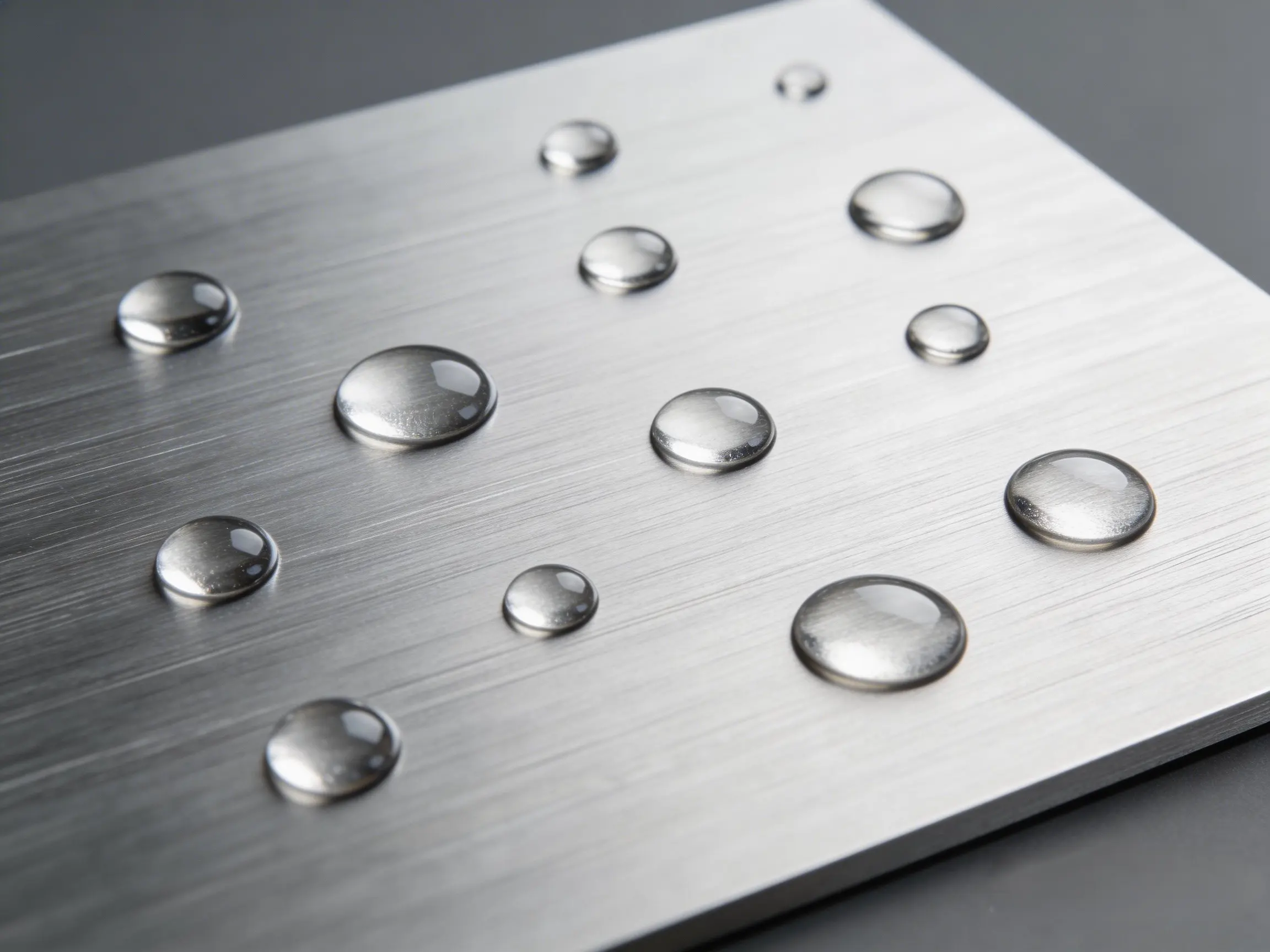
Key Performance Characteristics of AA 5052-H32
The core advantage of AA 5052-H32 is that it brings corrosion resistance, formability, and weldability into a well-balanced combination. In the H32 temper, 5052 typically has a yield strength of around 228 MPa.
Basic Data and Grade Identification for AA 5052-H32
Understanding and correctly identifying the material grade and temper is the starting point of material selection. 5052 is a non-heat-treatable aluminum alloy, which means its properties are developed through cold working and subsequent stabilization. As a result, the temper designation has a direct impact on strength, elongation, and fabrication behavior.
| Item | Description | Notes |
|---|---|---|
| Alloy grade | 5052 | 5xxx series wrought aluminum alloy |
| Common designations | AA 5052 / EN AW-5052 / UNS A95052 / AlMg2.5 / 3.3523 | These often appear interchangeably in quotations, drawings, and purchase orders |
| Main alloying elements | Mg, Cr | Magnesium is the primary alloying element; chromium plays a supporting role |
| Common tempers | O / H32 / H34 | H32 is one of the most commonly used general-purpose tempers |
| Common product forms | Sheet and coil; tread plate is also common | Most frequently seen in sheet metal fabrication projects |
| Key identification point | Confirm both the grade and the temper together | Even within 5052, a change in temper can lead to a significant difference in performance |
Processing Performance of AA 5052-H32 in Sheet Metal Fabrication
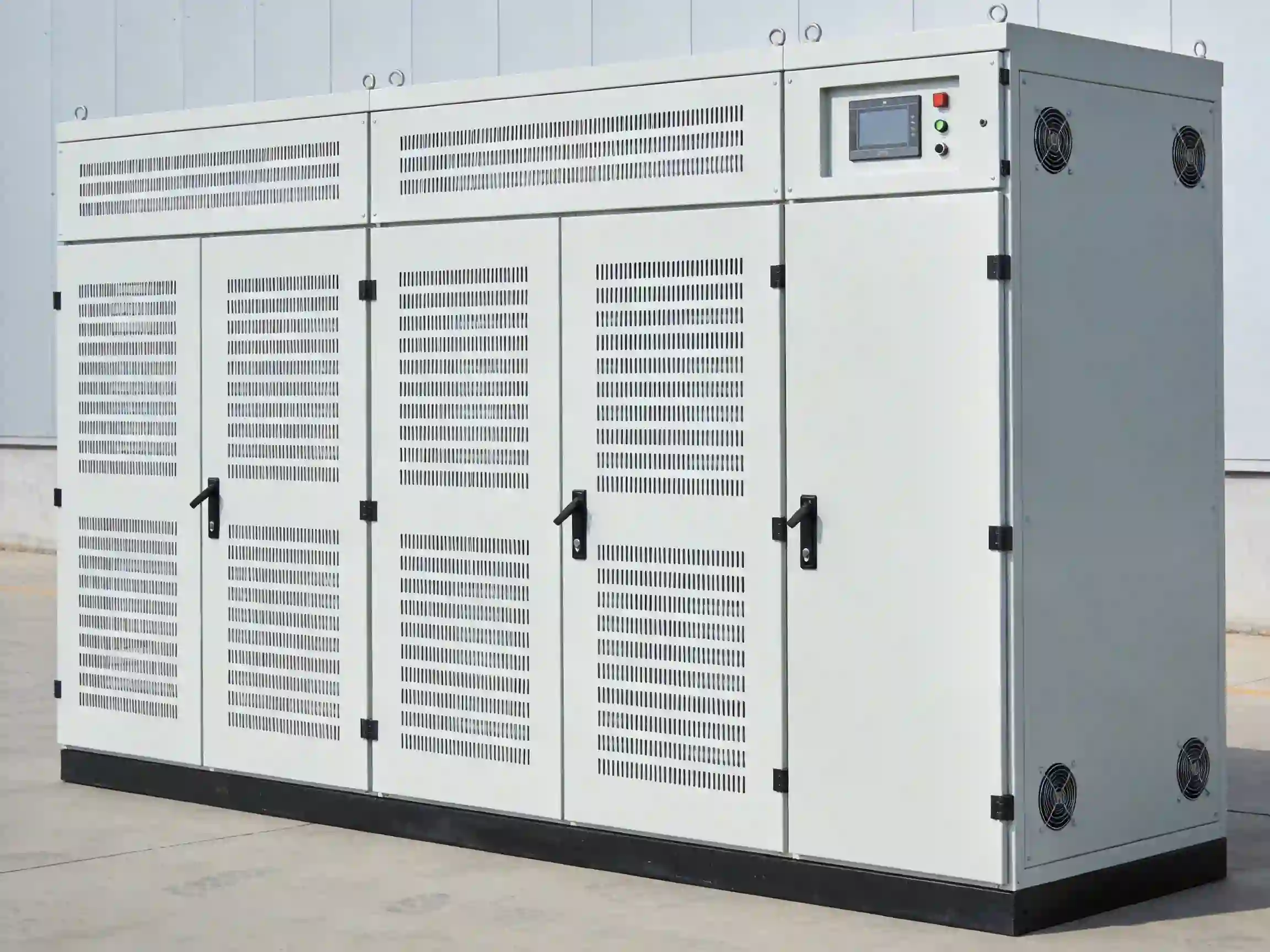
Cutting and Stamping Performance
5052 aluminum-magnesium alloy performs very well in processes such as laser cutting, stamping, and blanking. The cut edge is smooth, burrs are minimal, and tool wear is relatively mild. This makes it especially suitable for batch blanking and punching operations.
Bending and Forming Performance
In the H32 temper, 5052 provides a solid foundation for bending. However, because it is harder than the O temper, springback becomes more noticeable in multi-step or complex bending operations, and the risk of edge cracking can increase.
Welding and Post-Weld Effects
5052 aluminum-magnesium alloy generally welds smoothly. However, the heat generated during welding can soften the heat-affected zone around the weld, which means the strength in that area may be lower than that of the base material.
Process Compatibility Overview
| Process | Suitability | Notes for Use |
|---|---|---|
| Laser cutting | High | Very common for thin- to medium-gauge sheet applications |
| CNC punching | High | Offers clear efficiency advantages for batch production |
| Bending | High | Rolling direction and bend radius should be evaluated together |
| Welding | High | Softening in the heat-affected zone should be considered in advance |
| Machining | Medium | High-precision machined parts should be quoted with machining time considered separately |
| Deep drawing | Medium | For complex drawn parts, temper and sample validation should be confirmed together |
What Types of Applications Is AA 5052-H32 Suitable For?
5052-H32 is generally well suited to projects that require strong corrosion resistance while still preserving good processing flexibility for bending and welding.
| Application | Common Part Types | Why It Is Chosen | Key Engineering Considerations |
|---|---|---|---|
| Equipment exterior parts | Housings, doors, panels | Good balance between formability and corrosion resistance | Bend quality on visible surfaces and surface finishing should be coordinated early |
| Container panels | Cover plates, liquid storage tank panels | Mature welding performance and good corrosion resistance | Strength near the weld and distortion control |
| Transportation sheet parts | Side panels, cover panels | Higher strength than general soft aluminum | Joint design and vibration conditions |
| Parts for humid environments | Outdoor panels, protective covers | Good resistance to industrial atmospheres and humid conditions | Drainage design and contact with dissimilar metals |
| Welded formed parts | Built-up welded panels, support panels | Good balance between weldability and downstream forming | Process sequence and heat input management |
In sheet metal fabrication projects, 5052-H32 is often compared with grades such as 3003-H14, 6061-T6, and 5083. Each has its own strengths, and the right choice depends on what the project actually needs.
| Material | Main Characteristics | Selection Notes | Better-Suited Applications |
|---|---|---|---|
| 3003-H14 | Easy to form and weld, but relatively low in strength | Better suited to general container parts and standard sheet metal work | Formed parts with modest strength requirements |
| 5052-H32 | Well balanced in corrosion resistance, formability, and weldability, with medium-to-moderately-high strength | Suitable for most corrosion-resistant sheet metal projects | Enclosures, covers, and panels used in humid environments |
| 6061-T6 | Higher strength, with a well-established machining route | Better suited to structural parts where precision and stiffness matter more | Machined parts and load-bearing structural components |
| 5083-H32 | Higher strength within the 5xxx series, with stronger field experience in marine service | Better suited to heavy-duty plate structures and marine-related parts | Hull plates, heavy-duty container plates, and offshore structural panels |
Key Items to Confirm When Selecting AA 5052-H32
Whether your project will be made by sheet metal fabrication or machining, the purchasing conditions need to be clearly defined. The project constraints should be identified first, and then the material should be matched to the project, not the other way around.
| Item to Confirm | Why It Should Be Confirmed First | What It Affects |
|---|---|---|
| Thickness range | Sheet thickness directly affects the bending window and available strength margin | Bend radius, tooling, and temper selection |
| Degree of deformation | The amount of forming determines how much temper flexibility you have | Choice between H32 and O temper |
| Welding requirements | Welding directly affects the behavior of the heat-affected zone | Joint layout and reinforcement strategy |
| Service environment | Humid, industrial, and coastal environments place very different demands on the material | Alloy choice and surface protection |
| Surface treatment | Functional and appearance targets often need to be achieved together | Surface finish and anodizing result |
| Strength and stiffness targets | Determines whether a 5xxx or 6xxx alloy should take priority | Structural safety margin |
| Machining proportion | Cutting time and surface quality can become major cost drivers | Process route and quotation |
| Quantity and supply stability | Production volume affects the most suitable manufacturing method | Coil vs. sheet supply and tooling approach |
