
AA3003 (3XXX Series Aluminum-Manganese Alloy)
Than Pure Aluminum
& Weldability
Resistance
AA3003 (3XXX Series Aluminum-Manganese Alloy): The Basics
AA3003 is actually quite straightforward to understand. In simple terms, it is made by adding about 1.0%–1.5% manganese to pure aluminum. That may seem like a small amount, but it makes a meaningful difference: once manganese is added, the strength is typically at least 20% higher than that of pure aluminum, while formability and corrosion resistance are largely retained.
AA3003 is particularly well suited to general forming applications, standard sheet metal parts, containers, tubing components, and projects that require a reasonable level of corrosion resistance.
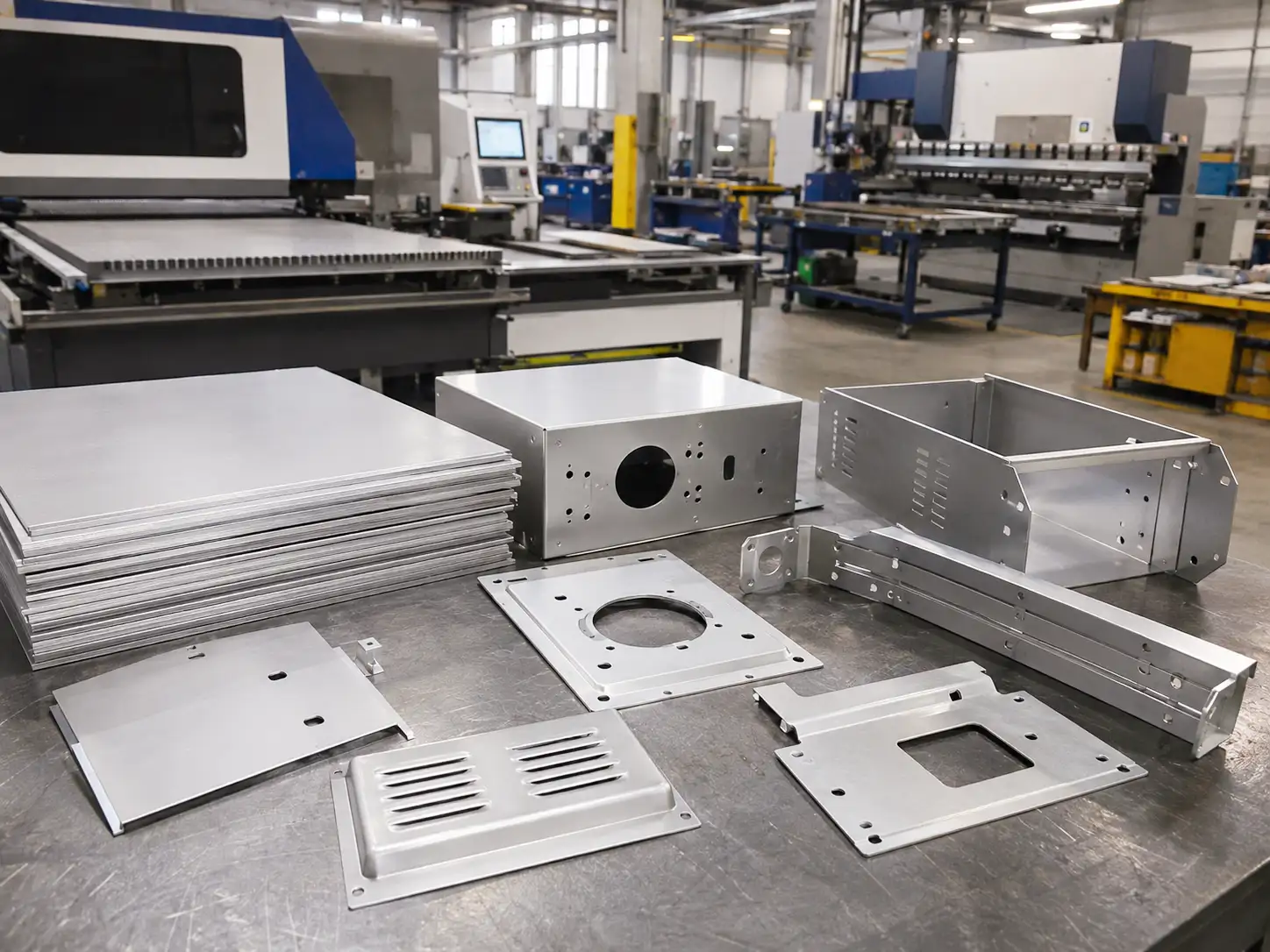
Key Performance Characteristics of AA3003
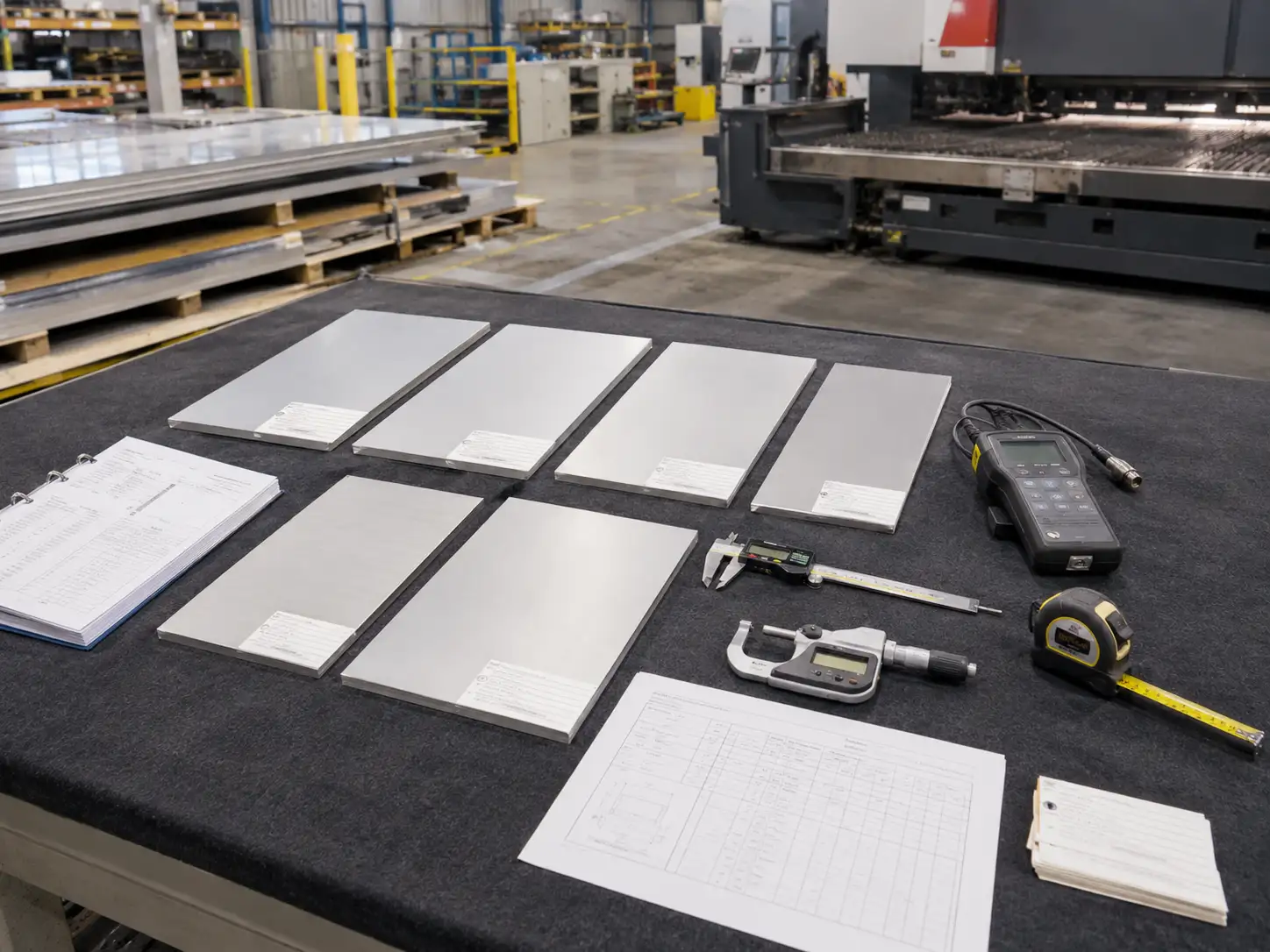
AA3003 Grade Identification Overview
| Item | Description | Notes |
|---|---|---|
| AA designation | 3003 | Internationally recognized standard grade |
| EN designation | EN AW-3003 | European standard format |
| UNS number | A93003 | Unified Numbering System; unique material identifier |
| Chemical designation | AlMn1Cu | Indicates an aluminum-manganese alloy with a small amount of copper |
| Alloy series | 3XXX (aluminum-manganese series) | Manganese is the principal alloying element |
| Strengthening method | Non-heat-treatable | Can only be strengthened by cold working, not by heat treatment |
| Common product forms | Sheet, coil, strip, thin sheet | Thin sheet is the most common form |
Chemical Composition at a Glance
- Aluminum: 96.8%–99.0% (the base metal and by far the largest proportion)
- Manganese: 1.0%–1.5% (the main strengthening element, and the reason it is stronger than pure aluminum)
- Copper: 0.05%–0.20% (provides supplemental strengthening)
- Other elements such as iron and silicon: trace amounts
Note: AA3003 is a wrought aluminum alloy, not a cast aluminum alloy.
Common Tempers of AA3003 and How to Choose Between Them
One important point to keep in mind is that AA3003 is a non-heat-treatable aluminum alloy, so its performance depends heavily on temper. For example, AA3003 in the O temper may be as soft as putty, while in the H18 temper it may be too hard to bend.
Common AA3003 Tempers and Typical Use Cases
| Temper | Characteristics | Suitable Processes | Typical Applications | Selection Notes |
|---|---|---|---|---|
| O | Fully annealed, soft condition with high ductility | Deep drawing, complex bending, spinning | Complex formed parts, projects sensitive to cracking risk | Lower strength, so make sure it is still sufficient for the application |
| H12 | Lightly strain-hardened | General bending, general stamping | Thin-gauge parts that need a balance of basic strength and formability | A good choice for mid-range requirements |
| H14 | Common half-hard temper | General sheet metal work, panels, container parts | General sheet metal parts, decorative parts, equipment outer covers | Widely available, but less formable than O temper |
| H24 | Strain-hardened and partially annealed to the target temper | General stamping, bending, formed parts | Projects that need some strength along with some processing margin | Actual forming performance still needs to be confirmed based on thickness |
What Types of Applications Is AA3003 Suitable For?
If you want to sum it up in one sentence, AA3003 is a good choice for projects where the strength requirement is not extreme, formability matters, corrosion resistance needs to be reliable, and cost must stay reasonable.
Typical Applications of AA3003 and Material Selection Notes
| Application | Why It Is Recommended | Key Points to Watch |
|---|---|---|
| General sheet metal parts | Good formability and common market availability | Different tempers will affect bending and stamping performance |
| Housings, panels, decorative parts | Stable processing performance and good corrosion resistance | Surface finish and post-treatment requirements should be confirmed |
| Containers, liquid storage parts, tubing components | Good balance of corrosion resistance and weldability | Changes in post-weld performance should be evaluated in advance |
| Home appliance parts and heat-transfer components | Well established in thin-gauge applications and suitable for mass production | Thickness and surface requirements should be checked carefully |
| General equipment parts | Good overall cost-performance balance | If the part has a load-bearing function, the strength limits should be reviewed carefully |
To use AA3003 well, you need to understand its limits as clearly as its strengths.
It is not a good fit for high-strength load-bearing structural parts. If your project is structural in nature and places high demands on strength and stiffness, AA3003 is generally not the right choice.
Situations Where AA3003 Should Not Be the First Choice
| Situation | Reason |
|---|---|
| High-strength load-bearing structural parts | Its strength level is limited and not suitable for high-load applications |
| Designs that rely on heat-treatment strengthening | 3003 is not a heat-treatable alloy |
| Applications requiring high stiffness, hardness, or wear resistance | These are not its strong points |
| Long-term high-stress or heavy-load service | Better suited to general formed parts than heavily loaded structures |
| More demanding corrosive environments | A more suitable corrosion-resistant alloy system may need to be considered |
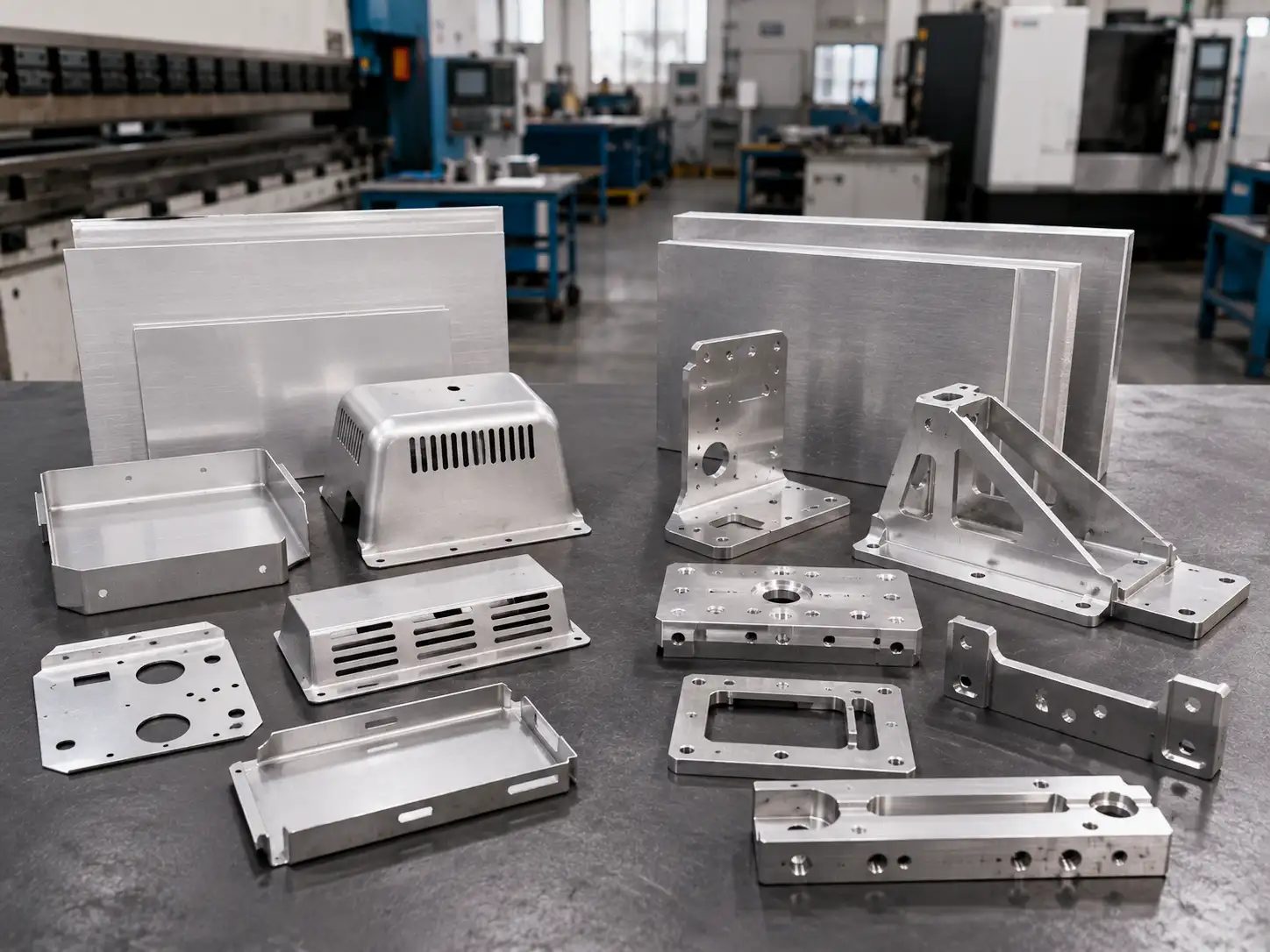
Typical Industry Applications of AA3003 Aluminum Alloy
Surface Defect Control
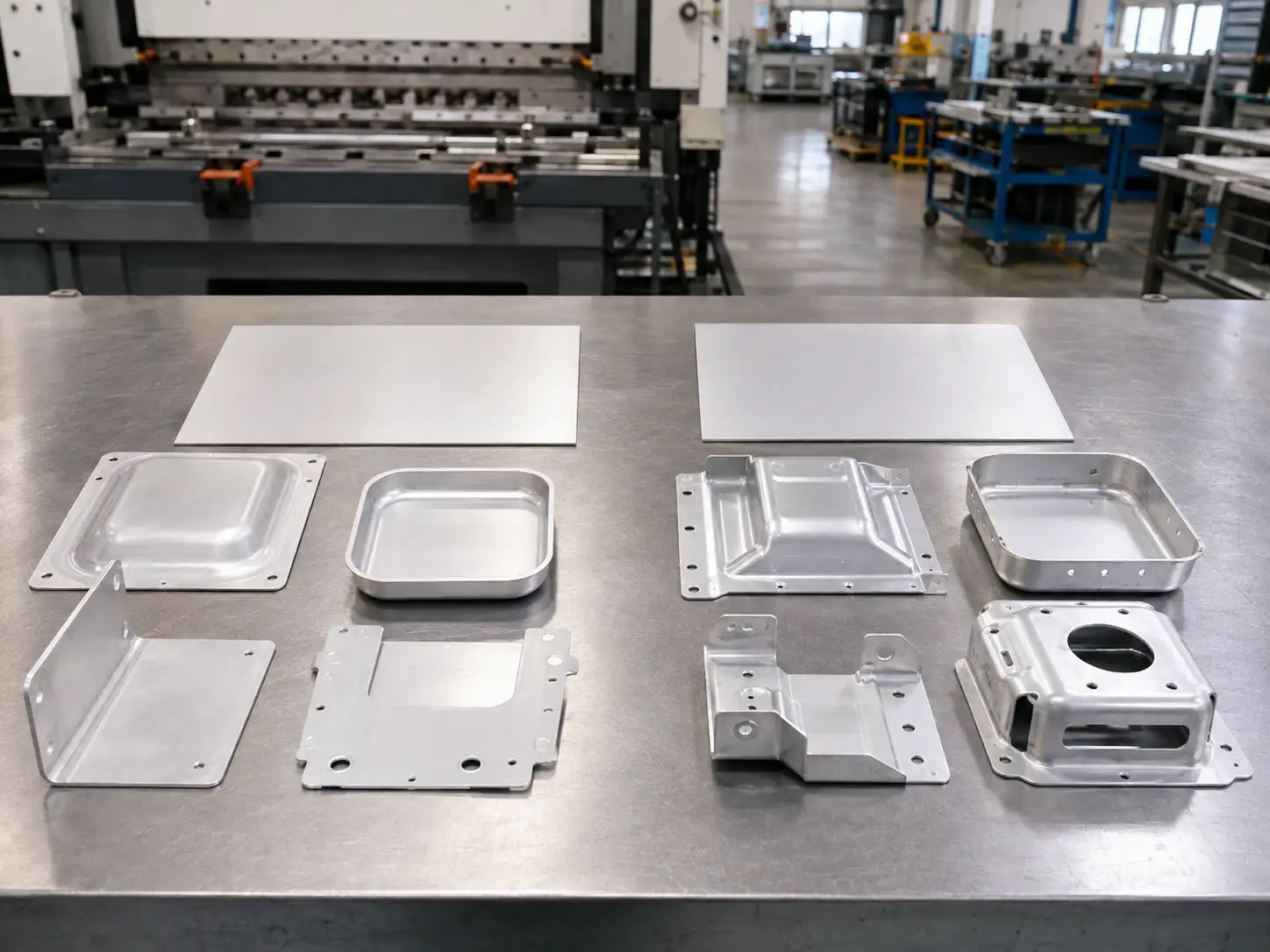
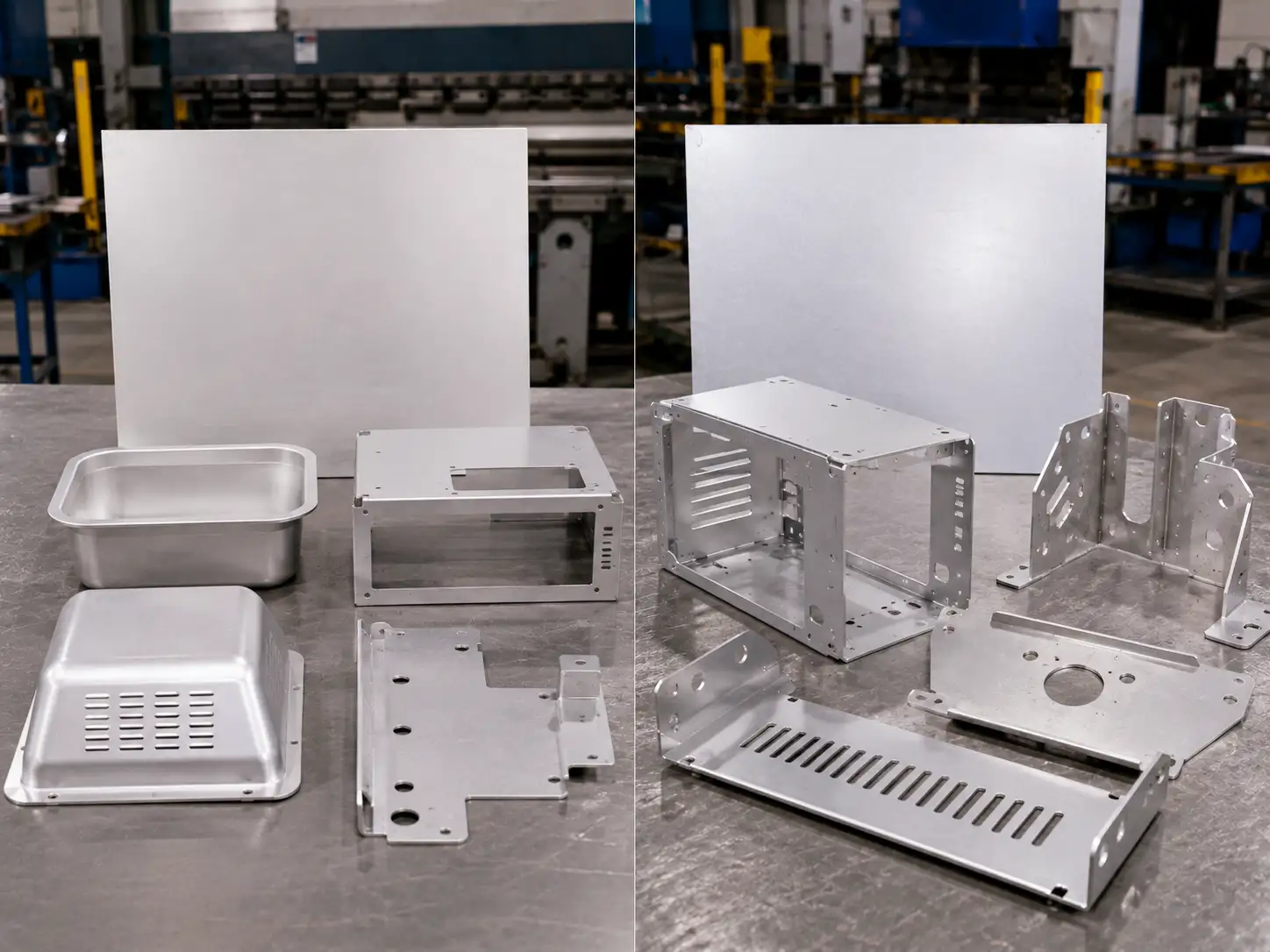
Comparison of Common Aluminum Grades
| Grade | Strength Level | Formability | Corrosion Resistance | Weldability | Typical Applications | Best For | Column 8 |
|---|---|---|---|---|---|---|---|
| AA1100 | Low | Very good | Good | Good | Thin-gauge parts focused on pure aluminum properties, conductive and heat-transfer components | Projects where pure aluminum characteristics matter most | Column 8 Value |
| AA3003 | Low to medium | Very good | Good | Good | General sheet metal parts, containers, equipment parts | Projects that value balanced performance and stable processing | Column 8 Value 2 |
| AA5052 | Medium to moderately high | Good | Very good | Good | Sheet metal parts requiring higher corrosion resistance and medium strength | Projects with higher demands on strength and corrosion resistance | Column 8 Value 3 |
| AA6061 | Medium to high | Fair to good | Good | Good | Structural parts, support parts, machined components | Projects with higher structural strength requirements | Column 8 Value 4 |
What Parameters Should Be Confirmed When Purchasing AA3003?
For AA3003, the most basic information to confirm is the grade + temper + thickness + downstream process. If these details are incomplete, any quotation or process recommendation will remain fairly superficial.
AA3003 Procurement Checklist
| Item to Confirm | Recommended Wording | Why It Matters |
|---|---|---|
| Grade | AA3003 | Defines the material system clearly |
| Temper | O / H12 / H14 / H24 | Directly affects strength and formability |
| Thickness | For example: 0.8 mm, 1.5 mm, 2.0 mm | Affects both processing and pricing |
| Size / format | Sheet width, sheet length, or coil specification | Affects blanking and supply method |
| Tolerance requirements | Thickness tolerance, dimensional tolerance, flatness | Affects manufacturing difficulty and cost |
| Surface condition | Standard finish, protective film, brushed finish, etc. | Affects appearance and post-processing |
| Downstream process | Bending, stamping, welding, deep drawing | Closely tied to temper selection |
| Service environment | Indoor, outdoor, humid, mildly corrosive, etc. | Affects corrosion assessment and surface requirements |
| Certification requirements | Material certificate, inspection requirements | Affects delivery documentation |
| Quantity and lead time | Sampling, small batch, mass production | Affects pricing and production scheduling |
