
TC21 High-Strength, High-Toughness Alpha-Beta Titanium Alloy
to-Weight Ratio
Damage Tolerance
Fatigue Resistance
Alpha-Beta Alloy
TC21 Titanium Alloy: Basic Overview
TC21 is a high-strength, high-toughness alpha-beta titanium alloy developed primarily for aerospace structures. It was specifically designed for high strength, high toughness, and damage tolerance.
Alpha-beta titanium alloys combine the characteristics of two titanium alloy families, allowing a practical balance between strength, toughness, formability, and heat-treatability.
Thanks to its dual-phase alpha-beta structure, TC21 offers an excellent overall property profile. Its compressive strength and tensile strength both exceed 1100 MPa, while its fracture toughness reaches 70 to 90 MPa·m^1/2. Damage tolerance is especially important for aerospace components, where resistance to crack growth is a critical design factor.
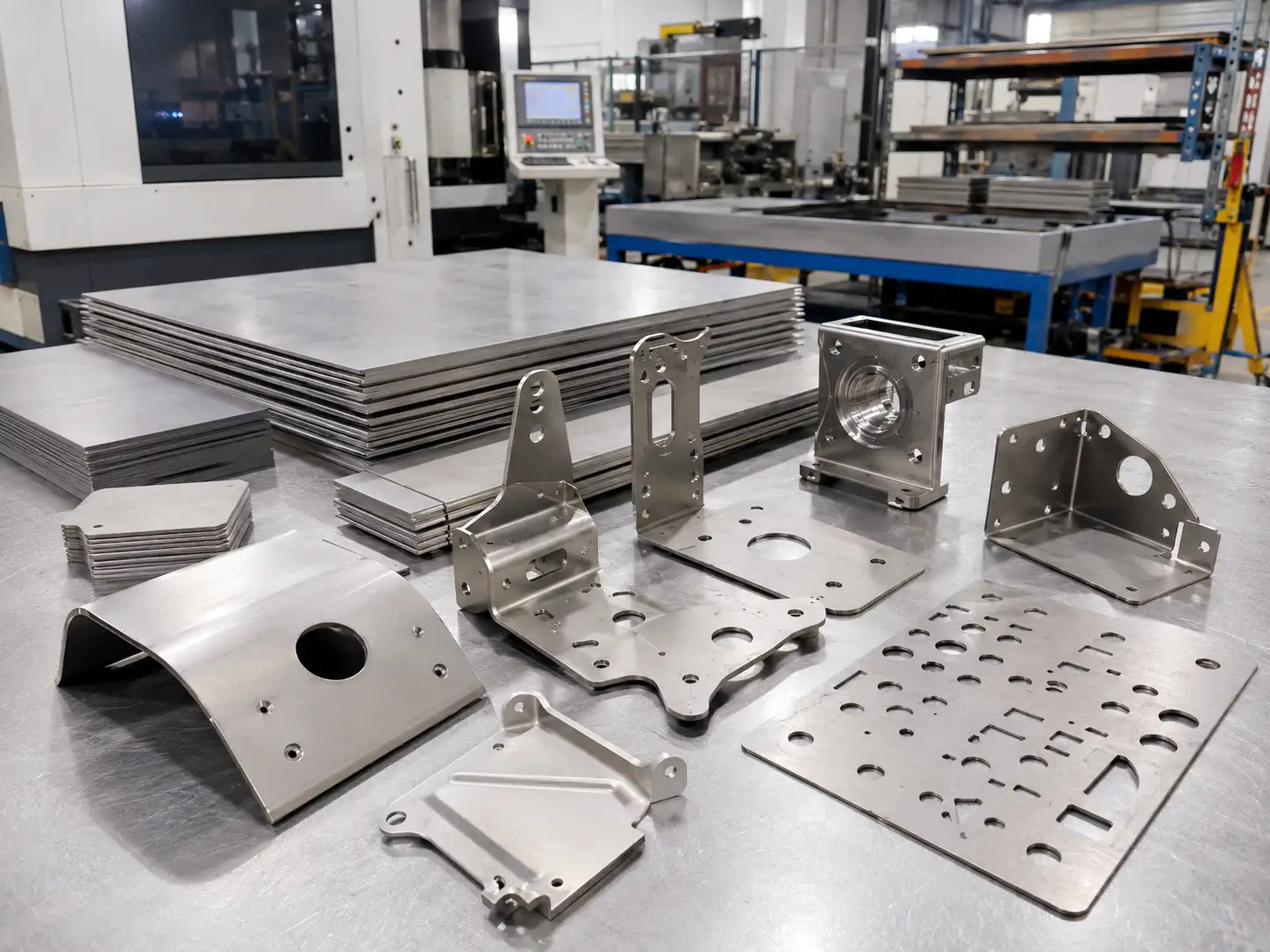
Main Advantages of TC21 Titanium Alloy
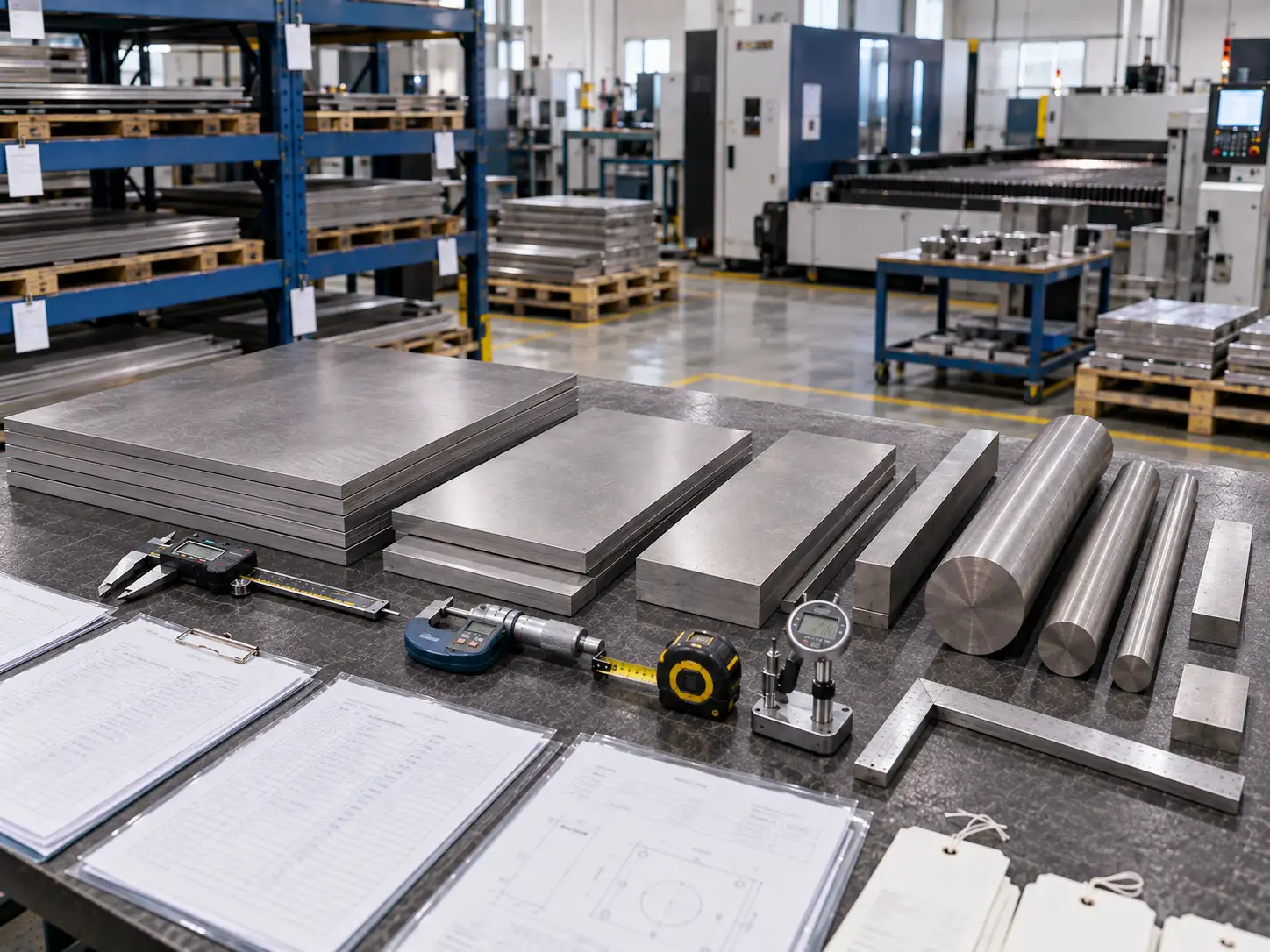
Chemical Composition of TC21 Titanium Alloy
| Element | Typical Content Range | Role in TC21 |
|---|---|---|
| Titanium | Balance | Base metal, forms the alloy matrix |
| Aluminum | 5.99–6.2% | Alpha stabilizer, helps increase strength |
| Tin | 2.1–2.24% | Solid-solution strengthening element, supports thermal stability |
| Zirconium | 1.99–2.05% | Strengthens the alpha phase and improves corrosion resistance |
| Molybdenum | 2.89–3.0% | Beta stabilizer, improves strength and hardenability |
| Chromium | 1.22–1.44% | Beta stabilizer, supports strength development |
| Niobium | 1.97–2.11% | Beta stabilizer, improves toughness and crack resistance |
| Silicon | 0.067–0.1% | Minor alloying addition, supports elevated-temperature performance |
| Iron | ≤0.09% | Residual element, kept low to preserve ductility |
Material Properties of TC21 Titanium Alloy
| Property | Typical Value or Range | Buyer Notes |
|---|---|---|
| Alloy type | Alpha-beta titanium alloy | High-strength, high-toughness grade |
| Density | Approx. 4.63 g/cm³ | Confirm product-specific data with the supplier |
| Hardness | Approx. HRC 38 to 49 | Depends on heat-treatment condition, and published values may vary |
| Elastic modulus | Approx. 125 GPa | Important for stiffness calculations and springback analysis |
| Thermal conductivity | Approx. 6.2 W/m·K | Low conductivity means heat tends to build up during processing |
| Poisson’s ratio | Approx. 0.32 | Useful for stress analysis and deflection calculations |
| Beta transus | Approx. 950 ± 5°C | A key temperature for heat-treatment control |
| Tensile strength | 1070 to 1447 MPa | Strongly influenced by microstructure and heat treatment |
| Yield strength | 1010 to 1297 MPa | Indicates the onset of plastic deformation under load |
| Elongation | 8% to 14% | Reflects ductility and varies with processing condition |
| Fatigue strength | Reported values up to 868 MPa | Highly dependent on surface condition, microstructure, and stress concentration |
| Fracture toughness | 70 to 90 MPa·m^1/2 | Provides excellent damage tolerance compared with many titanium alloy grades |
TC21 Titanium Alloy VS. Ti-6Al-4V
Ti-6Al-4V is the most widely used titanium alloy in the world and is familiar to most engineers and buyers across industrial sectors. TC21 serves a different purpose. It is aimed primarily at specialized aerospace structural applications. The table below highlights the key differences between the two alloys.
| Item | TC21 Titanium Alloy | Ti-6Al-4V |
|---|---|---|
| Alloy type | Alpha-beta titanium alloy | Alpha-beta titanium alloy |
| Primary positioning | High strength, high toughness, damage tolerance | General-purpose aerospace titanium alloy |
| Typical tensile strength | 1070 to 1447 MPa | 895 to 933 MPa under standard conditions |
| Fracture toughness | 70 to 90 MPa·m^1/2 | Typically lower, around 55 to 75 MPa·m^1/2 |
| Fatigue performance | Strong potential when the microstructure is optimized | Good, with a broad record across many applications |
| Availability | More specialized, with fewer global suppliers | Widely available worldwide under aerospace standards |
| Processing difficulty | High, requiring precise processing and thermal control | Also difficult, but much better documented and more widely understood |
| Typical applications | Wing-to-body fittings, fuselage frames, landing gear structures, high-load connectors | Broad aerospace use, medical implants, marine hardware, industrial components |
| Purchasing considerations | Grade, chemistry, certification, and heat treatment must be checked carefully | Easier to source under mature global standards |
Key Considerations for Sheet Metal Fabrication in TC21 Titanium Alloy
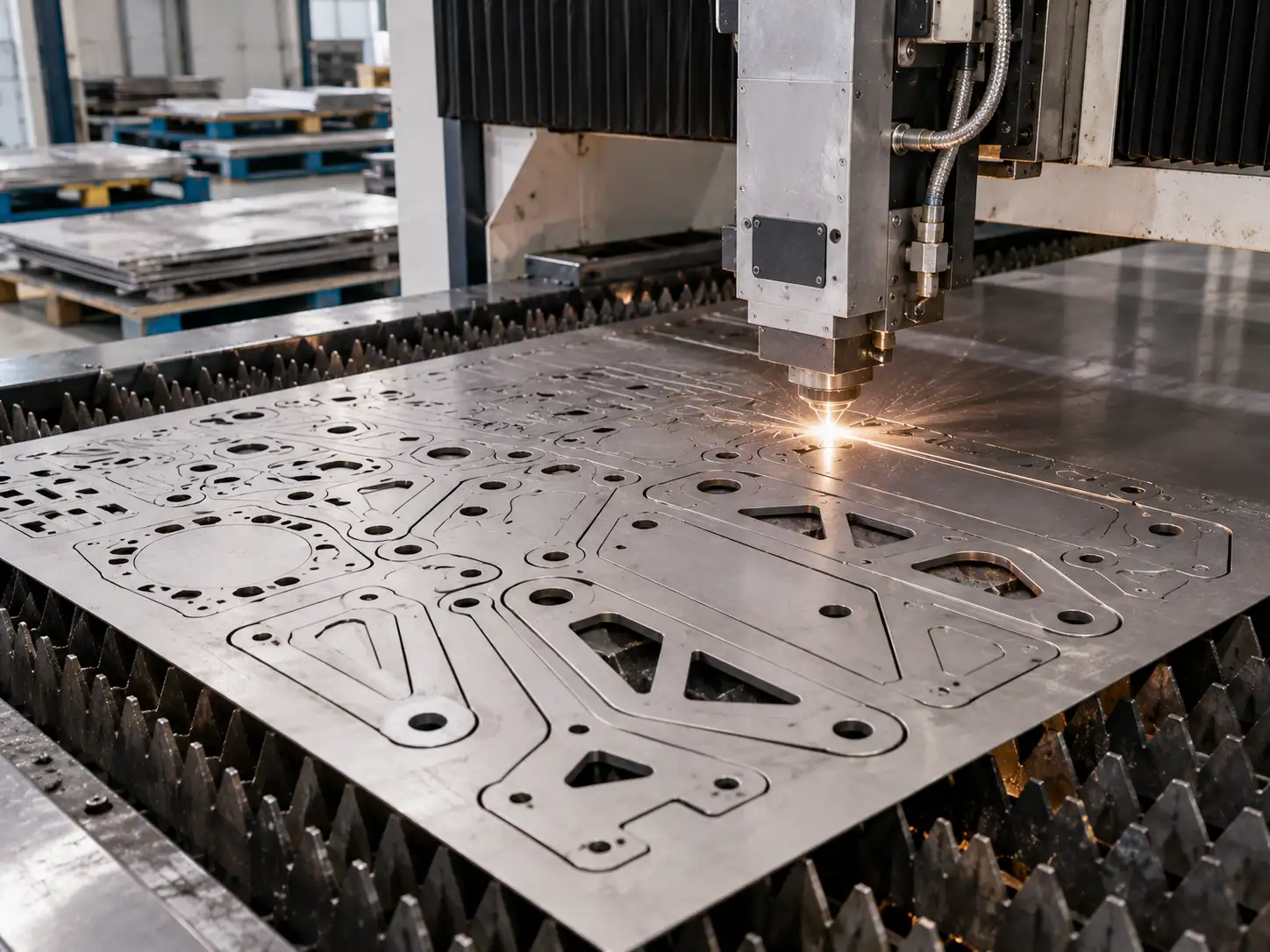
Fabricating TC21 titanium alloy into sheet metal parts can be quite challenging.
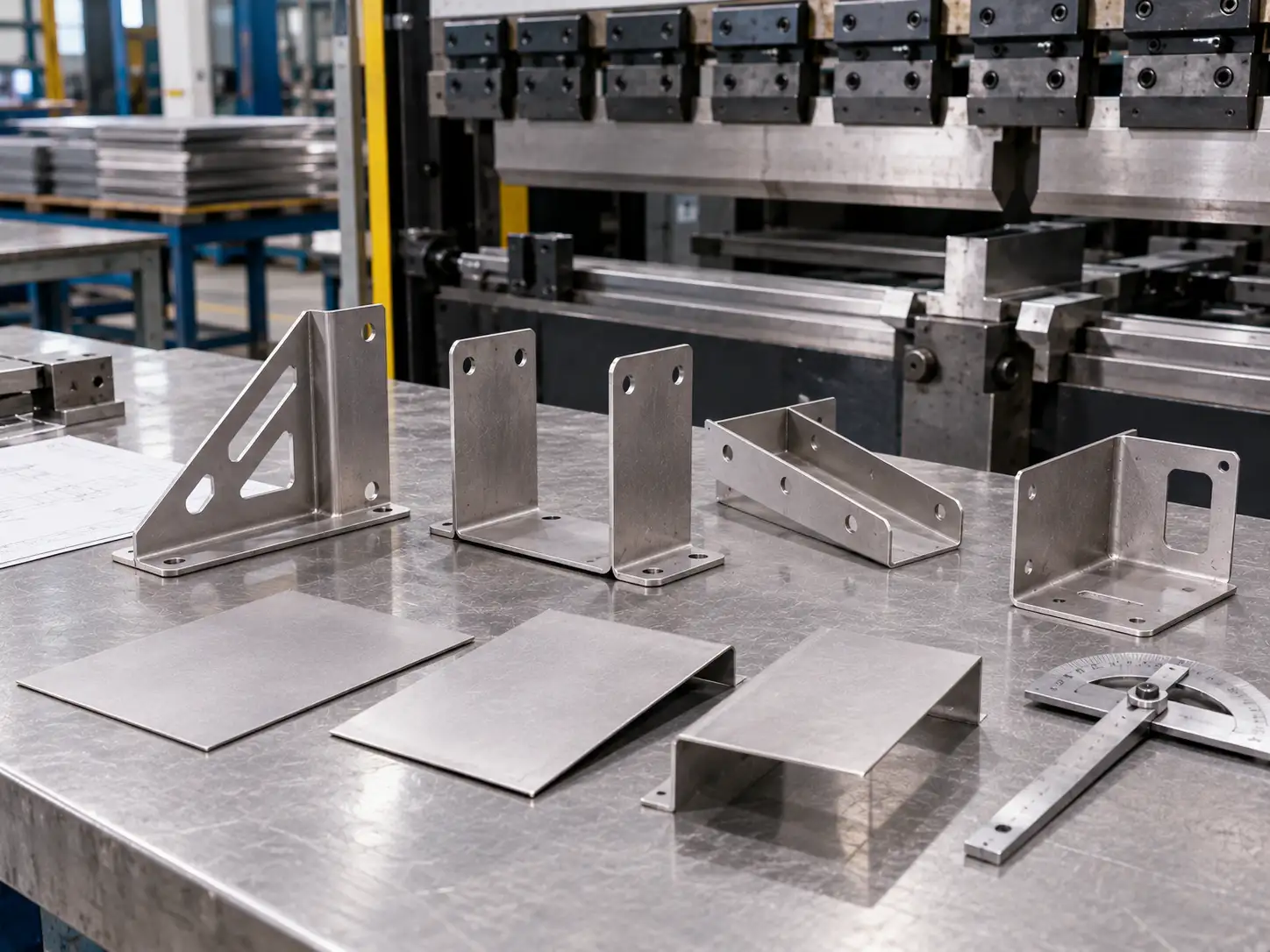
Bending and Forming
Springback in TC21 sheet is more pronounced than in aluminum, although it can still be controlled through the right process approach. It also requires a larger minimum bend radius than more common metals in order to prevent cracking in the outer fibers. Tool condition is equally important. A rough die surface can trigger cracking during forming.
Welding and Joining
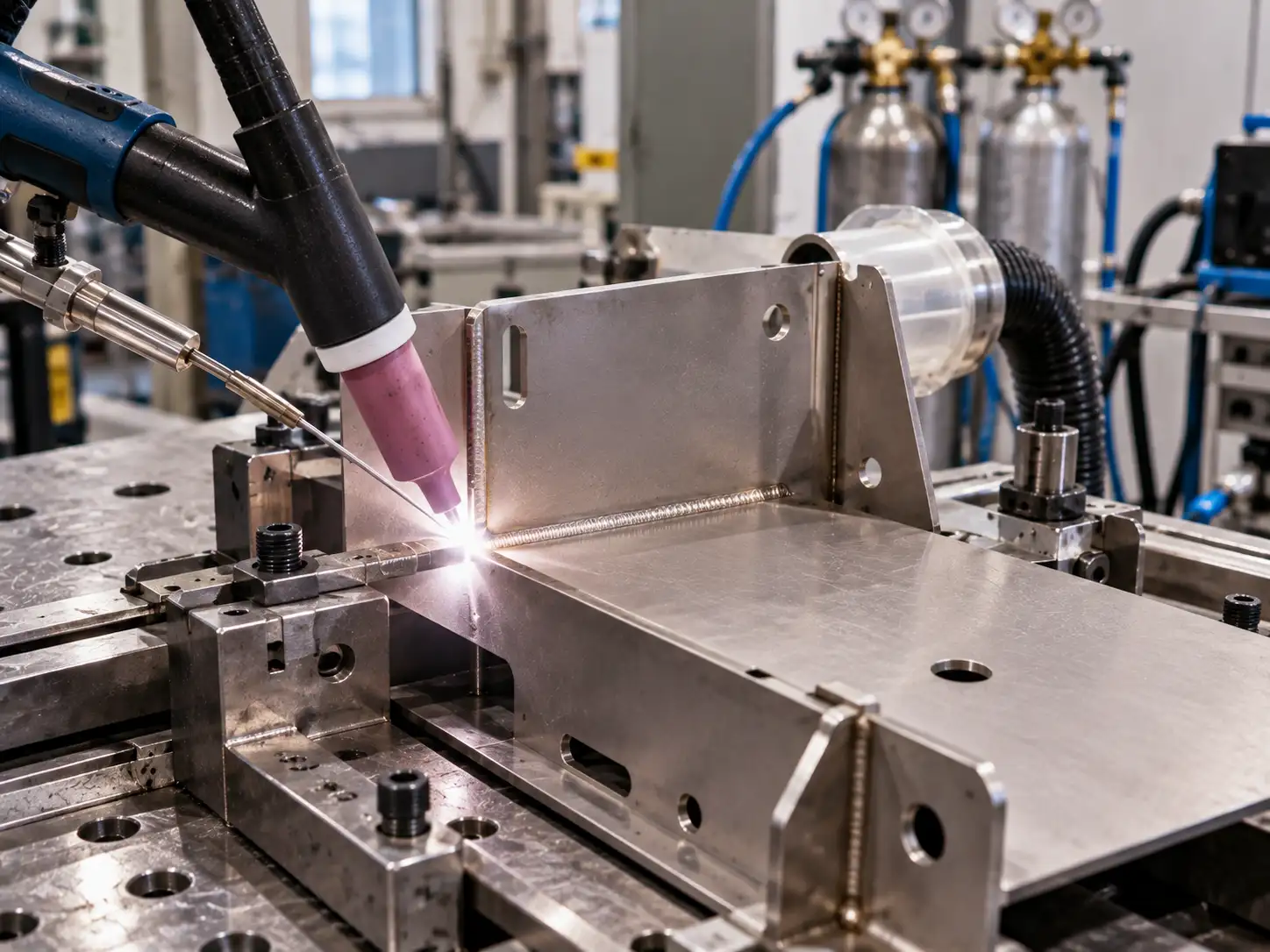
Welding TC21 requires strict control of contamination and full inert gas shielding. At elevated temperatures, the alloy is highly sensitive to oxygen and nitrogen pickup, which can embrittle the weld zone. For that reason, the material itself must be carefully protected throughout the welding process.
Stamping
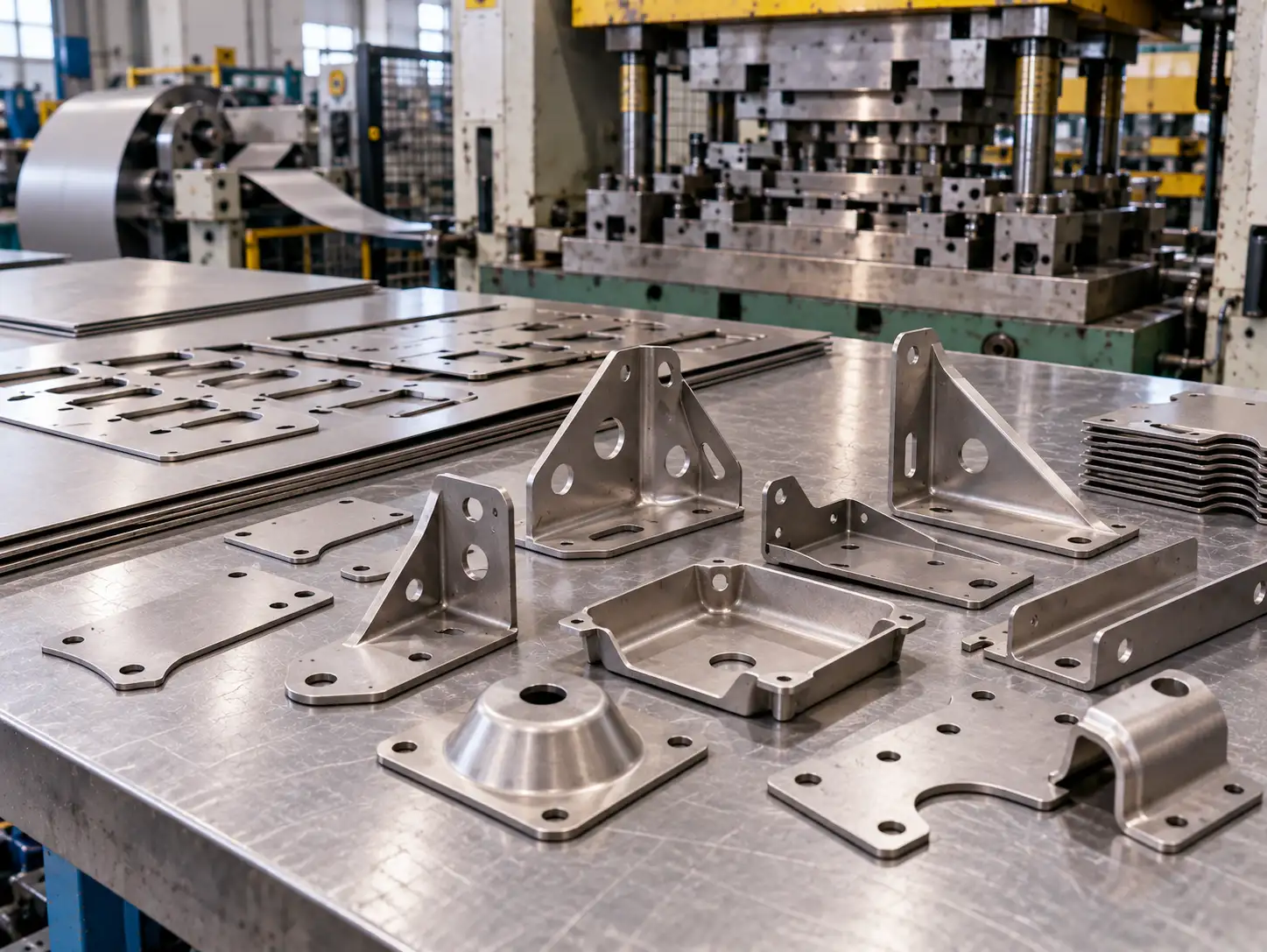
TC21 is suitable for selected stamping operations such as blanking, punching, shallow forming, and simple structural features. Because of its high strength and noticeable springback, die clearance, forming radius, lubrication, and tooling condition must be carefully controlled. Complex or deep-drawn geometries should be evaluated through forming trials, and warm forming may be considered when room-temperature formability is insufficient.
| Application Area | Example Parts | Why TC21 Is Chosen |
|---|---|---|
| Aerospace structures | Wing-to-body fittings, fuselage frames, structural beams, brackets | High strength meets demanding load requirements, while damage tolerance provides an added safety margin |
| Load-bearing components | Support structures, connectors, hinge fittings, mounting brackets | The combination of strength and toughness performs well under high-cycle loading |
| High-reliability equipment | Critical structural parts in aircraft and spacecraft systems | Fatigue resistance and crack-growth resistance help support longer service life |
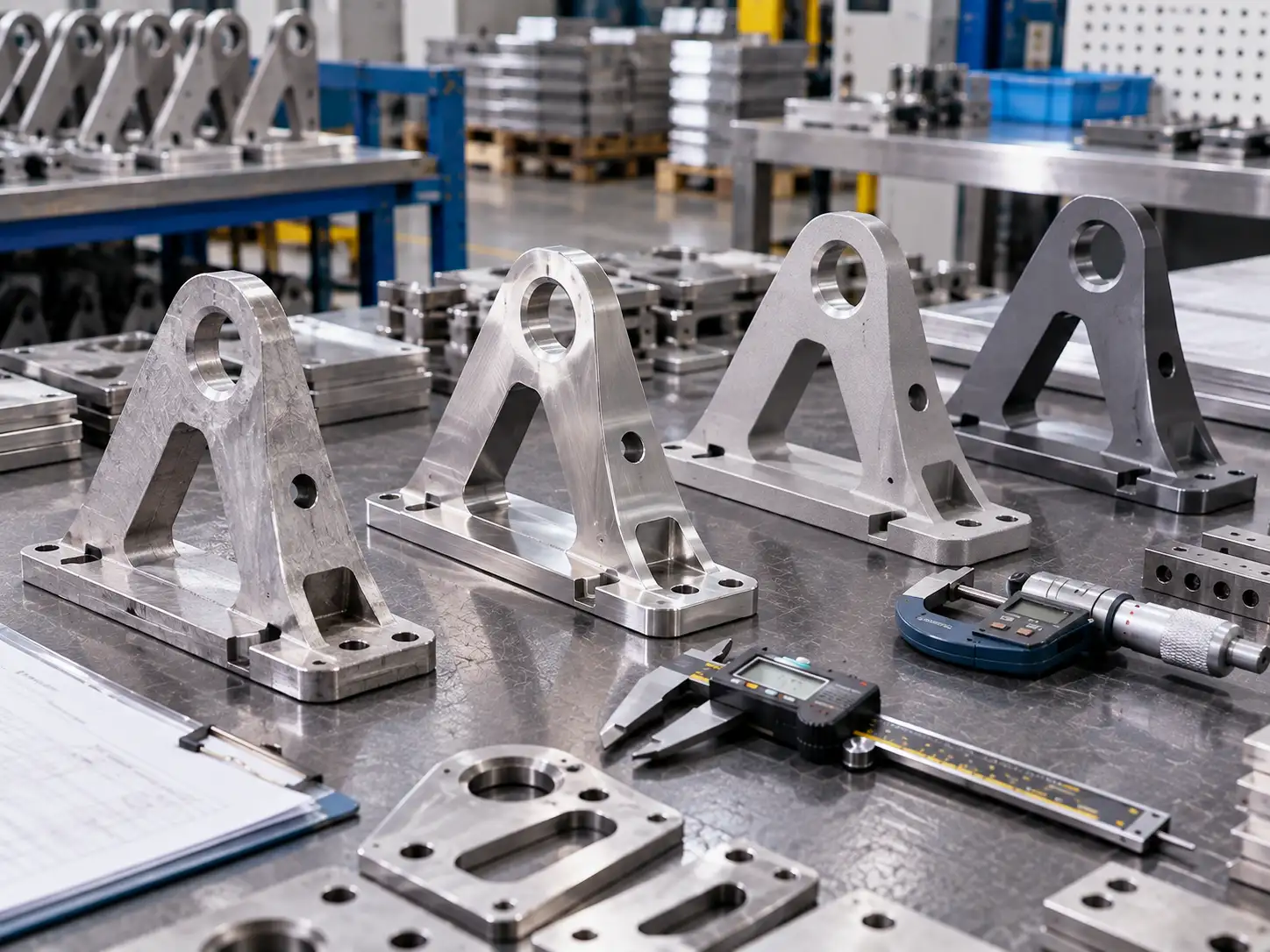
| Precision-machined titanium parts | Shafts, housings, custom fixtures, valve components | High strength with lower weight than steel, while still allowing tight-tolerance machining |
| Prototype development | Functional titanium prototypes for advanced design validation | Makes it possible to evaluate TC21 performance in real part configurations |
Supply and Purchasing Considerations for TC21 Titanium Alloy
| Purchasing Item | What to Confirm |
|---|---|
| Grade designation | Confirm that the material is correctly specified as TC21 and verified against your project requirements |
| Product form | Specify sheet, plate, bar, forging, or billet, since not every supplier offers all forms equally |
| Heat treatment | Define the required condition, such as annealed, solution treated, aged, or another application-specific condition |
| Certification | Request mill certificates showing the actual chemistry and mechanical test results for the specific melt |
| Mechanical testing | Confirm whether tensile testing, hardness testing, fatigue data, or fracture toughness data are required |
| Surface condition | Specify pickled, polished, ground, sandblasted, or as-supplied condition based on your finishing requirements |
| Compliance | Reference any customer drawings, industry standards, or project-specific requirements that must be met |
| Lead time | Expect longer lead times than for standard alloys, and confirm scheduling with the supplier early in the purchasing process |
