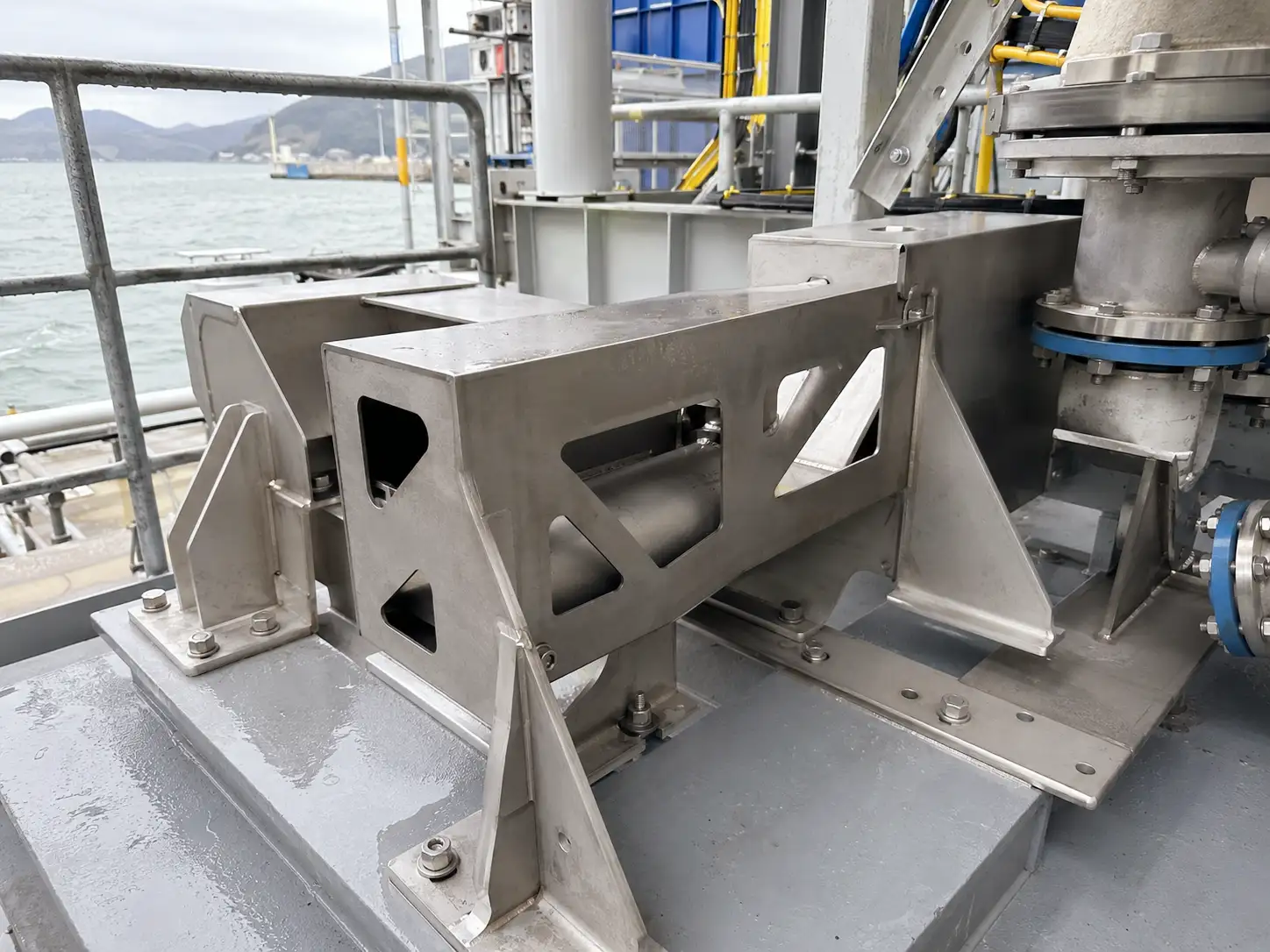
Ti31 Marine Corrosion-Resistant Titanium Alloy
Corrosion Resistance
Performance
& Formability
Offshore Equipment
Ti31 Marine Corrosion-Resistant Titanium Alloy: Basic Overview
Ti31 belongs to the near-alpha titanium alloy family and was developed specifically for marine engineering applications. It was created by a Chinese research team over more than ten years of development work.
Ti31 offers good weldability, stable elevated-temperature performance, and excellent resistance to stress corrosion cracking. It is based on titanium and alloyed with elements such as aluminum, molybdenum, zirconium, and nickel, each of which contributes to the alloy’s overall performance.
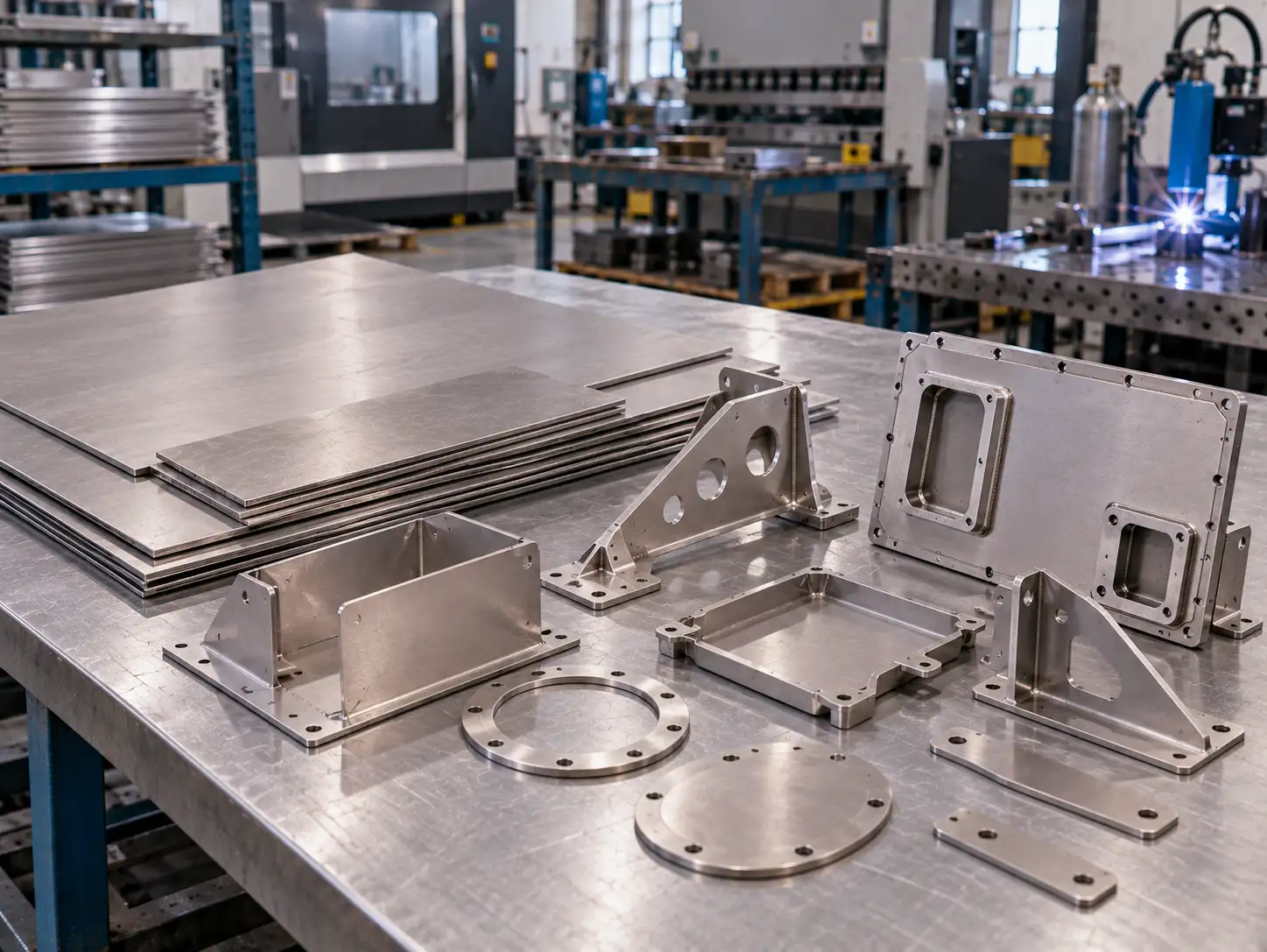
Is Ti31 the Same as Grade 31?
| Name You May See | Possible Source of Confusion | What Needs to Be Confirmed | Wording Risks to Avoid |
|---|---|---|---|
| Ti31 | Chinese titanium alloy designation system | Material certificate, purchasing specification | Do not assume without verification that Ti31 is equivalent to any ASTM grade |
| Grade 31 | Titanium alloy grade in the ASTM system | ASTM standard reference, material test report | Do not use Grade 31 and Ti31 interchangeably without checking |
| Ti-31 | Alternative way of writing the name | Drawing specification, supplier data sheet | Do not overlook chemistry differences between standards |
| UNS number | Unified Numbering System designation | UNS reference table, mill certificate | Do not assume that all Ti31 variants share the same UNS number |
| Chinese GB grade | Chinese national standard reference | GB/T standard documents, quality certificate | Do not confuse Chinese standards with international equivalents |
Why Ti31 Is Well Suited to Marine Environments
Material Properties
Material properties are the basis for engineering decisions. This section focuses on the key data for Ti31. It is important to note, however, that actual values may vary depending on product form, such as sheet, bar, tube, or forging, delivery condition, such as annealed or solution-treated, heat-treatment process, and the specific purchasing specification. For that reason, the material certificate should always be used to confirm the critical values.
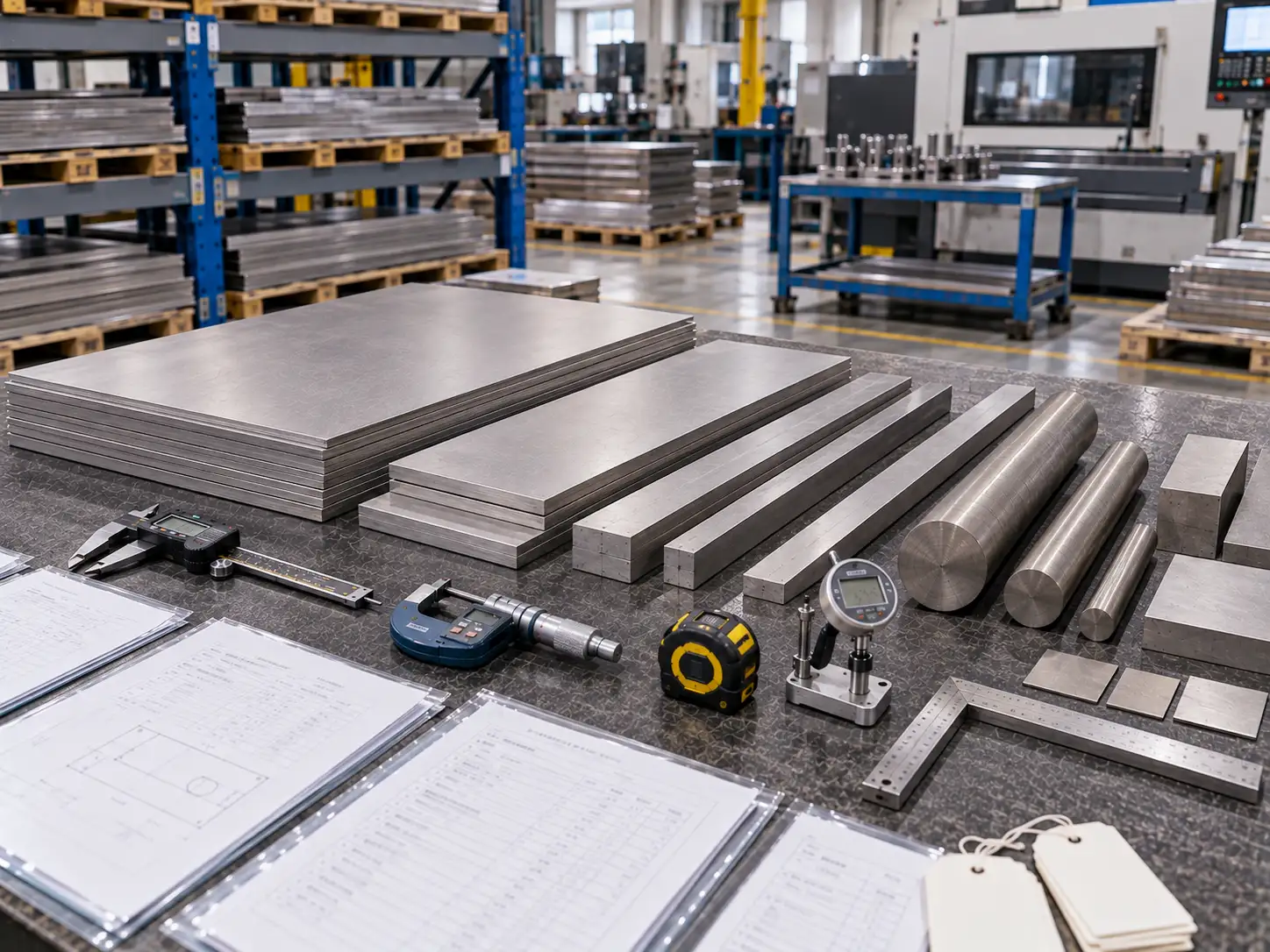
Mechanical Properties of Ti31 Titanium Alloy
| Property | Reference Value or Range | Test Condition | Engineering Relevance | How to Confirm the Data |
|---|---|---|---|---|
| Tensile strength | ≥637 MPa | Room temperature, annealed condition | Main strength indicator for structural design | Material certificate, tensile test report |
| Yield strength | ≥490 MPa | Room temperature, annealed condition | Stress limit for elastic design calculations | Material certificate, tensile test report |
| Elongation | ≥18% | Room temperature, standard gauge length | Indicator of formability and ductility | Material certificate, tensile test report |
| Reduction of area | ≥35% | Room temperature | Plastic deformation capability | Material certificate, tensile test report |
| High-temperature yield strength at 350°C | ≥295 MPa | Elevated-temperature test condition | Performance in heated seawater systems | Special test report, supplier data |
| Stress rupture strength at 350°C for 3000 h, or long-term high-temperature strength | ≥250 MPa | Sustained load at elevated temperature | Creep resistance in high-temperature service | Long-term test data, material handbook |
| Fracture toughness K_J0.2 | ≥77 MPa√m | Room temperature, standard specimen geometry | Damage tolerance and crack-growth resistance | Fracture mechanics test report |
| Impact toughness | ≥588 kJ/m² | Charpy impact test, room temperature | Resistance to dynamic loading and impact | Impact test report, material certificate |
Corrosion Resistance and Hydrogen Embrittlement Resistance of Ti31
| Corrosion Property | Relevant Service Condition | Relevant Test Focus | Importance in Marine Service | Conditions That Need Confirmation |
|---|---|---|---|---|
| Resistance to stress corrosion in seawater | Seawater under mechanical stress | Stress-corrosion testing in seawater | Helps reduce cracking risk under load | Stress level, temperature, exposure time |
| Corrosion resistance in the welded condition | Welded marine structures | Comparison of weld metal and base metal | Supports use in welded assemblies | Welding procedure, shielding gas, acceptance standard |
| Resistance to hydrogen embrittlement | Severe conditions such as water or mildly alkaline solutions | Hydrogen pickup and embrittlement evaluation | Helps reduce embrittlement risk in service | Cathodic protection, water chemistry, temperature |
| Suitability for chloride environments | Salt spray, seawater, chloride-rich atmospheres | Chloride corrosion evaluation | Supports long-term use in high-salinity environments | Chloride level, crevice risk, cleaning method |
| Long-term marine service risk | Continuous or repeated marine exposure | Combined evaluation of corrosion, stress, and design | Helps assess maintenance and replacement risk | Drainage, crevices, dissimilar-metal contact |
Chemical Composition of Ti31 Titanium Alloy
| Main Element | Role in the Alloy | Effect on Performance | Should It Be Confirmed on the Certificate | Wording Note |
|---|---|---|---|---|
| Aluminum (Al) | Solid-solution strengthener | Improves strength and thermal stability | Yes, verify the range on the certificate | Provides a moderate strength increase without excessive embrittlement |
| Molybdenum (Mo) | Corrosion-resistance enhancer | Improves passivation and stress-corrosion resistance | Yes, critical to corrosion performance | Works together with nickel to improve corrosion protection |
| Zirconium (Zr) | Weldability improver | Refines the grain structure and improves weld quality | Yes, affects welding performance | Also contributes to oxidation resistance |
| Nickel (Ni) | Crevice-corrosion inhibitor | Improves resistance in stagnant seawater and promotes surface passivation | Yes, critical to crevice-corrosion resistance | One of the most important contributors to excellent crevice-corrosion performance |
| Interstitial elements, C, O, N, H | Controlled impurities | Affect strength, ductility, and weldability | Yes, must remain within specification limits | Excessive levels reduce ductility and weldability |
Use in Sheet Metal Fabrication
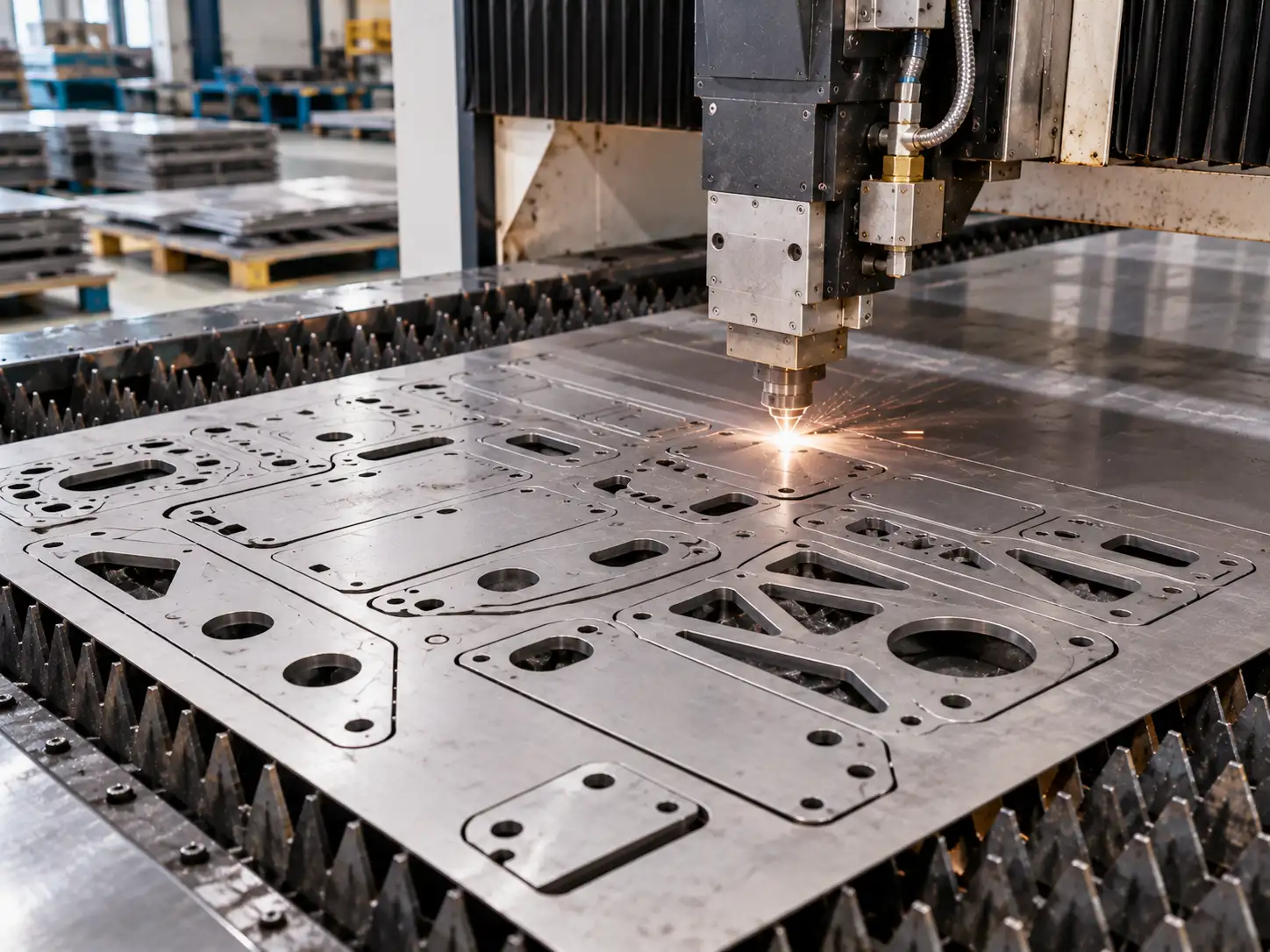
Laser Cutting
Titanium has low thermal conductivity, so heat input must be controlled carefully. Waterjet cutting is often a better choice than laser or plasma cutting for thick sections or when a heat-affected zone must be avoided. Surface contamination must also be prevented during cutting, because titanium can absorb oxygen, nitrogen, and carbon at elevated temperatures, forming a hard and brittle contaminated surface layer.
Bending
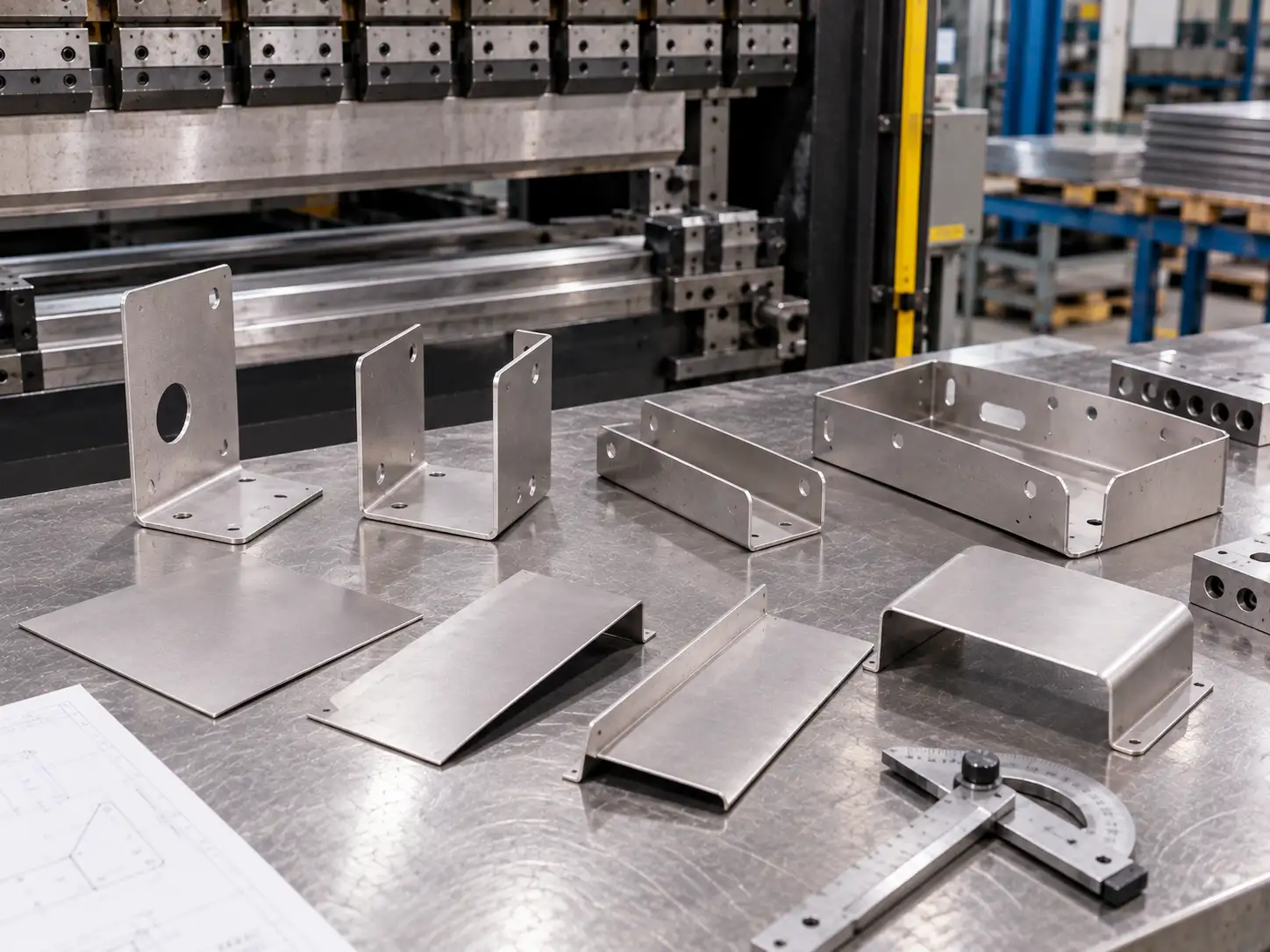
Ti31 offers very good formability. Its high ductility and work-hardening behavior make it well suited to bent and formed sheet metal components. The required bend radius depends on sheet thickness and forming conditions. In general, Ti31 can be bent to a radius of about twice the sheet thickness, R = 2t, without cracking.
Welding
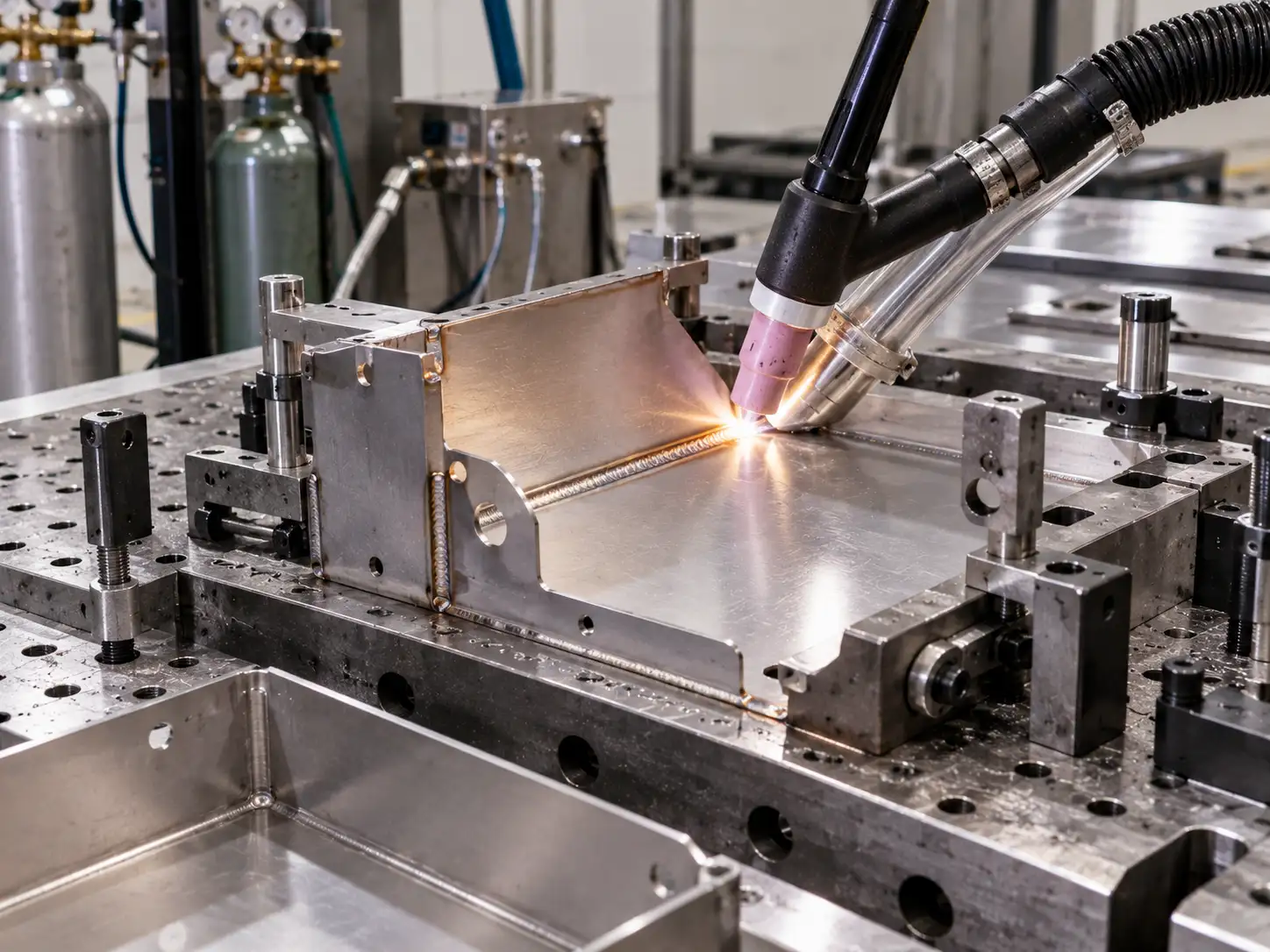
Ti31 has a weldability coefficient of not less than 0.9. Welding titanium alloys requires very strict control of atmospheric contamination, because titanium reacts readily with oxygen, nitrogen, and hydrogen at high temperature. High-purity argon or argon-helium mixed shielding gas must be used.
Surface Treatment and Cleaning
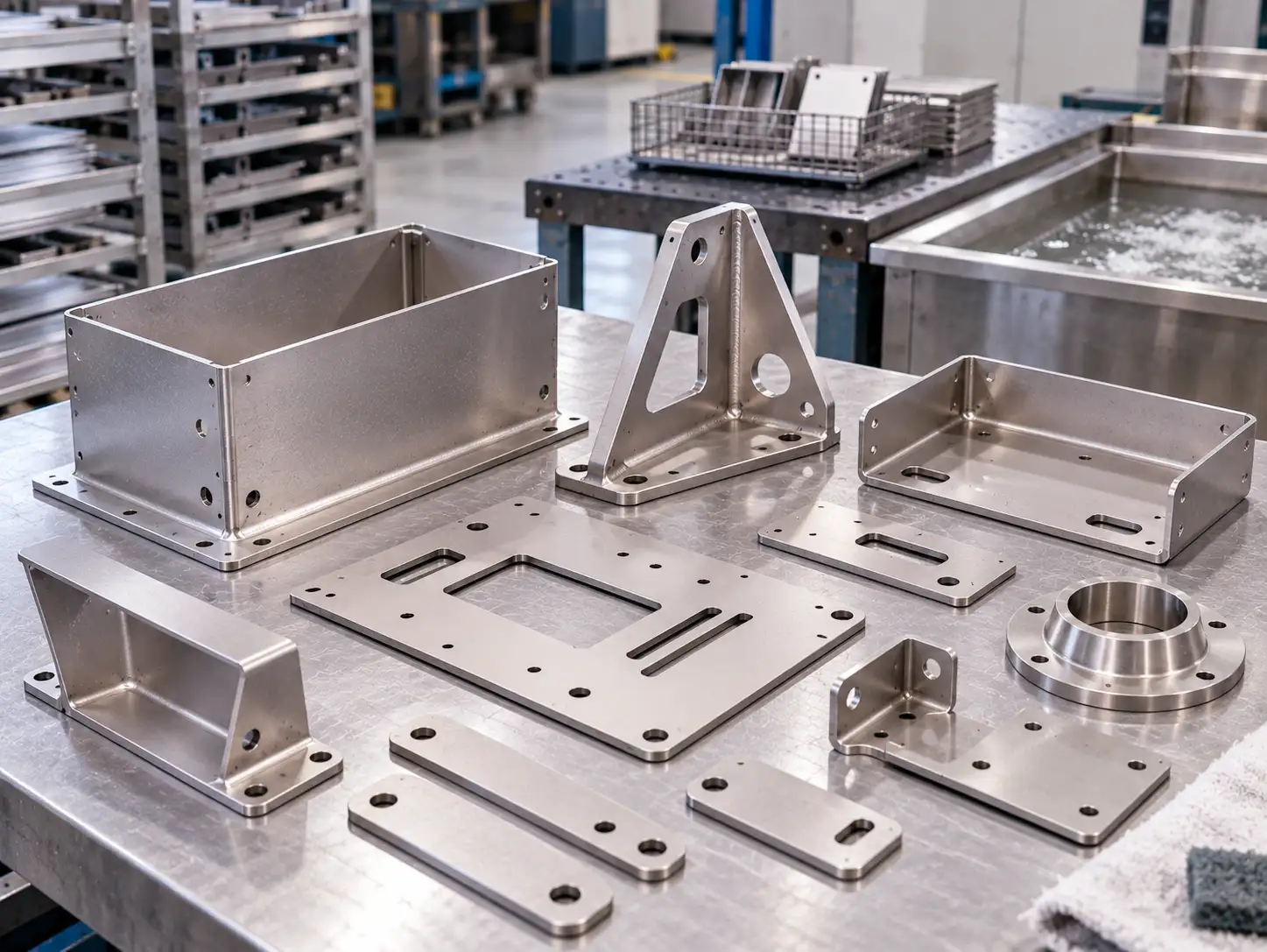
Surface cleanliness must be maintained throughout the entire manufacturing process. Any residual contamination can attack the titanium surface and weaken the outstanding corrosion resistance that Ti31 is known for. For titanium alloys, surface treatment is even more important than it is for most other materials.
Application Areas
| Industry | Typical Service Conditions | Main Material Priorities | Why Ti31 Is Chosen | Whether Further Engineering Confirmation Is Needed |
|---|---|---|---|---|
| Shipbuilding and marine vessels | Seawater immersion, salt spray, changing temperatures | Corrosion resistance, weight, fatigue life | Excellent corrosion resistance, lower weight than steel, good weldability | Hull structure design and specific corrosion-protection requirements |
| Offshore oil and gas platforms | Seawater, chlorides, possible H2S exposure | Stress corrosion cracking, crevice corrosion, hydrogen damage | Excellent resistance to stress corrosion and hydrogen embrittlement | Service temperature, H2S concentration, cathodic protection system |
| Desalination plants | Heated seawater, high flow velocity, aggressive chemicals | General corrosion, erosion-corrosion, heat-transfer efficiency | Extremely low corrosion rate helps maintain heat-transfer surface quality | Operating temperature range, seawater chemistry, cleaning procedure |
| Coastal power plants | Seawater cooling, thermal cycling, possible contamination | Pipe degradation, leakage, maintenance frequency | Long service life in condensers and heat exchanger applications | Water flow rate, temperature differential, water-treatment chemistry |
| Marine chemical processing | Chloride environments, possible acidic conditions | General corrosion, pitting, equipment reliability | Broad chemical compatibility beyond standard seawater service | Specific chemical exposure, concentration, temperature |
| Subsea equipment | High pressure, low temperature, long-term immersion | Corrosion under insulation, cathodic protection interaction, biofouling | No corrosion in normal seawater and compatible with cathodic protection systems | Depth pressure, temperature, cathodic protection design |
| Material Type | Main Advantages | Main Limitations | How It Differs from Ti31 | Best-Suited Service Conditions | What Should Be Confirmed Before Final Selection |
|---|---|---|---|---|---|
| Ti31 titanium alloy | Excellent seawater corrosion resistance, good weldability, medium strength | Higher initial cost, more specialized manufacturing requirements | Baseline material for comparison | Marine environments that demand corrosion resistance and long service life | Specific corrosion mechanism, required service life, budget constraints |
| Stainless steels, such as 316L, 904L, and duplex grades | Lower material cost, familiar fabrication methods, good availability | Prone to pitting and crevice corrosion in warm seawater, with some risk of stress corrosion cracking | Lower corrosion resistance, especially in chloride environments | Mild marine exposure and lower-temperature applications | Seawater temperature, chloride level, required reliability |
| Copper-nickel alloys, such as Cu-Ni 70/30 and 90/10 | Good seawater corrosion resistance, antifouling performance, lower cost than titanium | Lower strength, vulnerable to erosion at high flow rates, possible stress corrosion cracking in polluted water | Lower strength and a more limited temperature range | Seawater piping systems and moderate-temperature applications | Flow velocity, water quality, mechanical load requirements |
| Carbon steels and low-alloy steels | Lowest material cost, easy availability, easy fabrication | Rapid corrosion in seawater unless heavily protected, higher weight | Much lower corrosion resistance, higher weight, and more maintenance | Protected or coated applications, often with sacrificial-anode systems | Coating-system design, cathodic protection, inspection plan |
| Super duplex stainless steels | High strength, good corrosion resistance, lower cost than titanium | May suffer stress corrosion cracking at elevated temperature, welding is more complex | Higher strength than Ti31, but a lower usable temperature range | High-strength marine applications within a limited temperature range | Maximum service temperature and stress-corrosion risk assessment |
| Nickel alloys, such as Inconel 625 and Hastelloy C | Outstanding corrosion resistance and high-temperature capability | Very high cost, specialized fabrication | Higher cost, with broader corrosion resistance for extremely severe environments | Highly aggressive chemical service and extreme conditions | Chemical severity, temperature extremes, and cost justification |
RFQ and Quality Control Information
| Information Type | What the Customer Should Provide | Effect on Quotation | Effect on Production | Effect on Quality Control |
|---|---|---|---|---|
| Drawing files | 2D drawings in PDF or DXF format, revision level, title block information | Enables accurate material and process costing | Guides all manufacturing operations | Provides acceptance criteria and dimensional requirements |
| 3D model | STEP or IGES file, with a revision matching the 2D drawing | Improves nesting efficiency and programming speed | Supports CNC programming and inspection planning | Enables dimensional verification and section analysis |
| Material specification | Ti31 grade callout, standard reference, special requirements | Defines the basis for material sourcing and cost | Ensures the correct material is ordered and received | Determines certificate requirements and sample needs |
| Sheet thickness | Exact thickness and tolerance, including local thickness changes if applicable | Affects material cost and process requirements | Determines blank size and forming parameters | Defines thickness verification and measurement locations |
| Quantity | Total quantity, batch size, delivery schedule | Improves purchasing efficiency and production planning | Helps schedule production runs and batch control | Determines sampling frequency and inspection lot definition |
| Tolerance requirements | Dimensional tolerances, surface finish requirements, flatness requirements | Tighter tolerances increase processing time and cost | Determines process choice and tooling requirements | Defines inspection methods and acceptance criteria |
| Surface treatment requirements | Finish type, Ra value, special treatments | Affects processing steps and material removal | Determines finishing sequence and masking needs | Sets roughness measurement and visual inspection standards |
| Welding requirements | Weld locations, weld size, referenced welding procedure specification | Determines welding time and welder qualification needs | Guides welding sequence and fixture design | Defines weld inspection requirements and NDT methods |
| Inspection requirements | Inspection level, test method, acceptance criteria | Increases inspection time and equipment needs | Establishes in-process checkpoints and documentation needs | Drives development of inspection procedures and record retention |
| Material certificate requirements | Certificate type, such as EN 10204 3.1 or 3.2, test requirements, traceability level | Affects document-related material cost | Requires material-control procedures | Drives certificate verification and review of test results |
| Service environment description | Temperature range, pressure conditions, media chemistry | May trigger additional material or process requirements | Helps ensure the design and fabrication fit the service conditions | May require specific testing or evaluation |
| Operating-condition details | Cyclic loading, flow velocity, exposure time, maintenance access | Influences design decisions and manufacturing methods | May affect process choices and quality focus | May require specialized inspection or testing |
When Should You Choose Ti31 Titanium Alloy?
Ti31 is not the right material for every project, and no material is. But when your application involves seawater corrosion risk, chloride exposure, welded marine structures, or long-term service requirements, Ti31 can be a very strong option. It is particularly well suited to parts that need both corrosion resistance and practical mechanical performance.
Ti31 is worth considering when:
- the service environment involves seawater, salt spray, or high-chloride exposure
- the part needs a combination of strength, toughness, and corrosion resistance
- long service life matters more than the lowest possible material cost
- maintenance access is difficult, or downtime is expensive
- the project standard allows or requires this titanium alloy
- quality control requires material certificates and traceability
- material availability, lead time, and manufacturing feasibility have already been confirmed
The final decision should always be matched to the drawing, applicable standards, budget, service environment, and certification requirements.