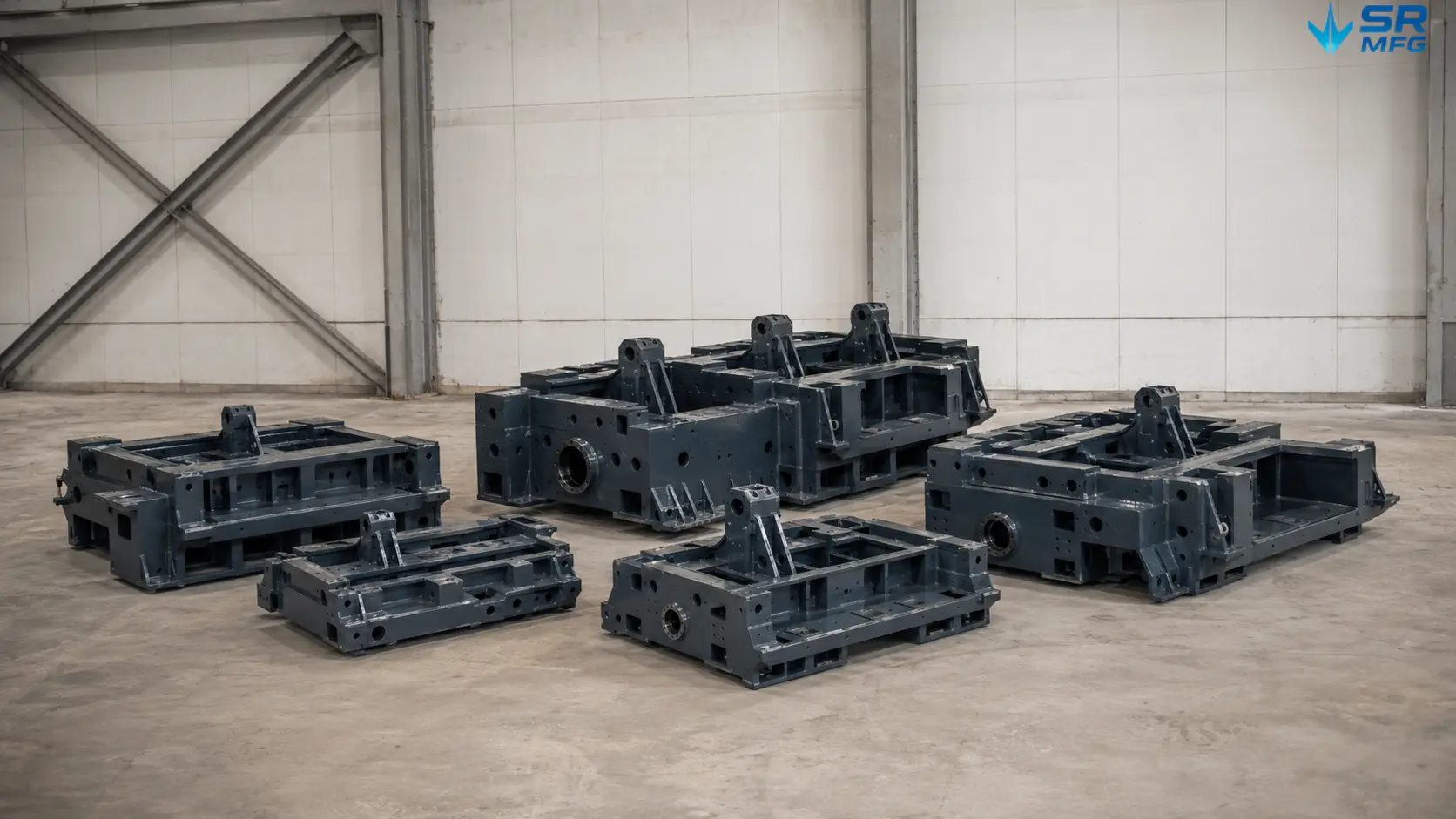
Welded Machine Base Frames
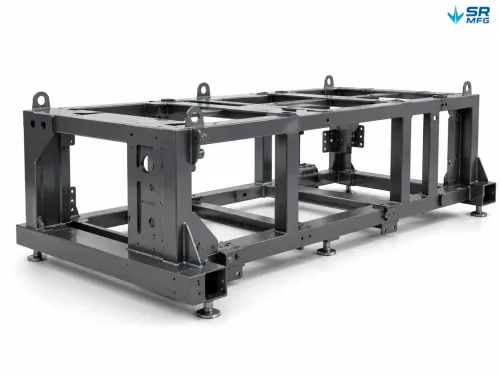
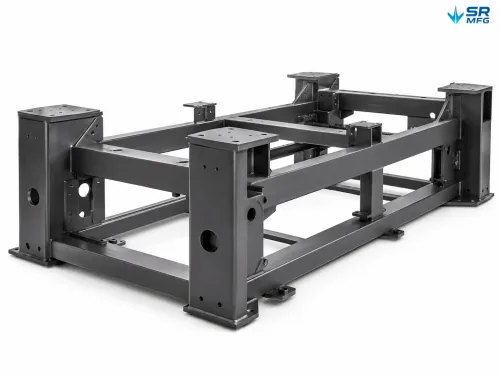
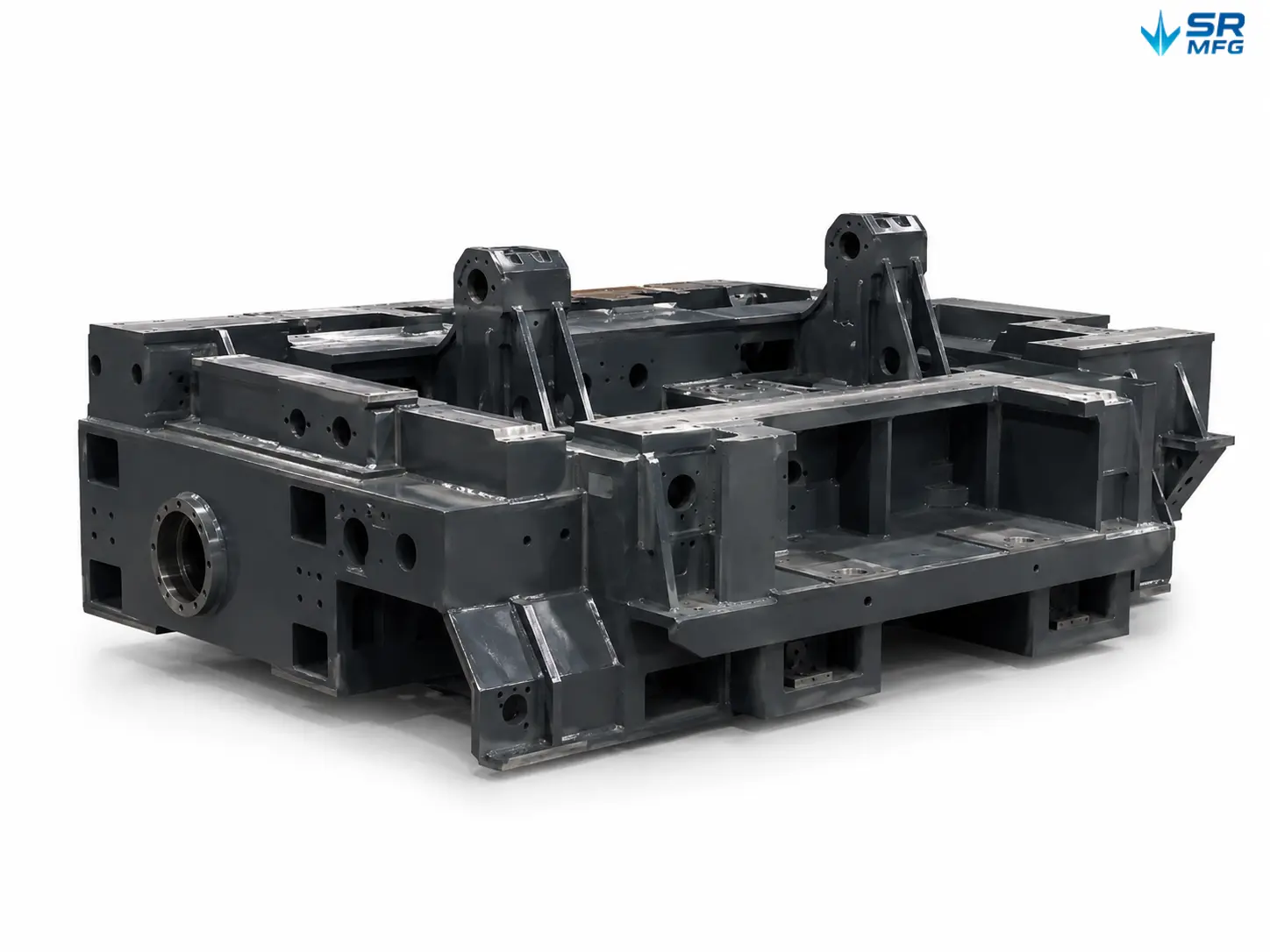
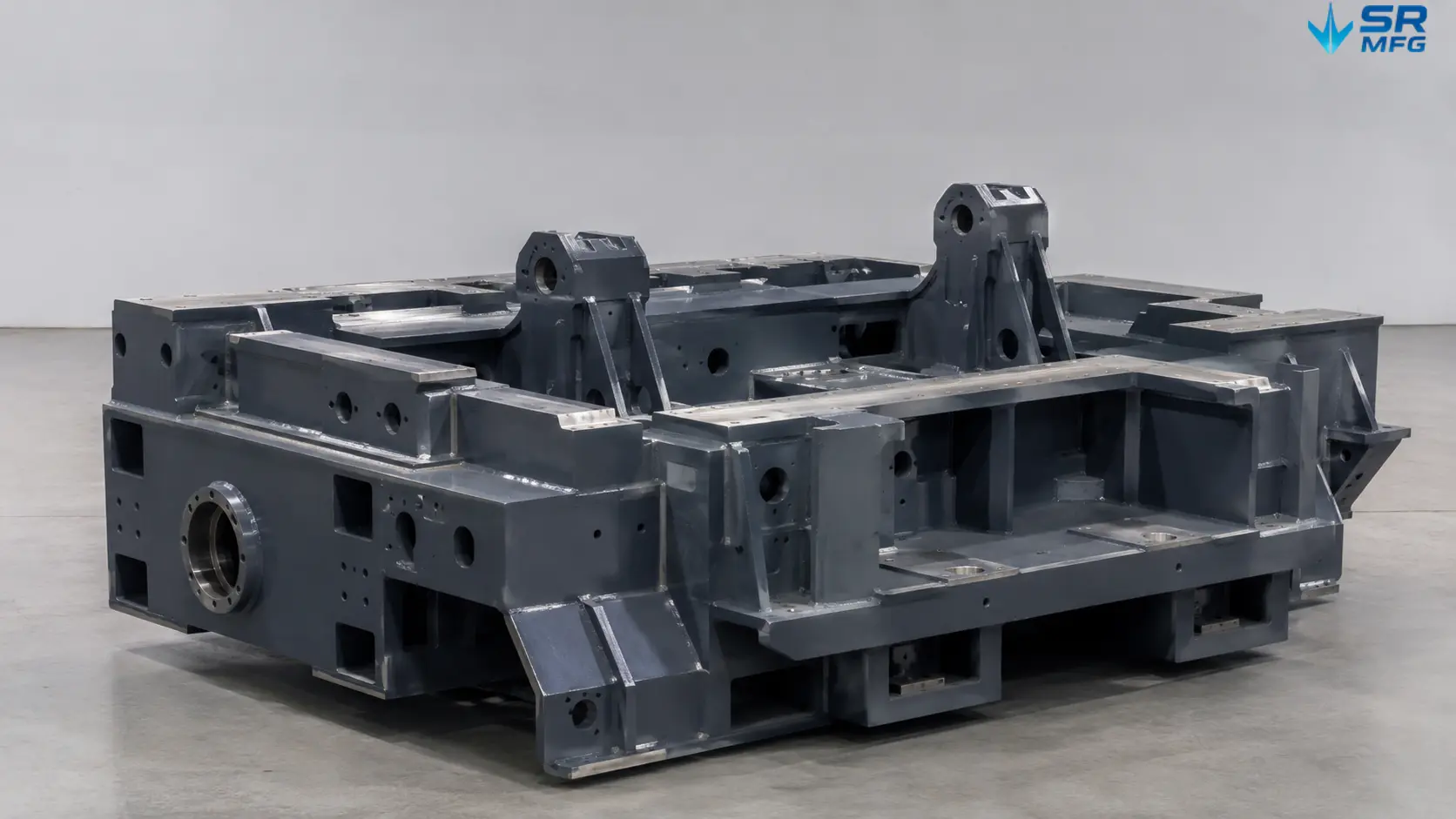
SR MFG provides custom welded machine base frames for industrial equipment manufacturers. Whether your equipment is used in a factory workshop or an outdoor environment, we can design and manufacture welded machine base frames according to your drawings, specifications and application needs.
- Fully customisable geometry
- Wide range of material options
- Strict dimensional tolerances
- One-stop surface finishing
- Welding quality in accordance with ISO 5817
| Material | Aluminum, Carbon steel, Galvanized sheet, Stainless steel |
|---|---|
| Process | assembly, Laser cutting, welding |
| Surface Finish | Deburring, Grinding, painting, Powder coating, Sandblasting |
Product Details
What Is a Welded Machine Base Frame?
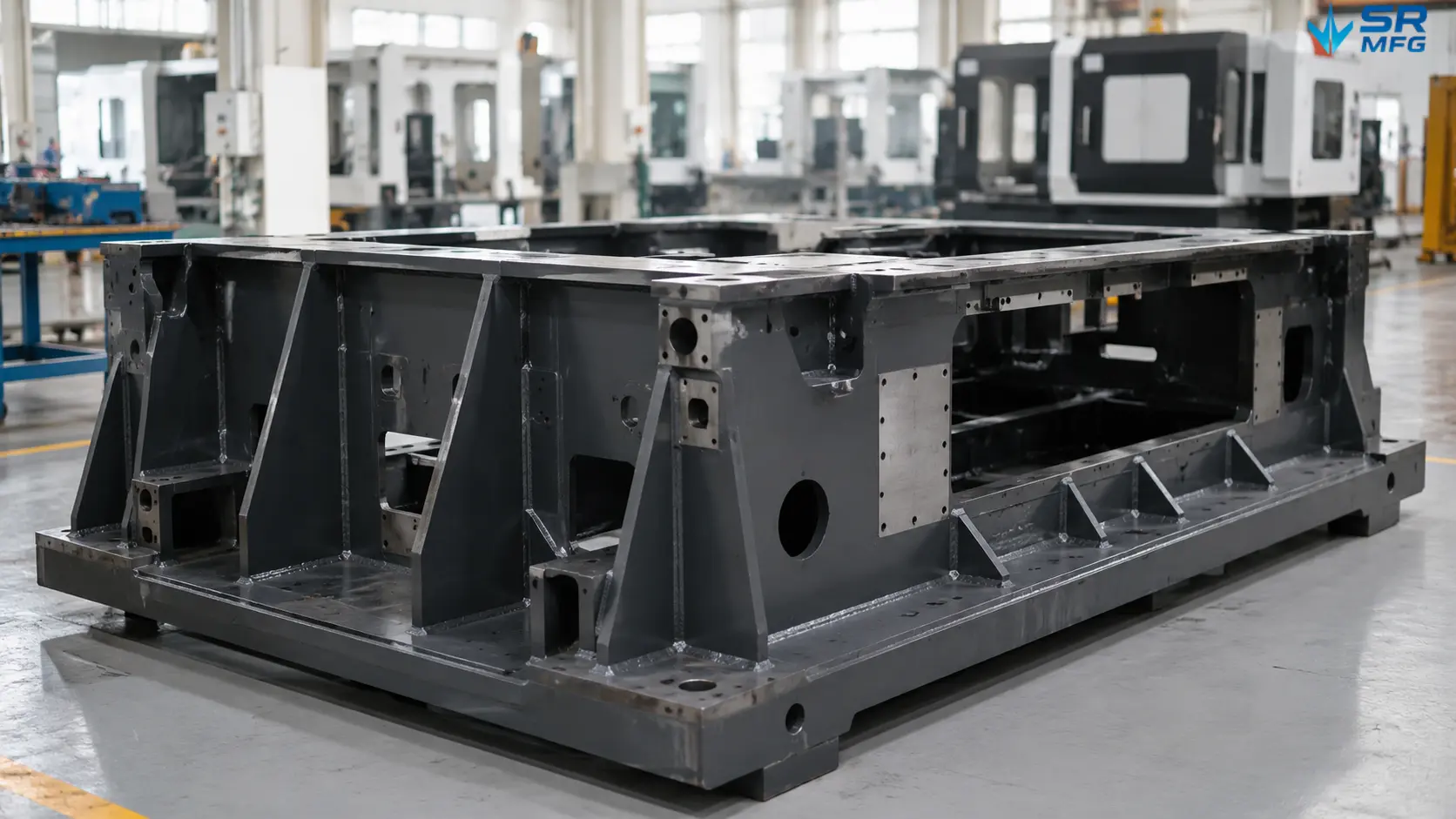
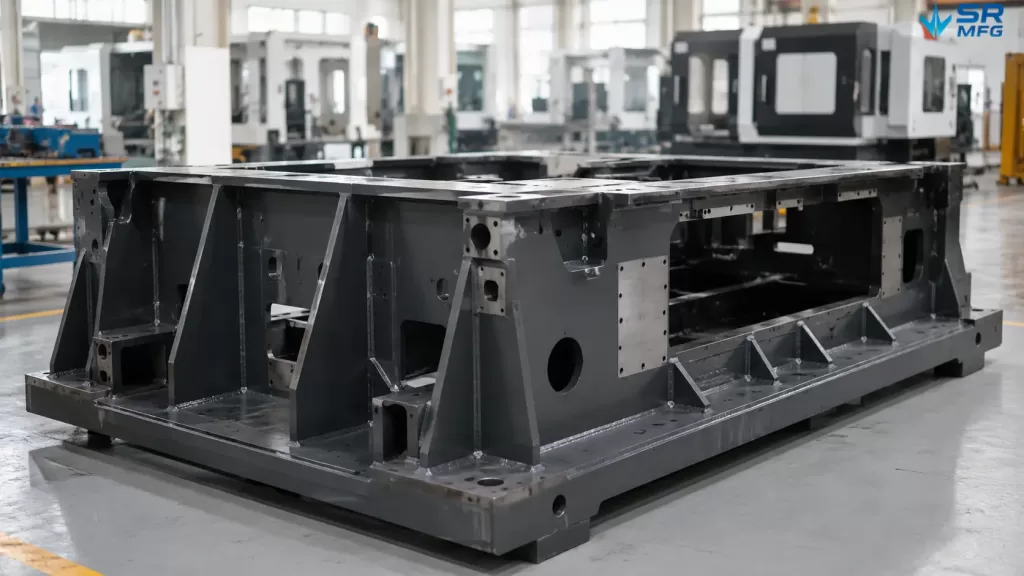
A welded machine base frame is a structural assembly made from thick steel plates, square tubes or structural profiles. These parts are usually joined together by welding to form a complete frame. This makes it different from a cast machine base or a bolted frame assembly.
Its main purpose is to provide a strong load-bearing platform for industrial equipment, such as linear guides, drive systems, worktables and operator interfaces.
The core function of a welded machine base frame is simple. It keeps the equipment fixed in a precise alignment position, supports the machine’s weight, absorbs vibration during operation and helps the whole system remain stable over long-term use.
Compared with a cast iron base, a welded steel machine frame usually offers a shorter lead time and greater design flexibility. No mould is required. With your drawings and technical requirements, SR MFG can support custom OEM sheet metal fabrication for welded frame projects, including frame welding, structural assembly and design adjustments.
Material Options
The material for a machine base frame should be selected according to several factors, including load capacity, working environment, weight target, corrosion resistance requirements and budget.
SR MFG can process a wide range of sheet metal material options and help you choose a suitable material solution for your project.
| Material Type | Common Grades or Standards | Key Features for Machine Base Frames | Common Applications |
|---|---|---|---|
| Carbon steel / mild steel | Q235, Q355, A36, S235, S355 | carbon steel sheet and plate for heavy-duty welded frames, good rigidity, controlled cost, easy to weld and machine | Heavy-duty machine bases, CNC equipment, automation frames and general industrial equipment |
| Stainless steel | 304, 316L | Good corrosion resistance, clean surface finish, suitable for environments with higher hygiene requirements | Food and beverage equipment, cleanroom equipment, chemical equipment, humid or outdoor environments |
| Aluminium | 5052, 6061 | Lightweight, corrosion-resistant and suitable for lighter load structures | Mobile equipment, light automation frames, electronic equipment and weight-sensitive machinery |
| Other alloy materials | Selected according to project requirements | Can be customised for strength, wear resistance, temperature resistance or corrosion resistance | Custom OEM machinery, special processing equipment and export projects with specified material standards |
Welding and Fabrication Capabilities
SR MFG selects suitable sheet metal welding methods based on joint type, thickness and quality requirements.
- MIG / MAG welding
The main welding method for structural steel frames. It offers high production efficiency and strong welds, making it suitable for thicker plates and profiles. - TIG welding
Used for stainless steel sheet metal fabrication for precision welded frames and aluminium alloy frames. It creates clean welds with less spatter and is suitable for projects with higher appearance and precision requirements. - Robotic / automated welding
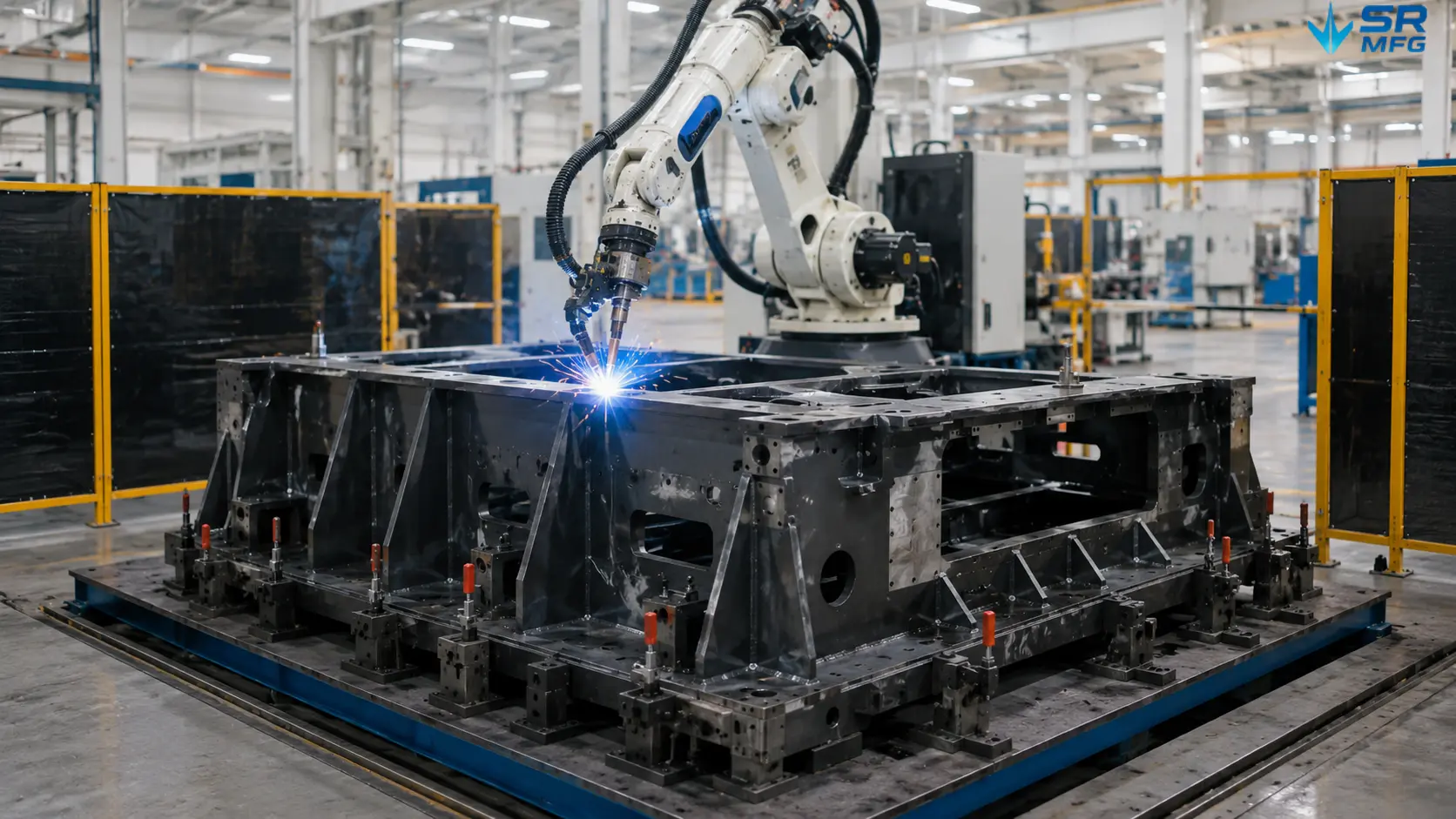
Used for repeated welds and larger production runs. It helps improve quality consistency and shorten the production cycle. - Spot welding
Selectively used for thin sheet metal parts or lighter internal sub-assemblies within the frame.
Specifications, Parameters and Tolerance Standards
Welded machine base frames must meet strict inspection standards for welded machine frames. If the mounting surface is not flat, or if hole positions shift, the equipment may still be assembled, but it may not achieve the expected performance.
At SR MFG, we use strict process control to help ensure that each welded machine frame meets the tolerance requirements needed for your application.
| Parameter | SR MFG Capability Range |
|---|---|
| Overall dimensional tolerance | ±0.5 mm – ±1.0 mm, depending on frame size |
| Mounting surface flatness | ≤0.1 mm/m after secondary machining |
| Parallelism | ≤0.05 mm/m on machined surfaces |
| Perpendicularity | ≤0.05 mm/m |
| Hole position accuracy | ±0.1 mm for machined holes / ±0.3 mm for welded structures |
| Weld quality level | AWS D14.4 / ISO 5817 Class B |
| Machined surface roughness | Ra 1.6 – 3.2 µm |
Tolerance Reference
Different applications require different tolerance levels. The final tolerance standard should be set according to your drawings and equipment requirements.
Surface Finishing and Post-Processing Options
The right surface finishing solution depends on the operating environment of the welded machine base frame. An indoor automation workstation, a food processing line and an outdoor installation will all have different requirements.
A suitable surface treatment helps protect the machine base frame from corrosion, wear and environmental damage.
| Surface Treatment | Description |
|---|---|
| Sandblasting / shot blasting | Removes mill scale, welding residue and surface contamination, preparing the frame for powder coating or painting |
| Powder coating | Creates a durable protective layer. RAL colour options are available, making it suitable for industrial environments |
| Wet painting | Suitable for custom colours, large frames and some surface solutions that require chemical resistance |
| Hot-dip galvanising | Provides stronger anti-corrosion protection for outdoor, humid or harsh environments |
| Anodising | Suitable for selected aluminium frames, improving corrosion resistance and providing a clean surface finish |
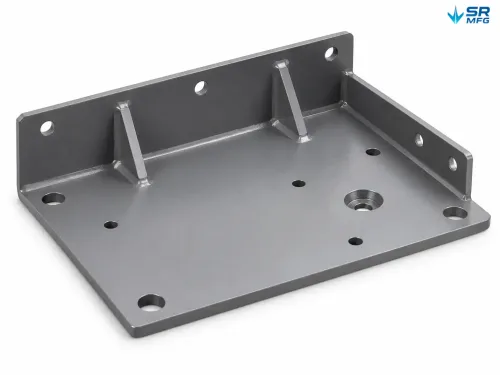
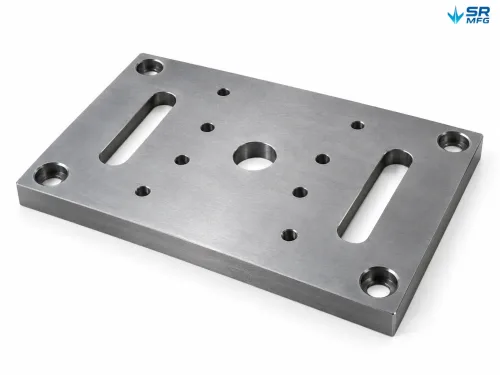
| Precision machining of contact surfaces | Provides accurate mounting surfaces for guide rails, motors, bearings, fixtures and equipment alignment |
| Zinc plating or other protective coatings | Can be used for selected brackets, small parts or fasteners to provide extra protection |
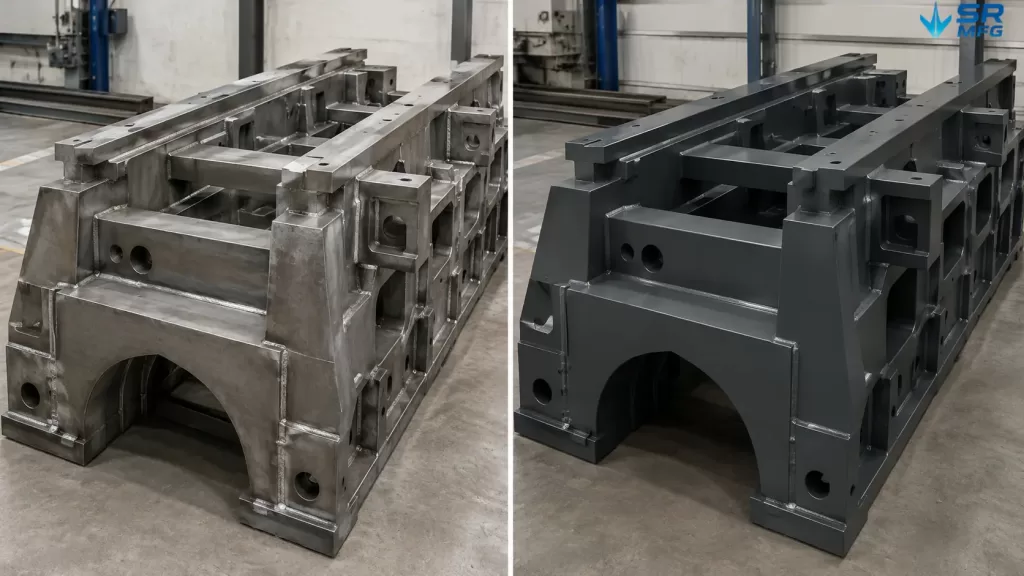
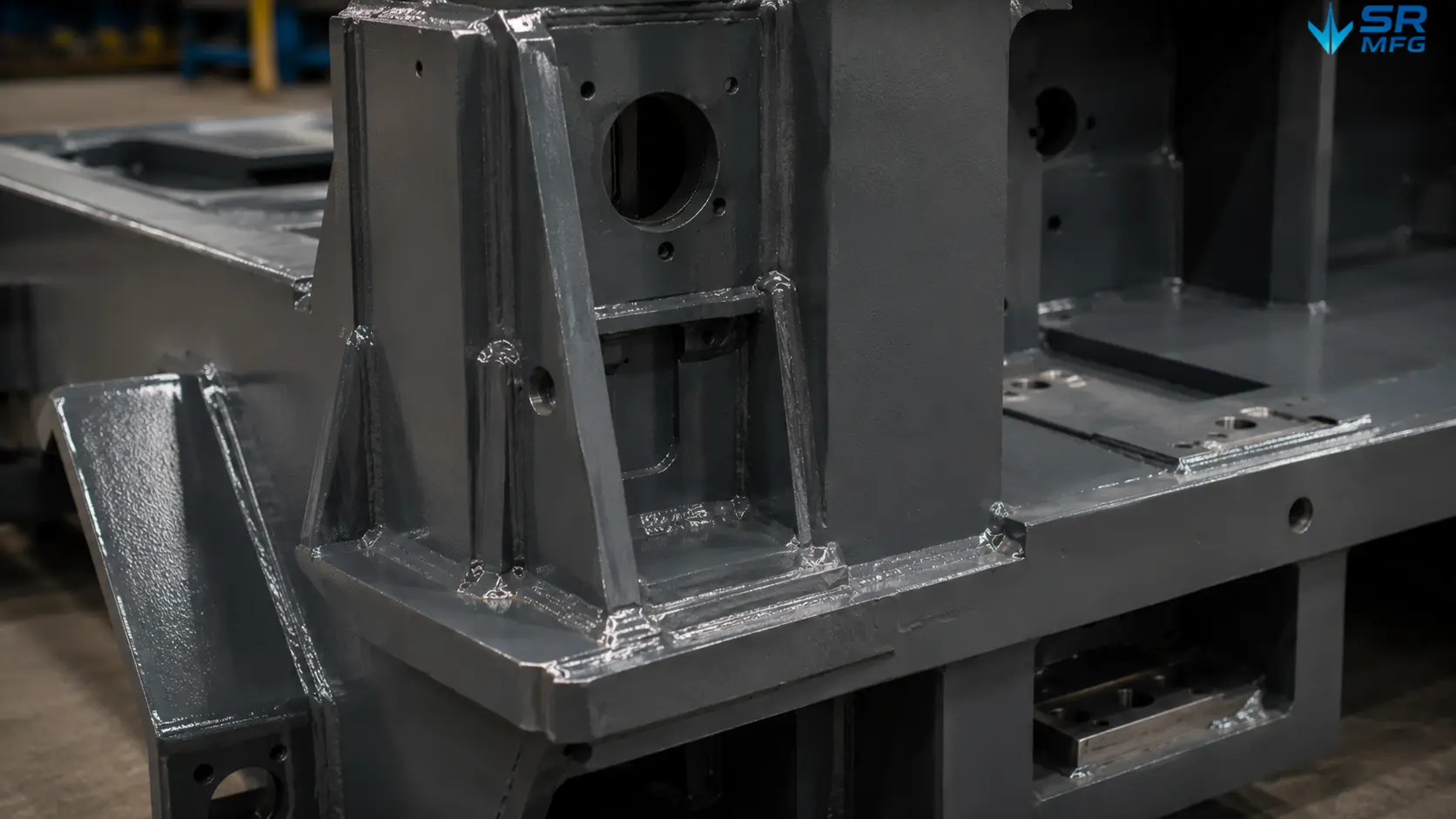
Comparison of the Surface of the Welded Machine Tool Base Frame Before and After Treatment
Industry Applications
Welded machine base frames are used across many industrial sectors. Wherever sheet metal solutions for machinery and industrial equipment require a stable and reliable base, a welded steel frame is often the preferred solution.
| Industry | Role and Requirements of the Frame |
|---|---|
| CNC and metalworking equipment | CNC lathes, milling machines and grinding machines require frames with high rigidity and good vibration damping to maintain machining accuracy. Welded steel frames provide the required stiffness and mass, often with precision-machined mounting surfaces for direct installation of spindles or guide rails. |
| Industrial automation and robotics | Robot workstations, pick-and-place systems and automated assembly lines need frames designed around non-standard layouts. Welded fabrication allows cable channels, sensor mounts and modular sub-frames to be integrated directly into the base structure. |
| Packaging and labelling equipment | Packaging lines run at high speed and require frames that maintain alignment under continuous dynamic loads. Welded base frames for this industry are often designed with easy-to-clean surfaces and accessible maintenance areas. [Internal link: packaging machinery components] |
| Food and beverage processing | Hygiene requirements in food production often make stainless steel the standard choice. Welded stainless steel base frames with continuous, smoothly ground welds and hygienic surface finishes help meet the strict cleaning requirements of this industry. |
| Laser cutting and plasma cutting equipment | Cutting tables and gantry systems generate noticeable vibration and thermal load. Welded frames for these machines are specially optimised for flatness and thermal stability, helping the cutting head maintain accuracy across the full working area. |
| Printing and web converting equipment | Print registration accuracy depends on frames that do not bend or shift. Welded steel frames for printing equipment use heavy cross-bracing and precision-machined reference surfaces to maintain tolerances during long production runs. |
| Semiconductor and electronics manufacturing equipment | Cleanroom-compatible frames require non-shedding surfaces and extremely tight flatness control. Frames made from welded aluminium or stainless steel and finished to cleanroom standards support wafer handling systems, inspection equipment and test platforms. |
| Custom OEM equipment | When a standard frame cannot meet the requirement, a custom welded base frame is the answer. SR MFG works with OEM equipment manufacturers to customise frames according to machine base size, load path and integration needs. |
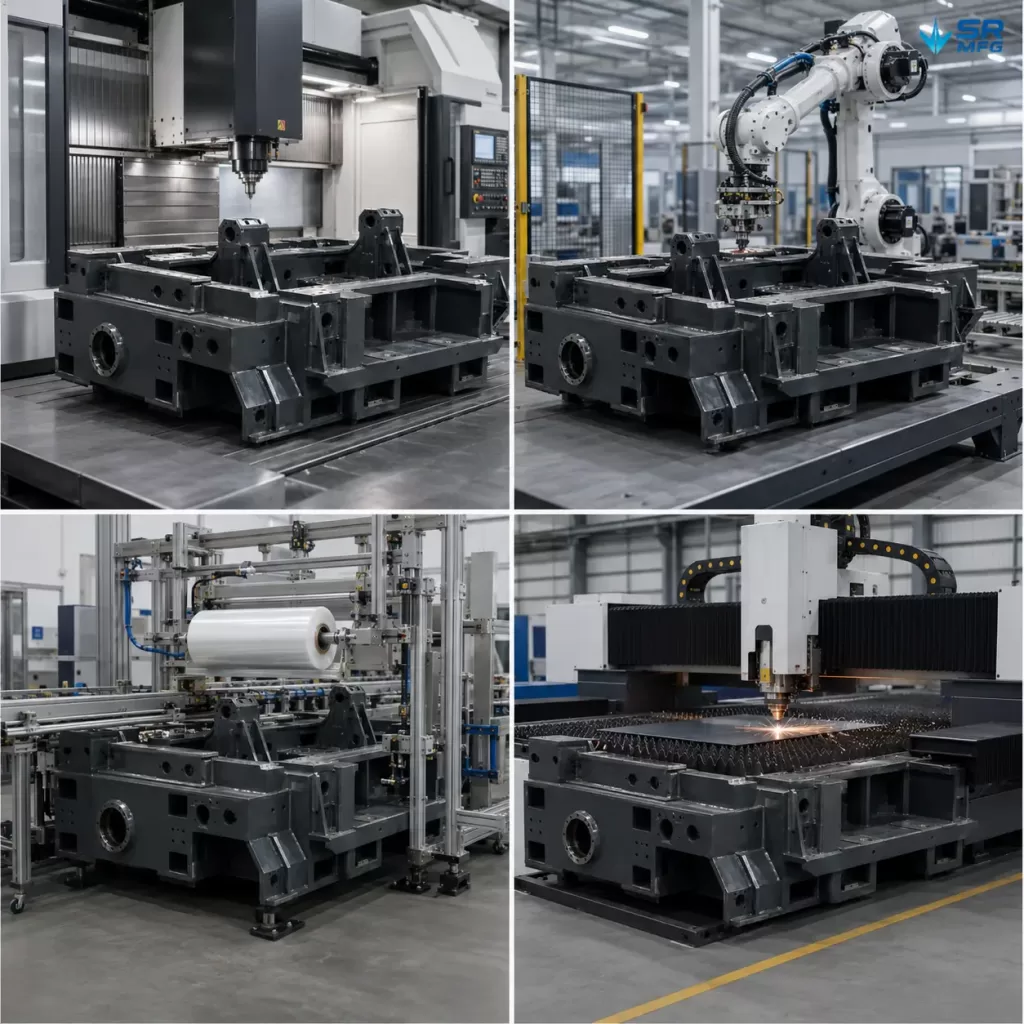
Application Scenarios of Machine Tool Base Frame