Partner with Shuangrui to reduce manufacturing costs by 30% and boost efficiency.

Metal Passivation Services2026-06-03T02:31:04+00:00

Metal Passivation Services

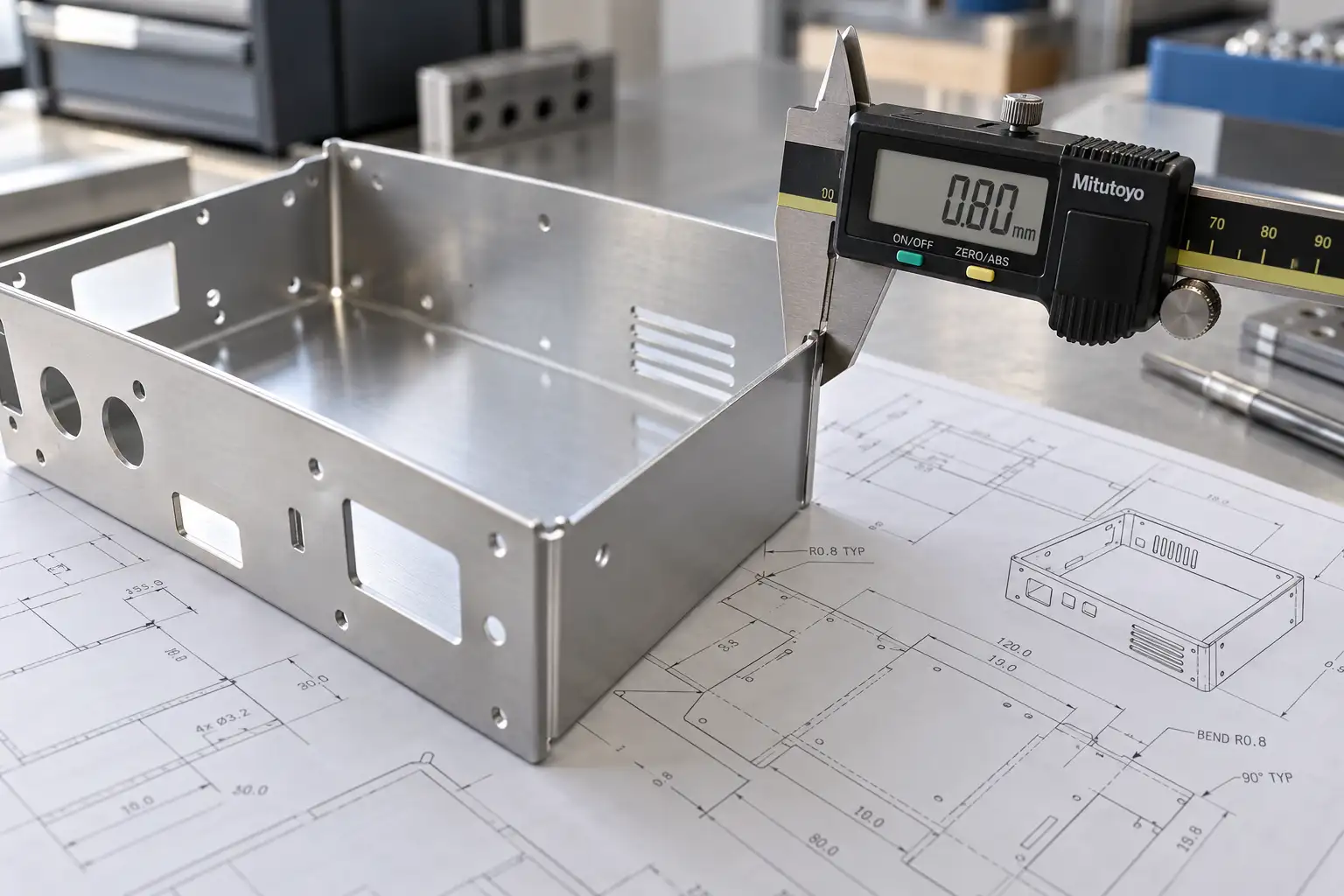
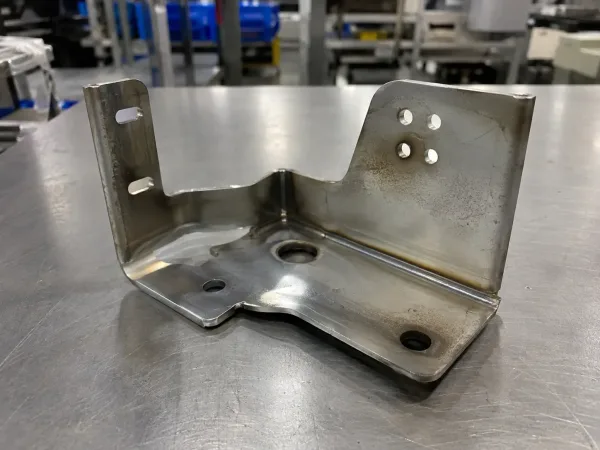
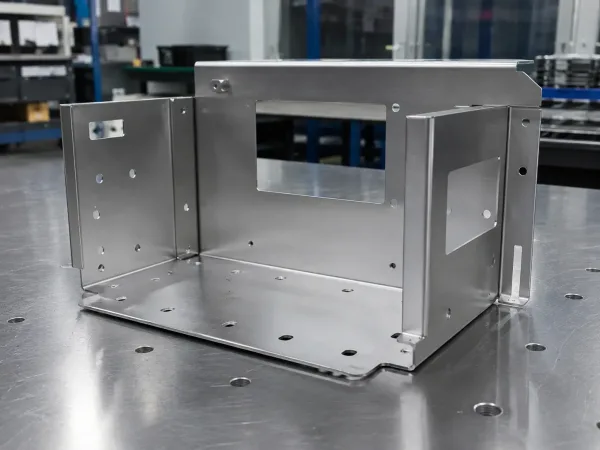
SR MFG provides chrome-free passivation for stainless steel and precision metal parts to remove free iron, machining residue, and surface contaminants. The process helps restore a stable passive layer, improving corrosion resistance and reducing the risk of rust staining, pitting, or surface discoloration.

For projects requiring ASTM A967 or AMS 2700, we can align the passivation route, inspection records, and verification testing with your drawing, material grade, surface condition, and corrosion-resistance target.
Chrome-Free Passivation
Free Iron Removal
ASTM A967 / AMS 2700
Corrosion Resistance
Stainless Steel Parts
Lot Traceability

Get a Custom Quote in 12 Hours

Upload your drawings for engineering review.

Blank Form (#4)

What Is Passivation, and Why Do You Need It?

What Passivation Does

Removes free iron, shop contamination, and machining residues from stainless steel and other corrosion-resistant alloys, helping restore a more stable passive surface.

Why Parts Still Need It

Fabrication steps such as cutting, grinding, handling, and welding can introduce iron contamination or disturb the natural passive film—leading to inconsistent corrosion performance.

What It Does Not Do

Passivation is not a coating and does not replace heavy scale removal, pickling, polishing, or major surface correction.

Six 1.5mm sheet metal samples displaying different surface treatments — powder coating, wet painting, anodizing, zinc plating, brushing, and sandblastingMacro photograph of orange peel defect on a powder-coated 2mm steel sheet surface visible under raking inspection lighting

Benefits and Limitations

Advantages

Improves corrosion resistance and helps reduce rust staining.

Removes free iron and shop contamination from the surface.

Has minimal effect on dimensions, ideal for precision metal parts.

Supports more consistent performance for stainless steel components.

Limitations

Not a substitute for heavy scale, weld oxide, or severe surface defects.

Chemistry and parameters must match the alloy grade and condition.

Cleaning and pretreatment quality strongly affect final results.

Critical applications may require validation or corrosion testing.

Engineering Note: Passivation works best after proper cleaning and, when needed, oxide removal or pickling. Final process selection should be confirmed according to alloy grade, service environment, and validation requirements.

Engineering review recommended

Passivation vs. Pickling / Descaling

These processes solve different problems and are often used in different stages of stainless steel surface preparation.

Pickling / Descaling

Best for:

Rust products, oxide scale, and weld heat tint

What it does:

Removes the affected surface layer with stronger chemical action

Surface impact:

More noticeable surface change; may slightly etch base metal

Typical use:

Before passivation when heavy scale or weld discoloration is present

More aggressive process
Not
interchangeable

Passivation

Best for:

Free iron removal, surface contamination removal, and passive film restoration

What it does:

Cleans the surface and helps restore a stable chromium-rich passive film

Surface impact:

Usually minimal impact on dimensions and appearance

Typical use:

After proper cleaning, or after pickling when required

Less aggressive process

Engineering Note: Degreasing / cleaning is normally required before either process. Final route depends on alloy grade, weld condition, oxide level, appearance target, and corrosion-resistance requirements.

Engineering review recommended

How We Select the Right Passivation Route

Different surface conditions require different process routes. The right optiondepends on alloy grade, oxide level, cleanliness target, and verification requirements.

Chemical Passivation

Minimal Surface Change
  • Best for clean stainless steel parts after machining, forming, or light fabrication
  • Removes free iron and surface contamination
  • Helps restore a stable passive surface with minimal appearance change

Typical use: General corrosion-resistance improvement

Pickling / Descaling + Passivation

For Welded / Oxidized Parts
  • Best for parts with weld heat tint, oxide scale, or visible discoloration
  • Pickling removes the affected surface layer before passivation
  • Used when stronger oxide removal is needed before corrosion restoration

Typical use: Welded stainless steel parts

Electropolishing + Passivation

Higher Cleanliness Requirement
  • Best for demanding cleanliness, smoothness, or cosmetic consistency
  • Refines the micro-surface before optional passivation
  • Suitable for high-spec medical, food-contact, or appearance-critical parts

Typical use: Cleanability and cosmetic upgrade

Final route selection depends on alloy grade, surface condition, weld heat tint, oxide level, cleanliness target, appearance target, and applicable verification requirements.

Engineering review recommended

Which Materials Are Suitable for Passivation or Conversion Treatment?

Stainless Steel

Best Fit
  • Core material for passivation
  • Removes free iron and shop contamination
  • Helps restore stable corrosion resistance

Titanium & Titanium Alloys

Project-Specific
  • Used for high-performance applications
  • Treatment depends on alloy and environment
  • Validation is recommended for critical parts

Nickel & Nickel Alloys

Suitable with Evaluation
  • Used in chemical and high-temp service
  • Process depends on alloy grade
  • Surface conditioning may be required

Aluminum Alloys

Special Chemistry Needed
  • Usually needs dedicated conversion treatment
  • Oxide condition affects process choice
  • Sample validation is recommended
Zn

Zinc / Galvanized Surfaces

Conversion Treatment
  • Often treated with zinc-compatible systems
  • Helps improve corrosion protection
  • Common for galvanized sheet and hardware

Copper & Copper Alloys

Anti-Oxidation Use
  • Helps reduce tarnishing risk
  • Often reviewed for appearance-sensitive parts
  • Process depends on surface condition

Final material compatibility should be confirmed by alloy grade, surface condition, corrosion target, appearance requirement, and applicable standard.

Explore SR MFG Material Library

Controlled Passivation Process Flow

A typical route for stainless steel and other corrosion-resistant alloys

Metal Passivation Process (Video Walkthrough)

1

Incoming Review

  • Confirm alloy grade, drawing, and surface condition
  • Define cleanliness and acceptance requirements
2

Cleaning & Degreasing

  • Remove oil, shop soil, fingerprints, and residues
  • Prepare the surface for stable chemical treatment
3

Descaling / Pickling When Required

  • Used when weld heat tint, oxide scale, or affected layers are present
  • Not required for every part
4

Passivation Treatment

  • Apply the selected chemistry to remove free iron
  • Help restore and stabilize the passive surface
5

Multi-Stage Rinsing & Drying

  • Rinse thoroughly to prevent chemical carryover
  • Dry parts before handling or final inspection
6

Final Inspection & Protective Packing

  • Check visual condition and required records
  • Pack to reduce re-contamination during shipment

Engineering Note Actual process flow depends on alloy grade, surface condition, weld heat tint, cleanliness target, applicable standard, and validation requirements.

Process Control
Quality Inspection
Traceability

Are you ready to get started on your metal fabrication project?

Not sure which material is ideal for your project? Feel free to contact us.Our engineering team will recommend suitable material grades and sheet thicknesses based on strength, weight, corrosion resistance and overall cost.

Industries & Passivation Applications

SR MFG provides passivation services for stainless steel sheet metal parts used in industrial equipment, electrical systems, outdoor products, medical equipment, food-related components, and precision assemblies. Passivation helps remove surface contaminants such as free iron and improves the corrosion resistance of stainless steel parts without significantly changing part dimensions.

We support both prototype validation and stable batch production for passivated metal components across multiple application sectors.
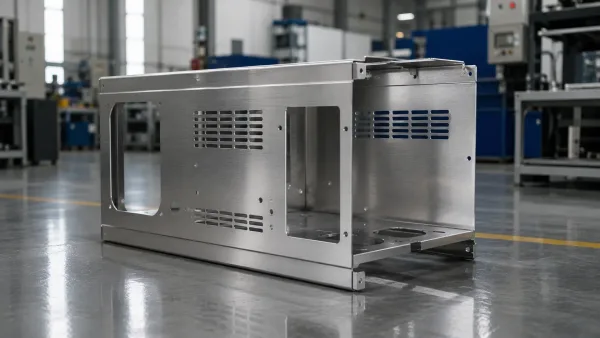
Industrial Equipment

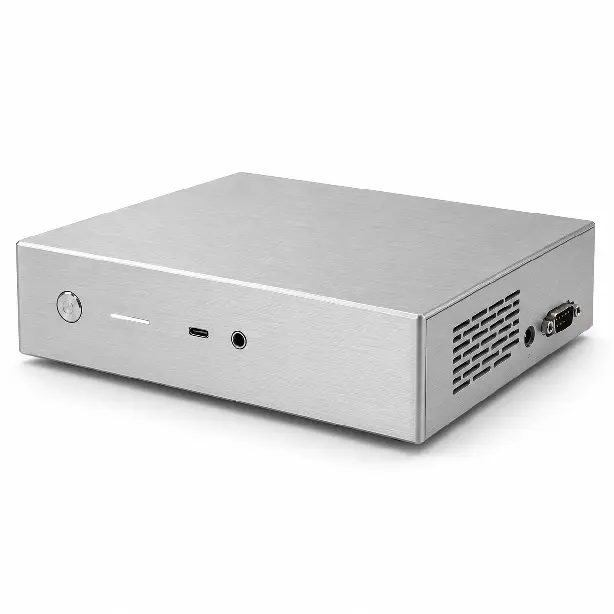
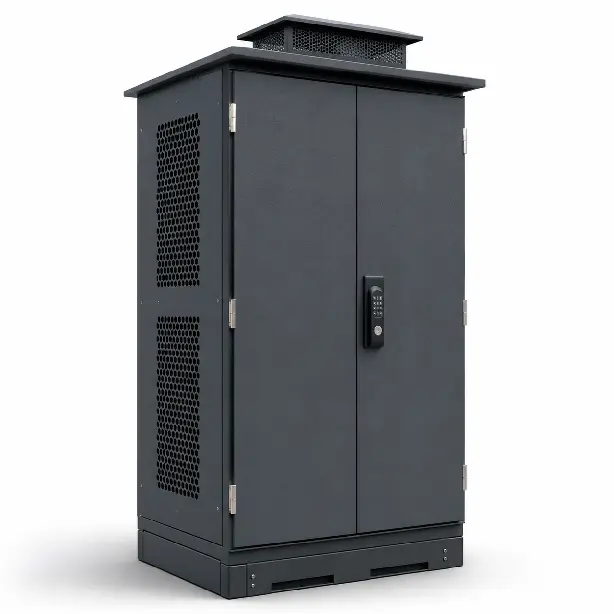
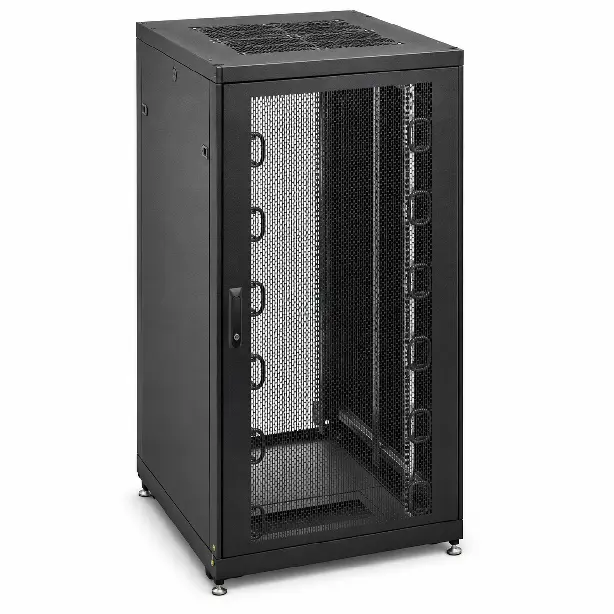
Data Centers & IT Equipment

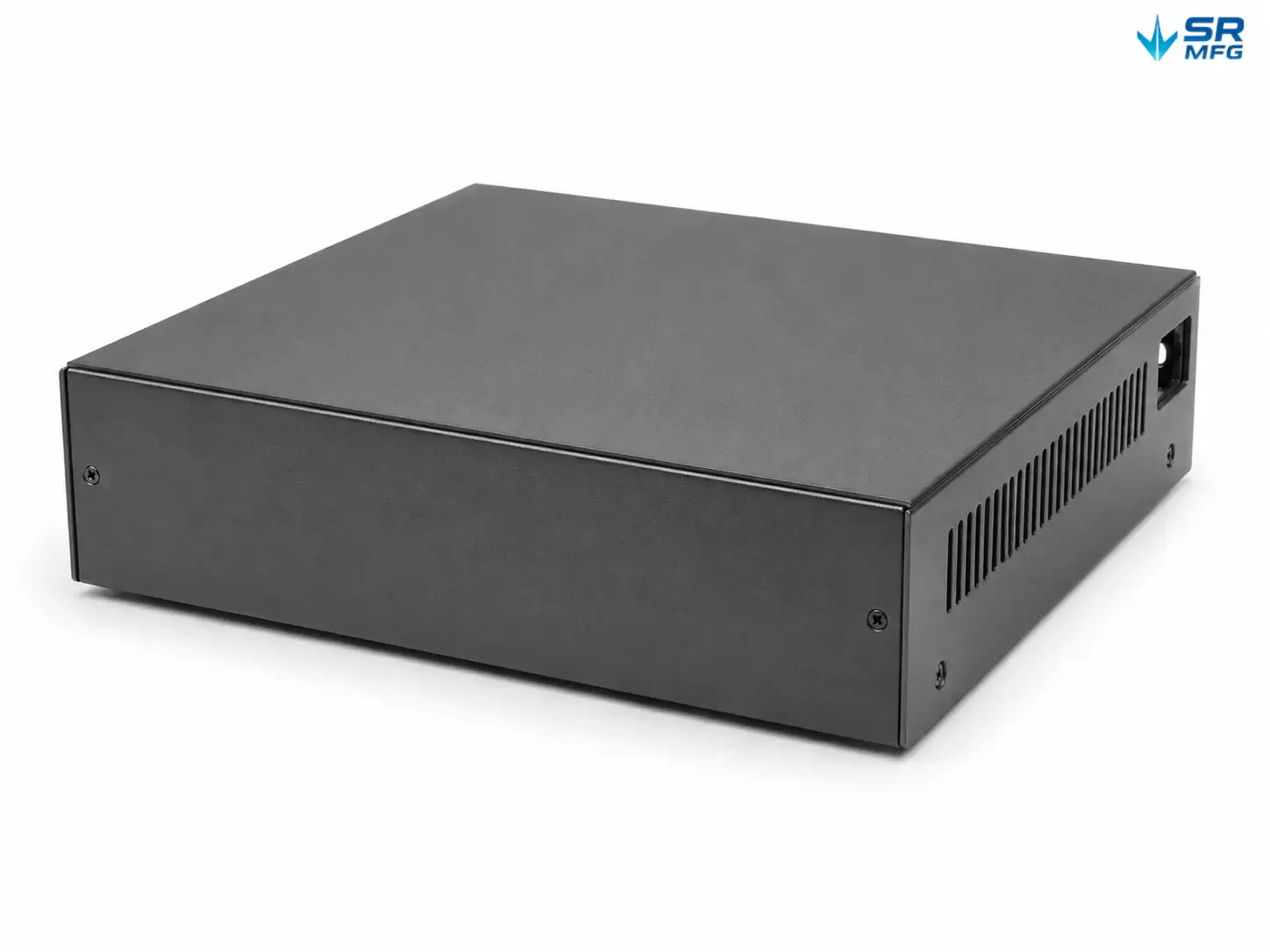
Passivated stainless steel parts for data centers, network infrastructure, and IT hardware where corrosion resistance, clean surfaces, and stable performance are required.

  • Server rack frames & rails
  • Cable management trays
  • Cabinet panels & doors
  • Mounting brackets & plates
  • Stainless steel support components

Consumer Electronics

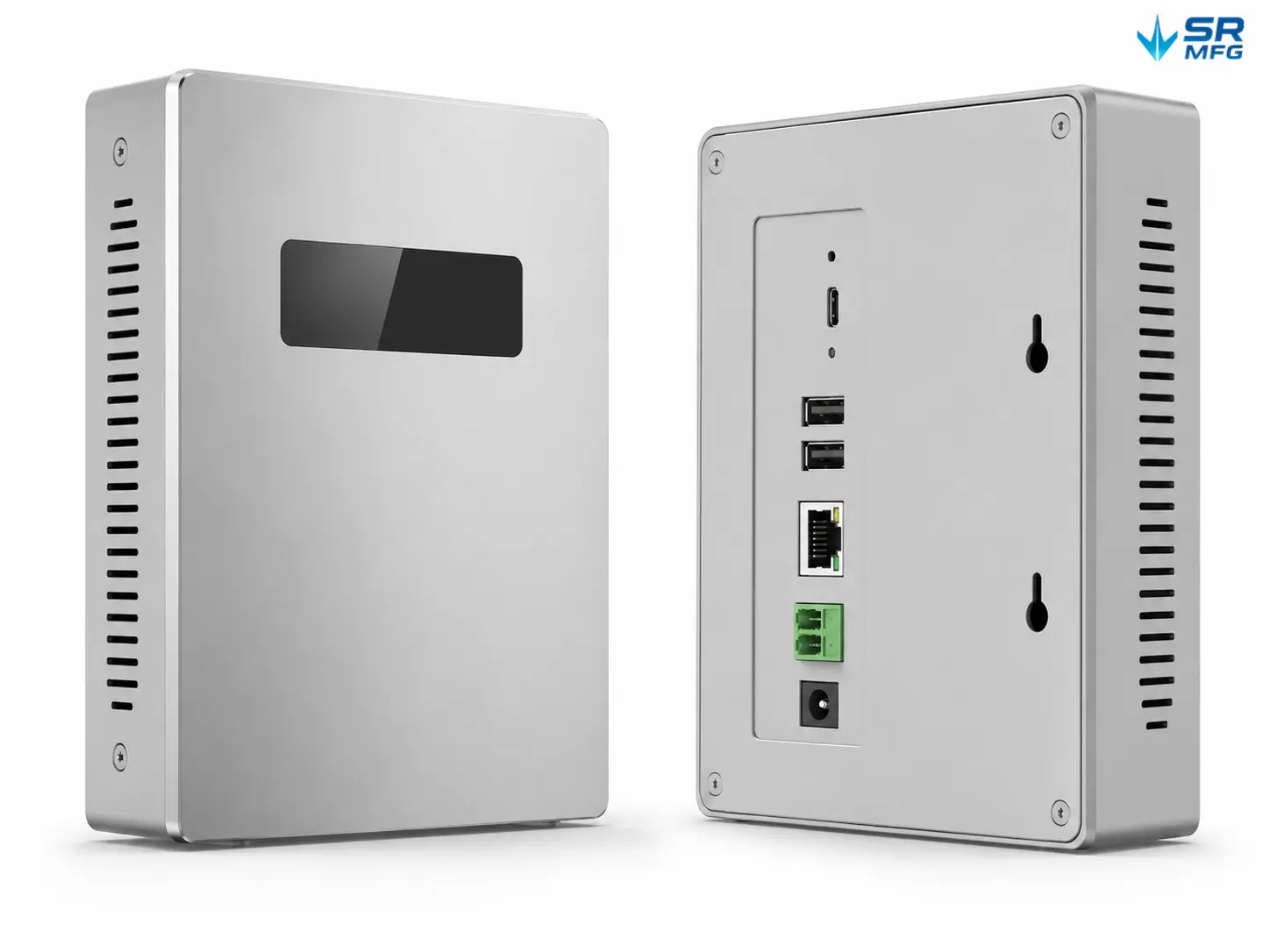
Passivation for stainless steel components used in consumer electronics housings, internal brackets, display structures, and precision sheet metal assemblies.

  • Device housings & covers
  • Internal support brackets
  • Display mounting structures
  • Speaker & audio metal parts
  • Small precision stainless steel parts

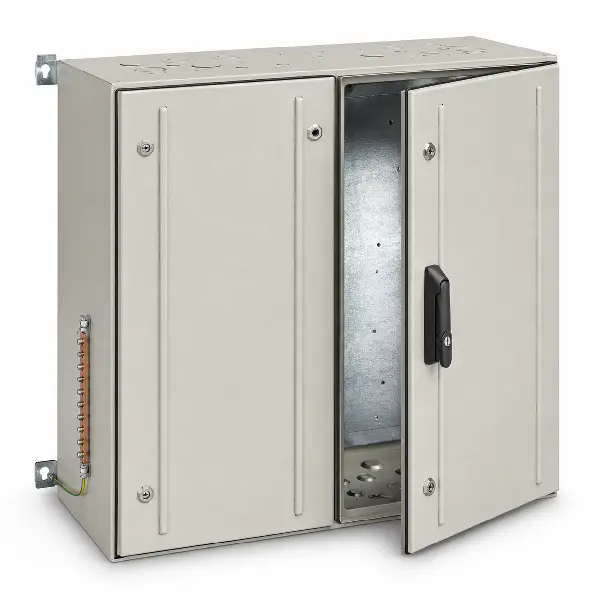
Electrical Equipment

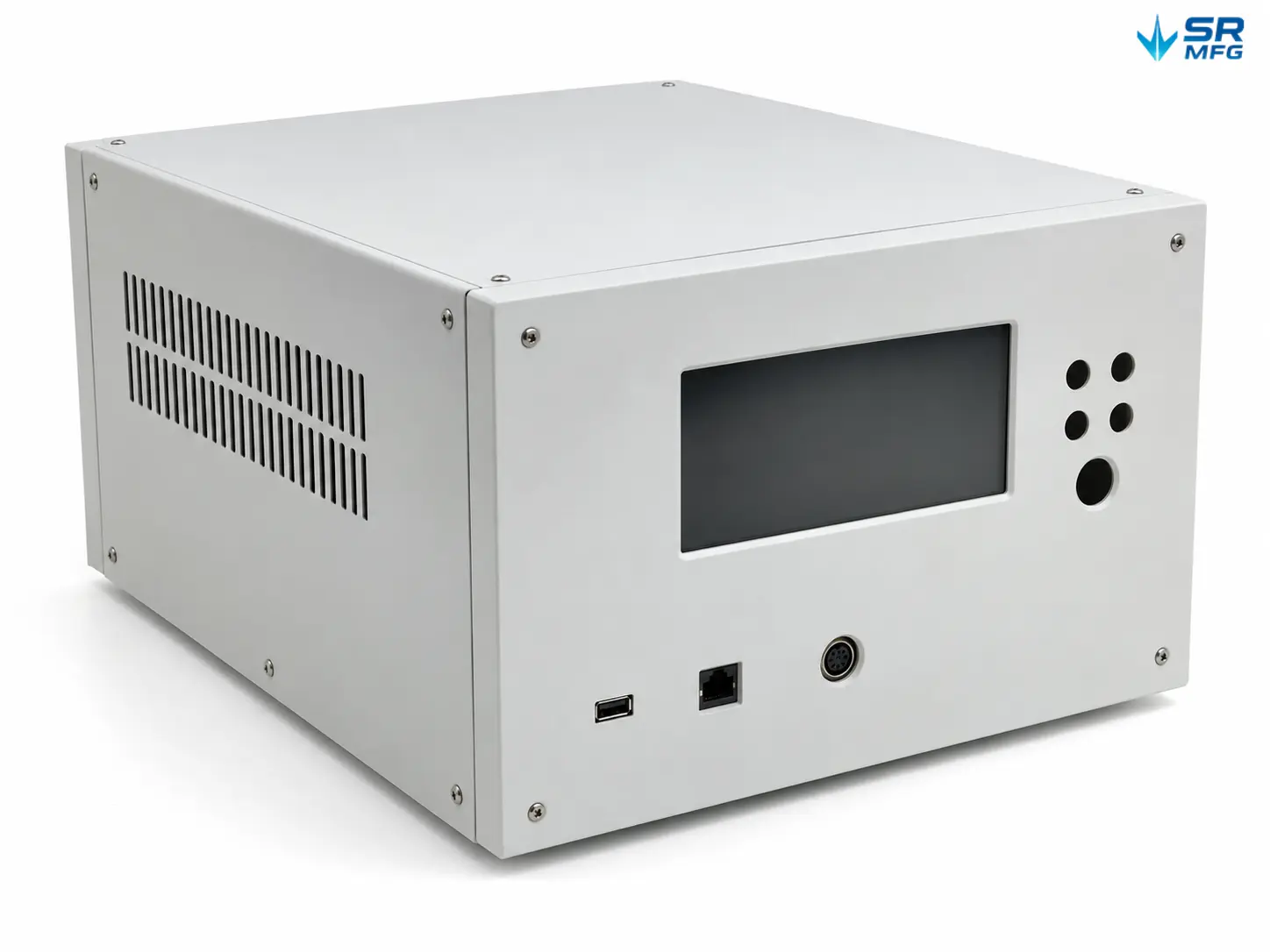
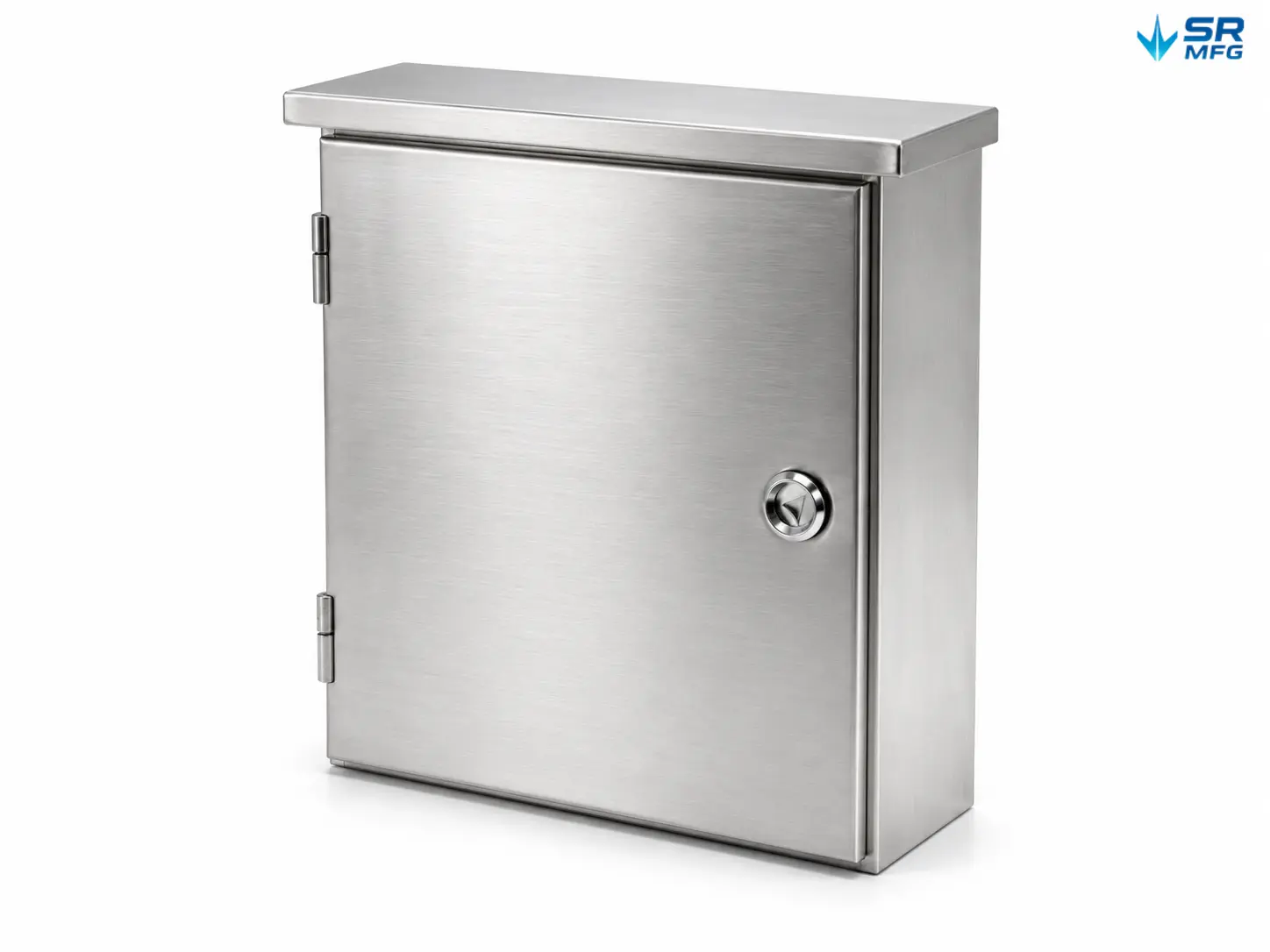
Passivated stainless steel components for electrical enclosures, control cabinets, power distribution units, and industrial electrical systems exposed to humidity or demanding environments.

  • Electrical cabinet enclosures
  • Control box panels
  • Terminal mounting plates
  • DIN rail brackets
  • Ventilation and access panels

Industrial Equipment

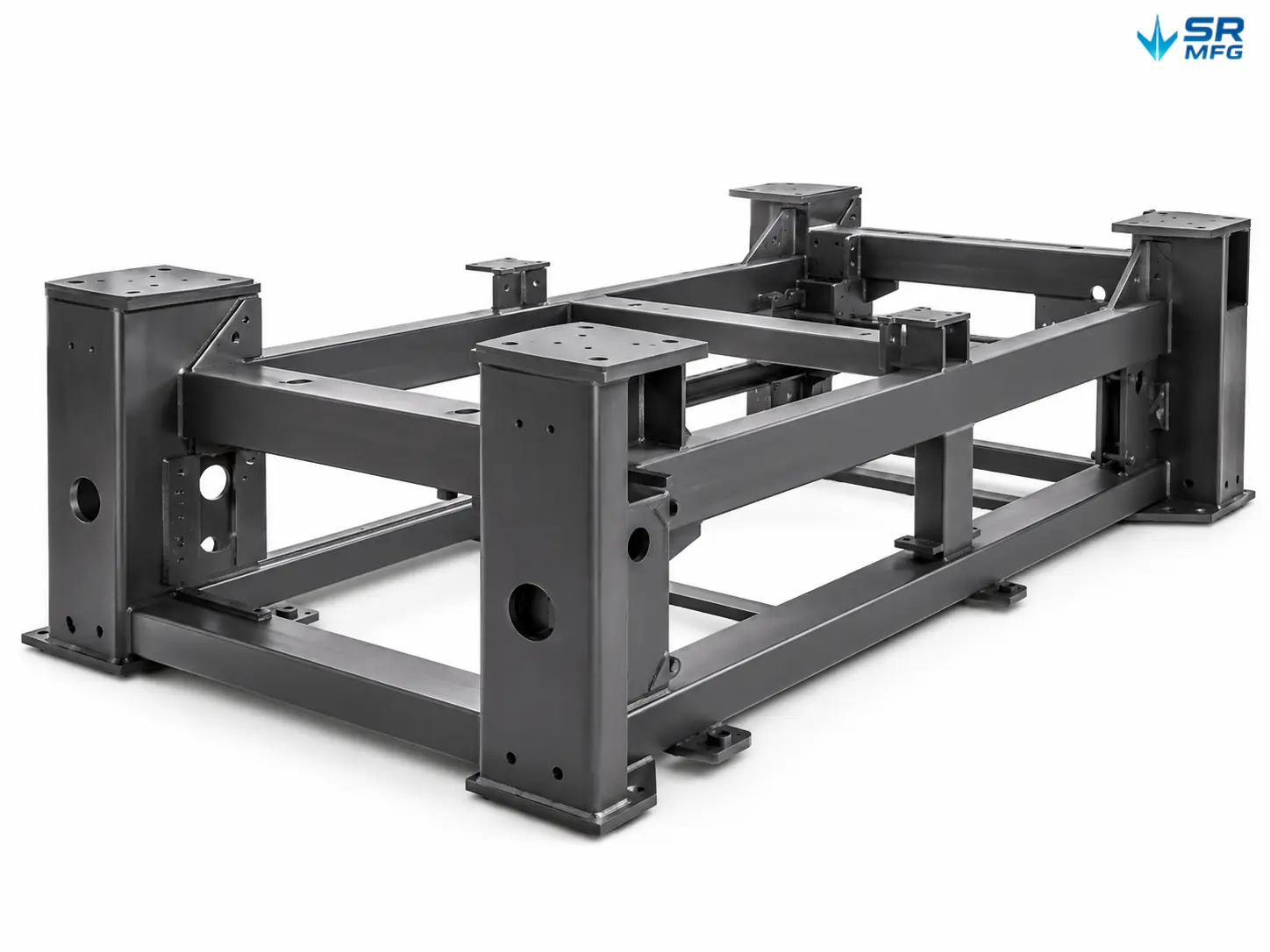
Passivation solutions for stainless steel parts used in machinery, automation systems, production equipment, and structural machine assemblies.

  • Machine covers & guards
  • Equipment frames
  • Conveyor brackets
  • Sensor mounting plates
  • Protective panels & shields

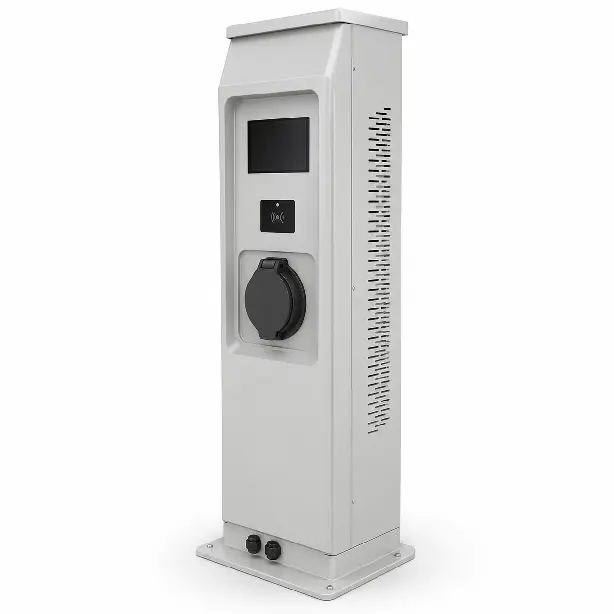
New Energy Systems

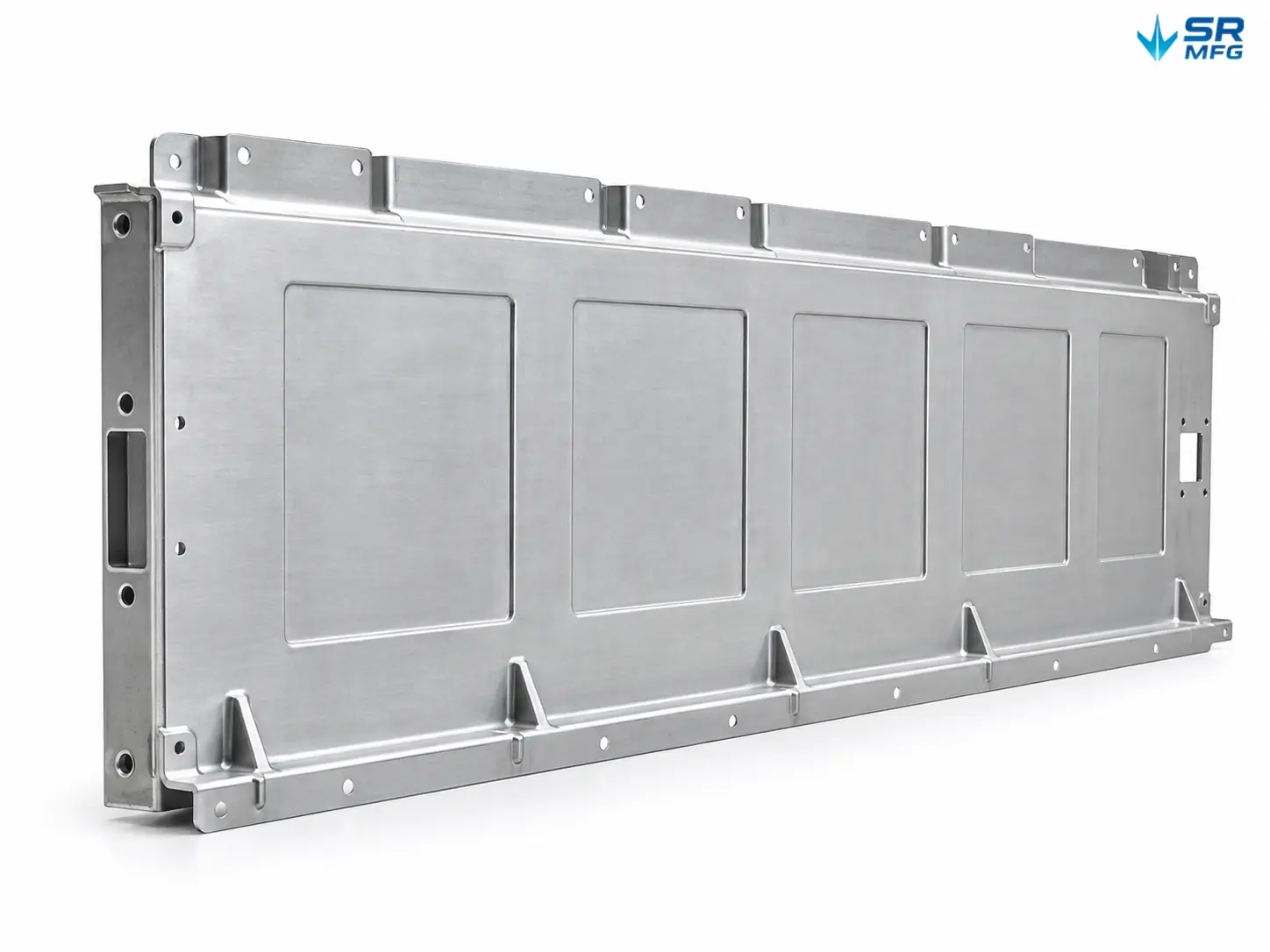
Passivated stainless steel parts for EV charging equipment, battery systems, energy storage cabinets, and power conversion units where corrosion resistance and surface cleanliness are important.

  • Battery enclosure parts
  • Charging station cabinets
  • Energy storage cabinet panels
  • Busbar support brackets
  • Power module housings

Outdoor Equipment

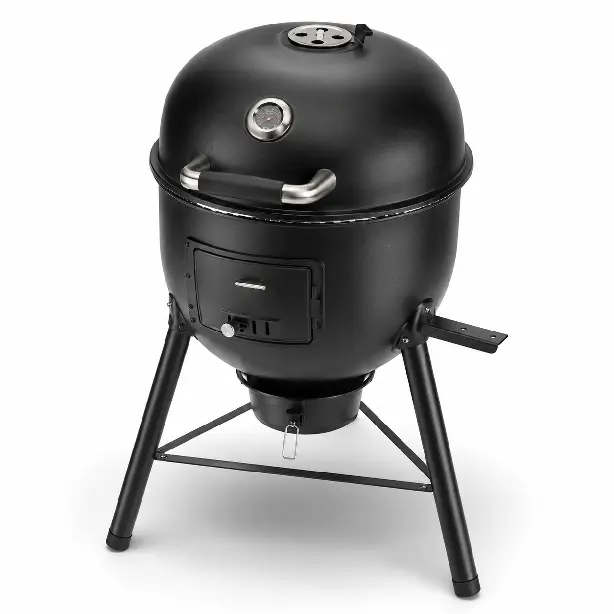
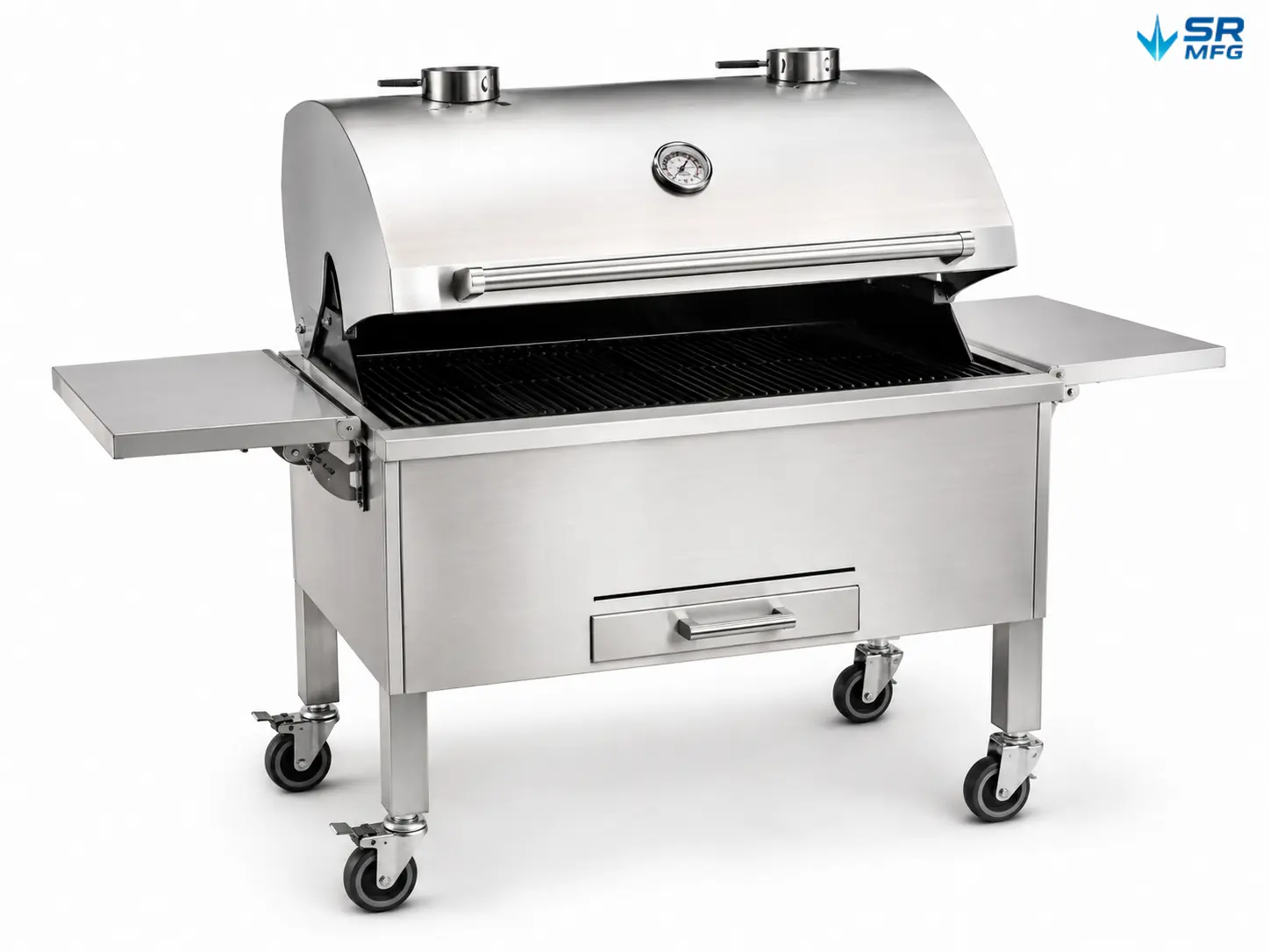
Passivated stainless steel components for outdoor enclosures, equipment covers, BBQ grills, lighting systems, and structural fixtures exposed to moisture or weather changes.

  • Outdoor equipment housings
  • BBQ grill sheet metal bodies
  • Protective covers & panels
  • Mounting brackets
  • Weather-resistant structural parts

Built for Your Application

Whether you need a single prototype or stable batch production, SR MFG supports controlled passivation for stainless steel sheet metal parts to improve corrosion resistance, surface cleanliness, and long-term reliability.

Metal Passivation FAQs​​​​

Passivation is best at preventing rust-like spots caused by free iron or ferrous contamination on stainless steel—such as machining chips, carbon-steel dust, wire brushes, fixture contact, or cross-contamination during handling. ASTM A967 makes it clear that the intent of its requirements and tests is to verify passivation effectiveness, especially the removal of free iron and other extraneous matter. However, if the spots are driven by weld heat tint/oxide scale, heavy corrosion products, or already-formed pitting cavities, you typically need descaling/pickling or mechanical treatment first. Passivation alone may not remove those visible defects.

Pickling (descaling): Uses a more aggressive chemical process to remove oxide scale, weld heat tint, and affected surface layers—essentially “stripping” the damaged layer.
Passivation: Treats an already chemically clean stainless surface to remove free iron/contaminants and restore a stable passive film, improving corrosion-resistance consistency.

Typical cases where pickling should come first:

  • Pronounced weld heat tint

  • Oxide scale or burn marks

  • Stubborn oxides or embedded contamination

  • When the customer specification explicitly requires descaling/pickling

Yes, as required. ASTM A967 covers multiple passivation methods and provides lot-based verification test options. AMS 2700, commonly used for aerospace and other high-requirement programs, also specifies verification tests such as high-humidity exposure, immersion, copper sulfate, and salt spray.

Deliverables available (per customer requirement):

  • CoC (Certificate of Conformance): standard/spec followed, alloy/grade, lot number, quantity, processing date

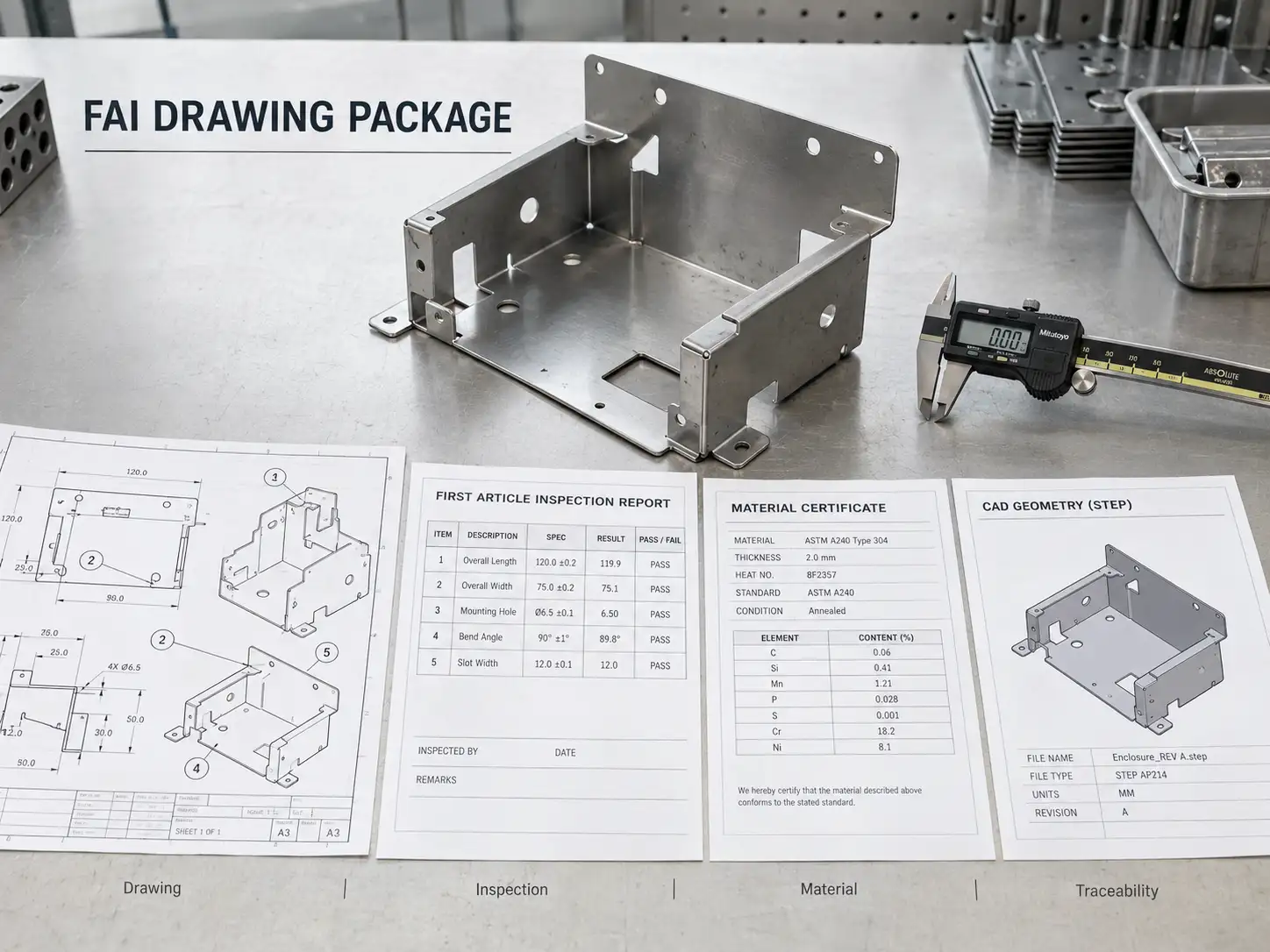
  • Process records: process route, key parameter windows, inspection records (as required)

  • Test reports: high humidity, immersion, copper sulfate, salt spray, free-iron testing, etc. (per ASTM A967 / AMS 2700)

Weld heat tint is an oxide layer, so it typically requires descaling/pickling (or localized pickling, electropolishing, or mechanical treatment) before passivation to restore corrosion-resistance consistency. From an appearance standpoint, pickling/descaling often leaves the treated area more matte or more uniform, which can differ from a brushed or polished finish. That’s why it’s best to define an appearance class, acceptable color variation, and whether graying is acceptable during RFQ.

Start with your specified standard; if none is specified, select the verification method that best matches the risk and cost.

ASTM A967 lists common verification tests including immersion, high humidity, salt spray, and copper sulfate (and also covers ferroxyl/free-iron testing). AMS 2700 uses a similar set (immersion, high humidity, salt spray, copper sulfate).

Practical selection tips:

  • Worried about rust from iron contamination → copper sulfate and/or free-iron tests are the most direct

  • Worried about damp storage/transport exposure → high humidity or immersion is closer to the real scenario

  • Need a defined corrosion benchmark or downstream comparison → salt spray (confirm applicability by alloy and the governing standard)

Note: Many references on AMS 2700 also point out that these tests are primarily qualitative verification of cleanliness and a continuous passive condition—not a guarantee of unlimited corrosion life.

Focus on three essentials: fully dry the parts, avoid any contact with carbon steel/iron dust, and prevent re-contamination from skin oils and fingerprints. ASTM A380 also emphasizes process design to prevent solution entrapment, ensure effective cleaning and drainage, and require appropriate pre-cleaning.

Metal Passivation Technical Resources

Go to Top