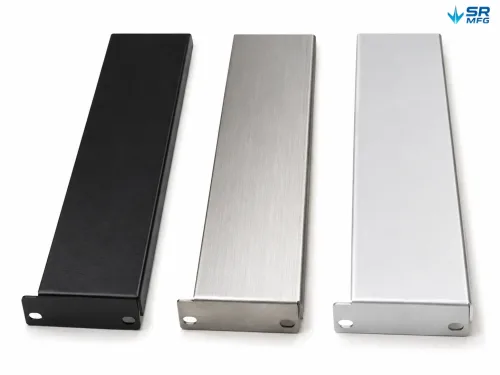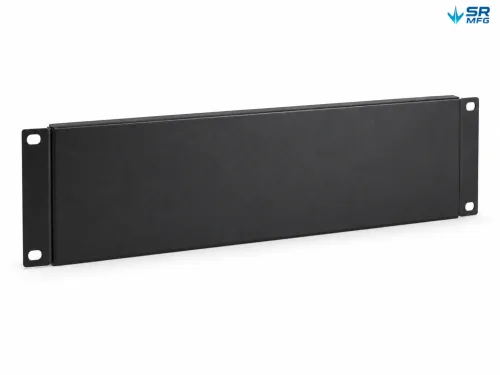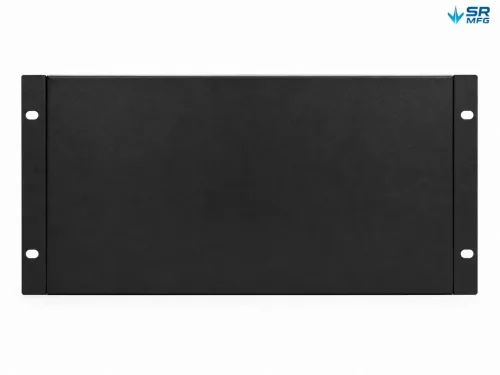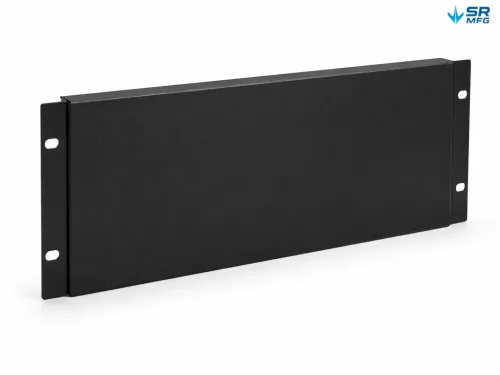
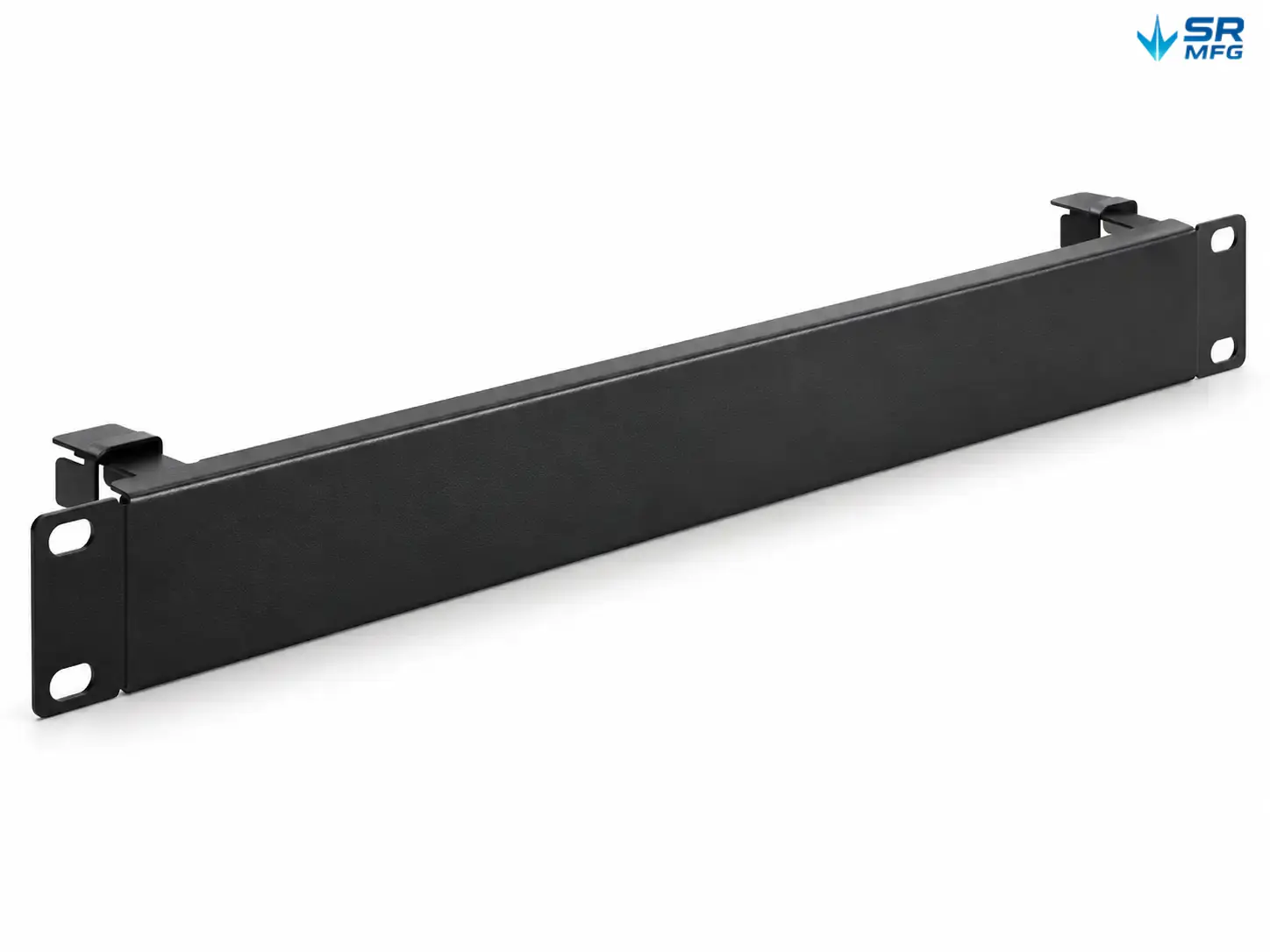
Toolless Rack Blanking Panels
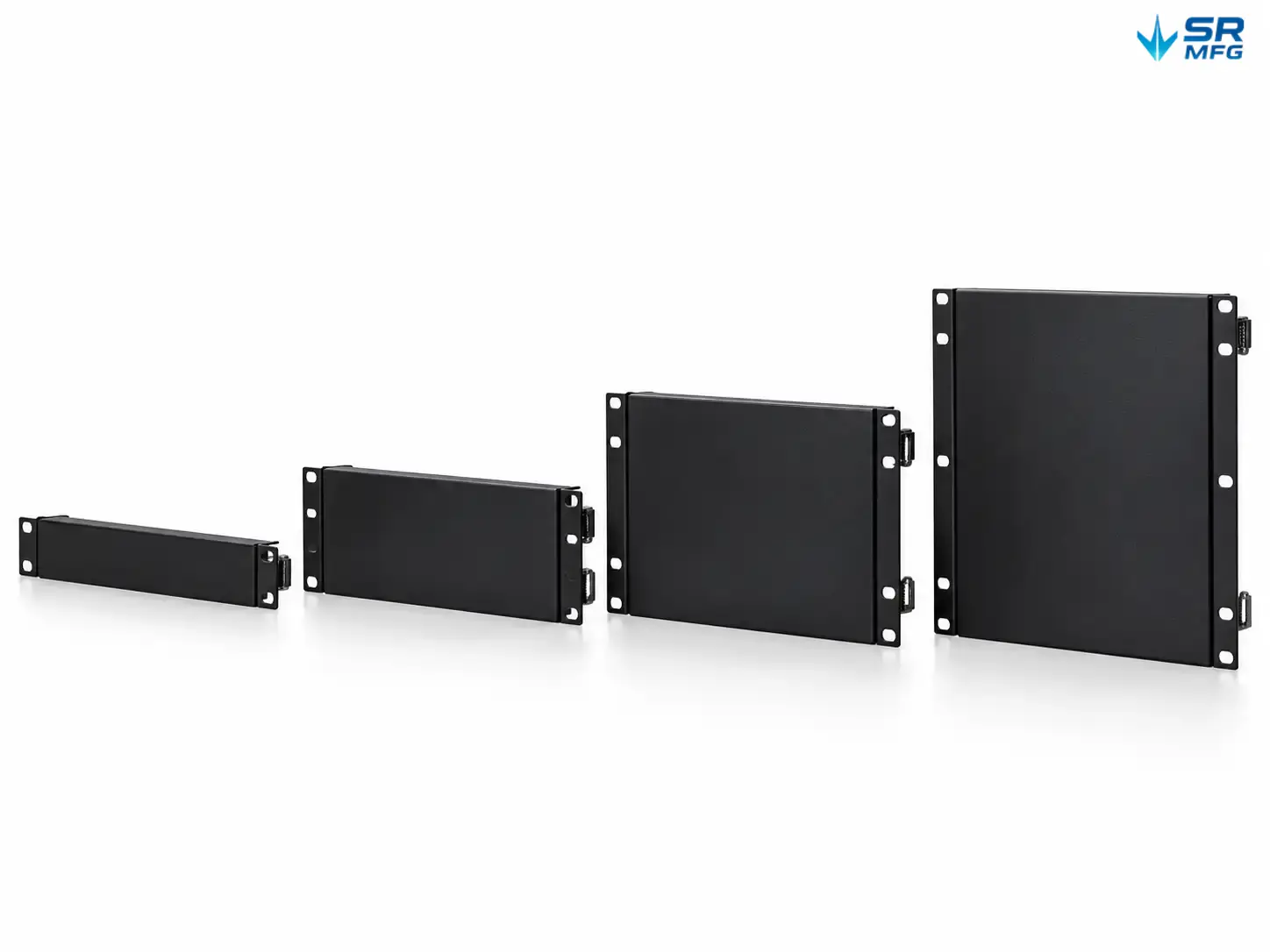
Airflow sealing for unused 1U–4U positions in 19 in. EIA-310 server racks and cabinets — reducing bypass airflow at the source.
- Airflow sealing. Closes unused 1U–4U positions in 19 in. EIA-310 server racks and cabinets, reducing bypass airflow.
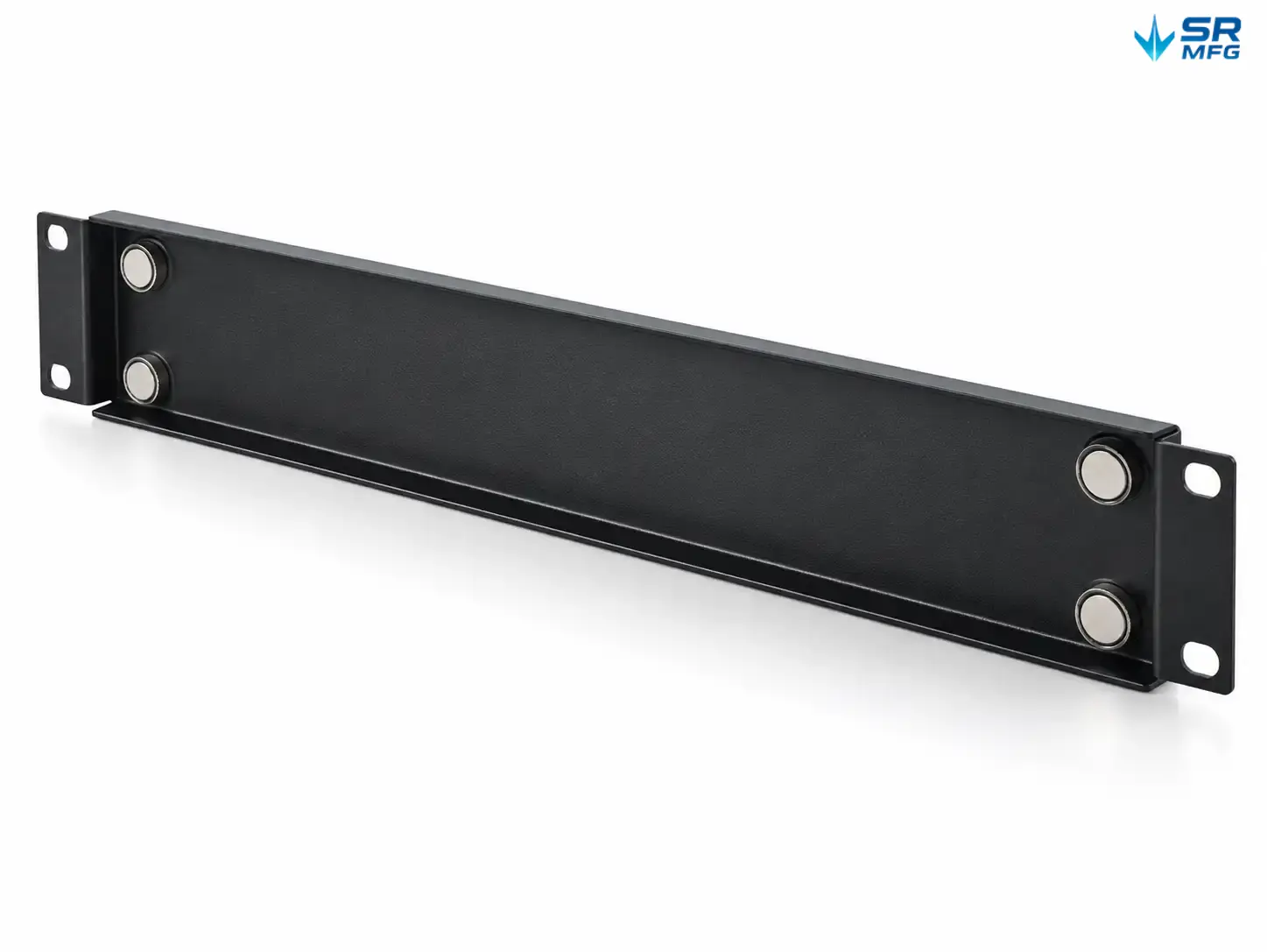
- Toolless installation. Available in spring-clip snap-in or magnetic mounting. On square-hole rack rails, no screws or cage nuts are required.
- Two material routes. Powder-coated cold-rolled steel or flame-retardant ABS, selected according to structural rigidity, weight, and compliance requirements.
- In-house fabrication. Folded-edge stiffening, controlled panel flatness, and powder-coat finish options including custom RAL color matching.
- Standard and project packs. Single units, 2-packs, and 10-packs; non-standard heights and OEM packaging are available on request.
Product Details
| Specification | Detail |
|---|---|
| Product Type | Rack blanking panel (rack filler panel / rack blank) |
| Available Rack Units | 1U, 2U, 3U, 4U; other U heights available to drawing |
| Panel Width | 19 in. (482.6 mm) |
| Compatible Rail Spacing | EIA-310 standard 19 in. rack rails |
| Material — Steel Version | Cold-rolled steel, powder coated |
| Material — Plastic Version | Flame-retardant ABS |
| Steel Thickness | Typically 1.0–1.2 mm; confirmed per order |
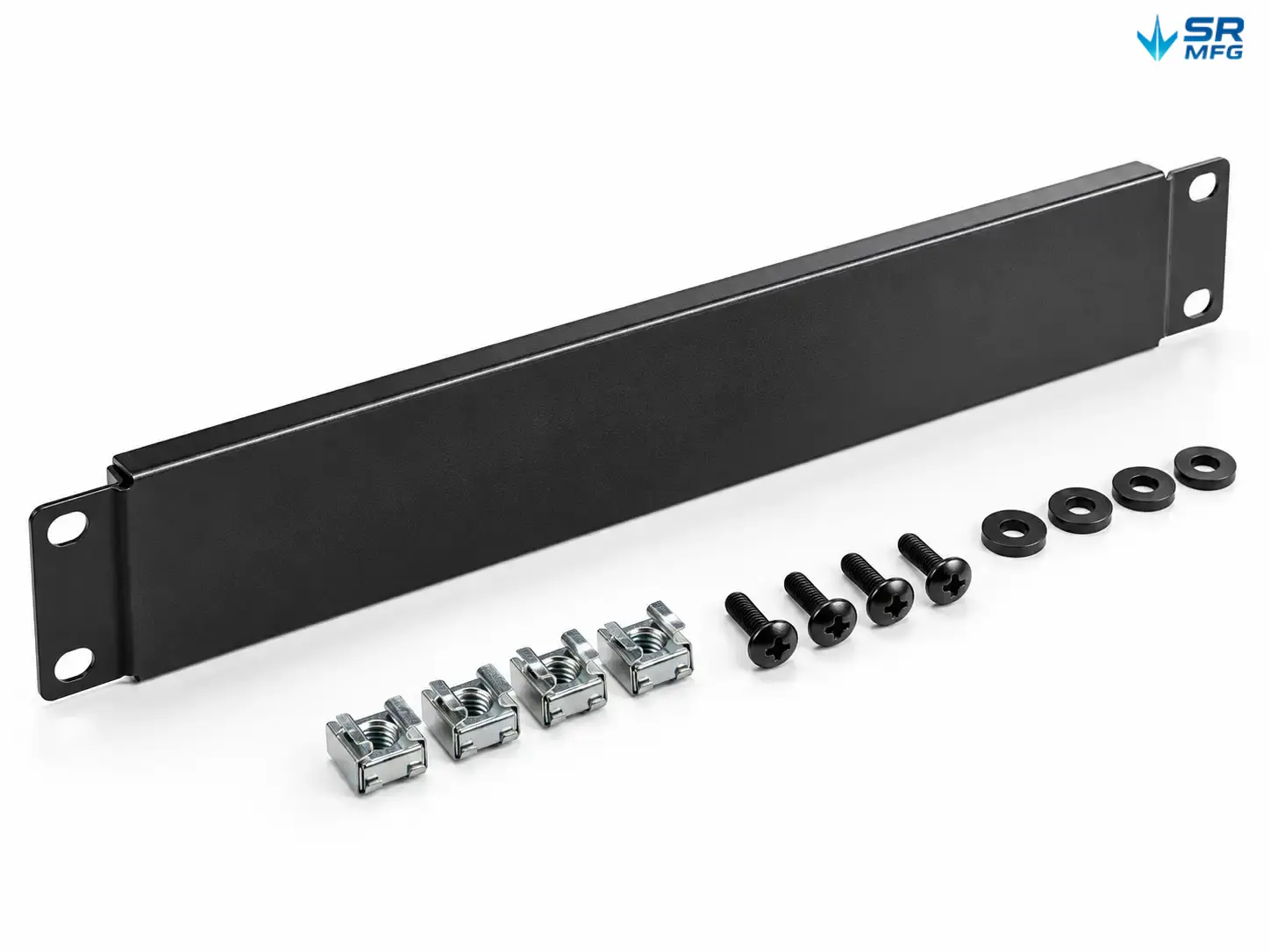
| Mounting Options | Toolless snap-in (square-hole rails) / magnetic (square- or round-hole steel rails) / screw-mount (through-hole installation) |
| Edge Construction | Folded perimeter stiffening (steel version) |
| Standard Finish | Black powder coat |
| Optional Finish | White, textured surface, antistatic treatment, custom RAL colors |
| Vent Style | Solid blanking panel as standard; perforated vented pattern available on request |
| Flame Retardancy | Flame-retardant material grade option (UL 94V-0 class) |
| Panel Flatness | Controlled by folded-edge stiffening; tolerance confirmed per order |
| Dimensional Tolerance | Per fabrication drawing or standard sheet-metal tolerance class |
| Service Environment | Indoor server racks and cabinets; ambient temperature range confirmed with material selection |
| Product Weight | Varies with U height and material; net and gross weight listed per SKU |
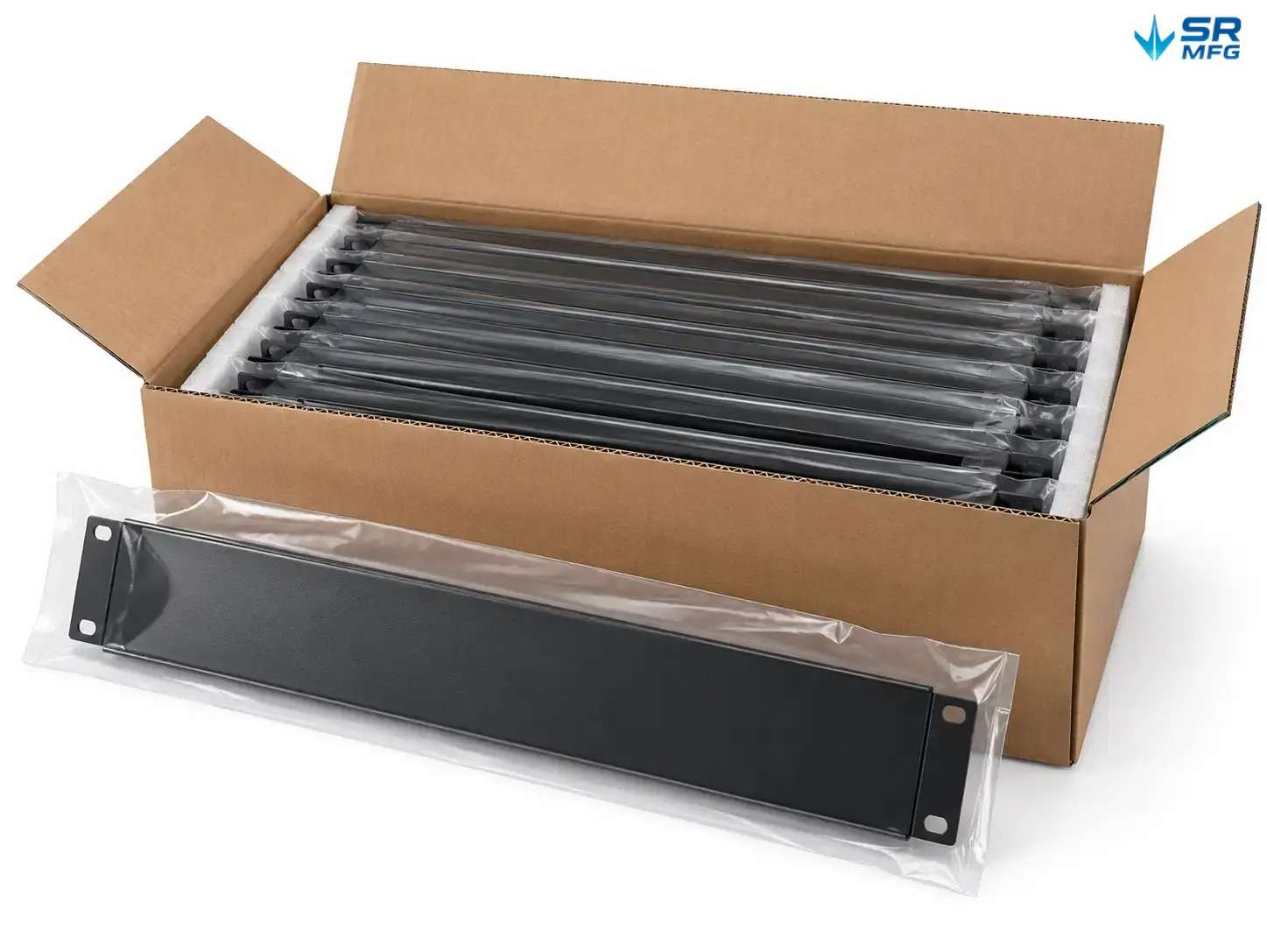
| Pack Options | Single, 2-pack, 10-pack; project packs on request |
| Packaging | Individual protective sleeve or carton; export cartons and pallet packing available |
| Accessories | Cage nuts, screws, and washers available with the screw-mount version |
| Customization | Height, width, color, logo, vent-hole pattern, packaging |
| Quality Inspection | Dimensional inspection, coating adhesion check, and visual inspection before shipment |
| Technical Documents | Product datasheet, CAD files, installation guide, and finish color card available |
1. Why Blanking Panels Matter for Rack Airflow Management
Unoccupied positions in a rack create bypass airflow paths.
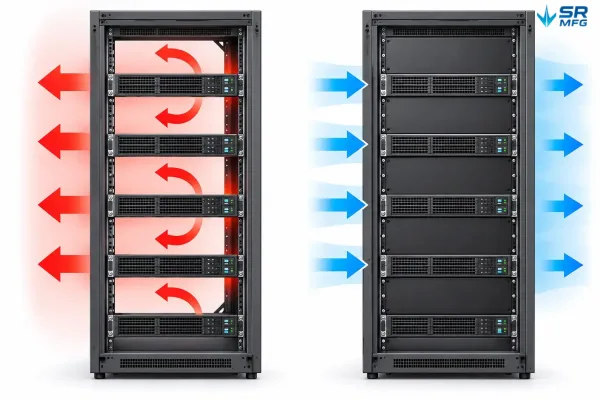
Two side-by-side rack schematics: left shows hot air recirculating through empty rack units; right shows blanking panels sealing those units so cooling air flows front to back through the equipment.
Hot exhaust from installed equipment can recirculate through these openings back to the rack intake instead of following the intended cooling path across the equipment.
Installing blanking panels closes those gaps so cooling air travels front to back as designed.
In practice, sealing unused rack positions is typically one of the lowest-effort steps in an airflow cleanup. It requires no power, no controls, and no downtime.

A data center rack row with black blanking panels filling unused rack units across multiple cabinets, maintaining a uniform front appearance and sealed airflow path.
2. Snap-In Structure Design and Sheet Metal Fabrication
This blanking panel uses a bent and formed sheet-metal structure rather than a simple flat stamped plate.
The steel version is cut, bent, and finished as a rigid single assembly.
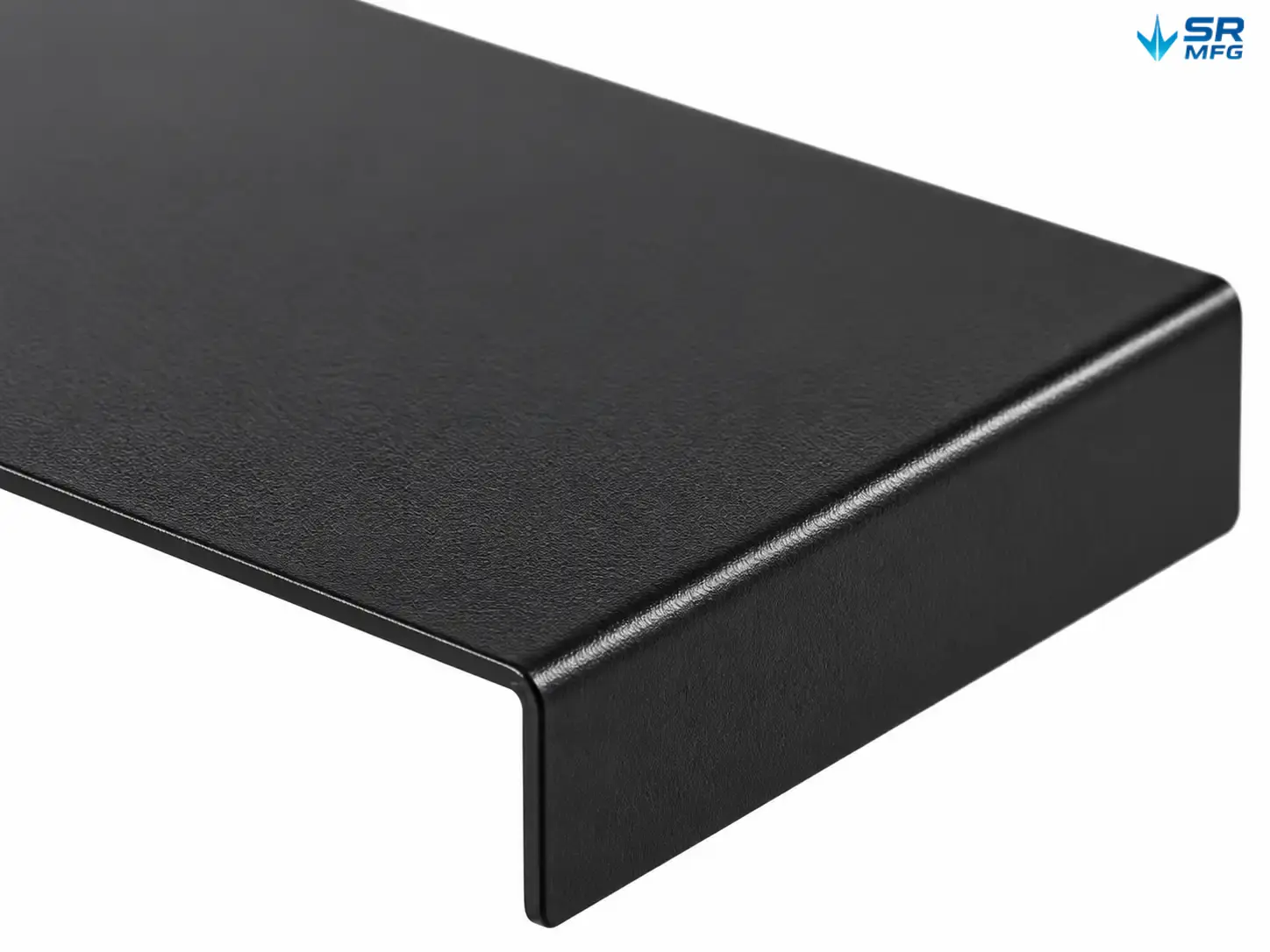
The folded edge along the panel perimeter increases stiffness without significantly adding material weight.
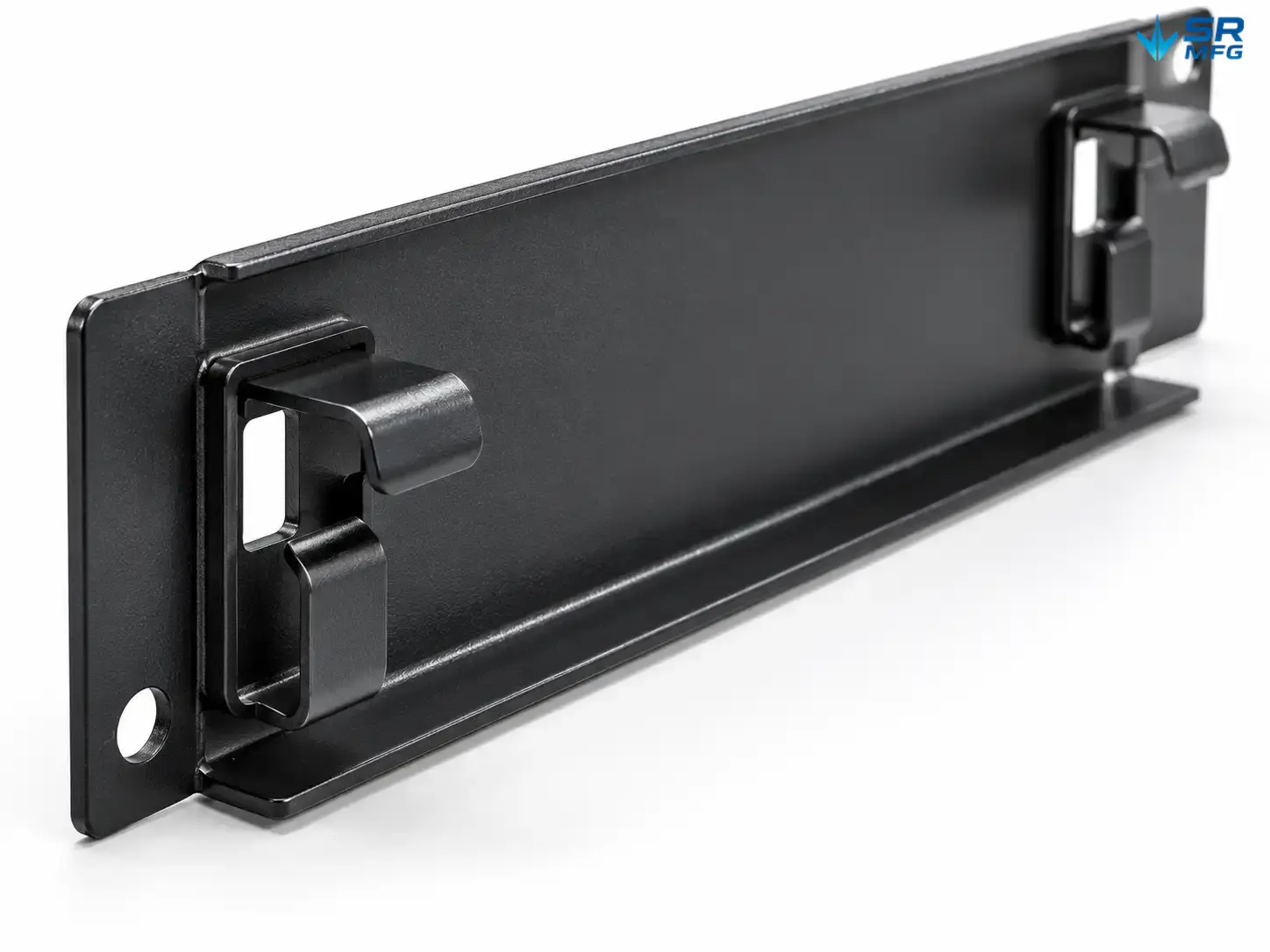
Toolless installation is achieved primarily through formed spring-clip geometry.
On installation, the clips deflect elastically under applied force. Once they enter the rail mounting position, they spring back and seat against the rail face, holding the panel under normal vibration and temperature cycling.
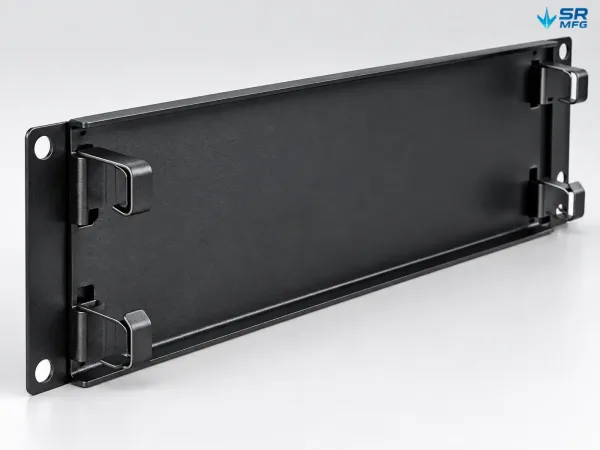
Rear three-quarter detail of a steel blanking panel showing the formed spring clips, folded perimeter stiffening edge, and coated contact surface used in toolless rail installation.
| Design Element | Function in Fabrication and Service |
|---|---|
| Formed spring clips | Produced by stamping and forming; retention force is set by clip geometry and material condition |
| Folded perimeter edge | Raises panel stiffness and reduces the risk of oil-canning or elastic warping on larger U heights |
| Magnetic mounting option | Embedded magnets for steel rails where clip installation is impractical |
| Coated contact surface | Powder coat or textured finish helps reduce scuffing during installation and removal |
For most standard cabinet applications, snap-in mounting is typically the most efficient route.
Where rails are painted, thick-coated, or otherwise prevent normal clip engagement, magnetic mounting is generally the more reliable choice.
3. Steel or ABS: Selecting the Right Blanking Panel Material
Both steel and ABS blanking panels close unused positions and reduce bypass airflow.
The correct material selection should follow structural rigidity, surface requirements, and compliance needs — not a simple judgment that one material is always better.
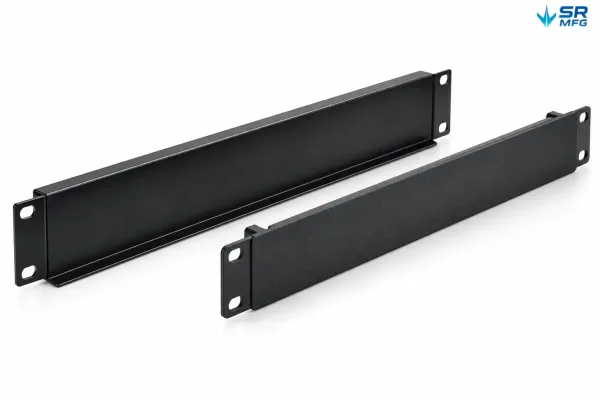
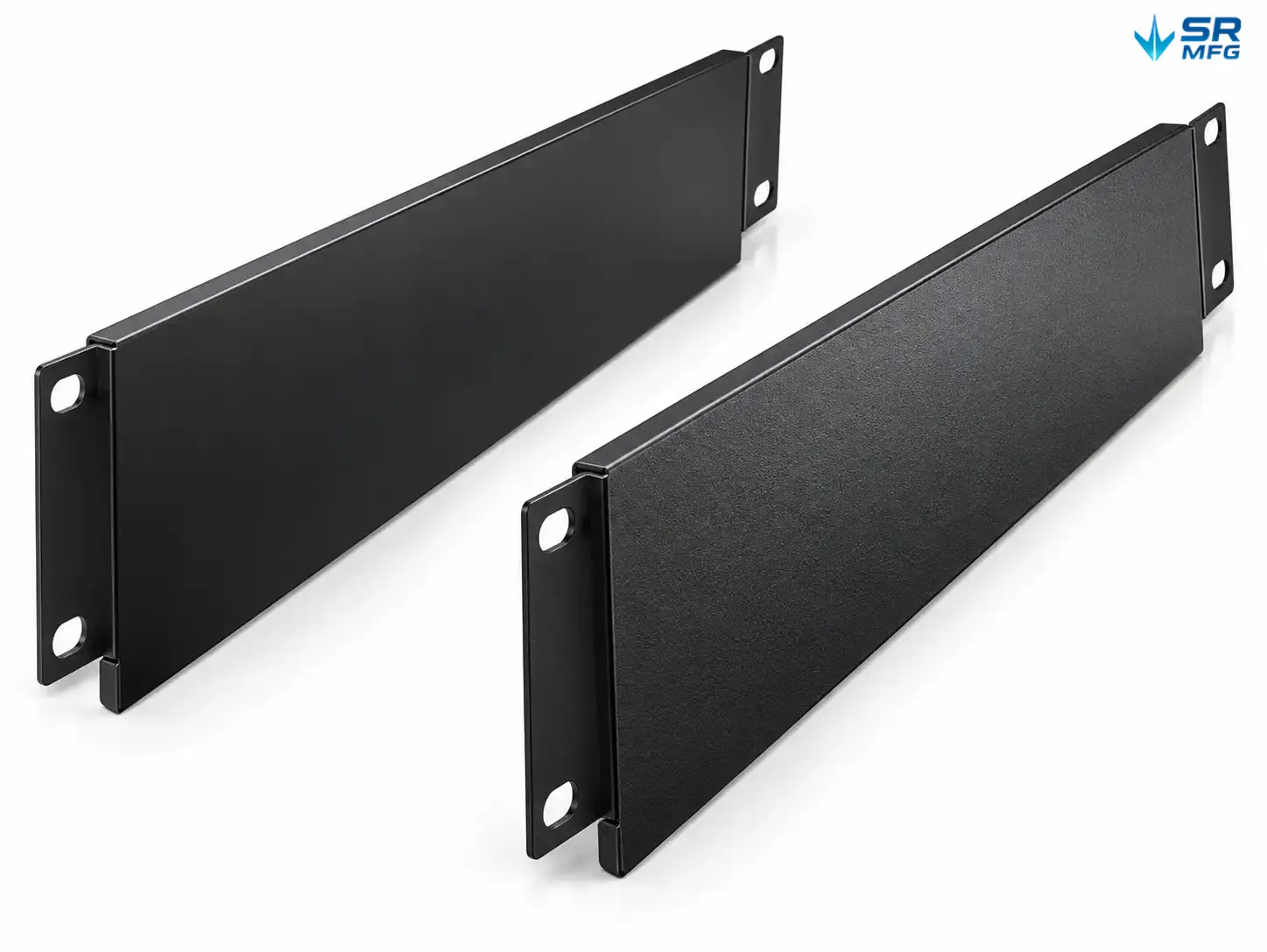
Two blanking panels placed side by side: a formed steel panel with folded edges and matte powder-coat finish, and a molded flame-retardant ABS panel with textured surface.
| Comparison Item | Powder-Coated Steel | Flame-Retardant ABS |
|---|---|---|
| Structural rigidity | Higher; holds panel flatness across 2U–4U spans | Generally sufficient for 1U–2U use |
| Weight | Heavier per unit | Lighter; suits large-area gap filling |
| Surface | Powder coat; textured or antistatic options available | Molded texture; fingerprint visibility is low |
| Heat exposure | Better tolerance near warm exhaust paths | Select an appropriate flame-retardant grade for warmer aisles |
| Fabrication | Cut, bent, welded or riveted into a sheet-metal assembly | Injection molded; suited to volume production |
| Customization | RAL color matching, logo marking, and cutouts to drawing | Color and marking options available; geometry changes usually require tooling |
Material selection principle:
Where the project prioritizes panel stiffness, repeated installation and removal, or EMI shielding continuity, steel blanking panels are the recommended starting point.
Where the project prioritizes lightweight handling, cost per rack unit, or large-volume stocking, flame-retardant ABS is worth considering.
4. Typical Application Scenarios
Cold-aisle containment retrofits
During hot/cold aisle optimization, unused U positions are sealed without adding new mounting hardware.
Colocation cabinet equipment changes
Open rack positions between tenant equipment sets are closed, and a uniform black finish keeps the cabinet front visually consistent.
Edge computing cabinets and network closets
Cabinet appearance is improved, and dust entry through open positions is limited in lightly used enclosures.
Full-rack blanking projects
Panels of different heights (1U–4U) are combined according to an actual U-by-U gap inventory to close the entire cabinet front.
Application example
A 42U server cabinet holds equipment occupying 18U, with scattered 1U gaps in the remaining positions.
A mixed-height panel pack can be configured to match the real gap distribution.
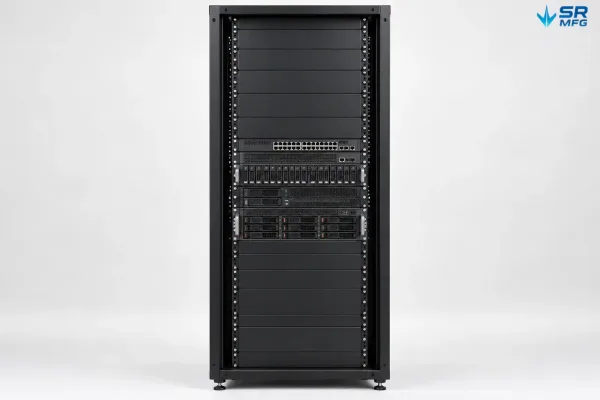
Front view of a 42U server cabinet where scattered empty positions are closed with mixed 1U–4U blanking panels in one black finish, forming a continuous clean surface.
All panels use one finish color so the cabinet front reads as a continuous, clean surface.
5. Custom Sheet Metal Fabrication Options
Standard sizes cover most EIA-310 rack applications.
Where standard specifications do not fit, panels are manufactured to customer technical requirements.
- Custom heights and widths. Non-standard U heights, partial-U fills, and 23 in. rack formats to drawing.
- Color matching. Powder coating to RAL codes for brand identity or facility-wide standards.
- Logo marking. Silkscreen, engraving, or applied labels.
- Vent-hole layout. Perforated or patterned openings where some airflow transfer is required.
- Packaging. Individual sleeves, cartons, and export pallet packing for multi-site rollouts.
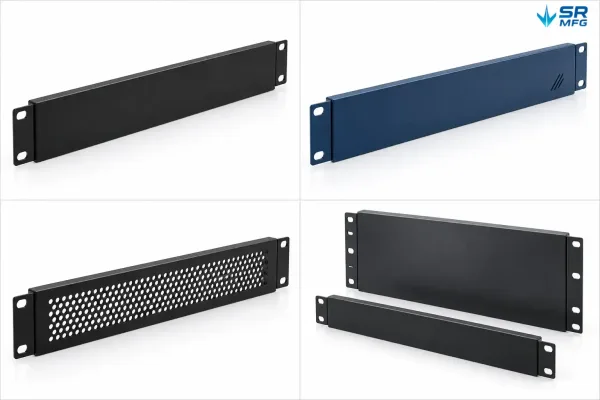
A set of customized blanking panels showing optional RAL powder-coat colors, logo marking, perforated vent patterns, and non-standard rack-unit heights.
Customers can submit technical drawings, reference samples, or a U-by-U rack gap list.
Lead time, minimum order quantity, and unit pricing are confirmed against the final approved specification.