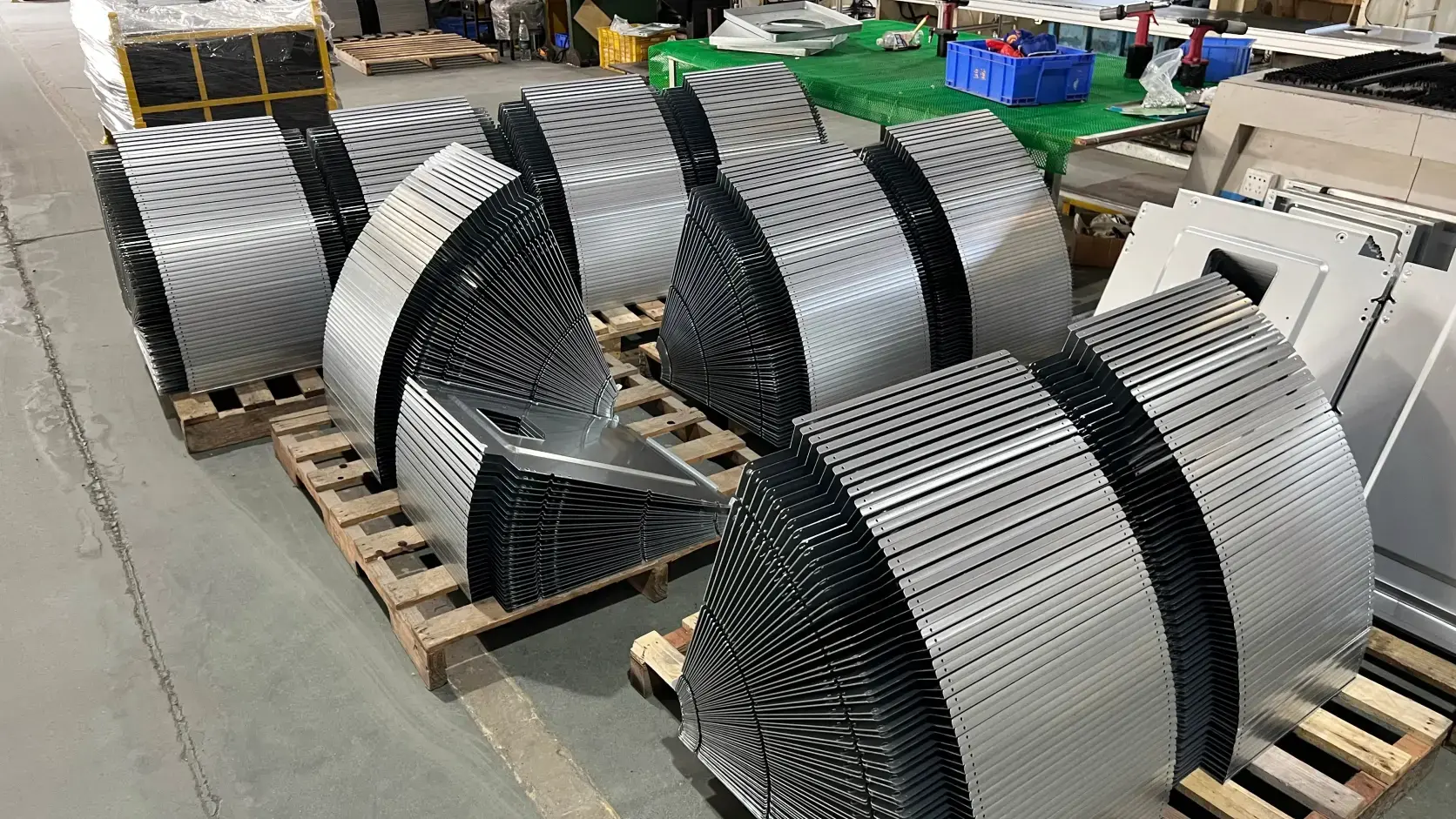

China is the world’s largest producer and consumer of aluminum, with annual domestic aluminum consumption exceeding 50 million metric tons and recycled aluminum accounting for nearly 20% of total consumption. As one of the most important alternatives to primary aluminum, recycled aluminum has gained significant market momentum this year, supported by its lower carbon footprint, cost advantages, and growing demand from emerging downstream industries.
According to Shanghai Metals Market (SMM), ADC12 aluminum alloy spot prices peaked at RMB 24,500 per metric ton in March and climbed back above RMB 24,000 per metric ton in September, representing a year-over-year increase of approximately 18%.
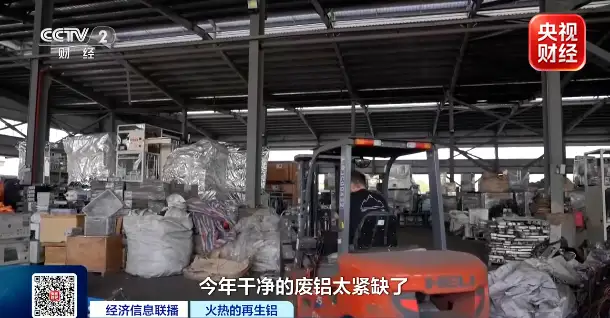
Market investigations indicate that the most significant supply shortage is concentrated in high-purity, ready-to-melt scrap aluminum, currently priced at around RMB 20,700 per metric ton. Competition for premium material has become so intense that multiple buyers are reportedly competing for the same truckload as soon as it arrives.
Industry analysts suggest that the ongoing impact of geopolitical tensions in the Middle East has further widened the global primary aluminum supply gap. At the same time, decarbonization initiatives and the manufacturing sector’s transition toward lightweight materials are contributing to stronger recycled aluminum prices.
Mi Yanbin, an analyst at Fubao Information, explained that recycled aluminum supplies have remained tight since September, while downstream die-casting orders have continued to recover and overall operating rates have improved. This has created a tightly balanced market characterized by improving demand and limited supply flexibility.
Gao Xianwei, Vice President of Zhejiang Mingdao Aluminum Co., Ltd., said that several production lines are currently operating at full capacity, with orders already scheduled two months ahead.
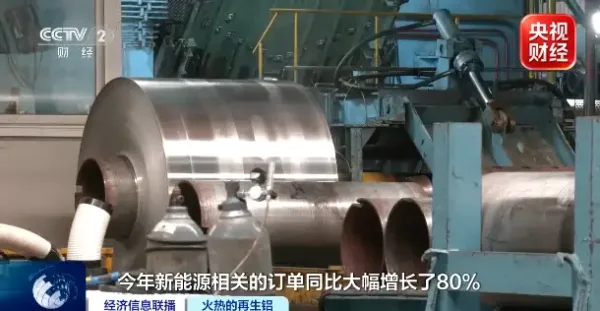
“The increase in orders has mainly come from demand for thermal management materials driven by the growth of renewable energy storage and AI computing centers. Orders related to the new energy sector have increased significantly by 80% year over year,” Gao said.
Zeng Ting, who has worked in the automotive aluminum alloy wheel trading industry for 13 years, said the most noticeable changes this year have been stronger overseas orders and higher profit margins.
According to Zeng, her company’s aluminum alloy wheel exports reached RMB 83 million from January through August this year, representing a year-over-year increase of 24%.
Data from China’s General Administration of Customs shows that China exported a total of 4.665 million metric tons of unwrought aluminum and aluminum products from January through August 2026, up 16.8% year over year.
Exports of unwrought aluminum alloys, primarily consisting of recycled aluminum alloy ingots, reached 342,000 metric tons during the same period, representing an increase of nearly 85% year over year. In June alone, exports surged 160.6% compared with the same month last year, reaching a multi-year high.