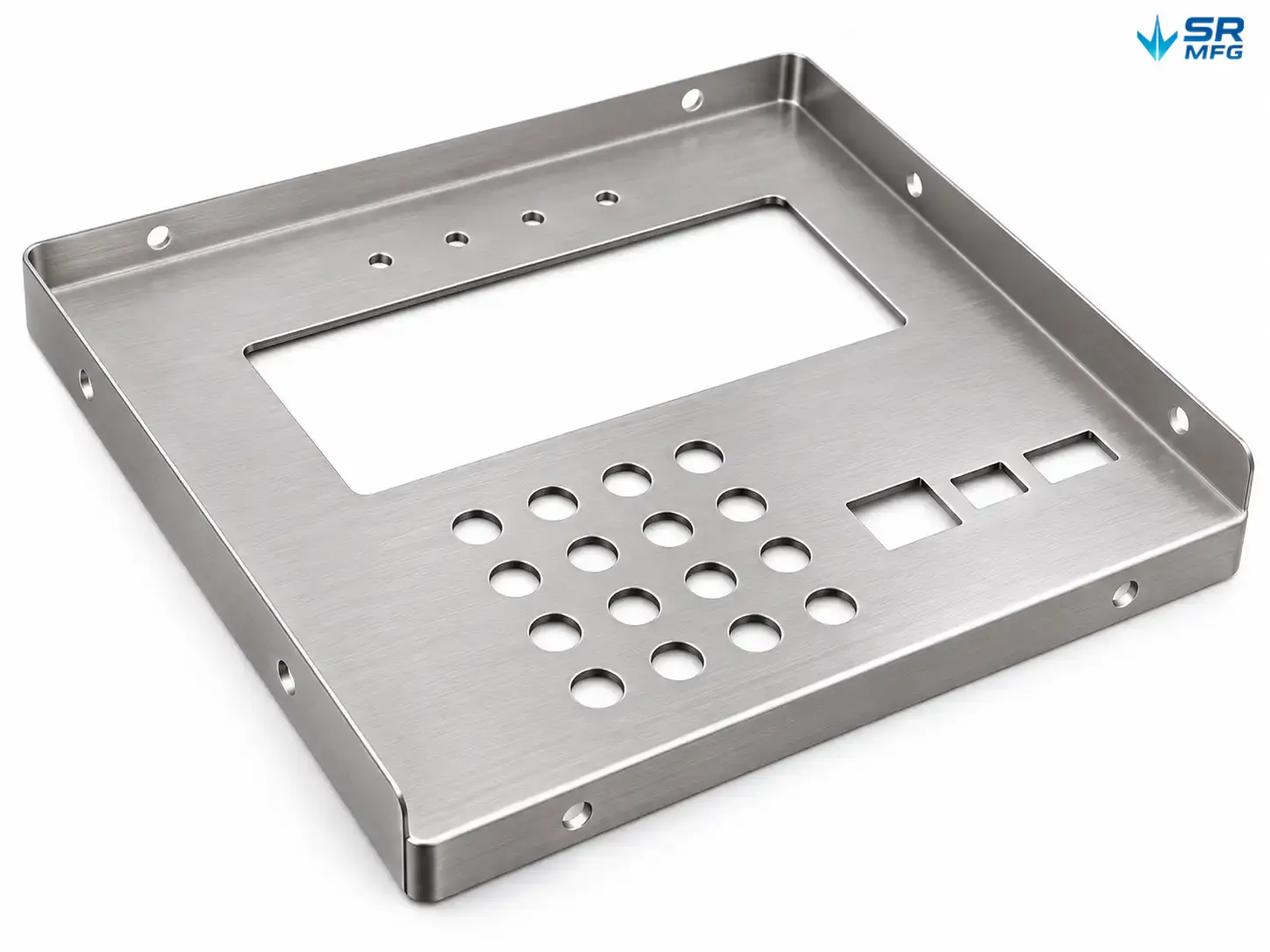
Medical Console Front Panels
Custom sheet metal front panels for medical consoles, patient monitors, headwall service units, and diagnostic equipment. Fabricated to your drawing with precision cutouts and medical-grade surface finishes. Prototype to volume production.
- Materials: Stainless steel, aluminum alloy, cold-rolled steel
- Cutout tolerance: Laser cutting to ±0.1 mm
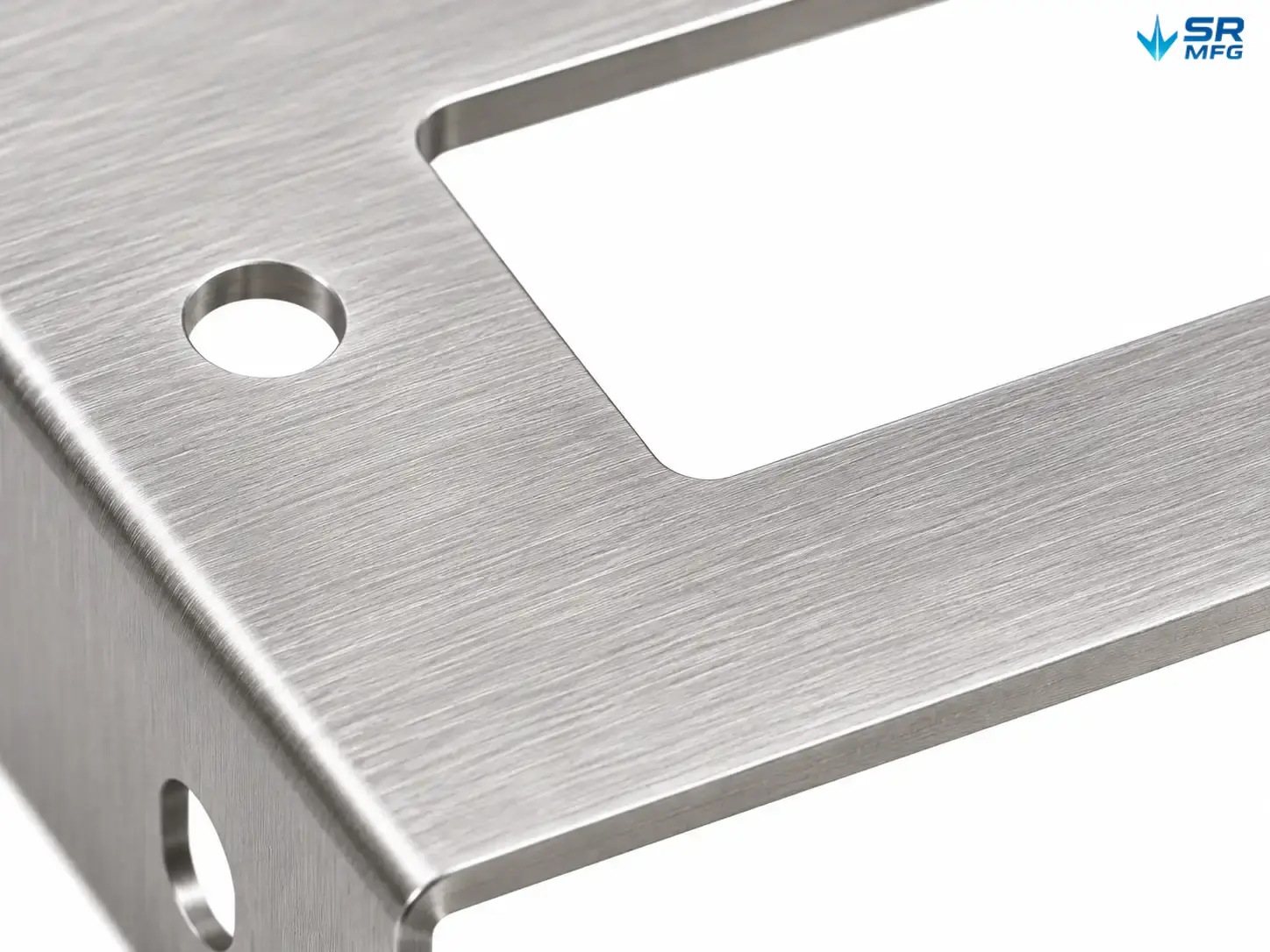
- Surface treatment: Powder coating, anodizing, brushed finish — disinfectant-resistant
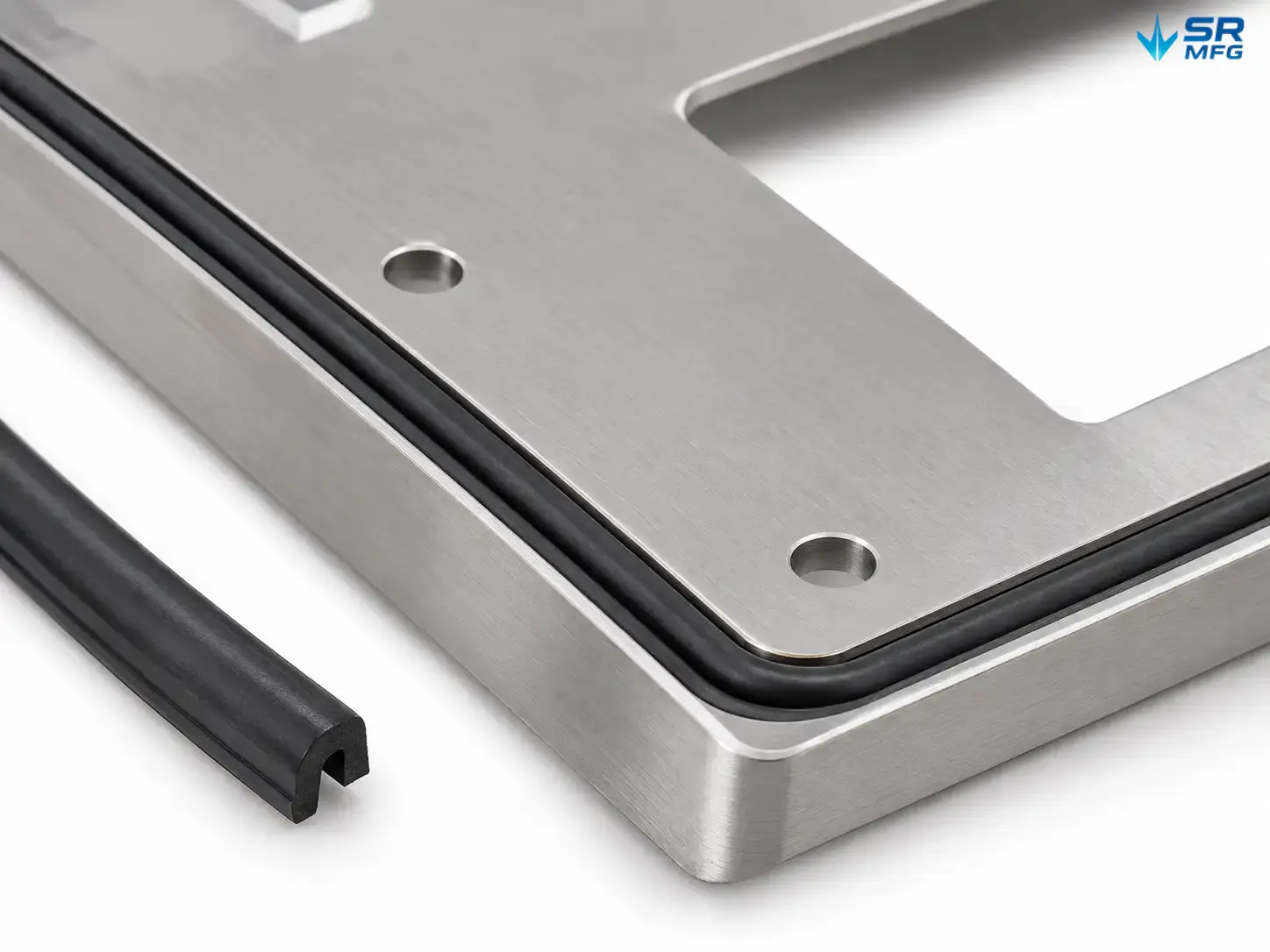
- Seal design: Gasket-groove structure for IP54 / IP65 rated assemblies
- Order flexibility: 1-piece prototypes to 10,000+ production runs
→ Submit your drawing or spec for a custom quote.
Product Details
| Specification | Value |
|---|---|
| Product Type | Medical console front panel / fascia panel / faceplate |
| Applicable Equipment | Patient monitors, surgical consoles, headwall units, diagnostic panels, medical carts |
| Material Options | SS 304, SS 316, Aluminum 5052, Aluminum 6061, Cold-Rolled Steel SPCC / DC01 |
| Material Thickness | 0.5–3.0 mm |
| Max Panel Dimensions | 1200 mm × 800 mm (larger on request) |
| Cutout Positional Tolerance | ±0.1 mm (standard); ±0.05 mm (precision on request) |
| Bend Angle Tolerance | ±0.5° |
| Surface Roughness (post-finish) | Ra 1.6–3.2 μm (brushed); Ra 0.4–0.8 μm (anodized) |
| Surface Treatments | Powder coating, Type II / III anodizing, brushed, electroless nickel |
| Coating Thickness Verification | Per ISO 2064 / ASTM B487 |
| Ingress Protection | IP54, IP65 (gasket groove + EPDM or silicone gasket) |
| Edge Quality | Deburred / sharp edges broken (standard for medical panels) |
| Flatness | ≤0.5 mm/m (standard); tighter on request |
| Welding Methods | TIG, spot welding (for bracket or flange attachment) |
| Inspection Methods | CMM, caliper, go/no-go gauge, film thickness gauge, visual inspection |
| Quality System | ISO 9001 |
| Prototype Lead Time | 7–15 business days |
| Volume Production Lead Time | 15–30 business days (quantity-dependent) |
| MOQ | 1 piece (prototype) |
| Drawing File Formats | DXF, DWG, STEP, IGES, PDF |
| Packaging | Anti-static bag + foam + carton (standard); wooden case for bulk orders |
Where Front Panels Fit in Medical Equipment
Medical console front panels are the interface between the operator and the device. They cover the front face of patient monitors, surgical consoles, headwall service units, and diagnostic instruments — integrating display windows, keypad cutouts, connector ports, and indicator lights into a single formed panel.
A well-designed front panel does three things at once. It protects internal electronics from dust, liquid splash, and physical impact. It positions every functional element — screen, buttons, ports — exactly where the operator expects to find them. And it presents a clean, professional surface that holds up to daily disinfection.
We fabricate these panels from sheet metal to your drawing. Whether you need a stainless steel fascia for an ICU monitor housing or an aluminum faceplate for a portable diagnostic unit, we control the entire process from laser cutting through surface finishing.
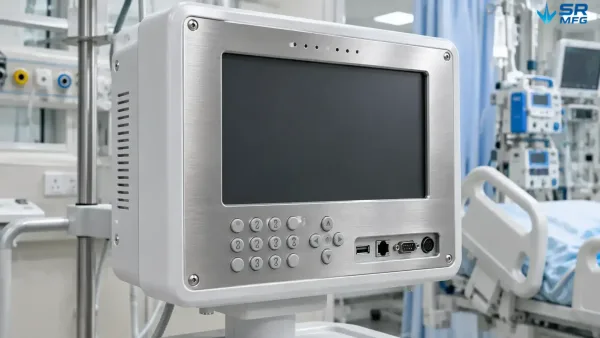
A stainless steel front panel fitted on a patient monitor, showing the display window, keypad area, and connector ports in their installed positions.
Panel Structure & Functional Integration
Medical front panels are rarely flat plates. They carry a layout of openings and structural features that must align precisely with the equipment behind them — and every feature comes with its own manufacturing tolerance.
| Feature Type | What It Accommodates | Typical Manufacturing Method |
|---|---|---|
| Display window cutout | LCD / TFT screen bezel | Laser cutting, ±0.1 mm |
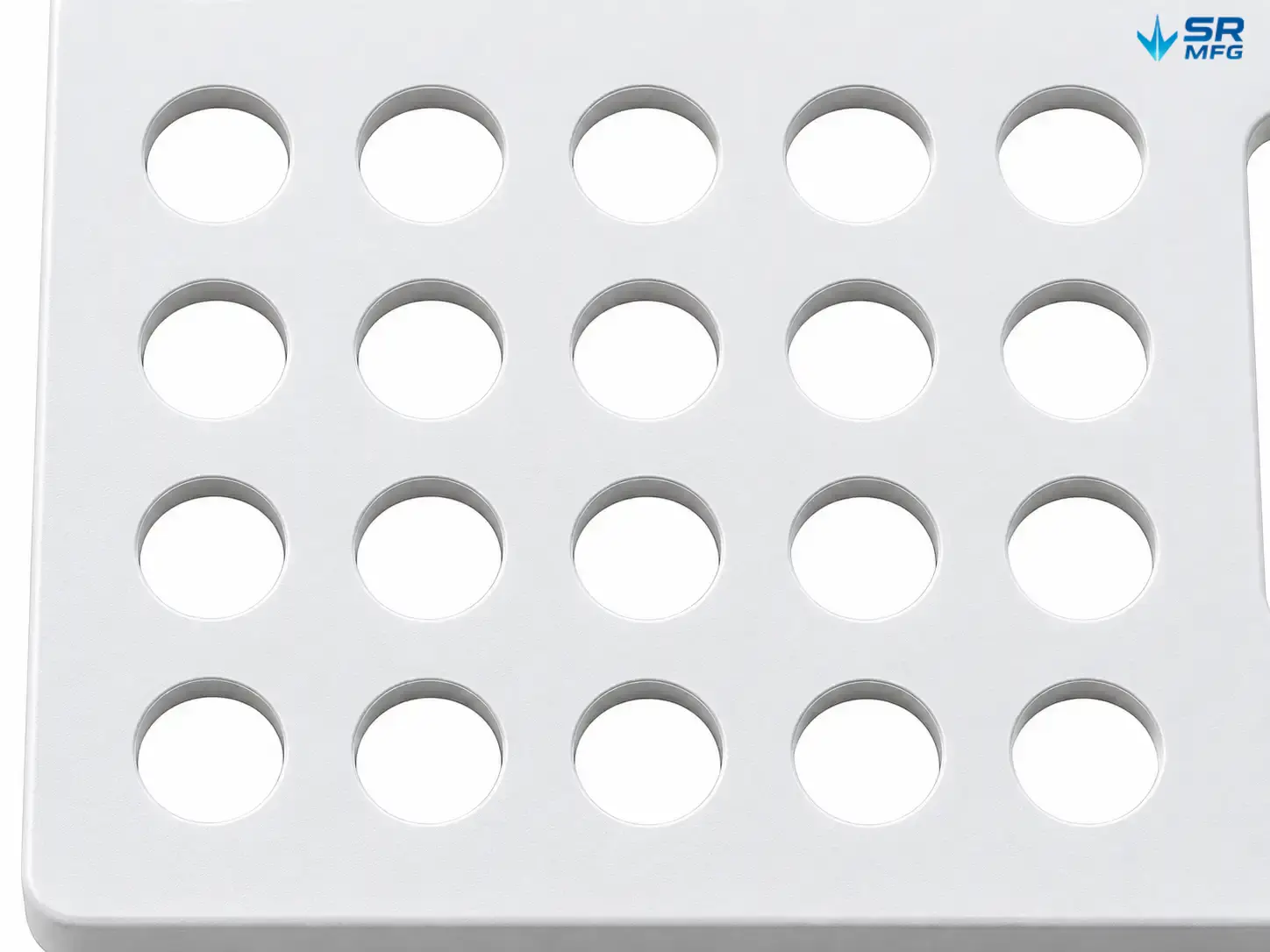
| Keypad button holes | Tactile switches, membrane keypads | CNC punching or laser cutting |
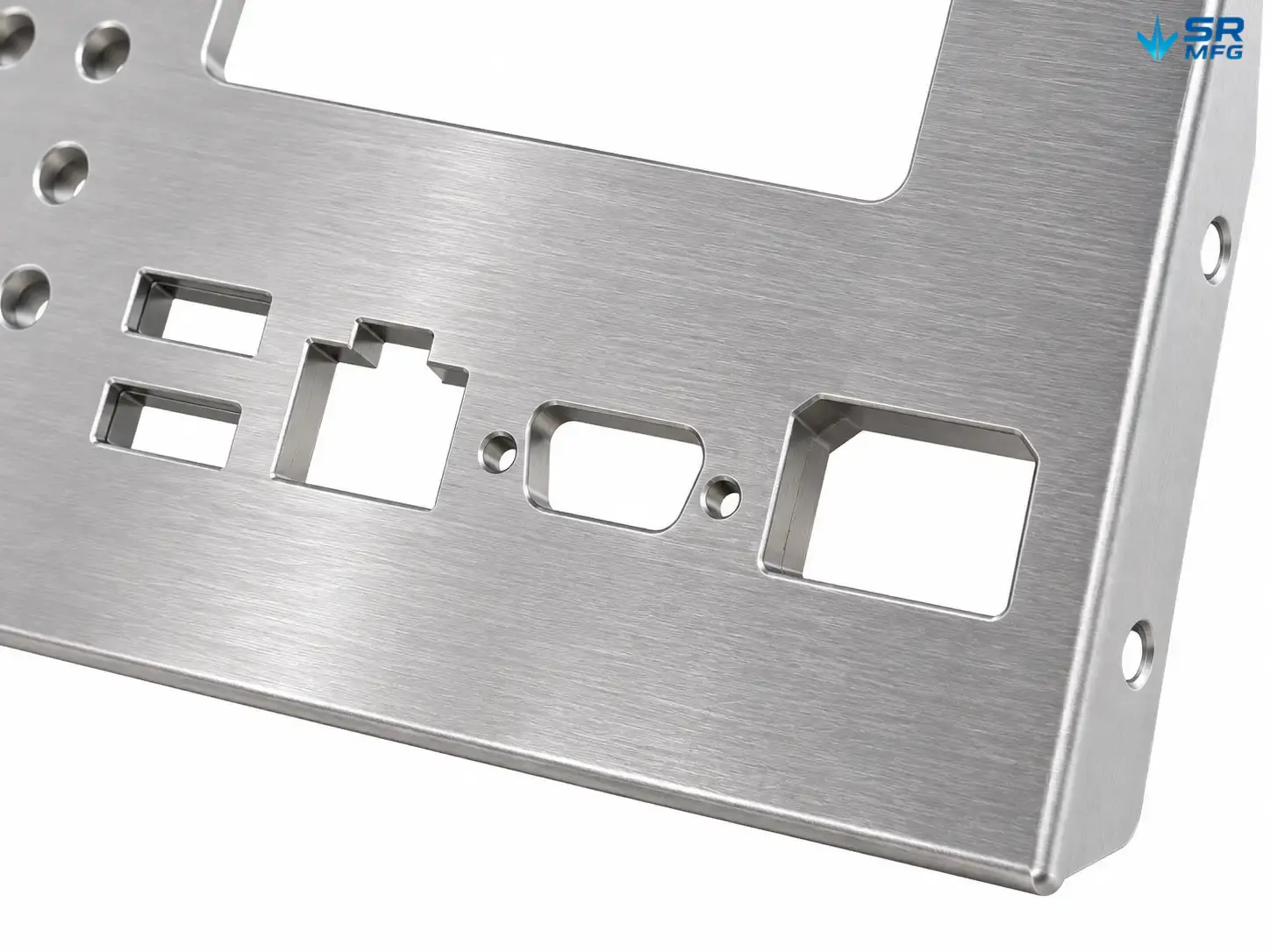
| Connector port openings | USB, Ethernet, power, sensor jacks | Laser cutting + deburring |
| Indicator light holes | LED status lamps | Small-diameter punching |
| Speaker / ventilation slots | Audio output, airflow | Array slot cutting |
| Seal grooves | Gasket seating for IP-rated assemblies | CNC routing or press-forming |
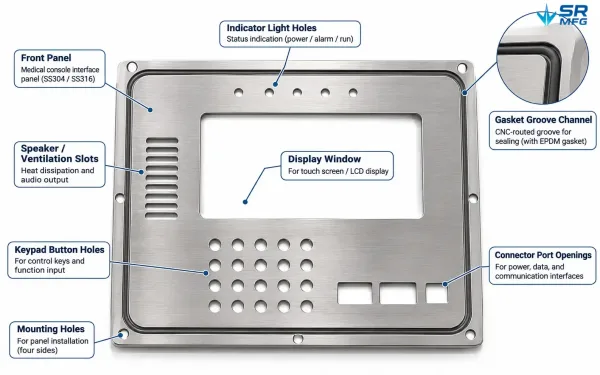
Annotated layout of a medical console front panel identifying each cutout type and its position — display window, keypad holes, connector ports, indicator lights, speaker slots, and perimeter seal groove.
Edge quality is critical here. For panels up to 3.0 mm thick, laser cutting produces clean openings with minimal burr — reducing post-processing and ensuring that gaskets, displays, and connectors seat correctly on the first assembly. Where sharp edges are unacceptable, which covers most medical applications, we add a deburring or edge-breaking pass.
Panel rigidity is tuned through material thickness and bend geometry. For panels spanning more than 400 mm, we recommend 1.5 mm or thicker stock with formed return flanges to prevent flex during button presses or cleaning.
Materials & Surface Treatment
Material selection depends on where the panel lives and what it contacts every day.
| Material | Why Choose It | Typical Front Panel Application |
|---|---|---|
| SS 304 | Corrosion-resistant, easy to clean, strong | ICU monitors, surgical consoles, headwall panels |
| SS 316 | Superior chemical and chloride resistance | Panels exposed to aggressive disinfectants |
| Aluminum 5052 | Lightweight, good formability, anodizable | Portable monitors, cart-mounted equipment |
| Aluminum 6061 | Higher rigidity, heat-treatable, machinable | Structural faceplates requiring post-machining |
| Cold-rolled steel (SPCC) | Cost-effective, easy to coat | Budget-sensitive programs with adequate coating |
Surface treatment is what separates medical panels from general sheet metal work. Panels get wiped with alcohol, sprayed with hydrogen peroxide, and cleaned with chlorine-based solutions multiple times per shift. The finish must resist staining, discoloration, and coating breakdown under this cycle.
| Finish | Film / Layer | Medical Suitability |
|---|---|---|
| Powder coating | 60–120 μm cured film | Impact-resistant, color-matched, good chemical resistance |
| Anodizing (Type II) | 5–15 μm oxide | Aluminum panels; decorative + moderate protection |
| Anodizing (Type III) | 25–50 μm oxide | Hard-coat for high-wear or high-touch surfaces |
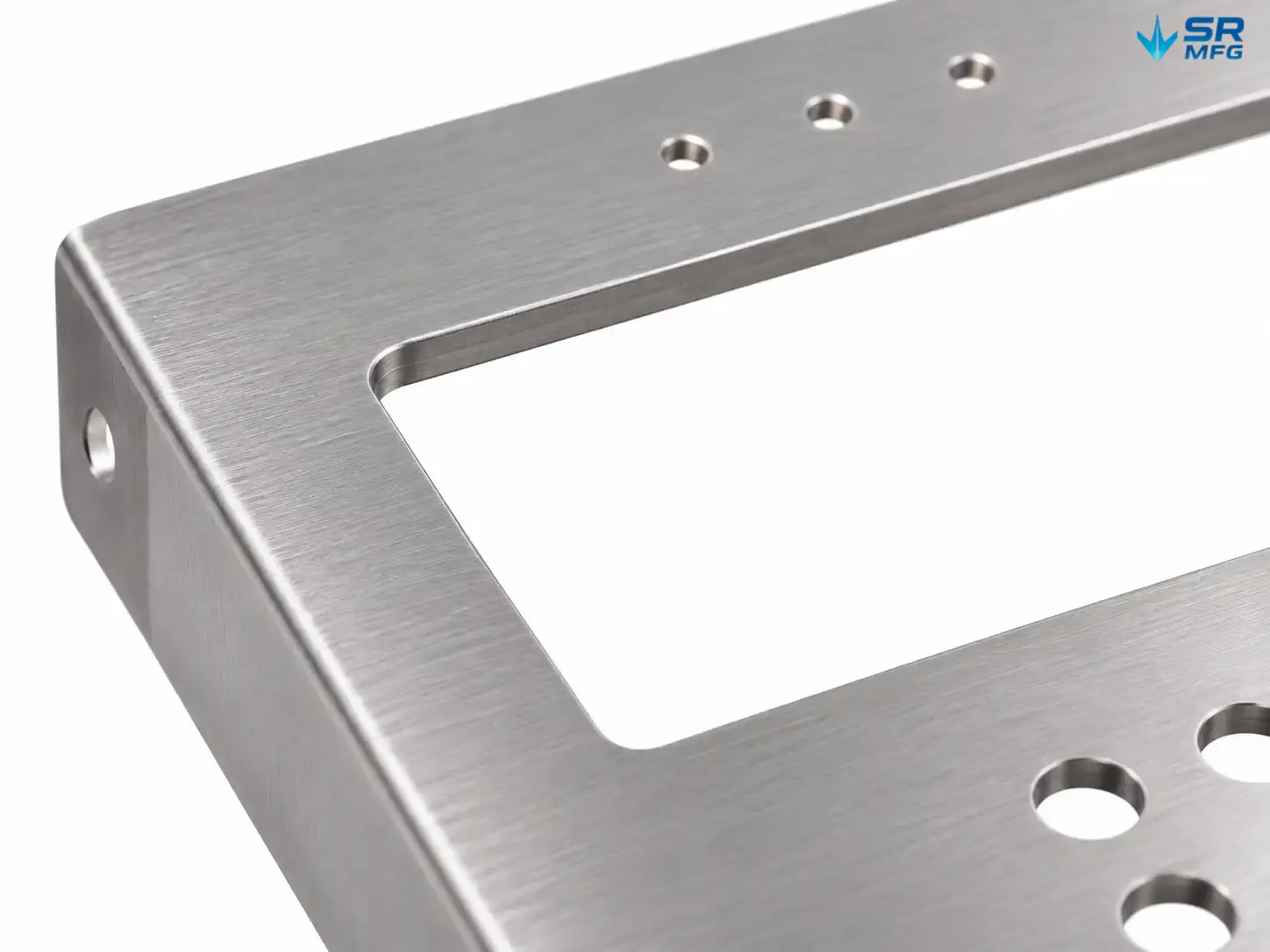
| Brushed stainless | Mechanical texture | Stainless panels; fingerprint-resistant, easy to clean |
| Electroless nickel | 25–50 μm deposit | Uniform coverage on complex geometries; EMI option |
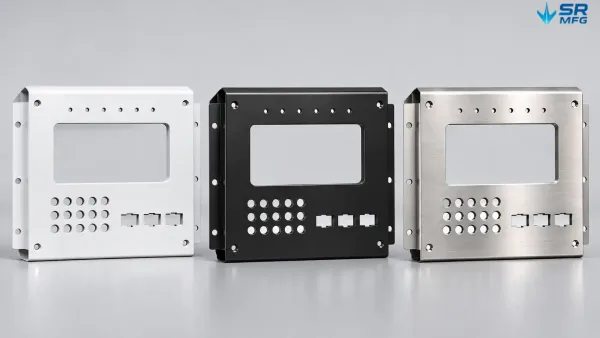
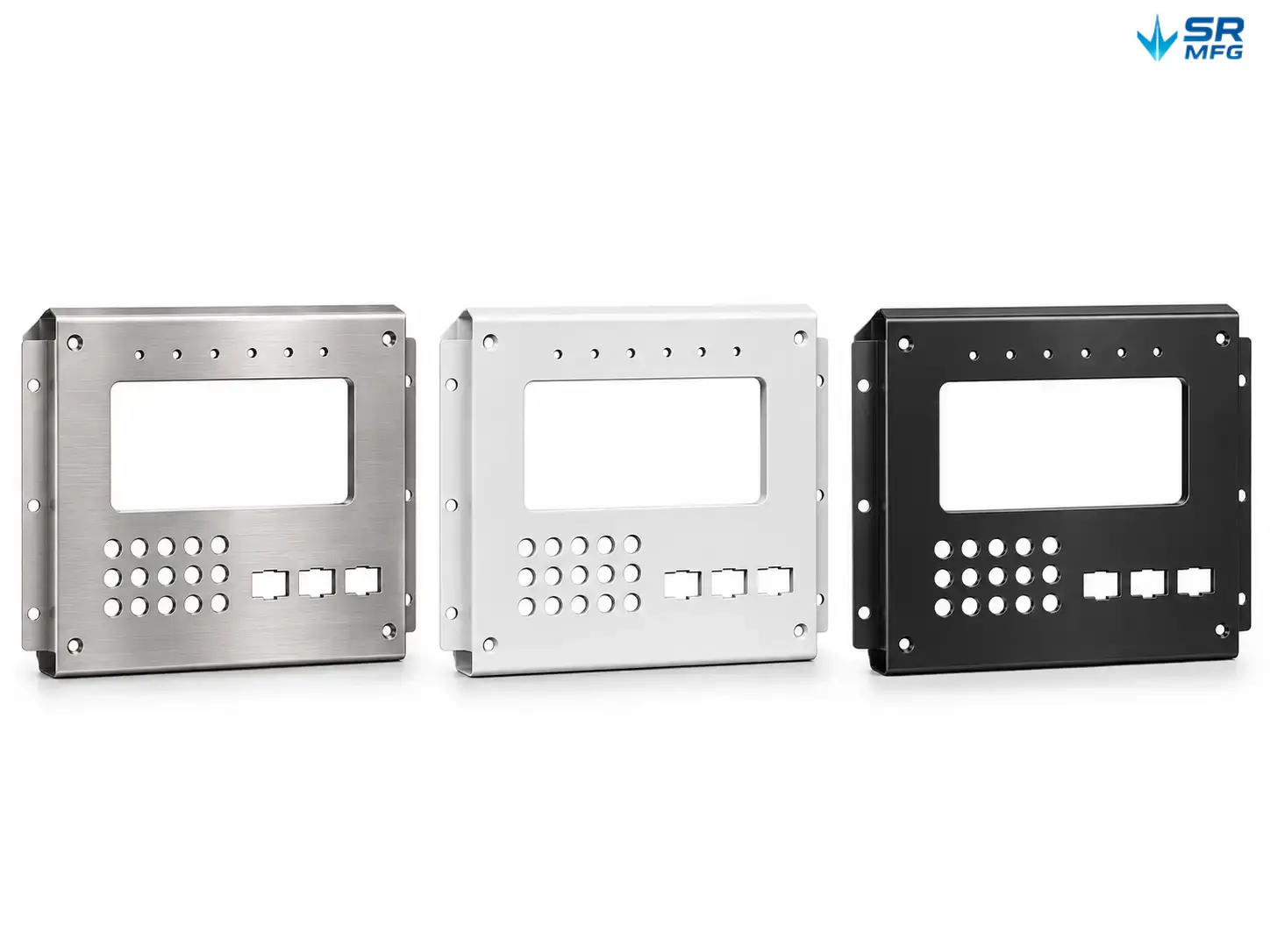
Side-by-side comparison of three surface finishes on medical front panels — white powder coating, black Type III anodizing, and brushed stainless steel.
If your equipment needs to match an existing product line’s color, we match to your RAL or Pantone reference and provide coated sample panels for approval before production.
Custom Manufacturing — Your Drawing, Our Floor
Every medical front panel we produce is built from customer-supplied geometry — not picked from a fixed catalog. The process is designed to reduce risk at every stage.
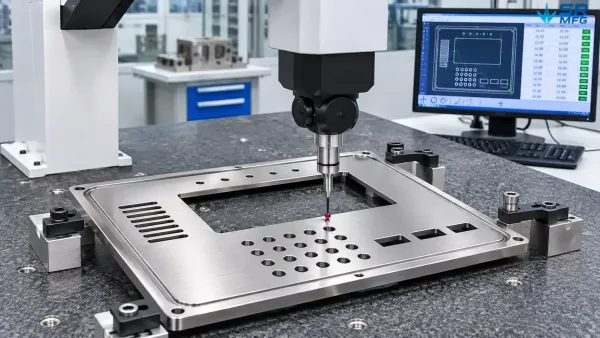
A fiber laser cutting machine in operation, cutting precision openings into a stainless steel sheet for medical front panel production.
Drawing intake & DFM review (1–3 business days). We review your DXF, DWG, STEP, or IGES files for manufacturability — checking bend radii against material thickness, cutout spacing for structural integrity, tolerance feasibility, and finish compatibility. Feedback is provided before any material is cut.
Prototype / first article (7–15 business days). We cut, form, and finish prototype panels for your fit check, along with dimensional inspection reports. If the panel mates with a display, keypad, or housing, submit all mating component drawings at the same time so we can verify alignment.
Volume production (15–30 business days, quantity-dependent). Once you approve the first article, we schedule production. Process parameters — laser power, bend programs, coating thickness — carry over from the approved sample, ensuring production parts match.
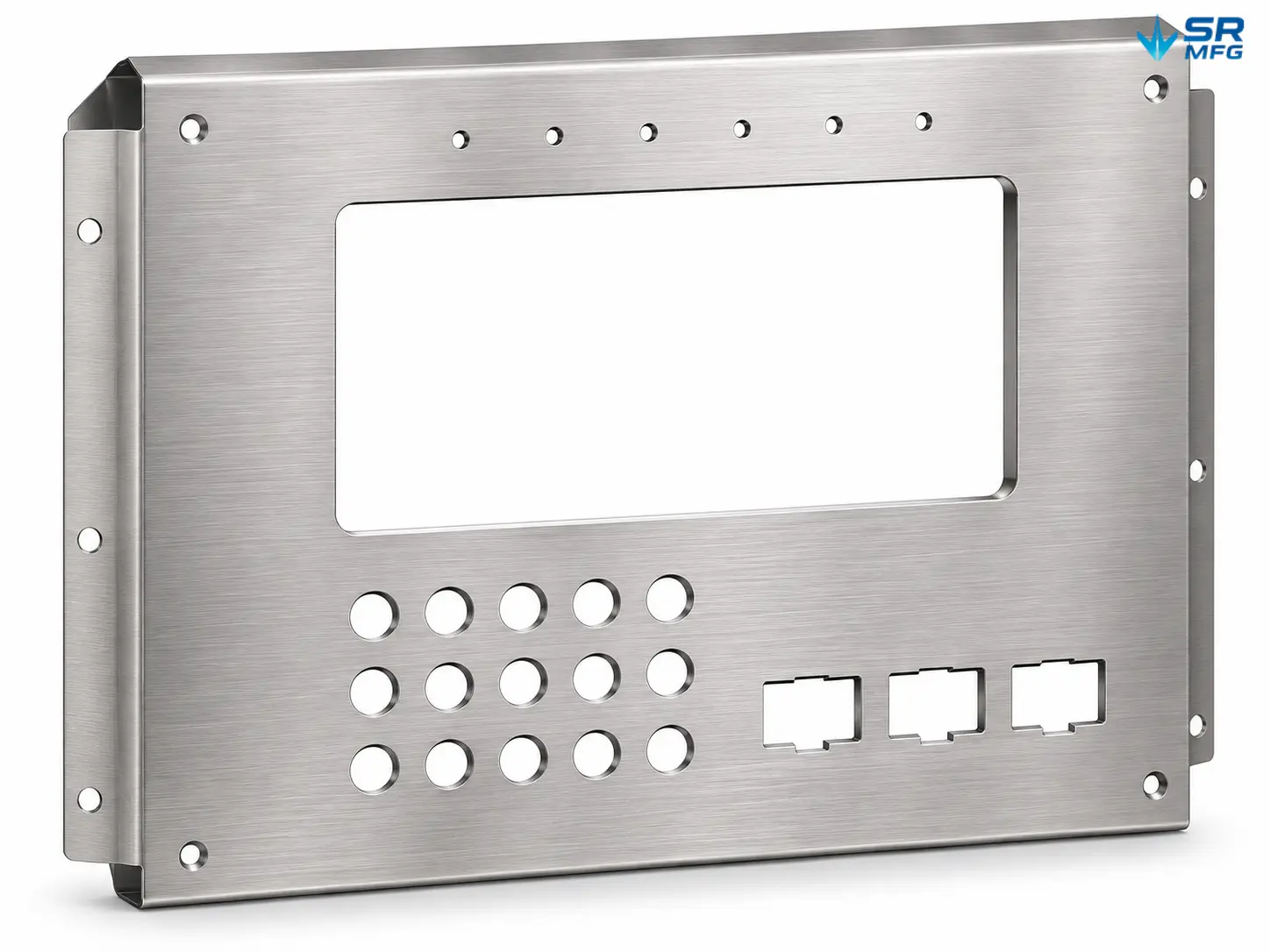
Real-world case. A medical device integrator recently needed 200 brushed stainless front panels for a surgical console redesign. Their drawing called for 47 individual cutouts on a 320 × 220 mm panel with positional tolerances of ±0.15 mm. We laser-cut 1.5 mm SS 304, formed return flanges for screw mounting, and delivered first articles in 12 business days. Fit check passed on the first try — no rework.
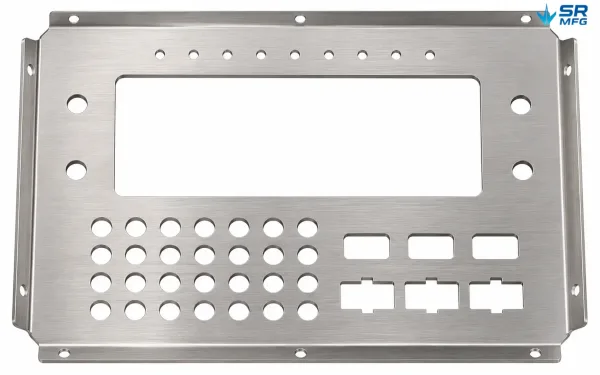
A completed brushed stainless steel front panel for a surgical console, featuring 47 precision laser-cut openings including a display window, keypad grid, connector ports, and indicator lights.
Application Scenarios
| Equipment Type | Panel Role | Typical Material & Finish |
|---|---|---|
| Patient monitors | Front bezel and faceplate for the display and control interface | Aluminum or stainless; powder coat or anodized |
| Surgical consoles | Control panel in the OR — must withstand constant cleaning | SS 304/316; brushed or powder coat |
| Hospital headwall units | Service panel covering gas, electrical, and data interfaces | Cold-rolled steel or stainless; powder coat |
| Diagnostic equipment | Front panel for imaging or lab instrument control screens | Aluminum 6061; anodized |
| Medical carts | Interface panel on mobile equipment platforms | Aluminum 5052; powder coat |
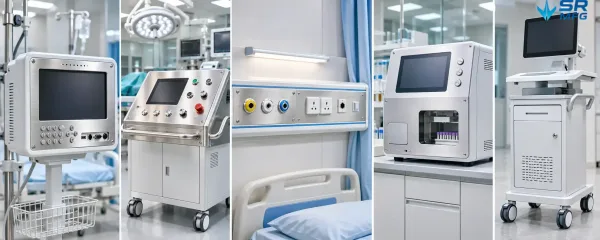
Front panels shown across five medical equipment types — patient monitor, surgical console, hospital headwall unit, diagnostic instrument, and mobile medical cart.
If your application is not listed above, send us the equipment type and an outline drawing. We will confirm feasibility and recommend a material and finish combination.
FAQs