
Most OEM buyers treat the tooling and NRE line on a metal enclosure quote as a single setup fee: pay it once, move on. That assumption is what creates double charges on the second build, fixtures the buyer cannot move to another supplier, and tooling delays just as production ramps.
On custom enclosure programs—cabinets, housings, instrument cases, multi-part sheet metal assemblies—tooling and non-recurring engineering (NRE) are not one number. They are a set of physical tools, fixtures, and engineering deliverables. Each item has a cost, an owner, a useful life, and a rule for what happens after a drawing revision. If those rules are not defined before the PO, the factory will define them when the next change or reorder arrives.
This guide is a review checklist for that decision. It explains what enclosure tooling and NRE usually cover, how to separate one-time charges from reusable assets, how revisions and program stages affect scope, and what to verify before you approve a quote.
Why an Opaque Tooling Line Becomes a Production Problem
When tooling and NRE appear as one undifferentiated fee, three failures show up later.
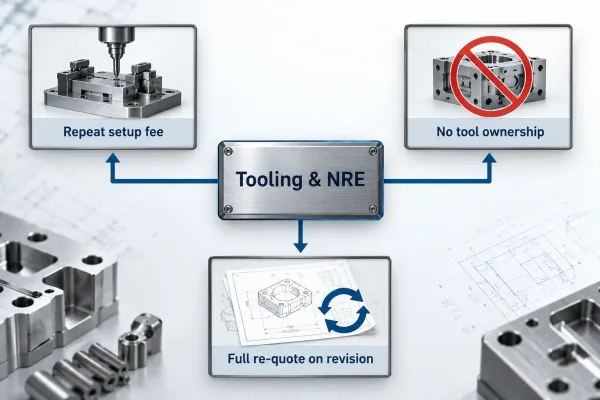
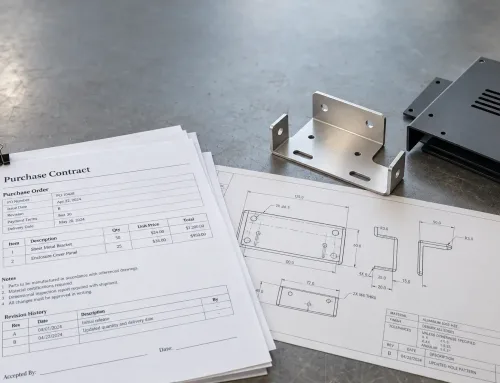
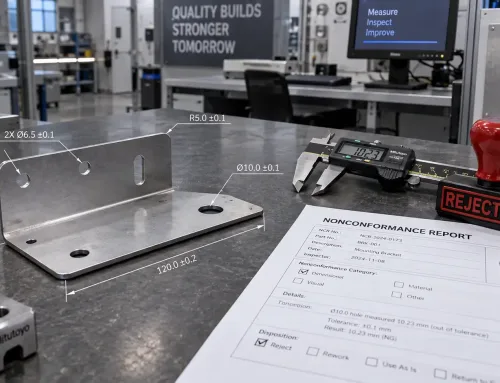
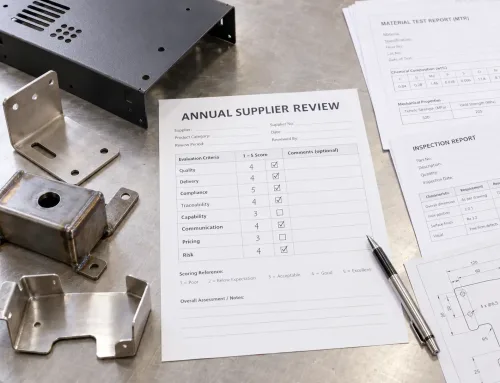
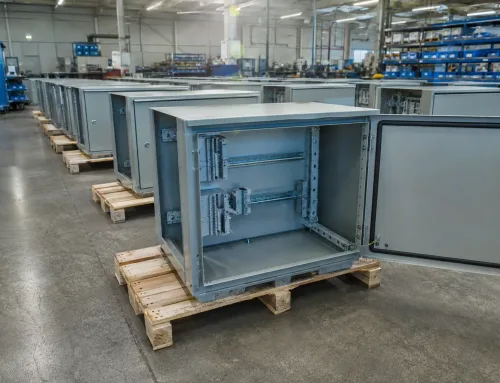
Three failures linked to an undefined tooling and NRE line: repeat setup fees, unclear fixture ownership, and full re-quote after a revision.
First, repeat orders get re-setup charges that were supposed to be covered. Second, the OEM discovers it does not have clear title to the bend tools or weld fixtures when the supplier relationship changes. Third, a mid-program revision triggers a full re-quote of “tooling” even when only one fixture needed a change.
These are not rare edge cases. They are the normal result of approving a one-time fee without item scope, ownership language, or change rules. The cost of review before PO is hours. The cost of fixing it after tooling has been cut is usually weeks and a second invoice.
What “Tooling and NRE” Actually Covers on a Metal Enclosure Order
On an OEM enclosure order, the heading “tooling and NRE” may mix four different kinds of items. Review them separately; a single price against that heading is not enough.
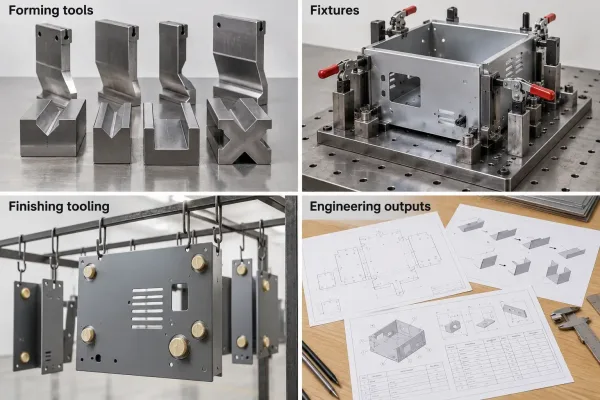
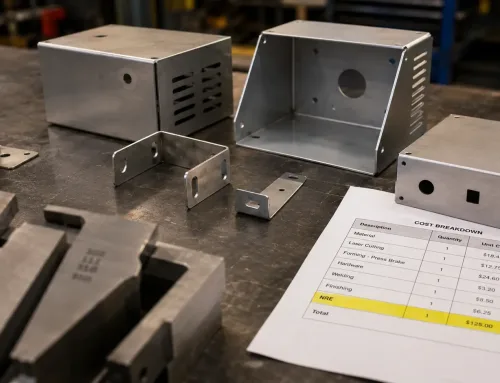
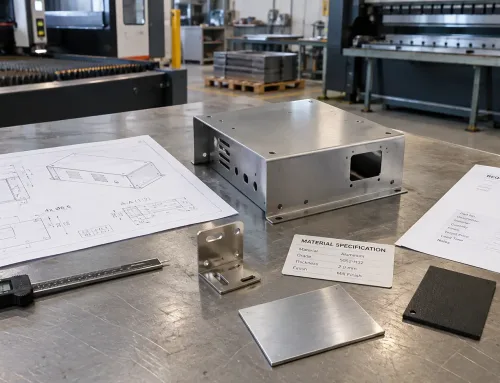
Four tooling and NRE categories on enclosure orders: forming/cutting tools, weld and inspection fixtures, finishing tooling, and engineering outputs.
Physical Forming and Cutting Tools
Press brake punches and dies matched to your flange radii and thicknesses, specialized punch tooling for non-standard louvers or slots, and laser nesting programs when they are delivered as a controlled asset rather than routine shop practice.
Welding, Assembly, and Inspection Fixtures
Jigs that hold enclosure shells square during welding, fixtures that locate doors, panels, or internal chassis, and go/no-go or CMM fixtures used to verify critical hole patterns and mating faces.
Finishing-Related Tooling
Powder-coat racks, masking tools for threads and grounding faces, and nests used in selective finishing. These items are often omitted from the tooling list and then billed as secondary operations later.
Engineering and Programming Deliverables
Fixture design files, flat-pattern and bend sequence documentation, weld maps, inspection plans, and machine programs if the supplier treats them as controlled deliverables. Paying for “engineering” without naming the outputs is how buyers end up paying again for the same documentation.
A complete review maps each quoted line to one of these categories. Unmapped lines are either missing from the quote or hidden inside a package that still needs to be broken out.
One-Time Charges, Reusable Assets, and Repeat-Order Fees
Once items are mapped, classify every line by economic behavior. This is the core of the review.
| Category | What it usually includes | What to require in writing |
|---|---|---|
| True one-time charge | Fixture design, first-article layout, one-off programming setup | What deliverables are accepted, and whether any of it is reusable |
| Buyer-funded physical asset | Press brake tools, weld/assembly jigs, inspection fixtures, finishing nests | Ownership, custody, labeling, retention period, and transfer rights |
| Recurring or conditional fee | Maintenance, wear inserts, re-setup after a long gap, storage beyond an agreed period | Exact trigger events and rates—or a statement that these are not charged |
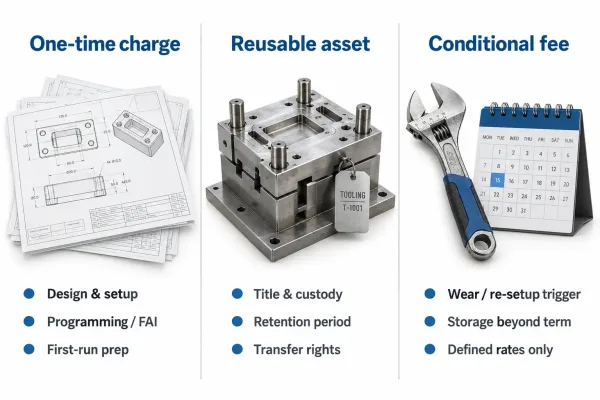
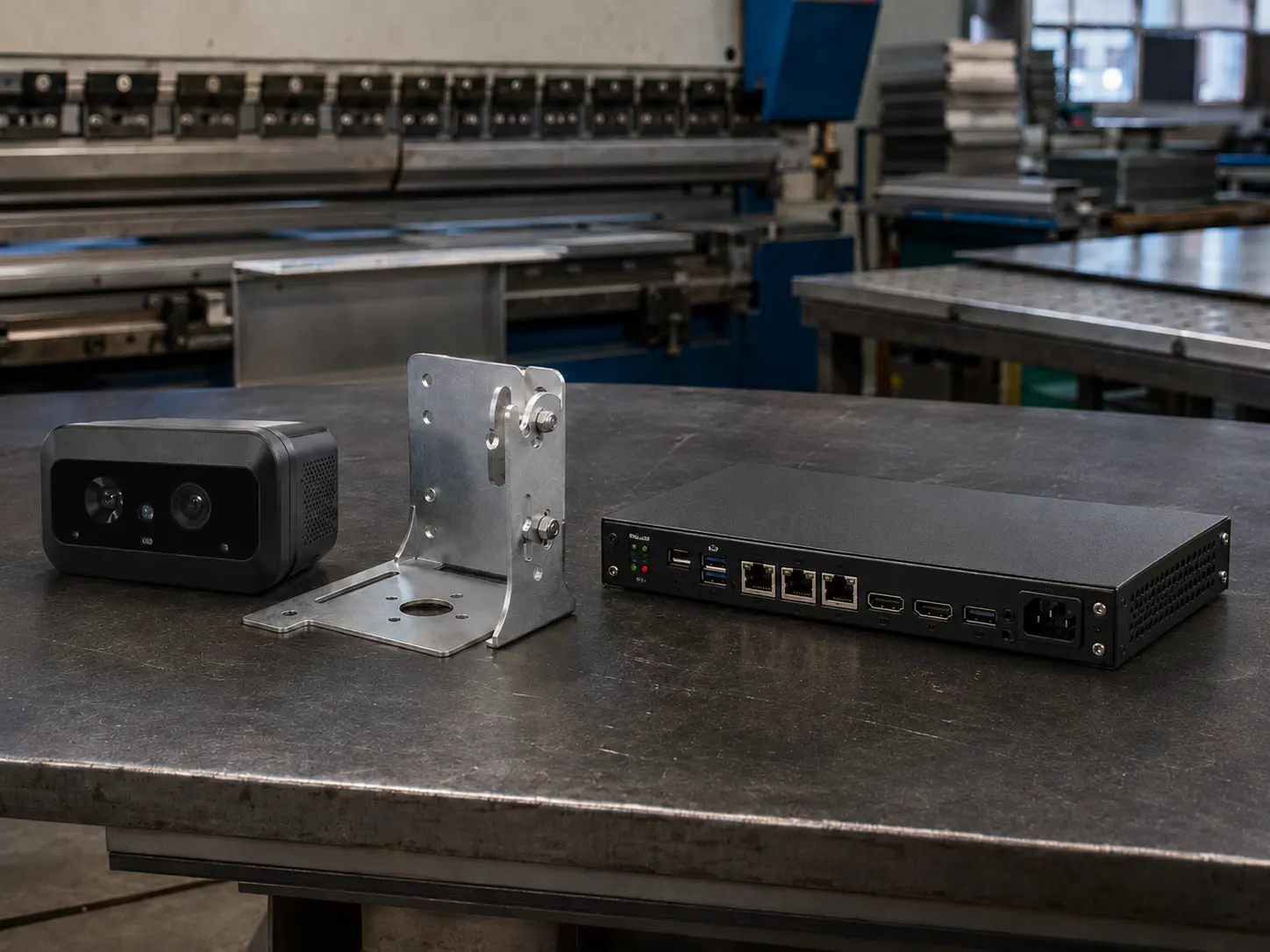
How to classify enclosure tooling and NRE lines: true one-time charge, reusable buyer-funded asset, and conditional or recurring fee.
A true one-time engineering charge should not reappear on a repeat order if the design revision is unchanged. A reusable physical asset should not require a second purchase of the same die or jig because the file was not named in the original scope. Conditional fees are legitimate only when the trigger is defined: fixture refurbishment after a documented wear limit, or re-setup after a defined idle period.
If the supplier will not separate these three behaviors, the OEM cannot compare quotes fairly and cannot forecast production cost.
How Design Revisions Change Tooling Scope and Cost
Enclosure programs change. A door hinge moves, a connector cutout shifts, a cosmetic surface requirement tightens. The question is not whether a revision can affect tooling—it always can—but which class of change it is.
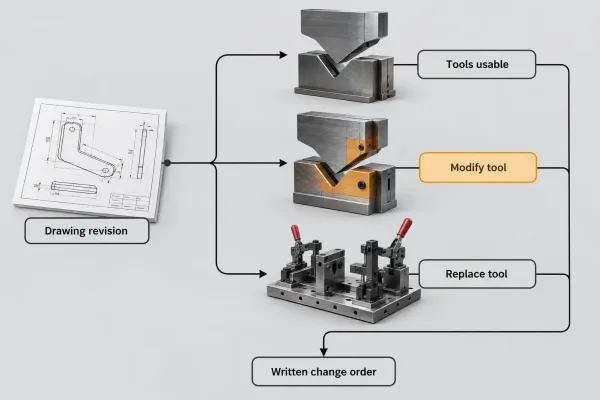
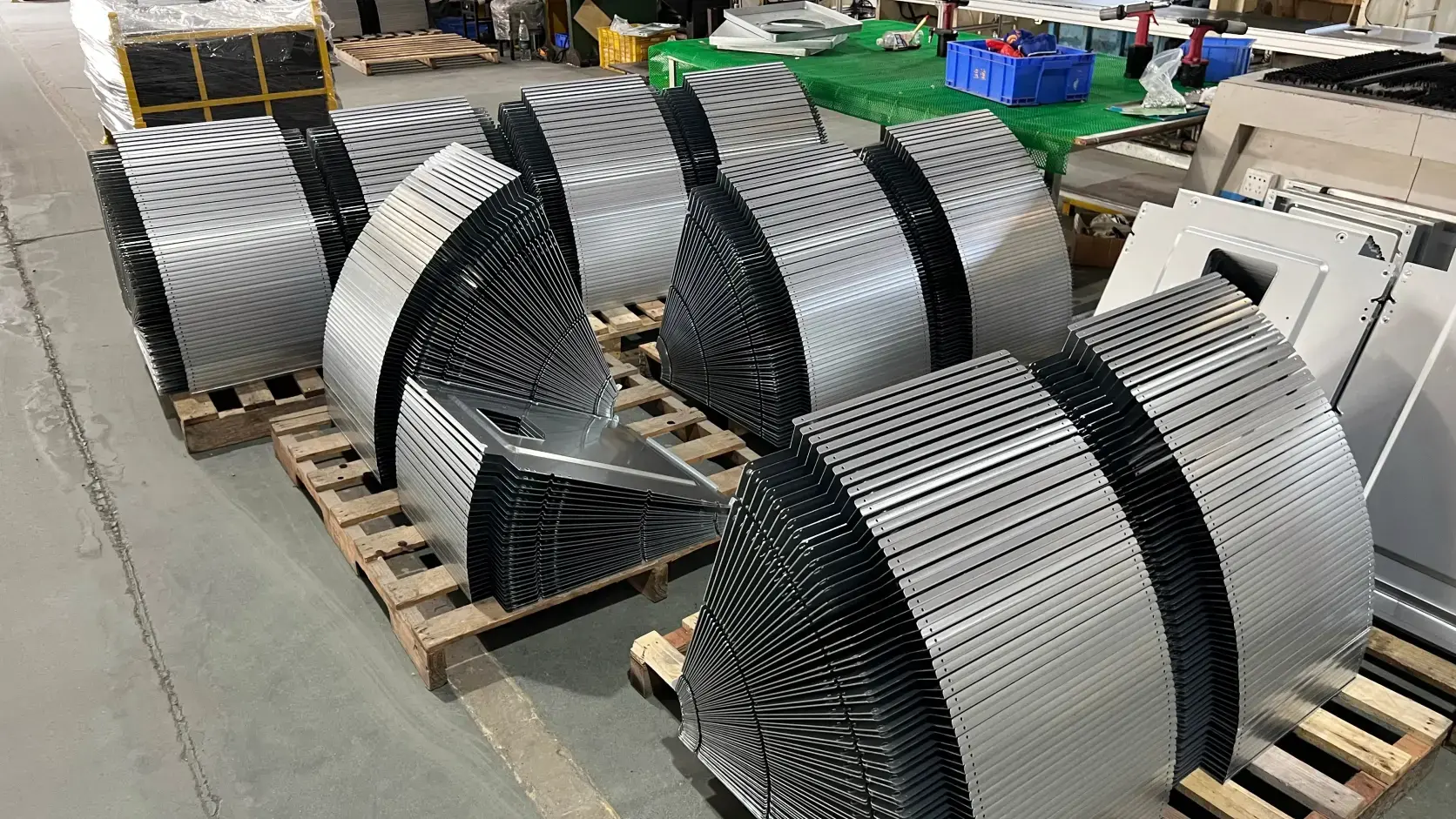
Revision impact classes: changes that leave tools usable, changes that require tool modification or replacement, and written change authorization.
Revisions That Leave Existing Tools Usable
Dimensional changes outside the formed features, BOM swaps that do not affect geometry, and documentation-only updates usually leave press tools and jigs intact. You should not pay a full tooling refresh for these.
Revisions That Require Modification or Replacement
New flange lengths or radii may need different punch/die segments. A moved mounting hole pattern invalidates a weld or inspection fixture. A new masking scheme can obsolete finishing nests. Scope only the affected items.
Who Authorizes Change Work
The PO or tooling agreement should state that change work starts only after a written change order naming the tools affected, the price, and the evidence of modification (photos, re-machining records, or re-validation results). Verbal approval on the shop floor is how budgets expand without a paper trail.
Treat tooling impact as a design decision, not a purchasing surprise. Ask the fabricator to flag, at RFQ, which callouts drive expensive tooling so engineering can decide whether the tighter requirement is worth the asset cost.
Ownership, Custody, and Transfer for Enclosure Tooling
Paying for a fixture does not always mean the OEM can take it back. Sheet metal programs rely on physical assets that stay on the shop floor—especially press brake tooling, weld positioners, and assembly jigs. Ownership language must be explicit.
At minimum, the agreement should cover:
- Title — who owns each tool after payment (OEM, supplier, or shared)
- Identification — asset tags or a tooling register entry linking the tool to the part number and revision
- Custody — where tools are stored, who maintains them, and how wear is recorded
- Access — when the OEM or a designee may inspect tools
- Transfer — notice period and condition requirements if tools move to another manufacturer
- End of program — storage duration, disposal, or return obligations
Without this list, “buyer-owned tooling” is often just a phrase on an invoice. With it, the tooling register becomes a real production asset record.
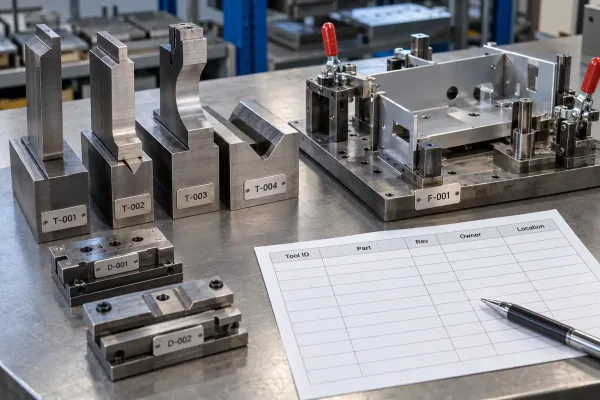
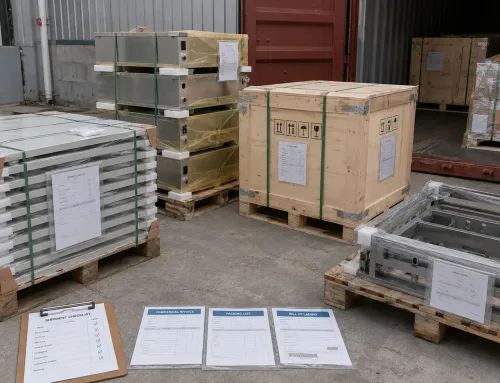
Buyer-funded enclosure tooling with asset tags and a tooling register covering title, custody, location, and revision.
Prototype Tooling vs Production Tooling on OEM Enclosure Programs
Low-volume prototype builds often use soft tooling, hand brakes, or modular fixtures. That is appropriate for fit checks and pilot units. It is not a substitute for production tooling when volumes, cycle time, or cosmetic consistency matter.
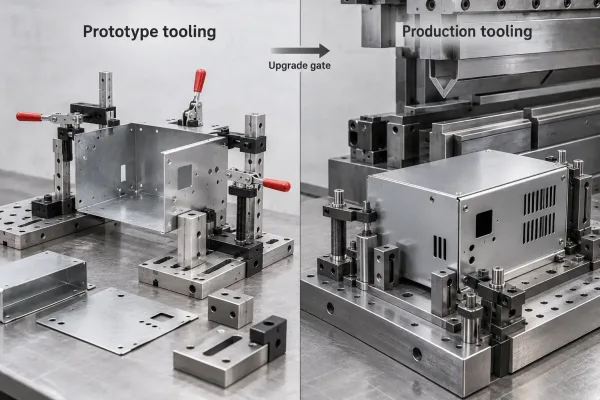
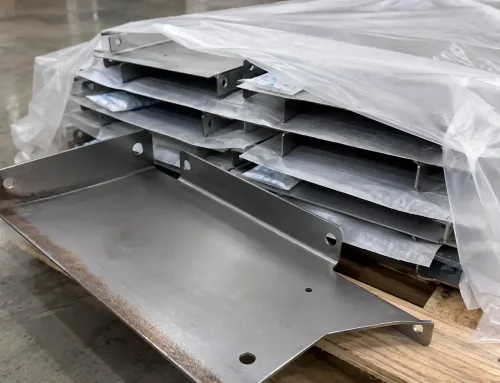
Prototype soft tooling versus production hard tooling for enclosure builds, and when the upgrade should happen.
Decide the upgrade boundary before ramp:
- Define the volume or cosmetic gate at which temporary fixtures must be replaced (for example, after pilot approval or a stated unit count).
- State which party funds the upgrade and whether prototype tooling spend credits against production tooling.
- Require that production fixtures be validated against the same critical dimensions used in FAI so pilot and mass production are comparable.
Running a ramp on prototype tooling is a common source of flange angle drift, weld distortion, and finish variation. The review question is not “is there tooling?” but “is this the right tooling class for the next stage?”
The Review Checklist — Line by Line Before You Approve
Use this sequence on every enclosure quote that contains tooling or NRE.
Quote Breakdown Review
- Every tooling/NRE line is mapped to a category (forming tools, fixtures, finishing tooling, engineering outputs).
- No lump-sum “setup” remains without named contents.
- Charges that are optional or stage-dependent are marked as such.
Ownership and Reuse Language
- Title, custody, and transfer rules are written for each physical asset.
- Reuse on repeat orders is stated: free, or re-setup only under defined triggers.
- Revision change work requires written authorization and names affected tools only.
Acceptance Evidence and Tooling Register
- You receive (or will receive) a tooling register: tool ID, part number, revision, location, and ownership.
- Engineering deliverables have a defined acceptance list (drawings, programs, inspection plans).
- FAI or first-run validation covers the tools that will run production, not only the prototype set.
Do not approve the total until these three blocks are complete. A lower unit price with undefined tooling is rarely lower at the second order.
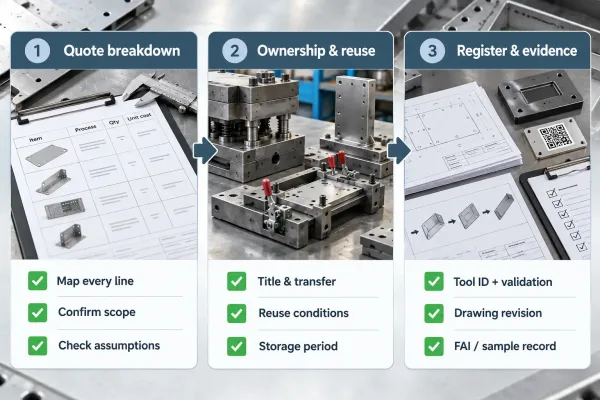
Three review blocks before approval: quote breakdown, ownership and reuse language, and acceptance evidence with tooling register.
FAQs
Next Step
On your next enclosure RFQ or quote revision, request an itemized tooling and NRE schedule before you compare unit prices. Map every line to the categories above, attach ownership and revision rules, and confirm which fixtures will run production versus pilot. That schedule is the document that keeps the second and tenth orders predictable.