Metal Deburring Services
SR MFG provides standardized metal deburring services for laser-cut, stamped, and machined sheet metal parts. We remove burrs, sharp edges, and dross, while achieving defined edge conditions to improve handling safety, assembly fit, coating coverage, and final part consistency.
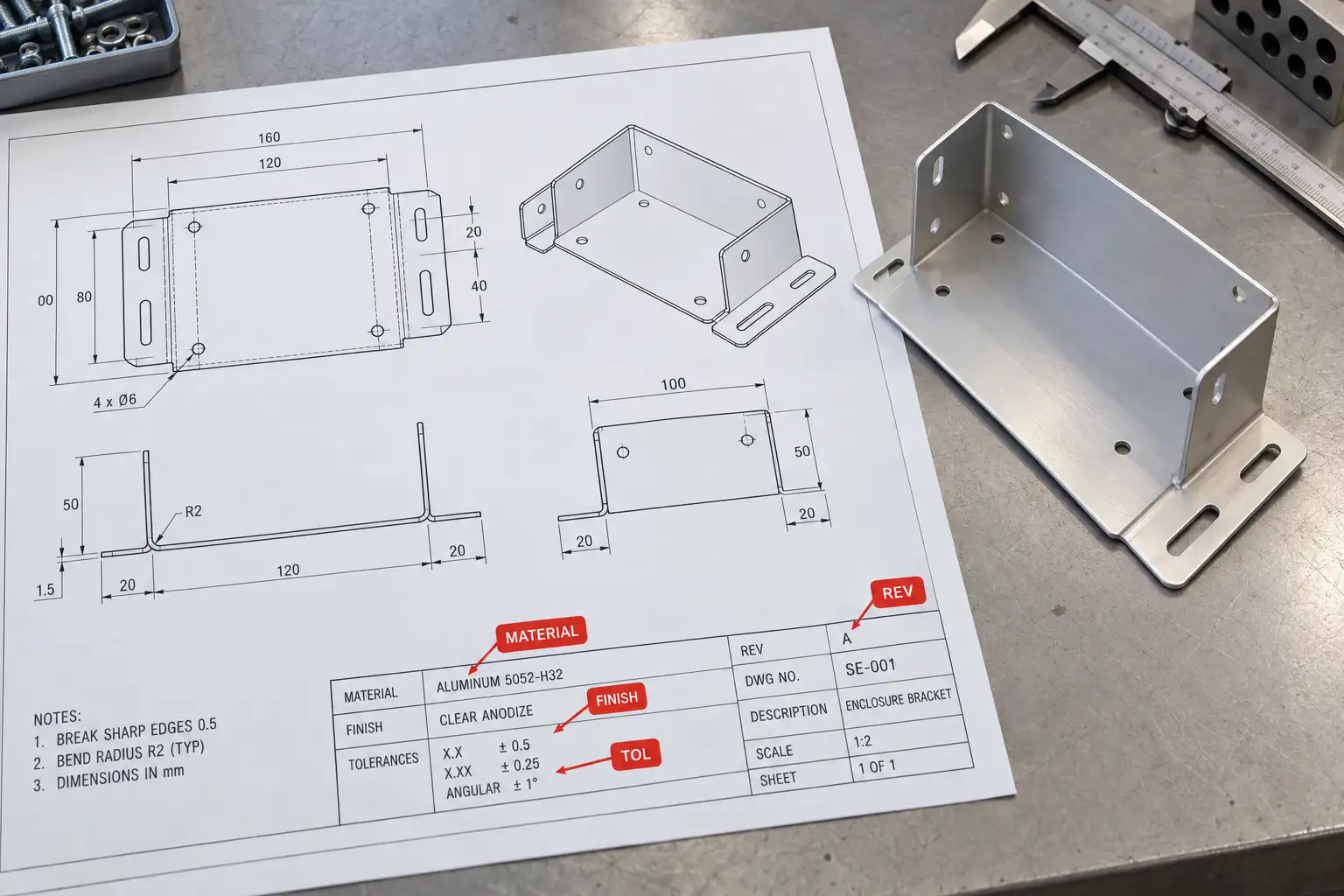
For critical parts, we can follow drawing-defined edge break, chamfer, radius, sample burr level, or downstream coating requirements to help your parts move smoothly into assembly, painting, plating, or shipment.
What Edge Conditions Can SR MFG Deliver?
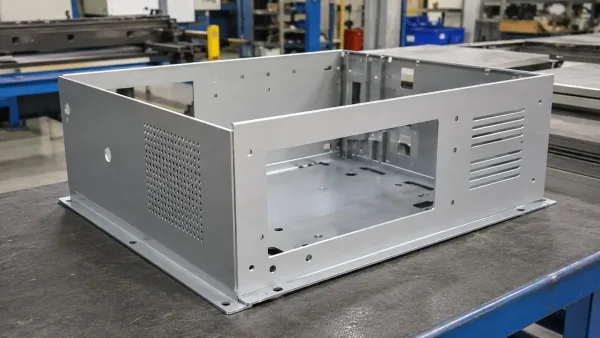
After processes such as laser cutting, stamping, machining, or welding, metal edges often end up with burrs, dross, or sharp corners. Edge requirements vary widely by product—there is no single “default” condition. Below are SR MFG’s core edge-finishing capabilities.
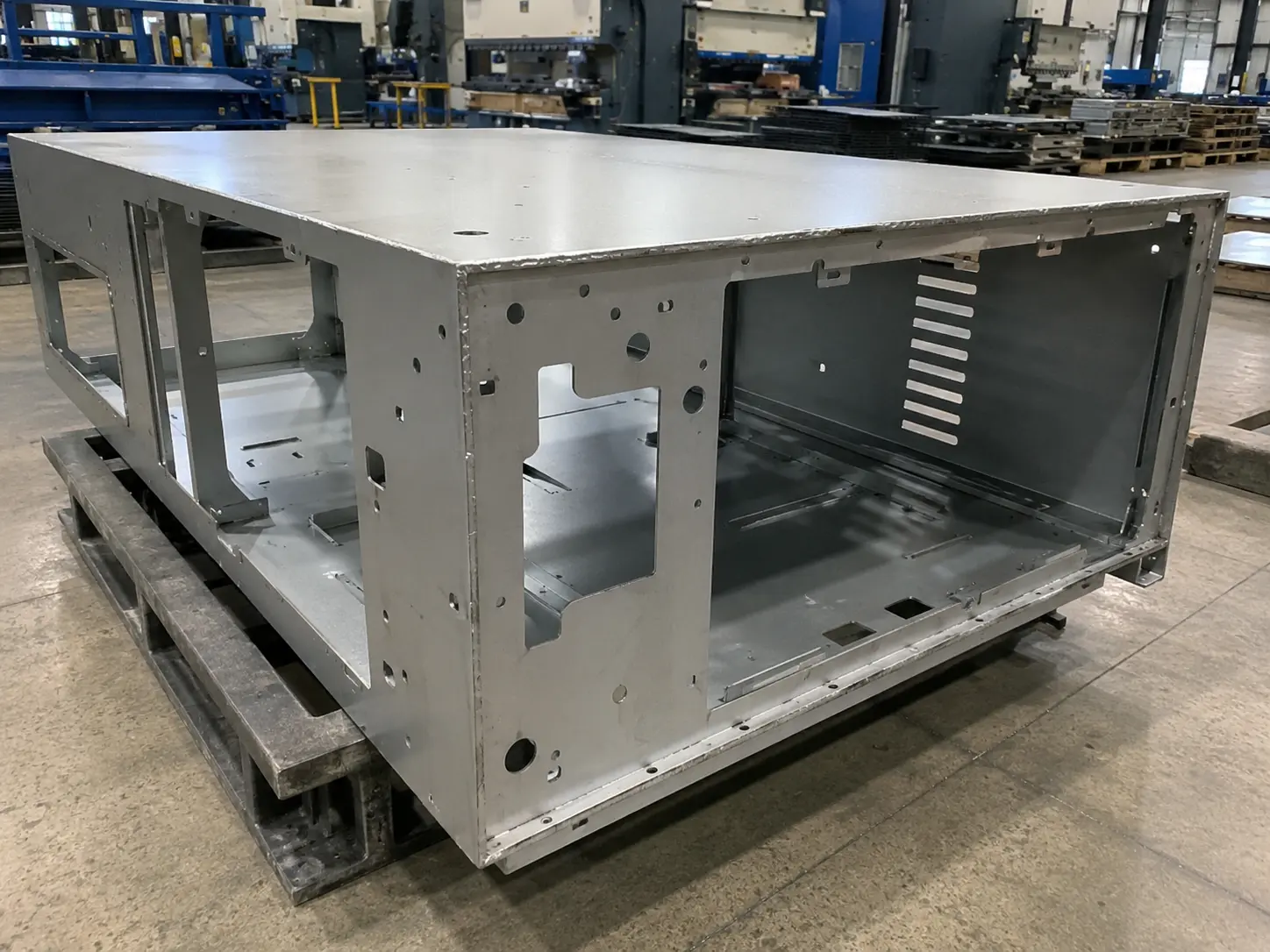
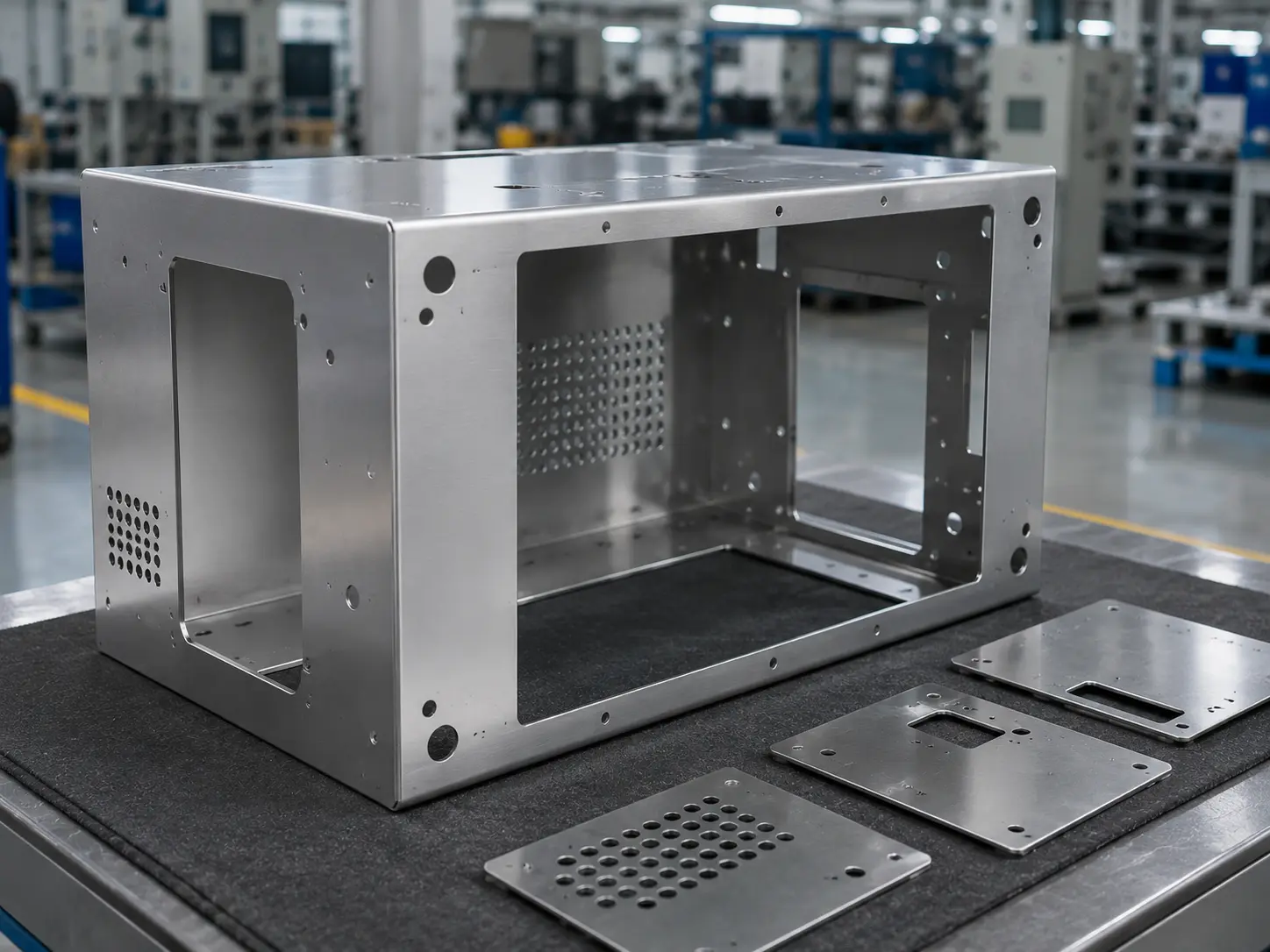
Complete Burr Removal
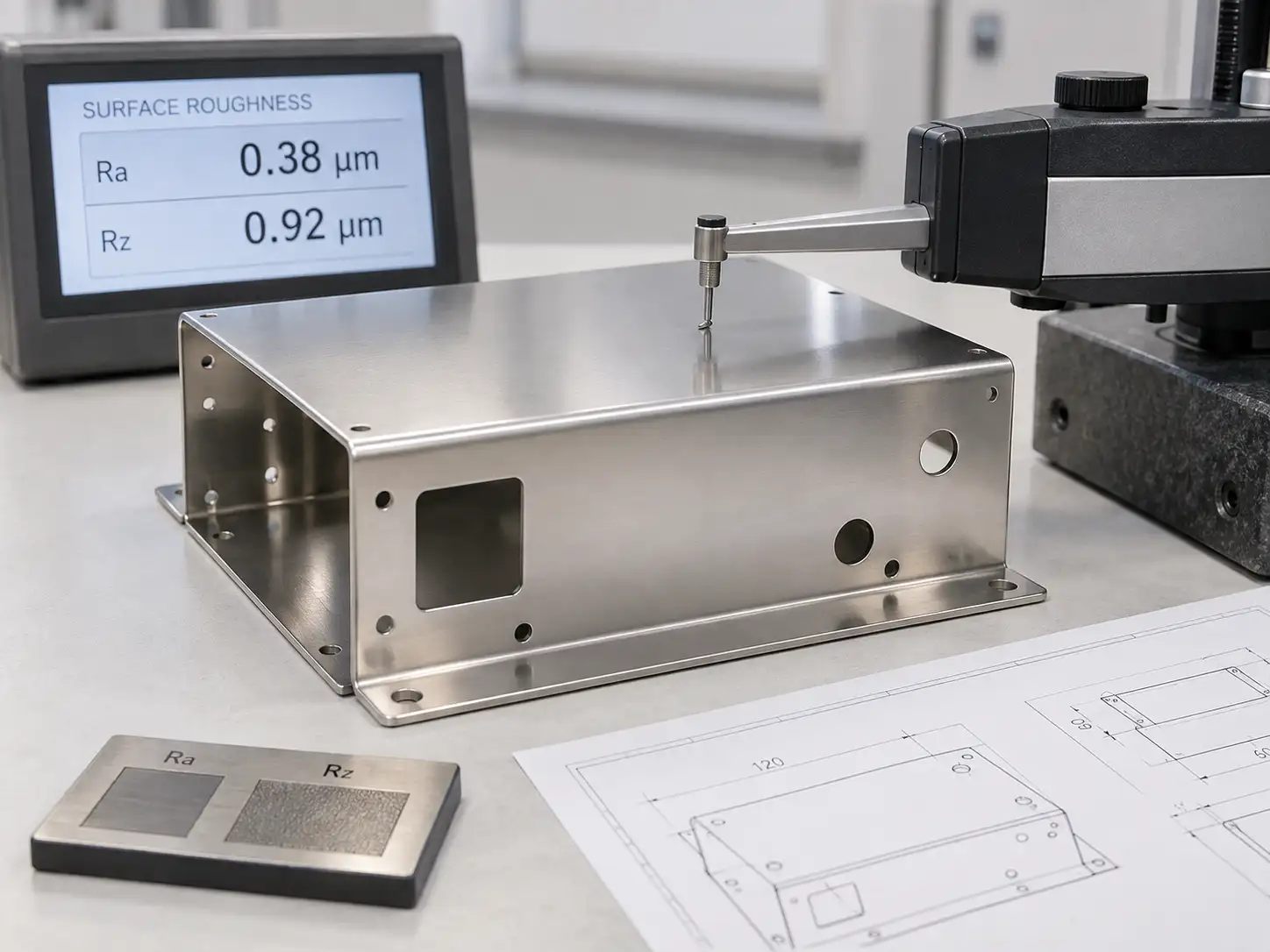
We can remove burrs down to the ~0.01 mm level. By combining multiple deburring methods as needed, we evaluate feature accessibility for cross holes, deep slots, blind cavities, and required edge acceptance criteria.
Edge Finishing Options
Burr-Free Edge
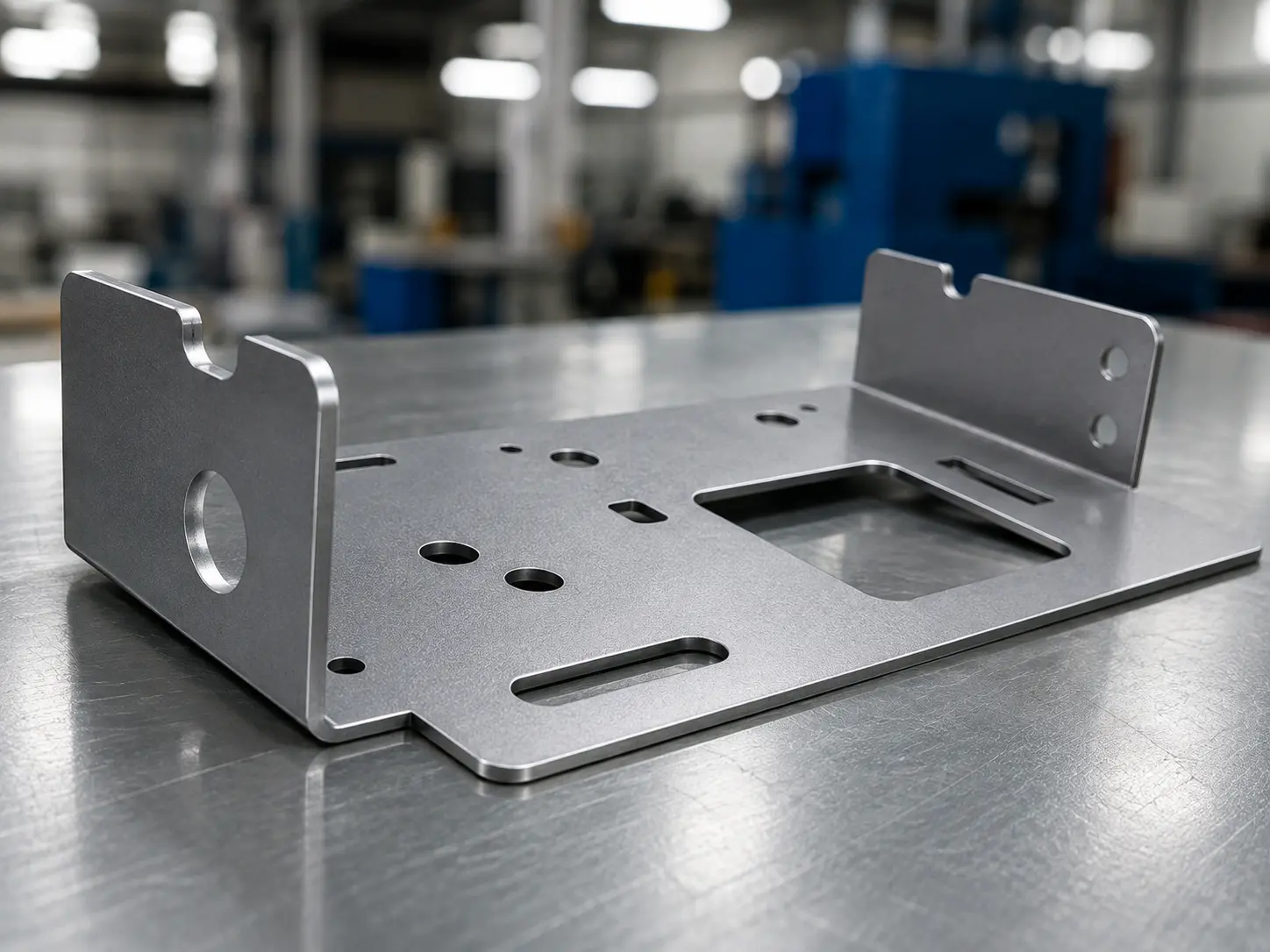
Removes visible burrs and sharp raised material from cut, punched, stamped, or machined edges.
Edge Break
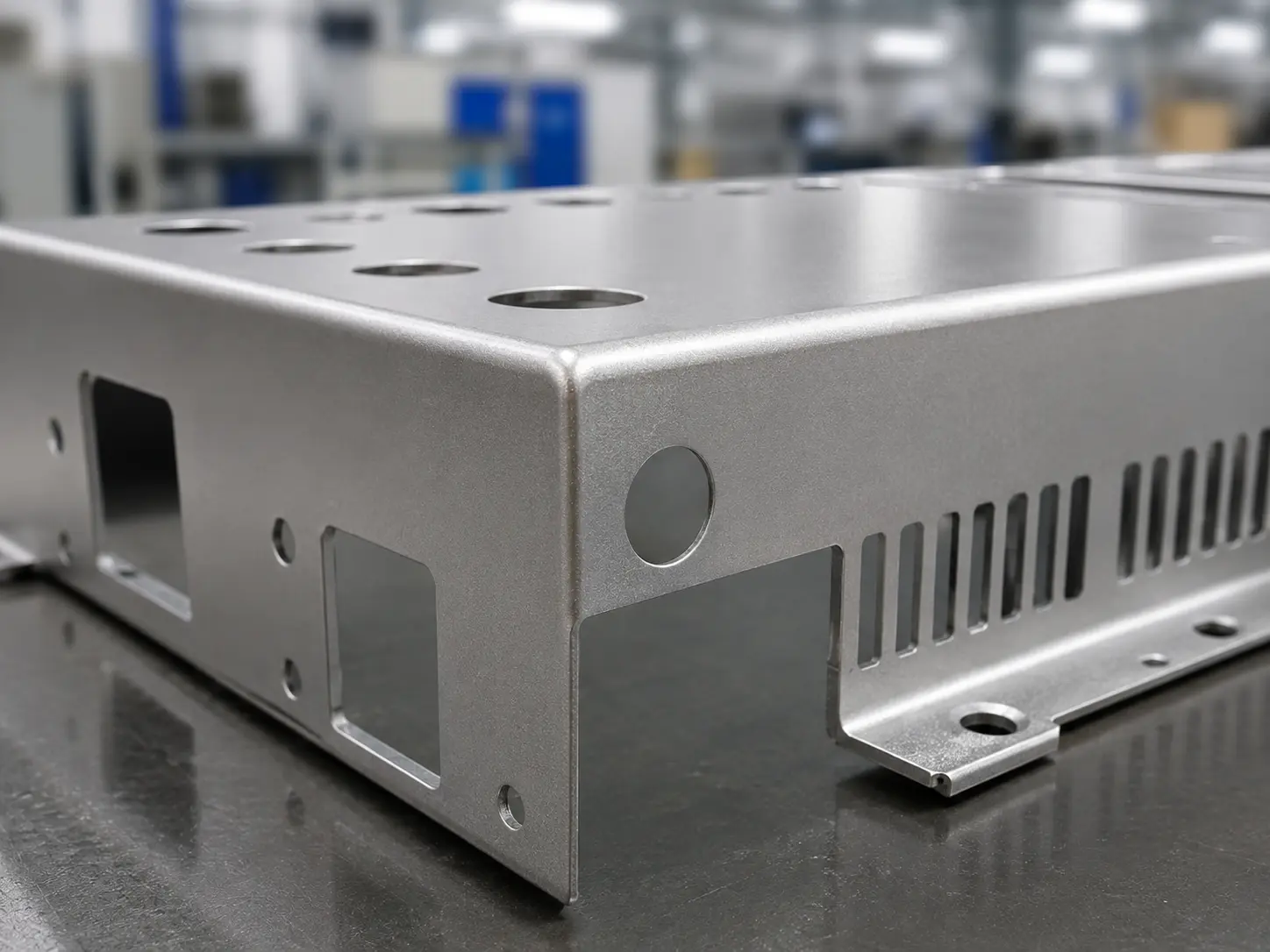
Slightly dulls sharp corners while keeping the original part geometry nearly unchanged.
Chamfer / Radius
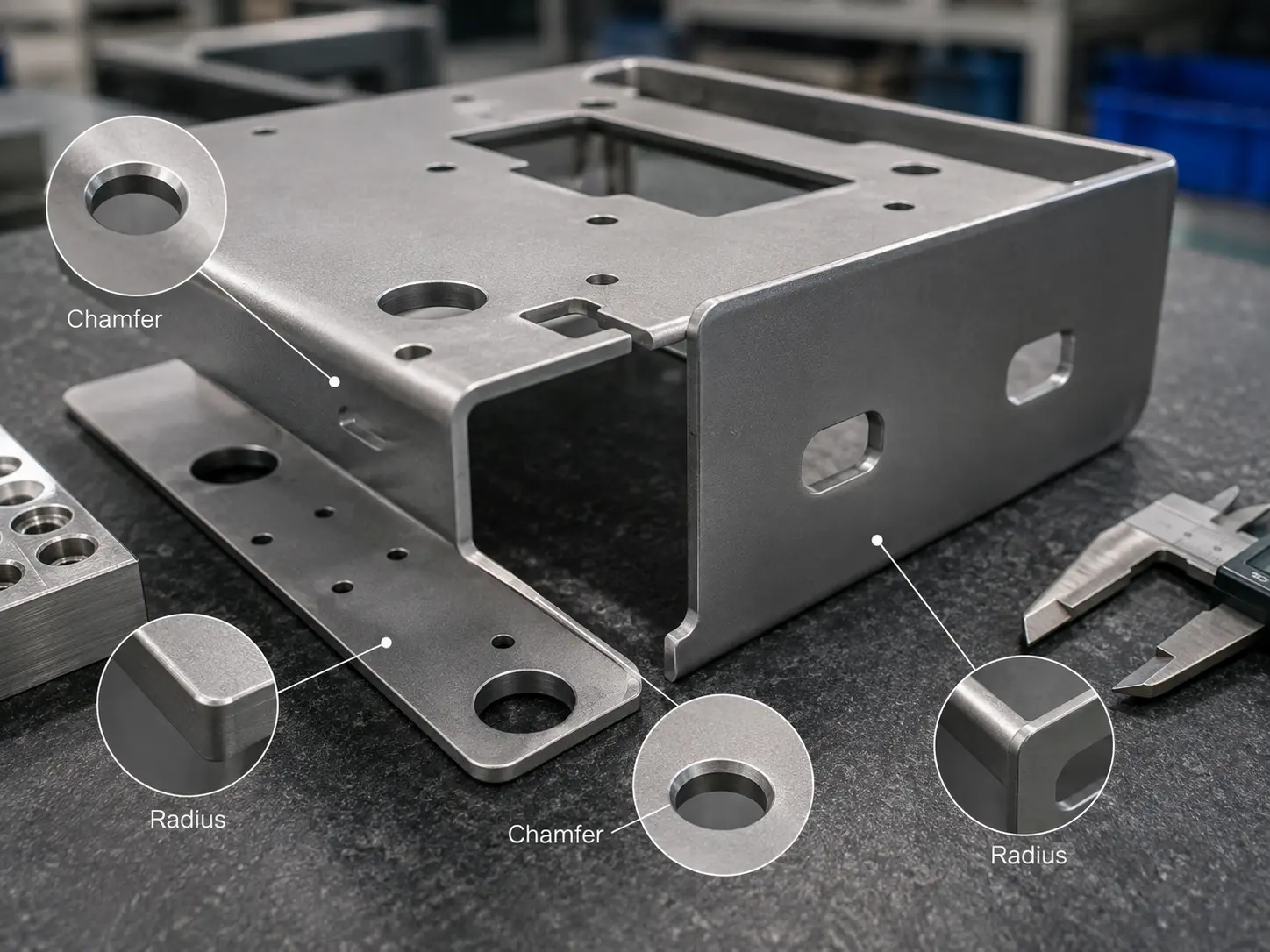
Creates a defined chamfer or radius when the drawing requires controlled edge geometry.
Coating-Ready Edge
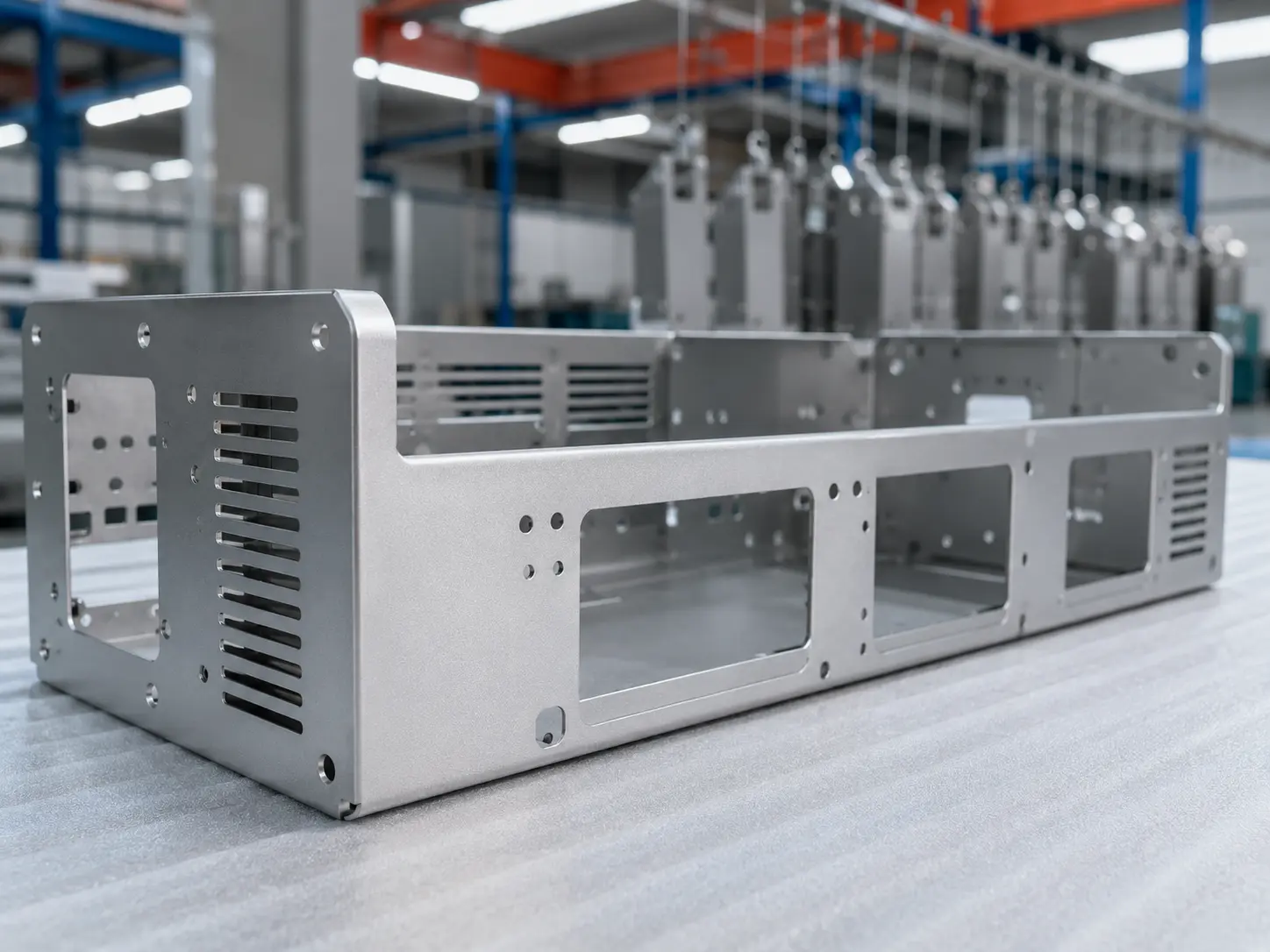
Improves edge condition before powder coating, wet painting, plating, or e-coating.
Engineering Note: The right edge condition depends on material, edge requirement, downstream finish, and assembly function. We follow drawings, samples, or your edge quality standards.
You Can Specify
Process Control
Assembly & Coating
How to Select the Right Deburring Method
Different burr types, part geometries, and downstream requirements call for different deburring routes.
Review the best-fit process based on feature access, production volume, and edge-quality goals.
Manual Deburring
Low volume, high value, local touch-up
Accessible edges and hole mouths
Flexible, controllable, highly adaptable
High labor cost; low throughput; operator-dependent consistency
Precision mating parts, prototypes, small batches
Mass Finishing
(Vibratory / Tumbling)
Small parts in volume; light overall removal acceptable
General external-edge burrs; light edge rounding needed
High batch efficiency; mature process; good consistency
Limited for masked areas, deep holes, or root burrs; possible part-to-part dings
Hardware, standard parts, small stampings
Blast Deburring
(Dry / Wet / Micro)
External surfaces; cosmetic uniformity required
Fine burrs; edge break; surface cleanup
Can combine cleaning with appearance uniformity
Less effective on heavy burrs; surface damage and media residue must be controlled
Cosmetic parts, casting cleanup, precision small parts
Electrochemical
Deburring (ECD)
Complex geometry; internal features hard to access
Cross holes, internal passages, deep slots
Highly selective; excellent reach; typical cycle 10–30 s
Requires fixtures, electrodes, chemistry control, rinsing, and corrosion control
Valve bodies, pump housings, hydraulic components, cross-hole burrs
High-Pressure Water-Jet
High cleanliness requirements; want deburr + clean
Flash, burrs, chip residue
Integrated cleaning; capable up to ~245 MPa class
High equipment and water-treatment cost; drying and corrosion prevention required
Automotive parts, engine components, precision castings
Ultrasonic-Assisted
Micro-Deburring
Precision small parts; surface-damage sensitive
Micro-burrs, often requiring magnification
Gentle on surfaces; effective for micro-burrs
Limited on heavy or strongly attached burrs; needs validation
Semiconductor, optical, and medical precision parts
Thermal Energy
Method (TEM)
Internal features not mechanically reachable; micro-burrs or flash
Holes, cross passages, complex cavities
Effective on micro-burrs in inaccessible areas
Requires strict process control and post-clean verification; not suitable for all parts
Multi-port components, complex internal channels
Engineering Note: Final deburring method selection should be confirmed by material, burr location, part geometry, target edge condition, downstream coating or assembly needs, and sample validation.
Discuss Your Part