
Metal Grinding Services
SR MFG provides metal grinding services for sheet metal parts that require surface leveling, weld transition blending, edge finishing, and controlled brushed or ground textures.
We help remove raised defects, blend visible transitions, improve surface consistency, and prepare parts for polishing, coating, assembly, or final cosmetic approval. For appearance-critical parts, we can control grain direction, A/B surface zones, roughness targets, and approved sample matching.
Get a Custom Quote in 24 Hours
Upload your drawings for engineering review.
What Is Metal Grinding? How It Differs from Polishing and Deburring
You can think of metal grinding as flattening a surface with progressively finer abrasives. By creating controlled relative motion between an abrasive and the workpiece, grinding removes excess material in a predictable way to level pronounced tool marks, weld steps, and deep scratches, producing a more uniform and consistent surface. In practice, grinding is typically performed with abrasive belts, grinding wheels, or abrasive brushes.
If the goal is higher gloss—or even a mirror-like finish—grinding is usually followed by polishing or other finishing operations.
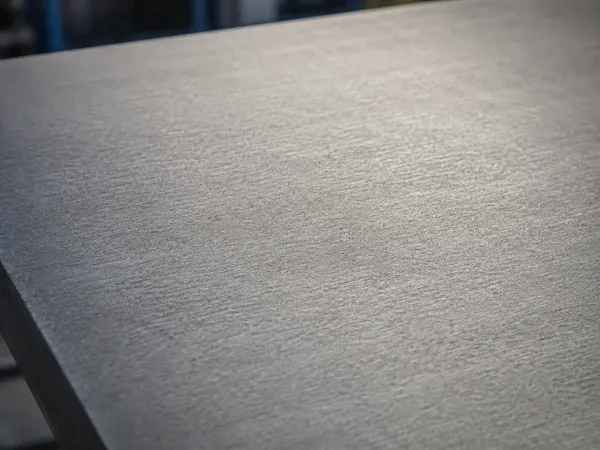
Grinding vs. Polishing vs. Deburring
These processes may look similar, but they solve different problems. Use the comparison below to define the right finish, edge condition, and inspection requirement for your part.
Grinding
Surface leveling, defect removal, and texture control.
Tool marks, weld steps, deep scratches, and uneven surfaces.
Flatter and more uniform. High gloss is not the primary goal.
Material is removed, so removal amount and flatness should be controlled.
Define A-surface area, grain direction, Ra or Ra max, and approved reference sample.
Polishing
Finer cosmetic finish, brightness, and smoother appearance.
Dull surfaces, fine scratches, and cosmetic appearance requirements.
Higher gloss, smoother surface, and higher cosmetic grade.
May cause slight changes depending on material, method, and finish target.
Define target gloss, mirror grade if required, Ra target, and approved reference sample.
Deburring / Edge Break
Burr removal, safer edges, and easier assembly fit.
Sharp edges, assembly binding, burrs at holes or edges, and handling risk.
Smoother, less sharp edges with reduced burrs and improved safety.
Usually minimal, but critical edges need clear limits and allowable removal.
Specify deburr, edge break, maximum edge radius, or allowable chamfer range.
Engineering Note: Grinding, polishing, and deburring can be combined when parts require surface correction, cosmetic finish, and safe assembly edges.
Grinding Surface Texture Options
Choose the right visual texture and grain style based on appearance requirements, material, and downstream use
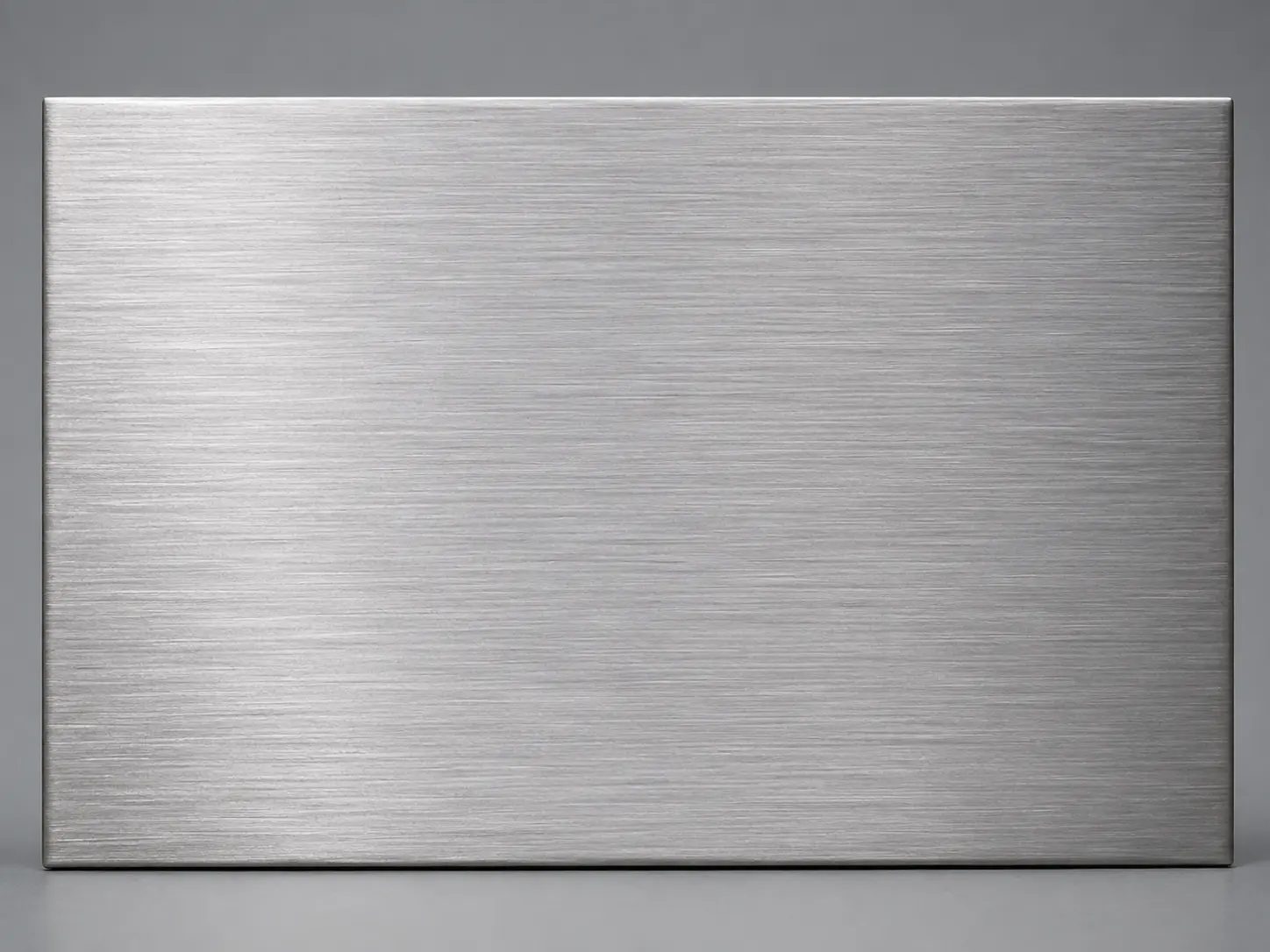
Linear Brushed / Directional Grain
Texture profile: Continuous straight-line grain in one direction.
Typical method: Progressive belt finishing to refine and set the grain.
Best for: Stainless steel panels, cosmetic enclosures, visible surfaces.
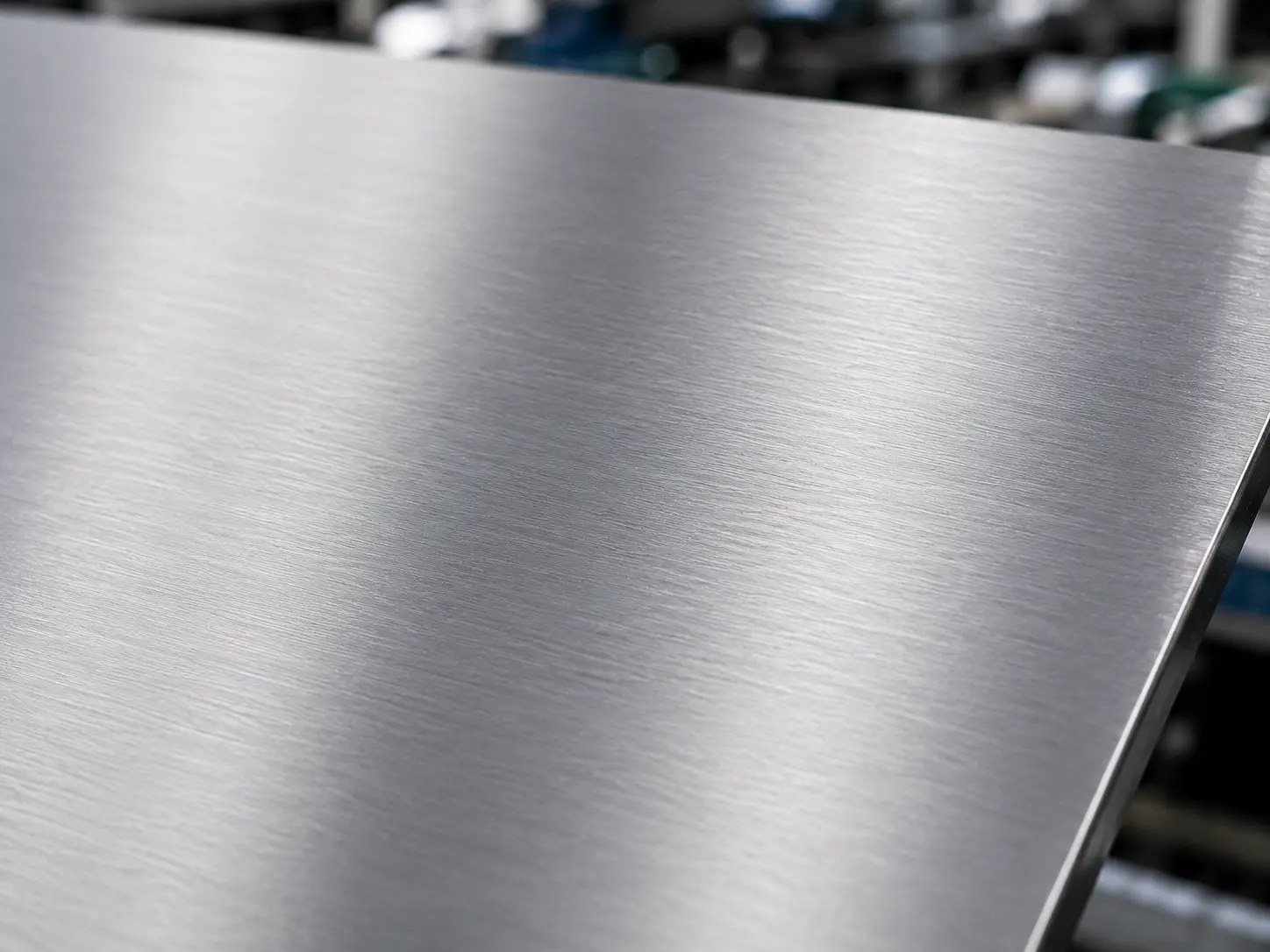
No.4 Satin Finish
Texture profile: Softer, more uniform directional brushed appearance.
Typical method: Typically around 150–180 grit, matched to approved reference.
Best for: 304/316 cosmetic parts, equipment housings, kitchen panels.
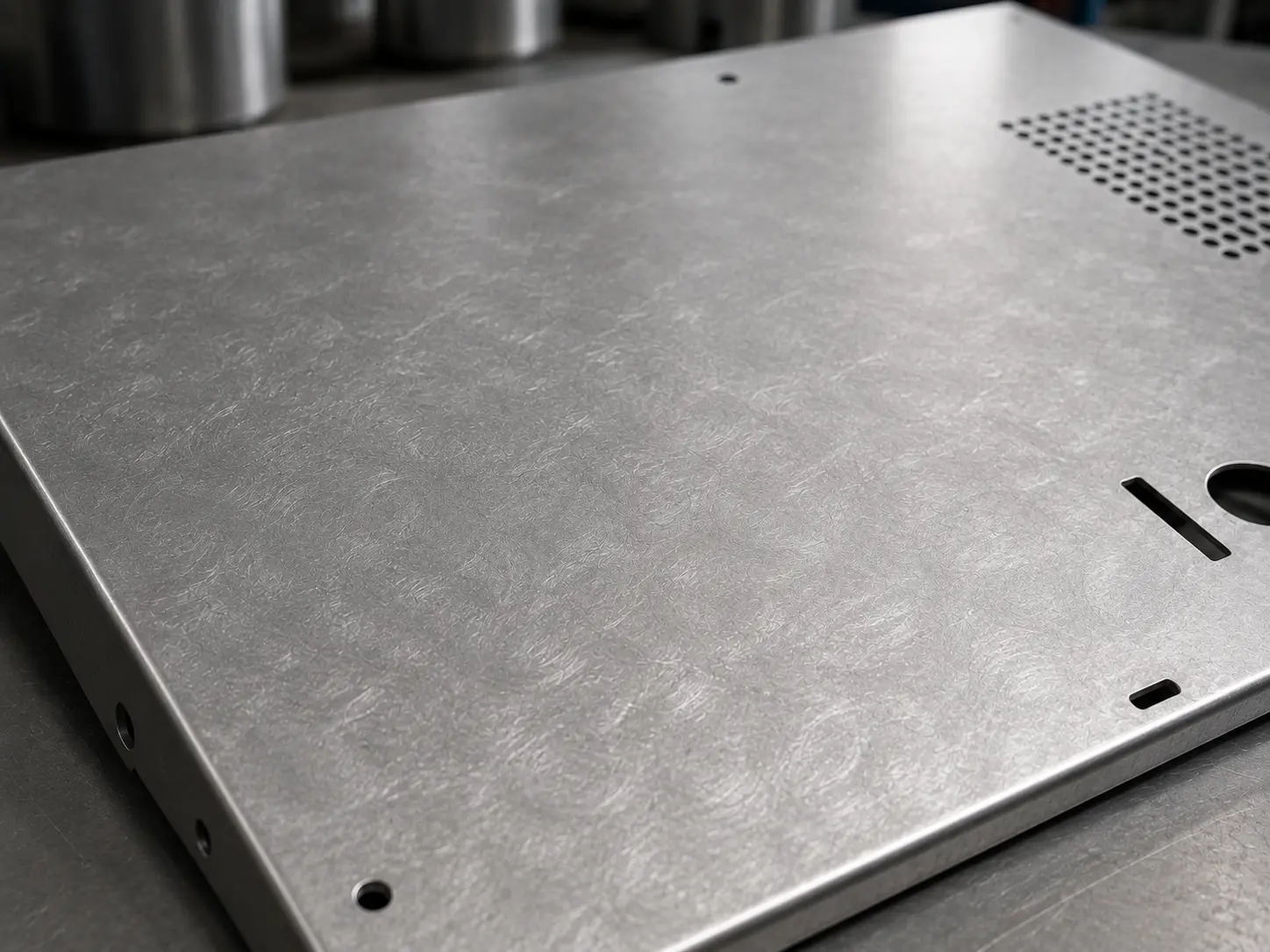
Random / Swirl / Non-Directional Texture
Texture profile: Randomized pattern with no fixed grain direction.
Typical method: Random-orbit sanding or dedicated non-directional tooling.
Best for: Cosmetic surfaces where direction sensitivity is undesirable.
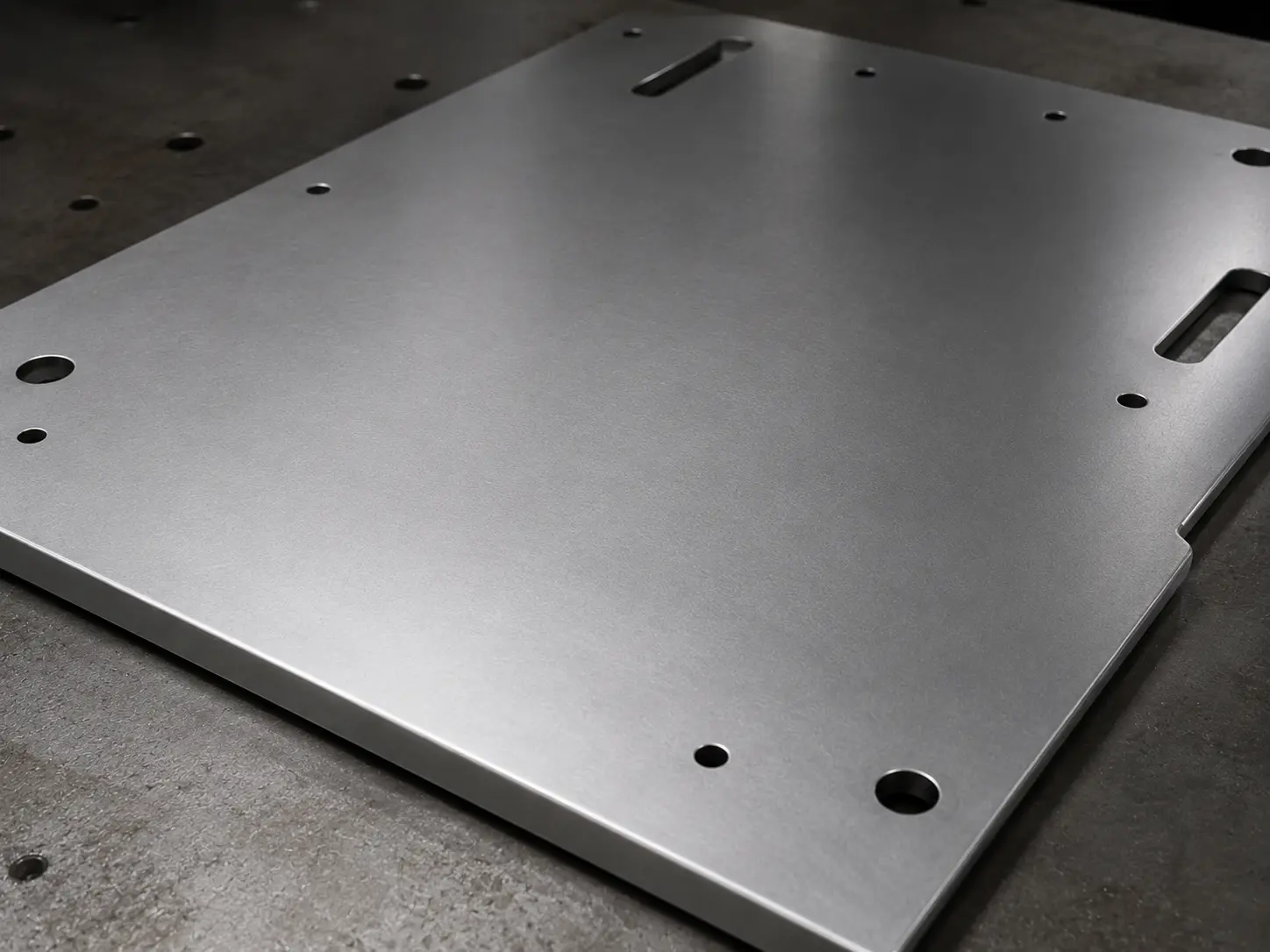
Blending / Matte Uniforming
Texture profile: More matte and even overall, minimizing visible scratch lines.
Typical method: Non-woven abrasive belts or wheels for blending and smoothing.
Best for: Pre-coating uniforming, light cosmetic parts, weld-transition blending.
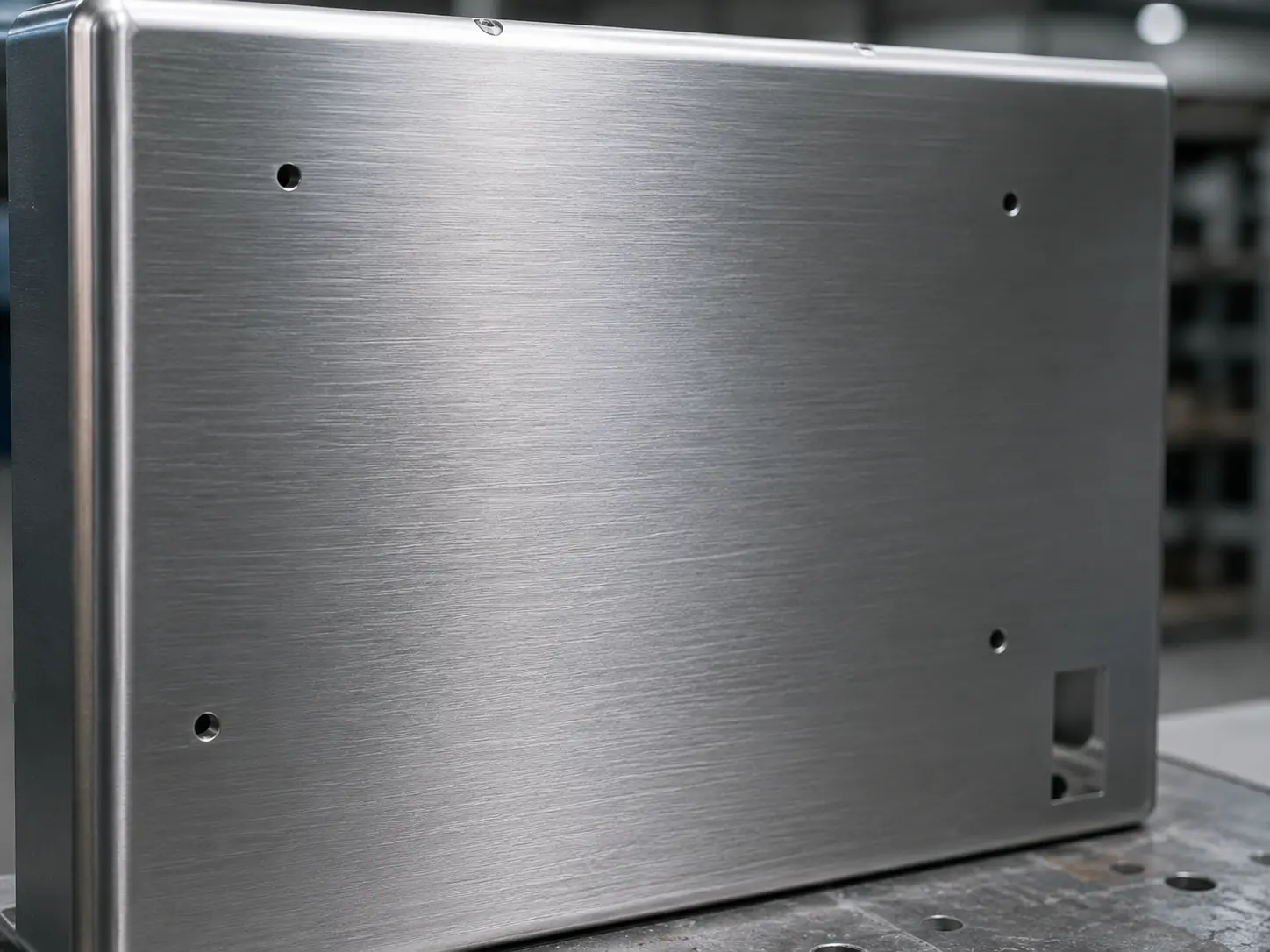
Weld-Grain Restoration / Grain Matching
Texture profile: Reconstructs the grain so weld areas match the surrounding surface.
Typical method: Remove weld steps first, then rebuild the final specified grain direction.
Best for: Cosmetic stainless assemblies, panels, and covers with strict grain matching.
Material Compatibility for Metal Grinding
Carbon Steel /
Stainless Steel /
Cast Iron
Standard capability
- Common abrasive: Aluminum-oxide systems
- Best for: Surface leveling, weld blending, texture control
- Note: Stable stock removal and consistent texture
Hardened Steel &
Bearing Steel
High hardness
- Common abrasive: CBN preferred
- Best for: Controlled grinding of hardened material
- Note: Manage heat input and preserve surface quality
Aluminum &
Copper Alloys
Anti-loading focus
- Common abrasive: SiC / anti-loading systems
- Best for: Soft non-ferrous metals
- Note: Helps reduce smearing, drag marks, and chip adhesion
Titanium & Heat-
Resistant Alloys
Case-by-case
- Common approach: Controlled process parameters
- Best for: Heat-sensitive alloys
- Note: Reduce heat damage, discoloration, and surface issues
Special /
Hard Materials
When applicable
- Common abrasive: Diamond systems
- Best for: Carbides, ceramics, and special materials
- Note: Reviewed by hardness, geometry, and finish target
Engineering Note: Final abrasive selection depends on material hardness, part geometry, finish target, heat sensitivity, and whether wet or dry grinding is required.
Standardized Metal Grinding Process
Metal Grinding Process (Video Demonstration)
Drawing &
Finish Review
- Confirm cosmetic area, grain direction, and finish target
- Review drawing details, Ra target, and approval criteria
Material Check &
Traceability
- Verify material grade, incoming surface condition, and batch identity
- Set traceability before grinding begins
Fixturing &
Surface Protection
- Protect critical zones and visible surfaces
- Control clamping, masking, and setup stability
Coarse Grinding &
Defect Leveling
- Remove weld steps, scratches, and major surface irregularities
- Build a uniform base surface for follow-up finishing
Fine Grinding &
Grain Setting
- Refine texture step by step to the specified finish
- Lock grain direction, appearance consistency, and surface quality
Cleaning, Inspection
& Packing
- Clean and dry parts; inspect appearance and Ra as required
- Apply protective packaging before shipment
Engineering Note: Actual grinding flow depends on material, surface zone, grain direction, finish target, heat sensitivity, and approved reference sample.
Ready to Review Your Metal Grinding Requirements?
Send us your drawings, material grade, surface condition, grinding areas, grain direction, target finish, Ra requirements, weld blending needs, and inspection criteria. Our engineering team will review the part geometry and recommend a suitable grinding process.
Industries & Metal Grinding Applications
SR MFG provides metal grinding services for sheet metal parts used in data center equipment, consumer electronics, electrical systems, industrial equipment, new energy systems, and outdoor products. Metal grinding helps level uneven surfaces, blend weld transitions, remove tool marks and surface defects, and create a controlled surface texture after cutting, bending, welding, or forming.
We support both prototype validation and stable batch production for metal parts that require safer edges, smoother surfaces, weld blending, dimensional adjustment, or preparation before painting, powder coating, polishing, or other surface finishing processes.
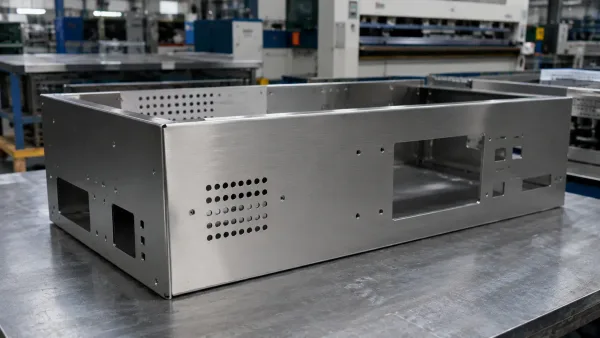
Data Centers & IT Equipment
Metal grinding for data center, network infrastructure, and IT hardware parts where clean edges, flat surfaces, and reliable assembly are important.
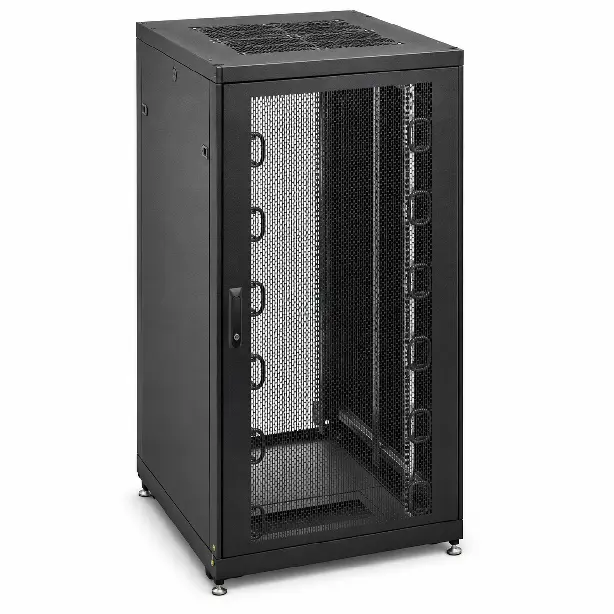
- Server rack frames & rails
- Cable management trays
- Cabinet panels & doors
- Mounting brackets & plates
Consumer Electronics
Grinding solutions for consumer electronics housings, internal brackets, display structures, and precision sheet metal assemblies that require clean edges and controlled surface quality.
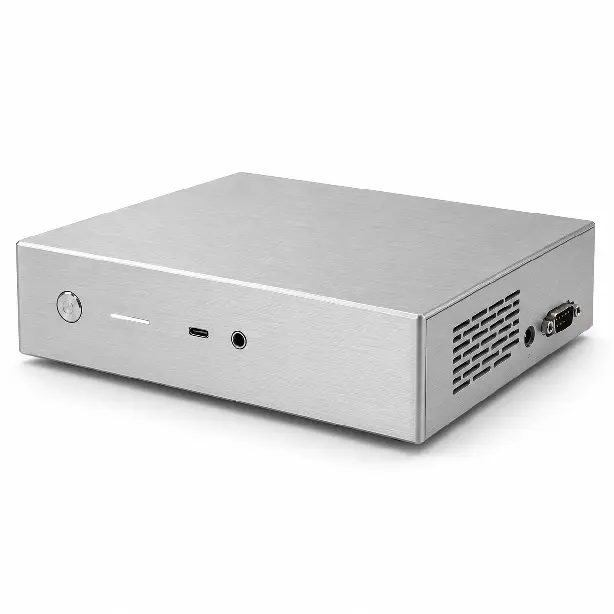
- Device housings & covers
- Internal support brackets
- Display mounting structures
- Speaker & audio metal parts
- Small precision formed parts
Electrical Equipment
Metal grinding for electrical enclosures, control cabinets, power distribution units, and industrial electrical systems where edge safety, surface preparation, and fit consistency matter.
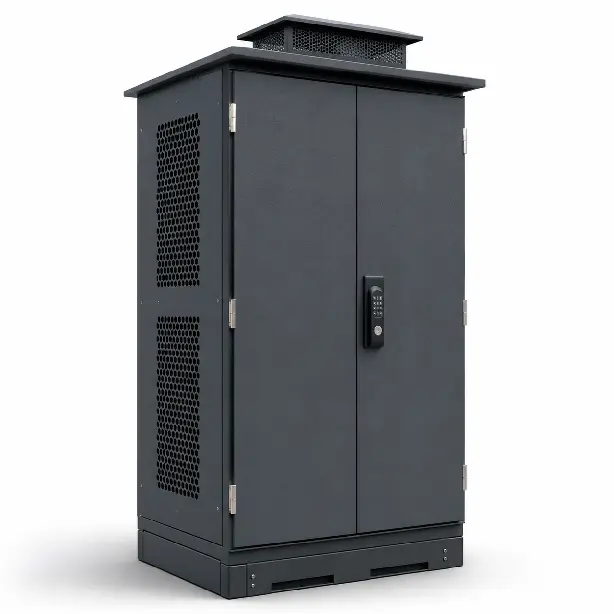
- Electrical cabinet enclosures
- Control box panels
- Terminal mounting plates
- DIN rail brackets
- Ventilation and access panels
Industrial Equipment
Grinding services for machinery, automation systems, production equipment, and structural machine assemblies that require burr removal, weld smoothing, and surface correction.
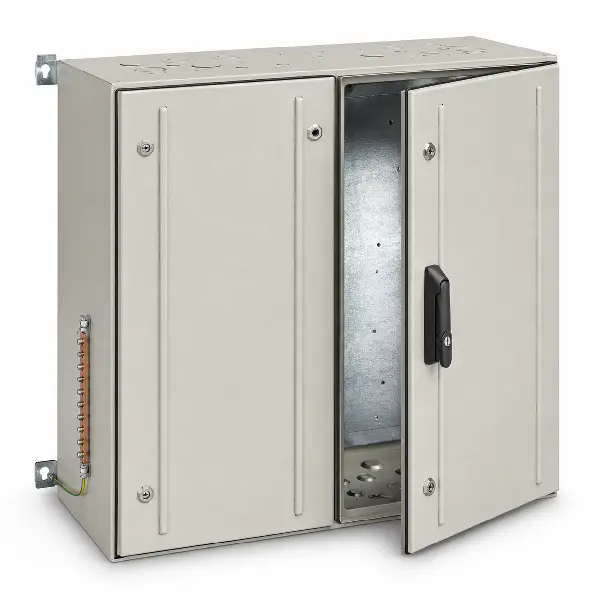
- Machine covers & guards
- Equipment frames
- Conveyor brackets
- Sensor mounting plates
- Protective panels & shields
New Energy Systems
Metal grinding for EV charging equipment, battery systems, energy storage cabinets, and power conversion units where clean edges, weld blending, and surface preparation are required.

- Battery enclosure parts
- Charging station cabinets
- Energy storage cabinet panels
- Busbar support brackets
- Power module housings
Outdoor Equipment
Grinding services for outdoor enclosures, equipment covers, BBQ grills, lighting systems, and structural fixtures that require safer edges, cleaner weld areas, and better preparation for final finishing.
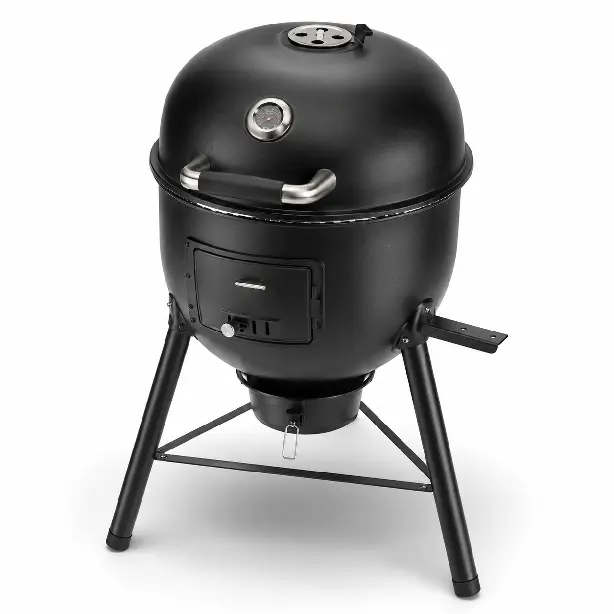
- Outdoor equipment housings
- BBQ grill sheet metal bodies
- Protective covers & panels
- Mounting brackets
- Weather-resistant structural parts
Built for Your Application
Whether you need a single prototype or stable batch production, SR MFG provides controlled metal grinding to improve surface flatness, weld transitions, surface consistency, assembly fit, and readiness for downstream finishing.
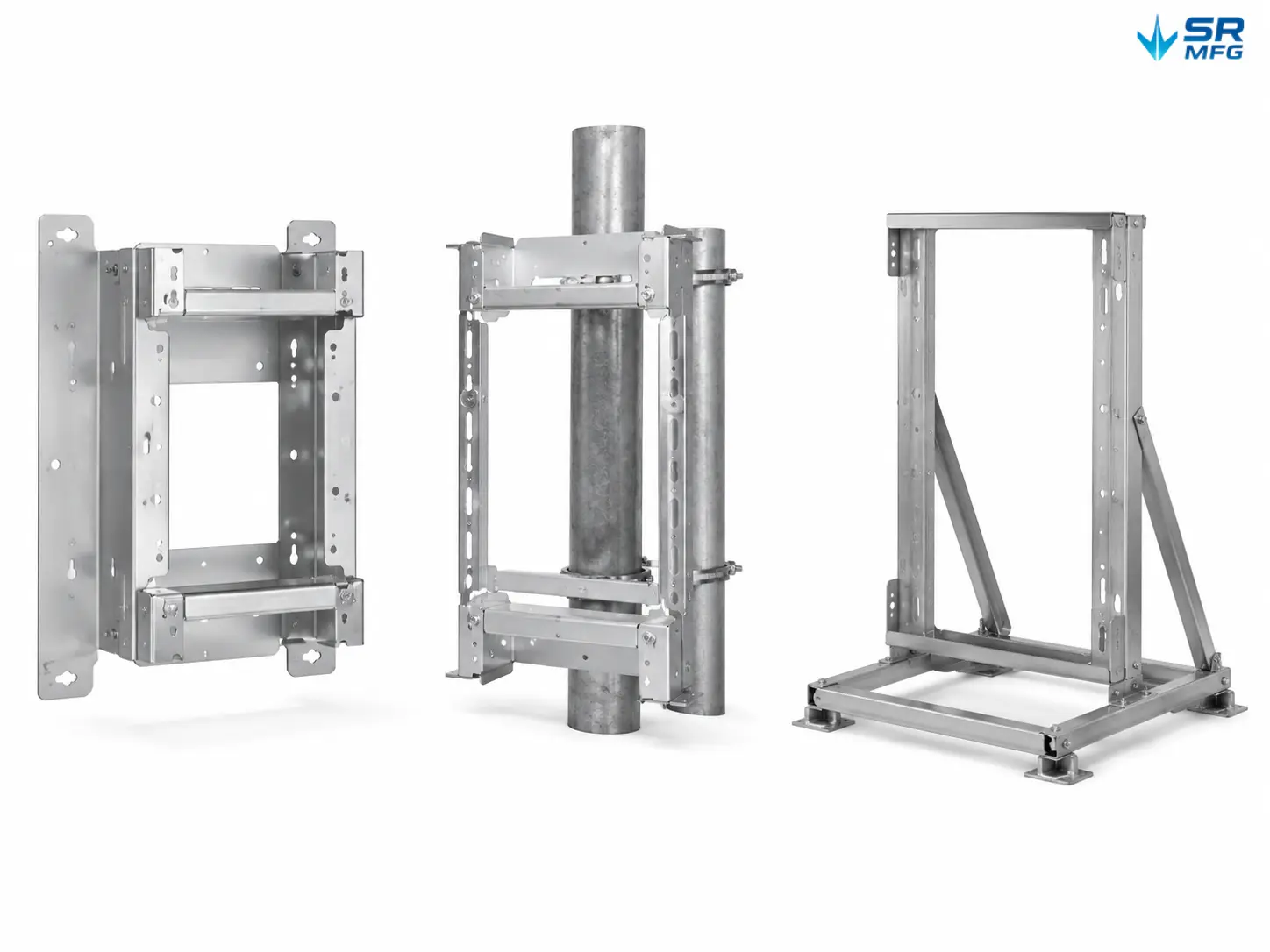
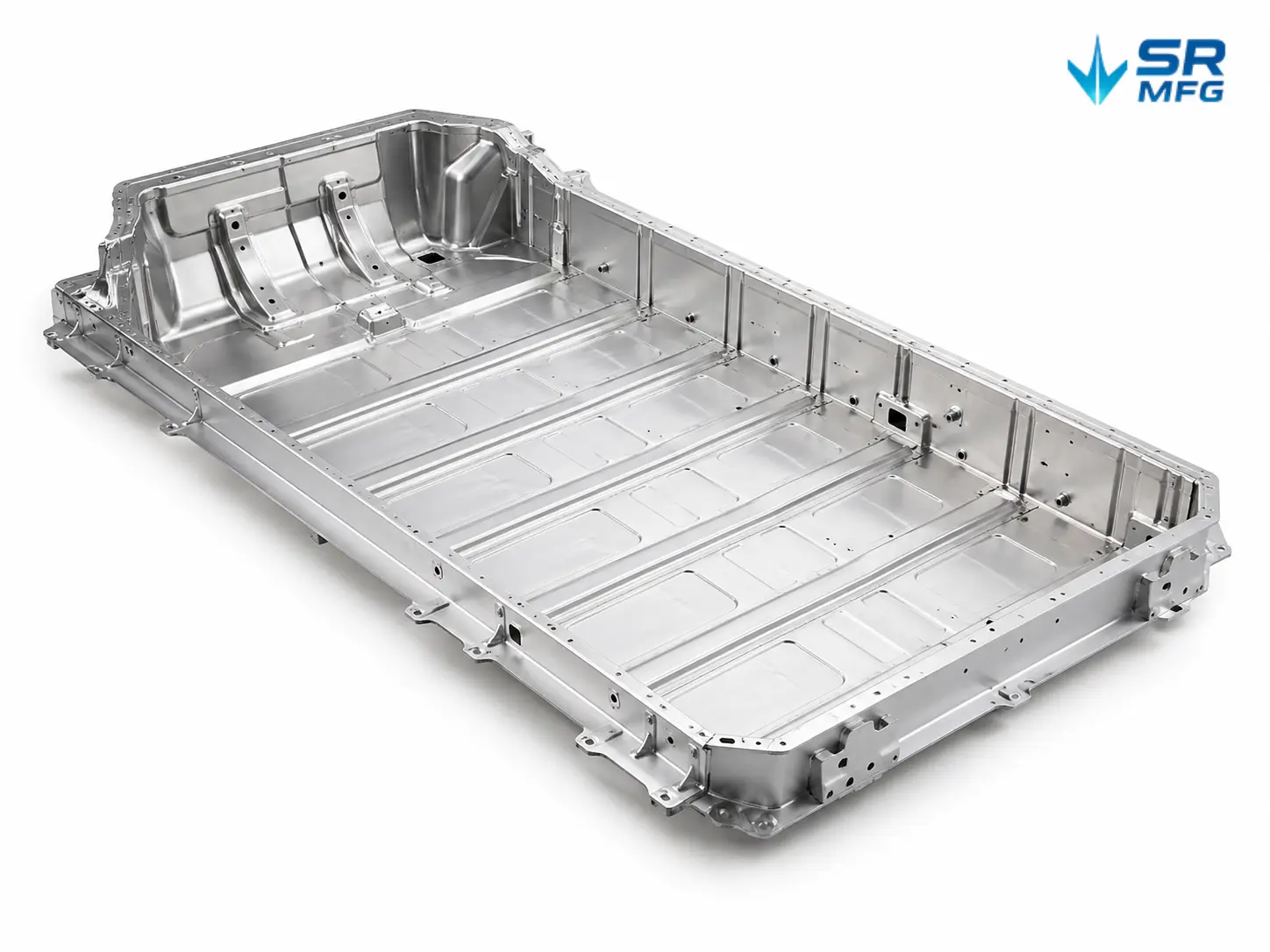
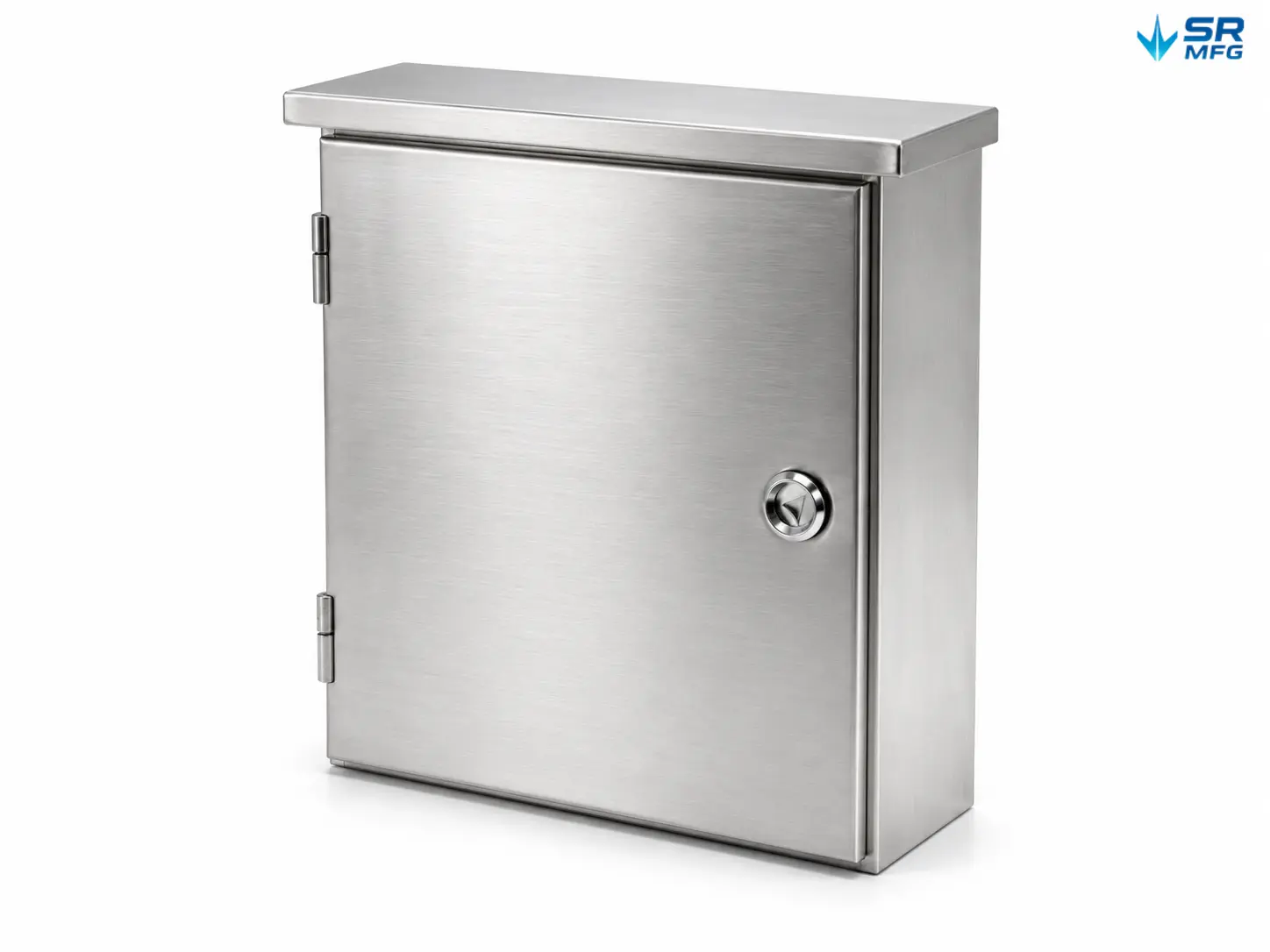
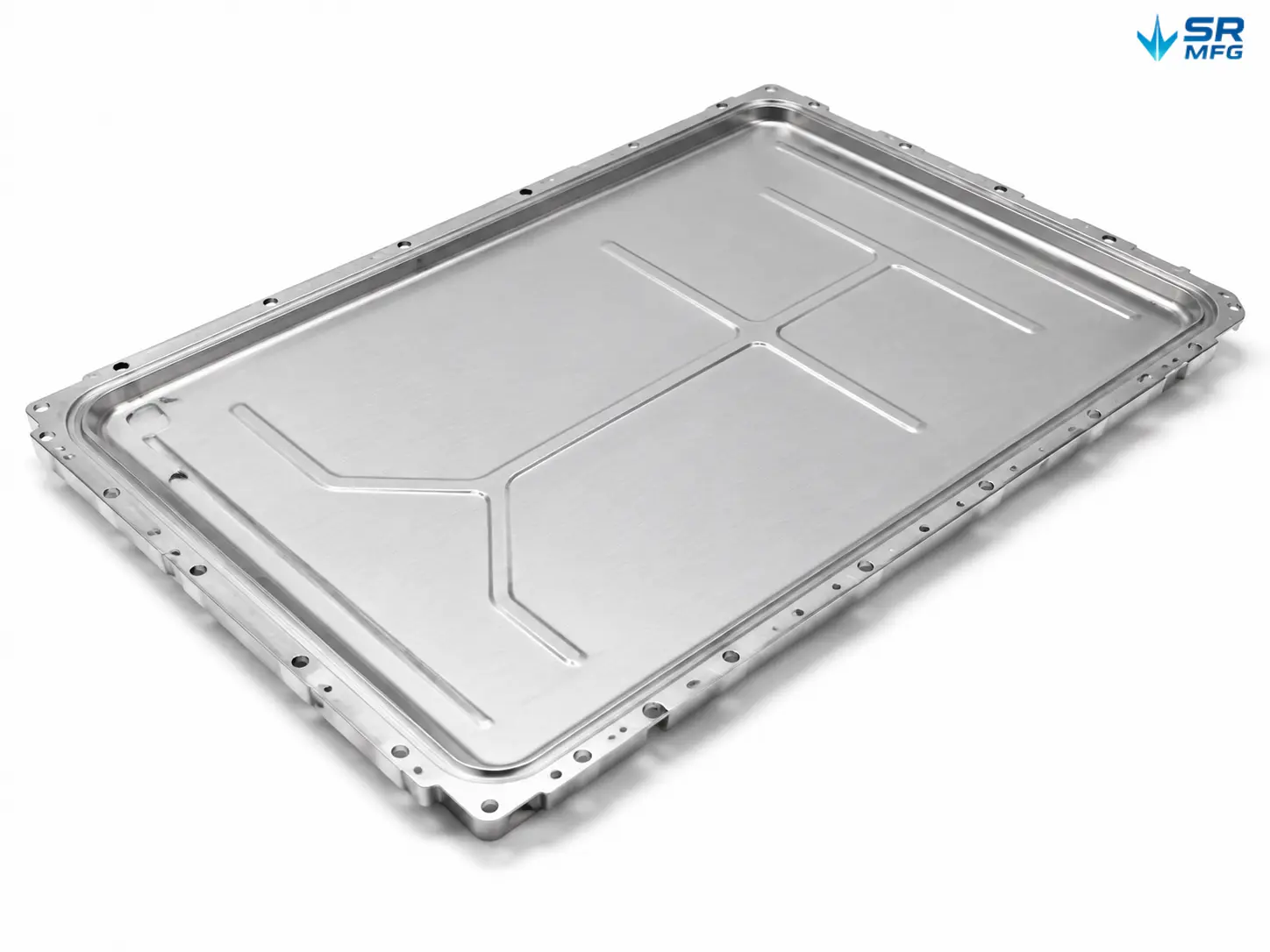
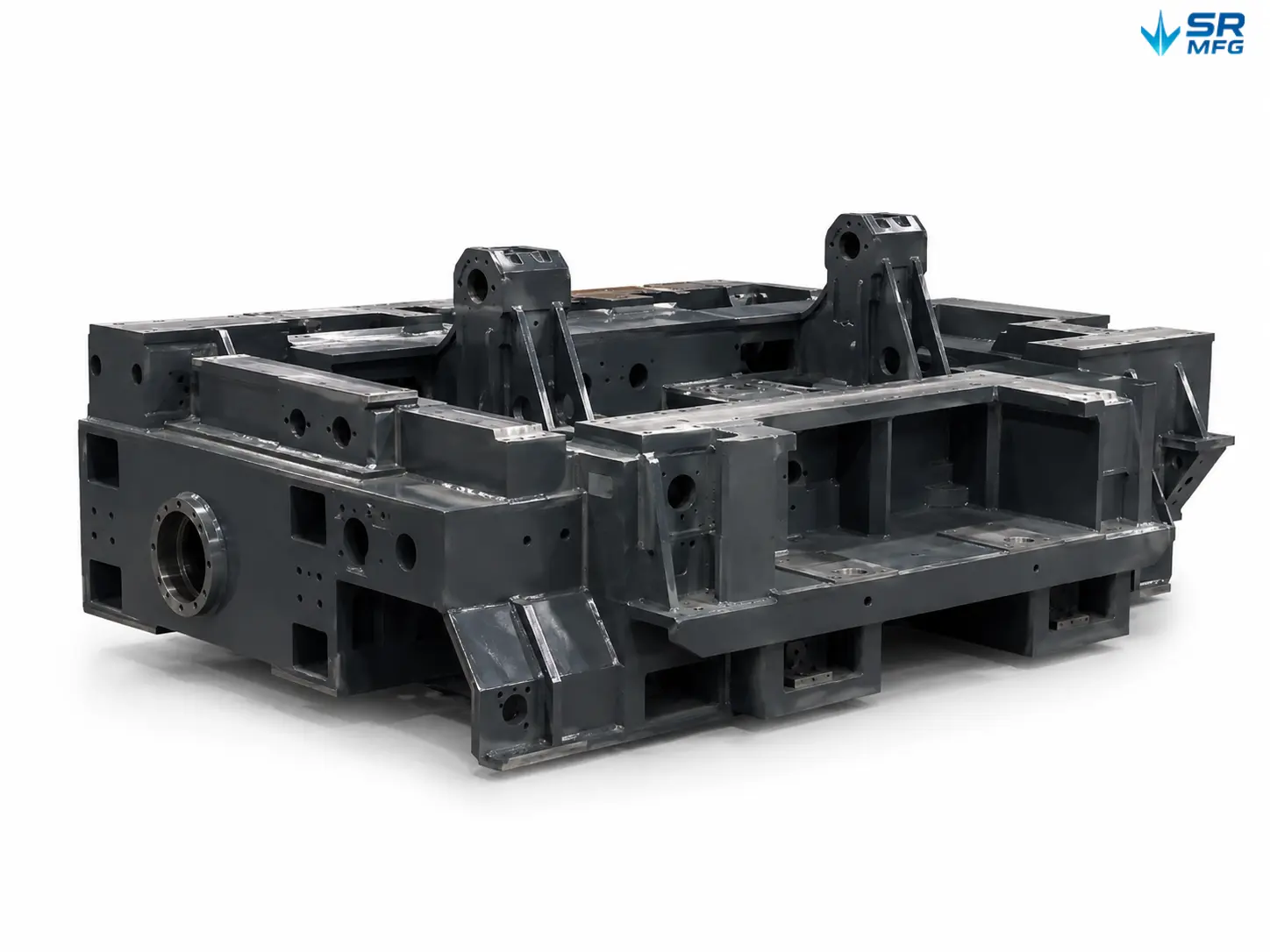
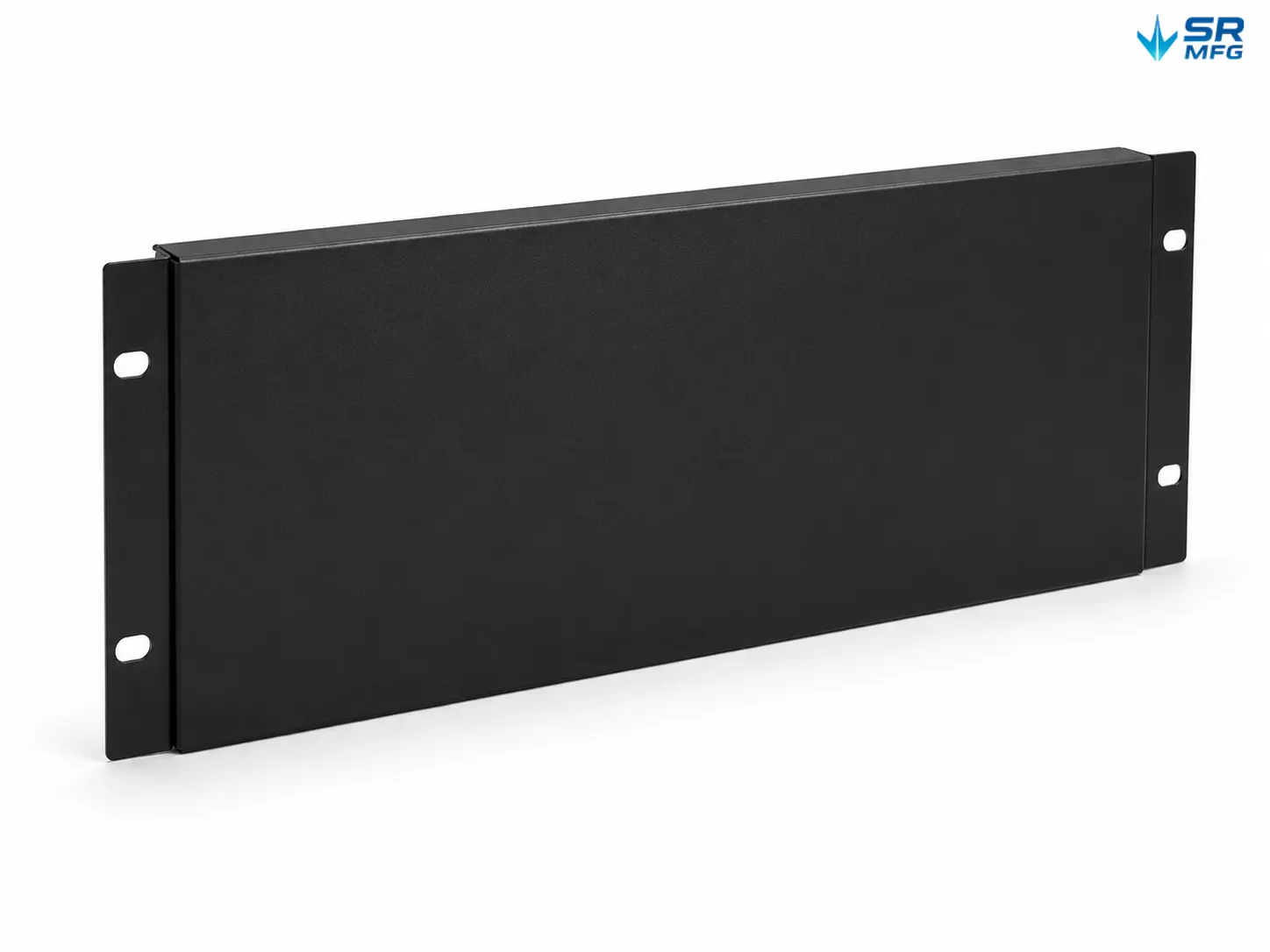
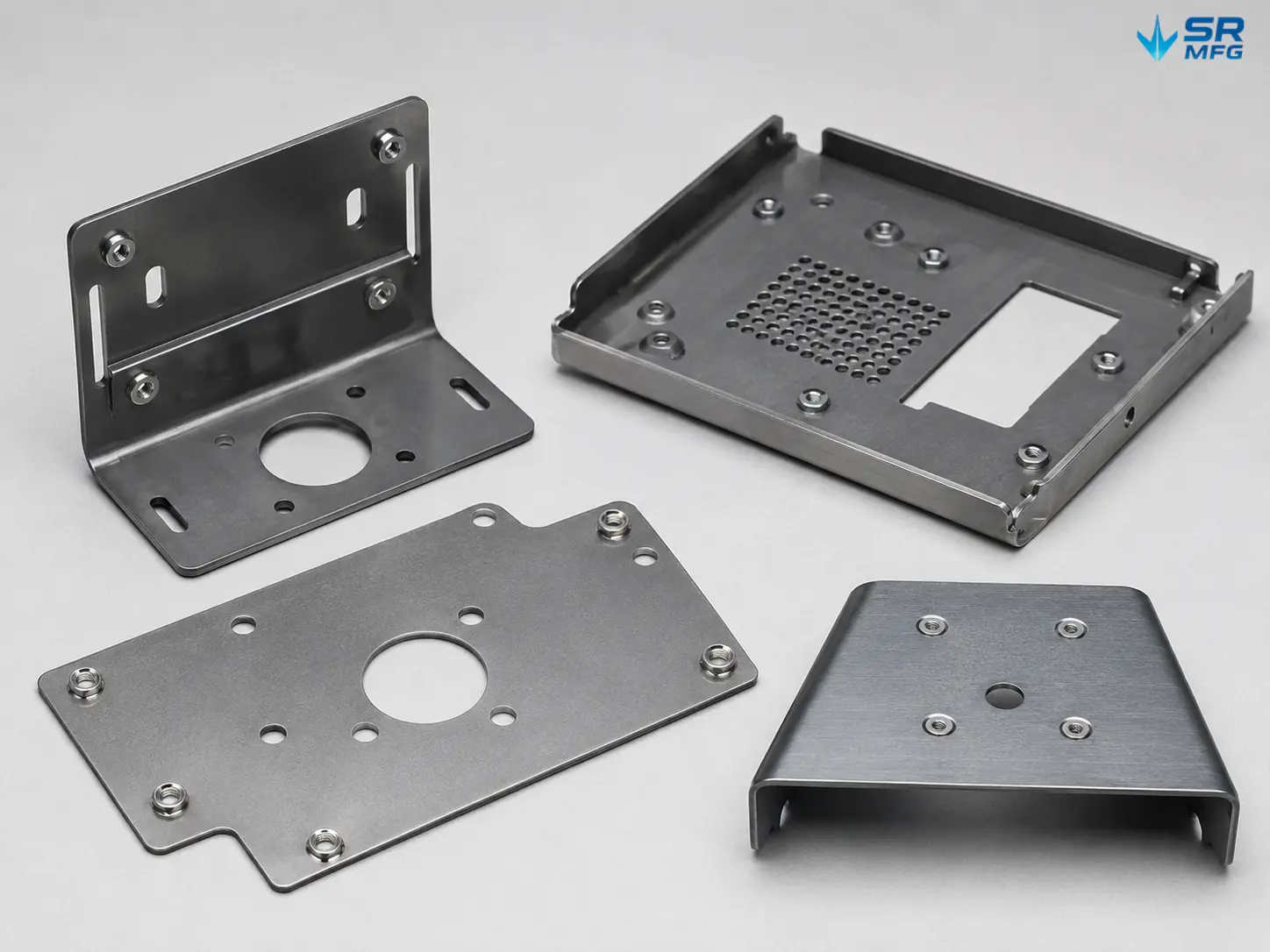
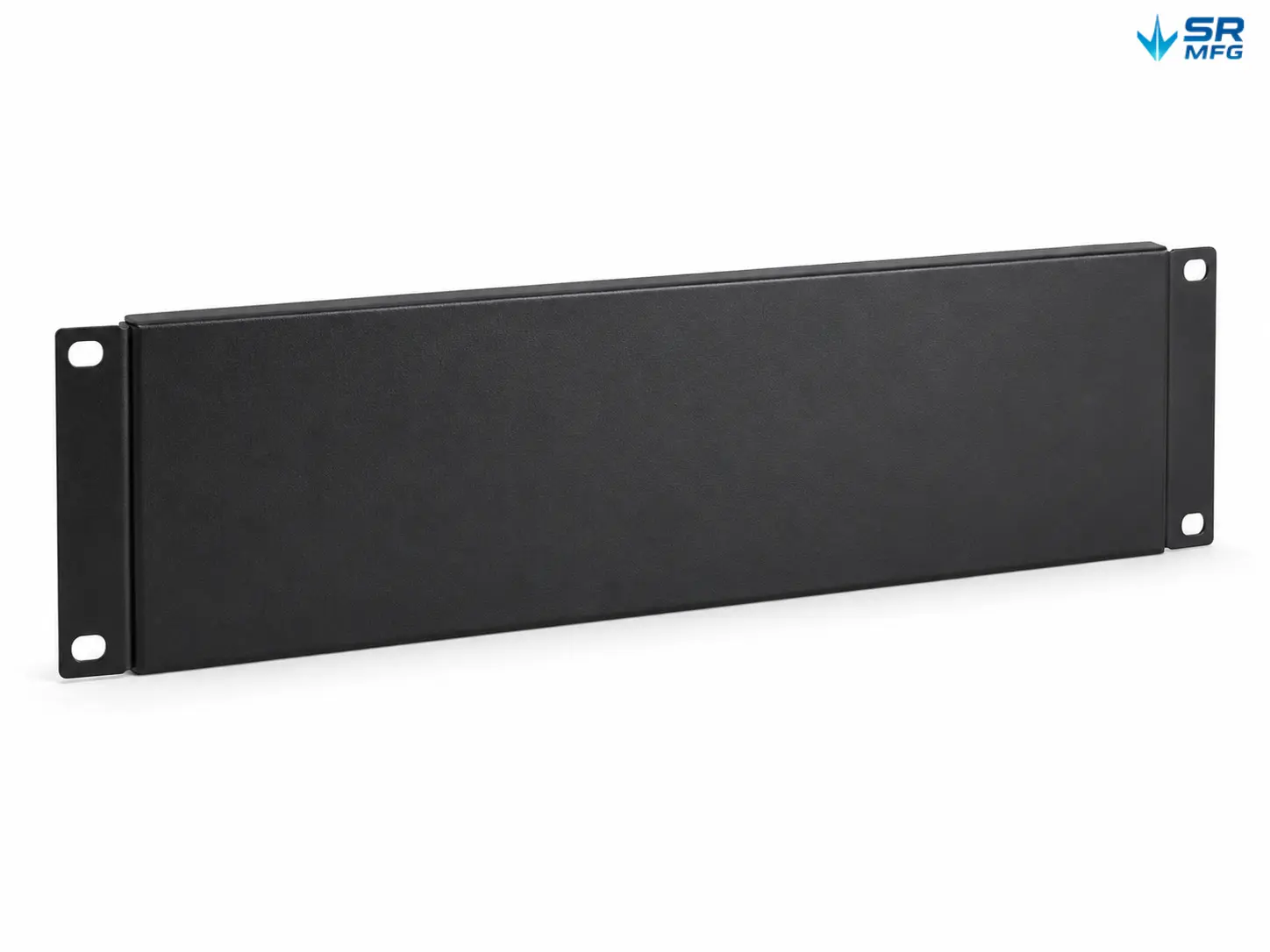
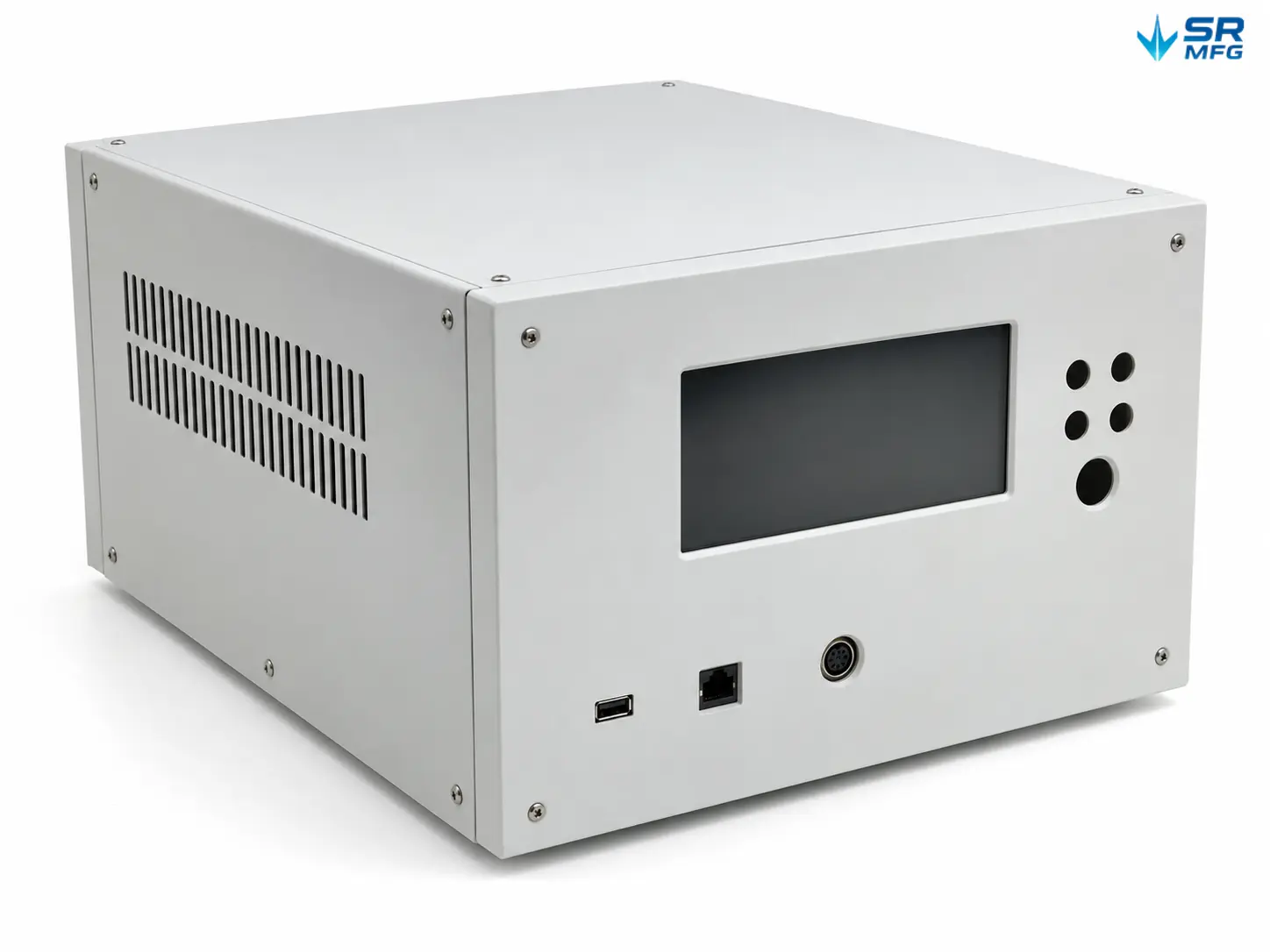
Sheet Metal Parts for Grinding Applications
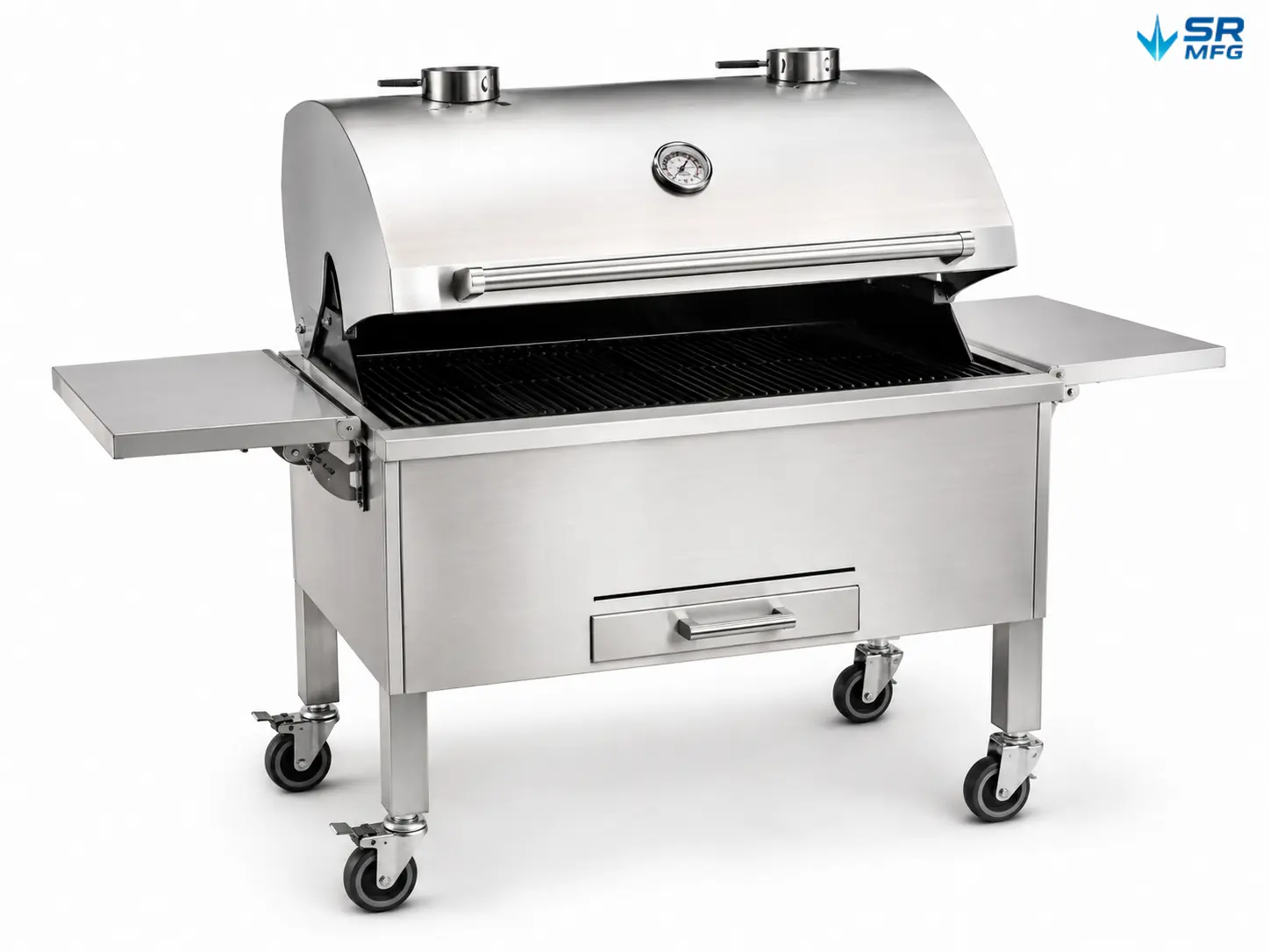
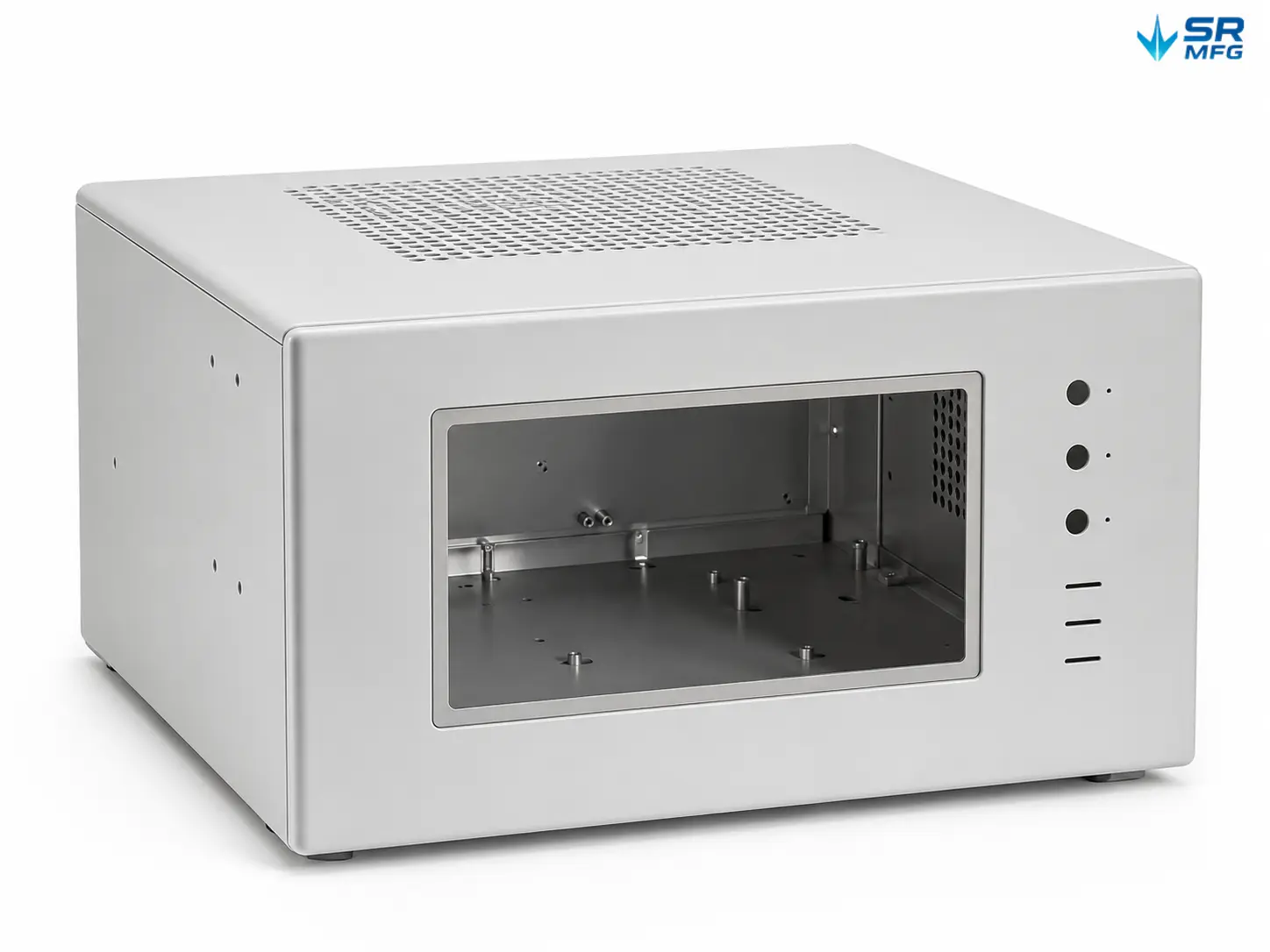
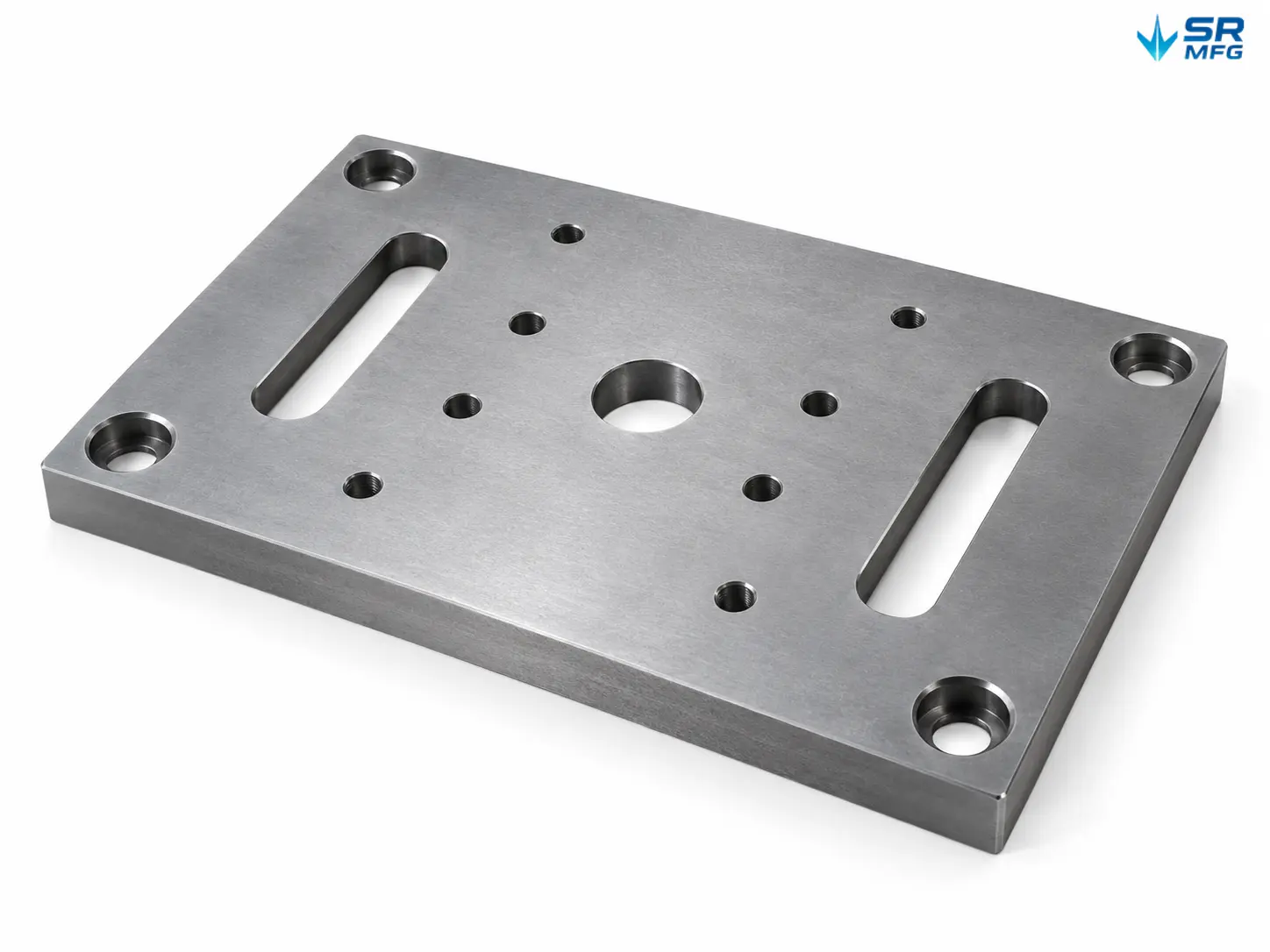
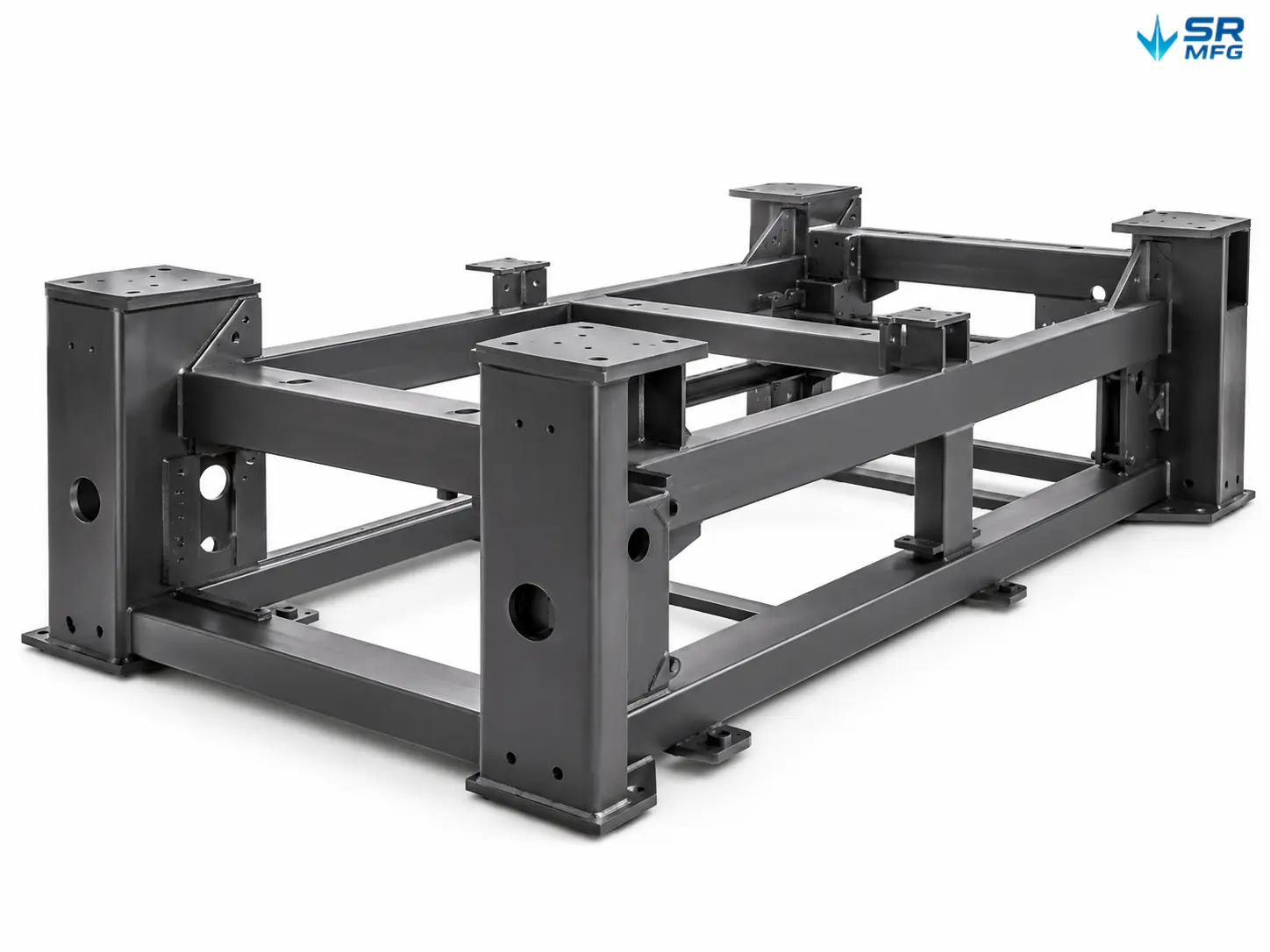


Metal Grinding FAQs
It depends on your goal and where the part will be used. Choose grinding when you need controlled material removal to eliminate cutting marks, weld steps, dents, deep scratches, or to build a consistent “base texture” for brushing or coating. Grinding is primarily about shaping, defect removal, and creating a stable surface foundation. Choose polishing when your main objective is to further reduce roughness and increase gloss/reflectivity while minimizing changes to part geometry—polishing is more about surface refinement. A common route is grind (coarse → fine) to remove defects and heavy lines, then polish to reach a higher cosmetic grade (bright or mirror-like).
Yes. Grinding removes material and can change thickness, edge geometry, or local features. The best way to control risk is to define measurable acceptance criteria up front: specify allowable stock removal (e.g., “cosmetic surface treatment only—must not affect critical dimensions/fit surfaces,” or state a maximum removal). Use masking/protection for critical areas such as threads, sealing faces, grounding points, and mating surfaces. Lock the process window (abrasive grit sequence, pressure, speed, pass pattern) and sign off a first-article reference sample. Close the loop with inspection: perform FAI plus in-process sampling and final inspection on CTQs, tied to cosmetic acceptance.
A practical spec is: Ra + grain direction + A/B surface scope + approved reference sample. Ra is an acceptance metric; abrasive “grit” is only a process reference because the outcome also depends on pressure, speed, consumable wear, lubrication, and material. The same grit does not guarantee the same finish. If a grit must be included, you can attach a rough grit-to-Ra reference table (e.g., 180 grit ≈ 0.76 µm Ra; 240 grit ≈ 0.38 µm Ra), but acceptance should still be based on Ra (or Ra max). Make grain direction visual in the drawing (arrows or lay symbols; ISO 1302 supports this). Also define the measurement rule—where to measure, how many locations, and whether you accept by max value or average. ISO 4288 provides a framework for measurement and evaluation, and common practice is to measure at the location expected to be roughest and apply a defined decision rule (often a max-limit rule).
Example callout format:
A-surface: HL/#4 brushed; grain direction →; Ra ≤ X µm (or Ra X–Y µm); accept per approved sample.
B-surface: Ra ≤ X µm; direction not specified (or non-directional).
Yes—and for A-surfaces and critical mating areas, it is strongly recommended (standard or on request). Roughness is typically measured with a stylus profilometer for Ra (and Rz when required), and reports can include measurement locations, values, instrument details, and conditions. For geometry/dimensions, we can provide inspection records for key dimensions and GD&T features (flatness, parallelism, etc.) per drawing requirements, creating a complete delivery package together with the approved cosmetic sample.
Rust prevention depends on the material. Carbon steel/cold-rolled steel can flash-rust within minutes to hours after grinding and cleaning, so the sequence should be “clean → fully dry → protect immediately,” using rust-preventive oil/inhibitors or VCI packaging for enclosed protection. For stainless steel, avoid cross-contamination from carbon-steel tooling or shared abrasives—free-iron contamination can lead to rust spots; passivation can be used when needed to remove free iron and restore corrosion resistance. For scratch prevention on cosmetic parts, use temporary protective film on A-surfaces, layer separation and cushioning (PE foam/EPE sheets, corner guards), and treat cleaning and drying + isolated packaging as standard—residual abrasive or metal fines can act like sandpaper during transit.
Metal Grinding Technical Resources
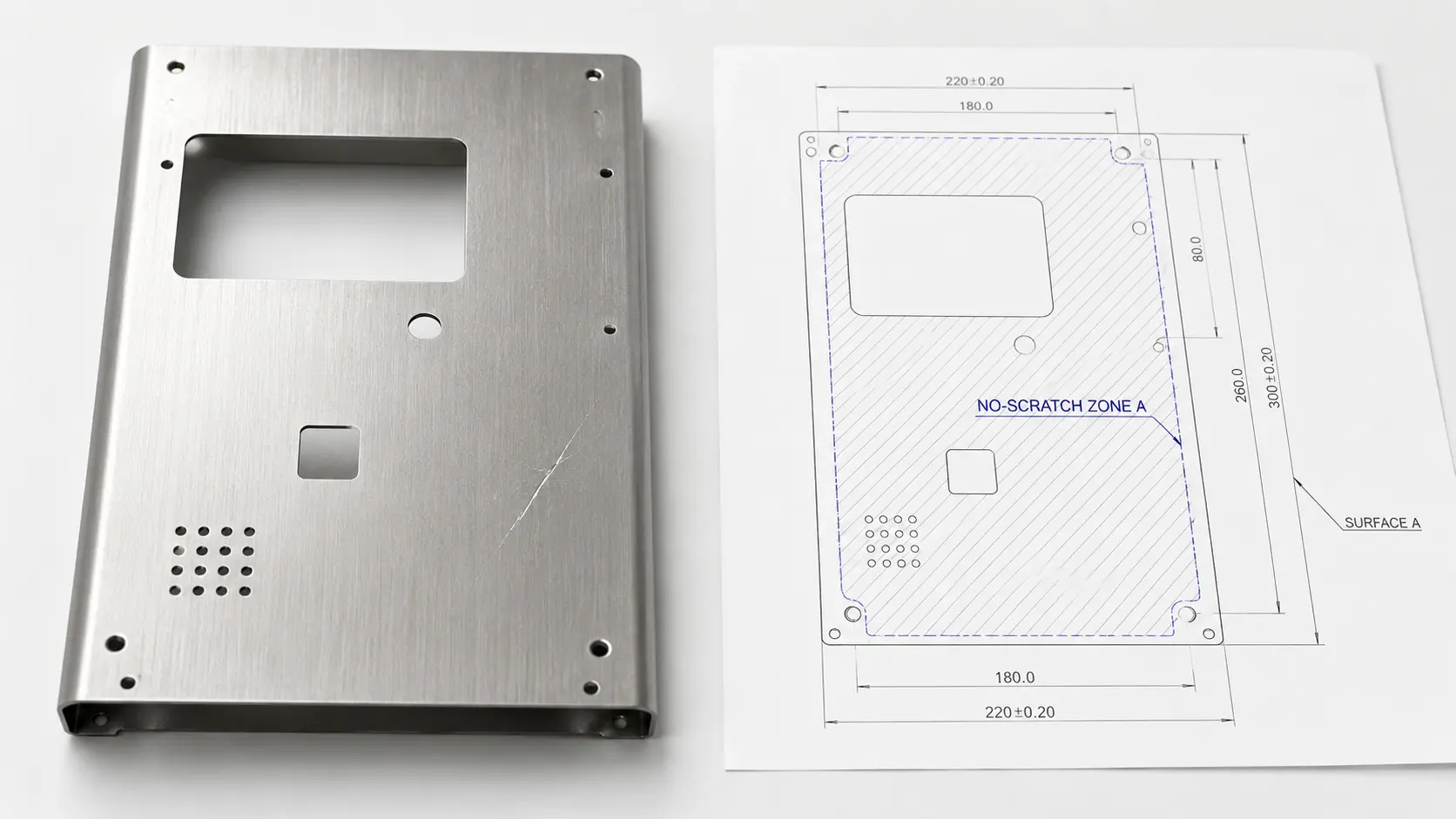
No-Scratch Areas on Sheet Metal Drawings: How to Specify, Inspect, and Protect Critical Surfaces
ShuangRui2026-08-27T06:17:16+00:00August 25, 2026|
You have designed a sheet metal enclosure with a brushed stainless steel front panel. The prototype looks perfect. [...]
China’s Recycled Aluminum Exports Surge 160.6% in 2026 as Scrap Shortages and AI Demand Drive Prices Higher
ShuangRui2026-10-12T07:18:55+00:00October 16, 2026|
China is the world's largest producer and consumer of aluminum, with annual domestic aluminum consumption exceeding 50 million [...]
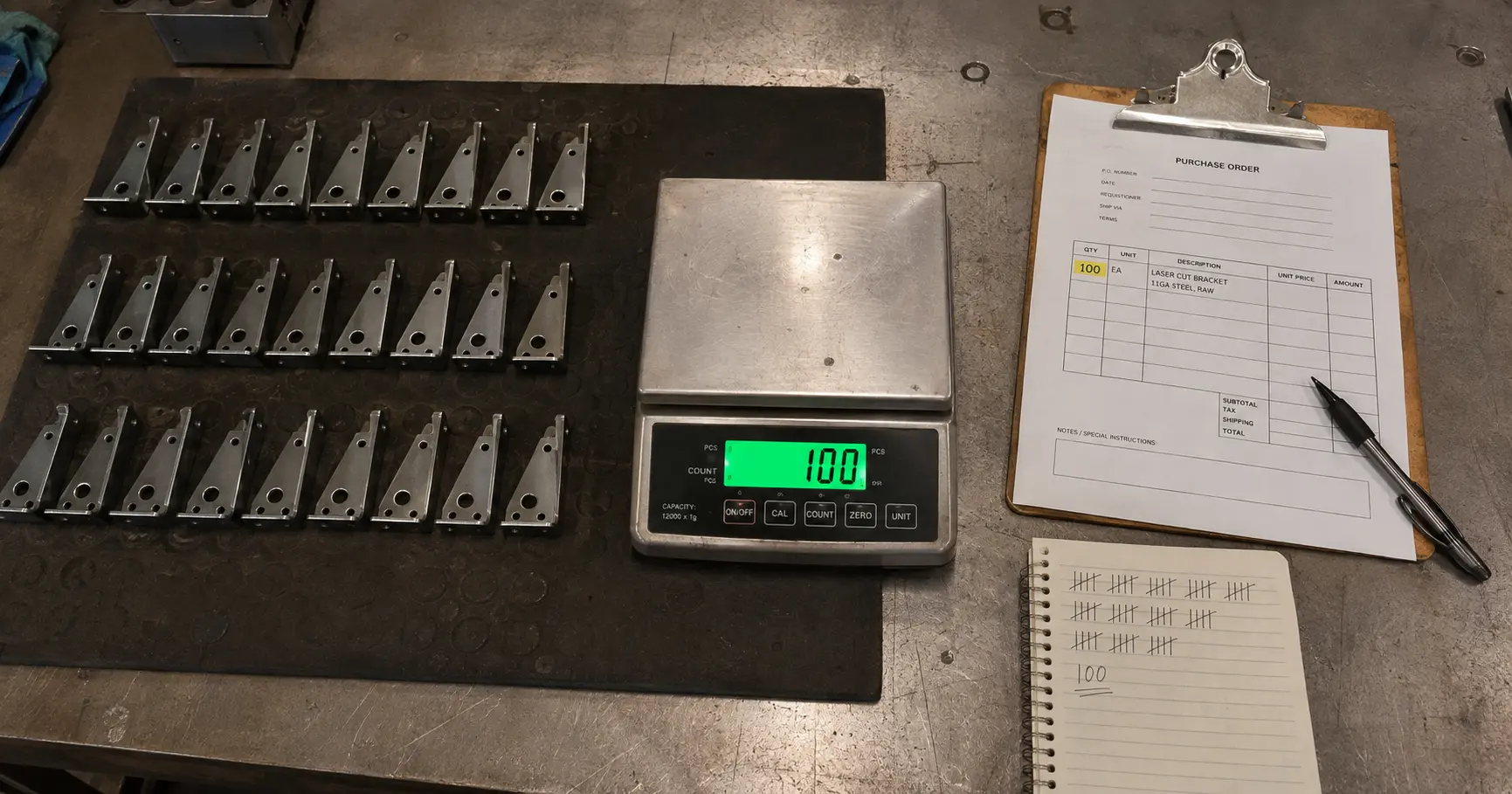
Sheet Metal Part Count Verification: How to Prevent Shortages and Shipping Disputes
ShuangRui2026-08-15T09:27:45+00:00August 13, 2026|
When a shipment of sheet metal parts arrives at your facility, how confident are you that the count [...]
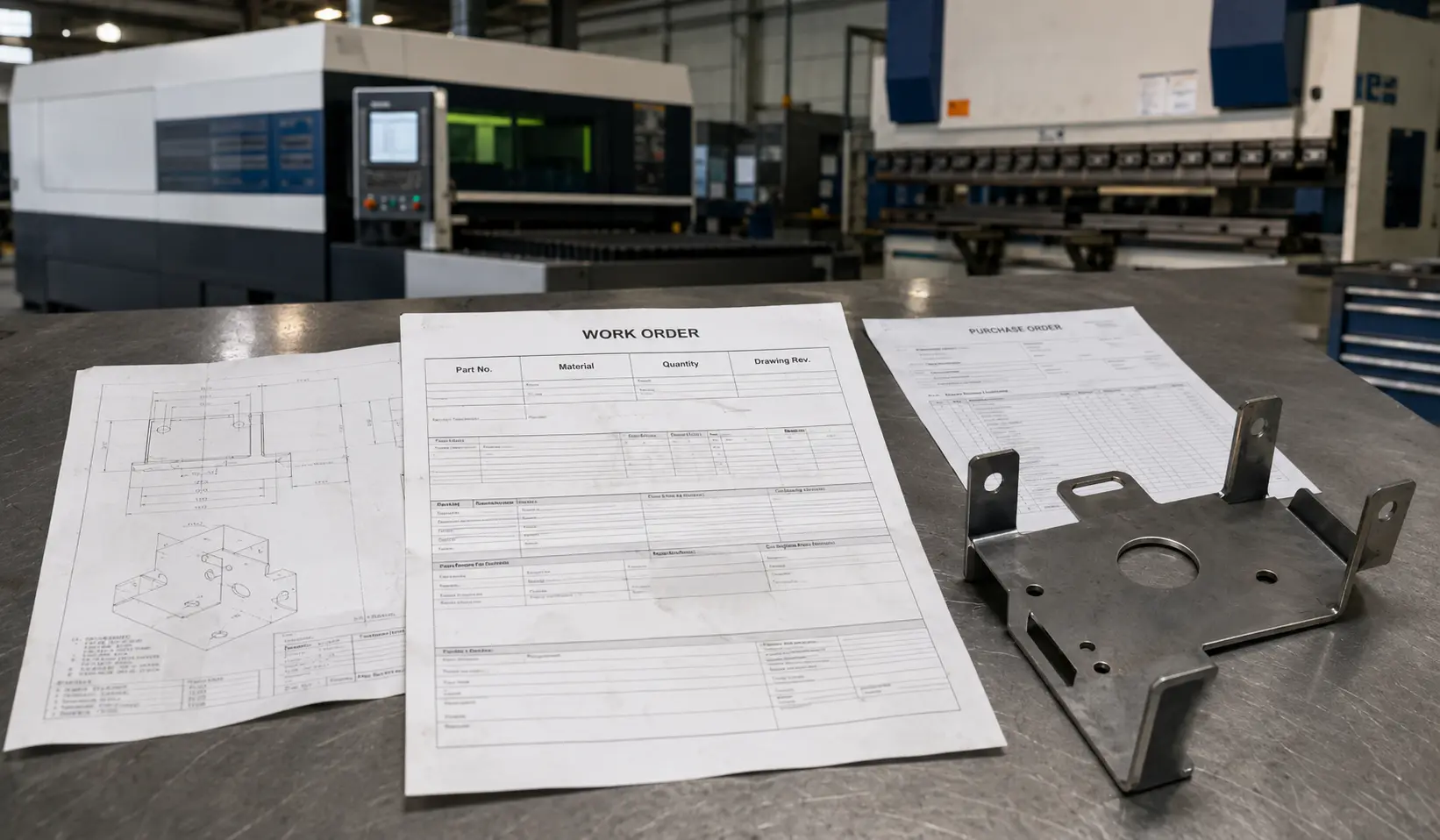
Work Order
ShuangRui2026-08-27T06:28:17+00:00August 26, 2026|
When you send a drawing and a purchase order to a sheet metal manufacturer, someone on the shop [...]
