Aerospace & Transportation Sheet Metal Solutions
In aerospace and transportation, every metal component carries critical responsibilities for safety and performance. This is not simply about forming metal. It is about pursuing the highest possible standards in precision and strength. For the aerospace and transportation sectors, we are committed to delivering solutions that go beyond the drawing requirements, ensuring your critical metal components continue to perform reliably even in the most demanding environments.
Precision parts for aerospace & transport equipment
Aluminum, stainless steel, and coated steel options
Dimensional, surface, and fit-up control
Prototype validation to stable batch production
I am very glad to have gained their trust.





















Why Aerospace & Transportation PartsRequire Precision Sheet Metal Manufacturing
Aerospace and transportation are among the most demanding industries when it comes to safety and reliability. The quality of every component directly affects the safety of operators and passengers alike. Whether facing extreme temperature swings and impact loads at high altitude, or long-term vibration and heavy loads in ground transportation, metal components in these industries are subject to exceptionally demanding conditions.
A mature sheet metal solution is far more than basic metal fabrication. It is a systems-driven engineering process that involves materials science, structural design, precision manufacturing, and quality control. Only through proven manufacturing processes and rigorous quality management can every part be produced to perform reliably over the long term in harsh service environments.
Lightweight Strength
- Balance weight reduction and structural performance
- Suitable for aluminum and high-strength sheet metal parts
- Important for vehicle, rail, and aerospace structures
Dimensional Accuracy
- Tight control of holes, bends, slots, and mounting features
- Supports smooth assembly and alignment
- Reduces downstream fit-up issues
Vibration & Load Resistance
- Parts may face repeated vibration and service loads
- Bracket and frame stability matters
- Helps support long-term reliability
Surface & Corrosion Protection
- Coatings and finishes improve durability
- Supports appearance and corrosion resistance
- Useful for outdoor and demanding environments
Assembly Fit-Up Control
- Multi-part structures require consistent tolerances
- Improves installation efficiency
- Helps reduce rework and adjustment
Stable Batch Consistency
- Repeatable process control across production
- Supports prototype to batch continuity
- Helps maintain part-to-part consistency
Manufacturing Risks We Help Reduce
Excessive
Structural Weight
Over-designed parts and improper materials lead to heavier structures and higher fuel or energy consumption.
- DFM review to identify weight-reduction opportunities
- Optimize materials and thickness selection
- Improve structures with bending and forming design expertise
Dimensional
Variation
Inconsistent dimensions cause poor fit-up, rework, and higher assembly costs.
- Tight process control and fixture management
- First article inspection and in-process inspection
- Maintain stability for critical dimensions
Surface Finish
Mismatch
Improper surface treatment leads to coating failure, corrosion, and shorter service life.
- Recommend coating, anodizing, plating, or passivation based on environment
- Control surface quality and appearance
- Ensure long-term protection and durability
Prototype-to-Production
Gap
Methods used in prototypes may not translate well to mass production, causing delays and higher launch risk.
- Build production logic early during prototype stage
- Validate formability, weldability, and assembly methods
- Ensure smooth transition to stable mass production
Tolerance
Stack-Up
Accumulated tolerances in multi-part assemblies result in alignment issues and installation difficulties.
- Review datum structure and assembly sequence
- Use dedicated fixtures and pre-assembly verification
- Reduce deviation and improve installation efficiency
Unstable Delivery
Rhythm
Weak planning and long supply chains lead to delays, rush orders, and high inventory pressure.
- Project-based production scheduling
- Support partial shipments and rush orders
- Priority production for critical and urgent parts
SR MFG is committed to helping aerospace and transportation customers reduce risk, improve manufacturability, and deliver reliable performance.
Discuss Your Project →Why Choose SR MFG for Aerospace &Transportation Sheet Metal Parts?
With nearly 20 years of project manufacturing experience in the sheet metal industry, SR MFG has delivered a wide range of high-precision, high-reliability sheet metal solutions for aerospace and transportation applications.
Engineering Review
Before Production
DFM review for manufacturability and cost optimization
Check tolerance, material, finish, and assembly risks
Precision Fabrication
Capability
Cutting, bending, welding, finishing, and assembly support
Stable dimensional and fit-up control
Material & Lightweight
Structure Support
Aluminum, stainless steel, and coated steel options
Support for weight reduction and structural performance
Surface & Corrosion
Protection Coordination
Finishing options matched to service environment
Support for durability and appearance requirements
Prototype to Batch
Production
Support from sample validation to repeat production
Better transition from prototype to scale-up
Quality Records &
Delivery Support
Inspection records and dimensional verification
Clear production tracking and delivery coordination
Our Manufacturing Capabilities
From precision fabrication to surface finishing and assembly, SR MFG provides end-to-end sheet metal manufacturingsolutions for aerospace and transportation applications with quality, consistency, and on-time delivery.
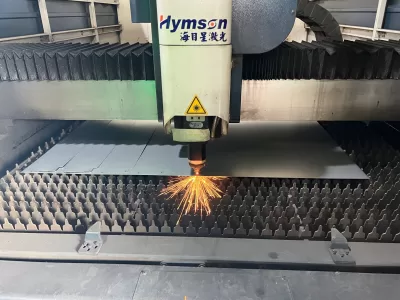
Laser Cutting
High-precision laser cutting for panels, brackets, covers, and structural parts with clean edges and tight dimensional control.
View Laser Cutting →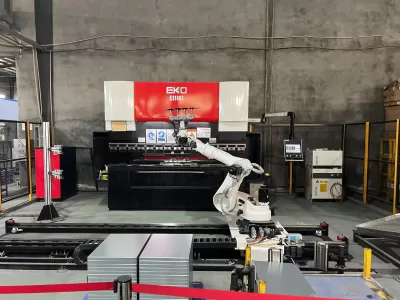
Metal Bending
Precision forming for enclosures, brackets, trays, frames, and complex components with accurate angles and consistent results.
View Metal Bending →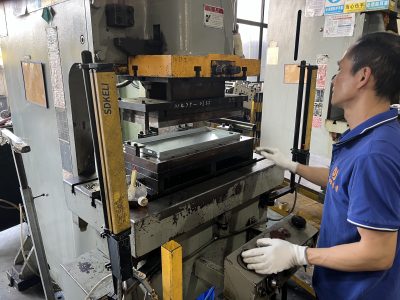
Metal Stamping
Efficient stamping for high-volume parts such as clips, brackets, tabs, connectors, and reinforcements with stable quality and cost efficiency.
View Metal Stamping →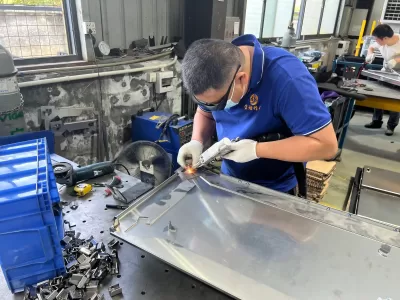
Welding
Certified welders and automated welding systems ensure strong, reliable joints for frames, cabinets, housings, and assemblies.
View Welding →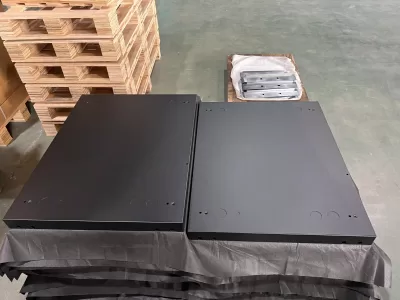
Surface Finishing
A wide range of finishing options to improve corrosion resistance, durability, and appearance for different service environments.
View Surface Finishing →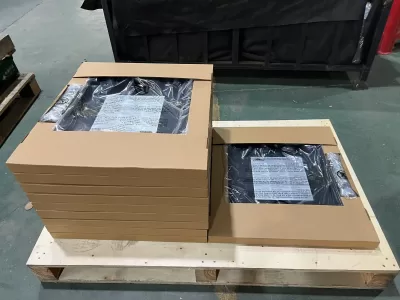
Assembly
Hardware installation, sub-assembly, integration, and final inspection to deliver complete, ready-to-install products.
View Assembly →to Stable Delivery
Drawing & Requirement Review
Review drawings, tolerances, materials, finishing notes, and assembly risks before production.
Process Route Planning
Define manufacturing route, inspection points, tooling needs, and production sequence.
Sample Validation
Confirm dimensions, fit-up, surface quality, and functional requirements before batch production.
Batch Production Control
Use repeatable process control, inspection records, and delivery planning for stable supply.
What Can We Manufacture?
Custom sheet metal parts and assemblies for aerospace, rail transit, commercial vehicle, and transportation support applications.
Aerospace
Support Components
- Cabin equipment brackets
- Electronic equipment mounting plates
- Access covers and support frames
Rail Transit & Public
Transportation
- Control cabinet housings
- Door mechanism mounting parts
- Driver cab panels and interior supports
Commercial Vehicle
Components
- Protective housings
- Battery and control enclosures
- Mounting base plates and service panels
General Structural &
System Support
- Metal cabinets and control boxes
- Panel assemblies and welded frames
- Bent enclosures and connector plates
Ground Support &
Auxiliary Equipment
- Equipment enclosures
- Equipment bases and ventilation parts
- Maintenance access covers
Custom Sheet Metal
Assemblies
- Multi-part assemblies
- Hardware-installed structures
- Prototype-to-batch support
SR MFG supports custom sheet metal parts and coordinated multi-part assemblies for transportation, support equipment, and engineered structural applications.
Material Selection for Aerospace & Transportation Sheet Metal Parts
Selecting the right material is critical to balancing performance, manufacturability, weight, and cost.SR MFG recommends the following materials based on our engineering experience and application requirements
Aluminum Alloy
5052 / 6061
Lightweight, corrosion-resistant, and suitable for formed sheet metal parts where weight reduction is an important design target.
Covers, panels, brackets, lightweight equipment structures
Stainless Steel
304 / 316L / 430
Good corrosion resistance and durable surface performance for equipment exposed to humidity, outdoor use, or long service cycles.
Corrosion-resistant panels, enclosures, brackets, and long-service components
Carbon /
Structural Steel
High strength and good weldability for fabricated frames, supports, bases, and other load-bearing structures.
Frames, bases, brackets, load-bearing components
Cold-Rolled Steel
+ Coating
Good formability and surface quality for fabricated enclosures, covers, cabinets, and components requiring a coated finish.
Cabinets, control boxes, covers, equipment panels
Galvanized /
Coated Steel
Coated steel options provide cost-effective corrosion protection for fabricated housings, panels, brackets, and transport equipment parts.
Protective housings, panels, brackets, transport equipment parts
Custom Material
Options
Material selection can be adjusted according to structural load, environment, weight targets, finishing requirements, and project specifications.
Special equipment structures, functional parts, custom assemblies
Material Performance Comparison
| Material | Weight Reduction | Strength | Corrosion Resistance | Formability | Weldability | Cost Control | Surface Finishing Compatibility | Typical Applications |
|---|---|---|---|---|---|---|---|---|
| Aluminum Alloy (5052 / 6061) |
★★★★★ | ★★★☆☆ | ★★★★☆ | ★★★★☆ | ★★★☆☆ | ★★★☆☆ | ★★★★☆ | Lightweight equipment panels, enclosures, brackets, support structures |
| Stainless Steel (304 / 316L / 430) |
★★☆☆☆ | ★★★★☆ | ★★★★★ | ★★★☆☆ | ★★★☆☆ | ★★☆☆☆ | ★★★★☆ | Outdoor equipment, humid environments, corrosion-resistant assemblies |
| Carbon / Structural Steel (A36 / Q235 / Q355) |
★☆☆☆☆ | ★★★★★ | ★★☆☆☆ | ★★★☆☆ | ★★★★☆ | ★★★★★ | ★★★★☆ | Frames, bases, supports, welded structural components |
| Cold-Rolled Steel (CRS / SPCC / SPCD) |
★☆☆☆☆ | ★★★☆☆ | ★★★☆☆ | ★★★★☆ | ★★★☆☆ | ★★★★☆ | ★★★★★ | Control boxes, cabinets, covers, equipment panels |
| Galvanized / Coated Steel (HDG / EG / Aluzinc) |
★☆☆☆☆ | ★★★☆☆ | ★★★☆☆ | ★★★☆☆ | ★★★☆☆ | ★★★★☆ | ★★★★☆ | Protective housings, panels, brackets, transport equipment parts |
| Custom / Special Materials | ★★★☆☆ | ★★★★☆ | ★★★★☆ | ★★★☆☆ | ★★★☆☆ | ★★★☆☆ | ★★★★☆ | Project-specific structures, functional parts, and custom assemblies |
Need help selecting the right material for your project?
Our engineering team can help you balance performance, manufacturability, and total cost.
Quality Control Program
Incoming Material Check
Verify material grade, thickness, surface condition, and specification compliance.
First Article Inspection
Confirm key dimensions and critical features before production release.
In-Process Inspection
Monitor bend angles, hole positions, fit-up, and process stability during manufacturing.
Final Inspection
Review appearance, assembly criteria, and shipment readiness before delivery.
Inspection Workflow
Material Check
Verify incoming material meets specifications and standards.
FAI
Confirm key dimensions and critical features before production release.
In-Process Inspection
Monitor key parameters and ensure process stability throughout manufacturing.
Final Release
Review appearance, assembly criteria, and shipment readiness before delivery.
Material certificates, dimensional inspection reports, appearance inspection reports, and other related quality documents can be provided when required.
Lead Time and Cost Control
Lead Time Guidelines
Typical lead time depends on project complexity, quantity, and process requirements.
Prototype Production
Typically around 3–7 working days.
Small-Batch Orders
7–10 working days after drawing approval and material confirmation.
Volume Production
10–15 working days after order confirmation.
Large & Complex Projects
Scheduled in batches to ensure stable delivery.
Final lead time will be confirmed after detailed evaluation of drawings and requirements.
Expedited Service
For urgent projects, we activate a fast-response system to help shorten delivery time.
Fast Drawing Review
Quick feasibility evaluation and feedback within 24 hours.
Priority Material Check
Material availability confirmed and secured as a priority.
Key Process Scheduling
Production resources arranged with priority planning.
Expedited Inspection & Packing
Inspection and packing fast-tracked to meet your timeline.
Rush orders are subject to feasibility evaluation. Contact us for detailed assessment.
Cost Control
We help reduce total cost through optimized design, efficient processes, and stable supply chain.
DFM & Design Optimization
Improve structural design and manufacturability to reduce material and process cost.
Material & Process Efficiency
Maximize material utilization and select the most suitable manufacturing processes.
Standardization & Modular Design
Use standardized parts and modular structures to lower tooling and assembly cost.
Scale & Supplier Advantage
Batch production planning and long-term supplier partnerships help reduce unit cost.
When order volume increases, unit cost typically decreases significantly.
Commitment
Transparent communication
throughout the process
Reliable delivery
you can plan with confidence
Quality and performance
never compromised
Long-term partnership
and continuous improvement