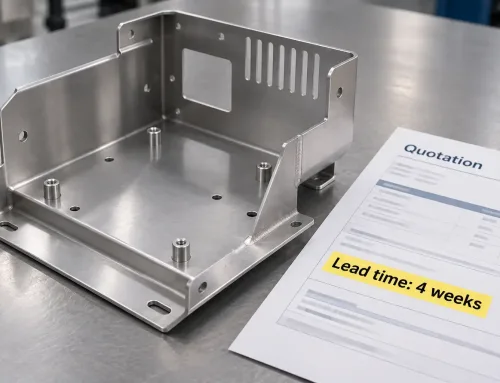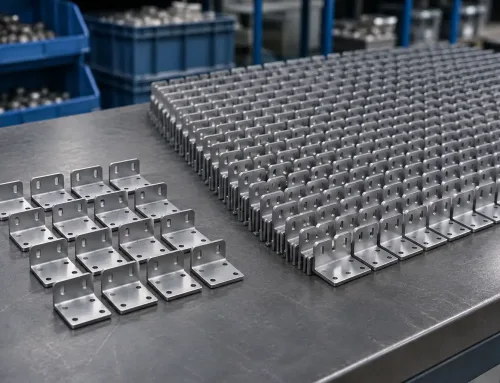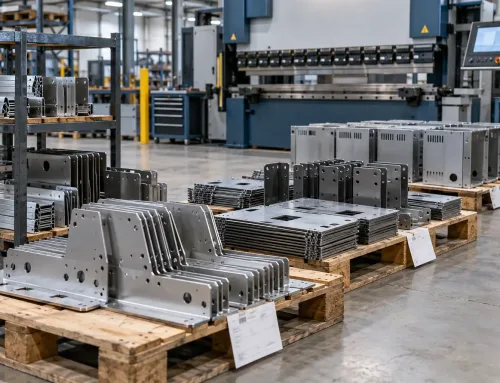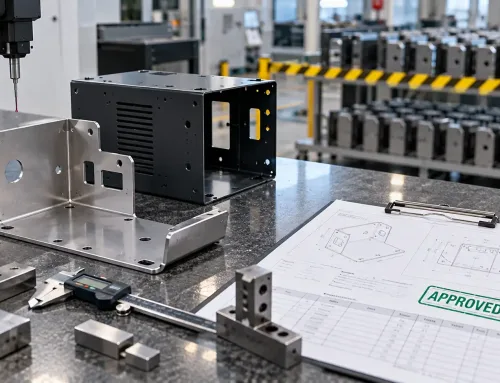

More inspection requirements sound like safer parts. That logic holds until you watch a delivery date move. An inspection requirement is a scheduling decision as much as a quality decision: every report, test, and full-lot check you add consumes time between the last operation and the shipment.
This entry defines what the term includes on a real order, separates it from the phrases it is often confused with, and explains why extra requirements extend lead time — without turning into a tutorial on inspection methods.
What Counts as an Inspection Requirement
An inspection requirement is a buyer-specified obligation in a drawing, RFQ, or purchase order. It defines what verification evidence the supplier must produce before the parts are accepted — the report, the test result, or the record that proves the work was checked. It answers the question “what proof do I need to see,” not “how should the shop measure it.”
Two boundaries matter in daily practice.
Inspection requirement vs. inspection method
An inspection method is the technique used to evaluate a feature: a caliper check, a coordinate measuring machine (CMM) run, or a pressure test. The requirement is the statement that such evidence must exist, covering which features, at which stage, and in what format. Naming a method without stating the required output leaves the deliverable open to interpretation. Naming the output lets the supplier choose a capable method and schedule it.
Inspection requirement vs. acceptance criteria
Acceptance criteria decide pass or fail. Inspection requirements decide what gets examined and documented. A drawing can call for a dimensional report (requirement) and separately flag which dimensions are critical (acceptance criteria). Mixing the two creates disputes at receiving: a complete report can still show values out of tolerance, and if neither side agreed in advance what that meant, the argument starts after the parts land.
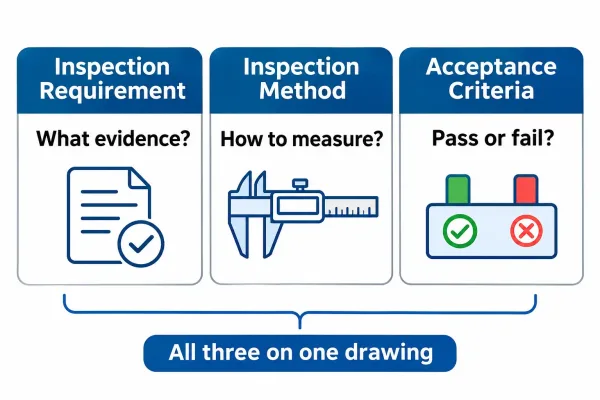
Inspection requirement defines the evidence needed, inspection method defines how to measure, and acceptance criteria define pass or fail.
What Forms These Requirements Take on Real Orders
On a live order, inspection requirements show up as named deliverables and coverage rules, not as general quality language. Typical forms include:
- Dimensional or CMM reports — measured results for listed features, either a full layout or critical features only
- First article inspection (FAI) reports — documented verification of the first production parts against the drawing before volume work continues
- 100% inspection — every unit checked against specified characteristics instead of a sample
- Functional or performance tests — leak, electrical, or cycle tests under defined conditions
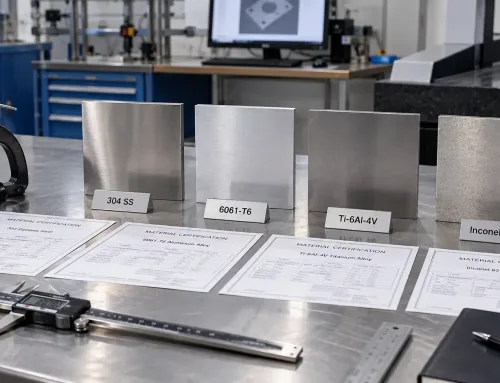
- Material certificates — mill test reports (MTRs) confirming grade and chemistry of the supplied stock
- Report format and submission rules — template, file type, and when the report must arrive (before shipment or with delivery)
Each item above is a demand for evidence, not a measurement technique. The time each one costs is the subject of the next section.
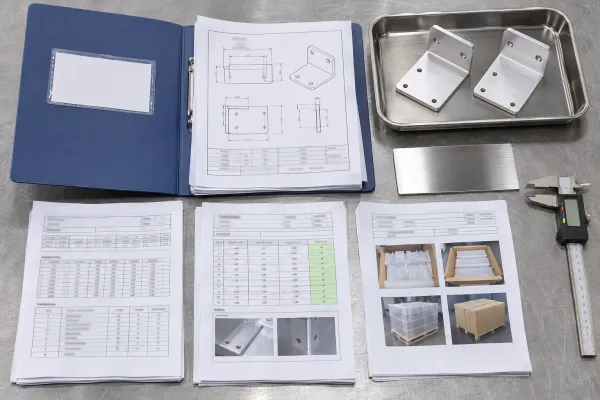
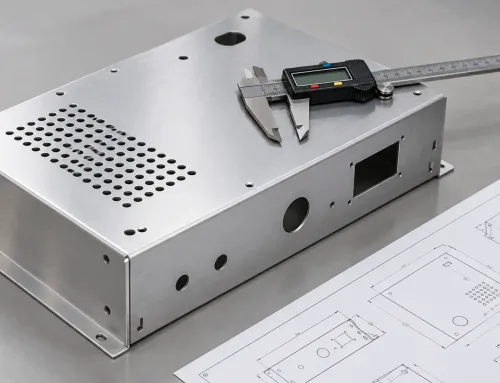
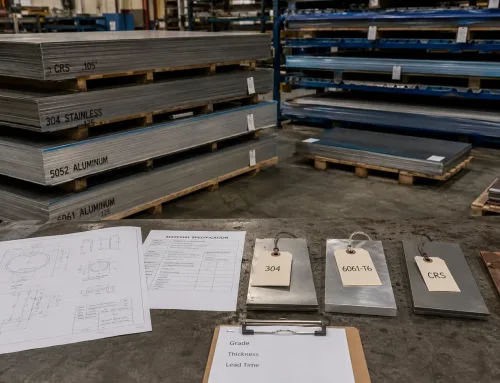
Typical inspection deliverables on a sheet metal order: dimensional report, FAI package, and material certificate.
Why Each Requirement Adds Days to the Schedule
Inspection sits between “part finished” and “part shippable.” It rarely overlaps with cutting or bending time; it queues after forming and finishing and draws on finite people and equipment. Three mechanisms explain most of the added days.
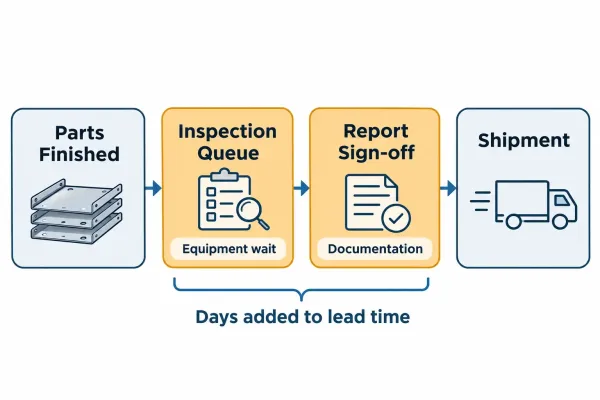
Inspection requirements insert queue time, report sign-off, and holding time between finished parts and shipment.
Queue time and equipment booking
CMMs, test benches, and trained inspectors are capacity-limited resources. A job entering inspection waits for an open slot on that equipment’s schedule. High-precision CMM work is often booked days ahead, so attaching a full layout requirement to an order that never included one inserts a wait the original lead time never carried.
Report preparation and sign-off
Evidence has to be written, checked, and released. A measurement run of a few hours can become half a day or more of documentation once results are compiled, anomalies flagged, and reports approved. If a specific template is required, expect additional handling time for formatting and internal review.
Parts waiting at the inspection stage
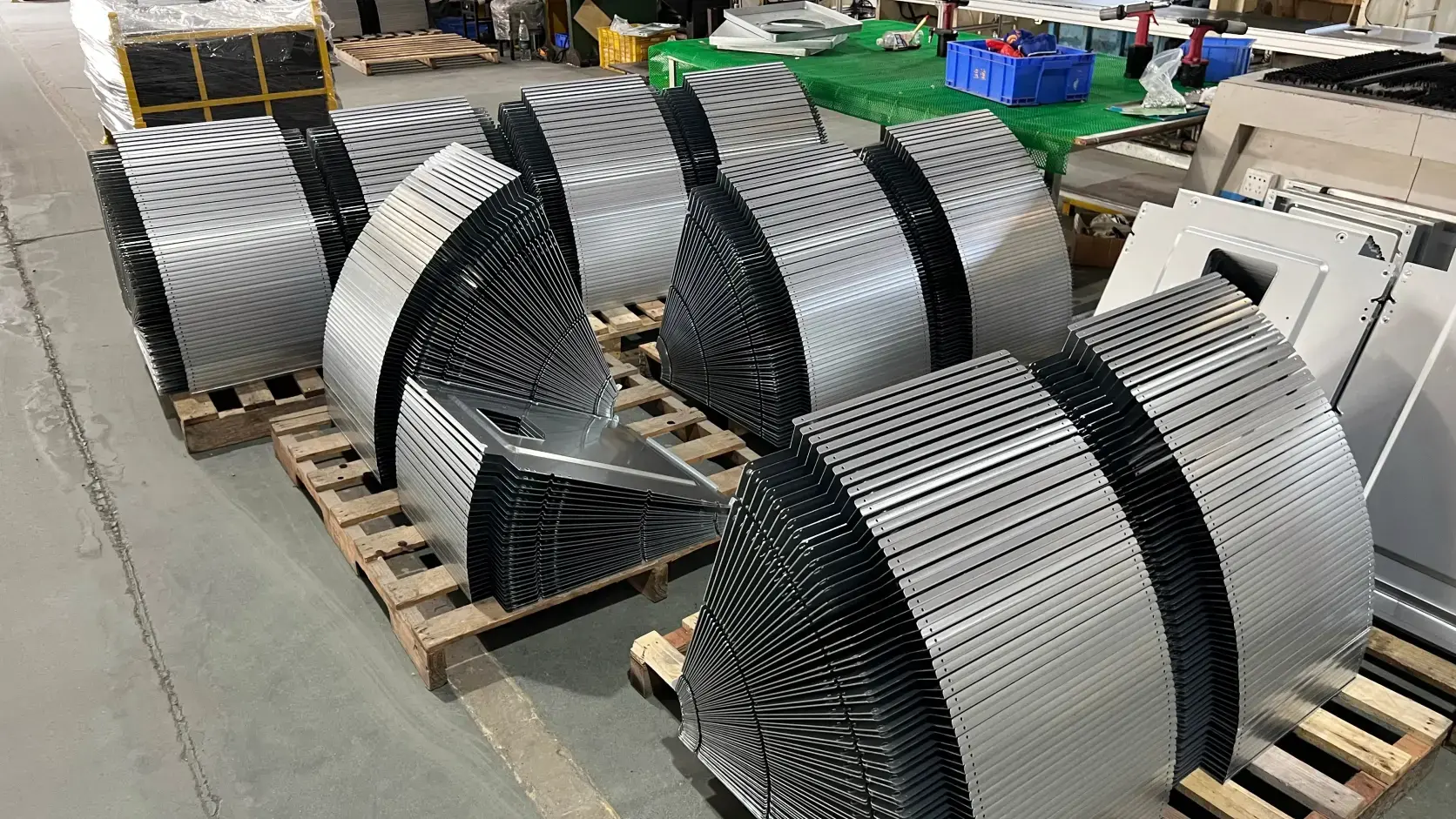
While units are being verified, they stop moving. Under 100% inspection, the lot holds until the last unit is checked. Under a sampling plan, the lot still waits for the sample to be drawn, measured, and judged. In both cases, inventory accumulates at inspection instead of in the shipping queue.
How Much Time Different Requirement Levels Add
Added time scales with coverage and strictness more than with the number of lines on the PO. The ranges below are planning references for buyer-side scheduling, not supplier quotes — actual figures depend on shop load and backlog.
| Requirement level | Typical effect on the inspection stage |
|---|---|
| FAI once at production start | Adds days at the front gate; volume work proceeds after approval |
| FAI on every lot | Repeats that front-gate delay for every batch |
| CMM report on named critical features | Roughly hours to a day of extra handling, depending on part complexity |
| Full dimensional layout | Often one to several days, including programming and report prep |
| 100% inspection on defined characteristics | Scales with lot size; large batches can add many days of labor |
| Functional testing with dedicated fixtures | Adds test cycle time, plus setup if fixtures are not already tooled |
Two patterns are worth carrying into the next RFQ. A requirement applied per lot compounds across the program, while a one-time FAI does not. And covering every dimension instead of named critical features multiplies measurement and reporting effort without changing the decisions you actually make from the data.
When Requirements Enter the Production Timeline
Where a requirement sits in the flow changes how hard it hits the promise date.
FAI as a release gate
FAI is commonly a gate: volume production waits until the first parts are verified and the report is accepted. That hold is deliberate — it protects the batch from repeating a bad setup. If the customer must review the FAI before approval, that round trip belongs on the schedule too.
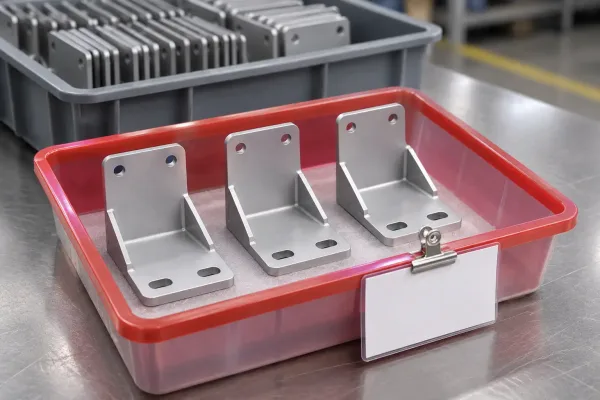
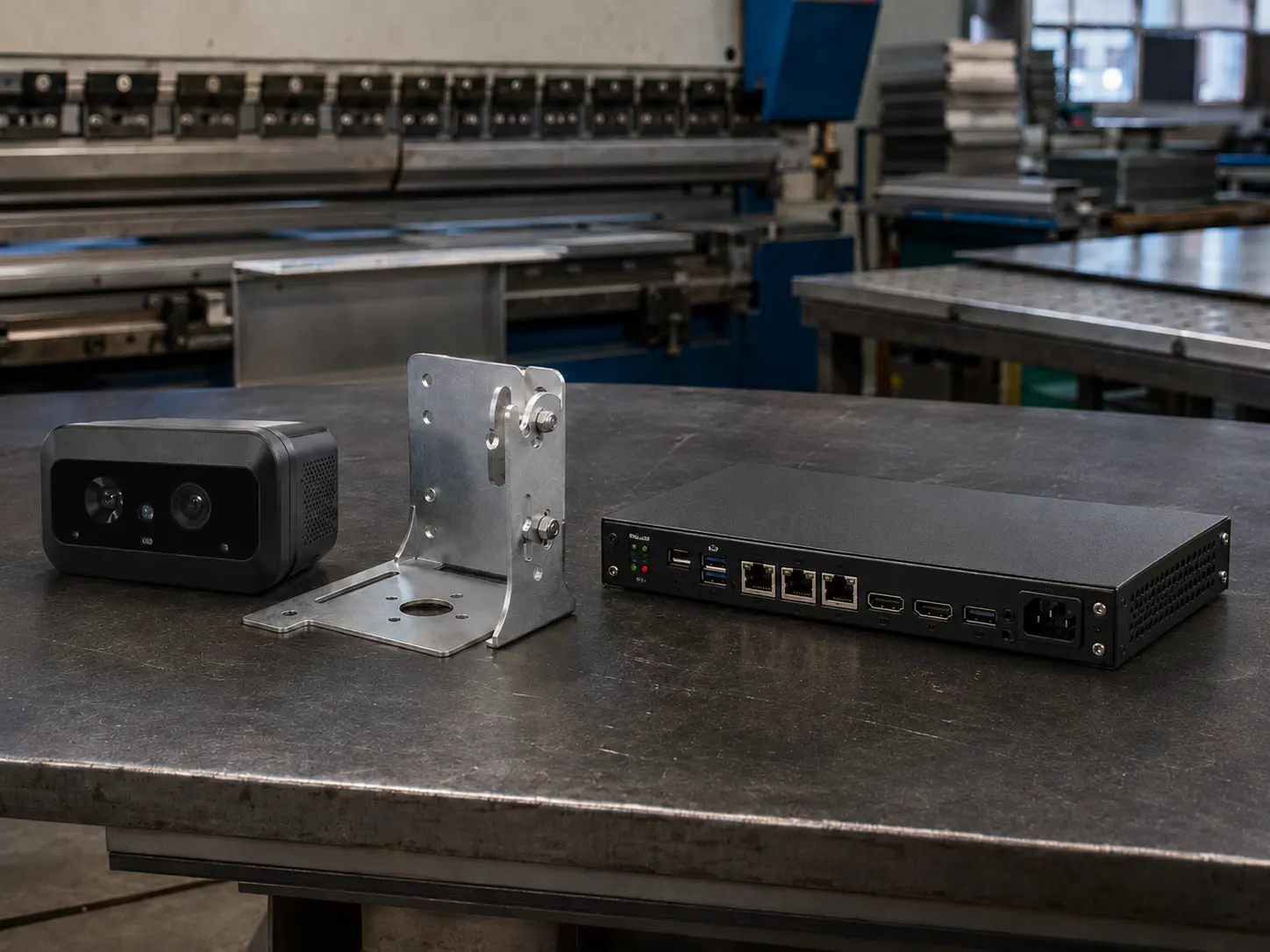
First article parts held in a segregated tray pending verification before volume production continues.
In-process vs. final inspection requirements
In-process checks, such as verifying hole position after punching, catch deviations early and can protect the schedule by stopping a defective batch before it grows. Final-stage evidence requirements — reports, tests, appearance checks — cluster at the end of the job, where no downstream operation remains to absorb the delay, so they land directly on the delivery date.
Pilot or sample lots usually carry the full requirement set to prove the process; production lots then run at the agreed sampling level. Freezing that split at order placement keeps both sides from renegotiating it mid-stream.
How to Specify Requirements Without Inflating Lead Time
The goal is not to weaken quality requirements. It is to state only the evidence you will actually use, in a form the supplier can plan around.
Before releasing an RFQ or PO, confirm five items:
- Name the evidence — CMM report on listed features, FAI to an agreed format, test report, or material certificate
- Define coverage — which features, which lots, how many units
- Set the format — template or free form, units, file type
- Set the timing — before shipment, with delivery, or at the sample-to-production gate
- Link to acceptance — which criteria the report supports, so “done” is unambiguous
Requirements written this way let the supplier quote the real inspection load once and schedule it, instead of holding buffer time for unknown checks.
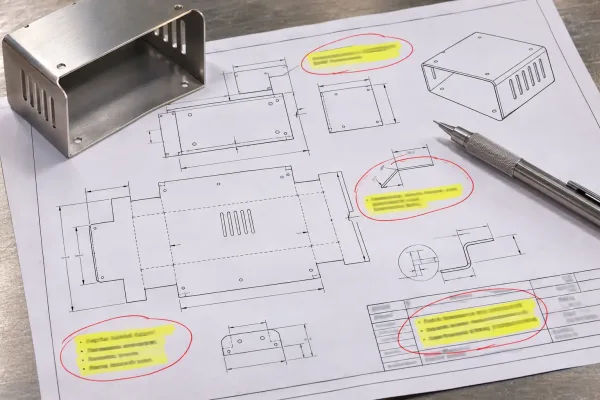
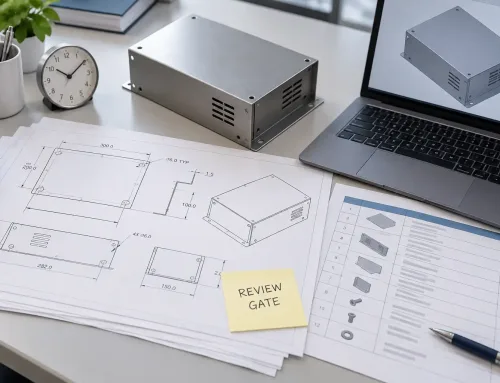
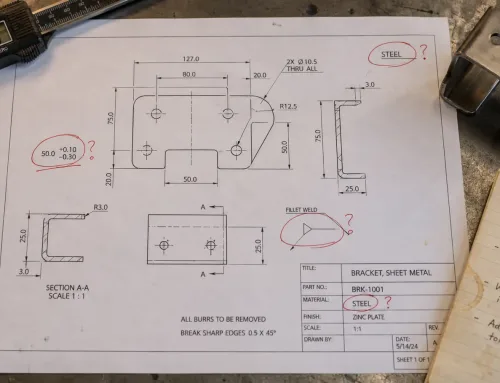
Inspection scope, report format, and timing marked on the drawing before the RFQ goes out.
What changes when you add requirements after the PO
A requirement added after order release is a change, not a paperwork note. The supplier must re-plan inspection capacity, may re-price that scope, and may have to hold finished parts while the new check is set up. The schedule impact is usually worse than if the requirement had been in the original RFQ, because the buffer for it was never built. Treat late-added requirements as lead-time changes from the moment you send them.
FAQs
Treat every inspection requirement as a lead-time commitment as well as a quality one. Specify evidence you will actually review, keep coverage proportional to the risk you are managing, and freeze the requirement set at the RFQ stage whenever you can. If you want a second pair of eyes on inspection scope versus schedule before the RFQ goes out, our engineering team reviews drawings and requirement lists and flags what will cost you days.