
A color code is not a formula. RAL 7016 or Pantone 432 C describes a target appearance—they do not tell a fabricator how to hit that appearance on your substrate, with their coating system, under factory cure conditions. Teams that treat color matching as “pick a number and wait” usually discover the gap at first article, when the enclosure is close but not close enough, and recoat is already on the critical path.
On custom sheet metal and machined parts, color matching is a defined engineering workflow: choose a reference the supplier can use, produce a trial finish on the real substrate, approve a physical sample, and measure production against that sample. This entry explains what that workflow means, how the four common reference types differ, and what to write on drawings and RFQs so the match is reviewable before metal is cut.
What Color Matching Means on a Manufacturing Order
In manufacturing, color matching is the process of reproducing a specified color on a production part and confirming the result against an agreed reference before volume work continues. It is not brand color selection, not monitor calibration, and not a paint-shop mix ticket alone.
A successful match on an order has three properties: a documented process (coating type, cure, film build); comparison to a reference both parties can hold or measure; and acceptance tied to that reference—not to a photo, a screen, or a verbal name.
Engineers and buyers use color matching language when replacing worn covers, releasing multi-phase builds, or aligning housings with plastics and graphics. In each case the question is the same: what will count as “correct” on the truck?
Why a Color Code Alone Does Not Guarantee a Match
Standard codes reduce ambiguity in conversation. They do not eliminate process variables.
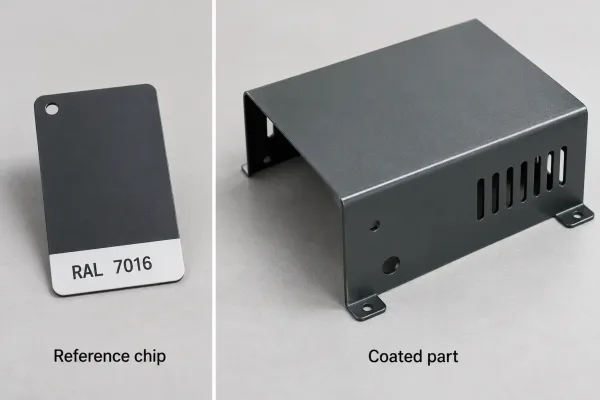
A reference color chip next to a coated steel cover that does not match exactly.
A RAL number fixes a visual target used widely for industrial coatings. A Pantone number fixes a target used widely in branding and print. Neither is a resin formula, a pigment load, a film thickness, or a cure schedule. Two shops can start from the same code and still land in different places if chemistries, substrates, or gloss levels differ.
Common failure modes when only a code is supplied:
- Screen as master. A hex value or catalog screenshot is approved under office light, then the part is judged under warehouse LEDs or daylight.
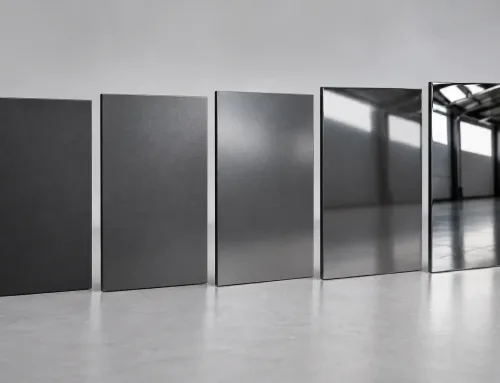
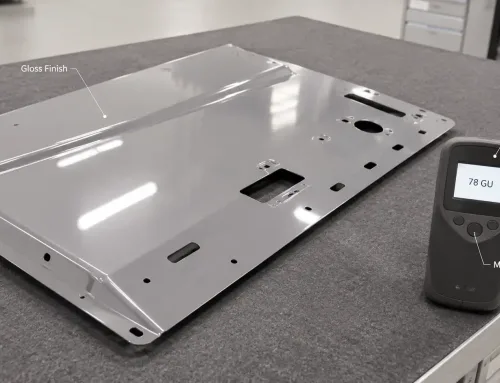
- Gloss ignored. The same pigment reads darker and richer in high gloss and lighter in matte. Matching a gloss chip to a matte part will look wrong even when the code is “correct.”
- Substrate shift. Cold-rolled steel, galvanized steel, aluminum, and stainless each influence opacity and undertone. Primer choice shifts the result again.
- Batch drift. Powder and liquid batches vary slightly; without a retained sample or measurement, “same code” is not a control method.
Practical implication: treat the code as the statement of intent, not as the acceptance standard.
Four Ways to Define the Target Color
Choose the reference that matches how the color was born—and how it will be judged. These four sources are not interchangeable.
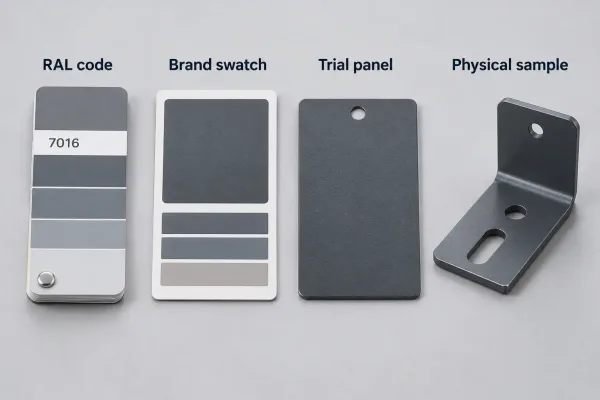
Four ways to define a target color: system code card, brand swatch, trial panel, and physical master part.
RAL Codes for Industrial Coatings
RAL is a European color standard used worldwide for paints, powder coatings, and plastics. Each color carries a unique number (for example, RAL 9005 jet black). Most coaters stock a core RAL Classic range; RAL Design and RAL Effect cover finer or effect colors and may need longer lead times.
Use RAL when the color is a true industrial solid, the project spans suppliers or years, or standards already call out RAL. Do not assume RAL sets gloss, texture, or coating chemistry—write those separately.
Pantone References for Brand and Graphic Colors
The Pantone Matching System (PMS) assigns codes to spot colors used heavily in branding, print, and graphics. Coated (C) and uncoated (U) books describe different surfaces; the wrong book changes the expected result.
Use Pantone when marketing or packaging defines the color and no industrial fan deck exists. Do not assume a Pantone chip is a powder or liquid formula. Coaters typically cross-reference to the nearest workable system color or build a custom match from a physical chip—not from an on-screen hex value.
Customer Swatches and Brand Color Cards
A customer swatch is a controlled chip, fan deck page, or brand color card issued by the buyer. It travels better than a verbal name (“charcoal gray”) and can be reissued when books are updated.
Use a swatch when brand standards already go to multiple vendors, or when the color must appear on several materials in one product family. Protect the swatch: label it, record book and page, and ship a duplicate if the match is critical. Worn or sun-faded cards are a weak master.
Physical Samples and Master Parts
A physical sample is a coated panel, a cut section, or a production part that already shows the desired color. A master sample (approval panel) is the signed unit used as the production standard after trial work is accepted.
Use a physical sample when there is no reliable code, the color is aged or “as found,” or the finish includes effects (metallic, texture, two-coat systems) that codes describe poorly. State the intent: match the sample as it is now or as it was originally. For faded parts those are different targets.
How a Production Color Match Is Actually Made
Regardless of reference type, a controlled match follows a short, repeatable path:
- Capture the target. Record the code, swatch ID, or sample; note substrate, coating type, gloss, and viewing conditions.
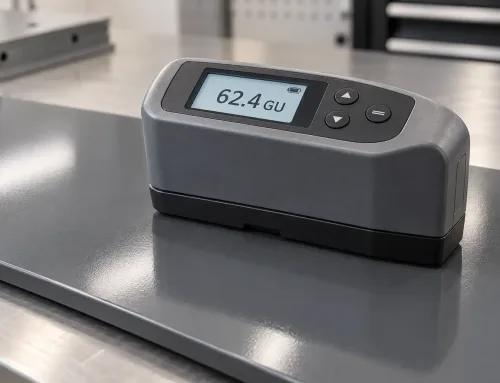
- Measure. A spectrophotometer quantifies the target so trials are not judged by eye alone. Human review still matters; measurement makes it repeatable.
- Formulate and spray a trial. Apply a candidate formula to a panel of the same substrate and pretreatment planned for production, then cure under production-like conditions.
- Compare. Trial panel versus target: instrument reading plus visual check under agreed lighting. Critical looks often aim near ΔE ≤ 1.0; final values belong in the PO or drawing note.
- Sign the approval sample. That panel or part becomes the master for production. Post-signoff changes to resin, cure, or pretreatment are process changes, not clerical ones.
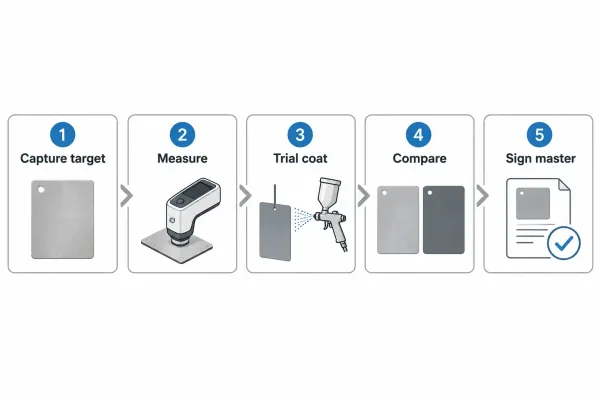
Production color matching follows five steps from target definition to a signed master sample.
Custom matches need formulation and test cycles—often about one to three weeks from complete sample receipt to a shippable approval panel. Stock RAL on a standard substrate is faster.
What Can Still Move the Color After a Match Is Approved
Even with a signed master, three variables keep shifting appearance.
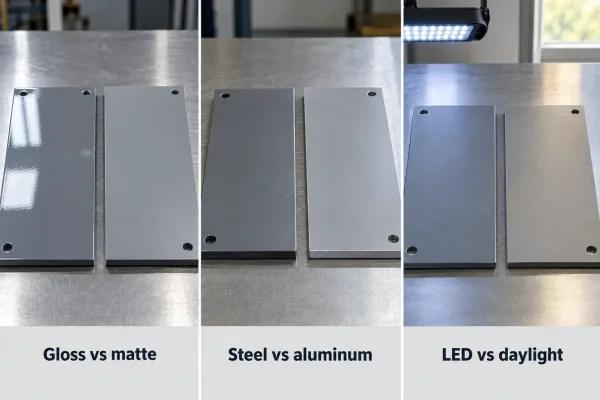
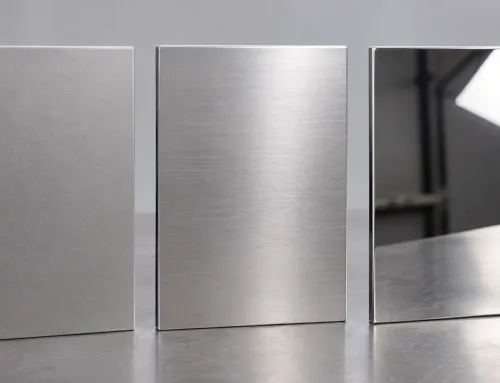
The same target color can shift with gloss, substrate, and lighting.
Substrate and Finish Process
Powder coating, liquid paint, and anodizing behave as different color systems in practice. A RAL powder on aluminum will not read identical to the same RAL liquid on cold-rolled steel. Welds and grinding alter how coatings hide. Specify coating process + substrate together, not color alone.
Gloss Level and Texture
Gloss and texture change light return. Matte hides fingerprints and minor fabrication marks; high gloss shows edges and orange peel more clearly. The same pigment family will not panel-match across gloss levels. Put gloss on the drawing (gloss, semi-gloss, or matte, with a reference standard if required).
Lighting and Viewing Conditions
Two colors can match under one lamp and diverge under another (metamerism). Approve under a named condition—typical office LED, D65 daylight, or the end-use environment—and use that condition at incoming inspection when disputes arise.
Which Reference to Use, and When
Use the table as a selection guide, not a substitute for project constraints.
| Situation | Primary reference | Secondary control | Notes |
|---|---|---|---|
| Industrial solid, multi-vendor or multi-phase | RAL code | Signed powder/liquid panel | Also specify gloss and chemistry |
| Brand-led product with graphics or plastics | Pantone chip or brand swatch | Custom match panel | Do not rely on hex/screen values |
| Existing fleet, faded housing, “match this cover” | Physical sample | Measurement + written intent (as-is vs original) | Send a large, clean chip |
| Effect finish (metallic, texture, multi-coat) | Physical sample or supplier standard | Process sample on production substrate | Codes rarely describe flake or texture |
| Tight schedule, low risk, standard color | Stock RAL | First-article visual | Fastest path if small deviation is acceptable |
If sources conflict (swatch vs RAL vs sample), name the arbitration order on the PO—for example: approved master sample, then swatch, then RAL—so the shop is not forced to guess.
What to Put on Drawings and RFQs
Color matching fails most often at specification, not at the spray gun. Before RFQ, give the supplier one checkable package:
- Reference type and ID (RAL ####, Pantone #### C/U, swatch book/page, or sample serial).
- Coating process (powder, liquid, anodize, etc.) and substrate/grade.
- Gloss and texture requirement.
- Whether close matches are allowed, or only master-sample match.
- Lighting/approval condition and whether instrument data must be reported.
- Number of approval panels and who signs them.
- Acceptance method (see below).
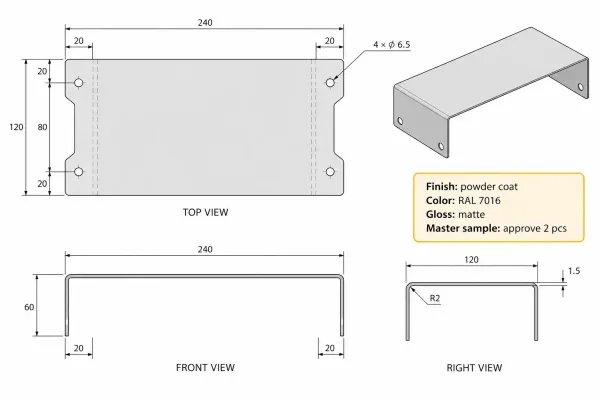
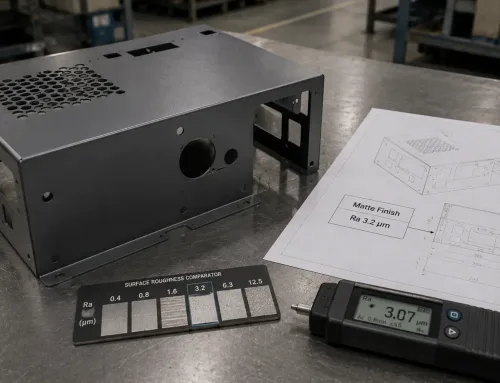
A drawing callout that names reference, process, gloss, and sample approval.
A one-line note—“color: dark gray, nice finish”—is not a specification. It is a future dispute.
What Happens at Acceptance
Acceptance closes the loop opened at specification. Incoming inspection should compare production parts to the approved master sample under the agreed lighting. If the drawing or PO defines a color tolerance (an allowed difference from the master), apply it here—not as a vague “close enough” call on the shop floor.
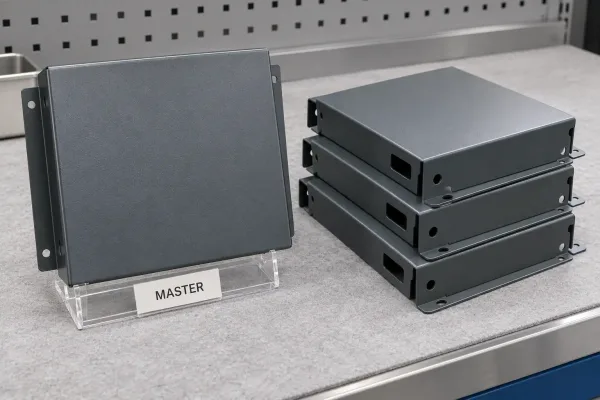
Incoming inspection compares production parts to the approved master sample.
Retain the master sample with lot records for the production window. Inspect representative parts, including edges and recesses where film builds differently. On dispute, quarantine rather than ship on assumption, and re-match against the same master.
Next step: if you are preparing a multi-vendor finish or a replacement part with only a sample in hand, have the fabricator review the color callout at RFQ. SR-MFG can flag missing gloss, process, or sign-off requirements before quotes diverge.
FAQs
Key takeaways
- Codes state intent; signed samples and clear process notes create the match.
- Specify reference type, coating, substrate, gloss, and sign-off together.
- Use RAL for industrial solids, Pantone/swatches for brand colors, physical samples for effects and as-found work.
- Keep color tolerance for acceptance against the master—do not invent it mid-lot.