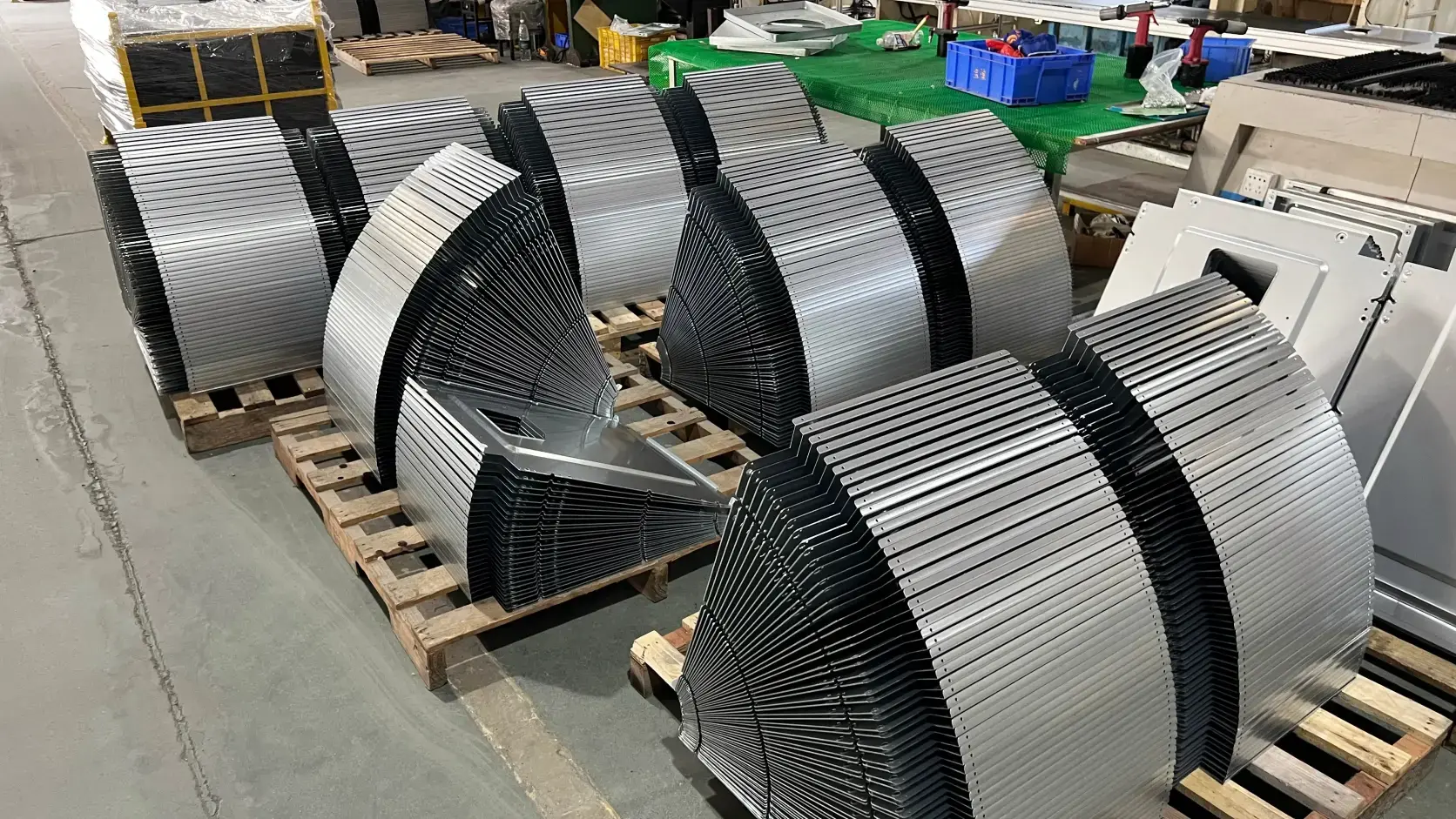

A missing operator signature on a job traveler can hold up a shipment. An absent inspection record can turn a routine quality complaint into a weeks-long investigation. A gap in batch traceability can force an entire production lot into quarantine — not because the parts are defective, but because no one can prove they are not.
These are not hypothetical risks. They are the everyday consequences of treating a job traveler as optional paperwork rather than the production record it actually is.
What Happens When a Job Traveler Is Incomplete
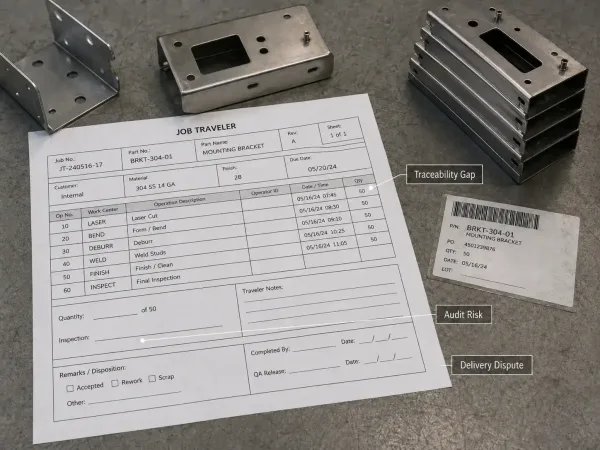
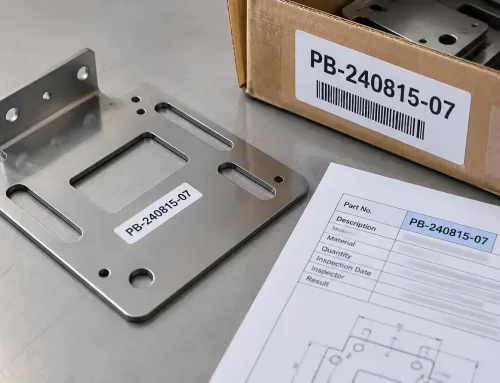
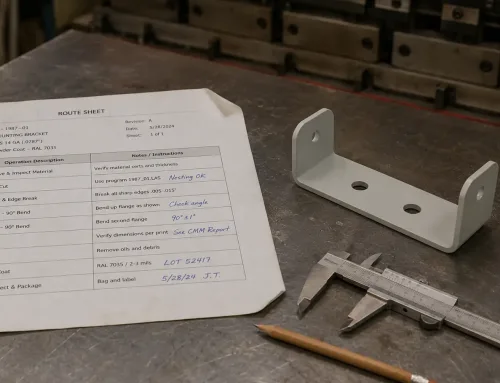
Missing job traveler records can create traceability gaps, audit findings, and delivery disputes.
A job traveler is the document that tells the story of how a part was actually made. When that story has gaps, the consequences fall into three categories.
You lose traceability. A customer reports a dimensional issue on a bracket delivered two months ago. Without an operator name or a timestamp on the bending operation, you cannot determine who ran the part, when it was bent, or whether the machine was within calibration. The investigation stalls, and the customer loses confidence in your process control.
You fail audits. In regulated industries — aerospace, medical, defense — auditors do not accept “we made it correctly” without evidence. A job traveler with missing sign-offs or incomplete inspection entries is a nonconformance finding. In severe cases, it can cost you a certification.
You create delivery disputes. When a purchase order calls for 500 pieces and your final count is 487, the job traveler is the only document that can explain where the 13 units went. If quantity was not recorded at each operation, you have no way to show whether the loss occurred during laser cutting, welding, or finishing. The disagreement becomes a matter of trust rather than data.
The point is not that a job traveler must be perfect. It is that every blank field represents a question you will not be able to answer later.
What Is a Job Traveler?
A job traveler — sometimes called a shop traveler, work traveler, or simply a traveler — is a production record that follows a part or a batch through every operation on the shop floor. It is the physical or digital companion to the part, and it accumulates data as the part moves from one workstation to the next.
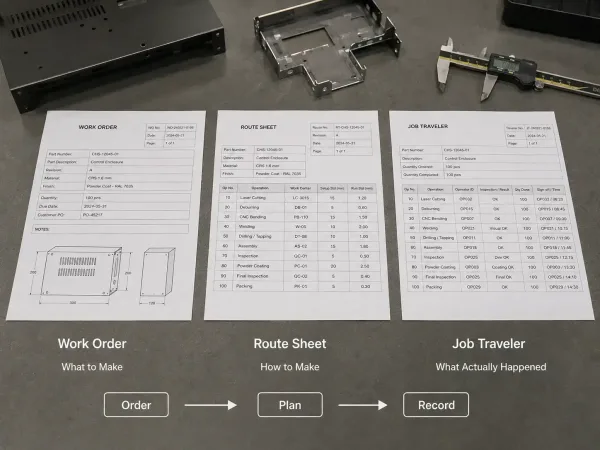
The distinction between a job traveler and a route sheet matters here. A route sheet defines the planned sequence of operations: which steps the part should go through, in what order, and with what tools or parameters. It is written before production begins. A job traveler, by contrast, records what actually happened during production — who ran each operation, when, with what results, and whether the part passed inspection. It is completed during and after each step.
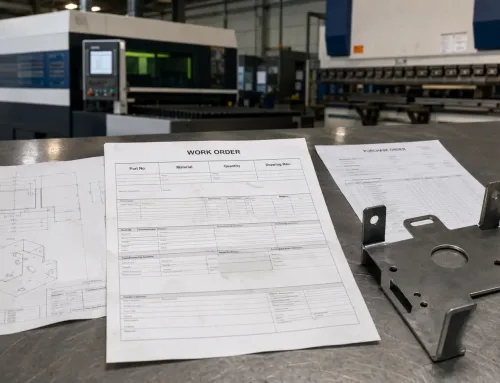
A manufacturing work order sits above both. It is the production contract: what to make, how many, by when, and at what cost. The route sheet tells the shop how to make it. The job traveler proves that they did.
In some shops, especially those running ERP or MES software, the route sheet and job traveler are merged into a single digital document. In others, particularly smaller fabrication shops, they remain separate paper forms. The underlying logic is the same: plan, then record.
What a Job Traveler Contains — and Why Each Field Matters
A job traveler is not a blank form with a title at the top. Every field on it exists to support a specific engineering or manufacturing quality requirement. The following breakdown covers the six fields that matter most in sheet metal fabrication.
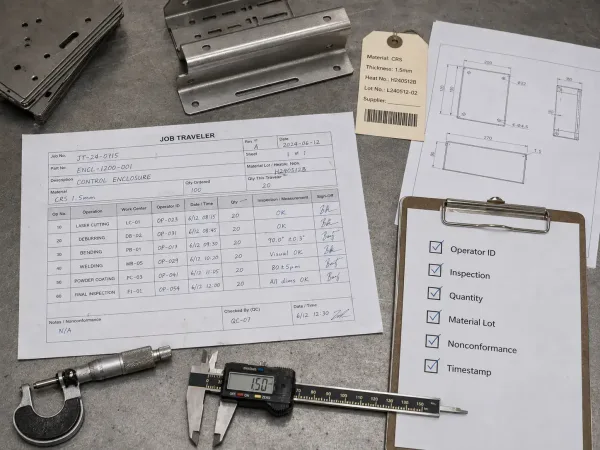
A complete job traveler records operations, operators, inspections, quantities, material lots, and sign-offs.
Operation Steps and Sequence
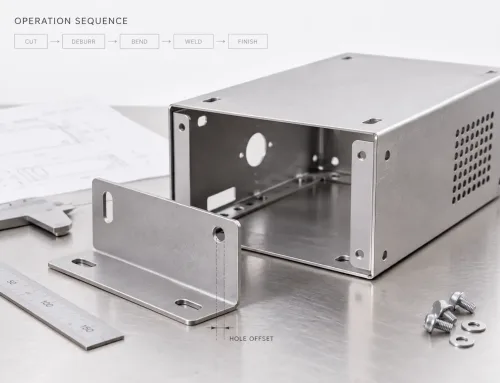
The job traveler lists every operation the part must pass through — laser cutting, deburring, bending, welding, surface treatment, final inspection, and so on. Each step is typically numbered and includes a brief description of the operation and the workstation or department responsible for it.
This field matters because it creates the framework for everything else. Without a defined sequence, there is no way to verify that the part followed the correct process route. If a bending operation was performed before deburring — which can scratch the surface or distort the bend — the job traveler should make that sequence error visible.
Operator Identification
Each operation entry includes a field for the operator who performed the work. In some shops this is a handwritten signature; in others it is an employee ID scanned at the workstation.
The purpose is not surveillance. It is traceability and accountability. When a weld fails a leak test three months after production, the operator field lets you identify who ran that weld, check their certification status, and determine whether the failure was a skill issue, a process issue, or a material issue. Without it, every operator who ever touched that part becomes a suspect, which helps no one.
Inspection Records
Inspection entries on a job traveler are typically divided into three stages:
- Incoming inspection — verifying that raw material meets specification (thickness, grade, surface condition) before it enters production.
- In-process inspection — checking critical dimensions or weld quality at specific operations, often after bending or welding.
- Final inspection — a complete dimensional and visual check before the part is released for shipping.
Each entry should include the inspection result (pass, fail, or conditional), the measured values where applicable, and the inspector’s identification. The job traveler is not a substitute for a formal inspection report, but it provides the checkpoint evidence that links inspection results to specific operations and operators.
Quantity Tracking
Quantity fields on a job traveler record how many pieces entered each operation and how many came out. The difference — scrap, rework, or reject — should also be noted.
This matters for two reasons. First, it enables yield tracking: if a welding operation consistently loses 3–5% of parts to burn-through, the data is only useful if someone recorded the input and output counts. Second, it resolves delivery disputes. When a customer claims short shipment, the job traveler is the first document anyone checks.
Batch and Lot Traceability
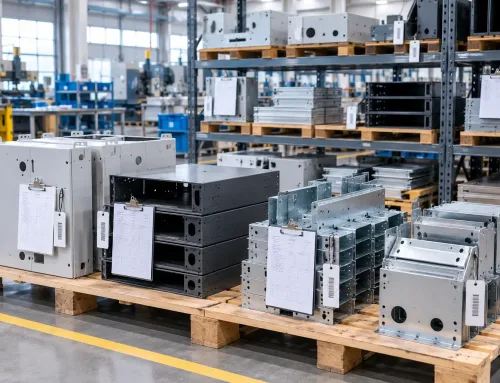
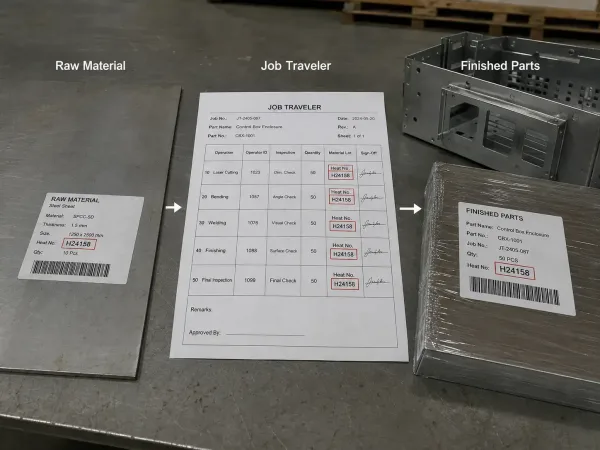
The material lot or heat number follows the part through production to preserve raw material traceability.
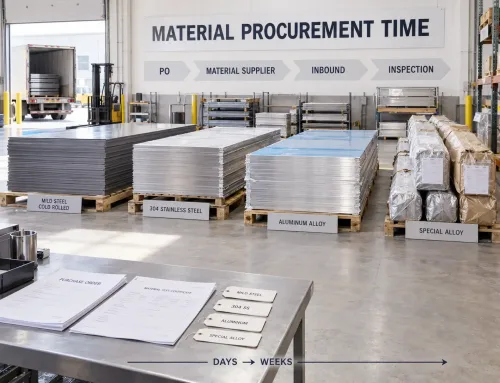
In sheet metal fabrication, sheet metal material traceability links the finished part back to the raw material. The job traveler should record the material lot number or heat number at the point where raw material enters production. As the part moves through operations, that lot number travels with it.
This is critical for recall scenarios. If a steel mill issues a material recall for a specific heat number, you need to identify every finished part that used that material. Without lot traceability on the job traveler, you are left guessing — or recalling everything.
Timestamps and Sign-Offs
Each operation entry should include a date (and, where practical, a time) when the work was completed. Combined with operator identification, timestamps create a sequential record that proves the part moved through operations in the correct order.
Sign-offs serve a dual purpose. They confirm that the operator acknowledges the work was performed, and they provide a visual checkpoint for supervisors reviewing the traveler before the part moves to the next station. A blank sign-off field is a red flag — it means either the operation was skipped or no one verified it.
Job Traveler vs. Route Sheet vs. Work Order
Work orders define what to make, route sheets define the planned process, and job travelers record what actually happened.
These three documents are often confused, partly because some software systems combine them and partly because the terms are used loosely in practice. The table below clarifies the distinction.
| Document | What It Defines | When It Is Created | Who Uses It |
|---|---|---|---|
| Work Order | What to make, how many, by when | At order entry (before production) | Production planning, purchasing |
| Route Sheet | The planned sequence of operations and process parameters | During engineering or process planning (before production) | Manufacturing engineering, shop floor supervisors |
| Job Traveler | The actual record of what happened at each operation | During and after production (at each workstation) | Operators, inspectors, quality, shipping |
A simple way to think about it: the work order is the contract, the route sheet is the recipe, and the job traveler is the logbook. Each serves a different purpose, and all three are needed for a complete production record.
How a Job Traveler Moves Through a Sheet Metal Shop
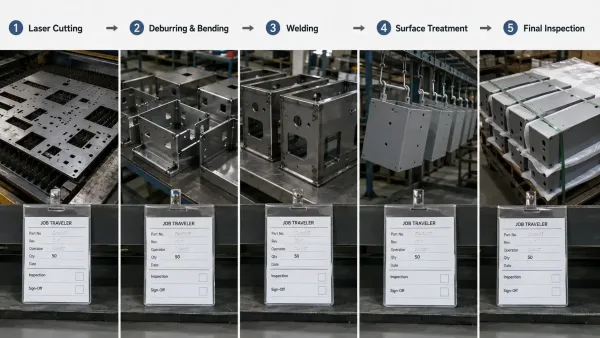
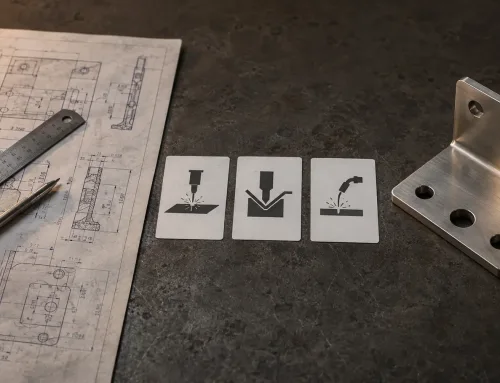
The job traveler follows a sheet metal part through cutting, forming, welding, finishing, and final inspection.
To make this concrete, consider how a job traveler accompanies a sheet metal enclosure through a typical fabrication sequence.
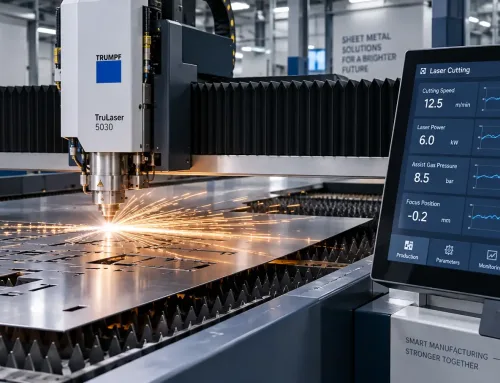
Laser cutting. The operator cuts the flat pattern from sheet stock. On the job traveler, they record the machine used, the material lot number from the sheet, the quantity cut (including any scrap), and their operator ID. If an in-process dimensional check is required — for example, verifying critical hole positions — the inspector signs off at this stage.
Deburring and forming. The parts move to deburring, then to the press brake. The bending operator records the bend sequence, the tooling used, and confirms that the bend angles match the drawing. If the part requires a specific bend radius or if the operator notes a surface scratch, it goes on the traveler.
Welding. The welder records the welding process (MIG, TIG, spot), wire or rod specification, shielding gas, and any preheat or postheat treatment. If a weld inspection is required — visual, dye penetrant, or leak test — the result and the inspector’s ID are entered.
Surface treatment. Whether the part goes through powder coating, anodizing, or painting, the job traveler records the process, the color or coating specification, the batch number of the coating material, and the cure time or temperature. Coating thickness measurements, if required, are noted here.
Final inspection and packaging. A complete quality control and final inspection check is performed. The inspector verifies that all previous entries on the job traveler are complete — no blank fields, no missing signatures. Quantity is confirmed against the work order. The part is packaged, and the job traveler is either filed or transmitted to the customer with the shipment.
At every stage, the job traveler answers the same question: what actually happened to this part?
What Buyers and Engineers Should Look For
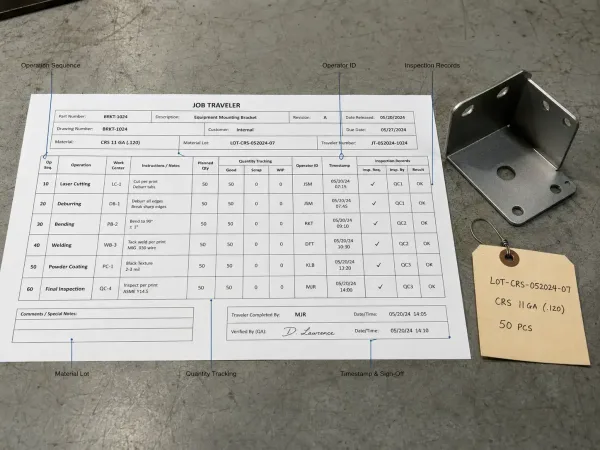
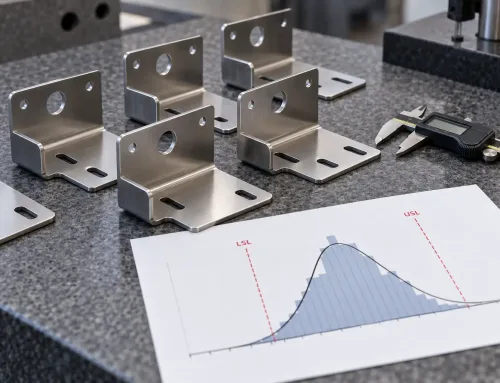
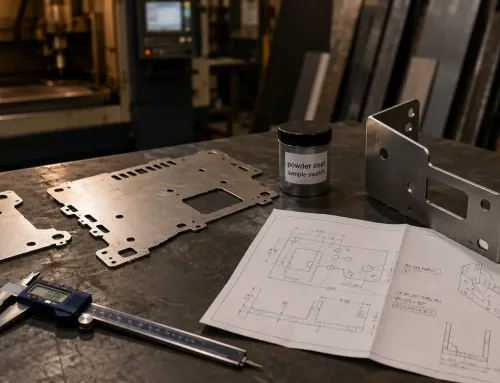
Buyers and engineers should verify signatures, inspections, quantities, material lots, nonconformances, and timestamps.
If you are reviewing a job traveler from a supplier — whether as part of a first article inspection, a process audit, or a routine delivery check — the following checklist covers the fields that matter most.
- Every operation has an operator signature or ID. Blank operator fields mean you cannot trace work to a specific person.
- Inspection results match the drawing requirements. If the drawing calls out a surface roughness of Ra 1.6 μm, the inspection entry should record the measured value, not just “pass.”
- Quantity is tracked at each stage. Input and output counts at every operation. If 100 parts went into welding and only 94 came out, the traveler should account for the six missing units.
- Material lot numbers are recorded. Especially critical for carbon steel and stainless steel, where material grade directly affects corrosion resistance and mechanical performance.
- Any nonconformances are documented. Rework, scrap, deviations, or customer-approved concessions should all appear on the traveler. A clean-looking traveler with no notes is not necessarily a good sign — it may mean issues were not recorded rather than not occurred.
- Timestamps follow a logical sequence. If the welding operation is dated before the cutting operation, something is wrong.
A complete job traveler does not guarantee a perfect part. But an incomplete one is a warning that the manufacturing process may not be under the control you expect.