Partner with Shuangrui to reduce manufacturing costs by 30% and boost efficiency.

Metal Plating Services2026-06-02T07:20:26+00:00

Metal Plating Services for Fabricated & Machined Parts

SR MFG provides one-stop metal plating support for sheet metal and machined parts, covering finish selection, supplier coordination, inspection, and documentation.

Depending on your application, we can help specify plating type, coating thickness, adhesion requirements, corrosion testing, and acceptance criteria before production.
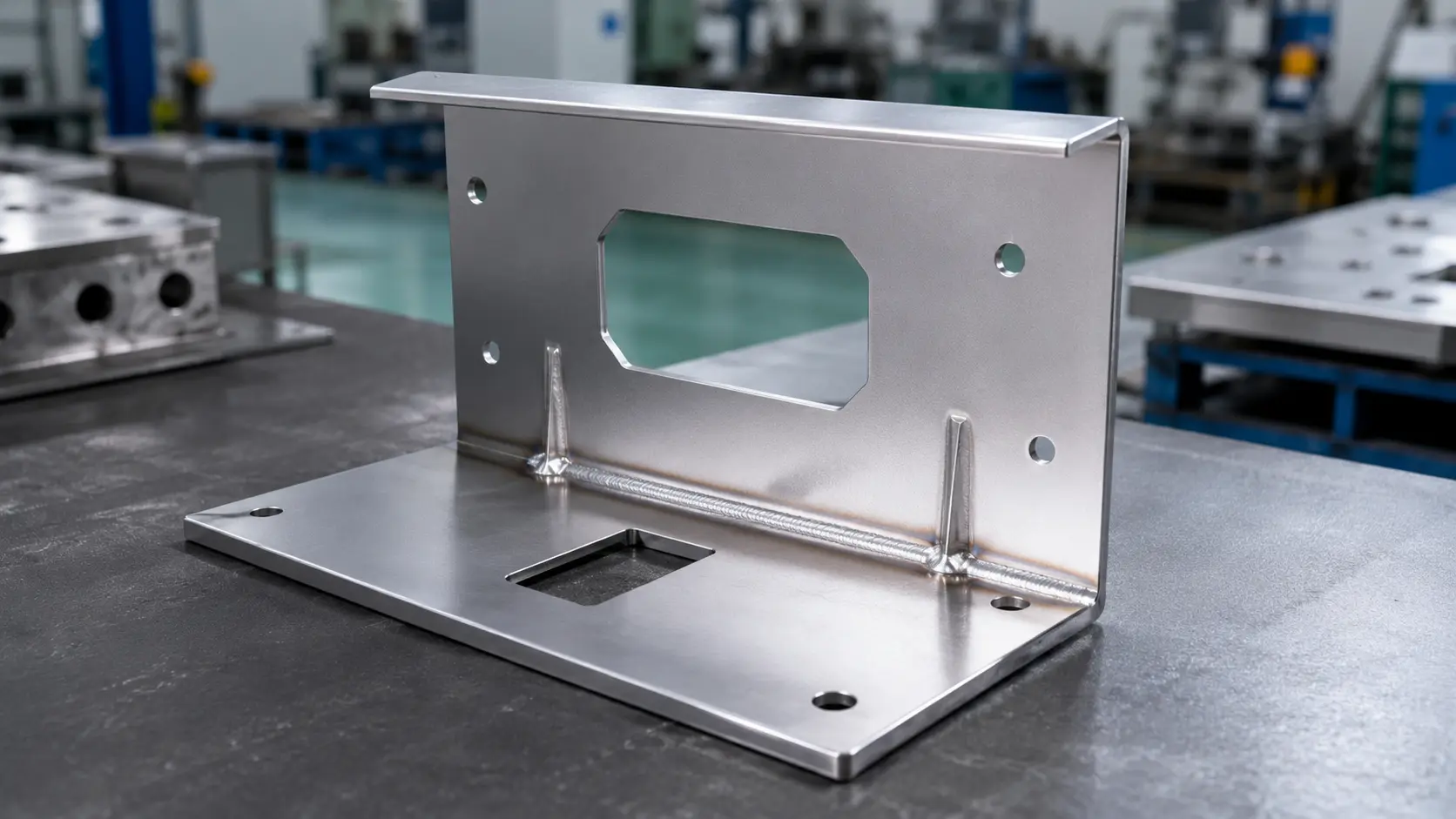
Zinc / Nickel / Tin / Chrome Options ISO 2178 Thickness Verification ASTM B571 Adhesion Check ASTM B117 / ISO 9227 Salt Spray Support

Get a Custom Quote in 12 Hours

Upload your drawings for engineering review.

Blank Form (#4)

What Is Metal Plating?

Metal plating is an electrochemical deposition process in whichparts are immersed in an electrolyte solution containing metalions. When direct current (DC) is applied, the metal ions arereduced and deposit as a thin, uniform layer of metal or alloyon the part’s surface.

Depending on the plating system and metals used, the coatingcan enhance corrosion resistance, wear resistance, electricalconductivity, reflectivity, solderability, and cosmetic appearance.

Corrosion
Protection
Wear
Resistance
Electrical
Conductivity
Solderability
Decorative
Finish
TIG-welded 2mm stainless steel sheet joint showing heat discoloration bands ranging from straw yellow to purple blue around the weld bead

Pros and Cons of Metal Plating

Advantages

  • Provides an attractive, high-quality metallic appearance.
  • Delivers functional benefits such as corrosion and wear resistance.
  • Applicable to a wide range of materials and parts, including steel, aluminum, brass, and copper.
  • Cost-effective for high-volume and large-scale production.

Limitations

  • Requires precise chemical process control and proper wastewater management.
  • Feasibility depends on material type, part geometry, and performance requirements.
  • Requires pretreatment, masking, and process validation to ensure consistent results.

Applications of Metal Plating

Metal plating is used across a wide range of industries to improve performance,protect against corrosion, enhance conductivity, and achieve the desired appearance.

Automotive
Components

Chassis brackets, battery terminals, shafts, fasteners, charging interfaces, and trim parts requiring corrosion protection or conductivity.

Electronics &
Telecom Equipment

Connectors, switches, PCB hardware, RF components, base-station parts, and conductive contact surfaces.

Aerospace &
Precision Hardware

Fasteners, brackets, landing gear hardware, sensors, antennas, and precision parts requiring reliable coating performance.

Medical &
Instrument Parts

Surgical tools, tweezers, clamps, handles, and precision components requiring clean appearance and controlled surface performance.

Construction &
Architectural Hardware

Door and window hardware, railings, handrails, curtain wall accessories, decorative metal parts, and corrosion-resistant fixtures.

Final plating selection depends on substrate material, part geometry, required performance, appearance grade, corrosion target, and inspection standard.

What Problems Does Metal Plating Solve?

Corrosion &
Rust Risk

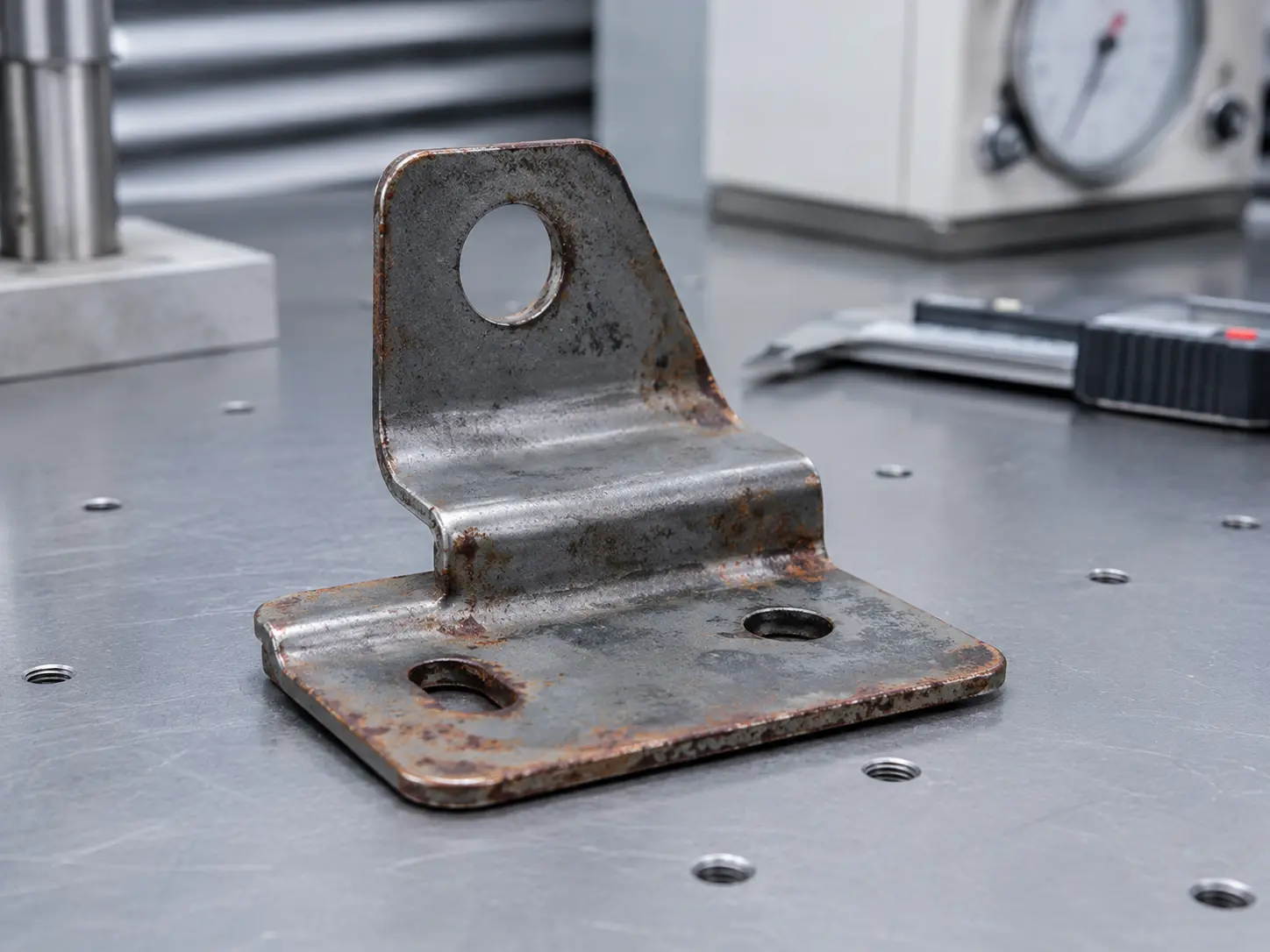
Adds protective metal layer to slow oxidation and improve corrosion resistance in humid, outdoor, or chemically exposed environments.
Comparison of inspection effort between standard tolerance (±0.3 mm) and tight tolerance (±0.05 mm) sheet metal partsContact profilometer diamond stylus measuring surface roughness on a 2mm steel test coupon in a quality control laboratory

Wear &
Surface Damage

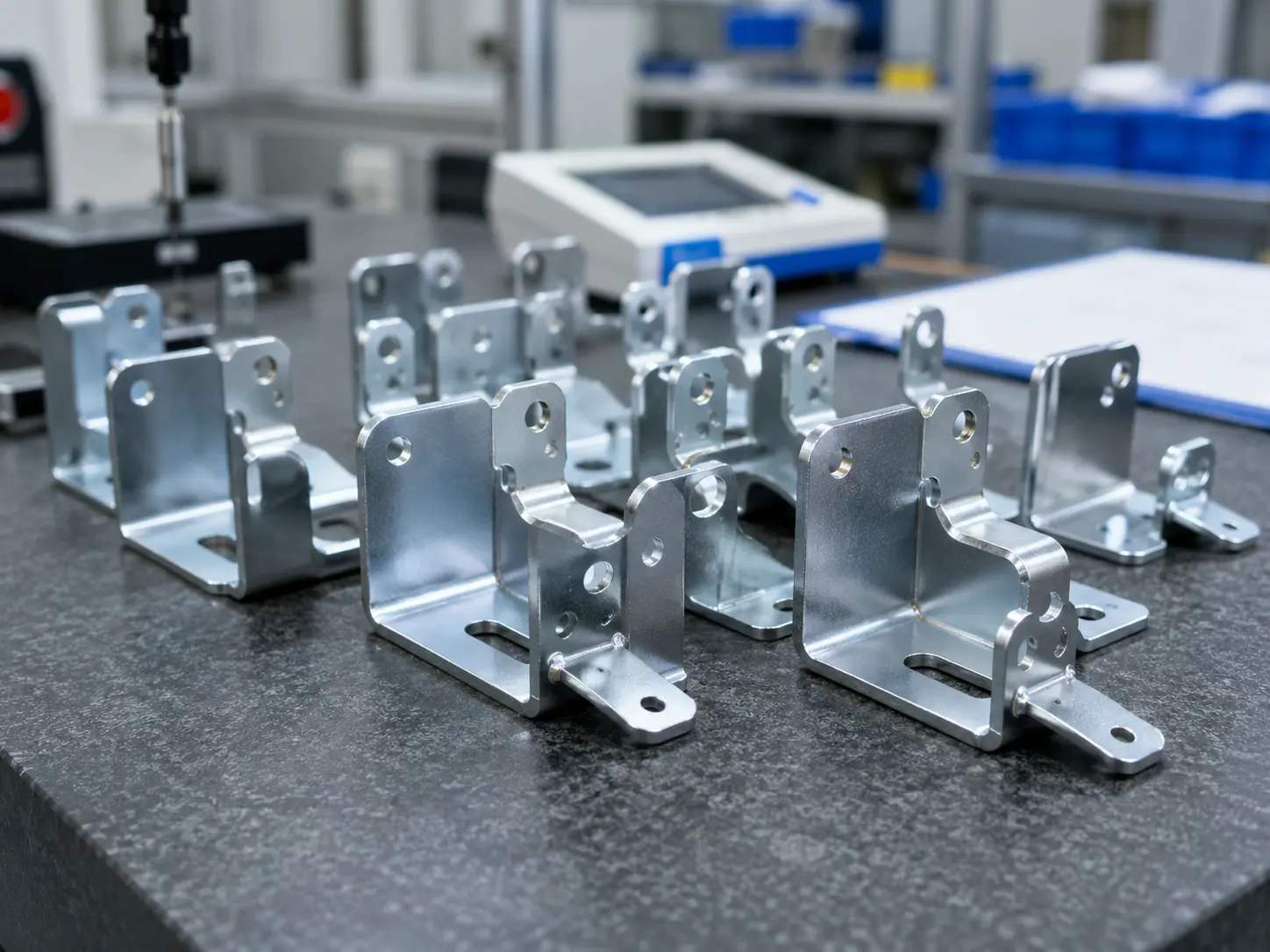
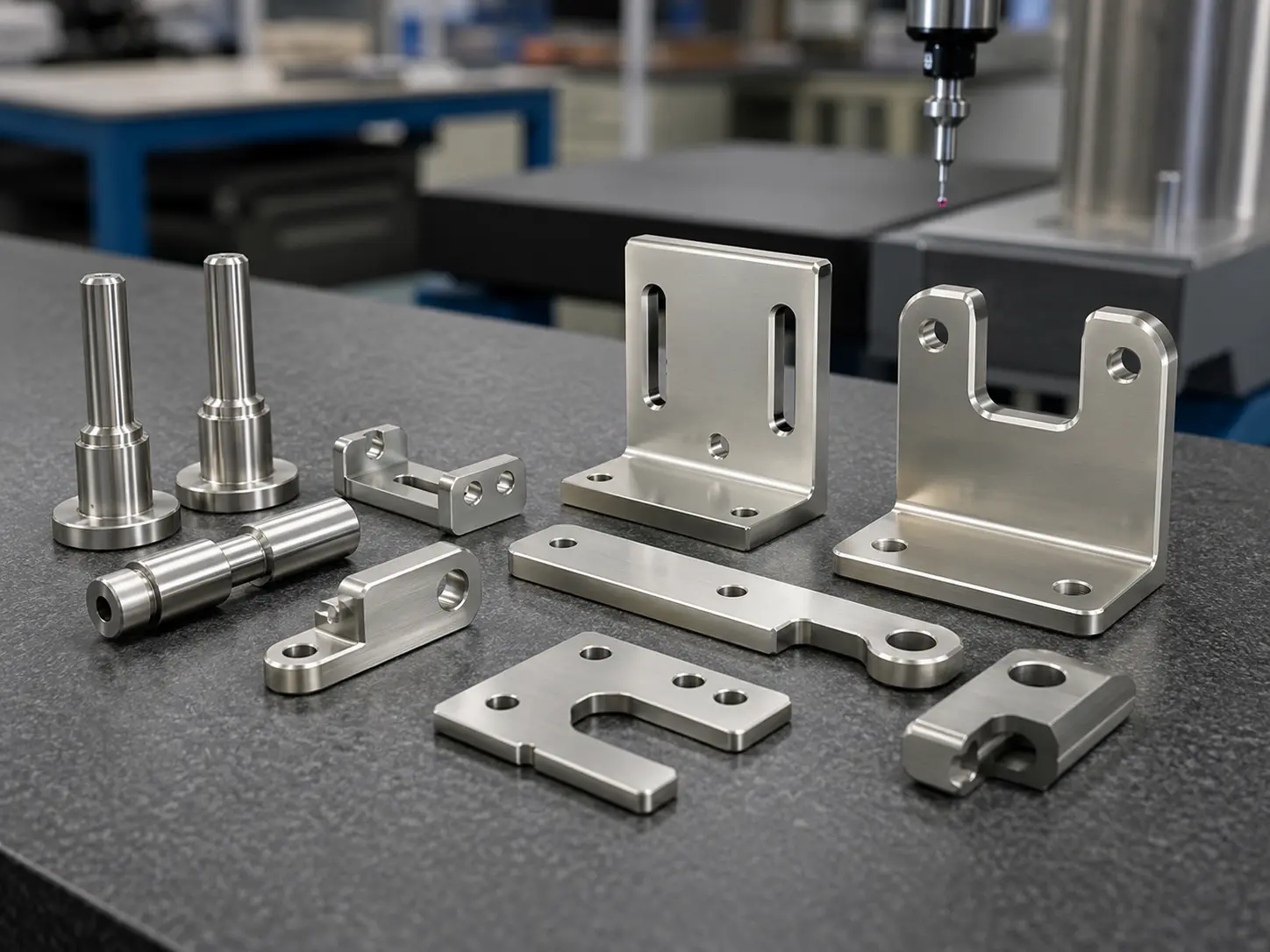
Improves surface durability for parts exposed to friction, repeated handling, sliding contact, or mechanical wear.
Comparison of inspection effort between standard tolerance (±0.3 mm) and tight tolerance (±0.05 mm) sheet metal partsContact profilometer diamond stylus measuring surface roughness on a 2mm steel test coupon in a quality control laboratory

Conductivity &
Contact Performance

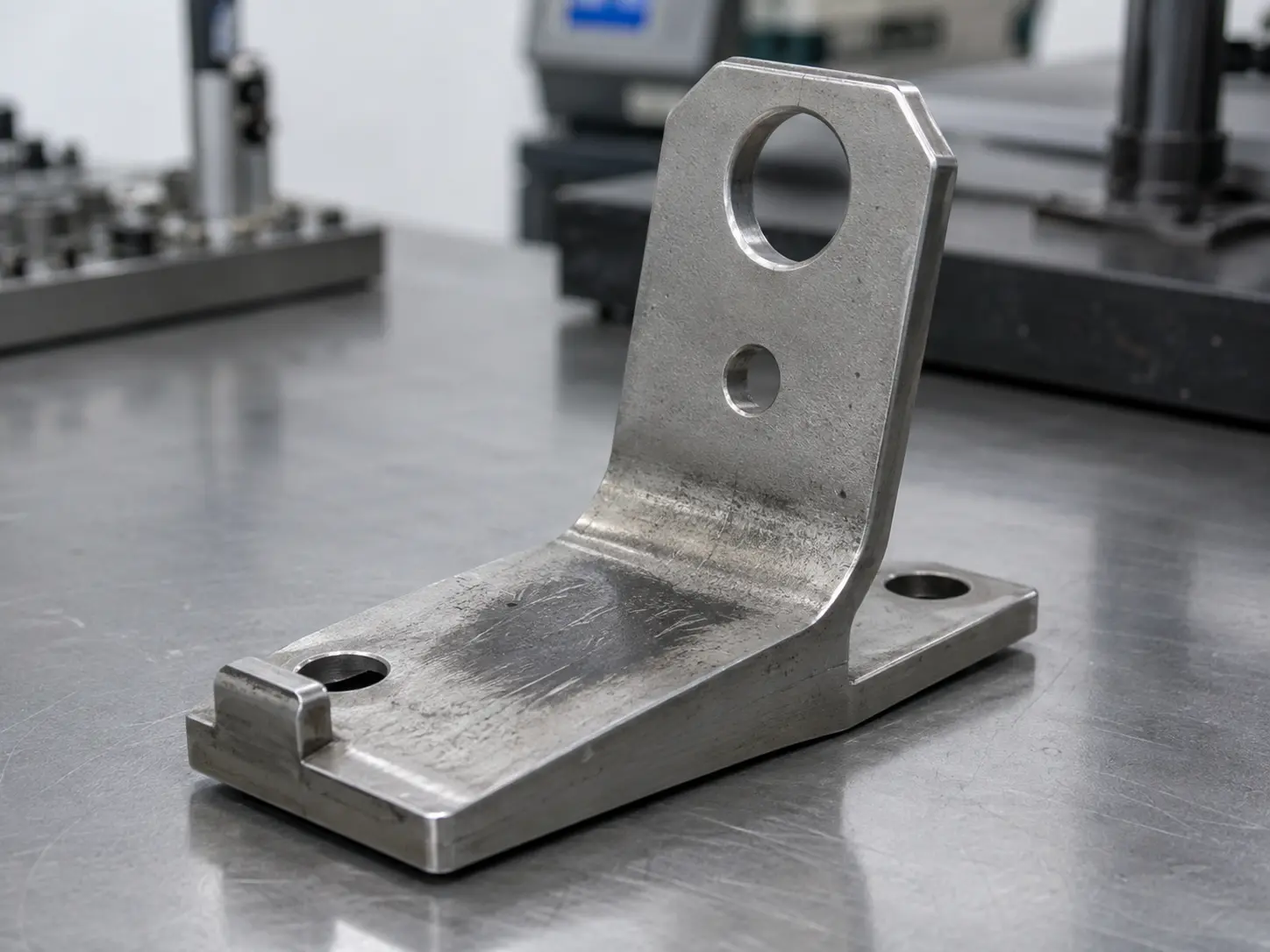
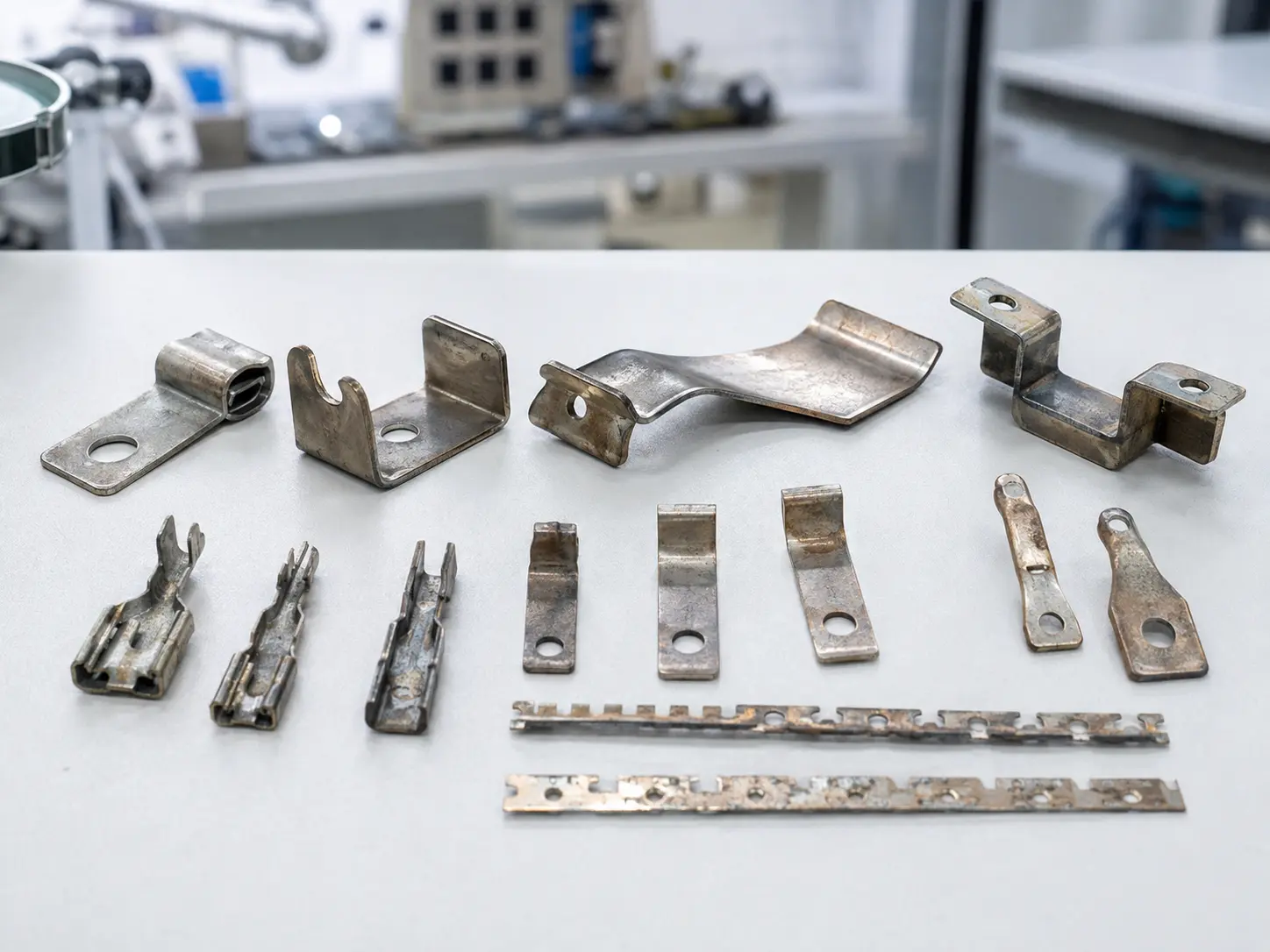
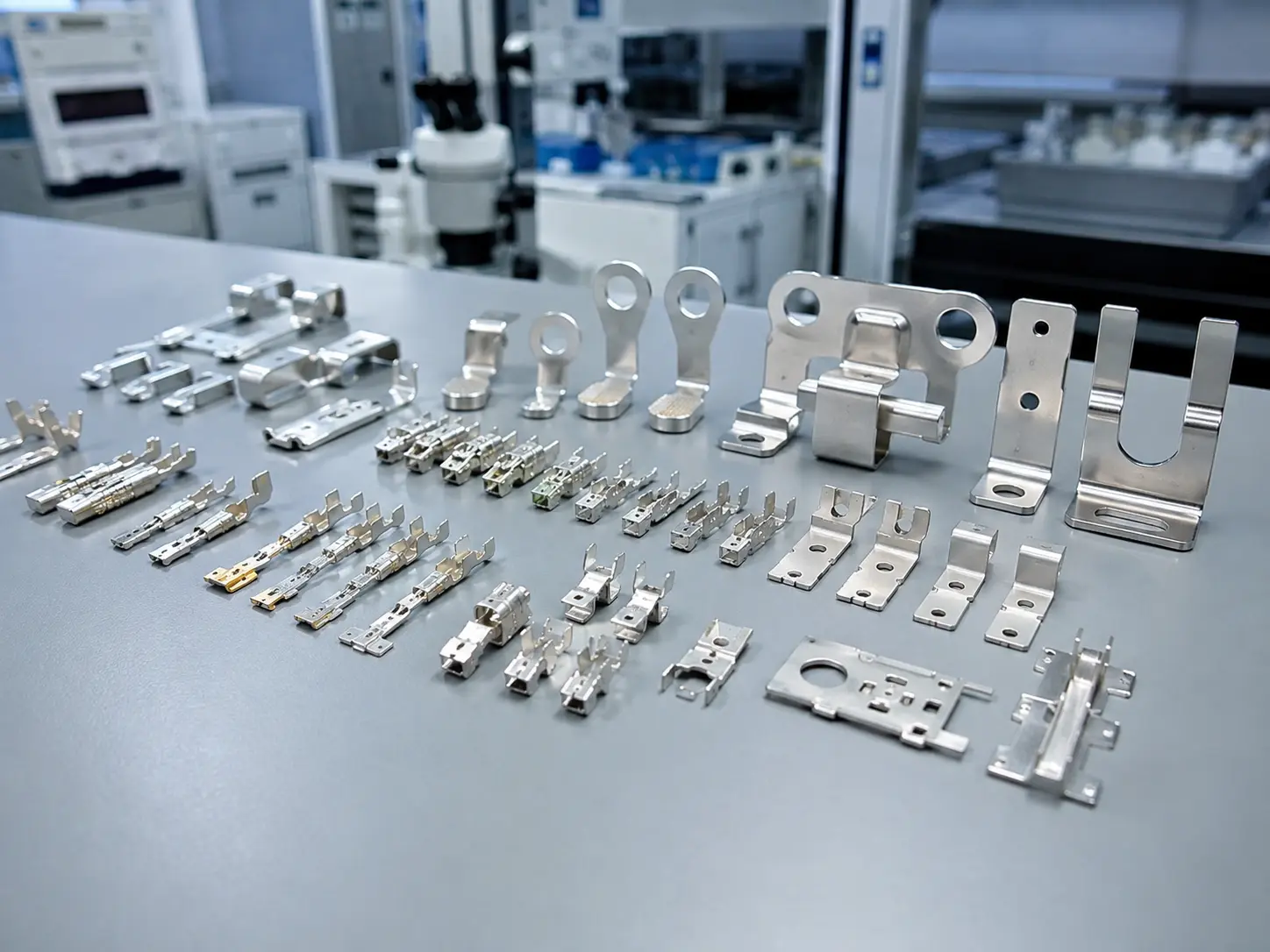
Supports electrical conductivity, solderability, and stable contact performance for terminals, connectors, and circuit-related hardware.
Comparison of inspection effort between standard tolerance (±0.3 mm) and tight tolerance (±0.05 mm) sheet metal partsContact profilometer diamond stylus measuring surface roughness on a 2mm steel test coupon in a quality control laboratory

Appearance &
Decorative Finish

Creates metallic brightness,reflectivity, color tone, andcosmetic consistency for visibleor customer-facing parts.

Comparison of inspection effort between standard tolerance (±0.3 mm) and tight tolerance (±0.05 mm) sheet metal partsContact profilometer diamond stylus measuring surface roughness on a 2mm steel test coupon in a quality control laboratory

The right plating solution depends on substrate material, exposure environment, coating thickness, appearance grade, and inspection requirements.

Common Metal Plating Types

Plating includes many processes-such as copper, gold, silver, nickel, chrome, and zinc plating.
In manufacturing, the most widely used are zinc plating, nickel plating, and chrome plating.
Below is an overview of these three and how they differ.

Zinc Plating

Best for: Low-cost rust protection for steel parts.
  • Cost-effective corrosion protection
  • Widely used for fasteners and brackets
  • Usually silver-white or yellowish finish

Typical applications:

Screws and fasteners, metal brackets, structural parts, general industrial hardware.

Nickel Plating

Best for: Wear resistance, corrosion protection, and improved performance.
  • Good wear and corrosion resistance
  • Attractive finish with decorative potential
  • Stable base layer for multi-layer plating

Typical applications:

Electronics parts, connectors, lamp caps, medical devices, and precision hardware.

Chrome Plating

Best for: Decorative finish and high hardness surface.
  • Bright, mirror-like decorative appearance
  • High surface hardness and wear resistance
  • Better rust protection than zinc plating

Typical applications:

Decorative trims, appliance parts, tools, faucets, and sanitary hardware.

Key Differences at a Glance

Item Zinc Plating Nickel Plating Chrome Plating
Primary purpose Basic rust protection
+ low-cost
Wear resistance, corrosion
protection, rust prevention
High hardness, mirror-like finish,
long-term protection
Process type Electroplating Electroplating / Electroless plating Electroplating
Relative cost Lowest Medium Highest
Corrosion resistance Moderate (poor acid resistance) Good Excellent (good chemical stability)
Appearance Silver-white or yellowish Silver or slightly warm tone Bright, mirror-like silver
Typical uses Steel structures, general-purpose
hardware
Electronics parts, medical devices,
hardware
Automotive trim, molds, sanitary
hardware

Note: Visual color alone can be misleading. As a rough reference, chrome tends to look brighter / “colder” white, nickel may look slightly warmer, and zinc often appears silver-white—but actual appearance varies by process, passivation, and specification.

What Metals Can Be Plated?

Plating is compatible with a wide range of metals. With the rightpretreatment and process selection, most metal materials can beelectroplated. Final feasibility depends on alloy grade, surface condition,geometry, and specification requirements.

Common Steel Substrates

Recommended

The most common plated materials for structural and industrial applications.

  • Carbon steel, mild steel, stainless steel, high-strength steel
  • Common plating options: zinc, nickel, and chrome
  • Some grades may require hydrogen-embrittlement control

Copper-Based Metals

Suitable with Evaluation

Well suited for conductive components and decorative hardware.

  • Pure copper, brass, and bronze
  • Often plated with nickel, tin, silver, or gold
  • Pretreatment affects adhesion and final appearance

Aluminum & Die-Cast Parts

Specialty Pretreatment Needed

Plating is possible, but front-end process control is important.

  • Pure aluminum, aluminum alloys, die-cast zinc or aluminum
  • Usually require activation and specialty pretreatment
  • Feasibility depends on alloy, porosity, and geometry

Special & Noble Metals

Project-Specific

Used where performance, conductivity, or chemical stability are critical.

  • Gold, silver, platinum, palladium, and special substrates
  • Common in electronics, medical, and high-spec applications
  • Chemistry, cost, and validation should be reviewed case by case

Engineering
Note

Material compatibility should be confirmed before production because pretreatment, activation, masking, hydrogen-embrittlement control, and coating thickness can affect final performance.

Metal Plating Process Flow

Typical routes vary by substrate, plating type, corrosion target, and inspectionrequirements. Below is a simplified production overview for industrial plated parts.

Process overview (video demonstration)

1

Surface Preparation

Grinding / polishing if required; remove burrs and prepare cosmetic surfaces.

2

Degreasing & Cleaning

Remove oil, residue, and shop contamination before plating.

3

Activation / Pretreatment

Acid pickling or specialty activation to prepare the substrate.

4

Plating Deposition

Apply zinc, nickel, chrome, or other specified plating system.

5

Rinse & Post-Treatment

Rinse, passivate, seal, or apply post-treatment as required.

6

Drying, Inspection & Packing

Dry parts, verify quality, and pack for shipment.

Engineering note: Actual process flow depends on base material, coating system, masking requirements, thickness target, corrosion standard, and customer specification.

Quality controlled at every step

Plating Appearance Reference

Actual appearance may vary depending on the substrate, process, and post-treatment. The images below are representative examples for reference only.

Blue-White Zinc

Cost-effective silver-white finish for general rust protection.

Yellow Zinc / Chromate

Yellow-gold tone with improved corrosion protection.

Black Zinc

Dark decorative finish for hardware and visible components.

Nickel

Silver to slightly warm metallic tone with good decorative and functional performance.

Chrome

Bright, mirror-like silver appearance with high hardness and wear resistance.

Copper / Gold Tone

Decorative or conductive appearance for selected functional and cosmetic parts.

Engineering Note: Visual appearance can vary by substrate material, polishing level, plating chemistry, passivation, sealing, and inspection lighting. Approved samples are recommended before production.

SR MFG Managed Outsourced Plating Delivery

SR MFG manages outsourced plating as part of a controlled finishing program-covering engineering review,supplier coordination.
inspection, documentation, and delivery follow-up. You work with SR MFG only. We handle the rest.

Single Point of Contact

You work with SR MFG only. We coordinate fabrication, plating, inspection, documentation, and logistics.

Engineering Review
Before Plating

We review drawings, coating requirements, masking areas, contact surfaces, and acceptance criteria before production.

Supplier & Schedule
Coordination

We select qualified plating partners, align process windows, and monitor schedule, quality, and delivery consistency.

Inspection &
Documentation Control

We manage incoming/outgoing inspection, required test records, lot traceability, and shipment documentation.

Managed Delivery Workflow

1

RFQ Requirement Alignment

Confirm material, plating type, thickness, cosmetic grade, masking areas, corrosion requirements, and documents.

2

Engineering Package Preparation

Prepare masking map, racking notes, inspection plan, acceptance criteria, and report requirements.

3

Sample Validation

Confirm appearance, coating thickness, sealing or corrosion requirements, and approved sample baseline.

4

Production Follow-Up

Monitor production, in-process sampling, incoming/outgoing inspection, and lot traceability.

5

Final Delivery & Documentation

Ship with required documents, inspection records, CoC, and traceability information when required.

Responsibility Boundaries (Who Owns What)

SR MFG Responsibilities

Engineering review, supplier coordination, process control follow-up, inspection, documentation, traceability, and delivery management.

Plating Partner Responsibilities

Execute pretreatment, plating, post-treatment, rinsing, drying, and process records according to the agreed specification.

Customer Responsibilities

Provide drawings, material requirements, coating specifications, cosmetic standards, acceptance criteria, and approved samples when required.

Note:

The actual process and responsibilities may vary based on part complexity, coating system, industry standard, and customer requirements.

Quality. Communication. Accountability. That’s the SR MFG way.

Are you ready to get started on your metal fabrication project?

Not sure which material is ideal for your project? Feel free to contact us.Our engineering team will recommend suitable material grades and sheet thicknesses based on strength, weight, corrosion resistance and overall cost.

Industries & Metal Electroplating Applications

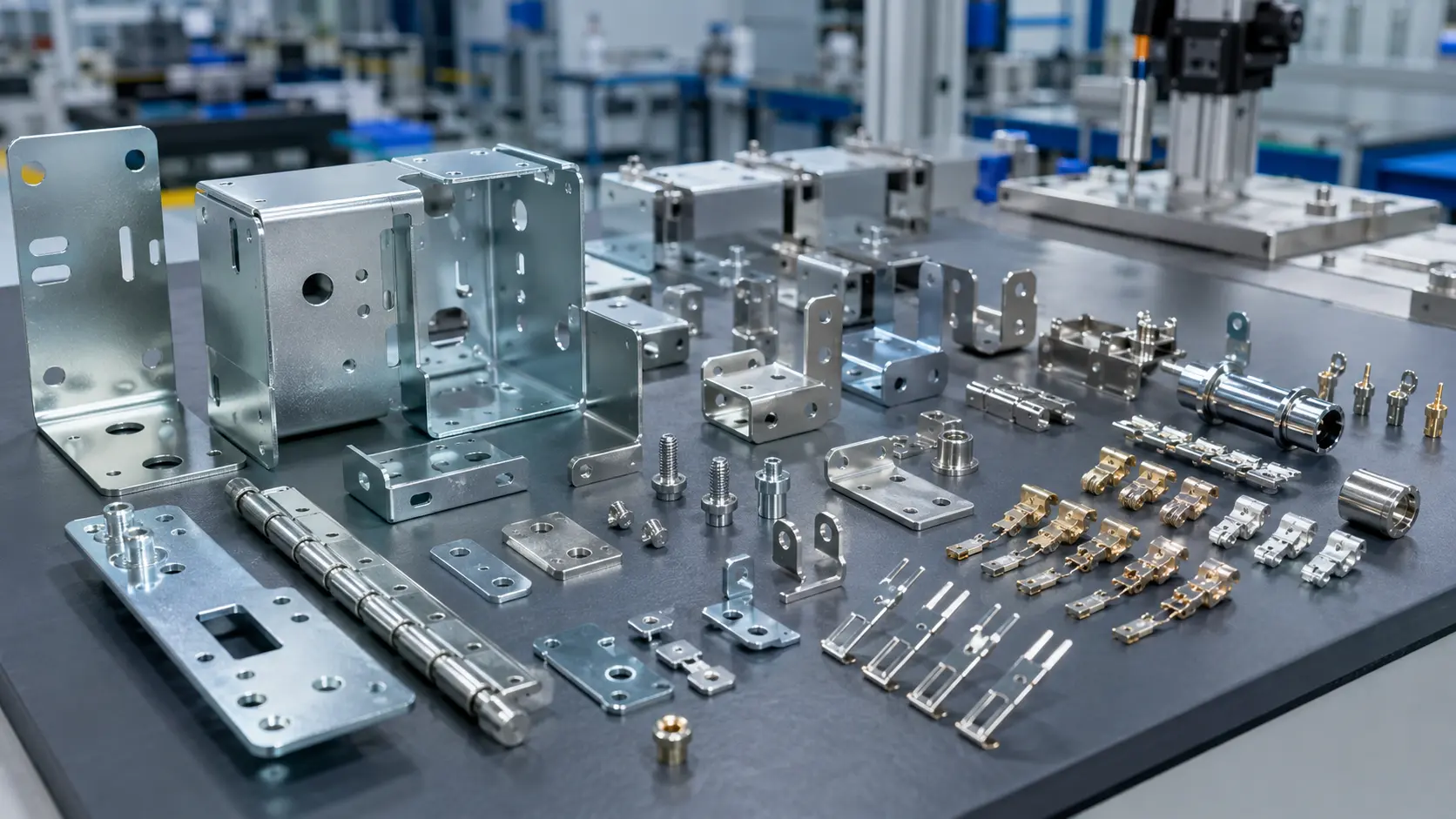
SR MFG provides professional electroplating services for OEM metal components used in industrial equipment, electronics, automotive, hardware, and precision assemblies. Electroplating deposits a thin, uniform metallic layer onto conductive substrates, enhancing corrosion resistance, surface hardness, electrical conductivity, and decorative appearance. We support both prototype finishing and high-volume production across multiple application sectors.

Industrial Equipment

Data Centers & IT Equipment

Electroplating for data center components, network infrastructure, and IT hardware, delivering enhanced conductivity, corrosion protection, and a clean metallic finish on connectors, fasteners, and structural parts.

  • Server rack frames & rails
  • Cable management trays
  • Cabinet panels & doors
  • Mounting brackets & plates

Consumer Electronics

Electroplating for consumer electronics housings, connectors, display structures, and precision metal assemblies, providing a high-gloss decorative finish with excellent wear resistance and improved electrical performance.

  • Device housings & covers
  • Internal support brackets
  • Display mounting structures
  • Speaker & audio metal parts
  • Small precision formed parts

Electrical Equipment

Electroplating for electrical enclosures, control cabinets, power distribution units, and industrial electrical components, offering superior conductivity, solderability, and corrosion resistance on contact surfaces and terminal parts.

  • Electrical cabinet enclosures
  • Control box panels
  • Terminal mounting plates
  • DIN rail brackets
  • Ventilation and access panels

Industrial Equipment

Durable electroplated finishes for machinery, automation systems, production equipment, and precision assemblies, engineered to improve surface hardness, reduce friction, and extend part service life under demanding operating conditions.

  • Machine covers & guards
  • Equipment frames
  • Conveyor brackets
  • Sensor mounting plates
  • Protective panels & shields

New Energy Systems

Electroplating solutions for EV charging equipment, battery systems, energy storage cabinets, and power conversion units, providing reliable conductivity, corrosion protection, and consistent contact performance on critical electrical components.

  • Battery enclosure parts
  • Charging station cabinets
  • Energy storage cabinet panels
  • Busbar support brackets
  • Power module housings

Outdoor Equipment

Weather-resistant electroplated finishes for outdoor enclosures, equipment covers, hardware, lighting systems, and structural fixtures, engineered for long-term corrosion protection and lasting decorative appearance in harsh outdoor environments.

  • Outdoor equipment housings
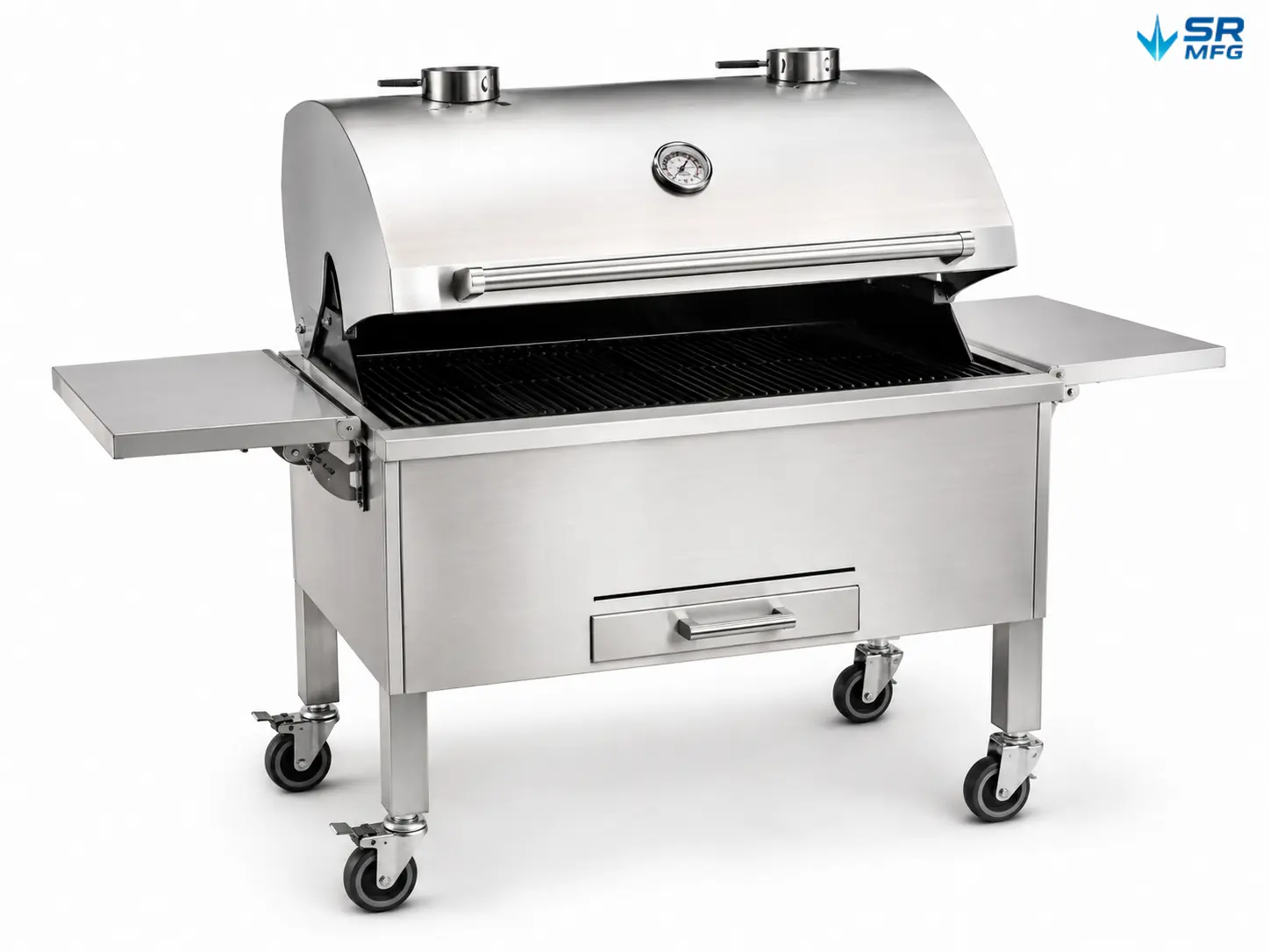
  • BBQ grill sheet metal bodies
  • Protective covers & panels
  • Mounting brackets
  • Weather-resistant structural parts

Built for Your Application

Whether you need a single prototype or high-volume production, SR MFG ensures consistent quality,tight tolerances, and reliable delivery for your metal bending parts.

Metal Plating FAQs​​​​​

Common systems we deliver include zinc/zinc-alloy plating (e.g., Zn-Ni) for corrosion protection, decorative nickel and nickel-chrome, and electroless nickel (EN) for functional performance—selected based on your corrosion, appearance, conductivity/contact, and wear targets.

For the clearest specification, we recommend writing it in this order:
Base material & heat-treat condition → Plating system / governing standard → Thickness (incl. critical surfaces) → Post-treatment (passivation/sealer/topcoat/lubricant) → Salt spray method & duration → Masking requirements → Required deliverables.
This structure minimizes interpretation risk and speeds up acceptance.

We plate to the thickness class defined in your drawing/specification, and during NPI we align on critical measurement locations and sampling frequency.

For production, thickness is typically verified using ISO 2178 non-destructive measurement (for non-magnetic coatings on magnetic substrates). For dispute resolution or validation, a cross-section microscopic method can be used for confirmation.

If your spec calls for ASTM B117, note that it mainly defines chamber conditions and operating method—it does not define what “pass” means or the required hours. The acceptance threshold must come from your drawing/spec or a mutually agreed inspection standard.

If your spec calls for ISO 9227, we can run NSS/AASS/CASS as required by the project. Reports typically include the test method and conditions, duration, acceptance criteria, photos, and conclusion.

For high-strength steel fasteners or load-bearing parts, we identify hydrogen embrittlement risk during RFQ and capture process constraints, de-embrittlement/baking requirements (where applicable), and traceability records in the engineering and inspection documents. ISO 4042 also includes guidance aimed at reducing hydrogen embrittlement risk.

If baking is required, we can provide time/temperature records linked to the lot/batch with the shipment.

Threads and tolerance-sensitive mating surfaces are typically managed via plugs/masking or by defining allowed plating zones to prevent buildup that could cause assembly interference.

For conductive contact surfaces/grounding points, we typically use localized masking or specify post-treatments that won’t compromise conductivity. We document rack contact points and masking scope clearly in a Masking Map / Racking Spec to make verification straightforward.

We first determine the root cause (thickness, appearance, adhesion, corrosion performance), then decide between localized rework or strip-and-replate. Critical dimensions and cosmetic surfaces are re-measured and re-inspected after rework.

Re-plating can lead to thickness buildup, while stripping may affect the base surface condition. For Class A cosmetic parts, slight shifts in gloss or tone can occur—so we rely on approved samples and lot controls to minimize variation.

Metal Plating Technical Resources

Go to Top