
Choosing the right sheet metal material for an outdoor application can be challenging. This article explains the key factors you should consider and may help you make a more informed decision.
Selecting sheet metal for outdoor use is fundamentally different from choosing material for an indoor enclosure. Factors such as ultraviolet radiation, humidity cycles, salt spray, industrial pollutants, and extreme temperatures must all be considered before selecting a suitable material. These conditions expose metals to stresses that are rarely encountered indoors.
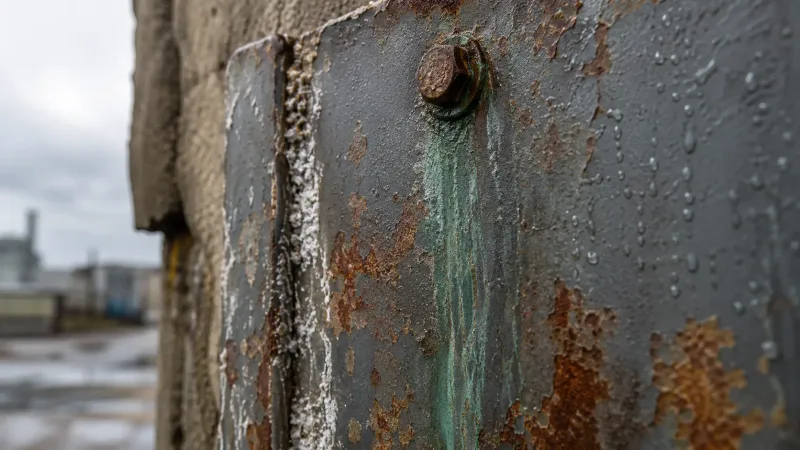
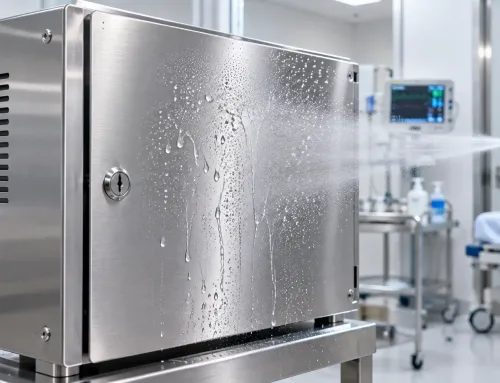
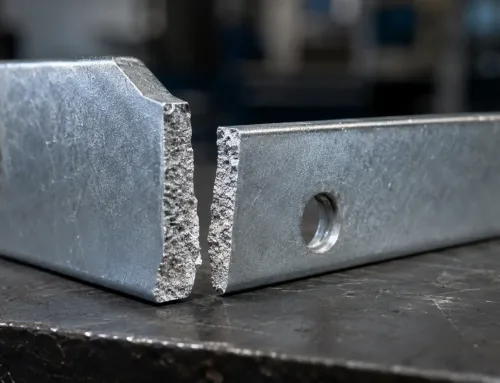
This image shows how combined outdoor stressors — rain, UV radiation, and salt spray — gradually degrade an unprotected metal surface over time.
This article focuses on the properties that matter most in outdoor service and reviews several commonly used outdoor sheet metal materials, including stainless steel, aluminum, galvanized steel, and carbon steel with protective coatings. It also connects these choices with broader sheet metal material, process, and finish selection guides, explaining how to match materials to specific environments and which surface treatments can extend product service life.
At the end of the article, you will find a practical quotation preparation checklist and design review considerations for preventing common failure modes.
Why Material Selection Is More Critical for Outdoor Sheet Metal Parts
Outdoor metal products are exposed to multiple forms of environmental stress at the same time.
Ultraviolet radiation gradually degrades polymer-based coatings.
Rainwater, humidity, and condensation can corrode unprotected metal surfaces.
In coastal environments, airborne chloride ions can break down passive oxide layers and accelerate pitting corrosion.
Sulfides in industrial atmospheres can attack both the metal substrate and its protective coating.
Daily and seasonal temperature cycles also create differential expansion between the metal and the coating. After thousands of cycles, this can lead to microcracking.
For these reasons, outdoor sheet metal materials should never be evaluated based on a single performance indicator. The following six fundamental properties form the basis of material selection for outdoor metal products:
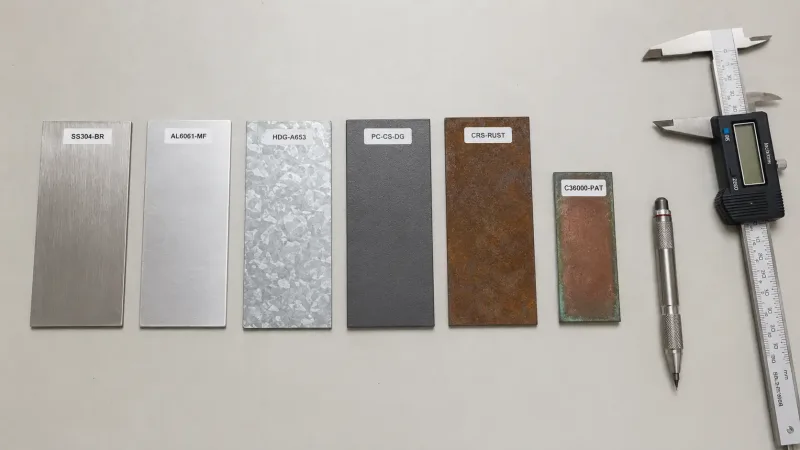
Standardized sheet metal test samples laid out for evaluation of corrosion resistance, tensile strength, and other key material properties.
Corrosion resistance: The ability to resist general surface corrosion, pitting, and crevice corrosion in the expected service environment.
Mechanical strength: Yield strength and tensile strength, which determine the part’s ability to withstand wind loads and structural stresses.
Weight: Material density affects transportation costs, installation complexity, and structural support requirements.
Formability: The material’s ability to undergo bending, stretching, or stamping without cracking. This directly affects manufacturing feasibility and cost.
Weldability: Whether the material can be welded reliably without significantly reducing its corrosion resistance or mechanical properties.
Total cost: The material price per kilogram is only one part of the total cost. Processing difficulty, surface treatment requirements, and expected maintenance intervals all affect life-cycle cost.
No single material performs exceptionally well across all six categories. The correct choice depends on which properties are most important for your project and its operating environment.
Common Sheet Metal Materials for Outdoor Applications
304 and 316 Stainless Steel
Stainless steel is one of the most consistently corrosion-resistant material families used for outdoor sheet metal applications. Its protection comes primarily from a thin, self-repairing chromium oxide layer known as the passive film.
When the chromium content exceeds 10.5%, this oxide layer forms naturally on the stainless steel surface.
Type 304 austenitic stainless steel contains approximately 18% chromium and 8% nickel. This composition allows it to provide strong corrosion resistance in most urban and general outdoor environments, even without an additional surface treatment.
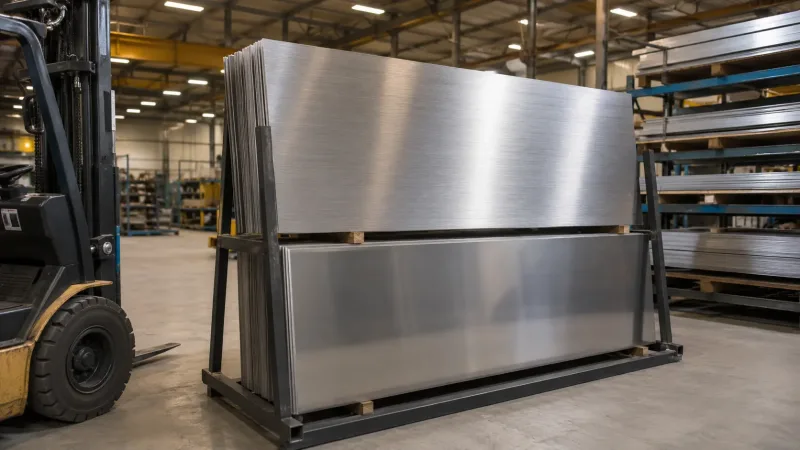
Stainless steel sheets (304 and 316 grades) with brushed and mirror finishes, ready for outdoor sheet metal fabrication.
316 stainless steel contains an additional 2–3% molybdenum, which significantly improves resistance to chloride-induced pitting and crevice corrosion. For this reason, 316 is generally the standard choice for coastal, marine, and chemical-processing environments.
Both grades typically have a yield strength of approximately 205–310 MPa and a density of around 8.0 g/cm³.
The main disadvantage is material cost. Stainless steel sheet often costs approximately two to four times as much per kilogram as carbon steel or galvanized steel.
5052 and 6061 Aluminum
Among commonly used outdoor sheet metal materials, aluminum alloys provide an excellent strength-to-weight ratio.
A thin aluminum oxide layer forms naturally on the surface and provides moderate corrosion resistance in less aggressive outdoor environments.
5052 aluminum contains approximately 2.5% magnesium. Its excellent formability makes it one of the most widely used aluminum alloys in sheet metal fabrication. It can be bent and formed at relatively small bend radii without cracking.
AA 5052-H32 aluminum has a yield strength of approximately 193 MPa and a density of 2.68 g/cm³, which is roughly one-third the density of steel.
AA 6061-T6 aluminum provides a higher yield strength of approximately 276 MPa. However, it may crack when bent to a radius smaller than three times the material thickness. It is therefore better suited to flat panels or machined components.
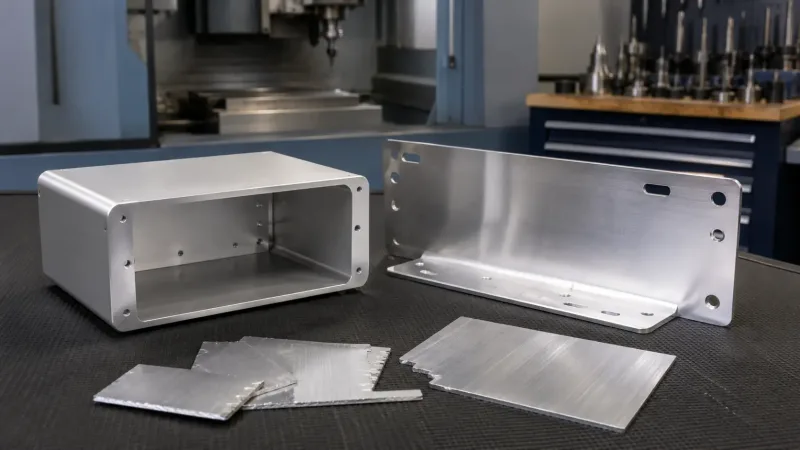
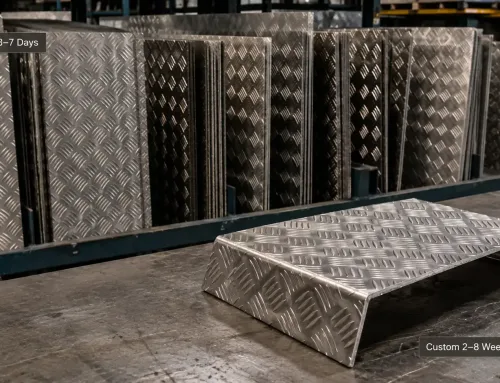
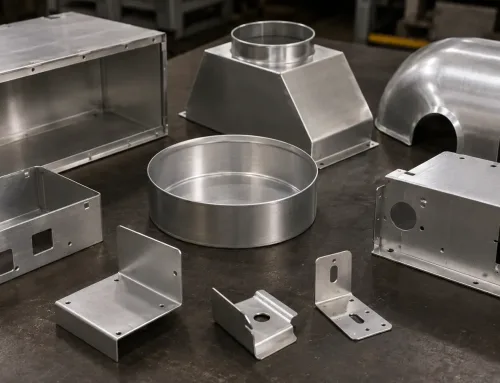
Fabricated aluminum parts showing 5052’s excellent bendability versus 6061’s suitability for flat panels, typical in outdoor enclosure manufacturing.
For outdoor components that require multiple bends, 5052 aluminum is generally the preferred choice. However, aluminum intended for long-term outdoor service should normally receive a surface treatment such as anodizing or powder coating.
Galvanized Steel
Hot-dip galvanized steel sheet, or HDG, is carbon steel coated with a protective layer of zinc. Hot-dip galvanizing is one of the most common production methods used to create this zinc coating.
The zinc coating provides two forms of protection.
First, it acts as a physical barrier that prevents moisture from reaching the steel substrate.
More importantly, the zinc acts as a sacrificial anode and provides cathodic protection to the underlying steel. If the coating is damaged, the surrounding zinc corrodes first and protects the exposed steel beneath it.
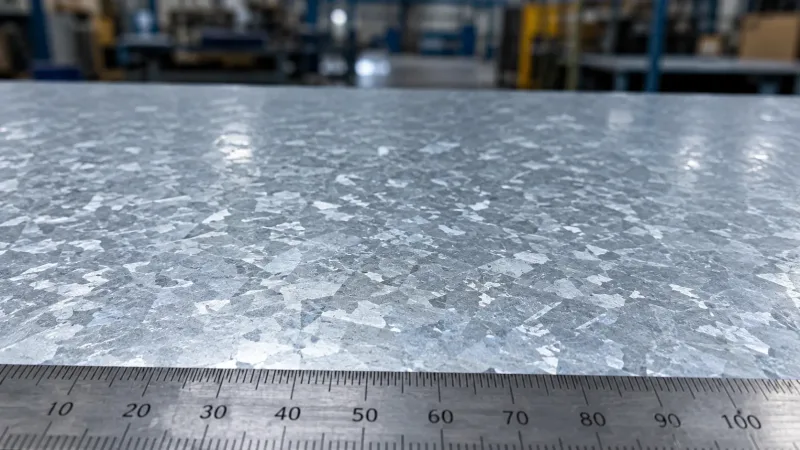
The distinctive spangle (crystalline) pattern on a hot-dip galvanized steel surface — this zinc coating provides both barrier and sacrificial corrosion protection.
A G90 coating is approximately 25 μm thick on each side and can provide around 15–25 years of protection in rural or suburban environments.
Batch hot-dip galvanizing after fabrication produces a thicker coating, typically around 45–85 μm, and may extend service life to approximately 25–40 years.
Electro-galvanized steel sheet, or EG, has a thinner and more uniform zinc layer, typically around 5–15 μm. Because it provides less sacrificial protection, it is better used as a pretreatment substrate for powder coating than as a standalone outdoor finish.
The primary advantage of galvanized steel is cost. It generally costs only around 30–50% as much as stainless steel.
Carbon Steel and Copper Alloys
Carbon steel has the lowest material cost, but it has no inherent corrosion resistance. Unprotected carbon steel can begin rusting within hours of exposure to moisture.
When carbon steel is used for outdoor sheet metal components, it must be combined with an effective surface protection system, typically hot-dip galvanizing followed by powder coating.
Copper alloys have natural corrosion resistance and gradually develop a protective green patina over time. However, copper is significantly more expensive than most other commonly used sheet metal materials.
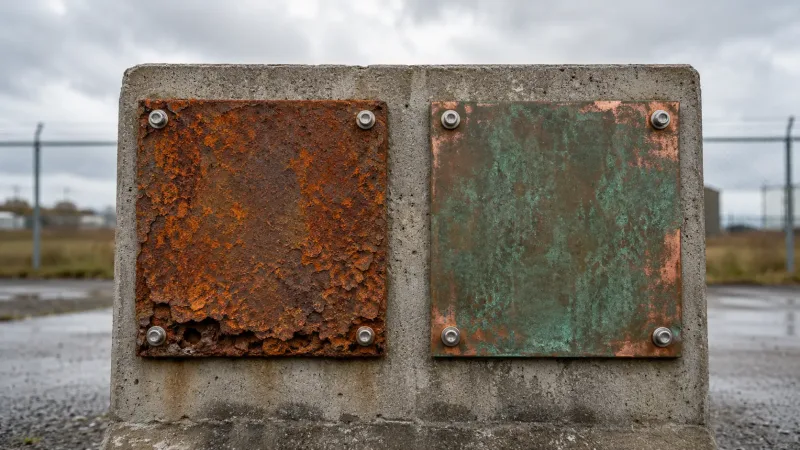
A visual comparison: unprotected carbon steel develops destructive rust within hours of moisture exposure, while copper naturally forms a stable green patina that protects the underlying metal.
Comparison of Outdoor Sheet Metal Materials
The following table compares the key properties of each material for quick evaluation:
| Material | Yield Strength (MPa) | Density (g/cm³) | Corrosion Resistance | Formability | Weldability | Relative Cost | Best-Suited Environment |
|---|---|---|---|---|---|---|---|
| 304 stainless steel | 205–310 | 8.0 | Very good | Good | Good | High | Urban to moderately industrial |
| 316 stainless steel | 205–310 | 8.0 | Excellent | Good | Good | Very high | Coastal, marine, and chemical environments |
| 5052-H32 aluminum | 193 | 2.68 | Good | Excellent | Moderate | Medium | General outdoor use |
| 6061-T6 aluminum | 276 | 2.70 | Good | Poor | Moderate | Medium | Flat or machined parts |
| Galvanized steel, HDG | 250–370, substrate | 7.85 | Good, depending on coating | Good | Requires repair after welding | Low | Suburban, rural, and HVAC applications |
| Coated carbon steel | 250–370 | 7.85 | Depends on coating | Good | Good | Lowest | Coated outdoor applications |
| Copper or brass | 70–350 | 8.5–8.9 | Excellent | Good | Moderate | Very high | Architectural and decorative applications |
The values shown are typical ranges for sheet products. Always confirm the specified sheet metal material grade against the applicable material test report, or MTR, before production.
Matching Materials to Outdoor Environments
Not all outdoor environments present the same level of corrosion risk.
A framework aligned with ISO 9223 atmospheric corrosivity classifications can help engineers match materials to actual exposure conditions.
Urban and Suburban Atmospheres: C2
These environments generally have relatively clean air and only occasional condensation. They cover most standard outdoor applications, including building facade panels, outdoor control box enclosures, and signage.
304 stainless steel can perform well without an additional surface treatment.
5052 aluminum with standard anodizing of 10–15 μm or powder coating provides a cost-effective, lightweight alternative.
G90 galvanized steel offers the lowest-cost option for large structural components.
Industrial and Moderately Polluted Environments: C3–C4
Elevated sulfur dioxide levels and airborne particulates accelerate corrosion.
In these environments, 304 stainless steel may begin to develop pitting within 5–10 years. For this reason, 316 stainless steel is generally recommended.
Aluminum should be anodized to 15–20 μm with proper sealing or protected with powder coating.
Galvanized steel should receive an additional powder coating over the HDG substrate to achieve an adequate service life.
Coastal and High-Salt-Spray Environments: C4–C5
Airborne chloride ions from sea spray are the primary corrosive agent in coastal environments.
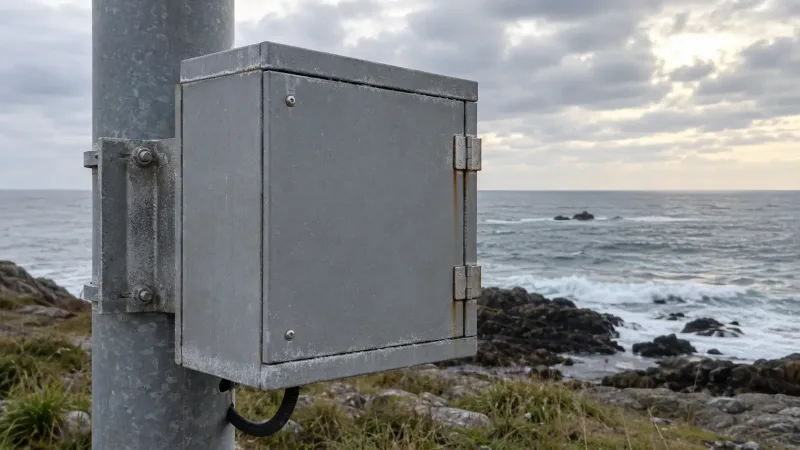
Metal infrastructure installed in a coastal environment is constantly exposed to airborne salt spray, requiring marine-grade materials like 316 stainless steel or thick-film anodized aluminum.
316 stainless steel is the minimum recommended grade for structural or safety-critical components.
Aluminum should receive thick-film anodizing of at least 20 μm with sealing or a powder coating system certified for marine environments.
304 stainless steel is not recommended for direct coastal exposure without additional protection.
Enclosures used in these environments are commonly designed to meet a NEMA 4X protection rating.
Marine Immersion: CX
Components exposed to immersion or continuous salt spray require materials beyond the scope of standard sheet metal grades, such as super duplex stainless steels or nickel-based alloys.
| Environment | ISO Category | Recommended Materials | Surface Treatment |
|---|---|---|---|
| Urban or suburban | C2 | 304 stainless steel, 5052 aluminum, galvanized steel | Anodizing, powder coating, or uncoated stainless steel |
| Industrial | C3–C4 | 316 stainless steel, 5052 aluminum | Sealed anodizing or powder coating |
| Coastal or marine | C4–C5 | 316 stainless steel, 5052 aluminum with thick-film anodizing | Powder coating or anodizing of at least 20 μm |
| Marine immersion | CX | Super duplex stainless steel, nickel-based alloys | Project-specific evaluation |
Surface Treatments That Extend Outdoor Service Life
The base material determines the starting level of corrosion resistance, but the surface treatment often determines whether an outdoor component lasts five years or twenty-five years.
Powder Coating
Powder coating involves electrostatically applying a dry polymer powder and curing it at approximately 180–200°C to form a continuous coating film around 60–120 μm thick.
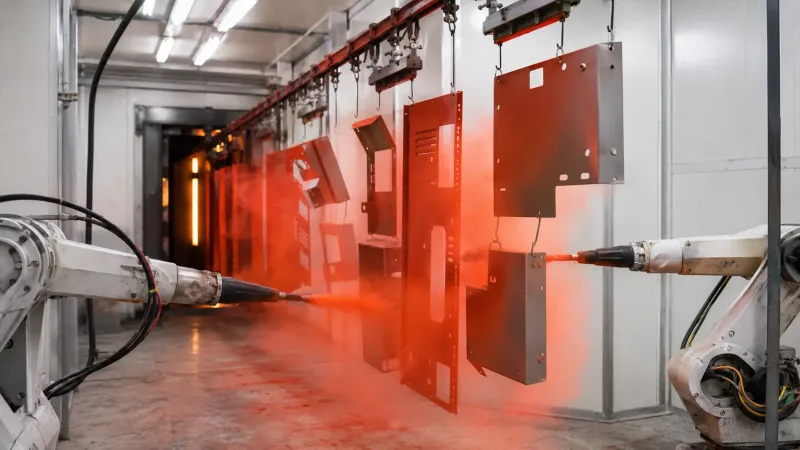
An automated powder coating line where electrostatic spray guns apply dry polymer powder to sheet metal parts before they enter the curing oven — a critical surface treatment for outdoor metal durability.
For outdoor applications, the chemical formulation of the powder is especially important.
Polyester powder coating for outdoor sheet metal resists ultraviolet degradation and can maintain relatively stable color and gloss for approximately 10–15 years, especially when super-durable formulations are used.
Epoxy powder degrades quickly under ultraviolet exposure and should only be used indoors.
Powder coating can be applied to most commonly used sheet metal materials, including carbon steel, galvanized steel, aluminum, and stainless steel. However, each material requires a different pretreatment process.
Steel generally requires phosphating.
Aluminum generally requires chromate conversion treatment.
Stainless steel generally requires degreasing.
Hot-Dip Galvanizing
Hot-dip galvanizing involves immersing a fabricated component in molten zinc at approximately 450°C.
Coating thickness is directly related to service life. An 85 μm coating can provide approximately 25–40 years of protection in a rural environment.
HDG is particularly effective as the base layer in a duplex corrosion-protection system consisting of hot-dip galvanizing followed by powder coating.
Compared with either treatment used alone, a duplex system can extend total service life by approximately 1.5 to 2.5 times.
Anodizing
Anodizing for outdoor aluminum sheet metal is an electrochemical process that increases the thickness of the naturally occurring aluminum oxide layer.
Standard architectural anodizing of 10–15 μm is suitable for C2 environments.
Hard anodizing of at least 25 μm provides significantly greater protection under more demanding conditions.
Sealing the porous anodized layer is the final step in the anodizing process and is extremely important. An unsealed anodized coating provides substantially less corrosion protection than a properly sealed coating.
Passivation
Passivation using citric acid or nitric acid strengthens the passive film on stainless steel by removing surface contaminants.
For outdoor stainless steel components used in C3 or more severe environments, passivation is recommended after fabrication, especially after welding.
| Base Material | Surface Treatment | Target Environment | Expected Outdoor Service Life |
|---|---|---|---|
| Carbon steel | HDG and powder coating, duplex system | C2 | 15–25 years |
| Carbon steel | Powder coating only | C1–C2, mild exposure | 5–10 years |
| G90 galvanized steel | Uncoated | C2 | 10–20 years |
| G90 galvanized steel | Powder coating, duplex system | C2–C3 | 20–30 years |
| 5052 aluminum | 10–15 μm anodizing with sealing | C2 | 15–25 years |
| 5052 aluminum | At least 20 μm anodizing with sealing | C3–C4 | 20–30 years |
| 5052 aluminum | Powder coating | C2–C4 | 15–25 years |
| 304 stainless steel | Uncoated | C2 | 25–40 years |
| 316 stainless steel | Uncoated | C3–C4 | 30–50 years |
| 316 stainless steel | Electropolishing and passivation | C4–C5 | 40–50+ years |
How Material Selection Affects Fabrication
Each material behaves differently during cutting, bending, and welding. These differences directly affect manufacturing feasibility and cost.
Cutting
Many sheet metal parts are laser cut to achieve high dimensional accuracy and clean cut edges.
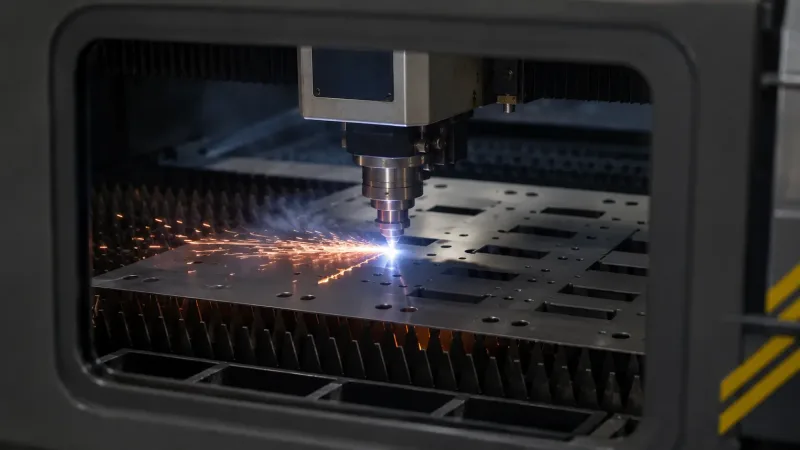
A fiber laser cutting machine precisely cutting stainless steel sheet — the high-power beam creates clean, accurate edges essential for outdoor sheet metal component quality.
Stainless steel requires higher laser power because of its relatively high reflectivity and thermal conductivity. Grade 316 is generally more difficult to cut than 304.
The high reflectivity and thermal conductivity of aluminum make its cutting speed significantly lower than that of carbon steel at the same thickness.
Galvanized steel produces zinc vapor during cutting and may leave contaminating residue along the cut edge.
Bending
Springback is the tendency of sheet metal to partially return toward its original flat condition after bending. The amount of springback varies significantly between materials.
Stainless steel has the greatest springback, typically around 2°–5°. It requires overbending compensation and first-piece angle verification before volume production.
5052 aluminum has moderate springback of approximately 1°–3%. Its excellent formability makes it suitable for complex enclosures and housings.
6061-T6 aluminum may crack when the bend radius is less than approximately two to three times the material thickness.
For outdoor parts that require forming, 5052 is generally the preferred aluminum alloy.
Galvanized steel bends similarly to its carbon steel substrate, but the zinc coating may develop microcracks around the bend radius.
Welding
Carbon steel has the best and most forgiving weldability among these materials. MIG and TIG welding can reliably produce strong joints without extensive special measures. However, the welded area must receive prompt surface treatment to prevent weld corrosion.
Stainless steel has good weldability, but heat input must be controlled.
Excessive heat during welding of 316 stainless steel may cause sensitization, in which chromium carbides precipitate at the grain boundaries and reduce corrosion resistance.
Using 316L molybdenum-bearing stainless steel, a low-carbon grade with a carbon content of no more than 0.03%, helps reduce this risk.
Aluminum welding requires AC TIG or pulsed MIG processes and is highly sensitive to contamination. Oil, oxide layers, and moisture can all cause weld porosity.
Welding galvanized steel produces toxic zinc fumes, so appropriate ventilation is essential. The heat-affected zone must also be repaired with a cold galvanizing compound to restore corrosion protection.
Common Failure Modes and How to Prevent Them
The failure modes of outdoor sheet metal components are often predictable.
The objective is to identify them during the design review stage rather than discovering them during production or after the product has been installed in the field.
Galvanic Corrosion
Contact between dissimilar metals, such as an aluminum panel and steel fasteners, can cause severe corrosion in the presence of moisture.
Match the fastener material to the sheet material or isolate the two metals using nylon washers or rubber gaskets.
Crevice Corrosion
Trapped moisture in lap joints, bolted interfaces, and poorly sealed gaps can create severe localized chemical conditions.
Design effective drainage paths, minimize lap joints, and seal critical crevices.
Coating Damage and Underfilm Corrosion
Scratches or chips expose the underlying substrate.
On carbon steel and galvanized steel, corrosion may spread beneath the surrounding coating.
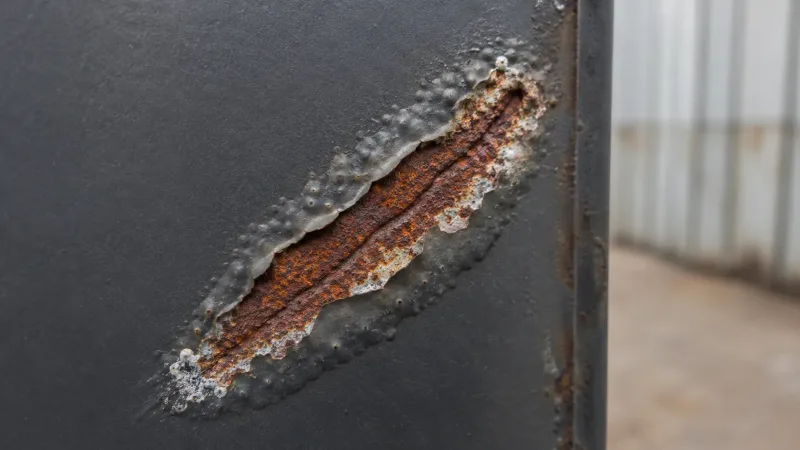
Underfilm corrosion on a powder-coated steel panel — once the coating is breached, rust creeps underneath the surrounding film, accelerating structural degradation of outdoor metal parts.
For outdoor parts, specify a powder coating thickness of at least 80 μm. Consider a duplex corrosion-protection system so that sacrificial protection remains available if the topcoat is damaged.
Pitting Corrosion of Stainless Steel
304 stainless steel may develop pitting under continuous chloride exposure. This is common in coastal areas and environments where deicing salts are used.
Specify 316 or 316L for any application with significant chloride exposure.
Ultraviolet Degradation of Coatings
Standard epoxy powder coatings may chalk and fade within one to three years of outdoor exposure.
Specify polyester, super-durable polyester, or PVDF powder coatings for all outdoor applications.
How SR-MFG Can Support Your Project
SR-MFG provides custom OEM sheet metal fabrication services for outdoor applications, from material sourcing and laser cutting to bending, welding, hardware installation, surface finishing, and final inspection.
We process stainless steel, including 304, 316, and 316L; aluminum, including 5052 and 6061; galvanized steel; and carbon steel with powder coating, anodizing, or hot-dip galvanizing.
Before production begins, our engineering team reviews each project to evaluate material-process compatibility and potential cost optimization opportunities.
Send your drawings and specifications to SR-MFG for a manufacturability assessment and quotation.
FAQs
What information should be provided when requesting a quotation for outdoor sheet metal parts?
Submit complete 2D or 3D drawings and clearly specify the exact material alloy and temper, sheet thickness, surface treatment type and standard, installation environment, order quantity, and required lead time.
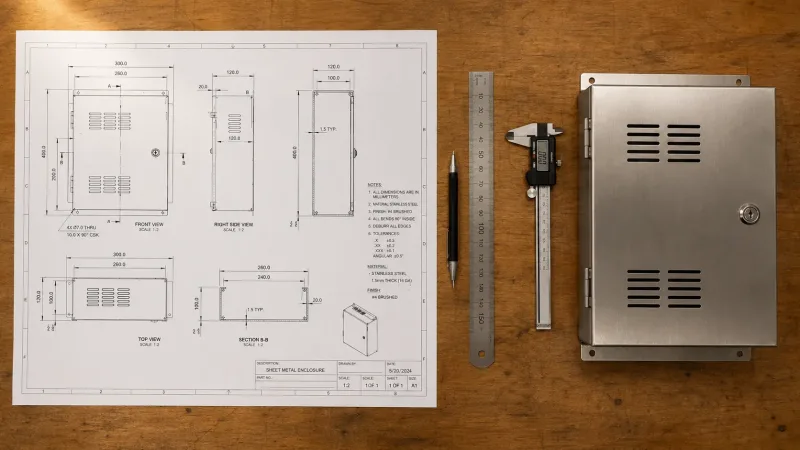
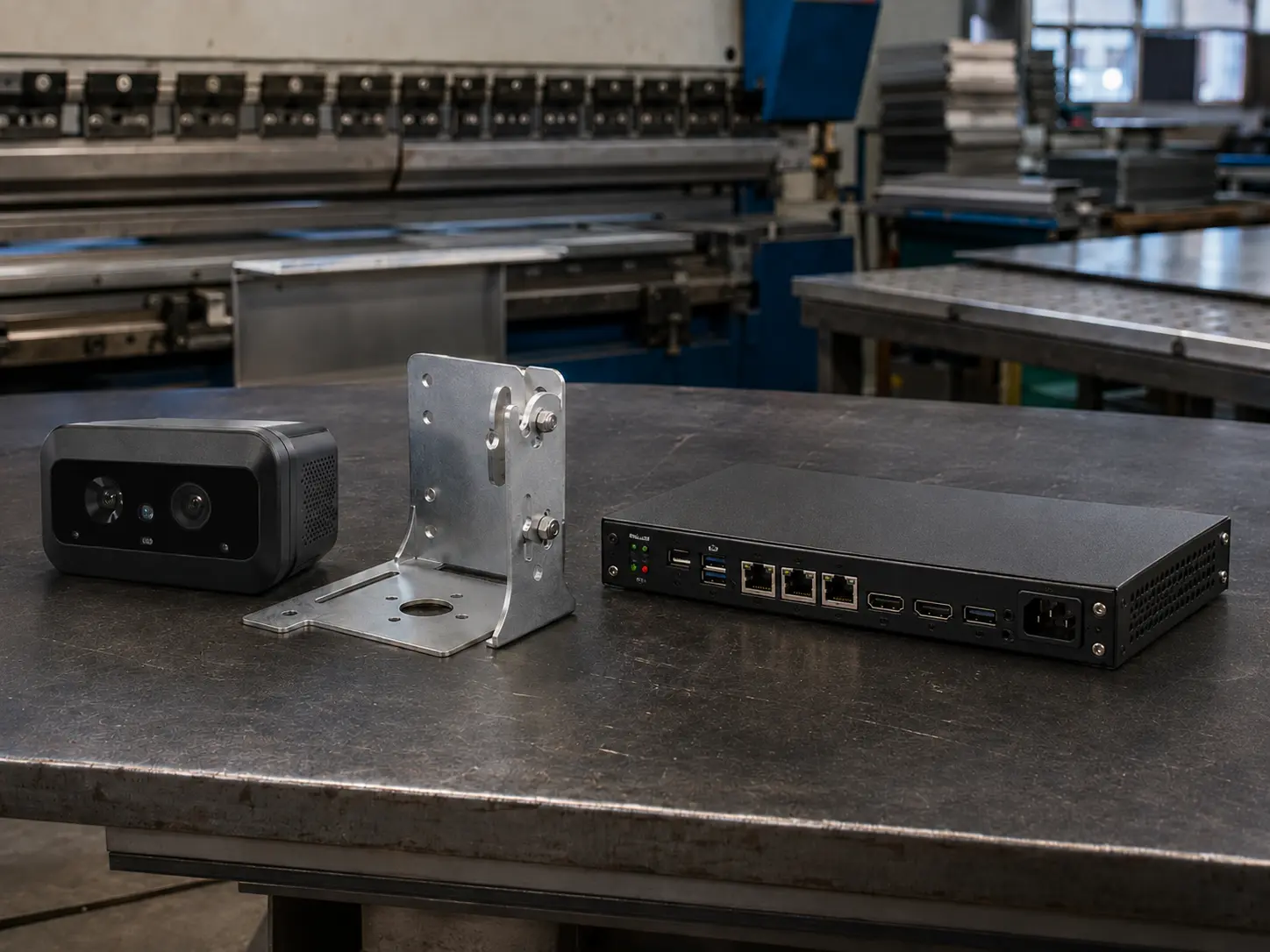
A detailed engineering drawing alongside its corresponding sheet metal prototype — providing complete, accurate drawings with material specifications is essential for obtaining precise fabrication quotations.
The more complete the information, the more accurate the quotation will be and the fewer rounds of clarification will be required.