
Your design is released, the drawings are with a supplier, and the production quote is on your desk. Before you commit the full quantity, someone on the project team asks a reasonable question: should we order a few parts first — and if we do, is that a sample order or a trial order?
In everyday purchasing language, the two terms blur together. In custom manufacturing they answer different questions, and mixing them up can leave you with parts that prove very little.
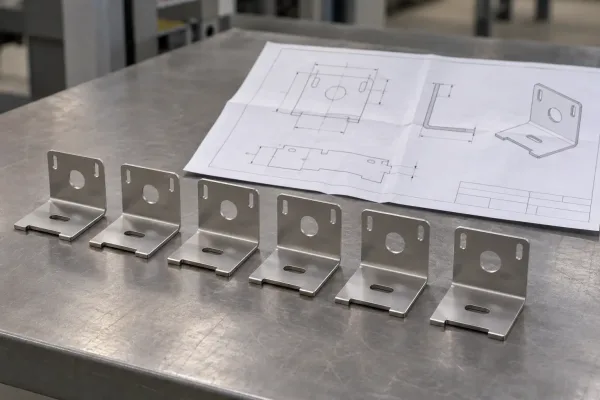
A sample order typically covers a small set of identical parts made to the released drawing.
What a Sample Order Is Not
Three misconceptions follow the term “sample order” into engineering and procurement meetings. Clearing them first makes the real definition easier to apply.
It Is Not a Free Promotional Sample
In promotional-products and print-on-demand channels, a “sample” is often a free or heavily discounted unit sent to show print quality or color. A manufacturing sample order is a paid production transaction. The parts are made from the specified material, to the released drawing revision, by the intended process — and the buyer pays for that work.
It Is Not Another Name for a Trial Order
A sample order evaluates the part. A trial order evaluates the production process and the supplier running it. Ordering five parts to check a hole pattern is not the same as running fifty parts to check whether the routing holds up. The section below separates the two in detail.
It Is Not a Discounted Production Run
Sample quantities are small, so setup time — machine programming, tooling, and first-piece checks — is spread over very few pieces. The per-piece price is therefore almost always higher than the production unit price. That gap is a property of low quantity, not a markup to negotiate away.
What a Sample Order Is Supposed to Verify
A sample order is a small paid order, typically one to ten pieces, placed before mass production so the buyer can check the part against its drawing and its function before releasing full quantity. It is a verification step, not a sales gesture. Two things are being verified, and they fail for different reasons.
Design Verification: Fit, Form, and Function
Design verification asks one question: is the part as drawn actually the part you need? Critical dimensions are measured against the drawing, hole patterns and bend positions are checked against mating components, and any functional requirement — a sliding fit, a seal surface, a mounting interface — is exercised physically. Finding a design error at this stage costs a drawing revision. Finding it after mass production costs a batch.
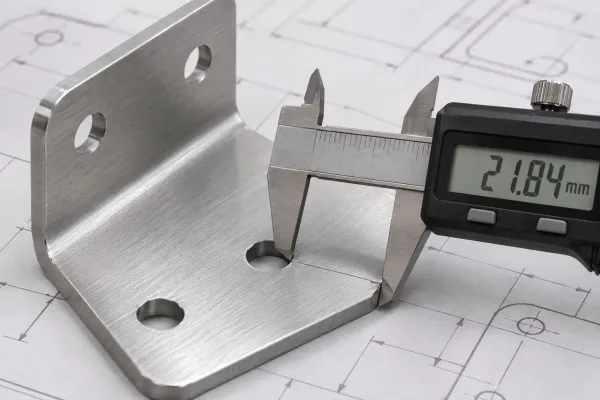
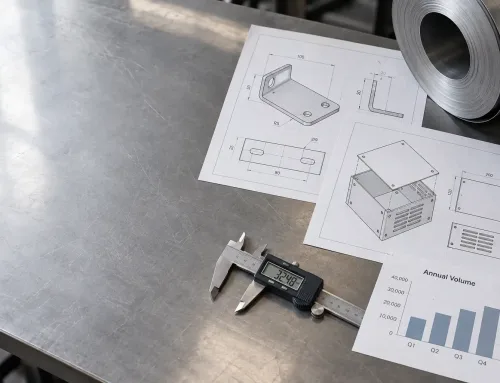
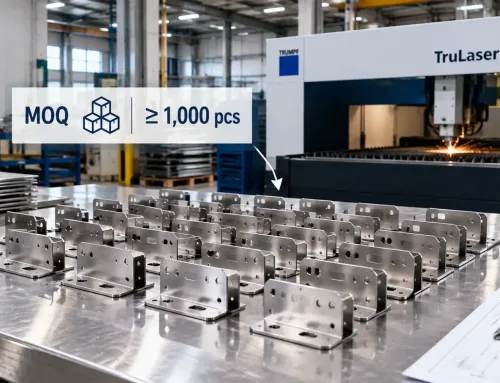
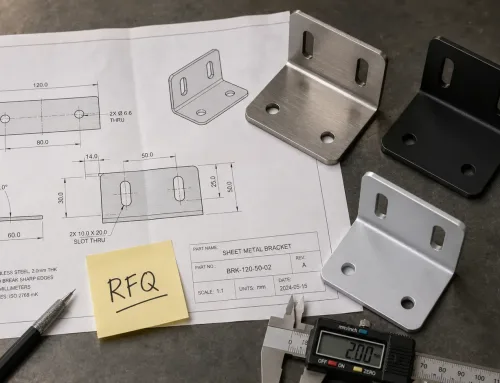
Design verification measures critical dimensions and hole positions against the drawing.
Quality Verification: Workmanship, Finish, and Documentation
Quality verification asks whether the supplier executed the drawing consistently. It covers surface finish and coating uniformity, weld appearance where joints exist, edge condition, and any inspection or material documentation the order specifies. A part can be dimensionally correct and still fail here — a finish that differs from the approved appearance, or a missing material certificate, is a quality finding rather than a design finding.
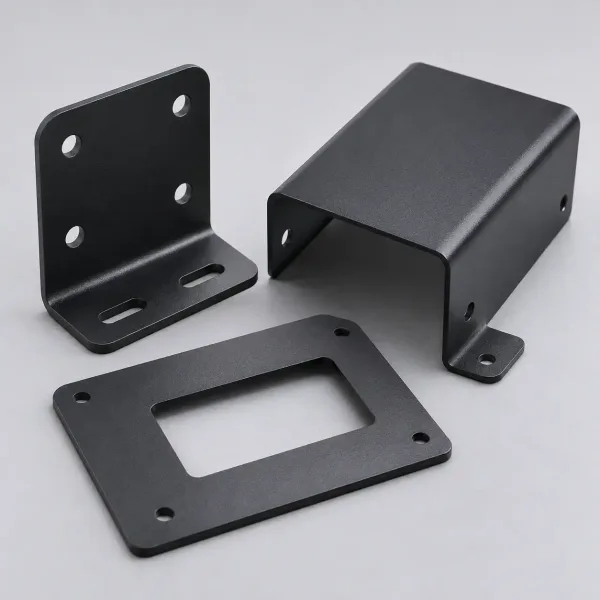
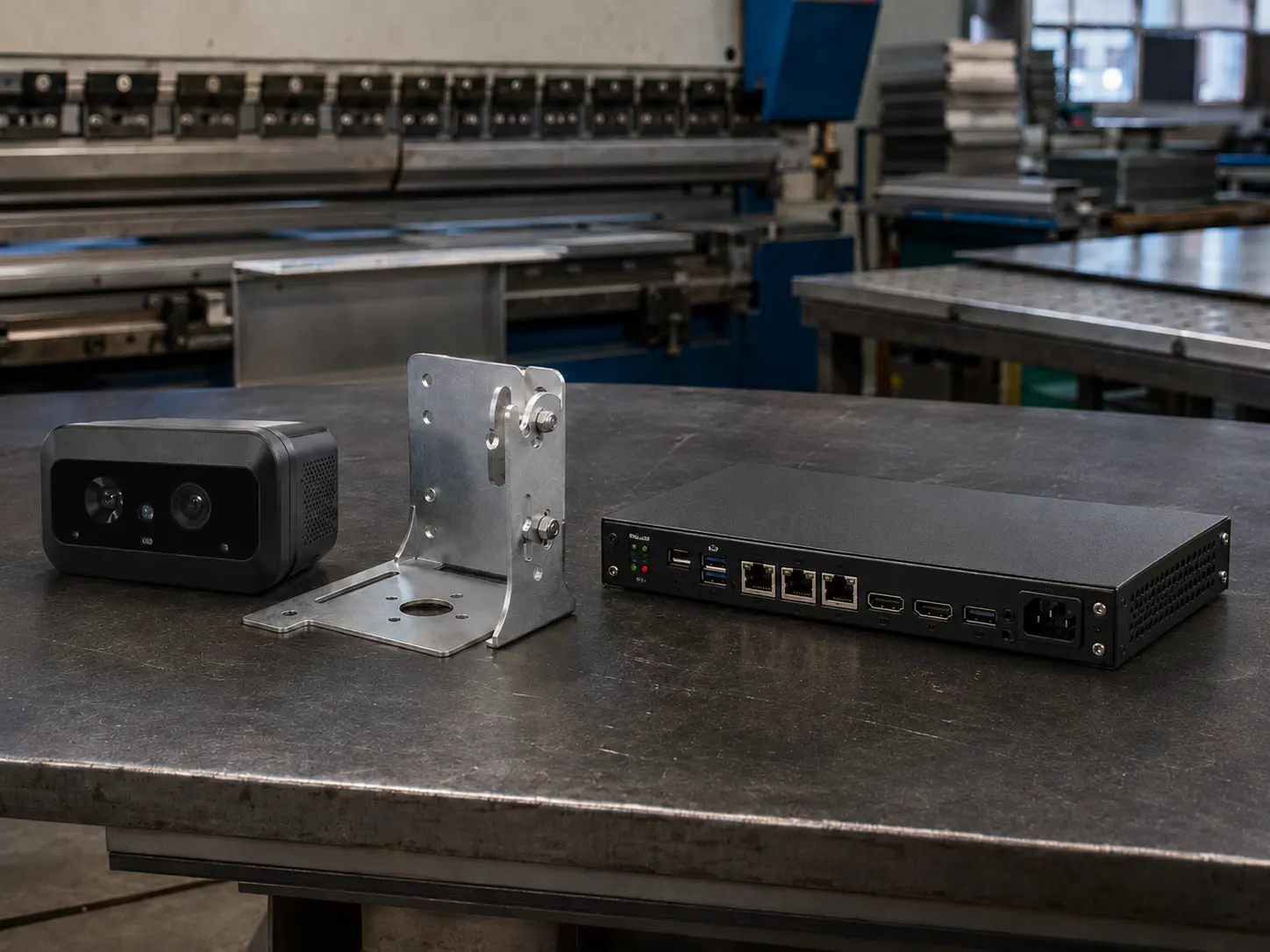
Quality verification checks finish uniformity, coating coverage, and edge condition.
Why Sample Parts Cost More per Piece Than Production Parts
The most common surprise on a sample quote is the unit price. It is worth understanding where that number comes from before asking a supplier to reduce it.
What a Sample Quote Typically Includes
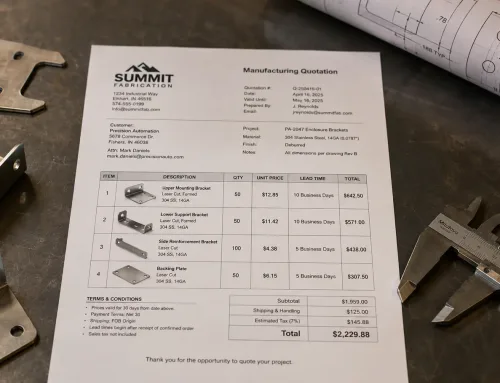
A sample quote usually bundles material cut from small stock, full setup time, actual machine and labor time per piece, inspection, and shipping. Because setup cannot be amortized across volume, it lands on one to ten parts instead of thousands. Shipping also takes a large share of the total simply because the order is small and heavy for its value.
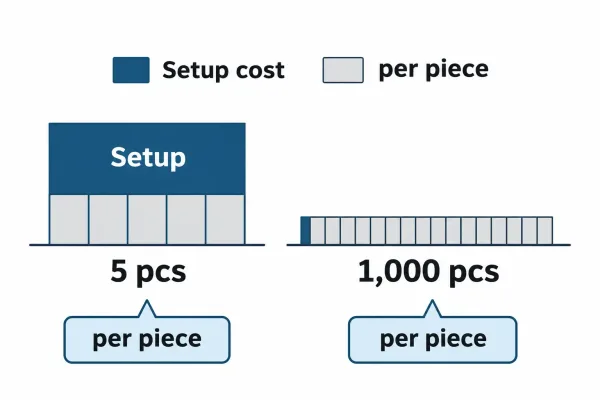
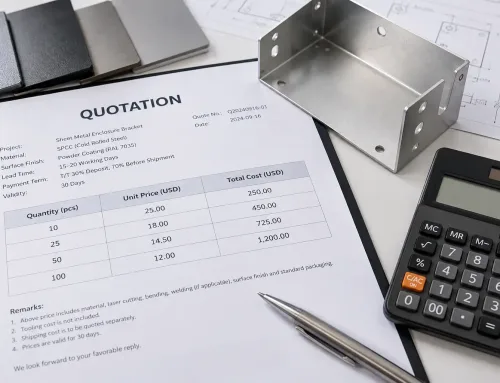
Setup cost is fixed, so per-piece cost drops sharply as quantity increases.
Sample Fee Credits and Other Cost Conventions
Many suppliers will credit part or all of the sample cost against a subsequent production order. That is a common convention, not a universal right — it must be requested and confirmed in writing before the sample PO (purchase order) is issued. The cleanest practice is to state what “pass” means up front, so the sample resolves the question in one round instead of triggering paid rework or a second sample run.
Sample Order vs. Trial Order: Two Different Checks Before Mass Production
Both order types reduce risk before volume production, but they reduce different risks. The table below separates them on the points buyers actually decide.
| Point of comparison | Sample order | Trial order |
|---|---|---|
| What it verifies | The part: design, quality, documentation | The process: repeatability, throughput, delivery |
| Typical quantity | 1–10 pieces | Tens to low hundreds |
| What “pass” means | Parts meet the drawing and the functional check | The route holds tolerance across a batch, on schedule |
| Unit cost vs. production | Higher | Closer to production pricing |
| Position in the timeline | Before design sign-off and tooling release | After design sign-off, before full production release |
| What a failure costs | A drawing change or a spec decision | A process, fixture, or scheduling correction |
Purpose: Verify the Part vs. Verify the Production Process
A sample order answers “is this the right part?” A trial order answers “can this supplier make this part repeatedly, at this quality, on this lead time?” A perfect sample from an unstable process tells you very little about the batch to come. A trial order is how you find that out.
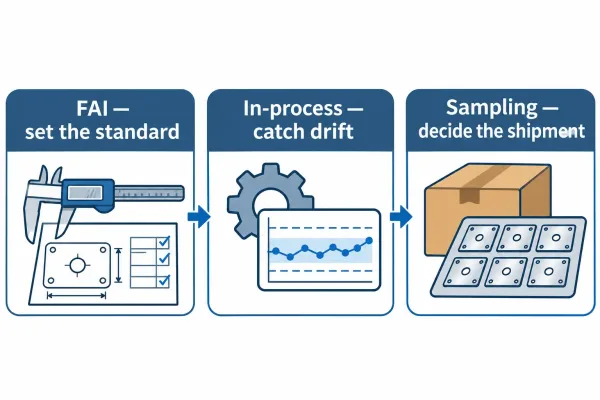
A sample order verifies the part; a trial order verifies the process and supplier.
Quantity, Cost, and Timeline
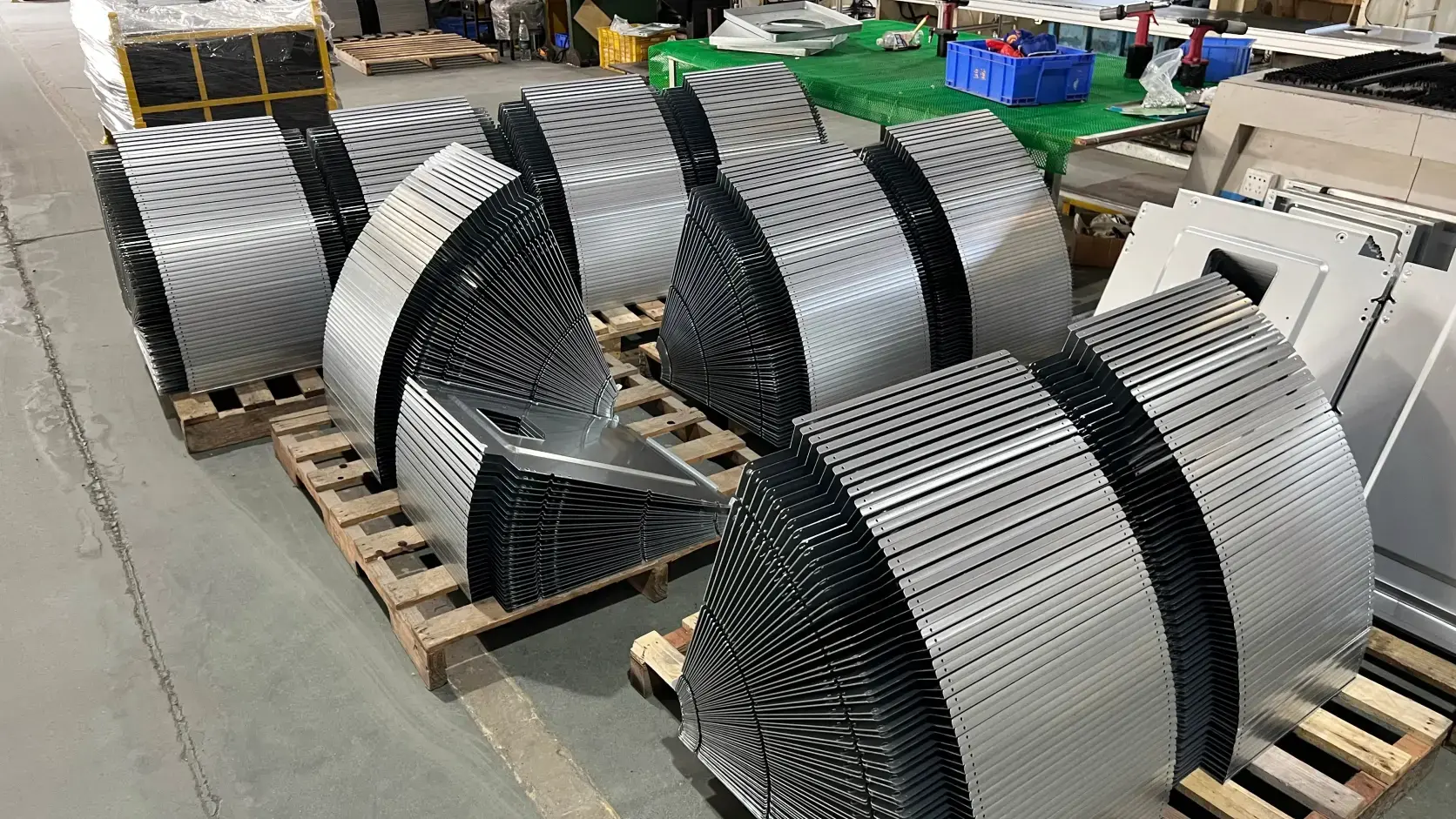
Sample orders are measured in days and single-digit quantities. Trial orders run through the full production route — cutting, forming, welding, finishing, inspection — so their cost and lead time sit between a sample and a full production release. Budgeting a trial order as if it were a sample order is a common scheduling error.
Where Each Fits Before Mass Production
For a new part from a new supplier, the safe sequence is sample first, trial second, production third — each gate confirming one thing. For a proven part on an unchanged route, neither is strictly necessary. Skipping a step is a legitimate decision when design risk is low; skipping it silently is where projects get into trouble.
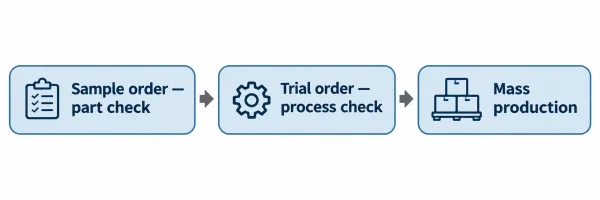
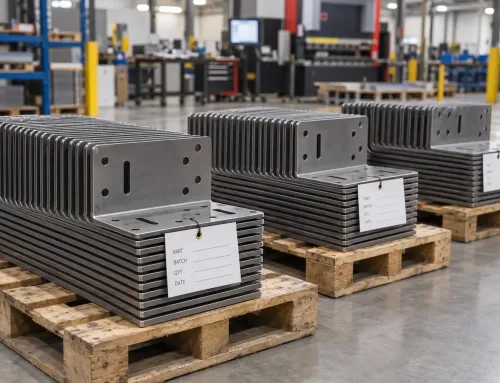
Each gate confirms one thing before full production release.
When to Place a Sample Order — and When It Is Not Worth the Wait
A sample order earns its cost when the downside of a bad batch is larger than the price of a few parts. In sheet metal work that condition is common; on exact repeat orders it is rare.
Place a sample order when the supplier is new to you, when the part uses a process or material combination you have not run with them before, or when fit and appearance are critical — enclosures that must assemble cleanly, panels with cosmetic faces, parts with tight hole-to-bend relationships. It is also the cheaper gate before committing to dedicated tooling or a large first production release.
You can usually skip it when the part number is an exact repeat of a previously approved design, when only a non-critical field changed, or when schedule pressure is real and the risk is documented and accepted. The judgment is economic: compare the cost of a sample against the cost of a rejected batch, and be honest about which side of that trade you are on.
How to Request a Sample Order and What to Check When Parts Arrive
A sample order resolves risk fastest when the request and the acceptance format are written down before parts are made. The two checklists below are the practical minimum.
What to Specify in Your Request
Before sending the sample request for quotation (RFQ) or PO, state:
- Quantity and purpose — name the features the sample is meant to verify.
- Drawing revision and any inspection notes that apply at sample level.
- Key characteristics to measure: critical dimensions, hole positions, bend angles, surface callouts.
- Documentation expected back: dimensional report, material certificate, photos.
- Feedback format: accepted, deviation (with values), or change required — one consolidated reply.
- Whether sample cost is credited against a future production order, and under what conditions.
What to Verify When the Parts Arrive
When the shipment lands, work through one pass and record results against the same list:
- Dimensional check on the key characteristics you named — not a full layout unless the risk justifies it.
- Visual and finish inspection: color, texture, coating coverage, edge condition, weld appearance where relevant.
- Trial fit against the mating part or assembly you designed around.
- Documentation review: does the material certificate or inspection report match the PO?
- One written reply to the supplier, sorted into accepted, deviation, and action required.
Closing the loop in one message with measured values lets the supplier correct the route before production instead of after it. If a sample order is the gate before a production release, a short engineering review of the drawing and verification list at the RFQ stage prevents most sample-to-production surprises.
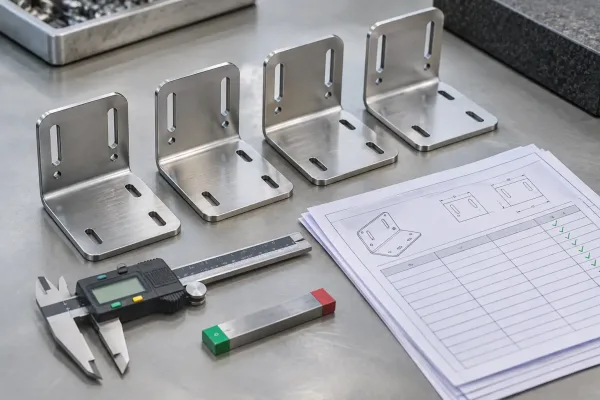
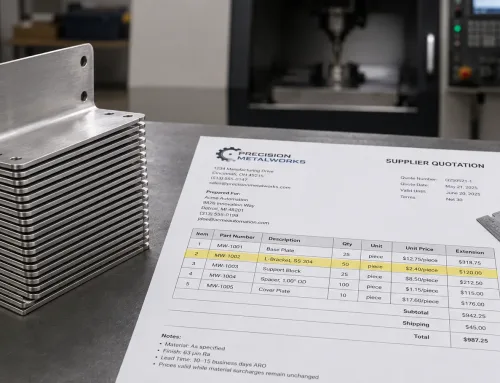
Arrival checks combine dimensional measurement, visual inspection, and documentation review.
FAQs