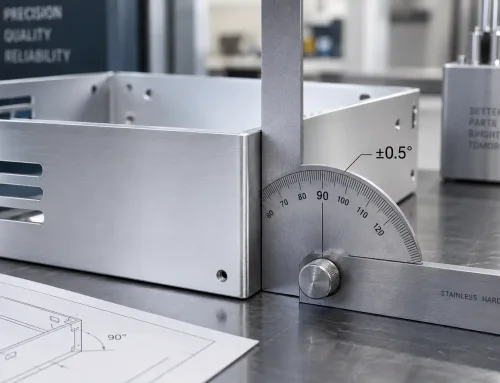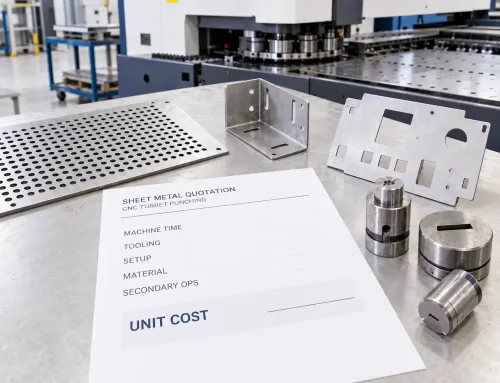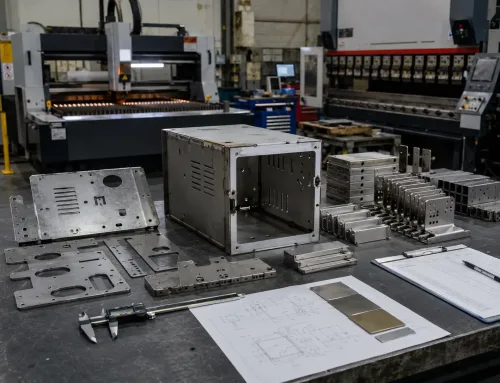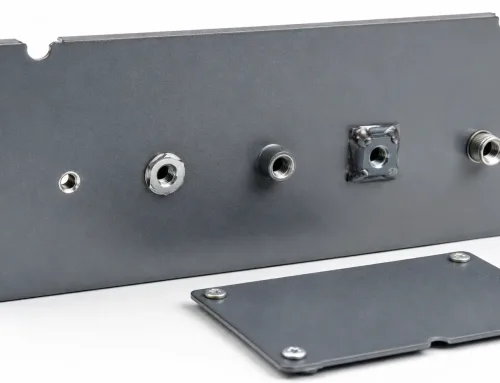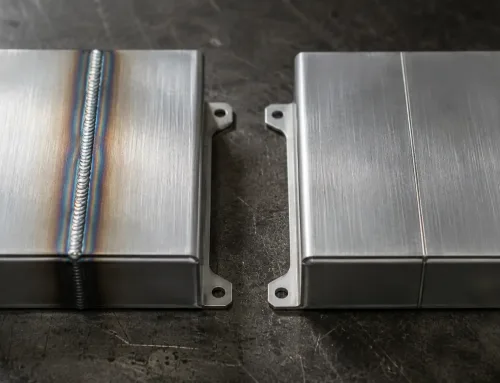

You shortlist three fabricators after searching for the best laser welding supplier for custom sheet metal parts. Two look strong on paper. One quotes 15% lower. Then the first sample arrives: the seam is sound on the box sides, but the corner joint opened under light handling. No one raised the gap tolerance during RFQ. That gap is where most supplier selections fail—not in the ranking list, but in how well the shop matches your part.
This guide explains how to evaluate laser welding suppliers for custom sheet metal work. The goal is not to name a winner. It is to give you a practical framework so your shortlist is based on fit, process control, and communication—not brand size or unit price alone.
Why Ranking Lists Miss the Point for Custom Sheet Metal Work
Search results for “best laser welding supplier” often look like numbered company directories. Those pages are useful for names. They rarely tell you whether a shop can hold a 0.15 mm gap on a thin aluminum enclosure, manage heat input on a cosmetic face, or lock weld parameters from sample to production.
“Best” in those lists usually measures public visibility, stated service breadth, or geographic coverage. None of those decide whether your part welds cleanly.
What decides success is narrower: material and thickness window, joint design, fixture quality, parameter control, and inspection discipline. A large general fabricator can lose to a smaller laser-welding specialist if your part sits in that specialist’s process window every day.
Treat rankings as a lead list. Use a fit filter before you request quotes.
Start With the Part: When Laser Welding Is the Right Fit
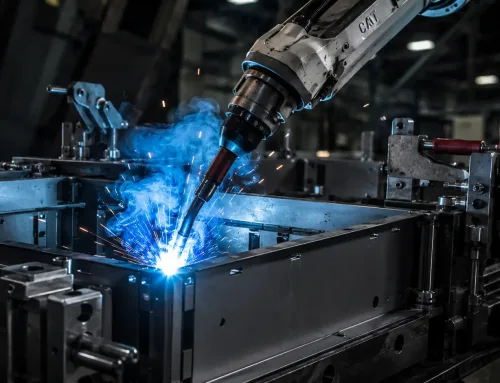
Before you compare suppliers, confirm that laser welding suits the part. Laser welding is a low-heat-input process that joins metal with a concentrated beam. It works well on tight joints and thin sections—but it is less tolerant of large gaps and misalignment than some arc processes.
Three checks matter most at design stage.
Material and thickness windows
Laser welding is common on stainless steel, low-carbon steel, aluminum, and copper alloys, but each material sets its own power and speed limits. Very thin sheet (often under 0.8 mm) can weld beautifully if fit-up is controlled; thick sections may need higher power or a different process. Ask any supplier for recent work on your alloy and thickness—not just a generic “we weld aluminum” claim.
Joint design and gap tolerance
Butt joints and flange joints with controlled overlap are typical for sheet metal enclosures and brackets. Fit-up gap is the quiet constraint. Many fiber laser setups prefer gaps under 0.1–0.2 mm depending on thickness and joint type. If your drawing leaves the gap open, the supplier must either add fixtures, change the joint, or accept rework risk.
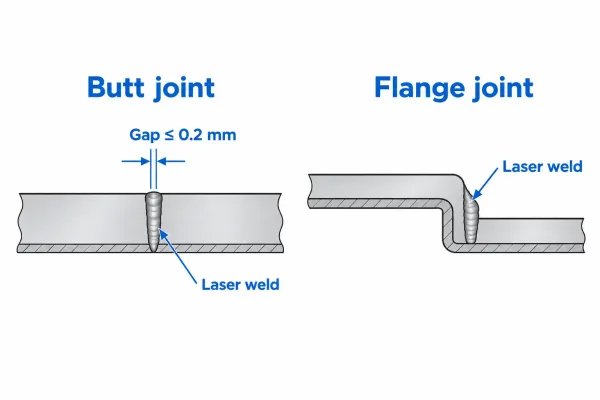
Simplified drawing comparing butt and flange joints for sheet metal laser welding, with gap tolerance labels.
Features that raise difficulty
Cosmetic Class-A faces, dissimilar joints, deep corners, and heat-sensitive coatings all narrow the process window. Thin walls near the seam can distort. Hardware such as press-fit studs may shift if heat is not managed. List these features early so suppliers can quote the real process, not a simplified one.
If the part itself is a poor laser-weld candidate, a better welder will not fix the design. A capable supplier will say so at RFQ—and that is a positive signal.
Capability Beyond the Welding Head
A laser welding machine is only one station. Custom sheet metal parts usually need a chain: flat cutting or punching, bending or forming, fixture assembly, welding, inspection, and often surface treatment or hardware insertion.
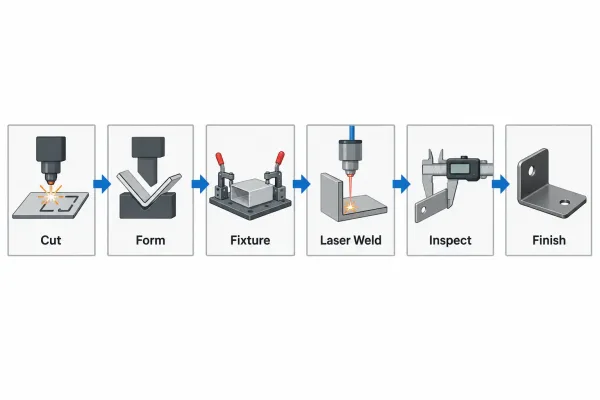
Six-step process chain showing how cutting, forming, fixturing, laser welding, inspection, and finishing connect.
Evaluate the full chain. A shop that welds well but outsources bending may struggle with flange angles that set the joint gap. A shop that cannot mark or protect cosmetic faces will create scrap before the weld. A shop without in-process inspection will discover problems at final QC, when rework is expensive.
When you screen suppliers, confirm ownership of the steps that affect your weld:
- Sheet cutting and blank quality (edge condition, burr control)
- Forming accuracy (bend angle, flange length, flatness before welding)
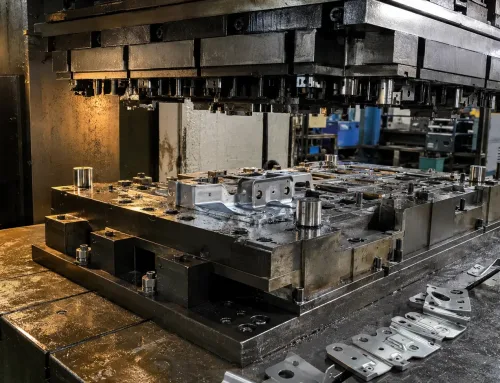
- Fixturing for assembly and welding
- Laser welding capability matched to material and thickness
- Inspection tools and documentation (dimensional and visual at minimum)
- Post-weld operations you need (grinding, coating, passivation, hardware)
You do not need every process in-house. You do need clear responsibility for each step and stable handoffs between them.
An Evaluation Framework for Buyers
Once the part is defined and the capability chain is clear, compare suppliers with the same questions. The matrix below is a practical starting point. Use it to structure technical calls and RFQ reviews rather than relying on brochure language.
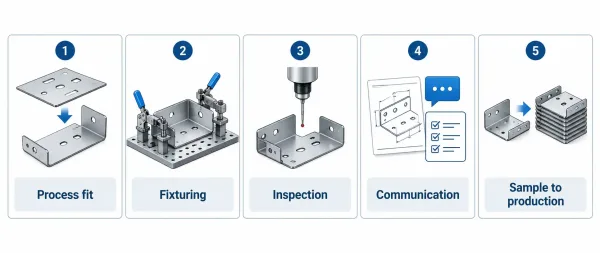
Five evaluation areas buyers should compare: process fit, fixturing, inspection, communication, and sample-to-production control.
| Evaluation area | What to ask or request | What good evidence looks like |
|---|---|---|
| Process & equipment fit | Recent parts in your material and thickness; laser type and power range | Sample parts, photos, or cycle data from similar work |
| Fixturing & setup | How they hold gap and flatness; who builds fixtures | Fixture drawings or photos; first-article procedure |
| Inspection & documentation | What they measure; FAI / in-process / final records | Measurement plan, balloon drawings, example reports |
| Engineering communication | Response time; who answers RFQ questions | Named engineer; clear clarification log |
| Sample to production | How parameters are locked; what triggers re-check | Written parameter record; lot traceability notes |
Process and equipment fit
Match, not prestige, is the criterion. A supplier running continuous-wave fiber lasers on stainless enclosures every week is a better fit for that work than a shop whose laser welder sits idle between exotic jobs. Ask for representative work, not logos.
Fixturing and setup discipline
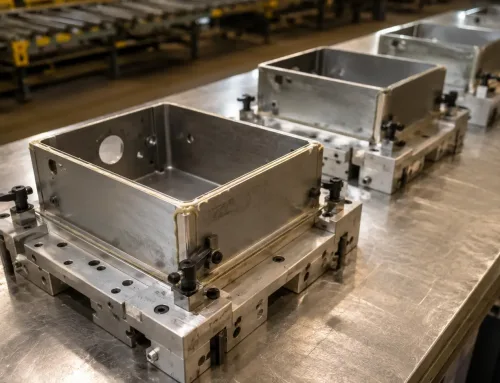
Repeatable seams come from fixtures and setup standards, not from machine brand alone. Ask how they locate the blank, control root gap, and handle distortion on long bends. For multi-part assemblies, welding sequence matters; a thoughtful shop will describe it.
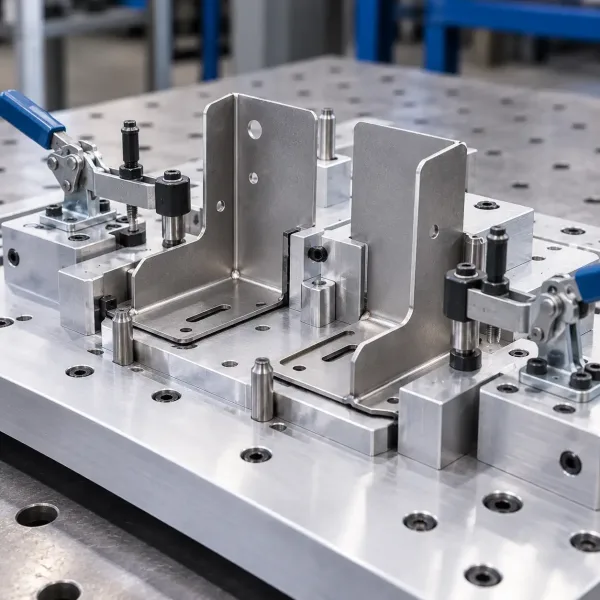
Precision fixture locating formed sheet metal parts to control gap and flatness before the weld.
Inspection and documentation
Define “good” before production. At minimum: visual acceptance for weld appearance, dimensional checks on critical interfaces, and a way to record weld parameters on the job traveler or equivalent. If you need a first article inspection (FAI), say so in the RFQ package.
Engineering communication at RFQ
Good suppliers ask precise questions: material certs, gap assumptions, cosmetic zones, test requirements. Slow or vague replies at quote stage usually get worse in production. Treat engineering response quality as part of capability.
What to Prepare Before You Send the RFQ
Supplier quality starts with buyer inputs. Incomplete RFQs force assumptions into the quote—assumptions that become change orders later.
Before you send the package, confirm the following:
- Drawings with revision control, critical dimensions, and cosmetic or no-scratch zones
- Material specification (grade, condition, thickness, certificate needs such as mill test reports)
- Weld expectations—joint type, appearance class, any NDT or leak test
- Tolerances that matter for fit and function; avoid over-tolerancing every dimension
- Finish sequence—weld then coat, or coat and protect weld areas
- Inspection level—FAI only, in-process checks, or full dimensional report
- Volume and schedule—prototype, pilot, or steady production
- Packaging and labeling if parts are cosmetic or ship internationally
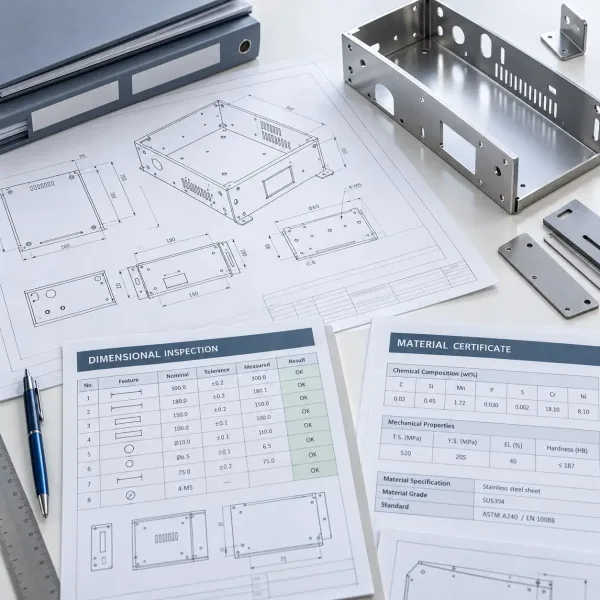
Drawing pack and checklist items buyers should complete before sending a sheet metal RFQ.
A complete RFQ does not slow a good supplier down. It removes the clarification loop that does.
Sample Approval vs. Volume Production Control
Samples and production answer different questions. Samples prove that the process window exists. Production proves that the window stays stable.
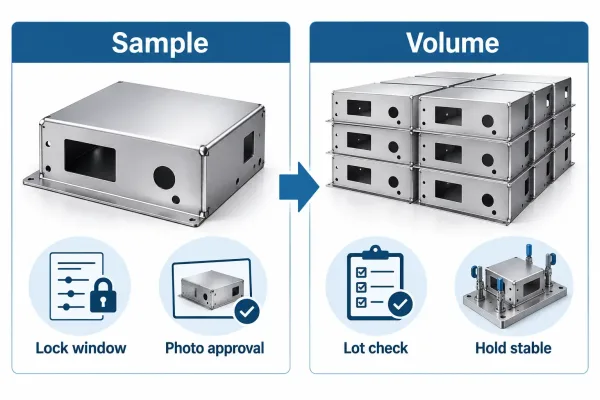
Side-by-side comparison: sample stage locks the process window; volume stage keeps it stable.
In sample stage, lock what will carry forward: weld parameters, fixture concept, inspection method, and the cosmetic acceptance photo if appearance matters. Agree on which sample dimensions are CTQ (critical to quality).
In volume stage, watch different risks: incoming material lots, fixture wear, operator changes, and drift in bend angles that open the joint gap again. Ask suppliers how they re-check after a material change or fixture repair. If those answers are informal, expect variation.
Do not approve samples without a paper trail. Parameter sheets and inspection records are cheaper than a second tooling loop after the first 500 pieces.
Common Selection Mistakes
Even experienced teams repeat a few errors:
- Buying on unit price only. Low quotes often exclude fixtures, FAI time, or protective handling on cosmetic faces.
- Assuming laser cutting equals laser welding. Different equipment, skills, and tolerances.
- Ignoring fixture cost and ownership. Ask who pays, who stores, and what happens on design revision.
- Leaving appearance standards verbal. “Clean weld” is not measurable. Use photos, Ra where relevant, and reject criteria.
- Skipping the capability match. “We can weld metal” is not evidence for your alloy and thickness.
Each mistake is preventable with the questions already listed above.
A Practical Supplier Shortlist Checklist
Use this shortlist rule when three vendors look similar:
- Part fit is confirmed in writing (material, thickness, joint, gap)
- Supplier shows recent comparable work—not only general certificates
- Full chain responsibility is clear (cut, form, fixture, weld, inspect, finish)
- Inspection and FAI expectations are named in the quote
- One named engineer answers RFQ and production questions
- Sample approval includes parameter lock and visual/dimensional criteria
- Volume control plan covers material lots and fixture changes
- Price is compared on total scope, including tooling and documentation
If a supplier cannot meet items 1–3, remove them from the shortlist regardless of price. If they meet 1–3 but skip 4–6, keep them only for non-critical work or limited pilots.
Choosing a laser welding supplier for custom sheet metal parts is a fit decision. Use the framework above, and the “best” choice becomes the one that can hold your part’s requirements—not the one with the longest ranking entry.
FAQs
Need a DFM or weld-readiness review before you release RFQs? Send the drawing set to the SR-MFG engineering team. We review joint design, fit-up risk, and process sequence so your next laser welding quote reflects real production conditions.