
Iron phosphate is often listed as the lowest-cost pretreatment before painting or powder coating. For a standard steel bracket on a busy coating line, that claim usually holds. For a custom metal enclosure—with deep bends, weld seams, threaded hardware, and cosmetic faces—the number on the quote is driven less by the chemistry name and more by how the part is racked, processed, and specified.
This article explains how iron phosphate pretreatment cost appears on enclosure quotes, which design and production factors move that cost, and how to write requirements so buyers and fabricators price the same process.
Why “Cheapest Pretreatment” Misleads Enclosure Buyers
Search results and supplier pages often describe iron phosphate as the most common and least expensive option for paint and powder pretreatment. That comparison is usually made against zinc phosphate or heavier conversion coatings, measured per tank or per square foot on a continuous line. It does not tell you what an enclosure job will add to a purchase order.
“Cheapest” is incomplete for custom enclosures because pretreatment cost is not a single unit price. It is a package that includes stage count, labor to load and unload, chemical and energy use, masking, dry-off, and the risk of rework if the coating fails adhesion later. A cheap stage can still produce an expensive part if the geometry forces extra handling or if the sample finish never matched production.
Treat iron phosphate as a cost-effective baseline process, not as a guaranteed minimum total cost. The rest of this article breaks down where that baseline is stable and where enclosure work erodes the savings.
How Pretreatment Shows Up on an Enclosure Quote
Before comparing process costs, it helps to see where pretreatment sits in a fabrication or finishing quote. Buyers who only look at the powder coat line can miss whether cleaning and phosphate were included at all.
In practice, quotes usually follow one of three structures.
- Pretreatment as its own line item. The fabricator or finisher prices cleaning, iron phosphate, rinses, and dry-off separately from the coating. This is common when the enclosure leaves the fab shop and goes to a dedicated finishing house.
- Pretreatment bundled into powder coating. Many powder coaters include a standard multi-stage wash and iron phosphate in their coating price. The risk is silent scope limits: only certain sizes, no extra masking, no weld cleanup, and no guarantee that samples used the same line.
- Split responsibility for degreasing and flash rust. Oil from laser cutting, forming lubricant, or bare steel that sits between operations can flash rust (form a light oxide film) before coating. Someone must own degreasing and storage control; if the RFQ does not say who, cost appears later as a change order.
When you compare quotes, normalize the scope first. An all-in powder price is not comparable to a coating-only price that excludes pretreatment.
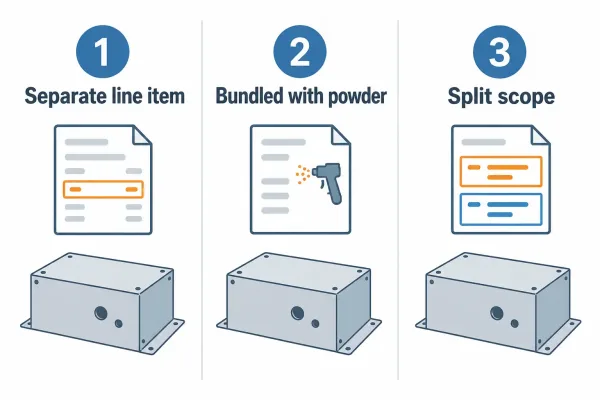
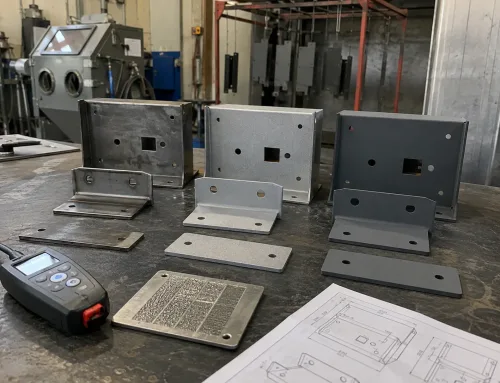
Pretreatment can be a separate line item, bundled into powder coating, or split between fabricator and finisher.
What the Iron Phosphate Line Actually Does to a Metal Enclosure
Iron phosphate is a conversion coating: a thin phosphate layer is grown on the metal surface so paint or powder can bond mechanically and chemically. For enclosures, the process is almost always a multi-stage wash line rather than a single dip.
A typical sequence for steel enclosures looks like this:
- Soil removal (degreasing) to strip oils and shop dirt
- Water rinse
- Iron phosphate stage (spray or immersion)
- Water rinse
- Optional sealer or final rinse
- Dry-off before coating
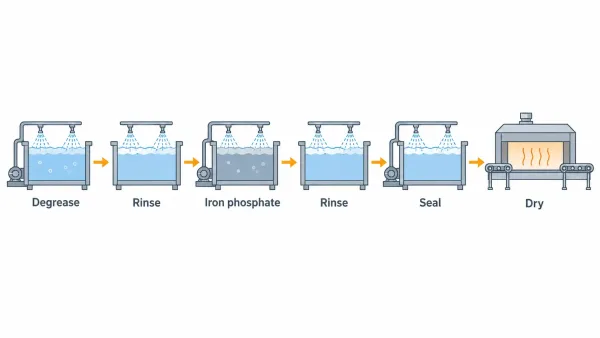
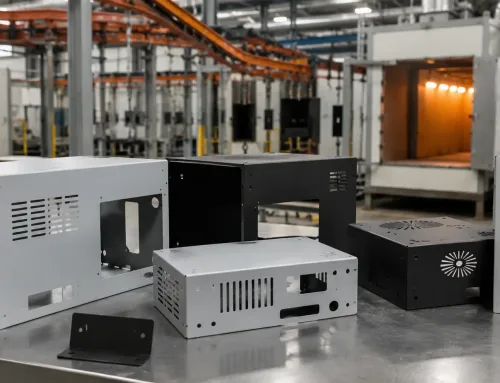
Degrease, rinse, iron phosphate, rinse, optional sealer, then dry-off before coating.
Aluminum enclosures can run on iron phosphate lines, but the chemistry and dwell time are often adjusted because aluminum oxides differently from mild steel. That is one reason two “iron phosphate” quotes may not describe the same work.
Each stage consumes tank volume, heat, chemistry, water, and labor. More stages and tighter controls improve coating reliability and raise cost. For a one-off housing, a coater may still run the standard line; for large or fragile enclosures, custom racking and longer load/unload time dominate the labor side of the quote.
Where the Cost Comes From: Five Drivers on Custom Enclosures
The unit cost of iron phosphate pretreatment on an enclosure is a function of process demand and part handling—not a fixed price per part. The five drivers below show up most often in sheet metal and enclosure work.
| Cost driver | What it changes | Typical effect on enclosure quotes |
|---|---|---|
| Surface area and part envelope | Chemical use, tank capacity, energy for heat and dry-off | Large doors and deep boxes use more line capacity per piece |
| Racking and hanging | Labor, fixture design, risk of contact marks | Irregular shapes need custom hooks or frames |
| Batch size and line loading | Setup amortization, line speed, minimum lot charges | Low quantities carry higher cost per part |
| Masking for threads, seals, mating faces | Extra labor, tape or plugs, inspection | Masked areas are common on IPEM inserts, gasket flanges, and grounding faces |
| Dry-off, handling, secondary ops | Oven time, touch-up, protection for transport | Heavy or nested parts need extra handling and packaging care |
Read the drivers together. A small indoor bracket on a loaded line is where “iron phosphate is cheap” is true. A large, cosmetically finished enclosure with masked threads and a short delivery window is where pretreatment cost becomes a visible percentage of the coating package.
There is no single published dollar amount that applies to every shop. Regional labor rates, line type (spray versus immersion), and whether finishing is in-house or outsourced all move the number. Use the drivers above to ask for a breakdown instead of shopping a headline rate.
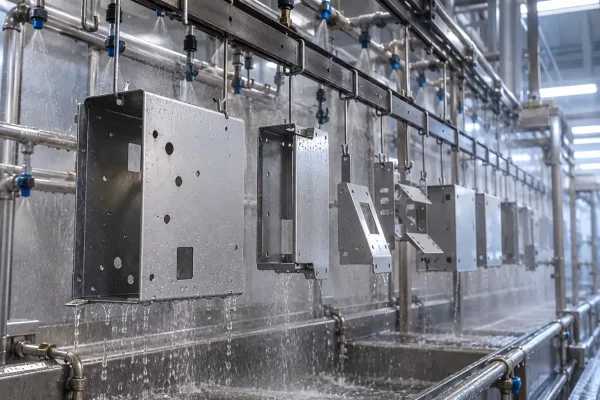
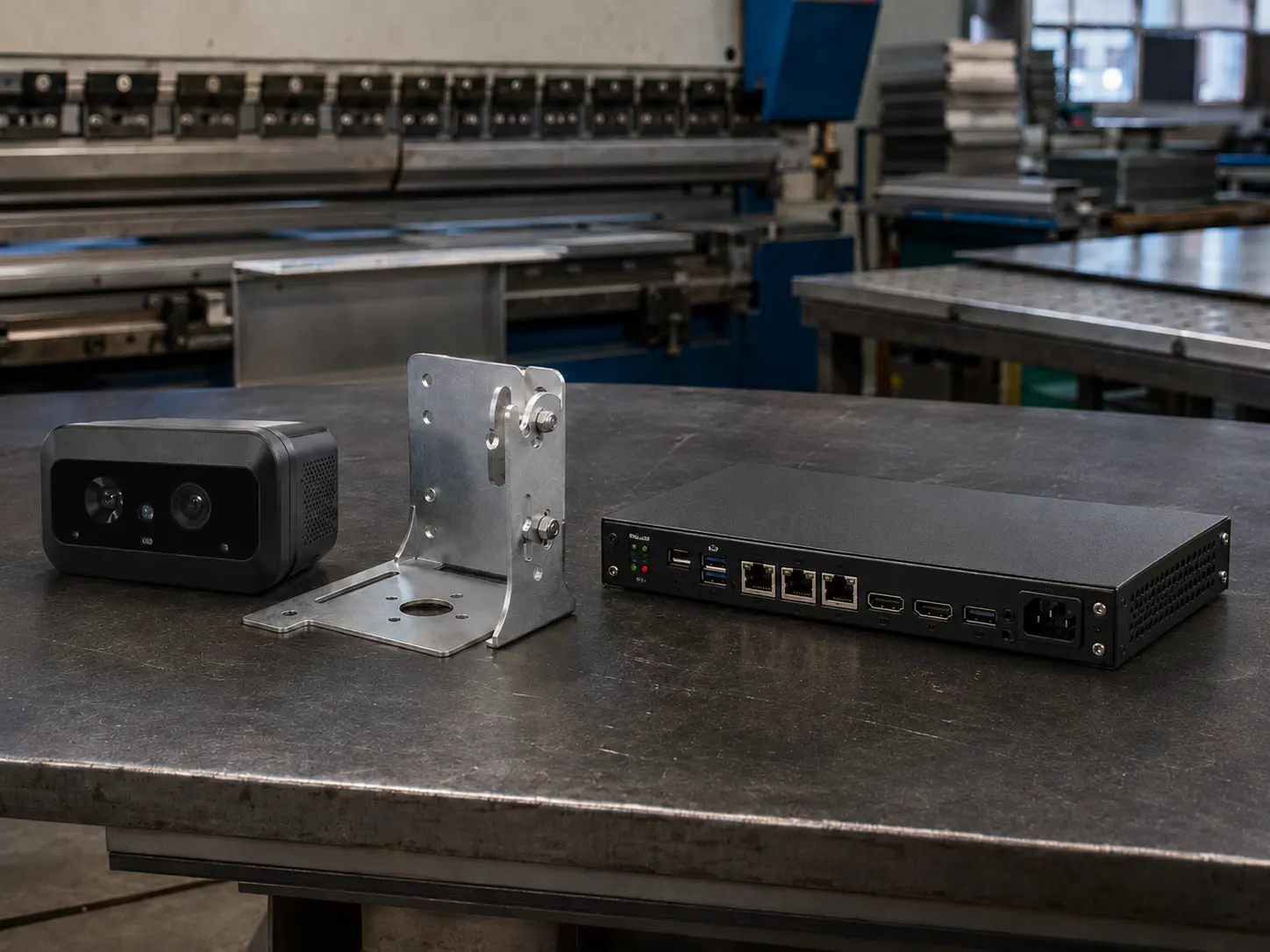
Custom hooks, load density, and part envelope drive pretreatment labor and line capacity cost.
Design Features That Push Pretreatment Cost Up
Enclosure geometry quietly drives pretreatment cost. The features below are common in electronic, industrial, and instrument housings and each one adds handling or process risk.
- Louvers, vents, and dense perforations. These increase wetted area and can trap chemistry or rinse water, which extends process attention and dry-off checks.
- Deep bends and closed corners. Solution can pool in corners; incomplete rinse or dry-off raises the chance of staining or coating defects.
- Weld seams and heat discoloration. Welds may need cleanup before phosphate so the coating wets evenly. Extra grinding or blending is a labor adder.
- Threaded holes, PEM hardware, and inserts. Threads and bearing faces often cannot accept phosphate or powder thickness without seizing. Masking or post-machining strategies must be planned.
- Gasket grooves, shielding fingers, and grounding faces. These surfaces may need to stay bare or conductive. Selective masking is slower than full immersion of an unprotected part.
- Class-A cosmetic faces. Visible surfaces limit contact points on the rack and may require cleaner handling, which reduces how many parts fit per load.
If any of these features appear on the drawing, expect pretreatment and coating quotes to rise unless the design allows standard racking and no masking. Early DFM review is cheaper than mid-production change orders.
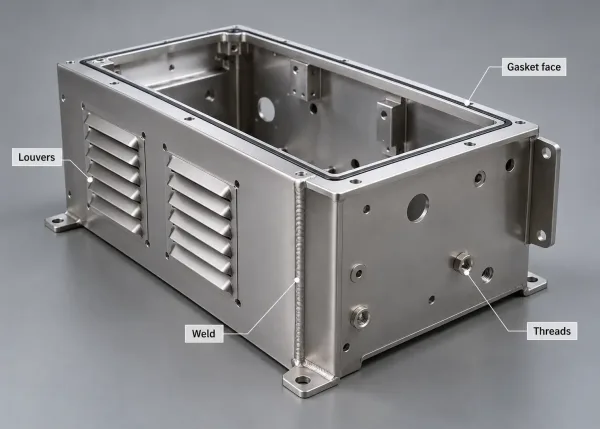
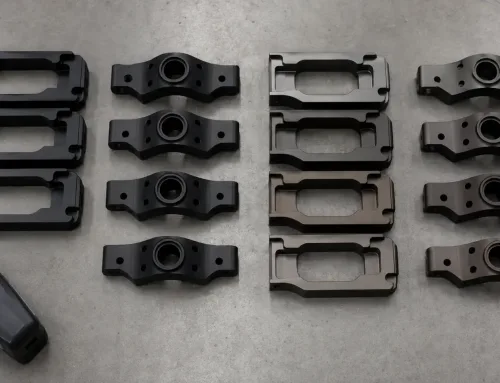
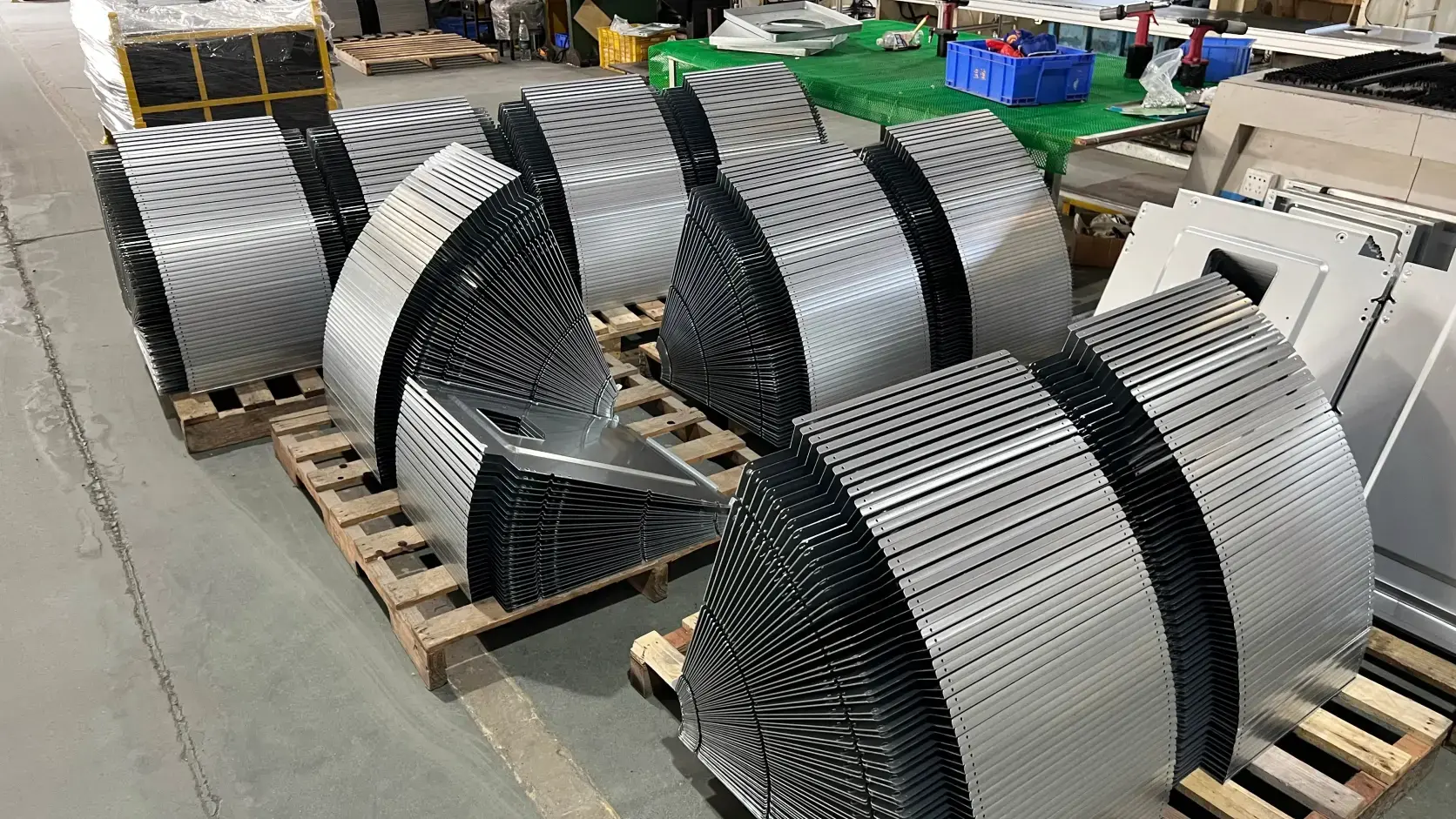
Louvers, weld seams, threads, and gasket faces add masking, handling, and process risk.
Sample Runs vs. Production: Different Cost, Different Risk
Prototypes and first articles often take a different path than production. A sample may be wiped, hand-sprayed, or run through a simplified wash because the quantity does not fill a tank. That path can look inexpensive and still deliver acceptable appearance on a few pieces.
Production moves to a fixed multi-stage line with standard chemistry, racking, and dry-off. Labor per part usually drops at volume, but the process is less flexible. If the sample was not run on the production process, you can see differences in gloss, texture, edge coverage, and corrosion performance even when the powder color matches.
To protect both cost and quality, lock three items before the first production lot:
- Process level — multi-stage iron phosphate (and stage count) as the production standard, not a best-effort clean.
- Sample path — first articles processed the same way as the lot, or an explicit note that sample finish is not representative.
- Inspection focus — adhesion and appearance on defined faces, plus any mask integrity on threads and seals.
A slightly higher sample cost that mirrors production is usually cheaper than a rejected lot or field blistering.
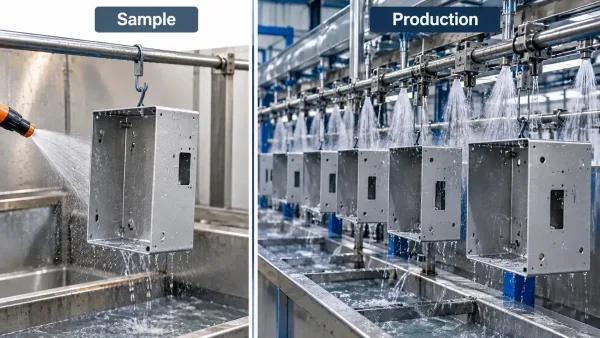
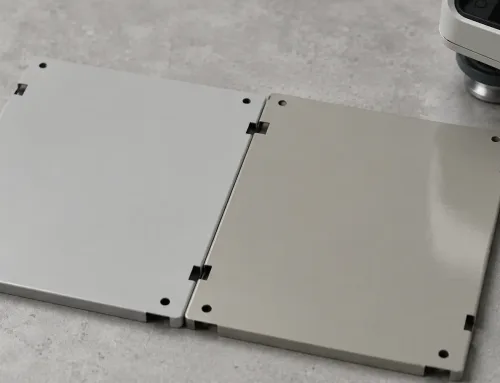
Samples may use a simplified clean; production uses a fixed multi-stage line and standard racking.
When Iron Phosphate Is the Right Economic Choice — and When It Is Not
Iron phosphate is a sound default for many powder-coated enclosures, especially indoors. It is not automatically the lowest total cost when service conditions or finish requirements are stricter.
Iron phosphate usually makes sense when:
- The enclosure runs indoors or in mild environments
- Powder or liquid paint is the final finish, and adhesion is the main pretreatment goal
- Steel or compatible aluminum alloys run on a standard multi-stage line
- Cosmetic class and masking needs are moderate
- Volume is high enough to load the line efficiently
Reconsider or upgrade when:
- The housing faces outdoor weather, coastal air, chemical splash, or long humidity exposure—zinc phosphate or a more complete coating system may reduce lifecycle cost despite a higher front-end price
- The customer requires a heavy corrosion test (for example, extended salt spray) that iron phosphate plus standard powder may not meet alone
- Conductive or low-resistance paths must remain bare; pretreatment and coating strategy must be redesigned around selective finishing
- Decorative finish quality is critical and rack marks or weld color cannot be hidden by design
- Aluminum and steel parts share one order but need different conversion treatments; splitting lots adds cost and schedule risk
The economic test is total cost of ownership: pretreatment price plus coating performance plus rework risk. Paying more for a heavier pretreatment is rational when failure or refinishing would cost more than the upgrade.
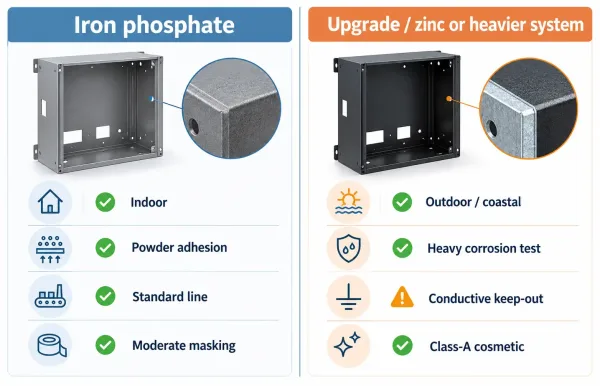
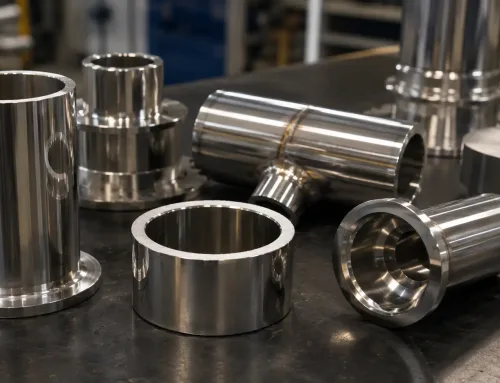
Iron phosphate fits many indoor powder-coated enclosures; upgrade when corrosion or conductive requirements tighten.
How to Specify Iron Phosphate on Drawings and RFQs
Clear callouts prevent the most common cost disputes: missing pretreatment, surprise masking, and sample-to-production drift. Put process intent where purchasing and engineering both see it.
Minimum information to put on the drawing
- Base material and any mixed-material note (steel and aluminum)
- Pretreatment: iron phosphate (or “iron phosphate pretreatment prior to powder coat”)
- Coating system that follows (powder type, color, nominal thickness if controlled)
- Mask and keep-out faces: threads, ground points, gasket lands, mating surfaces
- Cosmetic zones if appearance is inspected
Minimum information to put in the RFQ
- Whether pretreatment is included in the coating price or quoted separately
- Required stage count or standard (for example, five-stage wash with iron phosphate)
- Sample process versus production process expectations
- Inspection and acceptance notes (visual, adhesion, handling of masked areas)
- Packaging and storage assumptions that prevent flash rust before coating
If a supplier’s standard package differs from these points, ask for a written scope before award. Ambiguity is where both cost and quality drift.
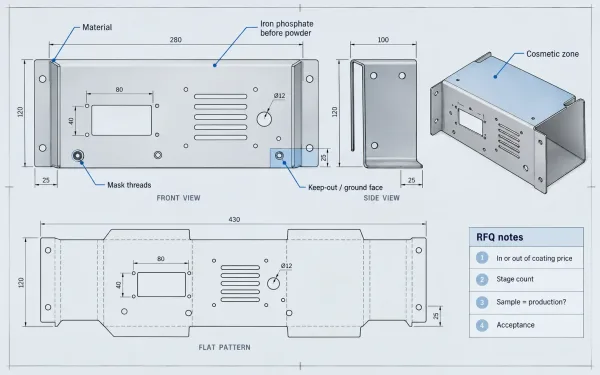
Drawing and RFQ notes should state pretreatment, coating system, mask faces, and sample-versus-production expectations.
FAQ
Next Step for Your Enclosure Project
On your next enclosure RFQ, use this checklist before you approve a coating price:
- State whether iron phosphate is in or out of the coating line item.
- Lock the production pretreatment standard and require first articles on that same path.
- Call out mask and keep-out features that change racking and labor.
- Compare quotes only after pretreatment scope is aligned.
That sequence keeps pretreatment cost visible and predictable instead of arriving as a late surprise on the invoice or as a field failure after delivery.