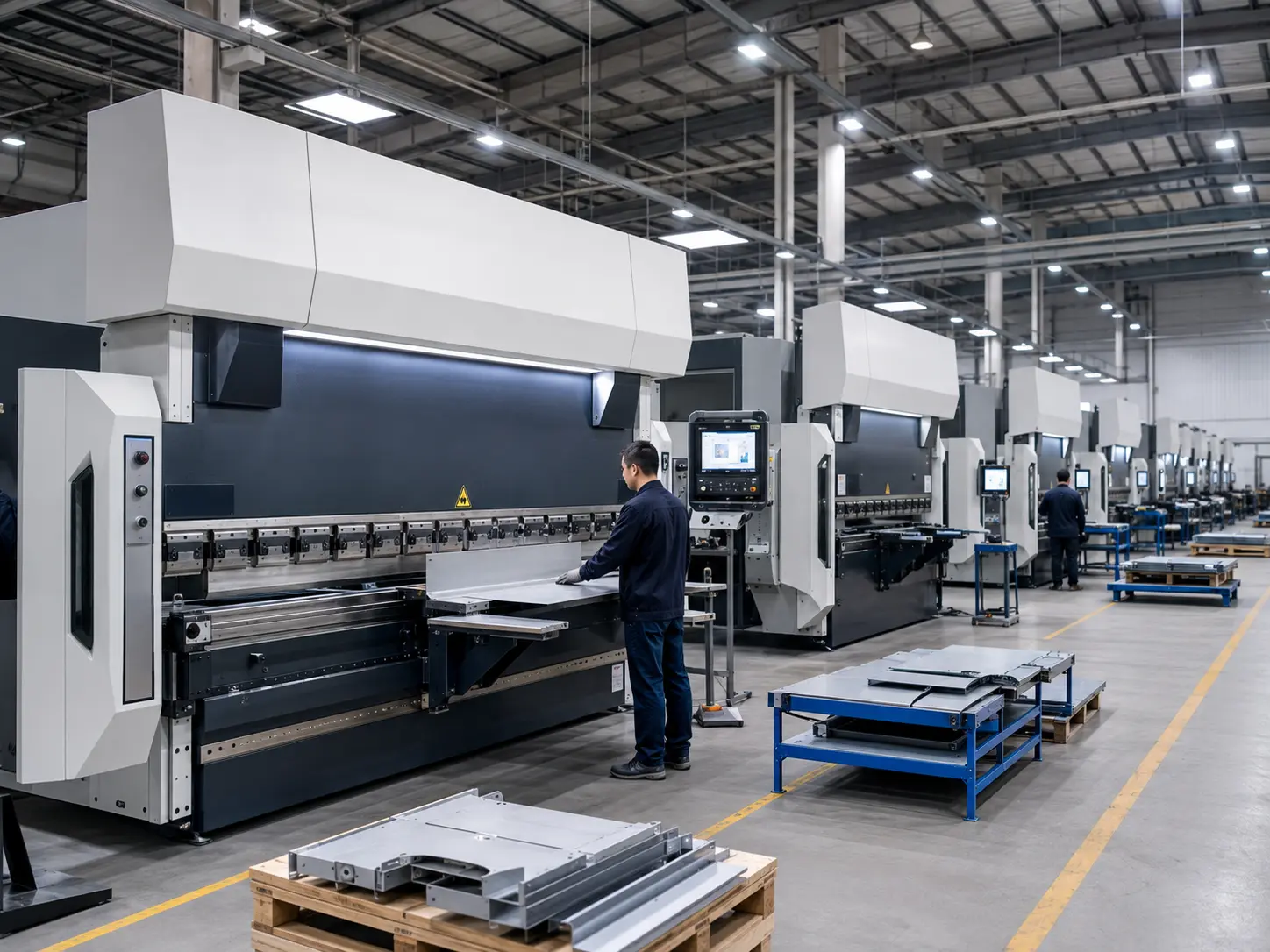
SR MFG’s Precision Metal Bending Capabilities
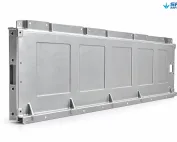
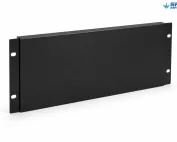
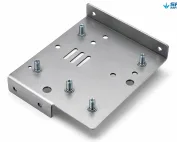
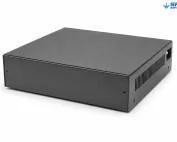
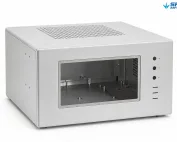
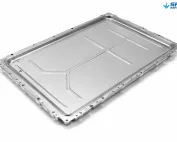
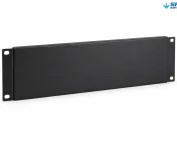
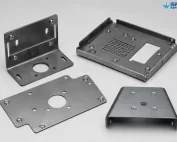
For OEM sheet metal parts such as brackets, frames, enclosures, panels, and welded structures, we evaluate material thickness, bend radius, tooling setup, effective bending length, and downstream welding or assembly requirements before production.

Estimated Daily Bending Capacity
Estimated capacity varies depending on part size, material thickness, bend complexity, tooling setup and inspection requirements.
| Equipment Category | Quantity (Units) | Capacity / Unit (pcs/day) | Estimated Daily Output (pcs/day) |
|---|---|---|---|
| Automatic bending centers | 2 | 1,536 | 3,072 |
| Servo CNC press brakes | 5 | 960 | 4,800 |
| Large hydraulic press brakes | 4 | 384 | 1,536 |
| Medium & small press brakes | 11 | 132 | 1,452 |
| Total bending capacity | 22 | — | 10,860 pcs/day |
* Capacity is estimated under standard production planning. Actual output may vary.
Common Sheet Metal Bending Methods
In many sheet metal projects, metal bending is the key process that turns a laser-cut flat blank into a functional bracket, cover or tray-like structural part. If bending is not performed consistently, problems such as gaps, distortion and misaligned holes will quickly appear during assembly.
At SR MFG, metal bending is not a secondary operation. It is a tightly controlled quality-critical step within our integrated sheet metal production line.
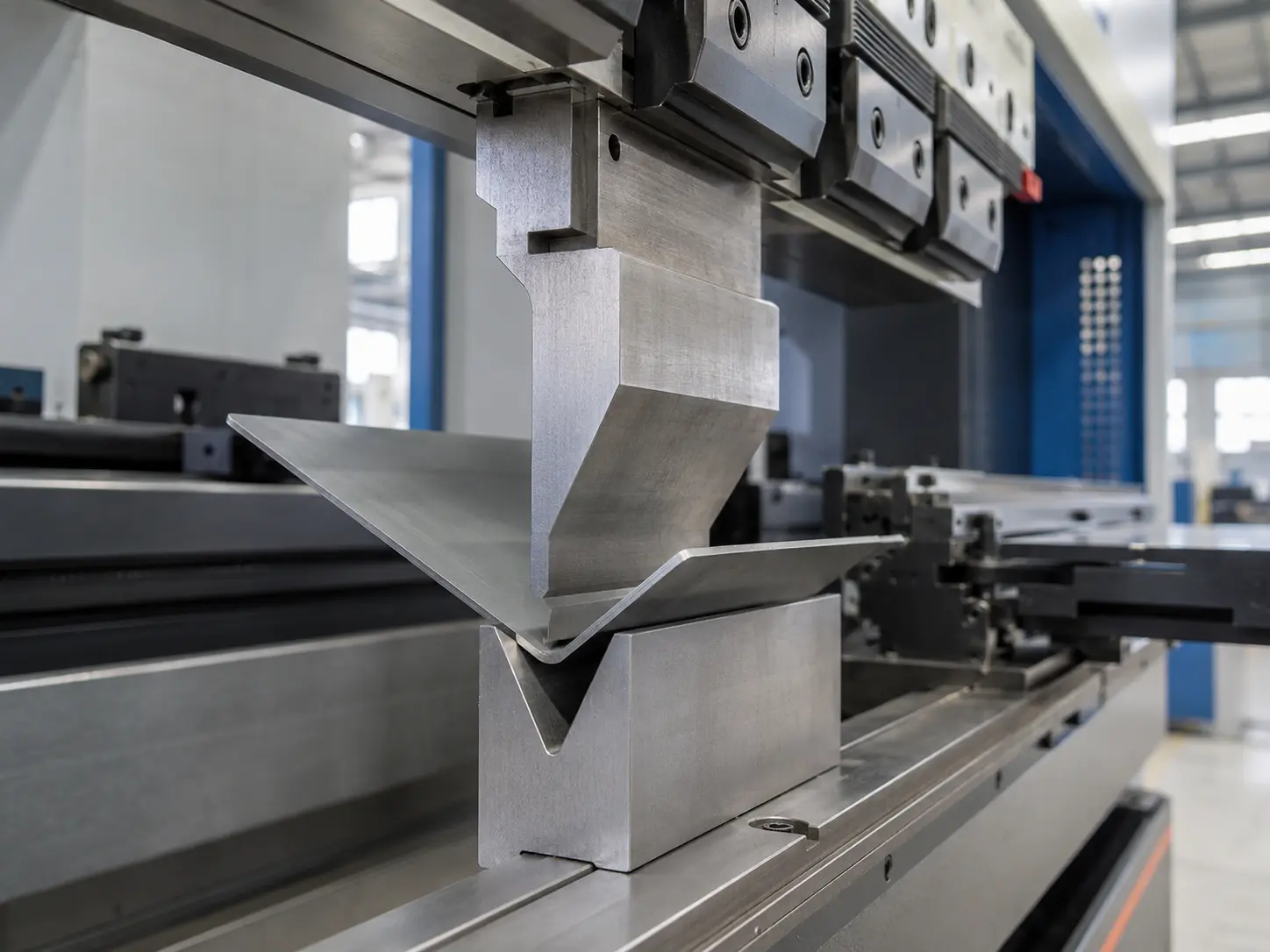
V-bending
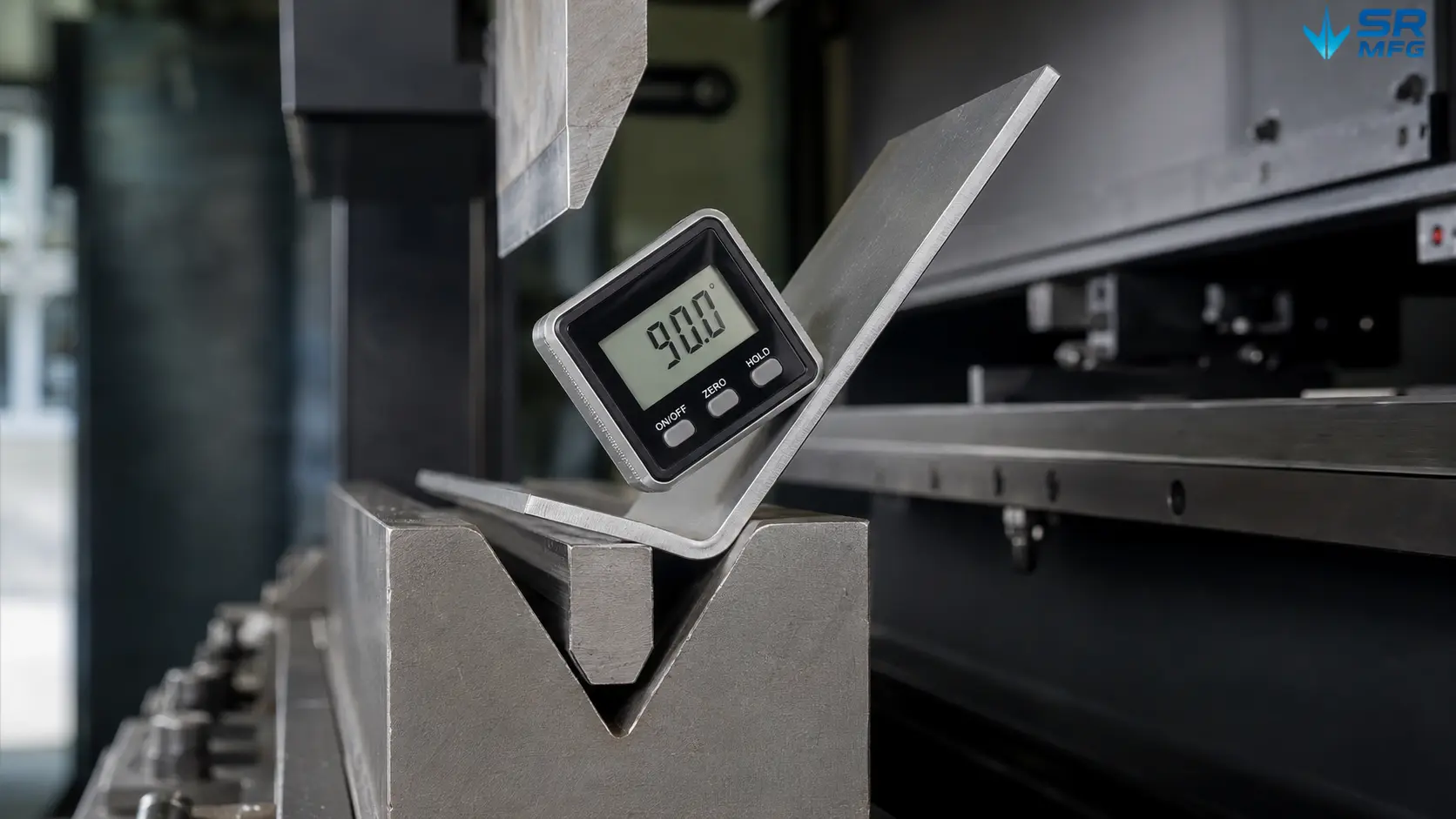
V-bending uses a V-shaped punch and die to form straight bends. It is the most common method for brackets, covers, trays, enclosures, and general sheet metal parts requiring consistent bend angles.
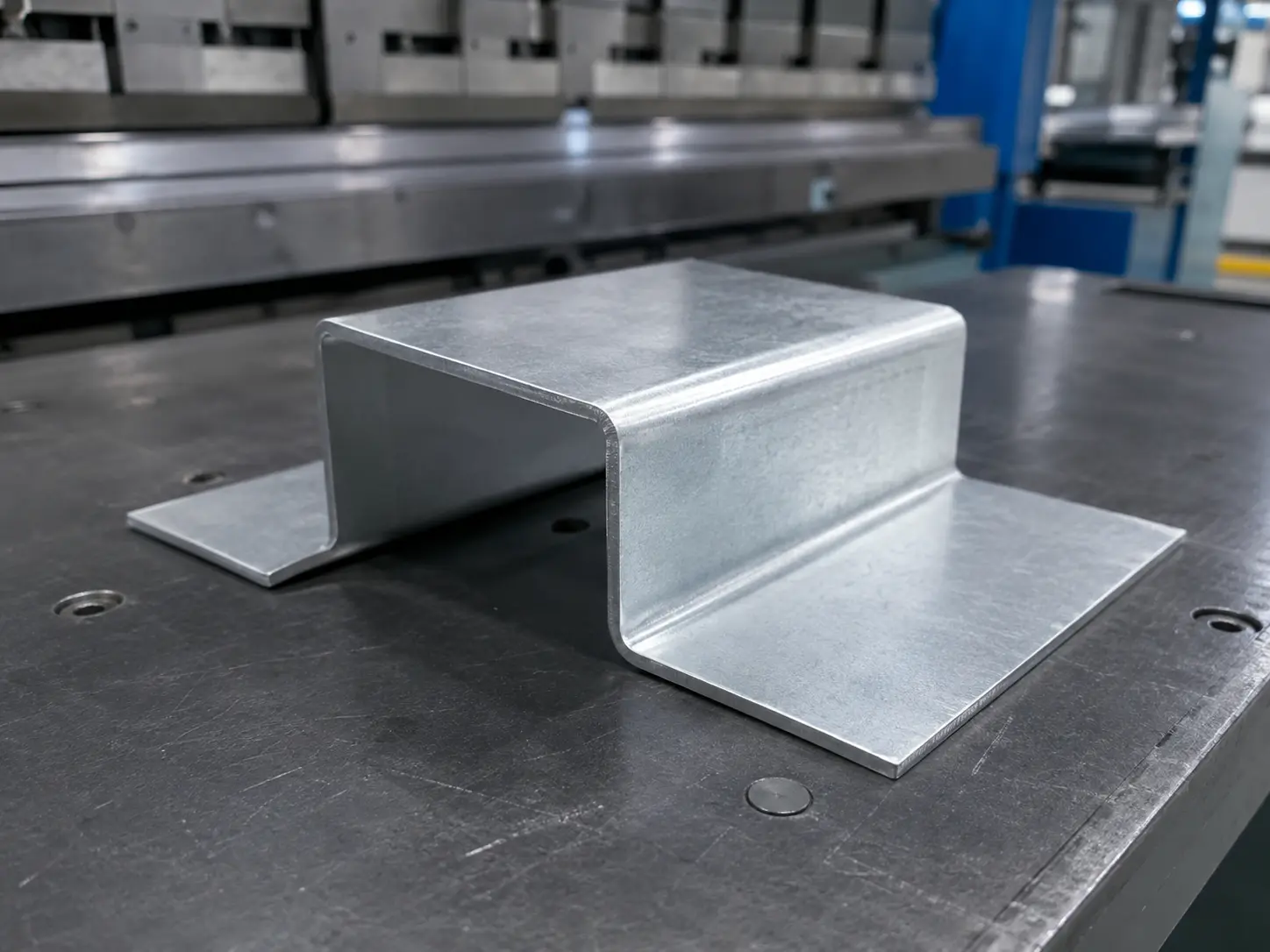
Z-bending
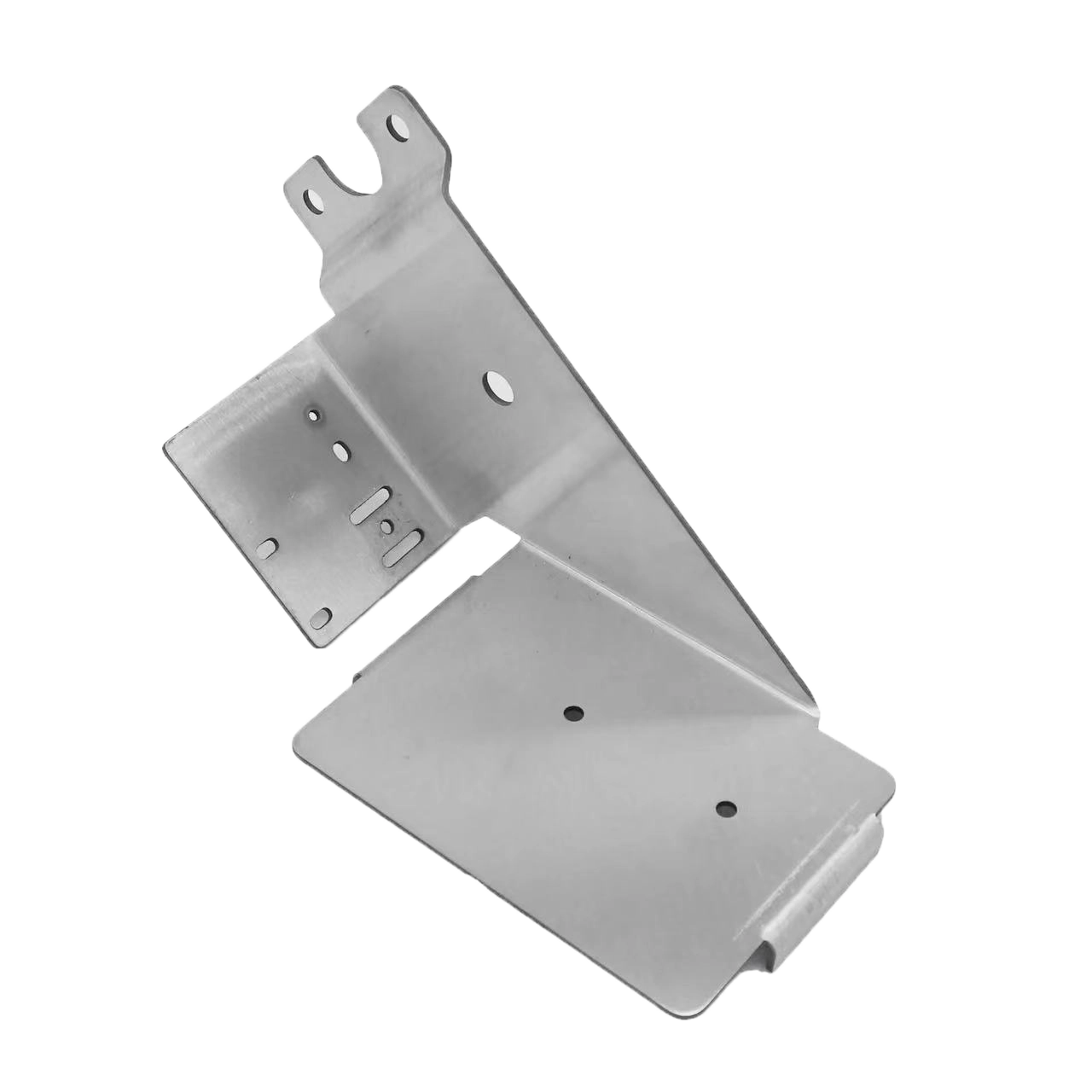
Z-bending forms two opposite-direction bends with a step between them. It is used for offset brackets, mounting flanges, covers, and assembled sheet metal structures where clearance and alignment matter.
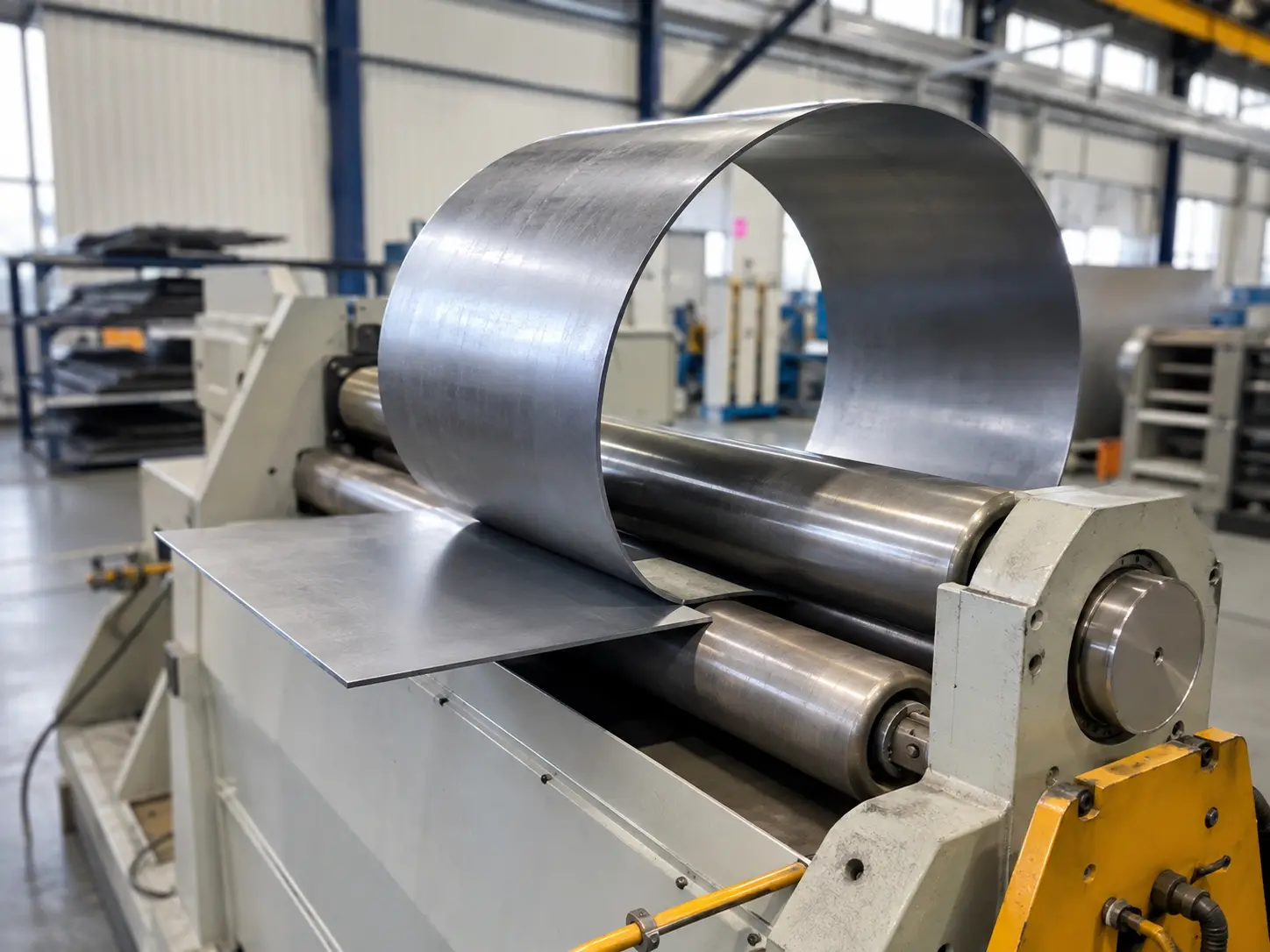
Roll bending (curving)
Roll bending uses rotating rolls to create large-radius curves, arcs, rings, or cylindrical shapes. It is suitable for curved covers, guards, panels, and parts requiring smooth continuous forming.
Typical Metal Bending Tolerances
Bending tolerance depends on material thickness, bend length,bend radius, tooling, part geometry, and inspection requirements.
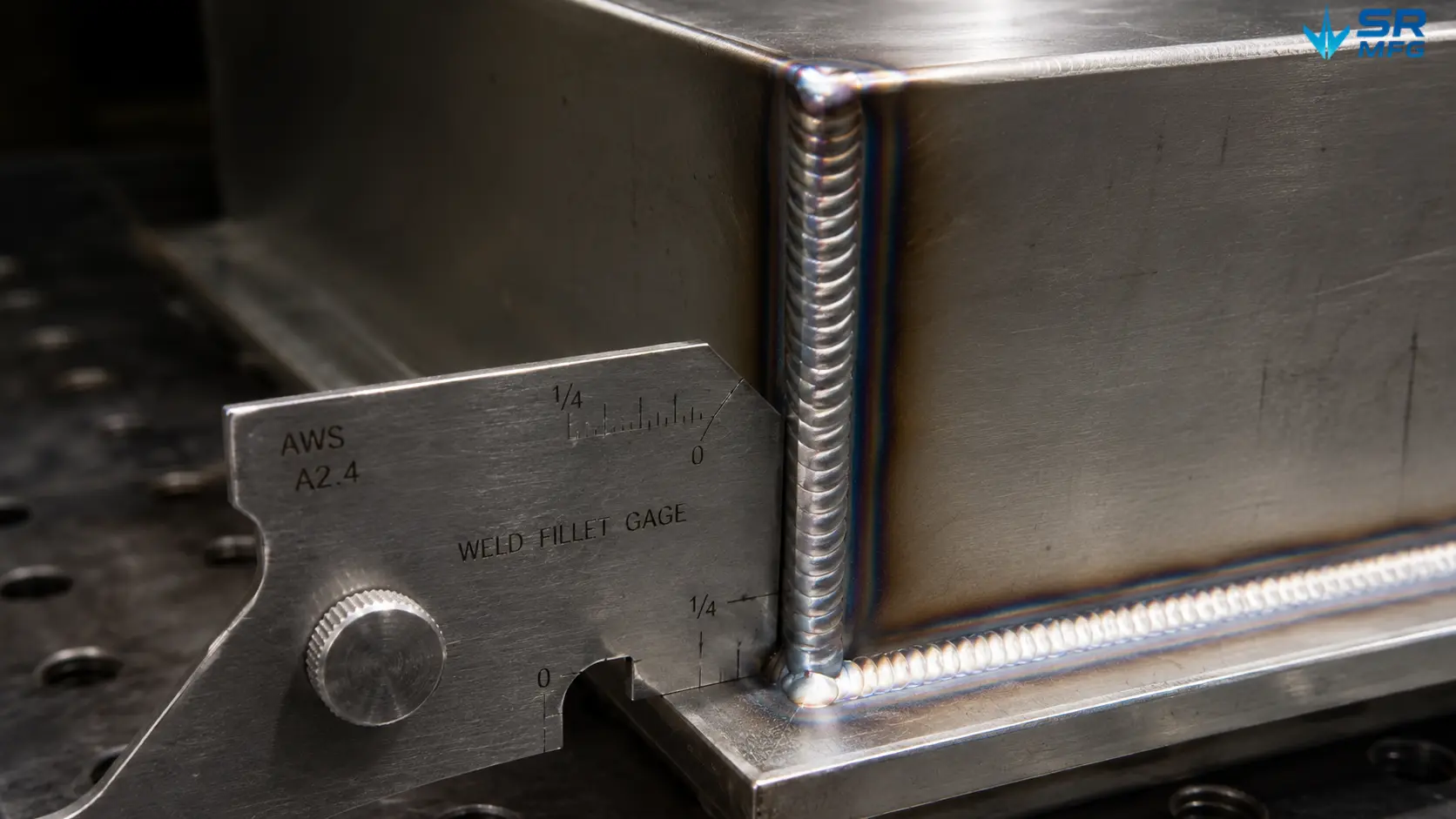
Industries & Metal Bending Applications
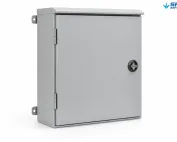
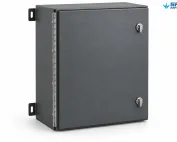
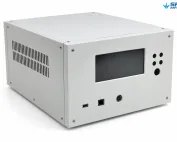
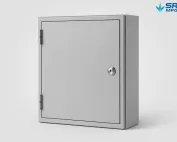
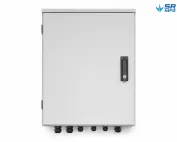
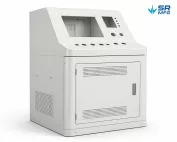
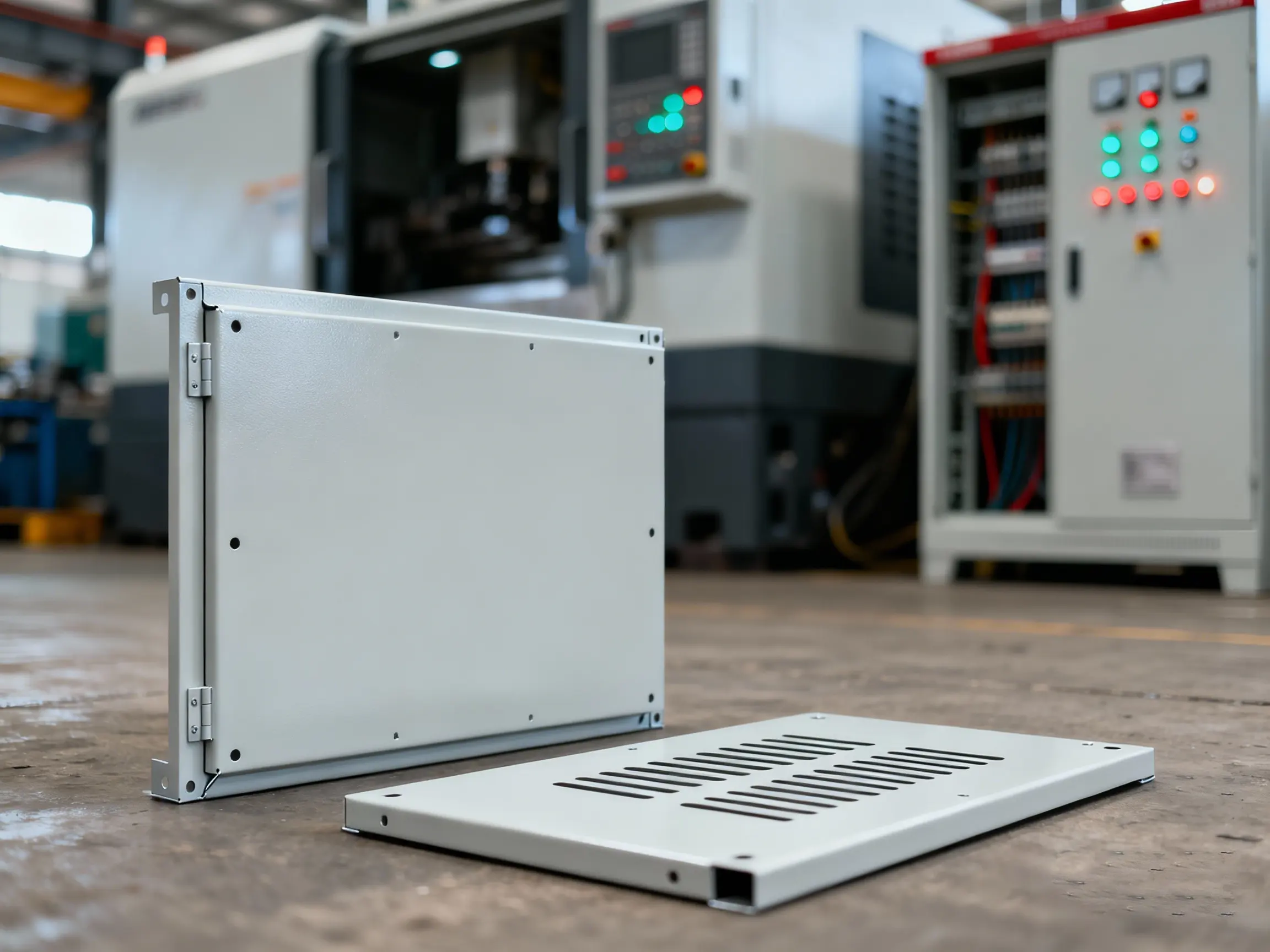
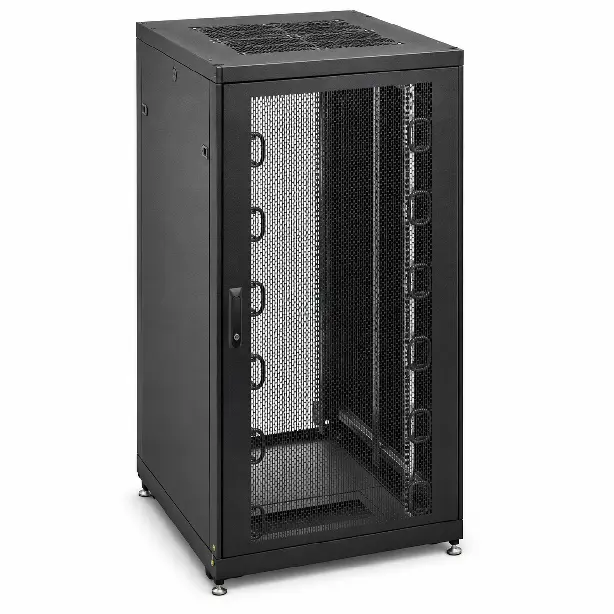
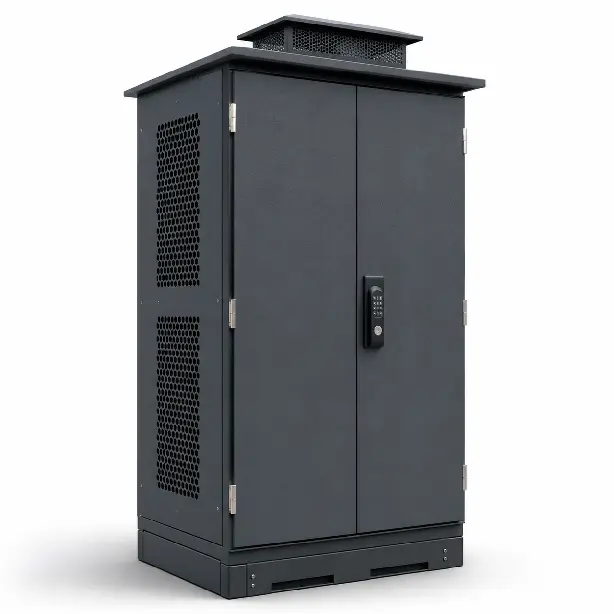
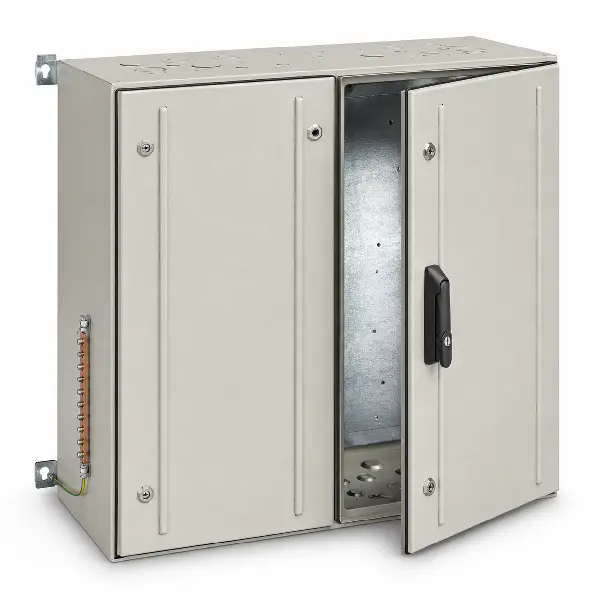
SR MFG provides metal bending services for OEM sheet metal parts used in industrial equipment, cabinets, brackets, frames, enclosures, and structural assemblies. We support both prototype validation and stable batch production across multiple application sectors.



— OUR WORKFLOW —
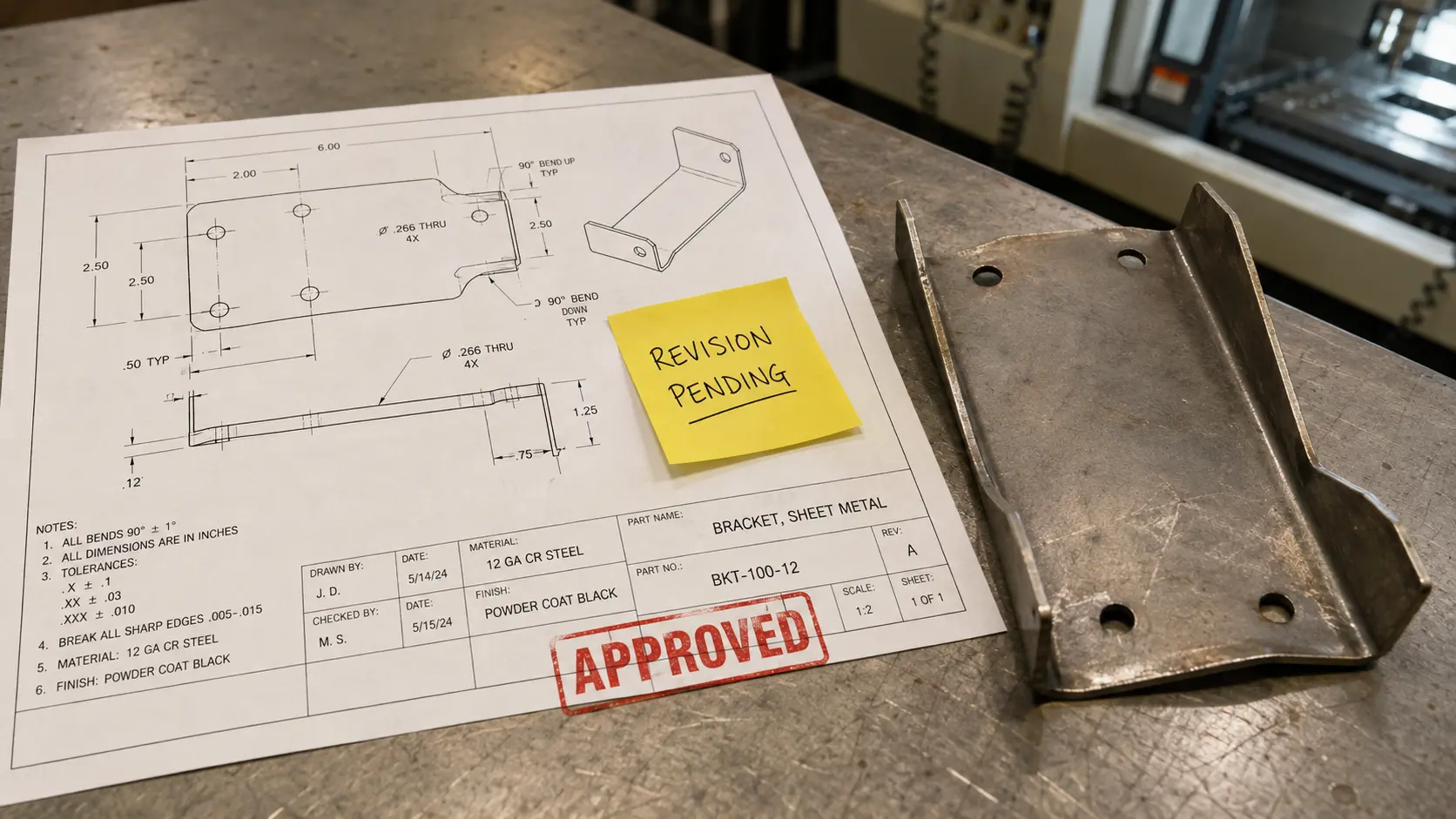
From Drawings to Finished Bent Sheet Metal Parts
- 1
Provide Drawings or Samples
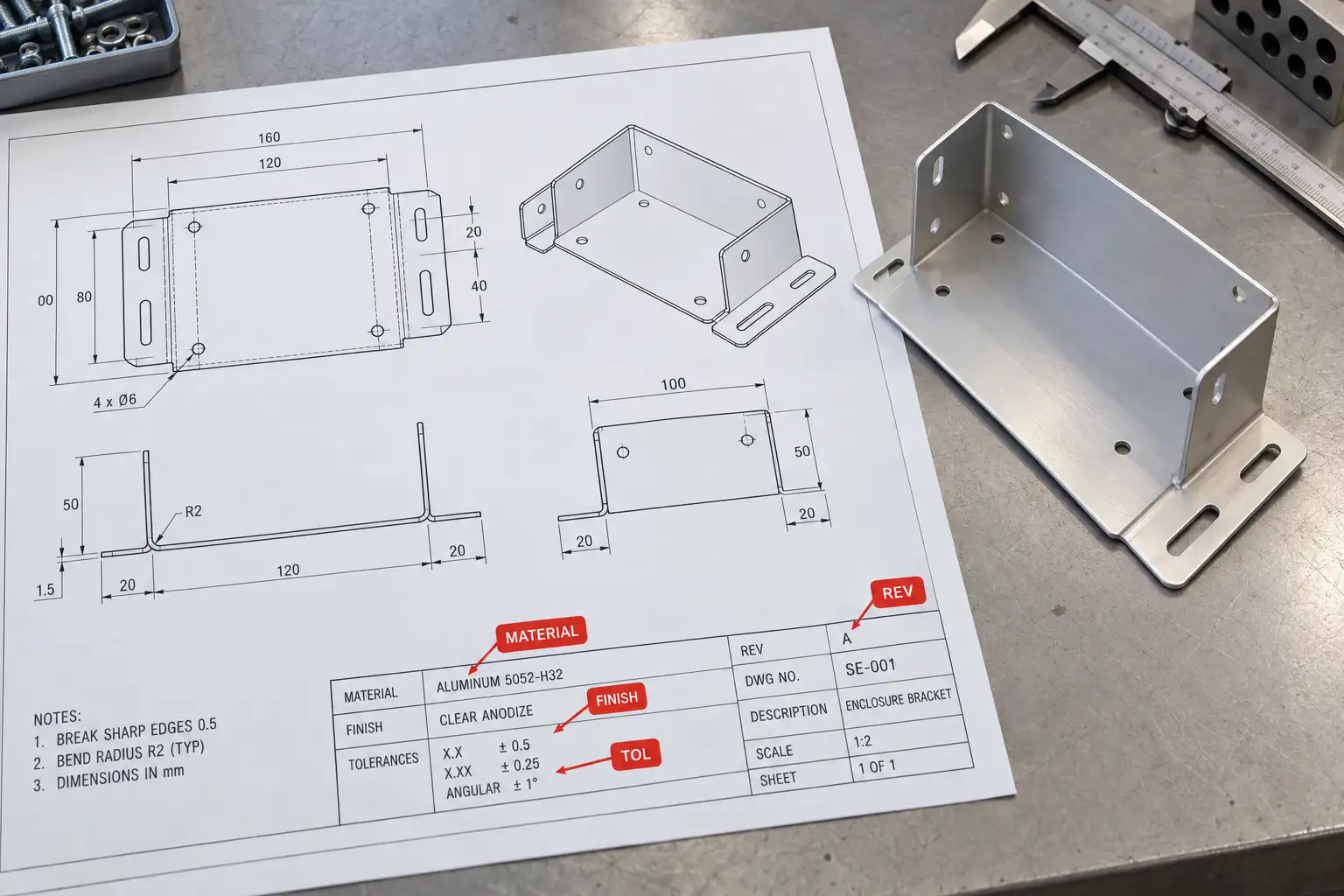
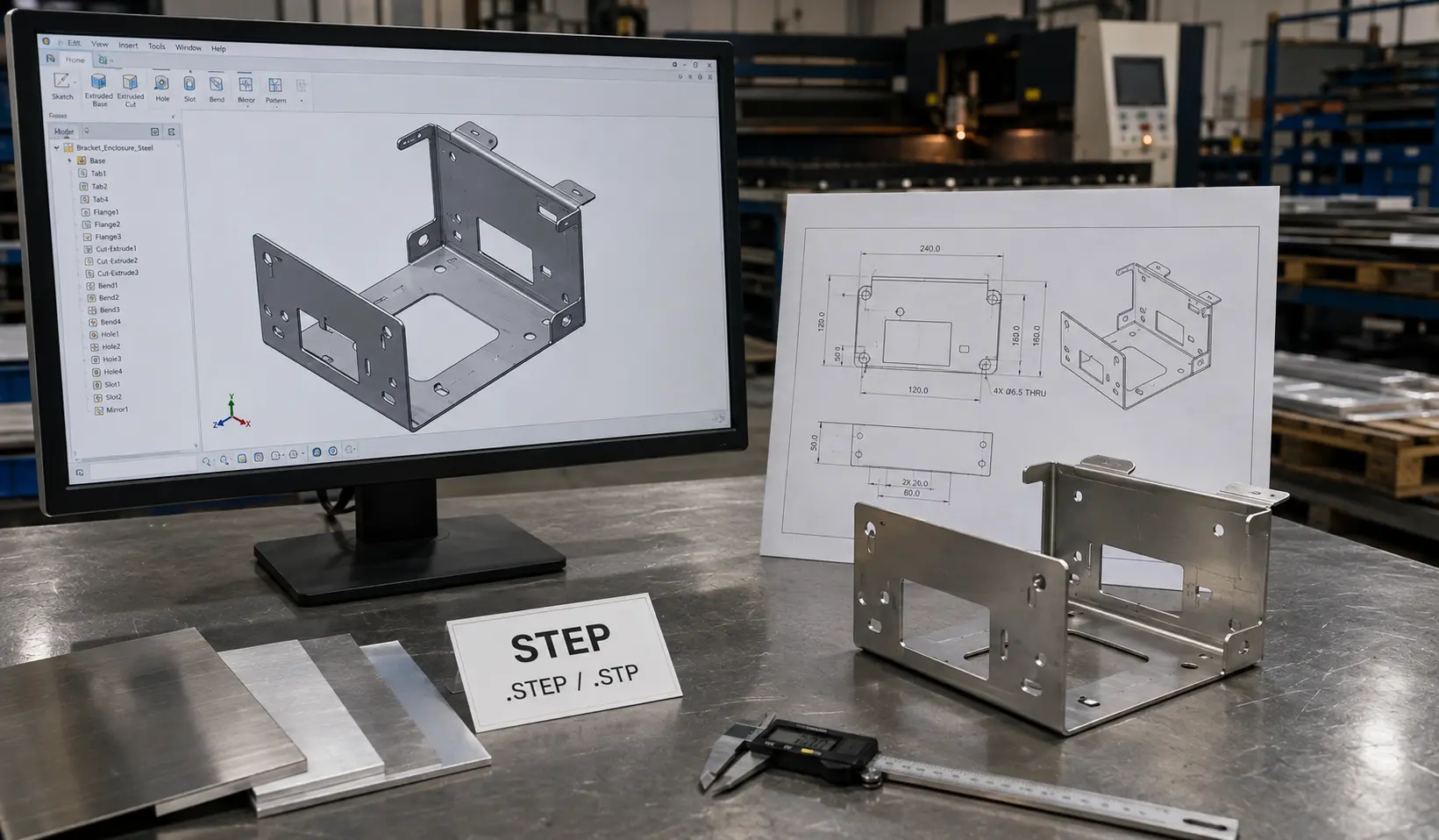
Send your 2D/3D files, such as STEP, DXF, DWG, or PDF, together with quantity, material, surface finish, and target delivery requirements. - 2
Engineering Review & DFM Recommendations
Our engineers review bend radii, hole-to-bend distances, forming feasibility, material selection, and potential risks before production starts. - 3
Quotation & Lead Time Confirmation
We provide a detailed quotation with unit price, tooling cost if required, estimated lead time, and recommended delivery method. - 4
Prototyping & Validation
For new projects, prototype parts can be produced first to verify dimensions, function, assembly fit, and forming stability. - 5
Mass Production & Quality Management
During batch production, we monitor bend angles, key dimensions, compensation settings, and surface quality according to agreed inspection standards. - 6
Finishing, Packaging & Shipment
Optional finishing services include deburring, powder coating, painting, electroplating, and sub-assembly. Finished parts are packed and shipped according to customer requirements.
Design Considerations for Metal Bending
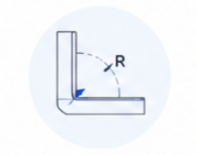
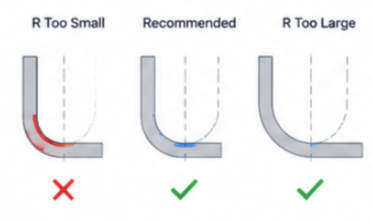
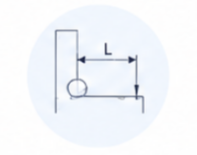
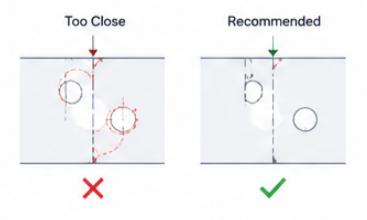
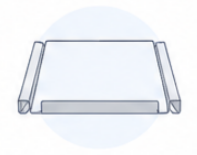
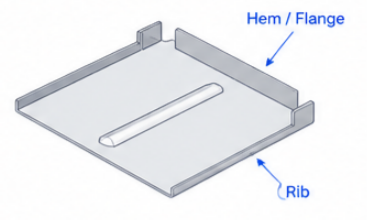
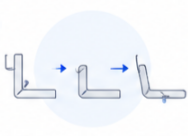
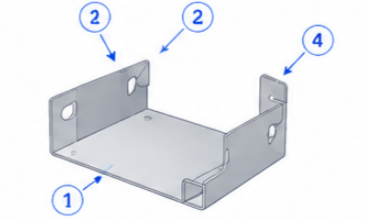
Metal bending affects structural strength, assembly accuracy, and manufacturability. SR MFG reviews bend radius, flange length, hole position, and bend sequence before production to help reduce distortion, cracking, and tooling interference.
-PRICING FACTORS
Pricing for Metal Bending:What Determines the Cost?
Metal bending cost is influenced by material, thickness, part geometry,tolerance requirements, surface finish, and production volume.
Material & Thickness
Thicker or harder materials requirehigher bending force, special tooling,and longer setup time.
Part Geometry & Bending Complexity
Multiple bend directions, short flanges, small radii, and holes near bend lines increase forming difficulty.
Tolerance & Appearance Requirements
Tight angle tolerance, flatness, visible surfaces, and no-scratch requirements add inspection and handling cost.
Batch Size & Repeat Orders
Larger repeat orders can reduce unit cost by spreading programming, setup, and inspection time across more parts.