Partner with Shuangrui to reduce manufacturing costs by 30% and boost efficiency.

Laser Cutting Services OEM2026-05-22T09:48:55+00:00

Custom Laser Cutting Services for OEM Metal Parts

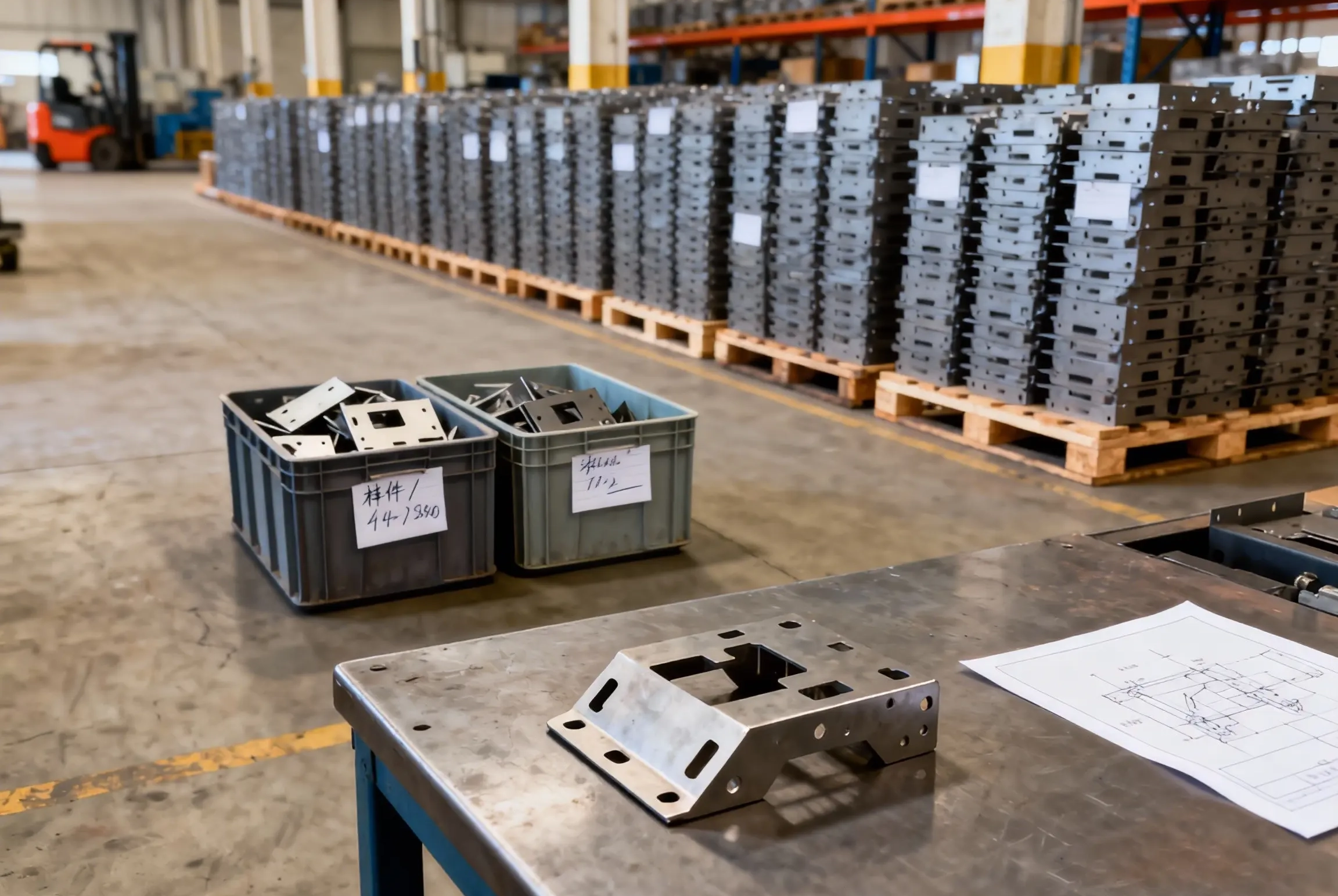
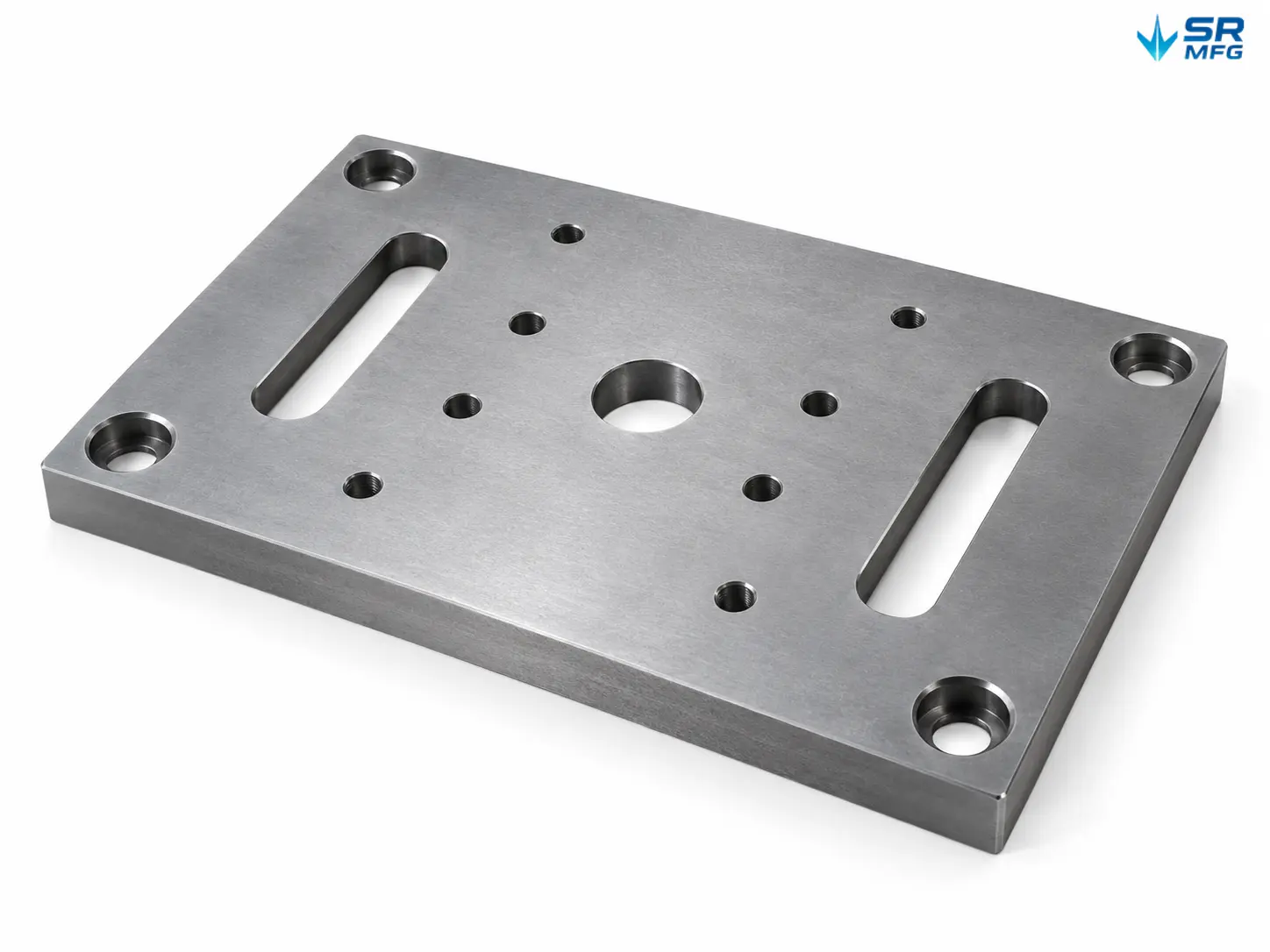
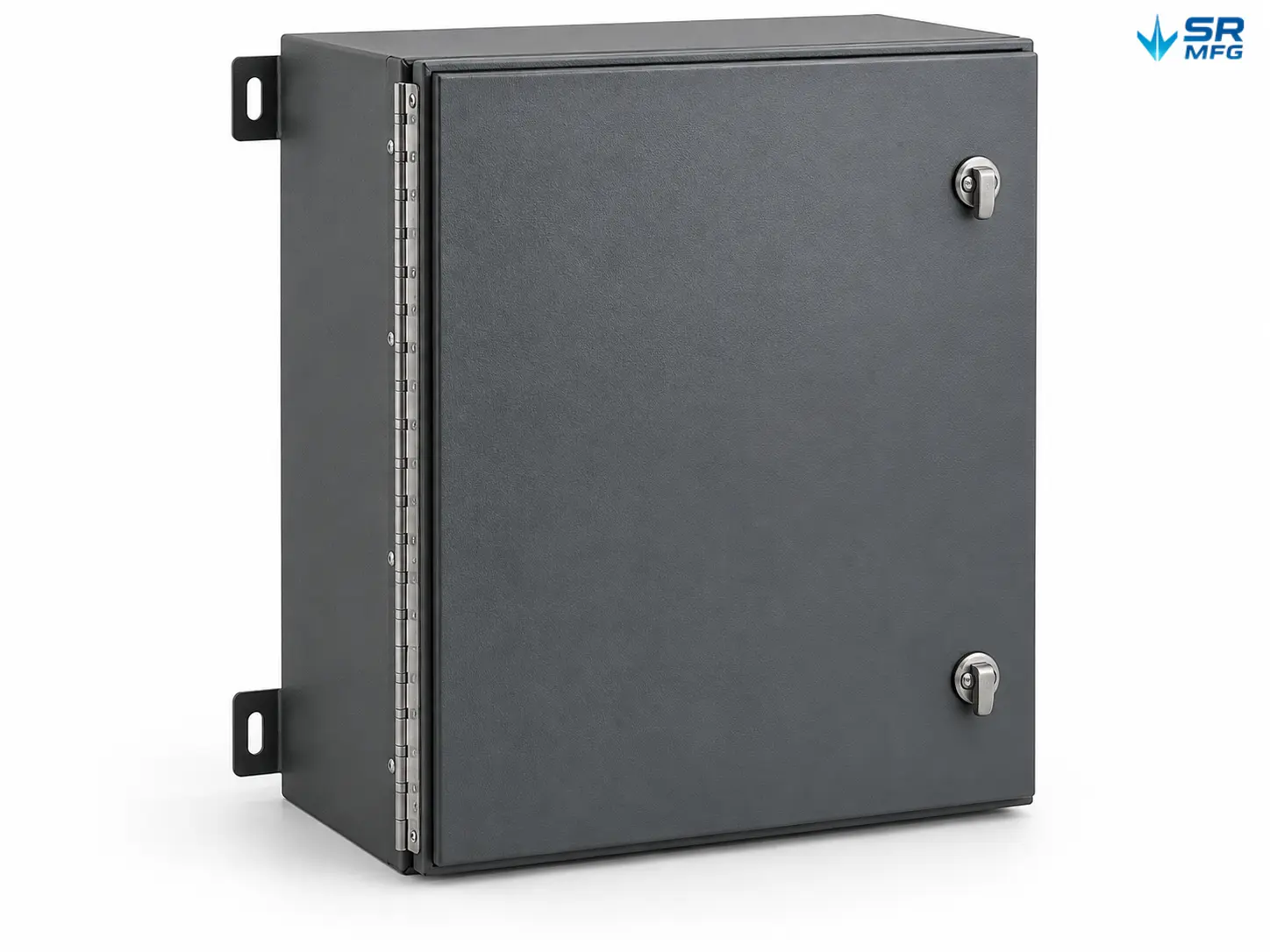
SR MFG provides precision laser cutting for custom sheet metal parts, enclosures, panels, brackets, and frames. We support prototype and batch production with clean edges, tight profiles, and stable repeatability.

±
±0.03 mm
Cutting Accuracy
1500 × 3000 mm
Max Sheet Size
OEM
Prototype & Batch
Production Support

Get a Custom Quote in 12 Hours

Upload your drawings for engineering review.

Blank Form (#4)

Why choose SR MFG for Custom Laser Cutting?

Trusted partner for OEM laser cutting and sheet metal manufacturing programs.

Stainless steel laser cutting parts

High-Precision Cutting

+0.03 mm cutting accuracyfor tight profiles andcomplex shapes.

Stable Cutting Quality

Advanced beam control andreal-time monitoring ensureclean edges and stableHAZ with minimal variation.

Large-Format Capability

1500 x 3000 mm largesheet size supports a widerange of panels, enclosures,and structural parts.

Multi-Material Cutting

Cutting carbon steel, stainlesssteel, aluminum, copper,galvanized sheet and morewith reliable quality.

SR MFG vs. Typical Laser Cutting Suppliers

A practical comparison of cutting capability, precision, capacity, lead time, and one-stop manufacturing support.

Dimension SR MFG Advantage Typical Competitors
Cutting Capability Multi-material cutting with wide thickness range Limited materials or thickness constraints
Precision & Quality Clean edges and stable quality with advanced equipment Precision varies by equipment and operator
Production Capacity Multiple machines support parallel production Limited backup capacity
Lead Time Fast samples and scalable batch production Longer lead time for large orders
One-Stop Manufacturing Cutting, bending, welding, finishing, and assembly Laser cutting only
Quality Assurance ISO-certified process with inspection control Fewer certifications or less structured QC
Cost Efficiency Lower supply-chain risk and better project control Fragmented supply chain and higher failure risk
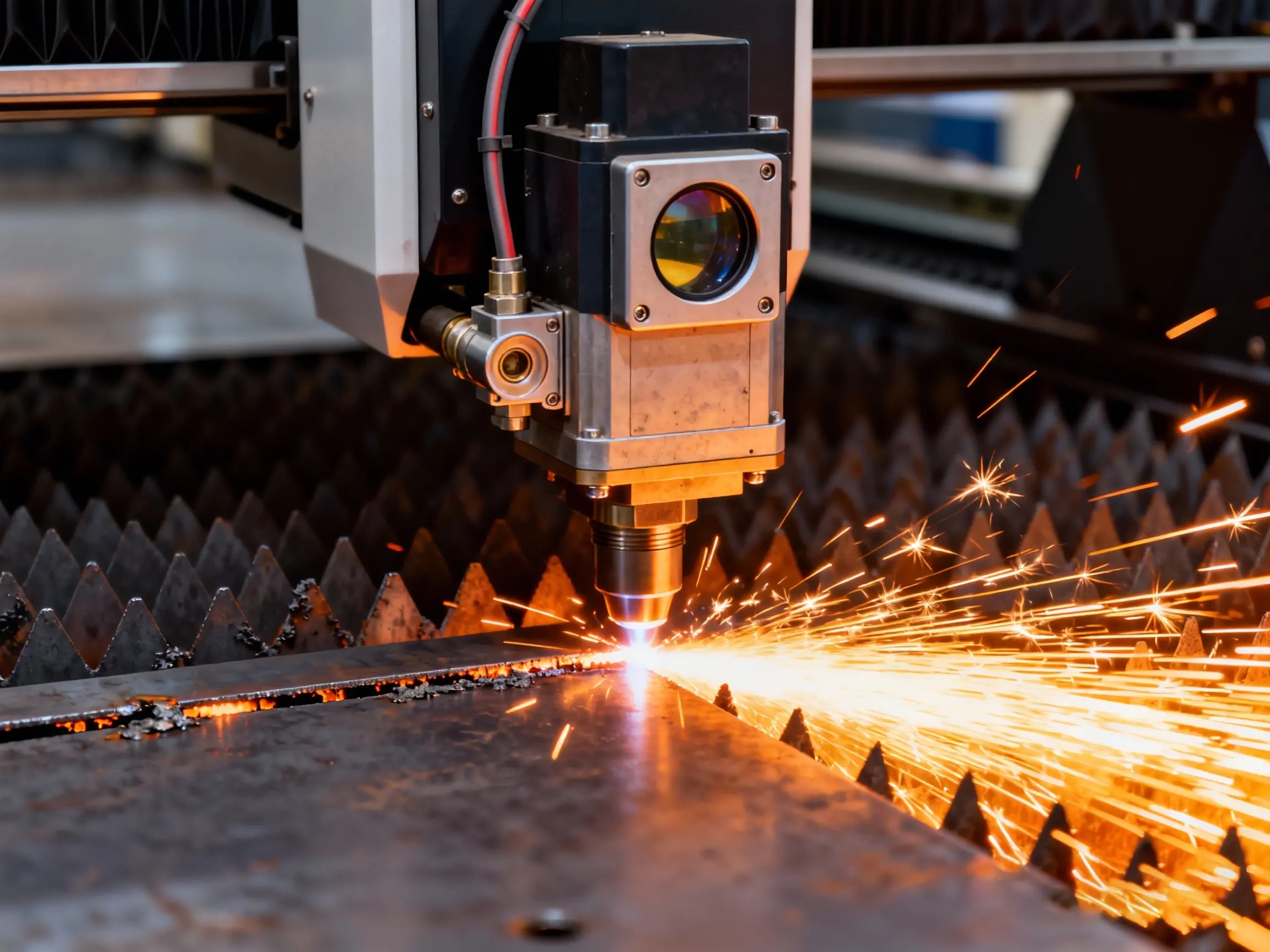
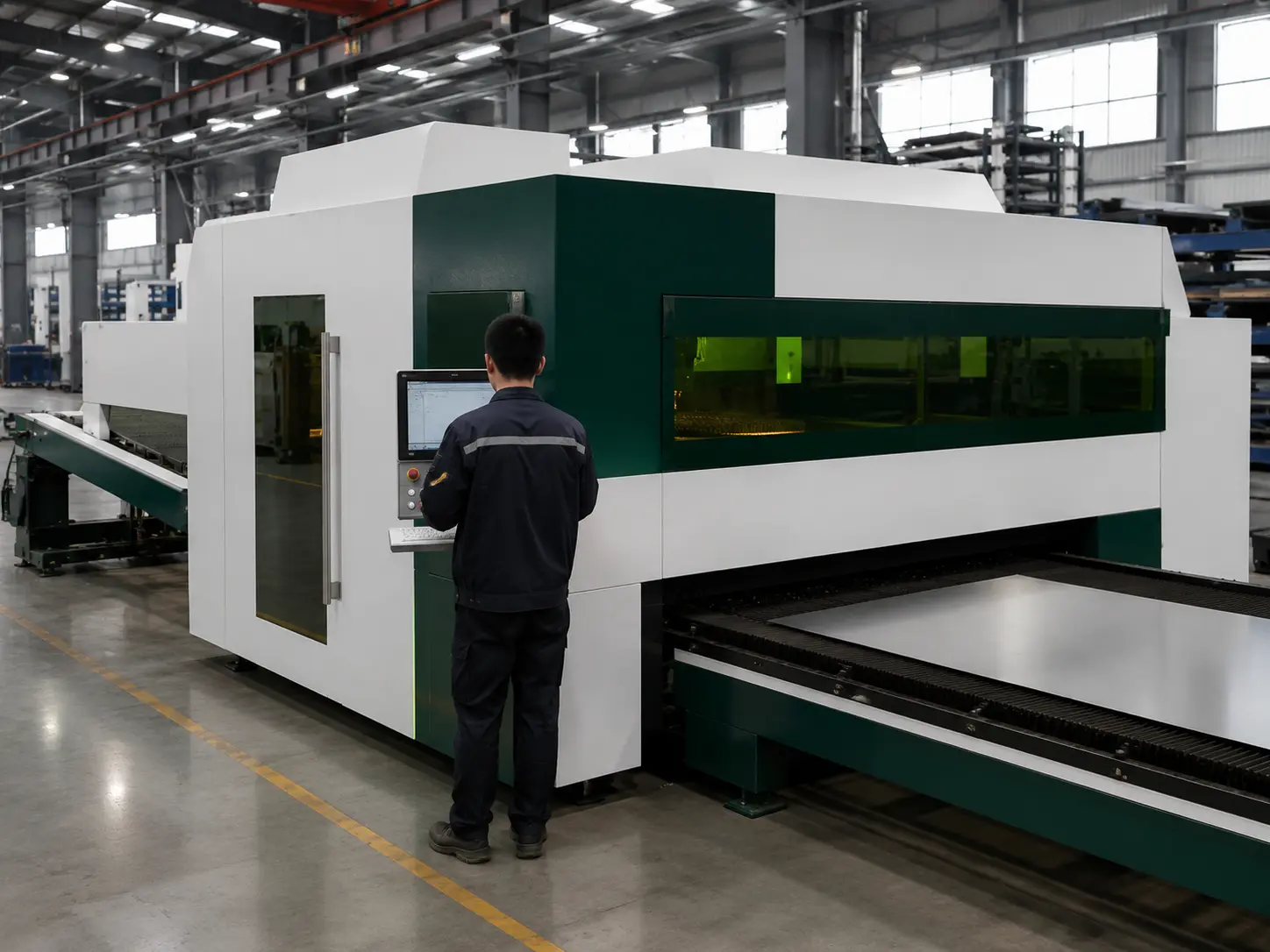
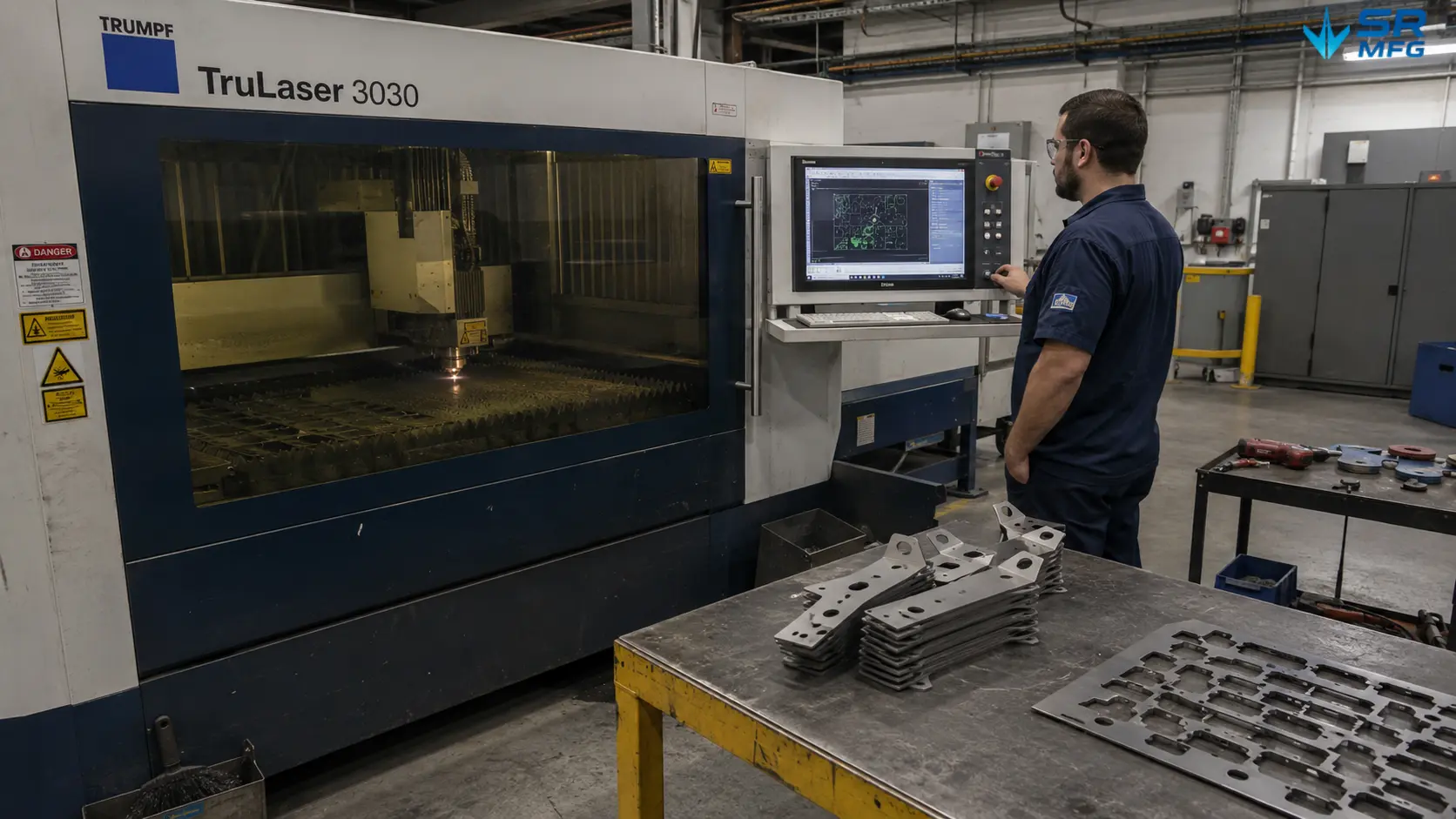
Fiber laser cutting machine cutting steel bracket parts through the protective viewing window, with an operator monitoring the cutting program on the HMI control panel
Capabilities

SR MFG’s Precision Laser Cutting Capabilities

SR MFG provides precision laser cutting for custom sheet metal parts,enclosures, panels, brackets, and frames.

With controlled cutting parameters and automated production equipment,we support both prototype and batch manufacturing with clean edgesand stable repeatability.

Clean Edge Quality

Reduce burrs, deformation, and secondary finishing work.

Complex Profile Cutting

Cut slots, holes, contours, and custom sheet metal profiles.

Reflective Metal Cutting

Support aluminum, copper, brass, and other reflective metals.

Material Utilization Optimization

Improve nesting efficiency and reduce sheet metal waste.

Trusted OEM Partner

Advanced laser cutting equipment, strict process control, and ISO-certified quality managementensure consistent performance and long-term reliability for every project.

SR MFG Laser Cutting Machine Types

CO₂ Laser Cutting Machines

CO₂ Laser Cutting Machines

Although most of the sheet-metal industry has moved to fiber laser cutting, CO₂ systems still play a key role in specific cases—such as parts with large thickness variation, non-metallic sandwich structures, or mixed-material prototypes. Our CO₂ laser cutters handle metals, plastics, and woods on the same platform, delivering smooth edge transitions and fine detailing without forcing you to redesign around special material characteristics.
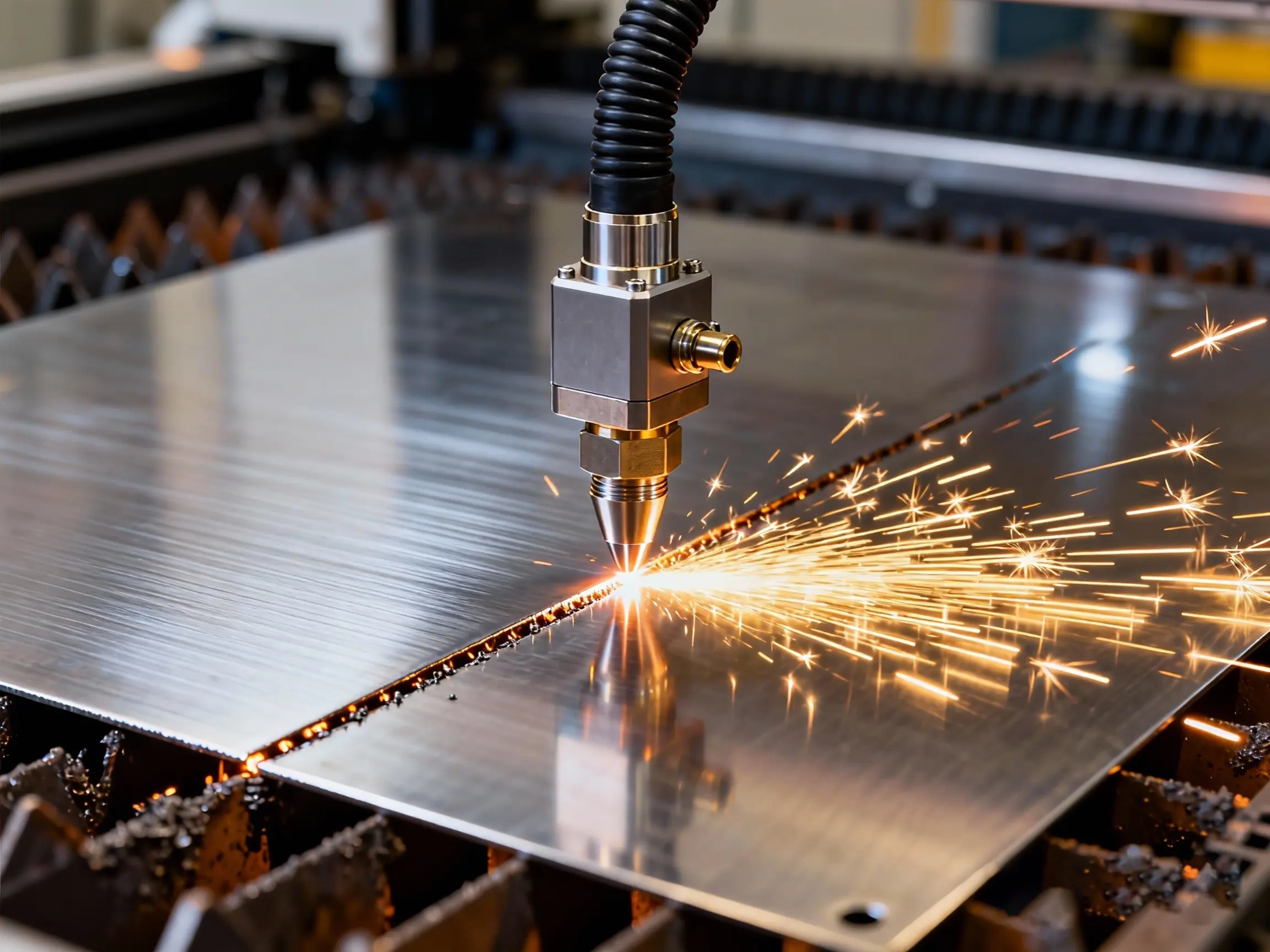
Fiber Laser Cutting Machines

Fiber Laser Cutting Machines

Fiber laser cutters at SR MFG deliver efficient, high-speed cutting for both high-volume and custom metal parts, including reflective materials. With 3–5 kW power and automated loading/unloading and racking, our lines maintain stable speed, repeatable accuracy, and consistent beam quality—even in lights-out or low-personnel operation, where true productivity comes from stability, not power alone.

Our Laser Cutting Equipment

SR MFG uses multiple laser cutting systems to support different sheet metal materials, thicknesses, part sizes, and production volumes.
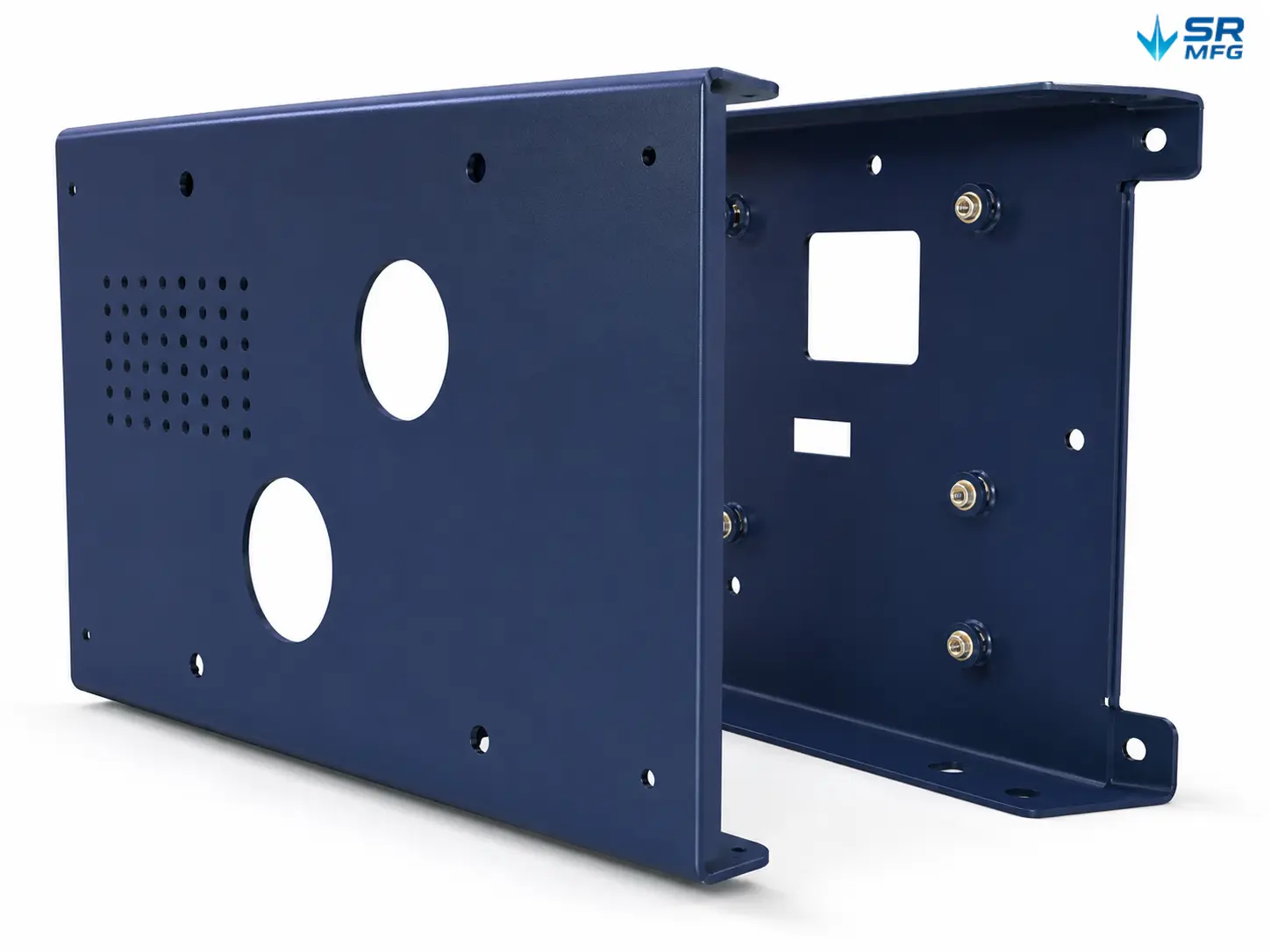
Our Main Laser Cutting Systems
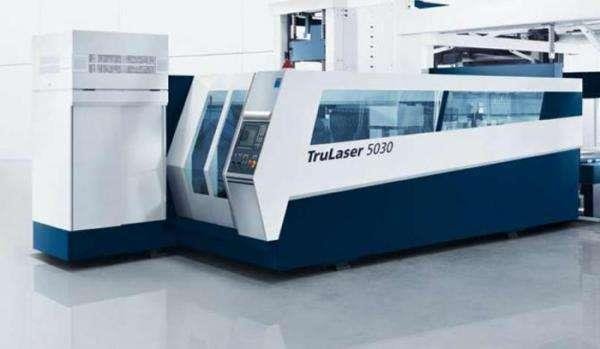
Trumpf TruLaser 5030

Trumpf TruLaser 5030

High-power precision cutting system designed for large-format sheet metal parts and thick-plate applications.

  • Large-format cutting
  • High power stability
  • Structural part support
Trumpf TruLaser 4030

Trumpf TruLaser 4030

Versatile CO₂ laser cutting system for stable edge quality across different materials and thicknesses.

  • CO₂ laser technology
  • Consistent edge quality
  • Mixed-material support
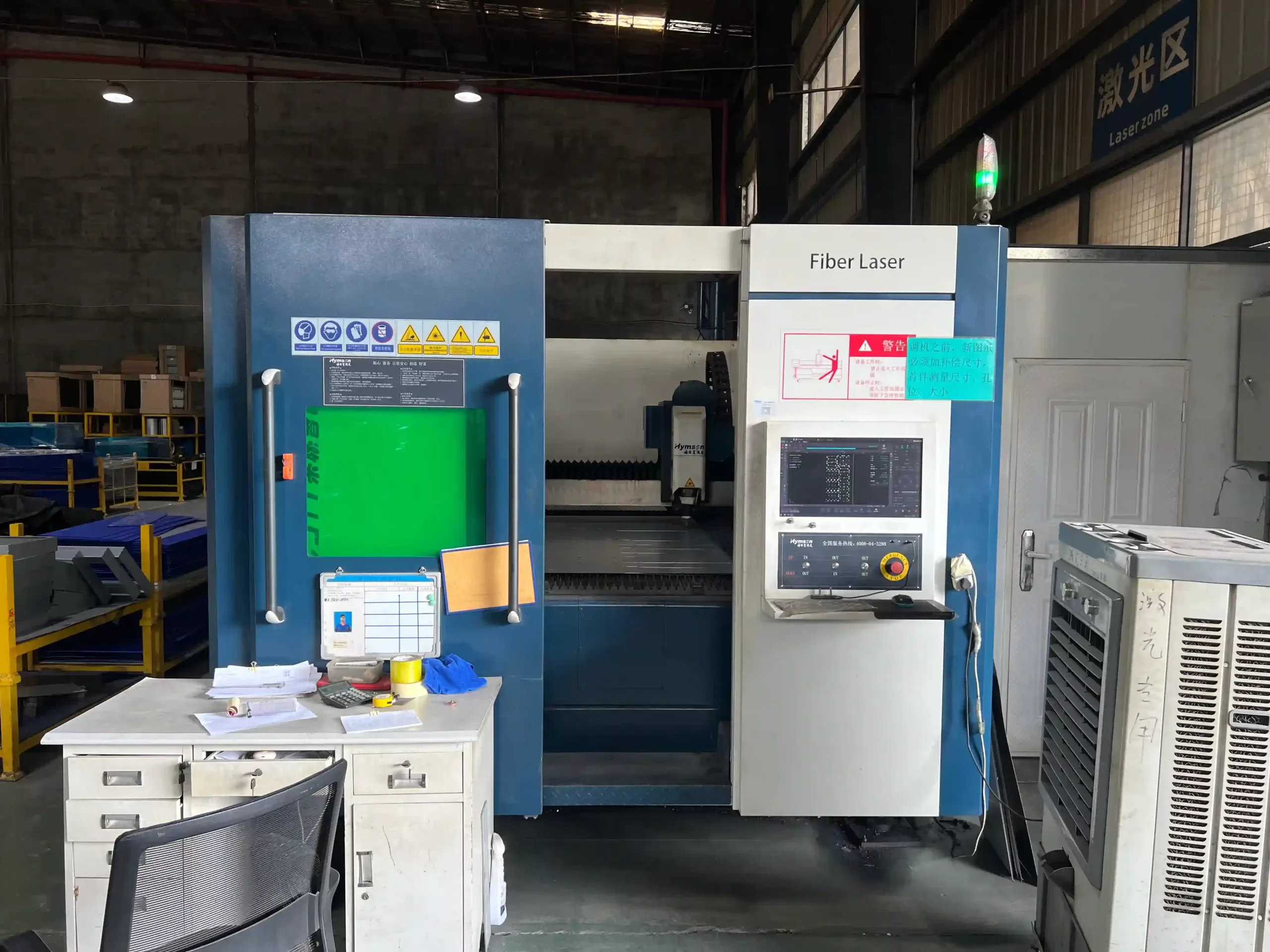
Hymson HF3015B

Hymson HF3015B

Reliable fiber laser cutting system optimized for thin-sheet processing, batch production, and fast delivery.

  • Thin-sheet cutting
  • Cost-effective operation
  • Fast batch turnaround
  • Machine selection depends on material, thickness, tolerance, geometry, and order volume.

Detailed Equipment Specifications

Laser power, worktable size, cutting thickness, accuracy, and loading support.

Equipment Model Laser Type / Power Worktable Max Cutting Thickness Positioning Accuracy Repeatability Auto Loading
Trumpf TruLaser 5030 Fiber Laser / 5 kW 3000 × 1500 mm 25 mm carbon steel / 20 mm stainless steel ±0.03 mm/m ±0.02 mm Supported
Trumpf TruLaser 4030 CO₂ Laser / 4 kW 3000 × 1500 mm 20 mm carbon steel ±0.03 mm/m ±0.02 mm Supported
Hymson HF3015B Fiber Laser / 3 kW 3000 × 1500 mm 20 mm carbon steel ±0.03 mm/m ±0.02 mm Supported

Production Capacity Benchmark

Internal capacity reference based on continuous production conditions.

Reference condition: 6 mm carbon steel · Continuous 24-hour, 3-shift operation.
Equipment Model Cutting Speed Utilization Rate Daily Output
(Theoretical Cutting Length)
Typical Part Qty
(per day, based on 1m × 1m sheet parts)
TruLaser 5030 30 m/min 85% 36,720 m ~3,600 parts
TruLaser 4030 15 m/min 85% 18,360 m ~1,800 parts
HF3015B 25 m/min 85% 30,600 m ~3,000 parts
Total daily capacity: over 9,000 thin-sheet parts/day. Actual output depends on part complexity, material thickness, nesting efficiency, material changeover, and machine warm-up or maintenance.

Accuracy, Tolerance & Repeatability

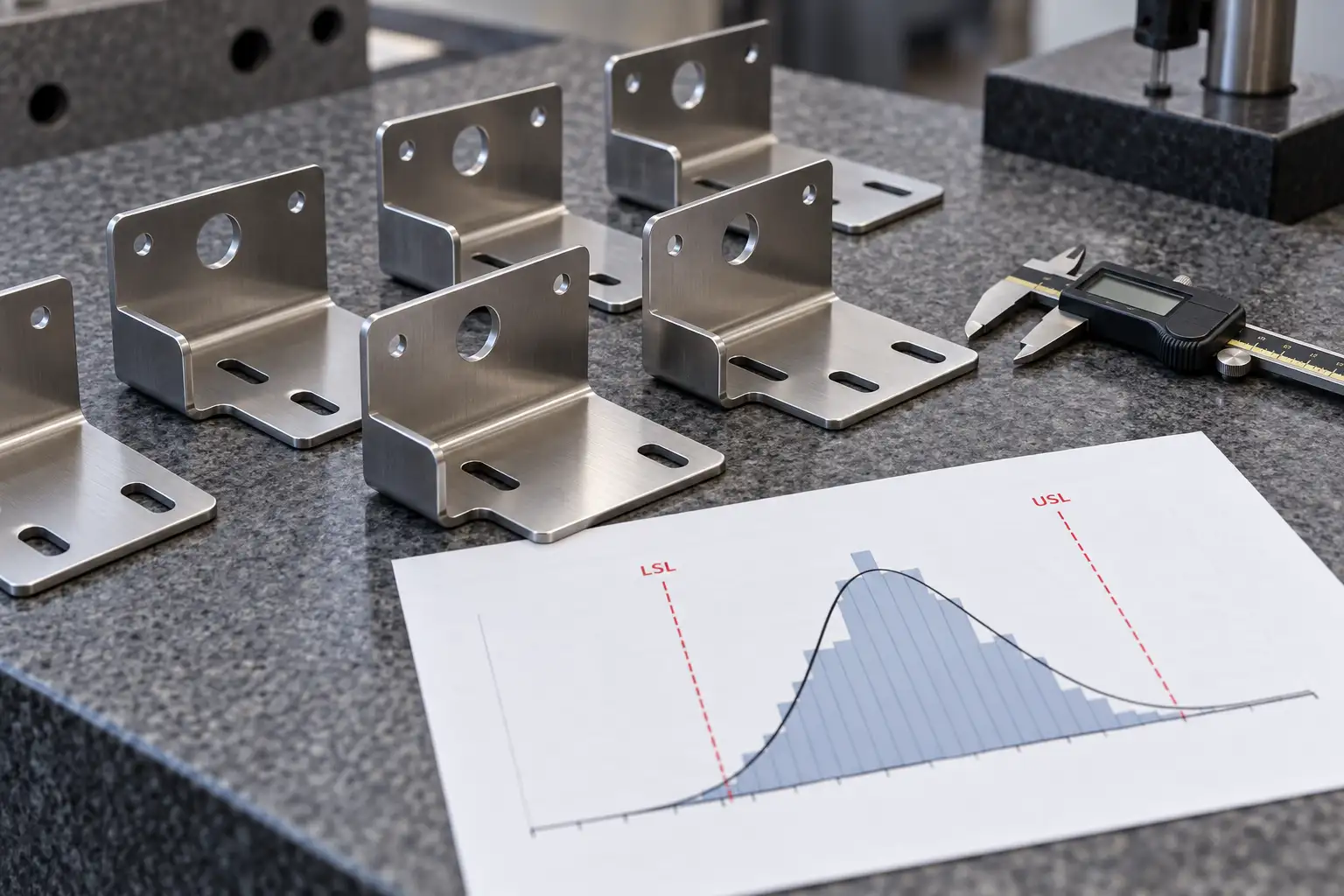
SR MFG focuses on stable,consistent quality in mass production. Our laser cutting process ensures
tight tolerances, smooth edges, and excellent repeatability from prototype to large-scale production.

+0.10 mm

Mass Production Tolerance
Consistent tolerance for mostsheet metal parts.

+0.03 mm/m

Positioning AccuracyHigh positioning precision ensuresexcellent dimensional control.

IT8-IT10

Typical Tolerance Grade
Meets IT8-IT10 standard formost production parts.

Standard Tolerances for Laser-Cut Metal

View reference tolerance ranges by machine type, thickness, accuracy, roughness, and tolerance grade.

Machine Model Material Thickness Linear Dimensional Tolerance Angular Tolerance
(per 100 mm)
Hole Position Tolerance
(Hole Diameter ≤ 50 mm)
Surface Roughness Ra
(μm)
Tolerance Grade
TRUMPF 5030
(Fiber Laser)
≤ 3 mm ±0.05 mm ±0.1° ±0.05 mm 1.6–3.2 IT8
3–6 mm ±0.10 mm ±0.1° ±0.10 mm 1.6–3.2 IT9
6–12 mm ±0.15 mm ±0.1° ±0.10 mm 3.2–6.3 IT9
12–20 mm ±0.20 mm ±0.2° ±0.15 mm 3.2–6.3 IT10
> 20 mm ±0.30 mm ±0.2° ±0.15 mm 6.3–12.5 IT10
TRUMPF 4030
(CO₂ Laser)
≤ 3 mm ±0.08 mm ±0.1° ±0.08 mm 3.2–6.3 IT8
3–6 mm ±0.15 mm ±0.1° ±0.12 mm 3.2–6.3 IT9
6–12 mm ±0.20 mm ±0.2° ±0.15 mm 6.3–12.5 IT9
12–20 mm ±0.25 mm ±0.2° ±0.20 mm 6.3–12.5 IT10
> 20 mm ±0.35 mm ±0.3° ±0.20 mm 12.5–25 IT10
Hymson HF3015B
(Fiber Laser)
≤ 3 mm ±0.06 mm ±0.1° ±0.06 mm 1.6–3.2 IT8
3–6 mm ±0.12 mm ±0.1° ±0.10 mm 1.6–3.2 IT9
6–12 mm ±0.18 mm ±0.2° ±0.12 mm 3.2–6.3 IT9
Note: For conventional steel and aluminum thin-sheet parts, SR MFG can typically maintain mass-production tolerance around ±0.1 mm. Final tolerances depend on material, thickness, part geometry, contour complexity, and inspection requirements.

Small Holes & Complex Contours

For small holes, sharp corners, narrow slots, and complex contours, SR MFG adjusts piercing strategy, beam mode, and cutting path to maintain stable edge quality and dimensional accuracy.

  • Optimized initial piercing strategy
  • Beam mode adjustment for fine features
  • Step-cutting for complex contours
  • Micro-joints added when needed for stability
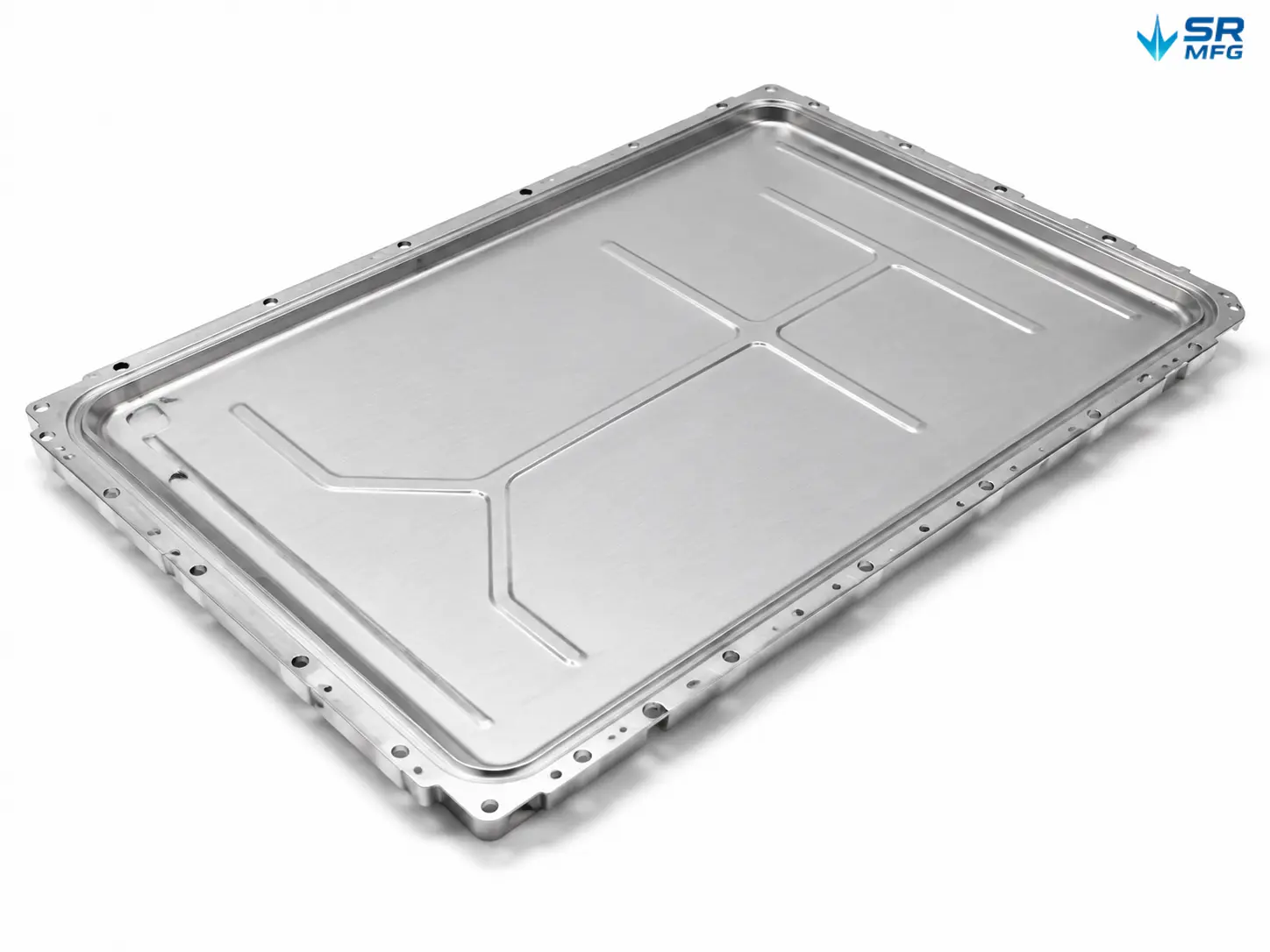
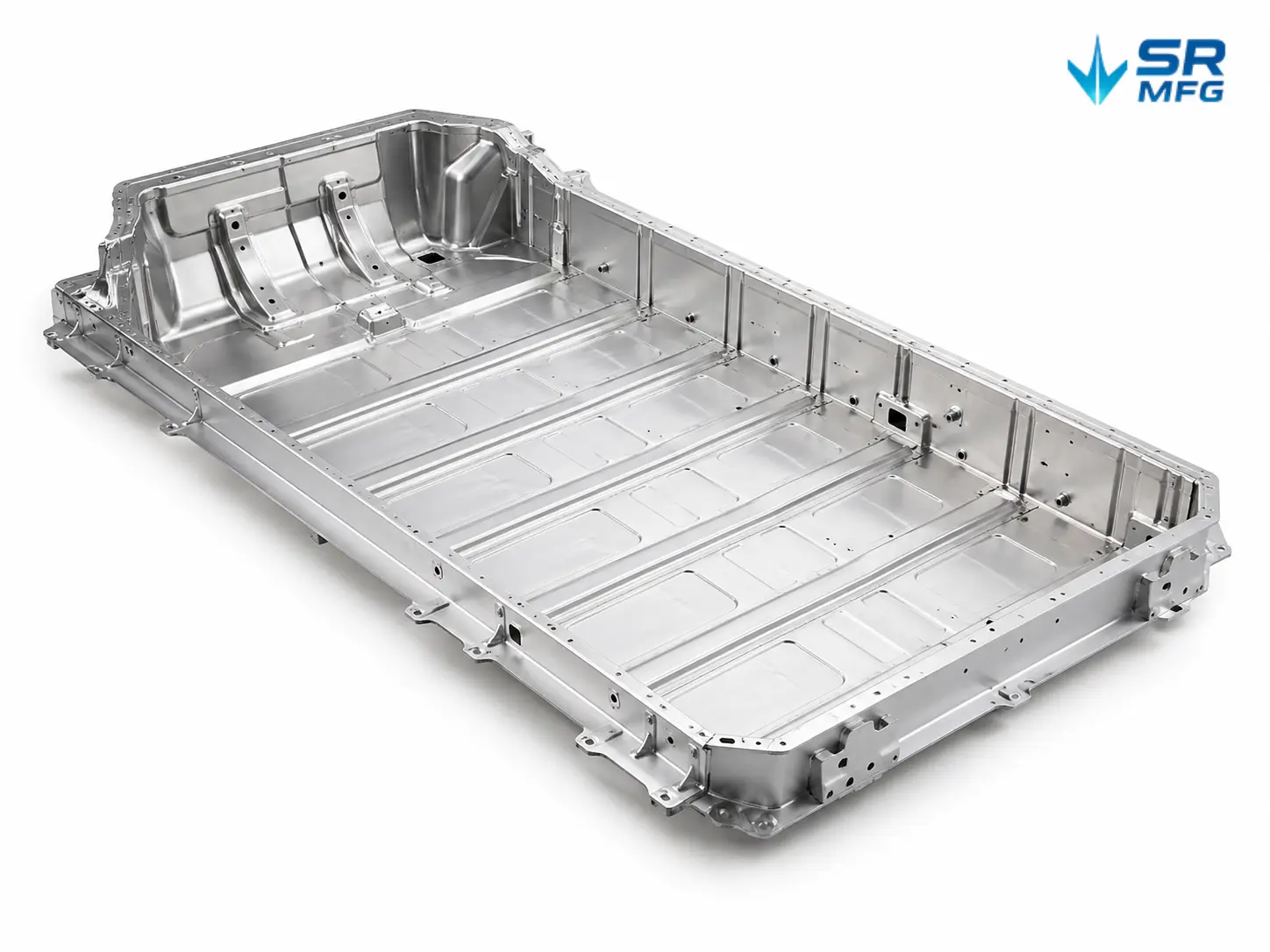
Result: Complex parts such as electronic housings, brackets, and battery trays can remain stable from prototype samples to repeat production batches.

HAZ & Edge Quality Control

Edge quality affects later bending, welding, coating adhesion, and assembly. SR MFG controls heat input, assist gas pressure, and cutting paths to reduce burrs, overheating, and deformation.

  • Low-heat input path optimization
  • Assist gas pressure control
  • Segmented toolpaths to avoid localized overheating
  • Edge condition review before bending or finishing
Result: Parts are closer to a “ready for next process” condition, reducing heavy rework and improving overall laser cutting quality.

Repeatability & Batch Consistency

For batch production, the key challenge is not only making one accurate part, but keeping dimensions consistent across different shifts, machines, and repeat orders.

  • Standardized cutting parameters
  • Consistent sheet clamping method
  • Unified toolpath offset settings
  • Nozzle and head wear monitoring across batches
Result: Centralized process parameters help maintain dimensional consistency from prototype validation to large-volume production.
  • For special requirements or tighter tolerances, contact our engineering team. We willreview feasibility and provide the best solution

From Prototype to Mass Production

SR MFG supports laser-cut sheet metal projects from rapid samples to repeat batch production.
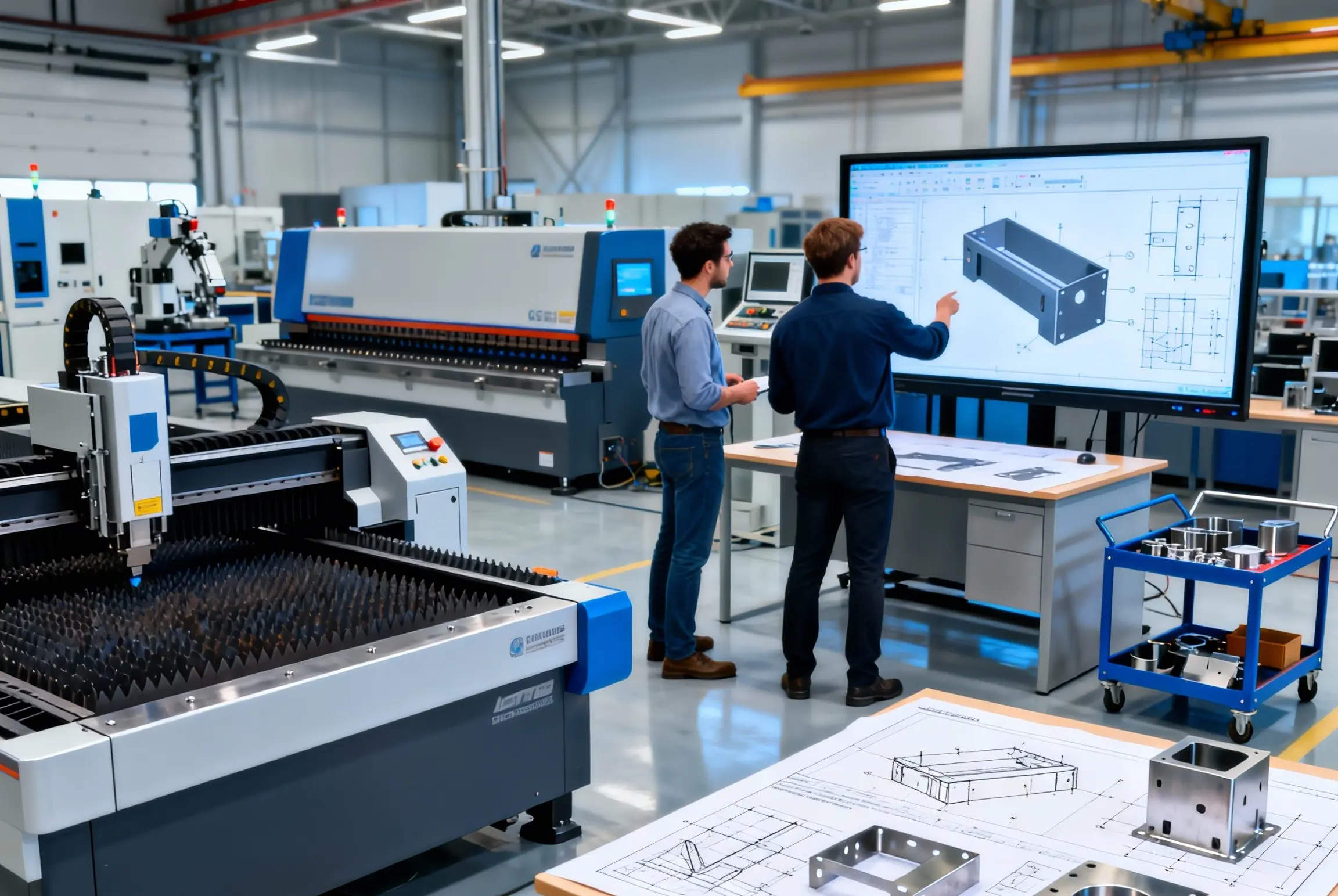
Prototype Rapid Sample Lead Time

Prototype Samples

Rapid samples for fit, function, anddesign validation.

  • 3-7 day sample lead time

  • DFM review and program setup

  • Sample validation and quick feedback

Mass-Production Capability

Small & Medium Batch

Flexible batch production forvalidated sheet metal parts.

  • 100-5,000 pcs typical range

  • Standard process parameters

  • Controlled inspection and fast changeover

SR MFG's production volume range for laser-cut parts 1 piece →100,000+ pieces

Mass Production

Repeatable production with controlled quality and delivery.

  • 5,000-100,000+ pcs capability

  • Multi-machine capacity

  • Sample validation and quick feedback

Common Laser Cutting Materials & Grades

SR MFG supports stable, mass-production-ready laser cutting for commonly used sheet metal materials. If you are not sure which grade is suitable, our team can recommend the right material based on thickness, performance, and application requirements.

Carbon Steel and Low Alloy Steel

Batch cutting thickness: 3–20 mm

Maximum cutting thickness: 22 mm
Assist gas: Oxygen
Typical applications: Building structural parts, equipment bases

View Q235/B carbon steel guide →

Batch cutting thickness: 3–18 mm

Maximum cutting thickness: 20 mm
Assist gas: Oxygen
Typical applications: Bridge brackets, factory machinery components

View Q355D low-alloy steel guide →

Batch cutting thickness: 2–15 mm

Maximum cutting thickness: 18 mm
Assist gas: Oxygen
Typical applications: Drive shafts, gear blanks

Batch cutting thickness: 0.5–12 mm

Maximum cutting thickness: 15 mm
Assist gas: Oxygen
Typical applications: Precision electronic housings, automotive parts

View SPCC cold-rolled steel guide →

Batch cutting thickness: 0.5–10 mm

Maximum cutting thickness: 12 mm
Assist gas: Air
Typical applications: Precision electronic housings, cabinets, home appliance casings

View SGCC galvanized steel guide →

Stainless Steel

Batch cutting thickness: 1–15 mm

Maximum cutting thickness: 18 mm
Assist gas: Nitrogen
Typical applications: Medical equipment, food machinery

View 304 stainless steel guide →


Batch cutting thickness: 1–12 mm

Maximum cutting thickness: 15 mm
Assist gas: Nitrogen
Typical applications: Marine engineering, chemical containers

View 316L stainless steel guide →

Batch cutting thickness: 1–18 mm

Maximum cutting thickness: 20 mm
Assist gas: Air
Typical applications: Decorative parts, home appliance panels

View 430 stainless steel guide →

Batch cutting thickness: 1–10 mm

Maximum cutting thickness: 12 mm
Assist gas: Nitrogen
Typical applications: Blades, valve cores

Aluminum and Aluminum Alloys

Batch cutting thickness: 1–8 mm

Maximum cutting thickness: 10 mm
Assist gas: Nitrogen
Typical applications: Fuel tanks, marine accessories

View 5052-H32 aluminum guide →

Batch cutting thickness: 1–6 mm

Maximum cutting thickness: 8 mm
Assist gas: Nitrogen
Typical applications: Mechanical frames, electronic heat dissipation parts

View 6061-T6 aluminum guide →

Batch cutting thickness: 0.5–5 mm

Maximum cutting thickness: 6 mm
Assist gas: Nitrogen
Typical applications: Appearance parts, electrical components, conductive parts

View 1060 pure aluminum guide →

Batch cutting thickness: 1–4 mm

Maximum cutting thickness: 5 mm
Assist gas: Nitrogen
Typical applications: Aerospace structural parts, drone structural components, high-strength supports

View 7075-T6 aluminum guide →

Other Special Materials

Batch cutting thickness: 1–5 mm

Maximum cutting thickness: 6 mm
Assist gas: Nitrogen
Typical applications: Electrical connectors, bathroom hardware

View H62 brass guide →

Batch cutting thickness: 1–4 mm

Maximum cutting thickness: 5 mm
Assist gas: Nitrogen
Typical applications: Busbars, heat sinks

View T2 copper guide →

Batch cutting thickness: 1–8 mm

Maximum cutting thickness: 10 mm
Assist gas: Argon
Typical applications: Structural components, connectors, frames, aircraft load-bearing parts, medical implants

View TC4 titanium alloy guide →

  • Material Compatibility Notes

To ensure consistent cutting quality and stable mass production, we use a simple compatibility guide based on tested thickness ranges for each material on our 3–5 kW fiber and CO₂ laser systems.

  • For best results, keep designs within the recommended batch-production thickness range; performance may decrease near the maximum thickness limit.
  • If your parts include small holes, sharp corners, long narrow slots or other high-difficulty features, please let us know in advance.
  • Different materials and any post-processing (bending, welding, painting, etc.) require specific process windows—share complete drawings so we can run a DFM review and set up the right workflow.

How We Control Laser Cutting Accuracy

At SR MFG, “accuracy” is a complete system of parameters, actions, and inspections—not just a nice-looking part in a single run. Our goal is to keep cutting quality stable across different times and batches.

Process Parameter Control

Laser power, cutting speed, focus position, andpiercing parameters are automatically adjustedbased on material type and thickness.

  • Material & thickness specific process window

  • Real-time monitoring and auto compensation

  • Stable cutting quality across different batches

Assist Gas Selection

Appropriate assist gas (N2 / O2/ Air) is selectedaccording to material and surface requirementsto balance edge quality and production efficiency.

  • N₂ for clean edges and oxidation-free surfaces

  • O₂ for carbon steel: faster cutting, better efficiency

  • Air for cost-effective cutting on suitable materials

Kerf & Edge Quality Control

We control kerf width, edge flatness, burr height, and heat-affected zone to ensure parts are ready for bending, welding, and assembly.

  • Typical kerf width: 0.08–0.15 mm (varies by material)

  • Low burr, smooth edge, minimal dross

  • Consistent results for tight-tolerance parts

In-Process Inspection

Key dimensions and critical features are inspected during production to catch issues early and keep quality consistent.

  • Dimensional checks (holes, slots, profiles)

  • Edge quality and burr inspection

  • First-piece & random sampling throughout the run

Laser Cutting Quality Assurance Workflow

To ensure each batch meets the same high standard, SR MFG breaks laser cutting quality control into multiple stages, with traceable data points at each phase, ensuring consistent laser cutting precision and repeatable quality. This ensures that every laser-cut part, from the first to the last, remains consistent.
DFM Review Before Laser Cutting

We don’t just “cut to print.” SR MFG works with you from CAD data to mass production, using DFM and engineering support to reduce redesigns, stabilize quality, and keep costs under control.

CO₂ Laser Cutting Machines

Upfront DFM Review
We review every CAD file for manufacturability, catching issues in holes, slots, ribs, and bend areas before the first sheet is cut.

01.Design Review

Check material, thickness, holes, slots, bend areas, and tolerance risks.

02.Prototype Validation

Use samples to verify fit, function, and process parameters before batch production.

03.Risk Control

Identify warping, burrs, tolerance stack-up, and edge-quality risks early.
Traceability

Traceability, Certification & Compliance

Laser-cut parts not only need to meet dimensional requirements but must also form a closed-loop system in terms of material origin, process records, and export compliance. This capability is often not shown directly, but it determines the stability of the supply chain—especially in highly consistency-driven industries such as new energy, data centers, electrical control cabinets, industrial computers, medical equipment, and telecommunications.

The following sections describe our structured approach to traceability and compliance systems.

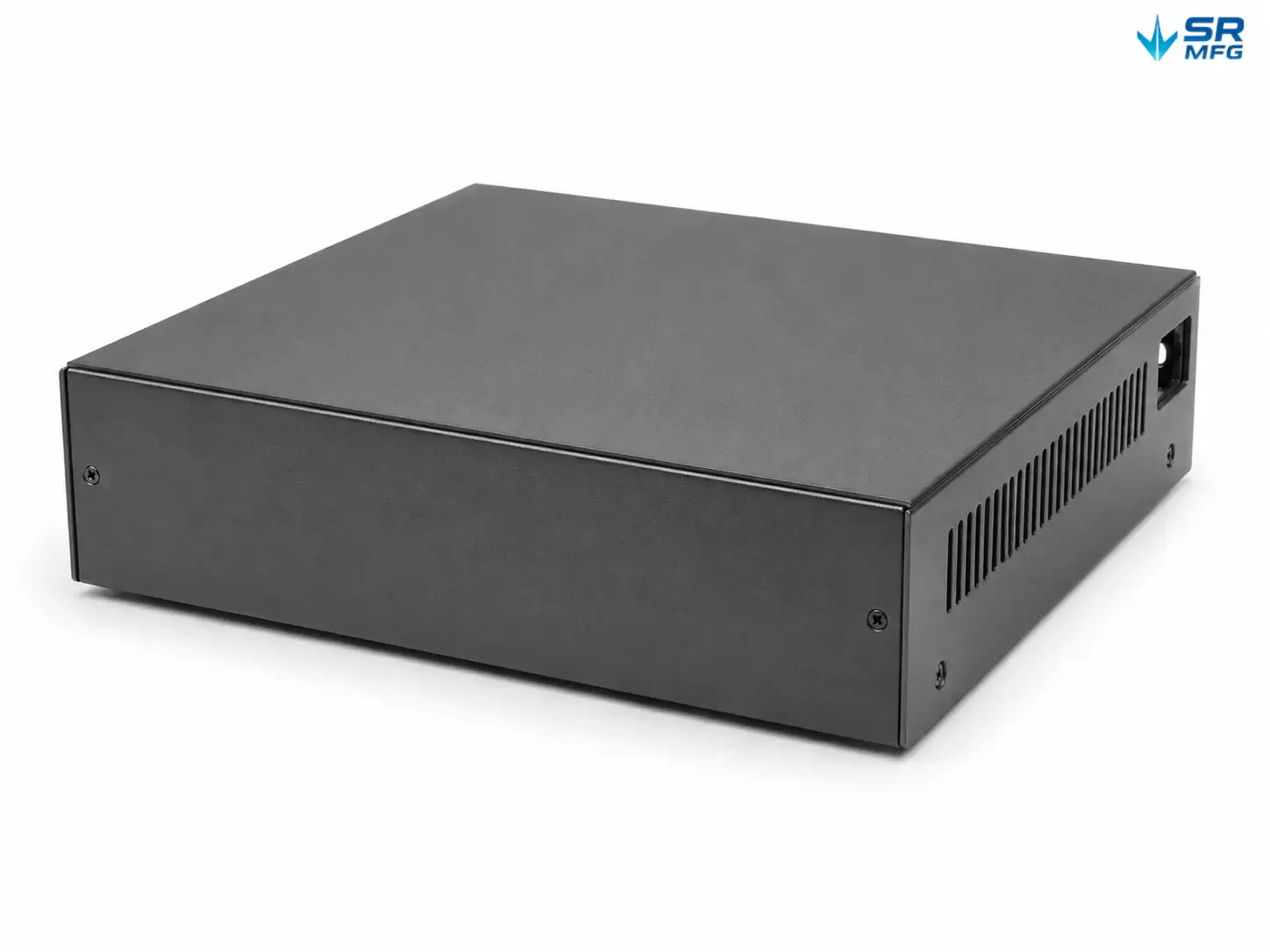
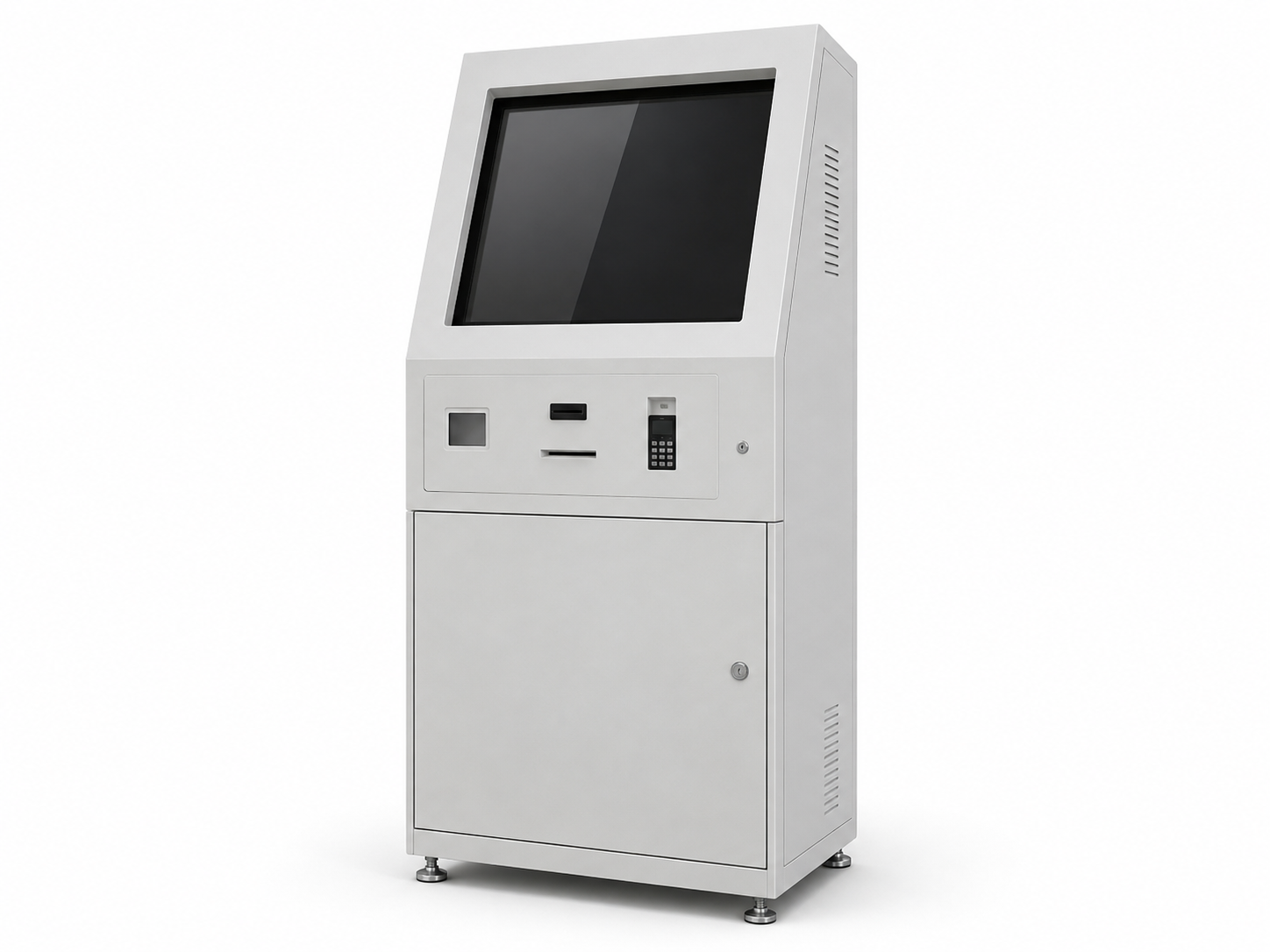
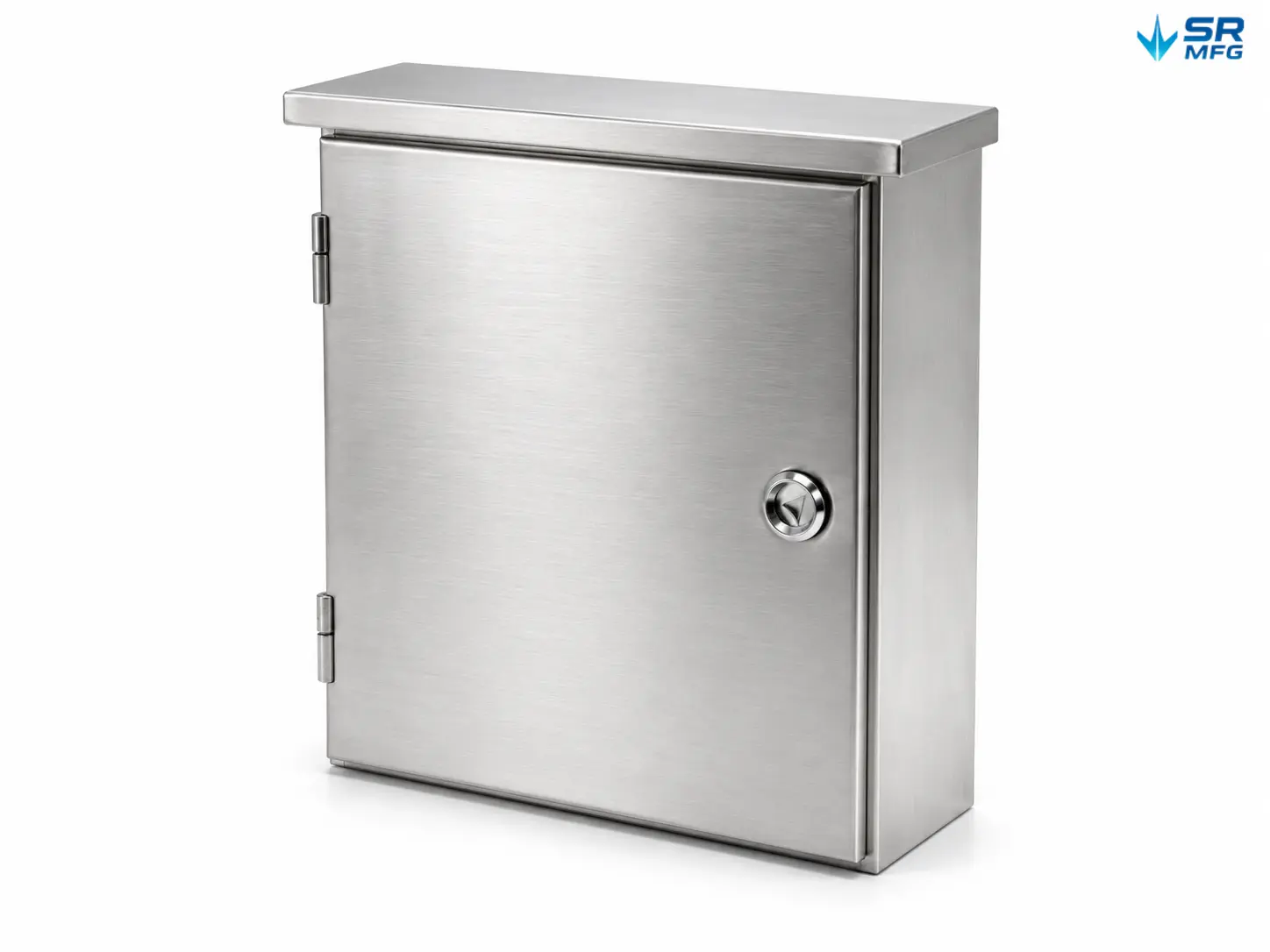
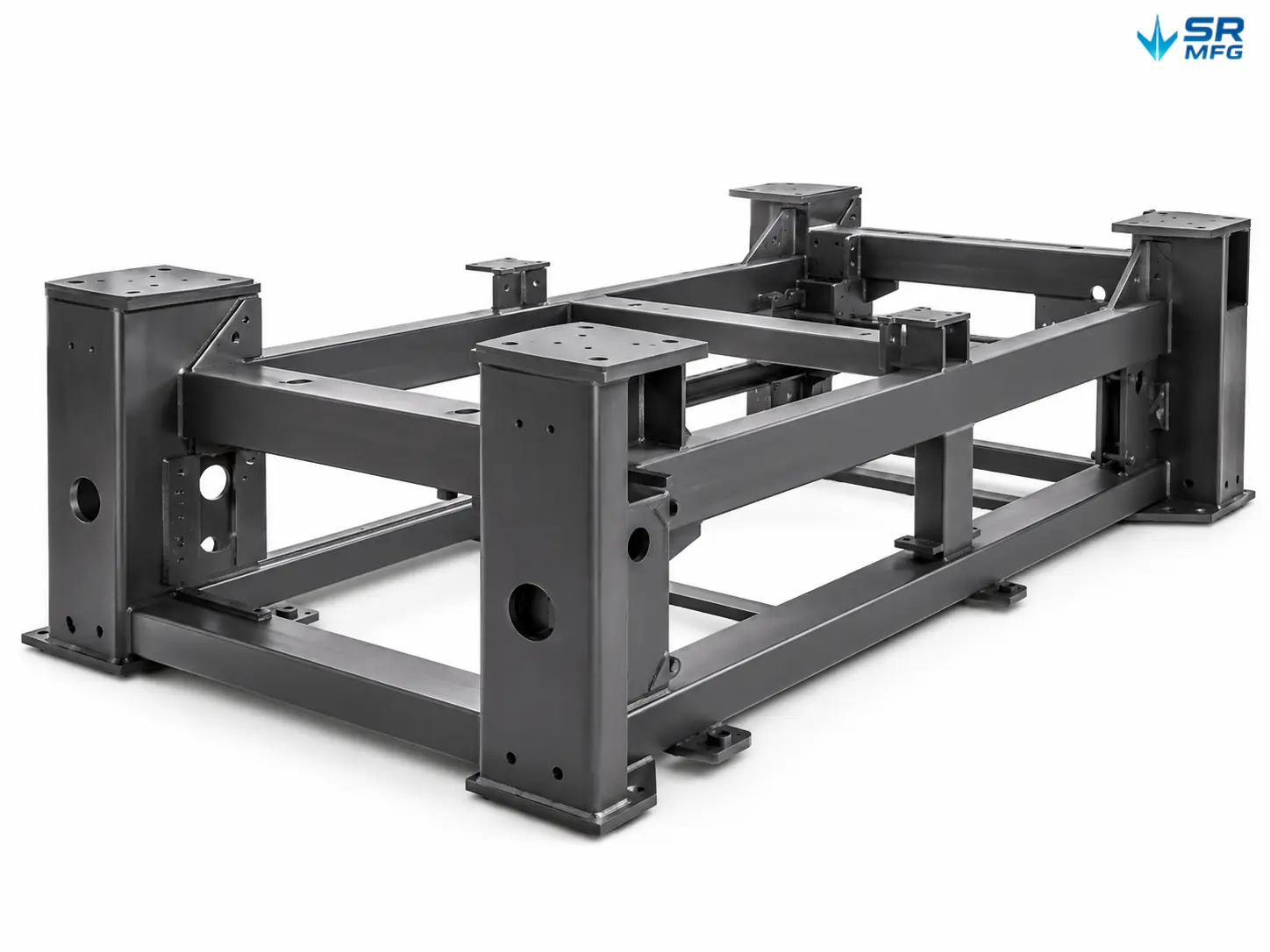
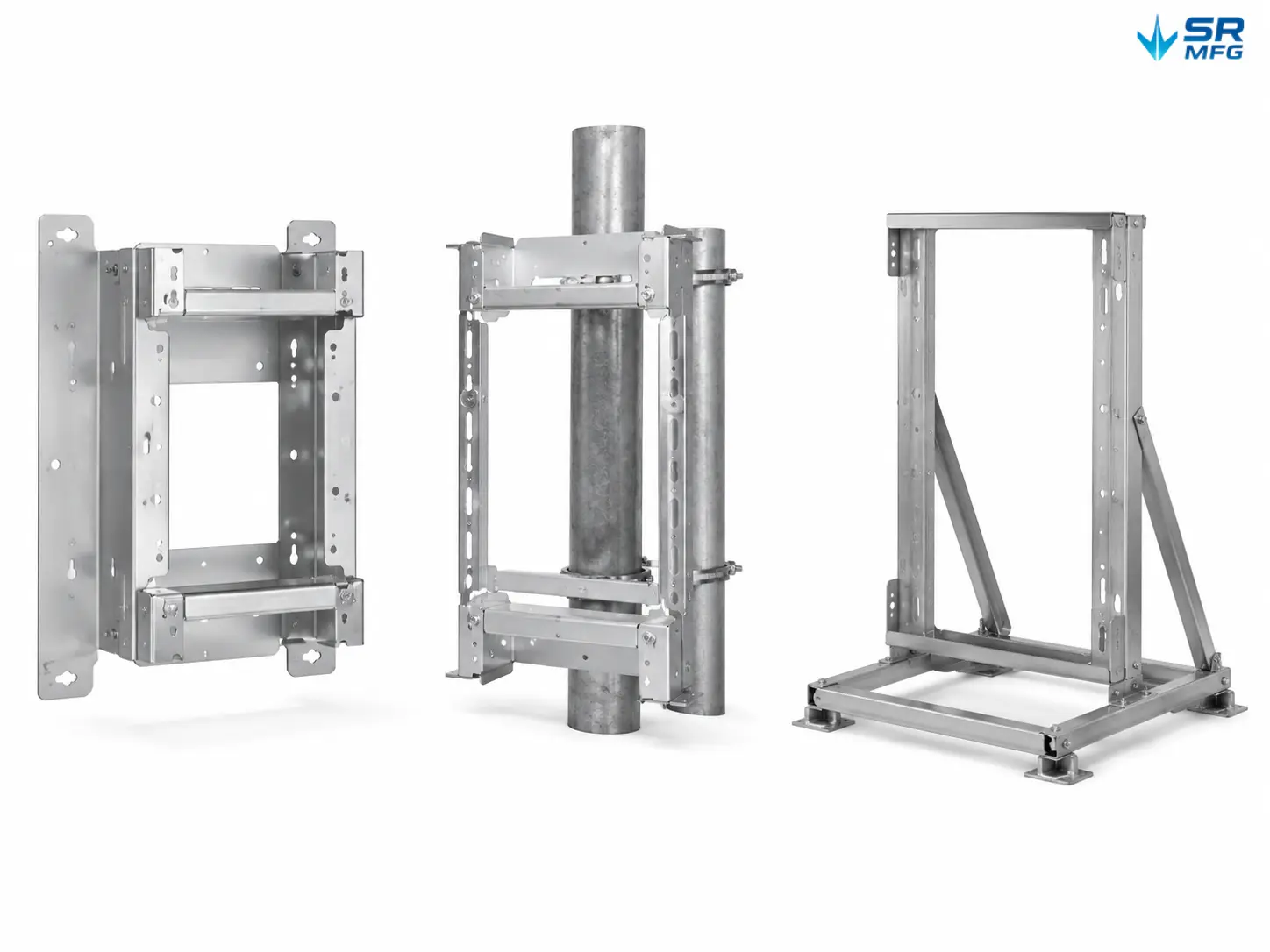
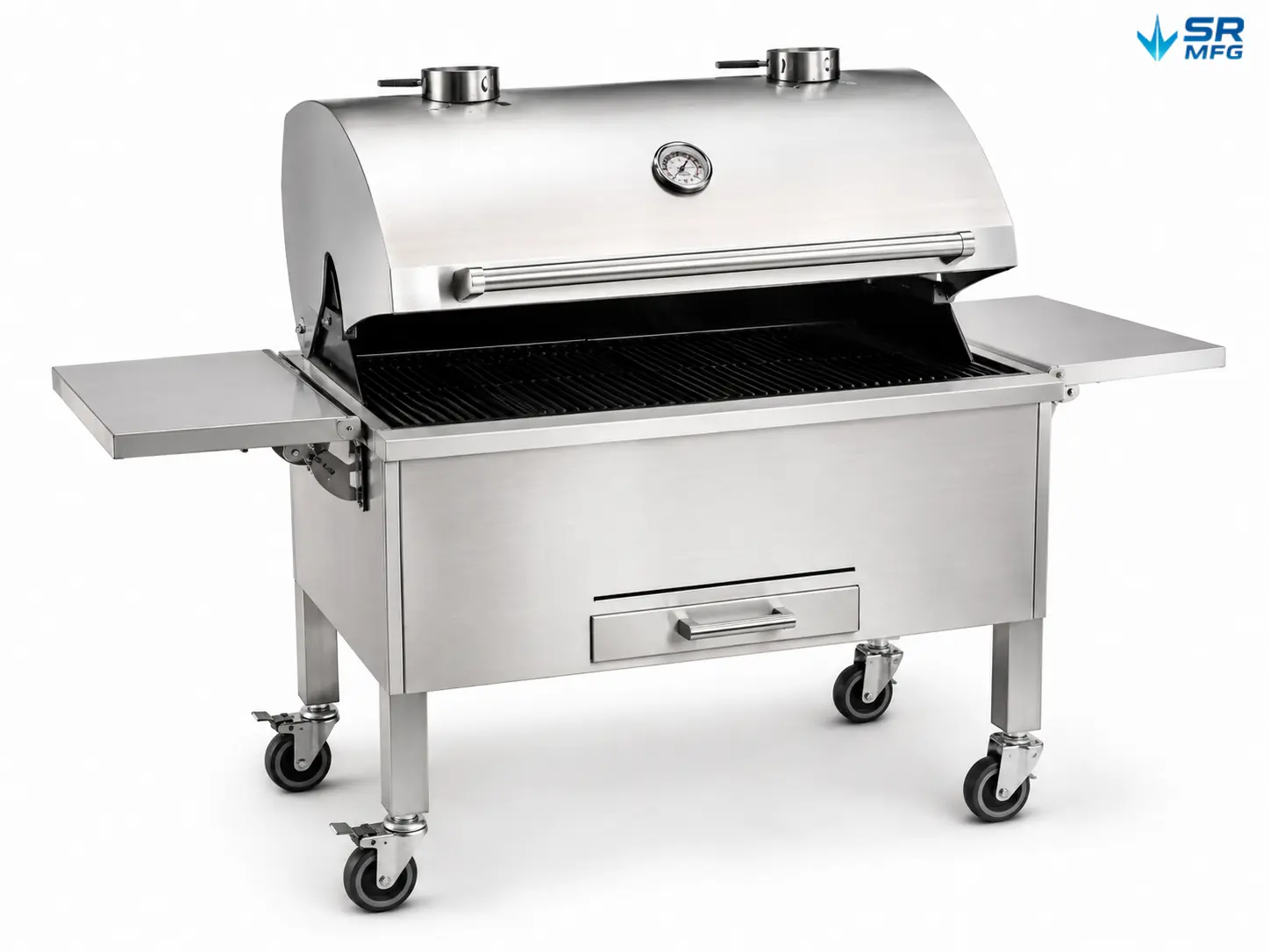
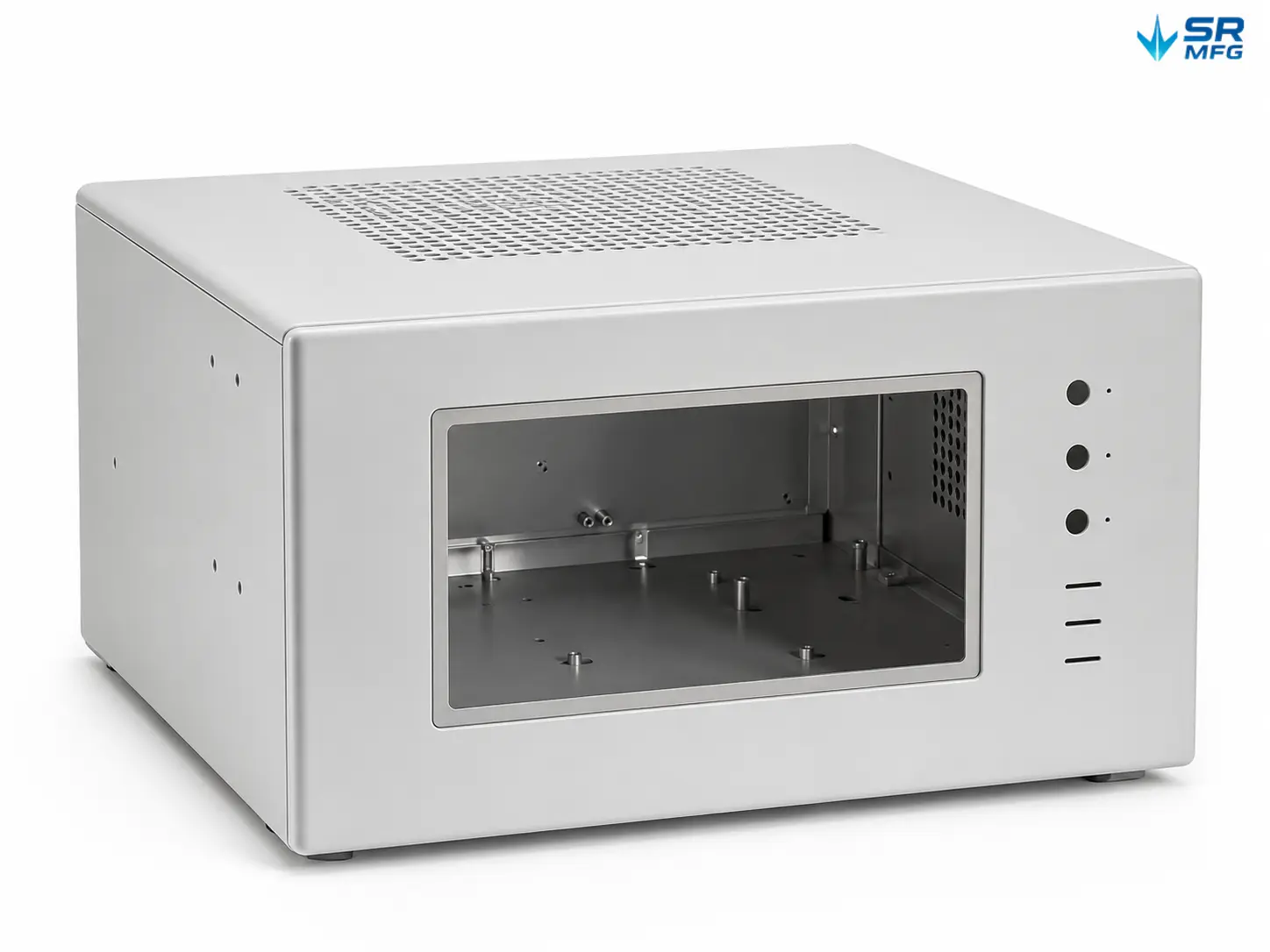
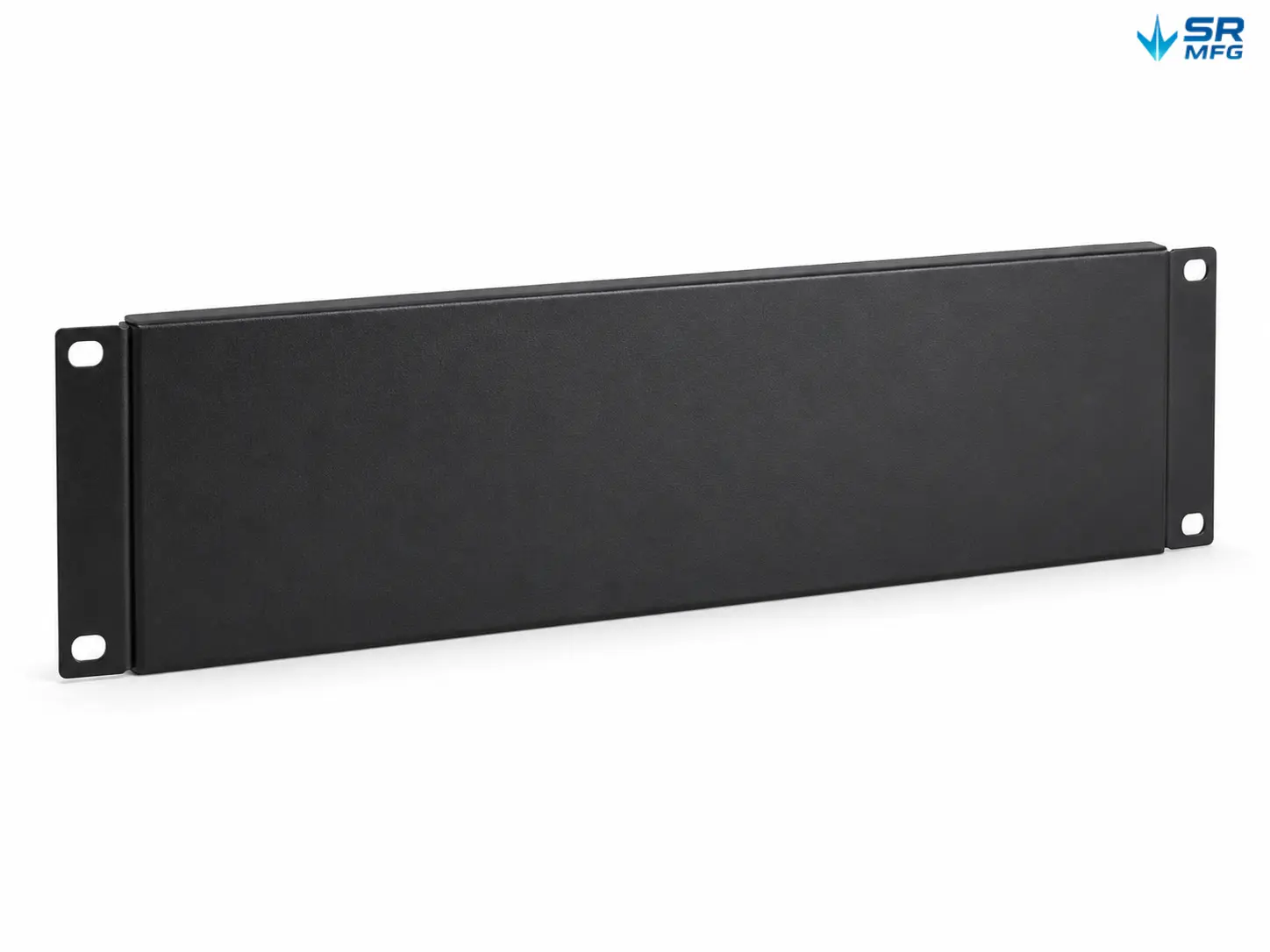
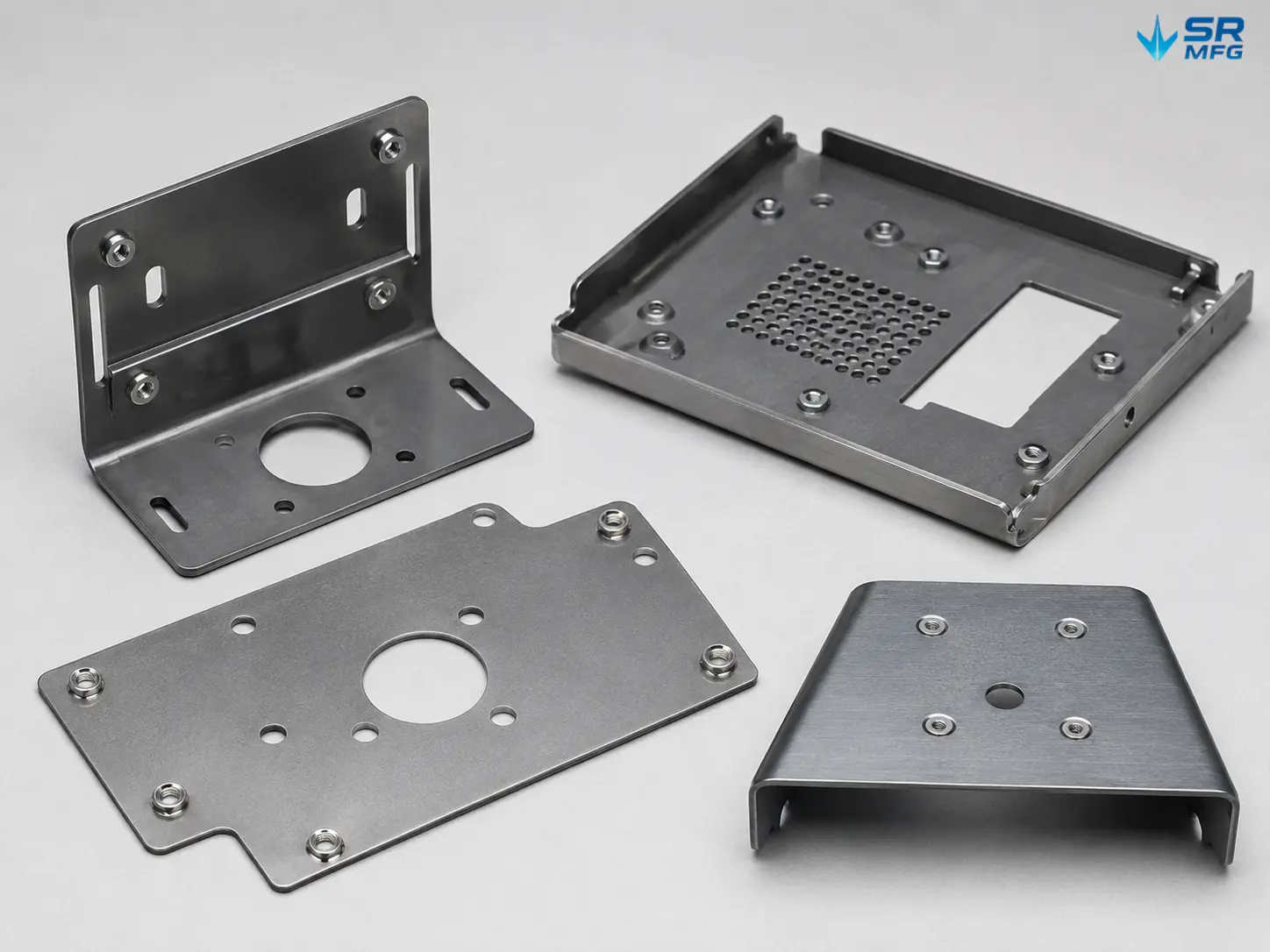
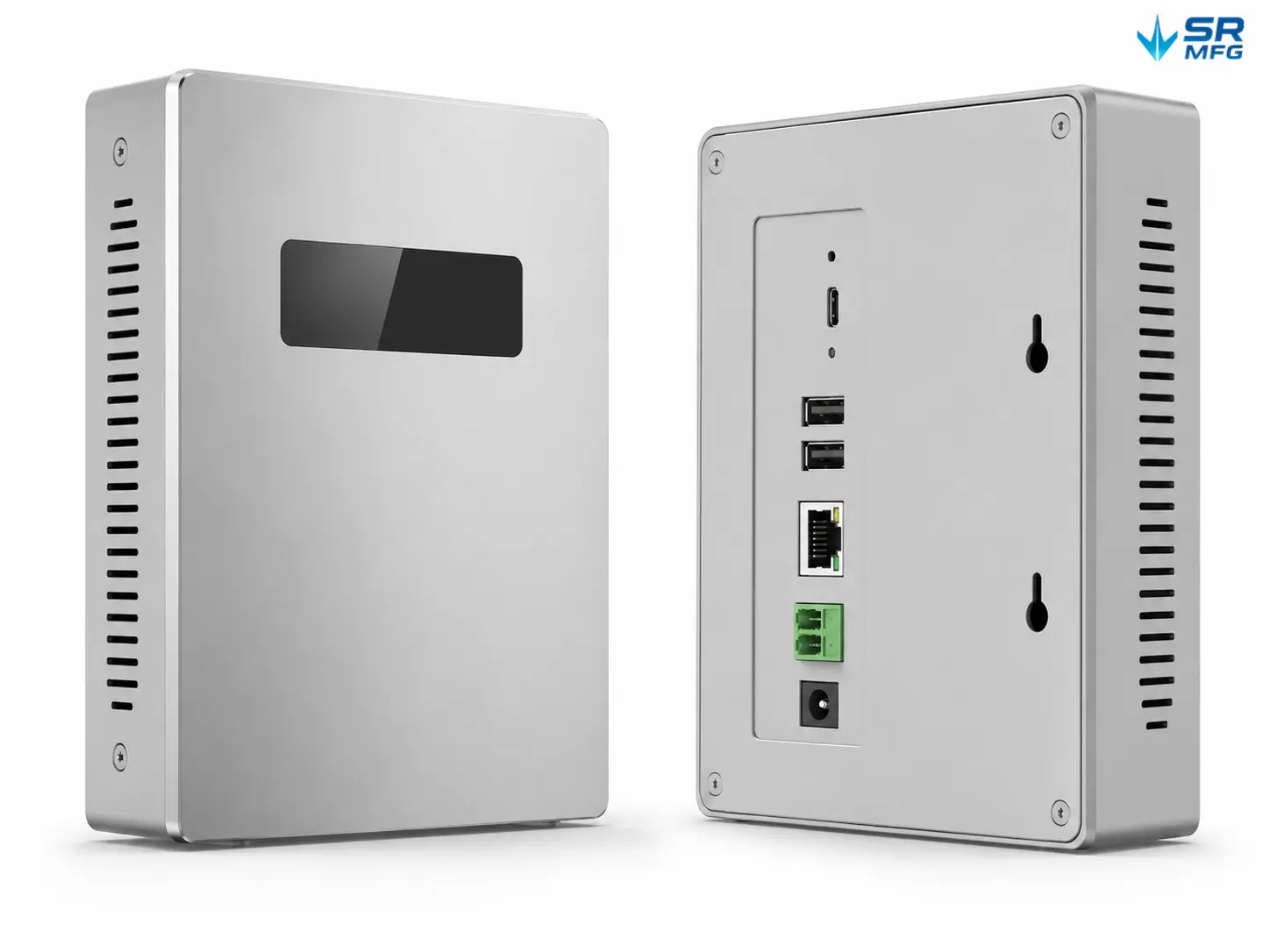
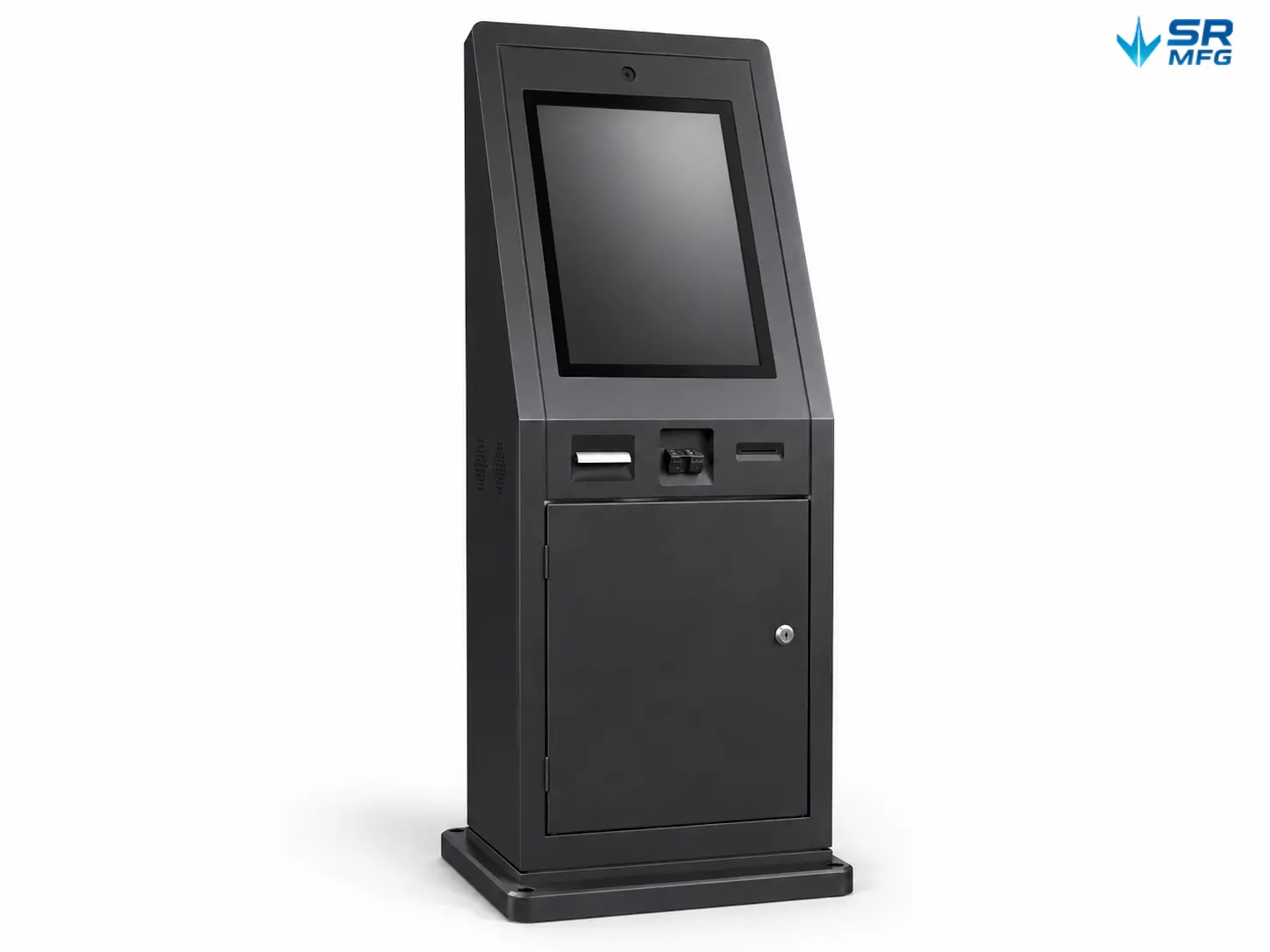
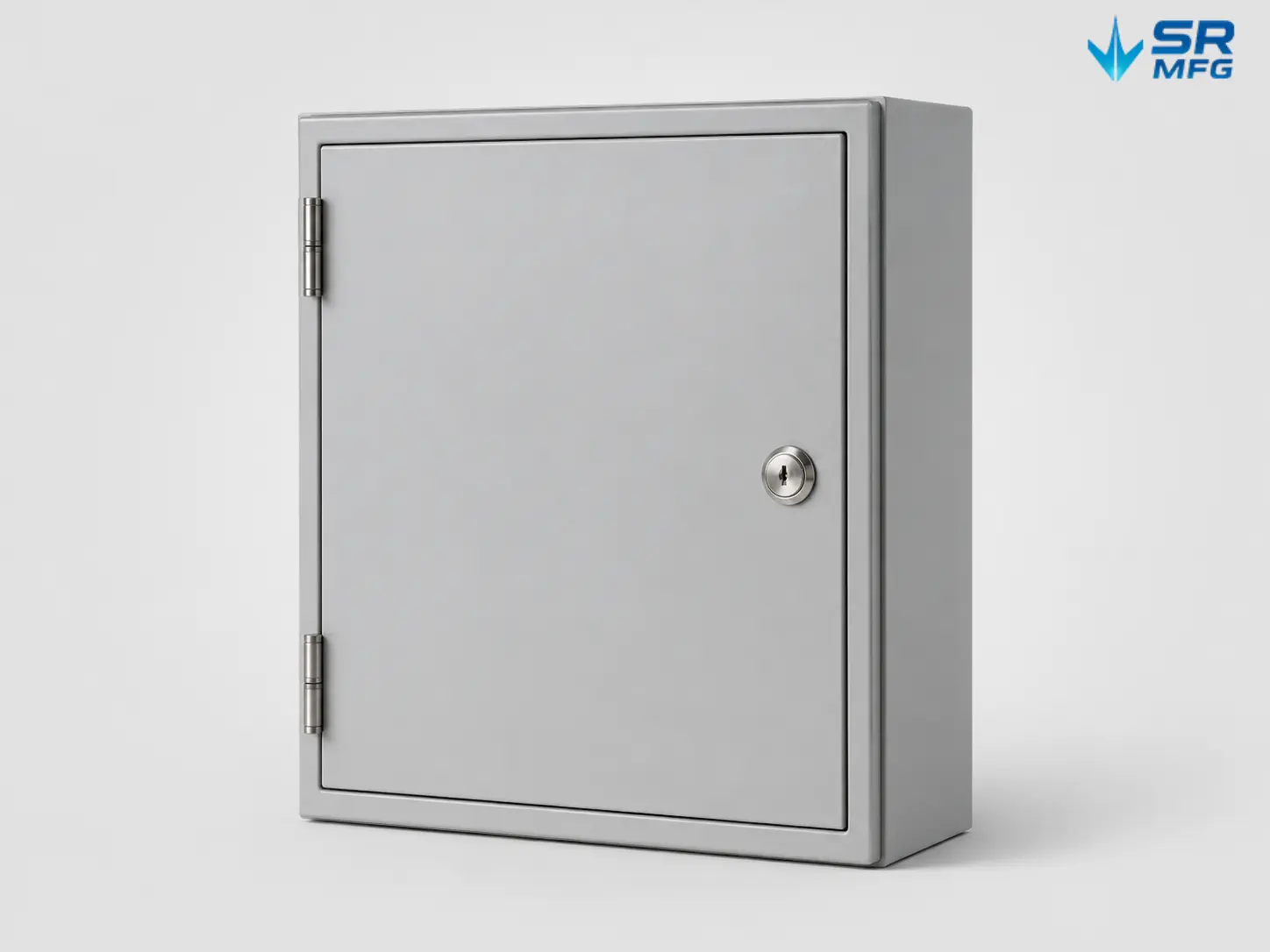
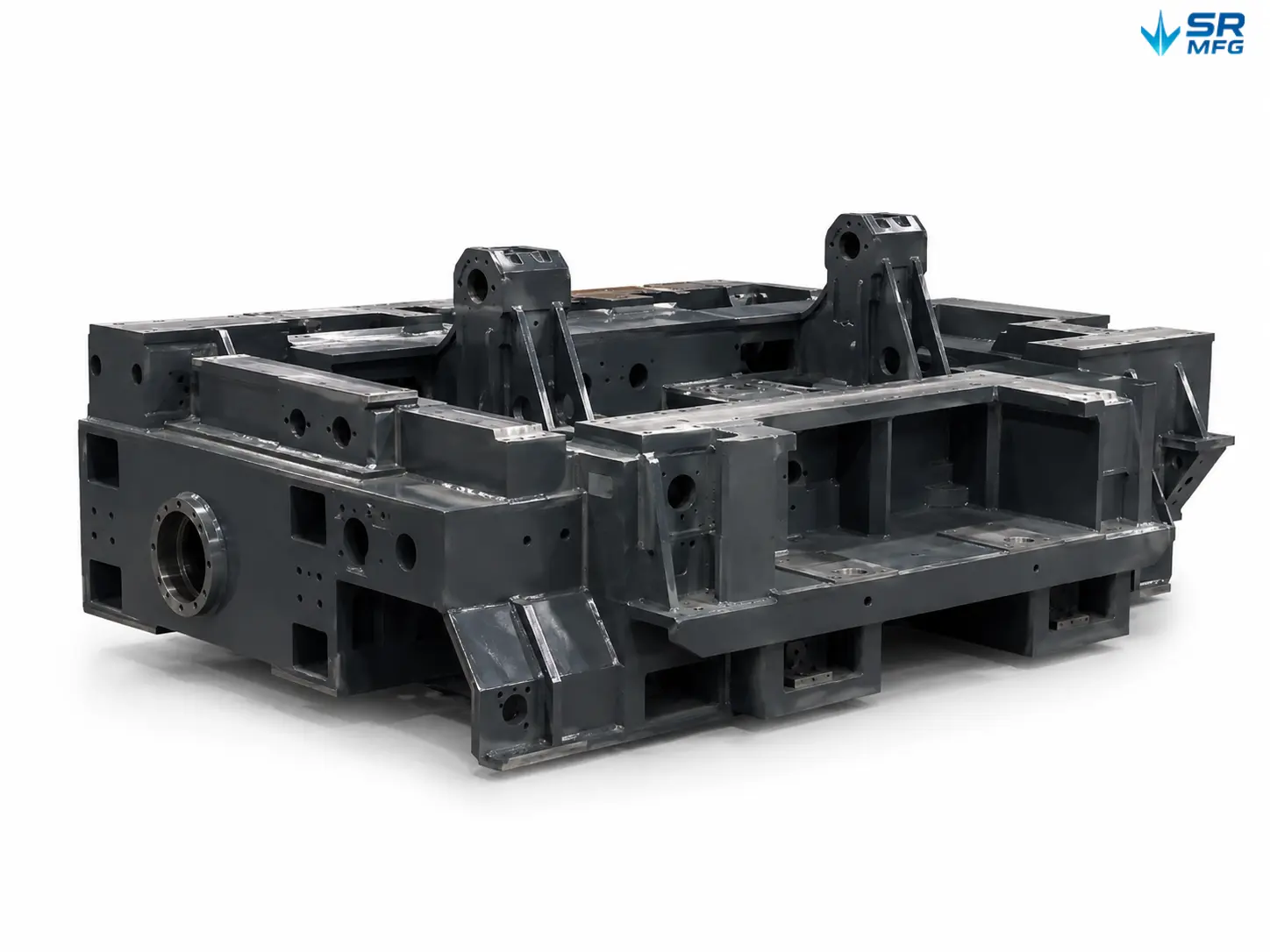
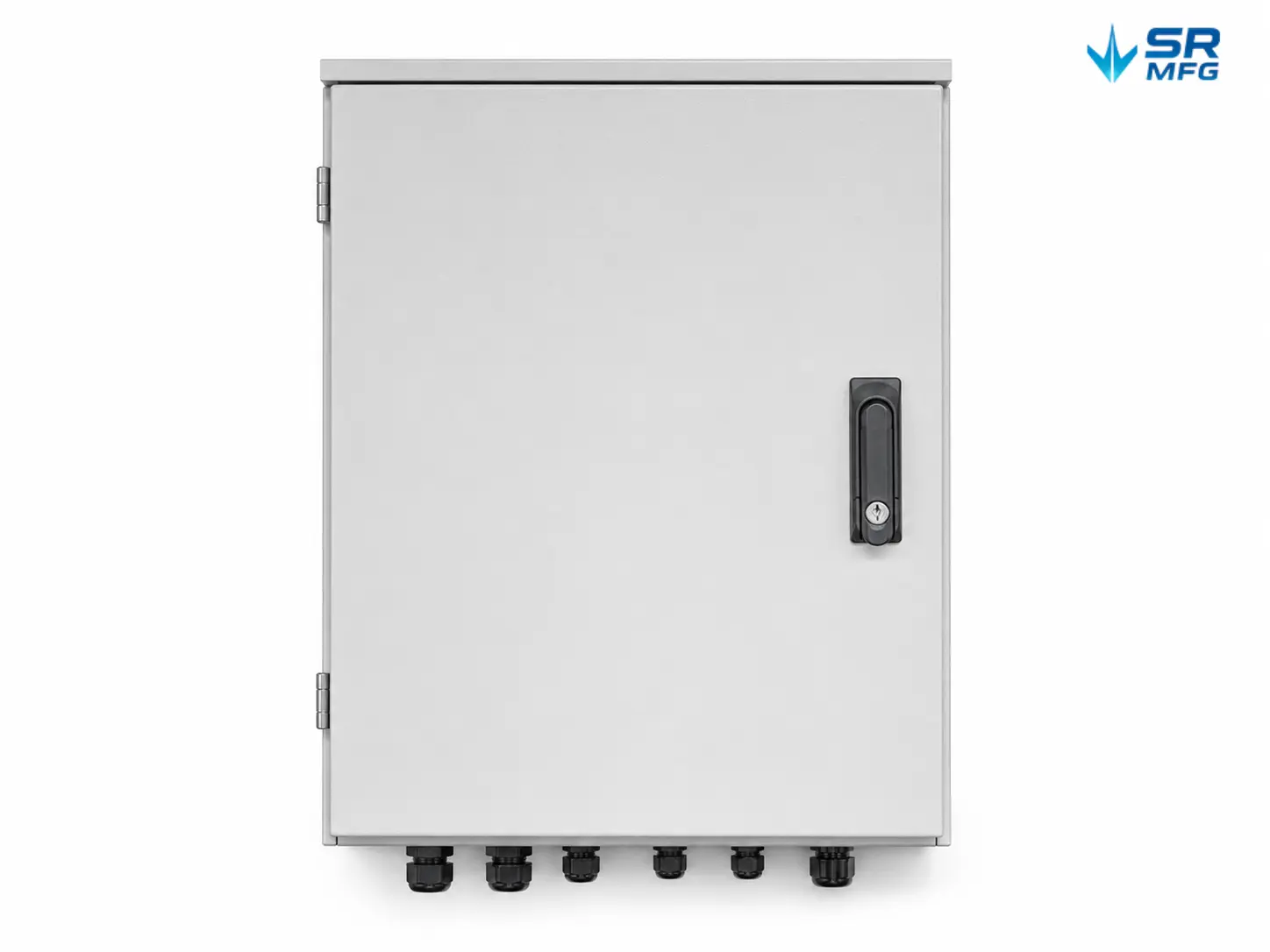
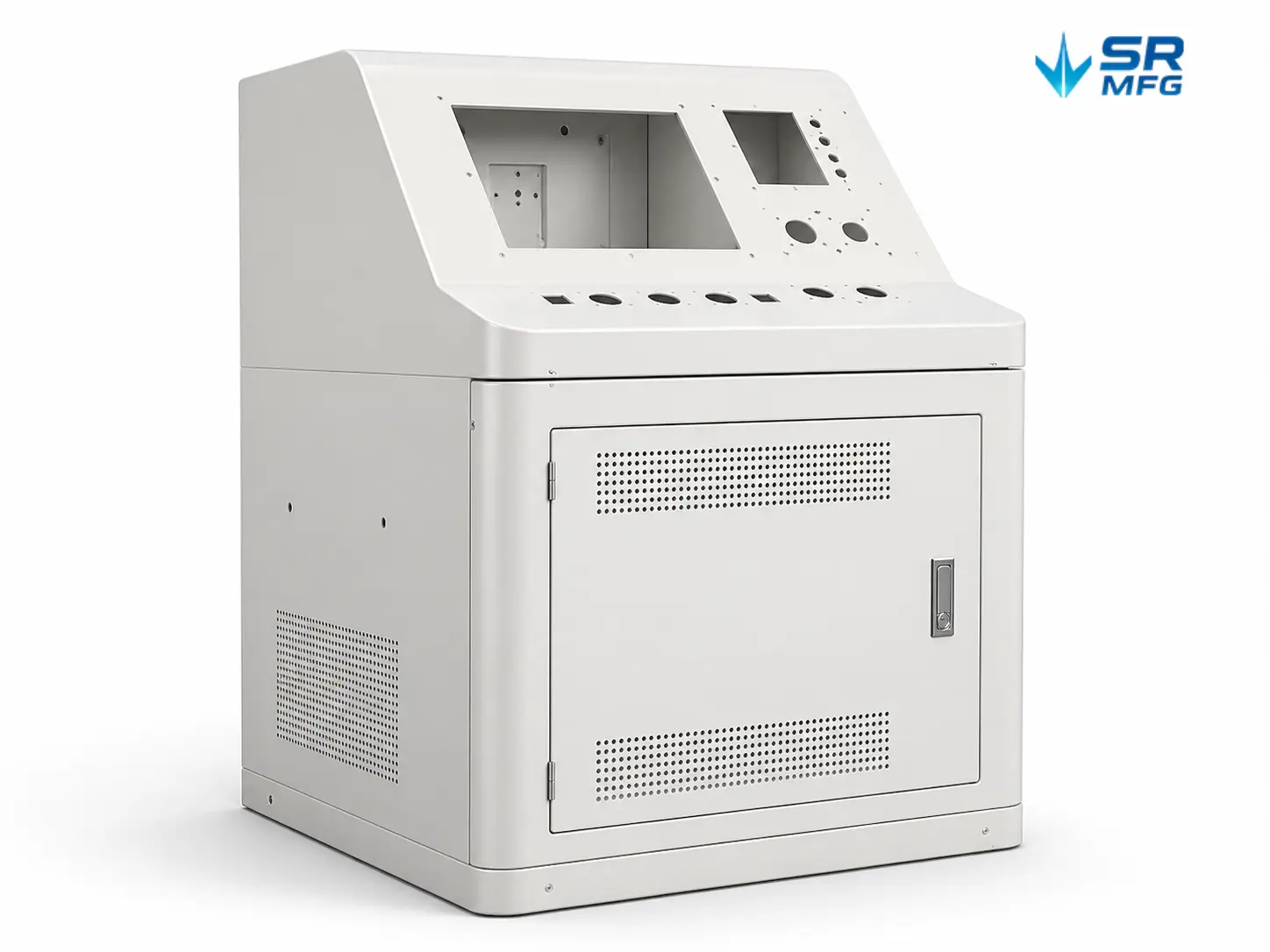
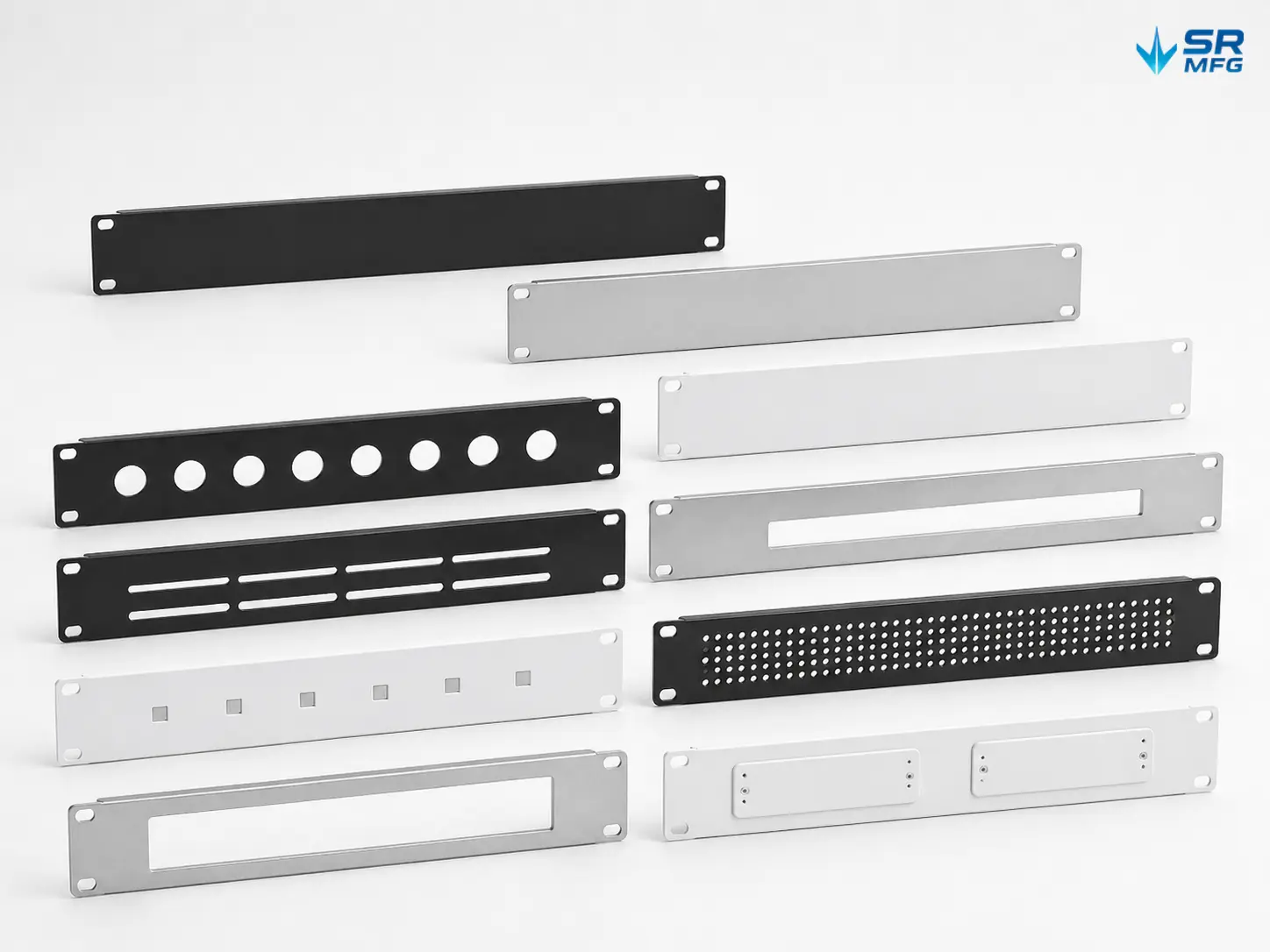
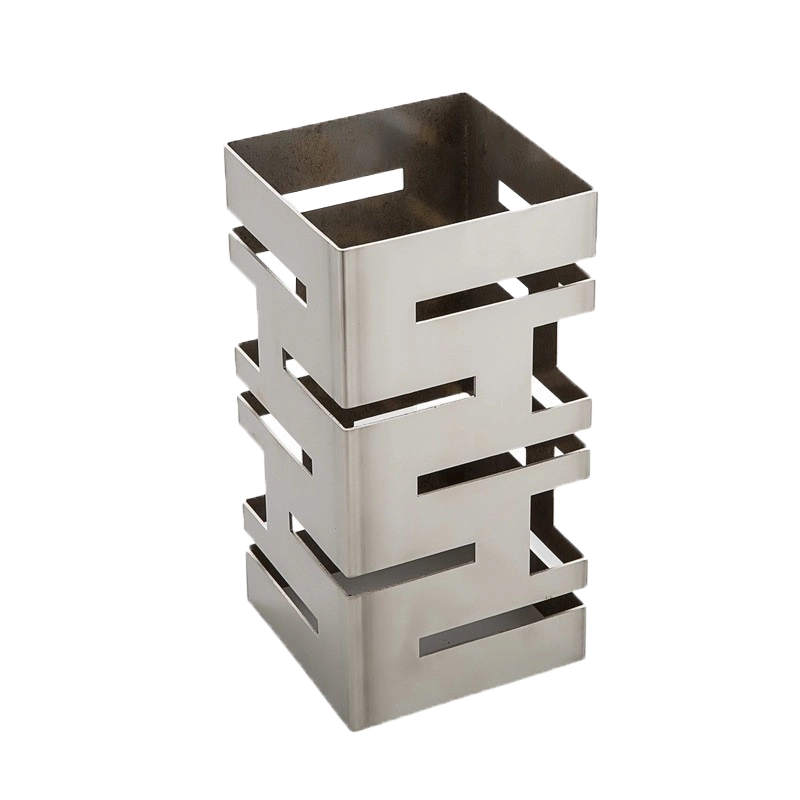
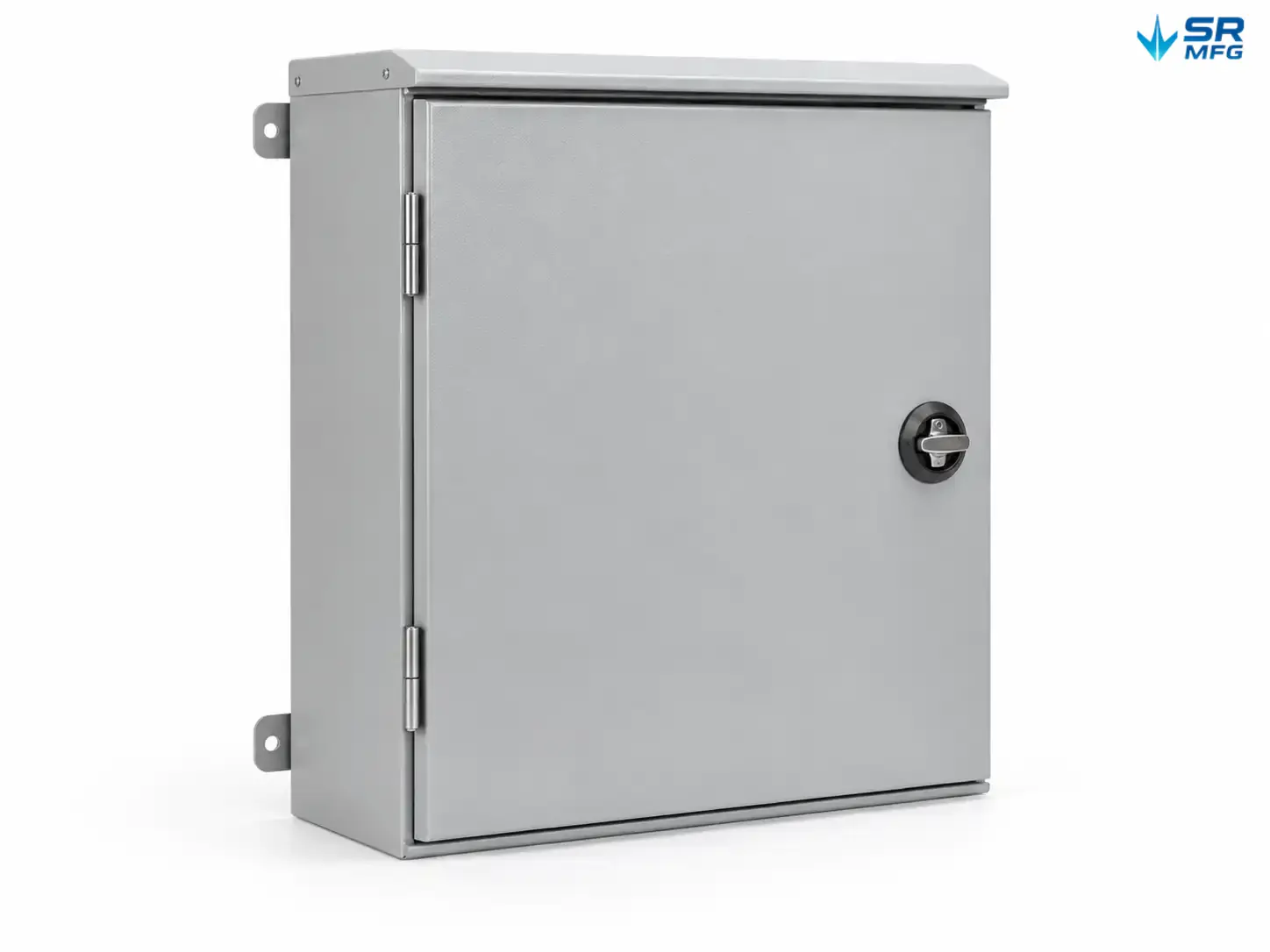
Laser-cut products designed and manufactured by SR MFG

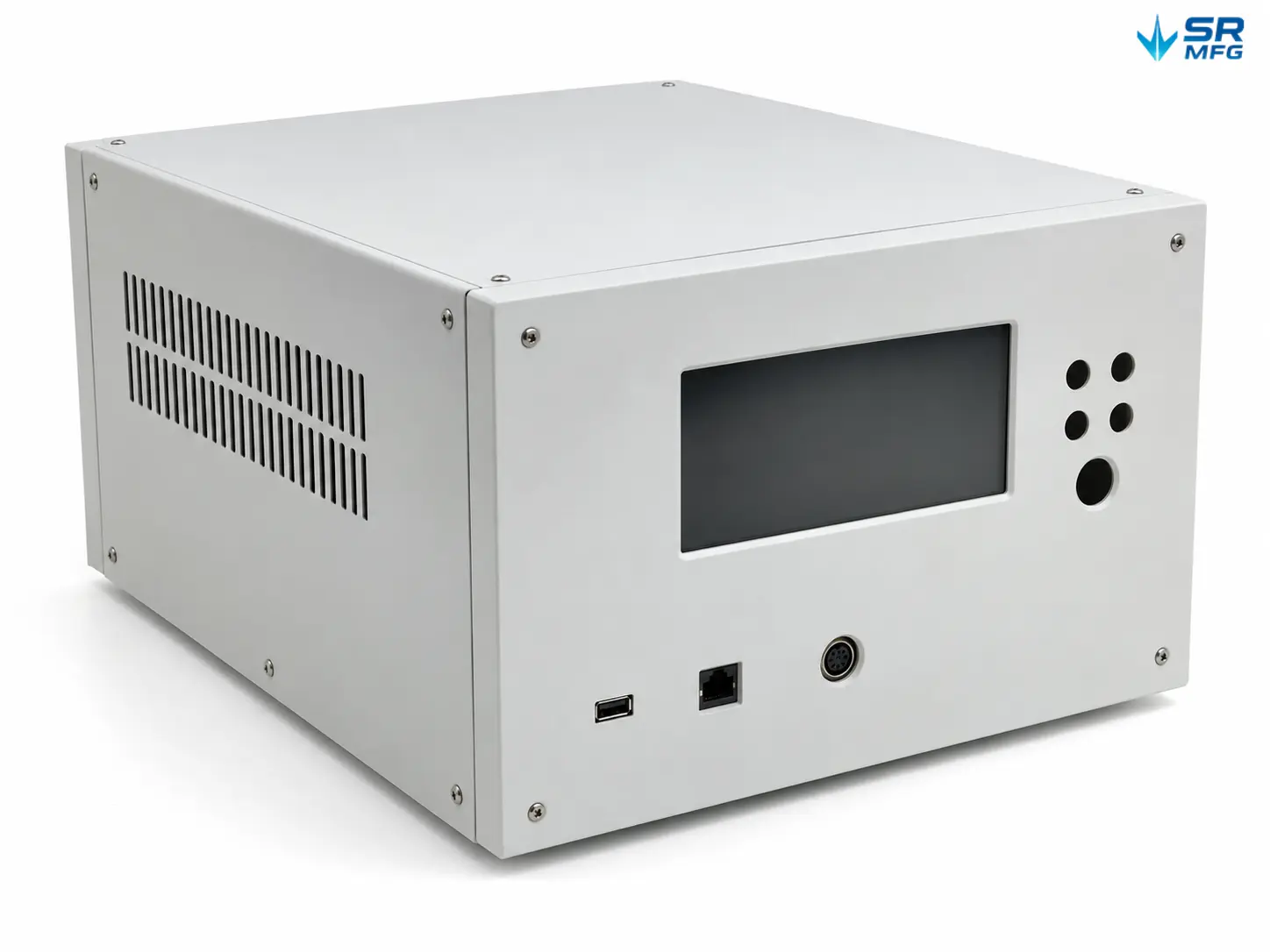
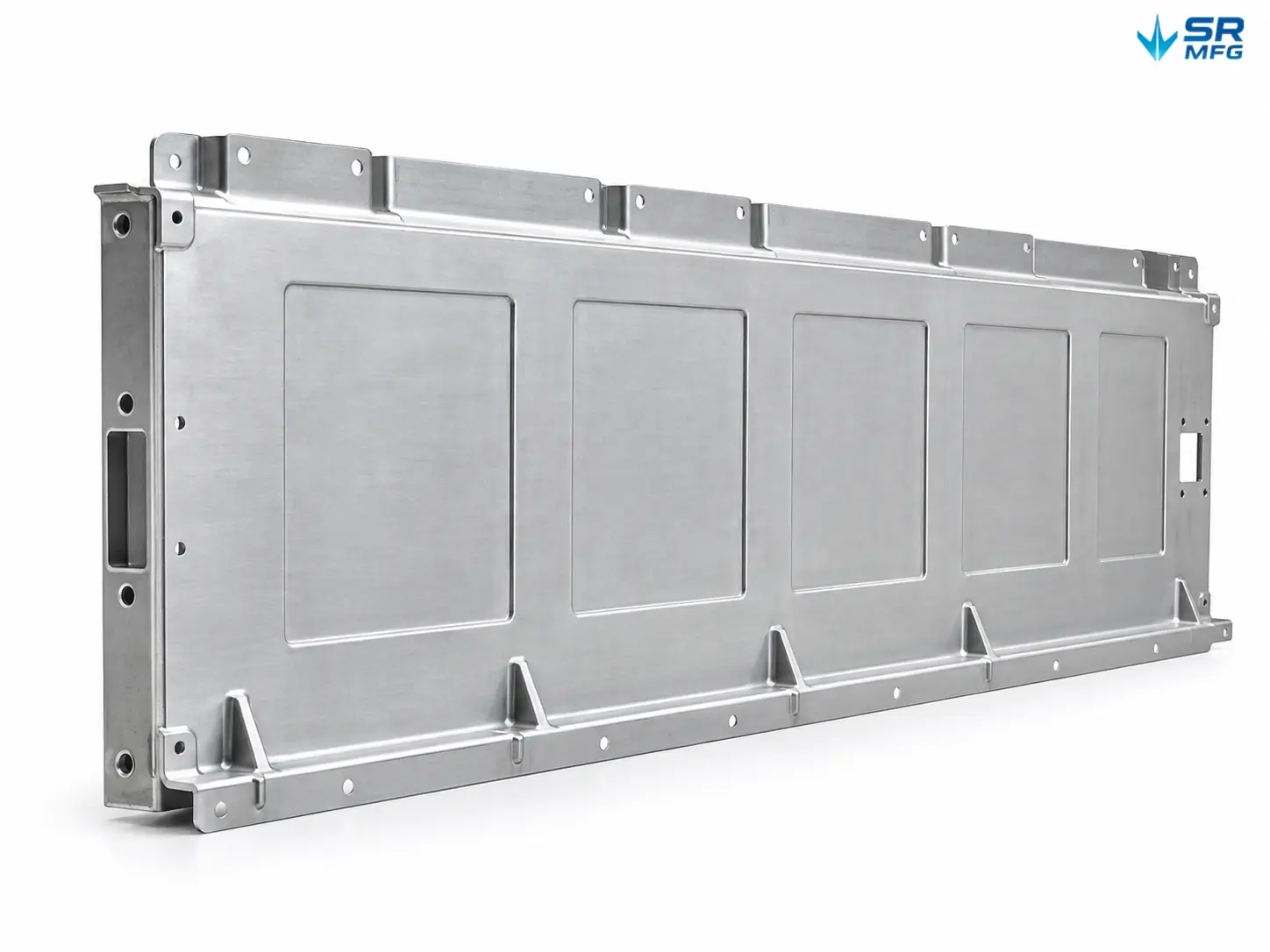
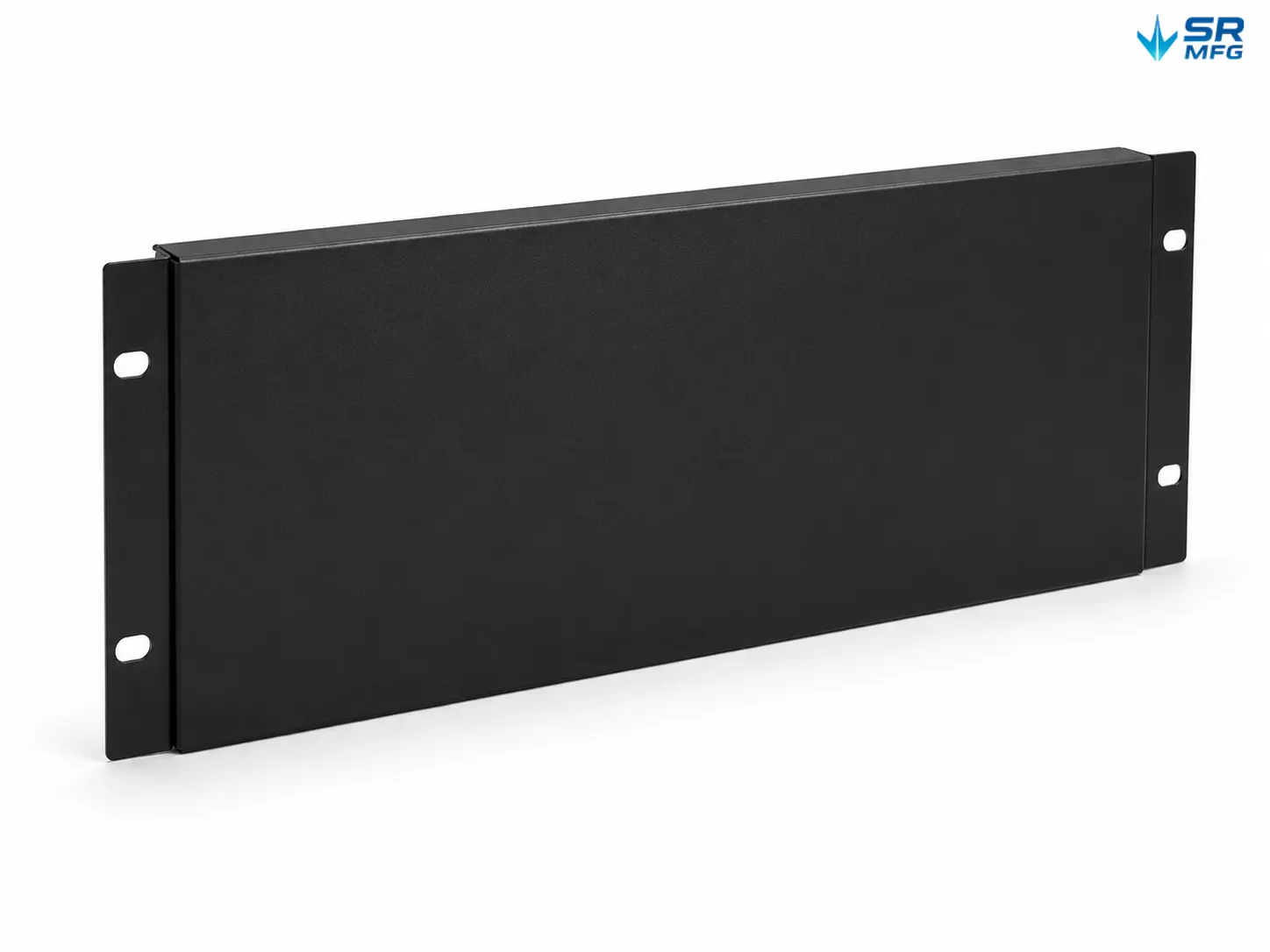
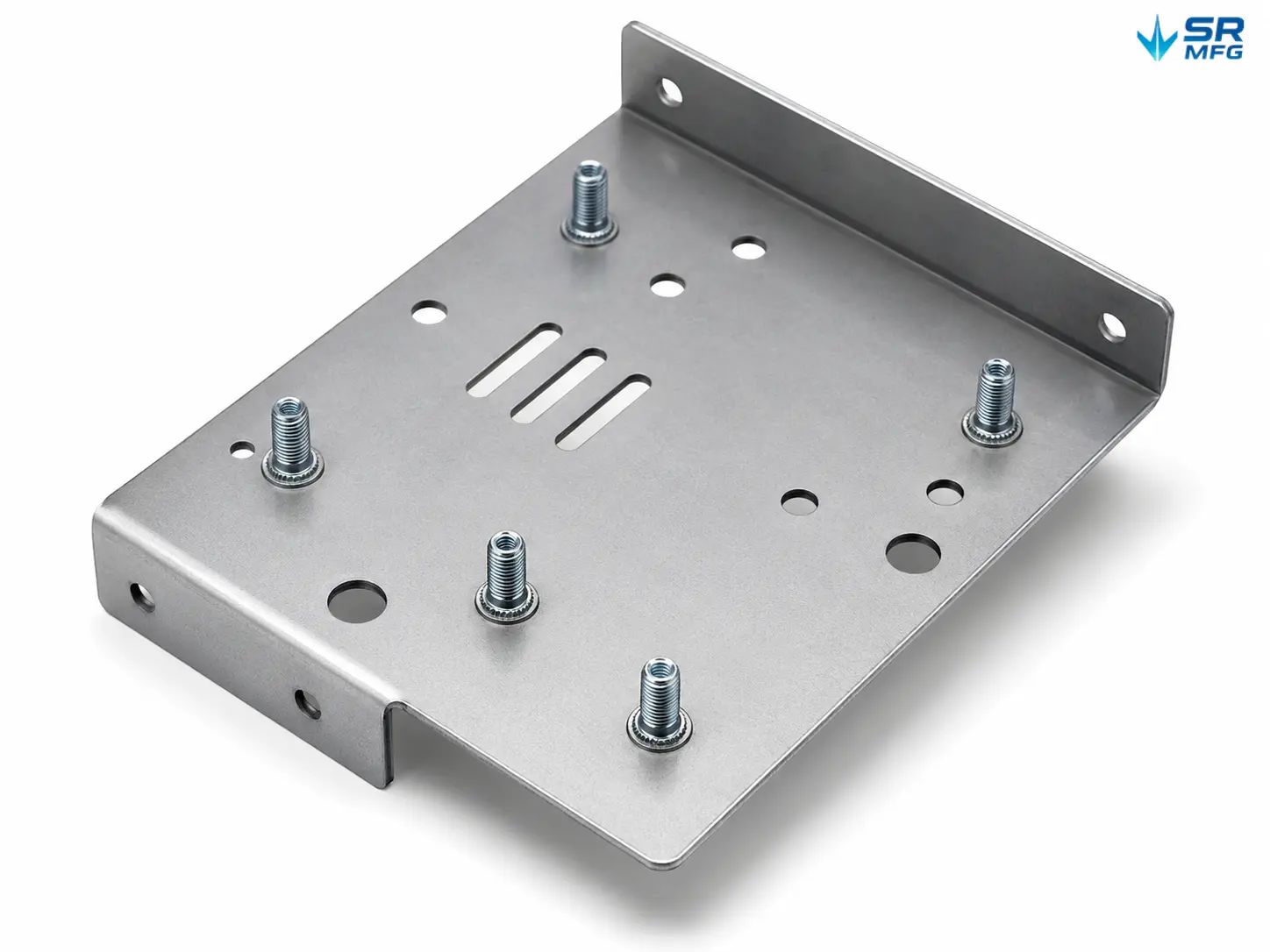
SR MFG has collaborated with global OEMs to co-design and manufacture a variety of custom sheet metal products, covering enclosures, chassis, panels, brackets, and structural components.

FAQs about laser cutting

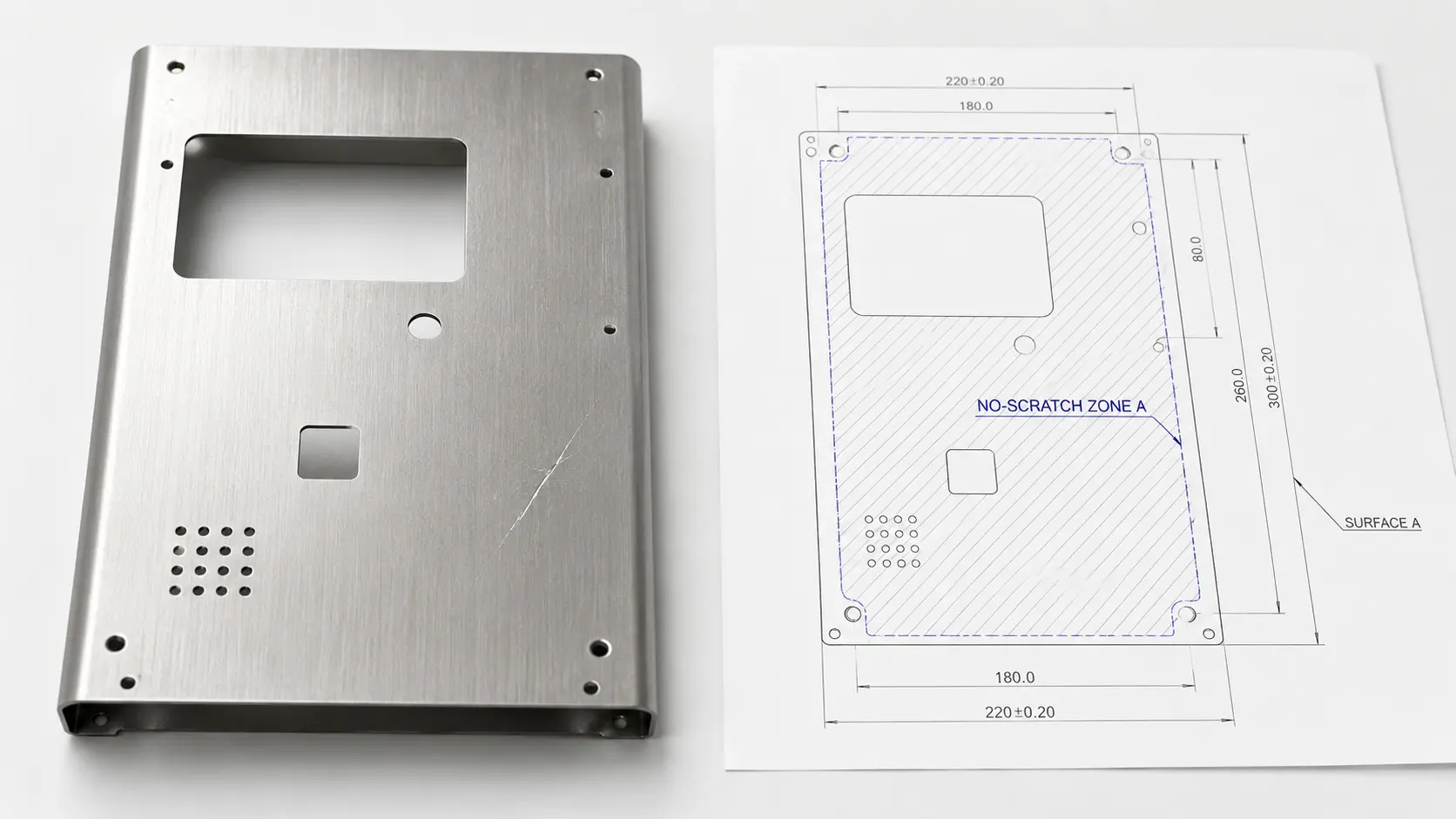
Our sheet-metal laser cutting process typically maintains ±0.1 mm dimensional accuracy on carbon steel, stainless steel and aluminum parts.

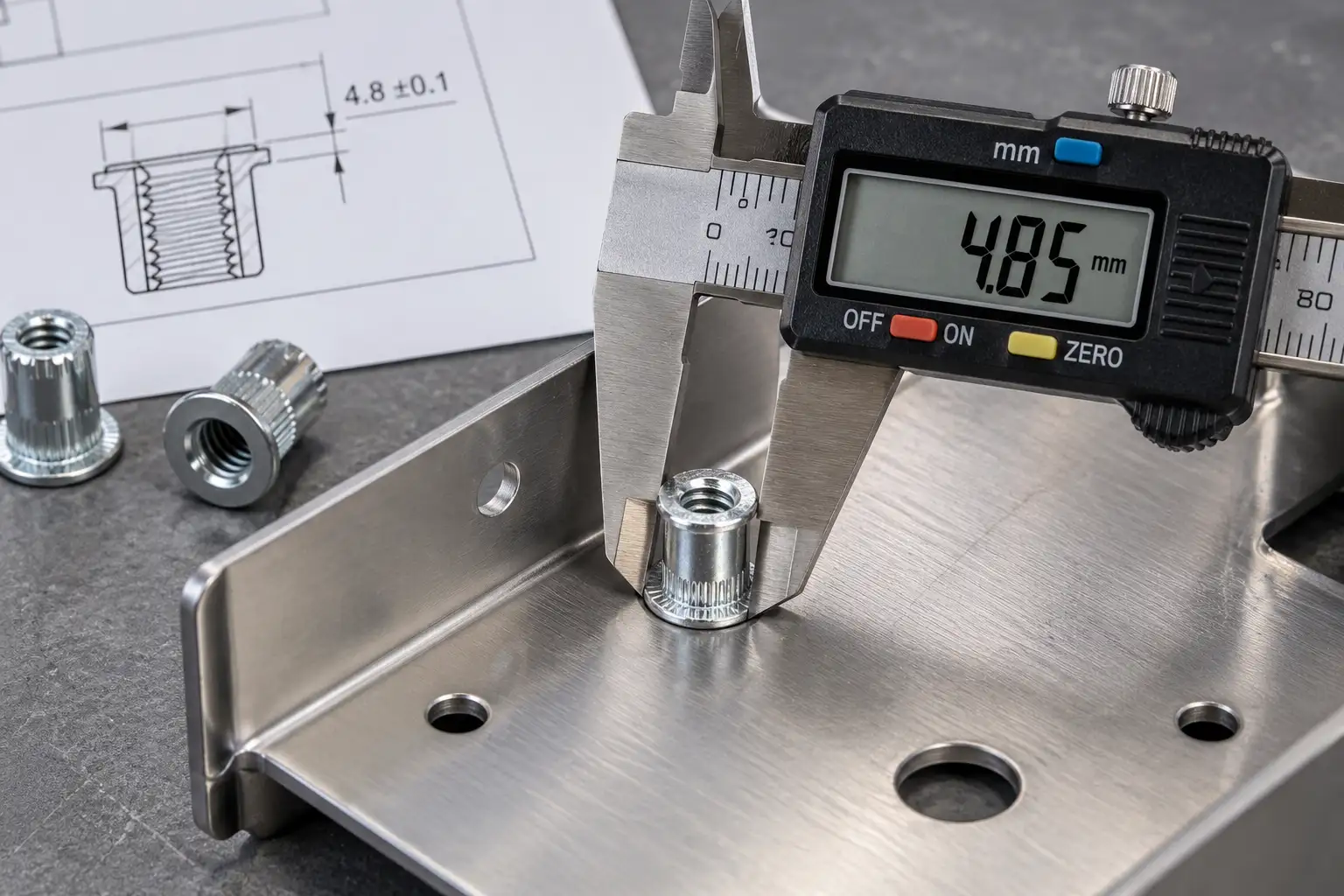
Critical features—such as mounting holes, alignment slots and bending-related edges—are controlled within a tighter internal tolerance window based on material thickness and part geometry.
Batch consistency is supported by a controlled process window, FAI + in-process inspection + SPC, ensuring repeatability for long-term OEM production.

  • Prototype laser-cut parts: usually 3–7 working days, depending on part complexity and downstream operations (bending or welding).
  • Mass production orders: standard batch runs ship within 10–20 working days; multi-stage OEM assemblies typically follow a 3–4 week cycle.
    Our workflow is built around predictable lead times, rapid DFM feedback and stable scheduling—important for automation equipment, industrial cabinets and EV component manufacturers.
Laser cutting supports most metals used in OEM fabrication, including steel, stainless steel, aluminum and coated steel.

However, several materials require caution or alternative methods:

  • Highly reflective metals (e.g., copper, pure brass, mirror-finish aluminum) may require special parameters.

  • Composite or sandwich panels have inconsistent heat reactions and may not deliver clean edges.

  • PVC or chlorine-containing materials are unsuitable due to hazardous fumes.
    If material behavior is uncertain, we provide parameter testing before prototype approval.

To ensure accurate and fast processing:
  • DXF / DWG files should have closed profiles, no overlapping lines, and use millimeters as the base unit.

  • STEP (3D) files are recommended when bending, welding or enclosure assembly is required—this allows a complete DFM review and unfolding verification.

  • For bent sheet-metal parts, please include flat-pattern drawings with bend directions and compensation notes to avoid rework.

Yes. Our laser cutting services integrate downstream finishing to support OEM-level consistency:
  • Mechanical deburring

  • Edge rounding

  • Surface brushing / polishing

  • Powder coating, electrophoresis, galvanizing and other protective coatings
    This prevents variation caused by external subcontracting and ensures that laser-cut components enter bending, welding or assembly without additional preparation.

Yes. Our factory is structured for stable, repeatable OEM production:
  • Material batch traceability + MTC + CoC

  • ISO 9001 production control

  • Process parameter library for consistent cutting quality

  • Scalable capacity from 1 pc to high-volume production

  • Repeatability ensured by controlled workflows (FAI, inspection, SPC)
    We support annual demand forecasting, customized packaging for global shipping, and long-term supply programs for automation machinery, electrical cabinets, industrial laser cutting parts, and industrial enclosures.

Laser cutting technology resources

RFQ

May 22, 2026|

Note: In some industries, especially construction and government services, RFQ may also mean Request for Qualifications. That process [...]

Inspection Standards

May 21, 2026|

Types of Inspection Standards in Sheet Metal Fabrication International and Industry Standards Most sheet metal inspection standards are [...]

Go to Top